Are you on the lookout for some amazing wall decor ideas? Are you wondering how you can take your home decor a few notches up?
Well, think of your walls as a blank canvas that you can fill up with anything that you can possibly think of! After all, whether it is your living room or bedroom space, sprucing up an empty wall can transform its entire look. The right kind of decor has the ability to lift up your spirits and make you feel more at home.
No matter what your style may be, we have some great wall decorating ideas for you. So come on, let’s find them out!
Here, we’ll tell you how you can amp up the walls of your living room, bedroom as well as a children’s room. Let’s get started with your living room first.
Wall Decor Ideas for Living Room
Your living room is definitely one of the most important rooms in your house. Along with spending a significant amount of time here yourself, you may also entertain guests and other people here.
Being the first room in your house, it is the one room that most people will visit. Your living room is one place in your house that will leave a lasting impression on others and speak volumes of not just the rest of the house but also the people living in it. So, it is important that you decorate it carefully keeping in mind the impact that it’ll make. Your living room should be the right balance of being inviting, comfortable and yet go with your personal taste or style.
Here are some top wall art ideas for your living room:
Wall hangings are a great way of adding oodles of style to any room, especially the living room.
These wall decor pieces aren’t just unique and classy but go well with literally every aesthetic. If you love handicrafts, wall hangings are the perfect way to decorate your walls.
If you are wondering how to choose a wall hanging for your living room walls, the best option would be to go for something that contrasts your walls. For lighter colored walls, go for darker wall hangings like this one and for darker walls, go for the lighter ones.
This is one of the best wall decor ideas and would go very well on a wall that is behind your couch.
2. Hang Mirrors/ Plates
Another amazing way of decorating your walls is by hanging some mirrors/ plates on them. Mirrors don’t just reflect light but also make a room look much bigger.
Similarly, a few decorative plates will also make an excellent style statement in your living room.
Shelves are also one of the best wall art ideas. You can install either open or closed shelves on your living room walls and then add classy and elegant items like paper mache to them.
These floating shelves will give quite a look to your walls.
4. Have an Accent Wall
Accent walls also work great for living room decor. You can use bright paint and designs and basically personalize a wall the way you want to. An accent wall perfectly contrasts three other simple walls.
Additionally, you can also add any of the above three wall decor ideas to an accent wall to enhance its look.
If you are looking for wall art ideas for your bedroom, we have plenty of them too. Your bedroom is your personal space and thus, make sure that every time you step inside it after a long day of work, you feel instantly relaxed. This style will work for your guest room as well.
Decorating your bedroom the right way can make a bigger difference than you might think. It is a place that you can truly call your ‘own’ and hence personalizing it your own way will only make it cozier and more welcoming for you.
If you aren’t sure where to begin, a wall is a great place to start. Here are some wall decorating ideas that you may like.
1. The Walls Can’t go Empty
Just like the living room, wall hangings go extremely well on bedroom walls too. If you have an overall classy and elegant aesthetic, a wall hanging will just add more charm to it. Even if you have a casual aesthetic, wall hangings make a great addition to it.
A beautiful floral hanging or one with natural accents would go perfectly well on the wall behind your bed or on the one opposite it.
If you love luxurious decor that gives a posh look, handcrafted wall hangings are the best idea. Darker colored wall hangings would complement your bedroom walls amazingly well.
You can also be a little creative here and use handmade rugs or carpets and hang them as wall hangings.
2. Have a Gallery Wall
If you are still looking for wall decor ideas, you can also go for a gallery wall. A gallery wall is basically a wall that is filled with pictures/ frames.
For a gallery wall, you can either put up your own family pictures on the wall or decide a theme and select the pictures accordingly. For this wall art idea, you can use pictures/ frames of various sizes so that they complement each other well.
A gallery wall will add lots of personality to your bedroom.
3. Install Shelves
Installing shelves on your bedroom walls is also one of the best wall decor ideas. You can use these shelves to showcase your impressive book collection or even your most cherished art pieces.
Pro Tip: If you are fond of handicrafts, there is nothing like paper mache items to amp up those shelves!
4. Go for a wallpaper
If you want to go for something simple, go for a wallpaper. A wallpaper is a low-risk wall decor idea that still looks pretty great.
Choose a wallpaper that goes well with the color scheme of the rest of your bedroom and your wall is sure to stand out beautifully.
Wall Decor Ideas for Children’s Room
Now that we have talked about wall decorating ideas for the living room and bedroom, let us talk about how you can amp up a child’s bedroom by decorating its walls.
It truly is interesting to decorate kids’ bedrooms and one of the most enjoyable parts has to be the walls. Children’s bedrooms need to be colorful, playful and something super fun to look at. And here’s how you can do that.
1. Use a Fun Wallpaper
A colorful wallpaper with cute prints is one of the best wall art ideas for a kid’s bedroom. You can find an array of wallpapers that will help you create magic in a children’s bedroom. A simple wallpaper can transform its entire look and make the room appear super happy and fun.
You can go for cute prints or even something with bright colors as there is an endless variety that you can choose from.
2. Paint a Mural
Another interesting way of decorating a children’s bedroom wall is by painting a mural on one of the walls. Murals are fun, colorful, unique and a child is sure to love them.
You can paint their favorite cartoon character, animal or even the world map. The possibilities here are truly endless and you can unleash your creative side to the utmost level.
3. Animal or Bird Wall Hangings
If you don’t want to put in too many efforts and just do something simple and quick yet equally interesting for your children’s bedroom, here’s one of the best wall decorating ideas.
Just put up an animal or bird wall hanging on their wall. It is creative, easy and also very fun to look at.
A quirky wall hanging will add a beautiful edge to any children’s room and make it look amazing. It is also a pretty unique idea as compared to other children’s bedroom wall art ideas. You can also go for multiple wall hangings on the same or different walls to create a beautiful design on the walls.
4. Having a Shelf Area
Shelves aren’t just great for storing toys and other children’s stuff but they also make for great wall decorating ideas.
You can just install a few of them on plain or wallpapered or even painted walls and then doll these shelves up with beautiful decor pieces. Again, decorative items like paper mache would make a perfect addition to your shelves.
Over to You
Here were some amazing wall decor ideas for your living room, bedroom as well as the children’s room. While you might need some time and effort to do a few, the others are super easy and quick.
Out of these super fun ideas, which ones did you like the best? Tell me about it in the comments.
Taking saffron during pregnancy has been advised by doctors as well as elders since ages. Saffron or ‘Kesar’, as it is popularly known in India has numerous wonderful medicinal properties. The spice has always been held in high regard in Ayurveda and used since ancient times not only in cooking but also for cosmetic and healing purposes.
Saffron is actually the dried stigma of a purple colored flower that goes by the name of ‘Crocus sativus’ or simply the saffron flower. Its rarity and the painstaking process that goes behind harvesting it is what makes saffron the most expensive spice in the world.
The spice is extensively used in Indian, Iranian, Spanish as well as some other cuisines of the world. Just a hint of saffron makes several dishes taste and look resplendent along with helping you reap its many benefits.
Now talking about pregnancy, it is believed that if pregnant women have saffron, it can improve the complexion of their baby. However, it is a myth as the complexion of the baby is determined by the genes and not the food that the mother eats. But leaving this myth aside, there are actually several ways that women can benefit by having saffron when they’re pregnant.
Want to know what they are? Then, keep reading to know more about what saffron’s benefits, uses and side effects are during pregnancy.
Benefits of Saffron during Pregnancy
Saffron is highly beneficial for pregnant women to have saffron as it has many amazing medicinal properties and can provide a number of benefits during the gestational period. Let us find out what the benefits of saffron in pregnancy are.
1. Controls Mood Swings
Mood swings are extremely common during the nine months as pregnancy triggers a lot of hormonal changes in your body. From feeling emotional at one moment to irritated at the next, these drastic mood swings are extremely common.
Saffron has antidepressant effects that can help in calming down the mood swings. Intake of this spice boosts the blood flow to your brain. It also produces a hormone called ‘serotonin’ that is known to elevate your mood and keep all those annoying mood swings at bay. Not just that, the intake of saffron is also known to reduce the secretion of a stress hormone called ‘cortisol’.
2. Regulates Blood Pressure
High blood pressure is yet another common issue that pregnant women face. Pregnancy is known to speed up a woman’s heart rate thus causing fluctuations in the blood pressure levels.
If it is ignored, it can lead to some severe complications. Saffron during pregnancy is excellent for blood pressure as it contains potassium, crocin, crocetin as well as safranal.
These wonderful substances work very effectively in combating hypertension and reducing blood pressure. Just a very small quantity of saffron when you are pregnant can prove extremely beneficial in managing blood pressure.
3. Better Digestion
A host of digestive issues ranging from constipation and bloating to heartburn and stomach aches are very common during pregnancy. Persisting digestive disorders can be very annoying and make you feel uncomfortable.
Thus, you must eat foods that ease down the digestion process and make it smooth. Saffron contains wonderful properties that help increase blood flow to the digestive organs, enhancing digestion as well as improving your metabolism.
Intake of saffron can also relieve as well as prevent acidity thus helping you feel better. This is one of the reasons why saffron during pregnancy is very beneficial.
4. Relief from Cramps
Pregnant women are very likely to experience mild to severe cramps during the course of their pregnancy. Depending upon how severe the cramps are, they can cause major discomfort and pain.
In order to accommodate the growing baby, the muscles stretch causing pain and cramps in the stomach and pelvic area. Well, saffron to rescue here as well.
Saffron works amazingly well to naturally fight the pain thus providing relief from the cramps. It soothes and relaxes the muscles, reducing the muscular pain and helping you feel good and comfortable again. So, if you haven’t already, you need to add saffron to your pregnancy diet.
Dealing with morning sickness everyday can take away your joy and help you feel sick and lethargic not just in the morning but all the time. If you are annoyed and irritated because of your morning sickness, we have some good news for you. This wonderful spice called saffron can provide you major relief against your morning sickness as well.
Having some saffron-infused tea works quite effectively in keeping the nausea and other symptoms of morning sickness away. Isn’t that one of the best benefits of saffron in pregnancy?
6. Helps you Sleep Better
Pregnancy is just the beginning of many sleepless nights that are ahead of you. As you progress in your pregnancy and your belly grows, it can get more and more difficult to fall asleep and it may become a challenge to get a good night’s sleep.
If you’re tired of tossing and turning at night or want to prevent that from happening, you need to have saffron. After all, to stay in the pink of your health during your pregnancy and afterwards, you need to get good rest.
Saffron is known to contain some amazing sedative properties that can make you relaxed and help you to sleep better.
7. Helps in Reducing Congestion as well as Allergies
Pregnancy is also a time when you are more prone to infections as well as allergies as your immune system can get weakened.
However, saffron has some incredible anti-inflammatory properties that can protect you from all these infections. Intake of this spice will provide you better protection against nasal congestion, colds, coughs as well as other allergies and infections.
Here, we talked about the top 7 benefits of saffron during pregnancy. Now, let us take a look at it in more detail.
Saffron during pregnancy during first trimester
Although it is safe to start taking saffron any time during your pregnancy, it is believed that saffron should be avoided in the first trimester.
While a few strands won’t do you any harm, it is better to consult your doctor before you begin saffron consumption in your first trimester.
Saffron During the Second Trimester of Pregnancy
It is completely safe to start having saffron from the second half of your second trimester i.e. beginning from the fifth month.
Although safe to start having it from the beginning of your second trimester, it is recommended that you begin the intake of saffron from your fifth month of pregnancy.
Saffron During the Third Trimester of Pregnancy
It is totally safe to consume saffron in your third trimester of pregnancy and having it can give you optimum benefits.
Saffron in 9th month of Pregnancy
Saffron is quite beneficial in the 9th month of pregnancy as it works as a muscle relaxant and prepares your body for labor and childbirth.
Saffron in 8th month of Pregnancy
You should also be having saffron in your 8th month of pregnancy as it can help you sleep better, provide relief against cramps and keep you in a good mood.
Saffron during pregnancy according to Unani Medicine
Saffron in pregnancy is also given a lot of importance in the traditional medicine systems practiced in India, including Unani medicine.
An expecting woman is encouraged to have it owing to the many benefits that saffron has.
Some points to remember before having saffron in pregnancy
Although saffron is amazing for you, it should only be had in moderation as excess saffron can prove harmful. You should not have more than 2 to 3 strands of saffron (around 250mg) daily.
Make sure that the saffron is of highest quality as cheap quality or fake saffron can be harmful too. So, be very careful and particular about where you source your saffron from.
Saffron During Pregnancy: Side Effects
Excess of anything, no matter how good, can be harmful. And that includes saffron too. Although saffron is very good for pregnant ladies, you only need a very small quantity of it to reap its benefits.
Excess intake of saffron can lead to contractions and even lead to preterm labour or a misscarriage.
Saffron during Pregnancy: Uses
A glass of saffron milk daily is the best way for pregnant ladies to get their daily dose of this spice.
Saffron can also be added to various dishes like biryani, rice, pasta, desserts and a lot more to enhance their taste.
How to prepare saffron milk for pregnant ladies?
Soak about three strands of saffron in a tablespoon or two of milk for about 20 to 30 minutes.
Heat a glass of milk in a pan and also add the saffron-infused milk to it. Add a pinch of turmeric and a spoonful of sugar (if you prefer it sweet) to it and let the milk heat well.
Let the milk boil well and then transfer it to a glass.
Additionally, you can also add some finely chopped dry fruits like almonds and pistachios or dry fruit powder to it for an enhanced taste.
Enjoy!
A glass of saffron milk at night is the best way to enjoy saffron during pregnancy.
Over to You
I hope my research and experience as a student of nutrition helps you in knowing more about the use of saffron during pregnancy. You can connect on the comments section to ask specific questions.
Fondly called as Lad Ded (Mother Lalla), Lalleshwari was a 14th century Kashmiri mystic and poet. She was the creator of Vakhs, a kind of poetry. A revolutionary mystic of her time, Lal Ded’s verses are some of the earliest Kashmiri compositions and form an integral part of the Kashmiri literature.
Also known as Lalla or Laleshwari, Lal Ded was an ardent devotee of God Shiva. She also often used her poetry to engage with Shaivism and Sufism. Lal Ded’s verses have come down from generations to generations through the folk tradition of Kashmir and perhaps there isn’t a single Kashmiri who hasn’t heard of her.
Lalleshwari was known to be Kashmir’s rebel poetess for she challenged the ideas of caste system, social and religious discrimination and rejected conventional society.
In this article, we get to know more about this poetess whose verses are deeply rooted in Kashmir’s culture even today.
She was born sometime around 1320 to 1355 in Pandrethan in Kashmir as ‘Lalleshwari’, in a Kashmiri Pandit family. Later on, she came to be known by many names including Lalla Arifa, Lalla Yogishwari, Lalla Yogini, Laleshwari or simply Lalla. However, Lal Ded is her most recognizable and most commonly known name.
After being briefly educated in the religious texts, she was married off at the age of 12 into a family that regularly mistreated her. Her mother-in-law treated her cruelly and spoke ill of her to her husband. Lalla’s mother-in-law is known to have put stones on her plate of food and then covered it with rice. Even when she was not given proper food and always remained half-fed, Lalleshwari is known to never have complained.
Every morning, Lal Ded left the house to fill a pot of water from the river and wouldn’t return until it was evening; in-between, she spent her time at Lord Shiva’s temple on the other side of the river.
Soon, she found her guru in Sidh Srikanth and pursued yoga under him. And when she turned around 26, Lalla renounced her marriage and material life to become a mystic. Having given up all her possessions, she would wander around naked or in rags, chanting her verses.
Laleshwari openly questioned the elite and unassailable Sanskrit academia. It was her unprecedented courage to renounce a conventional life that made her rebel against the tradition and yet, a significant contributor to the Kashmiri culture.
Interestingly, Lal Ded most probably never saw herself as a poet. In fact, her words were merely mantras or chants that were aimed at praising God. It was her power to impact others that her listeners formed her sayings into chants and mantras. Before her Vakhs came to be published, they have been orally passed down from generation to generation in Kashmir.
She used the first person in her vakhs and also used her names quite frequently. Like, ‘I, Lalli’ or ‘I, Lal’ were commonly used by her.
Lal Ded’s Poetry in Kashmir
Lal Ded’s Vakhs will take you on a beautiful journey through the disillusionment of the world, the distress of the man, a search for God and finally, the realization of the highest truth. Her vakhs not only show her poetic genius but also depict her mystic experiences.
Although her vakhs are quite personal, the lessons taught by them are universal. Although profound, her humanism makes it easy to relate to Lal Ded’s verses. Thus, her work is timeless and resonates with different people.
These verses are deeply embedded in Kashmir’s culture. Generation after generation and century after century, her verses have been preserved in collective memory, in songs and in proverbs and hymns in the valley.
Her vakhs have played a very important role in shaping the Kashmiri language and literature. In one of her well known vakhs, she emphasizes on the fact that there is no distinction between the people of different faiths. In many of her verses, she even defied the patriarchal authority of the Guru.
One of her most significant contributions include bringing the difficult Shaiva philosophy from the confines of Sanskrit-knowing scholars to the wide spaces of the common Kashmiri-knowing people. While translating these highly evolved yet subtle concepts along with her mystic experiences into a language widely known by the masses, she not only made them easily accessible but also enriched the Kashmiri language. She successfully explained ideas and experiences that would otherwise be unreachable to the ordinary people.
Her easily recitable verses in the mother tongue made her vakhs secure a place in the collective memory of the Kashmiris.
While the beginning of Kashmiri literature is often debated, one thing is for sure- the credit for the revival of the Kashmiri dialect is owed by Lal Ded.
Since her verses were not written down during her time, it cannot be said for sure how many of her vakhs were actually preserved. Over the many centuries, some may have been changed and some may have been made additions to.
Lala Ded and Her Popularity
Lal Ded’s openness and her understanding of the genuine problems of the common people is what made her so immensely popular among millions.
Even today, almost every Kashmiri, irrespective of whether he is Hindu or Muslim, literate or illiterate, is able to recite some of Lal Ded’s Vakhs. Her name in the valley is said with utmost pride, admiration and respect.
Her poetry has also been widely translated including English translations in ‘Women in Praise of the Sacred: 43 Centuries of Spiritual Poetry by Women (1994)’ , ‘Naked Song- Lalla (1992)’ and a lot more.
After having lived most of her life as a mystic and inspiring others, Lal Ded died sometime during the late 14th century.
Final Words on Lal Ded
All in all, Lal-Ded was a wise woman and a genius poetess with an un-shattering faith and confidence made her leave a mark on the world. By knowing more about her, there is no doubt that her contribution to Kashmiri language, culture, tradition as well as heritage is truly commendable. In fact, it is also often said- ‘Lalla is to Kashmiri what Shakespeare is to English’.
A trip to Kashmir is basically incomplete without a visit to the Dachigam National Park. What once served as the hunting grounds for the royals, is one of the most popular tourist destinations in Kashmir today. This park is rich with its splendid variety of flora and fauna.
Filled with alpine trees, immaculate waterfalls, and beautiful meadows, the park looks like something straight out of a storybook. Dachigam National Park is also the abode of the endangered ‘Hangul’ or the Kashmiri stag. The Hangul is the only species of red deer found in India. At the Dachigam wildlife sanctuary, you can experience the Himalayan wilderness in its true essence.
When translated, the word ‘Dachigam’ literally means ten villages. The park got its name owing to the ten villages that had to be relocated for the formation of the park. Quite an interesting name, isn’t it?
Whether you are a wildlife enthusiast or a nature lover in general, this place has a lot to offer. The park is not just rich in flora and fauna but also has some great scenic spots, including various lakes.
Spend a few hours in nature’s lap and explore all the beauty that this park has to offer. So, read along and start planning your trip here with this detailed guide.
The Dachigam National Park is situated around 22 kilometers from Srinagar, the capital of Jammu & Kashmir. It is towards the north-east side of Srinagar and located in the Zabarwan mountain range. The park is spread across an area of 141 sq. km.
The forest area was initially owned by the then King of Jammu & Kashmir, Maharaja Hari Singh. And in 1910, it was declared to be a protected area. Its main purpose was to supply clean water to Srinagar city. Later on, after independence, the state government took over its management. In 1951, it was declared to be a wildlife sanctuary and in 1981, it was declared as a ‘National Park’.
Now that you know where Dachigam national park is, let’s also know some other important details about it.
What is Upper Dachigam and Lower Dachigam?
The Dachigam National Park’s multi-faceted terrain is divided into two parts- lower Dachigam and upper Dachigam. The altitude of the lower Dachigam and higher Dachigam are at 1,700 m and 4,300 m respectively. Lower Dachigam covers about one-third of the park’s total area.
Bird in Dachigam
This is also the most accessible area for visitors. About 10 kilometers up the hill is the Upper Dachigam area. You need to trek all the way up here. The terrain is dramatically different here.
However, the upper Dachigam area is not easily accessible (especially during the time of winter) to visitors and you need to take a special permit if you wish to go all the way up there. This is because the trekking route here isn’t easy. It gets quite harsh because of its jagged and rocky terrain. Be very prepared and careful if you plan on trekking here.
The two areas vary greatly not just in their terrain but also in their altitudes, flora as well as fauna.
Flora and Fauna of Dachigam:
Fauna of Dachigam Sanctuary:
What attracts most tourists to this park is the sighting of the rare Hangul- the only species of red deer here in India. Along with the Hangul, you can also find some hard to spot animals and birds here.
The Dachigam wildlife sanctuary is basically a paradise for animal lovers and bird watchers. So, if you love either of those, you are in for a treat! Other animals include the Himalayn black bear, brown bear, musk deer, Kashmir grey langur, leopard and jungle cat- among many others.
As for birds, the park has numerous species of birds including black bulbul, Kashmir flycatcher, golden oriole, Himalayan rubythroat, Himalayan monal, cinnamon sparrow and many more. There are around 140 different species of birds here.
Leopard in Kashmir
Flora of the Dachigam Sanctuary:
The varied fauna at the Dachigam is also quite a sight to behold. The park is home to about 500 different species of herbs, 50 different types of trees and 20 different types of shrubs. It is extremely rich and includes trees like apple, peach, walnut, wild cherry, oak, chestnut, chinar, pine and poplar. For a nature lover, this is nothing short of a paradise.
Now that we know about the park very well, let us take a look at some general information about it. Here are some things that you need to know before you visit the park.
Kashmiri Hangul
General information on the Dachigam National Park:
Best time to visit the park:
The best time to visit the Dachigam park is from April to October. The weather during these months is the most suitable for a comfortable and enjoyable visit to the park.
Dachigam Waters
Climate of the park:
The weather here is always cold. Summer months have very pleasant weather.
How to get to the park:
Srinagar is the nearest city to the Dachigam national park. You can hire a cab or a rental vehicle from the city to the park.
How to visit the park? Are private vehicles allowed?
No, private vehicles are not allowed inside the premises of the park. The best way to explore the park is by strolling around on foot.
Timings of the park:
The Dachigam park is open from 5.30 am to 6.30 pm.
Accommodation facilities for Dachigam National Park:
There are some accommodation facilities available inside the park as well. However, you can easily look for accommodation in Srinagar as you can find a host of places to stay there. It is better to find accommodation in Srinagar as a visit to the park is mostly a few hours’ affair.
Some useful tips to visit the Dachigam National Park:
Whenever you visit a tourist place, a few tips definitely come in handy. Here are some tips for you to make your visit here a smooth sail.
It is advised that you carry some warm clothes during your visit here. The temperature can often fall down and it can get chilly.
Wear comfortable shoes and clothes.
Carry your own food as water as you won’t find any inside the park.
If you are carrying a camera and wish to video shoot, you need to obtain a permit for that.
Similarly, if you wish to camp or trek to Upper Dachigam, you need a permit for that as well.
While exploring on foot, only stick to the designated routes.
Follow the sign boards inside the park.
It is best to take a local guide along with you to the park.
Please maintain the decorum of the park. Kindly do not litter, throw trash, make noises or do anything that can harm the beautiful flora and fauna of the national park.
Follow the above tips for a safe and fun-filled visit to the park.
Over to You
In this article, we shared with you all the information that you need to visit the Dachigam National Park. The greenery, wide variety of trees and plants, animals and birds make it a worthwhile place to visit. Spend a few hours away from the use of your phones and revel in all the beauty that this park has to offer. When in Kashmir, the Dachigam is a must-visit.
Along with its breathtaking beauty, Kashmir is also popular for its lip-smacking delicacies all over the world. Not just the food but Kashmir is also home to some very special and heart-warming beverages like the Kahwaand Kashmiri Noon Chai.
Kashmiri tea, or what is also known as the ‘pink tea’ is an integral part of the Kashmiri hospitality and the Kashmiri way of life. It goes by many names- Kashmiri chai, pink tea, noon chai or namkeen chai. Known as ‘Noon chai’ in the local language, the word ‘noon’ literally means salt. This tells us that this unique tea isn’t exactly the ‘sweet chai’ that we all know.
And yet, it is incredibly special and loved. Not just by the Kashmiris but also by the countless travellers who’ve tasted it; for it carries the true essence of this heavenly place and its people.
Even though this chai can be enjoyed at all times and during all kinds of weather, there is nothing quite like a cup of hot Kashmiri chai on a cold day. It is often consumed two to three times in a day.
What is Kashmiri chai or pink tea?
The pink tea or Kashmiri tea is indigenous to the Kashmir valley. It is known for its salty taste and the pretty pink color that it has. Now you might wonder what is it that makes this tea pink? Is it a spice? No. Is it any artificial food color? No! Rose petals? Um, no!
What actually makes this tea pink is a pinch of baking soda. The soda reacts with the tea leaves to give it that beautiful pink color. Sounds pretty interesting, right? Well, it certainly is.
It is made using special Kashmiri green tea leaves, water, milk, some spices, salt, a pinch of baking soda, and then topped with some chopped dry fruits and nuts for a richer taste. The pink Kashmiri chai is then served with some homemade bread, salted cookies, and some other traditional snacks for a complete tea-time experience.
A traditional Bakery Shop of Kashmir
Traditionally, the noon chai is made in a kettle called ‘samavar’. However, it can also be easily made in a regular pot. In fact, the traditional kettle is now getting replaced with everyday pots.
The chai has a rich, creamy, buttery and nutty taste and it is slightly thick. This tea feels like a warm hug; especially on a cold day.
Not only is this chai delicious but it is also believed to be good for your health. It is beneficial for the heart, good for stomach ailments like heartburn and bloating and the tea is also believed to help in the reduction of stress and anxiety. The tea is also quite refreshing and energizing and prepares you for the long day that lies ahead.
Although the origin of this tea is unclear, one thing is for sure- the Kashmiris love this chai.
Samawar & Kahwa
Now that you know what the Kashmiri chai is, let’s take a look at how it is made.
Kashmiri Tea Recipe/ Pink Tea Recipe:
Before you head out to make the Kashmiri tea recipe, you must remember that it takes time to master the art of making this tea. You may not get it right in the first attempt but it is definitely worth the time and energy.
Also, this tea is best made with the Kashmiri tea leaves. You will only get the best and the original taste with the Kashmiri leaves. However, if you don’t have it, you can use regular green tea leaves.
Now, without any further ado, let’s get into the pink tea recipe.
Kashmiri Tea Recipe Ingredients:
Here are the ingredients that you’ll need for making the Kashmiri chai.
7 to 8 cups of chilled water
3 teaspoons of Kashmiri tea (or green tea)
Some spices (about 3 to 4 green cardamoms, a small piece of cinnamon and 1 star anise)
¼ teaspoon baking soda
½ teaspoon salt
2 cups milk
Sugar as per taste (optional)
Some chopped almonds and pistachios for garnishing
This tea requires efforts to make. So, follow the steps very carefully.
Take about three cups of chilled water in a pot. Add all the spices and tea leaves to it and put it on the stove.
Bring this to a boil and add the baking soda and salt at this stage. Keep cooking it until the water has reduced to almost one cup. You will see that the tea will thicken eventually.
After the water has reduced to almost one cup, add two more cups of chilled water to it. Keep stirring it continuously.
Again, you need to keep cooking this until the water has reduced to one cup again.
After it has reduced to one cup, add the remaining 2-3 cups of chilled water to it and again keep cooking it until the water reduces to one cup.
Thus, the base of our Kashmiri chai is now ready. Take it off the heat and strain the tea. This tea base can be refrigerated for about 4 to 5 days after it is made.
Now, to make the pink tea, boil the milk. If you want it to be sweet, add some sugar to it.
After the milk starts to boil, add the tea base that we had prepared.
Stir it nicely and let it boil for a few more minutes.
Our Kashmiri tea is finally ready!
Take 2 cups and pour tea in them. Then garnish the tea with the chopped almonds and pistachios.
Voila! Now, enjoy! You can have it with some naan/ bread or cookies.
Over to You
This is basically how the Kashmiri pink tea is made. The recipe might sound complicated but the end result is definitely worth it.
Next time you visit Kashmir, don’t forget to indulge in a warm cup of this unique Kashmiri tea. But, until then, try out this wonderful recipe!
There are at least a thousand myths and facts that surround nutrition and diet. And when it comes to these two, everyone seems to have an opinion of their own.
While some say that all carbs are bad for you, others are completely in favor of eating the good carbs. While for some fats are a complete no no, others say eating fats is very beneficial for amazing skin and hair. And this list of contradictions can go on and on.
If you listen to all of this at the same time, you might feel your head spinning and losing your mind. You might feel completely confused thinking ‘who do I actually listen to?’
Well, that’s why you have Sunnah- the best health advice from the Prophet. Sunnah doesn’t just guide you on eating healthy but also on staying mentally and physically fit, keeping diseases away and feeling great about yourself. The Sunnah foods or the foods that Prophet Muhammad liked and ate need to be a part of your everyday life.
Here, we will talk about the general guide and rules for healthy eating as per Sunnah. While you obviously do not need to follow each and everything as mentioned, try to start with one and then follow as many as you can.
So, without any more delay, let us get to know what Sunnah foods a healthy Muslim usually eats.
Ultimate Guide to Sunnah Foods & Healthy Eating
We will take a look at the right food combinations for each meal and the benefits the food has.
Sunnah Foods to Have in the Morning
Foods to have: Lemon/ vinegar and honey on an empty stomach
Have a glass of warm water with either half or one freshly squeezed lemon and 1 teaspoon of honey.
Or you can also dilute a spoonful or two of vinegar/ apple cider vinegar in a glass of water with a teaspoon of honey.
After you have it, wait at least for half an hour and let the Sunnah foods detoxify and cleanse your body.
Its Health benefits: Having the above Sunnah foods on an empty stomach are known to aid in weight loss, completely detoxify your body, aid in digestion, prevent kidney stones and a lot more.
Honey holds a lot of importance in the Quran as well as in many Prophetic narrations. The Prophet himself loved drinking honey and has recommended its intake for several ailments.
Foods to have: Barley, oatmeal, milk, black seed/ kalonji
Have a glass or two of water about 10 minutes before your breakfast.
For your breakfast, you can have any of the following
– Omelette with vegetables
– Barley porridge with dry fruits added to it
– Oatmeal along with milk
– Muesli along with milk
– A brown bread sandwich with black seed/ kalonji
You can have one cup of either tea or coffee along with your breakfast.
Its Health Benefits: Barley helps with weight loss, is a high source of fiber, lowers cholesterol, improves digestion and protects against heart diseases. Oats, too, lower cholesterol, are rich in antioxidants, help control blood sugar level and promote weight loss. Whereas, milk is a rich source of calcium, protein, vitamin D, phosphorus and potassium. Black seed is packed with antioxidants, boosts immunity, is good for digestive health and has anticancer properties.
Aisha has said that whenever a member of the Prophet’s family fell sick, he would order barley soup to be made for and fed to that person. Milk too, finds its mention in the Quran which says that in the description of paradise, there are rivers of milk whose taste never changes.
Sunnah Foods to Have in the Mid-Morning/ Afternoon
While the mid-morning/ afternoon meal is optional, it is a good time to have some fruits and dry fruits.
Foods to have: Cucumber, watermelon, olives, dates
You can have a bowl of yogurt with some seasonal fruits.
A cup of green tea with a few dates.
Watermelon and dates.
Cucumbers with dates.
A small bowl with dry fruits and nuts.
Its Health Benefits: Seasonal fruits are a rich source of several vitamins and minerals, giving you a boost of health. Dry fruits and nuts are good for the heart, brain, digestive system and boost your immunity.
In Abu Dawood and At-Tirmidhi, it is narrated that the Prophet used to eat watermelon along with dates. In Surah al-An’am and Surah An-Nahl, the date palm and its ripe fruits and grapes and fruits of all kinds find its mention.
Sunnah Foods to Have for Lunch and Dinner
Foods to have: Vegetables, meat, vinegar
It is suggested that you have a glass or two of water about 10 minutes before your meals.
Have a fresh salad with some vinegar in your lunch and dinner.
As per Sunnah, you need to eat wholesome foods in your meals.
Give preference to vegetables over meat and have them everyday while you should have meat 3 to 4 times a week.
Have more organic bird meat and chicken, fish and other seafood and lesser red meat.
Eat a lot of protein like nuts, beans, lentils, green peas etc.
Have lesser carbohydrates like white rice, potatoes etc.
Make use of ginger and turmeric while cooking.
Choose the correct food combinations like carbs with vegetables or meat with vegetables.
These were some suggestions for having your lunch and dinner as per Sunnah. Following these will give your body the right combination of nutrients that are required everyday.
Here, we shared some healthy eating guidelines as per Sunnah along with some Sunnah foods. Although the Prophet fasted a lot, but he did point out to some beneficial foods. Follow these guidelines to stay physically as well as mentally fit and keep diseases at bay. Not just that but you will also feel better about yourself and your body by having these foods.
So, which of these Sunnah foods do you like the best?
During the patronage of the Mughals in India from the 16th to the 18th century, Indian architecture was greatly influenced. The Mughal architecture is a beautiful amalgamation influenced by the Persian, Turkish, Indian and some other provincial styles.
And even today, Mughal architecture is prevalent in a lot of historic Mughal monuments, palaces, tombs, and forts throughout the country; especially in the northern and central parts of India. The monuments built during this period were works of superior quality and refinement.
Some striking features of the Mughal art and architecture include the bulbous domes, large halls and minarets with cupolas at four corners. Almost all the Mughal rulers were great builders and each ruler had his own distinctive style.
Mughal Architecture under Emperor Akbar’s rule (1556 to 1605):
Emperor Akbar was the son of Humayun and the grandson of Babur. He is believed to have had a great passion for art and architecture. During his rule is when the early Mughal architecture first started developing.
The monuments, Mughal art and Mughal paintings made during this time period were a beautiful combination of Indian Hindu, Muslim, Persian, Turkic and Central Asian styles. The architecture during the reign of Emperor Akbar is also quite popular for its large-scale use of red sandstone. And the use of red sandstones is made quite lavishly in Akbar’s own tomb and in the construction of his royal city, Fatehpur Sikri.
Some of the most stunning examples of the Akbari architecture include the Humayun’s tomb, Fatehpur Sikri, Buland Darwaza, Agra Fort and Akbar’s tomb.
Akbar’s Fort – Pic Native Planet
The tomb of Akbar’s father, Humayun is considered to be one of the most outstanding works of Mughal architecture under the rule of Akbar. Humayun’s wife Hamida Banu Begum commissioned the tomb and it was designed by a Persian architect.
Humayun’s Tomb is also the first-ever garden tomb in India. A particularly striking feature here is the use of Rajasthani decorative elements with small dome structures surrounding the central one. Semi-precious stones in geometric and arabesque patterns are used on the facade of the monument along with latticed stone-carved decoration.
Fatehpur Sikri was built between 1569 and 1585. It was built with the intention of being made the joint capital of Agra. However, the plan didn’t work out due to water system issues. Nevertheless, Fatehpur Sikri remains as one of the most visited cities today.
Owing to its architectural brilliance, Agra fort was declared as a world heritage site by UNESCO.
Yet another masterpiece of the Mughal architecture is Akbar’s tomb, located in Sikandra in Agra. The intricate detailing of the carvings and paintings on the ceilings are truly spectacular.
Mughal Architecture under Jahangir’s rule (1605 to 1627)
Jahangir was believed to be more passionate about art and paintings rather than architecture. However, some very significant architectural works were commissioned under him. One of the most remarkable buildings constructed by him includes the Akbar’s tomb. Even though Akbar planned the tomb, after his death, Akbar’s son Jahangir continued and completed its construction. The four corners of the mausoleum have marble minarets.
The tomb of Itmad-ud-Daulah at Agra is yet another great example of architecture under Jahangir’s rule. This structure is built entirely using white marble and decorated using semi-precious jewels in mosaic style.
Itmad-ud-Daulah Pic – Wikipedia
Mughal Architecture under Shah Jahan’s rule (1628 to 1658)
The reign of Shah Jahan was a turning point for the Mughal architecture. We all know about the stunningly beautiful Taj Mahal that he built for his wife. However, Mughal architecture under Shah Jahan’s rule consists of a lot more than just the Taj Mahal. This period is often referred to as the ‘Golden period of Architecture in India’. The buildings created during his reign are believed to have unmatched exquisite beauty, grandeur and elegance. White marble was the most preferred material for construction during this time.
Taj Mahal: Taj Mahal was built by Shah Jahan in the memory of his third wife, Mumtaz. This great work of architectural wonder is situated in Agra. This monument was built between 1632 and 1648. It took around 20,000 men to construct this beautiful monument.
The Taj Mahal is believed to be the greatest achievement of the Mughal architecture. It is placed on a huge square-shaped plinth. This magnificent monument has four facades and each of the facades has an arch-shaped doorway.
The Taj Mahal has a huge double dome on its top. Surrounding its central dome are four smaller domes and each of these domes has a lotus motif on it. On every corner of the huge square plinth is a tall minaret.
On the exterior, the Taj Mahal is decorated with vegetable motifs, calligraphy, verses from the Koran and various abstract forms. This is executed using semi-precious stones, paint and carvings. As for its interiors, precious and semi-precious stones are used. The Taj Mahal is truly a work of unparalleled beauty.
Other architectural works by Shah Jahan include the Red Fort in Delhi which began its construction in 1638 and was completed in 1648. Very fine red sandstone was utilized for the construction of this fort.
For about 200 years, the Red Fort was the main residence of the Mughal emperors. Today, the Lal Qila or the Red Fort is one of the most popular and most visited tourist spots in Delhi.
Although the Red Fort was constructed much before, it underwent major renovations during Shah Jahan’s rule. Many structures were demolished and new ones were built in its place.
Yet another stunning Mughal monument built during Shah Jahan’s reign was the Jama Masjid, which is one of the largest mosques in India. Its striking features are its super tall minarets and the vast courtyard.
Yet another monument that Shah Jahan built is the Jama Masjid in Agra. He built it in his beloved daughter Jahanara Begum’s honor.
The Moti Masjid inside the Agra Fort is yet another architectural wonder built by Shah Jahan. It is made completely using marble and hence, often referred to as ‘Pearl Mosque’.
Mughal Architecture under Aurangzeb’s rule (1658 to 1707)
During his reign, marble and squared stones were replaced by brick and rubble for building materials. He also built one of the 13 gates of the Lahore fort and the Badshahi mosque. However, the Mughal architecture is believed to decline during Aurangzeb’s reign.
Now that we saw Mughal architecture through the reign of various Mughal Emperors, let us now delve a little deeper into the Mughal paintings.
Mughal Paintings:
Mughal Paintings are a style of painting that developed in the court of Mughal Empire. These are usually confined to book illustrations or are single sheets preserved in albums.
The Mugal paintings can be categorized into four categories as follows: the Akbar period, the Jahangir period, the Shah Jahan period and the Aurangzeb period. Different painting styles developed under these different rulers and that is how the paintings came to be categorized.
Akbar set up the first workshop of court painters and staffed the painters from various parts of India. The painters he staffed were responsible for illustrating books on various subjects ranging from romance and poetry to history and legend.
During Akbar’s reign, the greatest Mughal paintings can be found in the illustrations of Hamzanama. Out of about 1,400 illustrations only 200 remain today.
The Period of Jahangir (1605 to 1627):
Emperor Jahangir was believed to be quite fond of Mughal art and paintings and thus, the Mughal paintings developed quite a lot during his reign. Having an artistic inclination, he was believed to be greatly influenced by the European paintings. Jahangir encouraged his royal atelier to create paintings that depicted the various events in his own life. He also encouraged individual portraits as well as portraits on studies of birds, animals and flowers. Jahangirnama, an autobiography of the Emperor Jahangir contains several Mughal paintings that were created during his reign.
The Period of Shah Jahan (1628 to 1658):
The Mughal paintings continued to develop throughout Shah Jahan’s reign. However, the style became more rigid. Illustrations belonging to ‘Padshahnama’, an Islamic manuscript that is a part of the Royal Collection at Windsor were painted during Shah Jahan’s reign. It contains the portraits of the royal courtiers and servants. Paintings during this reign had more contemporary themes such as music parties, portraits of lovers etc.
The Period of Aurangzeb and the later paintings (1658 to 1809):
Never a painting enthusiast, Aurangzeb did not encourage Mughal paintings. Mughal paintings still continued to survive but were declining slowly. By the end of the Mughal rule, the art of the Mughal paintings was almost lost.
Today, Mughal architecture is an integral part of India and its rich history. It has influenced Indian architecture quite a lot. The Mughal Emperors, through the Mughal art and architecture, have left a long-lasting legacy of monuments, palaces, and forts behind.
The crunchy nuts and naturally sweet dry fruits make for excellent snacks, accompaniments for breakfast or just something to eat in-between meals. They also make for amazing additions to several recipes including a host of delectable desserts as well as non-veg dishes. In fact, dry fruits and nuts are very widely consumed in India in various forms. This isn’t only because of their delicious taste but also because of the incredible benefits of dry fruits.
If you are in the habit of eating them daily, you are doing something amazing for your body. If not, in this article, we give you 21 reasons why you need to add them to your diet.
Top 21 Benefits of Dry Fruits
1. Dry Fruits are loaded with several essential nutrients
What makes dry fruits and nuts a must-eat is the fact that they are full of several essential nutrients. They are loaded with proteins, fiber, healthy fats, antioxidants as well as several vitamins and minerals.
Hence, eating a handful of these on a daily basis won’t just give you a boost of health but also fulfill your daily requirements of certain nutrients.
One of the best benefits of dry fruits and nuts is that they give you a boost of energy and stamina. Running low on energy or feeling a bit tired? Eating a few of these will give you energy instantly.
Since dry fruits are rich in natural sugars and nuts help you feel satiated, they are the best food that you can eat for an energy boost.
3. Are good for building immunity
As dried fruits are loaded with numerous essential nutrients, they help in building overall health and immunity.
Most dry fruits and nuts are a very good source of fibers, proteins, calcium, iron, antioxidants etc. and all of these nutrients come together to help build better resistance against diseases. This is one of the most important reasons why you must include them in your daily diet.
4. Help maintain a healthy weight
Dry fruits are usually associated with weight gain but did you know that eating them can help you lose weight too? Well, dry fruits are basically superfoods that when combined with the right diet, they can help you maintain a healthy weight.
So, no matter what your weight goals might be, including dry fruits in moderation in your diet is always a good idea.
5. Promote a healthy gut and keep your stomach happy
Dry fruits and nuts like anjeer and almonds are very good for your stomach and overall digestive health. Since they are a very good source of fiber, they promote healthy bacteria and boost your gut health.
They also keep the stomach happy by keeping issues such as constipation at bay. Almonds, walnuts as well as dried figs work as excellent natural laxatives.
Another one of the benefits of dry fruits is that they are very good for maintaining your heart health. Whether it is almonds, walnuts or raisins, they are all very good for your heart.
Almonds are known to reduce the ‘bad cholesterol’ or LDL in your body while maintaining the levels of good cholesterol. Whereas, walnuts are known to keep your arteries clear. All in all, dry fruits and nuts are extremely beneficial for your heart health.
7. They are also good for your brain
How can we possibly leave behind the benefits of dry fruits and nuts for the brain? Almonds as well as walnuts are excellent brain foods.
They don’t just help improve your memory but also enhance other cognitive functions and keep your brain working well. Hence, to stay sharp, add a few nuts and dry fruits to your daily diet.
8. Are good for your bone health
Did you know that nuts and dry fruits can also aid your bone health? Almonds, dried figs as well as cashews are actually very good for your bones.
Eating them regularly won’t just improve your bone density but also prevent diseases like osteoporosis.
9. They are also a pretty good source of antioxidants
Antioxidants are essential substances that your body needs to fight off and prevent the damage caused by free radicals. The damage caused by free radicals to your cells can often lead to severe diseases such as cancer and cardiovascular diseases.
The good thing is that dry fruits and nuts like dried figs, almonds and walnuts are loaded with these antioxidants. Moreover, antioxidants also help delay the signs of ageing.
10. Are good for diabetics
What’s more is that dry fruits and especially nuts are also good for diabetic people. Since nuts contain essential fats, fiber and minerals such as magnesium and potassium, they are very good for diabetes.
Almonds, walnuts and cashews are excellent for diabetes patients. Dry fruits, too, in moderation, are beneficial for them. Isn’t this one of the best benefits of dry fruits and nuts? Just to mention that pure Himalayan Shilajit is also a good food that helps in improving the condition of diabetics.
11. Are helpful in fighting anxiety and depression
Dried fruits and nuts are also anxiety reducing foods. They are loaded with nutrients that can help ease down bouts of anxiety as well as depression.
All dried fruits and nuts, especially walnuts, almonds and cashews work very well for this purpose. Whether you suffer from anxiety in general or feel stressed out at times, don’t forget to add these dry fruits to your diet.
12. Help fight and prevent anemia
One of the best benefits of dry fruits is that eating them is effective in the prevention as well as treatment of anemia. Since they are a rich source of iron as well as potassium, eating them helps increase haemoglobin and blood absorption in the body.
Have walnuts, almonds, cashews, raisins and dried figs for this purpose.
13. Are good for hypertension
Another benefit of eating dry fruits is that they are good for hypertension as well. Nuts as well as dry fruits are known to lower blood pressure levels as they contain high levels of magnesium and potassium.
For this purpose, eating almonds, cashews, raisins and dried figs regularly can help.
14. Eating them can also reduce the risk of certain types of cancers
Several studies have shown that regular intake of dry fruits and nuts is linked with lower risk of certain types of cancers.
Having almonds, cashews, walnuts, pistachios and other dry fruits and nuts can significantly reduce your risk of colon cancer, lung cancer, prostate cancer as well as some other cancers. Also, pure organic saffron is also known to reduce the risk of cancers, so you must try adding that to your regular diet as well.
15. Are very good for pregnant women
Did you know about the benefits of dry fruits for pregnancy? Since dry fruits and nuts are a storehouse of vitamins, minerals and several other essential nutrients, they are extremely beneficial for pregnant women.
Being rich in iron, proteins, calcium, fibre, magnesium, manganese, potassium, healthy fats and antioxidants, a handful of mixed dry fruits and nuts daily can give pregnant women a boost of health.
16. They are also good for the eyes
What’s more, benefits of dry fruits and nuts also include them being good for the eyes. Since most nuts and dry fruits are rich in antioxidants, they can prove extremely beneficial for eye health.
Since they are a very good source of omega 3 fatty acids as well as vitamin E, nuts like almonds, walnuts and cashews are excellent for your eyes. Eating them regularly can protect your eyes from several diseases.
Another amazing benefit that eating nuts has is thyroid control. Since nuts like walnuts, almonds are a very good source of healthy fats, they help with thyroid control.
Black raisins are also helpful when it comes to better thyroid function.
18. Are amazing for your skin
Did you know about the benefits of dry fruits for skin? Well, there are many! Dried fruits and nuts are loaded with all the essential nutrients that are needed by the skin.
Walnuts help with skin nourishment, almonds provide sun protection, cashews help prevent and fight acne and raisins help you achieve flawless skin. Moreover, since most dry fruits and nuts are rich in antioxidants, they help keep your skin looking youthful.
19. They are excellent for your hair
Along with your skin, dry fruits and nuts are also excellent for your hair. Most nuts are full of proteins as well as healthy fats, both of which help with great hair.
By including almonds, walnuts and pistachios in your daily diet, you can improve your hair health. They help strengthen your hair, prevent hair fall and make hair shiny.
20. Delay signs of ageing
This is one of the most amazing benefits of dry fruits. Since almost all dried fruits and nuts are a very rich source of antioxidants, they help delay the signs of ageing.
Along with helping in fighting free radical damage, antioxidants are also known to delay the signs of ageing. This means delayed wrinkles and youthful skin for longer.
21. Benefits of dry fruits with honey
To reap more benefits, you can also have dry fruits with honey. The goodness of honey combined with the goodness of dry fruits will ensure more antioxidants, better immunity, better cardiovascular health and digestion.
Over to You
Here, we saw 21 health benefits, benefits of dry fruits for skin, benefits of dry fruits for pregnancy and benefits of dry fruits with honey. Considering these amazing 21 benefits, make sure to add some delicious nuts and dry fruits to your daily diet.
Just like its culture, heritage, history and nature, Kashmir’s delectable food is also unmissable. With a majority of the dishes here being meat-based, Kashmiri cuisine is nothing short of a paradise for all the non-vegetarians. But that doesn’t mean that there’s nothing for the vegetarians.
Kashmir is a paradise for all kinds of foodies. Rogan Josh, Dum Aloo, Modur Pulao, Yakhni Lamb curry, Aab Gosht, Kahwa- the list of dishes to try here is truly endless. The food here is a beautiful amalgamation of the cuisines influenced by the Persians, Mughals, and other Central Asian Muslim cultures.
And when we are talking about Kashmir’s grand gastronomic affair, how can we not talk about the Gushtaba? ‘Gushtaba’ or gostaba is a flavorsome dish made from minced mutton meatballs in a curd-based gravy. This traditional dish is full of authentic Kashmiri flavors. It is so good that it’ll leave you wanting for more.
In fact, the Kashmiri Wazwan – a grand feast with a whooping 36 courses is incomplete without the gostaba. And this dish is mostly served towards the end of the wazwan before the dessert. Refusing this dish is considered as an insult by the hosts. The gostaba is also a very special dish prepared for various occasions and celebrations.
Gushtaba Served in a Restaurant in Kashmir
If you have been to Kashmir and tried this dish, you probably know why it is so special. And if not, you should still definitely try it out at home.
Want to cook the wonderful gushtaba at home? Then, read on! In this article, we tell you how to cook this authentic Kashmiri Gushtaba at home. So gather all the ingredients and begin your prep for this mind-blowing dish that is sure to be a treat for your tastebuds!
Kashmiri Gushtaba Recipe:
The recipe can be divided into three steps: preparing the meatballs, cooking the meatballs and preparing the gravy. So, without any more delay, let’s get into the recipe.
Ingredients:
Here are the ingredients that you’ll need for the gushtaba recipe:
Now that we know the ingredients, let’s get into the Kashmiri Gushtaba recipe.
Step by Step Gushtaba Recipe:
First, we need to ensure that the mutton is very finely minced. For this, you can either use a stone pestle or even a mixer grinder works fine. Add the minced mutton to the grinder/ food processor and grind it for about 2 minutes. Then add the salt, ginger, crushed cardamom and either mutton fat or egg (whichever one you are using) and grind this for about 2 more minutes.
Now, take the finely minced mutton and transfer it to a bowl. Keep it aside for some time while we prepare the other things.
Take a large vessel and add 2 cups of water to it and heat it on a medium flame. Add salt and all the whole spices (bay leaf, cinnamon, cloves) to it. Let the water boil.
As the water is boiling, take the mutton paste and start making medium-sized balls out of it. Use a little water to wet your hands for making the meatballs.
After you have shaped all the meatballs, add them to the boiling water to cook them. Cook these balls in the water for a good amount of time or till they become a little tender. It should take about 10 to 15 minutes for the meatballs to cook well.
While the meatballs are cooking, heat sufficient oil in a kadhai. Now, add the finely chopped onions to the oil. Cook these onions till they become slightly brown. Let the onions cool down.
Meanwhile, take the 1.5 cups curd and whisk it very well. Use a little water if needed. Add a little salt to it while whisking. Now, open the green and black cardamoms and add its seeds to the curd. Also add the dry ginger powder and fennel powder and mix well. Keet the curd aside.
The onions would have cooled by now. Put these onions in a mixer grinder and make a very fine paste of it.
To make the gushtaba, take a heavy bottomed pan or vessel. Now, add the prepared curd to this and cook it very well until it starts boiling. But, you also need to be very careful when cooking the curd and keep stirring it continuously.
Now, add the onion paste to the curd and mix well. Also add the two tablespoons ghee to it and keep cooking it.
When the curry appears to be well cooked, add the meatballs to it. You can also add the water that the meatballs were boiled in to adjust the consistency. This is not just to adjust the consistency but it will also add a good taste to the curry.
Let everything cook well for a while till it starts to boil.
Voila, you are done! Your Kashmiri Gushtaba is ready to serve.
Optionally, you can garnish it with some fresh or dried mint leaves.
Serve the hot gostaba with some steamed rice or naan/ some other bread. Indulge in and enjoy!
Over to You
Here, we shared the Kashmiri Gushtaba recipe. Even though it might seem like a long process, trust us, the gushtaba is definitely worth it. This marvelous dish is sure to leave your taste buds wanting more. Do try out this recipe for tasting a bit of the heavenly Kashmiri cuisine. Also, do let us know how you liked it!
It is a common misconception among people that eating dry fruits leads to weight gain. However, that is not true as eating dry fruits is actually known to aid weight loss. While following the crazy fad diets, the importance of this superfood is often overlooked.
So, if you love dry fruits and are looking to lose some weight, we have good news for you. Your favorite food can actually help you achieve your dream of getting a smaller number on the weighing scale. Wondering how? Then, keep reading on as we tell you how you can use dry fruits for weight loss.
Why nuts and dry fruits for weight loss?
You might find yourself asking this question, ‘But why only this particular food for weight loss when there are actually several other weight-loss friendly foods available in the market?’ Well, the answer to this is quite simple.
Along with helping you shed those extra kilos, dry fruits and nuts have a lot more to offer. They are a powerhouse of nutrients, giving you a boost of health. Eating them can also fulfill your daily requirement of certain nutrients.
Being nutrient-dense, dried fruits and nuts are regarded as superfoods. This quality of them also makes them perfect to be eaten as snacks. Moreover, since dry fruits are filling in nature, your snack cannot get any better than this.
Eating these superfoods daily also has overall benefits for your health, immunity, brain, heart, hair, skin, and a lot more. However, in this article, we will discuss the ‘weight loss’ aspect of dry fruits in detail.
If we talk about the calories in dry fruits, almonds are actually very low in calories. In fact, there are only about 8 to 10 calories per almond.
Despite being low in calories, almonds are actually quite satiating. It means that, even if you eat a few almonds, you will feel fuller for longer. Moreover, almonds are also full of the goodness of vitamin E, healthy fats, proteins as well as antioxidants.
With almonds, you don’t just get a dose of nutrition but you feel satiated by consuming just a few calories. This, in turn, curbs your appetite and reduces your cravings for junk or sugary foods.
This makes almonds excellent to be eaten at your snack time. You can also add a few almonds to your breakfast to stay full until your next meal and remain energized.
The fiber content in pistachios is what makes them a weight-loss food. Hence, eating them doesn’t just give you a feeling of satiety but also boosts metabolism and is good for your digestion.
Pistachios are also a good source of protein, which is yet another weight loss promoting nutrient. These nuts are also rich in healthy fats that are known to prevent weight gain. Since pistachios are also low in calories, they are a win-win when it comes to weight loss.
All in all, if you are trying to lose weight, you absolutely must not miss out on these nuts. Also, pistachios being extremely delicious is just an added benefit!
For weight loss, you can either have them as snacks, with breakfast or just garnish a few on your everyday recipes.
The next on our list of dry fruits for weight loss is walnuts. Walnuts aren’t just one of the healthiest of foods but also one of the best that you can have for weight loss.
They are an extremely rich source of omega 3 fatty acids and ALA (alpha-linolenic acid) that are known to burn fat quickly. Eating walnuts is also known to regulate your appetite by keeping food cravings at bay.
Several studies as well as researches have been conducted to find the effect of walnuts on weight loss. It has been found out that walnuts contain compounds that are known to promote the feeling of satiety and prevent you from munching on those unnecessary foods.
All in all, walnuts are a must for your weight loss diet.
One of the most essential nutrients responsible for a speedy metabolism is magnesium. And the best part is that cashew nuts are quite rich in this mineral.
So, when we talk about the best dry fruits for weight loss, cashews top the list too. With that delicious buttery taste, cashews are one of the best foods that you can include in your weight loss diet.
Like most nuts and dry fruits, these too are known to keep you fuller for longer and thus, suppress your appetite.
Eat them roasted, raw, garnish on other dishes or make a trial mix with other dry fruits but definitely don’t miss out on cashews if you wish to shed some extra kilos or maintain your weight.
If you are looking for the best dried fruit for weight loss then it has to be dried fig or anjeer.
Anjeer has high fiber content, making it an excellent aid in your weight loss journey. The fiber in these dry fruits helps better your digestion along with keeping you fuller for longer and controlling your overall calorie intake.
The nutrients present in anjeer are also known to promote your metabolic rate. Also, the presence of omega 3 fatty acids in dried figs is known to burn more calories when you exercise. Eating anjeer is also known to cut down your abdominal fat.
Being naturally sweet, dried figs are great to be eaten as desserts to satisfy those sweet cravings or can also be used as a substitute for sugar. One or two of these daily can go a long way in supporting weight loss.
Raisins are cheap, easily available, versatile and delicious. Raisins are also the best dried fruit for weight loss.
Eating raisins is known to speed up digestion, enhance metabolism and also reduce cravings significantly.
Being naturally sweet, this dry fruit is also excellent for giving in to your sugar cravings. Eat them as a dessert or garnish over other recipes, adding a few raisins to your daily diet can help you with weight loss.
The next on our list of dry fruits for weight loss is dried apricots. If we talk about the calories in dry fruits for this particular one, dried apricots are actually very low on calories. There are only about 200 calories in 100 grams of apricots.
This dry fruit is also known to keep your stomach full for longer periods of time and hence, reducing your calorie intake overall. This is because dried apricots have a high fiber content.
Moreover, dried apricots are also known to aid digestive health and keep digestion related disorders at bay.
Dried apricots too, make for great desserts or even as snacks.
Prunes
If you are still wondering about the best dry fruits for weight loss then let’s talk about prunes. These also make an excellent addition to your weight loss diet.
Prunes or dried plums are also an excellent source of dietary fiber, making them a great fit for weight loss. Eating them helps our body get rid of waste and toxins better, thus promoting weight loss. They are also known to improve your digestion.
Prunes also help control your appetite by warding off unnecessary cravings. They are also extremely delicious as well as nutritious. All in all, prunes are the best-dried fruit for weight loss.
Best Way to Consume Dry Fruits for Weight Loss
There are no limitations to how you can add dried fruits and nuts to your diet. Here are a few ways you can include them in your daily diet.
Have a handful of mixed dry fruits and nuts daily either along with your breakfast or as snacks. For the purpose of weight loss, it is best to have them as snacks. You can either roast them or have them raw.
If you do not wish to have them raw, include these super-foods in recipes like salads, soups, desserts, smoothies, protein bars etc.
Eating dry fruits as desserts has two benefits. Your sugar cravings are reduced and you also get to eat a healthy dessert.
Here, we talked about the 8 best nuts and dry fruits for weight loss. We also discussed how they help with weight loss along with the calories in dry fruits. Adding these in moderation to your daily diet can help you shed those extra kilos.
Conclusion
It is no wonder that dry fruits are excellent for your overall health and also go a long way when it comes to weight loss. However, you also need to remember that along with eating dried fruits, you need to take care of your overall diet and have an exercise regimen for weight loss.
So, if you haven’t already, get your hands on high quality dry fruits and begin your weight loss journey!
Dry fruits and nuts are always a must for a healthy and fit life and more so when you are pregnant. What you eat largely determines the growth and health of your baby. Being rich in essential nutrients like proteins, fiber, and several vitamins and minerals, dry fruits during pregnancy are an absolute necessity.
Having certain dry fruits throughout your pregnancy won’t just ensure proper nourishment to your growing baby but also fulfill your requirements of certain nutrients and ensure a smooth and happy pregnancy.
So, in this article, we talk about everything that you need to know regarding consuming dry fruits when you’re pregnant.
Almonds are one of the healthiest of dry fruits and you should definitely add them to your pregnancy diet. When added in moderate quantities to your diet, almonds are very beneficial and aid a healthy pregnancy.
These protein-rich nuts help in the healthy development of muscle mass in your growing baby. Eating them is also essential for the mother to gain strength to cope with the labour pain.
Almonds also provide folic acid, which is crucial for the brain and neurological development of the baby. Being a good source of the healthy fats, almonds also reduce the oxidative stress and inflammation and reduce the chances of the baby developing metabolic disorders later in its life.
These nuts are also an excellent source of Vitamin E, manganese, calcium, fibre, riboflavin as well as magnesium which are extremely essential for both the mother and her baby.
The best way to consume almonds would be by soaking around 6 to 8 almonds overnight and having them in the morning after removing their skin. You can also have almond milk or eat a few raw ones with other dry fruits.
When talking about dry fruits for pregnancy, walnuts are essential too. They’re a very good source of Omega 3 fatty acids, a nutrient extremely beneficial for both the mother and the baby. These fats are essential for the development of brain activity in the baby.
Walnuts too, are rich in folic acid and all pregnant women are advised to have enough folic acid during the course of their pregnancy. It not only aids brain and neurological development but also reduces the risk of neural tube defects and congenital malformations in the baby.
Eating walnuts during pregnancy also helps maintain the lipid profile. Pregnancy is also a time when you can feel emotional, sad or depressed. However, eating walnuts can help you ward off these feelings.
Walnuts also contain copper, a mineral that ensures proper growth and development of the baby.
These healthy nuts are full of essential nutrients that are required by an expecting woman. You can add walnuts to your pregnancy diet in many ways. Have a few of them (around 5) everyday as snacks. You can even chop a few walnuts and add them to other dishes like salads, soup, cereals, desserts etc.
Dried Apricots are one of the healthiest dry fruits during pregnancy. Pregnant women are always advised to have enough intake of iron rich foods. And dried apricots are one such superfood that can up your iron intake. Thus, having them can also prevent and treat anemia.
Being a rich source of fiber, these dried fruits also keep digestive issues at bay during pregnancy.
Many women also suffer from gestational diabetes. However, eating dried apricots is also known to maintain the blood sugar levels and prevent diabetes during pregnancy.
These nutritious dried fruits can also prove effective in treating swelling during pregnancy as they are a rich source of potassium.
Eating dried apricots isn’t just beneficial for the expecting mother but for the baby as well. The nutrients present in them help with foetal bone development, prevent congenital disabilities and are essential for their overall growth.
All in all, dried apricots are one of the best dry fruits for pregnant ladies. And there are many ways you can add this delicious food to your diet.
To give in to your sweet cravings, have some dried apricot. Blend some dried apricots with milk and make a delicious and filling shake. You can also chop them up and add to your cereal, desserts etc.
Dried figs are also a very healthy dried fruit that pregnant ladies must have. They are a rich source of calcium, iron, potassium, copper, magnesium and phosphorus along with A, E, K, D and B vitamins and fiber.
Containing good amounts of fiber, dried figs act as laxatives and help in dealing with digestive issues. The calcium content in them helps strengthen the bones of both the baby as well as the mother.
They are also a good source of folate and Omega 3 that help in brain development of the baby.
They are also beneficial for you in many ways. Eating dried figs during pregnancy is known to lower the risk of anaemia, regulate blood sugar levels, ease out morning sickness and keep cravings under control.
All of these reasons make dried figs one of the best dry fruits for pregnant ladies. However, these should only be had in moderation. Around 1 to 3 of them daily are enough to reap the benefits.
You can have one dried fig with your breakfast, as a dessert or even during your snack time. You can even add it to milk to make milkshake or smoothie, sprinkle over your cereal or salad or add to other recipes.
Raisins are also among the best dry fruits during pregnancy. They are a very good source of fibre, iron, calcium, magnesium as well as other essential nutrients.
The fibre content in raisins helps deal with constipation and other digestive issues during pregnancy. Being a rich source of iron, they boost your blood cell count and haemoglobin levels. More iron also means that your chances of being affected by anaemia are significantly reduced.
Swollen gums or gingivitis is also a very common issue that women face during their pregnancy. Well, raisins to the rescue here as well. Since these dry fruits are rich in calcium and oleanolic acid, they promote dental health by protecting your teeth and gums.
As raisins are naturally sweet, they are a good source of glucose and fruit sugars. This means that eating raisins can give you instant energy and help fight tiredness or fatigue.
What’s more, eating raisins is beneficial for your baby too as it helps with eyesight development and makes the bones stronger.
A handful of raisins daily is sufficient to give you its incredible benefits. One way you can consume them is by soaking a few of them in water for about an hour. After they are soaked, eat them with some hot milk before you sleep.
You can also have some raisins after your meals as a dessert. They can also be mixed with other dry fruits and nuts and some honey and be eaten as snacks.
If we talk about the healthiest dry fruits during pregnancy, cashews cannot be left behind. Cashews can provide you with all the essential nutrients that you need during your pregnancy. They are a very good source of calcium, zinc, folic acid, iron, fiber, magnesium and Vitamin K.
Cashews, being rich in fiber, are excellent for overall digestion and fighting issues like constipation and diarrhoea. Being a very good source of iron, they help prevent and fight anemia and increase your haemoglobin levels.
These nuts are also a very good source of calcium and magnesium and hence they are known to promote bone health in both the mother as well as the baby. The magnesium present in them also helps in lowering high blood pressure and relieving fatigue.
Eating cashews also helps prevent gum and tooth decay in pregnant women. They are also known to maintain lipid levels.
Being a good source of Vitamin K, cashews prevent blood clotting during pregnancy.
Even though they are very good for you, make sure that you have cashew nuts in moderation. You can have them raw or roast and season them before eating. You can also mix them with other dry fruits and nuts and make a wholesome snack.
Now that we have taken a look at some of the best dry fruits during pregnancy, let us take a look at how you can consume them trimester-wise.
Dry Fruits during First Trimester of Pregnancy
You should start eating dry fruits and nuts early on in your pregnancy. A handful of almonds, walnuts, raisins, dried figs are very good during pregnancy. Studies have suggested that women who start eating nuts and dry fruits early on in their pregnancies have brainier kids.
Even in your second trimester of pregnancy, you should continue eating dry fruits in moderation. A handful of these throughout the day will go a long way in ensuring that you have a healthy pregnancy.
Dry Fruits during Third Trimester of Pregnancy
Dry fruits are also very essential in your third trimester. Make sure you eat a variety of them daily and especially walnuts. You might have trouble falling asleep in your third trimester and that’s where walnuts come handy.
Eating them is known to maintain the levels of melatonin and thus induce sleep. Hence, make sure that you do not miss out on walnuts in your third trimester.
Over to You
Here, we talked about the amazing benefits of dry fruits during pregnancy and the best way to consume them. So, if you haven’t already, make sure to add them to your daily diet.
Since ancient times, gemstones have caused fascination in people due to their sparkly appearance, remarkable strength, and incredible power. These precious stones symbolize love, health, eternal youth, happiness, and protection from evil, each gem specific in its power.
The value of gemstones is generally determined by their hue, hardness, and rarity. Some gems like citrine are reasonably priced because of their abundance, whereas others like diamonds are unbelievably costly. Despite their resistance to regular wear, gemstones should be cleaned, stored, and cared for properly.
In case you are looking for a particular gem, the following list of gemstones will introduce you to the most popular variants.
We hope the guide below helps you explore their physical properties, quality, and symbolism.
Citrine is one of the most abundant gemstones, whose specific yellow color originates from the process of iron heating. Its name means lemon in French, referring to the range of tones from honey yellow to brownish. The November birthstone is often used in the production of jewelry due to its abundance and affordable nature.
Although ignored in the past, citrine has transformed into a widely popular gemstone, mainly because of its affordability. It’s thought to protect the wearer and provide him/her with happiness. Also, the energy of citrine plays a major role in concentration and focus, as well as the regulation of one’s immune system and metabolism.
Amethyst
Amethyst is widely known for its violet color, ranging from bright purple hue to deep purple, depending on the amount of iron in the crystal structure. The February birthstone belongs to the quartz family, available in a variety of sizes and shapes. Amethyst was believed to be amazingly precious, more valuable in comparison with diamonds. Nevertheless, after the discovery of the vast amethyst deposits in Brazil and Uruguay, this gem is now considered semi-precious.
Moreover, ancient civilizations, like the Romans, believed this gemstone had the power to impede intoxication, which is why most of the goblets were made from amethyst. Nowadays, this semi-precious stone is associated with meditation, spirituality, and sobriety. You can always research more about the physical properties, geologic occurrence, and care of amethyst gems.
Aquamarine
Aquamarine is an exquisite gemstone that represents the color of the ocean and the sky, ranging from pastel blue to turquoise. This translucent gem belongs to the beryl family, predominantly found in the African continent and Brazil. It’s believed that sailors always took aquamarine on their trips in order to have luck throughout the journey.
Furthermore, this gem is known to be a symbol of eternal life, good health, and faith. Also, it’s thought to provide calmness, reduce anxiety, and minimize anger. Its value is mainly associated with hue, as dark aquamarine gemstones are much rarer in comparison with the pastel blue variants. Consequently, one would pay substantially more for a dark aquamarine gem than for a pale blue precious stone of this kind.
Diamond
Diamonds are undoubtedly the most precious, costliest, and most desirable type of gemstones. Hence, these are used in the creation of fine jewelry, such as engagement and wedding rings. Being a natural earth mineral is what provides this valuable gem with remarkable strength and miraculous light-reflecting properties.
Even though diamonds are recognized for their sparkling clear appearance, these gems can be purchased in a myriad of other hues like pink, red, yellow, and black. The high rating of the diamond on the Mohs scale makes it durable enough to be worn regularly and resist scratches. For further guidance on the color and properties of diamonds, make sure you visit this link, https://www.britannica.com/topic/diamond-gemstone.
While ancient Romans wore such gemstones in the course of battles so as to protect them from evil, nowadays, the diamond is a symbol of eternal love. However, the ancient use of this precious stone is believed to represent its true power, as diamonds have always been appreciated for their hardness and strength.
Emerald gemstones are characteristic of their vivid green color, ranging from pale green to a yellow-green hue. Despite their solid hardness, emeralds aren’t considered suitable for everyday wear. Given the rarity of these precious gems, emerald stones are known to be pricier than rubies or sapphires.
The May birthstone is thought to symbolize love and fertility. In ancient times, Queen Cleopatra was infatuated with the power and magnificent look of emeralds. Also, Egyptian mummies wore emeralds when buried in the sarcophagus, as these stones were believed to provide them with rebirth and eternal youth.
How to take care of gemstones?
In order for gemstone wearers to maintain the sparkle of their precious stones, they are supposed to clean them regularly. In spite of their natural resistance to scratches, gems should be handled gently during the cleaning process. One is advised to use nothing but water and dish soap to clean them, as well as a dry cotton cloth to wipe their surface.
Moreover, ultrasonic cleaners are frequently used for the purpose of gemstone cleaning, but these aren’t recommended for all kinds of gems. For instance, emeralds are too delicate to be cleaned with an ultrasonic cleaner, as they would be unquestionably damaged.
In terms of storage, owners are advised to store their precious stones in separate boxes so as to prevent scratches. It’s paramount for gems not to be exposed to sunlight, as most of these stones are susceptible to fading. Certain gemstones, like opal, are incredibly demanding when it comes to storage, as both light and heat are detrimental to their appearance and condition. When exposed to sunlight for longer periods, opal is known to change its color.
Furthermore, gems aren’t supposed to be exposed to perfumes and hairsprays, as well as to chlorine and bleach. Therefore, wearers should remove all pieces of jewelry before swimming or coming in contact with bleach. Also, toothpaste should never be used for cleaning gems, as their surface will most likely get deteriorated, particularly the fine polish.
Final word
Gemstones will always be adored by people. Purchase a gem that matches your personality!
Nestled between the snow-clad Himalayas in the region of Kashmir is the beautiful hill station Sonamarg. When in Kashmir, Sonmarg is the perfect destination for a surreal getaway in the lap of the mountains. When translated, ‘Sonmarg’ means ‘Meadow of Gold’.
We all know that Kashmir is fondly referred to as ‘Heaven on Earth’ and contributing to its unparalleled beauty is this quaint little town. With the tall Himalayan mountains as the backdrop, abound with natural beauty and surrounded with pristine glaciers and gushing rivers, Sonmarg is nothing short of a paradise itself. Thousands of tourists flock here every year to enjoy this piece of paradise.
Whether you are someone who enjoys challenging treks, indulging in adventurous activities or just looking to unwind yourself from the busy city life, Sonmarg Kashmir has something for every kind of traveller. Make sure that you come equipped with a fully charged camera as the photogenic beauty of this place is something you’ll want to remember forever.
Want to know more about this picturesque hill station? Then, come along, as we take you on a virtual tour of this snowy white-wonderland.
This gushing mountain stream adds oodles of beauty to the already breathtaking landscape of Sonmarg. Rejuvenate your senses and enjoy a moment of calm as you visit this river. You can also enjoy a little picnic here while taking in all of nature’s bounty. The river merges with the Indus at the Baltic colony. The locals here believe that the Nilagrad river has several healing properties and thus, is often considered holy. Every Sunday, several people gather here to take a bath in this supposedly holy river.
2. Thajiwas Glacier
The Thajiwas Glacier is a must visit when in Sonmarg. You can either trek all the way here or take a pony ride. This place is blessed with splendid beauty. Frozen lake, alpine trees, meadows and several waterfalls adorn the Thajiwas glacier, making its scenery look picture-perfect. This spot is perfect for all the snow lovers. You can either indulge in snow-related activities like sledding or skiing or just build a snowman or have a snow fight with your loved ones.
3. Baltal Valley:
The Baltal valley acts as the camping ground for the pilgrims making their way to the Amarnath temple. It is located on the shores of the Sindh river and at the foot of the Zoji La Pass. This valley is known for its gorgeous scenic views. You can trek to this place or take a pony or taxi ride.
4. Zojila Pass:
Zojila Pass
The Zoji La pass is a high mountain pass connecting Sonmarg to Leh. Being one of the highest mountain passes in India, being here is quite a thrilling experience. This place brings you closer to the Himalayas. You will also get breathtaking views from here that look almost unreal.
5. Vishansar Lake
The name of the lake in Kashmiri means the ‘Lake of Vishnu’ and this lake is believed to hold a lot of significance for the Kashmiri Pandits. Surrounded by lush green meadows during the summer, you can often find some sheep grazing here. However, the lake freezes during the winter season. Like almost every other place in Sonmarg, the Vishansar lake is sure to captivate you with its beauty.
6. Gangabal Lake
The Gangabal lake is situated at the foothills of the Haramuk mountain. This lake is home to many types of fish. Surrounded by stunning mountains all around, this lake is a top must visit destination in Sonmarg. This is also a very popular trekking point.
The Gadsar lake is yet another picturesque lake in Sonmarg. The lake freezes from the months of November to April. You can see its floating icebergs even during the summer. This lake is also popularly known as ‘Yemsar lake’ or ‘Valley of flowers’. The Gadsar lake is one of the highest altitude lakes in Kashmir.
8. Satsar Lake
Satsar lake or ‘seven lakes’ is a lake formed by the cluster of seven alpine lakes. Its landscape is filled with lush green meadows and colorful alpine flowers. It is a popular tourist destination and thousands of tourists flock here every year. The Satsar lake is accessible only during the summers.
9. Krishnasar Lake
Krishansar Lake
This is one of the best lakes in Sonmarg, offering some amazing views to its tourists. Apart from beholding its beauty, you can also go fishing here. Its name in Kashmiri means ‘the lake of Krishna’. Popular among tourists, this is yet another picture-perfect spot in Sonmarg.
10. Walnut Orchards
Along with several lakes, Sonmarg is also home to some walnut orchards. When in Sonmarg, make it a point to visit one of these. Watch how walnuts blossom and ripen at this interesting place. And maybe pluck one and savor one for yourself!
Things to do in Sonmarg
Now that you know about the top spots to visit in Sonmarg, here are some things that you can do here. There are many recreational activities that you can do here. Let’s take a look at them:
– Trekking
Sonmarg Kashmir is basically a paradise for all the trekking enthusiasts. There are various short as well as long trekking trails that you can do here. You can trek your way to the various lakes here or even do the Seven lakes trek. Trekking here is truly a once in a lifetime experience.
– White Water Rafting
If you love to indulge in adventurous activities then white water rafting is one of the best things that you can do in Sonmarg. Feel the adrenaline rush as you go rafting on the Sindh river.
– Camping
Valley at Sonamarg, Kashmir on a Sunny Day
One of the most exciting things that you can do in Sonmarg Kashmir is camping. This is also one of the many reasons why tourists love to visit this place. There are various camping sites in and around Sonmarg and you can choose one according to your preference. The best time to camp here is during summer.
– Trout Fishing
You can also go trout fishing in Sonmarg. Some spots where you can go fishing are the Sindh river, Krishnasar lake and the Vishansar lake. This is one of the best activities to do if you just wish to laze around and enjoy Sonmarg’s scenic beauty.
– Snow Activities
Who doesn’t love to play in the snow? Sonmarg Kashmir is also a great place to have some fun in snow. You can go skiing or sledding or indulge in other snow-related activities.
– Shopping
Now for all the shopping lovers, there’s a ‘Main Market’ in Sonamarg. This is a street market where you can find some local Kashmiri products. You can buy walnut, saffron or some authentic Kashmiri handicrafts from here. You can pick up some souvenirs from here for friends and family back home. Even if you don’t wish to shop, just take a relaxing stroll along the lanes of the market for a refreshing experience.
Accommodation in Sonmarg
Sonmarg being a prime tourist destination, all kinds of accommodations are available here. Right from cheap hotels to luxury 5-star hotels, there is something for every traveler’s budget. You can check them online and book the one that goes best with your budget.
Sonmarg Weather
Sonamarg weather is almost always cool. During summer (March to June), the weather ranges from 10 to 20 degrees Celsius. The monsoon season (July to September) here is also quite cold with temperatures ranging from 2 to 10 degrees celsius. Winters (October to February) are extremely chilly and the temperature drops below zero degrees.
What is the best time to visit Sonmarg?
The best time to visit Sonamarg is during the months of summer from March to June. This is the time you can truly enjoy Sonmarg and the weather is quite pleasant too. Even the months of monsoon from July to September are best avoided by tourists. Sonmarg Kashmir is mostly shut during the winter season due to the very harsh climate here.
How to reach Sonmarg?
The best way to reach Sonmarg would be by hiring a private cab from Srinagar. You can also board a state-run bus to reach Sonmarg. The nearest airport is the Srinagar Airport and the nearest railway station is at Udhampur in Jammu.
What is the distance from Sonmarg to Srinagar?
The distance from Sonamarg to Srinagar is about 80 kilometers. You can easily book a cab from Srinagar to get to Sonmarg. It will take you around 2 hours to reach Sonmarg from Srinagar.
What is the distance from Sonamarg to Pahalgam?
The distance from Sonamarg to Pahalgam is about 183 kilometers.
Over to You
All in all, Sonamarg’s beauty is truly out of this world. You’d enjoy each and every minute that you spend here. A trip to Sonmarg is sure to remain etched in your heart forever. In this article, we shared with you everything that you need to know to plan a trip to this paradisiacal place. Hope it helped you out. So, when do you plan to visit Sonmarg?
The importance of having dry fruits has always been stressed upon in Indian households owing to their many health benefits. Whether it is an accompaniment for breakfast, a snack or just to munch on something, dried fruits are always a great choice. Dried figs or what are popularly known as ‘Anjeer’ is India is one such amazing dry fruit. Just like other dry fruits, ‘anjeer benefits’ are many in number.
Anjeer/Fig is a pear-shaped fruit that is dried out naturally to make it storable for a long term. Since during the drying process, the water content gets removed from the figs, dried figs or anjeer contain nutrients in concentrated form. This means that eating anjeer has several outstanding health benefits.
Dried figs are an excellent source of dietary fiber, antioxidants, Vitamin A, E & K and minerals like calcium, magnesium, iron, copper, zinc and selenium- among many other nutrients. They are your go-to for a boost of health, for staying fit, managing numerous disorders and keeping several diseases at bay.
Here, in this article, we will talk about 7 benefits of anjeer that make it a must have dry fruit. But first, let us take a look at how to consume it.
How to eat Anjeer?
Anjeer or dried fig can be had several ways. The best way would be to have one or two every morning that have been soaked overnight. There are many benefits of anjeer soaked in water. However, if you prefer them without soaking, you can have them as they are.
Anjeer along with other dried fruits and nuts also make for excellent snacks. They aren’t just nutritious but are also quite filling.
Anjeer can also be added to several dessert recipes, oatmeal dishes, your daily cereal, milkshakes, healthy bars etc. Basically, you can use these dry fruits in as many creative ways as you may like.
Top 7 Anjeer Benefits
Even though anjeer has a lot of benefits, here we’ll only be talking about the top 7 scientifically proven ones.
1. Helps in weight management and weight loss
Anjeer works excellently well for weight management as well as weight loss as it is a very good source of dietary fiber. Being rich in fiber, dried figs keep you feeling satiated, curb your appetite and help you in maintaining your weight.
Consumption of a high fiber diet is also linked with weight loss and hence if you are trying to shed a few kilos, make sure to add anjeer to your daily diet. However, moderation is the key and you should not have more than 2 to 3 dried figs daily.
Interestingly, these same figs can also help those trying to put on weight. Figs, when had with milk can help you gain some weight.
So, whether it is trying to lose weight, gain weight or maintain a healthy weight, dried figs work amazingly well for all of these. Doesn’t this sound like one of the best anjeer benefits?
2. Helps treat constipation
Today’s lifestyles combined with the easily available junk food have made constipation a very common problem, especially among youngsters. Eating too much junk or fast food, drinking excessive tea or coffee, sleeping late at nights, extreme stress or depression are the most common causes of constipation.
However, one of the best health benefits of anjeer is that it helps relieve constipation. It is one of the best foods that you can have to treat constipation. Since anjeer acts as a natural laxative, it is excellent for treating this condition. Isn’t this one of the best anjeer benefits?
The dense fiber content in anjeer helps in normalizing your bowel function. So, next time you feel constipated, remember to eat a few dried figs. Eating anjeer also helps in easing other digestive disorders. For keeping your overall digestive system in the best health, anjeer is one of the best things you can have.
3. Helps in keeping blood pressure levels in check
Another excellent one of the anjeer benefits is that it helps in keeping blood pressure levels in check. This is because of the high amount of potassium in dried figs.
Potassium is extremely essential when it comes to controlling blood pressure as it refutes the negative impacts of sodium.
Controlled blood pressure levels means dilated blood vessels, improved blood circulation and less stress.
Since we also tend to constantly consume fast food, which is often high in sodium, it is extremely essential to have a diet that is rich in potassium. So, one of the best foods that you can have is dried figs.
Whether you suffer from high blood pressure or not, anjeer should be a part of your daily diet to stay healthy.
4. Dry Figs are good for the heart
One of the best benefits of anjeer is that they are very good for the heart. Eating anjeer in moderation daily can help boost your heart health.
Several studies have shown that eating dried figs helps in reducing the level of triglycerides in the body. High triglycerides in the body is a sign of increased risk of heart diseases, stroke, obesity, high blood pressure, too much fat around the waist as well as several other conditions. Hence, it is extremely important that the triglycerides in your body are low. The good thing is that dried figs help in reducing them.
Moreover, since anjeer has high content of antioxidants, eating it regularly can help in eliminating free radicals from the body; meaning that it can help prevent blockage of coronary arteries and thus prevent coronary heart disease.
What’s more, eating anjeer has also been linked to lower cholesterol levels in the body. Cholesterol too, is the root cause of several deadly diseases. Hence, it is important that your cholesterol levels are in check and one of the anjeer benefits includes lowering the cholesterol in your body.
All in all, dried figs are extremely good for your heart.
5. They are good for your bone health
Did you know that eating anjeer also promotes bone health? Yes, that’s correct! Dried figs, along with other essential nutrients, are also a very good source of calcium.
Calcium isn’t produced by the body and hence, you get it from the foods that you eat. We often fail to fulfil our body’s daily requirement of this mineral despite having milk daily.
Hence, it is essential to include other foods that are rich in calcium in your diet. And anjeer is one such superfood. Eating anjeer regularly will help in strengthening your bones. Being rich in calcium and phosphorus, anjeer promotes the formation of bones as well as stimuli regrowth of bones. It means that, if there is any injury or deterioration of bones then eating anjeer can help with that.
Since anjeer is so good for your bones, its consumption helps in preventing osteoporosis as well. For stronger bones, don’t forget to add anjeer to your diet. Isn’t this one of the best anjeer benefits?
Looking at more health benefits of anjeer, it is also very good for diabetic people. So, if you suffer from diabetes or your blood sugar tends to be on the higher side, anjeer will make an excellent addition to your diet.
Again, this is because of the rich potassium content of this dried fruit that it helps in regulating blood sugar levels. A high potassium diet is extremely beneficial for diabetics.
Research and studies have found that chlorogenic acid that is present in figs is of benefit for those suffering from type 2 diabetes as it helps lower blood sugar levels and control blood glucose levels.
For maintaining diabetes better, don’t shy away from adding dried figs or anjeer to your daily diet.
7. Boost sexual as well as reproductive health
Did you know that dried figs are considered to be a natural aphrodisiac? This is yet another one of the best anjeer benefits.
Being rich in minerals like zinc, magnesium, manganese, iron and potassium, they are great for boosting sexual as well as reproductive health.
Dried figs are excellent for reproductive health. Also, to prevent hormonal imbalances, regulating menstrual cycles and to overcome PMS issues, dried figs are a great remedy.
To boost fertility, add dried figs to your daily diet. These dried figs or anjeer also work amazingly well for those suffering from sexual dysfunctions. For this purpose, dried figs have been extensively used and recommended since ancient times.
Here, we discussed 7 incredible anjeer benefits. You can reap these amazing benefits of anjeer soaked in water. The above mentioned 7 benefits make anjeer an all-rounder dry fruit. While we shared only the top 7 here, there are many more wonderful things that eating anjeer can do for your body.
Over to You
So, if you haven’t already, make sure that you add anjeer to your diet for optimum health. But remember that moderation is the key and do not consume more than 2 or 3 of these everyday. Make sure that you only buy high-quality dried figs as they are the best for your health. Let me tell you anjeer benefits are too many to ignore.
“If there is a heaven on earth, it is here, it is here, it is here!”- beautifully quoted by Emperor Jahangir on Kashmir back in the 17th century, this quote still holds true almost 4 centuries later.
Right from its picturesque mountains, dense forests, green meadows, gushing rivers, and lakes to its warm and hospitable people- everything about Kashmir is supremely beautiful.
From being the royal retreat of the Mughals to being high-up on every traveller’s list, the beauty of Kashmir has stood in its magnificent glory even in the most uncertain times.
But, what makes Kashmir so unarguably beautiful that innumerable poets, authors, filmmakers, and artists around the world have dedicated their pieces of work to this land of paradise? Let’s find out!
The Unimaginable Beauty of Kashmir: 8 Reasons to prove it
1. Picture Perfect Landscapes:
Streams of Kashmir
Ever been someplace so beautiful that it was hard for you to decide which of its sights was the prettiest? Well, that’s Kashmir for you. With each of its landscapes so breathtaking, it’s hard to not fall in love with the beauty of Kashmir valley. The mighty mountains, tall chinars, pristine lakes and rivers, and nicely manicured gardens are a few of the many things that adorn the Kashmir valley.
2. A nature lover’s paradise:
Flowers of Kashmir
Who doesn’t love reveling in nature’s many wonders? The natural beauty of Kashmir is sure to leave you awestruck. Kashmir is abound with rich flora. You will find the magnificently large Chinar tree throughout the valley, a tree not very commonly found everywhere. This stunning color-changing tree is at the peak of its utmost beauty at the onset of autumn, making the already gorgeous Kashmir look like something straight out of a storybook.
Go a little further into the mountains and you’ll find dense forests lined with deodar, fir, pine, and cedar trees. Come spring and the tulips here are in full bloom. The many fields here in Kashmir lined with colorful tulips are sure to make your stop and stare. The lush green and flowery meadows are sure to take your heart away too!
We could go on and on about the resplendent nature of Kashmir, but to experience it for yourself, you must come here at least once.
3. A land of many pristine lakes and rivers:
Dal Lake
The land of Kashmir is home to numerous water bodies. There is nothing quite as calming as sitting by a lake or river and just getting lost in nature’s bounty. No matter where you go in Kashmir, you are sure to come across many pristine lakes, glaciers and rivers.
A shikara ride on the Dal lake in Srinagar is a complete experience in itself. Watching the floating gardens and markets will mesmerize you. The Wular lake is yet another famous lake near Srinagar. The Mansar and Surinsar lakes are the perfect places to spend some time relaxing and rejuvenating. Gadsar lake in Sonmarg is a hidden gem that can only be reached through a trek. Similarly, the Mansalbal lake in the Ganderbal district is a bird lover’s paradise.
Rivers like the Sindh or Indus, Lidder river, Zanskar river, and many others beautify the landscape of Kashmir multi-folds.
Every lake and river offers an altogether different view and each one is sure to take your breath away.
4. The Lush Valleys:
Gulmarg
The untamed and unspoiled valleys of Kashmir have their own charm. Aru Valley and Betaab Valley in Pahalgam, Nubra Valley in Ladakh, Zanskar in Leh, Baltal in Sonmarg, and the Yusmarg valley near Srinagar are some of the top ones here. These verdant valleys are surrounded by mountains and abound with lakes, waterfalls, and numerous trees and meadows. The natural beauty of Kashmir is at its peak here and will astound you in every way.
5. A land with rich culture and history:
An Old Bridge in Srinagar
The beauty of Kashmir isn’t just limited to its surroundings but is also deeply rooted in its rich culture and history. Over the years, Kashmir has been ruled and loved by various rulers. So, its culture is a diverse blend influenced by various other cultures.
And it is prevalent in the day-to-day life of the Kashmiris. Kashmir’s rich history is prevalent in its various historic monuments like the Pari Mahal, Shalimar Bagh, Avantipur temples, and Leh Palace. These monuments tell a story of an era gone long by and are pretty interesting places, especially for history enthusiasts.
Another thing that is deeply rooted in Kashmiri culture is the art of handicraft making. Kashmir is quite popular for its handicrafts right from the Pashmina shawl, carpets to paper mache and wood carving. When talking about Kashmir’s beauty, we just simply cannot ignore its rich culture and heritage.
Even on the harshest of summer days, Kashmir has pretty soothing weather. So, where temperature rises over 40 degrees celsius in the rest of the country, Kashmir is the perfect place to visit. The early winter is also a great time to visit Kashmir for an incredible snowy experience.
Kashmir basically turns into a wonderland as the winter season sets in. The snow-capped mountains and white surroundings are quite a sight to behold. The autumn season here is quite charming too. As the trees change their colors and the weather turns pleasant, Kashmir in autumn looks as pretty as a picture.
7. There is something for everyone here:
Right from the adventurous soul, the trekking enthusiast, the nature lover, leisure seeker, and every kind of person in-between, the beauty of Kashmir has something to offer to everyone. The adventurous soul can feel the adrenaline rush by taking part in various adventurous activities.
Kashmir is basically a hub for those who love adventure. Whereas, the leisure seeker can just bask in the beauty of the Kashmir valley. Nobody ever leaves the Kashmir valley disappointed.
The beauty of a place cannot be complete without its warm and friendly locals. And the same goes for Kashmir too. As soon as you set foot on this paradisiacal land, the warm people here will welcome you with open arms.
We tried to summarize the beauty of Kashmir in 8 points. But you can only experience it for yourself when you visit this magical place.
The whole of Kashmir is undoubtedly, very beautiful. Here are a few places whose beauty you absolutely must not miss.
Beauty of Kashmir valley in 6 places:
1. Srinagar:
The summer capital of Jammu & Kashmir, Srinagar is a city that you absolutely must visit. This is also the largest city in Kashmir. Dal lake is one of the major reasons why tourists are attracted to this city. Staying on the stationary houseboats, a ride on the Shikara are some of the things that you must do here. This is also a paradise for all photography enthusiasts.
2. Gulmarg:
Also known as the ‘Meadow of flowers’, Gulmarg is a beautiful place to visit. This place is also known to be one of the best skiing destinations in the world. A ride in the Gondola or the cable car is one of the top things to do here, offering a complete view of this gorgeous hill station.
Gulmarg is a true paradise for all snow lovers and adventure seekers. Nature is also quite splendid here. Gulmarg is generously blessed with a huge variety of flowers, lakes, and lush green surroundings.
3. Sonmarg:
Sonmarg is yet another splendid place to visit in Kashmir. Like the rest of the Kashmir valley, Sonmarg too, is abound with natural beauty. Participate in some adventure sports or just take some time off and marvel at nature’s bounty when in Sonmarg.
This is THE place to be for all enthusiastic trekkers. From some easy to the most challenging treks, Pahalgam has everything. Pahalgam is also a place that you go to when you are looking for some serenity away from the grind of daily life. With its enchanting beauty that truly looks out of this world, Pahalgam is sure to give you an experience of a lifetime.
This is one of the offbeat places in Kashmir that you must visit. Head to Yusmarg for some peace and quiet and unwind yourself amidst nature. Come here once and we are sure that you wouldn’t want to leave this extremely serene place.
6. Patnitop:
Picturesque scenery is what defines Patnitop the best. With a plethora of activities to do and numerous sights to behold, Patnitop is one of the best places in Kashmir.
Over to You
Of course, these 6 places are just some of the many amazing places in Kashmir. The mountains, the rivers, the lakes, the trees, the saffron and tulip fields, the valleys- everything about Kashmir is unfathomably beautiful. It is said that the beauty of Kashmir can turn anyone into a poet. And rightly so. With a trip to Kashmir, you are in for a wonderful surprise. It is an experience of a lifetime, a memory to cherish forever.
If you think that shawls are old-fashioned and only something that aged people wear, well, you are wrong! A shawl is a versatile piece of garment that can be worn in so many different ways. It doesn’t just keep you warm but if worn the right way, it can also make a great style statement! In this article, we show you some creative ways of how to wear a shawl.
You can use either a shawl or a scarf for this. Look elegant and effortlessly fashionable at the same time with these great shawl styles.
A shawl can be worn in many ways. The Europeans wear it in certain ways, the Arabs in completely different ways and South Asians also have a way to wear a shawl.
Some Simple Ways to Wear a Shawl
The traditional way
This is a timeless way of wearing a shawl that’d never go out of style. Nothing can be more comforting than a soft shawl draped around your shoulders giving the ultimate feeling of warmth on a cold day. This is a great style and goes very well with ethnic outfits. You can wear it over kaftans, kurtas/ kurtis, ethnic suits, sarees and a host of other traditional dresses. Since it complements a traditional outfit so well, this style is great to be worn at weddings and other functions. Wrap yourself with a shawl in the traditional way and let people think of you every time they think of ‘elegance’.
Wear it as a dupatta
Replace your dupatta with a shawl. This also works great when you are a little uncertain about the weather but also don’t want to take the risk of not carrying a shawl. Well, this style is your savior in such times! Wear it as a dupatta and if the weather gets too cold, just use it as a shawl to stay warm- that’s two birds with one stone!
Use it like a scarf
The best way to wear a shawl scarf is by draping it around your neck. This is a classic style that is also quite stylish. You can wear this with western outfits. Adding a jacket over your outfit would give you a great look. Wearing high boots will add oomph to your complete look. This is one of the best ways you can style a shawl/ scarf.
This is how to wear a shawl wrap:
Take your favorite shawl/ scarf and drape it around your neck in any way that you may like. That’s it, you are done. This is one of the simplest ways of wearing a scarf.
Creative Ways to Wear a Shawl
Wear it like a poncho:
Did you know that you could wear your scarf/ shawl like a poncho? Well, now you do! This is one of the best ways of how to wear a large scarf shawl or any other shawl. This is how you do it:
Take a shawl and drape it across your shoulders. Don’t fold/ crease it and drape the whole shawl across the shoulders. Its ends should be at the front.
Take a few safety pins.
As you can see in the picture, there is a gap between the shawl at the front. You need to close this gap with a few pins. You should need around 3 to 4 pins for this.
The picture below is what it should look like after securing it with pins.
And there you have it! A shawl draped like a beautiful poncho!
As the last step, you just need to turn the pinned part of the shawl on your left/ right shoulder.
Belt it:
Another way of wearing a shawl is with the help of a belt. This is a great style for the days when it isn’t that cold out but you still need a layer of protection to stay warm. This style works very well with western outfits and can be worn over jeans and over dresses as well.
Here is how to do this style:
Take any belt of your choice.
Drape the shawl across your shoulders the same as you’d need to do in the previous style mentioned above.
The shawl should cover only half of your hands i.e. till your elbows.
Tie a belt around your waist and you are done!
The image below is what your end result should look like.
Wear it as a shrug:
Yes, your shawl can also be made to become a shrug! Sounds interesting, right? This is another super creative way of draping a shawl. It gives a very boho kind of look.
Here are the steps to converting a shawl to a shrug
Take your favorite shawl/ scarf.
Take an end of your scarf and bring it to the middle of the longer side of the scarf. Tie a knot there.
Repeat the same process with the other long side of your scarf.
Put your arms through the places where you have tied the two knots.
Voila, your scarf shrug is ready! This is one of the best ways of how to wear a large scarf shawl.
Wear a scarf this way and impress everyone with your creative skills.
The Waterfall Style:
This is yet another wonderful style with an interesting name. This is, again, a scarf-like style. But, you can use either a scarf or a shawl for this.
Here is how you can create the waterfall style:
Drape the scarf/ shawl around your neck.
Its ends should be at the front and one end needs to be longer than the other end.
Now, take the longer end and make a loop around your neck with it.
Take the same end again. Separate its two ends. And then take it at the back of your neck again and tuck it there.
Your waterfall style scarf is done.
The picture below shows what your end result should look like:
The Hoodie Style:
This is yet another great style of how to wear a shawl wrap. You can make your shawl function as a hood with this creative style. This style works great when you want to cover your ears from the cold.
The following are the steps to creating this beautiful style:
Take your scarf/ shawl.
Open it completely.
Fold it in a triangle by joining any two opposite ends.
Drape the shawl around your shoulder with the two ends at the front.
Now, take it over your head. Take one of the ends and take it on your opposite shoulder to secure it.
Your hoodie-style scarf wrap is done!
Asymmetrical Wrap:
Another way that a scarf can give you a great look is by dropping it in an asymmetric manner. There are no rules to this way of draping. Wear it the way that you find most comfortable. This is a great style for all those super cold days.
With a know at the back:
This is another simple style that looks great on any outfit. It looks especially great with flowy dresses.
Here is how you can do this style:
Take a shawl/ scarf.
Open it completely.
Now, drape it around your shoulders in such a way that the ends of the scarf hang at the back.
Now, take both the ends of the scarf hanging at the back and tie a knot with it.
And, you are done!
How to Wear a Shawl: For Men
Who says that only women can wear shawls? Men can too! Here are some great ways of how to wear a shawl as a scarf for men.
Just drape it:
One of the best ways men can wear a scarf/ shawl is by just draping it around their necks. It can be topped off with a jacket for a more stylish look.
Wearing it as a muffler:
A shawl or scarf is very versatile and men can wear it as a muffler too.
The Knot:
This is another very simple way that men can use to wear a scarf or a shawl.
How to do it:
Take a shawl or a scare and drape it around your neck with the ends at the front.
One end should be kept longer than the other.
Take the longer end and make a knot at the shorter end.
You are done!
This is a classic style that looks clean and stylish.
The Parisian Knot:
Yes, this style also looks as stylish as it sounds. This looks very classy and also provides great warmth during cold temperatures.
How to tie the Parisian knot:
Fold the scarf in half, widthwise.
Now, fold it lengthwise.
Then, drape the scarf around your neck.
Now, take the one loose ends and pass it through the hole that was formed when the scarf was folded.
Tighten the scarf a little and you are done!
The image below is what the end result should look like.
Over to You
That’s it, folks! In this article, we shared some great ways of how to wear a shawl, how to wear a shawl as a scarf and how to wear a shawl wrap. We hope you liked them and found them useful. Out of all the great shawl draping styles mentioned above, which one is your most favorite?
Found on the rocks of the Himalayas, Shilajit is a sticky substance that forms as a result of the slow decomposition of plants. Black colored, shilajit is a tar-like resin. This resin is also commonly known by the names Mumio, Mummiyo or Mumijo.
Owing to the excellent benefits of shilajit, it has been used as an Ayurvedic medicine for as many as thousands of years. Shilajit has gained a lot of popularity and being relatively safe to consume, people consume it for a variety of reasons.
Want to know more about shilajit, how it works, how to eat shilajit, shilajit doses and shilajit benefits? Then, you are at the right place. In this article, we share everything that you need to know about this substance.
But first, let’s take a look at its benefits.
Top 11 Benefits of Shilajit
1. Helps with chronic fatigue
A long term condition, chronic fatigue syndrome is when a person experiences extreme fatigue or tiredness. This syndrome can make it difficult for a person to even perform normal everyday activities like going to work. And this condition can worsen with exertion.
One of the best shilajit benefits includes that it is quite beneficial for this, the chronic fatigue syndrome. Various studies have been conducted to prove the effectiveness in CFS or chronic fatigue syndrome. Consuming Shilajit regularly can help you relieve its symptoms as well as to naturally boost your body’s energy levels.
Did you know that in Ayurveda, shilajit is known as the destroyer of weakness? So, even if you don’t suffer from this condition but still feel tired or fatigued on a regular basis, shilajit can prove to be quite beneficial for you.
2. Works Against Alzheimer’s Disease
Shilajit is an effective medicine for those suffering from Alzheimer’s as well. Taking shilajit can reduce your chances of getting this disease and for the ones already suffering from it, its progression is greatly slowed down.
Since shilajit is mostly composed of fulvic acid, it works quite effectively for Alzheimer’s. Research has been able to prove how fulvic acid can be very beneficial for Alzheimer’s; making Shilajit an excellent medicine for the same. It is believed to be a cognitive as well as memory enhancer, thus improving the condition to a great extent. A study on this had been published in the International Journal of Alzheimer’s Disease.
3. Helps to Prevent Premature Ageing
Want to know more about the impressive benefits of shilajit? It can slow down the ageing process and delay its signs.
The fulvic acid that is present in shilajit acts as an antioxidant and fights the damage caused by free radicals in your body. Antioxidants are also quite powerful and beneficial when it comes to delaying the signs of aging. That makes shilajit your go-to to keep signs and symptoms of aging at bay.
Aside from its nutritional facts, shilajit also holds quite a lot of importance in India. It is believed to be nectar that helps you to live your life youthfully.
4. Helps with high altitude sickness
Traditional practitioners and Ayurvedic doctors believe that Shilajit is also the most effective in treating sickness caused by high altitudes.
As you move upwards towards higher altitudes, it can cause various acute mountain illnesses including tiredness, headache, nausea, shortness of breath etc. Since the atmospheric pressure and temperatures are low at higher altitudes, it can cause a person to feel sick. Sometimes these issues may only be for a short period of time and go away but in some cases these can prove to be life threatening.
In such times, consuming shilajit can help you overcome tiredness, lethargy and handle altitudinal stress.
5. Effective for treating anaemia
Suffering from anemia or an iron deficiency? Well, shilajit to your rescue here as well. One of the other benefits of shilajit is that it is very effective in treating anemia.
Consuming Shilajit regularly can improve your levels of hemoglobin as well as the red blood cell count. This could be because of the presence of humic acid in this wonder from the Himalayan mountains.
Your red blood cells as well as hemoglobin won’t just improve but you will also get great relief from anemia symptoms which include fatigue and weakness, headache, etc.
So, to keep anaemia at bay and treat iron deficiency, taking shilajit can be a great idea.
6. Boosts male fertility
If you are wondering what are the uses of shilajit for man and how it can benefit a man, this is it.
It has been found out that for men suffering from infertility, shilajit works excellently well as a medicine. When consumed regularly for about 90 days, it has been found effective to boost the sperm count as well as sperm mobility. This has been proven by a study conducted on 60 infertile men.
Shilajit is also believed to significantly increase testosterone levels. Shilajit is a very safe supplement for male infertility.
Did you know that shilajit uses and benefits of shilajit extend in treating obesity as well? Yes, that’s correct! Obesity has become a global health issue and severe obesity can prove to be harmful for your overall health.
Shilajit contains various compounds that are known to have anti-obesity effects.
A study that was published in the Journal of Medicinal Food indicated that people who suffered from obesity and consumed shilajit were found to respond better to exercise than those who didn’t. Their bodies easily adapted to workout regimen and they felt less fatigue and had a lot of strength.
Another study also indicated that people with obesity who consumed shilajit saw a 7.72% reduction in their body fat.
8. Good for heart health
Yet another one of the excellent shilajit benefits is that it is good for your heart as well.
Shilajit is known to improve your cardiac function. Researchers used rats to test the cardiac performance of shilajit. This study concluded that the rats who were given shilajit before a cardiac injury, had much less damage to their heart as compared to those who weren’t given shilajit.
Overall, shilajit acts as a protectant for your heart health.
However, it has been advised that you should not consume shilajit if you have an active heart condition.
9. Enhances brain function
Want to know what else can shilajit do? Then, here’s yet another one of the amazing benefits of shilajit. Shilajit contains all the necessary minerals needed for healthy brain functioning.
The human brain contains Acetylcholine, a natural chemical that helps to send signals to the other cells. Thus, it is important for memory, attention span and other brain activities. However, stress and age factor can affect this. And that’s where shilajit is very useful in preventing this.
Shilajit also works as a brain detoxifier and keeps the brain healthy and in the best possible shape.
10. Regulating menstruation and other benefits for women
Did you know about this impressive one of the benefits of shilajit? When it comes to women’s health, shilajit is an excellent supplement.
Regular consumption of this supplement that is highly regarded in the Ayurveda can prove to be quite effective in treating irregular menstrual cycles. It doesn’t just regulate menstrual cycles in women but also eases the discomfort caused during menstruation. Moreover, it is also quite effective in relieving the PMS or premenstrual syndrome symptoms.
It also regulates the hormonal imbalance and acts as a mood enhancer. This supplement is also very beneficial for treating a calcium deficiency.
This wonder supplement is also known to boost reproductive health in women. All in all, shilajit has many wonderful benefits for women.
Let’s talk about one of the best shilajit benefits. The benefits of shilajit aren’t just limited to specific health conditions. In fact, shilajit is a great supplement for everyone to boost immunity and health.
Shilajit is commonly consumed for building immunity. This supplement naturally increases your energy levels. Not just your energy levels but over a period of time, shilajit also builds strength, power as well as vitality. You will notice that you feel less tired and your energy levels are up.
Shilajit naturally improves your body’s response to fighting diseases. Shilajit, a natural substance works far better in building your body’s immune response as compared to the contemporary medicines available these days.
All in all, shilajit is quite effective for boosting your immunity and your overall health.
Shilajit Doses and How to Eat Shilajit
Now, after taking a look at the benefits of shilajit, let us know more about its dosage and how to use it.
It is best to consume shilajit on an empty stomach.
To consume shilajit in its pure and natural form, take a pea sized amount. Dilute it in a glass of water. It can also be diluted with some milk or tea. You can take this about twice daily.
Over to You
Now that you know about shilajit doses and how to eat shilajit, it is important to note that even though it is very safe to consume it, you must check with your doctor once before you start taking shilajit.
In this article, we shared the top 11 benefits of shilajit. To reap its benefits, get your hands on pure shilajit today!
Pure Honey has been extensively used in India both as a medicine and a sweetener for thousands of years now. This sweet nectar is often used as a substitute for sugar, in various beverages as well as desserts and other savory recipes too. Due to the great benefits of honey, every household must have a bottle in stock.
The taste, flavor, and looks of honey majorly depend on the flowers that it has been extracted from. The packaged honey which is found in stores is often adulterated and thus, not in the purest form.
The purer the honey, the better it is. So when we talk about the benefits of honey, we can only expect them from the the pure unadultered version of it.
Honey has been used as a folk remedy owing to its wonderful medicinal properties. You might have heard about the many health benefits of honey. But here we go in detail about the benefits of nautral honey that are backed by science.
But before we get into the benefits of eating honey, let us take a look at the honey nutrition.
Honey Nutrition
A lot of environmental conditions and processing techniques can affect nutrition in honey. However, honey mainly consists of carbohydrates as it is basically 50% glucose and 50% fructose. Along with carbohydrates, honey also contains some minerals, trace elements, vitamins, and proteins but in very small amounts.
Honey is a much better substitute for sugar. Refined sugar has no nutrition while honey has a superb nutritional value and added benefits. Honey also has a much lower GI or glycaemic index.
Honey Nutrition Chart
Now that we have taken a look at the honey nutrition, let us now take a look at honey health benefits.
Top 11 Benefits of Honey
1. Honey contains antioxidants
Pure and high-quality honey is a good source of antioxidants. It contains a lot of plant chemicals that act as antioxidants.
Your body needs antioxidants to fight off and prevent the damage caused by free radicals. The free radical damage is often linked to increased risk of heart diseases, cancer as well as several other diseases. Free radicals also contribute to the ageing process. Antioxidants also help delay the process of ageing and make you look young for longer.
The better quality that your honey is, the more its antioxidant content will be. Thus, this is one of the best benefits of honey provided that you are using unfiltered, superior quality honey only.
2. Honey helps to reduce cholesterol
Did you know that honey health benefits include lowering your cholesterol? Yes, honey can help improve your cholesterol levels by reducing the levels of LDL or the ‘bad’ cholesterol.
High amounts of LDL or bad cholesterol in your body can be a huge risk factor for heart diseases.
Several studies have shown that intake of honey can improve your cholesterol levels by reducing the levels of the LDL while also improving the HDL or the ‘good’ cholesterol in your body.
To keep your cholesterol levels regulated, consider adding honey to your diet. In colder places, honey forms an important ingredient of the cuisine, especially for children.
3. Honey is a great remedy for cough and cold
One of the best benefits of honey is that it is an extremely effective remedy for cough and cold. Do you remember your mom giving you some honey mixed with ginger as a kid when you had a cold or cough? Well, she was right for doing so.
This is why you see Kashmiri Cuisine full of ingredients such as honey, almonds, walnuts, and saffron; natural foods that are known to have amazing health benefits.
Honey, when mixed with a little ginger or some warm water works amazingly well for curing cough, cold and a sore throat. What’s better is that it is a completely natural remedy and often works better than cough and cold medicines with no side effects.
Try this once and we are sure that you will feel instant relief.
4. Pure Honey has antibacterial and anti-fungal properties
Honey contains hydrogen peroxide and this substance could be the reason for honey’s antibacterial properties.
Studies and research have suggested that pure and raw honey is quite efficient in killing unwanted bacteria and fungus.
So, this sweet nectar can be taken internally to kill certain internal infections.
In fact, the use of honey as an antibacterial and antifungal agent is quite prevalent in India and is being used for thousands of years now. Honey is traditionally used as a medicine since centuries and centuries.
Isn’t this one of the best benefits of eating honey?
5. Organic Honey can help treat and heal wounds
Organic Honey is quite an effective germ killer and its antibacterial properties can be linked to faster healing of wounds.
Applying honey to wounds and burns can help them to heal faster. This remedy has been used in India as well as several other countries like Egypt for thousands of years now.
It has some amazing anti-inflammatory properties as well, making the treatment event faster and more effective. Several studies have shown the effectiveness of honey in treating many kinds of wounds and burns. Honey is also quite effective in treating diabetic ulcers.
Having said that, it is important to note that to get this benefit from honey, the honey needs to be in its purest form for it to work.
6. Pure Honey is good for your heart
One of the most amazing benefits of honey includes that it is good for the heart. Honey is quite rich in phenols as well as other antioxidants. The presence of these substances in honey make it good for your heart health.
It can help increase blood flow to your heart. Honey can also help in preventing the formation of blood clots thus reducing the chances of heart attacks.
In fact, a new research has suggested that the natural sugars that are present in honey can remove the plaque from your arteries by 30%.
7. Honey can help lower blood pressure
The health benefits of honey also extend to help in lowering blood pressure. Honey contains antioxidant compounds that can be linked to a lowered blood pressure.
Honey is known to soothe your blood vessels thus helping to reduce the pressure from the heart resulting in a lower blood pressure.
That’s why honey is excellent for all those suffering from elevated blood pressure. Time to replace your regular everyday sugar with honey.
8. Honey is a better option for diabetic people
As compared to the everyday white sugar, honey is a much better option for diabetics.
As much as diabetic people should avoid the consumption of any kind of sugar, if they still wish to indulge in sweet treats occasionally, honey is definitely better as compared to the everyday sugar.
It is much safer to consume given its antioxidant content and other honey health benefits.
9. Honey is great for treating acidity or acid reflux
Acidity or acid reflux is a very common issue faced by people everywhere these days. Consuming honey can provide relief from heartburn and other symptoms of acidity.
Honey contains antioxidants, some vitamins and minerals and has antibacterial and antifungal properties. All of these wonderful properties can together be effective in treating acid reflux. Honey also reduces inflammation in the food pipe, giving you an instant relief.
The viscosity of honey can help in lining the esophagus, thus resulting in relief from acidity or acid reflux.
For this, you can either consume about a spoonful of honey directly or mix it with some warm water for treatment.
This is definitely one of the best benefits of honey.
10. Raw Honey helps in treating diarrhea as well as other digestive issues
Did you know that honey could also help in treating diarrhea and other digestive issues? Well, yet it does! This is yet another one of the effective benefits of eating honey.
Raw honey has a soothing effect on digestion.
A study found out that those who consumed honey recovered better and faster from diarrhea. Not only the duration of diarrhea is reduced but with the consumption of honey, its severity is also reduced.
So, next time you suffer from diarrhea, you know what to do to treat it. For this, you can either consume raw honey as it is or you can also mix it in something.
11. Honey has some nutrients and is often better than refined sugar
Unlike the refined white sugar, honey has many more nutrients. So whether you are health conscious or not, honey is often a better option as compared to the everyday table sugar.
Honey contains some specific nutrients that can make it a healthy addition to your diet. The sugar content in honey is also natural.
Moreover, it is easy to swap your daily sugar with honey. Honey can easily be added to several beverages for sweetening them. It can also be easily used in an array of recipes.
All these reasons make honey a healthier option.
Over to You
Here, we shared the top 11 benefits of honey. However, to reap these benefits, it is important that you consume only the pure and unrefined honey. The honey that is easily available in stores often fails to give you these awesome health benefits. Hence, to get the best out of your honey, try to get your hands on the purest, naturally harvested and unadulterated honey only.
Honey, when consumed in moderation can prove to be a boon for your health.
If you are looking to buy dry fruits online, or want to collect some fine natural attar perfumes, you must check out the products on our store.
Kashmir’s beauty is unmatched and the place is called ‘Paradise on Earth’. Making this place so beautiful are nature’s many blessings- mountains, lakes, lush green trees that wonderfully come together and form the beautiful place that Kashmir is.
And one such wonder is this scenic lake. One of the many reasons why tourists are drawn to Srinagar is due to what is often referred to as ‘Jewel of Srinagar’- the Dal lake. Considered to be the most beautiful lake, Dal jheel or lake is the second largest lake in the state. It covers an area of about 15 kilometers.
Interestingly, this lake has five basins and numerous intricate waterways and canals that beautifully interconnect with each other. It is a shallow lake with a minimum depth of 5 ft. and maximum depth of 20 ft.
Any time one thinks of Srinagar, the first thing that comes to is this gorgeous lake. It is as if this lake has almost become a symbol of tourism in Srinagar and Kashmir. There is so much more to the lake than its pristine water. In this article, we take you along to explore its magnificence and tell you what makes it so incredibly special.
The Beauty of Dal Lake
Just imagine a scene that goes like this- A large lake with snow-capped mountains surrounding three of its sides, signature Kashmiri style houseboats and colorful shikaras that afloat the lake and the stunning Mughal gardens and orchards lined on its banks. Overlooking the lake are two hillocks that house the Shankaracharya and Hari Parbat temples. Yes, that is just how picturesque the Dal lake is. And the Dal lake images are a testimony to this fact.
Moreover, the floating gardens on the Dal have a magic of their own. They are an ecological system in the lake. Farmers residing here are dedicated to growing crops and vegetables on this lake. Over 6,000 families depend on these floating gardens for their livelihood. The produce obtained is then sold in local markets throughout Srinagar.
Its beauty hasn’t just attracted tourists all over the world but quite a lot of filmmakers as well. As many as 20 films have been shot in and around this area. Some of the most popular ones include Kashmir ki Kali, Lamhaa, Kabhi Kabhi and Dil se- among many others.
The temperature here varies between 12 to 30 degrees celsius during the summer and about 1 to 11 degrees celsius during the winters. If the temperatures fall down extremely low during severe winter, Srinagar witnesses a frozen Dal lake.
The History and Origin of Dal Lake Srinagar
There are basically two theories that suggest how the lake originated. One historical theory backed by geologists suggests that the lake is actually a post-glacial lake that formed after the Pleistocene period. While another theory suggests that the Dal lake simply formed from flood spillage.
During their reign in India, the Mughal rulers designated Srinagar as their summer resort. They defined the boundaries of the lake by building Mughal-style gardens as resorts to experience Srinagar’s splendid beauty during the months of summer.
Several years later, during the rule of the British in India, the Britishers also designated Srinagar as their summer resort. The Britishers weren’t allowed to buy land and build houses in the Kashmir valley. Although, they found a legal loophole in this rule- that there was no restriction on living on water. As a result, they built houseboats. Even though the houseboats in the Dal lake are made in the traditional Kashmiri style, they still have a hint of colonial feel to them even today.
The beauty of Dal lake Kashmir has stood the test of time and has carved a place for itself in its beholders’ hearts through the years.
Dal Lake Kashmir and Floating Markets
Yet another fascinating thing that makes the Dal jheel stand apart is its floating markets. There are many wonderful stories that surround the Dal lake and one such story is that of its floating markets. It is one of the most famous markets of its kind in the world.
Wake up at the crack of dawn and head to the Dal lake to witness its beauty from a different perspective. It is quite an adventure in itself- watching the local farmers wearing the traditional pherans making their way through the lake on their respective shikaras, selling the fresh produce that they obtain from their floating gardens. There are as many as hundred boats that gather here every morning.
All of these farmers gather in the middle of the lake.with their boats laden with a variety of vegetables and start calling out to the buyers in the local dialect. The business is at its peak during this hour and everything is wrapped up by the time the sunlight just begins to hit the water.
The exchange lasts for hardly an hour. After this, everyone makes their way back to their respective homes; making it seem as though the market never existed. This wonderful scenario also portrays the life of local Kashmiris residing here, giving you an insight into the Kashmiri way of life.
Whenever you find yourself in Srinagar, make sure to visit the Dal lake early in the morning. We guarantee you that it is an experience that you’ll remember and cherish forever!
Wow, just the thought of this makes us want to be transported here immediately. Doesn’t it make you feel the same way too?
The Shikaras and Houseboats of Dal lake Kashmir
Shikaras
A shikara is nothing but a small carved wooden boat. This is one of the top attractions of the lake and the city. The shikaras are often compared to the ‘Gondolas’ of Venice. These boats are an integral part of the day-to-day life of Kashmiris residing in Srinagar. It is as if, with these shikaras, there is a whole another world in the Dal lake. Right from vegetables and baked goods to doctors and tailors- you will find everything on these tiny wood boats!
These boats are also used for transportation of people. There is nothing quite like a shikara ride along the Dal lake. Refresh your mind and relax your body as you prepare to set out on this epic adventure. The ride offers breathtaking panoramic views of the lake and its surroundings. When visiting Srinagar, a shikara ride is high up on the travellers’ must-do list. An extremely joyous ride, every minute spent on the boat is worthwhile. Come equipped with a fully charged camera as every portion of the lake shows an altogether different picture of the gorgeous city and it’s hard to decide which sight is prettier- the one you just saw or the one that you’re about to see next.
Houseboats
Your trip to Kashmir is incomplete without a stay at the houseboats in Dal lake. Unlike many houseboats in other parts of India, the Kashmiri houseboats are stationary. A houseboat, as the name goes is nothing but a house made inside a boat. It has all the amenities that a traveller would need. Houseboats typically have 5 to 6 rooms.
A houseboat is the perfect example of ‘comfort meets luxury’; but, at an affordable price. The houseboats are designed in an antique style that give you the feel of nothing short of a royalty. These houseboats are also examples of what a typical Kashmiri home looks like, with every inch of the boat carefully decorated with classic Kashmiri-style decor.
Once in, the caretakers will spoil you with their warm hospitality- something you aren’t bound to forget anytime soon.
Aboard these wonderful houseboats to have an experience of a lifetime. Wake up to a picturesque setting of the mountains. Relax on the deck and watch the mesmerizing sunrise and sunsets.
Take a shikara ride to and fro from your houseboat and enjoy the scenic beauty of the Dal lake and maybe buy some flowers and other goodies to bring back to your houseboat. Just relax and take this time to rejuvenate your mind and soul and let the pristine waters calm and soothe you down.
While many boats offer food on request, you can relish the lip-smacking authentic Kashmiri delicacies. Right from basic to royal and exquisite, there are houseboats to suit every traveller’s budget.
When residing on these houseboats, you can also take shikara rides to the famous tourist destinations like the Mughal Gardens and the Hazrat Bal.
What is the best time to visit the Dal jheel?
The best time would be to visit from May to November.
Right from providing a means of livelihood to the locals to providing a once in a lifetime experience to its tourists, the Dal lake’s splendour is unmatched. Come here once and experience its charm for yourself; and we are sure you’d want to come back again, and again.
The Mughals have made a very significant contribution to not just history but to Indian architecture as well. When we think of famous Indian monuments, monuments like the Taj Mahal, Red Fort, and Agra Fort are the first ones that come to mind. And rightly so.
Their brilliant architecture, grandeur, and stunningly beautiful structures have made these monuments major crowd pullers. Several Mughal monuments were built in India during the almost 300 years that they ruled in India.
In this article, we share 23 famous Mughal monuments with you that you must know about.
23 Mughal Monuments that You Must Know
Now, without further ado, let’s begin with our list.
Mughal Monuments in India
#1 Taj Mahal, Agra
Of course, how can we possibly begin the list without this majestic monument at the top. Believed to be the epitome of eternal love, the Taj Mahal in Agra was built by Shah Jahan in the memory of his third wife, Mumtaz. Millions of people every year, not just from India but from all over the world travel to Agra to witness its majestic beauty. It took almost 22 years and 20,000 workers to build this masterpiece.
#2. Red Fort, Delhi
What served as the main residence for the Mughal Emperors for a long time, is a UNESCO World Heritage Site today. This monument, too, was built by Shah Jahan. The fort gets its name from the fact that it was made with the use of fine red sandstones. The Hall of Public Audience or ‘Diwan-i-Am’ and the Hall of Private Audience or ‘Diwan-i-Khas’ are two very famous structures within the Red Fort. Today, the Red Fort that is popularly known as the ‘Lal Qila’ is one of the top Mughal monuments in Delhi.
#3. Buland Darwaza, Fatehpur Sikri
This massive structure whose name when translated in English means ‘the door of victory’ was built by the great Emperor Akbar in the year 1601. This monument was built to celebrate his victory over Gujarat. This monument, which is the highest gateway in the world is located in Fatehpur Sikri near Agra.
#4. Jama Masjid, Delhi
The Jama Masjid in Delhi is yet another example of brilliant Mughal architecture. It is also known as Masjid-e-Jahan Numa. This mosque was built by Emperor Shah Jahan between the years 1650 and 1656. Some 5,000 workers helped build this mosque and today, it is one of the largest mosques in the world.
#5. Agra Fort, Agra
This is yet another historic monument that displays the splendid architecture of the Mughal era. The Agra Fort was the main residence of the Mughal Emperors until 1638, after which their capital was shifted from Agra to Delhi.
The fort also houses some amazing structures such as Diwan-i-Am, Diwan-i-Khas, Moti Masjid and Jahangir Mahal. It is also known for its very rich history. Today, the Agra fort is one of the top visited places by tourists in the city. The Agra Fort was also declared as a world heritage site.
#6. Humayun’s Tomb, Delhi
The impressive structure of the Humayun’s Tomb leaves all its visitors in sheer awe of its beauty and splendour. It was built in the memory of the second Mughal ruler to ascend the throne, Humayun. This monument was built in the year 1565 and was commissioned by Humayun’s wife. Mirak Mirza Ghiyat from Persia was the architect of this monument. The Humayun’s tomb is built greatly with the use of red sandstone. This monument, among many others built during the Mughal era, was declared as a world heritage site by UNESCO. Humayun’s tomb is one of the best Mughal monuments in Delhi.
#7. Akbar’s Tomb, Agra
The construction of Akbar;s tomb began while he was still alive; but it was later completed by his son Jehangir. Sandstone and white marble were utilized for its construction. The tomb can be found in Sikandra, on the outskirts of Agra. A beautiful garden surrounds the main tomb. Akbar’s tomb has been created using various architectural styles, making it a must-visit for those intrigued by architecture.
#8. Tomb of Itimad-ud-Daulah, Agra
Situated in the city of Agra, this mausoleum is often referred to as ‘Bachcha Taj’ or ‘Baby Taj’ as it seeks inspiration from Taj Mahal. Even though it is believed to have similarities with the Taj Mahal, the artwork of this tomb is more intricate. This is one of the finest examples of tombs created during the Mughal era. When in Agra, the Itimad-ud-Daulah tomb is a must visit. This tomb was actually built for Mirza Ghiyas Beg who was the father of Nur Jahan and the father-in-law of Jahangir.
#9. Bibi Ka Maqbara, Aurangabad
This monument, too, sought inspiration from the Taj Mahal and has a very striking resemblance to it. Due to this strong resemblance, this Mughal monument is also often referred to as ‘Dakkhani Taj’ (Taj of the Deccan). It was commissioned by Aurangzeb in his first wife, Dilras Banu Begum’s memory. Bibi Ka Maqbara, with its intricate design and artwork is one of the prime and most-visited spots in Aurangabad.
One of the best Mughal monuments in Kashmir is the Shalimar Bagh in Srinagar. It was built by Emperor Jahangir in 1619. Through a channel, the garden is linked to the northeast of Dal lake. Shalimar Garden, Farah Baksh and Faiz Baksh are some other names that it is known by.
#11. Pari Mahal, Srinagar
Pari Mahal is yet another one of the top Mughal monuments in Kashmir. When translated, its name means ‘Palace of Fairies’. This seven terraced garden was built by Prince Dara Shikoh, Shah Jahan’s son. The garden overlooks the city of Srinagar and a portion of the Dal Lake, giving its beholder a breathtaking view. This is one of the must-visit Mughal monuments in Kashmir.
#12. Akbari Fort & Museum, Ajmer
This historic monument is a beautiful blend of the Mughal and Rajputana styles. The fort was commissioned by Emperor Akbar in 1570 and it was once the residence of his son, Prince Salim. Today, it functions as a museum.
#13. Kabuli Bagh Mosque, Panipat
Emperor Babur built this mosque in 1527 in Panipat to commemorate his victory in the first battle of Panipat over Sultan Ibrahim Lodhi. The Mosque was named after Babur’s wife, Kabuli Begum.
#14. Shah Begum’s Tomb, Prayagraj
After the death of his wife Shah Begum, Emperor Jahangir commissioned this tomb. This three-storied structure is made entirely of sandstone.
#15. Safdarjung Tomb, Delhi
This stunning mausoleum is yet another testimony to the Mughal era’s impressive architecture. An elegant mausoleum, it is entirely made of marble and sandstone. The Safdarjung tomb was built in 1754 for Nawab Safdarjung. Today, this place draws many tourists from all over the world.
#16. Sheikh Salim Chishti Tomb, Fatehpur Sikri
The Sheikh Salim Chishti Tomb in Fatehpur Sikri is an example of the finest of Mughal monuments ever built. It was built during 1580-81. It is the burial place of the Sufi Saint Salim Chishti and was built by Emperor Akbar in his honor.
#17. Jodha Bai’s Palace, Fatehpur Sikri
The Jodha Bai’s palace is an integra part of the royal harem. It was a gift to EMperor Akbar’s Rajput wife/ When you step into Fatehpur Sikri, the beauty of this red sandstone monument will charm you. Various motifs such as lotus flowers, elephants and swans adorn its interiors.
#18. Allahabad Fort, Prayagraj
This is one of the lesser known yet a very beautiful monument built by Emperor Akbar. It is situated in Prayagraj, Uttar Pradesh and is one of the top destinations there. It is situated at the confluence of rivers and has huge walls, towers, a temple and a large palace.
#19. Taj-ul-Masjid, Bhopal
The Taj-ul-Masjid is the largest mosque in India. It is also one of the largest in Asia. This mosque is situated at a lake called Motia Talab in Bhopal, Madhya Pradesh. Emperor Bahadur Shah Zafar’s wife Sultan Shah Jahan Begum founded this beautiful mosque.
Mughal Monuments in Pakistan
Now, let us take a look at some iconic Mughal monuments in Pakistan.
#20. Lahore Fort, Lahore
The Lahore Fort is also referred as the ‘Royal Fort’ or the Shahi Qila. It is one of the most notable Mughal monuments dating to the reign of Emperor Akbar.
#21. Badshahi Mosque, Lahore
This mosque was built by Emperor Aurangzeb in 1671 and is an example of one of the finest architectural works of the Mughal era. Currently, it is the fifth largest mosque in the world. The Badshahi mosque is believed to be the crown jewel of Lahore.
#22. Shalamar Bagh, Lahore
The Shalamar Bagh was built during the reign of Emperor Shah Jahan in Lahore in 1642. Today, it is one of the most popular tourist destinations in Pakistan. In 1981, the Shalamar Bagh was declared to be a world heritage site by UNESCO.
#23. Naulakha Pavilion, Lahore
The Naulakha Pavilion in Lahore is also one of the top Mughal monuments in Pakistan. The monument, with its beautiful structure, is made out of marble. It was built in 1633. The monument, at the time, cost 900,000 rupees and that is what gave the monument its name.
Over to You
In this article, we discussed some iconic Mughal monuments of all time. These monuments truly are timeless works of architecture having a rich history and exude beauty and elegance in every sense.
Always a hit among the Middle Easterners and fragrance connoisseurs, oud cologne is now gaining popularity among the westerners as well. Derived from the wood of the agar tree, the best oud cologne is one of the most expensive fragrances in the world.
Its rich and exotic scent is also what makes it one of the most sought after fragrances. Either you absolutely love this strong, musky fragrance or you hate it, there’s no in between! But the ones who love it, take their oud very seriously.
What is Oudh?
Oudh is derived from the agarwood tree which grows in India, Bangladesh as well as some parts of South-East Asia. When this tree gets infected by a kind of mould called Phialophora parasitica, the tree develops a resin as a reaction to this mould. This dark and fragrant resin and the part of the tree that it grows on are what get used to make the oud.
Since only about 2% of the entire population of the agarwood trees gets infected with this mould, oud is quite a rare fragrance. This is one of the reasons why oud carries the price tag that it does! In fact, did you know that it is also popularly known as liquid gold?
Oud oil or scent also takes a long time to be made. And the first step involves immersing the agarwood in water for a few months. After this, its oil is extracted using steam distillation that is done using huge boilers. The oil that is finally distilled from this process is known as Oud.
While some buy it as a luxury, for others, the oud is an absolute necessity. No matter what your reason might be, if you love fragrances, we are sure that this is one fragrance that you won’t ever regret buying!
If you are looking for the best oud perfumes for men, you are at the right place. Whether you are a beginner or an oud expert, you are sure to love these 8 fragrances.
If you are looking for an oud perfume for men, don’t think twice before getting this one.
The White Oud is a relatively modern version of the traditional oud. If you aren’t really into the dark oud fragrance, the white oud is a good option that you can opt for.
A 100% oil based fragrance, white oud is a delicately crafted combination of the musky oud with aquatic notes. Even though it has a subtle woody essence, it is still strong enough.
The white oud is undoubtedly one of the finest scents that you will ever own. Just a little dab of this attar will go a long way in helping you smell amazing for a very long time.
This scent is highly valued for its woody, sweet, aromatic yet complex fragrance. With aquatic notes playing a major role, the white oud is sure to make you feel fresh all day long.
Whether you are an oud connoisseur or not, you should not miss out on this one.
Another one of the best oud perfumes is the Oudh Qadeem al-Hindi. Strong, musky, woody and powerful- an oud doesn’t get any better than this.
A traditional scent from the Arab culture, this one is derived from pure Indian agarwood. Made from the finest agarwood, the Oudh Qadeem al-Hindi attar is extremely precious and rare.
Its enchanting smell is sure to leave you in awe. A premium scent, this one is also sure to leave a lasting impression on others.
The Oudh Qadeem al-Hindi attar is derived using age-old extraction methods, making the scent as good as it gets.
Having a long lasting effect, you can feel its magic even after several hours of application. In fact, just a few drops of it can last for many days.
When looking for an oud perfume for men, this one sure makes the mark. It will make a great addition to any men’s fragrance collection.
Still looking for the best oud cologne? Then, try out the Oudh al-Afriki. A premium oud perfume for men, this one is a true connoisseur’s choice.
Its natural woody fragrance is sure to captivate your senses. Like almost every Oud scent, the Oudh al-Afriki has an intense fragrance too.
Whether you are trying to expand your collection with some classic fragrances or looking to buy an oud for the first time, Oudh al-Afriki is a great place to start.
Moreover, being completely natural, alcohol free and 100% oil based pure oudh, this one certainly is one of the best oud perfumes.
This one of a kind fragrance is the perfect oriental scent. One of the finest fragrances, this is certainly a great oud perfume for men.
The Oudh Mukhallat is the right blend of the woody Oudh with subtle flower and herb-based oils, to give you the best experience. One of the softer Ouds, Oud Mukhallat is perfect for all kinds of occasions.
With woody notes as the base, you are hit with pleasant floral notes in this one.
This scent is extremely long lasting too. Wear this once and everybody around you would want to know what this unique scent is.
Oudh Mukhallat is a modern take on the classic old traditional perfuming techniques. The fresh scent of this one is sure to be a magical experience for your nose.
Considering its fragrance, its sensual experience, its longevity and its superior quality, the Oudh Mukhallat is definitely a gem to own.
Delicately sourced from the agar wood, this one is a product of the finest of craftsmanship. The Middle Easterners love the Dahn al Oudh.
Dahn al Oudh is the oud in its purest form and the name basically means oud oil. Its woody fragrance is every connoisseur’s favorite.
The Dahn is matured to enhance its volume and viscosity. This makes the scent perfect and even more powerful.
100% organic and high-quality, the Dahn al Oudh has a lot of character and power. Although it is an incredible scent, this one is more of a connoisseur’s choice.
If you are used to oud scents, you can definitely try this one out as it is one of the best oud perfumes. However, as for the beginners, this one might be a bit too overwhelming.
Once you use this scent, you are sure to love it and there’s no going back.
A classic oud perfume for men, the Oudh Maliki is also a true oriental gem. The scent contains dark wood oils with a combination of dark seductive spices.
A strong masculine fragrance, Oudh Maliki is one of the best oud perfumes. It has a strong smell of oud that is blended with some spices.
Also long lasting and 100% natural, Oud Maliki is surely a treat to own. If you wish to own oud in its best form, go for Oud Maliki without any doubts.
Just a few dabs of this will give you and those around you whiffs of pure bliss all day long.
Classy and elegant, the Oudh Maliki attar is a hidden gem.
Yet another best oud cologne for men is the Cambodian Oudh attar. It is a concoction of 100% natural and pure Cambodian oudh blended with floral and woody fragrances.
Cambodian oud is also highly sought after and this one is also extremely soft on the skin. To scent yourself with something classic that is bound to make you feel good, try out this attar.
Just calm and relax yourself down with this wonderful smelling Cambodian attar. It also makes for a great gifting item.
Don’t think twice before getting this one as this fine scent will make a lovely addition to your collection. This mysterious blend is sure to give you a magical experience.
Last but not the least, is the amber wood. A nice oud attar to own, this one takes its base notes from agar wood.
This is a high quality premium scent, a perfect choice for those who love fragrances. It has a woody herbal fragrance and is an amazing treat to your nose.
An exquisite perfume, indulge in a little luxury with this one. With the main ingredient as amber, many other ingredients go on top of it.
This attar is for everyone. Being very delicately crafted, there’s no way you can’t like this one.
Its wonderful smell is often described as sensuous, captivating and powerful. Its rich and deep smell is bound to enthrall you.
Trust me, you absolutely cannot go wrong with this one!
Over to You
In this article, we shared 8 of the best oud colognes for men. We hope that your quest for the perfect oud fragrance ends right here. Tried and tested, you are in for a treat with either of these! Get your hands on the bestest high-quality oud scents right away.
Almonds or ‘badam’ as we popularly know it in India are one of the most popular tree nuts in the entire world. People everywhere consume them not just for the crunchy taste but also for the amazing benefits of almonds.
As long as you are not allergic to these nuts, almonds make a great addition to every kind of diet. Versatile in nature, these are easy to incorporate in your everyday diet and are tasty as well.
Need another reason to add almonds to your diet?
Well, almonds are extremely healthy and full of important nutrients that your body needs on a daily basis.
In this article, let us explore some of the top benefits of eating almonds.
The benefits of badam or almonds are many. Here, we will discuss the top 11 benefits that they have.
1. Almonds are a powerhouse of nutrients
Almonds grow on a species of tree called the ‘Prunus dulcis’. These are a powerhouse of nutrients as they contain many essential nutrients including protein, fiber and carbs.
Around 24 almonds contain about 6 grams of proteins, 3.5 grams of fibre and 14 grams of fat. Almonds are a very good source of the healthy fats. The fats in almonds are good for your heart, for your cholesterol as well as for your overall health.
Being the perfect blend of nutrients, almonds are great for building muscles too. This makes them a great snack for all those weight lifters and exercise aficionados.
Almonds are also a rich source of Vitamin E and about 28 grams of almonds will give you 37% of the necessary Vitamin E RDI. It is also rich in minerals like manganese and magnesium.
All in all, almonds are loaded with nutrients making these nuts a superfood.
2. Almonds are full of antioxidants
Almonds are also a pretty good source of antioxidants. This is one of the best almond benefits.
Antioxidants prevent or slow down the damage caused to your cells by oxidative stress/ free radicals. The damage caused by oxidative stress can lead to cancer, inflammation and aging.
Antioxidants also delay the process of aging and work as anti-aging agents. This gives you another reason to eat more almonds.
In a study conducted it was found out that consumption of almonds significantly reduced oxidative stress biomarkers in a group of 27 people.
3. Almonds contain a good amounts of Vitamin E
Yet another one of the top benefits of almonds is that it is a rich source of Vitamin E. Vitamin E is a group of antioxidants that your body needs for protection against oxidative stress.
About an ounce or 28 grams of almonds will give you approximately 50% of the daily value of Vitamin E.
Various studies have suggested that a good vitamin E intake lowers your chances of getting cancer, cardiovascular diseases as well as Alzheimer’s disease.
Along with protecting your body from various diseases, vitamin E is also excellent for your skin and hair.
4. Almonds are known to reduce cholesterol
One of the best badam/almond benefits is that it reduces your cholesterol. High levels of the ‘bad cholesterol’ or LDL in your body put you at a higher risk for heart related diseases.
However, you can control the levels of LDL with your diet. And one of the best ways of doing this is by eating almonds. These nuts naturally reduce the bad cholesterol in your body.
Quite a lot of studies have suggested that the benefits of eating almonds includes lowering your LDL or bad cholesterol while also maintaining the good cholesterol in your body.
One of the best benefits of almonds includes that these nuts aid in reducing blood pressure.
This is due to the fact that almonds are rich in magnesium. Many researches that have been conducted around the world found out that people who took magnesium supplements daily lowered their blood pressure significantly.
But, why take supplements when you can find magnesium easily available in foods? Thus, being a good source of magnesium, one of the many benefits of almonds includes a reduction in blood pressure.
So, almonds are great for you if you have a high blood pressure. Even if you don’t, eating almonds regularly will slim your chances of getting a high blood pressure.
6. Almonds can also help lower blood sugar levels
Good news for those having high blood sugar levels or diabetes! Almonds are extremely beneficial in this regard as well.
Since these nuts are low on carbs but high in fiber, fats and proteins, almonds make a great snack for those with diabetes.
The high content of magnesium in almonds can also be linked to reduced blood sugar levels. Magnesium is involved in over 300 bodily processes and blood sugar control is one of them.
It has also been found out that at least 25% people who have diabetes are deficient in magnesium.
So, it is a good idea to have a handful of almonds daily to keep your magnesium levels and hence, your blood sugar levels in check.
7. Almonds are beneficial for a healthy heart
One of the best almond benefits is that it promotes a healthy heart.
We already discussed that eating almonds helps keep your blood pressure levels in check and also helps in reducing the LDL or bad cholesterol in your body.
But, almonds do much more than that. The oxidation of LDL or the bad cholesterol can lead to various heart diseases. And almonds help to prevent that. The brown colored skin of the almonds is a rich source of polyphenol antioxidants and prevents the oxidation of cholesterol. One study conducted at the Aston University in Birmingham, UK concluded that people who ate almonds regularly had improved blood flow, lower blood pressure and thus, reduced risk of heart diseases.
8. Almonds keep you feeling full for longer
Another one of the wonderful health benefits of almonds is that almonds keep you feeling satiated for a long time.
Proteins are known to keep you full for a long time and almonds are a rich source of protein.
Since you feel full for longer periods of time, you don’t feel the need to munch on food all the time and your overall calorie intake gets reduced.
So, if you are a weight watcher then almonds are the ideal snack for you.
Remember as little kids when your mom would make you eat almonds every day for better memory? Well, she was right as one of the benefits of badam includes improving your brain function.
According to researchers and medical and nutrition experts, almonds contain properties that help enhance your memory and brain function.
This is because almonds are rich in Vitamin E, Omega 3 fatty acids, protein, zinc, Vitamin B6 and all these nutrients present in almonds come together and help in improving your brain function. So, consuming almonds will help you memorize things better and may also reduce your chances of getting Alzheimer’s.
Yet another reason to go and eat some almonds, right?
10. Almonds are good for weight regulation and may help with weight loss
One of the top benefits of almonds is that it is good for keeping your weight in check and may also help with weight loss.
Since almonds keep you full for longer, your hunger pangs are reduced and you tend to consume fewer calories. This is one reason how almonds could help with weight management and weight loss.
A study conducted on 100 women concluded that the women who consumed almonds lost more weight than those who didn’t. Various other studies and researches too, have backed this theory.
So, if you are keeping your weight in check, eating almonds is a good idea.
11. Almonds are excellent for your skin and hair
Did you know that the benefits of eating almonds include great skin and hair? Well, yes!
Almonds are full of healthy fats and we know that these fats are essential for getting a supple and more moisturized skin. Also being rich in antioxidants, almonds help your skin look youthful by delaying the signs of ageing. Being packed with nutrients, almonds help you to achieve glowing skin.
Along with your skin, Vitamin E is also very essential for your hair. Consuming almonds regularly can help you to get shinier hair. If your hair feels brittle and dry there’s no better food for it than some almonds. Apart from Vitamin E, almonds are also a rich source of proteins and the basic structure of your hair is keratin, which is a type of protein.
So, for better hair and skin, get a handful of almonds daily.
Over to You
Here we shared the 11 most amazing benefits of almonds. These 11 benefits prove that almonds are basically a superfood and you must include them in your diet. To reap these awesome benefits of almonds, get your hands on high-quality almonds right away!
Whether it’s a birthday, anniversary or some other occasion, perfumes make for the best gifts. Or if you are looking for a little something for yourself, perfumes are again, a great choice. If you are looking for the top perfumes for girls, keep reading on.
With such an array of fragrances available, choosing the perfect one can put you in a spot of dilemma. Lucky for you, we have compiled this list to make your choice easier.
You will rarely find a woman who doesn’t like the fragrance of roses. One of the best perfumes for women, you absolutely cannot go wrong with this classic.
The soft and sweet aroma from roses is sure to make anyone feel refreshed. Kashmirica’s Rose scent, with light traces of oudh oil and Indian spices make it even more special and take the traditional rose fragrance to a whole new level.
Moreover, this scent is also perfect to be worn on a daily basis and works for every occasion.
If you are a girl who loves chocolates or know one who does, a scent cannot get any better than this for you.
With a chocolatey aroma, Almas is one of the best women’s perfumes. A concentrated perfume, it is completely alcohol free and also extremely long lasting.
The addition of Indian spices to it makes it even more unique. Moreover, the scent also has healing properties and just a whiff of it will make anyone feel refreshed and relaxed all day long.
Experience the best of scents with this unique perfume Almas.
One of the best perfumes for girls is ‘Shabaya’. When buying branded perfume for women, you cannot go wrong with floral scents.
Shabaya is a refreshing and delightful floral fragrance that any woman is sure to love. A refreshing scent that is sure to calm the user and feel fresh instantly.
Being long lasting, just a few dabs of it will last all day long. This scent won’t just impress you but also all those around you.
A premium quality daily wear scent, this will make a great addition to your collection or a great gift for someone.
This is a great women’s perfume. It is a floral fragrance made with fine extracts. Being completely natural, the fragrance is a delightful one to use.
Its delicate floral notes will make you feel relaxed instantly and soothe you. Also made naturally using the finest of floral extracts, its mesmerizing smell will transport you to a whole new world.
A rejuvenating fragrance, it works equally well to be worn on a daily basis or for special occasions.
One of the best perfumes for women, Swiss Arabian Surprise is just as magical as its name sounds.
It is created using precious blooms and has an alluring floral fragrance. A blended fragrance, it is made using Swiss and Arabian techniques. It is perfect for daily wear as well as for special occasions.
Indulge in a little luxury yourself or get your beloved this lovely fragrance. The Swiss Arabian Surprise is sure a treat to own. Try this once and we are sure you’ll be buying more bottles of it!
Yet another one! One of the best perfumes for girls or women is the Pumposh. Made with flora extracts, it has a very pleasant smell. The addition of Kashmiri touch makes this scent even more special.
It is completely chemical free, natural and has a long lasting effect. If you like floral scents that aren’t too overwhelming and feel like a treat to the nose, don’t think twice before getting this one.
Whether you are getting this for yourself or for somebody else, we are sure that you’d love this one.
One of the most amazing perfumes for girls is Escada. For the woman who loves scents beyond the floral ones, this is the perfect treat.
Escada is the perfect blend of exotic musky notes with citric and fruity smell. This exquisite scent is highly loved by women.
A long lasting smell, whiffs from the Escada perfume will help you stay refreshed all day long. Its fresh scent will calm your senses and soothe you down.
Definitely worth a try, Escada will make a great addition to your collection.
An expert’s pick, you cannot go wrong with Rasasi for women’s perfume. It has a deep and long lasting fragrance.
Rasasi is a harmonious blend of woody, citric as well as floral substances. The fragrance is inspired by the Arab perfumery. It is a strong, powerful and sensuous fragrance.
The perfect blend of Indian and Arabian perfuming traditions, Rasasi is the ultimate fragrance. This is the perfect scent for summers that will refresh you like nothing else.
Prepare yourself for an ultimate sensual experience with Rasasi.
For the woman who likes what’s beyond the ordinary, Dahn al Oudh is the perfect scent. It is one of the finest and best perfumes for women.
It is very carefully derived from agarwood and producers are applied to it to give it depth. The Dahn is matured to improve its volume and viscosity. A powerful scent, the Dahn al Oudh is one of the best scents that you will ever own.
It is a premium quality, 100% organic and natural oriental fragrance.
Another best perfume for girls is the Amber Wood. It is an oriental scent that has a woody herbal fragrance.
Infused with the rich aroma of amber wood, this one is a masterpiece to own. Its powerful and sensuous smell is truly captivating.
With the main ingredient being amber, a lot of other ingredients go atop it, making it the perfect scent. This exquisite scent is something you should surely try out!
Whether you have tried oud before or you haven’t, you must surely try out the Oudh Mukhallat. This one is an extraordinary oriental scent.
High quality and alcohol-free, it is one of the best fragrances that you will ever try. One of the finest and most exquisite scents ever, it has a woody floral fragrance.
Oudh Mukhallat is the perfect concoction of the woody oudh with subtle floral and herbal aromas.
The Oudh Mukhallat scent will make a perfect addition to any women’s perfume collection.
Another top women’s perfume is Coco Musk. It is an animalic fragrance that is a blend of musk with Indian spices.
This exotic perfume is one of the best you will ever own. A completely natural, alcohol-free long lasting scent, this unique scent is truly worthy of being a part of your collection.
The Indian spices give an interesting twist to the musky notes of the scent, making it one of a kind. Whoever you get this scent for is sure to love it!
For the woman who loves dark and sensuous scents, Black Musk is the perfect choice. For the ultimate experience of desire and animal magnetism, this is the scent.
Black Musk is an exotic fragrance that is a blend of musky and woody smells. This is the perfect choice for the bold woman who dares to be different.
Moreover, this is the purest scent that is completely alcohol free and chemical free and has a long lasting effect.
If you love to experiment with your fragrances, don’t think twice before getting this one.
The last one on the list for the best perfumes for women is the Cambodian Oudh. This scent is basically pure Cambodian Oudh blended with floral and woody fragrances.
The floral and woody fragrances perfectly complement the oud, making the scent exquisite.
Being completely natural and organic and long lasting, this is one unique scent that you must not miss out on. The Cambodian Oudh is also soft on the skin and makes for a perfect gift for yourself or someone else.
Over to You
Here, we shared the top 16 perfumes for girls. These 16 unique scents are for sure a treat to try. Try them out and you will be coming back for more.
Walnuts are extensively used in baked goods, desserts, savory dishes or eaten as they are in almost every part of the world. But, do you know what makes these nuts so popular in almost every world cuisine? Well, apart from their deliciously crunchy taste, there are many health benefits of walnuts.
Walnuts have been a part of our diets for a very long time. These round nuts that look almost like a brain grow on huge trees. The walnuts that we eat are enveloped in a hard shell, which when removed, reveals these brown-colored nuts.
Do you remember your mom handing you a few walnuts every day when you were a little kid, saying that they were good for your health? Well, she was right as these walnuts have quite an impressive nutritional profile.
If you find yourself thinking; are walnuts good for you? The short answer is, YES, they certainly are!
But if you are wondering why then we are here to tell you the benefits of walnuts. Here, in this article, we share some of the most amazing benefits of eating walnuts and why you need to include them in your diet.
Top 15 benefits of walnuts
1. Walnuts are an excellent source of antioxidants
If you didn’t already know then let us tell you that antioxidants help fight the damage caused by free radicals in your body. Hence, antioxidants are integral for staying healthy.
As compared to other nuts, walnuts are the richest in antioxidants. Vitamin E, melatonin and polyphenols present in walnuts bring about the antioxidant activity. Needless to say that this activity is very healthy.
Antioxidants are vital as they reduce the risk of many diseases including cancer, heart diseases and various other diseases. Moreover, antioxidants also delay the signs of aging and make you look youthful for longer.
And one of the best walnut benefits is that these are naturally rich in this substance. So, grab a few walnuts to get your antioxidant dose!
3. Walnuts are an amazing source of Omega-3 fatty acids
Another one of the excellent benefits of walnuts is that they are rich in omega-3s. Walnuts are one of the few foods that are extremely rich in this substance. If you consume a plant-based diet only, walnuts are your best source of omega-3.
Omega 3 is an essential fat that you need to include in your diet for numerous benefits including fighting depression, inflammation, improving eye health, brain health and a lot more.
3. Walnuts are good for your brain health
When talking about the health benefits of walnuts, how can we leave this one out?!
This nut, which resembles a human brain, is extremely good for this body part. Regular consumption of walnuts will help you improve memory and your cognitive function. The nutrients present in walnuts help keep your brain running smoothly.
Walnuts promote a better brain function and are also great for those suffering from Alzheimer’s.
4. Walnuts are good for the heart
One of the best benefits of eating walnuts is that they are good for your heart. Consuming these nuts (akhrout) regularly can reduce the chances of getting a heart disease.
Studies have suggested that walnuts help in lowering blood pressure as well as cholesterol levels. So, walnuts basically keep your heart healthy.
To lower your chances of getting a heart disease, it is a good idea to have a few walnuts daily.
5. Walnuts aid in weight management
Yet another one of the amazing walnut benefits is that eating them aids in weight management. So, if you are trying to lose some weight or maintain it, don’t shy away from popping a few walnuts in your mouth.
It has been found out that walnuts can control your appetite and prevent you from giving in to unhealthy food cravings. Moreover, walnuts also tend to keep you full for longer; thus preventing you from overeating/ munching on unnecessary food. So, when you feel like snacking on something, go for some walnuts!
6. Walnuts decrease inflammation
Inflammation can be the cause of many diseases. But, the good news is that walnuts can help decrease inflammation and reduce your chances of getting these diseases.
The polyphenols that are present in walnuts are known to fight inflammation. If you suffer from any inflammation related issues, remember to add some walnuts to your diet.
7. Walnuts promote a healthy gut
Wondering what else are walnuts good for? Benefits of eating walnuts includes a healthier gut.
Eating walnuts is a great way of supporting your gut health, some studies have suggested. Consuming these nuts regularly will increase the health-promoting bacteria in your body. A healthy gut means good health overall and better protection against many diseases.
So, grab a few walnuts and keep your gut health in the best shape!
8. Walnuts help prevent certain types of cancer
Another one of the amazing benefits of walnuts includes prevention against certain types of cancers. Consuming walnuts regularly can reduce the risk of breast cancer, prostate cancer and colorectal cancer.
This can be because of the presence of polyphenols in walnuts and a few studies have been conducted to support this.
Include walnuts in your diet to reduce your chances of getting cancer.
9. Walnuts help reduce blood sugar levels and manage diabetes
Did you know this one of yet another one of the amazing walnut benefits? Eating walnuts in moderation regularly can help you control your blood sugar levels.
So, if you are a diabetic or on the verge, walnuts are great for you. Walnuts are known to help build insulin resistance. They are also rich in dietary fibres, meaning that these nuts take longer to break down and digest and this ensures the slow release of sugar in the bloodstream.
Walnuts also have a low glycaemic index (GI), making them ideal for diabetic people. So, if you have diabetes, a few walnuts regularly should be good for you.
10. Walnuts are good for male reproductive health
The many benefits of walnuts includes them being great for the male reproductive health too. Walnuts are known to help improve sperm vitality and motility.
These nuts can boost male fertility. A study conducted found out that men who included walnuts in their diets had better sperm vitality and motility at the end of three months as compared to men who didn’t consume these nuts.
11. Walnuts prevent and help depression
Are you suffering from depression? Then walnuts may be very good for you.
Being rich in omega 3 fatty acids, walnuts are great for your brain and can also help with the signs of depression. Various studies conducted found out that people with depression who ate walnuts had lower depression scores as compared to those who didn’t. Hence, researches and nutritionists everywhere suggest that you eat walnuts to relieve your symptoms of depression and feel better.
Doesn’t this sound as one of the best benefits of eating walnuts?
12. Help in lowering blood pressure
If you are still wondering are walnuts good for you then here’s another one of walnut benefits to prove it.
If your blood pressure tends to be on the higher side then you can start eating some walnuts daily.
Walnuts contain a good amount of magnesium and magnesium can be good in lowering your blood pressure. A study conducted concluded that walnuts have been efficient in reducing blood pressure in people with high blood pressure as well as in people who saw a spike in their blood pressure when under stress.
13. Walnuts are great for your skin
Want to know yet another one of the amazing health benefits of walnuts? They are great for your skin.
We already saw that walnuts contain a very good amount of antioxidants. And antioxidants are extremely good for your skin. These substances help you look younger by delaying the signs of ageing. By consuming walnuts regularly, your skin will look more youthful, supple and moisturized. Not just antioxidants, walnuts are also rich in Vitamin E and this vitamin is also very beneficial for your skin.
So, for better skin, pop some walnuts in your mouth daily.
14. Walnuts are amazing for your hair
Just like your skin, walnuts are amazing for your hair as well. This is also because of the Vitamin E content in them. Consuming walnuts will nourish your hair and make them shiny and look more moisturized. Eating walnuts will also reduce hair fall along with strengthening your hair and keeping your scalp healthy.
So, for better hair, don’t forget to add some walnuts to your diet.
15. Walnuts are amazing for maintaining your health overall
Walnuts are loaded with a lot of nutrients and are considered to be one of the healthiest of nuts and foods on the planet.
Consuming walnuts regularly will give you a boost of health. Their rich nutrient content is good for your overall health. So, as long as you are not allergic to them, walnuts are amazing to keep you healthy, fit and fine.
Over to You
There are many benefits of walnuts. And from the above 15 points it can be concluded that walnuts are an all-rounder nut. So, including them in your daily diet is only going to prove beneficial to you. But, remember that every good thing should only be had in moderation, including these fantastic nuts.
We had been getting lots of queries on the best way to consume saffron. While we are not in a position to offer medical advice on the matter, we still decided to share the manner in which Kashmiris have traditionally used saffron to achieve health benefits.
So, in comes the famous tea from Kashmir, ‘the kahwa’. The word kahwa/qahwa should not be confused with the Arabic equivalent of the word; which is a dark coffee.
Kashmiri Khawa is an amazing drink infused with cinnamon, green cardamom, and served with a touch of saffron and garnished with chopped almonds. It is sweetened using organic honey from the valley itself. In ancient times, saffron, almonds, and Kashmiri green tea were the only 3 ingredients used.
A traditional Kashmiri Cup with Kahwa
Refreshing and warming, kehwa is a popular beverage of Kashmir. It is especially used in the winters to keep flu, cough, infections, and similar illnesses away. Kahwa is a soul-warming classic drink that resonates with the power of Kashmiri spices.
Kahwa is one of the most exciting drinks that you will love to smell, and sip again and again. It will instantly perk you up with its nice aroma and amazing flavour.
Kashmiris usually have it as a post-breakfast beverage or sip it before sleeping at night. Traditionally, it was made in a copper kettle called samovar and is served in tiny, shallow cups. Nowadays the kahwa is made in normal pans and vessels.
Health Benefits of Kahwa
Kahwa is a very healthy drink that aids in digestion.
It is said to be a fat burner that helps in decreasing weight.
This energetic drink also reduces the risk of heart disease by keeping the deposition of cholesterol in check.
It is also rich in vitamin B12 and boosts immunity due to the use of saffron in this beverage.
It is the best treatment for cold and cough.
It improves skin health.
In our estimation, the best way to consume saffron is sipping it with a cup of kehwa, although a lot of people prefer taking it with milk.
Kashmiri Kahwa Recipe – How to Prepare Kashmiri Kahwa?
Ingredients used for making Kashmiri Kahwa:
4 cups of water
1 large piece of cinnamon stick (dalchini)
6 cardamoms (elaichi), slightly crushed
15 almond kernels finely chopped
Few strands of saffron (kesar)
Honey according to taste
Procedure of Making Kashmiri Khawa
Boil 4 cups of water in a saucepan.
Add some crushed cardamoms, one cinnamon stick, and one tablespoons of honey.
Cook the mixture on a medium flame for 10-15 minutes.
In the meantime, put some saffron strands in one tablespoon of lukewarm water in a small bowl. Mix well and keep aside.
Add the saffron-water mixture to the saucepan.
Put some finely chopped almond kernels to it. It is preferred to remove their outer covering.
Mix well and boil on a slow flame for about a minute. Keep stirring it continuously.
Serve it hot immediately.
Over to You
I hope that this post helps you create some awesome kahwa using our mogra saffron and organic honey. Do let me know about the drink in the comments below.
Situated away from the hustle and bustle of city life, around 95 kilometers east of Srinagar, is the quaint little town of Pahalgam. Surrounded by the Himalayas and abound with natural beauty, Pahalgam draws thousands of tourists from all over the world every year.
This hill station is full of scenic beauty and laden with tall pine trees, gushing rivers, meadows, and mountains all around. The picturesque Lidder river gushes through this gorgeous town, making it even more beautiful. Originally inhabited by shepherds, Pahalgam is popularly known as the ‘Valley of Shepherds’.
Whether you are looking for some peace and quiet away from the grind of everyday life or a trekker looking for some adventure, Pahalgam is sure to leave you awestruck. Pahalgam, with its movie-like settings, even has the Bollywood world captivated. Quite a lot of Bollywood movies like Haider, Yeh Jawani Hai Deewani and Jab Tak Hai Jaan have been shot here.
Pahalgam truly has a charm of its own. Let’s delve deeper into the beauty of this place and get to know the little town that travelers around the world have an undying love for, a little better.
Why is Pahalgam Kashmir famous?
Pahalgam is famous for its mesmerizing beauty. Its beauty combined with the perfect weather and lush green surroundings makes it the number one destination for tourists running to Kashmir. A trip to this magical place is sure to rejuvenate your mind and body like nothing else. Be prepared to be astounded with Pahalgam’s breathtaking landscapes.
Pahalgam’s setting also makes it ideal for various adventure activities like trekking, river rafting and trout fishing. Unleash the adventurous spirit in you by indulging in many such activities that this place has to offer. And as for the less adventurous ones, can just sit, relax and get lost in Pahalgam’s old world charm.
So, have you mentally started planning a trip here yet? If not, we give you more reasons to add this place to your bucket list!
Best places to visit in Pahalgam Kashmir:
Here are the top 10 best places to visit in and around Pahalgam Kashmir.
1. Betaab Valley:
Just close your eyes and imagine the sound of a river gushing by, the chirping of birds, tall pine and deodar trees and mountains as far as you can see. Sounds like a picture-perfect scenery, doesn’t it? Well, that’s exactly how the Betaab valley is!
Betab Valley is around 15 kilometers from Pahalgam and falls on the route to the Amarnath temple. Previously called Hagan Valley, it was renamed after the blockbuster movie ‘Betaab’ was shot here. You can have your own little Bollywood moment here. Go horseback riding or you can also have a picnic here. Just grab some food, find your favorite spot, and soak in all the beauty that this place has to offer, one sight at a time.
2. Sheshnag Lake:
Sheeshnag Lake
This lake is situated around 23 kilometers from Pahalgam. This spot is also on the way to the Amarnath temple and pilgrims on this yatra visit this lake before moving towards the temple. You can either get here by trekking or take a horse ride.
According to legend, Lord Shiva is believed to have left a ‘sheshnag’ at this place. While another legendary story suggests that sheshnag himself dug this lake and made it his abode. Till date, the sheshnag or ‘king of snakes’ is believed to live here. This beautiful lake, with its clear water, is a treat to the eyes.
3. Aru Village and Valley:
Aru Valley
This is yet another valley situated near Pahalgam. Aru Valley is popular for its meadows. You can take a day’s trip here. Take a horse ride or just trek along the way. Head here for some tranquility or take part in adventure sports like ziplining, paragliding or river-crossing. Aru valley is also the starting point for numerous treks; the Kolahoi glacier trek being one of them.
4. Chandanwari:
Chandanwari Road End
Chandanwari is the starting point for the Amarnath Yatra. This is a must-visit place for all snow lovers. You can indulge in snow fights to sledge rides or just play in the snow here. The enchanting Sheshnag river travels through this place, making its landscape even more beautiful. That and the snow-capped mountains make this place a must-visit.
5. Tulian Lake:
Tulian Lake
Pahalgam is full of lakes and the Tulian lake is one such lake that beautifies Pahalgam all the more. Snuggled between the Pir Panjal and Zanskar mountain ranges, is the Tulian Lake. Its crystal clear blue water is a beautiful surprise for the eyes. You can either take a horse ride or trek all the way here. The trek is often challenging but the view at the end of it is totally worth it!
6. Mamal Temple:
Also known as Mamaleshwar temple, this is one of the oldest temples in Pahalgam. The Mamal temple lies along the Kolahoi glacier and is dedicated to Lord Shiva. This small temple is one of the top tourist attractions in Pahalgam.
This place is popularly known as ‘Mini Switzerland’, owing to its meadows having a striking resemblance to those in Switzerland. Surrounded with lush green pine trees, Baisaran valley has breathtaking scenery. It cannot get any more beautiful than this, can it? Take a short trip here and revel in nature’s bounty. This is also a great camping site for trekkers.
8. Avantipur Temple:
Temple Ruins
The King Avantivarman built this temple during his reign from AD 855-883. This place had two temples- the Avantishwar temple dedicated to Lord Shiva and Avantiswami temple dedicated to Lord Vishnu. Today, all that is left of it are beautiful ruins telling the story of an era gone long by. This is an extremely interesting site; especially if you are intrigued by history and heritage. When in Pahalgam, do visit this place.
9. Pahalgam Golf Course:
If you are looking to do a fun activity, you can go for some golfing. If you are an expert golfer, this 18-hole golf course is the best place for you. If not, you can even take up some golfing lessons. This is a great place for travellers visiting Pahalgam for leisure.
10. Kolahoi Glacier:
The only way to get to this spot is through a laborious trek. This is a tough trek and if you are an experienced trekker, you can add this place to your ‘must-visit’ in Pahalgam. The Kolahoi glacier offers some pretty stunning views.
Things to do in Pahalgam Kashmir:
This hill station is a paradise for trekking enthusiasts. There are many trekking routes here including Chandanwari, Tulian Lake, Sheshnag Lake and many more.
Take a horse ride to the major tourist attractions like Betaab Valley and Baisaran Valley.
Go white river rafting in the Lidder river.
Go trout fishing. However, you need to obtain a permit for this.
Enjoy a golfing session.
Go for a picnic.
How to reach Pahalgam?
Well, now you know the best places in Pahalgam. But, how do you reach there? Here’s how:
If you are travelling by flight, the nearest airport is the Srinagar Airport which is about 90 kilometers from Pahalgam. From there, you can either take a taxi or a bus to this hill station.
The other way to reach is by rail. The nearest railway station is Udhampur railway station, 218 kilometers from this town. You can then hire a taxi from here.
However, the best option would be to book a private taxi from Srinagar.
Now that you know almost all details about this gorgeous little town, the next important question that comes to mind is- What is the best time to visit?
Pahalgam has very pleasant weather during the summer season. This makes the months of April to June a peak season for tourists. However, if you love snow and would love to visit this place in all its white winter glory, you can also take a trip here during the winter months. This is an especially great time to visit if you love indulging in snow-related activities.
Accommodation
Right from cottages and guest houses to resorts and 5-star hotels, Pahalgam offers excellent accommodation to suit every traveller’s budget. For the backpacker, there are great economic options. For the leisure traveller looking to spend a few days in the lap of luxury, there are top-notch hotels with spas and other state of the art amenities.
Pahalgam Amarnath Yatra:
Interestingly, Pahalgam is also the place where the annual Amarnath Yatra begins. It is one of the two base camps for the yatra; the second one being the Sonmarg-Baltal route. However, this is the route that pilgrims most commonly take. The holy Amarnath cave is around 45 kilometers from Pahalgam. The route begins at Pahalgam and the first place that pilgrims reach is Chandanwari, which is about 16 kilometers from Pahalgam. The next point is Sheshnag, about 12 kilometers from Chandanwari. Then, Sheshnag to Panchtarni is around 14 kilometers. And finally, from Panchtarni, the holy caves are around 6 kilometers away.
All in all, Pahalgam is a place with supremely beautiful scenery. A trip here is truly a ‘once in a lifetime’ experience.
Hair is the most attractive physical feature of our body. It complements the beauty of our face, built and physique. And, if we start losing it, its time to go ga-ga over it.
Hair enhances the beauty of a person and adds on to the natural appeal, but it’s always scary to see any of our hair falling out. Horror fills us if the speed of our hair fall keeps on increasing.
Since human development and nutrition was something I studied in university, let me give you a headway to 21 natural tips on ‘How to Control Hair Fall.’
But before all this, I think it would make complete sense to discuss the reasons which result in hair fall.
There are many causes of hair-fall and the most common ones are stress, undernutrition, the buildup of oil, dandruff, inadequate cleansing of hair, pregnancy, hair coloring, and other unhygienic hair treatments (straightening, re-bonding, smoothening, etc.).Male pattern baldness is another major cause of hair loss.
Saying this, these are not only causes of hair fall. Sometimes there are some more serious causes that may be connected to a much bigger problem in our system. The causes may include:
Physical Trauma
Hypothyroidism/ Hyperthyroidism
Anemia
Syphilis
Underactive Pituitary Gland
Alopecia Areata
Lichen Planus
Hodgkin’s Disease
Hashimoto’s Disease
Addison’s Disease
So, I would say that it takes a medical expert to determine your reason for hair fall. Naturally, once the reason for the hair fall is zeroed on, you are good at knowing the major natural ways on how to control hair fall.
Routine Habits Which Control Hair Fall?
There are several remedies with which you can control hair fall. If the damage is minor then applying home-made remedies and improving lifestyle will work. And yes, taking good care of your hair regularly can repair the damage and make hair stronger than ever.
Here are some treatments that have been proven to be effective in controlling hair fall:
Washing Hair Regularly Using a Mild Shampoo
Washing your hair regularly prevents dandruff and infections and keeps the hair and scalp clean. The dirt and oil buildup in the hair caused by pollutants spoil the hair making it dirty and oily, hence use sulfate-free shampoos which are mild on the hair for removing the dirt. Using shampoos containing sulfate causes also causes grave damage to our scalp and roots weakening it hence causing hair loss.
Hair needs nourishment inside and outside, washing the hair and oiling it isn’t enough to keep it healthy, there are certain vitamins which are good for your hair such as Vitamin A that ensures a healthy production of sebum in the scalp, also Vitamin E is beneficial for a good blood circulation in the scalp that helps hair follicles to remain productive and lastly, Vitamin B helps hair maintain its healthy natural color.
Oil Massage Regularly
Coconut oil contains antimicrobial and antioxidants properties that help fight scalp infections and makes hair stronger. It helps the hair follicles remain active and stronger. You can also use olive, amla, lavender in an almond or sesame oil instead of coconut oil for similar results.
Take a Healthy Diet
Eat meats, fish, soy or other protein products to keep hair healthy and which will help in controlling hair loss. Proteins are the most important supplement needed for suitable hair growth and thickness.
Drink Lots of Water
The structure of our hair consists of one-quarter water so it’s utterly important to drink at least four to eight glasses of water in a day to stay hydrated and for the healthy growth of our hair.
Engage in Physical Activities
Physical activities should be a part of our everyday routine not just to enhance hair growth but also to balance our overall health and fitness. You must walk, swim or ride a cycle for 30 minutes a day. This helps balance hormonal levels, reducing stress levels besides reducing hair fall. When our overall fitness level is balanced it shows mostly on our hair and skin.
Avoid Brushing Wet Hair
Hair is the most vulnerable and weak when it is wet, so always refrain from brushing it at that time because wet hair breaks off easily. Still, if there is an utmost need to comb or brush your hair while it’s wet then always use a very wide-toothed comb. Also, avoid brushing too much and use your fingers to undo tangles.
Avoid Using Artificial Heat
By artificial heat I mean avoid the use of Hair Dryers and Straighteners, these may seem easy to use and will dry hair quickly but the degree of heat that is emitted by these appliances is very harmful to the roots and the scalp. Let the hair dry naturally, in due course of time it is a much healthier choice.
Keep Hair Covered in Extreme Conditions
Like it is mentioned above too much heat is harmful to the hair similarly too much cold is harmful too. In extreme weather, like too much heat or cold, it’s better to cover your hair with a scarf or a cap to avoid exposure to extreme climate which can weaken hair proteins and damage the roots and cause hair fall.
Avoid all Forms of Stress
In today’s world, one of the most common causes of hair fall is Stress, it has not only weakened the scalp but also other parts of the body severely. Stress is a common cause for most of today’s health issues and it needs to be curbed at any cost, de-stressing is very important nowadays and the best way to do it is by practicing meditation. These alternative therapies such as meditation and yoga not only reduce stress but restores hormonal balance.
Other Activities to Curb Hair Loss
Apart from these exercising, taking some load off work, vacationing with friends and family, developing hobbies, music therapies and even reading have been proved to reduce stress levels to a significant amount. It’s important to understand which part of our lives is more important and giving more time to it before it’s too late.
The above-mentioned habits can be useful before the damage is done and after the damage has been subdued but what are these habits worth when the problem is still running loose. Here are some natural cures that have been proven to be not only the best solutions for hair loss but also induce hair growth and bring back shine, volume, and bounce.
Here are some certified
natural remedies that have been effective for treating hair fall:
Aloe Vera
Aloe Vera is the best natural cure for hair fall and for suitable hair growth by balancing the pH levels of hair as well as the scalp. Wash your hair properly and apply the pulp from Aloe Vera leaf or the stalk directly into your hair and keep massaging in circular motions. Then leave it for about 15 minutes, and then rinse with cold water. Repeat this thrice a weak. The results will amaze you.
Amla
Amla is rich in Vitamin C and it is the most common cause of hair fall. The Amla enters the roots and strengthens the hair follicles. For best results boil it will coconut oil till it becomes black and apply it 20 minutes before washing your hair. Apart from this Retha and Shikakai have been proven to be as effective in preventing hair loss.
Neem
Neem leaves have excellent antifungal, antibacterial and anti-inflammatory properties which help in preventing dandruff formation which results in stronger and thicker hair growth. Boil the neem leaves in water till the water level comes down to half its quantity and wait for the mixture to cool and then use as a shampoo and rinse your hair with this mixture. This ensures that the scalp becomes healthy which in turn promotes hair growth. It also helps to stimulate blood flow to the skin, nourishing the hair roots.
Egg White Mask
Egg whites are rich in protein, Vitamin B, and other essential nutrients suitable for healthy hair growth, it strengthens the roots and prevents breakage. Apply egg white directly like a hair dye and leave it for 20 mins covering it with a hair cap and let it do wonders before washing it off with a mild shampoo. For even better results the egg white can be mixed with a teaspoon of olive oil and applied to the scalp and hair and repeat it like the above process.
Lemon Juice
Lemons are rich in vitamin C and are natural astringents which means they have the ability to tighten the pores in the scalp, which helps in controlling hair fall. It is best effective for oily hair. Lemons also contain alpha-hydroxyl acids that exfoliate dead cells which results in eliminating dandruff making hair stronger and healthy. After the hair is washed pour the lemon juice and massage it properly on the scalp and hair and then wash off again, it will remove every bit of pollutant in the hair.
Henna
Henna has been proven to be an effective natural conditioner for hair. It has a cooling effect and keeps the scalp cool which in turn prevents roughness and dryness of the scalp and hair. It is best used with mustard oil for better and enhanced effects whether using henna leaves or in powdered form.
Onion Juice
Onion is usually used when hair is under massive infection as it contains Sulphur which is known to fight scalp infections and helps in blood circulation to the hair follicles which results in improving hair growth and in controlling hair loss. Onion is most commonly used directly by extracting the juice and dipping a cotton ball in it and applying it all over the scalp. Leave it for 20-30 minutes. You can then rinse it off using a mild shampoo. Follow this routine once a week and then see the difference.
Honey, Olive Oil, Cinnamon
This is a hair pack that moisturizes your hair while stimulating the scalp which in turn will encourage growth and thickness. Apply it once a week in the form of a hair a pack. This pack is considered to be the best hair fall solution. These natural ingredients are rich and become the perfect anti-hair fall treatment you need. It moisturizes hair and soothes the scalp inducing and encouraging growth effects. This makes hair thick and smooth and full of luster, shine, and bounce.
Methi Seeds
Fenugreek seeds or Meethi Seeds (Meethi Dana) are some of the most useful natural products with multiple uses, apart from curing hair fall it is also an effective medicine for treating diabetes. As far as controlling hair fall is concerned, it works wonders by not only curbing hair fall but also repairing hair follicles resulting in long, strong and shiny hair. The thing to remember here is to soak the seeds overnight to soften them and then apply them in a paste form from roots to the tips leaving it for 40 mins and then washing it off with cold water.
Beetroot Juice
Beetroot comprises of potassium, protein, and Vitamins B and C, all of which are important for healthy hair growth. These vitamins are essential in protecting hair from damage, repairing it and energizing the roots to produce stronger and thicker hair. When mixed with Henna it creates the most beautiful hair texture making it as smoother as thick and strong it is.
Greek Yogurt
Greek yogurt is known as a natural hair conditioner. It is rich in proteins and Vitamin B5 which are very constructive for your hair and also contain probiotics that have been proven to make the hair grow healthier. It is most useful when mixed with honey and (or) lemon, nothing smoothens hair better than a mixture of 2 tablespoons of Greek yogurt with 1 tablespoon of lemon and honey. Apply this pack to your scalp, leave it on for about half an hour, and then rinse thoroughly with cold water. Repeat this procedure once a week for amazing results.
Over to You
Remember these tips and routine habits go hand in hand, the treatments don’t remain effective unless you maintain a consistent routine and follow a healthy lifestyle. It’s always better to follow precautions than treatments so live a healthy life and follow a fit routine so that there is no need to find solutions for problems like hair loss.
Just as its beauty, Kashmir’s history is unique. The handicrafts of Kashmir are as breathtaking as the lush green valleys it hosts. The beautiful art of Kashmiri embroidery is as old as the modern Muslim culture of the place.
The first thing that comes to our minds when we think of Kashmiri garments is the intricate embroidery that adorns them. Whether it is pashmina shawls, dress materials, kaftans, kurtas/ kurtis, sarees or even bags, the signature Kashmiri embroidery is what sets all Kashmiri apparel apart.
It is also popularly known as ‘Kashida’ embroidery, kashidkari in full. That’s for the Kashmiris though. The embroidery seeks inspiration from nature all around. Popular designs include flowers, leaves, trees, blossoms, creepers etc.
If this ancient art intrigues you as well, then read on. In this article, I will give you deeper insights into the Kashidakari, or Kashmiri embroidery and answer all your questions related to it.
History of Kashmiri Embroidery
The Kashida is one of the oldest forms of embroidery in India. It is a centuries’ old art. The history of embroidery in Kashmir can be traced back to as early as the 15th century. However, it was during the Mughal rule (around 16th century) that the textile industry in Kashmir saw a major surge.
The Mughal emperors are known to have patronized it. It was during this time that Kashmiri shawls and other Kashmiri garments started becoming popular around the world. Similarly, the Kashmiri embroidery too started shaping up and became an important part of various Kashmiri textiles. And since then, its demand has grown multifolds.
Types of Kashmiri Embroidery
History tells us that Art came to Kashmir from Central Asia. It traveled with Muslim traders who entered the valley through the Silk route. It evolved with time and artisans were able to mix and match various art forms they had learned from the traders from abroad.
So, today there are many types of embroidery in Kashmir. But, the most popular ones include:
The Aari or Crewel Embroidery
Even though its origin is unknown, it can be traced back to as early as the medieval period. This kind of embroidery is locally known as Zalakdozi. It is a very old technique but also very popular. The crewel embroidery makes use of a pointed crochet or an ‘aari’ as the needle.
This form of embroidery can be done on cotton, wool, silk, velvet as well as other fabrics. This embroidery can be commonly seen on curtains, drapes and other upholstery, bedding, dress materials etc. Woolen or art silk thread is used for this particular embroidery. Mostly, the chain stitch is used for the crewel embroidery.
Popular designs for this embroidery include flowers, blossoms, leaves, creepers etc. It has two types:
1-ply embroidery: It makes use of 1-ply woolen thread. It is cheaper but less durable.
2-ply embroidery: It makes use of 2-ply woolen thread. This is more expensive than 1-ply but is more durable.
The 2-ply woolen thread is more commonly used.
The Process: First, the design is drawn on a perforated sheet by an expert tracer. Then, this sheet is laid on the fabric and either chalk or charcoal powder is applied to it to trace the design. After that, in order to make the tracing more visible, some oil is added to it. After the design gets traced onto the fabric, the outlines of the design are drawn with the use of a wooden pen.
The skilled embroiderer, also known as zalakdoz in Kashmir then proceeds to embroider the fabric. The time taken to finish the product depends upon the fabric and the size of embroidery to be done. It usually takes a few days. This is how the crewel or Aari Kashmiri embroidery is done.
The Sozni Embroidery
This form of embroidery is quite different from the aari embroidery. A needle is used in sozni embroidery. The Sozni embroidery can commonly be found on shawls, jackets, dress materials etc. The work that goes into this embroidery is very intricate.
Popular motifs for this embroidery are abstract geometric designs, paisley patterns. The Sozni embroidery is exclusive only to Kashmir and cannot be found anywhere else. The satin-stitch is used for making this type of embroidery.
The Process: The designer (or Naqash) first begins by drawing a design on a paper. The second step involved in the procedure is a very important step. A specialist wood carver then carves the design out of a wooden block.
With the use of the wood that has been carved, the design is then stamped onto the shawl. After this, an expert embroiderer embroiders the design. This is how the Sozni Kashmiri embroidery is made.
The Tilla Embroidery
Another type of Kashmiri embroidery is the ‘Tilla embroidery’. This kind of embroidery is done with golden or silver threads. It is mostly done on the Kashmiri traditional garment called Phiran. But now, it can also be commonly seen on shawls and sarees. The beautiful tilla embroidery adorns ethnic wear and gives it a royal touch.
This classic type of embroidery is a true epitome of grace and class. Initially, real gold and silver were used for the embroidery. Only the rich could afford this luxury back in the day; making it super popular among the royals. However, now, just gold and silver-colored threads are used.
The Process: First, the designer makes a design on a tracing paper. After the design is made, the trace paper is carefully kept on the fabric. A duster is then dipped in either blue or white ink (blue ink for lighter fabrics and white ink for darker fabrics) is moved all over the fabric. The design, thus, gets transferred to the fabric.
An expert Tilla artist then works his magic on the fabric. The tilla thread is used to make the embroidery and then a cotton thread is used to fasten it. All of this is done with a special needle. This is how the Tilla Kashmiri embroidery is made.
The Amli embroidery makes use of multicolored threads. It is relatively a new type of embroidery. This embroidery is mostly seen on the kani and jamevar shawls.
The Process: First, the design is drawn on a paper. Before the design is transferred, the shawl is first nicely smoothened out. Then it is transferred onto the shawl with the help of charcoal or other colored powder. The design is then embroidered using multicolored threads.
Now that we know about the types of embroidery commonly used in Kashmir, let us get into more specifics.
Which stitches are used in Kashmiri embroidery?
Many different stitches are used in the Kashmiri embroidery. The Kashmiri embroidery stitches are as follows:
The Chain Stitch: This technique involves creating a loop of stitches which ends up looking like a chain and hence the name, chain stitch.
The Satin Stitch: Another one of the Kashmiri embroidery stitches is the Satin Stitch. This kind of stitch is usually used to cover large surfaces.
The Stem Stitch: This type of stitch is mostly used to embroider the boundaries of a design/ motif.
The Darning Stitch: This method involves making rows of straight stitches which are placed next to each other.
The buttonhole or vata chikan stitch: This form of stitching is used to cover or fill larger areas.
The Herringbone Stitch: This stitch is used for making borders.
What are the different Kashmiri embroidery motifs?
Mostly, nature forms the basis for Kashmiri embroidery motifs. Since Kashmir is so beautifully blessed with abundant natural beauty, the embroidery artists need not look anywhere else for inspiration.
Popular motifs include flowers like lilies, tulips, saffron and lotuses, leaves, twigs, fruits like grapes, apples, mangoes, almonds and cherries and various birds like parrots, woodpeckers and kingfishers. Geometric designs and paisley patterns are also quite common. These elements together form the base for Kashmiri embroidery designs.
What are the different Kashmiri embroidery designs?
Various Kashmiri embroidery designs include floral designs, animal designs, hunting designs etc.
Some interesting facts on Kashmiri Embroidery:
All embroiderers use ‘nyath’ which acts as protection to their fingers. They are leather finger caps or thimbles. Without the use of these, the artists can develop holes in their fingers.
Men in Kashmir are known to do the finest embroidery.
Every piece after its embroidered gets washed.
Over to You
Thus, it can be said that Kashmiri embroidery is an art that requires utmost dedication, patience and precision. Initially, only men are involved in the embroidery process in Kashmir. A son inherited this art from his father. But now, since the last few years, women have started participating too.
It takes years and years’ worth of practice to master this art. Most men who are involved in this profession usually begin practising early, around the age of 9 or 10 and then work up their way to expertise. It is due to their hard work that this traditional art form is still so well-preserved and recognized all around the world.
Masala milk, biryani, malai kulfi; all of these dishes are truly incomplete without a hint of saffron added to them. Saffron is added to many more dishes in India, as well to those as around the world.
That touch of saffron immediately gives an exquisiteness to the dishes; along with giving them a beautiful color and a distinct flavor.
But, this exotic spice also comes at a price. In fact, saffron is the most expensive food in the world! Yes, even 100 grams of this spice costs thousands of rupees.
I understand it is difficult to understand why would a spice be so expensive. Just as it is called, it comes at the price of gold. You see, ‘red gold’.
In this article, I will give you a detailed answer to what makes saffron the costliest spice. Or in clearer terms, I will answer, why is saffron expensive?
So, without further ado, let’s go deep into the question, why is saffron expensive?
Why is saffron expensive?
There are basically three reasons why saffron gets that pricey tag; its rarity, the harvesting process, and the medicinal and nutritional values that it holds.
The Rarity of Saffron
Saffron can only be obtained from one species of flower in the whole world. It is called ‘crocus sativus’. No other type of flower bears this spice. To make things tougher, this flower also does not grow everywhere.
It only grows in some specific parts of the world; including some parts of Kashmir in India. What makes it even rarer is the fact that this flower blooms only during the fall season. Meaning that saffron can only be harvested during those 6 to 10 weeks in an entire year!
Additionally, there are only three strands of saffron in every flower. This is one of the reasons that answer’s for, why is saffron expensive.
The Process of Harvesting Saffron
Harvesting saffron isn’t an easy task. It takes a lot of manpower. And every step needs to be done by hand only. The saffron flower is purple in color. It has three red-colored stigmas inside. These red colored stigmas are what exactly is ‘saffron’.
First, these purple flowers are handpicked with caution. These are usually picked only in the morning. After this, the flowers are laid out carefully. The next step in the process of harvesting is to separate the stigmas from the petals.
This, again, needs to be done very carefully as the stigmas are quite delicate. All of the hard work that goes into harvesting saffron is the reason why saffron is so expensive.
This isn’t all. After the stigma (or saffron) gets separated from the flower, the strands that are obtained then need to be dried out.
Thus, the harvesting process is very, very labour-some. About 150 to 200 flowers are required to yield just one gram of saffron!
The Medicinal and Nutritional Values it Holds
After all the processes that go into obtaining it, saffron is definitely worth it. Consuming saffron has an array of benefits. It also holds medicinal significance.
It is rich in substances like crocin, safranal and picrocrocin. These substances are the reason why saffron is good for you. This is yet another factor why saffron is so expensive.
This spice has various health benefits. They include
Cures cough and cold
Helps in reducing high blood pressure
Relieves menstrual cramps and pain
Has anti-cancer properties
Improves memory
Is also great for your skin and hair health
Helps with anxiety and depression
Gives you a good night’s sleep
And much more…
Saffron also needs to be stored with utmost care as we discussed in this article. This is yet another task for saffron-growers since it requires some very specific conditions.
Thus, the people who work to get to us the priciest spice in the world toil very, very hard. The process right from the beginning to the end requires a lot of effort. All of these factors are the reasons why saffron is so expensive.
How to find real saffron?
Owing to all of the points mentioned above, finding real saffron is rare. Since the spice has become so popular across the world, its demand has increased. And to give in to the increasing demand, sellers all over the world make a business out of by selling Safflower as fake saffron to customers.
After all the hard work that goes into producing saffron, you must always remember to buy only authentic quality saffron. Authentic and high-quality saffron only comes at a price and hence, stay away from vendors selling it at a doubtingly low price.
We must respect the people who work so hard and buy saffron only from genuine sellers. When you buy saffron from a genuine source you don’t just support the local farmers but also don’t support the fake sellers making a profit out of duping customers.
We hope this article cleared your doubts on why is saffron expensive.
Sisters are truly special. And when the need is, a sister plays every role from that of your mother to that of your best friend. No matter if it is your elder sister or younger one, every sister in the world deserves to be treated specially. In this post, I will be talking about some seldom thought gifts for sisters that will amaze her.
Whether it is your sisters’ birthday, Rakshabandhan, her graduation, any other celebration or no event at all, nothing will make your sister happier than a thoughtful unique gift.
Your sisters are beautiful beautiful creatures and should be pampered with only the best. If you are looking for gifts for sister, look no further. Here, we share with you some amazing gift ideas that are sure to put a huge smile on her face!
Gifts for sister can be simple and inexpensive. But what your sisters would appreciate is that the gifts they get are full of love and care. Now for that you need to think and think out of the box. Here I bring to you some ideas to help you gift your sister a lovely piece of art from Kashmir.
If you are looking for a gift that your sister will cherish forever, present her with a Pashmina shawl. A Pashmina is a timeless accessory that exudes elegance and class. We are sure that it will end up becoming her favorite accessory from her wardrobe!
With a Pashmina, you don’t just give your sister something beautiful and long-lasting, but you also give her oodles of comfort and warmth. What makes it even more special is that pure Pashmina shawls are completely hand woven in Kashmir; making it one of the best-personalized gifts for sister.
Gift your beloved sister a Pashmina and let her think of you every time she wraps it around herself.
Jewellery sets also make wonderful gifts for sisters. If your sister loves fashion accessories, this is the best gift for her. Buy her some versatile jewellery that she can wear with all kinds of clothing.
If you don’t want to invest a lot of money, semi-precious jewelry is a great idea. You can check out some amazing German silver jewelry sets on Kashmirica. We have beautiful jewellery that integrates traditional with contemporary, making it a great fit for today’s modern women.
This is one of the many unique birthday gifts for sisters. Trust me, your sister will love you for this. Whether your sister is a fashionista or not, this will make a great addition to her wardrobe.
A kaftan is a loose tunic which when worn, gives an effortlessly stylish look. It is made with breezy fabrics, making it great even for the summers. Most kaftans are adorned with intricate embroidery, giving them an elegant look. If you are looking for the perfect gift, a kaftan is it!
We don’t mean the regular dress materials that are commonly found. When looking for gifts for sister birthday, a suit is a great idea. However, to make it extra-special, give her a suit that is unique and hard to find.
A Kashmiri suit can be a great fit for this. Handcrafted by expert Kashmiri craftsmen, a Kashmiri suit is one of the best gifts for sister. Embellished with beautiful embroidery, this is something your sister is sure to love. You can check out some gorgeous Kashmiri suits for your sister on Kashmirica.
If you are looking for unique birthday gifts for sister, paper mache items are a great option. Paper mache is a traditional craft that is made using paper bits and an adhesive. Bits of paper are mixed with a sort of adhesive to form a paste which is then smoothed over any surface to give it that shape.
This is a very fine art and the end product is immensely beautiful. You can buy various paper mache items for your sister such as vases, bowls, trays, boxes, decor items, etc. This is a very quirky gift item that your sister is sure to love.
These make for great gifts for sister birthday or for any other occasion. Wow your sister by buying some amazing paper mache products from Kashmirica.
Give your lovely sister the beautiful gift of fragrance. Give her exotic fragrances and let her think of you every time she feels like smelling wonderful. Attar is one of the best gifts for sister.
Attar is often better than other perfumes since it is 100% natural. Pure attar does not have any artificial substances or alcohol added to it, making it a preferable choice over other perfumes.
Attar not just smells great but it also has properties to calm you down and make you feel refreshed and relaxed. All of these factors make attar one of the most unique birthday gifts for sister. You can find some great 100% organic attars such as oudh on Kashmirica.
Who says that you can only give your sister something for her personal use? You can also give her something to spruce up her living space. Decor items make great gifts for sisters. There is an array of decor items that you can choose from.
You can give her a beautiful handmade antique rug or carpet. Or you can also present her a beautiful wall hanging. Handmade decor items make for great personalized gifts for sister. With such a wide variety of decor items available, you can surely pick up something that your sister will love.
A saree is an evergreen attire that can never go out of fashion. Hence, you can never go wrong with a saree. Pick out an elegant saree as a gift for your beautiful sister. There is no such thing as ‘too many sarees’ and your sister will definitely appreciate you getting her one.
When in doubt (or not), just go for a saree. You can check out some gorgeous embellished sarees on Kashmirica that we can make sure will be a wonderful gift for your sister!
What makes a Kashmiri jacket special is the beautiful embroidery that it is adorned with. A Kashmiri jacket can be made from a variety of fabrics- Pashmina wool, other wool, velvet or silk. This is a great unique gift for your sister as it will make a one-of-a-kind addition to her wardrobe.
Kashmiri jackets aren’t just beautiful but also give a very regal look. They are also super soft and warm. We are sure that your sister will absolutely love you for getting her this gift!
Gift Cards
If you’re still unsure of what you should give your sister, get her a gift card of her favorite store. This is also a great idea if you live far away from your sister. A gift card is one of the best gifts for sister as it will allow her to get something of her own choice.
There are various stores, online as well as offline that let you get a gift card for somebody. This is one of the best gifts for sister birthday.
Make her Something Yourself
Nothing says you love someone more than a handmade gift. A handmade gift is definitely something that your sister will appreciate and love. It need not be very complicated.
It can be something as simple as a card, a photo frame or you can even cook her favorite food for her. Your efforts in making something for her will go a long way in making her feel super special.
A Personalized Gift
Personalized gifts for sister are also trending a lot right now. You can get her unique gifts with her name written on it. Or you can also get her something with her picture on it. Popular gift items include mugs, t-shirts, lampshades, photo frames etc.
Gifts with names on it can include pens, cushions, mugs etc. Or you can think of out of the box ideas considering your sister’s likes and dislikes and get her a personalized gift accordingly.
Dry Fruits and Nuts
If you didn’t already know this, let us tell you that dry fruits and nuts make excellent gift items. Dry fruits being healthy also mean that you are taking care of your sister’s health. Don’t just get her any dry fruits, get her the most authentic and tasty dry fruits.
Get her a variety of her favorite dry fruits. Pack them nicely and put them in a nice basket to make them seem fancier. You can check out some super authentic dry fruits on Kashmirica. We have a range of healthy and tasty dry fruits.
Over to You
Hope this list helps you figure out a gift for your sister. Here we shared some out of the box ideas forgifts for sister. We are sure that any of these gifts will make your sister super happy. Do check out Kashmirica’s website for some amazing gift items. All of our products are handcrafted, making them extra special.
Whether you are looking for unique gifts for sister birthday or something else, Kashmirica has products that are suitable for each and every occasion! We are sure that a gift purchased from Kashmirica will remain etched in your sister’s heart forever.
The Chinar tree is a magnificent, vibrant tree whose leaves change colors to red, yellow, and amber during the autumn season. This tree predominantly grows in the Kashmir region in India. The tree not only is a rare sight but is a form of majestic beauty.
One of the many tourist attractions in Kashmir, chinar grows to a height of about 25 meters or sometimes, even more, depending upon the growing conditions. Its botanical name is platanus orientalis and is called ‘Booyn’ or ‘Buen’ in the local language.
The Chinar tree is a pride of Kashmir! Its leaves look a lot like the leaves of the famous Maple tree. This tree is known for its longevity and can be found throughout Kashmir.
One of the unique characteristics of this tree is that its leaves change colors. During the summer season, the chinar tree’s leaves are deep green. But, as the autumn season sets in, the leaves change color to a beautiful blood-red, amber and yellow.
Talking about the etymology of the word, ‘chinar’ is word of Persian origin which when translated means ‘What a fire!’. The reason it got this name is for the fact that during the month of November, the tree looks as though it has caught fire. It is a deciduous tree and sheds its leaves once a year.
This tree is also found in Greece, Iran, Kashmir as well as some other countries.
The History of Chinar Tree in Kashmir
It is said that the tree originated in Greece. The Chinar trees of India have been an important part of Kashmir for centuries now and have a lot of historical significance. In fact, the oldest Chinar in Kashmir is 600+ years old and is thought to have been planted in 1374. It is located in the Badgam district in Kashmir and stands tall at 14.78 m.
There is a Chinar in almost every village of Kashmir. The tree is also super popular amongst the locals; for they love to sit under its shadow and enjoy the cool breeze.
It is believed that the Chinar trees of India were brought here from Persia. Mughal Emperors like Akbar, Nur-ud-din Muhammad Jahangir and even Aurangzeb were very fond of the tree. It was even declared as the ‘royal tree’. The great Emperor Akbar is said to have planted around 1,200 trees after he took over Kashmir in 1586.
‘Char Chinar’ is a beautiful island on the Dal Lake in Srinagar. The island gets its name from the fact that there are four Chinar trees planted on this island.
These four trees were planted by Emperor Jahangir in such a way that the island will always have a shadow from these trees. They are one of the main tourist attractions in Kashmir.
Kashmiri Literature and the Chinar
The significance of this tree is also predominant in Kashmiri literature, politics, religion and romance. The tree isn’t just an integral part of Kashmir’s heritage but it also has a very special place in every Kashmiri’s heart.
Sheikh Muhammad Abdullah, the former Prime Minister of Jammu & Kashmir has named his autobiography ‘Aatish-i-Chinar’, meaning ‘Flames of Chinar’. Makhan Lal Fotedar, a prominent leader of the Indian National Congress who also belonged to Kashmir named his memoir ‘The Chinar Leaves’.
Not just politicians but the first fashion designer from Kashmir has named his brand ‘Bounipan’, also meaning leaves of Chinnar. The mention of this mighty tree is also there in various books like ‘A Dictionary of Kashmiri Proverbs and Sayings’ by James Hilton Knowles and ‘The Valley of Kashmir’ by Sir Walter Lawrence.
Several poets, too, have dedicated their poems to this majestic tree. This shows how everyone fortunate enough to behold the beauty of this majestic tree gets captivated by it.
The Chinar Trees of Kashmir
The Chinar trees of Kashmir can be found throughout Kashmir’s landscape. Valley, cities, villages, hills; the trees are planted everywhere. A symbol for religion, the Chinar trees can be found in the Khir Bhavani temple as well as other Goddess Bhavani temples across Kashmir. These beautiful trees also adorn Kashmir’s popular mosques and shrines, including Sultan-ul-Arifeen and Hazratbal.
Not just in mosques and temples but there are also over 100 Chinars planted at the Naseem Bagh garden in Srinagar. This makes the garden a picturesque and must-visit spot for tourists and locals alike.
It takes a Chinar tree around 30 to 50 years to reach their mature height and around 150 years to grow to their full size! Just imagine the splendor they will bring.
The season of autumn celebrates the Chinar like no other! The Chinar tree of Kashmir, during this season, is at the peak of its beauty. The radiant red leaves that make the whole tree appear red, their rustling sound and a gust of wind in the air make everything look magical. One cannot just not fall in love with this scenery and marvel at the beauty that nature has blessed us with.
The Chinnar tree doesn’t just amplify the beauty of Kashmir but also has a lot of other things to offer. On a summer day, it provides shade in parks as well as on roads. Its wood can also be sawn easily. After sawing, it can be used in making decorative items such as trays, small boxes as well as some furniture items. Kashmir decor is famous for walnut art.
It holds various medicinal properties as well. The bark of the chinar has antirheumatic and antiscorbutic values. The bark when boiled in vinegar is a great remedy for dysentery and diarrhoea. The fresh leaves of the tree can be applied for the inflammation of the eye and also in conjunctivitis.
The leaves of the tree are still useful even after they have fallen off. They are used to make charcoal to be used for a Kashmiri pot named ‘Kangri’, to keep warm on a cold winter day.
The Chinar trees of Kashmir: A Dying Legacy?
The number of chinar trees that have declined in Kashmir in the past few years is truly a matter of concern. The population of the trees has dwindled down from around 42,000 in the 1970s to about 17,000 in 2004 and the number has dwindled down even more now.
The trees are now nearing extinction. People and the administration cut down the trees for construction and for widening the roads.
Despite the laws imposed by the government on the ban of cutting down these trees, it is heartbreaking to know that illegal felling of the trees still continues.
There are various reasons why the chinar tree population is decreasing, but it is mainly due to:
The illegal felling of trees
Plant diseases
Not planting enough trees as they were being planted before
However, various efforts are being taken by the state to revive the heritage of Kashmir and more trees are being planted.
Over to You
The beauty of the Chinar tree is truly unfathomable. It is an integral part of Kashmir’s rich history and Kashmir is incomplete without its beautiful Chinar. We really hope that this legacy of the Chinar trees of Kashmir never dies and that the trees always stand tall in all their magnificent glory.
Previously while discussing saffron recipes we have seen that how this golden spice has the tendency to turn ordinary dishes into extraordinary culinary experiences. The delicate threads of original Kashmiri saffron are carefully mixed in warm liquids, releasing their essence and creating a sensory delight that goes beyond taste.
Its presence in Indian cuisine not only adds a touch of luxury but also reflects the deep-rooted traditions and cultural significance of the spice. In this blog, we will explore the various uses of saffron in Indian cuisine and some authentic recipes from saffron indian cuisine, so read on. But first, let’s talk a bit about saffron.
In the world of Indian cuisine, saffron is a great spice that adds a unique flavor, fragrance, and a distinctive golden color to dishes. Its culinary uses extend across various regions and culinary styles. From the royal kitchens of North India, where saffron is an essential ingredient in biryanis and pulao, to the sweet delights of South India, where it enhances the richness of desserts like kheer, saffron plays an all-around role.
The Top Saffron Indian Cuisine
Indian cuisine is special because of its amazing flavors, and saffron makes it even more unique. If you want the real, authentic taste, Kashmiri saffron is the way to go. This type of saffron, grown in Kashmir, has the best quality and flavor. It gives dishes a beautiful golden color and a special smell that makes them taste fantastic.
Whether you’re making biryanis, pulaos, or desserts, using Kashmiri saffron brings out the true essence of Indian food. So, if you want your dishes to have that extra special touch, go for Kashmiri saffron – it’s like bringing a bit of India’s deliciousness straight to your plate. Now, let’s explore the saffron Indian cuisine.
1. Biryani
Biryani is a super tasty dish that comes from India and has become a favorite all over the world. It’s a mix of flavorful rice, spices, and meat, creating a delicious combo that’s loved by many. One thing that makes biryani extra special is the use of saffron.
This magical spice adds a golden color and a unique taste that makes the dish stand out. The origin of biryani goes way back to South Asia, where it has roots in Persian and Indian cuisine. It’s like a celebration of flavors in every bite, making biryani a truly special and beloved dish in Indian cooking.
Pulao is a delicious dish from Indian cuisine that’s loved for its simplicity and amazing taste. Originating in India, pulao has a long history and is a favorite in households across the country. What makes pulao special is the use of saffron, a spice that adds a lovely golden color and a unique flavor to the dish.
The rice is cooked with saffron, giving it a fragrant and aromatic touch. Pulao can include various ingredients like vegetables, meat, or nuts, making it delectable and suitable for different preferences. Whether it’s a festive occasion or a regular meal, pulao with saffron brings a burst of Indian flavors to the table, making it a cherished part of our culinary traditions.
Kheer is a delightful Indian dessert that brings together the goodness of rice, milk, and the unique touch of saffron. Originating from the rich culinary traditions of India, kheer is a creamy rice pudding that holds a special place in our hearts. What makes saffron kheer stand out is the addition of saffron threads, which not only turn the dessert into a beautiful golden hue but also infuse it with a sweet and aromatic flavor.
The saffron adds a royal touch to this classic dish, making it a favorite during festivals and celebrations. Savoring a bowl of saffron kheer is like experiencing a burst of sweetness and warmth, capturing the essence of Indian comfort food.
Phirni, a yummy dessert from Indian cuisine, is like a sweet rice pudding that everyone loves. It has its roots in North India and has been a favorite for a long time. The saffron added to it makes it even more special by giving it a lovely yellow color and a fantastic smell.
The saffron is mixed with creamy rice, making the phirni taste rich and delicious. When you take a bite, it’s like a burst of sweet saffron goodness in your mouth. So, if you ever want to enjoy a traditional Indian dessert with a touch of luxury, phirni with saffron is the way to go.
Zafrani Malai Murg is a delightful dish from Indian cuisine that’s full of rich flavors. Originating in North India, it brings together tender chicken pieces in a creamy and saffron-infused sauce. The word “Zafrani” refers to saffron, and it’s the main ingredient that makes this dish special.
The saffron not only adds a beautiful golden color but also a unique, earthy taste to the creamy sauce. This combination of creaminess and saffron gives Zafrani Malai Murg a royal touch, making it a favorite in many households. It’s a dish that captures the essence of Indian cooking – simple, flavorful, and truly delicious.
Kesar Pista Kulfi is a delightful Indian dessert that brings joy with every sweet bite. The star of this treat is saffron, known as “kesar” in Hindi. Saffron adds a special flavor and a beautiful golden color to the creamy kulfi. Mixed with crushed pistachios (“pista”), it creates a perfect blend of nuttiness and sweetness.
This frozen dessert, often enjoyed on a stick, is a favorite during hot days in India. The magic of Kesar Pista Kulfi lies in the way saffron turns a simple treat into a burst of deliciousness, making it a must-try for anyone with a sweet tooth.
Shahi Tukda is a delightful dessert from India that’s both sweet and royal. It originated in the Mughal kitchens and has a rich history. The dish consists of deep-fried bread slices soaked in sugar syrup, topped with a luscious layer of thickened sweetened milk, often flavored with cardamom.
What makes Shahi Tukda even more special is how it utilizes saffron to add a beautiful golden color and a unique, warm flavor to the sweet milk. It’s like a fragrant touch of royalty in every bite. Shahi Tukda is a delicious treat that showcases the royal influence on Indian desserts, making it a favorite for those with a sweet tooth.
8. Kesar Lassi
Kesar Lassi is a delightful yogurt-based drink from India that gets its name from “Kesar,” which means saffron. Saffron, with its golden color and sweet fragrance, is the star of this refreshing beverage. Originating in North India, Kesar Lassi has a history rooted in traditional Indian cuisine.
People have been enjoying this cooling drink, especially during hot summers, for generations. The unique thing about Kesar Lassi is that the saffron not only adds a beautiful color but also a special flavor that makes it stand out. It’s like a tasty blend of creamy yogurt and the warmth of saffron, making it a favorite treat across the country.
9. Kesari Halwa
Kesari Halwa is a delightful sweet dish from Indian cuisine that got its name from its key ingredient, saffron, known as “kesar” in the native language. Originating from the southern regions of India, this halwa has become a cherished part of celebrations and festivals. The magic happens when saffron-infused water is added to the mix, giving the halwa a warm, golden color and a unique flavor.
It’s like a burst of sunshine in every bite. Kesari Halwa has a long history, dating back centuries, and it’s loved for its simplicity and sweet aroma. A unique fact about this dish is that it often includes roasted semolina (sooji), and ghee, and is garnished with cashews and raisins, creating a perfect balance of textures and flavors that make it a favorite treat for many.
Ras Malai, a delightful dessert in Indian cuisine, has a sweet story to tell. Originating from Bengal, this dessert is like soft, spongy cheese dumplings floating in a creamy, saffron-infused milk bath. The use of saffron adds a warm touch, giving each bite a burst of rich flavor.
What’s surprising is that Ras Malai has been a favorite treat since the 19th century, loved by both royals and common folks alike. The softness of the cheese dumplings is achieved through a unique process of kneading and soaking, turning them into melt-in-the-mouth goodness. So, when you enjoy a plate of Ras Malai, you’re not just savoring a dessert – you’re indulging in a sweet piece of history with a saffron-infused twist.
In the colorful world of Indian cuisine, saffron plays a significant role, bringing people and cultures together through the joy of food. It’s more than just a spice; it’s a bridge that connects flavors and traditions. To truly savor the authentic taste of saffron Indian cuisine, consider using Kashmiri saffron as it captures the real essence of India.
So, let’s celebrate the unity in diversity that food brings and move on a flavorful journey with this delicious saffron Indian cuisine that has the warmth and authenticity of Kashmiri saffron. Happy cooking.
In Indian culture, the act of giving and receiving gifts holds great significance. It is a way to express gratitude and respect. It is sometimes a sign of hospitality and goodwill. It strengthens the beautiful bond we share with our neighbors and family. And what better way to express these sentiments than with a unique gift like saffron? But is it good to gift Saffron to a neighbor?
Saffron, the “king of spices,” is not just a culinary delight. It boasts numerous health benefits. It also adds a vibrant touch and exquisite aroma to any dish. Saffron elevates the culinary experience. Whether steeped in warm milk for its calming properties or used in a fragrant biryani.
In this blog, we will be exploring the reasons why gifting saffron to a neighbor is a good idea and the cultural significance behind it!
The Significance of Gifting in Indian Culture
In India, giving and receiving gifts isn’t just about a transaction. It is also not about handing over something nice. It’s a deeply rooted tradition built on strengthening relationships and showing appreciation for the people around you.
Exchanging gifts is like a handshake that goes beyond words. It shows goodwill, a desire for a friendly connection. When you give a gift to your neighbor, it’s a way of saying “I see you, I value you, and I’m happy to be your neighbor.” This simple act can build bridges. It can create a more positive atmosphere in your community.
Gifts also express respect. Giving something thoughtful shows you care about the other person and their interests. It’s a sign of recognizing their position in the community.
Doesn’t it make you feel good when you receive a gift? It shows the giver took the time to think about you, which makes you feel appreciated. This feeling goes both ways.
When you give a gift, you’re letting your neighbor know they’re appreciated and respected.
Finally, gifts are a way to show hospitality. Sharing something special, like saffron, is a warm welcome and a sign you’re open to building a friendly relationship. It’s a simple act that can open doors to future connections and shared experiences. By keeping this tradition alive, we can all make a more connected and friendly community.
In the culinary world, saffron works its magic in a subtle yet powerful way. To unlock its full potential, a few saffron threads are typically soaked in warm water or milk for a short time. This simple step releases the vibrant golden color and intense flavor that saffron is famous for. Just a small amount packs a powerful punch. Learn How To Use Saffron? 8 Unique Ways from our blog.
From Freepik
Saffron transforms everyday dishes like rice or stews into fragrant and flavorful masterpieces. But saffron’s versatility doesn’t stop there. You can incorporate saffron into decadent desserts or warm beverages. It adds a subtle floral note and an unforgettable golden hue. For more recipe inspiration using saffron, be sure to explore our blog post 20 Best Saffron Recipes Around The World You Must Try.
Beyond its culinary importance, saffron is a treasure trove of health benefits. Packed with antioxidants, saffron can help fight inflammation and potentially improve heart health. Studies suggest saffron may even have mood-boosting properties, thanks to its unique chemical compounds.
Elevate Your Gifting: Now that we’ve explored the wonders of saffron in the kitchen, let’s unlock its potential as a truly unique and special gift. Here at Kashmirica, we offer a variety of saffron-based products perfect for any occasion.
For the Culinary Enthusiast: Our Original Kashmiri Saffron strands are the perfect foundation for any culinary masterpiece.
For the Luxury Seeker: Indulge with our luxurious Saffron oil or Saffron Cream, ideal for pampering skin.
For a Touch of Elegance: Pamper their senses with our fragrant Saffron soap, leaving a lingering touch of luxury.
Occasions for Gifting Saffron to Neighbors
From Freepik
A. Diwali: Festival of Lights
Diwali, the Festival of Lights, is a vibrant celebration that illuminates homes and hearts across India. It signifies the triumph of light over darkness and knowledge over ignorance.
During this joyous occasion, exchanging gifts is a cherished tradition. These gifts symbolize good wishes and strengthen bonds between loved ones.
Saffron, with its golden hue and rich aroma, embodies the spirit of Diwali perfectly. It represents prosperity, a touch of luxury, and the warmth of celebration. It makes it a truly unique and valuable gift choice for your neighbors during this special time.
B. Housewarming Ceremonies: Symbolizing Good Luck and Prosperity
Housewarming ceremonies are known as Griha Pravesh in Hindi. They hold deep significance in Indian culture. It’s a sacred ritual performed before entering a new home for the first time. This ceremony aims to cleanse the space and usher in positive energy.
Gifting saffron during a housewarming ceremony is a beautiful tradition. Saffron’s vibrant color symbolizes auspiciousness, while its rarity and value represent prosperity. By gifting saffron, you’re essentially offering your neighbors good luck. It gives blessings for a happy and healthy life. And the hope that their new home will be filled with abundance and joy.
C. Wedding or Anniversary Celebrations
Weddings and anniversaries are momentous occasions in Indian culture. They mark the beginning and enduring journey of a couple’s life together. These celebrations are filled with joy, blessings, and the reaffirmation of love and commitment.
A gift for your neighbors on these special days should reflect the elegance and richness of the occasion. Saffron, with its golden threads and captivating aroma, can elevate any gift.
Consider including a box of premium saffron strands Kashmirica for the couple.
D. Festivals like Eid, Pongal, or Baisakhi: Enhancing the Festive Spirit
Across India , festivals like Eid, Pongal, or Baisakhi are a huge part of cultural celebration. Each occasion holds deep significance, marking harvests, religious milestones, and new beginnings. Exchanging gifts during these festivals is a cherished tradition. It is a way to spread joy and strengthen community bonds.
Saffron, with its vibrant color and festive aroma, perfectly complements the celebratory spirit. A gift of saffron for a foodie can add a touch of grandeur to an Eid meal. While saffron-laced sweets can become a delightful offering for Pongal. Saffron elevates the gifting experience. And allows you to share a thoughtful and memorable token with your neighbors.
E. Personal Milestones or Achievements: Celebrating Success and Joy
In India, celebrating personal victories is a big deal! Graduations, promotions, or even personal achievements like mastering a new skill are all moments to share the joy with loved ones. It’s a way to show pride and support for someone’s hard work.
Gifting saffron during these special moments becomes a way to say “Well done!” Saffron’s value and rarity reflect the importance of the accomplishment.
Think beyond cooking! Our website offers luxurious saffron-infused beauty products Like saffron soap, cream, and oil; that can be a delightful way to pamper and celebrate someone’s success.
Conclusion
Gifting saffron to your neighbors transcends the act of simply giving a present. From Diwali to the joyous beginnings of a new home. This “king of spices” adds a touch of elegance, prosperity, and well-wishes. Its rich color and captivating aroma elevate any gift. It makes it a truly unique and thoughtful gesture.
So, the next time you seek a way to connect with your neighbors, consider the magic of saffron. Whether it’s a box of premium saffron strands or luxurious saffron-infused beauty products, explore our website to discover the perfect saffron gift for any occasion.
Let saffron be the bridge that strengthens your relationships and fosters a spirit of goodwill within your community.
Shahtoosh or shahtush or simply toosh, is a type of luxury shawl made from the most expensive fabric in the world. It is a Persian word that literally translates to ‘king of fine wools’.
NOTE: Buying & Selling of Shahtoosh is illegal. We do not sell or buy this fabric. This post about Shahtoosh is purely for information purposes.
This super soft and super warm shawl is handwoven in the valley of Kashmir. To own a shahtoosh scarf or shawl is to lighten your pockets by several thousand dollars! And a few decades ago, people happily did so.
But, what is it that makes this shawl so exquisite? That at one point, the most elite of the elite class of not just India but also the US as well as other countries boasted to have owned at least one of these; before it became illegal to own one.
Right from supermodels and actresses to other celebrities- the shahtoosh scarf was a prized possession among them all.
Now that we have an idea about the world’s most expensive fabric, let’s delve deeper and see what all the fuss is that surrounds this type of shawl and what makes it so special.
Bring the gold standard of spices to your kitchen with our authentic Kashmiri saffron collection.
What is Shahtoosh?
Shahtoosh is the finest quality of fabric that is known to man. Each of its fibres is only about 7 to 10 microns and it is considered to be one-sixth of that of a human hair. This fabric is used to make luxury shawls and scarves, popularly known as shahtoosh shawls.
The fabric is procured from the underfur of a species of Antelope; locally called the ‘Chiru’. The antelope is native to the Tibetan plateau. Chiru is a migratory animal that lives at super-high altitudes of about 5,000 meters and develops the ‘underfur’ in order to survive the extremely cold and harsh weather conditions.
Back in the day, when shahtoosh shawls were legal, poachers would hunt down the Tibetan antelope and slaughter it to obtain its fur.
What is a Shahtoosh Shawl?
A shawl that is made using the shahtoosh fabric is a shahtoosh shawl. This shawl is super popular throughout the world for its warmth, comfort, and softness. It was once an object of desire for people across the globe. People have claimed to be addicted to the impressive beauty that it has and have described it as ‘nothing else in the world’.
For decades, Kashmir has been the only place where this shawl is expertly manufactured. In fact, expert weavers had careers dedicated only to weaving these shawls.
The Origin of Shahtoosh
The origin of the shawl is believed to date back to the 16th century, during the reign of Mughal Emperor Akbar. It is believed that he had a great passion for these shawls and was the owner of quite a few of them. In fact, shawl factories flourished and became a major source of income in Kashmir during the Mughal rule. That is, interestingly, also when the wool received its name -‘Shahtoosh’.
Until Shah Jahan’s rule (1666), the toosh shawls were reserved for use only by the royals. Later, with changing times, the shawls became accessible to the commoners as well. The shawls soon gained popularity and became a status symbol for the elite class around the world.
Thus, the trade of the shahtoosh began and influenced the market for a long, long time. These were also traditionally gifted at weddings back in the day.
Taste the pure, unpasteurized sweetness of the valley and discover Kashmirica’s raw mountain honey.
Types of Toosh Shawls
Basically, there are three types of this shawl. The types are categorized by the fabric used. They are:
16 Dani or Shurah Dani: This is the 100% pure toosh shawl; made only with the toosh fabric
12 Dani or Bah Dani: This type comprises of 75% toosh mixed with 25% pashmina
8 Dani or Aeth Dani: This type is a combination of 50% toosh and 50% pashmina
How Long Does it Take to Make a Shahtoosh?
The shahtoosh shawls are only handwoven by the master artisans of Kashmir. The weaving of this shawl is a traditional art and many weavers are only dedicated only to exclusively weaving these shawls. The shawls are traditionally woven making the use of handlooms.
Since the fabric is super fine, machines cannot be used and everything needs to be done using hands. As a result of the extensive process, it takes a weaver anywhere from a month to a year to craft a single toosh shawl.
What makes the Shahtoosh so Expensive?
For manufacturing a shawl/ scarf, the process that goes behind it is quite labor-some and lengthy. First, the fur is obtained from the antelopes. The antelopes are hunted for this purpose. After the fur is obtained, weavers in Kashmir make use of handlooms to weave the fabric.
Every process right from obtaining the wool to manufacturing a shawl is done using the hands by amazingly skilled craftsmen.
To manufacture just one shawl, around 350 grams of wool/ fur is needed. One Tibetan antelope gives about 125 grams of wool. Hence, to make just one shawl, wool from 3 antelopes is required! This is one of the major reasons that make it expensive.
But, this isn’t the only reason why the shahtoosh is so expensive. Another factor is its majestic feel. The fabric is so super soft that it is incomparable with any other kind of fabric. It is known to give its owner a taste and feel of royalty.
The shawl is extremely lightweight that it can be passed through a wedding ring! It is so light that you can hardly feel anything around your shoulders. Not just its lightness but its warmth is incomparable too. Legend has it that the shawl is so warm that it can be used to hatch pigeon eggs.
The majestic appeal, feel and warmth of the shawl have made celebrities and other rich people around the world pay thousands of dollars to own this beautiful garment. Some celebrities became so addicted to these shawls that they have been reported to have owned multiple pieces.
Some even claim that the shawls became so dear to them that they would never leave the house without their favorite shawl.
Shahtoosh Scarf Price in India
The scarf costs lakhs of rupees. It would be generally around 3-10 lakhs in cost. Saying that it is banned and illegal to buy and sell shahtoosh. While a toosh shawl combined with pashmina costs less than a pure toosh shawl, it is still quite expensive.
When these shawls were legal, shahtoosh scarf price in India for an aeth dani (50% pashmina with 50% toosh) or bah dani (25% pashmina with 75% toosh) began somewhere around 1 lakh, and for a 100% toosh shawl, it went up to at least 2-3 lakh rupees!
The price went almost double for buying a toosh shawl at places like the US and Europe.
Why is Shahtoosh Wool Banned?
The UN Convention on International Trade in Endangered Species of Wild Flora and Fauna (CITES) banned the trade of the Chiru wool products in 1975. It was banned globally in 1975.
The Indian government put a ban on the trade of Shahtoosha in 1991. Then, the J&K government announced a ban on the manufacture and trade of the Shahtoosh wool in the early 2000s. After several court hearings and many years later, the law was finally enforced.
Around 20,000 Tibetan antelopes or Chirus needed to be killed every year for the production of the toosh shawls. As a result, their population declined significantly. From around a million antelopes, the number came down to approx 75,000 by the end of the 20th century. The Chiru became an endangered species. All these reasons contributed to the ban of the Shahtoosh trade.
The sale and possession of a shahtoosh shawl is now illegal in most of the countries and is a punishable offence.
The Chiru population has now stabilized and is thought to be increasing. Almost 15,000 people had been employed in the trade when the shahtoosh wool was legal.
The livelihood of thousands of families depended on the Shahtoosh wool trade in Kashmir. The weavers were later provided with other alternative ways of earning. But they are rather insignificant.
Since so many people depended on the trade, a parliamentary panel requested that the ban on the Shahtoosh wool trade be lifted to revive the industry as well as the employment opportunities. The traders welcomed this proposal with open arms. However, the request was not accepted and the trade of Shahtoosh shawls still remains illegal.
Any person who infringes the law can be subjected to a hefty fine and may also be sentenced to several years in jail.
Over to You
‘Shahtoosh’ is now a word that is talked about with much hush. But despite the ban, the demand for the toosh shawls and scarves still remains high in various western countries.
Although we don’t know what the future holds for the Shahtoosh Shawl, a great alternative to the Shahtoosh is the Pashmina Shawl – one of the softest, warmest and lightest shawls in the world which is legal as well.
People have various notions about Pashmina. Some think of it to be a goat, some a thread, some a form of embroidery. So ‘what is a pashmina’?
Well, Pashmina is a super fine quality of wool that comes from a particular species of goat. This wool is then used to make shawls and scarfs that go by the same name. Simply put, a Pashmina is a super soft and super warm luxury shawl that is indigenous to the beautiful valley of Kashmir.
While only a few have the eye for a true Pashmina, many believe that every shawl that comes from the Kashmir region qualifies as a Pashmina.
Interested in Buying Exclusive Products from Kashmir?
Now that we have a general idea, let’s dig deeper and know this shawl better.
What is a Pashmina?
The Pashmina is made from the wool of a particular kind of goat that is native to Kashmir. This goat is called the ‘Changthangi’ goat or Capra Hircus or it is also popularly referred to as the ‘Pashmina goat’. The word Pashmina comes from the word ‘pashm’, which itself means soft wool.
The temperatures in some areas in Kashmir often fall as low as -40 degrees celsius during the winters. The Changthangi goat develops a special kind of wool to resist against such low temperatures. Later, when the spring season sets in, these goats shed their wool; which is then used in the making of a Pashmina.
A Pashmina Shawl is the perfect epitome of luxury, comfort and class. It is much desired by women all across the globe.
What is the history of Pashmina?
There are various theories that suggest how the Pashmina originated. It is said that the 15th century ruler of Kashmir, Zain-ul-Abidin introduced pashmina to the world. Whereas, another theory suggests that a Persian Sufi named Mir Sayyid Ali Hamadani who arrived in Kashmir with 700 Persian artisans sometime during the 14th century introduced the art of Pashmina.
Even though the exact story of its origin can be a bit controversial, Kashmir has been an expert of the art for centuries and centuries.
It is also said that the great French Emperor Napoleon Bonaparte presented a Pashmina shawl to his wife Josephine. And the shawl impressed her so much that she is known to have owned many of them.
Before the 20th century, only royals would own a Pashmina. There are various royal families that are known to have spent fortunes on them. But, times eventually changed and industries evolved greatly. And his beautiful piece of art became accessible to everyone not just in India but in the rest of the world as well.
Through the years, the Pashmina has maintained its reputation as the most luxurious yet comfortable shawl that is known to man and yet somehow, it has evolved too. Centuries later, Pashmina is still known to be a status symbol and hasn’t lost its prestige at all.
The answer? Same, yet different! People often confuse between the two.
One thing that is different between these two is that- Pashmina is made from the wool that is obtained from the Changthangi goats. It is super fine and each of its fibres has a diameter of around 10 to 15 microns. Pashmina wool can only be spun by hand. Pashmina wool is also quite rare.
Whereas, the wool for cashmere shawls can be obtained from any kind of goats and not just the Changthangi goats. It has a diameter of about 15 to 18 microns. This wool is super fine too but not as fine as the Pashmina wool. This is the major difference between Pashmina and Cashmere. Cashmere wool can be spun using machines. This means, cashmere wool can easily be found.
Although, nowadays, these two are often confused with each other. ‘Cashmere’ is, in fact, an Anglicised term for Pashmina. During the 18th century, various Europeans visited India and returned back to their countries with various Pashmina shawls as gifts. And instead of calling them ‘Pashmina’ they re-named them to ‘Cashmere’ (denoting the place where it belongs- Kashmir).
How is a Pashmina Shawl Made?
The way Pashmina shawls are woven hasn’t really changed since centuries. Till date, traditional methods are used in weaving a Pashmina. The process of weaving a Pashmina shawl is called ‘Wonun’ and the weaver weaving it is called ‘Wovur’.
This is how a Pashmina is Made: Process of Making Pashmina Shawl
First, the wool/ yarn is obtained.
Around 4 to 8 iron rods are already fixed on the ground. The wool yarn is first wound around these rods. The rods are usually spread across an area of 10 meters. A person has to walk across these rods multiple times while winding the yarn across them. This is how the warp gets made.
The yarn is then stretched and perfected.
It is then dried out in the sun and then wound again on wooden spindles.
Then, the yarn goes on the handloom where expert weavers weave it by hand.
Since the Pashmina wool is so fine that it cannot be spun using machines. Hence, each and every process that goes into making a Pashmina shawl is done using hands.
It takes a few days for a Pashmina shawl to be made.
After the wool is weaved into a beautiful shawl, an amazingly skilled embroiderer works his magic next. The shawl is then covered with beautiful, colorful embroidery. At the end of the embroidery process, the shawl is first washed and ironed before it reaches the stores to be sold.
Elevate your daily snacking with Kashmirica’s premium hand picked dry fruits.
What makes a Pashmina so expensive and special?
A Pashmina’s warmth is incomparable. Since the Changthangi goats need to survive extreme cold temperatures, they develop a thick fur which helps them in resisting the temperatures. This gives the Pashmina a warmth like no other! A Pashmina isn’t just known for its warmth but also for its softness and lightweightedness. Only someone who owns a Pashmina knows why all this craze surrounds it.
Every time you step out wearing a Pashmina shawl, you don’t just have something that’ll keep you super warm but you’ll also make a style statement. A Pashmina can add oodles and oodles of grace to any outfit.
Not to forget, with a Pashmina, you also own a beautiful piece of heritage and legacy that has been passed on from generations to generations. It is truly a timeless piece.
What makes a Pashmina shawl or scarf so expensive is the process that goes behind it. Since everything is done using hands, it can take several days and in some cases months to craft a single shawl. Another factor that makes it expensive is the rarity of the wool. The artisans toiling hard to craft the perfect piece of Pashmina for their customers are also amazingly skilled and working in the industry for years. All of this makes a Pashmina shawl truly worth each penny!
Leave a lasting impression with the deep, woody notes of Kashmirica’s traditional Oudh attar.
What is a Pashmina scarf?
A scarf or a stole that is made using the wool from the Pashmina or Changthangi goats can be called a Pashmina scarf.
What is a Pashmina wrap?
A shawl or a scarf that you can use during the winters and is made from the Pashmina wool can be called a Pashmina wrap. A Pashmina can be wrapped around in various styles.
What is a Pashmina scarf made of?
A Pashmina scarf is made from the wool of a type of goat called the Changthangi goat. The wool gets weaved into a beautiful scarf.
How to identify Real Pashmina?
Now that you know what is a Pashmina scarf and what is a Pashmina shawl, it is important to know whether the shawl/ scarf you want to buy is real or not. Here is how you tell whether a Pashmina is real or not:
The Burn test: Take a thread from your shawl/ scarf and burn it. If it smells like burnt hair, the Pashmina is most likely real.
The weave: Test a pashmina shawl under natural light. If you see irregular weaves, the Pashmina is real. Since a real Pashmina is handwoven, its weave will have some irregularities as opposed to unauthentic Pashminas woven using machines.
Rubbing test: Rub the shawl using your fingers. If it generates tiny sparks, the Pashmina isn’t genuine.
The Price: A real Pashmina comes at a price. If you find a vendor selling it at unbelievably low prices, don’t fall for it as the Pashmina being sold in this case isn’t real.
Shine: Unauthentic pashminas usually exhibit a lot of shine. If the Pashmina looks shiny, ditch it and look for better vendors selling genuine ones.
Over to You
We hope this article cleared your doubts on ‘What is a Pashmina?’.When you decide to buy a Pashmina, remember all the hard work that goes into making one. Buy only from authentic sellers as there is a whole market dedicated to selling fake Pashmina shawls.
When we think of Kashmiri arts and crafts, the first few things that come to mind arishawls, carpets, rugs, and probably woodwork and embroidery. However, something that the world does not know is that Kashmir is also very well-known for its paper mache crafts. Today, the paper mache handicraft is as ingrained in Kashmir’s culture as any other handicraft.
We know paper mache as the craft that we made for school projects or during vacations as kids. But, the Kashmiri paper mache craft is a true art that has been passed down from generation to generation for centuries.
It is hard to imagine that something made out of waste paper could look so beautiful and elegant. The Kashmiri craftsmen are so amazingly skilled that they can turn even discarded paper into an attractive work of art.
Buy Authentic Kashmiri Handicrafts from Kashmirica
‘Paper mache’ is a French term which when translated literally means ‘chewed paper’. This art is said to have originated in China hundreds of years ago.
In this article, we share with you everything that you need to know about the Kashmiri Paper Mache crafts.
The History of Kashmiri Paper Mache Crafts
The origin of the paper mache crafts in Kashmir dates back to as early as the 15th century. And the credit for bringing this art form to Kashmir is believed to go to the eighth ruler of Kashmir, Zain-ul-Abidin. He came across this art during his time as a Kashmiri prince in Samarkand, Central Asia. That was when he was intrigued by paper mache handicraft.
When he returned to Kashmir, he brought many craftsmen along with him to the valley to train his subjects on the same.
Yet another legend suggests that this art was introduced in Kashmir by a poet and Sufi saint called Mir Sayyid Ali Hamdani. He came to Kashmir from Iran in the mid 14th century. He brought along with him 700 artisans from Iran. These artisans are thought to have taught the local Kashmiris various art forms; and paper mache craft was one of them.
No matter what the story of its origin, this art was made highly popular during the Mughal rule.
The art was originally known by its Iranian name Kar-i-Qalamdani in Kashmir. The word ‘Qalamdani’ is basically pen case. Initially, this art was only restricted to making pen cases.
But, through the years, the art of paper mache has tremendously grown in the valley with numerous items available these days.
Famous Papier Mache Kashmiri Items
On your visit to Kashmir, you will find a host of paper mache items ranging in various sizes. You will find shops and shops lined across the street selling them. Paper mache items also make the perfect souvenirs to carry back home. Pick an item that resonates the most with you- as a fond memory of your trip to Kashmir, something to remember forever!
You will find jewellery boxes, storage boxes, coasters, bowls, trays, pencil stands and a lot more. You will also find decor items such as vases, miniature hookah pots, photo frames, eggs, small elephants and an array of other decor items.
Paper mache handicraft isn’t just used for utility items but for perking up living spaces too. If you are looking for something bigger, papier mache is also used for making furniture pieces like stools, small chests and cabinets, and lamps.
Each and every artifact is so beautifully painted that it is hard to not fall in love with every piece that you come across.
Not just for making products, this art has also been used to decorate walls in historic places like the Shah-e-Hamdan mosque and the Naqshband shrine in Kashmir.
How are Kashmir Paper Mache Crafts Made?
The artisans involved in this profession are supremely skilled and practice the art for years and years. This art has also traditionally existed as a family profession in Kashmir. And like many other Kashmiri handicrafts, the trick and technique behind it gets passed on from one generation to another.
How is Paper Mache Made?
Even though the idea behind this handicraft might sound relatively simple, it is a very time-consuming process and requires a lot of precision. It basically involves two main steps- Sakthsazi (making of the actual item) and Naqashi (the painting and decoration part).
Now, let’s take a look at the making of paper mache handicrafts in detail.
Sakthsazi
The sakthsazi is the one involved with making the object with the pulp of paper. First of all, the waste paper is soaked in water for several days. Then, a mixture of the soaked waste paper, cloth and the straw of a rice plant is pounded manually in a stone mortar. This is pounded until the mixture becomes very fine and forms a pulp. Then, a rice based glue called ‘Atij’ is combined with this pulp mixture.
This complete mixture is then applied onto the desired mould and then left to dry for a few days. After it has dried out, the artwork is very carefully separated from the mould. The artwork is basically cut in two halves to separate it from the mould and the halves are carefully joined with the help of glue. The resultant object that is obtained is known as ‘Kalib’.
Then, for the next step, the kalib is handed over to the women. This process is referred to as ‘Pishlawun’. As the next step, the women smoothen out the surface of the artwork with either a stone, baked clay or a wooden file.
After the object is nicely smoothened out, it is coated with a light layer of paint/ lacquer. It is coated again with a second coat of lacquer mixed with some chalk powder and water. This is again left to dry out for some time.
After the sakthsazi’s work is done, the artwork/ object is handed over to the Naqash.
Naqashi
When the object reaches the Naqash, it is first covered with thin sheets of butter paper. The butter paper is pasted so that it acts as a barrier between the main object and the paintwork so that the object doesn’t crack. After covering with butter paper, a thin coat of paint is applied all over the artwork.
This is actually the step where the object is transformed into the beautiful piece of paper mache handicraft that we know. This work is also very intricate and usually takes about 3 days to a week. The designs are first drawn free hand on the object and then they are painted. The designer uses various different motifs like flowers, fruits, birds, creepers etc.
Mostly metallic paints are used for an illuminated effect. After the motifs are painted, often gold or silver is used to highlight them. Mostly the colors that are used for painting are all organic and either nature or vegetable-based. When the whole painting procedure is completed, the final step involves covering the artwork with a layer of varnish for an added shine.
This is the whole procedure that goes into making paper mache crafts. It is an extensive process that requires a lot of patience and attention to detail. But, the whole process is worth it as the end result is absolutely stunning.
Even though these handicrafts are made using paper, the extensive process that goes into making them is what makes these handicrafts extremely durable. Each of these individually created items has a unique story to tell. The Kashmir paper mache crafts are largely pursued by the Shia sect of the Kashmiri Muslims.
Leave a lasting impression with the deep, woody notes of Kashmirica’s traditional Oudh attar.
Popular Papier Mache Kashmir Motifs
Some popular motifs that are used in paper mache Kashmir include:
Designs inspired by the Mughal era
Flowers within flowers
Numerous floral patterns
Hazara or thousand flowers pattern
Birds
Jungle and its scenes
The majestic Chinar tree of Kashmir
Almond designs
Geometrical designs
And many more..
Your trip to Kashmir is basically incomplete without buying a beautiful artifact made with paper mache. Even if you don’t visit Kashmir, this beautiful artifact is a must-have for every handicraft lover.
Taste the pure, unpasteurized sweetness of the valley discover Kashmirica’s raw mountain honey.
Over to You
While Kashmir takes immense pride in its beautiful paper mache crafts, its demand and sale have seen a decline in the recent years. Although we all take a lot of pride in our centuries-old traditions and art forms, we often fail to sustain the artisans who toil hard to keep our traditions alive.
The paper mache handicraft isn’t just a source of livelihood for thousands of Kashmiri artisans but also an integral part of India’s cultural lineage. We hope that this beautiful art form continues to grace the rich culture of Kashmir and more and more generations to come.
If you are looking to buy paper mache crafts, you can check out our extensive collection and buy a gorgeous piece online. As we at Kashmirica, have pledged to bring exclusive Kashmiri goods at the fingertips of the global audience.
Kashmiri wedding just like any other wedding ceremony is full of fun & emotions. It is a blessed occasion where family, friends and food come together. Kashmiri weddings are unique. They are enjoyable. They are memorable. Most importantly, Kashmiri weddings are known for bringing about distant relatives and old friends together. It is a time when old grievances are forgiven and all malice kept aside.
A mix of traditional Indian, Persian, Arab and Pakistani ceremonies make Kashmir weddings a mixed experience. The biggest part of the Kashmiri wedding ceremony is the wedding feast. With mystic festivities, colorful attires, folk songs, and wazwan, here I am going to narrate to you what a Kashmiri wedding is like.
A traditional Kashmiri wedding showcases different ceremonies and rituals taken from the Muslim as well as the sub-continental culture. Every ceremony that’s a part of the greater wedding blends seamlessly with the other ceremonies making it a magnificent experience.
Something is important to mention though, the Kashmiri culture is derived enormously from the Persian and the Central Asian mannerism. That’s because a large population of Kashmiris are migrants from the Central Asian belt. They came to Kashmir with the advent of Islam and brought with them various arts and crafts such as pashmina, paper mache, carpet weaving etc. That is when and why Kashmir flourished became a world renowned valley despite being seated deep among the Himalayas.
Coming back to the topic of the majestic kashmiri wedding, let me get started by talking about its ceremonies.
The Kashmiri Wedding Traditions
A Kashmiri wedding is not too different from any other Muslim wedding. The essential activities which deem a couple to be ‘husband and wife’ go by Muslim ethics. The couple should be of two separate genders, must have a judge or a contract writer in front of them. There should be a couple of witnesses present and importantly, the girl and boy must accept each other as their partner. Something important that occurs alongside is the payment of mahr or dowry.
The Mehendi – Applying the Henna
The mehndi ceremony is the most exciting and energetic ceremony among all the ceremonies. It is filled with non-stop folk music, folk dance performances, and folk singing. Believe me, when I say that it is the most exciting thing, it really is.
People are at their best during this ceremony and the fun and excitement is all the rage. It is the same whether on the groom’s side or the bride’s side. This is the last day which a girl/boy spends with her/his first family before they are a part of an extended family and begin a new chapter in their life.
Some girls of the groom’s family such as the sisters, cousins, sisters-in-law, and friends go to the bride’s place with henna/mehndi for the bride which is applied to her one by one by every girl, although nowadays boys are also seen to be a part of this ceremony. The henna signifies the in-laws wishing good health, happiness, and prosperity to the bride as she starts her new journey in life.
The guests are in turn given gifts packs containing items like silver jewelry, personal care products, sweets, and dry fruits. This ceremony usually has a close-knitted guest list and only involves close family and friends.
The Baraat – Groom Gets the Bride Home
This is the day where the actual marriage ceremony takes place and the girl leaves for her in-laws house. The Nikkah traditionally takes place in a Waqalatan Style where the ceremony first begins at the groom’s house. An Imam/Judge and some witnesses carry out the Nikkah ceremony. The groom is first asked about his consent in marrying the bride in a formal setting. Once the groom gives his consent, the delegation goes to the bride’s place to seek her consent as well.
Once an agreement is reached, all the details such as the mahr/dowry etc are registered on the Nikkah Nama/Marriage Contract which is then signed by the copule, the imam, the witnesses and the guarantors.
On the other hand in the Asalatan Style the girl and the boy are married in front of each other with a veil in front of them, this method is popular everywhere else in the Muslim world outside Kashmir.
After the nikah is done, a delegation from the groom’s side go to the bride’s place to bring her to her new home. The delegation is treated with traditional packets of dry fruits, wazwan, and some desserts. Actually, if you talk to anyone about a Kashmiri wedding, they will start speaking about the kashmiri wedding food. Kashmiri wedding traditions are full of food. Kashmiris just love their food.
All male family members and friends of the groom accompany him to bring his better half home. The arrival is welcomed with traditional songs, flower petals, flowers and beaded garlands, and in some cases, lots of fireworks.
Then the most emotional and heart breaking moment of a girl’s life comes when she has to bid farewell to some important relations and bring an end to an entire era of her life, but crying is not just limited to the bride. A dent in the pocket in the name of Kadal Taar/ Passing a Bridge bring tears in the eyes of the groom. It is a small mischievous tradition where the groom’s friends stop the procession on a bridge and ask for money in exchange for letting the couple go home.
The bride after reaching her new home home is given a great welcome. Her mother in law unveils her (Mohor Tulin) in front of the family and gives her a gift. The veil is usually made up of pashmina, and the attire of the bride is a perfect kashmiri wedding dress. So in the end lots of flowers, singing, food, emotions, pockets dents bring an end to this day.
Saying this, there are many people who do not wish to celebrate their weddings in a fancy big way. They keep it rather austere. The money saved is given to an orphanage or is used in some other humane concern. This is done as the Prophet Muhammad had said, “The best Nikah is with the least expenses”.
The Walima – The Wedding Feast
This ceremony is equivalent to the reception party held in other wedding cultures. It a huge reception party hosted by the groom’s family where everybody related to or friends with the groom’s family is invited. Held during the day, after some light refreshments such as Kahwa, traditional wazwan is served followed by a delicious dessert.
Some Other Ceremonies of a Kashmiri Wedding Include
Malmaenz – Small get together involving only close friends and family.
Aab Sherun/Mas Sherun – Aab Sherun is done by the bride where her hair is braided and decorated whereas Mas Sherun is done by the Groom where he is groomed for the baraat ceremony.
Phirsaal – Party for the Groom’s family some days after the walima hosted by the bride’s family.
Satium Doh – Party at the groom’s family 7 days after the marriage and the first time the bride goes to back to her parent’s home to live for a day or two.
Taste the pure, unpasteurized sweetness of the valley discover Kashmirica’s raw mountain honey.
The Kashmiri Wedding Food
The food includes a full course meal with 36 mouth-watering and delicious food items ready to leave you wanting for more. Even after eating the whole thing, the impact remains in your mouth for a long time and the taste remains forever. People living in Kashmir are avid meat-eaters and the Wazwaan is reason for that, the flavor of every item on the Trami (platter) is induced in our veins and the Kashmiri people would eat nothing else for the rest of our lives if given the choice.
The Trami is served with heavenly dishes like seekh kabab, chicken, tabak-maaz, and shami-kabab etc. and after every 5 mins the waza (server) brings in rest of the items starting from rista (red meatballs), rogan josh, martsewangun korma, paneer, some veggies like spinach and mushrooms, more meaty flavors like daniwal korma, doodh ras and many more finally ending with the all-time favorite yakhni and goshtaba (white meatball).
The wazwan is served throughout the wedding during every ceremony and on a funnier note the success or a failure of a party is usually judged by the guests by how good the wazwan was.
The Music – Folk Songs Galore
Music is another important aspect of the wedding without which the wedding cannot be a success. There is music for every occasion with every range and tempo, there are nasheeds, wanwun and dance songs and even mashups of Hindi and Kashmiri mix songs.
The mehndi ceremony showcases the most variety of music in the whole wedding, it starts with the mellow wanwun (slow songs) and escalates into the funky gyawun (popular wedding songs), popular Kashmir singers like Reshma Rashid and Frankie Kashmiri specialize in this genre and are joined with the ladies of the house with dumbeks, tambourines and matkas into making the night into a musical gem.
The baraat is received by the slow and rhythmic wanwun and even leaves being serenaded by the same, the music sets the emotional mood and makes the moment more sensitive and passionate.
Kashmiri Wedding Dress
The traditional Kashmiri wedding dress has inspiration from the Central Asian couture when it comes to bridal wear and ethnic pathan style designing for the groom. Conventionally seen in a red suit, but more recently the brides have experimented a lot with colors and gone for all kinds of shades like pink, green, purple, blue and even golden.
Bride before the Mohur Tulin Ceremony
The Kashmiri wedding jewelry and make up in the past used to be pretty but heavy making the bride look nothing less like the queen she deserves to be. However, in recent times, brides have broken the traditional wedding look and gone for make-up suiting their age and face and made subtle jewelry pieces that look in accordance with the dress, the makeup and the ceremonies and not look like she is wearing daddy’s bank balance.
The Kashmiri wedding dress for the groom has also evolved over the years, the traditional white sherwani with a white turban has been jazzed up with a lot more colors and designs with men becoming more exposed to the trending fashions and suitable styles and hence experimenting much more with the attire. Instead of simply blending in with the traditional style, Grooms today take the job much more seriously and make sure they fit into the role and play the part convincingly. The styling and the grooming starts much earlier in the gym and the salons and ends with the perfect picture in the album.
Leave a lasting impression with the deep, woody notes of Kashmirica’s traditional Oudh attar.
The Set up of a Kashmiri Wedding
The wedding is mostly outdoors with tents and gazebos built for guests to sit in and eat as the Trami system requires for people to be seated on the floor. The gazebos are usually made in case there are any buffet arrangements. The tent has a small beautifully decorated stage for the bride and the groom to sit in during functions and has all the arrangements required to go in accordance with the weather.
Over to You
A Kashmiri wedding is much more than described above. If I wrote about all of it then I guess this whole website will be dedicated to that.
It’s a celebration of not just of the union of two souls but the union of two families and two generations who promise each other to have and to hold from this day forward, in sickness and in health, for richer or for poorer, for better or for worse till death does them apart, and in the process people are dancing, eating, gossiping, fighting, mending lost bonds but more importantly, they are happy and united. And this is all you need to know about a traditional Kashmiri wedding in my estimation.
Man has been living on this planet for millions of years. Obviously, he needed to communicate. Interestingly, he chose to use different languages and not just one. This shows the versatility of man’s knowledge.
If you have a look at some of the oldest languages in the world, the idea of multiple languages will be pretty straightforward. Even if they still remain in use, they are not used as they were in the past.
A number of languages have been erased from the world, leaving only a few traces of their origins. Many others have been modified into something completely different. There are still some warriors who are fighting to sustain themselves in this modern world.
In all honesty, the story of the oldest languages in the world is quite interesting. Before checking out this list, let’s see how many languages do you know about. Let’s do this.
Enumerate the languages that you think are from the oldest languages in the world?
Also, which do you think is the oldest language in the world? i
Take a wild guess!
Let me give you a heads up. There are some languages in this list that you can never imagine being so old.
1. Hebrew
One of the Oldest Languages in the World Spoken by Moses
Hebrew came into light in 400 CE. It is the mother tongue of Jews around the world. It also became the official language of Israel after its formation. The modern version of the language differs from the Biblical version but nevertheless, the native speakers of Hebrew can fully comprehend what is written in the Old Testament.
Modern Hebrew replaced Yiddish as the native Jewish language and other connecting languages and became what is known today, the unified language of the Jews around the world.
2. Tamil
Another Oldest Language in the World That Brought Indians & Arab Traders Closer
Tamil has inscriptions that date back to the 3rd century BC. Some facts about it will surely astonish people who think that it is a language spoken only by South Indians. It is the only ancient language that has been relevant and existing since its inception whereas many of its counterparts were eradicated by new substitute languages.
It is spoken by about 78 million people (which means it’s spoken outside India too) and is the official language in Sri Lanka and as well as Singapore. Yes! You read it right, Singapore.
Since it is a part of the Dravidian language family, it is also the official language of the state of Tamil Nadu. Unlike Sanskrit which is another ancient Indian language that fell out of common use around 600 BC, Tamil has continued to develop and is now the 20th most commonly spoken language in the world.
Other similar older languages in the world can now only be found only in texts or scriptures. So, Tamil is a great example of being the world’s oldest language that is still relevant and living.
The Mayan family of languages is another one from the oldest languages in the world. Do you know that there are 32 different dialects of the Mayan language? Hush Hush, all of them can be traced back to the original, which comes from 292 AD.
The original Mayan language didn’t have words to communicate messages but instead used pictures called glyphs. An ancient city discovered in the rain forest of Guatemala called Tikal where a temple having stone shafts was the first place in the world to indicate evidence of the existence Mayan language. It is a native language of the people of Mesoamerica, Honduras, Belize, and Mexico and has about 6 million speakers today.
Ancient Chinese dates back to more than 3,000 years ago. It is said to have originated in around 1250 B.C. as a part of the Sino-Tibetan language family. The oldest known example of Old Chinese was found at the archaeological site of the ancient city of Yinxu.
At this site, oracle bones with the earliest form of the Chinese language were reported to be found. It was also discovered that there were about 4,000 different characters in Old Chinese but unfortunately today, only half of those have been translated with meaning.
Do you know why?
Because it is a very complicated language and it is very difficult to understand the grammar of Old Chinese. Old Chinese evolved into Middle Chinese around 600 AD and ultimately upgraded into modern Mandarin and Cantonese, thus eradicating one of the oldest languages in the world completely.
Sumerian is known as the oldest written language in the world and it dates back to at least 3500 BC. The earliest proof that the written Sumerian language existed was the Kish Tablet, which was found in Iraq. Sumerian is said to be older than Egyptian, but unfortunately, it only lasted as a spoken language until around 2000 BC. Later it was replaced by another language, called Akkadian.
It was unknown to the world until the 19thcentury. It was discovered by some archaeologists while researching ancient Arabic and European cultures.
Arabic can be traced all the way back early 328 A.D. Arabic is a member of the Afro-Asiatic language family. Today, it is spoken by citizens of the Arab league and parts of Africa, Asia and also Europe. It currently has about 420 million speakers. Perhaps it is one of the world’s oldest languages with the highest number of speakers.
In 1901, the proof of the Arabic language to be ancient was discovered from the Namara inscription and with time it has evolved drastically and unfolded into many variants. New versions of the original Arabic vocabulary and grammar have evolved lately.
Though there are some debates over the inscription being incomplete Arabic language, still it is said to be a very early form of the language. To be exact, its inscriptions were found on a basalt rock, which is alleged to have come from a tomb proving a certain connection between the Romans and Arabs dating back to the fourth century.
The holy book of the Muslims known as the Quran is also written in the Arabic Language. It is one of the most memorized books on the planet. That is a reason through which Classic Arabic has been preserved over the last 1400 years.
The first known record of Egyptian language was found in a tomb that dates back to 2690 BC. Egyptian is said to have originated in 3300 B.C. It is an Afro-Asiatic language that was native to the people of Ancient Egypt and was spoken until the 17th century.
It was gradually replaced by modern Arabic and other local forms of the language. Today, it has vanished completely as a written language and as well as a spoken language. It has been successfully translated over the years by many well-known linguists and many texts and scriptures have been understood giving vivid details about the ancient Egyptian culture as well.
8. Mycenaean Greek
The mystery is always Greek
Mycenaean Greek is one of the earliest forms of the Greek language. It dates as far back as the 1600 BC. As a member of the Indo-European language family, it is was spoken in Southern Balkans and Modern Greece. Just like many other Greek tragedies, this language is officially extinct. It was deciphered in the 1950s.
As of today, the text mostly exists in inventories and lists and doesn’t have any form of literature written in it. Although not significant, there are still some small existing examples of Mycenaean Greek. It is believed that the use of this language ended when the Mycenaean civilization fell. A point to note is that Arcadocypriot Greek, another form of the Greek language, is very similar to the Mycenaean version.
9. Aramaic
They say, Jesus spoke this
Aramaic is a biblical language that has been around for more than 3,000 years. It is said to have originated in 900 B.C. Just to give proof for how ancient this language is, it is said that it was spoken by Jesus and his disciples.
In today’s modern era, Aramaic is an obsolete language and there isn’t a soul alive today who speaks it. Or perhaps, some claim it is about to die. They say that there are few villages today that speak the same language but slowly and rapidly every form of this language is fading away with time and as of now out of 7 billion people, there are only 450,000 people today that speak this language.
10. Latin
Remember Latino Heat?
The oldest form of Latin is known as Old Latin. It can be traced back to 700 B.C.
Latin was the common language in the Roman Empire and most parts of Southern Europe. Just like Sanskrit, it is recognized as a part of the Indo-European language family. In many parts of Europe many ancient documents and monuments, dating back to the earliest of centuries, are scribbled with ancient Latin.
Although gradually it has faded away as a spoken language and replaced by languages like French, Italian, and Spanish, etc., it is still seen as a written language. It is not known how many people speak a form of Latin in today’s time, but there are many Latin enthusiasts even today. These people are keen on keeping Latin, which is one of the oldest languages in the world, alive.
Taste the pure, unpasteurized sweetness of the valley discover Kashmirica’s Organic mountain honey .
11. Sanskrit
The language that Indians love, but don’t speak
Just like its fellow language Tamil, Sanskrit is another ancient language that dates to around 100 AD. Sanskrit is also a member of the Indo-European family it is spoken by Indians, Nepalese and people from neighboring areas of the subcontinent.
As of today, it is spoken by only 14000+ people. The first known example of the existence of ancient Sanskrit was found in the city of Ayodhya and also in other states like Gujrat. There are many variations of Sanskrit known to researchers. Interestingly, for about 2,000 years, it was the main language of several areas of Southeast Asia but was gradually replaced by Hindi and other local official languages.
Over to You
So tell me did the list of the oldest languages in the world surprise you? Numbers 1 and 2 surely did surprise me.
Apart from this small list, there are many more languages that have their roots tracing back to the beginning of time. There are many other undiscovered languages with deep cultures and history embedded in them, waiting to be unfolded.
Let’s see with time, how many of the oldest languages of the world can we discover?
Btw, do you feel interested in the Kashmiri lifestyle? Check out our amazing collection of handmade luxury on our shopping page.
Kashmiri Wazwan, the 36-course meal wonder that’s responsible for the peeping bellies of Kashmiris, and the answer to the oft-repeated question, ‘Why do Kashmiris love mutton so much?’
Yes, for all these Kashmiri Wazwan is guilty as charged!
Among other attraction of Kashmir such as beauty, the landscape, the kangri, pashmina, paper mache, the kahwa and the pheran, Kashmiri Wazwan is a world-renowned cuisine.
It is one of the most loved and cherished offering of the valley. Kashmiri Wazwan has mesmerized everyone who has ever tasted it. It is prepared and served by a team of professionals called waza in large copper pots, commonly called a deyagh. Needless to say that it is prepared with a lot of hard work, skill, precision and lastly immense love.
We Kashmiris are obsessed with our culture, we just love it. And we love our food. Why shouldn’t we? Such tasty food is seldom found in any other culture.
Kashmiris are predominantly non-vegetarians. The special banquet meal that all of us cherish is the Kashmiri Wazwan. It is prepared on special occasions like marriage ceremonies and even on professional and business events.
Predominantly prepared with Mutton, you might find chicken and fish along with a multitude of vegetables and dry fruits as key ingredients. Some accounts suggest that Wazwan came to Kashmir in the 14th Century when a Mongol invaded India.
Some historians say that this Mongol invader was Taimur. He was instrumental in making some skilled professionals like artisans, carpet weavers, pashmina experts and cooks migrate from Samarkand to Kashmir. This is why the culture of Kashmir resembles that of Kashmir to a great degree.
The main reason for the popularity of Kashmiri Wazwan in the valley was due to the influence of Persian and Central Asian immigrants to Kashmir. Even today a large portion of the population of Kashmir draws its roots back to Central Asia.
The word wazwan, although generally used as a name for the traditional Kashmiri 36-course cuisine, is actually a mixture of two separate words. Waz (pronounced as waze’) meaning ‘cook/chef’ and wan meaning ‘shop’. A team of Wazas comprises of a head chef, called the Wouste Waze along with a number of junior chefs.
The main ingredient of Kashmiri Wazwan is freshly-slaughtered lamb meat. Remember, it needs to be freshly slaughtered for the Wazwan to taste right. In many cases, you can’t just cook some dishes of Kashmiri Wazwan without the mutton being fresh.
If the people who are to be served are more in number like at weddings and similar occasion, Wazas start preparing the dishes a day before. Kashmiris cook Wazwan all night and spend their day preparing and eating Wazwan.
Preparation of Kashmiri Wazwan
All the spices used in preparing the Wazwan are processed at home by the Waza himself. Wazas are very specific about the brands of creme, yoghurt, ghee, butter, oil and rice they would use. They argue that in order to get the perfect taste of wazwan, the ingredients need to be extremely precise.
The mutton obtained is grouped on the basis of its origin. Different parts of the body of the animal taste different and each has to be differently cooked in wazwan. So, the waza groups the mutton and starts some initial preparations.
Some of the mutton is minced on a stone with the help of a wooden hammer while another lot is minced with a sharp knife on a wooden table. Once the mutton is prepared at a basic level, the wazas then go on to process it further.
The Seven Important Dishes of Kashmiri Wazwan
Although Kashmiri Wazwan comprises of 36, there are seven main dishes that stand out. Whenever you would order Kashmiri Wazwan in a restaurant, or even in a 5-star hotel, the serving will be based on these 7 dishes only.
These majestic 7 dishes are:
Tabakh Maaz
Koshur Kabab
Riste
Aab Goash
Rogan Josh
Naate Yakhin
Goshtabe
Manner of Serving the Kashmiri Wazwan
Kashmiri Wazwan is cooked to precision. It is not like any other food in the Indian Subcontinent which is deeply fried. Rather, Kashmiri Wazwan is cooked at a low flame for hours together. The general preference is that it is cooked in an open area and not in a kitchen, and personally, I find the taste of the Wazwan cooked in an open area to be very different from that is cooked in a restaurant’s kitchen.
Below are some short descriptions of the main dishes that are pre-placed on a Kashmiri Wazwan platter:
Seekh Kabab – A long tasty kababs roasted to perfection. All that we say about the ultra delicious Kashmiri Seekh Kebabs is an understatement. They are awesome, and everyone must try them at least one. They are best taken with onions dipped in vinegar and Kashmiri chilli powder.
Tabak Maaz – Crispy ribs of lamb simmered in yogurt till tender, then deep-fried turning the fat hard and crunchy. If you talk to any Kashmiri, this is the dish that he loves. Cooked on rare occasions, it has an ultimate crispy feeling that leaves your mouth buttery for hours after the meal.
Meethi – Small servings of finely chopped mutton bits mixed with a spice containing dried methi leaves.
Daen – Medium shaped very soft full piece of mutton which is said to have been eaten by the Prophet Muhammad, the Messenger of Allah (Peace be upon him) himself.
Chicken – There are two types of chicken dishes on the platter (trami). The much loved spicy red chicken made with the red sauce and the sweet and tender white chicken made in the white sauce.
We enjoy eating our food while sitting down on the floor in groups. You would need to sit in groups of 4 to enjoy this delicacy. Before eating there is a ritual of the washing of hands in a mobile basin called the Tash-t-naer, which is taken around by attendants, this ritual is called Dast-Paak.
Once, the platter full of these delights comes to you, you may get started with eating. Then one by one the waza brings in more dishes that are a cure for the growling tummy and a treat for the tasting buds.
These dishes are:
Rista – A juicy meatball prepared in a paprika-saffron-fennel spice gravy coloured with dyer’s alkanet.
Rogan Josh – Tender lamb cooked deeply in spices, it is the patriarch of the meaty items.
Daniwal Korma – Exquisite lamb roasted with yoghurt, spices and onion puree, topped with coriander.
Mushroom – It is one of the vegetarian items of the trami cooked with onions and special Kashmiri spices.
Waze’ Palak and Baby Ristas – Spicy spinach cooked with small meatballs.
Martsewagun Korma – A spicy and hot version of the Rogan Josh.
Paneer – Soft pieces of juicy cheese squares cooked with a spicy tomato gravy.
Al – Strips or pieces of sweet pumpkins cooked to balance the spicy and sourness of the meaty items.
Lahab Kabab – Flattened sour and spicy mutton kababs cooked in yoghurt.
Quince Apple–Another vegetarian delight cooked to add some sour flavour to the platter, part of an elaborate variety.
Doudh Ras – A big lamb chunk cooked with a fennel-based spice mixture, cardamom and partially evaporated milk.
Yakhnee – The most loved and savoured gravy of the trami made of cooked milk with a perfect blend of salt and mint giving a perfect end to an exotic meal.
Goshtaba – A big meatball cooked in a spicy yoghurt gravy mixed with the yakhnee.
These are the main dishes that are served usually with the Kashmiri Wazwan, but there are some items that are a part of the grandeur but not served as frequently as the above-mentioned food items. These items are the shami kabab, nadru, dum aloo, tsok wangun (sour brinjal) etc. They are served on request. Sometimes the trami is covered with a rumali roti to enjoy the vegetarian delights.
Immerse yourself in the deep, woody elegance of our pure Oudh attar
Over to You
The old saying “the way to someone’s heart is through his stomach” is best suited when the food in question is the ever tempting Kashmiri Wazwan. The wholesome meal fills the stomach and the heart with lots of joy. Its taste remains in the mouth hours after relishing it and the impact remains forever.
This is the story of Kashmiri Wazwan. I am excited to know if you have ever tasted the Kashmiri Wazwan or if you would like to taste it in the future? Catch you in the comments below : )
Shilajit is believed to be a natural energy booster and its consumption been seen as completely harmless.
Shilajit has been used as medicine both by Ayurvedic and Unani (Greek) treatment methods. Generally, both these treatment practices have suggested that shilajit has multiple uses and can cure various ailments. And the use of shilajit as medicine has historically been giving satisfactory results.
In the present scenario, the amount of diseases we witness is worrisome. Undoubtedly, we have a huge well-developed health care sector but relying upon Allopathy is not always the right option.
Often times research and experience have found allopathic medicines to be ineffective and hazardous. This is because of the composition of these medicines. These medicines are composed of synthetic chemicals which are tested under specific temperature and environmental conditions. This leaves loopholes which may at times cause negative effects.
In such a situation, many people resort to more natural medications. Remedies like Shilajit that almost have no side effects can prove to be more effective and may even help in eliminating the root cause of diseases.
How is Shilajit Formed?
Basically, shilajit is a tar-like substance obtained from the Himalayan mountains. It is formed as a result of decomposition of plants.
Hold on, the decay is not an ordinary one, rather it is a decay has been going on for centuries.
Shilajit
For over centuries, due to slow decomposition of plants, the product derived is rich in Fulvic acid. Fulvic acid and Humic acid both are present in Shilajit. These substances are the components of Humus as well. Humus has a tendency to retain nutrients, water, oxygen for plant growth and probably this is the reason why the substance derived from it is considered to be one which rejuvenates one’s health.
Why do People Use Shilajit?
People, especially in the Indian Subcontinent, have an affinity to natural remedies. They believe if these remedies were good for their forefathers, they must be good for the current day as well. And often this analogy is quite true as well.
Shilajit is not another common Ayurvedic remedy. It is a trusted medication. It’s usage since ages is vibrant proof of its effectiveness. The difference lies only in the form of consumption which gradually changed with time.
The Benefits of Shilajit
Shilajit plays a vital role in either suppressing or eradicating different ailment from their roots. Since ages, it has played an important role in:
Giving an Energy Boost
Strengthening the Memory
Absorption of Nutrients from Food
Increasing Potency
Maintaining Blood Sugar Levels
Body Detoxification
I found a great infographic listing other important benefits of shilajit.
Shilajit Benefits
Shilajit Uses – A Thorough Account
There are a number of ailments related to different organ systems, hormones, ageing etc, against which the shilajit has shown remedial effects. Some commonly known diseases which shilajit can cure or at the least restrict are :
Looking for the ultimate healthy snack? Discover our premium Kashmiri dry fruits.
Alzheimer’s Disease
Alzheimer’s disease is the most common cause of dementia among older people. This disease affects cognitive functioning like memory, decision making and memory. The power of thinking and recognizing is also affected by Alzheimer’s disease.
Although it starts at a slow pace, gradually there is a strong detrimental effect on the human body. So far there is no ascertained reason, but it is believed to be caused by the accumulation of some proteins inside and between the neurons which form plaques and tangles.
Fulvic acid which is an important component of Shilajit helps to prevent the proteins from getting accumulated.
Altitude Sickness
Altitude sickness is basically related to change in air pressure and level of oxygen as we move to higher altitudes. When people are not used to such conditions and they encounter such a phenomenon, they find it difficult to breathe. Shilajit can be used in this case.
Apart from this, use Shilajit when you encounter;
Dizziness
Nausea
Vomiting
Fatigue
Breathlessness
Insomnia
Headache
Loss of energy
Besides altitude, this sickness may sometimes cause fatal diseases of the brain and the lungs. Shilajit which is rich in minerals and fulvic and humic acid helps in enhancing one’s immune system. Since shilajit is an energy booster as well, it lets the fatigue go off.
Chronic Fatigue Syndrome(CFS)
Chronic Fatigue Syndrome (CFS) is a kind of illness wherein a patient feels extreme fatigue even after continuous rest. According to research women are more prone to this type of illness than men. CFS is very difficult to diagnose because no tests are conducted for its diagnosis. The duration of the illness also cannot be ascertained. It may last for 6 months to 1 year, or at time be a life long affliction.
CFS has some symptoms associated such as:
Extreme fatigue even after complete rest
Muscle ache
Unrefreshing sleep even after sleeping for hours
Sore throat
Headache
Unable to concentrate or memorize things.
Many patients have gotten rid of this disease through the conscious use of shilajit. Shilajit is considered as an energy booster because of it’s constitutional properties. It can help to improve the metabolism of the body, reduce fatigue and increase energy levels naturally.
Make an impression. Get your pure Oudh attar here.
Benefits of Shilajit for Some Known Health Issues
Heart Ailment
Heart diseases also known as Cardiovascular diseases is an umbrella term that covers a large number of diseases like Angina, Heart failure, Stroke etc. Some of the heart-related diseases are Congenital or some are induced because of stress. It is a form of a tension which causes high blood pressure and in turn affects the heart. Many of the heart diseases are also related to obesity, lifestyle and daily routines.
Consuming Shilajit helps to keep the heart in good condition. If one has some cardiac ailments, they are likely to be controlled. Shilajit also keeps control of the blood pressure because of its constitutional properties.
Anaemia
When the count of red blood cells (RBC’s) or Haemoglobin in the blood is very less than the required count, it is termed as Anaemia. Haemoglobin is the carrier of oxygen in the bloodstream. If the level of red blood cells in the blood is insufficient, then the required amount of oxygen cannot be circulated within the body.
Anaemia as such is caused by a deficiency of iron in the body. Because of the presence of a high concentration of Fulvic acid and Humic acid, Shilajit helps in maintaining the iron levels in the body. Hence, Shilajit can nip the disease in its bud.
Ageing
Ageing is a natural and irreversible process of getting older gradually. As people begin to age, they get to have many problems like weakness, forgetfulness besides health issues. With age, our body organs also begin to age leading to flawed functionality. Ageing enhances the chances of developing many diseases like cardiac ailments, dementia, diabetes, blood pressure, obesity etc.
Fulvic acid present in shilajit acts is an antioxidant and anti-inflammatory compound. As such, it may help in the reduction of free radicals and cellular damage in the body which may slow down ageing.
Obesity
When an excessive amount of fat gets accumulated within our body, such condition is termed as obesity. The fat accumulation can be because of overeating or consuming foods rich in sugar, carbohydrates, and proteins. Limited or no physical exercise to burn off the fats are also an important cause in case of obesity.
Many other health issues are interrelated to it such as unstable BP, high cholesterol level, high blood sugar, many cardiac issues etc. Obese people usually get tired in less time and therefore show less interest in the workout also. Shilajit consumption boosts up the genes which overall effects the skeletal muscles to get adapted to fitness and gain more strength.
Shilajit Benefits For Men
Traditionally Shilajit has been believed to have some great health benefits for men. Being rich in minerals, energy radiants and antioxidants, it plays a vital role in the well-being of men.
It helps in maintaining the testosterone level which is a male hormone. Low level of this hormone often leads to hair fall, mood swings, less interest in intercourse, fatigue and insomnia.
This remedy also plays a pivotal role in regaining fertility and potency in men. Infertility refers to the inability to conceive a baby. There can be a number of causes associated but in the case of men, the most common one is low sperm count or sperm motility.
Shilajit Benefits for Men
Other Uses of Shilajit
The combination of a variety of minerals, humic and fulvic acids, amino acids, plant-based antioxidants all formed by the decomposition of plants for ages together distinguishes Shilajit from any other supplement.
Shilajit has a perfect integration of uncontaminated essential nutrients which is harmless to consume, thus making it one among the best natural supplements. Shilajit’s uses include:
Healing up wounds, burns and bruises
Making our bones stronger
Remedial effects on joint dysfunctioning
Maintaining blood circulation
Boosting up energy even after a workout
Reducing physical weakness
Building up one’s immune system
Removing heavy metals and other toxins from the body.
Over to You
Because of the presence of antioxidants in Shilajit, it has humungous health benefits. And the good part is that, since its price is pretty low, you can always test it for a few months to sense its benefits. Being a natural agent, you can stay relaxed about the side effects. There aren’t any.
If you’re looking to elevate your soft tennis game, the single blade cricket bat is a game-changer. With its superior power, control, and durability, this innovative bat can help you dominate the court and unleash your inner power hitter.
While professional-grade cricket bats excel with hard leather balls, their features might not be ideal for soft tennis. A single blade cricket bat for soft tennis is a unique bat design featuring a solid, single-piece construction.
Let’s delve into the world of single blade cricket bats and understand their purpose, how they compare to traditional options, and weigh the pros and cons of wielding this unique weapon.
A. Explanation of a Single Blade Cricket Bat and its purpose in Soft Tennis
Unlike the multi-piece bats commonly used in soft tennis, the single blade cricket bat boasts a solid foundation. This eliminates the issue of an inconsistent “sweet spot,” a zone on the bat that delivers optimal power transfer.
With a single blade bat, the entire hitting surface offers a consistent and powerful response, allowing you to unleash your inner power hitter.
B. Comparison with other types of cricket bats used in Soft Tennis
Traditional Soft Tennis Bats:
Multi-piece construction: These bats consist of a separate blade and handle, potentially leading to a less consistent sweet spot.
Smaller hitting area: May require more precise shot execution for optimal power transfer.
Varied materials: Blades can be made from wood, composite materials, or a combination of both.
Single Blade Cricket Bats:
Single-piece of wood: Offers a consistent sweet spot across the entire hitting surface.
Larger hitting area: Provides more forgiveness on mishits and allows for powerful strokes.
Typically made from Kashmir willow: This willow wood offers a good balance of power and weight, ideal for soft tennis. It is also more durable.
C. Advantages and disadvantages of using a Single Blade Cricket Bat
Advantages:
Enhanced power: The solid construction and single piece of wood facilitates powerful shots.
Improved control: The sweet spot is swooped to perfection, which allows for clean and precise shots.
Superior durability: The single-piece design offers greater resilience compared to multi-piece bats. The Fibrous nature of the wood absorbs the majority of the shock from the ball.
Lightweight options available: Because it is lightweight, it improves maneuverability and swing speeds.
Finding the right fit: Choosing the correct weight and profile might require research due to potentially less variety.
Key Features
Let’s discover the key features that make a single blade cricket bat such a great option for modern day turf cricket and soft tennis ball cricket.
A. Blade Material & Construction: Single Blade Cricket Bats are typically made from Kashmir willow, offering a good balance of power and weight to keep your swing focused and effective. Kashmiri Willow is a strong hardwood, making the bats incredibly durable.
B. Blade Thickness & Sweet Spot: Single blade cricket bats have a slightly thicker blade compared to traditional bats, with a larger sweet spot for consistent shot execution. And because they are made of a single piece of wood, they provide support and power to your shots.
C. Handle Design & Grip Comfort: Mostly all Single Blade Cricket Bats have cane handles, similar to traditional soft tennis bats.It means that they prioritize comfort and secure grip. And they especially prevent sting in the players hand while power-hitting.
D. Overall Weight & Balance: Not all Single Blade Cricket Bats are the same in weight. They range from lightweight for maneuverability to slightly heavier for powerful strokes, depending on player preference. The curve at the back of the blade is the main point of center of weight, and hence is very important while looking for balance.
E. Manufacturing & Craftsmanship: Look for a reputable brand that prioritizes quality materials and construction techniques. At Kashmirica, we deliver the best Single-Blade Cricket Bats manufactured right here in the valley, by local artisans. Made of natural hardwood kashmir willow our bats provide durability and power to your shots.
Benefits of Using a Professional Single Blade Cricket Bat for Soft Tennis
A. Enhanced Control & Accuracy: Precision shots need accuracy and aim. The larger sweet spot on a single blade bat translates to better control. You’ll experience cleaner connections and improved shot accuracy.
B. Improved Power & Shot-Making: Due to the fact that the bat is made of a single piece of willow, the solid construction facilitates powerful strokes. Generating greater momentum for deep shots and aggressive rallies.
C. Durability & Longevity: Unlike the potential vulnerability of glued joints in multi-piece bats, the single-piece design offers superior resilience. They are better at absorbing the ball’s shock and are less prone to breaking.
D. Regulation Compliance: Professional single blade bats should adhere to specific soft tennis regulations regarding size and weight.
E. Suitable for All Levels: Single Blade Bats are available in various weights and profiles to cater to beginners and advanced players alike.
Care and Maintenance
A cricket bat, like any other weapon, requires maintenance. It must be treated with delicacy off-field, so that it can do some hard-hitting on field.
If you take good care of your bat, it should last you multiple seasons. Here are some tips to help you:
A.Preparing the bat before use: If you are beginning with a Raw-new cricket bat (without an artificial protective coating), Firstly lightly sand the surface. Use a fine sandpaper for this step. After that apply 2-3 coats of linseed oil to all the exposed layers of the bat. Allow the bat to dry completely between each coat.
B. Knocking-in process and its importance: For knocking in your bat, consider using a high-quality, well-used cricket ball. Start slow by gently tapping the edges, especially important because they’re prone to damage. Aim for a slightly rounded edge by the end. Spend 2-3 hours on this stage, covering the entire face of the bat except for the splice (where the handle meets the blade). Avoid hitting the back of the bat during the knock-in process. Knocking a bat is a tedious process, but well worth the time and effort.
C. Oiling and maintaining the bat’s blade: Regularly apply linseed oil to maintain the wood’s moisture and prevent cracks. Once before and after season, should suffice.
D. Storage and protection guidelines: Try to store tha bats away from moisture during off season. Use bat covers if necessary. Be careful and avoid keeping them in direct sunlight too.
E. Regular inspection and repair of minor damages: Always check your bat after each match. Look for signs of damage like, splintering or cracking. Sand and Oil for maintenance. Use bat tape for small repairs, but seek professional help for serious damages.
Conclusion: So, should you make the switch?
The single blade cricket bat offers a compelling proposition for soft tennis players looking to enhance their power and control.
While the potential benefits are undeniable, consider your own playing style and preferences. If you value power and a forgiving hitting surface, the single blade bat could be your secret weapon.
Remember, the best bat is the one that feels comfortable in your hands and allows you to execute your shots with confidence.
So, research, try out different options, and find the bat that elevates your soft tennis game to the next level! Kashmirica offers a unique 6-month guarantee on our selected premium quality bats!
Kalonji, or Nigella seeds, are one of the most beneficial seeds that mother nature has given us. They just don’t add value to the food, but they have tremendous benefits for the human body.
Whether you consume it in solid form like seeds, or the in a liquid form as an oil. Kalonji has many good effects on the body. But the irony is that many people do not know the health benefits of Kalonji. By the way, kalonji is also called black cumin in some cultures.
What is Kalonji?
Kalonji or black cumin is a spice that is not just meant for adding flavor to your dishes, but is one that can have a heavy positive effect on your health. Particularly Muslims are very fond of this spice. It is because, the Prophet Muhammad (Peace be upon him) has highly praised Kalonji.
Kalonji or Black Cumin Seeds
The Prophet exactly said that, there is healing for every disease except for death. That’s the obvious reason that kalonji or black cumin seeds have seen great popularity in the Muslim medications. You will find a mention to it in details in the book, ‘The Prophetic Medicine’ by a medieval scholar Ibn al-Qayyim.
Digressing, Muslims love some foods and believe them to have serious health benefits. Honey, olive, fig, milk, talbina etc. Similarly, Hindu traditions show special affinity to shilajit.
Anyways, coming back to the topic of discussion, here are the following 11 unknown health benefits of Kaloji. I have called them unknown because most people are ignorant of this spice and thus are unaware of its benefits.
Kalonji has been proven to be very useful in controlling blood pressure/hypertension, drinking half a teaspoon of kalonji oil mixed with warm water followed by an effective diet regime has proven to keep blood pressure under control.
Benefit #2 – Weight Loss
Kalonji helps in speeding up your body metabolism and promotes a faster weight loss. When added to your everyday routine with daily exercises and a healthy diet kalonji helps lose weight in rapidly and constantly. Half a teaspoon of kalonji oil with two teaspoons of honey and in lukewarm water is an effective weight loss recipe
So, if you are serious about weight loss, this is nigella seeds are your go to super food. Nigella seeds is the English name of Kalonji Seeds.
Hair loss is a problem that earlier affected people, mostly men. But now it has spread to an epidemic degree. Hair loss has spread its roots affecting both men and women of all ages. There are many remedies available for battling hair loss and one of the most effective solutions is the oil of black cumin seeds known for preventing hair loss and stimulating hair growth.
So from the benefit of Kalonji oil is that it provides hair with the moistness that it needs. This helps in the nourishment of hair tissues and reinforces strength to the roots of your hair. In this case, the benefits of kalonji oil supersede those of kalonji seeds.
Kalonji is known to treat weak memory. Boosting of memory is from the benefits of kalonji that are rarely known. Kalonji has properties that can boost memory power, concentration, and alertness. Mixing kalonji seeds with mint leaves or honey in water and also adding half a teaspoon of kalonji oil to it works like a charm. This mixture helps in regaining memory and makes it sharper. From other benefits of kalonji are that it increases concentration and prevents forgetfulness. It is effective on all age groups, but is of particular benefit to people of an old age.
Benefits of Kalonji
Benefit # 5 – Battles Asthma
Another disease that has crept its way into the lives of people of all ages is Asthma. Asthma is growing with the increasing levels of pollution. It has started reaching dangerous levels in the last 5 years. Asthma has started targeting large populations and severely affecting both young and old people. There are many home-made therapies that battle asthma and kalonji is one of the most powerful remedies. Drinking a mixture of Kalonji oil and honey in some warm water brings instant and prolonged relief from asthma.
Benefit #6 – Antioxidant Nature
Kalonji seeds and kalonji oils act as antioxidant that prevents oxidative damage to cells and protects the human body against several types of chronic conditions, including cancer, diabetes, heart disease and obesity. It consists of composites like thymoquinone, carvacrol, t-anethole and 4-terpineol which have powerful antioxidant properties.
Benefit #7 – Improves Liver Health
Liver ailments can be treated properly with proper medical care and under professional guidance and kalonji can be used as a supplement to fasten the recovery. Kalonji oil when used with the approval of a doctor reduce the toxicity of the chemicals in your body. Kalonji oil has a strong tendency to protect the body against liver and kidney damage.
The antioxidants present in kalonji reduce inflammation and oxidative stress. That’s the reason why both kalonji seeds and kalonji oil can be used every day as a supplement to fight liver damage.
Benefit #8 – Lowers Cholesterol
High amounts of cholesterol in your blood increase your risk of heart disease, as is known widely. But what is not known is that, a natural remedy can help you against cholesterol. Kalonji has been proven to be effective in lowering cholesterol. Kalonji decreases the bad LDL cholesterol, as well as blood triglycerides.
Although in this case, kalonji oil is much more effective than kalonji seeds but seeds can also increase the levels of good HDL cholesterol much more effectively. Some experiments suggest that taking 2 grams of kalonji daily for 12 weeks reduces both total LDL cholesterol and also increases the good and total HDL cholesterol.
Taste the rich heritage of Kashmir with every bite try our fresh Kashmiri Dry Fruits
Benefit #9 – Fights Cancer
Like already mentioned, kalonji has antioxidant properties. That help in fighting many chronic ailments. The most dangerous among them is cancer. Studies have revealed that kalonji has some characteristics which can potentially be used as an anti-cancer weapon.
This is because kalonji consists a compound called thymoquinone which is said to fight and kill harmful cells causing blood cancer, breast cancer, colon cancer, lung cancer, pancreatic cancer prostate cancer, cervical cancer, and skin cancer.
Benefit #10 – Normalizes Blood Sugar
Kalonji helps in keeping the blood sugar normalized. It also prevents dangerous adverse side effects of diabetes like increased thirst, unintentional weight loss, fatigue, nerve damage, vision changes and slow wound healing by improving levels of fasting, average blood sugar and insulin resistance.
Benefit #11 – Eases Joint Pain
Lastly, since ancient times kalonji seeds have been used for treating multiple ailments. The oldest use of these seeds has been to ease the pain in the joints. When kalonji seeds are mixed with essential oils like mustard oil etc, and applied all over the joints, the mixture is effective in reducing pain, inflammation, and stiffness. This helps in making the joints stronger.
Concluding Note
Kalonji is used as a natural supplement to boost the body’s immune system and help fight diseases. That’s what kalonji should be used for. Its benefits go hand in hand with the actual medical procedures and should not be mistaken as a replacement for a medicine. When taken alongside a medicine or other medical treatments it also enhances the benefits of the treatment and provides quicker recovery.
I was introduced to the amazing works of Mirza Ghalib in my school. As a child, I used to study the Urdu language and that’s when the names and works of some awesome people like Ghalib from the world of Urdu were introduced to me.
This opportunity to be able to know some of these great personalities ignited a passion in me. The passion was to study Urdu poetry & literature in depth! And thankfully this passion has not died ever since.
I am writing this blog post to give you a complete insight into the life of Mirza Ghalib. The life of a magnificent poet. A poet forgotten!
Honestly, the lives of some of our venerated Urdu poets have been lost and are in a dire need of a rebirth, at least in mention.
Mirza Asadullah Baig Khan, widely known as Mirza Ghalib / Mirja Ghalib or simply Ghalib was a conspicuous Urdu and Persian poet. He lived during the last years of the Mughal Empire.
Due to his marvelous abilities as a poet both in Urdu & Persian, he was given a number of honorific titles. Some of those titles are Dabir-ul-Mulk, Najm-ud-Daula and Mirza Nosha.
Some academics have regarded Mirza Ghalib as the last great poet of the Mughal Era. He is also considered from the pioneers who transformed the Urdu language.
Early Life of Mirza Asadullah Khan Ghalib
Mirza Ghalib was born on 27th December 1797 in Kala Mahal, Agra into a family descended from Aibak Turks who had moved to Samarkand (Uzbekistan). His paternal grandfather, Mirza Qoqan Baig, was a Seljuq Turk who had immigrated to India from Samarkand during the reign of Ahmad Shah. After his migration to India, Ghalib’s grandfather worked throughout the country including in cities like Lahore, Delhi and Jaipur. But destiny made him to finally settle in Agra.
A Tribute to Mirza Ghalib
Mirja Ghalib’s grandfather married and had four sons and three daughters. Mirza Abdullah Baig (Ghalib’s father) and Mirza Nasrullah Baig were two of his sons. Mirza Ghalib’s father married Izzat-ut-Nisa Begum, an ethnic Kashmiri.
On a side note, like all other great men like Iqbal and Sanullah Amritsari, Ghalib had roots in Kashmir too. That makes me wonder if greatness is a Kashmiri thing. And I love to joke!
Coming back to the discussion, when Ghalib was a little over 5 years of age, his father died in a battle. This grief-filled year was 1803. He was buried in Alwar. Mirza Ghalib was then raised by his Uncle Mirza Nasrullah Baig Khan.
Mirza Nasrullah Baig Khan was the governor of Agra under the Marathas. The British appointed him as an officer of 400 cavalrymen, fixed his salary at Rs.1700/- month, and awarded him two Parganas in Mathura. When he died in 1806, the British took away the Parganas and fixed his pension as Rs. 10,000 per year.
He was linked to the state of Firozepur Jhirka (present-day Mewat, Haryana). The Nawab of Ferozepur Jhirka reduced the pension to Rs. 3000 per year. So, Ghalib’s share was Rs. 62.50 / month.
A Sneak Peak into Ghalib’s Career
Mirza Ghalib started composing poetry at the age of 11. Although his first language was Urdu, Persian and Turkish were also spoken at home due to his ancestry. Apart from Urdu, he received an education in Persian and Arabic at a young age. When Mirza Ghalib was in his early teens, a tourist from Iran Abdus Samad, who had recently converted to Islam from Zoroastrian, came to Agra and stayed at Ghalib’s home for two years and taught him Persian, Arabic, Philosophy, and Logic.
He had written most of his famous ghazals by the age of nineteen. That’s too young for the quality and depth of his ghazals. At that time ghazals were written mostly to express love, pain and sadness. But Mirza Ghalib had different ideas.
He revolutionized this genre and expressed philosophy and the struggles and mysteries of life. Mirza Sahab wrote ghazals on many other subjects, vastly expanding the scope of the ghazal.
At that time the Urdu language was very decorative and formal. But the genius in Mirza Ghalib made this language very familiar and relatable. This is most notably seen in the letters that he used to send to his friends. These letters were filled with humor and wit.
Letter writing subsequently became an art which he mastered. His letters were written in a first-person narrative and seemed like he was conversing with the receiver in person. These letters were very informal. He would just write the name of the person and start the letter.
His style was revolutionary and he gave letter writing a whole new meaning. This art of letter writing was so inculcated in him that many scholars say that Mirza Ghalib would have had the same place in Urdu literature as he has today, only if he just wrote letters.
The Mughal Emperor Bahadur Shah Zafar II was himself a poet. Mirza Ghalib was appointed as his tutor in 1854, thus he became an important courtier of the royal court. He was also appointed as the tutor of Prince Fakhr-ud Din Mirza, eldest son of Bahadur Shah II. Another feather in his cap was his appointment as the royal historian of Mughal Court.
Last Mughal Emperor Bahadur Shah II with sons Mirza Jawan Bakht & Mirza Shah Abbas
Contemporaries & Disciples of Mirza Asadullah Khan Ghalib
Mirza Ghalib’s closest rival was the poet Zauq. Zauq was also the tutor of Bahadur Shah Zafar II. There are some amusing anecdotes of the competition between Mirza Ghalib and Zauq and exchange of jibes between them. However, there was mutual respect for each other’s talent.
Interestingly, both these men admired and acknowledged the supremacy of Meer Taqi Meer, a towering figure of 18th century Urdu Poetry.
Another poet Momin, whose ghazals had a distinctly lyrical flavor, was also a famous contemporary of Ghalib.
Surprisingly, Asadullah Khan Ghalib was not only a poet, but he was also a prolific prose writer. His letters are a reflection of the political and social climate of the time. They also refer to many contemporaries like Mir Mehdi Majrooh, who himself was a good poet and Ghalib’s life-long acquaintance.
In 1855, Sir Syed Ahmed Khan finished his well-researched and illustrated edition of Abul Fazl’s Ai’n-e Akbari and approached the Ghalib to write a taqriz (in the convention of the times, a laudatory foreword) for it.
Although Ghalib accepted it with utmost respect, yet the story is interesting. Mirza Ghalib produced a short Persian poem that criticized the Ai’n-e Akbari greatly and with it the Mughal culture which the book represented. Ghalib basically reprimanded Syed Ahmad Khan for wasting his talents on such a piece and in turn praised the British.
As a result, Sir Syed Ahmad Khan never again wrote a word in praise of the Ai’n-e Akbari and in fact gave up taking an active interest in history and archaeology and became a social reformer.
Personal Life of Mirza Asadullah Khan Ghalib
When Mirza Ghalib was thirteen years old, in accordance with upper-class Muslim tradition he got married to Umrao Begum, daughter of Nawab Ilahi Bakhsh who was the brother of the Nawab of Ferozepur Jhirka. He soon moved to Delhi, along with his younger brother. Ghalib described his marriage as a form of captivity in one of his letters.
During his marriage, he had seven children but none of them survived beyond infancy, a pain prominently felt in many of his ghazals. There are conflicting reports regarding his marriage and relationship with his wife. She was considered to be a pious and God-fearing woman whereas Ghalib was proud of his reputation as a prodigal person.
It is said that he was once imprisoned for gambling and subsequently relished the affair with pride. In the Mughal court circles, he even acquired a reputation as a “ladies man”. He loved food and especially mangoes.
Later Life of Mirza Sahab
Ghalib saw the decline of the Mughal dynasty and its whole bureaucracy and aristocracy, and subsequently saw the rise of the British Rule. During his lifetime he never worked for a livelihood and lived on either royal patronage of Mughal Emperors, or credits and generosity of his friends.
The Mirza Ghalib we know today became so after his death as he had himself mentioned. It was a prediction that he himself had made. After the decline of the Mughal Empire and the rise of British Raj, despite his many attempts, Ghalib could never get the full pension restored.
Mirza Ghalib Poetry
Ghalib was a reporter of this turbulent period and saw the end of the feudal elite to which Ghalib had belonged. One by one, Ghalib saw the bazaars of Delhi like Khas Bazaar, Urdu Bazaar, Kharam-ka Bazaar, disappear along with whole mohallas and lanes slowly vanish. The havelis of his friends were demolished and he stated that Delhi was longer the rich cultured place as it used to be. It had turned into a desert and a military camp of the British.
He died in Delhi on February 15, 1869, and was buried in Hazrat Nizamuddin near the tomb of Nizamuddin Auliya.
The house where he lived in Gali Qasim Jaan, Ballimaran, Chandni Chowk, in Old Delhi has now been turned into ‘Ghalib Memorial’ and houses a permanent Ghalib exhibition.
The first complete English translation of Ghalib’s ghazals was written by Sarfaraz K. Niazi and published by Rupa & Co in India and Ferozsons in Pakistan. The title of this book is Love Sonnets of Ghalib and it contains complete Roman transliteration, explication and an extensive lexicon.
His letters have been translated by Ralph Russell in The Oxford Ghalib. Urdu Letters of Mirza Asadullah Khan Ghalib, have been translated by Daud Rahbar in the SUNY Press in 1987.
Kulliyat-e-Ghalib Farsi, an anthology of Persian poetry of well-known Urdu poet Mirza Asadullah Khan Ghalib first released at Maulana Azad National Urdu University (MANUU) and later released at Tehran by Ambassadors of India and Pakistan jointly at a function sponsored by Iranian Ministry of Arts and Culture in Tehran on 20 September 2010.
This rare collection contains 11,337 verses of Ghalib, was compiled by Dr. Syed Taqi Abedi. Speaking at the occasion, Dr. Abidi said that the study of Ghalib would be incomplete without his Persian poetry. Although Ghalib had earned his reputation in Urdu literature, the poet of the Mughal era was more inclined towards Persian and produced high-order poetry in that language.
At the literary “ru-ba-ru session” organized by the Haryana Urdu Academy, where Dr. Taqi offered an analytical study of the works of legendary poet Mirza Ghalib, both in Persian as well as Urdu.
He informs that Ghalib wrote 1,792 couplets in Urdu by the year 1865 as against the 11,340 in Persian. He also opined that Ghalib was a visionary, a poet of humanism whose works are popular even after three centuries.
Mirza Ghalib & the Cinema
The sub-continental cinema has paid much tribute to the great poet. Be that through films, television, plays or music. Sheila Bhatia’s productions, Begum Abida Ahmed and Surendra Verma’s play performed by the National School of Drama are only some of the many artists who have made plays on the life and works of Mirza Ghalib.
Many ghazal singers have sung his poetry immortalizing his poems for the generations to come. Maestros of music like Jagjit Singh, Mehdi Hassan, Abida Parveen, Farida Khanum, Tina Sani, Madam Noor Jehan, Mohammed Rafi, Asha Bhosle, Begum Akhtar, Ghulam Ali, Lata Mangeshkar, Nusrat Fateh Ali Khan, Rahat Fateh Ali Khan have sung his ghazals.
Gulzar produced a TV serial, Mirza Ghalib (1988) which used to be telecasted on DD National and was a massive success in India. Naseeruddin Shah played the role of Ghalib in the serial, and it featured ghazals sung and composed by Jagjit Singh and Chitra Singh. The serial’s music has since been recognized as Jagjit Singh and Chitra Singh’s magnum opus, enjoying a cult following in the Indian subcontinent.
Conclusion
Mirza Asadullah Baig Khan aka Mirza Ghalib is a towering figure in the ranks of literary figures of the Indian Subcontinent. And is an important poet who needs to be studied by every lover of Urdu literature and poetry.
One of the first things you probably need to do is get a de-cluttering process started.
Is all of your kids’ childhood stuff out of their old room? If not, start there (if you haven’t already!).
Box up things to send with your children to their new adult homes, or carve out some space for safekeeping of the items you just can’t part with. Your future guests will be appreciative, and your children may secretly thank you for your efforts, as well.
Even if your spare room was never a child’s bedroom, it’s likely to have been used as a catch-all storage space – in which case, de-cluttering will still be a necessary initial task for you to tackle.
If you’re like a lot of families, your spare bedroom didn’t start out as a spare bedroom. Perhaps your children have grown up and left the nest, and you’re ready to re-purpose the room for receiving guests. That is why you are seeking out some guest room decor tips.
Create a Space That is Designed For Guests with Some Awesome Room Decor
A guest room doesn’t need to be large, and it doesn’t even have to be a bedroom dedicated to guests only. If your child has only partly left the nest (away at college, for example), this can still be their bedroom when they come home; you don’t have to banish your kids to have guest-friendly space!
Guest room decor is no special than any other bedroom decor. Saying that there will always be some good to have settings that make your guest room decor all the more wonderful.
You just need to start by considering how somebody else might feel staying in the room. As long as someone has enough room to move around, fresh bedding, and a place for their bag, they’ll feel welcome.
If there’s enough space, a bench or a folding luggage rack is a great feature to add. It will make your guests feel more welcome, and it also means they’ll be less likely to toss their suitcase or bag on the bed (after all, who knows where that suitcase has been?).
Buy two of those folding racks if you’re shopping. That way, if a couple shares the room, they’ll each have a place for their own bag. Take some mental notes from your favorite hotel rooms.
A comfortable chair and a desk would be nice to add, but only if you have plenty of space. And if you still need to use part of the room for storage (or a home office, or hobby space, or whatever), put up a dividing screen to hide the boxes, supplies, or whatever else you still keep in the room.
At a minimum, provide an extra blanket at the foot of the bed or in the closet, a nightstand with a lamp, an extension cord for convenient charging of phones and computers, and a card with the wifi password. I like to think about what someone might ask for, and try to set it out before they ask.
A tray with some bottled water and prepackaged snacks (such as dried fruit and nuts) is a nice touch that your visitors are sure to appreciate.
The Guest Bathroom
In the bathroom, provide plenty of towels, a clean bath mat, nightlight, and basket of travel-size toiletries in case someone forgets something. Have extra toilet paper handy, and perhaps keep a small sewing kit and extra cleaning supplies in an easily-found spot. Also, make sure the bathroom is clean before your guests arrive!
This might not be a tip for guest room decor per se, but it will be essential to allow your guest a comfortable stay.
Other Special Touches
Depending on your space and budget, it’s nice to include a full-size mirror in the bedroom. This makes it more convenient for one guest to be able to use for personal grooming or dressing, in the event that their partner has the bathroom tied up.
In terms of bedroom lighting, floor lamps and desk lamps create a warmer, more inviting feel than overhead lighting. A nice finishing touch for your guest room is to choose the perfect bedding that is both stylish and comfy.
Would it not be awesome to deck up your guest room decor with some mind-blowing silken rugs from Kashmir?
Invest in Some Luxury Bedding
Look for a brand or a designer with a passion for design and comfort. Look for items that are all about redefining how you feel in bed. Brands and people who are fascinated with the concepts of comfort and luxury help creating products that reinvent the ultimate sleep experience.
This helps your home feel like a cozy, personal sanctuary. Visit a store or a website to find a great selection of luxury bedding sets, including sheets, comforters, blankets, duvet covers, pillows, shams and home décor items, and more. One such brand that I may recommend is Jennifer Adams.
Over to You
Don’t look at the budgets if you really are sure about giving your guests an ultimate comfort stay. Do all that I have mentioned to give your guest room decor an ultimate lift.
Looking for your next weapon of destruction in the field of cricket? You might come across the Great Cricket Debate of Double Blade vs. Single Blade Cricket bats. So which to choose?
Cricket bats are the most recognized sporting tool out there. But if you are new, Cricket Bats are like a long rectangular paddle made entirely out of wood, with a cane handle. The striking surface is the blade of the bat. It is the place where the ball has the most impact and hence it is the most talked about part of the bat.
The Blade of a single-blade bat is flatter on one side and curved on the back. It is the most commonly used standard bat. However in Double-blade bats, the curved side of the blade is shaved to be slightly flatter, so the bat has two hitting surfaces.
In this blog we delve into the pros and cons of each bat profile, helping you choose the perfect bat for your next match. Through this blog we also aim to debunk common myths around the double blade vs. single blade cricket bats and help you choose the best cricket bat for you.
Single Blade Cricket Bats
Single blade cricket bats have been the gold standard for batsmen for generations. Let’s delve into their defining characteristics, advantages, and disadvantages to help you decide if they’re the perfect fit for your game.
Kashmirica Single Blade Bat
A. Definition and Features
A single blade cricket bat features a flattened profile with a concave back. This classic design offers a concentrated sweet spot for precise shot execution. The single blade typically uses less wood compared to its double blade counterpart, resulting in a lighter weight for optimal maneuverability.
B. Traditional Design and Construction
The single blade bat’s construction prioritizes control and balance. The traditional design features a narrower face and a pronounced sweet spot, allowing batsmen to focus on timing and technique. Many single blade cricket bats are crafted from premium willow, known for its responsiveness and long-lasting performance.
C. Advantages of Single Blade Cricket Bats
Control and Precision: The single blade’s concentrated sweet spot allows for exceptional control over shot placement. This makes it ideal for players who value traditional batting techniques and precise footwork.
Lightweight and Easy Maneuver: The lighter weight of the single blade bat translates to quicker swing speeds and easier handling. This allows for better reaction time and improved shot execution, especially for defensive plays.
Suitable for Different Playing Styles: Whether you’re a seasoned player focused on technique or a newcomer honing your skills, the single blade bat can adapt to various playing styles. Its balanced design allows for a smooth transition between attacking and defensive strokes.
D. Disadvantages of Single Blade Cricket Bats
Limited Power and Hitting Area: The single blade’s smaller sweet spot can limit the power generated on shots compared to double blade bats. This might be a disadvantage for players who prioritize big hits and sixes.
Less Forgiveness on Mishits: A mishit with a single blade bat can result in a less powerful shot or a potential dismissal. The smaller sweet spot demands more precise timing for optimal results.
May Require More Strength to Generate Power: Due to the lighter weight and smaller sweet spot, generating power might require more upper body strength compared to a double blade bat.
Double Blade Cricket Bats
The double blade bat, a recent innovation in cricket equipment, has shaken up the traditional game. Let’s explore its unique features, advantages, and disadvantages to see if it aligns with your batting style.
Kashmirica Doube Blade Cricket Bat
A. Definition and Features
Unlike its single blade bat, the double blade bat boasts a thicker profile. This design creates a larger sweet spot, extending across a wider hitting area. Double blade bats often utilize more wood, resulting in a potentially heavier feel compared to single blade bats. They are more suitable for hard tennis balls.
B. Double Blade Technology
The double blade technology aims to maximize power hitting. The larger sweet spot provides a greater margin for error, allowing for powerful shots even on slightly mistimed deliveries. This innovation caters to the modern batsman seeking to dominate the crease with aggressive strokes.
C. Advantages of Double Blade Cricket Bats
Larger Sweet Spot and Hitting Area: The defining characteristic of the double blade bat is its expansive sweet spot. This allows for cleaner connections with the ball, translating to more powerful shots and greater hitting distance.
Enhanced Power and Hitting Distance: The larger sweet spot and thicker profile contribute to increased power generation. Batsmen can swing the bat with more confidence, knowing even imperfect timing can result in powerful strokes.
Improved Forgiveness on Mishits: The double blade’s design is more forgiving on mishits compared to single blade bats. Even off-center hits can generate decent power and distance, offering a slight advantage for players still developing their timing. Have a look at this.
D. Disadvantages of Double Blade Cricket Bats
Potentially Heavier Than Single Blade Bats: Due to the increased wood used in their construction, double blade bats can be heavier than single blade bats. This might affect maneuverability and swing speed for some players.
Limited Availability and Higher Cost: Double blade bats are a relatively new invention and may not be as readily available as single blade bats. Additionally, their innovative design can translate to a higher price tag.
Adaptation and Adjustment Required for Players: Players accustomed to the traditional feel of single blade bats may require some time to adjust to the heavier weight and larger profile of double blade bats.
Here’s the Comparison: Double Blade Vs. Single Blade Cricket Bats
Both Double Blade and Single Blade bats offer distinct advantages, catering to different playing styles.
Let’s delve into their key differences to help you pick the perfect bat for your next innings.
A. Performance Differences
Power and Hitting Distance: Double blade cricket bats reign supreme in power-hitting. Their larger sweet spot allows for more forceful shots, even on slightly mistimed deliveries. In contrast, single blade cricket bats offer a smaller sweet spot, demanding precise timing for maximum power. However, some players prefer the single blade’s feel for generating power through technique.
Control and Precision: The single blade bat excels in control and precision. Its concentrated sweet spot allows for pinpoint shot placement and a focus on traditional batting techniques. Double blade cricket bats, with their larger sweet spot, might require some adjustment for players accustomed to the precise feel of a single blade.
Forgiveness on Mishits: Double blade cricket bats are more forgiving on mishits. The larger sweet spot allows for decent power and distance even on off-center hits. Single blade cricket bats demand greater accuracy for optimal results. Mishits can result in a loss of power or potential dismissal.
B. Suitability for Different Playing Styles
Single Blade: Ideal for players who value precision, control shots, and traditional batting techniques. They also suit batsmen who prefer a lightweight and maneuverable bat.
Double Blade: Perfect for power hitters seeking to maximize distance and dominate the crease. They can also benefit newer players who might struggle with precise timing.
C. Weight and Maneuverability
Single blade bats are generally lighter due to less wood used in their construction. This translates to quicker swing speeds and easier handling, ideal for fast footwork and defensive plays. Double blade bats, with their thicker profile, can be heavier, potentially impacting swing speed and movement for some players.
D. Availability and Cost
Single blade bats are widely available due to their traditional design. They are generally more affordable compared to double blade bats.
Factors to Consider When Choosing Single Blade Vs. Double Blade Bats
Selecting the right cricket bat hinges on several key factors:
A. Player Skill Level & Playing Style:
Single Blade Cricket Bats: Ideal for experienced players who prioritize control, technique, and precise shot placement. Lightweight for quick swings and maneuverability. Great for softball and Turf Cricket.
Double Blade Cricket Bats: Perfect for power hitters seeking maximum distance and aggressive strokes. More forgiving on mishits, benefiting new players developing timing.
B. Pitch & Playing Conditions:
Hard Pitches: Single blades might offer better control for timing deliveries on hard pitches.
Slower Pitches: Double blades can be advantageous for generating power on slower pitches where timing is less crucial.
Feel: Some players prefer the traditional feel and responsiveness of a single blade. Others might enjoy the power potential and forgiveness of a double blade.
Comfort: Choose the bat weight and profile that feels most comfortable during your swing.
D. Budget Considerations:
Single Blade: Generally more affordable due to their traditional design and wider availability.
Double Blade: As a newer technology, double blade cricket bats might have a higher price tag.
Conclusion
For generations, the single blade has been the trusted companion of legendary batsmen. It is known for its precise pick-up and balanced weight distribution. This bat profile offers exceptional control. Here’s why single blade cricket bats are a favorite:
The sweet spot on a single blade cricket bat is concentrated, allowing for cleaner timing and crisp strokes. This is ideal for players who value precision footwork and traditional batting techniques.
The balanced weight makes single blades perfect for playing defensive shots and leaving deliveries with ease. You’ll be a wall against yorkers and swinging deliveries.
The double blade cricket bat, with its larger sweet spot and thicker profile, has taken the cricketing world by storm. It’s a bat designed for power hitters who love to dominate the crease. Here’s what double blade cricket bats bring to the game:
The larger sweet spot provides a bigger margin for error, allowing you to generate maximum power even on slightly mistimed shots. Big sixes, anyone?
New players often find double blade cricket bats more forgiving, as the larger sweet spot helps them connect with the ball more consistently.
Kashmirica brings to you the best Kashmiri Willow bats to up your game. Check out our collection!
Kashmir Willow vs English Willow; Which one is better? This is an important question that every cricketer comes across at one point or the other. Majorly because they are the only two willows used in preparing cricket bats. If a bat is made of wood obtained from any other tree, it will not work in favor of the batsman. It might break, or even give a shock to the batter.
Anyhow, when you plan on buying a new bat for yourself, which of these two should you select, the English Willow or the Kashmir Willow one? While a batsman may be very skilled, a good bat contributes a lot to how well he plays. And hence, selecting the right cricket bat should always be given the top priority.
What exactly is it that differentiates these two willows?
Is one better than the other? And which one should you buy?
Especially, if you are a beginner, these might be difficult questions to answer which may well leave you confused.
And that is exactly what we are about to discuss in this article. Here, we will explain to you the difference between the bats made using these two willows (Kashmir Willow and English Willow) in utmost detail.
So, without any further ado, let us get into the ‘willows’ right away.
What is Kashmir Willow?
Kashmir Willow is a tree that is abundantly found in the Kashmir valley. There are lakhs of willow trees in the valley at the moment. The wood of this willow is extensively used for preparing cricket bats as it is tough, shock-resistant, and durable. Today, ‘Kashmir Willow’ is synonymous with the bats that are manufactured using its wood.
This willow grows in the wild and is also cultivated to obtain woods to manufacture cricket bats. It is said that the saplings of the Kashmir species of willow were imported by the British from Essex during the colonial period.
Kashmir Willow Trees in Srinagar
What is English Willow?
Similarly, the willow that grows in England is known as English Willow. This willow is specifically grown for manufacturing cricket bats. The scientific name of this tree is Salix alba. The English willow is grown in plantations and its only aim is the manufacturing of bats.
English Willow is considered to be the most superior cricket bat in terms of quality. It is because of the wood that is used to make these bats. Saplings from Essex in England were taken to Australia and New Zealand to be cultivated as well, but ironically they did not survive.
To understand how the two willows are different, understanding their history is also important. The willow tree used to make cricket bats is Salix alba as this species is the most appropriate for manufacturing cricket bats. Other variants of the willow tree are too dense and heavy to make cricket bats.
This tree has been native to England for thousand and thousands of years and that is originally where it grew. But when the Britishers ruled India, they saw similarities in the climate of the Kashmir region and where the willow trees grew in England. Seeing this as an opportunity, the willow was brought to India.
When the British brought the sport of cricket with them to India, there was a need to manufacture cricket bats locally. So, somewhere around the 19th to early 20th century, the willow tree was planted in Kashmir and thus, the story of ‘Kashmir Willow’ began. This gave rise to the bat industry in the valley and it generated ample employment for the households residing near the bat manufacturing units.
So, while the ‘willow’ tree remains the same, due to the changes in the soil as well as climatic conditions of Kashmir and England, there are some differences in the bats made with Kashmir Willow and English Willow.
Evolution of Cricket Bats
Difference between Kashmir Willow and English Willow
Before buying a cricket bat, it actually is important to know the difference between the two willows so that it is easier to make a choice. Especially from a beginner’s point of view, knowing the difference between the two can become very crucial.
But here I must tell you that English Willow bats are promoted by leading cricket equipment manufacturing companies around the globe such as Gray Nicolls, Kookaburra among others. They have an enormous marketing budget which helps them to showcase their bats in a better light. On the other hand, manufacturers of Kashmir Willow bats are small business owners and factories who cannot afford to market their products on a global stage.
So, this makes the perception of English Willow bats a lot higher than its counterpart made from Kashmir Willow. Let us take a look at the bats made using the two different willows one by one.
The bats made from Kashmir Willow are a little darker in color as compared to the English Willow. Its color can be described as a lighter shade of brown. On the other hand, the bats made from the English willow are a shade or two lighter than their Kashmiri counterpart and can be described as almost whiteish.
Weight of the Bat
As compared to the English Willow, the Kashmir Willow bat is somewhat heavier in weight. A bat that weighs around 1100 grams if made with English Willow would be around 1220 grams when made with Kashmir Willow.
Structure
In terms of structure, the English Willow is much softer than the Kashmiri one. In fact, the Kashmiri one is known to be quite hard.
Density
The bats made from Kashmir Willow are known to have a much higher density as compared to their English counterparts. When playing with Cricket balls that are cheap, English Willow breaks easily. That’s because these balls are heavier than those approved by ICC.
Sweet Spot
The English Willow bat has a much larger sweet spot when compared with the Kashmir Willow. This however only makes a difference to players who play with true cricket balls. Generally, at the local level balls used to cost around 200-500 INR and thus are heavier.
Maintenance Required
The English Willow requires more maintenance than the Kashmir willow. In absence of oiling and proper storage, the bats will break or get damaged.
Durability
While the durability of the bats made from English willow is good, the bats made from Kashmir Willow have better durability than that. Since the English Willow is softer, it is more prone to breakage. Players who wish to slog, and play cross-batted shots tend to break English Willow bats very quickly.
Price of Bats
The Kashmir Willow bats are a lot more affordable than the English Willow bats. The English Willow bats are actually quite expensive. While a good Kashmir Willow bat would cost 3000-4000 INR, a good English Willow bat will cost above 13000 INR.
Grain Texture
The grains in the English Willow bats are very clear and stand out. On the other hand, the grain texture of the Kashmir Willow bats is somewhat vague. But grade 1 Kashmir Willow bats are known to have well-visible grains.
Fibre Orientation
The fiber orientation of the Kashmir Willow bats is horizontal whereas the orientation of English Willow bats is vertical.
Response of the Bat
While the Kashmir Willow offers a good ping off the bat, the ball ping response offered by the English Willow is better.
Grade 1 Kashmir Willow Bat
All in all, if you compare a Grade 4 English Willow bat with a Grade 1 Kashmir Willow Bat, as shown in the above pic, Kashmir Willow would win anytime. And that is despite their large difference in prices. We hope that all our analyses gave you a clear idea of Kashmir Willow vs English Willow and how the two are different.
Want to know Some more Info on Kashmir Willow Bat?
Here are some more points if you want to know:
How to identify Kashmir Willow Bat?
It is quite easy to identify a Kashmir Willow cricket bat from its appearance. Its color itself will give away that it is a Kashmir Willow bat. This bat is brownish in color and light to darker brown colored bat will reveal itself as a Kashmiri willow. You can also identify this bat through to its grains. The grains on the Kashmiri variant are not very clearly pronounced on the bat and they are inconsistent.
Cost of Kashmir Willow Bat
A Kashmir willow is a lot more affordable than its English counterpart and hence, that often makes it a good choice. The price of the Kashmir willow bat can start anywhere around INR 3000 and go up to INR 5000. A tennis cricket bat made from Kashmir willow would cost anything between 1500-2500 INR.
Performance of Kashmir Willow Cricket Bat
The performance of a bat made using Kashmir Willow is generally very good. It also depends on other factors like how often you plan and how the bat is used. But the general performance of this bat is quite good.
Maintenance Required
Like most other things, good maintenance can improve the longevity of your bat as well. Any bat requires knocking in before you use it for the first time. After that, it requires a little maintenance from time to time. However, the maintenance of an English willow cricket bat is 3x that of a Kashmir willow cricket bat.
More about English Willow Bat?
Want to know some information about English Willow bat? Here are some more points on the topic:
How to identify English Willow Bat?
Again, just like Kashmir Willow, you can identify an English Willow bat from its appearance. It is whiteish in color which immediately gives away that it is an English Willow. Identifying it by its color is the easiest way. Also, its grains are more defined which will make it clear to you that it is English Willow. Moreover, this bat is light in weight which will help you identify it.
Cost of English Willow Bat
Since this bat is considered to be quite a superior one, its price tends to be on the higher side. It is a lot expensive as compared with the Kashmir Willow. The starting price range of the English Willow Cricket bat is INR 7,000/-. This price depends on a lot of factors and also varies based on the grade of wood used. An English Willow bat can also cost you as much as INR 150,000/-.
Performance of English Willow Cricket Bat
The English Willow bat is well-known for its fantastic performance. Its performance cannot be questioned as it is quite good. As a result, this bat is preferred by professional cricket players. However, cheaper versions of the English willow bats that are below 15000/- INR in price won’t have a great performance.
Maintenance Required
The English Willow bat does require a good amount of maintenance. It requires more maintenance than the Kashmir Willow bat. Along with proper knocking, the bat needs to be maintained well too. Moreover, its maintenance cost can also be high at times.
Which bat is better English Willow or Kashmir Willow?
Kashmir Willow
There are a number of important factors that you should consider before ultimately choosing the right bat for yourself. The Kashmir Willow bat is suitable for you if:
You are an Amateur
If you are an amateur or a beginner then a Kashmir Willow bat is the perfect choice for you. It can give you great practice and help you better prepare for the sport. If you are in your early years of playing cricket then there is no bat better than the Kashmir willow. It can help you hone your skills and then eventually, help you move to an English Willow bat.
You play as a hobby or for recreational purposes
If you play cricket just as a hobby or with your friends as a recreational activity then the Kashmir willow cricket bat is the most suitable for you. It is perfect for casual play and can help make your game even more enjoyable. You can also get a Kashmir willow cricket bat of good quality and use it to play for your local tournaments.
Looking for a budget-friendly bat
Another reason to choose the Kashmir willow bat is that it comes at a cheaper price. So, if you are looking for a bat within a budget then look no further than Kashmir willow. Especially if you are a beginner, it is always better that you start with something that isn’t as costly.
All in all, Kashmir Willow is a great choice when it comes to bats and there is no reason you shouldn’t consider it. If the above-mentioned parameters fit within what you are looking for then you should go for a Kashmir willow bat without a second thought.
And if you are looking for a great deal on this bat then there is no better place to buy one than Kashmirica- the most amazing quality bats at unbelievable prices!
English Willow
The English Willow cricket bat is a great choice for you, if:
You have the skills and play professionally
If you have been playing cricket for a certain period of time and have already honed your skills then the English willow cricket bat is the right pick for you. If you have already perfected a wide range of shots and are well-versed with the basics of batting then you can go for this bat.
Higher-level cricket
If you are serious about playing the sport and wish to play or already play cricket at a higher level then you can go for the English willow bat. As you will need a high-performance bat, English willow is the right choice in this case. As this bat also has a larger sweet spot, it is suitable for professional cricket playing. So, if you are playing at a competitive level then you can go for this one.
Budget
While budget needs to be considered here as well, the above two points play a more important role. So, if the above two criteria are met and if you have a higher budget then English willow is the right choice for you.
Over to You
We hope that this in-depth article on Kashmir Willow vs English Willow bats helps you understand the difference between the two in detail. Ultimately, which bat you should go for depends on your purpose and the use of it. Remember that a person who plays for recreation purposes will have different needs than a person who plays cricket professionally. So, keep the points mentioned in the article in mind and make your decision accordingly.
The golden duck is a unique and important aspect of cricket that adds to the drama and excitement of the game. It represents the unpredictability and complexity of cricket and the many challenges that players face on the field.
The golden ducks in cricket are used to describe a dismissal where a batsman is out on the very first ball they face in their innings, without scoring any runs. It is considered a particularly ignominious way to get out, as the batsman has not had the opportunity to get settled at the crease or score any runs.
The term “golden ducks in cricket” is used to distinguish this type of dismissal from a regular “duck,” which is when a batsman is dismissed without scoring any runs but has faced more than one ball.
Getting out for a golden duck can be a big blow to a team’s morale, especially if it happens early in the innings. However, it is also a testament to the bowler’s skill and can be a great confidence booster for the bowling team.
The golden ducks in cricket are considered a very disappointing and embarrassing event for a batsman, as it implies that they were unable to score any runs and contributed nothing to the team’s total.
Why is it called golden ducks in cricket?
The term golden ducks in cricket is used to describe a dismissal where a batsman is out without scoring a run on the very first ball they face in their innings. The origin of the term is not entirely clear, but there are a few possible explanations:
Theory one
One theory suggests that the term “golden” is used because getting out on the very first ball is a rare and valuable event for the bowler’s team, much like winning a gold medal in a competition.
Theory two
Another theory suggests that the term “golden” is a reference to the idea of “golden opportunities” in life. By getting out for a golden duck, the batsman has missed a golden opportunity to score runs and help their team.
Theory Three
Yet another theory is that the term “golden” refers to the idea of a “golden egg”, which is a valuable and rare commodity. In this context, getting out for a golden duck is seen as a rare and valuable achievement for the bowler’s team.
KL RAHUL ON A GOLDEN DUCK DURING IND VS PAK
Whatever the origin of the term, it has become a widely recognized phrase in cricket, used to describe a particularly disappointing or embarrassing dismissal for a batsman.
How do Golden Ducks in Cricket Impact the Matches?
Golden ducks in cricket are significant for a few reasons.
Achievement for Bowlers
A golden duck means that a batsman has been dismissed on the very first ball that they face in their innings. This is a rare and difficult feat for bowlers to achieve and highlights their skill and effectiveness in the game.
Shifts the Flow of the Game
A golden duck can have a significant impact on the momentum of a match. It can be demoralizing for the batting team, as they lose a wicket without adding any runs to their total, and it can give the bowling team a boost of confidence and motivation. The dismissal of a key batsman for a golden duck can also change the course of a match and make it more challenging for the batting team to achieve a competitive total.
Stylish Drive
A Memorable Moment for a Batsman
Golden ducks in cricket can be a significant moment in a batsman’s career. It can be a reminder of the challenges and pressures of the sport and the need for focus, concentration, and skill to succeed.
A golden duck can also motivate a batsman to improve their technique and mental approach to the game, and to make a stronger contribution to their team’s success in future matches.
Players with Golden Ducks in Cricket
Many famous cricketers have been dismissed for golden ducks in cricket at some point in their careers. Here are a few notable examples:
Sachin Tendulkar
Widely regarded as one of the greatest batsmen of all time, Sachin Tendulkar was dismissed for a golden duck in a Test match against Australia in 2005.
Ricky Ponting
The former Australian captain was dismissed for a golden duck in a Test match against South Africa in 2006.
Brian Lara
The West Indian batting legend was dismissed for a golden duck in a Test match against Pakistan in 1997.
Jacques Kallis
The South African all-rounder was dismissed for a golden duck in a Test match against India in 2010.
Steve Waugh
The former Australian captain was dismissed for a golden duck in a Test match against England in 1995.
Virat Kohli
The Indian batting star was dismissed for a golden duck in a Test match against England in 2021.
Kumar Sangakkara
The Sri Lankan wicket-keeper batsman was dismissed for a golden duck in a Test match against South Africa in 2012.
Getting out for golden ducks in cricket is not uncommon, and many great players have experienced it at some point in their careers. It’s often seen as a test of a player’s resilience and mental strength to bounce back from such dismissal and perform well in their next innings.
Players with the Most Golden Ducks in Cricket
There have been many players in cricket who have been dismissed multiple times for golden ducks in cricket in their careers. Here are some notable players with the most golden ducks across all formats of cricket:
Sanath Jayasuriya (Sri Lanka) – 34 golden ducks
Wasim Akram (Pakistan) – 28 golden ducks
Courtney Walsh (West Indies) – 27 golden ducks
Chaminda Vaas (Sri Lanka) – 25 golden ducks
Glenn McGrath (Australia) – 24 golden ducks
Muttiah Muralitharan (Sri Lanka) – 23 golden ducks
Nathan Lyon (Australia) – 22 golden ducks
Anil Kumble (India) – 20 golden ducks
Shane Warne (Australia) – 20 golden ducks
Stuart Broad (England) – 19 golden ducks
It’s worth noting that these are all bowlers, and it’s not uncommon for bowlers to have a higher number of golden ducks in cricket than batsmen. This is because bowlers are often lower-order batsmen and may not have as much skill or experience with batting. Additionally, bowlers are more likely to face high-quality bowling and be dismissed early in their innings.
Other Types of Ducks in Cricket
AB DE VILLER’S FIRST GOLDEN DUCK
Diamond Duck:
When a non-striker is run out without facing a ball, it’s called a diamond duck. The terms m often used humorously in cricket commentary, and it adds to the unique language and traditions of the sport.
While it is a rare occurrence, it can have a significant impact on the outcome of a match, especially in shorter formats of the game, such as Twenty20 or One-Day Internationals, where every run and wicket count.
Silver Duck:
When a batsman gets out on the second ball they face in their innings, it’s called a silver duck. A silver duck is a reminder of the challenges and pressures faced by batsmen in cricket, and it highlights the importance of focus and concentration from the very first ball they face in their innings.
Bronze Duck:
When a batsman gets out on the third ball they face in their innings, it’s called a bronze duck. A bronze duck is a reminder of the unpredictable nature of cricket and the importance of patience, focus, and skill for batsmen who want to succeed at the highest level of the sport.
Royal Duck:
This is when a batsman is dismissed without facing any deliveries in their innings. This can happen if a batsman is timed out, or if they are dismissed without facing a ball due ta retirement or injury.
Pair Duck:
When a batsman is dismissed for a duck in their first innings and then again in their second innings, it is referred to as a “pair duck”. A pair duck is a rare occurrence in cricket, and it highlights the difficulty and challenge of the sport.
It also provides opportunities for statistical analysis and comparison, as it is a notable achievement for bowlers who can dismiss a batsman for a pair duck.
Overall, The term “golden duck” has evolved to include other variations, such as “silver duck” and “diamond duck,” depending on the number of balls faced before getting out. These variations add to the richness and complexity of the game and provide more opportunities for statistical analysis and comparison.
Conclusion
The concept of golden ducks in cricket has become an integral part of the sport’s vocabulary and traditions. It represents a significant achievement for bowlers and a disappointing moment for batsmen. A batsman getting out on the first ball of their innings can be a big blow to their team’s chances of success, especially in high-pressure situations such as knockout games or important matches.
While getting out on golden ducks in cricket can be a frustrating experience for a batsman, it also provides an opportunity for growth and learning. It can motivate them to improve their skills and become more resilient in the face of adversity. In this sense, the golden ducks in cricket represent a valuable lesson for cricketers of all levels, reminding them of the importance of mental toughness and perseverance in the face of failure.
While cricket is a serious game and tensions can arise during a nail-biting match, we have something fun cricket-related for you. Here is a compilation of more than 80 cricket jokes to read and enjoy.
What did the conductor say to the bus full of cricketers? Wickets, please!
My friend has been trying to think of a name for his shop that sells cricket equipment. But he’s stumped.
Which animal is always present in a game of cricket? A bat!
Why is it not a good idea to go to a nightclub with a batsman who struggles with short-pitched bowling? Because he always gets in a tangle with the bouncer.
Why are deep fielders well-behaved? Because they know how to stay within their boundaries.
My friend fell in love with a girl who plays cricket. But he got bowled over.
Why didn’t the cricket team believe what their Captain said? Because he had a silly point.
A batsman’s least favorite bird? A duck!
Why did the Captain take his teammates fishing? To make sure they caught something!
‘Why do you look glum?’ ‘My doctor said that I can’t play cricket.’ ‘Oh? I did not know that he had seen you play.’
A batsman scored two runs in an inning. That’s when his Captain said ‘Wonderful shot!’. Batsman: Which one? Captain: The one where you hit the ball!
Bouncer: They throw you out at clubs and give you a black-out in cricket.
How does a cricketer teach his kids ABC? A for appeal, B for bowl, C for caught
While practicing in front of a mirror, what does a Cricket umpire say? “I’ll show myself out!”
Why should China have a cricket team? Because they can take the world out with just one bat.
My wife said she will leave me for my obsession with cricket. To be honest, it knocked me for six.
After watching cricket for four hours today, I realized that it uses legs to make noise.
What would you call an enforcer of cricket rules who has no reflection? An umpire.
The difference between Cinderella and the Australian cricket team? It’s that Cinderella knew when to leave the ball.
Why did the cricketer get his guitar tuned? Because there was a drop-in on the pitch.
Why did the cricketers not sweat during the match? Because they were surrounded by fans everywhere.
Why was a tiny ghost asked to join a cricket team? Because a little spirit was needed.
Difference between a tea bag and the English cricket team? The tea bag stays longer in the cup.
The only time Indians show their attachment to 7-11? During cricket.
A series of insects was dancing on the sports field. It was a cricket ball.
How did the infamous bat smuggler get arrested? He was caught at the boundary.
Why was the batsman’s delivery left at his doorstep? Because he was out!
Why did the midwife get to open the batting? Because she was good at fast deliveries.
Why couldn’t Robin play cricket? Because Robin lost his bat, man.
I was sitting in the park watching cricket. And then it jumped into my eye.
The African Cricket Board announced that they found ebola in their cricket team but it’s no concern as they also found batsman and field.
A teacher asks her students to write an essay on a cricket match. All students were busy writing except one who wrote ‘no match due to heavy rain’.
Wife: You only watch cricket all day. I am leaving you. Husband: (in a commentator’s tone) And that is how you make beautiful use of steps.
A boy throws 6 cricket balls at his girlfriend. Girl: What was that? Boy: It’s over.
What is a bowler’s favorite fruit? A plum!
A man to the doctor: “Please help me, I think I am a cricket ball”. Doctor: “How’s that” Man: “Oh no, please don’t you start”
Two rival cricketers having a conversation. Cricketer 1: The local team wants me to play for them really bad. Cricketer 2: Well, you’re just the right man for the job.
Cricket – the only sport in the world where one gets points for hitting the ball in the crowd and it’s the cricketers wearing good protective gear.
When would a bad batsman have 100 runs against his name? When he is bowling!
The height of optimism? A poor batsman applying sunscreen before coming out to bat.
Some More Funny cricket jokes in english
Doctor: Play sports daily for good health. Boy: I play cricket daily. Doctor: Oh good, for how long? Boy: Until my phone battery rubs out!
Dad to son after he is back from playing cricket: How many runs did you make?
Son: Only 299 runs left for a triple century but that’s when they declared me out.
A newly-married batsman during a cricket match to his fellow teammate: “ I am anxious and want to hit the ball hard. My mother-in-law is here today.” The teammate: “Don’t be silly. You will never be able to hit her on this huge ground.”
When do poor batsmen perform their best? In advertisements!
What happened to the batsman who did not understand the rules of cricket? He got to the crease and got stumped!
Why are cricketers always dressed in properly ironed outfits? Because they can always spot a crease.
Why did the stump marry the ball? Because she bowled him over.
Who won a match between the Pen Cricket club and the Pencil Cricket club? Neither, as it was a draw.
What does a poor cricketer put in his hands to guarantee that there is a wicket on the next ball? A bat!
What is the main role of a bad cricket coach? To transport his team from the hotel to the ground and vice versa.
Why don’t bad fielders ever need any travel injections before tours? Because they never catch anything.
Why are singers also good cricketers? Because they are good with the pitch.
Which cricketer should get a Nobel prize? The one who is good at a no-ball(Nobel)
A guy is still waiting at the cricket ground after the match was over. Security Guard: Why are you still waiting here? Guy: I am waiting for the highlights.
Why is the African cricket team not complete? Because they have no batsmen, only Ebolas.
Why did the man not get a job as a Cricket commentator? Because he said ‘I don’t want to bore you with the details’ in his interview.
An insect’s favorite sport? Cricket!
Why should elephants not play cricket? Because they will block the wickets.
Where do cricketers go dancing? The cricket ball!
What do cricketers do if they get overheated? Get closer to one of the fans!
A similarity between an angry chicken and an umpire? Both have foul mouths!
Which cricketer is known to have the biggest shoes? The one who has the biggest feet!
Something that runs around a cricket field but never moves? A fence!
Conclusion
Here, we shared over 80 cricket jokes with you. Which out of these jokes did you like the best? Also, do let us know if you know any more cricket jokes in the comments below.
We all have seen the hundreds of varieties of Honey lining the market shelves. But with so many types of honey in India, how do you find the best honey in India?
Well, worry not! In this guide, we will tell you about the “Best Honey in India in 2024.”
But also we will help you to understand the various types of honey and also the factors that help you to identify the best honey in India! So let’s start
What Are The Different Types Of Honey And Their Benefits?
So let us first explore the different honey varieties and their benefits in more detail:
Monofloral Honey: Monofloral honey comes from a single plant source. This means it inherits the unique flavor and health benefits of that specific plant. For example, Kashmiri Sidr Honey. It comes from the Sidr or Jujube tree and is a type of monofloral honey. Monofloral honey comes from one source. Because of that it may have a more concentrated range of health benefits. Manuka Honey is also an example of monofloral honey.
Multifloral Honey: Like the name hints, comes from different flowers. It means it is a mixture of various nectars. This makes the flavor non-distinct. The color of multifloral honey also varies, from a range of light-golden to dark. It is however cost effective because it is easily available. It shares the same health benefits as monofloral honey. While both monofloral and multifloral honey offer health benefits, their nutritional profiles differ. Here’s a quick comparison, sourced from “Analysis of Unifloral and Multifloral honey for physico-chemical properties”:
Fructose & Glucose: Multifloral honey tends to be slightly higher in fructose (68mg/ml vs 62mg/ml).
Protein & Minerals: Monofloral honey packs a stronger punch in protein (3.9mg/g vs 3.1mg/g). It also has some traces of minerals like calcium, iron, magnesium, and potassium.
Antioxidants: Monofloral honey boasts higher levels of antioxidants due to its unique floral source.
Remember: These are general comparisons. Specific varieties within each category can vary in nutrient content.
Wild Honey: This honey is collected from bees in their natural habitat. And away from human influence. Wild honey is believed to offer a wider range of health benefits. Because the bees have access to a larger variety of nectar sources. It’s important to note that wild honey may be harder to find and more expensive than commercially produced honey.
Raw Honey: Raw honey is unprocessed and unfiltered honey. Because it hasn’t been heated or treated in any way, it’s believed to retain more of its natural enzymes, vitamins, and minerals than processed honey. Raw honey may offer a variety of health benefits. Including improved skin health, dandruff control, better heart health, a more efficient metabolism, and cognitive benefits.
Pasteurized Honey: “Pasteurization” is a heating process that kills unwanted yeast in honey. Some people worry that pasteurization reduces beneficial nutrients. But most studies suggest the impact is there but it is minimal. Pasteurized honey remains a good source of antioxidants and offers the same benefits as raw honey. But if you prioritize a longer shelf life, pasteurized honey can be a great choice.
Now that we know that Honey can be classified as raw, pasteurized, monofloral, or multifloral. What is the best honey in India in 2024?
But before we give our opinion how about we look for the factors that distinguish a normal honey and the best honey?
Multiple Varieties of Honey
Factors to Consider When Buying the Best Honey in India
Here are some of the factors that you should consider:
Go For Raw Honey
Raw honey is free from human tampering. All Raw Honey has anti-inflammatory and antibacterial properties. And because it is unprocessed, it has the most amount of nutrients.
Choose The Unfiltered Variety
Often the processed and filtered varieties of Honey have lower natural nutrients. Filtration of honey does increase its shelf life but at the cost of essential nutrients.
Ensure To Buy a Glass Jar of Honey
Honey packed in sterilized glass jars has a longer shelf life as compared to the ones packed in plastics. If you place your honey in a plastic container try to consume it within a year.
Read The Label
Reading the label is the most natural thing to do before buying any product. But you should also know what to look for on the label. It is essential to read the ingredients listed on the label. Avoid honey that lists HFCS as an ingredient. HFCS means High Fructose Corn Syrup. It means that the honey has artificial sweeteners in it. Look for any coloring agent on the list. It is best to avoid honey with any coloring agent.
Source Locally
Locally sourced honey has minimal tampering and hence retains most of its nutrients.
So based on all the points, which honey is the best to choose? Well, based on our detailed analysis Kashmiri Sidr Honey is the best honey to have in India in 2024!
Also known as the “Manuka of the Middle East”, this honey comes from the nectar of the Sidr tree. This tree thrives in the Himalayan regions of Kashmir. Here’s why it’s a champion:
Rich in nutrients: Sidr honey boasts high levels of antioxidants. It also contains vitamins, and minerals, making it a natural health booster.
Unique taste: This honey has a distinct flavor profile. It is slightly floral with a warm, earthy undertone.
Slow to crystallize: Sidr honey stays smooth and spreadable for a longer time.
Therapeutic Properties: This honey has many medicinal uses. Sidr honey is used in curing coughs, colds, and digestive issues. It is a natural immunity-booster.
Traditional Production: Sidr honey production is deeply rooted in the tradition of the region. Beekeepers still harvest this honey by hand, which makes it untouched by chemicals and artificial substances.
Frequently Asked Questions
Which are the most important factors to look at while buying honey?
The Pasturage and Processing of the honey are the most important factors to look at while buying honey. The pasturage decides whether it is mono or multi-floral. And processing decides if you get the raw or pasteurized version. Read more about this: What’s Pasturage and Pasteurization? And Their Relation to Your Honey
How many types of honey are there in India?
There are around 300 varieties of honey based on the region, nectar source, and processing.
What is the best honey?
The best honey for you depends on the specific needs of your consumption. Raw and monofloral honey are the most nutritious varieties. But if you have a weak immune system, then pasteurized varieties might be the better option for you.
What are the benefits of honey?
Honey has many medicinal properties. It is anti-inflammatory, and antibacterial, and has nutrients like iron, protein, calcium, and potassium. It is also good for hair and skin.
Can honey go bad?
No honey does not go bad if kept in proper conditions. However, it can begin to spoil if exposed to extreme moisture or mold.
Finding the best honey is an adventure! Next time you’re at the store, ask questions and explore different varieties. With a little research, you’ll be a honey connoisseur in no time!
Dry Fruits are generally considered safe during pregnancies. But are there some that might be problematic? And If So! Which Dry Fruits to Avoid during Pregnancy?
Being pregnant is amazing! But it’s also a time to be careful about what you eat. You might have strong cravings for your favorite foods, day or night. That’s normal! But some things are best to be left aside, to keep your growing baby healthy.
Dry Fruits and nuts like Almonds, Walnuts, Dates, and Raisins are not just safe but even beneficial during a pregnancy.
The problem arises with the fructose levels and calories of some dried fruits. So dry fruits should be consumed with consideration and in moderation for a healthy pregnancy.
Join us as we delve deeper into the specifics of what to do and what not to do when it comes to eating dry fruits during pregnancy!
Why Some Dry Fruits Should Be Avoided During Pregnancy
Nuts and dry fruits like walnuts, almonds, hazelnuts, cashews, dates, and raisins are powerhouses of nutrients for pregnant women. Researchers recommend including them in your diet for a healthy pregnancy. These little bites are packed with vitamins, minerals, and healthy fats that support your baby’s development and your own well-being.
However, there are a few things to keep in mind. If you have any nut allergies, it’s important to avoid those specific nuts during pregnancy.
Additionally, some beliefs suggest that nuts and dry fruits might have a “warming” effect, so some women may choose to avoid them, particularly in the first trimester.
While generally safe, dry fruits can have some downsides:
Extra Sugar: Dried fruits are naturally high in fructose. Some commercially prepared dried fruits may have added sugar, leading to unwanted weight gain.
Digestive Issues: Dry fruits can cause bloating or indigestion, especially for those not used to eating them regularly. Start slowly and increase portion size gradually.
Allergies: Be aware of allergies to specific fruits or nuts. Sulfites used in some dried fruits can also trigger allergic reactions in sensitive individuals.
Contamination: Improperly stored dried fruits can be contaminated with fungi that can cause health problems. Choose high-quality dried fruits.
There isn’t a sure-short list of dry fruits to avoid during pregnancy. But it will be wise to eat the following dry fruits with precaution, for a healthy pregnancy:
High Oxalate Dry Fruits: Dry fruits like Figs and Rhubarb have a high value of oxalates in them. It doesn’t necessarily make them harmful. But they can interfere with nutrient absorption. So eat them in moderation.
High Fructose Dry Fruits: Dry fruits generally have high sugar content when compared to their fresh counterparts. That doesn’t mean you have to skip them altogether. Dry fruits like Dates, Figs, Raisins, and Apricots have high sugar content. So the key is to eat them in moderation. In the case of Figs and Dates, it’s better to eat only 2-3 pieces at a time. You can soak raisins, figs, and apricots overnight.
High Fiber Dry Fruits: Dry fruits are generally high in fiber. If you are not used to a fiber diet, these might initially cause constipation. Dry fruits like Almonds, Dried cranberries, Figs, etc should be eaten in moderation.
Precautions to Take: Safely Navigating Your Pregnancy Diet
While dried fruits and nuts are nutritional powerhouses for your pregnancy journey, remember they’re also calorie-dense. Enjoy them in moderation – a small handful each day is plenty.
Skip the unhealthy fats by choosing raw or dry-roasted nuts.
When it comes to dried fruits, opt for those labelled “sundried” to avoid acrylamide. It is a toxin sometimes found in processed foods.
For an extra layer of safety, choose organic dried fruits and nuts whenever possible. This makes sure you’re getting the best possible natural and beneficial nutrients for you and your baby.
Balancing Your Dry Fruit Consumption During Pregnancy
According to MomJunction, Pregnant women between 19 and 30 need 2,000 to 2,600 calories daily throughout their pregnancy.
Almonds, cashews, and walnuts are great energy sources, packing 575, 553, and 654 calories per 100 grams, respectively. Dates and figs are also convenient energy boosters, offering 277 and 249 calories per 100 grams.
To get a balanced amount of dried fruits and nuts in your pregnancy diet, try mixing them into your morning oatmeal or yogurt for extra nutrients.
Grab a handful of mixed nuts and dried fruits for a quick energy boost when you need it.
Sprinkle chopped nuts and dried fruits over salads to add some crunch and sweetness.
Blend dried fruits and nuts into smoothies for a tasty and filling treat.
Make your own trail mix by combining your preferred dried fruits and nuts for an easy snack on the move.
Experiment with baking by adding chopped nuts and dried fruits to muffins, cookies, or bread for more flavor and nutrition.
Moderation is Key: Finding the Right Portion Sizes
The key is moderation! No matter which trimester you’re in, enjoy these nutritious snacks in reasonable amounts.
For most pregnant women, about half a cup of dried fruits and half an ounce of nuts daily is usually recommended. However, individual needs vary.
Dry Fruits for Healthy Pregnancy
Adding dry fruits to your diet in a balanced and controlled way will be beneficial for you!
Here are a few benefits of dried fruits and nuts during pregnancy:
Fiber: Helps combat constipation, a common pregnancy woe. With the fiber boost from dried fruits (prunes, figs, apricots) and nuts (especially almonds, hazelnuts, and Brazil nuts). Fiber also helps regulate blood pressure and weight gain.
Protein: Supports your baby’s development and tissue repair. Almonds, walnuts, pistachios, coconuts, and dates are excellent sources.
Iron: Prevent iron deficiency anemia by incorporating iron-rich dried fruits (dates, raisins) and nuts (walnuts, almonds, cashews).
Copper: Promotes healthy development of your baby’s heart, blood vessels, and nervous system. Copper is found in dried fruits (apricots, prunes) and nuts (almonds, cashews). Copper also aids in iron absorption.
Minerals: Get a mix of calcium and magnesium (vital for bone and muscle development) from dried fruits (figs, apricots) and nuts (almonds, cashews). And Manganese from hazelnuts and pecans for healthy bones and cartilage formation.
Vitamin: Support your baby’s eyesight and immune system with vitamin A from dried fruits (apricots, prunes). Promote brain and red blood cell development with vitamin E from nuts (almonds, walnuts). Get essential vitamin K for blood clotting from raisins.
Consulting Your Healthcare Provider: Individualized Advice
Your daily intake of dried fruits during pregnancy depends on your calorie intake and health. While no dry fruits are inherently bad for you, it is better to eat them in moderation Consult a nutritionist or doctor to help customize a safe diet for you.
As our brand turns 5, we are giving our valued customers a special 20% off, visit our website to know more!
Ah, honey! That golden drizzle of sweetness. Today, we’re diving deep into the world of honeybees. We will explore the link between Pasture or Pasturage (where bees forage) and Pasteurization (the heating process in honey production).
So, what does this mean for you? Look for honey labeled by its floral source and pasturage. This tells you about the flavor profile. And also hints at the potential health benefits associated with specific plants. Check the label to see if the honey is raw or processed. If you prioritize unadulterated honey choose raw honey from a trusted source. If you prioritize shelf life and safety, opt for pasteurized honey.
Buckle up, because we’re about to delve into the fascinating world of bee and honey magic!
We all know that honey is a labor of love. We picture the bees flitting from flower to flower, collecting nectar. But here’s the puzzling part: if honey comes from nectar, why doesn’t it taste exactly like a rose or sunflower? Does the floral source even matter? And how is it that honey seems to defy time, remaining an immortal elixir? While flowers wilt and their nectar spoils.
Honey isn’t bee spit (though it does involve bee spit!). It’s all about flowers!
Bees flit from bloom to bloom, sipping nectar, produced by plants. This nectar gets transformed inside the bee’s body into honey. The taste and properties of the honey depend on the flowers the bees visit.
This is where pasturage comes in. How are Pasturage and Honey Production related? Let’s find out!
Plants that provide pollen and nectar for these bees are known as either bee pasturage or bee forage. In a forage some plants are good at producing nectar and others specialize in pollen.
Pasturage
For instance, tamarind, moringa, neem, and eucalyptus trees are all known for their sweet nectar. Bees also love to gather pollen from sorghum, sweet potatoes, and various millet varieties like cumbu and ragi.
However, some plants are generous enough to offer both pollen and nectar. Banana trees, oranges and grapefruits, and sunflowers are just a few examples. These all-in-one sources provide bees with a complete nutritional package.
The term “foraging” refers to the act of bees collecting these precious resources. Bees that collect nectar have a specially adapted tongue. They then pass this sweet liquid back to the hive bees. Who further process it by repeatedly passing it between their mouthparts. This “ripening” process helps transform the nectar into honey. Then it is stored in honeycomb cells.
The bees go from flower to flower collecting pollen on their fuzzy bodies. They use specialized combs on their legs to remove the pollen grains from the flowers. They pack them into pollen baskets on their hind legs. Imagine a bee carrying the equivalent of 25% of its own weight in pollen! Once they return to the hive, the pollen is carefully deposited into cells and mixed with honey for storage. This pollen serves as a vital source of protein and fat for the entire bee colony.
Honey isn’t just known for sweetness; it’s a symphony of flavors waiting to be explored.
Here’s a closer look at some popular honey varieties based on the pasturage:
Blossom Honey: The perfect bee product, blossom honey has a floral origin. Bees collect nectar, a sugary liquid from the flowers. They then convert it into honey using their body enzymes. The color and flavor spectrum of blossom honey is vast. The world of honey is a vibrant tapestry woven from over 300 blossom varieties! From the familiar sweetness of clover honey, found in New Zealand and Canada, to the unique taste of sunflower honey in India, each blossom honey offers a distinct flavor profile. Buckwheat honey from the USA packs a robust punch. Delicate lavender honey hails from the fields of Spain and France. Buckwheat honey delivers a rich, almost caramel-like depth. Mustard honey from India and Manuka honey from New Zealand, are considered as something unexpected. Fruits like apples (both from the USA and Britain), and cherries from India contribute their unique taste to the honey. Heather honey in the UK, Greece, and France offers a light floral note. While Litchi honey in India presents subtle fruitiness. Blossom honey offers a taste adventure for every palate.
Honeydew Honey: Unlike blossom honey, honeydew doesn’t come directly from flowers. Instead, bees collect “honeydew,” a sugary liquid secreted by tiny-scale insects and aphids. Its taste profile is earthy and sometimes carries a hint of mint. This honey is often darker in color and less sweet than blossom honey.
Monofloral Honey: Ever wished you could capture the essence of a single flower in a jar? Look no further than monofloral honey! This luxurious treat is prized for its distinct flavor and aroma, of a single floral source. To qualify as monofloral, the honey must contain over 45% pollen from a specific plant. Monofloral honey is a delightful way to experience the unique taste of different flower nectar. Orange blossom honey evokes the light, floral sweetness of citrus blooms. Lavender honey has a calming floral aroma with subtle herbal notes.
Multifloral Honey: This versatile honey, also known as polyfloral, is a beautiful blend of various flower sources. This diversity creates a complex and well-rounded flavor profile. It can change depending on the region where the honey is produced. And it depends on the season the bees were collecting nectar. From mild and floral to fruity or nutty, multifloral honey is a fantastic all-purpose honey, perfect for everyday use.
Honey Production
So, what does this mean for you? Look for honey labeled by its floral source (e.g., orange blossom honey, wildflower honey). This tells you not only about the flavor profile but also hints at the potential health benefits associated with specific plants.
The beekeeper’s work begins after the honey is harvested and transported from the hive. The honey goes through a series of steps to prepare it for bottling.
First, any large debris is removed through straining or filtering.
Next, the honey may be liquefied if it has crystallized.
It is then further filtered to remove any remaining impurities.
Honey has two main varieties depending on the level of processing it undergoes. Raw and processed (also known as pasteurized). Let’s explore the key differences:
Raw vs. Pasteurized Honey
Raw Honey:
Straight from the Hive: As the name suggests, raw honey is only slightly processed. It’s harvested from the honeycomb. After that, it is simply strained through a cloth or mesh filter to remove large debris.
Untouched Goodness: Raw honey retains all its natural elements. Including pollen, wax particles, and enzymes.
Higher Moisture Content: Raw honey typically has a higher moisture content (around 19-20%) compared to processed honey. This can give it a slightly different texture, sometimes appearing less thick.
Here’s the thing: raw honey can harbor bacteria. These can be risky for infants and individuals with weakened immune systems.
The key decision point comes next: pasteurization.
In this process, the honey is heated to a specific temperature. It is done to eliminate yeast and bacteria, which can spoil the honey or pose health risks.
Pasteurized Honey:
Pasteurization Power: Processed honey undergoes pasteurization. It is a heat treatment that destroys harmful bacteria and yeasts. This ensures the honey’s safety for consumption. Especially for those with weakened immune systems.
Finer Filtration: Processed honey is filtered through machines using very fine filters (around 10 microns). It removes most impurities and achieves a smoother consistency.
Moisture Control: Some processed honey goes through a moisture reduction process to make it thicker and extend its shelf life.
After pasteurization, the honey is rapidly cooled to preserve its quality. Finally, the honey is bottled, labeled, and readied for your enjoyment!
The Pasteurization Process
Now, let’s talk about pasteurization. This process involves heating honey to kill bacteria and yeasts. Pasteurized honey has a longer shelf life. It is generally considered safe for everyone, including infants. However, it is believed that pasteurization destroys the enzymes and antioxidants of raw honey.
But what exactly happens during pasteurization? Let’s delve into the science behind this essential step.
Pasteurized Honey
According to FoodTechProcess The pasteurization process starts with some prep work. The honey gets a thorough filtering to remove any impurities.
Then comes the heat treatment: the honey is gently warmed to a specific temperature. The temperature is around 145°F (63°C). This targeted heating aims to achieve two main goals:
Microbial Control: It eliminates unwanted microorganisms like bacteria and yeasts that might be present in raw honey. It ensures the honey’s safety for consumption.
Crystal Clear Solution: Honey naturally crystallizes over time, turning to a grainy solid. Pasteurization slows down this crystallization process. And allows the honey to stay in its convenient liquid form for a longer period.
After the heating phase, the honey undergoes rapid cooling. It halts any further heat processing and preserves its quality. Finally, the pasteurized honey is packaged in airtight containers. It is then stored in a cool, dry place to maintain its freshness and goodness.
A Honey Pasteurizer is a machine used to pasteurize honey commercially. Here’s a simplified look at how it works:
The raw honey is loaded into a designated tank within the pasteurizer.
The honey is heated to a precise temperature based on the specific honey type.
After heating, the honey is cooled to prevent further heat-related changes.
It is cooled and potentially filtered again. The pasteurized honey is ready to be packaged and enjoyed.
Benefits Of Pasteurization
While pasteurization primarily ensures the safety of honey, it offers many other benefits:
Quality Preservation: Pasteurization helps maintain the taste and nutritional value of honey. This makes it an appealing choice for consumers.
Extended Shelf Life: Pasteurized honey boasts a longer shelf life. It allows you to enjoy its sweetness for a longer time.
It’s important to remember that honey pasteurization is a gentle process. There might be slight changes in aroma or color. But these adjustments are minor. They don’t significantly impact the health benefits of honey.
So, which to choose? It depends on your priorities. If you prioritize unadulterated honey choose raw honey from a trusted source. Make sure they emphasize proper handling to minimize bacterial risk. If shelf life and guaranteed safety are your concerns, opt for pasteurized honey.
Ultimately, there’s no single “right” answer. The key is understanding the impact of pasture and pasteurization on honey production. So you can make informed choices about the honey you bring home. So, the next time you can appreciate the science behind honey’s safety and long-lasting deliciousness. You can use the Label as your guide. Choose the flavor based on the pasturage. Pick between Raw vs. Pasteurized Honey based on your preference about shelf life and safety concerns.
Which is the best saffron brand in India? A query that many users are interested in! Saffron is one of the best aromatic and flavorful spices in the world. Buying original Kashmiri saffron is not easy too!
Demand for saffron especially in India is huge, but the supply is scarce. Much because saffron grows only in Kashmir, Iran, and Spain. And out of the three, Kashmiri Saffron is more liked and preferred in India – due to the high quality of the saffron found in the valley.
To bridge the gap between the supply and demand of saffron, a lot of vendors have started making a business out of selling fake saffron. Fake saffron made out of corn fibers, which are then colored with artificial colors is common in markets all over India, as well as online. This adulterated/ unnatural saffron isn’t good for your health and it can’t be.
Whereas, real and authentic saffron holds medicinal values. Real saffron is also known to have a lot of health benefits. It is good for treating colds, anxiety, high blood pressure, improves memory, relieves menstrual discomfort and much more. Hence, while buying saffron, you must ensure that you buy it only from the best saffron brand in India.
But, how to determine which brand is the best?
We often receive queries like” sabse accha kesar kaun sa hai?” Here is how you can tell whether a brand is selling authentic saffron or not;
If the brand is selling saffron(kesar) at a very low price, it’s most likely fake.
Look at the other products sold by the brand. If the brand is selling an array of various products that are easily available anywhere, refrain from buying saffron from that brand. Whereas, if a brand is selling products that are rare to find elsewhere and are unique, the brand is most likely to sell authentic products.
But, here are a few factors that set authentic saffron apart from fake saffron. And they must be your criterion to trust any brand that sells saffron.
How to Determine Real Saffron from a Cheap Fake?
To differentiate real saffron from the fake saffron, following are the few tests that you can try. These are:
1. Cold Water Test
Put the saffron in a glass of cold water, or for that matter, water at room temperature. It will start emitting a golden yellowish color in a few seconds. Within 10-15 minutes the whole water will turn golden yellow. If such a thing happens, it is original & authentic.
On the other hand, fake saffron will start giving out color rapidly. The color would be reddish with no golden hues. Never use such ‘saffron’ as this is full of chemicals.
A point to note is that the original saffron keeps the reddish color while fake saffron strings lose all color.
2. The Rubbing Test
After putting the saffron threads in cold water, you can pick up a few strands and start rubbing them between your fingers. If the threads become liquid or break apart, they are fake. Pure saffron will keep itself intact under light rubbing.
3. The Taste Test
Real Saffron does not taste sweet. It does not have a very good taste if used raw. If your saffron tastes sweet, it is fake for sure. For more details, we have a complete article for you regarding saffron taste.
4. The Smell Test
Real Saffron smells like a mixture of tobacco, dry earth, husk and honey. It may seem to use that you are smelling a light chemical. This is because original saffron has high levels of Safarnal & Picocrocin in it.
5. The Baking Soda Test
You may put baking soda in a cup of water and then push some saffron into it. If the final outcome is yellow colored water, you are looking at true authentic saffron.
6. The Price Test
Saffron is called Red Gold, and it is the most expensive spice in the world. You cannot trust anyone selling it for 200-250 per gram. According to CNN, a gram of pure saffron costs around $9. So, don’t be deceived by cheap fakes in the market.
Keeping all of the above factors in mind, it can be said that Kashmirica is the best brand in India to buy saffron from.
What makes Kashmirica the best saffron brand in India?
Here are all the reasons that make Kashmirica a go-to destination for buying saffron:
Kashmiricais a brand born in Kashmir:
Kashmiri is a brand based out of the beautiful valley of Kashmir. And Kashmir is also the place in India where the ‘crocus sativus’ (the saffron flower) grows. This makes the saffron sold by Kashmirica the best; as it is cultivated and sold right from where it originates.
Not only that. The saffron sold by Kashmirica comes from the fields in Pampore, Kashmir which is the best place to grow saffron. All the saffron sold by Kashmiri is sourced directly from the farmers of Pampore, meaning right from the source. It cannot get any more authentic than this, can it?
Kashmirica sells the highest quality saffron:
Basically, there are four types of saffron: Mongra, Lacha, Zarda, and Choora. Mongra is the most premium quality of saffron that is available. And Kashmirica only sells the Mongra saffron. This variety of saffron is known to have a gorgeous red color and a very pleasant aroma. The pledge to sell only genuine premium products is another factor that makes Kashmirica the best saffron brand in India.
Handpicked and neatly stored:
Saffron sold by Kashmirica is carefully and very delicately handpicked by experts. It is also stored in a way that its aroma and originality remain intact. Kashmirica takes the utmost care to not let it get affected by any kind of external factors. The saffron is also very neatly packed so that it reaches safely to its designated customer. Herein, we pack the saffron only on demand.
100% natural:
The fact that we cannot stress enough is that Kashmirica’s saffron is 100% natural There are absolutely no edible colors or other chemicals added to it.
Dedicated to selling authentic and exclusive Kashmiri products:
Another reason that makes Kashmirica the best saffron brand in India is that the brand is dedicated to selling only exclusive Kashmiri products. This means that our products are unique and are rare to find elsewhere. We wish to bring our products to the global audience. And authenticity is, of course, always guaranteed!
Kashmirica is helping local artisans:
Every time you buy something from Kashmirica, you support the local Kashmiri artisans who work hard to keep their legacy going. Artisans are often forced to sell their products to distributors at low prices; which is unjust to all the hard work that they put in.
However, we at Kashmirica, help the local artisans by directly buying goods from them and then listing them on our website. This also makes Kashmirica the best saffron brand in India which is impacting the lives of artisans directly.
Over to You
Saffron is an exotic spice that doesn’t just add a great flavor but also adds great color to all the dishes that it is added to. Saffron is great for pregnant women, as it has many health benefits. While it also grows in Iran, Spain and Greece, the place where the best saffron grows in India is Kashmir.
The distinct aroma and flavor of saffron set apart and add a hint of exquisiteness to every delicacy. One point to always remember – buy only original saffron from genuine vendors.
Now that you know about the best saffron brand in India, are you ready to buy it?
For centuries, cultures around the world have prized dry fruits and nuts for their concentrated nutrition and unique health benefits.
But did you know these little powerhouses can also be your secret weapon for achieving a radiant, healthy complexion and improving your skin health?
This comprehensive guide dives deep into the world of dry fruits for glowing skin and their incredible impact on skin health.
We’ll explore the science behind how these delicious treats can brighten, nourish, and protect your skin from within. We’ll also uncover the best dry fruits for glowing skin, along with practical tips for incorporating them into your diet for long-lasting results.
Dry Fruits for Glowing Skin and Their Skin-Health Boosting Nutrients
Dried fruits are simply fruits that have had most of their water content removed through dehydration. This process intensifies their nutritional profile, making them a concentrated source of vitamins, minerals, antioxidants, and fiber. These very nutrients are the key players in promoting healthy, radiant skin.
Mixed Dried-Fruits
Let’s explore some key players:
Antioxidants: These superheroes fight free radicals, unstable molecules that damage skin cells and accelerate aging. Dried fruits like raisins, cranberries, and apricots are brimming with antioxidants like anthocyanins and carotenoids, keeping your skin youthful and glowing.
Vitamin A: This essential vitamin is crucial for cell renewal and collagen production, the building block of firm, supple skin. Dried mangoes and prunes are rich sources of vitamin A, promoting smoother and more elastic skin.
Vitamin C: A powerful antioxidant, vitamin C plays a vital role in collagen synthesis and protects the skin from sun damage. Dried kiwis, apricots, guavas, and oranges are loaded with vitamin C, helping to reduce wrinkles and hyperpigmentation.
Vitamin E: This fat-soluble vitamin shields the skin from harmful UV rays and promotes moisture retention. Dried peaches are packed with vitamin E, combating dryness and promoting a healthy, dewy complexion.
Fiber: This dietary powerhouse aids digestion and elimination of toxins, which can manifest on the skin as blemishes and breakouts. Dates, figs, and dried pears are rich in fiber, promoting a healthy gut and a clearer complexion.
These are just a few of the key nutrients found in dried fruits that contribute to radiant skin. By incorporating a variety of these delicious treats into your diet, you’ll be supplying your skin with the building blocks it needs to thrive.
The Powerhouse Potential of Nuts: Nature’s Skin-Nourishing Gems
While dried fruits steal the spotlight in the realm of skin health, nuts are equally deserving of recognition for their unique contributions. Packed with essential nutrients and healthy fats, nuts provide a powerful punch of nourishment for radiant skin.
Nuts are nature’s treasure chests overflowing with vital nutrients for healthy skin. Here’s how these powerhouses can nourish and protect your skin:
Essential Fatty Acids: Nuts like walnuts, almonds, and flaxseeds are champions of healthy fats, particularly omega-3s and omega-6s. These fats are crucial for maintaining the skin barrier, keeping it plump and hydrated. A healthy barrier prevents moisture loss and protects the skin from environmental aggressors, resulting in a healthy, dewy glow.
Vitamin E: This antioxidant powerhouse found in hazelnuts, sunflower seeds, and Brazil nuts shields the skin from harmful UV rays and environmental damage. Vitamin E also promotes wound healing and reduces inflammation, contributing to a calmer, clearer complexion.
Zinc: This essential mineral plays a vital role in collagen production and cell regeneration. Cashews, pecans, and pumpkin seeds are abundant in zinc, promoting smoother, firmer skin and aiding in wound healing.
Selenium: An antioxidant superstar, selenium protects the skin from sun damage and helps reduce inflammation. Brazil nuts are particularly rich in selenium, contributing to a healthy skin tone and preventing premature aging.
L-arginine: This amino acid is a precursor to nitric oxide, a molecule that improves blood flow throughout the body, including the skin. Improved circulation delivers essential nutrients to skin cells, promoting a healthy, vibrant complexion. Walnuts and peanuts are good sources of L-arginine.
In addition to these key nutrients, nuts also offer a good source of protein, which further supports skin health by contributing to cell repair and regeneration. By incorporating a variety of nuts into your diet, you’ll be providing your skin with the building blocks it needs to glow from within.
A Rainbow of Benefits: Targeting Specific Skin Concerns with Dry Fruits
The diverse array of dry fruits offers a multitude of benefits when it comes to skin health. Here’s a closer look at how specific types can address some common concerns:
Dullness and Uneven Skin Tone: Dry fruits like goji berries, cranberries, and strawberries are loaded with antioxidants that combat free radicals and improve circulation, leaving your skin with a brighter, more even tone. Almonds and hazelnuts, rich in vitamin E, improve blood circulation and promote cell turnover, resulting in a brighter, more radiant complexion.
Wrinkles and Fine Lines: Dried apricots, prunes, and dates are rich in vitamin A and antioxidants, stimulating collagen production that keeps skin firm and youthful. Brazil nuts and walnuts, packed with antioxidants and selenium, help combat free radical damage and boost collagen production for a firmer, youthful appearance.
Dryness and Flaking: Walnuts, almonds, and flaxseeds are excellent sources of omega-3 fatty acids, which nourish the skin barrier and promote moisture retention for a soft, supple complexion.
Acne and Breakouts: Dates and figs are known for their anti-inflammatory properties, helping to reduce inflammation and soothe breakouts. Their high fiber content also supports a healthy gut microbiome, linked to improved skin health. Walnuts and peanuts, containing L-arginine, help improve blood flow and reduce inflammation, potentially aiding in reducing acne breakouts.
Hyperpigmentation: Dried oranges and lemons are rich in vitamin C, which helps fade dark spots and hyperpigmentation by inhibiting melanin production.
By understanding the unique properties of different dry fruits, you can tailor your dietary choices to address your specific skin concerns and achieve your desired results.
The HDFCErgo blog lists the following dry fruits and their benefits for the skin:
Figs: Figs are a good source of fiber, which can help to improve digestion and elimination of toxins, which can manifest on the skin as blemishes and breakouts. They are also a good source of antioxidants, which can help to protect the skin from damage caused by free radicals.
Dates: Dates are a good source of vitamins and minerals, including vitamin A, vitamin C, and potassium. Vitamin A is important for cell renewal and collagen production, while vitamin C helps to protect the skin from sun damage. Potassium helps to keep the skin hydrated.
Apricots: Apricots are a good source of vitamin A, which is important for cell renewal and collagen production. Collagen is a protein that helps to keep the skin firm and elastic.
Raisins: Raisins are a good source of antioxidants, which can help to protect the skin from damage caused by free radicals. Free radicals are unstable molecules that can damage cells and contribute to aging.
Prunes: Prunes are a good source of fiber, which can help to improve digestion and elimination of toxins. They are also a good source of vitamin A, which is important for cell renewal and collagen production.
Almonds: Almonds are a good source of vitamin E, which is an antioxidant that can help to protect the skin from sun damage. They are also a good source of healthy fats, which can help to keep the skin hydrated.
Walnuts: Walnuts are a good source of omega-3 fatty acids, which are essential for healthy skin. Omega-3 fatty acids can help to keep the skin hydrated and plump.
Cashews: Cashews are a good source of zinc, which is a mineral that is important for skin health. Zinc helps to heal wounds and keep the skin healthy.
Pistachios: Pistachios are a good source of vitamin E, which is an antioxidant that can help to protect the skin from sun damage. They are also a good source of healthy fats, which can help to keep the skin hydrated.
Pine Nuts: Pine nuts are a good source of vitamin E, which is an antioxidant that can help to protect the skin from sun damage. They are also a good source of monounsaturated fats, which are healthy fats that can help to keep the skin hydrated.
Beyond Beauty: The Holistic Benefits of Dry Fruits for Overall Health
The benefits of dry fruits extend far beyond promoting radiant skin. These nutrient-dense snacks offer a plethora of health advantages for your entire body, including:
Improved Heart Health: Rich in fiber and healthy fats, dry fruits can help lower bad cholesterol levels and promote a healthy cardiovascular system.
Boosted Immunity: Antioxidants and vitamins found in dry fruits strengthen your immune system, making you more resistant to infections and illnesses.
Enhanced Digestion: The high fiber content in dry fruits promotes gut health and smooth digestion.
Increased Energy Levels: Packed with natural sugars and complex carbohydrates, dry fruits provide sustained energy throughout the day.
Bone Health: Certain dry fruits like figs and raisins contain essential minerals like calcium and potassium, which contribute to maintaining strong and dense bones. Calcium is a crucial building block for bones, and potassium helps with calcium absorption. Additionally, dried fruits like prunes are a good source of boron, a mineral that can improve calcium metabolism and potentially reduce the risk of osteoporosis.
Building a Radiant Future: Practical Tips for Incorporating Dry Fruits and Nuts into Your Diet
Now that you’ve discovered the incredible benefits of dry fruits and nuts for radiant skin and overall health, it’s time to translate this knowledge into delicious action! Here are some practical tips to seamlessly integrate these powerhouses into your daily routine:
Snacking Strategies:
Trail Mix Magic: Create your own custom trail mix by combining a variety of dry fruits and nuts like almonds, cashews, cranberries, and raisins. This portable snack provides a burst of energy and keeps you feeling satisfied throughout the day.
Yogurt Parfait Delight: Layer your favorite yogurt with chopped nuts and dried fruits for a visually stunning and nutritious breakfast or afternoon snack. Drizzle with a touch of honey for added sweetness.
Smoothie Powerhouse: Blend your favorite fruits, vegetables, and a handful of dry fruits and nuts for a refreshing and nutrient-packed smoothie. This is a fantastic way to sneak in extra vitamins, minerals, and healthy fats on the go.
Sweet & Savory Twists:
Salad Sensations: Elevate your salads by sprinkling a variety of chopped nuts and dried fruits for added texture, flavor, and a nutritional boost. Cranberries and walnuts pair beautifully with a bed of spinach and goat cheese, while chopped apricots and almonds complement a chicken salad.
Baked Goods with a Twist: Ditch the refined sugars and add chopped nuts and dried fruits to homemade granola bars, muffins, or cookies. This not only enhances the flavor but also adds a healthy dose of nutrients.
Oatmeal Delight: Start your day with a warm bowl of oatmeal enriched with chopped nuts like almonds or walnuts, and a sprinkle of dried fruits like raisins or cranberries. This filling breakfast provides sustained energy and keeps you feeling full for longer.
Beyond the Obvious:
Soaking Secrets: Soaking some dry fruits like figs and dates overnight can make them plumper and easier to digest. Soaked fruits can also be a delightful addition to oatmeal or smoothies.
Portion Control is Key: While dry fruits and nuts are incredibly beneficial, they are also calorie-dense. Practice mindful eating and stick to recommended serving sizes, typically around a quarter cup for nuts and a handful for dried fruits.
Variety is Key: Don’t limit yourself to just a few types of dry fruits and nuts. Explore different options to benefit from the diverse range of nutrients each variety offers.
Remember: Consistency is key! By incorporating dry fruits and nuts into your diet regularly, you’ll be providing your skin with the essential nutrients it needs to thrive. The results? A radiant, healthy complexion that reflects your inner well-being.
Embrace the Journey: A Final Note on Skin Health
While dry fruits and nuts are powerful allies in your quest for radiant skin, it’s important to remember that healthy skin is a reflection of overall well-being. Here are some additional lifestyle factors to consider:
Hydration is Essential: Drink plenty of water throughout the day to keep your skin plump and hydrated from within.
Minimize Processed Foods and Sugars: Excessive sugar consumption can contribute to inflammation and breakouts. Opt for whole, unprocessed foods for optimal skin health.
Manage Stress: Chronic stress can wreak havoc on your skin. Practice relaxation techniques like yoga or meditation to manage stress levels and promote a healthy glow.
Prioritize Sleep: Aim for 7-8 hours of quality sleep each night. Sleep allows your skin to repair and regenerate, resulting in a brighter and more youthful appearance.
Sun Protection is Essential: Protect your skin from harmful UV rays by wearing sunscreen with SPF 30 or higher daily, even on cloudy days.
By adopting a holistic approach that combines a healthy diet with these lifestyle practices, you’ll be well on your way to achieving and maintaining a radiant, healthy complexion that shines from within. So, embrace the journey, enjoy the deliciousness of dry fruits and nuts, and witness the transformation of your skin!
We at Kashmirica provide you with the finest Dry Fruits to add sweetness to your life.
As our brand turns 5, we are giving our valued customers a special 20% off, visit our website to know more!
Embarking on a journey from Mumbai to Delhi, followed by a day’s stay in the bustling capital, and culminating in an exhilarating bike trip to Leh Ladakh in Kashmir promises an unforgettable adventure.
From exploring the vibrant streets of Delhi to traversing the majestic landscapes of Ladakh, this itinerary offers a perfect blend of cultural immersion and breathtaking natural beauty.
Let’s delve into the details of this thrilling journey, including tips for accommodation and must-visit places along the way.
Mumbai to Delhi:
The journey from Mumbai to Delhi offers a glimpse into the diversity and vibrancy of India’s urban landscape. Whether you choose to travel by train, bus, or flight, the approximately two-hour plane journey will take you from the bustling streets of Mumbai to the heart of India’s capital.
A train trip from Mumbai to Delhi is a journey through India itself. Passengers experience the rhythmic train ride, changing landscapes, and camaraderie with fellow travelers. The trip starts in bustling Mumbai, with views of the city slowly replaced by Maharashtra’s rural landscapes. As the journey continues, the scenery transforms into Rajasthan’s arid plains, with stops at colorful stations offering local food. Finally, after entering Haryana, Delhi awaits, marking the end of this unforgettable adventure.
A bus trip from Mumbai to Delhi provides a more intimate journey compared to a train. Passengers see the sights and sounds unfold directly through the window. The trip starts in Mumbai, with glimpses of landmarks like the Gateway of India. As the city fades, the highway unfolds, and the real adventure begins. Passengers travel through the night, occasionally stopping at roadside dhabas for chai and meals. Daybreak reveals Gujarat’s vibrant culture with ancient temples and colorful festivals. The landscape then transforms into Rajasthan’s arid desert with camels and nomadic tribes. Finally, after a long journey filled with discovery, the bus arrives in Delhi.
As you arrive in Delhi, immerse yourself in the city’s rich history and culture by exploring iconic landmarks such as India Gate, Qutub Minar, and Red Fort.
Accommodation Tip: Use hotel booking apps or websites to find budget hotels in Delhi like Hotel Shri Vinayak or 3-star hotels like Hotel Tourist Palace for a comfortable stay during your day in Delhi.
Day Stay in Delhi:
With just a day to spare in Delhi, make the most of your time by visiting its renowned attractions and savoring its culinary delights. Start your day with a visit to Humayun’s Tomb, a UNESCO World Heritage Site known for its stunning Mughal architecture. Next, explore the bustling lanes of Chandni Chowk and indulge in street food delicacies like parathas, chaat, and jalebis.
The afternoon can be spent exploring the majestic Red Fort and Jama Masjid, followed by a leisurely stroll in the serene surroundings of Lodhi Gardens. End your day with a visit to the popular places in Delhi like the vibrant markets of Connaught Place or Khan Market, where you can shop for souvenirs and indulge in some retail therapy.
Bike Trip to Leh Ladakh:
After a day of exploration in Delhi, gear up for the ultimate adventure – a bike trip to Leh Ladakh in Kashmir. The journey from Delhi to Leh Ladakh is an arduous yet rewarding experience, offering breathtaking views of snow-capped mountains, serene lakes, and rugged terrain along the way.
Leh Ladakh
Before embarking on your bike trip, ensure that you have all the necessary permits and safety gear, as the journey involves traversing high-altitude mountain passes and challenging road conditions. Some of the must-visit places in Leh Ladakh include Pangong Lake, Nubra Valley, Magnetic Hill, and the picturesque monasteries of Thiksey and Hemis.
Accommodation Tip: While in Leh Ladakh, consider staying in budget accommodations like guesthouses or homestays for an authentic local experience. Alternatively, you can opt for 3-star hotels like Hotel Pangong or Hotel Nalanda Ladakh for a comfortable stay amidst the mountains.
Conclusion:
Embarking on a journey from Mumbai to Delhi, followed by a day’s stay in the capital, and culminating in a bike trip to Leh Ladakh in Kashmir is a once-in-a-lifetime adventure. From exploring the vibrant streets of Delhi to traversing the rugged terrain of Ladakh, this itinerary promises an unforgettable experience filled with cultural immersion and natural beauty. So pack your bags, rev up your engines, and get ready for an epic journey through the heart of India and the majestic landscapes of Ladakh. Happy travels!
Among the unique experiences and attractions of Leh Ladakh, the availability of authentic Kashmiri products in the region is one of the most underrated benefits. Many travelers often seek authentic souvenirs and gifts to take back home, and Kashmiri products offer a perfect way to capture the essence of the Himalayan region.
Kashmirica brings these products are sourced directly from Kashmiri artisans or local vendors who maintain traditional craftsmanship and quality standards and deliver them straight to your doorstep.
For people managing diabetes, navigating the world of sweet treats can feel like a minefield. But what if there was a naturally sweet option that might actually be beneficial?
Craving a sweet treat but worried about your blood sugar? Dates, those naturally sweet and sticky fruits might be a surprising ally in your diabetes management journey.
For centuries, dates have been a staple food in many regions, but the question remains: Are dates good for diabetes?
Recent research suggests these little fruits might offer more than just deliciousness. This article dives into the science behind dates and explores their potential benefits for blood sugar control. We’ll explore how different varieties of dates may impact your glucose levels, analyze studies on their effectiveness, and uncover the potential of dates to be a part of a healthy diabetic diet.
So, ditch the guilt and join us as we unveil the truth about dates and diabetes!
Dates are the fruit of the date palm (Phoenix dactylifera L.), a tree native to the Middle East. Cultivated for over 6,000 years, dates are a concentrated source of nutrients.
They are a good source of fiber, essential vitamins, and minerals like potassium, magnesium, and vitamin B6, and contain various antioxidants with potential health benefits.
However, it’s their natural sugars, particularly fructose, and glucose, that raise concerns for people with diabetes.
Living With Diabetes
For all its technical terms, Diabetes boils down to a simple issue: your body’s relationship with sugar. Normally, when you eat, your body breaks down carbohydrates (sugars and starches) into glucose, a type of sugar that enters your bloodstream. This rise in blood sugar triggers your pancreas to release insulin, a hormone that acts like a key, unlocking your cells and allowing glucose to enter for energy. In people with diabetes, this system malfunctions.
There are two main types of diabetes: Type 1 and Type 2.
Type 1 diabetes is an autoimmune disease where the body’s immune system mistakenly attacks the insulin-producing cells in the pancreas. This leaves the body with little to no insulin, causing a constant buildup of glucose in the blood.
Type 2 diabetes, the more common type, is like a clogged drain. The body still produces insulin, but the cells become resistant to its effects, leading to high blood sugar levels.
So, what are the warning signs? Frequent urination, excessive thirst, unexplained weight loss, blurred vision, and fatigue are all common symptoms. If left untreated, chronic high blood sugar can lead to serious complications like heart disease, stroke, nerve damage, and even blindness.
The good news is that diabetes can be managed. For Type 1 diabetics, this involves taking insulin injections to replace the missing hormone. Type 2 diabetics can often control their blood sugar with a combination of healthy lifestyle changes, medication, and sometimes insulin.
Here’s where the “lifestyle changes” come in:
Diet: Focus on whole, unprocessed foods like fruits, vegetables, and whole grains. These foods are packed with nutrients and fiber, which help regulate blood sugar levels. Limit sugary drinks, refined carbohydrates (white bread, pasta), and unhealthy fats.
Exercise: Regular physical activity helps your body use insulin more effectively and keeps your blood sugar in check. Aim for at least 30 minutes of moderate-intensity exercise most days of the week.
Weight Management: Excess weight can worsen insulin resistance. Losing even a modest amount of weight can significantly improve blood sugar control.
Remember, diabetes management is a lifelong journey. Working with your doctor or a registered dietitian, you can develop a personalized plan that keeps your blood sugar in a healthy range and allows you to live a full and active life.
Don’t be afraid to ask questions, seek support groups, and stay informed about the latest advancements in diabetes management. You are not alone in this journey!
Understanding how different foods affect blood sugar levels is crucial, especially for individuals managing conditions like diabetes. The glycemic index (GI) is a tool used to measure this impact, with low-GI foods causing fewer fluctuations in blood sugar levels compared to high-GI foods.
Dates, despite their sweetness, have a low GI, making them a suitable choice for people with diabetes when consumed in moderation.
According to Healthline, Research has shown that various types of dates typically have GI values ranging from 44 to 53, indicating their minimal effect on blood sugar levels.
Moreover, considering the glycemic load (GL) of a food provides additional insight. GL takes into account both the GI of a food and the portion size consumed. For example, two dried dates, which contain approximately 36 grams of carbohydrates and have a GI of about 49, would have a GL of around 18. This places them in the medium GL category.
Pairing dates with a source of protein, such as nuts, can further support blood sugar management by slowing down carbohydrate digestion.
Beyond their impact on blood sugar, dates offer a wealth of vitamins and minerals, including calcium, iron, potassium, zinc, and magnesium. These nutrients contribute to various aspects of health, such as supporting digestion, immune function, and heart health.
Research also suggests potential benefits for cholesterol levels, with studies indicating improvements in HDL and total cholesterol levels among individuals consuming dates as part of a balanced diet.
Overall, incorporating dates into a balanced diet alongside other nutritious foods can provide numerous health benefits, making them a valuable addition to the diets of individuals, including those with diabetes. However, it’s essential to consume them in moderation and consider overall dietary patterns for optimal health management.
Several factors can influence how dates impact blood sugar in individuals with diabetes:
Fiber Powerhouse: Dates are a good source of dietary fiber, which helps slow down digestion and sugar absorption into the bloodstream. This can help mitigate the rapid blood sugar spikes often associated with high-GI foods.
More Than Just Sugar: Dates contain various antioxidants including phenolic acids and flavonoids. These antioxidants may help reduce oxidative stress, which is linked to chronic diseases like diabetes.
Date Variety Matters: Different varieties of dates may have varying effects on blood sugar. For example, studies suggest Aseel dates may possess anti-hyperglycemic properties, potentially helping manage blood sugar levels.
Fresh vs. Dried
Dates are renowned for their nutritional value, offering a plethora of health benefits. Both fresh and dried varieties are packed with nutrients, making them a popular choice for consumers.
Dried dates, in particular, are widely available and have a longer shelf life compared to fresh ones.
Fresh dates can be either naturally sun-dried or dried in ovens to produce the dried variety.
Dried Dates
Dried dates are higher in calories and contain lower amounts of vitamin C compared to fresh dates. However, they are rich in phytoestrogens, ranking among the highest of any fruit in this regard.
Recent research suggests that phytoestrogens may hold promise for individuals dealing with conditions like diabetes and obesity.
However, it’s essential to note that fresh dates are best consumed promptly to preserve their freshness and nutritional content.
Including Dates in a Diabetic Diet: Moderation is Key
If you have diabetes and are interested in incorporating dates into your diet, here are some key points to consider:
Portion Control is Essential: Dates are a concentrated source of sugar and calories. Moderation is key. A small serving (1-2 dates) is recommended.
Pair with Protein or Fiber: Eating dates with protein or fiber sources can further slow down sugar absorption and minimize blood sugar spikes. Try pairing them with nuts, cheese, or whole-wheat crackers.
Monitor Blood Sugar Levels: Closely monitor your blood sugar levels before and after consuming dates. This can help you understand their individual impact on you.
Consult Your Doctor: Always discuss any dietary changes, including incorporating dates, with your doctor or registered dietitian. They can guide you on appropriate serving sizes and ensure dates fit seamlessly into your personalized diabetes management plan.
Are Dates Good for Diabetes: Beyond the Hype – A Look at the Research
Dating back over six thousand years, dates have been a staple food, valued not only for their energy but also for their potential health benefits. They possess anti-inflammatory, anti-bacterial, and antioxidant properties, potentially warding off various diseases. These qualities have been extolled in religious texts and cultural traditions.
According to “Dates fruits effects on blood glucose among patients with diabetes mellitus: A review and meta-analysis”, Studies on animals have demonstrated the anti-hyperglycemic effects of Aseel dates, attributed to their rich content of 13 phenolic compounds. These compounds act as inhibitors of α-glucosidase, leading to a more significant reduction in plasma sugar compared to Acarbose, a common diabetes medication. Moreover, research suggests that dates, particularly Ajwa and Sukkari varieties from Saudi Arabia, exhibit antidiabetic properties in diabetic rats.
Clinical trials on healthy individuals have shown that consuming dried dates can mitigate the glycemic response to white bread, while the Tamersit variety has been found to lower blood glucose levels. Additional animal and experimental studies support these findings, indicating that dates can reduce blood glucose levels more effectively than acarbose, thereby offering potential benefits for managing diabetes mellitus.
The research on dates and diabetes is promising, suggesting potential benefits for blood sugar control. However, it’s important to manage expectations. Dates are not a cure for diabetes, and a healthy diabetic diet should still prioritize fruits and vegetables lower on the glycemic index.
Think of dates as a potential occasional treat, enjoyed in moderation and strategically paired with other foods to minimize their impact on blood sugar. By incorporating dates mindfully, you can potentially enjoy their sweetness as part of a balanced diabetic diet.
When purchasing dates in India, prioritizing chemical-free products is crucial. We at Kashmirica provide you with the finest Ajwa Dates to add sweetness to your life.
As our brand turns 5, we are giving our valued customers a special 20% off, visit our website to know more!
What are the benefits of saffron? A question many of you are interested in? Saffron (kesar) – is a marvellous bright red coloured spice. It is indigenous to Kashmir, Iran, Greece, Spain and some other countries of the world and is extensively used in various cuisines. Right from Indian biryani and ras malai to Spanish paella to Italian risotto to Persian saffron rice, it adds an exotic taste to all of these dishes.
Saffron in India has been in use for thousands of years now. It isn’t just used in Indian cuisine for its rich taste and vibrant colour but also for its impressive health benefits.
But some might think that it is high in price. But there are three main factors that contribute to its price tag –
the labour-intensive process behind its harvesting,
its rarity,
and its wonderful health benefits.
So, saffron isn’t a world-famous spice only for being the costliest spice but for its incredible properties as well. Want to know about saffron benefits? Then, read on, as in this article we share with you why this spice needs to be a part of your spice rack.
Top 13 Benefits of Saffron
Selling original Kashmiri saffron online for years, we know some of the unique benefits of Saffron are many, but we will stick to only a few that are established by science and accepted by medical professionals. In Ayurveda, Unani Medicine and other traditional forms of treatment, saffron is a very popular substance.
But in this post we stick to the benefits seen through the prism of modern day science.
#1. It is a Powerful Antioxidant
Saffron contains antioxidants such as crocen, picrocrocin, crocetin, safranal and kaempferol.
Antioxidants are basically substances that protect your cells from the damage caused by free radicals. If excessive damage is caused by these free radicals, it can lead to various diseases including cancer, Parkinson’s, inflammatory diseases etc. Antioxidants help to prevent these diseases and saffron is full of them.
That makes this one of the best kesar saffron benefits , doesn’t it?
#2. Relieves the Symptoms of Depression and Elevates Mood
Saffron, has an impressive benefit as it relieves the symptoms of depression and helps boost your mood. It is also referred to as the ‘sunshine spice’.
Some studies that were conducted found out that saffron supplementation daily worked as effectively as other medicines that were conventionally used for depression. A study even found out that in women who suffered from postpartum depression, saffron supplementation worked better than other conventional medicines.
It is also quite effective in relieving the signs and symptoms of anxiety as well.
So, if you suffer from bouts of anxiety or depression, try to add sunshine spice to your diet to feel better.
#3. Relieves the Symptoms of PMS and Menstrual Cramps
Did you know that saffron could help reduce the signs of PMS as well as menstrual cramps? Yes, that’s true.
It has been discovered; saffron can help relieve these symptoms significantly. Since it reduces a stress hormone called cortisol, thus reducing the effect of PMS. It is also known to reduce the severity of cramps to a great extent.
#4. Has Cancer Fighting Properties
Another one of the amazing benefits includes that it has cancer fighting properties. Researchers have found that saffron contains compounds that can inhibit human malignant cells.
In test-tube studies too, saffron collectively killed colon cancer cells. Eating saffron can be effective for breast, bone marrow, lung as well as prostate cancers.
Its cancer fighting properties could be due to the presence of an antioxidant named ‘crocin’ in it.
#5. Improves Heart Function
Studies have found out that saffron can also be quite effective in maintaining healthy heart health.
Substances present in saffron can be effective in lowering cholesterol. These substances present can also prevent the arteries and blood vessels from clogging.
What’s more, the presence of kaempferol in saffron can be beneficial in increasing your heart’s pumping capacity.
Researchers have also found that saffron improved conditions of patients who suffered from heart-related diseases.
So, to have a healthy heart, consider including saffron in your diet.
#6. Is Effective in Improving Vision
Saffron has also proven to be quite effective in patients suffering from AMD or age-related macular degeneration. Studies have shown that daily saffron supplementation of about 20 mg resulted in a significant improvement in their eyesight.
Saffron is known to be beneficial for improving your vision. This effect is likely because of the presence of crocin. This makes it one of the most impressive health benefits of saffron.
#7. Can be Effective in Reducing Blood Sugar Levels
Likewise, Kesar benefits also includes having an effect on blood sugar levels as well? The presence of kaempferol in Kesar (saffron) has been linked to the reduction of blood sugar levels.
This has also been shown with the help of test tube studies. These test tube studies revealed that saffron lowered blood sugar levels and increased insulin sensitivity.
So, if you suffer from type 2 diabetes or are on the verge of it, Kesar is definitely worth a try.
#8. Can be Effective in Improving Memory
Another benefit of Kesar also includes improving memory. This makes especially amazing for those suffering from Alzheimer’s A study conducted found out that saffron extract improved the cognitive function and reduced dementia in Alzheimer’s patients.
Saffron extract is also extensively used for treatment of memory loss. The effect on improved memory could be due to the presence of crocin in saffron.
#9. Is Effective in Reducing Blood Pressure
What’s more, the many health benefits of saffron also include reduction in blood pressure. A study conducted on adults found out that the adults who consumed saffron(केसर) had significantly reduced their blood pressure over a period of time.
Saffron, when consumed in small amounts could help reduce blood pressure significantly after a certain period of time.
#10. Can be Helpful in Boosting Immunity
It also helps to enhance your immunity? Use a dash of (केसर) to your recipes, not just to make them tastier, but also as an aid for a better immune system.
A study conducted on 45 healthy adults revealed that saffron increased their white blood cell count. Thus increasing their immune response without any adverse effects. Hence, quite effective in enhancing immunity.
#11. May Aid in Weight Loss
Saffron is also effective in weight loss. So, if you are trying to lose weight, you might want to add this spice to your diet.
It has been observed that it can curb your appetite and hence help reduce unwanted cravings and snacking. It has also been observed to slow down fat absorption and the digestion process. Saffron might also improve glucose and fat utilization for energy. All of these factors can contribute to a significant weight loss.
#12. Protects Your Brain
Want to know one more of the top benefits of saffron? It can be quite helpful in protecting your brain.
We already saw that saffron is extremely rich in antioxidants and this antioxidant activity can reduce the damage caused to the brain. Along with it, saffron also reduces inflammation in the brain. Saffron can also prevent cell death in the brain and helps the cells against progressive damage.
All in all, saffron is quite effective in maintaining your brain health.
#13. Is Good for Your Skin
Did you know eating saffron benefits for skin? Yes, that is true! And that is also the reason that saffron is used as the main ingredient in many beauty and cosmetic products around the world.
Saffron, according to studies have also been suggested as quite effective in protection against the harmful UV rays. This could be because of the presence of kaempferol in it. This is also why saffron is used in many sunscreens.
Not just for internal use, saffron can also be used externally for better moisturization and a better complexioned skin. It can be used in reducing pigmentation, removing tan, improving complexion as well as for a glowing skin.
How to Eat Saffron for Maximum Benefits?
Now that we know about the amazing benefits of saffron, let us now take a look at how to intake saffron.
Using saffron is very easy. You just need to soak a few strands of saffron in some milk/ water before using them. Only a small amount of these saffron strands is needed.
After soaking them for at least 10 to 15 minutes, you can use saffron for the following
In masala milk or turmeric milk
For making biryani
For making saffron rice and some other rice dishes
As an addition to sweets like ras malai, gulab jamun, kulfi, halwa etc.
For using it in curries like lamb curry, chicken curry etc.
You can also mix some saffron with the malai from milk/ turmeric powder/ basil leaves etc. to treat certain skin issues.
Over to You
All in all, saffron has some amazing health benefits. But, remember that you only need a very small quantity of saffron as that is enough to give you its benefits. Also to reap the amazing benefits of saffron, it is crucial that the saffron you use is pure and of high quality and not the cheap quality, adulterated saffron.
While embarking on the incredible journey of pregnancy and s your body undergoes amazing transformations, you naturally want to nourish it with the healthiest options.
Walnuts, with their crunchy texture and rich flavor, might have caught your eye.
But can you safely enjoy these delightful walnuts during pregnancy?
The good news is, that walnuts are generally considered safe for pregnant women in moderate amounts, so you can eat walnuts during pregnancy. In fact, they pack a powerful punch of essential nutrients that can benefit both you and your developing baby.
We’re diving deep into the world of walnuts during pregnancy in this blog. We’ll answer the burning question of safety, explore the potential benefits of these powerhouses, and offer tips on incorporating them into your pregnancy diet.
So, grab a handful of walnuts (and maybe a nutcracker!), settle in, and discover how these little treasures can contribute to a healthy and happy pregnancy.
Walnuts are the tasty treasure hidden inside a hard shell. They come from walnut trees, and the most common type you’ll find in stores is the English walnut (Juglans regia). Unlike some other nuts, walnuts are technically single-seeded stone fruits. The outer fleshy part you might not even notice is actually a husk, and the crunchy part we enjoy is the seed encased in a tough shell.
Walnuts are typically harvested in the fall (September-November in the northern hemisphere). Commercially available walnuts usually have two halves to their shell, although some may have three or four sections. Inside the shell is the delicious nut meat, often sold pre-shelled for convenience. This kernel is protected by a thin brown layer rich in antioxidants.
Walnuts boast a long and fascinating history. Archaeological evidence suggests humans have been enjoying these nutritious nuts for over 10,000 years! Originating in Central Asia, walnuts spread across the globe, becoming a prized food source for various civilizations. The Romans even called them “Jupiter’s nuts,” reflecting their association with health and well-being.
A Nutritional Powerhouse: What’s Inside a Walnut?
Beyond their historical significance, walnuts are a nutritional powerhouse. Walnuts pack a surprising amount of essential nutrients:
Omega-3 fatty acids: These are crucial for fetal brain development and heart health in both mother and baby.
Protein: Essential for building and repairing tissues, both for you and your growing baby.
Fiber: Promotes healthy digestion and can help combat constipation, a common pregnancy woe.
Antioxidants: Fight free radicals, protecting your cells and potentially reducing the risk of pregnancy complications.
Vitamins and minerals: Walnuts are a good source of vitamins B6 and E, along with minerals like copper, manganese, and magnesium, all vital for a healthy pregnancy.
Packed with Power: According to the USDA, Walnuts are a powerhouse of nutrients! Here’s a look at what a 100-gram serving offers:
Total Calories: 652 kcal
Healthy Fats: They boast a whopping 65 grams of fat, most of which are beneficial fats.
Low Sodium: With only 2 milligrams of sodium per serving, they’re a great choice for those watching their sodium intake.
Manageable Carbs: Walnuts provide a moderate amount of carbohydrates (14 grams), with only 2.6 grams coming from sugars.
Protein Punch: They pack a protein punch, offering 15 grams per serving.
Mineral Medley: Walnuts are a good source of minerals, including calcium (98mg), iron (2.9mg), and potassium (441mg)
Now that we’ve explored the walnut’s impressive nutritional profile, let’s delve into the potential benefits offered by walnuts during pregnancy:
Brainpower Boost: The omega-3 fatty acids in walnuts might contribute to the healthy development of your baby’s brain and nervous system.
Heart Healthy: Walnuts can help maintain healthy blood pressure levels and support your overall cardiovascular health during pregnancy.
Mood and Energy: Omega-3s and B vitamins in walnuts might play a role in regulating mood and boosting energy levels, which can be a welcome benefit during pregnancy.
Fetal Growth: The protein and essential minerals in walnuts can support your baby’s healthy growth and development.
Digestive Relief: The fiber content in walnuts can help promote regularity and combat constipation, a frequent pregnancy discomfort.
While we’ve explored the scientific benefits of walnuts during pregnancy, Ayurveda, the ancient Indian medical system, also offers valuable insights. In Ayurveda, walnuts are known as “akhrot” and are considered a nourishing food for both mother and baby.
Here’s a glimpse into what Ayurveda says about walnuts during pregnancy:
Balancing Doshas: Ayurveda emphasizes maintaining balance among the three doshas (Vata, Pitta, Kapha) for optimal health. Walnuts are believed to have a balancing effect, particularly beneficial for Vata dosha, which can be aggravated during pregnancy.
Strength and Stamina: Ayurveda considers walnuts to be a source of strength and nourishment. They are believed to support a healthy pregnancy by providing essential nutrients for both mother and developing baby.
Ojas Enhancement: Ojas is the essence of vitality and immunity in Ayurveda. Walnuts are seen as a food that can help enhance Ojas levels, potentially boosting the immune system of both mother and baby.
Digestive Support: Similar to modern science, Ayurveda recognizes the benefits of walnuts for digestion. Their fiber content is believed to aid digestion and prevent constipation, a common pregnancy discomfort.
The information from both modern science and Ayurveda paints a positive picture for including walnuts during pregnancy diet.
Remember: While walnuts are generally safe, moderation is key. Consult your doctor before making any significant dietary changes, especially during pregnancy. They can advise you on the appropriate serving size based on your individual needs.
Delicious Ways to Enjoy Walnuts During Pregnancy
We’ve established that walnuts are a safe and beneficial addition to your pregnancy diet. But how do you incorporate these little nutritional powerhouses into your meals and snacks? Here are some delicious and creative ideas on how to eat walnuts during pregnancy:
The Morning Munch: Add a sprinkle of chopped walnuts to your yogurt parfait or oatmeal for a satisfying and protein-rich breakfast.
Salad Sensations: Crushed walnuts add a delightful crunch and a nutty flavor boost to your favorite pregnancy-safe salads.
Trail Mix Magic: Whip up your own pregnancy-safe trail mix by combining walnuts with dried fruits like cranberries or cherries, and dark chocolate chips for a sweet and satisfying snack.
Veggie Power Bowl: Elevate your veggie power bowl with a generous dollop of walnut pesto. To make your own, simply blend walnuts with fresh basil, garlic, olive oil, and a squeeze of lemon juice.
Baking Bliss: Walnuts add a delightful texture and richness to muffins, cookies, and even banana bread. Opt for whole-wheat flour and natural sweeteners for a healthier twist.
Cheese Please: Pair walnuts with a variety of cheeses for a protein and healthy fat packed snack. Goat cheese, cheddar, or brie all create delicious flavor combinations.
Smoothie Surprise: Boost your smoothie’s nutritional profile by adding a handful of walnuts. They blend surprisingly well with various fruits and vegetables.
While walnuts offer a bounty of benefits during pregnancy, it’s important to remember moderation is key. Here’s a breakdown of some potential downsides associated with eating excessive walnuts during pregnancy:
Digestive Distress: Overdoing walnuts can lead to diarrhea, an already unpleasant pregnancy symptom you might want to avoid.
Iron Absorption Interference: Walnuts contain phytates, which can hinder iron absorption. This is particularly important during pregnancy when iron needs are already high.
Allergy Concerns: If you have a mild walnut allergy, pregnancy might heighten your sensitivity. Symptoms like skin rashes, lip swelling, itching, dizziness, and wheezing could arise. If you suspect a nut allergy, consult your doctor before consuming walnuts.
Increased Bleeding Risk: Some studies suggest excessive walnut intake may increase bleeding risks during delivery.
Weight Gain: Walnuts are a calorie-dense food. While healthy fats are essential, overindulging can contribute to unwanted weight gain during pregnancy.
Finding the Right Balance:
Remember, these downsides are primarily associated with excessive consumption. When enjoyed in moderation (around 30 grams or a handful per day), walnuts are generally safe for most pregnant women. Consulting your doctor can help you determine the appropriate serving size based on your individual needs and health history.
By being mindful of portion control and listening to your body, you can reap the many benefits walnuts offer while minimizing any potential risks.
Remember: When buying walnuts, choose raw or dry roasted varieties with no added salt or flavorings. To maximize freshness, store them in an airtight container in the refrigerator or freezer.
By incorporating these tips and recipes, you can easily enjoy the benefits of walnuts throughout your pregnancy. So, go ahead, grab a handful of these crunchy treasures, and embrace the healthy and delicious journey of pregnancy!
We at Kashmirica, bring to you the best Kashmiri Walnuts, to add right into your pregnancy diet and routine.
Honey – the golden nectar loved for centuries, prized for its sweetness and potential health benefits. From soothing sore throats to gracing breakfast tables, honey has earned a permanent place in our kitchens and medicine cabinets. But with a growing market for this natural treasure, there’s an unfortunate downside: adulteration.
Just like olive oil or essential oils, honey can be cut with cheaper substitutes, diluting its quality and potentially compromising its health properties. So, the question arises – how can you ensure you’re getting the real deal? This comprehensive guide will equip you with the knowledge and simple techniques to check honey purity at home, empowering you to become a honey pro. We’ll delve into the world of “How to Check Honey Purity,” revealing easy-to-follow methods that will have you confidently identifying pure, unadulterated honey in no time. This way, you can be sure you’re enjoying the authentic taste and reaping the potential health benefits of this natural wonder.
Honey offers a wealth of potential health benefits, from its antimicrobial properties to its role as a natural antioxidant. However, adulterated honey with added sugars or syrups lacks these benefits and may even pose health risks. Here’s why honey purity matters:
Maintaining Health Benefits: Pure honey boasts unique antimicrobial and antioxidant properties. Adulterated honey may lack these properties, rendering it less beneficial for your health.
Protecting Against Added Sugars: Some honey adulteration involves adding cheaper sugars like corn syrup. This not only dilutes the taste and potential benefits of honey but also increases your sugar intake.
Ensuring Ethical Sourcing: Purchasing pure honey supports beekeepers who prioritize ethical beekeeping practices.
Join us as we delve into “How to check honey purity?”, but let’s first understand the chemistry of honey, and what adulterants can find their way into your honey jar.
To understand how to check purity, let’s delve into the science behind honey. Honey is a natural hygroscopic substance, meaning it readily absorbs moisture from the air. This hygroscopic nature plays a crucial role in several home-based purity tests.
Another key aspect is honey’s unique sugar profile. Pure honey primarily consists of fructose and glucose, with minimal amounts of other sugars like sucrose (table sugar). This specific sugar profile helps differentiate pure honey from adulterated versions containing added syrups.
Common Honey Adulterants
Unfortunately, the growing popularity of honey has opened the door to a practice known as adulteration. This involves mixing pure honey with cheaper substances to increase profits. These adulterants often mimic the appearance and sweetness of honey, making it difficult for the untrained eye to detect them. Here’s a breakdown of some common honey adulterants:
Sugars: This category encompasses a variety of sweeteners frequently used to dilute honey. Molasses, a thick, dark syrup derived from sugarcane, can add sweetness and color, but lacks the health benefits of honey. Liquid glucose, a clear syrup common in candies and baked goods, offers sweetness at a lower cost. Invert sugar, created by breaking down sucrose (table sugar), boasts a similar consistency to honey but lacks its unique flavor profile. High-fructose corn syrup (HFCS), a corn-derived sweetener with a composition resembling honey, is another potential adulterant.
Rice syrup: This light-colored, slightly sweet syrup produced from rice starch can be used to thin honey and increase volume. While rice syrup itself isn’t harmful, it dilutes the nutritional value of pure honey.
Other syrups: Less common adulterants include maple syrup and agave nectar. While these syrups may be natural sweeteners, their presence in honey indicates a product that’s not 100% pure.
By understanding these common adulterants, you’ll be better equipped to identify pure honey and reap the full benefits of this natural treasure.
While laboratory testing offers the most definitive answer, here is how to check honey purity.
Here are some simple home tests you can conduct to get a good indication of your honey’s purity:
How to Check Honey Purity?
1. The Water Test:
Fill a glass with cool water.
Add a spoonful of honey.
Observe what happens.
Pure Honey: Pure honey will slowly dissolve and disperse in the water, possibly forming a visible plume. However, it may take some time for complete dissolution. Impure Honey: Adulterated honey containing added sugars or syrups may dissolve readily or even sink to the bottom of the glass, indicating a higher density.
2. The Thumb Test:
Place a small drop of honey on your thumb.
Tip your thumb slightly.
Pure Honey: Pure honey will tend to be thick and viscous, sticking to your thumb and resisting dripping. Impure Honey: Adulterated honey with added water or syrups may be runnier and drip more easily.
3. The Flame Test (Caution Advised):
Disclaimer: This test involves an open flame and should be conducted with caution. It’s not always a reliable indicator and may damage your honey.
Dip a cotton swab or the tip of a tissue in the honey.
Light the cotton swab or tissue.
Pure Honey: Pure honey has a low water content and may not burn readily. If it does burn, it will typically produce a small, flickering flame. Impure Honey: Honey with added water may burn more easily with a larger flame.
4. The Bread Test:
Place a small amount of honey on a slice of bread.
Pure Honey: Pure honey tends to keep the bread slightly firm or even harden it slightly as it draws moisture from the bread. Impure Honey: Honey with added water may make the bread soggy.
Crystallized Honey
5. The Crystallization Test:
Observe the honey’s consistency.
Pure Honey: Pure honey naturally crystallizes over time, especially if it’s raw and unfiltered. The crystals can vary in size and texture depending on the floral source of the honey. Impure Honey: Honey with added sugars or syrups may not crystallize or may form a coarse, grainy texture.
Important Considerations for Home Tests
These home tests are a good starting point, but it’s important to consider these factors:
Variations in Pure Honey: Pure honey can vary in color, consistency, and even crystallization rate depending on the floral source. Research the specific honey variety you have for a clearer understanding of its natural characteristics.
Not Foolproof Methods: Home tests may not always be definitive. For instance, some commercially processed honey may be heated and filtered, reducing its tendency to crystallize, but it can still be pure.
Combined Approach: Using a combination of these tests can provide a more reliable indication of purity.
Beyond the Home Tests: Signs of Potential Impurity
Here are some additional red flags that might suggest your honey isn’t pure:
Unnaturally Low Price: Pure honey production involves time, effort, and ethical beekeeping practices. Extremely low prices might indicate adulteration with cheaper substances.
Excessive Clarity: Pure honey can range in color from light gold to amber, depending on the floral source. If your honey appears excessively clear and colorless, it could be a sign of added water or syrup.
Separation or Layering: While some natural separation can occur in raw honey if your honey consistently separates into distinct layers with a watery appearance on the top, it could indicate added liquids.
Unfamiliar or Artificial Flavor: Pure honey boasts a unique floral aroma and flavor that varies depending on the flower source. If your honey has a faint chemical smell or an artificial sweetness, it might be adulterated.
Additional Tips for Ensuring Honey Purity
Buy from Reputable Sources: Purchase honey from local beekeepers, farmers’ markets, or stores known for carrying high-quality honey brands. Look for certifications like “raw” or “unfiltered” which often indicate less processing and a higher chance of purity.
Read Labels Carefully: Check the honey label for transparency. Pure honey should simply list “honey” as the ingredient. Avoid honey with added sugars, syrups, or other additives.
Consider Certifications: Look for honey with certifications like “USDA Organic” or “Non-GMO Project Verified” which can offer some assurance of purity and ethical beekeeping practices.
Enjoying the True Taste of Honey
By utilizing the knowledge and simple tests outlined in this guide, you’ll be well-equipped to make informed decisions about the honey you purchase. Remember, pure honey offers a unique taste, and potential health benefits, and supports ethical beekeeping practices. So, next time you reach for that jar of honey, take a moment to ensure you’re getting the real deal – the sweet reward for both your taste buds and your well-being.
Bonus Tip: Store your honey properly in a cool, dark place to preserve its flavor and quality.
With a little knowledge and these simple techniques, you can ensure you’re enjoying the true taste and potential benefits of pure honey. So, go forth and explore the wonderful world of this natural treasure!
Kashmirica brings you the finest Kashmiri Honey right to your doorstep to indulge in. Our brand is turning five! And we are giving our loyal customers a gift of 20% OFF for loving us all these years.
In the realm of fashion, one’s style statement is greatly influenced by their accessories. They can offer the ideal final touch and turn an ordinary outfit into something spectacular. The exceptional craftsmanship and everlasting appeal of Sabyasachi Mukherjee’s line make it stand out among accessories that radiate elegance and luxury.
“Sabyasachi belts” are a specific category of fashion belt accessories offered by the name brand. They enhance every ensemble they are worn with, acting as a fashion statement in addition to being utilitarian.
These accessories transcend mere function, establishing themselves as a symbol of luxury and discerning taste.
Let’s examine how Sabyasachi fashion belts may glam up your outfit and take a closer look at their universe.
The Flexibility and Style of Sabyasachi Belts
Belts made by Sabyasachi are known for their grace and adaptability. There is a Sabyasachi belt for every occasion, whether you’re dressed up for a formal event or just want to add some flare to your everyday outfit. Every piece, from exquisitely embroidered patterns to timeless leather belts, exemplifies Sabyasachi’s devotion to quality and attention to detail.
Make a Statement with Sabyasachi Belts
The capacity of Sabyasachi belts to enhance any ensemble is one of its main characteristics. The addition of a striking belt may turn an ordinary dress into a stunning combination. With so many styles to choose from, Sabyasachi belts will complement any style, be it edgy and eye-catching or delicate and modest.
The Ideal Add-On for Any Ensemble
Whether you’re dressing in a trendy gown or a traditional saree, Sabyasachi belts may make the ideal finishing touch. They’re made to draw attention to your silhouette and give your appearance a more polished appearance. These belts are an essential piece of clothing for every fashionista, thanks to their elaborate decorations and opulent materials.
Sabyasachi Belts: A Fusion of Modern and Tradition
Sabyasachi belts are distinctive because of their special fusion of history and contemporary design. The designs incorporate modern aspects that keep them current in today’s fashion scene, even though they are based on Indian workmanship and heritage. The everlasting quality of Sabyasachi belts is their combination of the modern and the vintage.
Sabyasachi Belts cultivate an aura of exquisite fashion because of:
Unmatched Craftsmanship: Each Sabyasachi belt is meticulously crafted with an emphasis on detail. From the rich, supple leather to the intricate embellishments, these belts showcase a commitment to quality that befits luxury fashion.
Signature Style: Sabyasachi isn’t afraid to be bold. His belts, particularly the iconic Bengal Tiger motif, are instantly recognizable. Owning a Sabyasachi belt signifies an appreciation for unique design and a willingness to stand out.
Heritage and Modernity: Sabyasachi masterfully blends traditional Indian aesthetics with contemporary trends. His belts often incorporate cultural motifs, adding a layer of sophistication and depth to an outfit.
Elevating Every Ensemble: A Sabyasachi belt isn’t restricted to specific occasions. Whether cinching a flowing lehenga or adding a touch of panache to a dress, these belts elevate any outfit to luxurious territory.
Celebrity Endorsement: Sabyasachi creations are a favorite among celebrities and fashion icons. Spotlighting his belts on the red carpet adds to the allure of owning a piece of the designer’s vision.
Resources for Further Information
Belts from Sabyasachi are the ideal item to add a dash of glitz to your outfit. Visit fashion websites like Aza Fashions’ official website and find out more about the newest assortment of fashion belts and select the ideal piece for your style.
In summary, Sabyasachi fashion belts are a statement of refinement and style rather than merely an accessory. These belts are guaranteed to add a dash of glitz to any outfit with their gorgeous patterns and flawless craftsmanship. Why then wait? With Sabyasachi belts, you can up your look and leave a lasting impact wherever you go.
Another item of luxury, famous world-wide is the magic fabric, Pashmina. Kashmirica brings you the finest Pashmina Products for Men and Women alike.
Enjoy 20% OFF on the occasion of our 5th Birthday! Check Our Website for more!
Honey, is a word synonymous with sweetness, a sticky treat enjoyed for millennia.
But have you ever stopped to wonder, “What is honey, exactly?”
This golden nectar is more than just a delicious addition to toasts or teas. It’s a fascinating product of the beehive, packed with history, science, and a surprising number of uses. So, join us as we delve into the world of honey, exploring its origins, its unique composition, and the many ways it can enrich our lives.
Honey is a delicious and versatile food produced by bees.
Britannica defines “Honey” as a dark golden, viscous liquid with a taste and color influenced by the flowers the bees collect nectar from.
Honey was a staple sweetener for ancient civilizations. They not only cherished it for its deliciousness but also valued its medicinal properties. People used honey to make mead, an alcoholic beverage, and even as an embalming material in Egypt. In Asia, honey was employed to preserve fruit and create sweet treats. Honey’s significance is reflected in its mentions in both the Bible and the Quran.
What is Honey? From Flower to Gooey Goodness
Honey, that luscious golden nectar we drizzle on toast and stir into tea, is a testament to the tireless work of thousands of female bees. Their dedication goes far beyond simply buzzing around flowers. It’s a complex dance of collection, processing, and construction, all orchestrated by these incredible insects.
Honey’s journey starts with nectar, a sugary flower juice. Bees store nectar in their honey sacs and bring it back to the hive. There, other bees transform the nectar by breaking down its complex sugars (sucrose) into simpler ones (fructose and glucose) and removing excess water. This process, called ripening, gives honey its signature sweetness and thick consistency.
The journey begins with a forager bee, venturing out from the hive in search of floral delights. Her specially adapted tongue acts as a straw, siphoning up the sweet nectar produced by blossoms. This nectar, a sugary liquid, fills a special sac within her body called the honey sac. Once her sac is full, she returns to the hive, ready to contribute to the honey-making assembly line.
Here’s where things get interesting (and maybe a little messy!). The forager bee regurgitates the nectar, transferring it to another bee’s honey sac. This bee, in turn, might pass it on to another, and so on. During this process, enzymes naturally present in the bees’ digestive systems begin to break down the complex sugars in the nectar into simpler ones, like fructose and glucose. This not only makes the honey more readily digestible for humans but also contributes to its signature sweetness.
As the nectar travels from bee to bee, another crucial transformation takes place. The bees fan their wings vigorously, creating a current of air that evaporates some of the water content from the nectar. This concentration process thickens the mixture, gradually turning it from a watery liquid into the viscous gold we know and love.
Finally, the nectar reaches its destination: the honeycomb. This intricate structure, meticulously crafted from beeswax secreted by worker bees, is a marvel of bee engineering. Each honeycomb cell is a perfect hexagon, offering the most efficient use of space for storing the colony’s precious honey reserves.
The bee closest to the honeycomb, acting as the “bottler” in this production line, deposits the thickened nectar into one of these hexagonal chambers. Once the cell is filled, another worker bee takes over, capping it off with a layer of beeswax. This airtight seal not only protects the honey from moisture loss and contamination but also serves as a signal to the other bees that this particular cell is full and ready for storage.
So, the next time you savor a spoonful of honey, remember the incredible teamwork and dedication of thousands of bees who transformed a simple flower secretion into this delightful and versatile natural sweetener. It’s a testament to the power of nature’s intricate systems and the tireless work of a tiny, yet extraordinary, creature.
What is Honey Comb?
Bees store ripened honey in a remarkable structure called the honeycomb. This double-layered masterpiece is made of hexagonal cells constructed from beeswax, a secretion from worker bees. The honeycomb also contains propolis, a plant resin collected by the bees. It serves not only as a honey storage unit but also as a winter food source for the bee colony.
Honeycomb
Honey’s Many Uses:
Beyond its delightful taste, honey offers a range of benefits. It’s easily absorbed by the body and frequently used in baked goods, candies, and beverages. Its mild antiseptic properties have made it a traditional remedy for burns and wounds.
Navigating the Honey Lexicon: A Guide to Honey Terminology
Beyond its delightful taste and versatility, honey offers a world of variety. But with so many different types and labels on store shelves, navigating the world of honey can be a confusing task. Here’s a breakdown of some key terms you might encounter to help you make informed choices:
Raw Honey: A Natural Treasure
“Raw” is a term that isn’t officially regulated, but it generally refers to honey that’s either straight from the honeycomb or minimally processed with low heat. This minimal processing allows the honey to retain its natural cloudiness, a sign that it hasn’t been overly filtered or stripped of its beneficial qualities. Raw honey often boasts a wider range of flavors and aromas compared to its processed counterparts. You might detect subtle hints of hay, apricot, or other floral notes, reflecting the specific nectar sources the bees visited.
Due to its limited processing and potential health benefits, raw honey can be more expensive. To truly appreciate its unique taste and properties, save it for special occasions. Drizzle it over a warm pound cake for a touch of floral sweetness, spread it on toast for a delicious and nutritious breakfast, or even enjoy a spoonful straight from the jar for a pre-workout energy boost.
Unfiltered Honey: Marketing or Purity?
Similar to “raw,” “unfiltered” is another unregulated term. In general, unfiltered honey has been minimally strained to remove larger debris like bee parts (wings and the occasional unfortunate bee itself) but may still contain smaller, harmless particles like pollen. While some consumers might find the idea of unfiltered honey appealing, suggesting a more natural and unadulterated product, the reality is that the difference between filtered and unfiltered honey is often negligible from a taste and nutritional standpoint. For many producers, “unfiltered” can be more of a marketing tool than a true reflection of a significant difference in processing.
Organic Honey: A Challenging Certification
Believe it or not, obtaining organic certification for honey is a surprisingly difficult feat. Why? Because bees are free-flying creatures who don’t follow human instructions! They can’t be told to pollinate only certified organic flowers. Therefore, ensuring that honey truly comes from a completely organic environment is a significant challenge.
Currently, most organic honey comes from regions like Brazil, Mexico, and Hawaii, where large swathes of natural, uncultivated land provide abundant organic nectar sources for the bees. If organic honey is a priority for you, look for products with certifications from reputable organizations to ensure they meet strict organic standards.
Imitation Honey
When you see “imitation honey” on a label, run for the hills! This product is essentially syrup flavored with artificial sweeteners and is meant to be a sugar-free alternative. While it might seem like a good option for those on restricted diets, the mysterious filler ingredients used in imitation honey raise concerns about its overall health benefits. Stick to real honey, a natural product with a long history of safe consumption and potential health advantages.
What is Honey? Just a Delicious Treat or A Health Boon?
Honey, that golden nectar we love to drizzle on pancakes and stir into tea, is more than just a delicious addition to our meals. Packed with natural sugars and offering a unique blend of health benefits, honey offers a fascinating glimpse into the science of sweet sustenance.
One tablespoon of honey packs a surprising punch, containing around 60 calories and a whopping 17 grams of sugar. But unlike table sugar (sucrose), honey’s sweetness comes from a more complex composition. Fructose, a simple sugar known for its intense sweetness, makes up about 40% of honey’s sugars, while glucose, another simple sugar readily absorbed by the body, contributes around 30%. The remaining 30% is a combination of other sugars, carbohydrates, and a trace amount of vitamins and minerals.
Interestingly, sucrose itself is a disaccharide, meaning it’s formed from two simpler sugars: fructose and glucose, each contributing 50% of its composition. So, what makes honey sweeter than table sugar, even though it has a lower percentage of glucose, the body’s preferred energy source? The answer lies in the unique way our bodies process these different sugars.
When we indulge in a spoonful of honey, our digestive system gets to work. Glucose, readily broken down by the body, quickly enters the bloodstream, providing a source of readily available energy. This process is facilitated by insulin, a hormone produced by the pancreas. Fructose, on the other hand, takes a different route. It bypasses the insulin pathway and travels directly to the liver for processing.
While both honey and sucrose elevate blood sugar levels, the rate and duration of this effect can differ slightly due to the varying proportions of fructose and glucose in each. Understanding this intricate dance of sugars within honey allows us to appreciate its role in our diet and make informed choices about its consumption.
Honey, the golden nectar produced by bees, is more than just a delicious sweetener. It’s a natural food packed with potential health benefits. Here are some of the reasons why you should consider incorporating honey into your diet:
Natural Sweetener: Honey is a great substitute for refined sugar. It’s about 1.5 times sweeter than table sugar, so you can use less to achieve the same level of sweetness. Honey also has a lower glycemic index than sugar, meaning it causes a slower rise in blood sugar levels.
Potential Antioxidant Benefits: Honey contains antioxidants, which can help protect your cells from damage caused by free radicals. Free radicals are unstable molecules that can contribute to the development of chronic diseases such as heart disease and cancer.
Wound Healing Properties: Honey has long been used as a natural remedy for wound healing. Its antibacterial properties may help prevent infection and promote healing.
Soothes Coughs and Sore Throats: Honey can be a soothing remedy for coughs and sore throats. Its antimicrobial properties may help fight bacteria that can cause irritation, while its thick consistency can coat the throat and provide relief.
May Improve Digestive Health: Some studies suggest that honey may help improve gut health by promoting the growth of beneficial bacteria.
Boosts Energy Levels: Honey is a natural source of carbohydrates, which can provide your body with energy.
Here are some tips for incorporating honey into your diet:
Add honey to your tea or coffee instead of sugar.
Use honey as a marinade for meats or fish.
Drizzle honey over yogurt, oatmeal, or fruit.
Bake with honey to add sweetness and moisture to your baked goods.
Make a homemade salad dressing with honey, olive oil, and vinegar.
It’s important to note that honey should be consumed in moderation as it is still a source of sugar. If you have any underlying health conditions, be sure to talk to your doctor before adding honey to your diet.
Honey, with its delightful sweetness and versatility, is a pantry staple for many. But once you’ve brought home that beautiful jar of golden goodness, how do you ensure it stays fresh and delicious? Here’s a breakdown of the best practices for storing honey:
Finding the Perfect Place:
Heat and light are the enemies of honey. Aim for a cool, dark location to maintain honey’s quality. Your pantry, away from the stove or oven, is an ideal choice. A cupboard or cabinet works well too, as long as it’s not directly exposed to sunlight. Basements can also be suitable storage locations, provided they’re dry and not prone to temperature fluctuations.
Is it Everlasting Sweetener (Almost):
Honey is renowned for its remarkable shelf life. Due to its high sugar content and low moisture level, it can remain edible for years, even centuries, if stored properly. While technically honey won’t spoil, it can lose some of its delicate flavors and aromas over time. To enjoy honey at its peak, aim to consume it within two years of purchase.
Crystal Clear or Cloudy Delight:
Don’t be alarmed if your honey starts to crystallize! This is a natural phenomenon caused by the separation of glucose molecules from water within the honey. Crystallization doesn’t affect the safety or edibility of honey, it simply changes its texture. If you prefer a liquid honey, there’s no need to toss out the crystallized jar. Simply place the container under warm running water for a few minutes. The gentle heat will gently dissolve the crystals, returning your honey to its smooth, liquid state.
Keeping Moisture at Bay:
Moisture is another enemy of honey storage. Excess moisture can dilute the honey and potentially promote fermentation, which is undesirable. To prevent this, always ensure your honey jar is tightly sealed after each use. A screw-top lid or a jar with a secure flip-top closure is ideal. Avoid using utensils like wet spoons or knives to scoop out honey, as this can introduce moisture into the jar. Consider using a honey dipper, a handy tool designed specifically for honey, to maintain optimal hygiene and prevent moisture contamination.
By following these simple storage tips, you can ensure your honey remains a delightful and versatile ingredient in your kitchen for years to come. So, store it cool, store it dark, and enjoy the enduring sweetness of nature’s golden treasure!
Kashmirica brings you the finest Kashmiri Honey right to your doorstep to indulge in. Our brand is turning five! And we are giving our loyal customers a gift of 20% OFF for loving us all these years.
In the world of perfumery, few scents possess the mystique, allure, and historical significance of Oudh Attar.
Also known as agarwood oil or oud oil, this precious essence has been prized for centuries for its captivating aroma and cultural significance.
Derived from the resinous heartwood of the Aquilaria tree, Oudh Attar holds a special place in the hearts of fragrance enthusiasts and connoisseurs alike.
From the mystic depths of agarwood to the modern-day perfumer’s palette, the journey of Oudh Attar is a captivating exploration of fragrance, culture, and craftsmanship.
Join us as we embark on a fragrant odyssey, delving into the origins, significance, and enduring allure of Oudh Attar.
Oudh Attar originates from the intricate process of distilling agarwood, a process that requires patience, skill, and a deep understanding of the material.
The Aquilaria tree, native to Southeast Asia, develops agarwood as a response to injury or infection.
When a specific fungus infects the Aquilaria tree, it produces a dark, fragrant resin as a defense mechanism. This resin, painstakingly extracted through distillation, is the source of the prized oud oil.
Over time, the heartwood becomes infused with a rich, resinous substance, which is the source of the distinctive fragrance.
Unveiling the Liquid Gold: The Distillation Process of Oudh Oil
The extraction of Oudh Attar involves several methods, including steam distillation and hydro-distillation.
These processes carefully capture the volatile aromatic compounds present in agarwood, resulting in a concentrated oil with a complex, woody scent profile.
Extracting this “liquid gold” involves a meticulous distillation process that unlocks the rich aromatic compounds trapped within the resinous wood.
The first step requires transforming the Agarwood into a form more amenable to oil extraction. Skilled artisans meticulously grind the wood into a fine powder, ensuring maximum surface area comes into contact with the water during the next stage.
This powdered Agarwood is then submerged in large vats of water, where it undergoes a period of fermentation. The exact duration of this soaking process can vary depending on the specific techniques employed, but it typically lasts for several days. During this time, the water acts as a solvent, helping to loosen and break down the resinous compounds within the wood, preparing them for the distillation stage.
Once the soaking is complete, the water-infused Agarwood is carefully transferred into large distillation kettles. Here, the mixture is subjected to intense heat, often generated by burning wood or gas. As the temperature rises, the water within the kettle begins to boil, transforming into steam. This steam carries with it the volatile aromatic compounds trapped within the Agarwood, effectively vaporizing the precious oud oil.
The key to capturing the essence of oud lies in the condensation process. As the steam carrying the oil vapors rises within the kettle, it encounters a cooling system – traditionally a series of copper pipes submerged in cool water. This sudden temperature change causes the steam to condense back into a liquid state. This condensed liquid, a combination of water and the extracted oud oil, is then collected in a receiving vessel.
Here, a fundamental principle of physics comes into play: oil and water don’t mix. Since oud oil is lighter than water, it naturally rises to the surface of the collected liquid. This separation allows the skilled distiller to carefully skim off the precious oud oil, a layer typically described as golden or reddish in color. The remaining water, still containing trace amounts of the oil’s fragrance, might be used in a secondary distillation process to maximize the yield.
The final stage involves carefully transferring the collected oud oil into a separate vessel for storage and further processing. This precious liquid, the culmination of meticulous craftsmanship and a unique natural process, is now ready to embark on its journey as a captivating fragrance or a treasured ingredient in various applications.
The aroma of Oudh Attar is often described as earthy, smoky, and sweet, with hints of spice and floral undertones.
Attar itself refers to a concentrated perfume oil traditionally made from natural ingredients like flowers, herbs, and spices.
Oud attar specifically combines the rich, woody aroma of oud oil with other natural essences.
These complementary ingredients can range from floral notes like rose or jasmine to musky ambers or even lighter citrusy touches. The resulting fragrance is a complex and captivating blend, often described as woody, balsamic, and slightly smoky.
The Allure of Agarwood in India: From Ancient Forests to Modern Cultivation
India boasts a rich history with Agarwood, a fragrant resin produced by the Aquilaria tree.
Primarily found in the Northeastern states of Assam, Arunachal Pradesh, Nagaland, Manipur, Mizoram, Tripura, and Meghalaya, these ancient trees thrive in the region’s humid, subtropical climate.
While Meghalaya has another Agarwood species, Aquilaria Khasiana, it’s sadly nearing extinction in the wild.
Assam offers two distinct Agarwood varieties: “Jati Sanchi” and “Bhola Sanchi.” Jati Sanchi, known locally as Xasi or Sanchi, is prized for its higher resin yield despite slower growth compared to the fast-growing Bhola Sanchi. This makes Jati Sanchi the preferred choice for commercial cultivation.
Interestingly, Agarwood cultivation is expanding beyond its traditional home. States along India’s western coast, like Kerala, Maharashtra, and Gujarat, are proving to have suitable soil and climate conditions for growing these trees.
The majestic Agarwood tree can reach heights of 21 meters with a trunk girth of up to 2.4 meters. These sun-loving trees favor well-drained soil, thriving in deep sandy loam or loam rich in organic matter.
While they can tolerate some marginal soil conditions, optimal growth occurs in acidic, well-drained environments with ample sunlight and rainfall ranging from 1800 to 3500 mm annually. Historically, Agarwood has been found growing from sea level up to 500 meters in altitude, often gracing hillsides and forest landscapes.
The High Price of Luxury: Why Oudh Attar is So Expensive?
Oud attar, a fragrance prized for its depth and complexity, comes with a hefty price tag. But what exactly makes this scent so expensive? The answer lies in the source: agarwood, a resin formed within the Aquilaria tree.
Finding an agarwood tree with the precious resin is like searching for a needle in a haystack. Only a small percentage, estimated around 10%, develop the resinous infection that creates the prized oud.
Even then, only a fraction (around 2%) of infected trees produce a high-quality resin. Expert perfumers seek out older trees, as their aged infection yields a richer, more desirable aroma.
Unfortunately, this rarity comes at a cost. The over-harvesting of mature Aquilaria trees has pushed many species towards threatened status. Since the resin formation relies on the specific mold infection, it’s simply not possible to cultivate oud in large quantities.
This confluence of factors – rarity, harvest pressure, and dependence on a natural process – makes oud oil the most expensive commodity in the essential oil market.
The history of Oudh Attar is as rich and storied as its scent. Dating back thousands of years, agarwood has been revered in various cultures for its spiritual, medicinal, and aromatic properties.
In ancient civilizations such as Egypt, China, India, and the Middle East, agarwood was considered a symbol of luxury and prestige, reserved for royalty and nobility.
Throughout history, Oudh Attar has been used in religious ceremonies, traditional medicine, and perfumery. Its profound significance is reflected in religious texts, poetry, and cultural rituals, where it is often associated with purity, enlightenment, and transcendence.
Evidence of its use stretches back to ancient times, woven into the very fabric of various cultures. According to an article from Alpha Aromatics, Oud’s captivating aroma boasts a history as rich as its scent.
In the Muslim world, the Prophet Muhammad himself is said to have practiced fumigation with agarwood, a tradition that continues to this day. The Prophet even referenced agarwood as a treasure found in Paradise.
Across continents, references to Oud emerge. The Hebrew “Song of Songs” describes it as an incense, while early Vietnamese records mention its export to China and Japan, where it was burned for centuries. Wealthy Chinese citizens even commissioned coffins crafted from this precious heartwood.
Beyond religious significance, Oud held practical and cultural importance. In Feng Shui, the ancient Chinese practice of harmonizing energy flow, Oud played a role.
Similarly, Buddhist tradition utilizes agarwood to create sacred 108-bead malas for prayer. In the Islamic world, Oud was revered as both an essential oil and a personal fragrance.
As trade routes expanded, Oud’s influence reached Europe. French royalty, known for their extravagant tastes, embraced the fragrance with gusto. King Louis XIV, the “Sun King,” was particularly enamored, reportedly even washing his clothes in Oud!
Oud’s journey through time reflects its enduring power to captivate the senses and permeate cultures across the globe.
Oud attar offers more than just an intoxicating scent. This precious essential oil boasts a range of uses that touch upon the spiritual, therapeutic, and even the domestic.
In many cultures, oud attar is associated with creating a sense of harmony and inner peace. Some believe regular application can help clear negative energies from a space. Its calming properties make it a popular choice for meditation, promoting mental clarity and potentially easing anxieties or obsessive behaviors.
The tradition of burning oud wood chips to fragrance homes and clothing is particularly strong in the Middle East. Beyond aesthetics, some hold the belief that the smoke carries prayers heavenward, a beautiful testament to the spiritual significance of this unique fragrance.
In contemporary perfumery, Oudh Attar continues to captivate with its timeless allure and versatility. While traditionally used as a standalone fragrance, it is also prized as a precious ingredient in luxury perfumes, colognes, and incense blends. Its complex and distinctive aroma adds depth and character to fragrances, creating compositions that evoke sophistication and refinement.
Moreover, Oudh Attar has found its way into various skincare and wellness products, thanks to its purported therapeutic properties. Believed to have antimicrobial, anti-inflammatory, and stress-relieving effects, it is often incorporated into aromatherapy treatments, massage oils, and skincare formulations.
The Art of Sourcing and Sustainability
As demand for Oudh Attar continues to grow, concerns about sustainability and ethical sourcing have come to the forefront. The extraction of agarwood is a delicate process that requires the careful management of precious natural resources.
Overharvesting, illegal logging, and habitat destruction have led to the depletion of wild agarwood populations in some regions.
To address these challenges, efforts are underway to promote sustainable harvesting practices, support reforestation initiatives, and ensure fair trade practices within the agarwood industry.
By promoting responsible sourcing and cultivation, stakeholders aim to preserve the integrity of agarwood forests for future generations while supporting the livelihoods of local communities.
Conclusion: A Fragrant Legacy
In a world where trends come and go, Oudh Attar stands as a timeless symbol of elegance, heritage, and sophistication. Its evocative aroma and rich cultural significance continue to enchant and inspire, transcending borders and generations.
Whether experienced as a standalone scent or as a luxurious ingredient in perfumery, Oudh Attar invites us to journey through history, culture, and the senses, leaving an indelible impression on all who encounter its exquisite essence.
Kashmirica brings you the alluring scents to explore, from floral attars to spiced ones. Shop from our Attar Catalogue and find a scent that best suits you!
As our brand turns 5, we are giving our valued customers a special 20% off, visit our website to know more!
For centuries, attars have graced the world with their rich and complex aromas. These concentrated perfume oils, particularly cherished in the Middle East and South Asia, offer a depth and intrigue unmatched by modern colognes. But with countless options available, people might find themselves wondering: where does the fragrance journey begin?
This guide unveils a world of exquisite attars, helping you discover the perfect scent to match your inner compass or match a perfect gift for someone special, with a list of the Best attars for Men.
Before finding the best attars for men, Here’s a quick history of Indian Attar Perfumes.
Indian attar perfumes hold a unique place in the world of fragrance. Unlike their modern counterparts, attars are not merely concoctions – they are olfactory time capsules, carrying the essence of a 400-year-old tradition. In the heart of Kannauj, aptly named the “Perfume City of India,” skilled artisans meticulously craft these exquisite fragrances using methods passed down through generations.
Attars stand as a testament to the enduring power of natural ingredients. In a fragrance landscape increasingly dominated by synthetic alternatives, these concentrated perfume oils capture the very essence of the earth. Precious botanicals like sandalwood, rose, jasmine, and oudh are meticulously distilled and blended, resulting in a depth and complexity that mass-produced perfumes simply cannot replicate.
The allure of attars goes beyond their rich heritage and natural composition. Unlike their synthetic counterparts, attars evolve throughout the day. As your body heat activates the fragrance, the scent unfolds in a captivating dance of notes, revealing hidden layers of complexity. This intimate experience creates a unique olfactory signature, a fragrance that is as individual as you are.
Indian Attar
While the market may be flooded with cheaper, artificial alternatives, attars offer an unmatched level of quality. The meticulous distillation process ensures a potent and long-lasting fragrance, a single drop often lingering for hours. The use of natural ingredients also means attars are gentler on the skin, free from the harsh chemicals often found in synthetic perfumes.
The choice between attar and a mass-produced perfume is ultimately a matter of personal preference. But for those who appreciate the finer things in life, who seek a fragrance experience steeped in history and crafted with care, attars offer an undeniable allure. A single application is all it takes to understand why these time-tested treasures have captivated hearts for centuries. So, embark on a journey of olfactory discovery and allow yourself to be enchanted by the enduring magic of Indian attar perfumes. Explore our “Best Attars for Men” list and find a scent that best defines you!
The world of attars can be broadly categorized into fragrance families, each offering a distinct olfactory experience:
Woody: Sandalwood, oudh, and vetiver attars exude a sense of warmth, grounding, and masculine sophistication. These scents are perfect for the confident man who seeks to leave a lasting impression.
Spicy: Cardamom, clove, and ginger attars add a touch of intrigue and vibrancy. Ideal for the adventurous soul, these fragrances hint at hidden depths and a zest for life.
Floral: Rose, jasmine, and lavender attars offer a touch of elegance and refinement. Not limited to the feminine world, these floral notes, when expertly blended, create a truly captivating fragrance for the modern man.
Musky: Musk attars provide a touch of animalistic allure and sensuality. Often used as a base note in other attars, pure musk can be quite powerful. Explore blends that incorporate musk for a touch of mystery and intrigue.
Fresh: Citrus and mint attars offer a burst of energy and rejuvenation. Perfect for daytime wear or warmer climates, these invigorating scents awaken the senses and leave a refreshing trail.
Now that you’ve explored the fragrance families, it’s time to discover your own unique preference. Consider your personality, the occasion, and the desired effect.
The Sophisticated Gentleman: Woody attars like sandalwood or oudh blended with hints of rose or musk create a timeless and elegant aura.
The Adventurer: Spicy attars with cardamom, clove, or a touch of amber exude confidence and a thirst for exploration.
The Creative Soul: Floral attars like jasmine or lavender, artfully blended with woody or musky notes, create a unique and captivating fragrance.
By following these tips, you’ll be well on your way to finding the perfect attar for yourself!
Embrace the Ritual: The Art of Attar Application
Testing pure attar on your skin is a crucial step before you buy.
Here’s a breakdown of why it’s important (according to Hrishikesh.com):
Unique Body Chemistry: Everyone’s skin has a different composition, and that can affect how a fragrance smells. The same attar can smell sweet and woody on one person, and smoky and musky on another. Testing lets you experience how the attar interacts with your own body chemistry.
Fragrance Development: Attars, especially high-quality ones, are complex blends that evolve over time. When you first apply it, you might smell the top notes. As time passes, the middle and base notes will emerge, creating a whole new scent profile. Testing allows you to appreciate the full fragrance journey.
Suitability and Preference: Ultimately, you want an attar that you enjoy and that complements your natural scent. Testing helps you determine if the attar sits well with you or clashes with your body odor.
Unlike colognes sprayed liberally, attars are meant to be savored. Apply a small dab to pulse points like your wrists, inner elbows, and behind the ears. The warmth of your body will gently release the fragrance throughout the day.
Here’s how to get the most out of your attar testing experience:
Apply a small amount: A tiny dab on your pulse points (wrists, inner elbows, neck) is enough. Attars are concentrated, so a little goes a long way.
Let it develop: Give the attar some time to work its magic. Ideally, test it for a few hours to experience the full range of notes.
Move around: As you move, your body heat will activate the attar, releasing different aspects of the fragrance.
Consider the environment: Strong external scents like smoke or perfume can interfere with your perception of the attar. Ideally, test it in a neutral environment.
With a touch of attar, you embark on a journey of self-discovery. Let your chosen fragrance become an extension of your personality, a silent whisper that speaks volumes about the man you are. So, step into the world of attars and find the scent that unveils the man within.
Oudh, also known as Oud oil, is a precious fragrance derived from the resin of Agar trees. These trees are native to Southeast Asia, with Assam in India being a specific region of origin. Interestingly, even the raw Agarwood itself is fragrant, and chips of the wood are burned in religious ceremonies across Asia and the Middle East. The resulting aroma is so beloved that Oudh oil has become a prized ingredient in perfumes, particularly in Arab countries, China, and Japan.
It is a type of concentrated perfume oil traditionally made with musk as a key ingredient. However, due to ethical concerns and regulations surrounding the harvesting of natural musk from animals like musk deer, modern musk attars more commonly use synthetic substitutes to achieve a similar aroma.
Original source: Traditionally, musk attar was made using musk, a fragrant substance obtained from the glands of certain animals, primarily musk deer.
Modern composition: Due to ethical concerns and regulations, most musk attars today use synthetic musk compounds to replicate the desired scent.
Aroma profile: Musk itself has a complex aroma, often described as being animalistic, earthy, woody, or even slightly sweet. It acts as a powerful base note in attars, adding depth and sensuality to the overall fragrance.
Blending: Musk attar is rarely used alone. Perfumers typically blend it with other natural ingredients like sandalwood, rose, oudh, or various spices to create a unique and well-rounded fragrance.
These attars are concentrated perfume oils crafted using the essence of fragrant flowers. Unlike synthetic floral fragrances, attars capture the natural complexity and depth of the blooms they’re derived from.
Ingredients: A wide variety of flowers can be used in floral attars, including popular choices like rose, jasmine, lavender, mogra (Indian jasmine), and many more.
Extraction process: The traditional method for extracting floral attar involves a process called steam distillation. Here, delicate flowers are placed on top of steaming water. The fragrant steam carries the essential oils from the flowers, which are then collected and concentrated to create the attar.
Aroma profile: Floral attars offer a spectrum of delightful scents, from the heady sweetness of the rose to the delicate and calming aroma of jasmine. The specific fragrance depends on the flower used and the blending techniques employed.
Gender stereotypes: While floral notes are often associated with feminine perfumes, floral attars can be enjoyed by everyone. When expertly blended with other ingredients like woodsy notes (sandalwood, Oudh) or spices, floral attars can create sophisticated and captivating fragrances for all genders.
Anjeer, also known as the fig, is a delicious and nutritious dried fruit enjoyed worldwide. Packed with fiber, vitamins, and minerals, anjeer offers a multitude of health benefits.
But with so many varieties available, how do you ensure you’re picking good-quality anjeer? Worry not, fellow fig enthusiasts!
This comprehensive guide will equip you with the knowledge to become an anjeer expert, confidently selecting the sweetest, plumpest, and most beneficial dried figs.
Unveiling the Secrets of Selecting Good-Quality Anjeer
Fresh vs. Dried
There are two primary ways to enjoy anjeer: fresh and dried. While both offer unique benefits, understanding the differences is crucial for informed purchase decisions.
Fresh Anjeer: This seasonal delight boasts vibrant purple skin and a soft, jelly-like interior studded with tiny seeds. Fresh anjeer has a short shelf life and is best enjoyed within a few days of purchase. Look for plump, unblemished fruits with a sweet, fragrant aroma.
Dried Anjeer: This readily available form of anjeer undergoes a drying process that concentrates its natural sugars and nutrients. Dried anjeer comes in various textures, from soft and pliable to slightly firm. They have a longer shelf life and can be stored for several months under proper conditions.
This guide primarily focuses on selecting high-quality dried anjeer, the more commonly available form.
Sun-Kissed vs. Machine-Made
For centuries, the sun has been humanity’s trusted partner in food preservation. Figs were no exception, traditionally dried under the warm embrace of sunshine. This natural method, however, relies heavily on a hot climate and requires a patient hand.
Modern times have ushered in machinery, allowing producers to process figs at a much faster pace. While this expedites production, it takes away from the traditional sun-drying method.
So, how can you tell the difference between these two approaches? Unfortunately, packaging information isn’t always forthcoming. But fear not, fig enthusiasts! Here’s a subtle clue hidden in plain sight: shape. Sun-dried figs tend to retain their natural, round form. In contrast, processed figs often show signs of flattening, a telltale mark of their journey on a conveyor belt.
Visual Inspection
Your eyes are your first line of defense in identifying good-quality anjeer. Here’s what to pay close attention to:
Color: Fresh, high-quality dried anjeer should have a deep, rich brown or purplish-brown color. Avoid anjeer that appears dull, light brown, or grayish, as this could indicate age or improper drying.
Shape and Size: Anjeer should be plump and well-shaped, with minimal wrinkles or shriveling. Consistent size within a pack indicates uniform drying. Avoid anjeer that appears excessively flat, shriveled, or cracked, as this could suggest over-drying or poor storage.
Skin Texture: Look for anjeer with slightly wrinkled skin that feels slightly sticky or tacky. Avoid anjeer with smooth, shiny skin or a dry, brittle texture, which could indicate artificial treatments or old age.
The Power of Touch
Engaging your sense of touch is crucial for further assessment. Gently pick up a few anjeer and observe:
Softness: Good-quality Anjeer should have a soft and slightly yielding texture. They should give slightly when pressed but not feel mushy. Avoid anjeer that feels rock-hard or excessively brittle, as this indicates over-drying.
Stickiness: A slight stickiness is acceptable and even desirable, as it indicates natural sugars and moisture content. Avoid anjeer that feels excessively sticky or wet, as this could be a sign of spoilage or mold growth.
The Fragrance of Freshness
Anjeer possesses a naturally sweet and fruity aroma. Give your chosen anjeer a good sniff to assess its freshness:
Pleasant Aroma: High-quality anjeer will have a sweet, slightly honeyed, or fig-like aroma. This indicates a natural drying process and proper storage.
Off-odors: Avoid anjeer with any unpleasant smells, such as mustiness, sourness, or a chemical odor. These could be signs of spoilage, contamination, or artificial additives.
According to the article “What We Should Take Care Of When Buying Dry Figs” while selecting figs make sure that they are free from mold and insects, as these can indicate poor quality or improper storage conditions.
Additionally, it suggests examining the color and texture of the figs, with good quality figs typically being soft, plump, and evenly colored. The article advises consumers to avoid figs that appear overly dry or discolored.
Furthermore, it highlights the significance of inspecting the packaging for any signs of damage or tampering.
The article also mentions the importance of checking for the presence of peroxide in dried figs. High levels of peroxide can indicate poor handling or storage conditions, potentially compromising the quality and safety of the figs. Signs of peroxide contamination may include off-coloration, unusual odors, or changes in taste. While these signs may not definitively confirm the presence of peroxide, they can indicate potential quality issues.
Beyond the Basics: Advanced Good-Quality Anjeer Selection Techniques
Once you’ve mastered the fundamentals, here are some advanced tips for truly discerning good-quality anjeer selection:
Source and Origin: Look for anjeer originating from reputable brands or stores known for high-quality dried fruits. Consider exploring varieties like Turkish or Iranian anjeer, renowned for their superior taste and texture.
Packaging: Opt for anjeer packed in airtight containers or resealable bags to ensure freshness and prevent moisture absorption. Transparent packaging allows you to visually assess the anjeer before purchase.
Organic Options: For health-conscious individuals, consider organic anjeer grown without synthetic pesticides or fertilizers.
Price vs. Quality: While price is a factor, remember that good-quality anjeer may command a slightly higher price. Prioritize quality over a bargain, as it ensures better taste and nutritional benefits.
Storing Your Good-Quality Anjeer Treasure: Maintaining Peak Freshness
Once you’ve chosen your perfect, good-quality anjeer, proper storage is key to maintaining their quality:
Airtight Container: Transfer your anjeer to an airtight container made from glass or food-grade plastic.
Cool, Dark Place: Store the container in a cool, dark place away from direct sunlight and heat sources. An ideal storage temperature is around 50-60°F (10-15°C).
Refrigeration Option: For extended storage (up to several months), consider refrigerating your anjeer. Ensure the container is completely airtight to prevent moisture absorption and flavor loss.
First In, First Out (FIFO): Implement a FIFO (First In, First Out) system to ensure you consume older anjeer before newer ones.
While anjeer are delicious on their own, they can also be incorporated into various culinary creations to elevate your dishes. Here are some inspirational ideas:
Sweet Treats: Finely chopped anjeer adds a delightful chewy texture and natural sweetness to cakes, muffins, cookies, and energy bars.
Breakfast Boost: Add chopped anjeer to oatmeal, yogurt parfaits, or cereals for a burst of flavor and fiber.
Savory Sensations: Anjeer pairs surprisingly well with savory ingredients. Try incorporating them into stews, salads, or stuffings for a unique flavor profile.
Spreads and Dips: Process anjeer into a paste or chutney for a delicious accompaniment to crackers, bread, or crudités.
Beverage Bliss: Anjeer can be steeped in hot water to create a naturally sweet and caffeine-free herbal tea.
Anjeer Expertise: The Final Verdict
By following these comprehensive tips, you’ll be well on your way to becoming an anjeer aficionado.
Remember, the key lies in selecting plump, well-colored anjeer with a pleasant aroma and a slightly yielding texture. With a little practice, you’ll be able to confidently identify top-quality anjeer, unlocking their delightful taste and unlocking a multitude of culinary possibilities.
Identifying good-quality dried anjeer (figs) relies on several sensory cues.
1. Touch: Good-quality anjeer should feel soft and plump to the touch. When you gently press on them, they should yield slightly, indicating moisture content and freshness. Avoid any that feel overly dry or hard, as this may indicate poor quality or old stock.
2. Smell: Take a sniff of the dried figs. They should have a sweet and fruity aroma, reminiscent of fresh figs. This scent indicates that the figs are likely fresh and flavorful. If they smell musty, stale, or have no scent at all, they may not be of good quality.
3. Appearance: Examine the appearance of the dried figs. They should have a uniform color and texture, without any signs of discoloration, mold, or dark spots. Avoid figs that appear overly dry, shriveled, or have an unnatural color, as these may be indications of poor quality or improper storage.
By following these steps and paying attention to the touch, smell, and appearance of the dried figs, you can identify good-quality ones for your consumption.
Bonus Tip: When in doubt, don’t hesitate to ask questions! Reputable stores or vendors should be happy to answer your queries about the origin, drying process, and storage conditions of their anjeer.
So, the next time you encounter anjeer, remember the wisdom you’ve gained from this guide. With a discerning eye, a gentle touch, and a keen sense of smell, you’ll be able to select the finest anjeer, enriching your health and taste buds with nature’s delicious bounty.
Other FAQs about Dried Figs
Can you refrigerate dried figs?
If you reside in a hot or humid climate, refrigerating your dried figs might be a good idea. When stored in the refrigerator in an airtight container, dried figs can maintain their quality for up to 18 months. However, ensure they are properly sealed to prevent them from becoming rubbery or excessively soggy.
Can you freeze dried-figs?
While it’s possible to freeze dried-figs, it’s not always recommended. Freezing can alter their texture somewhat, so it’s best used as a last resort. If you have a surplus of dried figs, consider making them into jam instead.
How can you tell if your dried figs have gone bad?
Do they smell?
Good-quality dried figs should have a sweet and fruity aroma. If they smell musty or stale, it’s likely they have started to spoil.
Do they have any visible signs of mold?
While a white powdery coating on dried figs might not necessarily indicate mold, it’s essential to examine them closely. Crystallized sugar can sometimes form on the surface, resembling mold. Crystals will appear as tiny granules, while mold typically appears fluffy.
Do they taste funny?
If your dried figs pass the smell and appearance test but you’re still unsure, a taste test can confirm their condition. Trust your taste buds – if they taste off or unpleasant, it’s best to discard them. Your body is often reliable in detecting spoiled food.
By following these guidelines, you can ensure that your dried figs remain fresh and enjoyable for as long as possible.
Welcome to our guide on how to apply attar. Derived from the Arabic word “ittar,” meaning “perfume,” attars hold a rich history dating back centuries, originating in the fragrant gardens of ancient civilizations. These fragrances are more than just scents; they’re a reflection of culture, tradition, and personal identity.
In a world inundated with synthetic fragrances, attars stand apart for their authenticity and depth. Crafted from natural ingredients such as flowers, herbs, spices, and resins, attars offer a sensory journey unlike any other. Their complex aromas unfold gradually, revealing layers of depth and character with each passing moment.
However, to truly appreciate the nuances of attar, one must understand the art of application. Unlike conventional perfumes, attars require a delicate touch and a nuanced approach to unleash their full potential. In this blog, we’ll delve into the intricacies of applying attar, guiding you through techniques and tips to help you get the most out of your precious fragrance.
Whether you’re new to the world of attars or a seasoned connoisseur, join us as we explore the time-honored practices and modern innovations that elevate the experience of wearing attars. Get ready to immerse yourself in the captivating world of natural fragrances and discover the transformative power of attar application.
Before diving into the techniques of applying Attar, let’s take a moment to appreciate the unique nature of Attar.
Unlike synthetic perfumes, attars lack harsh alcohols and are often diluted with natural carriers like jojoba oil or sandalwood oil. This results in a more subtle and intimate fragrance experience that evolves throughout the day.
Here’s what sets Attar apart:
Concentration: Attars are highly concentrated, meaning a little goes a long way. One or two careful applications can last for hours or even days.
Natural Ingredients: Attars are crafted with natural ingredients, which can vary depending on the fragrance. This can lead to subtle variations in scent depending on your skin chemistry.
Evolution of Scent: Attars reveal their fragrance in stages, with top notes emerging first, followed by the heart notes, and finally the base notes. This creates a dynamic and captivating olfactory experience.
In the fascinating world of aromatherapy, essential oils are chosen not just for their delightful scents, but also for their remarkable ability to influence our body temperature.
This ancient practice recognizes that certain oils possess inherent warming or cooling properties, allowing us to tailor our aromatic experience to the seasons. Just like we adjust our wardrobe throughout the year, we can curate our essential oil selection to promote optimal well-being.
During the chilly winter months, our bodies naturally crave warmth. To combat the cold and create a sense of internal coziness, essential oils formulated with “warming” properties come to the rescue. These Attars often boast rich, spicy, or woody aromas. Oudh, a precious resin renowned for its deep, balsamic fragrance, is a prime example. It’s believed to stimulate circulation and generate a gentle internal warmth. Amber, another warming attar, offers a comforting sweetness that can uplift the mood and chase away winter blues.
Conversely, as the summer sun heats things up, we seek cooling and refreshing sensations. Here, essential oils with “cooling” properties take center stage. These attars frequently possess light, floral, or minty scents. Jasmine, with its delicate and calming aroma, is a popular choice for its ability to promote feelings of tranquility and ease. Rose, another cooling attars, delivers a delightful floral fragrance that can soothe the mind and spirit during hot days. Sandalwood, known for its calming and grounding properties, also offers a cooling effect that can be particularly helpful during sweltering summer nights.
By understanding the thermal properties of carrier oils and attars, we can embark on a more holistic approach to aromatherapy. Choosing oils based on the season allows us to create a harmonious internal environment, supporting our body’s natural response to temperature fluctuations.
So, the next time you reach for your attar collection, consider the season and let the power of aroma guide you towards a state of perfect balance.
Knowing these characteristics allows you to appreciate Attar for its unique qualities and apply it strategically for maximum impact.
The Art of Applying Attar: How to Apply Attar and Where
Now that we understand the soul of Attar, let’s explore the best ways to unleash its magic. Here are some key points to remember while applying attar:
Pulse Points:
These are areas on your body where blood vessels are close to the skin’s surface, generating warmth. This warmth helps to activate the attar and project its fragrance. Classic pulse points include:
Wrists
Inner elbows
Behind the ears
The base of the throat
Beyond the Pulse Points:
Attar’s versatility allows you to go beyond traditional application zones. Consider applying attar by just a touch or dab on:
The small of your back: This creates a subtle fragrance trail as you move.
Your hair: Hair naturally absorbs and diffuses fragrance. Apply a small amount to the ends of your hair for a soft, lingering scent.
Clothing: Apply a drop of attar to a scarf or the inside of your clothes for a long-lasting, gentle fragrance experience.
Remember, attars are potent. Start with a small amount, no larger than a grain of rice. You can always add more if needed, but over-application can be overwhelming.
Warming Up the Fragrance (Optional):
A traditional technique involves gently warming the application area before applying the attar. This can be done by rubbing your palms together or holding your wrists near a warm beverage. The slight increase in temperature helps the attar bloom and project its fragrance more effectively.
Application Methods:
The Dab: This is the most common method. Use the applicator or your fingertip to gently dab a small amount of attar onto your chosen pulse point or area.
The Roll-On: Some attar bottles come with a roll-on applicator. This allows for precise application and minimal wastage.
Pro Tip: Avoid rubbing the application points together. This can break down the attar molecules and diminish the fragrance.
Making Your Attar Last
Attars are known for their longevity, but here are some additional tips to maximize the lifespan of your fragrance:
Moisturize: Apply attar to well-hydrated skin. This creates a barrier that helps the attar adhere and prevents it from evaporating quickly.
Storage: Store your attar in a cool, dark place away from direct sunlight and heat. This will help preserve the fragrance’s integrity.
Layering: Layer your attar with complementary fragrances from the same fragrance family. This can create a more complex and long-lasting scent profile.
Attar application goes beyond just personal enjoyment. Here are some additional considerations:
Be mindful of your surroundings: Attars are potent. Apply sparingly, especially in enclosed spaces where strong fragrances might be bothersome to others.
Occasion Specific: Choose your Attar based on the occasion. Lighter and fresher scents might be more suitable for daytime wear, while richer, more opulent attars can be reserved for evening events.
Respect for Others: Avoid applying attar directly around people with fragrance sensitivities.
Secrets of Attar Application: Avoid These Common Mistakes
Exploring the nuances of applying attars, or concentrated perfume oils, is akin to unraveling the layers of a captivating fragrance symphony. Yet, amidst the allure of these potent scents lies a landscape riddled with common pitfalls.
Let’s delve into ten common mistakes people make when applying attars and explore some helpful tips to elevate your attar journey:
1. A Less is More Approach: Attars pack a fragrant punch! Resist the urge to drench yourself. Start with a single drop on your pulse points and build gradually to achieve your desired intensity. Remember, a subtle hint is more captivating than an overpowering cloud.
2. Know Your Pulse Points: Attars, unlike regular perfumes, thrive on body heat. Apply them to your pulse points, like the wrists, inner elbows, and base of your neck. These areas naturally generate warmth, which helps to diffuse the fragrance beautifully.
3. Treasure Your Attar’s Delicacy: Light, heat, and air are the enemies of attars. Store your precious attar bottles in a cool, dark location, away from direct sunlight and harsh bathroom lighting. Keep the bottle tightly sealed to prevent air exposure, which can diminish the fragrance’s potency over time.
4. Experiment, Don’t Clash: While layering scents can be an art form, haphazard mixing of attars with spray perfumes can result in olfactory chaos. Before embarking on a layering adventure, understand the individual fragrance notes of your attar and the perfume you wish to combine. Test a small amount on your skin to see if the scents complement each other, creating a harmonious blend rather than a cacophony.
5. Embrace Your Unique Chemistry: Your body chemistry plays a starring role in how fragrances unfold. What smells divine on your friend might not have the same effect on you. Test attars on your skin before committing. Allow the fragrance to settle and develop, giving it time to interact with your unique chemistry. This personalized approach ensures you find an attar that truly complements you.
6. Prep Your Canvas: Attars perform best on a well-hydrated canvas. Apply a fragrance-free lotion or moisturizer to your pulse points before dabbing on the attar. This creates a smooth base for the fragrance to adhere to, enhancing its longevity and projection.
7. Patience is Key: After showering, wait for your skin to dry completely before applying attar. Water on the skin can dilute the fragrance and hinder its performance. Let your skin air dry or pat it gently with a towel to ensure optimal absorption.
8. Embrace Seasonal Harmony: Consider the season when selecting your attar. Richer, spicier notes are more suited for colder weather, while lighter florals are ideal for warmer months. Aligning your attar choice with the season creates a more cohesive and enjoyable olfactory experience. Additionally, don’t be afraid to factor in your mood – choose an attar that complements your emotional state for a truly personal touch.
9. Treat Your Attar with Care: Resist the urge to vigorously rub your wrists together after applying the attar. This friction can damage the delicate fragrance molecules, altering the scent profile. Instead, gently dab or pat the attar onto your pulse points to preserve its original beauty.
10. Explore Different Environments: Attars can unveil hidden dimensions of their fragrance based on the temperature and setting. Don’t limit your assessment to the initial application. Wear the attar in various environments, both indoors and outdoors, to discover how it projects and evolves throughout the day. This exploration allows you to appreciate the full spectrum of the attar’s aromatic potential.
By avoiding these common pitfalls and embracing these simple tips, you can transform your attar application into a delightful ritual, unlocking the captivating world of these exquisite fragrances.
Applying attar is just the beginning of your fragrant adventure. Here are some ways to delve deeper:
Explore Different Types of Attars: From floral and musky to woody and spicy, the world of attar offers a vast array of fragrances to discover. Experiment with different types to find ones that resonate with your personality and mood.
Learn About Fragrance Notes: Understanding the top, heart, and base notes of an attar allows you to appreciate the way its fragrance evolves throughout the day.
Discover the Ritual: Applying attar can become a mindful ritual, a moment of self-care and connection with your senses. Take a deep breath and savor the fragrance as you apply it.
Embrace the Tradition: Attar has a rich history and cultural significance. Learn about the traditional methods of attar creation and the stories behind different fragrances.
By understanding the application techniques, appreciating the unique nature of attar, and embarking on a journey of exploration, you can elevate your attar experience. From a personal fragrance to a conversation starter, attar offers a gateway to a world of olfactory delight.
Bonus Tip: Consider attending an attar appreciation event or workshop. This allows you to experience a variety of attars in person and learn from fragrance experts.
Attar is more than just a fragrance; it’s an experience. By understanding its properties and applying it with care, you can unlock its full potential and make a lasting olfactory impression. So, embark on your attar journey, explore the world of fragrance, and discover the magic that awaits you.
Kashmirica brings you the scents of the land, from floral attars to spiced ones. Shop from our Attar Catalogue and find a scent that best suits you! As our brand turns 5, we are giving our valued customers a special 20% off, visit our website to know more!
Harnessing the power of nature’s bounty is a key strategy in the battle against diabetes. Many embark on this journey with the hope of effectively managing their condition through natural solutions. Anjeer for diabetes presents a particularly exciting option.
These delightful figs, also known as anjeer, are renowned for their natural sweetness and a treasure trove of nutrients.
We’ll uncover the intricate relationship between these tasty fruits and blood sugar control, and equip you with the strategies and insights necessary to master their incorporation into a diabetic-friendly diet.
Join us as we navigate the intricacies of utilizing anjeer for diabetes management. We’ll unlock the potential of anjeer to empower individuals on their quest for better health and well-being.
Through careful examination and practical tips, we aim to equip you with the knowledge and confidence to seamlessly integrate anjeer into your diabetic-friendly diet.
Hailing from Southwest Asia: Anjeer, also known as the fig, is native to this region. Cultivation has expanded beyond its origins, with fig trees now flourishing in Egypt, Turkey, Morocco, and countries bordering the Mediterranean Sea. The fruit’s presence even extends to California and Brazil. Interestingly, anjeer boasts a history of use in both ancient Indian and Chinese medicine.
A Nutritional Powerhouse: Anjeer’s rich nutrient profile has led to its reputation as a potential aid in managing various health conditions. From weight management and diabetes to cardiovascular health and arthritis, anjeer’s versatility has sparked curiosity. But can this delicious fruit truly play a role in diabetes management? Let’s find out!
Diabetes, a chronic condition impacting how your body regulates blood sugar, affects millions worldwide. For those managing this condition, navigating dietary choices can feel like a constant dance. The question of incorporating sweet treats like anjeer, also known as figs, often arises. While anjeer boasts a natural sweetness, it also offers a treasure trove of potential health benefits. So, can anjeer be a part of a diabetic diet? The answer is yes but with a strategic approach.
Understanding Diabetes
Understanding Diabetes
Our bodies rely on a complex system to maintain healthy blood sugar levels. Glucose, a form of sugar derived from food, serves as the primary fuel for our cells. The pancreas, a gland located behind the stomach, produces insulin, a key hormone that acts like a key, unlocking the doors of our cells and allowing glucose to enter for energy production.
In diabetes, this intricate system falters. There are two main types:
Type 1 Diabetes: In this case, the body’s immune system mistakenly attacks insulin-producing cells in the pancreas, leading to a deficiency in insulin production.
Type 2 Diabetes: This more common form occurs when the body either doesn’t produce enough insulin or the cells become resistant to its effects. Over time, this can lead to insulin deficiency.
The consequence of both types of diabetes is the same: chronically high blood sugar levels. When left unchecked, this can wreak havoc on the body, damaging nerves, eyes, kidneys, and the cardiovascular system.
For individuals aiming to regulate blood sugar levels, whether due to diabetes or other health concerns, focusing on three key nutrients can make a significant difference:
1. Fat
2. Fiber
3. Protein
These three nutrients play pivotal roles in slowing down the digestion process compared to sugar consumption. Consequently, when consumed alongside sugar, they delay its digestion, leading to a slower increase in blood sugar levels, thereby mitigating the occurrence of rapid spikes.
Incorporating fat, fiber, and protein into meals ensures a balanced approach to blood sugar management. By doing so, individuals can help maintain stable blood sugar levels throughout the day, promoting overall health and well-being. Therefore, it’s advisable to include sources of these nutrients in every meal, facilitating more controlled blood sugar responses and fostering greater metabolic stability.
Anjeer for diabetes is a seemingly contradictory profile for diabetics. On one hand, it’s a dried fruit, meaning it’s concentrated in natural sugars. This can raise blood sugar levels quickly.
On the other hand, anjeer boasts a significant amount of dietary fiber, a crucial element for diabetics. Fiber helps regulate blood sugar by slowing down the absorption of sugar into the bloodstream.
Advantages of Incorporating Anjeer into a Diabetic Diet:
Anjeer boasts a rich mineral profile, featuring essential elements such as copper, magnesium, phosphorus, and potassium. This nutrient-rich composition not only aids in enhancing digestion and absorption but also plays a pivotal role in curbing hunger pangs and maintaining stable blood sugar levels.
Particularly noteworthy is potassium’s significance in regulating post-meal sugar absorption, while chlorogenic acid, another vital component found in anjeer, actively contributes to lowering blood sugar levels, thereby facilitating diabetes management. With such attributes, anjeer emerges as a favorable addition to the diabetic diet repertoire, providing both nourishment and blood sugar control.
Moreover, anjeer exhibits a moderate glycemic index (GI) of 61, signifying a gradual release of glucose into the bloodstream compared to high-GI foods. This slow release, coupled with the fruit’s high fiber content, promotes prolonged satiety, helping individuals manage their appetite and blood sugar levels effectively.
Beyond its glycemic impact, anjeer’s anti-inflammatory and antioxidant properties serve as formidable allies in safeguarding against carbohydrate breakdown and pancreatic damage. By preserving insulin secretion and facilitating the conversion of blood sugar into energy, anjeer contributes to overall metabolic health, benefitting individuals with diabetes and healthy individuals alike.
From its leaves to its stem and bark, anjeer’s holistic therapeutic properties underscore its merit as a diabetes-friendly dietary inclusion.
In essence, anjeer emerges as a nutritional powerhouse with profound implications for diabetes management, offering a delectable solution to maintaining blood sugar control while indulging in nature’s bounty. Whether as a standalone snack or a versatile ingredient in culinary creations, anjeer stands poised to empower individuals in their journey toward better health and well-being, one delicious bite at a time.
Dried Figs
Here is a more detailed breakdown of the nutritional profile of 100g of dried figs (according to Sugar.fit):
Carbohydrates: 73.5g
Protein: 4.67g
Fat: 0.56g
Fiber: 3.68g
Calories: 317.78 kcal
Micronutrients:
Calcium (Ca): 1545.46 ppm
Magnesium (Mg): 679.04 ppm
Iron (Fe): 29.49 ppm
Copper (Cu): 5.02 ppm
Manganese (Mn): 4.75 ppm
Potassium (K): important for regulating blood sugar
and many others
Please note that this is just a general overview of the nutritional profile of dried figs. The exact nutrient content can vary depending on the variety of figs, growing conditions, and processing methods.
Here’s how you can turn anjeer into a part of your diabetes management plan:
Portion Control is Key: Moderation is crucial. Stick to 2-3 small anjeer per day. This allows you to enjoy the taste without a significant blood sugar spike.
Soak it Up: Soaking anjeer overnight in water has two benefits. First, it plumps them up, making them more filling and reducing the need for larger portions. Second, soaking can help break down some of the sugars, potentially leading to a slower rise in blood sugar levels.
Pair it Wisely: Don’t eat anjeer alone. Combine it with protein or healthy fats like nuts, yogurt, or cheese. This slows down digestion and sugar absorption, further preventing blood sugar spikes.
Here, we delve into creative ways to pair California dried figs with other food groups, transforming them into delicious and nourishing snacks or light lunches.
The Power of Protein and Fat: Dried figs are a natural source of fiber and carbohydrates, but for a truly balanced meal, we need to consider protein and healthy fats as well. These macronutrients play a vital role in keeping us feeling full and energized, while also helping to regulate blood sugar levels.
A delightful and protein-rich option is to combine 3-5 dried figs with a serving of cottage cheese. The creamy texture of the cheese complements the sweetness of the figs perfectly while providing a good dose of protein and healthy fats. To further elevate this snack into a light lunch, consider adding a colorful array of fresh vegetables like sliced bell peppers, cucumber, or cherry tomatoes. For an extra crunch and a boost of healthy fats, sprinkle a handful of nuts like almonds or walnuts on top.
The All-Star Trio: Figs, Almonds, and Eggs: Looking for a portable and protein-packed snack? Look no further than the dynamic trio of figs, almonds, and a hard-boiled egg! This combination offers a symphony of textures and flavors.
The sweetness of the figs is balanced by the richness of the almonds, while the hard-boiled egg provides a satisfying dose of protein. This snack is perfect for a mid-morning pick-me-up or a post-workout refuel.
Hummus for the Win: Hummus, a delicious blend of chickpeas, tahini, olive oil, and spices, is a fantastic source of protein, healthy fats, and fiber. Combining 3-5 dried figs with a generous dollop of hummus and a variety of colorful vegetables like carrots, celery sticks, or broccoli creates a vibrant and satisfying snack or light lunch. The creamy texture of the hummus pairs beautifully with the sweetness of the figs, while the vegetables add a refreshing crunch and essential vitamins and minerals.
Timing is Everything: Ideally, consume anjeer after a meal. This minimizes the impact on your blood sugar levels compared to eating it on an empty stomach.
Fresh vs. Dried: Fresh anjeer contains less concentrated sugar than dried varieties. If available, opt for fresh anjeer for a naturally lower sugar intake.
Beyond Blood Sugar: The Additional Benefits of Anjeer
Anjeer offers a treasure trove of benefits beyond blood sugar management:
Rich in Fiber: As mentioned earlier, anjeer’s fiber content promotes healthy digestion and regularity.
Antioxidant Powerhouse: Anjeer is loaded with antioxidants that fight free radicals and may help prevent chronic diseases.
Essential Minerals: It’s a good source of potassium, magnesium, and iron, all vital for overall health.
Working with Your Doctor
Remember, every diabetic’s needs are unique. It’s crucial to discuss incorporating anjeer into your diet with your doctor or registered dietician. They can help determine the appropriate portion size and consumption strategy based on your individual health and blood sugar control goals.
By following these tips and working with your healthcare provider, you can integrate anjeer into your diabetic diet and enjoy its taste and health benefits without compromising your blood sugar management. Remember, a little planning and knowledge go a long way in making your favorite foods work for you, even with diabetes.
Kashmirica brings you the finest quality Dried Figs! As our brand turns 5, we are giving our valued customers a special 20% off, visit our website to know more!
Have you ever been captivated by the intoxicating aroma of a rose, the earthy warmth of sandalwood, or the uplifting citrus zest of an orange peel?
These captivating scents have the power to transport us, evoke memories, and stir emotions.
But have you ever wondered how these natural essences are captured and transformed into the luxurious perfumes known as attars?
Welcome to our fragrant journey into the world of making attar! Here, we’ll unveil the age-old techniques and fascinating history behind these exquisite liquid treasures.
We’ll explore the meticulous process of extracting precious essential oils from flowers, herbs, and spices, using traditional methods passed down through generations.
Prepare to be mesmerized by the delicate art of blending, where master perfumers combine these natural essences to create unique and captivating fragrances.
Join us as we delve into the cultural significance of attars, their uses in aromatherapy and traditional medicine, and the enduring allure they hold in the world of fragrance.
The Enduring Legacy of Making Attar Across the Globe and in India
The art of attar making, a captivating symphony of science, artistry, and cultural heritage, boasts a rich and ancient history that transcends geographical boundaries. Its fragrant notes have echoed through civilizations for millennia, leaving an undeniable mark on the evolution of perfume.
The earliest documented evidence of aromatic oil extraction points to ancient Mesopotamia and Egypt, where fragrant plants were used in religious ceremonies, cosmetic applications, and even mummification practices.
Around 3,500 BC, the Egyptians mastered the art of solvent extraction, paving the way for more sophisticated methods of attar creation.
As trade routes flourished, the fragrance legacy journeyed eastward. By the 7th century AD, the Islamic world emerged as a significant player in attar production.
The Persian word “ittar,” the root of “attar,” signifies “perfume” and highlights the prominent role Persian cultures played in refining distillation techniques.
Renowned physician and philosopher, Ibn al-Baitar (1188-1248), documented various methods for extracting essential oils, further solidifying the scientific foundation of attar making.
India’s tryst with attar began much earlier, with the earliest mentions dating back to the Indus Valley Civilization (3300-1300 BC).
Indigenous knowledge of aromatic plants and their uses intertwined with Ayurvedic practices, laying the groundwork for a unique tradition of attar making.
The arrival of Mughal emperors in the 16th century further amplified India’s love affair with fragrance. Mughal royalty, renowned for their opulent lifestyles, patronized skilled attars (perfumers), fostering a flourishing attar industry.
Cities like Kannauj in Uttar Pradesh emerged as centers of excellence, famed for their exquisite rose attars extracted through the delicate process of hydrodistillation. These precious attars not only adorned the royal courts but also permeated everyday life, used in everything from religious offerings to personal beautification.
Attar or Ittar
The legacy of making attar in India extends beyond the Mughal era. Each region developed its own unique styles and specialties.
For instance, the Awadhi court in Lucknow was known for its love of “itr-e-zahra,” a luxurious jasmine attar, while Mysore in Karnataka garnered recognition for its sandalwood attars.
These regional variations continue to enrich the tapestry of Indian attar making, ensuring its enduring appeal.
The 20th century witnessed a shift in the global fragrance industry with the rise of synthetic perfumes.
However, the allure of attars, with their natural ingredients and captivating complexity, has never truly faded.
Today, a resurgence of interest in natural products has brought attars back into the spotlight. Modern attar makers continue to practice traditional techniques while embracing advancements in technology to create unique and sustainable fragrances.
You might wonder, if it is all about scent, then how is attar different than perfumes?
There are several key differences between attars and perfumes:
Base Material: Attars are oil-based fragrances, while perfumes are typically created with alcohol. This difference in base material leads to several other distinctions.
Production Process: Attars are made through a natural process of hydro-distillation, whereas perfumes can incorporate synthetic ingredients alongside natural ones. As a result, attars are generally considered to be more natural and eco-friendly than perfumes.
Price: This natural process and use of natural ingredients can make attars more expensive, particularly when they are made with sandalwood, a rare ingredient.
Scent Projection: The presence of alcohol in perfumes allows them to project scent more effectively than attars.
Suitable for sensitive skin: Attars are pure and chemical-free, so they are gentler on the skin than synthetic fragrances, making them suitable for people with sensitive skin and those who prefer to avoid synthetic fragrances.
True-to-nature scent profile: Attars capture the authentic scent of the source materials, resulting in a more natural and complex fragrance than synthetic perfumes.
Long-lasting: A small amount of attar can provide hours of aroma, and the scent often evolves over time, revealing different notes.
Therapeutic properties: Many natural attars have therapeutic properties, making them suitable for aromatherapy. For example, rose attar is known for its calming effect, while sandalwood attar can promote mental clarity and relaxation.
Overall, attars offer a natural, long-lasting, and potentially therapeutic alternative to synthetic fragrances.
The traditional ways of making attar are still thriving in the “Perfume Capital of India”, Kannauj. The process is passed down from generation to generation.
The equipment used includes a copper still called a Deg, a receiver called a Bhapka, a traditional Bhatti or furnace, a Gachchi or cooling water tank, and a Kuppi or leather bottle. The flowers are processed right after they are picked.
In a nutshell, the traditional attar-making process involves steam distillation. Flowers and other fragrant materials are placed in the Deg, and steam is passed through them. The steam carries the essential oils from the flowers, and these oils are collected in the Bhapka. The process is time-consuming and requires careful attention to detail, but it results in a high-quality attar with a complex and long-lasting fragrance.
Besides flowers, other ingredients used in traditional Indian attar include sandalwood, musk, rose, camphor, and saffron. These ingredients are carefully selected for their unique fragrances and therapeutic properties.
Sandalwood attar, for instance, is known for its calming and grounding aroma, while rose attar is prized for its romantic and uplifting scent.
The document mentions that besides flowers, other ingredients used in traditional Indian attar include sandalwood, musk, rose, camphor, and saffron. But there are many other natural materials that can be used:
Spices: Cloves, cardamom, and Khus (vetiver) can be used to add depth and complexity to the fragrance.
Resins: Agarwood (oud) and benzoin are popular resinous ingredients that add a warm, balsamic scent.
Animal products: Musk deer musk and civet are traditional attar ingredients, but due to ethical concerns and restrictions on their trade, synthetic substitutes are now more commonly used.
It’s important to note that the use of animal products in attar can be controversial, and some people prefer to use vegan attars made only with plant-based ingredients.
If you are a fan of Petrichor (The Smell of Rain),
According to the article “How to Make Attar at Home?”, there are two ways to make Attar at home. One way is to use carrier oil, essential oils, glycerin, and water. The other way is to use floral petals, sandalwood oil, and water.
Separate Flasks Set-up to Make Attar
Here are the steps to follow for the first method, which does not use alcohol:
Gather your ingredients: ¼ cup carrier oil (coconut, kernel, almond, apricot, or another type), 15-20 drops of essential oil, 5-7 drops of glycerin, 3 teaspoons of fresh, clean water, and a roll-on bottle.
Add the carrier oil to a mixing jar.
Add the essential oil to the mixing jar and mix them thoroughly. You can add more drops if you prefer a stronger scent.
Tightly seal the jar and store it in a cool, dry place for 48 hours.
After 48 hours, add 5 drops of glycerin and 4 tablespoons of water to the mixture. Mix it well.
Pour the mixture into a roll-on bottle or another container for storage.
Here are the steps to follow for the second method, which uses floral petals:
Gather your ingredients: a large glass jar, more than 200 ml of pure sandalwood oil, fresh flower petals (around half a kilogram) of roses, jasmine, or another kind of flower, a masher or large spoon, a plastic pipe or sieve, and a roll-on bottle.
Pour the sandalwood oil into the jar.
Add the flower petals to the jar and seal it tightly.
Store the jar in a cool, dark place for two weeks. Do not open the jar during this time.
After two weeks, open the jar and mash the flower petals with the masher or spoon to release more fragrance.
Reseal the jar and store it in a cool, dark place for another week. Every other day, take out the jar and mash the petals again. Seal the jar again each time.
After one week, use the plastic pipe or sieve to pour the floral attar into the roll-on bottle.
You can use the attar immediately, but it is recommended to store it for another 24 hours before using it.
The story of attar making is a testament to human ingenuity and our enduring fascination with the power of scent. From the ancient Egyptians to the Mughal emperors and modern perfumers, the pursuit of captivating fragrances has woven a fragrant thread through history. As we continue to explore the world of attar making, we embark on a sensory journey, connecting with the past, appreciating the present, and leaving a trail of fragrant memories for the future.
Kashmirica brings you the scents of the land, from floral attars to spiced ones. Shop from our Attar Catalogue and find a scent that best suits you! As our brand turns 5, we are giving our valued customers a special 20% off, visit our website to know more!
Struggling to gain weight in a healthy way? Feeling lost in a maze of calorie counting and bland protein shakes?
For those looking to gain weight in a healthy way, the quest for calorie-dense, nutrient-rich foods can feel daunting. Look no further than the humble anjeer, also known as the fig!
This dried fruit, packed with natural sugars and essential nutrients, can be a powerful ally in your weight gain journey.
This blog, your one-stop guide to “anjeer for weight gain,” unlocks a world of delicious possibilities. We’ll explore the science behind why anjeer is a weight gain champion, unveil creative ways to incorporate it into your daily diet and tantalize your taste buds with mouth-watering recipes.
So ditch the bland and embrace the naturally sweet and nutritious path to a healthier you. Let’s unlock your weight gain journey with anjeer! This blog delves into the world of anjeer, exploring its benefits for weight gain, creative ways to incorporate it into your diet, and delicious recipes to tantalize your taste buds.
Gaining weight can be just as challenging as losing it, but the key is to focus on quality calories.
Healthy Weight Gain
Ditching sugary treats and processed snacks will always be a healthy option.
However, building a balanced plate with a focus on whole foods, and lean protein sources like fish, chicken, beans, and lentils will provide the building blocks for muscle tissue.
Adding healthy fats – avocados, nuts, seeds, and olive oil are calorie-dense and will keep you feeling satiated.
Complex carbohydrates like whole-wheat bread, brown rice, and quinoa offer sustained energy throughout the day.
Don’t forget fruits and vegetables! They add essential vitamins, minerals, and fiber to your diet.
To bump up the calorie content, try adding healthy fats like dry fruits, nut butter, or cheese to your fruits. One such nutrient-dense and calorie-boosting option is Anjeer.
It boasts a unique nutritional profile that makes using “anjeer for weight gain” a success. Let’s explore these key contributors:
High-Calorie Count: Just a single dried fig packs a punch with around 50-60 calories. By strategically incorporating anjeer into your daily diet, you can easily increase your overall calorie intake, a crucial factor for healthy weight gain.
Natural Sugars: Anjeer is a natural source of fructose and glucose, readily available for your body to convert into energy. This helps with muscle building and supports a healthy metabolism during weight gain.
Fiber Powerhouse: Don’t let the sweetness fool you! Anjeer is also a good source of dietary fiber. This fiber keeps you feeling fuller for longer, reducing cravings and aiding in balanced weight gain.
Essential Nutrients: Anjeer offers a treasure trove of essential nutrients, including calcium, iron, potassium, and magnesium. These play a vital role in overall health and support muscle function, a key element in weight gain.
Milk and Anjeer for Weight Gain: A Natural Powerhouse
For many, achieving a healthy weight gain can feel like an uphill battle. Between restrictive diets and questionable supplements, finding a natural and sustainable approach can be a challenge. But fear not, nature has provided a delicious and nutritious solution: the dynamic duo of milk and anjeer for weight gain. This powerful combination offers a treasure trove of benefits for those looking to gain weight in a healthy way.
Anjeer, a powerhouse of natural sugars, provides a readily available source of energy. Unlike refined sugars, the natural sweetness in anjeer comes with a bonus – dietary fiber. This fiber keeps you feeling fuller for longer, reducing cravings and aiding in balanced weight gain. Milk, on the other hand, steps in as a complete protein source. It provides essential amino acids needed for muscle building and repair, a crucial aspect of healthy weight gain.
But the magic truly unfolds when these two ingredients join forces. Anjeer’s natural sugars team up with the fats and proteins in milk to create a calorie-dense and nutrient-rich concoction. This translates to a significant boost in your daily calorie intake, a key factor in healthy weight gain. Additionally, milk is a rich source of calcium, which plays a vital role in bone health and overall well-being.
The beauty of using milk and anjeer for weight gain lies in their versatility. You can enjoy them in a variety of ways to keep your taste buds happy and your weight gain journey interesting.
Here are some ideas to get you excited about using anjeer for weight gain:
Morning Power Smoothie: Blend soaked anjeer with milk, banana, and your favorite protein powder for a delicious and protein-packed breakfast smoothie. This combination provides a burst of energy and keeps you feeling satisfied until lunchtime.
Pre-Workout or Post-Workout Snack: Anjeer and milk can be a game-changer for your workout routine. Soak a few anjeer in milk for a couple of hours. The softened anjeer becomes easier to digest and offers a readily available source of carbohydrates, perfect for pre-workout energy or post-workout recovery.
Sweet Treat Alternative: Craving something sweet? Instead of reaching for sugary desserts, blend anjeer with milk and a touch of honey for a healthy and satisfying treat. This option provides natural sweetness, and essential nutrients, and keeps you feeling fuller for longer.
By combining the power of milk and anjeer for weight gain, with a balanced diet and exercise routine, you can hack your weight gain journey healthily and deliciously. So, ditch the restrictive diets and embrace the natural sweetness and goodness of nature. With anjeer and milk by your side, you’re well on your way to achieving your weight gain goals!
While the focus of the article “10 Remarkable Anjeer Milk Benefits for Better Health” is on the general benefits of consuming anjeer with milk, we can delve deeper into the potential advantages this combination offers specifically at night.
Improved Sleep Quality: Anjeer is a natural source of the amino acid tryptophan, a precursor to the sleep hormone melatonin. Consuming anjeer with milk before bed can potentially increase tryptophan levels, promoting relaxation and better sleep quality.
Enhanced Digestion: The fiber content in anjeer can aid in digestion. Pairing it with milk, which contains some lactose sugar, can further support a healthy gut environment. This gentle digestive process at night can contribute to a more restful sleep.
Nutrient Absorption Boost: Our bodies tend to enter a state of rest during sleep, allowing for better nutrient absorption. Consuming anjeer and milk before bed may allow your body to absorb the beneficial nutrients from both ingredients more effectively throughout the night.
Curbs Late-Night Cravings: The satiating properties of fiber in anjeer, combined with the protein and healthy fats in milk, can create a feeling of fullness. This can help curb late-night cravings for unhealthy snacks, promoting weight management goals.
Important Note: While anjeer and milk offer potential benefits at night, it’s important to consider individual sensitivities. If you have lactose intolerance or experience digestive discomfort from milk, it’s best to consult a healthcare professional before incorporating this combination into your evening routine.
Anjeer’s versatility shines when it comes to incorporating it into your diet. Here are some creative ways to enjoy its benefits:
Anjeer for Weight Gain
Morning Boost: Start your day with a power-packed smoothie. Blend anjeer with milk, banana, and your favorite protein powder for a delicious and nutritious breakfast.
Snack Time Savior: Dried anjeer makes for a healthy and satisfying snack when hunger pangs strike. Pair them with nuts like almonds or walnuts for a protein and healthy fat boost.
Oatmeal Delight: Elevate your morning oatmeal by adding chopped anjeer and a drizzle of honey for a burst of sweetness and extra texture.
Salad Surprise: Diced anjeer can add a delightful sweetness and textural contrast to salads. Try it with spinach, feta cheese, and a balsamic dressing for a well-rounded lunch.
Energy Balls: Create your own homemade energy balls by combining soaked anjeer with rolled oats, peanut butter, and chia seeds. These are perfect pre-workout or post-workout snacks.
Yogurt Parfait Powerhouse: Layer yogurt, granola, chopped anjeer, and fresh berries for a visually appealing and incredibly nutritious parfait, perfect for a mid-afternoon pick-me-up.
Sweet Treat Twist: Instead of reaching for sugary desserts, bake cookies or muffins with chopped anjeer. They offer a healthier alternative with a naturally sweet flavor.
Now that you’re armed with creative ideas, let’s explore some delicious recipes featuring anjeer for weight gain:
1. Creamy Anjeer and Milk Smoothie:
Ingredients:
2 dried anjeer, soaked for 30 minutes
1 cup whole milk
1 banana
1 scoop protein powder (optional)
1 tablespoon honey (optional)
Instructions:
Blend all ingredients in a high-speed blender until smooth and creamy.
Adjust sweetness with honey if desired.
Enjoy this protein-packed smoothie for breakfast or a post-workout snack.
2. Spiced Anjeer and Nut Granola Bars:
Ingredients:
1 cup rolled oats
½ cup chopped almonds
½ cup chopped walnuts
¼ cup chopped dried anjeer
¼ cup brown sugar
¼ cup melted butter
1 teaspoon ground cinnamon
¼ teaspoon ground ginger
¼ teaspoon ground nutmeg
Pinch of salt
Instructions:
Preheat oven to 350°F (175°C). Line a baking sheet with parchment paper.
In a large bowl, combine rolled oats, nuts, anjeer, and spices.
In a separate bowl, mix melted butter and brown sugar. Pour this mixture over the dry ingredients and stir until well-coated.
Press the mixture evenly onto the prepared baking sheet.
Bake for 20-25 minutes, or until golden brown.
Let cool completely, then cut into bars.
Enjoy these granola bars as a healthy
Remember, a balanced diet and healthy lifestyle practices are crucial for optimal sleep and overall well-being. Anjeer can be a beneficial addition to your nighttime routine, but it should not be seen as a sole solution.
Incorporating anjeer and milk into your diet is just one piece of the puzzle. A balanced diet that includes a variety of fruits, vegetables, whole grains, and lean protein sources is crucial for healthy weight gain. Additionally, a well-rounded exercise routine that incorporates both strength training and cardio is essential for building muscle mass and promoting overall health.
Increase your meal frequency. Aim for three meals and two to three healthy snacks throughout the day. This keeps your metabolism stoked and provides your body with a steady stream of energy for building muscle.
Listen to your body’s hunger cues and don’t be afraid to enjoy seconds (or thirds) of those nourishing meals. Remember, weight gain is a marathon, not a sprint.
Be patient, and consistent, and celebrate the non-scale victories – increased strength, improved energy levels, and a healthier you.
Kashmirica is here to support you on your “gains” journey by providing you with the finest dry fruits from Kashmir, including the mighty Anjeer. Buy some today and witness the change you want to make in your life happen right in front of your eyes!
Congratulations! You’re embarking on the beautiful journey of pregnancy. As your body undergoes amazing transformations to nurture new life, you’re likely also thinking about healthy ways to nourish yourself and your baby.
Anjeer, also known as figs, might be a fruit you’ve come across, and you might be wondering if it’s safe and beneficial to eat anjeer during pregnancy.
Well, wonder no more! This blog post is here to guide you on all things anjeer during pregnancy.
Anjeer is more than just a delicious dried fruit. It’s a treasure trove of essential nutrients that can significantly benefit pregnant women throughout their journey. That is why it has been advised to eat anjeer during pregnancy throughout Indian culture.
Let’s delve deeper into the impressive nutritional profile of anjeer during pregnancy and explore how it contributes to a healthy pregnancy:
Fiber for a Smooth Ride: Pregnancy can often disrupt your digestive system, leading to constipation. Here’s where anjeer steps in as a knight in shining armor. Anjeer is an excellent source of dietary fiber. This fiber acts like a natural broom in your gut, promoting smooth digestion and regular bowel movements. By incorporating anjeer into your diet, you can significantly reduce the discomfort and inconvenience of constipation, a common pregnancy woe.
Building Strong Bones for Two: As your baby grows inside you, their skeletal system undergoes phenomenal development. Anjeer comes to the rescue again, being richly endowed with vitamins and minerals crucial for healthy bone formation. These include vitamin K, which plays a vital role in blood clotting and bone mineralization, alongside calcium and potassium. Calcium is the building block of strong bones, and potassium helps regulate calcium absorption. By consuming anjeer, you’re not only supporting your baby’s bone development but also maintaining your own bone health during pregnancy.
Antioxidant Shield for a Healthy Pregnancy: Pregnancy can sometimes make you more susceptible to oxidative stress and inflammation. Anjeer acts as a powerful shield against these threats, thanks to its impressive antioxidant content. Antioxidants in anjeer help combat free radicals, and harmful molecules that can damage cells and contribute to various health concerns. By neutralizing these free radicals, anjeer helps reduce the risk of pregnancy complications and promotes overall well-being for both you and your baby.
Beyond the Basics: The nutritional benefits of anjeer extend far beyond these highlighted points. It’s a natural source of iron, which helps combat fatigue, a common pregnancy symptom. It also contains vitamin B6, known to alleviate nausea and vomiting associated with morning sickness. Anjeer boasts essential vitamins like vitamin C, which strengthens your immune system and helps fight infections. This translates to a healthier pregnancy for you and a stronger foundation for your developing baby.
Anjeer is a powerhouse of essential nutrients that can be incredibly beneficial for both mom and baby during pregnancy. Here’s a breakdown of some key benefits of eating Anjeer during pregnancy:
Rich in Fiber: Pregnancy can often bring on constipation woes. Anjeer, being a good source of dietary fiber, can help regulate digestion and keep things moving smoothly.
Blood Sugar Management: Packed with natural sugars and a low glycemic index, anjeer can help regulate blood sugar levels, which is crucial during pregnancy, especially if you’re at risk of gestational diabetes.
Morning Sickness Relief: Feeling queasy? Anjeer contains vitamin B6, which is known to help alleviate nausea and vomiting associated with morning sickness.
Boosting Immunity: Anjeer is loaded with antioxidants and essential vitamins like vitamin C, which can help strengthen your immune system and fight off infections, keeping both you and your baby healthy.
Iron for Energy: Feeling sluggish? Anjeer is a natural source of iron, which can help combat fatigue and keep your energy levels up during pregnancy. Unlike iron supplements, anjeer offers a natural and delicious way to boost your iron intake. This is especially appealing for those who may experience side effects from iron supplements or simply prefer to get their nutrients from whole food sources.
Bone Health for Two: Anjeer is rich in calcium, potassium, and magnesium, all essential minerals for promoting healthy bone development in your baby and maintaining your own bone health.
There are two main types of anjeer you’ll encounter: fresh and dried. Here’s a quick guide to choosing the best form of Anjeer during pregnancy that best suits your needs:
Fresh Anjeer: Look for plump, soft figs with smooth, unbroken skin. Avoid any with blemishes or bruises. The riper the fig, the sweeter it will be.
Dried Anjeer: Opt for dried figs that are soft and pliable, not hard or brittle. Choose those with a fresh, figgy aroma, and avoid any with a sour or fermented smell.
Delicious Ways to Enjoy Anjeer During Pregnancy
Anjeer’s versatility allows you to incorporate it into your diet in various ways. Here are some yummy ideas to enjoy anjeer during pregnancy:
Simple Snack: Enjoy a few whole dried anjeer as a healthy and satisfying snack.
Soaked and Savory: Soak 2-3 dried anjeer in water overnight. In the morning, mash them and have them with some nuts and seeds for a protein-rich breakfast.
Smoothie Powerhouse: Add a chopped fresh fig or a couple of diced dried figs to your favorite smoothie recipe for a natural sweetness boost and extra nutrients.
Baked Delight: Finely chop dried anjeer and incorporate them into muffins, cookies, or bread dough for added fiber and a delightful figgy flavor.
Oatmeal Buddy: Dice some fresh or dried anjeer and add them to your morning oatmeal for a touch of sweetness and a burst of texture.
Salad Surprise: Feeling adventurous? Try incorporating chopped fresh or dried anjeer into your salad for a unique sweet and savory combination.
Yogurt Topping: Love yogurt? Top it with chopped fresh or dried anjeer, along with some honey and granola for a power-packed and delicious parfait.
Energy Balls: Make your own energy balls by blending dried anjeer, nuts, seeds, and rolled oats. These are perfect for a quick and healthy energy boost on the go.
Fig Jam: Feeling creative? Whip up a batch of homemade fig jam using fresh figs. It’s a delicious spread for toast or crackers.
The daily intake of anjeer that’s safe during pregnancy can vary depending on individual factors and your overall diet. Here’s a breakdown to consider:
General Recommendation: 2-4 figs per day is a safe and beneficial range for most pregnant women. This amount allows you to reap the benefits of Anjeer’s nutrients without going overboard on natural sugars.
Individual Needs: It’s always best to consult your doctor to determine the perfect amount for your specific pregnancy needs. Faktoren (factors) like your blood sugar levels, weight, and activity level can all influence how much anjeer is suitable for you.
Moderation is Key: While anjeer is a great source of nutrients, consuming too much can lead to excessive sugar intake. Remember, moderation is key!
Consider Your Overall Diet: When incorporating anjeer into your diet, be mindful of your total sugar intake from all sources throughout the day.
Consulting Your Doctor is Crucial
Remember, consulting a healthcare professional is vital for personalized guidance throughout your pregnancy. They can help you create a well-balanced diet that incorporates anjeer safely and effectively to optimize your health and your baby’s development.
Safety Considerations
While anjeer offers a plethora of benefits, it’s important to remember moderation is key. Here are some things to keep in mind while consuming anjeer during pregnancy:
Sugar Content: Although the natural sugars in anjeer are beneficial, consuming too much can lead to weight gain and potentially contribute to gestational diabetes.
Consult Your Doctor: Always consult your healthcare provider before introducing any new food to your pregnancy diet, especially if you have any underlying health conditions.
Allergies: If you have any allergies to birch pollen or mulberry trees, you might also be allergic to anjeer. Be cautious and watch out for any allergic reactions.
Washing Away Impurities: Before indulging in those juicy figs, take a moment to wash them thoroughly. This removes any surface dirt, debris, or even traces of pesticides that might be lingering on the skin. A gentle rinse under clean running water is sufficient.
Prioritizing Quality: Whenever possible, opt for organic anjeer. This helps minimize your exposure to potentially harmful chemicals like pesticides, which are often used in conventional farming practices. Organic anjeer allows you to enjoy the fruit’s natural goodness with peace of mind.
Ripeness Matters: Underripe figs can be a bit of a disappointment. They tend to be hard, less flavorful, and might even have a slightly sour taste. To ensure the best experience and maximize the nutritional benefits, choose ripe figs. Look for those that are soft to the touch and have a sweet, inviting aroma. A gentle squeeze should reveal a slight give, indicating optimal ripeness.
Have you ever bitten into a perfectly ripe anjeer, its sweetness bursting forth with every juicy bite? Or pulled apart one from a dried fig stack? This delightful fruit, also known as the common fig, has been a treasured part of Indian cuisine for centuries.
But have you ever wondered where these plump delicacies come from? Embark on a journey with us as we explore the “Anjeer Trail,” mapping the fascinating geography of anjeer cultivation in India, from the verdant hills of the north to the sun-drenched plains of the south.
Whether you’re a curious food enthusiast, a budding agriculturist, or simply someone with a penchant for exploring the intricacies of India’s diverse produce, this blog promises to be an enlightening journey.
We’ll delve into the unique microclimates and traditional farming practices that contribute to the distinct flavors and qualities of anjeer grown in different regions. So, buckle up, food enthusiasts and curious minds alike, as we unveil the secrets behind India’s beloved anjeer!
The Anjeer Production: From the Middle East to Your Table
Anjeer or more commonly known around the world as Fig, is a member of the mulberry family, scientifically known as Ficus carica. It isn’t just a tasty treat; it’s a captivating story waiting to be explored.
The journey of the fig, from its ancient origins in the Middle East to its presence on supermarket shelves worldwide, is a fascinating testament to its enduring appeal.
Origins: The fig’s journey began in the fertile region encompassing the Middle East and Western Asia. Archaeological evidence suggests its cultivation dates back millennia, making it one of the oldest domesticated fruits. Ancient civilizations in this region cherished the fig for its sweetness and versatility, incorporating it into their diets and cultures.
A Global Citizen: Human ingenuity and trade routes propelled the fig on a remarkable journey beyond its birthplace. Over time, its cultivation spread across the Mediterranean, reaching Europe and North Africa. Today, the fig is a global citizen, grown in countries across the globe, either as a captivating ornamental plant or a delicious fruit-bearing tree.
Deciduous Beauty: The fig tree itself is a fascinating sight. Deciduous in nature, it loses its fragrant leaves each year, only to regrow them in a vibrant display of new life come spring. These aromatic leaves not only add to the aesthetics of the tree but also hold cultural significance in some parts of the world.
Naturalized Wanderer: The fig’s adaptability has allowed it to thrive beyond the confines of cultivated fields. In certain scattered locations within Asia and North America, the fig has become naturalized, meaning it has established itself and reproduces independently within these new environments.
Production Powerhouses: While the fig enjoys a global presence, some countries stand out as leading producers. Spain, Turkey, Egypt, and Algeria take the crown, contributing a whopping 58% of the world’s total fig harvest. This translates to a staggering 1.05 million tonnes of raw (fresh) figs produced annually – a testament to the fruit’s popularity and economic significance.
India’s Fig Story: Closer to home, India has its own fig story to tell. Ranking 12th in the world of Fig Production; Maharashtra, Gujarat, Uttar Pradesh, Karnataka, and Tamil Nadu are the key players in Indian fig cultivation.
While not a top global producer, India cultivates figs on over 5600 hectares of land, with a production of approximately 13,802 tonnes. This translates to an average yield of 12.32 tonnes per hectare, showcasing the efficiency of Indian fig farming practices.
Maharashtra’s Figs: The Secret Behind India’s Anjeer Magic
India’s fig cultivation story shines a bright light on Maharashtra, particularly the Purandar region. Here, a distinct fig variety thrives, adding its unique flavor profile to the national fig tapestry. Historical records point towards commercial cultivation beginning in Purandar around 1904, and by the 1920s, these “Purandar figs” had garnered recognition and popularity.
Their unique characteristics – bell-shaped form, specific skin color, and exceptional pulpiness – are attributed to the region’s specific agro-climatic conditions.
This special status is further solidified by the coveted Geographical Indication (GI) tag awarded to Purandar figs in 2016. This GI tag signifies the unique qualities and origin of these prized figs, ensuring their place as a treasured product of Maharashtra.
Today, Purandar boasts around 600 hectares dedicated to fig cultivation, with an annual yield of roughly 4,300 tonnes of fresh fruit. These prized figs aren’t just enjoyed fresh; local farmers have also embraced innovation, processing them into delicious spreads, further extending the reach and appeal of this Maharashtrian treasure.
Anjeer Plant
The Sweet Story of Anjeer Cultivation in Karnataka
Grown primarily in the districts of Bellary, Chitradurga, and Srirangapatna in Karnataka, India. Karnataka’s figs come in a variety of colors – from deep purple to light green – each boasting a unique flavor profile. These sweet and juicy delights are not just enjoyed locally; they find their way to markets across India, adding a touch of Karnataka’s sunshine to tables nationwide.
Karnataka fig cultivation showcases the state’s rich agricultural heritage, the resilience of its farmers, and their commitment to sustainable practices.
Generations of farmers have honed their skills, using sustainable practices passed down through knowledge sharing.
Unveiling the Uniqueness of Kashmiri Anjeer
While not the biggest producer in terms of overall quantity, Kashmir is known for cultivating a specific and highly prized variety of anjeer.
Kashmiri Anjeer’s unique qualities likely stem from the specific microclimate and traditional farming methods employed in the region.
Kashmiri Anjeer is typically green or purple in color, offering a slightly different taste profile compared to figs from other regions.
They are also known for their excellent sweetness and high-quality drying practices.
In India, the fig season unfolds twice annually, with fruits ripening typically from May to June and again from December to January. This dual harvest cycle offers distinct qualities and market dynamics for fig growers. This offers a delightful double dose of sweetness throughout the year. Fig lovers can rejoice in two distinct harvest seasons:
The Monsoon Bounty (May to June):
As the lush monsoon paints the Indian landscape green, fig trees come alive with their first crop of the year.
These early-ripening figs, harvested between May and June, boast a moderate sweetness. While they might not be the most visually appealing – perhaps due to the influence of the rainy season – they hold a special significance.
During the monsoon, the availability of other fruits often dips. These early figs, therefore, become a welcome treat, satisfying cravings for fresh produce and offering a taste of summer amidst the downpours.
The Peak of Perfection (December to January):
Conversely, the spring-summer harvest yields figs of superior quality, boasting enhanced sweetness and visual appeal. Patience is rewarded with the arrival of the second fig harvest, typically occurring from December to January.
These winter figs are considered the crown jewel of the Indian fig season. Basked in the warm winter sunshine, they develop a superior sweetness and superior visual appeal compared to their monsoon counterparts.
This premium quality translates to higher market value, making them a prized possession for both farmers and consumers.
Fresh Fig
Can You Grow Your Own Anjeer Plant?
Let’s delve into the fascinating world of Indian fig cultivation, exploring the methods and care needed to transform a seed or a cutting into a thriving fig tree.
Planting the Seeds of Success:
Growing an Indian fig tree can be an exciting journey, starting with two primary options: seeds or cuttings.
New Life from Seed: For the patient gardener, propagation from seed offers a rewarding experience:
Hydration is Key: Begin by soaking your anjeer seeds in lukewarm water for a full day. This simple step significantly increases the likelihood of successful germination.
The Power of Drainage: Choose a pot or planter specifically designed for optimal drainage. Soggy soil is the enemy of fig trees, so ensure any excess water can easily escape.
Moisturizing Magic: Fill your planter with a well-draining potting mix. After planting your soaked seeds, keep the soil consistently moist, but not waterlogged. Aim for a happy medium that provides sufficient hydration without suffocating the seeds.
Sunlight Symphony: Just like humans need sunshine for optimal health, so do fig trees! Place your potted seed in a location that receives ample, but indirect sunlight for most of the day. This indirect light provides the necessary warmth and energy for germination without scorching the delicate seedlings.
The Cutting Edge: Propagation from Cuttings: If you’re looking for a slightly quicker approach, propagating from a cutting offers a viable option. Here’s what you’ll need:
The Right Stuff: Select a healthy fig tree and carefully remove a 10-12 inch cutting. Look for a sturdy branch that isn’t too woody or green.
Leaf it to the Experts: Remove the lower leaves from your cutting, leaving only a few at the top. This allows the plant to focus its energy on root development rather than maintaining unnecessary foliage.
Drainage Matters Again: As with seeds, use a well-draining container filled with a quality potting mix for your cutting. Plant the cutting firmly and ensure proper drainage.
Sun and Water Balance: Similar to seeds, cuttings require ample sunlight for successful growth. Place your potted cutting in a sunny location and water it regularly, allowing the soil to dry slightly between waterings. Overwatering can lead to root rot, so be mindful of maintaining a healthy balance.
The Great Outdoors Await: Once your cutting has established a robust root system and reached a height of 3-4 feet, you can consider transplanting it to your backyard. Choose a location with ample sunlight and well-draining soil to ensure continued success.
Anjeer’s Recipe for Success: Essential Growing Requirements
Now that you’ve embarked on your fig-growing adventure, let’s explore the key ingredients for cultivating healthy and fruitful trees:
Sunlight: Anjeer trees thrive in sunshine. Aim to provide your fig tree with at least 5-6 hours of direct sunlight every day. This consistent sunshine exposure is crucial for optimal growth, fruit development, and overall plant health.
Soil: As mentioned earlier, well-draining soil rich in organic matter is essential for anjeer trees. Consider enriching your soil with well-rotted manure or compost to provide the necessary nutrients for healthy growth. Alternatively, a high-quality organic potting mix can be used for container-grown trees. Maintaining a soil pH between 6 and 8 is ideal for optimal nutrient uptake by your fig tree.
Watering Wisdom: Fig trees are surprisingly resilient when it comes to water requirements. They flourish in dry, hot climates. The key is to water thoroughly and then allow the soil to dry completely between watering cycles. Overwatering can be detrimental, so always err on the side of caution. On the other hand, underwatering can lead to leaf yellowing. For container-grown trees, ensure the potting mix is loose and drains efficiently. As your fig tree starts producing fruit, you might need to adjust your watering frequency, providing additional water when fruits appear on the branches.
Choosing the Perfect Pot: When it comes to selecting a container for your fig tree, size truly matters. Opt for a pot with a diameter of 12 to 18 inches to provide ample space for root growth. As your fig tree matures, repotting every 2-3 years into a larger container might be necessary to accommodate its expanding root system.
To ensure robust growth and prolific fruit production, diligent care and attention are essential. Key aspects of fig tree care include:
Fertilization: Supplementing the soil with manure or compost provides essential nutrients to support fig tree growth. Adhere to recommended dosage and application instructions for optimal results.
Pruning: Regular pruning promotes new growth and helps maintain the desired shape of the fig tree. Remove any suckers—vertical stems that sprout from the root system—to prevent nutrient competition and ensure the plant’s vigor.
Dormancy: During the winter months, when fig trees enter dormancy, adjust watering frequency to reflect reduced metabolic activity. Protect the plant from cold winds while ensuring adequate air circulation to prevent moisture-related issues.
Disease and Pest Management: Preventative measures can help mitigate the risk of common fig tree ailments, including rust, leaf spots, thrips, root-knot nematodes, twig dieback, aphids, and spider mites. Employ techniques such as water jet sprays and the application of wood ash to deter pests and maintain plant health.
By adhering to these cultivation methods and care practices, you can cultivate thriving Indian fig trees and enjoy a bountiful harvest of delicious, nutritious figs.
This versatile fruit continues to tantalize taste buds and provide a valuable source of nutrients, ensuring its place as a delightful treat for generations to come.
While Fresh Figs are perishable and delicate to transport and ship worldwide, Kashmirica brings you the finest dry figs from Kashmir that have been organically sourced and have passed multiple quality checks to ensure premium quality.
For centuries, the humble figs, aka Anjeer, have been a treasured fruit throughout India. But did you know this delicious treat might also be your secret weapon in the fight for weight loss? Packed with essential nutrients and boasting a unique fiber blend, anjeer offers a powerful punch that can support your weight loss journey in surprising ways.
In this blog, we’ll unveil the magic of anjeer for weight loss. We’ll delve into the science-backed reasons why this delightful fruit can be a game-changer. We’ll explore how anjeer can help you curb cravings, boost your metabolism, and keep you feeling fuller for longer.
But that’s not all! We’ll also provide you with practical tips and delicious recipes to incorporate anjeer seamlessly into your diet. Whether you enjoy them fresh, dried, or incorporated into delectable dishes, we’ll show you how to harness the power of anjeer for sustainable and satisfying weight loss.
So, ditch the fad diets and unveil the magic of anjeer! Get ready to unlock a treasure trove of weight loss benefits with this naturally sweet and incredibly versatile fruit.
Long-term, sustainable weight loss comes down to making healthy choices and including low-fat, low-calorie foods in your everyday routine. This is where figs, also known as anjeer, come in as a superstar!
Packed with essential nutrients and boasting a unique fiber blend, anjeer offers a natural approach to managing your weight. Here’s how to use anjeer for weight loss and how this wonder fruit can become your secret weapon:
1. Fiber Fiesta: Feeling Full for Longer
One of the biggest challenges in weight loss is battling constant hunger pangs. Anjeer comes to the rescue with its high dietary fiber content. This fiber bulks up in your stomach, keeping you feeling fuller for longer and preventing unnecessary snacking. Additionally, fiber promotes healthy digestion and smoother elimination, contributing to overall gut health.
2. Digestive Duo: Ficin and Fiber
Anjeer goes beyond just fiber. It contains a special digestive enzyme called “ficin”. This enzyme works alongside your body’s natural digestive enzymes to break down food more efficiently. A well-functioning digestive system is crucial for weight loss, as it ensures proper nutrient absorption and reduces bloating and sluggishness. This is why using Anjeer for weight loss is a possible success.
3. Calorie-Burning Boost with Omega-3s
Here’s some exciting news! Anjeer contains omega-3 fatty acids, known for their ability to increase calorie burning in muscles during exercise. These healthy fats not only support your weight loss journey but also contribute to a healthy heart and cardiovascular system. So, using Anjeer for weight loss is a good option.
4. Sweet Substitute for Sugar Cravings
Does your sweet tooth sabotage your weight loss efforts? Anjeer offers a delicious solution! Its natural sweetness can help curb cravings for sugary treats. Compared to refined sugar, anjeer adds significantly fewer calories to your diet. Plus, the fiber keeps you feeling satisfied, preventing you from reaching for unhealthy snacks.
5. Metabolism Magic with Essential Nutrients
Anjeer is a treasure trove of essential minerals like calcium, potassium, phosphorus, manganese, copper, and magnesium, along with vitamins A and B complex. These nutrients play a vital role in regulating your body’s metabolism. A well-functioning metabolism ensures your body burns calories efficiently, making weight loss easier.
6. Low-Calorie Snacking Hero
Looking for a healthy and satisfying snack option? Anjeer is your answer! With its low-calorie content, you can enjoy this delicious fruit guilt-free. So next time hunger pangs strike, reach for some anjeer for weight loss, instead of processed snacks loaded with empty calories.
One particularly popular way to harness the power is through anjeer water, a simple yet potent beverage that can become your secret weapon in your weight management journey.
Here’s how anjeer water works its magic:
Digestive Delight: Soaking anjeer overnight releases beneficial enzymes and fiber into the water. This fiber acts as a prebiotic, promoting the growth of good bacteria in your gut. A healthy gut microbiome is essential for optimal digestion and nutrient absorption, both of which can be hindered by an unhealthy gut. Anjeer water helps your digestive system run smoothly, preventing bloating and constipation, and paving the way for efficient calorie utilization.
Metabolic Boost: Studies suggest that the unique fiber blend in anjeer water may help regulate your metabolism. This means your body becomes more efficient at burning calories throughout the day, even when you’re at rest. Anjeer water can give your metabolism a gentle nudge in the right direction, aiding your weight loss efforts.
Detoxification Powerhouse: Our bodies naturally accumulate toxins over time. Anjeer water, with its mild diuretic properties, is believed to help flush out these toxins. By promoting a healthy cleansing process, anjeer water may contribute to a lighter feeling and an overall sense of well-being, which can further motivate you on your weight loss journey.
Appetite Control Champion: The fiber present in anjeer water keeps you feeling fuller for longer. This helps curb cravings, especially for sugary treats and prevents unnecessary snacking between meals. By regulating your appetite naturally, anjeer water can help you manage your calorie intake in a sustainable way.
Making Anjeer Water:
The beauty of anjeer water lies in its simplicity. Here’s what you need:
Simply soak the figs in water overnight. In the morning, strain the water and discard the figs (or enjoy them separately!). Consume this refreshing beverage on an empty stomach for maximum benefits. You can adjust the amount of water based on your preference for a stronger or milder flavor.
Remember: Anjeer water is a fantastic addition to your weight loss routine, but it’s not a standalone solution. For lasting results, combine it with a balanced diet that includes plenty of fruits, vegetables, and whole grains. Regular exercise is also crucial for building muscle mass and boosting metabolism.
By incorporating anjeer water into your daily routine alongside a healthy lifestyle, you can unlock its weight-loss potential and experience a more energized, healthier you!
Here are some creative ways to incorporate anjeer for weight loss and unlock a burst of flavor and nutrition while you are at it:
Breakfast Smoothie Sensation: Kick-start your day with a power-packed smoothie! Blend soaked anjeer with a banana, a handful of spinach, and almond milk. This vibrant concoction boasts sweetness from the anjeer, potassium from the banana, and a dose of iron from the spinach. The creamy almond milk ties it all together, creating a satisfying and nutritious breakfast or post-workout pick-me-up. This is a very fuss-free way to use anjeer for weight loss.
Salad Surprise with a Sweet Twist: Elevate your salads with the unexpected delight of anjeer! Simply slice some dried figs and toss them into your favorite salad mix. The sweetness of the anjeer pairs beautifully with leafy greens, cherry tomatoes, and cucumber. Drizzle your creation with a light dressing for a refreshing and healthy meal that’s as pleasing to the eyes as it is to the palate.
Energy Balls for Busy Days: Fuel your busy life with homemade energy balls! Combine soaked anjeer with your favorite dry fruits, nuts, dates, and a touch of cinnamon. Pulse the ingredients in a food processor until they form a sticky paste. Roll the mixture into bite-sized balls and enjoy a convenient on-the-go snack. These energy balls are packed with fiber, healthy fats, and natural sweetness, keeping you energized throughout the day.
Parfait Perfection: Transform your dessert routine with a delightful anjeer yogurt parfait! Layer creamy Greek yogurt with sliced anjeer, and top it off with a sprinkle of granola or nuts for a delightful and protein-rich treat. This parfait isn’t just a satisfying way to end your day, but it’s also packed with the goodness of protein, fiber, and healthy fats, making it a guilt-free indulgence.
Chia Pudding Powerhouse: Indulge in a creamy and nutritious breakfast pudding. Combine soaked anjeer, chia seeds, and almond milk in a jar or container. Let the mixture sit overnight to allow the chia seeds to absorb the liquid and create a pudding-like consistency. Enjoy this fiber-filled breakfast creation in the morning for a delicious and healthy start to your day.
The true potential of this fruit shines when you explore its various culinary possibilities. Here’s a glimpse into the delicious world of fresh and cooked anjeer for weight loss (according to HealthifyMe):
Fresh Fig Delight:
Look for plump, fully ripened figs with a beautiful brown and purple hue. These are the sweetest and most enjoyable to eat raw.
There’s no need to peel the skin or remove the tiny seeds. Simply wash the fig, take a bite, and savor the natural sweetness and delightful texture.
Fresh Fig and Yoghurt
Beyond Raw: Exploring Cooked Anjeer for Weight Loss
Anjeer’s versatility extends beyond its fresh form. Let’s delve into some exciting ways to cook and enjoy it that will be low in calories and help your goal of using anjeer for weight loss:
Roasted Anjeer:
Wash and pat them dry.
Cut the figs in half vertically. You can drizzle them with honey and add a touch of lemon for extra flavor.
Preheat your oven to 200°C (400°F). Roast the figs for 15 minutes or until slightly caramelized. Alternatively, grill them on medium heat for 20 minutes.
Savor these roasted figs warm or store them in the freezer for later.
Baked and Stuffed Anjeer:
For a delightful stuffed experience, cut the fig almost all the way through, leaving the top intact.
In a pan, melt some butter and gently warm the figs.
In a separate pan, prepare a filling with butter, cinnamon, honey, and your choice of fruit juice.
Spoon the filling into the figs and bake them at 190°C (375°F) for 10 minutes.
Once cool, top them with yogurt for a creamy and satisfying dessert.
Grilled Anjeer:
Choose medium-ripened figs for grilling.
Heat a grill pan and place the cleaned and dried figs. Grill them until they achieve a beautiful golden brown color.
Flip them regularly to ensure even cooking. Enjoy these grilled figs plain or with a drizzle of healthy sauce.
Caramelized Anjeer:
In a non-stick pan, melt some butter and add honey and vanilla extract. Let it simmer for a couple of minutes.
Add diced fresh figs and cook until they become tender and slightly caramelized.
Throw in a handful of chopped hazelnuts or almonds for added texture and flavor.
Serve this warm caramelized anjeer with a dollop of yogurt for a truly decadent dessert.
So, the next time you have fresh or dried anjeer, don’t be afraid to experiment! Explore these exciting cooking methods and discover a whole new world of flavor and culinary possibilities.
With these creative ideas, you can move beyond the limitations of a simple snack and experience the versatility and deliciousness of anjeer in a whole new light! So go ahead, experiment, and discover your favorite ways to incorporate this wonder fruit into your daily routine.
However, it’s important to remember that using anjeer for weight loss is just one piece of the puzzle. To truly see results, you’ll need to:
Maintain a calorie deficit: This means burning more calories than you consume each day.
Eat a balanced diet: Include plenty of fruits, vegetables, whole grains, and lean protein alongside your anjeer.
Stay active: Regular exercise is crucial for building muscle mass and boosting metabolism, both of which contribute to weight loss.
Think of anjeer as a powerful tool to support your weight loss journey, not a magic bullet. By incorporating it into a healthy, balanced diet with a calorie deficit, you can unlock its potential and reach your weight loss goals!
Kashmirica provides you with the best Dry Figs from Kashmir, for you to enjoy. Add these into your diet today and reap the countless benefits of Anjeer for weight loss.
Morning sickness got you down? Craving something sweet that won’t send your blood sugar on a rollercoaster ride? Look no further than the humble apricot!
This vibrant orange fruit, a symbol of sunshine and sweetness, boasts a rich history intertwined with human civilization.
It’s a nutritional powerhouse waiting to support you and your growing baby. From easing common pregnancy woes to packing a punch of essential vitamins and minerals, apricots might just become your new best friend during this extraordinary journey.
Buckle up, mamas-to-be, because we’re about to dive into the world of Apricot’s Magic and discover how this little fruit can be your sweet and nutritious boost for a healthy pregnancy!
The Tale of the Apricot: From Ancient Asia to Modern Tables
Its journey begins in the mountainous regions of Central Asia, specifically around the Tian Shan mountain range that stretches across modern-day Kyrgyzstan, Kazakhstan, and China.
Here, wild apricots (Prunus armeniaca) thrived for millennia, their small, tart fruits a natural source of sustenance for local populations.
The exact timeline of its domestication remains debated, but genetic evidence suggests it happened independently in two regions: China and the Caucasus (encompassing parts of Armenia, Georgia, and Azerbaijan).
Over time, humans selected the larger, sweeter fruits, leading to the divergence of the wild apricots into the two distinct genetic groups we see today – European and Chinese cultivars.
The name “apricot” itself reflects this complex history.
The Latin name Prunus armeniaca translates to “plum of Armenia,” suggesting its introduction to Europe from the Caucasus region.
Trade routes played a crucial role in spreading its fame. Alexander the Great is believed to have encountered the fruit during his conquests in Central Asia, and by the first century AD, Roman writers documented their appreciation for it.
By the 15th century, apricots had reached Europe, taking root in countries with suitable climates like Spain, Italy, and France.
Today, apricots are cultivated globally in regions with warm summers and cool winters, with a particular preference for well-drained, fertile soils.
The leading producers of fresh apricots paint a diverse picture.
Turkey reigns supreme, contributing roughly one-third of the world’s total apricot production. Other major players include Uzbekistan, Iran, Italy, Algeria, and Spain.
California stands out as the undisputed leader in the United States, with its Central Valley boasting ideal growing conditions. Also known for their Almonds.
Rich in antioxidants: beta carotene, lutein, and zeaxanthin
Enjoy whole and unpeeled for maximum fiber benefit
Discard the pit (inedible)
Packed with essential vitamins and minerals like vitamins A, C, iron, and potassium, this fruit offers a range of benefits that can make your pregnancy journey smoother.
Vitamin A: This key nutrient plays a crucial role in promoting healthy vision for both you and your developing baby. It also supports the growth and differentiation of your baby’s cells, ensuring proper development.
Vitamin C: A powerhouse for your immune system, vitamin C helps your body fight off infections and stay healthy throughout pregnancy. It also aids in iron absorption, which is essential for carrying oxygen throughout your body and to your baby.
Iron: During pregnancy, your blood volume increases significantly. Iron is a critical component of red blood cells, which are responsible for carrying oxygen throughout your body. These offer a natural and delicious way to boost your iron intake and prevent anemia, a common concern during pregnancy.
Potassium: This essential mineral helps regulate blood pressure, a crucial factor for maintaining a healthy pregnancy. Potassium also plays a role in muscle function and nerve transmission, ensuring your body functions optimally throughout this transformative time.
By incorporating these into your diet in moderation and following proper hygiene practices, you can safely enjoy the many benefits this sunshine fruit offers during your pregnancy journey.
Apricots aren’t just a delightful summer treat – they’re packed with benefits that can make your pregnancy journey smoother and more enjoyable. Here’s how these sunshine-colored gems can become your pregnancy power-ups:
Bye-bye Constipation: Struggling with the uncomfortable side effects of pregnancy? Apricots to the rescue! Their rich fiber content helps regulate digestion and keep things moving smoothly.
Boosting Iron for You and Baby: Iron deficiency is a common concern in pregnancy. These are a tasty way to increase your iron intake, supporting the formation of red blood cells for both you and your developing baby.
Sharpen Your Vision: Pregnancy can bring a few changes to your eyesight. These come packed with beta-carotene, which your body converts into vitamin A, essential for maintaining healthy vision.
Balanced Blood Sugar: These can help keep your blood sugar levels in check, potentially reducing the risk of gestational diabetes during pregnancy.
A Healthy Baby: These are a treasure trove of essential nutrients. Folic acid, present in abundance, helps prevent birth defects. Plus, other key nutrients support your baby’s healthy growth and development throughout pregnancy.
Glowing Skin: They can work wonders for your skin! Adding them to your pregnancy diet may contribute to that coveted pregnancy glow.
Supporting Breastfeeding: The benefits of apricots extend beyond pregnancy. They can also help improve breast milk production, making a smooth transition to breastfeeding more likely.
Sunny Start to Your Day: Add sliced apricots to your morning cereal for a burst of natural sweetness and essential vitamins.
Smoothie Power-Up: Blend them fresh with yogurt and honey for a delicious and nutritious on-the-go breakfast or afternoon pick-me-up.
Grilled Delight: Try grilling fresh apricots for a warm and flavorful treat. Serve them alongside a scoop of vanilla ice cream for a satisfying and healthy dessert.
Savory Salad Surprise: Create a refreshing salad featuring sliced fresh apricots, spinach, crumbled goat cheese, and toasted pecans. This unexpected combination offers a delightful blend of textures and flavors.
Bonus Tip: Feeling crafty? Whip up a batch of homemade jam! Simply simmer fresh apricots with sugar and lemon juice until they reach a soft, spreadable consistency. Enjoy it on toast, or crackers, or even use it to glaze chicken or fish for a sweet and tangy twist.
Fresh or Dried?
The good news is that apricots, in both their fresh and dried forms, are perfectly safe to enjoy during pregnancy.
Fresh apricots offer a burst of juicy sweetness and a refreshing texture, while dried apricots provide a concentrated dose of nutrients in a convenient, portable form.
Pregnancy can bring on a whirlwind of emotions and cravings. When those sweet tooth desires hit, dried apricots are a fantastic healthy option. Not only are they naturally sweet and delicious, but they also pack a powerful nutritional punch to support both you and your baby.
So, the choice is yours!
A Word on Moderation and Safety: While apricots are generally safe for pregnant women, it’s important to be mindful of a few things. Apricot kernels, or pits, contain amygdalin, a compound that can convert to cyanide in the body. Cyanide is toxic, so avoid consuming the pits altogether.
The edible part of the apricot may also contain trace amounts of amygdalin, but these levels are very low and unlikely to cause any harm. However, moderation is key. Stick to a reasonable serving size, like one to two apricots per day, to maximize the benefits and avoid any potential issues.
Washing is Essential: Just like with any fruit or vegetable, thoroughly wash apricots before consuming them to remove any surface dirt or bacteria. This is especially important during pregnancy to minimize the risk of foodborne illness.
Buying fresh apricots from the markets or buying dried apricots from Kashmirica online, whatever suits your need and supports your and the baby’s health, should be your priority.
Forget the fancy truffles or flavored oils or the elusive “trendy” garnishes. There’s a secret weapon hiding in your pantry that can take your cooking from ordinary to extraordinary: the humble cashews.
These creamy, kidney-shaped nuts offer a treasure trove of culinary possibilities. They can add richness and depth to sauces, transform into luxuriously smooth dips, or create a delightful crunch when chopped and sprinkled on top.
But cashews are more than just textural wonders. Their subtle nutty flavor complements a wide range of cuisines, from the vibrant curries of Southeast Asia to the creamy comfort food of the American South.
Whether you’re a seasoned chef or a kitchen novice, cashews are an easy and affordable way to elevate your everyday meals.
So, ditch the intimidation factor and join us on a delicious adventure as we explore the endless possibilities of this culinary secret ingredient!
The cashew tree, scientifically known as Anacardium occidentale L., is a stunning evergreen member of the Anacardiaceae family.
Native to Central and South America, it’s now a prized plantation crop in tropical regions like India. The tree itself is visually appealing, boasting fragrant, rose-colored flowers that bloom in clusters, followed by an enticing red fruit.
Though cashew nuts originated in northeastern Brazil, they’re now cultivated extensively throughout the tropics, with India, Côte d’Ivoire, and Vietnam leading the way in global production.
The cashew tree produces a fascinating double act: the cashew “apple” and the cashew “nut.”
The Cashew Apple
The apple, technically a false fruit, ripens to a golden reddish-yellow with an ovate shape. It boasts a pleasant, acidic flavor balanced by a touch of astringency. Dangling from this enticing fruit is the true cashew nut, a kidney-shaped treasure about 2.5 centimeters long. Inside a smooth, brown outer shell lies the edible kernel.
However, hidden between the two shells lurks a danger: caustic oil. This oily layer necessitates a special processing step. The outer shell is carefully burned off to eliminate the irritant before the nut is even handled.
Finally, the nut undergoes further roasting or boiling to inactivate other toxins and remove the remaining inner shell, revealing the delicious cashew we know and love.
From Savory to Sweet: The Alluring Versatility of Cashews
Packed with nutrients, cashews offer a range of potential health benefits. Choosing the right type and preparing them well can unlock their full nutritional potential.
4 boneless skinless chicken breast halves (approximately 170.1 grams each)
Salad
8 ounces fresh baby spinach (about 10 cups)
1 can (11 ounces) mandarin oranges, drained
1 cup shredded red cabbage
2 medium carrots, shredded
3 green onions, thinly sliced
2 cups chow mein noodles
¾ cup salted cashews toasted (approximately 170.1 grams)
2 tablespoons sesame seeds, toasted
Recipe:
In a small bowl, whisk together the first seven ingredients: ½ cup cider vinegar, ½ cup molasses,⅓ cup canola oil, 2 tablespoons minced fresh ginger root, 2 teaspoons reduced-sodium soy sauce, 1 teaspoon salt, and ⅛ teaspoon cayenne pepper.
Pour ¾ cup of the marinade into a large shallow dish.
Add chicken to the marinade and turn to coat the chicken. Cover and refrigerate the chicken for at least 3 hours.
Cover and refrigerate the remaining marinade.
Preheat broiler. Drain the chicken, discarding the marinade in the dish.
Place the chicken in a 15x10x1-in baking pan and broil 4-6 inches from the heat for 4-6 minutes on each side or until a thermometer reads 165°.
Cut the chicken into strips.
Place spinach on a serving platter. Arrange chicken, oranges, cabbage, carrots, and green onions on top.
Sprinkle it with chow mein noodles, cashews, and sesame seeds. Stir the reserved molasses mixture and drizzle it over the salad.
Serve immediately.
Tips:
You can substitute boneless, skinless chicken thighs for the chicken breasts.
If you don’t have chow mein noodles, you can substitute rice noodles or crispy wonton strips.
For a spicier salad, add a pinch of red pepper flakes to the marinade.
1 medium floury potato, cut into chunks (about 1 cup)
1 onion, roughly chopped (about 1 cup)
1 celery stick, roughly chopped (about ½ cup)
150g sweet potato or butternut squash, cut into chunks (about 1 cup)
3 garlic cloves, roughly chopped
1 tsp dried oregano
1 tsp mustard powder
2 tbsp nutritional yeast (optional)
200ml plant-based milk (about ¾ cup)
To bake:
150g cherry tomatoes (about 1 cup)
50g wholemeal breadcrumbs (about ½ cup)
A few basil leaves, finely chopped
50g vegan cheese, grated (about ½ cup)
Recipe:
Preheat the oven to 200°C (180°C fan). Cook the macaroni according to the package instructions until al dente. Drain and set aside.
In a saucepan, combine the cashew nuts, carrot, potato, onion, celery, sweet potato or butternut squash, garlic, dried oregano, mustard powder, and nutritional yeast (if using).
Pour in the plant-based milk. Bring to a boil, then reduce heat and simmer until the vegetables are tender.
Once the vegetables are tender, transfer the sauce mixture to a blender and blend until smooth.
Season with salt and pepper to taste. In a large mixing bowl, combine the cooked macaroni and the blended sauce. Mix well to coat the pasta evenly.
Transfer the mixture to a baking dish—scatter cherry tomatoes over the pasta mixture.
Sprinkle with wholemeal breadcrumbs, chopped basil leaves, and grated vegan cheese.
Place the baking dish in the preheated oven and bake for about 20-25 minutes, or until the top is golden brown and crispy. Once baked, remove it from the oven and let it cool slightly.
Serve the vegan pasta bake hot, topped with grated vegan parmesan.
In a slow cooker set to low heat, combine cashew nuts, coconut milk, and ground turmeric. Cook for 2 hours.
In a frying pan, heat oil and add fenugreek seeds, mustard seeds, cumin seeds, curry leaves, and cinnamon sticks.
Fry until fragrant, for a few minutes. Reserve 2 heaped tablespoons each of chopped shallots and tomatoes for serving.
Add the remaining shallots and tomatoes to the slow cooker with the cashew coconut base. Also, add tempered spices, curry powder, green chili, and baby new potatoes.
Cook for another 3 hours until the potatoes are tender, stirring occasionally for even cooking. Season with salt.
Mix the reserved shallots and tomatoes with lime juice. Scatter over the curry and serve with lime wedges on the side for squeezing.
It’s important to remember that chopped cashews will have a different volume compared to whole cashew halves. The 1-3/4 cups measurement refers to chopped cashews, and this won’t translate directly to whole cashews.
The number of cashew halves needed for garnish depends on your preference. You can estimate based on how many cookies you’re making and how much decoration you want on each one.
Recipe:
Preparation:
Preheat your oven to 375 degrees Fahrenheit (190 degrees Celsius).
Line baking sheets with parchment paper or grease them lightly.
Chop the cashews into the desired size.
Cookie Dough:
In a large bowl, cream together the softened butter and packed brown sugar using an electric mixer on medium speed for 5-7 minutes. The mixture should be light and fluffy.
Beat in the large, room-temperature egg until well combined.
Add the vanilla extract and mix until incorporated.
In a separate bowl, whisk together the flour, baking powder, baking soda, and salt.
Add the dry ingredients to the wet ingredients alternately with the sour cream, beginning and ending with the dry ingredients. Mix well after each addition until just combined.
Fold in the chopped cashews with a spatula.
Baking:
Drop tablespoons of the cookie dough onto the prepared baking sheets, leaving space between each cookie for spreading.
Bake for 8-10 minutes, or until the edges are lightly golden brown.
Let the cookies cool on the baking sheets for a few minutes before transferring them to a wire rack to cool completely.
Frosting (Optional):
In a small saucepan, melt the butter over low heat until lightly browned. Be careful not to burn it.
Remove the saucepan from the heat and let the butter cool slightly.
Add the half-and-half cream and vanilla extract to the cooled brown butter and stir to combine.
Gradually add the confectioners’ sugar to the butter mixture while beating with an electric mixer on low speed. Increase the speed to medium and continue beating until the frosting is smooth and thick.
Once the cookies have cooled completely, spread the frosting on top or pipe it using a decorating bag fitted with a desired tip.
Top each frosted cookie with a cashew half as decoration.
Line a large rimmed baking sheet with a silpat mat or parchment paper. Alternatively, you can spray it with nonstick spray to prevent sticking.
In a large saucepan, add the sugar, water, corn syrup, and butter.
Measure out the baking soda and cashews and have them ready for use.
Place the saucepan over medium-high heat. Stir occasionally and heat the mixture until it turns golden brown and reaches 300°F (149°C) on a candy thermometer. This should take about 10 minutes.
Once the mixture reaches the desired temperature and color, remove the saucepan from the heat immediately.
Quickly stir in the baking soda. Be prepared for the mixture to bubble up furiously when you add the baking soda.
Immediately after stirring in the baking soda, add the vanilla extract and cashews to the mixture. Stir well to incorporate.
Immediately pour the mixture onto the prepared baking sheet. Use a silicone spatula or a long wooden or metal spoon to spread it into an even layer. Press down firmly, especially during the first minute or two, but be cautious as the mixture will be extremely hot.
Once spread out, sprinkle sea salt evenly over the top of the mixture.
Allow the mixture to cool for about 30 minutes on the baking sheet.
Once cooled, break the brittle into pieces using your hands or a knife.
Store the brittle in an airtight container to maintain freshness.
Turn your oven on to 160°C (320°F). Line a baking tin with baking paper.
In a food processor, combine the pitted dates, cacao powder, melted coconut oil, cashews, vanilla extract, and banana. Blitz the mixture until it becomes smooth and well combined.
Scrape the processed mixture into the prepared baking tin. Use a spatula to spread the mixture evenly across the bottom of the tin. Sprinkle your desired toppings (coconut flakes in this case) on top of the mixture.
Bake the raw chocolate cashew bars for 40 minutes, or until they feel firm to the touch when you press them gently. Let the bars cool completely in the tin before slicing them.
Once cool, slice the bars into squares or desired shapes. Store the raw chocolate cashew bars in an airtight container in the refrigerator for up to 1 week.
Weight management: Cashews, despite being calorie-dense, may aid in weight management due to their protein and fiber content which can promote satiety.
Blood sugar control: The presence of fiber and healthy fats in cashews can help regulate blood sugar levels.
Heart health: The monounsaturated fats and antioxidants in cashews contribute to a healthy heart by potentially lowering bad cholesterol and blood pressure.
Bone health: While cashews contain minerals like magnesium and manganese that are important for bone health, the article doesn’t mention if there’s a direct link between cashew consumption and improved bone health.
Blood pressure: The article mentions cashews may help with blood pressure regulation, but doesn’t specify the exact mechanisms behind this potential benefit.
The article also mentions that cashews are a good source of vitamins, minerals, and beneficial plant compounds.
Vitamins and minerals: Cashews are a good source of copper, magnesium, and manganese, which are important for energy production, brain health, immunity, and bone health.
Antioxidants: Cashews contain antioxidants that help neutralize harmful free radicals in the body, reducing inflammation and potentially protecting against diseases. They are particularly rich in polyphenols and carotenoids, two classes of antioxidants also found in other tree nuts.
Cashew Nutrition Powerhouse:
(per 1 ounce / 28 grams)
Energy Boost: 157 calories for sustained energy.
Protein Power: 5 grams, similar to cooked meat.
Healthy Fat Champion: 12 grams of fat, mostly unsaturated for heart health.
Fiber Friend: 1 gram of fiber for digestive health.
Mineral Marvel:
Copper: 69% of the Daily Value (DV)
Magnesium: 20% of the DV
Manganese: 20% of the DV
Vitamin Vault:
Vitamin K: 8% of the DV
Vitamin B6: 7% of the DV
Thiamine: 10% of the DV
Low Sugar: Contains minimal sugar for a guilt-free snack.
According to the article, while cashews are a nutritious food, there are a few downsides to keep in mind:
High sodium and fat content: Roasted or salted cashews can be high in added sodium and unhealthy fats. Opting for unsalted, dry-roasted cashews is a healthier alternative.
No improvement in digestion from soaking: Soaking cashews overnight, a common practice, doesn’t necessarily improve digestibility as per the article.
Nut allergies: People with tree nut allergies may also be allergic to cashews.
Overall, cashews can be a healthy addition to your diet, but be mindful of the type you choose and avoid overconsumption.
Have you ever looked at that sprinkle of tiny brown nuts adorning your favorite sweet dish and wondered, “What is that?” Well, wonder no more! It is Charoli aka Chironji.
This blog is your one-stop shop for all things chironji. We’ll delve into the fascinating world of this under-appreciated nut, exploring its surprising health benefits, exciting culinary uses, and even some fun facts.
From unlocking its hidden nutritional power to discovering delicious recipes that make charoli the star, get ready to be charoli-fied!
Charoli, a name that might not be familiar to everyone, is a hidden gem in the world of culinary delights. While most recognize it as a garnish for special occasion sweets, chironji offers much more than just a sprinkling of visual appeal.
Due to its similar flavor and texture, chironji earns the nickname “Cuddapah almond” as it can be used as a substitute for almonds in various dishes. Beyond its delightful flavor, chironji boasts an impressive list of aliases.
In Hindi, it’s known as char, chironji, chiraunji, and even piyal or pra-savak. Marathi speakers recognize it as char, charoli, or piyal, while Gujarati gives it the name charoli.
The star of the show is the single, edible seed found within the fruit of the charoli tree. This wild plant thrives in the forests of North, Central, and Western India, gracing states like Rajasthan, Gujarat, and Maharashtra with its presence.
The tree itself is easily identifiable by its distinctive crocodile bark, often marked with a reddish blaze, and its leathery leaves with blunt tips and rounded bases.
Interestingly, almost every part of the chironji tree finds a use, showcasing its resourcefulness in nature’s grand scheme. But the real prize lies in the fruit itself. Imagine a taste reminiscent of sweet grapes – that’s what you get when you bite into a fresh charoli fruit.
But for those in the scientific realm, it’s ‘Buchanania lanzan’ or ‘Buchanania cochinchinensis’, a member of the Anacardiaceae family, sharing a lineage with the ever-popular cashew.
Charoli offers a delightful taste bud experience. It has a pleasant, slightly acidic flavor, somewhat reminiscent of almonds. But chironji goes beyond taste – it packs a powerful nutritional punch.
Chironji seeds are used in a host of Indian desserts, including variants of the kheer (also known as payasam) and various kinds of halwa.
They are also ground into powders for thickening savory sauces and flavoring batters and stewed into rich, meaty kormas.
It can also be added to pulao or topped on Biriyani.
Chironji seeds can also be eaten raw or cooked. They have a pleasant, sweetish, sub-acid flavor.
Charoli’s nutritional profile offers a compelling reason to incorporate it into your diet:
Protein and Fat: A valuable source of protein (19 – 21.6%) and fat (59%) with a relatively low-calorie count, making it a well-rounded nutrient package.
Essential Vitamins and Minerals: It boasts essential vitamins and minerals like niacin (1.50 mg), vitamin B1 (thiamine) (0.69 mg), vitamin B2 (riboflavin) (0.53 mg), vitamin C (5.0 mg), calcium (279 mg), iron (8.5 mg), and phosphorus (528 mg).
Other Components: It also contains fiber (3.8%).
Overall, chironji is a nutritious and delicious addition to your diet!
Early research suggests it might help prevent gastric ulcers by reducing stomach acid secretions.
Charoli or Chironji
Its antioxidant properties show promise in managing diabetes by potentially lowering blood sugar levels. Chironji’s astringent and anti-inflammatory properties could also contribute to wound healing, while its antibacterial nature might prevent infections. In
Ayurveda, chironji seed paste, combined with rose water or milk, is used topically to manage acne and itching due to its supposed cooling effect.
Here’s a breakdown of some promising areas where chironji might play a role:
Digestive Relief: Ayurveda suggests chironji roots might possess constipating properties. Studies on chironji root extracts show potential in reducing stool frequency and diarrhea episodes, possibly by balancing Pitta and Vata doshas according to Ayurvedic principles. However, more research is needed to confirm these effects.
Anemia Support: Extracts from chironji seeds might influence blood cell production in the bone marrow. Early research suggests it could increase red and white blood cell counts, hemoglobin concentration, and packed cell volume, potentially aiding in anemia treatment. It’s crucial to consult a doctor for diagnosing and managing anemia.
Skin Soother: Chironji seeds, rich in oils and fats, might act as a natural moisturizer. Applying chironji oil topically could potentially help address acne, pimples, and blemishes. It may also provide relief from itching and redness associated with various skin conditions. Additionally, chironji oil’s moisturizing properties could benefit dry scalps prone to dandruff.
Wound Healing: Ayurvedic texts mention chironji leaves as Pitta-reducing (dosha balancing), potentially aiding wound healing. Dried and powdered chironji leaves can be made into a paste for topical application on wounds, cuts, and ulcers. However, consulting a qualified dermatologist before using any herb for skin concerns is essential.
Potential for Heart Health: Charaka Samhita, an ancient Ayurvedic text, suggests chironji seeds might act as a cardiac tonic due to their Vata and Pitta balancing properties. However, it’s important to remember that heart conditions require diagnosis and treatment by a medical professional.
Stress Management: Chironji’s rich protein and dietary fiber content, coupled with its low-calorie profile, might contribute to overall well-being and potentially reduce fatigue. Early research suggests methanolic extracts from chironji could offer protection against stress-inducing factors. Nevertheless, consulting a doctor for stress-related issues is recommended.
Weight Management: Chironji seeds, packed with protein, vitamins, and oils while being low in calories could be a valuable addition to weight management plans. Additionally, Ayurvedic texts describe chironji seeds as “guru” (heavy), meaning they take time to digest, potentially promoting satiety and aiding weight loss. Consulting a nutritionist before making dietary changes is crucial.
Blood Sugar Support: Studies involving chironji seed extracts in animals have shown promising antidiabetic, antihyperlipidemic (cholesterol-lowering), and antioxidant effects. While these findings suggest potential benefits for human blood sugar management, further research is needed. It’s essential to consult a doctor for diagnosing and treating diabetes.
Beyond the Edible Seed: Utilizing Different Parts of Chironji
Chironji offers a surprising versatility that extends beyond just its tasty seed. Here’s a glimpse into how various parts of the chironji tree are used:
The Treasured Seed: The star of the show, the chironji seed, serves as a delicious dry fruit. It finds favor as a substitute for cashews and almonds, adding a unique flavor profile to dishes.
Chironji Oil: A Culinary Substitute: Extracted from the chironji kernel, chironji oil emerges as a potential replacement for almond oil or olive oil. Its culinary applications await exploration.
Medicinal Applications: The bark, fruits, leaves, nuts, and even kernels of the chironji tree feature prominently in various medicinal preparations. The potential health benefits associated with these uses warrant further investigation.
Chironji Tree Gum: A Medicinal Extract: Extracted from the tree’s bark, roots, and dried leaves, chironji tree gum finds its place in the realm of traditional medicine. Its medicinal properties require further scientific study.
Moderation is Key: Potential Downsides of Charoli
Chironji Dosage: A Word of Caution
While chironji offers potential health benefits, determining a safe and effective dosage can be tricky. Here’s why consulting a qualified healthcare professional is crucial:
The ideal chironji dosage depends on various factors, including age, body strength, its effect on your appetite, and the specific health condition you’re targeting. A one-size-fits-all approach doesn’t work here. But the general idea is powdered seeds, nuts, or kernels: 3 – 20 grams per day. While chironji offers a range of potential benefits, it’s important to be mindful of a few things:
Digestive Discomfort: Due to their high oil content, chironji seeds can be challenging to digest in large quantities. Overindulging might lead to indigestion and stomach upset.
Constipation Potential: Chironji seeds also possess cooling and constipating properties. Consuming excessive amounts could lead to constipation, especially for those already prone to it.
Important Note: Remember, most of the mentioned benefits lack extensive scientific backing in humans. It’s vital to consult a doctor before using chironji for any health condition.
Have you ever wondered what adds that elusive depth of flavor to your favorite Indian curries? It’s not just the symphony of spices, but a secret ingredient – the humble Tej Patta, also known as the “pungent leaf.”
Beyond its aromatic magic, Tej Patta holds a treasure trove of potential health benefits. From aiding digestion to boosting immunity, this unsung hero of Indian cuisine might just surprise you.
So, delve deeper with us as we unveil the fascinating world of Tej Patta, exploring its unique characteristics, culinary significance, and the hidden health benefits that might just change the way you look at this simple leaf.
Unveiling Tej Patta
Tejpatta, also known as the Malabar leaf is an essential ingredient in Indian cooking, distinct from its European counterpart.
According to Wikipedia’s article “Bay leaves”, those aromatic additions to countless dishes, come from a surprising variety of plants. Here’s a glimpse into this diverse world:
The Mediterranean Classic: The most common bay leaf comes from the Bay Laurel tree (Laurus nobilis). Its dried leaves are prized for their subtle fragrance and ability to enhance soups, stews, and braises. Remember, these leaves are for flavoring only and should be removed before eating.
The Californian Lookalike: The California Bay Leaf (Umbellularia californica) resembles the Mediterranean variety but with a crucial difference. It contains umbellulone, a toxin that can cause health problems. While it may look similar, it’s best to avoid using Californian Bay Leaf in cooking.
The Indian Spice Twin: Indian Bay Leaf (Cinnamomum tamala) stands out visually. Larger and wider than its Mediterranean cousin, it boasts three veins and an olive-green hue. Culinary-wise, it offers a unique twist – a fragrance and taste reminiscent of cinnamon, making it a distinct addition to dishes.
The Indonesian Specialty: The Indonesian Bay Leaf (Syzygium polyanthum) is a regional favorite. This lesser-known variety finds its place primarily in Indonesian cuisine, gracing meat dishes and occasionally rice and vegetables.
The Caribbean Essence: West Indian Bay Leaf (Pimenta racemosa) plays a dual role in the Caribbean. Used in cooking, especially in Caribbean dishes, it also finds a purpose in the production of bay rum, a popular cologne.
The Mexican Mystery: The Mexican Bay Leaf (Litsea glaucescens) rounds out our exploration. While information on this variety is limited, it adds another layer to the fascinating world of bay leaves.
Indian Tej Patta
Geographical Journey:
Tejpatta originates from the southern slopes of the Himalayas, primarily growing wild in Nepal, Bhutan, Burma, and the mountains of Northeast India. While occasionally semi-cultivated, its availability remains limited outside this region.
Unique Characteristics:
Tejpatta boasts larger leaves with an olive green hue and three prominent veins, contrasting with the single vein found on European Bay leaves. While classified within the Lauraceae family, Tejpatta’s aroma and flavor evoke a delightful combination of cinnamon, cloves, and cassia.
Unlocking the Flavor:
To maximize the aromatic impact of Tejpatta, crush the dried leaves before adding them to your dish. However, unlike European Bay leaves, Tejpatta is not a suitable substitute. If a recipe calls for Tej Patta, omitting it or using a piece of cinnamon bark are better alternatives.
Culinary Cornerstone:
Despite its limited reach, Tej Patta reigns supreme in North Indian cuisine. It’s an integral part of the mild and aromatic Mughal cuisine, famously used in dishes like Biryani and Korma. Dried and ground, Tejpatta is also a key component of Garam Masala spice blends, adding depth to regional curries like those from Kashmir.
The influence of Tej Patta extends to the vegetarian cuisine of the Terai region, nestled at the foot of the Himalayas. Characterized by its mild flavors and abundant fresh produce, this cuisine heavily relies on Tejpatta for its signature taste.
While not always readily available, Tej Patta leaves a lasting impression. These fragrant and flavorful leaves are an essential ingredient in Indian cooking, imparting an authentic touch to countless dishes.
This aromatic wonder leaf boasts a surprising range of potential health benefits, making it a worthy addition to your diet.
Digestive Delight: Tej Patta contains compounds that can help soothe an upset stomach and ease symptoms of Irritable Bowel Syndrome (IBS). It may also aid digestion by breaking down complex proteins, thanks to the presence of helpful enzymes.
Stress Slayer: Feeling overwhelmed? Tej Patta might be your new best friend. Linalool, a compound found in the leaves, may help lower stress hormones and combat feelings of tension and depression.
Anti-Inflammatory Ally: Tej Patta packs a powerful punch against inflammation. Parthenolide, a unique phytonutrient, helps significantly reduce inflammation, potentially lowering the risk of conditions like arthritis.
Heart Healthy Hero: Tej Patta may benefit your cardiovascular system by strengthening capillaries in the heart and potentially reducing bad cholesterol levels.
Fungal Fighter: Packed with Vitamin C, Tej Patta exhibits antifungal properties that can help combat fungal infections and protect your skin from irritation.
Potential Cancer Fighter: Studies suggest that Tej Patta’s combination of antioxidants, catechins, linalool, and parthenolide may offer promising anticancer properties by protecting the body from free radicals.
Sleep Promoter: Looking for a good night’s rest? Tej Patta may come to the rescue. Diluted bay leaf extract is said to promote better sleep.
Diabetes Management Aid: Research suggests that consuming Tej Patta for a month may improve insulin function in people with Type 2 diabetes. The presence of phytochemicals and essential oils in the leaves may help regulate blood sugar levels.
Scalp Soother: Dandruff and itchy scalp got you down? Tej Patta can offer relief. Grinding bay leaves into a powder and mixing them with coconut oil creates a paste that can be applied to the scalp to combat dandruff and itchiness.
Respiratory Relief: Tej Patta’s natural antibacterial properties may benefit the respiratory system. Inhaling the vapors is said to have an aromatherapy-like effect, potentially loosening phlegm and eliminating harmful bacteria.
So, the next time you reach for Tej Patta in the kitchen, remember – it’s more than just a flavor enhancer. It’s a potential treasure trove of health benefits waiting to be explored!
Unveiling the Dosage of Tej Patta: A Guide for Safe and Effective Use
Tej Patta, the fragrant Indian Bay leaf, offers a multitude of potential health benefits beyond its culinary magic. However, navigating the appropriate dosage can be tricky. Here’s a breakdown to help you incorporate Tej Patta safely and effectively into your routine:
Understanding the Form:
Whole Tej Patta Leaves: The simplest way to consume Tej Patta is by using the whole leaves directly in your cooking. Typically, 1-2 leaves are sufficient to infuse flavor into your dishes. Remember to remove the leaves before serving, as they can be tough and unpleasant to eat.
Tej Patta Powder: This concentrated form allows for easier consumption. The recommended dosage ranges from ¼ teaspoon to ½ teaspoon twice a day. It’s best to start with a lower dose and gradually increase it as tolerated. You can mix the powder with honey, water, or yogurt for easier consumption.
Tej Patta Capsules: For those who prefer a pre-measured option, Tej Patta capsules offer convenience. The recommended dosage typically falls within the range of 1-2 capsules twice a day. Always refer to the specific instructions on the capsule bottle and consult your doctor before starting any new supplements.
Individualized Approach:
It’s important to remember that the ideal dosage of Tej Patta can vary depending on several factors:
Age and overall health: Children and individuals with underlying health conditions may require lower dosages or consult a healthcare professional before using Tej Patta.
Purpose of consumption: Are you using Tej Patta for general well-being or for a specific health concern? The dosage may need to be adjusted accordingly.
Sensitivity: Some individuals may be more sensitive to Tej Patta than others. It’s advisable to start with a low dose and monitor your body’s response.
Safety First:
While Tej Patta is generally considered safe for most individuals, there are some precautions to consider:
Pregnant and breastfeeding women: Consult a doctor before using Tej Patta due to limited research on its effects in these populations.
Individuals with certain medical conditions: If you have any underlying health concerns, speak to your doctor before consuming Tej Patta, as it may interact with certain medications.
Remember:
There is limited scientific research on the exact dosage of Tej Patta for specific health benefits.
The information provided here is a general guideline. It’s crucial to consult with a qualified healthcare professional to determine the appropriate dosage for your individual needs.
By understanding the different forms, tailoring the dosage, and prioritizing safety, you can harness the potential benefits of Tej Patta while enjoying its unique flavor and aroma.
Here are a few ways to use Tej Patta other than savory foods:
Tej patta Chai for Weight Loss Ingredients:
2 cups water
1 cup milk
½ tsp. of tea leaves
1 dried bay leaves
½ inch ginger
Honey to taste
Method:
1. Boil water in a pan, add the black tea leaves, and continue boiling for 4-5 mins.
2. Add ginger slices and bay leaves to the mixture, add milk. Allow it to steep for 5 minutes.
3. Switch off the stove, and strain it using a sieve.
4. Add honey for sweetness and serve.
Bay Leaf Kadha Ingredients:
2-3 bay leaves
1 cinnamon bark
2 slices of ginger
1/4 teaspoon of turmeric
6 black pepper balls
Honey to taste
Method:
1. Boil 4 cups of water in a pan on a low flame, add all the spices, and steep well for 15 minutes until the essence of the spices completely seeps in.
2. Switch off the stove, filter the decoction using a sieve, and add honey for a hint of sweetness, before serving.
Parenthood is a beautiful journey filled with countless milestones and moments of wonder.
But amidst the joy and cuddles, there’s also the constant concern about your little one’s well-being, especially when it comes to their nutrition.
Providing your baby with all the essential vitamins and minerals they need for healthy growth and development can feel overwhelming at times.
This is where introducing a variety of nutritious foods into your baby’s diet becomes crucial.
However, navigating the world of baby food can be tricky. Picky eaters, limited time for meal prep, and concerns about introducing new textures and flavors are all common challenges parents face.
This is where “dry-fruit powder for kids” comes in as a secret weapon because this nutritious mix is a versatile additive to the diet of your child, whether you have a crawling baby or a toddler running around.
Dry-fruit powder for kids or adults, is a nutritional powerhouse waiting to be unleashed. Here’s why this versatile ingredient deserves a permanent spot in your pantry:
Convenience King: Dry-fruit powder eliminates the prep work entirely. This pre-portioned goodness is ready to use in a snap, saving you precious time in the kitchen. No chopping, soaking, or rinsing is required – just sprinkle and enjoy!
Nutrient Powerhouse: Dry fruits are nature’s snack, packed with essential vitamins, minerals, fiber, and healthy fats. The good news? Dry fruit powder retains most of these benefits, making it a convenient way to boost your daily intake. With its rich nutritious content, this concentrated goodness can help strengthen your body’s natural defenses and fight off infections.
Culinary Chameleon: The beauty of dry-fruit powder lies in its incredible versatility. The powder can be added to milk, fruit purees, and even foods, once your child is old enough to eat regular food.
Texture Twister: The fine powder texture removes the worry of a child choking on a nut. Also, Dry-fruit powder isn’t just about convenience and nutrition; it also adds an exciting dimension to your culinary creations.
Picky Eater Savior: For parents struggling with picky eaters, dry-fruit powder for kids can be a game-changer. Many children find the texture of whole dry fruits unappealing. And when dry-fruit powder is specially made for kids it has a smoother texture than the adult version.
However, the smooth powder form makes it easier for them to consume and reap the nutritional benefits. Sneak it into yogurt, pancakes, or even homemade applesauce for a hidden dose of vitamins and minerals.
Digestive Delight: Dry-fruit powder isn’t just delicious; it’s also good for your gut health! The presence of fiber in the powder aids digestion and promotes regularity. So, say goodbye to bloating and constipation, and hello to a happy digestive system.
The (Based on Berrytree Analysis) several key benefits of incorporating dry fruit powder into your baby’s diet:
1. Enhanced Nutrient Intake: Dry-fruit powder for kids is a concentrated source of essential vitamins and minerals like vitamins A, C, E, and K, along with potassium, iron, and magnesium. These nutrients are crucial for supporting healthy growth, development, and immune function in babies.
2. Promotes Digestion: Many dry fruit powders are rich in fiber, which is essential for digestive health and regularity. This can help prevent constipation, a common concern for babies transitioning to solid foods.
3. Natural Sweetener: Dry fruit powders offer a natural way to add sweetness to your baby’s food without resorting to added sugars or artificial sweeteners. This can be especially helpful during the weaning stage when babies develop their taste preferences.
4. Increased Energy Levels: Dry fruits are a good source of healthy fats and complex carbohydrates, which can provide sustained energy for your growing baby.
5. Improved Eye and Bone Health: Some dry fruit powders, like those containing apricots (vitamin A) and prunes (vitamin K), can support healthy vision and strong bone development in babies.
Safety Considerations and Choosing the Right Powder
While dry-fruit powder for kids offers numerous benefits, it’s important to prioritize safety and choose the right product for your baby. Here are some key things to keep in mind:
Age Appropriateness: Consult your pediatrician before introducing any new food to your baby, including dry fruit powders. Generally, dry-fruit powder for kids is not recommended before 6 months of age due to potential allergy concerns and choking hazards.
Organic Options: Opt for organic dry fruit powders whenever possible. This minimizes the risk of exposure to pesticides and other harmful chemicals.
Allergies: Be aware of potential allergies your baby may have to specific fruits. Choose a powder made from fruits your baby hasn’t shown any allergic reactions to in the past.
Quality and Source: Choose reputable brands known for their high-quality dry-fruit powder for kids, their standards, and responsible sourcing practices. Look for powders with minimal processing and no added preservatives or artificial flavors. Or you can just make your own.
An Assortment of Dry-fruits as Options for making the Powder
Introducing Dry Fruit Powders to Your Baby
Here are some tips for introducing dry fruit powders into your baby’s diet safely and successfully:
Start Slow: As with any new food, begin by introducing a small amount of the powder – a ¼ teaspoon is a good starting point. Even better is if you introduce one dry-fruit powder at a time. Monitor your baby for any allergic reactions over the next 24-48 hours. And then prepare a custom mix.
Mix it Up: Don’t limit yourself to a single dry-fruit powder. Experiment with different varieties to expose your baby to a wider range of flavors and nutrients.
Get Creative: Get creative with how you incorporate dry fruit powders. Mix them into homemade purees, sprinkle them on top of yogurt or oatmeal, or even include them in baking recipes suitable for babies.
Listen to Your Baby: Pay attention to your baby’s cues. If they are resistant to trying dry fruit powders, don’t force it. Take a break and try again another time.
Recipes and Meal Inspiration using Dry-Fruit Powder for Kids
This section will provide a variety of recipes and meal ideas featuring dry-fruit powder for kids, categorized by age and type of meal:
Early Start (6-8 Months): Simple purees and yogurt parfaits enhanced with different dry fruit powders.
Exploring Textures (9-12 Months): Smoothies with dry fruit powders, mashed fruits with a sprinkle of powder for added texture, and fortified oatmeal with a touch of sweetness.
Toddler Treats (12 Months+): Homemade energy bites with dry fruit powders and nut butter (appropriate for toddlers who don’t have nut allergies), pancake batter infused with dry fruit powders, and homemade popsicles with fruit purees and a touch of dry fruit powder.
Homemade Dry-Fruit Powder for Kids
This recipe is a great way to provide your little ones with a healthy and nutritious snack. Dry fruit powder is a concentrated source of vitamins, minerals, and fiber, and it’s also a great way to add some sweetness to your child’s diet without using processed sugars.
Ingredients:
Almonds
Cashews
Pistachios
Pumpkin seeds
Walnuts
Other nuts and seeds of your choice (optional)
Sugar (optional)
Cardamom (optional)
Other spices (optional)
Makhana (optional)
Instructions:
Preheat your oven to 300 degrees Fahrenheit (150 degrees Celsius).
Spread the nuts and seeds on a baking sheet in a single layer.
Dry roast the nuts and seeds for 10-15 minutes, or until they are golden brown and fragrant.
OR Dry roast them in a non-stick pan on low flame.
Let the nuts and seeds cool completely.
Grind the nuts and seeds into a fine powder using a food processor or blender.
If desired, add sugar, cardamom, or other spices to the powder to taste.
Label “dry-fruit powder for kids” and Store in an airtight container in the refrigerator for up to 2 months.
Tips:
You can use a variety of nuts and seeds in this recipe. Just be sure to choose nuts and seeds that are appropriate for your child’s age.
If you are using a food processor, you may need to pulse the nuts and seeds a few times in order to get them to grind into a fine powder.
Be sure to store the dry fruit powder in an airtight container to prevent it from going rancid.
This is a very simple recipe that can be easily customized to your child’s preferences. You can add more or less sugar, or experiment with different spices.
Beyond the Basics:
While dry-fruit powder shines in its simplicity, here are some additional benefits to consider:
Portion Control: The pre-measured nature of the powder helps with portion control, preventing you from overindulging in high-calorie whole dry fruits.
Longer Shelf Life: Dry-fruit powder has a longer shelf life compared to whole fruits, reducing food waste and saving you money.
Travel-Friendly: The compact size and lightweight nature of dry-fruit powder make it perfect for on-the-go snacking or adding a nutritional boost to your travel meals.
As you navigate the wonderful world of prenatal nutrition, you might wonder about including delicious dried fruits like raisins in your diet.
These unassuming shriveled gems – prunes, raisins, apricots, and a delightful medley of others – pack a powerful punch of essential nutrients, making them a fantastic addition to your pregnancy diet.
This informative blog dives deep into the world of Dried Grapes or Raisins during pregnancy. We’ll explore their nutritional value, and potential benefits for both you and your baby, and answer some common questions to guide you toward healthy snacking.
Raisins are simply dried grapes, concentrating their natural sweetness and nutrients.
Unlike their fresh counterparts, dried fruits boast a condensed profile of vitamins, minerals, and fiber. This translates to a readily available source of vital elements that play a crucial role during pregnancy.
Assortment of Yellow and Black Raisins
Packed in a tiny package, they offer a treasure trove of goodness for expecting mothers:
Essential Vitamins and Minerals: Pregnancy can sometimes lead to iron deficiency anemia. Dried fruits, particularly dried grapes, come to the rescue. They are rich in readily absorbed iron, helping maintain healthy levels for both you and your developing baby. This combats fatigue and ensures proper oxygen flow, vital for your baby’s growth. They also boast vitamin B complex, promoting energy metabolism, and potassium, important for regulating blood pressure.
Fiber Powerhouse: Pregnancy can sometimes lead to constipation. Raisins, rich in dietary fiber, can help regulate digestion and keep things moving smoothly.
Natural Sugars for Energy: Craving something sweet? Raisins provide a natural energy boost with their concentrated dose of fructose and glucose.
Bone-Building Support: Raisins contain calcium, essential for your baby’s growing bones and teeth, and boron, which helps with calcium absorption.
Raisins are a concentrated source of nutrients due to being dried grapes. This makes them a beneficial snack for pregnant women, offering a variety of health advantages in a small serving. Here’s a breakdown of the nutritional content of a 100-gram serving of raisins (according to Raisins During Pregnancy: Benefits, Risks & Side Effects by Mylo):
Calories: 299-302 (a moderate energy source)
Fat: 1% (very low in fat)
Carbohydrates: 95% (raisins are a good source of carbohydrates for energy)
Protein: 4% (a small amount of protein)
It’s important to note that dried grapes are also high in sugar (71.4-76.9 g per 100 g) and dietary fiber (5.8 g per 100 g). While sugar provides energy, it’s important to be mindful of portion sizes to avoid consuming too much sugar. The dietary fiber content helps with digestion, which can be helpful during pregnancy.
Incorporating dried grapes into your pregnancy diet can offer a multitude of benefits:
Combating Anemia: Iron deficiency anemia is a concern during pregnancy. dried grapes, rich in iron and easily absorbed by the body, can help maintain healthy iron levels for both you and your baby.
Boosting Energy Levels: Pregnancy can be tiring. The natural sugars in dried grapes offer a quick energy pick-me-up without the crash associated with refined sugars.
Supporting Digestion: Raisins are high in fiber, promoting regular bowel movements and aiding digestion, which can sometimes be sluggish during pregnancy.
Oral Health: Raisins contain oleanolic acid, which has been shown to have antibacterial properties that can help prevent cavities and gum disease.
Building Strong Bones: The calcium and boron in raisins contribute to your baby’s healthy bone development throughout pregnancy.
Black Dried Grapes are used to make black raisins and can be a valuable addition to a pregnant woman’s diet. They’re packed with antioxidants that protect cells and boost the immune system with vitamins like C and zinc. The natural sugars satisfy cravings without excess weight gain, while potassium helps regulate blood pressure. Additionally, black raisins might contribute to healthy skin, improved sleep, balanced hormones, and reduced swelling. Their low glycemic index may help manage blood sugar, and the magnesium content can ease muscle cramps—a frequent pregnancy discomfort. Overall, black raisins offer a range of potential benefits for both mom and baby during this special time.
While dried fruits offer a plethora of benefits, it’s important to remember moderation is key. Here’s what to keep in mind:
Portion Control: A small serving, roughly 30 grams (equivalent to a small handful of sultanas, raisins, or mixed fruit), counts as one portion of your recommended 5 a day. Sticking to this portion size ensures you reap the benefits without exceeding your daily sugar intake.
Sugar Content: Although natural, dried fruits still contain concentrated sugars. If you have pre-existing gestational diabetes or concerns about sugar intake, consult your doctor to determine the appropriate serving size for you.
Dental Health: Since dried fruits can stick to teeth, practicing good oral hygiene is essential. Brushing your teeth or rinsing your mouth after snacking helps maintain healthy teeth.
Raisin the Power Up! Creative Ways to Enjoy
Dried Grapes or Raisins are a versatile snack, perfect for on-the-go or a quick energy boost. Here are some delicious ways to incorporate them into your pregnancy diet:
On-the-Go Energy Boost: Keep a small pouch of mixed dried fruits or raisins in your bag for a quick and natural energy pick-me-up whenever cravings strike.
Oatmeal Delight: Add a sprinkle of raisins to your morning oatmeal for a touch of sweetness and extra fiber.
Yogurt Powerhouse: Mix raisins with plain yogurt and granola for a protein-packed and satisfying afternoon treat.
Salad Surprise: Add a handful of chopped dried fruits to your salad for a delightful textural contrast and a touch of natural sweetness.
Trail Mix Magic: Create your own energy-dense trail mix by combining dried fruits with nuts (if not allergic), seeds, and whole-grain cereal. This satisfying mix provides sustained energy and keeps you feeling full for longer.
Homemade Energy Bites: Whip up some delicious and healthy energy bites with a blend of rolled oats, nut butter, and chopped dried fruits. These bite-sized treats are perfect for satisfying cravings while offering a dose of essential nutrients.
Addressing Common Concerns about Dried Grapes During Pregnancy
Here are some frequently asked questions about eating raisins while pregnant:
Can raisins cause gestational diabetes? While raisins contain natural sugars, they are unlikely to cause gestational diabetes on their own. However, it’s always best to discuss your overall sugar intake with your doctor.
Are store-bought raisins safe? Look for organic raisins whenever possible to minimize exposure to sulfites, sometimes used as preservatives. Rinse raisins before consuming to remove any surface residue.
Can I eat too many raisins? Stick to a moderate serving size. Excessive sugar intake can lead to weight gain and other health concerns.
Remember: Always consult your doctor before making significant changes to your diet during pregnancy. They can advise you on the best approach based on your individual needs and health history.
The Takeaway: Dried Grapes or Raisins – A Healthy and Delicious Pregnancy Snack
Raisins are a nutritious and delicious snack for pregnant women. Packed with essential vitamins, minerals, and fiber, they offer a multitude of benefits for both you and your developing baby. Enjoy them in moderation as part of a balanced diet and relish the natural sweetness on your pregnancy journey!
By incorporating raisins into your pregnancy diet with a focus on moderation and mindful consumption, you can unlock a treasure trove of essential nutrients, promote digestive health, and enjoy delicious, convenient snacks that support you and your growing baby throughout this special journey.
Kashmirica brings you the best authentic and Organic Kashmiri Dry Fruits so that you and your baby have a healthy and happy journey! Buy some today and boost not only yours but your baby’s health.
Ramadan is a time for spiritual reflection, but it can also be an opportunity to focus on your health. The natural rhythm of fasting and feasting during Ramadan creates a window for weight loss, but only if you make smart choices about what goes on your plate.
In this Blog, we will try and cover how to approach your Ramadan diet for weight loss, to shed some pounds while staying true to the spirit of the holy month, and all while not compromising your health.
We are comparing Ramadan fasting and Intermittent fasting (IF) because they share several key similarities:
Cyclical Eating: Both involve alternating cycles of eating and fasting. Ramadan fasting requires abstaining from food and drink from dawn to dusk for a month, while IF has various schedules with fasting windows ranging from 16 hours to a full 24 hours.
Time-Restricted Feeding: Both practices limit the daily window for food consumption. Ramadan fasting condenses eating to nighttime hours, while IF schedules restrict eating to specific windows within the day.
Potential Health Benefits: Both Ramadan fasting and IF have been linked to potential health benefits, including improved blood sugar control, reduced inflammation, and weight management.
Similarities Between Ramadan Fasting and Intermittent Fasting
And these reasons are why Ramadan Diet for Weight loss will work successfully during this Ramadan.
While they share similarities, there are also some key differences:
Religious Significance: Ramadan fasting is a spiritual practice with religious motivations, while IF is a dietary approach focused on health benefits.
Dietary Restrictions: Ramadan fasting restricts food and drink entirely during the fasting window. IF schedules allow for water, black coffee, or unsweetened tea during fasting periods.
Flexibility: Ramadan fasting has a set timeframe, while IF offers a variety of schedules for flexibility and personalization.
Overall, Ramadan fasting can be considered a specific form of time-restricted feeding within the larger umbrella of intermittent fasting practices. So, use the time of Ramadan for Intermittent Fasting success; and your Ramadan diet for weight loss goals.
Suhoor, the pre-dawn meal, sets the tone for your entire day.
Steer clear of certain foods during suhoor to ensure a comfortable and healthy fast throughout the day.
Resist the urge to indulge in sugary pastries, cookies, or white bread. These processed options are loaded with simple carbohydrates that cause a rapid rise in blood sugar levels, followed by an inevitable crash. This blood sugar roller coaster can leave you feeling drained and hungry much sooner than anticipated.
Fried foods are another culprit to avoid. Not only are they heavy and difficult to digest, but they can also exacerbate feelings of thirst.
Similarly, salty foods like chips, cured meats, or processed cheeses can trigger your body to retain water, leading to dehydration during the fast.
Remember, suhoor is your chance to provide your body with the sustained energy it needs to navigate the fast comfortably and healthily.
Focus on slow-digesting complex carbohydrates like oats, whole-wheat bread, or quinoa. These will provide sustained energy throughout the day.
Don’t forget the protein!
Unlike quick-digesting carbohydrates, which can cause blood sugar spikes and crashes, protein provides sustained energy. It takes longer for your body to digest and absorb protein, leading to a slower release of glucose into the bloodstream. This translates to feeling fuller for a longer period and avoiding those mid-morning or afternoon energy dips.
Digestion itself burns calories. Protein requires more energy to break down than carbohydrates or fats, creating a thermic effect. This means your body burns more calories just processing protein-rich foods, further contributing to weight loss.
Lean protein sources like eggs, beans, or lentils will keep you feeling fuller for longer.
Fruits and vegetables are essential for their vitamins, minerals, and fiber content. Fiber helps with digestion and keeps you feeling satisfied. Include healthy fats from dry fruits, nuts, seeds, or avocados for an extra energy boost.
So, focus on complex carbohydrates found in whole grains like oats, quinoa, or brown rice. Pair these with fruits and vegetables, packed with fiber and essential vitamins and minerals, to create a well-rounded and nourishing suhoor meal that will fuel your body for the entire day.
It’s tempting to gorge after a long day of fasting, but resist the urge!
Oily foods are a big no during a Ramadan Diet if you are looking for a healthy weightloss, for a few key reasons that can significantly impact your well-being throughout the fast:
Digestive Distress: Oily foods are notoriously difficult to digest. This can lead to heartburn, bloating, and sluggishness, especially on an empty stomach. During a Ramadan fast, your digestive system is already working harder to process food intake within a shorter window. Oily foods add an extra burden, potentially causing discomfort and interfering with your ability to focus on spiritual reflection.
Dehydration: Fatty foods can slow down the digestive process, which can also delay the absorption of fluids. This can lead to dehydration, which is a major concern during a fast, especially in hot weather conditions. When dehydrated, you may experience headaches, fatigue, and difficulty concentrating – not ideal states for prayer and religious activities.
Energy Slump: While oily foods may initially seem satiating due to their high fat content, they don’t provide sustained energy. The body expends more energy trying to break down fats, and the lack of readily available carbohydrates from oily meals can lead to a blood sugar crash. This can leave you feeling sluggish and lacking the energy needed for daily activities and prayers.
Reduced Nutrient Absorption: Fats in oily foods can interfere with the absorption of essential vitamins and minerals from other foods in your suhoor or iftar meal. These nutrients are crucial for maintaining good health and energy levels during the fast. By limiting oily foods, you ensure your body gets the most out of the healthy options you consume.
Increased Thirst: The salty nature of some oily foods can further exacerbate thirst during the fast. This can make it even harder to stay hydrated and can lead to unpleasant side effects like headaches and dizziness.
Overall, avoiding oily foods during Ramadan is a wise choice for a smoother and healthier fasting experience. By focusing on lighter, easily digestible options, you can optimize your energy levels, stay hydrated, and ensure your body can fully benefit from the nutritious foods you consume during suhoor and iftar.
Tips for Your Best Iftar Experience:
Begin your Iftar with dates, a tradition rich in symbolism and a natural source of sugar for a gentle reintroduction of food.
Breaking Fast with Dates
Follow that with a hydrating soup, full of vegetables and broth. This will gently ease your digestive system back into action.
For your main course, prioritize lean protein and whole grains. Grilled chicken with brown rice, or fish with quinoa are nutritious choices.
Don’t forget the veggies! A colorful plate packed with vitamins and minerals is key.
Another tip comes from an article from the website Mahram, which is, Skip the sugary drinks at Iftar if you’re aiming to lose weight! Stick with water and a date to break your fast. Water helps you feel full, flushes out toxins, and keeps you hydrated for your workouts. It’s also calorie-free, unlike sugary drinks that can pack on the pounds. So ditch the juice and soda, and choose water for a healthier Ramadan.
Meal Prep: Your Ally for Energy, Health, and Your Ramadan Diet for Weight Loss
The celebratory spirit of Iftar can easily lead to impulsive choices that undermine your health goals during Ramadan. This is where meal prepping shines as your secret weapon.
Planning and preparing your Iftar meals in advance offers a multitude of benefits that contribute to energy conservation, healthy food choices, and even weight loss success throughout the holy month.
Energy Conservation:
Reduced Decision Fatigue: After a long day of fasting, the last thing you want to do is spend precious energy deciding what to cook or ordering takeout. Having pre-prepared meals eliminates the need for last-minute decisions, allowing you to channel your energy towards prayer and spiritual reflection.
Faster Cooking Times: With prepped vegetables and marinated proteins, your Iftar meal comes together quickly and efficiently. This minimizes time spent in the kitchen, conserving your energy for other activities and preventing the temptation to snack while waiting for food to cook.
Portion Control: Meal prepping allows you to control portion sizes beforehand. This helps avoid overeating at Iftar, a common pitfall when hunger pangs are high. By having pre-portioned meals, you can ensure you’re consuming a balanced amount without the risk of overindulging, which can lead to sluggishness and fatigue.
Meal-Prepping for Iftar Meals
Healthy Food Choices:
Goodbye Convenience Foods: When you’re famished, readily available convenience foods can seem like a tempting option. Meal prepping eliminates this temptation by providing healthy, home-cooked meals readily available at Iftar. You’ll be less likely to reach for unhealthy options that might be high in sodium, sugar, or unhealthy fats.
Focus on Fresh Ingredients: Meal prepping allows you to prioritize fresh, whole foods. You can control the quality of ingredients you use, ensuring you’re consuming nutrient-rich options that nourish your body and support your health throughout the fast. This focus on whole foods promotes better digestion and provides sustained energy levels.
Dietary Control: For those with specific dietary needs, meal prepping allows for greater control over what goes on your plate. You can tailor your meals to accommodate dietary restrictions or preferences, ensuring you’re getting the specific nutrients your body needs during the fast.
Weight Loss Support:
Mindful Eating: Meal prepping encourages mindful eating habits. By having pre-portioned meals, you’re less likely to succumb to impulsive snacking or overeating at Iftar. This mindful approach to eating can contribute to weight loss goals during Ramadan.
Balanced Meals: Meal prepping allows you to create balanced meals with the right proportions of protein, carbohydrates, and healthy fats. This balanced approach keeps you feeling full for longer, reducing cravings and preventing unnecessary calorie intake, which can aid in weight management.
Reduced Sugar Intake: Sugary desserts are often a Ramadan tradition. However, meal prepping allows you to control the amount of sugar you consume. You can opt for naturally sweet fruits as part of your prepped meals, satisfying your sweet tooth without derailing your weight loss efforts.
In conclusion, meal prepping is a powerful tool that can significantly enhance your Ramadan experience. By planning and preparing your meals in advance, you can conserve energy, make healthy food choices, and even support your Ramadan Diet for weight loss and keep your Immune system healthy.
Beyond the Plate: A Holistic Approach to Ramadan Diet For Weight Loss
While diet is key, don’t forget the importance of exercise during Ramadan. Light to moderate exercise during pre-dawn or evening hours can help maintain muscle mass and boost your metabolism. Getting enough sleep is also crucial – aim for 7-8 hours a night to regulate hormones that influence hunger and weight management.
Hydration is Key
Dehydration is a real threat during Ramadan, so staying hydrated is crucial. Throughout the non-fasting hours, focus on water, unsweetened herbal teas, and fruit-infused water. Avoid sugary drinks and caffeinated beverages, which can dehydrate you.
Mindful Moderation is Key
Ramadan is not a free pass to indulge in fried foods and sugary treats. Limit sweets to occasional treats, and opt for naturally sweet fruits instead. Remember, portion control is important – focus on quality over quantity.
Remember, consult your doctor before making any significant changes to your diet, especially if you have any underlying health conditions.
By following these tips, you can approach Ramadan with a mindful and balanced diet that promotes weight loss while allowing you to fully embrace the spiritual aspects of this holy month.
Kashmirica has the arsenal to equip you with Organic Kashmiri Food and Kashmiri Dry Fruits to help you craft a custom Ramadan Diet for your weight loss journey.
This Ramadan season, we’ve got everything you need to make the most of the festivities. Whether you’re searching for the perfect Eid gift for loved ones like jewellery & perfumes; or stunning ethnic wear for your celebrations, explore our incredible Ramadan sales and offers!
Think of Charmagaz or Char Magaz as a desi (Indian) trail mix. When you think of trail mix you think of mixed nuts, seeds, and snacks. Char Magaz follows the same principle.
Literally translating to “four (char) brain (magaz)”, Charmagaz is an age-old Ayurvedic recipe that packs a powerful punch.
This blog will delve into the question, “What is Charmagaz?”, exploring:
The four wonder seeds that make up this mix
The potential benefits Charmagaz offers for cognitive function and overall health
How to incorporate Charmagaz into your diet
So, if you’re looking for natural ways to boost your memory, improve brain health, and enhance your well-being, then Charmagaz might just be the secret ingredient you’ve been missing!
While research on Char Magaz itself is limited, let’s explore the individual powerhouses within this mix.
Due to a lack of research on Charmagaz itself, the exact nutritional value of the blend is unknown. However, individual seeds offer a variety of nutrients:
Watermelon seeds: Rich in fat, protein, and potassium.
Pumpkin seeds: Excellent source of healthy fats, protein, potassium, and minerals like magnesium and zinc.
Cucumber seeds (less common): A good source of antioxidants.
Melon seeds: Primarily carbohydrates with some protein and fiber.
These tiny powerhouses pack a mighty nutritional punch! Each seed in the mix is loaded with protein, vitamins, minerals, and healthy fats. They’re a great source of B vitamins, including niacin, riboflavin, thiamine, pyridoxine, and pantothenic acid.
But that’s not all! They’re also brimming with beneficial amino acids like tryptophan, arginine, glutamic acid, and lysine, and boast essential minerals like magnesium, calcium, and copper.
While scientific studies on Charmagaz itself are limited, we can explore the potential benefits based on the individual seeds it contains:
Brainpower Boost: Pumpkin seeds, rich in zinc and healthy fats, have been linked to improved cognitive function and memory.
Heart Health Helpers: Pumpkin and watermelon seeds contain antioxidants and healthy fats, which may contribute to lowering bad cholesterol and promoting overall heart health.
Digestive Support: The good amount of dietary fiber found in pumpkin seeds can aid digestion and regularity.
Skin Saviour: Charmagaz’s antioxidant properties, primarily from watermelon seeds, might help reduce free radical damage and promote healthy, glowing skin.
1. Enhanced Cognitive Function: Charmagaz is renowned as a natural brain booster. The potent antioxidants found in these seeds work wonders for memory, focus, concentration, calmness, and alertness. Studies suggest that regular consumption of Charmagaz powder can significantly improve memory function, reasoning abilities, problem-solving skills, and other cognitive processes.
2. Blood Sugar Regulation: Charmagaz exhibits powerful hypoglycemic properties, making it a valuable tool for managing blood sugar levels. The seeds stimulate the activity of beta-pancreatic cells, responsible for insulin production, ultimately leading to better blood sugar control. Additionally, Charmagaz helps regulate the breakdown of starch into glucose, further contributing to lower blood sugar levels.
Here’s a simple tip: To keep your blood sugar under control, boil 2 tablespoons of Charmagaz seeds in a liter of water for about an hour. Strain the concoction and consume it like tea.
3. Radiant Skin: Char Magaz is a treasure trove of antioxidants that combat free radical damage in the body. The rich source of fatty acids in the seed oils helps prevent signs of aging like wrinkles, fine lines, dark circles, and age spots. Char Magaz also helps prevent clogged pores and actively hydrates and moisturizes the skin for a radiant, crystal-clear complexion.
For a glowing complexion, try this easy face mask recipe: Mix 2 tablespoons of Char Magaz seed powder with 1 tablespoon of rose water. Apply the paste evenly on your face and leave it on for alternate days.
4. Strong and Healthy Heart: Char Magaz packs a powerful punch of antioxidants, making it incredibly effective in treating various heart ailments. It strengthens the heart muscles and prevents the build-up of lipids (fats) in the blood vessels. Bioactive constituents like arginine and lysine work to reduce non-esterified fatty acids (NEFA) levels, thereby lowering the risk of heart attacks, heart blocks, blood clots, and other cardiovascular complications. Char Magaz also plays a crucial role in lowering bad cholesterol levels.
5. Weight Management: Char Magaz is a natural source of essential nutrients, making it a perfect choice for individuals struggling with underweight or malnutrition. Packed with protein, vitamins, minerals, and healthy fats, Char Magaz offers a safe and natural way to gain weight healthily.
For weight gain, consider consuming coconut ladoos made with ghee, almonds, and Char Magaz powder. Enjoy one ladoo a day to combat weakness and promote weight gain in a healthy manner.
6. Promotes Hair Growth: The abundance of proteins like lysine, arginine, and glutamic acid in Char Magaz is a boon for hair health. These proteins not only promote hair growth but also help control hair loss. Copper, another essential element found in Char Magaz, stimulates melanin production, the pigment responsible for hair color. Additionally, the rich fatty acids keep hair hydrated and strong. Regular use of Char Magaz seed oil improves hair texture, adds shine, and stimulates hair growth.
7. Enhanced Sexual Health and Stamina: Char Magaz holds immense benefits for men’s sexual health. The presence of the amino acid arginine acts as a natural aphrodisiac, boosting sexual health and libido. It also exhibits powerful spermatogenic properties, making it beneficial for treating conditions like hypospermia (low semen volume), asthenozoospermia (low sperm motility), oligospermia (low sperm count), and teratospermia (abnormal sperm shape).
8. Prevents Kidney Stones: Char Magaz possesses anti-lithiasis properties, which means it can prevent the formation of kidney stones. Additionally, it can help break down or reduce the size of existing stones, preventing health complications like polycystic kidney disease and cystitis.
Being a natural diuretic, Char Magaz also helps prevent urinary tract infections and promotes overall kidney health.
9. Ayurvedic Properties: According to Ayurveda, the four seeds in Char Magaz have a cooling effect on the body. In moderation, Char Magaz pacifies Vata and Pitta Doshas (Ayurvedic energy principles). However, excessive intake can lead to Kapha Dosha imbalance.
More research is needed to confirm the specific benefits of Char Magaz on brain function and overall health.
Each seed offers varying benefits, and the specific quantity of each seed in a Char Magaz blend can affect the overall nutritional profile.
So, while Char Magaz holds promise as a natural health booster, incorporating it into your diet can be a safe and potentially beneficial addition. Remember, a balanced diet and healthy lifestyle are crucial for optimal well-being.
Making Char Magaz at home is a simple process that allows you to control the quality and freshness of the ingredients. Here’s what you’ll need:
Seeds (equal quantities, around 25 grams each):
Watermelon seeds
Cucumber seeds
Rockmelon (Cantaloupe) seeds
Pumpkin seeds
People now-a-days add a few more seed types to the mix like sunflower seeds, chia seeds and flax seeds, but it’s optional
Sunflower, Chai and Flax seeds to mix in your Charmagaz
Instructions:
Seed Selection: You can either purchase these seeds directly or extract them from the respective fruits. If extracting them yourself, ensure the fruits are ripe and free of blemishes. Scoop out the seeds and discard the fleshy part.
Washing the Seeds: Rinse the collected seeds thoroughly under running water to remove any dirt or pulp residue.
Drying is Key: Spread the washed seeds on a clean, dry cloth or paper towel in a single layer. Ensure they have ample space to avoid clumping. Now, let the seeds dry completely under direct sunlight. This process can take several hours, depending on the climate.
Grinding the Seeds: Once the seeds are completely dry and crisp, grind them together in a clean grinder to a fine powder.
Final Touches: To eliminate any lingering moisture, spread the freshly ground Char Magaz powder on a plate and let it sit for another hour or two under direct sunlight.
Storage: Finally, store your homemade Char Magaz in an airtight container, preferably glass, in a cool, dry place. This will help preserve its freshness and flavor.
Tips:
You can adjust the quantity of each seed based on your preference or availability.
If you don’t have direct sunlight for drying, use a dehydrator set to the lowest temperature setting.
Roast the seeds lightly in a pan for a few minutes before grinding for a slightly different flavor profile.
Following the lead of grapes, cranberries, and apricots, figs too can be dried and enjoyed as delectable snacks. Dried fig also known as the Anjeer, is a unique fruit, popular in many cultures for centuries, and offers a taste and texture unlike any other.
Just like grapes become raisins, cranberries become dried cranberries, and apricots become dried apricots, figs can also be dried, transforming into a beloved dried fruit option.
But how to eat Anjeer and enjoy it?
In this blog post, we’ll delve into the world of anjeer, guiding you through various ways to savor its flavor and reap its potential health benefits.
Whether you’re a seasoned anjeer enthusiast or a curious first-timer, this post will equip you with the knowledge and inspiration to fully appreciate this delightful fruit.
This guide will primarily focus on enjoying dried anjeer, the more widely available form. So, get ready to embark on a delicious journey!
Fresh or Dried: Understanding the Forms of Anjeer And How to Eat
Anjeer comes in two primary forms: fresh and dried.
Fresh anjeer boasts a soft, yielding flesh with a delicate sweetness that dances on the tongue. Its vibrant colors, ranging from deep green to rich purple, hint at its juicy nature.
When perfectly ripe, the anjeer gives under gentle pressure, revealing a treasure trove of tiny, edible seeds. This fleeting seasonality adds to its charm, making fresh anjeer a summer treat to be savored.
Cross-section of Fresh Figs
Enjoy it sliced on its own, allowing the natural sugars to burst forth. Fresh anjeer pairs beautifully with creamy cheeses like ricotta or mascarpone, creating a delightful appetizer or light dessert.
Its subtle sweetness also complements savory dishes like salads or wraps, adding a touch of elegance and a burst of fresh flavor.
However, the window for enjoying fresh anjeer can be short-lived. Its delicate nature makes it prone to bruising and spoilage, requiring careful storage and quick consumption.
This is where the magic of dried anjeer comes in. The drying process concentrates the anjeer’s natural sugars, transforming it into a chewy, bite-sized powerhouse.
The once vibrant colors deepen, and the texture becomes delightfully firm. While some sweetness intensifies, a hint of caramel emerges, adding a whole new dimension to the flavor profile. Dried anjeer boasts a longer shelf life, making it a convenient and portable snack option.
Dried Figs or Anjeer
Don’t be fooled by its unassuming appearance, dried anjeer is a nutritional powerhouse.
The drying process concentrates vitamins and minerals like potassium, calcium, iron, and high fiber content, making it a valuable source of essential nutrients.
Ultimately, the choice between fresh and dried anjeer boils down to personal preference and intended use. Fresh anjeer offers a fleeting taste of summer, while dried anjeer brings concentrated sweetness, convenience, and a nutritional boost.
The simplest way to enjoy anjeer is to eat it on its own.
Dried anjeer is a naturally sweet and satisfying snack, perfect for curbing cravings for sugary treats. Its chewy texture provides a delightful contrast to its sweetness, making it an enjoyable and potentially healthier alternative to candy or other processed snacks.
Here are some tips for enjoying anjeer in its simplest form:
Choose plump and soft figs: Look for anjeer that are free from cracks or blemishes. Softer figs tend to have a more pronounced flavor and are easier to chew.
Wash them gently: Briefly rinse the figs under running water to remove any surface dirt or dust.
Enjoy them whole or sliced: You can enjoy the entire fig or slice it into smaller pieces for easier consumption.
Pair them with nuts or seeds: For an extra boost of protein and healthy fats, consider pairing your anjeer with almonds, walnuts, or sunflower seeds.
Anjeer is not only a delicious snack but also a versatile ingredient that can be incorporated into various culinary creations.
Dried anjeer shines when incorporated into various dishes. Chop it up and add it to your morning oatmeal for a burst of sweetness and a chewy texture. It elevates trail mixes, granola bars, and energy balls, providing a natural source of sweetness and energy. Baked goods like cookies, muffins, and breads take on a whole new level of deliciousness with the addition of chopped dried anjeer.
Here are some ways to explore its culinary potential:
Soaking and softening: While you can enjoy anjeer straight out of the package, soaking them overnight can unlock even greater benefits! Here’s why:
Enhanced Digestion: Soaking breaks down the soluble fiber in the figs, making them easier to digest and potentially reducing digestive discomfort.
Increased Nutrient Absorption: Pre-soaking may improve the bioavailability of certain nutrients in the figs, allowing your body to absorb them more efficiently.
Softer Texture: Soaking softens the figs, making them chewier and easier to consume, especially for those with sensitive teeth or dentures.
To soak your anjeer: Rinse the figs thoroughly under clean water. Place them in a bowl and cover them with water. Let them soak for at least 8 hours, preferably overnight. Once soaked, enjoy your anjeer on their own, add them to smoothies and yogurt, or incorporate them into your favorite recipes.
Baking: Anjeer adds a unique texture and sweetness to baked goods like muffins, cakes, and cookies. Experiment with chopped or pureed anjeer to create your own delicious and nutritious treats.
Adding to savory dishes: Anjeer can add a touch of sweetness and complexity to savory dishes like stews, curries, and stuffings. Its natural sweetness can even help balance out spicy flavors.
Creating jams and chutneys: The concentrated sweetness of dried anjeer makes it perfect for creating homemade jams and chutneys. These can be enjoyed with bread, and crackers, or even used as a dip or marinade.
Here are some more ways to include figs in your daily diet, according to HealthShots article:
Add them to oatmeal or cereal: Chopped figs can elevate your morning oatmeal or cereal, adding a burst of sweetness and fiber. They pair well with nuts, seeds, and a drizzle of honey for an extra flavor and texture boost.
Stuff them: This creative approach allows you to enjoy the sweetness of figs with savory fillings. Try stuffing them with cheese, goat cheese, or nut butter for a delightful and portable snack or appetizer.
These are just a few ideas to get you started. With their versatility and delicious taste, figs can be a delightful and healthy addition to your daily diet.
5 Reasons Why You Should Already Start Eating Figs: Unveiling the Potential Health Benefits
Beyond its delicious taste, anjeer offers a range of potential health benefits. Here are some noteworthy examples:
Rich in fiber: Anjeer is a good source of dietary fiber, which can aid digestion, promote gut health, and contribute to a feeling of fullness. Some studies suggest that anjeer may help alleviate constipation due to its laxative properties.
Source of essential minerals: Anjeer contains various essential minerals, including potassium, calcium, and iron, which are crucial for maintaining good health. Figs are all excellent sources of calcium, a crucial mineral for maintaining healthy bones as our bodies don’t produce it themselves.
Natural source of antioxidants: Anjeer is rich in antioxidants, which may help protect cells from damage caused by free radicals.
Managing blood sugar levels: Chlorogenic Acidhas been shown in some studies to improve glucose metabolism and potentially offer benefits for those with type 2 diabetes. Potassium also plays a role in regulating blood pressure and may indirectly influence blood sugar control. While the presence of chlorogenic acid and potassium may offer some benefits, figs still contain sugar. Consuming them in moderation remains crucial, especially for individuals with diabetes.
Reproductive Health: Anjeer boasts minerals like zinc, manganese, magnesium, and iron. While more research is needed, some studies suggest that deficiencies in certain minerals like zinc can be linked to menstrual irregularities. The presence of these minerals in anjeer could contribute to hormonal balance.
It’s important to note that while anjeer offers potential health benefits, it should be consumed as part of a balanced and healthy diet.
How Many Figs Can I Eat in a Day?
There isn’t a one-size-fits-all answer to this question. The recommended daily intake of anjeer can vary depending on individual factors like age, activity level, and dietary needs.
For Dried Figs, it’s generally recommended to start with a moderate amount, such as 2-3 or 40 grams.
Are There Potential Downsides to Consuming Figs?
Digestive concerns: While figs can aid digestion for some, their high fiber content might trigger digestive upset or diarrhea in others, especially when consumed in large quantities.
Blood-thinner interaction: Individuals taking blood-thinning medications should exercise caution, as figs contain vitamin K, which can interfere with the medication’s effectiveness. It’s crucial to consult your doctor before introducing figs into your diet if you’re taking blood thinners.
Potential allergies: Some people may be allergic to figs, experiencing reactions similar to those triggered by birch pollen or natural rubber latex. If you experience any symptoms like itching, swelling, or difficulty breathing after consuming figs, seek immediate medical attention.
Remember, moderation is key for most foods, and figs are no exception. Consulting a healthcare professional before making significant dietary changes, especially if you have any pre-existing health conditions, is always recommended.
Pregnancy can be a whirlwind of cravings, and sometimes only a sweet treat will hit the spot. But with all the dietary advice out there, it can be confusing to know what’s safe to indulge in.
Enter dried apricots: a naturally sweet and nutrient-packed snack that can be a great option for pregnant women.
In this blog post, we’ll explore How to eat dried apricots during pregnancy; And the benefits of dried apricots during pregnancy, from their vitamin content to their digestive aid properties.
We’ll also delve into how to enjoy them safely and in moderation, so you can satisfy your sweet tooth without worry.
Whether you’re looking for creative ways to incorporate them into your meals or simply want to know how many are safe to enjoy in a day, this post has you covered!
So, grab a handful of those dried apricots and get ready to learn how to enjoy them guilt-free throughout your pregnancy journey.
Know Your Apricots
Apricots belong to the Rosaceae family (which also includes roses, apples, pears, plums, and cherries). Apricots have been cultivated for over 4,000 years, with evidence suggesting they originated in regions of China and Russia.
The apricot fruit is similar to a peach or plum, with smooth, nearly hairless skin ranging in color from pale yellow to deep orange.
The flesh is typically a rich yellow to yellowish orange and surrounds a single large pit.
California is the leading producer of apricots in the United States, accounting for about 95% of domestic production. On the other hand, Turkey is the world’s leading producer of “dried apricots”, contributing almost 90% of the global supply!
Cultivating Apricots
Fresh Apricots
Apricots are delicious and nutritious fruits native to Central Asia. They are known for their sweet, tangy flavor and vibrant orange color.
Apricots thrive in cool winters and warm, dry summers with good sunlight. They prefer well-drained, sandy loam soil with a pH between 6.0 and 7.0.
Apricots are typically propagated through bare-root trees purchased from nurseries. Planting is best done in late winter or early spring, before the trees bud.
Apricot trees require regular watering, especially during the first few years after planting. Once established, they are more drought-tolerant but still benefit from occasional deep watering.
Fertilization and Pruning of the trees help them produce healthy branches and encourage fruit production.
Apricots are typically ready for harvest in late spring or early summer, depending on the variety and climate. The fruit is ripe when it has a soft yield to gentle pressure and a rich, golden orange color.
Drying is a great way to preserve apricots and enjoy their deliciousness year-round. Here’s a basic guide to making dried apricots if you want to stay away from packaged products:
1. Washing and Halving:
Wash the apricots thoroughly under clean running water.
Traditionally, some commercial dried apricots undergo a brief sulfur fumigation, which helps preserve their bright orange color. This step is optional for home drying and can be skipped if you prefer a more natural approach.
3. Drying Methods:
There are three main methods for drying apricots:
Sun Drying: This traditional method involves placing the apricot halves on clean drying screens in direct sunlight. Cover them with cheesecloth to protect them from insects. Depending on the climate, drying can take several days to a week. Turning the apricots occasionally ensures even drying.
Dehydrator Drying: Using a dehydrator is a faster and more controlled drying method. Arrange the apricot halves on the dehydrator trays in a single layer and follow the manufacturer’s instructions for drying time and temperature (typically around 130°F to 145°F for 6-12 hours).
Oven Drying: Preheat your oven to its lowest setting (usually around 150°F to 200°F). Arrange the apricot halves on baking sheets lined with parchment paper and leave the oven door slightly ajar to allow moisture to escape. Drying time can vary depending on the oven temperature and humidity, so check on the apricots frequently and remove them once they are dry and leathery.
Natural Drying of Apricots
4. Storing Dried Apricots:
Once the apricots are fully dried, they should be leathery and pliable, not hard or brittle.
Store dried apricots in airtight containers in a cool, dark place. They can last for several months under proper storage conditions.
Benefits of Eating Dried Apricots During Pregnancy
Pregnancy is a trying period for a woman’s body, and it requires all the nutrition it can get. Dry fruits are a great way to add nutrition to your diet during snack time.
Dried apricots offer a delightful combination of sweet flavor and impressive health benefits, making them a versatile and valuable snack for pregnant women.
Here’s how these little gems can support your well-being throughout your pregnancy journey:
Combating Common Discomforts: Dried apricots boast a high potassium content, which may help reduce swelling during pregnancy, a common and sometimes uncomfortable experience.
Good source of antioxidants: Dried apricots are a good source of antioxidants, which can help to protect your cells from damage.
Curbing Cravings: Craving sweets? Dried apricots offer a naturally sweet indulgence packed with fructose and glucose. This can help you satisfy your sweet tooth in a healthier way compared to processed sugary snacks.
Promoting Digestive Health: Packed with fiber, dried apricots can aid in regular digestion, potentially easing constipation, a frequent pregnancy concern.
Supporting Fetal Development: Rich in calcium, dried apricots can potentially contribute to the healthy development of your baby’s bones.
Soothing Heartburn: Some women experience heartburn during pregnancy. Dried apricots may offer relief due to their potential benefits for digestion.
Presence of tryptophan: This amino acid is a precursor to serotonin, which can indirectly support prolactin production, a hormone essential for milk production. Phytoestrogens, a type of plant compound may also help regulate hormones involved in lactation.
May help to prevent anemia: Iron deficiency anemia is a common problem during pregnancy. Dried apricots are a good source of iron, which can help to prevent anemia.
How to Eat Dried Apricots During Pregnancy? A Guide
Dried apricots are a healthy snack option for pregnant women, offering a good dose of vitamins and fiber. Here’s how to enjoy dried apricots during pregnancy, safely:
How Many Dried Apricots Can You Eat During Pregnancy?
Like any food, don’t overdo it. Moderation is Key. A small handful (2-3 apricots) is a good daily serving to reap the benefits without any digestive issues.
Wash Thoroughly: Dried fruits can harbor bacteria or pesticides. Wash them well under running water before eating.
Enjoy in Different Ways:
Snack on them directly.
Chop them up and add them to:
Oatmeal or breakfast cereal
Yogurt parfaits
Trail mix
Salads for a sweet and tart contrast
Alternative Ideas:
Soak them in warm water for a softer texture. The soaking liquid can be used in smoothies for added sweetness.
If you’re feeling adventurous, try pureeing the soaked apricots for a homemade fruit spread.
Apricot Fruit Spread
Consult Your Doctor:
While generally safe, consult your doctor if you have any concerns, allergies to stone fruits, or a history of gestational diabetes.
Avoid the Pits:
Apricot pits contain small amounts of cyanide, harmful in high doses. Stick to the fleshy part and discard the pits.
In conclusion, dried apricots can be a fantastic addition to your pregnancy journey. They offer a delicious and natural way to boost your nutrient intake, combat common discomforts, and keep your energy levels up. Remember, moderation is key, and always consult your doctor before making any major dietary changes. So, next time you’re looking for a satisfying and healthy snack, grab a handful of these sunshine-colored bites and enjoy the many benefits they bring to both you and your growing baby!
Dried apricots are a delightful and nutritious snack loved by many. Bursting with flavor and packed with essential nutrients, these dried fruits make for a convenient and satisfying treat.
Dried apricots are a nutritious snack option, they are packed with essential vitamins and minerals, including vitamins A, and C, fiber, and minerals like Iron, potassium, phosphorous, and calcium.
However, like with any food, moderation is key to enjoying the benefits without overindulging.
You might think, “How many dried apricots should I eat in a day?” to reap these benefits.
In this guide, we’ll explore the goodness of dried apricots and discuss how many you should ideally consume in a day for optimal health.
Apricots (Prunus armeniaca) are members of the Rosaceae family, sharing kinship with roses, plums, and peaches.
The juicy apricot has a long history, believed to be native to Central Asia and China. From there, it journeyed along trade routes like the Silk Road, reaching Europe and beyond.
These deciduous trees boast beautiful springtime blooms before yielding fuzzy-skinned fruits in summer. Inside the fleshy, orange mesocarp lies a single, hard-shelled pit containing the seed.
Anatomy of an Apricot
Like many fruits, drying offered a way to preserve apricots and enjoy them beyond their fresh season.
This technique likely arose alongside early apricot cultivation, with sun-drying being the traditional method for centuries. Drying fruits as a preservation method dates back thousands of years, and dried apricots were likely enjoyed by people in ancient civilizations.
Today, Turkey reigns supreme in the production of apricots, carrying on this ancient practice and supplying much of the world with this delicious and nutritious treat. Turkey is the world’s leading producer, contributing a staggering 85-90% of the global supply!
Processing of apricots to produce the dried product, quite similar to producing Dried Cranberries, Raisins, and Figs; can be done in a couple of ways, the traditional sun-drying method and the modern commercial method using dehydrators.
Sun-drying:
Harvesting: Ripe apricots are picked at the peak of their sweetness.
Washing and sorting: The apricots are washed to remove dirt and debris, and any bad ones are discarded.
Halving (optional): Sometimes the apricots are halved to speed up drying.
Sun exposure: The apricots are laid out on clean surfaces, like mats or trays, in direct sunlight for several days, typically 6 to 9. They are often flipped regularly to ensure even drying.
Storage: Once fully dried, the apricots are stored in cool, dry places to prevent spoilage.
Commercial drying:
Washing and sorting: Similar to sun-drying, the apricots are cleaned and sorted.
Pre-treatment (optional): Some producers may use a sulfur dioxide (SO₂) dip to preserve color and prevent browning. Organic apricots typically skip this step.
Dehydration: The apricots are placed on trays in large dehydrators with controlled temperature and airflow. This process is much faster than sun-drying, taking only a few hours.
Packaging: The dried apricots are packaged in airtight containers to maintain freshness and prevent moisture absorption.
Both methods result in delicious and nutritious dried apricots, though sun-dried options may have a slightly chewier texture and appearance due to the slower drying process.
While often viewed as a simple snack, these little bursts of sunshine offer a surprising array of potential health benefits. From boosting digestion to supporting vision health, dried apricots can be a valuable addition to a well-balanced diet.
Despite their size, a single serving of dried apricots packs a punch of nutrients like fiber, vitamin A, and potassium. And while they might seem like candy, dried apricots are naturally sweet and contain no added sugar.
Powerhouse of Nutrients:
One of the most significant benefits of dried apricots lies in their concentrated nutritional content. Compared to their fresh counterparts, drying removes water, leaving behind a smaller package packed with nutrients.
This concentration translates to a higher content of essential vitamins and minerals per serving. Here’s a glimpse into the treasure trove of nutrients found in dried apricots:
Fiber: A single serving (around 5 dried apricots) provides nearly 3 grams of fiber, which is essential for digestive health and promoting satiety.
Vitamin A: Dried apricots boast an impressive amount of Vitamin A, contributing approximately half of the recommended daily intake for adults in just one serving. This vitamin plays a crucial role in maintaining healthy vision, supporting the immune system, and promoting cell growth.
Potassium: This essential mineral helps regulate blood pressure and muscle function. Dried apricots offer a good source of potassium, with one serving containing around 230 mg.
Iron: A vital component of red blood cells, iron helps carry oxygen throughout the body. Dried apricots contribute around 4% of the daily recommended iron intake for adults.
Antioxidants: These powerful compounds help protect cells from damage caused by free radicals, possibly reducing the risk of chronic diseases. Dried apricots contain various antioxidants, including beta-carotene and vitamins C and E.
Benefits for Digestion and Gut Health:
The high fiber content in dried apricots makes them beneficial for digestive health. Fiber helps regulate bowel movements, promotes a healthy gut microbiome, and may contribute to feelings of fullness and satisfaction. This can be particularly helpful for individuals managing digestive issues like constipation or irregular bowel movements.
Supporting Vision Health:
As mentioned earlier, dried apricots are rich in Vitamin A, essential for maintaining healthy vision. Vitamin A plays a crucial role in the proper functioning of the retina, the light-sensitive layer of the eye. A deficiency in this vitamin can lead to night blindness and other vision problems.
Boosting Energy Levels:
Dried apricots are a natural source of sugars, including fructose and glucose. These sugars provide readily available energy, making them a great choice for a pre-workout snack or a pick-me-up during the day. However, it is crucial to remember that dried fruits contain concentrated sugars. Moderation is key to avoiding consuming excessive amounts.
Natural Source of Bone-Building Minerals:
Dried apricots contain small amounts of minerals like potassium, calcium, and magnesium, essential for building and maintaining strong bones. While not a complete substitute for other calcium-rich foods, they can contribute to a balanced diet that supports bone health.
Potential Benefits for Skin Health:
Vitamin A and antioxidants present in dried apricots may offer benefits for skin health. Vitamin A helps maintain the skin’s barrier function, while antioxidants can protect against damage caused by free radicals, which may contribute to wrinkles and other signs of aging. However, more research is needed to fully understand the extent of these benefits.
So, How Many Dried Apricots Should You Eat in a Day?
While dried apricots offer numerous health benefits, it’s important to consume them in moderation due to their high natural sugar content and calorie density.
Here’s a simpler way to understand the nutrients in 100 grams of dried apricots (According to an article from StyleCraze) :
Calories: 241 (about the same as a small apple)
Protein: 4 grams (similar to an egg)
Fat: 5 grams (a moderate amount)
Carbs: 63 grams (a good source of energy)
Fiber: 3 grams (aids digestion)
Potassium: 1160 mg (important for muscle and nerve function)
Other minerals: calcium, iron, magnesium, phosphorus (important for various bodily functions)
Vitamins: Vitamin A (great for eye health), Vitamin C (important for immunity), folate (important for cell growth)
Antioxidants: These help protect your body from damage, the amount varies according to different varieties.
The Recommended Daily Intake of Dried Apricots
The recommended daily intake of dried apricots depends on several factors, including your age, gender, and activity level. However, as a general guideline:
A moderate serving is typically considered to be around 30-40 grams of dried apricots, which is roughly 3-4 apricots. OR A typical serving size of dried apricots is around 1/4 cup, depending on their size.
This portion size provides about 80-100 calories and a good dose of essential nutrients.
Ideally, aim to include no more than one to two servings of dried apricots in your daily diet. Consuming larger quantities may contribute to excessive calorie intake and intake of natural sugars, which can be detrimental to your health if not balanced with other nutrient-dense foods.
A Note on Moderation and Potential Concerns:
Despite their numerous benefits, it is essential to consume dried apricots in moderation. As with any concentrated food, consuming excessive amounts can lead to unwanted side effects. Here are some points to consider:
Sugar content: While naturally occurring, dried fruits contain concentrated sugars. Excessive intake can contribute to weight gain, dental problems, and blood sugar fluctuations.
Sulfites: Some commercially produced dried apricots use sulfur dioxide (SO₂) as a preservative. Individuals with sulfite sensitivity may experience allergic reactions like wheezing or hives after consumption. Look for organic dried apricots, which typically avoid sulfites.
Calories: While a healthy snack, dried apricots are calorie-dense due to their concentrated nature. It is essential to be mindful of portion sizes to avoid exceeding daily calorie needs.
In conclusion, dried apricots offer a delicious and convenient way to incorporate essential nutrients into your diet. However, it is essential to consume them in moderation and as part of a balanced diet.
Enjoy them as a healthy snack, add them to your favorite trail mix or yogurt, make a dried fruit salad, or use them to add a touch of sweetness to savory dishes. Remember, variety and moderation are key to reaping the benefits of this sun-kissed treat.
The versatility of dates is truly remarkable. They can be savored in their natural state, offering a burst of sweetness and a dose of essential nutrients. But their potential extends far beyond simple snacking.
Dates can be transformed into delectable confections, their natural sugars acting as a healthy substitute for refined sweeteners in cakes, pastries, and energy bars.
They can also be chopped and added to savory dishes like stews and tagines, lending a touch of sweetness and depth of flavor. Moreover, dates pair beautifully with cheeses, nuts, and charcuterie, creating delightful and visually stunning platters perfect for entertaining.
But, “What are the best dates to eat?” “Which variety of dates should you indulge in?”
Read on, as we dive deeper into different varieties and the characteristics that set them apart.
The date palm, aka Phoenix dactylifera, belongs to the Arecaceae or palm family. Standing tall at up to 30 meters (100 feet), the date palm impresses as a solitary sentinel or in captivating clumps with multiple stems rising from a single root system. Though slow to grow, these majestic trees can live for over a century when cared for properly.
This iconic plant transcends its botanical identity to offer humanity not only a delectable fruit but also profound cultural significance and a window into the past.
Originating in northern Africa, the Middle East, and South Asia, the date palm has become beloved worldwide. Through naturalization, it thrives in various tropical and subtropical regions, showcasing its remarkable adaptability.
Harvesting of Dates
The delightful marvel of the date palm lies in its fruit: the date. Ovals of sweetness, typically measuring 3 to 7 centimeters (1 to 3 inches) in length and 2.5 centimeters (1 inch) in diameter, exhibit a dazzling array of colors, from deep browns to vibrant reds and sunny yellows, depending on the variety. Whether savored alone as a dessert or incorporated into various culinary creations, these versatile fruits continue to enchant taste buds and inspire culinary minds.
The world of dates is not a singular entity, but rather a vibrant tapestry woven from countless varieties, each boasting its own unique characteristics. From the regal Medjool, renowned for its king-sized stature, caramel-like sweetness, and soft, luxurious texture, to the delicate Deglet Noor, celebrated for its honeyed flavor and delightful chew, the variety is astounding. Venturing further, one encounters the treasured Mazafati of Iran, prized for its intense sweetness and creamy texture, and the intriguing Ajwa of Saudi Arabia, revered for its cultural significance and distinctive smoky-sweet flavor.
1. Medjool Dates: Hailing from Morocco, these “king-sized” dates are renowned for their large size, soft texture, and caramel-like sweetness. Their versatility makes them perfect for enjoying on their own or incorporating them into sweet and savory dishes.
2. Deglet Noor Dates: Cultivated primarily in Algeria, Deglet Noor dates are known for their delicate, honey-like flavor and semi-dry texture. They offer a delightful balance of sweetness and chewiness, making them a popular choice for snacking.
3. Siwa Oasis Dates: Nestled in the heart of the Egyptian desert, the Siwa Oasis is home to unique date varieties like Siwi, Azzawi, and Frehi. These dates offer a range of flavors, from the intense sweetness of Siwi to the milder, caramel notes of Azzawi.
4. Mazafati Dates: Grown extensively in Iran, Mazafati dates are prized for their deep brown color, soft, almost creamy texture, and rich, fruity sweetness. Often enjoyed fresh, they can also be found stuffed with nuts or coated in chocolate.
5. Ajwa Dates: Cultivated in Medina, Saudi Arabia, Ajwa dates hold significant cultural and religious importance. These small, dark brown dates have a distinctive, slightly smoky flavor with a hint of honey. Their soft texture and subtle sweetness make them a true delicacy.
Different types of Dates
Beyond the “Big Five”:
The world of dates extends far beyond these popular varieties. From the intensely sweet Barhi dates of Iraq to the chewy, raisin-like Khudri dates of Egypt, there’s a date out there to tantalize every taste bud.
Dates are like tiny nutrient powerhouses packed with goodness. They’re high in calories because they’re dried, similar to raisins or figs. Most of these calories come from carbs, with a bit of protein thrown in. But don’t let that scare you off because dates also bring lots of essential vitamins and minerals to the table, like potassium, magnesium, copper, manganese, iron, and Vitamin B6.
Here’s a breakdown of what you get from munching on 3.5 ounces (about 100 grams) of Medjool dates (according to Healthline) :
Calories: 277
Carbs: 75 grams
Fiber: 7 grams
Protein: 2 grams
Plus, they’re loaded with antioxidants, which help fight off diseases and keep your cells healthy.
One standout feature of dates is their fiber content. With nearly 7 grams of fiber per serving, they’re fantastic for your digestion. They keep things moving smoothly in your gut, which means they can help prevent constipation and even control your blood sugar levels.
Speaking of blood sugar, dates have a low glycemic index, which means they don’t cause your blood sugar to spike like some other sweet treats might.
If you’re expecting a baby, you might want to consider adding dates to your diet. Some research suggests they could help with labor.
Dates aren’t just good for your insides; they can sweeten up your recipes too. You can use them instead of white sugar in lots of dishes by making date paste. Just blend dates with water until you get a smooth paste, and you’re good to go!
But remember, dates are high in calories, so enjoy them in moderation. They’re a tasty and nutritious snack, whether you eat them plain or add them to your favorite recipes.
Exploring the realm of date varieties offers a delightful journey of taste and discovery. To uncover your favorite, venture beyond the familiar and sample a diverse array available at local specialty stores, international markets, or through online retailers. Allow your palate to savor the nuances of different textures, flavors, and colors.
It’s essential to remember that the definition of the “best” date is deeply personal, and shaped by individual preferences and tastes. Each variety offers its unique charm and character, waiting to be discovered and appreciated.
So, set forth on your own date adventure, embracing the diversity of this beloved fruit. Let your senses guide you as you explore the world of dates, discovering the perfect match for your palate amidst a landscape of sweetness and delight.
When purchasing dates in India, prioritizing chemical-free products is crucial. We at Kashmirica provide you with the finest Ajwa Dates to add sweetness to your life.
Almonds are a true superfood enjoyed worldwide for their vast array of health benefits. Packed with essential nutrients, they’re a popular choice for those seeking to strengthen their immune system.
However, what many people don’t realize is that there’s a whole world of almond varieties, each with its own unique nutritional profile.
Among these varieties, Mamra almonds reign supreme in terms of nutrient density, making them some of the most prized almonds.
The term “Mamra” seems to signify the crispy and crunchy texture reminiscent of a popular snack known as “murmura” in Hindi. This characteristic texture might explain why these almonds have been coined as “Mamra Badam.”
While their appearance may not be the most conventional – they often have an irregular shape – their taste more than makes up for it.
Mamra Almonds or badam, originating from various regions, exhibit distinct characteristics based on their geographical origins:
Afghani Mamra Badam: Hailing from Afghanistan, these almonds are typically medium-sized. While their oil content may be slightly lower compared to other varieties, they boast a delightful crunchiness and excellent taste.
Irani Mamra Badam: Originating from Iran, these almonds are notably larger in size. They are renowned for their high oil content, contributing to their rich taste and texture.
Kashmiri Mamra Badam: Sourced from Kashmir, these almonds are compact and smaller in size. Despite their size, they are prized for their premium oil content, resulting in a rich taste profile. Procurement methods in Kashmir often rely on traditional practices, leading to limited supply but enhanced nutritional value due to organic cultivation methods.
Kashmiri Mamra almonds boast a delightful complexity, offering a delightful blend of sweet and bitter notes that culminate in a distinct, flavorful punch.
Hailing from the Himalayas: The Prized Kashmiri Mamra Almonds
Mamra almonds, also known as “Mamra badam” or “Mamra badam giri,” are a celebrated organic variety. Unlike their more common cousins, these almonds boast a unique origin story. They thrive in the cold climates of Iran, Afghanistan, and most notably, the Kashmir valley nestled within the Himalayas.
A Handful of Mamra Almonds
A Shape Unlike Any Other
One glance at a Mamra almond reveals its distinctive identity. Forget the uniform, plump shape of commercially available almonds. Mamra almonds embrace an elegant, elongated form, often likened to an irregular cervical shape. Their light brown, delicate outer shell further sets them apart, hinting at the treasures within.
A Symphony of Sweet and Bitter
Mamra almonds offer a sensory experience unlike any other. Their richness comes from a higher oil content, resulting in a delightful burst of flavor. This oil is the secret behind their complex taste profile, offering a captivating dance between sweet and bitter notes. Each bite is a flavorful adventure, making them a true connoisseur’s delight.
Rarity Breeds Value
Mamra almonds are not just a delicious treat, they’re a symbol of exclusivity. Due to their specific growing conditions and lower yields, they are a prized possession. Factors like origin, size, and overall quality all play a role in determining their value, making them sought-after items for those who appreciate the finer things.
Unlike some commercially available almonds, Kashmiri Mamra almonds are grown without the use of chemicals, making them a more natural and potentially healthier choice.
Mamra almonds, coveted for their rich flavor and exceptional nutritional profile, are a testament to the delicate interplay between geography and cultivation practices. Unlike their commercially produced counterparts, Mamra almonds thrive in a very specific environment, leading to their limited availability and high price tag.
Far from the sprawling orchards of California, Mamra almonds find their home nestled amidst the cold-rocky plains of Iran, Afghanistan, and the Kashmir valley of India.
These unforgiving landscapes, characterized by their sandy, loamy, or clayey soils, provide the ideal foundation for Mamra badam trees to flourish. However, the magic ingredient lies in the soil’s pH level. A precise balance of 7.5, or roughly 1.5% alkaline, unlocks the tree’s full potential, maximizing its yield.
While Mamra badam trees have a strong preference for their ideal alkaline environment, they possess a surprising level of adaptability. They can tolerate a wider range of soil pH levels, including acidic, neutral, and even slightly alkaline conditions.
However, this tolerance comes at a price. Yields significantly decrease as the pH deviates from the perfect 7.5, contributing to the overall scarcity of Mamra almonds.
The limited geographic spread of Mamra badam cultivation further restricts its availability. Unlike other almond varieties that can be grown in various regions with adjustments, Mamra badams seem to have a deep-rooted connection to their specific environments.
The unique combination of cold temperatures, specific soil composition, and optimal pH found in these select locations appears to be irreplaceable, making it difficult to replicate their exceptional quality elsewhere.
Mamra badam, a prized almond variety, boasts a remarkable nutritional profile that sets it apart from its conventional counterparts. Let’s delve into the treasure trove of nutrients it offers:
Rich in Heart-Healthy Fats: Mamra badam is a champion of monounsaturated fatty acids, the “good fats” known to lower bad cholesterol (LDL) and triglycerides while boosting good cholesterol (HDL). This translates to improved heart health and reduced risk of cardiovascular diseases.
A Powerhouse of Vitamins and Minerals: These almonds are a treasure trove of essential micronutrients. They are a good source of vitamin E, a potent antioxidant crucial for healthy cells and immunity. Additionally, they are rich in copper, essential for energy production, and a good source of vitamin B6, folic acid, magnesium, and iron. This combination supports various bodily functions, including metabolism, nerve function, and red blood cell formation.
Protein and Fiber Powerhouse: Compared to regular almonds, Mamra badam boasts a higher protein content, aiding in building and repairing tissues and keeping you feeling fuller for longer. Additionally, it is exceptionally high in fiber, promoting healthy digestion and gut health.
Mineral Advantage: These unique almonds boast higher levels of essential minerals like calcium, potassium, zinc, and magnesium compared to regular almonds. These minerals play vital roles in bone health, muscle function, and nerve signaling.
Lower Saturated Fat: Compared to regular almonds, Mamra badam has lower levels of saturated fat, making it a healthier choice for those concerned about cholesterol levels and overall heart health.
Metabolic Syndrome Defense: Studies suggest that consuming Mamra badam may play a role in preventing metabolic syndrome, a cluster of conditions including high blood pressure, high blood sugar, and unhealthy cholesterol levels, which can increase the risk of diabetes, heart disease, and certain cancers.
Sustained Energy Source: Due to its combination of protein, healthy fats, and fiber, Mamra badam helps regulate blood sugar levels, providing sustained energy throughout the day, making it an excellent snack option for those seeking healthy energy sources.
Mamra almonds, beyond their unique taste and origin, boast a remarkable array of health benefits. These benefits stem from their rich nutrient profile, making them a valuable addition to a balanced diet.
Championing Heart Health:
Lowering Cholesterol: Mamra almonds are naturally cholesterol-free and contain high amounts of monounsaturated fats. These “good fats” help lower bad (LDL) cholesterol while raising good (HDL) cholesterol, reducing the risk of heart disease and stroke.
Boosting Brainpower:
Enhancing Neural Function: Mamra almonds are packed with essential nutrients that support healthy neuron function, contributing to improved memory, focus, and overall cognitive performance.
Strengthening the Body:
Bone and Teeth Support: Rich in Vitamin E and Phosphorus, Mamra almonds contribute to strong bones and teeth, potentially aiding in managing joint pain.
Muscle Growth and Weight Management: A valuable source of plant-based protein, Mamra almonds can support muscle growth in individuals engaging in physical activity. Additionally, their high fiber content promotes satiety, potentially aiding in weight management when consumed in moderation.
Promoting Overall Wellness:
Improved Digestion: High in fiber, Mamra almonds can regulate digestion and promote a healthy gut. However, overconsumption can lead to digestive issues.
Prenatal Benefits: During pregnancy, Mamra almonds can provide essential nutrients for both mother and baby, potentially reducing the risk of nut allergies in the child and promoting healthy hair growth.
Lowering Blood Pressure: Rich in minerals like potassium and sodium, Mamra almonds may help regulate blood pressure, particularly when soaked before consumption.
Glowing Skin: Mamra almonds contribute to healthy skin by aiding in cell repair and lowering cholesterol levels, potentially leading to a radiant complexion.
Enhanced Immunity: Packed with essential nutrients, Mamra almonds can strengthen the body’s natural defenses against various illnesses and seasonal ailments.
A Word of Caution:
While Mamra almonds offer a multitude of benefits, it’s crucial to consume them in moderation. Overconsumption can lead to allergic reactions, digestive problems, and weight gain due to their high calorie and fat content.
Kashmirica brings you the finest Kashmiri Almonds from orchards to your table. Buy some today and enjoy the goodness of the valley!
In today’s fast-paced world, finding time for wholesome meals can be a challenge. We often resort to quick fixes that may lack essential nutrients.
Dry fruits are nature’s treasure trove of concentrated goodness. Packed with essential vitamins, minerals, fiber, and healthy fats, they offer a myriad of health benefits.
But incorporating them into your daily routine can sometimes be challenging. This is where homemade dry fruit powder comes in, offering a convenient and versatile way to reap the benefits of these nutritional gems.
But how to make dry fruit powder?
Let’s embark on a journey together to find ways to use dry fruit powder as a nutritional powerhouse packed with flavor and versatility.
Unveiling the Powerhouse: What is Dry Fruit Powder?
This innovative product is exactly what the name suggests – a blend of various dried fruits, finely ground into a convenient powder form. The choice of fruits can vary, but popular combinations often include almonds, cashews, pistachios, raisins, dates, figs, and even seeds like pumpkin and sunflower. These carefully chosen ingredients are carefully processed to retain their nutritional value while creating a smooth and easy-to-use powder.
Before we delve into the world of making your own dry-fruit powder, let’s explore the compelling reasons to embrace dry fruits in your diet:
Assortment of Dry Fruits to Use in Dry Fruit Powder
Nutrient Powerhouse: Dry fruits are concentrated sources of essential nutrients like vitamins A, C, E, and K, along with minerals like iron, potassium, magnesium, and calcium. These vital nutrients play crucial roles in various bodily functions, supporting overall health and well-being.
Fiber for Digestion: Rich in dietary fiber, dry fruits aid digestion and promote gut health. They help regulate bowel movements, prevent constipation, and contribute to a healthy digestive system.
Boosts Immunity: The presence of vitamin C and other antioxidants in dry fruits strengthens the immune system, making you more resistant to infections and illnesses.
Healthy Heart: Dry fruits, especially almonds and walnuts, are rich in healthy fats and antioxidants, which can help lower bad cholesterol levels (LDL) and improve heart health.
Manages Blood Sugar: Dry fruits have a low glycemic index, meaning they release sugar slowly into the bloodstream. This helps regulate blood sugar levels, making them beneficial for individuals with diabetes or pre-diabetes.
Promotes Brain Health: Studies suggest that dry fruits can improve cognitive function, memory, and concentration. This is attributed to the presence of antioxidants and healthy fats that are essential for brain health.
Energy Booster: Dry fruits are a natural source of energy due to their content of complex carbohydrates, sugar, and healthy fats. They provide sustained energy throughout the day, making them a perfect snack option.
A Symphony of Benefits: Why Choose Dry Fruit Powder?
The advantages of incorporating this wonder product into your diet are numerous:
Convenience: Gone are the days of chopping and soaking dry fruits. This pre-prepared powder is readily available for instant use, saving you valuable time in the kitchen.
Nutrient powerhouse: Dry fruits are excellent sources of essential vitamins, minerals, fiber, and healthy fats. The powder retains these benefits, making it a convenient way to boost your daily intake of these vital nutrients.
Dietary versatility: The beauty of this powder lies in its adaptability. It can be incorporated into various sweet and savory dishes, effortlessly adding a burst of flavor and nutrition.
Enhanced taste and texture: The powder adds a unique depth of flavor and a delightful textural dimension to various dishes, making them more enjoyable and interesting.
Kid-friendly option: Many children find whole dry fruits unappealing due to their texture. The smooth powder form makes it easier for them to consume and reap the nutritional benefits.
Boosts immunity: With its rich vitamin and mineral content, dry-fruit powder can help strengthen your immune system and fight off infections.
Promotes healthy digestion: The presence of fiber in the powder aids in digestion and gut health.
How to Make Dry Fruit Powder? Craft Your Own Nutrition Powerhouse
Let’s learn how to make your own customized dry-fruit powder at home:
Ingredients:
Choose a variety of dry fruits of your preference. Popular options include almonds, cashews, walnuts, pistachios, raisins, dates, figs, pumpkin, melon and poppy seeds. Apart from these Fox Nuts (Makhana) also make a great addition to this mix. Some people also recommend adding Peanuts to the mix, but it’s up to you!
For an extra punch of flavor, you can add desiccated coconut, cinnamon, cardamom, saffron, or even dried rose petals to the mix.
Opt for organic, high-quality dry fruits for optimal benefits.
Equipment:
A food processor, grinder, or blender.
Baking sheets (optional)
Pan (optional)
Instructions:
Selection and Preparation: If using fruits like dates and figs, remove the pits or stones. Give the nuts and seeds a once-over to remove any unwanted debris.
Drying (Optional): For a finer and less oily powder, consider drying the dry fruits further. Spread them in a single layer on baking sheets and place them in a preheated oven at the lowest temperature setting (around 150°F) for 1-2 hours, or until completely dry and crisp. OR Dry roast your dry fruits one by one on low flame. And let them cool down to room temperature.
Grinding: Once the fruits are completely cool and dry, transfer them to your food processor, grinder, or blender. Grind the dry fruits in short pulses, stopping frequently to scrape down the sides and ensure even grinding.
Consistency and Storage: Continue grinding until you achieve the desired consistency. A finer powder is ideal for smoothies and baking, while a coarser texture works well for toppings and snacks. Store the homemade dry fruit powder in an airtight container in a cool, dry place for up to a month.
This recipe makes a healthy and nutritious powder packed with nuts, seeds, and spices.
Ingredients:
1 cup makhana (fox nuts)
1/2 cup almonds
2 tablespoons poppy seeds
1/4 cup roasted gram (Bhuna Chana)
1/4 cup dried dates, pitted and chopped
2 tablespoons Tal Mishri (palm jaggery) – can be substituted with brown sugar OR skip altogether for a sugar-free option
1 teaspoon dry ginger powder
Instructions:
Dry Roast Makhana: In a pan, dry roast the makhana over low flame until golden brown and hard. Remove from the pan and set aside in a bowl.
Roast Almonds and Poppy Seeds: Add almonds and poppy seeds to the same pan and fry them for a few minutes until fragrant. Remove them from the pan and add them to the bowl with makhana.
Dry Roast Dates and Gram: Add roasted gram and chopped dates to the pan and dry roast for a minute or two. Remove them and add them to the bowl with other ingredients.
Grind the Dry Fruits: Add all the roasted ingredients (makhana, almonds, poppy seeds, gram, and dates) to a mixer jar. Grind for 30 seconds.
Add Spices and Grind Again: Open the lid and add Tal Mishri (or brown sugar) and dry ginger powder to the jar. Close the lid and grind again for a few seconds until well combined.
Storage: Your dry fruit powder is ready! Store it in an airtight container in the refrigerator for up to 4 months.
Tips:
DO NOT Blend or Pulse constantly, the nuts and dry fruits might produce oil.
Experiment with different combinations of dry fruits to create unique flavor profiles.
DO NOT add any sweeteners, as they might reduce the shelf life of the mix.
For babies and toddlers, ensure the powder is very finely ground to avoid choking hazards.
Beyond the Spoon: Creative Uses for Multipurpose Dry-Fruit Powder
The possibilities for using this versatile ingredient are endless. Here are some inspiring ideas to get you started:
Beverages: Blend the powder into smoothies, milkshakes, yogurt drinks, or even hot chocolate for a nutritious and flavorful boost.
Baked goods: Elevate your cakes, cookies, muffins, and breads by adding the powder to the batter. It adds moisture, flavor, and extra nutrients.
Pancakes and waffles: Sprinkle some powder onto your pancake or waffle batter before cooking for a delightful nutty crunch.
Cereals and oatmeal: Enhance your breakfast routine by adding a spoonful of the powder to your morning cereal or oatmeal.
Desserts: Use the powder as a topping for ice cream, puddings, and custards, adding a touch of texture and richness.
Curries and savory dishes: For a surprising twist, incorporate the powder into curries, stews, and stir-fries for a subtle nutty flavor and added protein.
Energy bites: Combine the powder with other healthy ingredients like dates, nuts, and seeds to create delicious and nutritious energy bites for a quick snack.
Store the powder in an airtight container in a cool, dry place to maintain its freshness.
By incorporating multipurpose dry-fruit powder into your diet, you’re not just adding convenience, but also embracing a world of taste, texture, and essential nutrients.
So, explore this innovative ingredient and unlock its potential to transform your culinary creations and embrace a healthier, more vibrant lifestyle!
In the vast and delectable kingdom of dates, the Medjool variety reigns supreme, earning its title as the “king of dates.”
But within this royal family exists a hidden gem, a crown jewel known as the Medjool “Um Ali” dates. A prized variation of the Medjool date, the “Um Ali” variety from Jordan is celebrated for its exceptional quality and taste.
Hailing from Jordan, these exceptional “Jordan dates” elevate the Medjool experience to new heights, offering an unparalleled combination of size, taste, and quality.
These large dates boast a plump texture and rich, honey-like sweetness, making them a delightful treat on their own or a star ingredient in Middle Eastern desserts.
This Blog dives deeper into the world of Jordan Dates.
Medjool “Um Ali” dates are truly a sight to behold.
Jordan Dates
Their large size, exceeding even that of regular Medjool dates, makes them a visually impressive treat. But their beauty extends far beyond their appearance. Bite into one, and you’ll be greeted by a plump, luxurious texture that melts in your mouth.
The flavor profile is a symphony of sweetness, with rich, honey-like notes that linger on the palate. Hints of caramel and a subtle touch of spice add further complexity, making each bite a delightful discovery.
Medjool “Um Ali” dates are not just a delicious treat; they are a symbol of luxury and exclusivity.
Grown in Jordan under specific conditions, these dates are meticulously hand-picked and sun-dried to ensure the highest quality. This dedication to excellence results in a truly exceptional product, worthy of gracing any occasion.
While indulging in their natural state is an experience in itself, Medjool “Um Ali” dates also shine when incorporated into culinary creations. Their large size and luxurious texture make them perfect for stuffing with nuts, cheese, or other decadent fillings. They can also be chopped and added to cakes, cookies, or energy bars for a touch of natural sweetness and a delightful textural contrast.
Jordanian dates, are renowned for their exceptional quality and contribute significantly to the country’s economy.
Here’s an overview of cultivating Jordanian dates:
Climate and Location:
Jordan’s hot, dry climate with long summers and mild winters is ideal for date palm cultivation.
The majority of date palm cultivation occurs in the Jordan Valley, benefiting from the region’s unique microclimate and fertile soil.
Other cultivation areas include Azraq, Wadi Araba, Aqaba, Southern Shouna, and Karama.
Popular Varieties:
Medjool: This dominant variety, also known as Majhoul, is prized for its large, meaty fruits with a sweet, caramel-like flavor. Jordan aspires to cultivate 1 million Medjool palm trees, highlighting its economic importance.
Barhi: This early-ripening variety is known for its soft texture, honeyed sweetness, and translucent golden skin.
Cultivation Practices:
Propagation: Primarily through offshoots, suckers that grow at the base of mature palms. These are carefully removed and transplanted.
Planting: Well-drained, sandy loam soil with a pH between 6.0 and 7.5 is preferred. Planting holes should be twice the width of the offshoot’s root ball.
Watering: Regular watering, especially during the initial years, is crucial. Established palms are more drought-tolerant but benefit from occasional deep watering.
Fertilization: Balanced fertilizer application in spring and early summer is recommended.
Pruning: Not essential but can be done to remove dead or diseased fronds.
Pollination: Traditionally done by hand using pollen from male trees, though natural wind pollination also occurs.
Harvesting:
Dates are typically ready in the fall, 6-8 months after pollination.
Ripe dates turn a deep golden brown and soften slightly. They are carefully cut from the tree with sharp knives.
Challenges and Opportunities:
Water scarcity: A significant concern, requiring efficient irrigation practices and exploring drought-resistant varieties.
Climate change: Rising temperatures and erratic weather patterns can impact yields and fruit quality. Adapting cultivation practices and seeking climate-resilient varieties is crucial.
Nutritional Marvels of Jordan Dates
Jordanian dates, like most other date varieties, offer a variety of health benefits due to their unique nutrient profile.
Nutritional Marvels of Jordan Dates
Here’s a quick rundown of the goodness you get from dates (according to Healthline):
1. Packed with Nutrients:
They’re a good source of fiber, which helps with digestion and keeps you feeling full.
They contain vitamins and minerals like potassium, magnesium, and Vitamin B6, which are essential for good health.
They’re high in antioxidants that may help protect your cells from damage.
2. Boosts Digestion:
The fiber in dates helps keep things moving smoothly in your digestive system, preventing constipation.
3. May Help Control Blood Sugar:
Dates have a low glycemic index (GI), meaning they don’t cause blood sugar spikes. This is good news for people with diabetes or anyone looking to manage their blood sugar levels.
4. Potential Brain Benefits:
Studies suggest that dates may help improve brain function and memory, and even reduce the risk of Alzheimer’s disease. However, more research is needed in this area.
5. May Ease Labor for Pregnant Women:
Eating dates in the later stages of pregnancy may help shorten labor time and reduce the need for induced labor. However, more research is needed to confirm this benefit.
6. Healthy Sweetener:
Dates are a natural and healthy substitute for white sugar. They’re not only sweet but also packed with nutrients and fiber. You can use them in various recipes, like:
Making date paste to replace sugar in baking.
Sweetening smoothies and oatmeal.
Adding a touch of sweetness to sauces and marinades.
7. Easy to Enjoy:
Dates are a versatile and convenient snack. You can enjoy them on their own or pair them with other foods like:
Almonds
Nut butter
Soft cheese
Nuts and seeds in energy balls or bars
Remember: Dates are high in calories, so enjoy them in moderation as part of a balanced diet.
If you’re a connoisseur of fine foods, a health-conscious individual seeking natural sweetness, or simply someone looking for a unique and unforgettable taste experience, then the Medjool “Um Ali” date is a must-try. Embark on this delicious journey and discover the crown jewel of the date kingdom. Remember, once you experience the exquisite combination of size, taste, and quality offered by the Medjool “Um Ali” date, you might just find yourself declaring it the true king (or queen) of your taste buds.
Buying Dates in India:
When purchasing dates in India, prioritizing the highest-quality brands is crucial. Opting for dates that are free from chemicals and additives ensures the best choice for consumers.
Kashmirica brings you the finest Ajwa Dates from Madinah, directly to your doorstep, so order today and enjoy the boost of health and sweetness.
Dry fruits are a delightful and convenient way to incorporate essential nutrients into your diet. They are concentrated sources of minerals, fiber, and healthy fats, making them a powerhouse of nutrition in a bite-sized package.
But did you know that some dry fruits are also excellent sources of vitamin B12?
Vitamin B12 plays a crucial role in various bodily functions, including energy production, nerve function, and red blood cell formation. So, it is a crucial nutrient that our body doesn’t make on its own.
While Vitamin B12 is found in animal meats and products, it is often lacking in vegetarian and vegan diets. This is where vitamin B12 rich dry fruits come in.
Let’s dive in deeper to understand which vitamin B12 rich dry fruits you can add to your diet to improve and make your diet, a more balanced one!
Understanding Vitamin B12
Our bodies are like complex machines that need a precise blend of ingredients to function optimally. This includes a variety of essential nutrients – vitamins, minerals, fiber, carbohydrates, and protein – all playing crucial roles in keeping us healthy and energized. We get these nutrients from the food we consume.
One important type of nutrient is a vitamin, a vital substance that helps maintain our body’s well-being. Vitamin B12 belongs to a group called the vitamin B complex, and it’s categorized as water-soluble.
Vitamin B12, also known as cobalamin, plays a vital role in several bodily functions, including:
Maintaining healthy nerve function
Promoting red blood cell formation
Supporting cognitive function
Boosting energy levels
While most commonly found in animal products like meat, poultry, and eggs, incorporating specific dry fruits into your diet can help you meet your daily B12 requirements, especially if you follow a plant-based diet.
The amount of Vitamin B12 you need each day depends on your age and whether you’re pregnant or breastfeeding. Here’s a quick guide according to “One Green” :
Babies (0-6 months): 0.4 mcg
Toddlers (1-3 years): 0.9 mcg
Kids (4-8 years): 1.2 mcg
Tweens (9-13 years): 1.8 mcg
Teenagers (14-18 years) and adults: 2.4 mcg
Pregnant teens and women: 2.6 mcg
Breastfeeding teens and women: 2.8 mcg
Remember, this is just a general guide. It’s always best to talk to your doctor about how much Vitamin B12 is right for you.
There are several ways to get your daily dose of B12: through dietary sources, supplements, or even prescription medications.
Here’s why dry fruits deserve a starring role in your diet:
Fiber Powerhouse: Packed with fiber, dry fruits keep you feeling fuller for longer, aiding digestion and promoting a healthy gut. This translates to sustained energy levels throughout the day, no more afternoon slumps!
Vegan’s Best Friend: For those following a plant-based diet, dry fruits offer a valuable source of iron and protein, nutrients often lacking in vegan meals.
Assorted Dry Fruits And Nuts
But the benefits go way beyond just fiber and protein. Dry fruits are a treasure trove of essential vitamins and minerals:
Bone Builders: They’re brimming with calcium, magnesium, and phosphorus, all crucial for maintaining strong, healthy bones and teeth.
Muscle Makers: Dry fruits provide a good dose of protein, essential for building and repairing muscles.
Nerve Network Support: They’re rich in B vitamins like B6 and riboflavin, which play a vital role in nerve function and brain health.
Immunity Boosters: Vitamins A, C, and E work together as powerful antioxidants, helping to shield your body from illness and keep your immune system strong.
Overall Wellness Champions: From potassium for healthy blood pressure to zinc for wound healing, dry fruits offer a wide range of benefits for your entire body.
Power Up Your Diet with these Vitamin B12 Rich Dry Fruits
Dry fruits are a healthy and convenient snack option. They are a good source of fiber, vitamins, and minerals. Some of the most common dry fruits include apricots, raisins, cranberries, prunes, figs, and dates.
Nuts are also a good source of vitamin B12 and other nutrients. Some of the most common nuts include almonds, pistachios, cashews, dates, raisins, pumpkin seeds, sunflower seeds, figs, walnuts, and pecans.
Here is a summary of the health benefits of some of the vitamin B12 rich dry fruits and nuts mentioned:
Almonds: They are a good source of protein, vitamin E, fiber, calcium, magnesium, riboflavin, and vitamin B12. They also contain iron, B vitamins, potassium, and zinc.
Walnuts: Along with B12, they are a good source of omega-3 fatty acids, manganese, calcium, magnesium, iron, and B vitamins.
Cashews: They are a good source of B12, antioxidants, fibers, proteins, and carbohydrates. They also contain essential fatty acids, vitamins E, K, calcium, magnesium, zinc, folate, potassium, and copper.
Pecans: Apart from B-complex, they are a good source of unsaturated fatty acids, protein, and fat-soluble vitamins such as vitamins E, A, and B vitamins.
Apricots: They are a good source of B vitamins, lycopene, potassium, vitamins A, and C, minerals, and fiber. One cup of dried Apricots provides about 2% of your daily B12 requirement.
Figs: They are a good source of vitamins and minerals such as vitamin A, vitamin B, vitamin K, vitamin C, potassium, zinc, magnesium, copper, manganese, and iron.
Pistachios: They are a good source of antioxidants, protein, fiber, vitamins E, K, B6, B12, thiamine, and folate, as well as minerals including potassium, calcium, copper, phosphorus, and manganese.
Peanuts: They are a good source of vitamin B Complex, vitamin E, thiamine, niacin, folate, copper, magnesium, manganese, and phosphorus. They are also a significant source of biotin.
Macadamia nuts: They are a good source of vitamins A and B, iron, manganese, folate, and antioxidants. They also contain healthy fatty acids.
Here are some other Vitamin B12 rich dry fruits, though it’s important to note that they are not a significant source of this vitamin, and only contain it in trace amounts.
Raisins: These dried grapes are a convenient and portable snack, offering a variety of nutrients like fiber, iron, and antioxidants. While they may contain trace amounts of vitamin B12, it’s important to note that raisins are not a significant source of this vitamin.
Pumpkin seeds and Sunflower seeds: Both pumpkin and sunflower seeds are nutritional powerhouses packed with essential nutrients like protein, healthy fats, fiber, and minerals. While they might contain small amounts of vitamin B12, they are not the best sources for fulfilling your daily B12 requirements.
Dates: Naturally sweet and chewy fruits rich in fiber, potassium, and magnesium, making them a nutritious and satisfying snack. While they contain a very small amount of vitamin B12, it’s important to include other good sources of this vitamin in your diet.
While you can easily snack on dry fruits, you can also use them in other ways, like adding them to salads, yogurt parfaits, trail mixes, or homemade granola bars.
Tips for Maximizing Vitamin B12 Absorption:
Consume dry fruits alongside a good source of vitamin C, such as citrus fruits or bell peppers, as it can aid in B12 absorption.
Pair dry fruits with healthy fats like nuts or seeds, which can further enhance nutrient absorption.
Choose organic, unsweetened dry fruits whenever possible to avoid added sugars and preservatives.
Incorporating these vitamin B12-rich dry fruits into your diet is a simple and delicious way to ensure you meet your daily requirements of this essential nutrient, especially if you follow a plant-based diet.
Potential drawbacks: Some individuals might experience digestive issues with consuming large quantities of dried fruits due to their high fiber content.
Remember, a balanced and varied diet is key to optimal health, so enjoy these dried fruits as part of a healthy and well-rounded eating plan.
Shop from Kashmirica to get authentic and organic dry fruits from Kashmir right to your kitchen pantry!
Walnuts, those delightful nuggets of brain-shaped goodness, aren’t just a tasty snack. They’re a treasure trove of nutrients that benefit your entire body, including your skin! Packed with antioxidants, essential fatty acids, and vitamins, walnuts can be your secret weapon for achieving a radiant, healthy complexion.
This blog dives deep into the world of walnuts and explores the benefits of walnuts for skin, and how they can transform your skin.
We’ll uncover the science behind their benefits, explore different ways to incorporate them into your routine, and even share some DIY walnut-based skincare recipes!
The Humble Beginnings of Walnut
While walnuts are the edible seeds from trees belonging to the Juglans family, they don’t technically qualify as true botanical nuts. This distinction arises from the fact that only their kernels are consumed after ripening, while the shells are discarded.
The humble walnut boasts a rich history dating back to 7000 BC. Hailing from ancient Persia, these “royal nuts” were initially reserved for the elite. This explains their alternative name, “Persian Walnuts,” and the fact they were the only known tree-based dried fruit at the time.
Their journey then took them along the Silk Road, where they were traded between Asia and the Middle East. Caravans carried them to distant lands, and through sea trade, walnuts gained popularity worldwide. The English eventually played a role in their global spread, further solidifying their name as “English Walnuts.”
Fast forward to the 1700s, and walnuts arrived in California courtesy of the Franciscan Fathers. These early introductions, however, differed from the walnuts we know today, boasting smaller sizes and harder shells. Thriving in California’s Mediterranean climate, the walnut industry saw a significant shift by the 1870s, with the establishment of modern walnut production through orchard plantings in Southern California.
Antioxidant Arsenal: Walnuts are champions in the antioxidant department. They’re brimming with vitamin E, polyphenols, and melatonin, all of which combat free radicals. These free radicals damage skin cells, leading to wrinkles, fine lines, and dullness. Antioxidants neutralize them, protecting your skin from premature aging and environmental stressors like pollution and sun damage.
Hydration Hero: Dry, flaky skin? Walnuts come to the rescue! They’re a good source of omega-3 fatty acids, which are essential for maintaining the skin’s moisture barrier. This barrier keeps your skin plump and hydrated, preventing dryness and irritation.
Exfoliation Extravaganza: Walnuts have a slightly gritty texture, making them a natural exfoliant. They gently buff away dead skin cells, dirt, and clogged pores, revealing a brighter, smoother complexion. Regular exfoliation with walnuts also promotes cell turnover, keeping your skin youthful and radiant.
Acne Annihilator: The anti-inflammatory properties of walnuts can be a boon for acne-prone skin. Walnuts help reduce inflammation and soothe irritation, potentially minimizing breakouts. Additionally, their gentle exfoliating action keeps pores unclogged, further preventing acne formation.
Collagen Catalyst: Collagen is the protein that keeps your skin firm and elastic. As we age, collagen production naturally decreases. Walnuts, rich in copper, can help stimulate collagen production, promoting smoother, younger-looking skin.
Vitamin Powerhouse: Walnuts are a rich source of vitamins B, especially B1 (thiamine) and B5 (pantothenic acid). These vitamins play a crucial role in maintaining skin health. Vitamin B1 aids in cell regeneration, promoting overall skin health. Vitamin B5 helps retain moisture, keeping your skin hydrated and supple.
How to Incorporate Walnuts into Your Daily Routine
There are two main ways to reap the benefits of walnuts for your skin: dietary inclusion and topical application.
Incorporating Walnuts into Your Daily Routine
Dietary Delight:
Snack Smart: Include a handful (around 1 ounce) of walnuts in your daily diet. Enjoy them raw, roasted, or chopped up and added to salads, yogurt, or oatmeal.
Smoothie Power: Blend walnuts into your morning smoothie for a nutrient-packed breakfast. The creamy texture of walnuts adds a delightful touch to your smoothie.
Baking Boost: Add chopped walnuts to muffins, cookies, or bread for an extra dose of healthy fats and antioxidants.
They are readily available in most grocery stores, and you can find them in different forms to suit your needs:
Raw walnuts: Look for these in the baking aisle, perfect for baking or snacking.
Roasted walnuts: Found in the nut aisle, these offer a deeper flavor and a slightly crispier texture.
Cold-pressed walnut oil: Located in the specialty oils section, this oil is great for salad dressings or adding a nutty flavor to dishes.
Including walnuts in your diet is easy. One ounce of shelled walnuts, which is about 28 grams, 1/4 cup, 12-14 halves, or a small handful, provides around 190 calories. Here are some creative ways to incorporate them into your meals:
Salads: Sprinkle chopped walnuts over leafy greens or fruit salads for added crunch and protein.
Dips and sauces: Grind walnuts finely and add them to dips and sauces for a richer texture and nutty flavor.
Baked goods: Include chopped walnuts in whole-grain breads, scones, or muffins for a delightful flavor and nutritional boost.
Entree toppings: Crush the walnuts and use them as a flavorful and healthy coating for fish or chicken.
Breakfast companions: Sprinkle chopped walnuts over oatmeal or yogurt for a satisfying and nutritious breakfast.
Savory wraps: Add chopped walnuts to wraps or pita sandwiches for extra texture and taste.
Trail mix: Roast walnuts and add them to your homemade trail mix for a protein-packed and satisfying snack.
Stir-fries: Lightly brown walnuts and incorporate them into your favorite stir-fry recipe for a touch of nuttiness.
Pasta and vegetables: Roast or chop walnuts and add them to pasta dishes or roasted vegetables for extra flavor and texture.
Salad dressings: Use walnut oil as a base for a delicious and healthy vinaigrette dressing.
Topical Magic:
DIY Walnut Scrub: Here’s a simple recipe for a homemade walnut scrub:
Combine 1 tablespoon of finely ground walnuts with 1 tablespoon of honey or yogurt.
Gently massage the scrub onto your damp face in circular motions, avoiding the delicate eye area.
Rinse thoroughly with lukewarm water and pat your face dry.
Use this scrub 1-2 times a week for best results. (Remember, a patch test is recommended before applying any new product to your face.)
Walnut Oil Wonder: Walnut oil, extracted from walnuts, is a potent source of skin-loving nutrients. Look for skincare products that contain walnut oil. It can be used as a moisturizer or added to DIY face masks.
Remember: Walnuts are packed with antioxidants and vitamin B, acting as a shield for your skin. They fight off environmental damage caused by sun exposure, pollution, and impurities. This translates to healthier skin, with a reduced risk of premature fine lines and wrinkles. Additionally, the vitamin E in walnuts provides intense hydration and boosts collagen production, keeping your skin looking youthful and plump.
Consistency is key! Regularly incorporating walnuts into your diet and skincare routine will help you achieve and maintain healthy, radiant skin
Important Considerations
While walnuts are generally safe for most people, there are a few things to keep in mind:
Moderation is Key: While walnuts are beneficial, overconsumption can lead to weight gain due to their high-calorie content. Stick to a recommended serving size.
Nut Allergies: If you have a nut allergy, avoid using walnuts or walnut-based products altogether.
Skin Sensitivity: A patch test is recommended before applying any walnut-based scrub or oil directly to your face. Apply a small amount to your inner arm and wait 24 hours to check for any irritation
Dates, more than just a sweet treat, represent a captivating tapestry woven with threads of history, tradition, and culinary versatility. These exquisite fruits, borne from the majestic date palm tree, boast a rich legacy that stretches back millennia. Renowned for their delectable sweetness and an impressive array of health benefits, dates have graced tables and delighted palates across the globe for countless generations.
Dates, the humble fruit with a rich history, come in a surprising variety, each boasting unique flavors and textures.
From the “king of dates” to hidden gems, let’s embark on a journey to discover the best dates in the world:
Allure of the Date Palm: Phoenix Dactylifera
The date palm, scientifically known as Phoenix dactylifera, is not just a tree, but a testament to human history and agricultural ingenuity.
This iconic member of the Arecaceae family, or palm family, transcends the realm of mere plant life, offering humanity a delicious fruit, cultural significance, and a glimpse into the past.
Native to northern Africa, the Middle East, and South Asia, the date palm has found its way into the hearts (and stomachs) of people across the globe. Through naturalization processes, it now thrives in many tropical and subtropical regions, showcasing its remarkable adaptability.
Standing tall and proud, the date palm can reach an impressive height of 30 meters (100 feet), either growing as a solitary tree or forming a captivating clump with multiple stems rising from a single root system. While slow-growing, these majestic trees can reward patient cultivators with over a century of life when properly cared for.
Palm Trees with Ripe Dates
But the true treasure of the date palm lies in its fruit: the date.
These delightful ovals of sweetness, typically measuring 3 to 7 centimeters (1 to 3 inches) in length and 2.5 centimeters (1 inch) in diameter, come in a dazzling array of colors, ranging from deep, mysterious browns to vibrant reds and sunny yellows, depending on the specific variety.
Packed with natural sugars, reaching a staggering 61-68% by weight when dried, dates offer an irresistible sweetness that has captivated palates for millennia. Whether enjoyed solo as a delectable dessert or incorporated into delectable confections, these versatile fruits continue to tantalize taste buds and inspire culinary creativity.
The history of date cultivation is deeply intertwined with the history of civilization itself. Archaeological evidence points to date farming in Arabia as far back as the 6th millennium BCE, highlighting the enduring significance of this fruit in human societies.
Today, the world’s love affair with dates continues, with annual production reaching a staggering 8.5 million metric tons. Interestingly, the largest producers and consumers of these sweet treats hail from the very regions where their cultivation began: the Middle East and North Africa.
Beyond their deliciousness and historical significance, dates hold a special place in the hearts of many cultures. They are considered “emblematic of oasis agriculture and highly symbolic in Muslim, Christian, and Jewish religions,” weaving their way into the fabric of faith and tradition for countless individuals around the globe.
These “king-sized” delights live up to their name “king of dates”, offering a luxurious indulgence with their large size, soft texture, and rich, caramel-like sweetness. Their luscious flesh makes them the best dates in the world for enjoying on their own or incorporating into decadent desserts.
2. Deglet Noor Dates (Tunisia):
Hailing from Tunisia, Deglet Noor dates entice the senses with their translucent golden color and firm texture. Their mildly sweet flavor makes them a versatile ingredient, adding a touch of elegance to both sweet and savory dishes, from couscous to baked goods.
3. Zahidi Dates (Iran):
Don’t let their small size fool you! Zahidi dates, primarily grown in Iran, pack a flavorful punch with their delightful combination of sweet and tangy notes. Their golden appearance and firm flesh make them a healthy and enjoyable snack, also adding a touch of sweetness to various recipes.
4. Halawi Dates (Saudi Arabia):
Standing out with their distinctive dark brown color, Halawi dates from Saudi Arabia boast a soft, chewy texture and an irresistible flavor. The rich caramel notes with hints of toffee make them a delectable treat on their own or incorporated into sweet creations.
5. Khudri Dates (Saudi Arabia):
Native to Saudi Arabia, Khudri dates are characterized by their dark brown skin and meaty texture. Their sweet flavor profile, reminiscent of caramel and honey, makes them a popular choice for fresh consumption or incorporation into date-based confections.
6. Barhi Dates (Iraq):
These little gems from Iraq, known for their bright yellow color when ripe and exceptionally soft, creamy texture, offer a taste sensation. Their honey-like sweetness makes them a highly prized delicacy, often enjoyed fresh.
7. Medjool “Um Ali” Dates (Jordan):
A prized variation of the Medjool date, the “Um Ali” variety from Jordan is celebrated for its exceptional quality and taste. These large dates boast a plump texture and rich, honey-like sweetness, making them a delightful treat on their own or a star ingredient in Middle Eastern desserts.
8. Ajwa Dates (Saudi Arabia):
Ajwa dates hold not only significant flavor but also deep cultural meaning. Originating from Saudi Arabia, they are recognized by their dark brown to black color and soft, chewy texture. Their rich flavor profile, often described as a blend of caramel, chocolate, and coffee, makes them a unique treat, traditionally consumed during religious occasions.
Native to Oman, Dayri dates are distinguished by their distinct oval shape and deep brown color. They offer a balanced sweetness and soft, fleshy texture, making them enjoyable, fresh or incorporated into various culinary uses, from desserts to date-based products.
10. Sukkari Dates (Egypt):
Prized for their golden color and exceptionally sweet taste, Sukkari dates, primarily cultivated in Egypt, are a delightful choice for snacking. Their soft and tender texture makes them melt in your mouth, while their sweetness also shines in desserts, pastries, and date syrups.
If you want to dive deeper into the moisture content present in different date varieties, read “A Short Guide to Date Varieties” by My Custard Pie.
Health Benefits of Dates
Dates are a good source of nutrients, even though they are dried fruit and have more calories than fresh fruit. Most of the calories in dates come from sugar, but they also have some fiber, protein, vitamins, and minerals.
Nutritional Content of The Best Dates in the World
Here’s what you get in a small handful (about 3.5 ounces) of Medjool dates:
Calories: 277
Carbs: 75 grams
Fiber: 7 grams
Potassium: 15% of the recommended daily amount
Magnesium: 13% of the recommended daily amount
Other vitamins and minerals
Dates are also high in antioxidants, which are natural substances that can help protect your body from damage.
A small handful (about 3.5 ounces) of dates has almost 7 grams of fiber! Here’s how fiber in dates can help your body:
It keeps your digestion regular: Fiber helps things move smoothly through your system, preventing constipation.
It may help control blood sugar: Fiber slows down digestion, which can prevent your blood sugar from spiking too high after eating. This is why dates have a low glycemic index (GI), meaning they don’t cause big blood sugar spikes.
Dates are naturally sweet because they contain fructose, a type of sugar found in fruits. This sweetness, along with their subtle caramel flavor, makes them a great replacement for white sugar in recipes. Dates are also a healthier option because they offer fiber, vitamins, and antioxidants that white sugar doesn’t.
To use dates as a sugar substitute, the easiest way is to make date paste by blending them with water. You can then use the paste in place of sugar at a 1:1 ratio. So, if a recipe calls for 1 cup of sugar, use 1 cup of date paste instead.
The best way to discover your favorite date is to venture out and try different varieties. Visit local specialty stores, international markets, or online retailers to find a diverse selection. Enjoy them on their own, pair them with cheese and crackers, or incorporate them into your culinary creations.
Remember, the “best” date is ultimately a matter of personal preference. So, embark on your own date adventure and discover a world of sweetness! And Remember, even though dates are good for you, they still have calories, so enjoy them in moderation!
We at Kashmirica, provide you with the best dates the country has to offer, straight to your doorstep. Buy some today!
The timeless elegance of a pashmina scarf transcends trends and seasons. This luxurious fabric, known for its softness and warmth, can elevate any outfit, adding a touch of sophistication and effortless style. But with its versatility comes the question: how to wear pashmina scarves?
Whether you’re a seasoned fashionista or new to the world of pashmina, this blog is your one-stop guide. We’ll explore a variety of ways to tie and drape your pashmina, catering to different occasions and personal preferences. From classic styles to trendy twists, we’ll equip you with the knowledge and inspiration to unlock the full potential of your pashmina scarf.
Let’s embark on this journey of fashion exploration together!
What is Pashmina?
Pashmina, the very word evoking images of exquisite shawls and scarves, finds its roots in the Changthangi plateau, a vast expanse nestled amidst the Himalayas.
At an altitude that surpasses 4,000 meters, Changthangi goats, named after their home, have for centuries braved harsh winters with temperatures plummeting to -40°C. With limited fat reserves for protection, these resilient animals developed a unique adaptation – a downy undercoat of incredibly fine fibers, known as pashmina.
As the spring sun breathes life into the land, the goats naturally shed their winter coats, allowing herders to gather this precious underfleece. Through meticulous hand-combing and sorting, these fibers embark on a journey to be transformed into the coveted pashmina fabric.
The harsh environment faced by the Changthangi goats contributes to the exceptional fineness and softness of their undercoat, with individual fibers often measuring less than 16 microns in diameter. The fiber’s diameter translates into a noticeable difference in feel and drape, with pashmina.
Traditionally, pashmina shawls are hand-woven by skilled artisans using time-honored techniques. This meticulous process often passed down through generations, contributes to the unique character and value of genuine pashmina.
Over time, Pashmina shawls have undergone a fascinating evolution, adapting to shifting fashion landscapes and evolving consumer tastes. Initially valued primarily for their warmth and resilience, today they are equally cherished for their aesthetic allure and sophistication.
Initially, Pashmina shawls boasted simple weaves and modest patterns, featuring a limited palette of colors and motifs. However, as artisans honed their craft, they began infusing these shawls with more intricate designs and embellishments, employing diverse colors and embroidery techniques to produce exquisite and distinctive pieces.
As the fashion realm expanded, Pashmina shawls diversified, offering a plethora of styles and motifs to suit diverse preferences. Traditional patterns persisted but were joined by contemporary designs tailored to modern sensibilities, appealing to a younger demographic.
Innovations in production techniques have also contributed to enhancing the quality and longevity of Pashmina shawls. Some artisans now blend Pashmina wool with silk or alternative fibers, resulting in shawls that are not only lightweight but also more enduring.
Nevertheless, amidst these transformations, Pashmina shawls retain their status as emblems of luxury and refinement, celebrated for their unmatched softness, comforting warmth, and timeless elegance.
How to Wear Pashmina Scarves? Wrap, Knot, and Drape
Pashmina Shawls and Scarves are a versatile piece of garment, and However you style them, they will elevate your outfit to another level, here are a few ways for you to try wearing your Pashmina:
Starting from the Left: The Dropped Center Drape, The Once-Around Drape, and The Traditional Drape
6 ways to wear your Pashmina Shawls:
The Traditional Shawl Drape: Let the shawl rest on your shoulders, with the center resting at the back, lined with your shoulders, and equal-length remaining ends hanging down.
The Dropped Center Drape: Begin with a traditional drape, let the center of the shawl slide down your back, and hold the shawl in the crooks of your elbows.
The Modest Traditional Version: Simply hold the shawl in front of you, drape it over both of your shoulders and let the ends hang down your back.
The One-Shoulder Drape: Let the shawl rest on one shoulder, either fully open or bunched.
Shoulder-Wrap or Knot-in-the-front: Tie a loose knot in the front, after lining the shawl with the back of your shoulders.
The Cross-Body Drape: Start with the traditional drape and angle the shawl down. Pull one side a little longer than the other, then angle the longer part across your body.
Starting from the Left: The Simple Scarf Drape, The One-Shoulder Drape, and The Reverse Once-Around Scarf
6 ways to wear your Pashmina Scarves:
The Simple Scarf: Lay your scarf across the back of your neck and that’s it.
The Once Around: This option provides a little more warmth. Lay your scarf according to the simple drape, and pull one side a little longer than the other. Now using the longer end, go sound your neck and return it to hang on the other shoulder towards the front.
The Over-Hand Knot: With one side longer than the other, cross the longer end over and behind the shorter end forming a loop. Pull the long end through the loop, letting it hang over the scarf.
The Chest Warmer: This can be worn inside a sweater to add a layer of warmth and a little style to your collar area. Keep each side even and cross both ends at the front of your chest and tie the ends at the back, or tuck in the pants.
The Reverse Once-Around Scarf: Take the scarf around your neck and cross each end over the front of your neck, let the ends hang at the back.
The Parisian Knot: Probably the most famous way of wearing a scarf, it is also one of the easy ones. Halve your scarf in a way that both ends are on one side and a loop on the other. Take the part with both the ends around and across your neck and thread them through the loop in your other hand. You can tighten the scarf accordingly.
Starting from the Left: The Parisian Knot, The Chest Warmer, and The Crossbody Drape
As you indulge in the luxurious softness and warmth of your pashmina shawl, remember, that proper care is key to preserving its exceptional qualities for years to come. By following these simple guidelines, you can ensure your treasured piece continues to be a source of comfort and elegance.
Gentle Cleansing: While dry cleaning is generally recommended, both pashmina and cashmere can be hand-washed with utmost care. Use cool water and a mild detergent designed for delicate fabrics, like wool or cashmere shampoo. Avoid harsh chemicals, wringing, or twisting the garment, as these can damage the fibers. Gently press out excess water and lay the shawl flat to dry on a clean towel, away from direct sunlight or heat sources.
Storing with Love: When not in use, store your pashmina or cashmere shawl in a cool, dry place, preferably wrapped in a breathable fabric bag or folded in a drawer. Avoid storing them in plastic, as it can trap moisture and lead to mildew growth. Additionally, airing your shawl out regularly can help prevent musty odors and freshen it up.
A Touch of Tenderness: Treat your pashmina or cashmere shawl with gentle care when wearing. Avoid contact with rough surfaces or jewelry that might snag the delicate fibers. When removing the shawl, carefully unfold it instead of pulling or tugging. By following these simple steps, you can protect your investment and ensure your luxurious piece remains a cherished companion for years to come.
At Kashmirica, we deeply appreciate the significance of nurturing these exquisite textiles. Our commitment lies in offering you the most exquisite Pashmina products, crafted with meticulous care and ethically sourced materials. Browse our website to delve into our collection and uncover the ideal piece that infuses your wardrobe with a timeless sense of grace and sophistication.
The luxurious feel and timeless elegance of a pashmina shawl are undeniable. However, caring for this delicate fabric can feel daunting, especially with the often-restrictive “dry clean only” label.
Fear not, pashmina enthusiasts! This guide delves beyond the care label, offering practical tips on “How to Wash Pashmina?” at home, ensuring its beauty lasts for years to come.
The Origin of Pashmina
For centuries, the world has been captivated by the unparalleled softness and warmth of Pashmina, often referred to as “Soft Gold.”
This exquisite fabric, obtained from the undercoat of cashmere goats, has enthralled fashion enthusiasts and royalty alike, boasting a rich history deeply intertwined with cultural heritage and geographical location.
The journey of Pashmina begins in the majestic Changthangi plateau of Ladakh, India. Nestled amidst rugged mountains and vast, sparsely vegetated landscapes, this harsh environment plays a crucial role in the creation of Pashmina’s unique qualities.
The extreme climatic conditions shape the lives of the Changthangi goats, whose undercoat develops an exceptionally fine and insulating layer of wool, a crucial adaptation to survive the harsh winters.
While most of the world knows this exquisite material as “cashmere,” the term “Pashmina” specifically refers to the highest quality cashmere originating from the Changthangi goats of the Ladakh region.
This distinction becomes evident when we delve into history.
By the 18th century, Pashmina shawls had taken Europe by storm, captivating the fashion world and finding themselves nestled in the wardrobes of the aristocracy.
The allure of these luxurious garments spread like wildfire, igniting a widespread demand among women of high society. What began as a treasured possession of royalty and nobles gradually infiltrated local markets in Europe, particularly in Scotland and France, towards the end of the 18th century.
These high-quality Pashmina shawls were meticulously imported from Kashmir, India, to satiate the growing European demand.
However, as the exquisite fabric journeyed across continents, it underwent a transformation in name.
Upon reaching Europe, “Pashmina” was rechristened as “Cashmere,” a term derived from its region of origin, Kashmir. This name shift, though simple, underscores the profound impact of geographical location on the identity and perception of this precious material.
The story of Pashmina extends far beyond its remarkable softness and luxurious warmth. It speaks of cultural heritage, resilience, and the enduring human connection with nature.
Check for real pashmina: Not all “pashmina” is created equal. Look for a label indicating genuine pashmina or cashmere wool. This information helps determine the appropriate cleaning method.
Spot cleaning: Address minor spills or stains promptly with a damp cloth dipped in cool water. Blot the area gently, working from the outside of the stain inward. Avoid harsh rubbing or scrubbing, as this can damage the fibers.
Gather your supplies: You’ll need lukewarm water, a gentle detergent like wool wash or baby shampoo, a clean towel, and a flat drying surface. Avoid using fabric softeners or harsh chemicals, as they can damage the pashmina.
How to Wash Pashmina?
Mild Detergents to wash Pashmina
Fill a basin or sink with lukewarm water (around 30°C/86°F). Avoid using hot water, which can shrink the fibers.
Add a small amount of gentle detergent. Dissolve the detergent completely before submerging your pashmina.
Gently submerge the pashmina and swish it around for a few minutes. Avoid vigorous agitation, wringing, or twisting, as this can damage the delicate fibers.
Let the pashmina soak for 15-20 minutes. This allows the detergent to gently cleanse the fabric.
Drain the soapy water and rinse the pashmina thoroughly with cool water. Ensure all soap residue is removed, as it can attract dirt and cause discoloration.
To care for your 100% Pashmina wool product, follow these instructions provided by Pretty Pashes:
Handwash your Pashmina in lukewarm water using a gentle detergent or a mild hair shampoo.
Ensure thorough dissolution of the detergent before immersing your Pashmina.
Avoid wringing or twisting your Pretty Pash as this may distort its delicate weave.
Rinse the Pashmina thoroughly to remove all detergent residue.
After rinsing, gently remove excess water and dry the Pashmina flat, away from direct sunlight.
Do not tumble dry your Pashmina.
When ironing, use a cool setting. For stubborn creases, place a damp cloth over the Pashmina and apply the heat from the cool iron.
Please be aware that color fastness cannot be guaranteed, so avoid washing brightly colored Pashes with light-colored items.
Following these care instructions will help maintain the beauty and longevity of your 100% Pashmina wool Product.
To properly care for your Pashmina-mixed products, follow these steps:
Handwash in lukewarm water using a gentle detergent or a mild hair shampoo.
Ensure that the detergent has completely dissolved before immersing your Pashmina.
Avoid wringing or twisting your Pashmina to prevent misshaping its delicate weave.
Rinse the Pashmina thoroughly with clean water.
After rinsing, gently remove excess water without wringing and dry the Pashmina flat, away from direct sunlight.
Do not use a tumble dryer as it can damage the fabric.
When ironing, use a cool setting. If there are stubborn creases, place a damp cloth over the Pashmina and apply the heat from the cool iron to remove them.
Gently squeeze out excess water without wringing or twisting the pashmina.
Lay the pashmina flat on a clean towel and roll it up gently to absorb excess moisture. You can press down on the roll to remove more water without damaging the fabric.
Unroll the pashmina and lay it flat on another clean towel to air dry in a cool, well-ventilated area. Avoid direct sunlight or artificial heat sources, as they can damage the fibers.
Reshape the pashmina occasionally while drying. This helps ensure it dries evenly and maintains its original form.
Remember, it’s important to avoid washing brightly colored Pashes with light-colored items as colorfastness cannot be guaranteed. Gentle care is key to maintaining the beauty and longevity of your pashmina shawl. By following these guidelines and prioritizing a delicate touch, you can ensure your treasured piece remains soft, luxurious, and ready to be enjoyed for years to come.
Additional Tips:
For heavily soiled pashmina shawls, consider professional cleaning. Opt for a reputable cleaner specializing in delicate fabrics.
Store your pashmina properly. When not in use, store your pashmina in a cool, dry place, folded loosely in a breathable fabric bag. Avoid using plastic bags, as they can trap moisture and promote mildew growth.
Never iron your pashmina directly. If needed, use a steamer on a low setting, holding the steamer at least an inch away from the fabric.
At Kashmirica, we understand the importance of caring for these exquisite fabrics. We are dedicated to bringing you the finest Pashmina products for both Men and Women, crafted with meticulous attention to detail and ethically sourced materials. Visit our website to explore our collection and discover the perfect piece to add a touch of timeless elegance to your wardrobe.
Cashmere and Pashmina are two names synonymous with elegance and warmth; opulence and comfort. They often leave consumers wondering about their distinctions.
While both materials are celebrated for their luxurious feel and captivating history, subtle yet significant distinctions set them apart.
This blog is diving into an exploration that aims to unveil these unique characteristics, origins, and production methods of cashmere and pashmina, empowering you to make informed choices. Cashmere vs. Pashmina – are they truly different?
Whether you’re a seasoned fashionista or simply curious about these exquisite materials, join us as we untangle the intricate threads of cashmere and pashmina, empowering you to make informed choices and appreciate their individual brilliance.
These luxurious fabrics, often mentioned in stories and everyday life, have a long history filled with interesting tales.
To understand the difference between cashmere and pashmina, let’s travel back in time and see how they came to be! This will help clear up any confusion and reveal the fascinating story behind these special materials.
For centuries, woolen shawls have been a symbol of luxury and royalty, dating back to the Indus Valley civilization. We even find mentions of shawls made in Kashmir in ancient Afghan texts from the 3rd century BC.
The Kashmiri shawl industry truly flourished under the rule of Zayn-ul-Abidin in the 15th century, who brought skilled Persian weavers to the region.
Between the 16th and 19th centuries, skilled artisans of the Kashmir valley, possessed the knowledge to transform the finest goat fleece, known as “pashm”, into intricately patterned textiles of extraordinary softness and refinement.
Interestingly, the word “pashmina” itself originates from the Persian word “pashm,” meaning “wool.”
What sets this industry apart is its use of goat hair, specifically from goats found in the harsh Himalayan region, instead of sheep wool.
When Europeans first encountered this material in Kashmir, they called it “cashmere,” after the region itself.
Therefore, we can say that “cashmere” is the term adopted by the Western world, while “pashmina” is the local term for the same material. While we often use them interchangeably, a subtle difference exists between the two.
Here’s a simpler way to explain the distinction:
Pashmina:
Made from the finest, downy undercoat of the Himalayan/Tibetan goat.
Considered the highest quality cashmere.
The term “pashmina” specifically refers to this premium type of cashmere.
Cashmere:
A general term for the soft wool obtained from various goat breeds, including the Tibetan goat, Mongolian goat, and others.
While all pashmina is cashmere, not all cashmere is pashmina.
Goat Rearing for Cashmere Wool
So, pashmina is a specific type of high-quality cashmere, while cashmere is a broader term encompassing various grades of goat wool.
The diameter of the fibers is another key distinction between pashmina and cashmere. Here’s a breakdown:
Pashmina: boasts finer fibers, ranging from 10 to 15 microns in diameter. This exceptional thinness contributes to its unmatched softness and lightweight feel. Due to this delicate nature, pashmina is typically hand-spun and hand-woven into luxurious shawls, scarves, and wraps, requiring meticulous care throughout the process.
Cashmere: generally has fibers with a slightly larger diameter, ranging from 15 to 19 microns. While still incredibly soft and luxurious, it might not reach the same level of feathery lightness as pashmina. This allows for easier spinning and wider production methods, making cashmere garments more readily available.
Therefore, the fiber diameter not only influences the softness and weight of the final product but also impacts the production process for each material.
Cashmere and pashmina, often gracing luxury labels, leave many wondering about the price disparity between these coveted fabrics. While both are undeniably luxurious, several key factors contribute to Pashmina’s steeper price tag.
Origin and Rarity: Unlike cashmere, which comes from various goat breeds across the Himalayas, pashmina originates exclusively from the Changthangi goat found in the Ladakh valley. This limited source and specific breed contribute to pashmina’s rarity, driving up its cost.
Changthangi goat found in the Ladakh valley – Source of Pashmina Wool
Production Methods: Adding to its exclusivity, pashmina adheres to traditional hand-spinning and hand-weaving techniques, meticulously practiced by Kashmiri artisans. This time-intensive process passed down through generations, stands in stark contrast to the more common machine processing of cashmere.
Fiber Finesse: Pashmina boasts incredibly fine fibers, measuring between 10-15 microns in diameter. Cashmere fibers, though still luxurious, are slightly thicker, ranging from 15-18 microns. This difference in fineness translates to a noticeable distinction in softness, with pashmina offering an unparalleled level of featherweight comfort.
Versatility vs. Specialization: While cashmere finds application in various garments, pashmina’s delicate nature traditionally relegates it to shawls, scarves, and blankets. This specialized use further contributes to its perceived value and exclusivity.
In conclusion, the combination of limited sources, traditional production methods, exceptionally fine fibers, and specialized use sets pashmina apart from cashmere, justifying its premium price tag.
Kashmiri Pashmina – The Epitome of Luxury
Kashmiri Pashmina shawls are synonymous with timeless elegance and unparalleled luxury – but they come at a premium price. What factors contribute to their elevated cost?
Sourcing of Pashmina Wool
Rarity: True Pashmina wool is obtained exclusively from the undercoat of the Changthangi goat, found in the high altitudes of the Kashmir region. These goats thrive in a harsh climate and naturally shed their winter coats during the molting season.
Limited Production: Due to the unique breed and challenging environment, the production of Pashmina wool is naturally limited. This scarcity, combined with high demand, drives up its value.
Meticulous Handcrafting: Each Kashmiri Pashmina shawl is a testament to generations-old artistry. Skilled artisans, inheriting the craft from their ancestors, meticulously handcraft each shawl – from the initial cleaning and spinning of the wool to the intricate weaving and embroidery.
Techniques like “Kani” weaving and “Sozni” embroidery demand immense skill, precision, and time, making each shawl a unique work of art. This labor-intensive process naturally contributes to the higher price point.
Exceptional Quality: Beyond the craftsmanship, the materials themselves elevate the value. Pashmina wool boasts a fine texture, lightweight nature, and natural sheen, making it highly desirable.
Its unique ability to retain warmth while remaining breathable further enhances its appeal. Additionally, intricate designs and intricate embroidery by skilled artisans elevate the aesthetic value and exclusivity of each piece.
Time-Intensive Production: Creating a Kashmiri Pashmina shawl is a slow and deliberate process. Depending on the complexity and design, a single shawl can take months to complete.
Each step, from collecting the wool to meticulously spinning, weaving, embroidering, and finishing, requires dedication and expertise. The time invested in production reflects the effort, skill, and artistry woven into each exquisite piece, justifying its premium price.
Heritage and Cultural Significance: Kashmiri Pashmina shawls transcend mere fashion statements; they embody a rich cultural heritage. The art of weaving and embroidering these shawls has been passed down through generations, with each piece carrying the legacy of centuries-old craftsmanship.
Owning a Kashmiri Pashmina shawl extends beyond its physical attributes; it represents the preservation of a cultural heritage. This historical and cultural significance adds to the intangible value associated with these prized possessions.
Current Conditions of the “Cashmere vs. Pashmina” Market
Currently, most of the “cashmere” used by Western mills originates from China and Mongolia, where it’s primarily produced by the Mongolian goat. In a 21st-century context, the use of a location-specific term like “cashmere” for a widely traded commodity could face challenges under the World Trade Organization’s TRIPS agreement. However, historically, “cashmere” has evolved into a generic name detached from its geographical origin.
There’s a positive development, though the term “Kashmir pashmina” has gained protection as a Geographical Indication (GI) under TRIPS. It remains to be seen whether this will end the misuse of “pashmina” to label brightly colored stoles made of generic wool or wool blends.
While pashmina is often considered the finer cousin of cashmere due to its specific origin and exceptionally thin fibers, both materials hold a place among the most luxurious fabrics globally. To preserve these exceptional qualities for years to come, regardless of whether you own a pashmina or cashmere shawl, following proper care guidelines is essential.
We at Kashmirica, bring you the finest Pashmina Products, right to your doorstep. So buy some today for yourself or gift your loved ones, a symbol of luxury!
If you also googled the phrase “The Gathering of Saffron” there is a very high chance that you were shown a Spanish saffron brand by the same name, talk about marketing genius. But if you were trying to learn about the actual process of the gathering of saffron, well you have come to the right place.
Saffron, the “king of spices,” isn’t just prized for its intoxicating aroma and vibrant color. It’s also the most expensive spice in the world, due to the meticulous and labor-intensive process of harvesting it.
Today, we’ll delve into the fascinating world of saffron gathering, exploring the traditional methods that have remained largely unchanged for centuries; and will try to answer, from where, when, and how we got from a purple flower to the dried spice in our kitchen cabinet.
The Cultivation of Saffron:
Saffron comes from the Crocus sativus flower, a delicate purple bloom that thrives in specific climates, like the arid regions of Spain, Iran, and Greece.
Unlike its aromatic brethren, it isn’t a seed, a bark, or a root; it’s the very essence of a flower, the Crocus sativus.
The flower itself is short-lived, blooming for just a couple of weeks in the fall. But within its heart lies the treasure: three crimson stigmas, the female reproductive parts of the flower. In the crisp embrace of autumn, these delicate purple blooms erupt from the earth, transforming barren fields into vibrant carpets.
Within the heart of each flower lies the treasure – three crimson stigmas, the female reproductive organ. These delicate threads, often referred to as “saffron threads” or “saffron strands,” hold the key to the spice’s allure.
They are the sole custodians of the vibrant color, the intoxicating aroma, and the complex flavor that has captivated palates for centuries.
However, their ephemeral beauty hides a laborious task, a testament to the human dedication that contributes to saffron’s prestigious title as the most expensive spice in the world.
The gathering of saffron is a delicate dance between time and care. It’s done entirely by hand, often by families who have passed down the tradition for generations.
The harvest window is brief and unforgiving. Every other day, from the crack of dawn until the midday sun casts its unforgiving heat, skilled hands carefully pluck the blossoms. Time is of the essence, for wilted flowers yield inferior saffron. This meticulous process is a dance between nature’s bounty and human agility, a tradition passed down through generations, often within families.
Early mornings, just before sunrise, are the ideal time for picking. The flowers are gently plucked.
After harvesting, the delicate task of separating the precious stigmas from the rest of the blossom begins. The precious stigmas are meticulously extracted with tweezers. This meticulous process must be completed on the same day, for even a slight delay can cause the fragile threads to crumble.
During this two-week window, the air hums with activity as farmers, often women, carefully separate the saffron from the flowers.
However, the journey from flower to spice is far from over.
It takes thousands of flowers to yield a mere ounce of saffron.
Once separated, the magic of fire comes into play. The saffron strands are gently heated over a low flame, usually in a sieve held above a charcoal or wood fire.
Each stigma is carefully dried in the sun or over low heat, a process that intensifies its color and aroma. This meticulous process is what contributes to the high price of saffron.
This crucial step not only dries the strands but also intensifies their color and aroma, concentrating their essence into vibrant threads. The drying process is remarkably efficient, reducing the weight of the saffron by a staggering four-fifths.
Finally, the dried saffron is stored in airtight containers, away from light and moisture. Here, it can slumber for several years, waiting to be released and weave its magic into culinary creations.
Beyond the Price Tag:
While the price tag may seem daunting, a little saffron goes a long way. A few threads can infuse a dish with its signature flavor and golden hue, adding an extra layer of complexity to everything from rice and stews to desserts and beverages.
The gathering of saffron is more than just a harvest; it’s a cultural heritage passed down through generations. It’s a testament to the dedication and skill of farmers who continue to cultivate this precious spice, bringing a touch of luxury and tradition to our kitchens.
Whether it’s the farmer families from Iran or India, passing on the knowledge of saffron cultivation is a traditional practice.
Many families still apply the same techniques to their cultivation and harvesting processes.
Each strand represents a story – the dedication of farmers, the fleeting beauty of the flowers, and the age-old tradition that has transformed a simple blossom into “liquid gold.”
Next Steps:
Intrigued by the world of saffron? Explore these blogs:
Saffron, often referred to as “liquid gold”, is the world’s most expensive spice, prized for its intoxicating aroma, vibrant color, and subtle yet complex flavor. But beyond its luxurious status, saffron boasts a rich history and potential health benefits.
One way to harness its essence is through saffron water, a simple yet versatile ingredient that can elevate your culinary creations.
In this blog, we’ll delve into how to make saffron water, exploring the process, tips, and potential uses for this golden elixir.
Unveiling the Golden Magic
Saffron water is simply an infusion of saffron threads steeped in hot water. This simple process extracts the water-soluble components of saffron, releasing its characteristic golden hue, delicate floral aroma, and subtle honeyed flavor. This fragrant liquid elevates various culinary creations, from savory rice dishes and stews to decadent desserts and beverages.
The Essentials: Ingredients and Equipment
Saffron threads: The star of the show! Choose high-quality saffron threads for the best flavor and color. A pinch (around 5-10 threads) is sufficient for a cup of water.
Water: Filtered or spring water is recommended for optimal taste.
Optional: Mortar and pestle (for grinding the saffron), sugar, or salt (to aid grinding).
The Process: Unveiling the Golden Hue of Saffron Water
Instructions:
Prepare the saffron: If using a mortar and pestle, gently grind a pinch of saffron threads with a pinch of sugar or salt (optional). This helps break down the threads and release their flavor. Alternatively, simply place the saffron threads directly into the jug.
Heat the water: Bring the water to a gentle simmer. Avoid boiling, as excessively high temperatures can damage the delicate saffron.
Steep the saffron: Pour the hot water over the saffron threads and cover the jug or teapot. Allow the mixture to steep for at least 10-15 minutes, ideally longer for a more intense flavor.
Strain and enjoy: Once steeped, strain the saffron water to remove the threads. Your fragrant saffron water is now ready to use!
Tips for Optimal Results:
Use the right amount: A pinch of saffron threads (around 10-15 strands) is sufficient for 1 cup of water. Remember, a little goes a long way with saffron.
Freshness matters: The quality and freshness of your saffron significantly impact the flavor and aroma of your saffron water. Opt for reputable vendors and store your saffron in a cool, dark, and airtight container.
Experiment with variations: While water is the traditional base, you can explore infusing saffron with milk, cream, or even honey for a richer flavor profile.
Culinary Canvas: Unveiling the Versatility of Saffron Water
Saffron water transcends its simple preparation, acting as a versatile flavor enhancer in various culinary applications:
Savory Delights: Elevate rice dishes like paella, risotto, or biryani with a touch of saffron water. Infuse stews, soups, and curries for a subtle depth of flavor.
Sweet Creations: Add a touch of saffron water to custards, puddings, cakes, or cookies for a delicate floral aroma and a hint of honeyed sweetness.
Beverage Bliss: Enhance the flavor profile of teas, cocktails, or even hot chocolate with a splash of saffron water.
Saffron water’s versatility extends far beyond culinary applications. It forms the foundation for a comforting and flavorful beverage known as saffron tea.
Saffron Tea
This warm drink harnesses the delicate essence of saffron, offering a touch of luxury and potential health benefits in every sip.
Crafting Your Cup of Comfort:
Preparing saffron tea is a simple yet rewarding process. Here’s what you’ll need:
Saffron water: Follow the previously mentioned steps to create a base of fragrant saffron water.
Cinnamon: A single cinnamon stick adds a warm and slightly spicy depth to the tea.
Cardamom: A pinch of ground cardamom or a few whole pods offers a touch of citrusy complexity.
Honey (optional): A drizzle of honey enhances the natural sweetness of the saffron and complements the other spices.
Lemon (optional): A squeeze of fresh lemon juice adds a refreshing brightness and cuts through the richness of the saffron.
Mint leaves (optional): Fresh mint leaves offer a cooling and invigorating touch, particularly during warmer months.
The Brewing Ritual:
Bring the saffron water to a gentle simmer in a saucepan. Avoid boiling, as it can damage the delicate saffron.
Add the cinnamon and cardamom. Allow them to simmer for a few minutes, releasing their aromatic oils.
Strain the mixture to remove any cinnamon or cardamom fragments.
Pour the infused saffron water into your favorite mug.
Add honey, lemon juice, and mint leaves according to your preference.
Sit back, relax, and savor the warmth and comforting aroma of your saffron tea.
Tips for Tailoring Your Tea:
Adjust the sweetness: Start with a small amount of honey and add more to taste.
Experiment with spices: Explore adding other warming spices like ginger or cloves for a personalized touch.
Consider milk alternatives: For a richer and creamier tea, substitute some of the water with milk, cream, or plant-based alternatives.
Beyond the Culinary Realm: Exploring the Potential Uses of Saffron Water
Saffron water’s potential extends beyond the kitchen. In some cultures, it is used traditionally for:
Skincare: Saffron water’s anti-inflammatory properties may be beneficial for soothing irritated skin. However, it is crucial to conduct a patch test before topical application.
Haircare: People use saffron water as a natural hair treatment to strengthen and add shine to their hair.
Aromatherapy: The calming aroma of saffron water may promote relaxation and well-being. Consider adding a few drops to your bath or diffusing it in an essential oil diffuser.
Tips:
Use hot, but not boiling, water to avoid burning the delicate saffron threads.
The steeping time can be adjusted based on your desired intensity. For a stronger flavor, steep for a longer duration.
Saffron water is best used fresh, but it can be stored in the refrigerator for up to 24 hours in an airtight container.
Beyond the Kitchen: Exploring the Potential Benefits of Saffron Water
While scientific research is ongoing, some studies suggest that saffron water may offer various potential health benefits:
Mood Enhancement: Saffron water has been linked to improved mood and a reduction in mild-to-moderate symptoms of depression.
Helps with PMS symptoms: Saffron infused water elleviates PMS symptoms.
Antioxidant Properties: Saffron possesses antioxidant properties that may help combat free radical damage and protect against chronic diseases.
Anti-inflammatory Effects: Studies suggest saffron may exhibit anti-inflammatory properties, potentially aiding in managing inflammatory conditions.
Improved Blood Sugar Control: Preliminary research indicates saffron water may contribute to regulating blood sugar levels.
Improving Learning And Memory: Research has shown saffron water has a positive effect on cognitive abilities and memory.
This recipe of “Immunity Boosting Saffron Water” from “Combine Good Flavours” uses an addition of lemon juice to add a boost of Vitamin-C to your saffron water.
Important Note: It’s crucial to consult a healthcare professional before using saffron for medicinal purposes, especially if you have any underlying health conditions or are taking medications.
With its captivating color, mesmerizing aroma, and versatile applications, saffron water is a valuable addition to any kitchen. So, embark on your saffron journey, embrace the golden magic, and unlock a world of culinary possibilities!
Where Can You Find High-Quality Saffron?
We at Kashmirica bring you the finest organic Kashmiri Saffron directly to your doorstep. So buy some today and try for yourself.
Nestled amidst the sun-drenched plains of Greece, where azure skies meet the Aegean Sea, thrives a treasure more valuable than gold. Greek saffron, this coveted spice, once reserved for royalty and revered for its mystical properties, continues to captivate gourmands and historians alike.
But what exactly is Greek saffron, and why is it shrouded in an air of mystery?
Unlike its counterparts from other regions, Greek saffron boasts a unique character. Its threads, thinner and more intensely colored, exude an aroma that is both floral and honeyed, with subtle earthy notes.
This distinct personality translates to the palate, where its flavor explodes in waves of sweetness, spice, and a hint of bitterness, leaving an unforgettable warmth that lingers long after the last bite.
Join us, as we delve into the captivating world of Greek saffron. Let us unravel the mysteries of its past, celebrate its unique character, and discover why this “Spice of Gods” continues to reign supreme in the culinary world.
Cultivated for millennia, the history of saffron is intricately woven into the fabric of Greek mythology and folklore. From Homeric epics that hailed it as an aphrodisiac to ancient medical texts praising its healing properties, saffron has played a starring role in Greek culture for centuries.
According to Greek mythology, Krokos was a mortal friend of Hermes, Son of Zeus and Messenger of Gods. Hermes accidentally gravely harmed Krokos while practicing throwing a discus.
As Krokos fell, Hermes out of love and sorrow decided to grant immortality to his friend and transformed him into a beautiful purple flower and his blood into three red spots in the heart of the flower, hence came the deep purple crocus flowers, with red stigmas in the middle.
It has been estimated that Saffron was being harvested in Greece, from as early as the Minoan Period; based on the ‘Saffron Gatherer’ painting from around 1,600 BC.
Knowing the Red Gold of Greek Soil
The epithet “red gold” encapsulates the preciousness and value attributed to Greek saffron, drawing parallels to the rarity and allure of the precious metal.
Like gold, saffron is revered for its purity, scarcity, and the labor-intensive process required for its cultivation and harvesting.
It also reflects the economic significance of saffron production in Greece, particularly in the region of Kozani. For generations, saffron cultivation has been a cornerstone of the local economy, providing livelihoods for farmers and their families while sustaining rural communities.
Kozani crocus, a sibling of Saffron crocus, is often hailed as the best quality saffron in the world. However, that depends on what tones you like in your saffron’s flavor profile.
Different Varieties of Saffron
Unlike its counterparts, Greek saffron threads are thinner and more intensely colored, exuding an aroma that is both floral and honeyed, with subtle earthy notes. This translates to the palate, where its flavor explodes in waves of sweetness, spice, and a hint of bitterness.
Unique Characteristics of Greek Saffron:
Thinner and More Intense Color: Compared to other saffron varieties, Greek saffron threads are thinner and have a more intense orange-red color.
Distinct Aroma: The aroma profile is floral and honey-like, with subtle earthy notes, differing from other saffron’s spicier or metallic notes.
Flavor Profile: It offers a complex flavor with sweetness, spice, and a hint of bitterness, leaving a lingering warmth on the palate.
In Greek cuisine, saffron imparts a distinctive flavor and aroma to a wide array of dishes, ranging from savory stews and seafood delicacies to sweet pastries and desserts. Its vibrant color adds visual allure to culinary creations, elevating them to new heights of sensory delight.
Timeless Tradition: Saffron cultivation in Kozani stretches back to the 17th century! That’s generations of knowledge passed down, ensuring the spice’s exceptional quality.
Nature’s Magic: Kozani boasts the perfect mix for saffron: well-drained soil, a warm climate, and sunshine just right. This unique combo helps the precious crocus flowers flourish, producing vibrant threads bursting with flavor.
Blooming Beauty: The magic happens in mid-October when the crocus fields come alive with purple blooms. But the harvest isn’t a leisurely stroll! Farmers meticulously hand-pick the flowers from sunrise to sunset, carrying them with care.
Delicate Dance: Back at the table, the fun begins! With a gentle assist from an electric fan, the pollen-bearing stigmas are separated from the rest of the flower. It’s a delicate skill, ensuring only the best parts make it to your kitchen.
The Drying Dilemma: Now comes the crucial part – drying. Done wrong, and the saffron loses its magic touch. With careful attention and time-honored techniques, the threads are dried to perfection, locking in their unique aroma and flavor.
Silk Screens: After resting on special frames with silk bases, the dried threads are carefully sorted and cleaned by hand. This meticulous work can take up to two months!
Quality Check: Once at the cooperative, the saffron undergoes strict tests. They check the moisture level (think: crispy, not soggy) to avoid mold and ensure it’s within the perfect range. They also make sure there are no unwanted bits and pieces and the pollen content is just right.
Packaging Power: If you ever wondered why saffron comes in tiny packages, it’s because a little goes a long way! The spice is usually packed in small quantities, from 1 gram to 28 grams, depending on its intended use.
Greek Saffron and The Famous Krokos Kozanis Co-Operative
Krokos Kozani is a cooperative in the region of Kozani in northern Greece. Founded in 1971, the cooperative brought together over 2,000 saffron producers from 40 villages around Kozani.
Their mission? To protect the legacy of Greek saffron, ensuring its quality, authenticity, and fair trade for both farmers and consumers.
The cooperative was established by a group of local saffron growers who recognized the importance of collective action in facing the challenges of saffron cultivation and marketing.
By pooling their resources and expertise, they aimed to improve the quality of saffron produced in the region, ensure fair prices for farmers, and promote the unique characteristics of Kozani saffron in domestic and international markets.
This wasn’t just about economics; it was about preserving a cultural heritage. The cooperative implemented strict quality control measures, ensuring every strand meets the standards.
This meant meticulous hand-picking of flowers at dawn, careful extraction of the precious threads, and modern processing facilities that maintained the spice’s unique character.
However, the cooperative’s role extends beyond quality control.
They invest in research and development, constantly seeking ways to improve cultivation practices and sustainability.
They educate farmers on innovative techniques and organize workshops to share knowledge and traditional methods.
Their efforts have paid off. Today, the Krokos Kozanis Co-Operative produces a staggering 6-12 tons of saffron annually, much of it certified organic.
More importantly, they have ensured that Greek saffron remains a symbol of excellence, recognized by chefs and gourmands worldwide as the pinnacle of culinary spice.
Saffron from the Krokos Kozani Co-operative in Greece is recognized as some of the finest saffron in the world and has been awarded “PDO” “Protected Designation of Origin” status.
PDO status is given to products that owe their quality and characteristics to the Geographical Environment, including natural and human factors.
The PDO is a type of geo indication of the European Union and the United Kingdom, focused on preserving the designations of Origin of food or food-related products.
This means these products must always be produced, processed, and prepared in the specific geographical region they take their name from.
But the story doesn’t end there. The cooperative actively promotes the cultural significance of saffron, hosting festivals, organizing educational tours, and participating in international events. They understand that saffron is more than just a spice; it’s a thread connecting the past, present, and future of Kozani, a symbol of resilience, and a testament to the power of collective action.
So, the next time you savor the unique flavor of Greek saffron, remember the dedicated farmers and the guardians of this red gold, the Krokos Kozanis Co-Operative.
Here at Kashmirica, we bring the finest Organic Kashmiri saffron to your doorstep, so order and promote homegrown brands and enjoy the depth and richness of Kashmiri Saffron.
Saffron, the crimson treasure of the spice world, has enchanted civilizations for millennia with its vibrant hue, exquisite flavor, and potent aroma.
Derived from the delicate threads of the Crocus sativus flower, saffron is not just a spice; it’s a symbol of luxury, culinary finesse, and cultural heritage.
However, like any precious commodity, saffron requires proper handling and storage to maintain its freshness and potency over time. So, How long does Saffron last? How long before it loses its enigmatic aroma and earthy flavor?
In this comprehensive guide, we delve into the intriguing world of saffron, exploring its shelf life, storage methods, and everything you need to know about maximizing the shelf life of your precious saffron.
The Origins of Saffron
We have been selling original Kashmiri Saffron online for years. One of the common query that customers are interested to know is about the origin of this spice/ Saffron’s journey traces back to ancient civilizations, including those of Persia, Greece, and Egypt.
Renowned for its culinary and medicinal properties, saffron quickly became a coveted commodity, often exchanged as currency or used in royal feasts and religious ceremonies.
The Crocus sativus flower blooms for only a few weeks each year, during which skilled laborers meticulously handpick the delicate stigmas, or threads, from each flower. It takes thousands of flowers to yield a mere ounce of saffron, making it one of the world’s most expensive spices by weight.
This is where the preciousness of Saffron stems from, the labor-intensive process required to cultivate and harvest it.
Saffron typically consists of three components: crocin (responsible for its color), picrocrocin (its flavor), and safranal (its aroma).
No, there isn’t an expiry date for Saffron. It can be saved and used for several years. But it has a best-before date.
This is not because it spoils after that time period but because it slowly loses its potent aroma and deep earthy-spice flavor after a period of time.
The timeline of saffron’s shelf life isn’t as simple as a stamped date on the package. But yes saffron doesn’t age well.
Vibrant Saffron Threads
Can You Increase the Shelf-Life of Saffron?
Preserving the Elixir through a journey of time
The first step is understanding the concept of “shelf life”.
Shelf life isn’t simply an expiration date stamped on a package. It’s a scientific estimate of how long a food product maintains its intended qualities – including safety, taste, texture, and appearance – under specified storage conditions.
The shelf life of saffron depends on various factors, including its processing, storage conditions, and packaging.
Over time, exposure to light, heat, air, and moisture can degrade these compounds, diminishing saffron’s potency and flavor.
Light: Saffron is sensitive to light, especially ultraviolet (UV) rays, which can accelerate its degradation. Storing saffron in opaque containers or a dark, cool pantry helps preserve its color and flavor.
Temperature: Extreme temperatures can adversely affect saffron’s quality. Ideally, saffron should be stored in a cool, dry place away from direct sunlight and heat sources.
Air and Moisture: Exposure to air and moisture can lead to mold growth and spoilage. Sealing saffron in airtight containers or vacuum-sealed bags helps prevent oxidation and moisture absorption.
Packaging: High-quality saffron is often packaged in airtight containers or vacuum-sealed pouches to maintain its freshness and aroma. Opt for reputable brands and check for proper packaging to ensure saffron’s integrity.
Form: Whole saffron threads (stigmas) hold their essence longer than ground powder. The larger surface area of ground saffron exposes it to oxygen and light, hastening its decline. Expect threads to last 2-3 years, while powder loses its punch within 6-12 months.
To maximize saffron’s shelf life and its output, follow these guidelines:
Choose the Right Container: Transfer saffron to airtight glass containers or vacuum-sealed bags to protect it from air, moisture, and light.
Store in a Cool, Dark Place: Keep saffron in a cool, dark pantry or cupboard away from sunlight, and heat.
Wrap your saffron threads in aluminum foil before storing them in an airtight container. This simple step creates a shield of darkness, preserving the magic within. Remember, the darker the storage, the better!
Humidity: The steam rising from your culinary creations might seem harmless, but for your spices, it’s a potential disaster! Holding your spice jar directly over the hot stove while measuring or adding can introduce moisture and heat, both of which can accelerate spoilage and weaken the flavor.
Instead, measure your spices into a separate bowl before adding them to your dish. This simple switch keeps your precious spices safely away from the steamy clutches of the stovetop.
Avoid Refrigeration: While refrigeration may seem like a viable option, it can introduce moisture and cause condensation, leading to mold growth and spoilage.
Check for Signs of Spoilage: Before using saffron, inspect it for any signs of mold, discoloration, or musty odor. Fresh saffron should retain its vibrant color and aromatic fragrance.
Buy in Small Quantities: Purchase saffron in smaller quantities to ensure freshness and prevent waste.
Use Proper Measurement: Saffron is potent, and a little goes a long way. Use precise measurements to avoid overpowering dishes and wasting precious saffron threads.
Grind Fresh When Needed: For optimal flavor and aroma, grind saffron threads just before using them in recipes. This helps preserve their potency and ensures a vibrant color.
How to Put the Saffron in Your Pantry to Good Use?
Saffron threads are generally safe to use after the expiration date indicated on the package, given that they have been stored correctly and the packaging remains intact.
Commercially packaged saffron threads often display a “Best By,” “Best if Used By,” “Best Before,” or “Best When Used By” date. However, it’s important to note that this date isn’t a safety measure; instead, it represents the manufacturer’s estimation of how long the saffron threads will maintain optimal quality.
As long as the saffron threads have been stored in a cool, dry place away from sunlight and moisture, they can still be used effectively beyond the expiration date without significant safety concerns.
If you are worried that your saffron might have lost its color and flavor simply steep whole saffron threads in warm liquid like milk or broth before adding them to your dish. This allows the flavor and color to bloom fully.
While paella, biryani, and risotto are classic saffron showcases, its versatility shines in surprising ways:
Infuse a luxurious note into sweet treats like saffron milk pudding or honey cakes.
On the savory side, enhance creamy soups, stews, and sauces with a kiss of saffron.
Elevate dishes like Moroccan tagines, Indian biryanis, or Middle Eastern rice dishes with its floral depth.
If you prefer seafood, Saffron harmonizes beautifully with the delicate flavors of fish and shellfish. Sprinkle it on grilled scallops, infuse it in bouillabaisse, or create a luxurious seafood paella.
Improve your tea game with a pinch of saffron in hot milk or chai. Experiment with saffron-infused cocktails for an exotic twist.
Remember: Experimentation is key! Don’t be afraid to explore different cuisines and flavor combinations.
Saffron’s longevity hinges on proper handling, storage, and respect for its delicate nature.
By understanding its origins, production process, and factors influencing its shelf life, enthusiasts can savor saffron’s exquisite flavor and aroma for years to come.
Whether used in culinary creations, medicinal remedies, or cultural rituals, saffron continues to captivate hearts and palates worldwide, embodying the essence of luxury, tradition, and timeless elegance.
The timeless allure of saffron invites us to embark on a journey of discovery, and Kashmirica allows you to go on this journey with the finest Saffron from India, So buy some today!
Dive Deeper into the Storage of Saffron by reading these blogs:
Saffron, the crimson crown jewel of the spice world, isn’t just a flavoring, it’s an experience. But like any treasure, this precious spice demands careful tending. So, How to store saffron in a way that extends its peak performance and earns you a Pro status?
Proper Saffron Storage is paramount to unlocking its full potential. And your biggest enemies are light, moisture, and heat.
Delve into our blog to find out how to counter these factors, to store your saffron like a pro.
Understanding Saffron’s Shelf Life
Saffron as a spice does not have an expiry date. But that does not equal your saffron being immortal.
Light, heat, and moisture are the sworn enemies of saffron, damaging its vibrant color, potent flavor, and captivating aroma.
Sunlight can bleach the threads.
Heat evaporates their volatile oils, and
Moisture can turn them brittle and dull.
To combat these, you must know how to store saffron based on the type you have in your pantry. Understanding your specific saffron is crucial for choosing the right storage approach.
Each variety of Kesar reveals unique characteristics and a nuanced tapestry of flavors. Here’s a quick guide:
Persian saffron or Crocus sativus: The crown jewel of the saffron kingdom. It has a complex aroma, a blend of honey, earth, and floral notes.
Spanish saffron, or Coupé: has a robust taste and bold color that reminds us of sun-kissed Mediterranean landscapes. This variety is a favorite among chefs, adding depth and character to everything it touches.
Greek Saffron: has citrusy undertones.
Italian Saffron: has a very mild flavor.
Mongra saffron: is cultivated in the Kashmir valley, with its unparalleled aroma and flavor.
Think of these elements as saffron’s arch-nemeses.
Light bleaches vibrancy,
Heat evaporates precious volatile oils,
Oxygen hastens oxidation, and
Moisture invites unwanted guests.
Light
Direct sunlight or bright artificial light act as silent thieves, stealing its potency and vibrant hue. To shield your saffron, seek:
Opaque Containers: Opt for dark glass jars or metal tins that block light penetration. Transparent containers are beautiful, but light exposure weakens the spice.
Tuck your saffron away in a cool, dark pantry or cupboard, far from light sources.
Temperature & Humidity
Delicate aromatic oils in saffron evaporate in the heat. Remember:
Aim for a temperature range of 50-68°F (10-20°C) and humidity below 60%. Avoid the sauna-like environment near your stove or the dampness of the bathroom.
A Breath of Fresh Air (Limited): While saffron requires some air circulation, frequent exposure weakens its potency. Store smaller quantities for regular use in separate, airtight containers to minimize openings.
Can we Store Saffron in the Refrigerator?
While traditionally avoided, recent research suggests cold storage can be beneficial for high-quality saffron. So, yes you can store saffron in your refrigerator. But test out your fridge’s capabilities with a small batch first. Use an airtight container to store saffron within the coldest part of your refrigerator. And check back in a few weeks. If you don’t notice any moisture build-up, it’s a success.
However, avoid freezing, as it can alter texture and aroma.
Air & Moisture
Mold is the ultimate enemy that awaits saffron when it is exposed to air and moisture. So to prevent that:
Remember, oxygen hastens deterioration. Choose airtight containers, like glass jars with tight lids, to keep unwelcome air out.
Keep your saffron away from any moisture sources, such as condensation or high humidity. A dry environment ensures its longevity.
What are the Key Consideration for Buying and Storing Saffron?
Let’s review the things that you should consider while buying your saffron.
The Foundation: Quality Matters
At the heart of longevity lies quality. Opt for premium saffron, sun-dried at high temperatures to minimize moisture.
Remember, moisture is the enemy, it can be a way for mold and bacteria to develop in your saffron. While moisture content isn’t explicitly labeled, seeking reputable vendors familiar with meticulous drying practices is key.
Whole Threads: The Champions
Remember, whole threads reign supreme when it comes to preserving flavor and aroma. Their compact form shields the delicate oils within, protecting them for longer.
Ground saffron, while convenient, exposes a larger surface area, accelerating its decline. Choose wisely for longer-lasting culinary magic. Ground saffron is more susceptible to adulteration and impure saffron will spoil much faster.
How to Store Saffron? Expert Storage Tips
To answer the question. “How to store saffron?” there are some simple tips that will help in keeping your saffron potent for longer.
You don’t need any fancy or sophisticated containers and pro tools. To get your money’s worth out of your purchase:
Find a dark, cool, and dry spot in your pantry. Cabinets that get open regularly might not be the optimal place to keep your saffron.
Opt for airtight containers made of dark glass or ceramic. It should be kept in a dry, dark, and cool place. Metal can conduct heat and react with the spice, while plastic absorbs aromas. Polycrystalline containers are a modern approach, these containers offer a superior alternative to plastic. They are inert, airtight, and light-resistant, minimizing moisture absorption and preserving saffron’s delicate properties.
Remember, smaller is better. Consider storing larger quantities in multiple small containers to minimize exposure to air and humidity.
Treat your saffron with the care it deserves. Use clean utensils and avoid direct touch. Remember, freshness reigns supreme.
While proper storage allows 2-3 years for whole threads and 6-12 months for ground saffron, understand that the closer you are to the harvest date, the more intense the flavor and aroma.
By mastering the art of saffron storage, you can unlock a world of culinary possibilities. While proper storage doesn’t make the spice indestructible, It does elongate the time at which your saffron threads will uphold their peak quality.
Using the saffron from your pantry judiciary will make sure that each dish you create will shine with vibrant color, tantalize with intoxicating aroma, and burst with flavor that speaks for this precious spice.
So, unravel the secrets, protect your golden treasure, and let your culinary creations sing with the magic of the finest saffron in India, brought to you by Kashmirica.
Also Read:
If you are still worried that your saffron will lose its luster, Read these blogs to use it before it goes bland. It isn’t just a culinary tool, it also boasts many medicinal qualities that can be taken advantage of.
The world of spices shimmers with an array of colors, but none capture the imagination quite like the golden duo: turmeric and saffron.
Both boasting vibrant hues and captivating aromas, they grace kitchens worldwide, each with its own unique characteristics.
But when it comes to flavor, health benefits, and culinary applications, a question arises: Turmeric vs. saffron:which is superior? Is it even a fair comparison? Are there more similarities than differences among them?
With this blog prepare to enter the yellow showdown, a flavor-packed duel where we delve into the fascinating worlds of turmeric and saffron. We’ll dissect their distinctive tastes, compare their impressive health profiles, and explore their diverse culinary uses.
Unveiling the Differences Between Turmeric and Saffron
TURMERIC:
Curcuma longa is a plant in the family Zingiberaceae. Also known for being the ginger family. The plant is native to Southeast Asia, India, and Indonesia. The root is the most commercially used part of the plant.
Turmeric has a behemoth history in many cultures and their cooking or medicinal traditions. It has proved to be a multi-functional staple in people’s lives.
The turmeric that you generally see in the market comes from drying harvested roots of the turmeric plant. The ground turmeric goes one more step of processing which is grounding.
Ground turmeric is one of the most common spices found in the spice boxes in Indian households.
SAFFRON:
Crocus sativus is a plant of the Iridaceae family. The plant is native to the Middle East region, and Southeast Asia.
Often holds a prestigious and luxurious status in the world of spices. It is revered for its distinct flavor, captivating aroma, and vibrant red color.
The packaged saffron you see in the market is actually dried stigmas of the flowers that are harvested by hand. This labor-intensive process makes the spice one of the most expensive in the world.
While both turmeric and saffron paint your dishes with vibrant hues of gold, their similarities end there.
Texture: Imagine the smooth, velvety touch of freshly ground turmeric powder, a stark contrast to the delicate, almost papery crispness of saffron threads. These contrasting textures hint at the unique experiences awaiting your taste buds.
Appearance: Picture the cheerful sunshine yellow of turmeric – vibrant even in larger, brownish-red pieces when whole. Saffron, on the other hand, emerges in the spotlight with its deep red or maroon threads, each one a miniature masterpiece of nature’s artistry.
Size: Turmeric tends to be larger, sold as powder or chunky pieces, while saffron boasts its minute, thread-like form, ready to grace your dishes with just a pinch.
Nutrition: Turmeric, renowned for its anti-inflammatory properties, is rich in vitamin B6, magnesium, potassium, and iron.
On the other hand, saffron is celebrated for its ability to promote bodily balance and is a good source of thiamin (vitamin B1), niacin (vitamin B3), and vitamin C, alongside phosphorus, magnesium, and calcium.
Notably, turmeric stands out as an excellent source of iron and boasts a broader spectrum of vitamins, particularly vitamin B6.
Conversely, saffron packs a punch with antioxidants and offers higher levels of calcium per serving compared to turmeric.
Cooking Use: Turmeric is a staple in Indian, Asian, and Middle Eastern cuisine, enhancing dishes like curries and soups with its vibrant color and flavor. It’s also used as a natural dye for fabrics. Saffron, on the other hand, is prized in Mediterranean and Indian cooking, lending a delicate tint and distinct flavor to dishes such as paellas and risottos.
In cooking, turmeric is typically used in powdered form, added during cooking. Saffron, however, is used whole and steeped in liquid to infuse dishes.
Cost: When it comes to cost, turmeric is budget-friendly due to its widespread availability and cultivation in countries like India and China. Saffron, on the contrary, is incredibly expensive as it requires hand-harvesting and a large number of flowers to produce a small amount. This rarity and labor-intensive process contribute to its premium price, making it synonymous with luxury in culinary circles.
Accessibility: Turmeric is practically everywhere! Supermarkets, grocery stores, ethnic markets – the vibrant yellow spice seems to beckon from every shelf. Its wide cultivation in warm, humid climes like India, Indonesia, and Thailand ensures this culinary gem’s global accessibility.
For saffron, the labor-intensive production and limited yield render it a true “golden ticket,” less commonly found in everyday grocery stores. Specialty shops and online retailers become your best bet but be prepared for a higher price tag reflecting its rarity.
Turmeric vs. Saffron: Exploring the Unique Properties
Turmeric transcends mere culinary delights with its vibrant yellow color and earthy aroma. This ancient spice, revered for centuries in traditional medicine, harbors a trove of potential medicinal properties, captivating modern science and wellness enthusiasts alike. So, let’s delve into the golden depths of turmeric and explore its secrets:
Anti-inflammatory Powerhouse: Curcumin, the main active compound in turmeric, shines as a potent anti-inflammatory agent. It may help alleviate pain and inflammation associated with conditions like arthritis, muscle soreness, and even irritable bowel syndrome.
Brain Booster: Research suggests curcumin may protect brain health, potentially delaying cognitive decline and even offering neuroprotective benefits against Alzheimer’s disease. Think of it as a natural brain food!
Antioxidant Arsenal: This golden spice packs a punch against free radicals, those harmful molecules linked to various chronic diseases. By neutralizing them, turmeric may contribute to overall health and well-being.
Heart Health Hero: Studies suggest curcumin may improve heart health by regulating cholesterol levels and blood pressure. It’s like a tiny shield guarding your cardiovascular system.
Digestive Ally: Turmeric’s anti-inflammatory properties may benefit digestion by soothing gut discomfort and easing symptoms like bloating and heartburn. It’s like a gentle friend for your digestive system.
Remember: While research on turmeric’s medicinal properties is promising, it’s crucial to consult with a healthcare professional before using it for specific health concerns. Additionally, the bioavailability of curcumin, meaning its absorption by the body, can be limited. Opting for formulations with enhanced bioavailability or combining turmeric with black pepper (piperine) can improve absorption.
Turmeric’s potential benefits extend beyond modern studies. In traditional medicine systems like Ayurveda, it’s revered for its holistic healing properties, promoting overall well-being and vitality.
Saffron too has intriguing medicinal properties that have been explored for centuries.
While research is still uncovering its full potential, the current findings present a compelling case for this golden thread’s contribution to well-being:
Mood Magic: Studies suggest saffron possesses antidepressant and anxiolytic properties, potentially contributing to improved mood and reduced anxiety symptoms. Think of it as a natural mood booster, offering a gentle lift without unwanted side effects.
Brain Benefits: Saffron’s influence extends beyond mood. Research indicates it may improve cognitive function and memory, especially in individuals with neurodegenerative disorders like Alzheimer’s disease. This golden spice could become a valuable tool in protecting brain health.
Antioxidant Arsenal: Like its golden cousin turmeric, saffron packs a punch of antioxidants, fighting free radicals linked to various chronic diseases and promoting overall well-being.
Inflammatory Ally: Similar to turmeric, saffron exhibits anti-inflammatory properties, potentially offering relief from symptoms associated with conditions like arthritis and inflammatory bowel disease.
Heart Health Helper: Preliminary research suggests saffron may improve heart health by regulating cholesterol levels and blood pressure. This potential to protect the cardiovascular system adds another layer to its health benefits.
Women’s Health: Traditionally, saffron has been used to address menstrual cramps and premenstrual syndrome (PMS). While scientific evidence is still evolving, some studies suggest it may offer relief for these conditions.
Important: While promising, remember that these medicinal properties are based on ongoing research, and their effectiveness can vary depending on individual factors and conditions. Consult a healthcare professional before using saffron for specific health concerns. Additionally, its high cost makes it less accessible for everyday use compared to other spices.
Beyond modern research, saffron’s medicinal use stretches back centuries. Traditional medicine systems like Ayurveda and Persian medicine hold it in high regard for its diverse health benefits. This rich history adds another dimension to its allure.
The truth is, both turmeric and saffron hold unique places on your spice rack, like prized jewels awaiting their culinary destiny.
Sure, they share a sunny hue and boast impressive health benefits, but dig deeper, and their distinct personalities emerge:
Turmeric: The earthy everyman, readily available and budget-friendly. This sunshine spice throws punches of warmth, transforming everyday dishes into vibrant curries or trendy golden lattes. And it is accessible to all!
Saffron: The exotic enigma, a delicate thread shimmering with the mystique of luxury. Its floral whisper and subtle earthiness elevate humble rice to paella royalty, making it the Spice for special occasions and culinary flair!
The nutritional nuances of both Turmeric and Saffron, highlight the diverse benefits that each spice can contribute to a balanced diet, allowing individuals to incorporate them strategically based on their nutritional needs and health goals.
Hey, if you want to use the finest saffron from India, in your daily life to enhance your health goals; Kashmirica brings Organic saffron to your doorstep.
Saffron production is a topic of great interest. Saffron as a spice has captivated civilizations for centuries with its vibrant color, distinct flavor, and richness. And today we will focus on which country is the largest producer of saffron.
Though saffron cultivation demands backbreaking labor under the relentless sun, this spice is considered more valuable cargo than gold or silk. Saffron crocus continues to lure farmers and fuel the flames of international trade.
And as for the highest production of saffron in the world?
Iran is the largest producer of Saffron in the world, even though new players have emerged ! Iran has over 90% share in the global saffron production yearly. Iran has a favourable climate, rich cultural heritage, and centuries-old tradition of saffron cultivation. Khorasan Province in Iran is the birthplace of approximately 95% of the world’s Persian/Iranian Saffron.
Threads of Liquid Sunshine (Saffron)
The Saffron Crocus is a perennial plant native to the Mediterranean and Southwest Asia region, and that is why you’ll see countries like Iran, India, Spain, Greece, Morocco, Italy, Azerbaijan, Turkey, and Afghanistan on the list of “Top producers of Saffron in the World”.
The possible sites of origin of saffron crocus are also narrowed down to these same regions; however, the majority believes that Iran was the first place where saffron crocus was cultivated.
Kesar is renowned for its distinctive flavor and aroma and it is often used to add a sunshine-golden hue to dishes across a multitude of cuisines.
Kesar is also known for its medicinal properties and use in traditional medicine in many countries like China, India, and Iran.
Saffron Trade
History
Saffron cultivation in Iran, the largest producer of it in the world, is said to date back over 3000 years making it one of the oldest regions where Saffron has been grown.
Historical records suggest that saffron was cultivated in ancient Persia, or present-day Iran, as early as the 10th century BCE. Iranian saffron was highly priced by ancient civilizations including the Greeks, Romans, and Egyptians who used it in culinary, medicinal, and religious fields.
During the Islamic golden age saffron cultivation flourished in Iran, where Cyrus the Great of Persia is credited with promoting saffron use. Persian, Venetian, and Phoenician traders exported Saffron to Europe, China, and India along the ancient Silk Road. Armed guards escorted mule trains across treacherous mountains, fending off bandits as hungry for the spice as kings.
The spice became deeply ingrained in Persian culture featuring prominently in Persian cuisine, traditional medicine, and rituals; and spread across the world.
Iran: The Largest Producer of Saffron
Modern Trade
Saffron started off growing in Asia Minor, then spread across Europe and reached America. In the past few decades, saffron cultivation has spread to many new regions, like New Zealand, Tasmania, Switzerland, Pakistan, China, Japan, France, Australia, and California.
All the countries except the “saffron belt” produce very small amounts of saffron. Thus, Iran, India, Greece, Afghanistan, Morocco, and Spain remain the major exporters of Saffron around the world.
The modern-day saffron production has a significant impact on the global economy. It is a major source of income for many countries and is a major export product. In addition, saffron is an important ingredient in many food products such as Saffron rice, tea, and spice mixes making it a currency in the culinary world.
The industry also provides employment for thousands of people around the world and has been linked to increased economic growth in many countries.
The Golden Harvest
Saffron cultivation is a labor-intensive process, requiring hand labor in the various stages of its cultivation and harvesting. The environmental and topographic conditions for its growth and development also vary from temperate to semi-arid, and arid areas which are ideal for growing saffron.
Iran’s Saffron Production: How Iran Became the Largest Producer of Saffron?
Iran’s diverse climate and geography provide optimal conditions for saffron cultivation. The majority of saffron farms are located in the North Eastern province of Khorasan.
This region boasts an arid climate with hot summers and cold winters ideal for saffron cultivation. The soil is well drained and nutrient rich providing the perfect environment for the saffron bulbs to thrive.
Additionally, the altitude and temperature fluctuations during the growing season are more or less stable and contribute to the development of high-quality saffron threads.
Although Iran is the world’s top producer of Saffron, the export volume from the country is not more than 35% due to various political stances.
Still, the export of saffron contributes millions of dollars to Iran’s economy each year, with the spice being exported to countries around the world and is highly prized in the international market for its superior quality, intense flavor, and vibrant colors.
This past year however Iran experienced a sharp decrease in the production of saffron. The data suggests that in most regions of Iran, the production went down by more than 60%, for several climatic reasons like drought, and unusual cold spells that led to frostbite in the fields.
India’s Saffron Production: Homegrown Magic
Saffron is a legendary and heritage cash crop of Jammu and Kashmir. Saffron finds its mention in old Kashmiri records that date back as far as the 5th century BC. It is said to have originated from Zewan village near Srinagar.
Map Showing the Area of Pampore, Kashmir, India.
Saffron is produced in the Karewa soil, which is known to be very well drained and under ideal temperate climatic conditions with annual rainfall ranging from 800-900mm; and temperature ranging from -3 to 29 degrees.
In J&K, saffron is grown across about 3715 hectares of land. It produces around 16 metric tons of saffron altogether. Most of the saffron cultivation, about 86%, happens in four districts: Pulwama, Budgam, Srinagar, and Kishtwar. The main spot for saffron farming, covering over 3200 hectares, is the historic area of Pampore.
Due to the very high content of “Crocin”, the chemical compound that imparts the signature flavor, aroma, and color of Saffron; the Kashmiri Saffron is famous worldwide and draws a premium price in international markets. India and Iran are some of the last few countries in the world that still use age-old traditional techniques to produce their saffron and it factors in the authenticity and antiquity of the trade.
Modern agricultural practices and scientific trials are being used to grow Saffron in controlled indoor environments in Maharashtra, Himachal Pradesh, Haryana, and Andhra Pradesh.
How do Iranian and Kashmiri saffron compare?
Both Kashmiri and Iranian Saffron are highly-priced varieties of saffron in the international market. Each with its own unique qualities and characteristics.
These types of saffron provide esteemed and luxurious flavors, aromas, and medicinal properties, however, there are a few distinguishable differences that tell them apart.
Flavor and Aroma: Kashmiri saffron is often considered to have a more delicate and floral flavor profile compared to Iranian Saffron, which tends to be slightly stronger and more pungent. The aroma of Kashmiri saffron is known for its sweetness and complexity.
Color: Kesar due to its higher “Crocin” content and longer and thicker threads has a deep vibrant red color. Iranian Saffron threads on the other hand are often slightly thinner and shorter resulting in a slightly lighter red color.
Cost: Kashmiri saffron is generally more expensive than Iranian Saffron because of its limited availability and labor-intensive harvesting process which is authentic to the area in which it is grown.
Cultivation conditions: The saffron grown in Kashmir benefits from specific climate and soil conditions unique to the region including high altitude and well-drained soil. These factors contribute to the distinct flavor and aroma of Kashmiri saffron.
Purity and authenticity: Due to its higher price and limited availability Kashmiri saffron is sometimes considered to be more rigorously tested for purity and is higher in authenticity compared to Iranian Saffron which is smuggled out of the country and Re-packaged after adulteration and mislabeling.
Kashmirica delivers the best Kashmiri Saffron online straight from the valley, directly to your doorstep. Enhance your spice cabinet! Buy some today!
Does Saffron go bad? Saffron being one of the most expensive spices in the world is also quite yielding in terms of flavor, aroma, and color because just 3-4 strands hold the power to transform a dish.
It also means that a little goes a long way, so it’s easy to find yourself with the same packet for months or years on end; and at some point, there comes a question of “How fast does saffron go bad?”, or “Does saffron expire?”. The short answer is NO! But also yes.
In this blog, we will delve into the shelf-life, expiration dates, best-before dates, sell-by dates, and packaged-on dates; and see how the taste and aroma of saffron changes over time.
Does Saffron Expire?
Saffron is considered one of the signs of quite luxury because it is the most expensive spice in the world. What differentiates it from other spices is the rich and exotic taste, aroma, and deep reddish-yellow color it adds to the dishes of many cuisines around the world.
Kesar is also called “red gold” and aptly so. Saffron prices can range anywhere up to 3 lakhs per kg in India and around $2000 in the International market. When consumers invest so much in Saffron or anything for that matter, they expect to get their money’s worth.
Renowned for its enduring quality, Saffron doesn’t spoil outright. However, like many other perishable spices, saffron does have a shelf life. The passage of time ages the saffron and dulls its vibrant flavor, potency, and aromatic essence gradually. However, this process can be slowed by storing the food product in safe containers.
So, NO Saffron doesn’t expire but it does have a best-before date.
Hence, while buying original saffron, always choose a reputable high-quality source like us to have a longer shelf life.
What makes Saffron go bad? This is the question that many of you must be interested in! The delicate filaments of saffron are sensitive to environmental conditions which impact the shelf life of the product.
Factors such as moisture, temperature, and light exposure play crucial roles in determining saffron expiry date. In fact, the quality of the saffron and how it was treated after harvesting also affect its shelf life.
Saffron Quality: High-quality Saffron that has been dried at the right temperature and stored correctly will remain fresh for up to 10 years however if it was exposed to any kind of moisture the shelf life might be reduced. So always look for safe saffron packaging.
But after opening, you should use your purchased Saffron within 2 years of the harvest date just to be absolutely sure.
Adulteration also affects the shelf life of Saffron and makes it more perishable, make sure to buy from a well-known and reviewed source.
Saffron Whole vs Grounded: Whole Saffron filaments like many other whole spices will last longer and retain their flavor and natural Aroma. The grounded variety of spices lose their Aroma much faster and are much more susceptible to moisture. Adulteration also goes undetected in “ground” varieties of spices.
Environmental Factors: Saffron gets affected by moisture, oxidation, and light exposure which risk the quality and properties of saffron. It is best to keep your purchased Saffron in airtight containers and in the dark.
Storage or “How to store saffron?”: If you buy it in bulk it is a smart move to separate it into smaller batches and keep it in small jars which are airtight. Store the saffron in a dark pantry and use them one by one. You can also put food-safe silica packets in your Saffron container to prevent spoilage by moisture.
Do not put it in the fridge, it will alter the quality and might even spoil the filaments of the refrigerated saffron because of excess moisture.
If you are looking for ways to check if your saffron has gone bad or is still usable, these are a few things that might help.
Saffron Look Test: Start by checking the information label on the packaging containers. If there is an expiration date or use-before date, you can take that into account while deciding if you want to use that saffron batch or not. The sell-by date mentioned on the packaging also provides you with an idea of the timeline of the peak quality of the product.
Many times the packages do not have a best-before date, but they do have a packaged-on date, use that as a guiding scale that your saffron should be used up within 2-3 years of that date.
Another part of the look test is to inspect the strands closely and carefully, if they seem to have lost their bright red color, the saffron must have been exposed to light.
Check for clumped threads or clumps in grounded saffron which is indicative of spoilage due to moisture, in that case, it is safe to discard that batch.
Smell Test: Saffron has a distinct aroma that stays viable when stored in an air-tight container and in the dark. If the smell has reduced, you can take a few strands and rub them between your fingers and smell again, it should still give you the aroma. If the fragrant property is gone, there is a good chance, that so is the taste.
Saffron Color Test: Properly stored Saffron, even after its expression date should impart a reddish-yellow color when immersed in warm water for 15-20 minutes. The color intensity might diminish with the aging of the saffron.
Saffron Taste Test: After steeping the saffron in warm water/milk, use it in your dish, if it doesn’t add that distinctive earthiness, there is a possibility it has lost its freshness and potency.
Can I Use Saffron Past the Expiration Date?
We have established that if there is no spoilage in your saffron and the aroma and color look up to standards, then YES you can still use that saffron. The only risk in using saffron that is way past its use-by date is that it will lack the distinguishable smell, flavor, and color and will not do the job it is added for.
As with any other expensive food item in your pantry, you want to make the most out of your purchase. If it feels like it has lost some aroma, lightly toasting the strands and grinding them might help rejuvenate them or soak them in warm water/milk.
With Saffron, to ensure its vibrant color, distinct aroma, and potent taste, proper storage is key. Hence, though not susceptible to spoilage, saffron’s enduring quality hinges on the diligence of its custodians in maintaining its essence, ensuring each delicate thread retains its unmistakable allure and culinary charm.
Do you want to use your left-up Saffron before it goes stale? Here are a few recipes that use saffron for you to try.
Want to refill your stash? We at Kashmirica bring you the finest Saffron in India, to your doorstep.
Ever drizzled that golden nectar on your toast and wondered, “But where does it all come from?”
From the hives of the honey bees to a tightly packed jar in your house, how is honey harvested?
This sweet nectar from the flowers isn’t just a treat for your taste buds but also for your body as it contains some wonderful medicinal properties. It is a good source of antioxidants, has antibacterial and antifungal properties and it works as a natural energy and immunity booster.
But did you know that there is an interesting yet equally arduous process that goes behind obtaining this honey?
Get ready to witness the amazing architecture of the honeycomb, and the ingenious techniques beekeepers use to collect this liquid gold. You’ll be buzzing with knowledge by the end, and who knows, maybe you’ll even be inspired to start your own adventure! Keep reading on.
How is Honey Harvested?
Forget processed foods and artificial flavorings! Honey, boasts a claim to fame most products can only dream of – it’s almost entirely untouched by human intervention.
Consumers adore its authenticity, its purity, and its health benefits, all thanks to the hardworking bees buzzing away in their hives.
But wait, if it’s so natural, isn’t it straight from hive to hand? Not quite! While honey remains a minimally processed food, a few careful steps ensure it reaches your table in top condition.
First, let’s meet the architects: the honeybees. These industrious insects work tirelessly to collect nectar from flowers, transforming it into the golden liquid we know and love.
They build intricate waxen structures called honeycombs. But how do we access this treasure without disturbing the delicate bee colony?
Enter the beekeeper, the honey whisperer: Armed with knowledge and gentle tools, they approach the hive with respect. We’ll explore the techniques used to identify ripe honeycombs, carefully remove them, and separate the honey from the wax without harming the bees.
Think gentle smoke, specialized brushes, and even mesmerizing spinning machines!
Depending upon the season and the nectar flow, beekeepers usually harvest honey about 2-3 times a year.
The beehives are usually kept in a box so that the bees can build their hives in an orderly fashion and it is easy for the beekeepers to harvest honey.
The box contains frames that hold the brood or the honeycomb together.
The sign to look before harvesting is “Capping”. Capping is basically a natural process that prevents the honey from getting spoilt.
When around 90% of the frame cells are capped by the honeybees, the beekeepers harvest the honey.
When it’s finally time to harvest the honey, this is the process that follows:
The beekeepers equip themselves and need to wear a mesh helmet and some extra layers of clothing and gloves to protect themselves from the bees.
A smoker that contains fuel along with some dry branches and leaves is used.
Freshly Harvested Honey
The Honey Harvesting Process
First, the smoker is lit and some dry branches or leaves are added to it.
The lid of the hive boxes is then opened and some smoke is blown into the hives. What the smoke actually does is that it pacifies the bees and also dulls their receptors.
The hive box contains frames that have the honeycombs/ hives in them.
All the hive frames are taken out and they are then carefully inspected.
The frames that have uncapped cells aren’t used for the harvesting of honey.
While harvesting the honey, extraction is the most important step. It involves removing the wax from the hive frames. Now, this can usually be performed with a few methods.
Method 1
For this method, the beekeepers use a fork tool that helps in uncapping the cells by gently pulling off the wax cover from each of the cells. Although this method is quite effective, it usually takes a lot of time.
Method 2
In this method, a ‘roller uncapped tool’ is used. This tool is simply rolled over the cells and the wax becomes loose with it. While this method is easy and fast, it may push some of the wax into the honey.
Method 3
For this method, a heated knife is used. This sharp heated knife is then moved all over the honeycomb and that instantly removes all the wax.
While the heated knife is the most commonly used method, the beekeepers may use either of the three methods or other methods as per their convenience to get rid of the wax.
The Extractor Method
Some beekeepers also invest in honey-harvesting tools. In such tools, the entire frame is placed in the extractors and the tool helps extract the wax as well as the honey at the same time. At the end of this process, the honey sticks to the bottom and the sides of the extractor. A bucket is then placed under the extractor and a sieve is used to collect the honey. The honey that is extracted is then filled in jugs and then left to sit for around 12 hours.
Manual Extraction
In case the beekeepers don’t use any extraction tools, the honey is extracted manually after the wax has been removed. The beekeepers use a large bucket to collect the honey. Small parts of the honeycomb are then taken one by one and they are carefully squeezed to remove the honey from them.
The honey extraction process is often time-consuming and needs to be done very carefully. The beekeepers also need to take several measures in order to ensure that the bees are safe and they do not starve. After honey has been extracted, it is stored in jars with tight-fitting lids.
Processing The Honey For Your Pantry
Imagine raw honey, thick and crystallized, refusing to pour easily. Unappetazing, Isn’t it?
Well According to the Ministry Of Food Processing, to make it smooth and spreadable, beekeepers gently warm it, a process called liquefaction.
Then comes a filtration to remove any stray bits of wax or bee parts, which can be a manual or mechanical step.
Sometimes, unripe honey might contain excess moisture, so a touch of monitoring and adjustment helps ensure its shelf life.
In rare cases, pasteurization might be used to eliminate potential bacteria, but even that’s done at low temperatures to preserve the delicate flavors and nutrients.
Finally, the honey finds its way into beautiful jars, ready to grace your pantry.
How is Honey Beneficial to you?
This incredible bee-made product boasts a surprising array of uses, spanning the realms of food, medicine, and even beauty. Let’s explore the diverse world of honey and its many applications:
1. Culinary Delight:
Sweetener: Replace refined sugar with honey for a natural sweetness in drinks, baking, and desserts.
Flavor Enhancer: Drizzle honey on savory dishes like roasted vegetables, cheeses, or charcuterie to add a unique depth of flavor.
Glazes and Marinades: Use honey in glazes for chicken, pork, or tofu, or create marinades with herbs and spices for an extra layer of taste.
Beverages: Add a touch of honey to tea, coffee, or smoothies for a touch of sweetness and warmth.
2. Medicinal Marvel:
Wound Healing: Honey’s antibacterial and anti-inflammatory properties make it a traditional remedy for wound healing, burns, and minor cuts.
Cough Soother: Its soothing properties can help relieve coughs and sore throats.
Seasonal Allergies: Some studies suggest honey can alleviate allergy symptoms.
Digestive Aid: Honey may help with digestive issues like constipation and heartburn.
3. Beauty Buzz:
Moisturizer: Honey’s humectant properties make it a natural skin moisturizer, leaving it soft and supple.
Facial Masks: Combine honey with other natural ingredients like yogurt or bananas for DIY face masks.
Hair Conditioner: Diluted honey can be used as a hair conditioner to add shine and softness.
Lip Balm: Create a simple lip balm by mixing honey with beeswax and coconut oil.
4. Other Uses:
Beeswax Candles: Honey is used to make natural beeswax candles that burn clean and emit a pleasant aroma.
Polishes: Honey can be used to polish wood furniture and leather goods.
Art and Crafts: Use honey as a natural adhesive in creative projects.
Remember: These uses are based on traditional practices and anecdotal evidence. It’s important to consult a healthcare professional before using honey for medicinal purposes, and ensure you source high-quality, raw honey for optimal benefits.
Sustainibilty is Key
Responsible beekeepers ensure they only take a surplus, leaving enough for the bees to thrive. We’ll delve into the importance of bee health and ethical harvesting practices, exploring how beekeeping benefits both humans and the environment.
Hey, Kashmirica provides you with Organic Honey, to add sweetness to your daily life, Buy some today! Enjoy it guilt-free, knowing it’s pure, authentic, and bee-approved!
Saffron smells very distinctive and unique. Saffron smell has aromatic and olfactory properties that have attracted people from past generations to the present. Saffron due to this reason used in food, beverages, and even perfumes because it transcends cultures and cuisines.
Smell of saffron alluring aroma, both earthy and honeyed, has tantalized taste buds and ignited passions for centuries. Its warm threads find themselves woven into the rich tapestries of countless cultures, coloring not just plates but also celebrations, and rituals.
It’s a bridge between the past and the present, a reminder that the pursuit of culinary excellence and royal touch can be as timeless as the spice itself.
Shop & Save on Kashmiri Saffron
In the present times, when saffron is out of reach for many people across the world, questions like “What does saffron smell like?” or “What does saffron taste like?” are the frontrunners in Google’s top searches. That is because not many people know the fragrance, taste, and color of genuine Saffron.
Saffron is often described as having a warm floral fragrance that has a delicate sweetness and hints of spice.
In this blog, we embark on a sensory journey into a deeper understanding of the aromatic mysteries of saffron and all the underlying tones.
Etymology: The Origin Of Saffron
The word Saffron is derived from the Arabic term za’farān which was derived from the Greek word krokom.
In Hindi, saffron is referred to as kesar. However, there are many similar words among many different languages that are believed to be the possible origins of the word.
Saffron, as a word, is not unknown to the world. But as a spice, it is a niche product that has gained a well-deserved reputation of an “exotic luxurious taste” in the culinary world.
It is one of the world’s most costly spices, hence considered luxurious. But, what eludes the majority of people, is the properties of Saffron.
This informational gap about the properties of saffron is the reason why so many people often fall prey to scams when buying saffron because the identifying tests for real saffron are not well-known globally.
The Valley of Kashmir, home to our brand Kashmirica, is one of the few places in the world that produces this rare spice and is authentic.
Saffron threads are strong red stigmas of the female saffron flower with lighter orange-red tips, hence the trumpet-like shape. The vibrant flower ranges from shades of pastels to deep purple. The flowers are harbingers of spring in the valley and are harvested mid-fall. The flowers themselves are known for their honey-like smell.
Every year, bulbs or corms are planted to produce these flowers as the saffron flower is sterile, meaning it cannot grow without human intermediation.
After the flowers bloom, they are hand-picked as they are very delicate and wilt and break apart easily. Each flower has three stigmata, which are separated from the flower one by one and are preserved by sun-drying them for 3-10 days until the water content is below 10%.
The bulbs are then excavated and new tubers are planted again next season. This is the reason it is one of the most expensive spices in the world.
On average, around 150 flowers will produce only 1 gram of saffron, meaning it takes roughly 60,000 flowers for the production of 1kg of Saffron.
The global production of Saffron is dependent on Iran, India, Greece, Afghanistan, Morocco and Spain. The painstaking process of limited production in the face of unimaginable high demand is the reason that Saffron is also one of the most adulterated spices. Organic and Authentic Saffron is the most sought-after spice in the world and for a variety of purposes.
The residents of Pampore, an area of Kashmir, cultivate Crocus sativus in their fields, which you can visit to experience the hard work involved in bringing this spice to your kitchen pantry. Be ready to experience the tedious and strenuous harvesting process and the efforts of the locals who work hard to bring this spice from the fields to your home.
The Smell of Saffron: An Aromatic Magic
Use of Saffron in Perfumery
Historians around the world believed that even with its multiple medicinal properties and uses, what drew old civilizations towards the cultivation of Saffron was the smell and taste of the spice.
It is used not only in the food and culinary industry, but the saffron smell in perfume is used around the world.
The perfume connoisseurs date back the use of saffron as a scent, to ancient Greek and Roman civilizations and even Egyptians. It is believed that the Greeks used to carry saffron pouches to mask their body odor with its fragrance.
The essence of Saffron has a floral bouquet that is reminiscent of jasmine and rose petals with a hint of honey. Beyond that, notes of warm, earthy spice mingle with hints of bitterness creating a depth in the profile.
Kesar or saffron is said to contain over 150 aromatic chemicals and proves to be a multi-faceted perfume material. The filaments of Kesar do not have any fragrance when fresh, but once they are dried in the sun, the heat brings a chemical change which results in the production of Safranal.
Safranal is the main component that constitutes the essential oil of saffron, about 30-70%. It is the chemical that provides that specific smell of saffron.
What does Saffron taste like in Food
Saffron in Different Dishes and Drinks
The natural fragrance of saffron is described to have earthy tones, which are accented by floral or hay and husk-like tones.
Saffron smell is like an elusive scent both earthy and spicy. In simple terms, the smell of saffron is like that of dried flowers and earth, which is not far from what saffron really is.
Kesar not only enhances the taste of dishes it is used in, but it also adds a touch of exquisite floral aroma to the dishes. In merely a dash of saffron threads, even three to five, the subtle taste and aroma come through which pairs well with savory foods.
The use of Saffron is prominent in Mediterranean and South Asian cuisines. Essential oils made out of saffron are used in the food industry due to their flavor in Indian, Arab, Persian, Turkish, and European foods, beverages, and drinks.
Indian dishes like “Biryani” and “Kashmiri Pulao” get their signature deep and rich fragrance from saffron and other aromatic spices like cardamom and cloves. Italians use Saffron in “Risotto” and in Spain, it is used in “Paella”.
Morocco specializes in aromatic tea by steeping the tea with saffron threads.
Kashmiri Kehva or Kahwa is another aromatic beverage that borrows the spice’s olfactory properties to enhance the drink’s flavor and, smells heavenly.
Threads of the spice or powdered form are used to color milk Kesar Doodh and dye food products. Some desserts around the world also use saffron to add a depth and richness to the flavor profile.
Saffron in Perfumery: What Does Saffron Smell Like?
Saffron smell due to its fragrant properties is used in perfumes and scents for people and homes alike.
Perfumers and savants around the world use different tones to explain the scent of saffron.
Scent of kesar is either described as a “remnant of warm honey and grass” others use the smell of saffron to compliment and undercut the smell of leather chords in their perfumes. The smell of saffron is used in perfumes for men and women alike.
Naturally, saffron contains a chemical called “safrol” which is a known allergen, so natural saffron is not used in perfumes. Only extracted components like “Saffranal and Lanierone” are allowed to be used in perfumes.
Many developed compounds are extracted from saffron and are used as perfume base notes that provide a camphoraceous herbal note. Apart from that these compounds have a blend of faintly earthy and tobacco-leaf top-notes.
The depth and character of saffron are most loved with a combination of vanilla and amber woody scents, musky rose, and spicy cinnamon.
Apart from perfumes, Saffron Oil, which provides a concentrated and long-lasting fragrance is also used in the beauty and skincare industry.
The sensual and bewitching composition of the essential oil often mixed with rose and vanilla combines the spicy base notes with floral top notes and creates an iconic combination that is proven beneficial in skincare.
Kesar also has an anti-sun effect, so it is preventative of skin diseases. Saffron-scented candles are also available in the market these days.
Glass Jars Used as Storage for Various Dried Herbs
Saffron(Kesar) is expensive and delicate and the fragrance is volatile, so the consumers and customers should get their money’s worth in every way possible whether it’s Kesar filaments, Saffron Perfume oil, or Saffron Essential Oil vacuum sealed packaging is the way to go.
Vacuum-sealed containers not only keep the strands safe during transit but also preserve the freshness, aroma, and vibrant color of the threads. And if the package is resealable that adds an added benefit in the storage process for you as the consumer.
Resealable air-tight jars prevent the aroma and scent from escaping and protect the saffron from moisture, oxidation, and other particles. These packets keep the freshness of the product intact for a longer duration, which is desirable. This will also increase the shelf life of your kesar. For more details read our article on How To Store Saffron Like a Pro?
Here at Kashmirica, we pride ourselves in providing you with one of the most authentic saffron from the valley itself. Our long-red Mongra saffron is super aromatic, ethically sourced, and handpicked by local farmers. Our team processes and packs your order on placement to prevent adulteration.
So, we invite you to infuse your next dish, sweet or savory, with the magical aroma of our organic saffron, and remember, that when you savor it, you’ll not just experience a flavor; you’ll embark on a journey through history, culture and the captivating allure of Kashmiri Kesar that will make you want to keep coming back.
Saffron vs safflower? What is the difference? Even though the commonly known names of these two plants are quite similar, the plants themselves could not be more different in their botanical aspects.
Both of these plants have culinary uses with distinct and unique characteristics.
But Saffron has become a target for adulteration, and Safflower is used as one of those substitutes or alternatives that are packaged and sold in the name of Saffron.
In this blog, we are going to unravel the reason behind this golden rivalry and also see is safflower the same as saffron. So let’s start:
In the world of spices, hues, and culinary traditions, both Safflower and Saffron stand out.
Both boast vibrant colors in similar sunset shades and provide flavors that elevate dishes to another level. Due to the similarities in names and sometimes looks, they are often confused with each other.
Saffron: The Red Gold
The Saffron we sell online in India are the strands derived from delicate stigmas. It is a delicate spice that is used to add flavour to the food. Saffron imparts a unique flavor profile characterized by its subtle floral notes and earthy undertones.
It has a mesmerizing aroma that adds a layer of depth, exotic feel, and complexity to a wide range of dishes, including paellas, risottos, biryanis, pulaos, teas, milk, and desserts.
Saffron holds deep cultural and culinary significance across various cultures and cuisines. It has been prized for centuries in Persian, Indian, Mediterranean, and Middle Eastern culinary traditions, where it is used to elevate both savory and sweet dishes.
It is also one of the most researched plants for its medicinal properties, from having anti-sun properties to being a rich antioxidant. It has also proven helpful for pregnant ladies having tough pregnancies. Apart from this it also has anti-carcinogenic properties.
Safflower: The lesser-Known Jewel
Safflower also known as Carthamus tinctorius is a flowering plant belonging to the Asteraceae family, native to regions of The Middle East and Asia. While Kusum (Hindi name) has a long history of cultivation, it often flies under the radar.
Appearance and Cultivation: The safflower plant boasts bright yellow, orange or red flowers, similar in appearance to sunflower and dandelions. It is primarily cultivated for its oil-rich seeds, which have various industrial and culinary applications.
Culinary Uses: Safflower in the culinary world is used in the form of its seed oil. It is known for its mild to neutral flavor profile and high-smoke point. It is suitable for frying and cooking at high temperatures. It is healthier than some alternatives due to its high levels of unsaturated fats.
Health Benefits: Rich in Linoleic acid, safflower oil is believed to offer multiple health benefits such as promoting heart health, reducing inflammation, and helping in weight management.
Safflower vs. Saffron: Key Differences in Culinary Applications
While both products share vibrant colors and floral origins, safflower and saffron serve distinct purposes in the culinary world:
Color: Saffron infuses a rich reddish-golden hue to the dishes or beverages it is added to, while safflower contributes a pale yellow tint to foods.
Flavor and Aroma: Safflower does not have a distinct flavor or smell making it a more neutral additive, while saffron has a peculiar aroma and depth in its flavor.
Cost and Availability: Saffron is significantly and evidently more expensive than any safflower product and it is less abundant.
The main debate of safflower vs saffron arises because safflower is sometimes used as an adulterant in saffron. After all, it shares certain visual similarities with saffron threads. The adulteration of saffron is due to its high market value. Saffron is one of the most targeted products for fraudulent practices.
Methods such as adding foreign materials (biological, artificial, or synthetic adulterants) that have a similar appearance to Saffron are employed by cheaters to maximize profit and delude the customers and consumers.
Adding similar-looking plants like Calendula officinalis L., Buddleja officinalis Maxim., Gardenia jasminoides Ellis., Curcuma longa L., and Carthamus tinctorius L or Safflower, and mixing with low-quality saffron or adding various parts of the saffron plant such as petals and stamens or even other species of crocus are common fraudulent practices.
How Safflower is Used in the Adulteration of Saffron?
Similar Appearance: Safflower petals can resemble saffron threads, especially when they are dried and mixed with saffron. This allows exploitative sellers to bulk up their saffron supply with cheaper safflower petals.
Cost Difference: Saffron is one of the most expensive spices in the world, while safflower is considerably cheaper. By mixing safflower with saffron, dishonest sellers can increase their profits while offering what appears to be pure saffron.
Weight and Volume: Adding safflower to saffron increases the overall weight and volume of the product, which can deceive consumers into thinking they are getting more saffron for their money.
How to Tell if Safflower Has Been Mixed in Your Saffron?
Safflower is sometimes packaged and sold as Portuguese saffron to unsuspecting consumers, whether being sold as whole saffron threads, as an additive, or in the form of saffron powder.
Below are some ways by which you can tell Safflower apart:
Appearance:
At first glance, dried Saffron threads and dried safflower petals might look similar, but there are a few differences that become evident upon closer inspection. Kesar or saffron filament is a delicate, dark-red stigma measuring just a few millimeters long.
On the other hand safflower petals will have a folded edge to them due to shrinkage upon drying.
Color:
Regarding color, Saffron provides a vibrant, deep red hue resembling sunsets and releases color rather slowly. On the other hand, safflower produces vibrant yellow and orange petals which produce a very pale yellow shade but when mixed with other dye chemicals gives instant coloration.
Flavor:
The flavor of saffron and safflower could not be more different. Saffron adds depth and warmth to the dishes with floral tones. And Safflower lacks flavor. It is almost tasteless or really mild to neutral.
To avoid falling victim to these scams, consumers should only buy saffron from reputable sources. It is important to educate oneself about the properties and characteristics of saffron including, but not limited to its flavor, smell, taste, and price.
Saffron is a very valued spice that is also super fancy but highly priced and by that we mean, really expensive! It’s so expensive that many people can’t afford to buy it for cooking. But the reason it’s still so much in demand all over the world is because saffron adds this amazing color and flavor to food that makes it taste so good.
So, finding a suitable saffron substitute to use instead of saffron in your cooking becomes important. It’s like trying to find a cheaper but still tasty version of saffron so everyone can enjoy those delicious dishes without spending a ton of money. And guess what? There are lots of options out there.
In this blog, you’ll explore other options that not only save money but also let you try out new flavors and get creative in the kitchen. So, let’s move ahead into the world of saffron substitutes and see what tasty treasures you can find. But first, let’s learn about saffron a bit more and know why it’s so highly-priced.
Saffron is expensive for a few reasons. First, it’s harvested from the stigma of the crocus flower, and each flower produces only three tiny stigmas, which are handpicked. This means a lot of labor is needed to gather even a small amount of saffron.
Second, the harvesting process is quite delicate and time-consuming, requiring skilled laborers to carefully pluck the stigmas by hand. Also, saffron’s unique flavor and color come from chemical compounds that are only found in these tiny stigmas, further adding to its rarity and cost.
Lastly, saffron cultivation is also dependent on specific climate conditions, and it can take years for saffron crocus bulbs to mature and produce a significant yield. All these factors contribute to the high price of saffron and why it generally comes in such small quantities.
Finding a good saffron substitute opens up a world of possibilities in the kitchen. Whether you’re a home cook looking to add a pop of color and flavor to your dishes or a professional chef seeking cost-effective alternatives, exploring saffron substitutes can be both exciting and rewarding.
While treading into the world of alternative ingredients, you’ll discover a variety of options that offer unique tastes and hues, allowing you to experiment with new flavors and textures in your favorite recipes. From budget-friendly alternatives to exotic spices and herbs, the journey to finding the perfect saffron substitute is filled with endless cooking adventures.
So, don’t hesitate to look in and explore the wide variety of options available, and who knows, you might just stumble upon your new favorite ingredient along the way. Here are a few of the most reputable substitutes for saffron:
1. Turmeric
Known for its vibrant yellow color and earthy flavor, turmeric is a popular saffron substitute that adds a similar golden hue to dishes. Although it doesn’t replicate saffron’s distinctive taste, but turmeric provides a budget-friendly option for those seeking a saffron substitute in recipes where color is more important than flavor. To use turmeric as a saffron substitute, simply add a small amount to your dish, adjusting to get the needed color intensity without overpowering the other flavors.
2. Annatto
Annatto, derived from the seeds of the achiote tree, offers a rich orange-red color similar to saffron. Although it has a slightly nutty and peppery flavor, annatto can serve as a suitable saffron substitute in dishes where color is the primary concern. To use annatto as a saffron substitute, infuse the seeds or powder in oil or water before adding it to your recipe, adjusting the quantity to achieve the desired color effect without altering the dish’s taste significantly.
Fruit of Achiote Tree
3. Safflower
Safflower, also known as false saffron, shares a similar bright yellow color with saffron but lacks its distinct flavor profile. While safflower doesn’t have the same aromatic notes as saffron, it can be used as a cost-effective saffron substitute in dishes where color is the main focus. To use safflower as a saffron substitute, steep the petals in hot liquid or grind them into a powder before adding them to your recipe, make sure to adjust the quantity according to your need without affecting the dish’s taste.
A Safflower Meadow
4. Paprika
Paprika is made from dried and ground red peppers and offers a vibrant red-orange color with a subtle smoky flavor. While it differs from saffron in taste and aroma, paprika can serve as a suitable saffron substitute in dishes where color is essential. To use paprika as a saffron substitute, sprinkle or mix it into your recipe, always be mindful about the the quantity because it has a spice kick to it that can overwhelm the dish’s other flavors if used in excess.
5. Marigold petals
Marigold petals, with their bright yellow and orange hues, can be used as a natural saffron substitute to add color to dishes. While they don’t replicate saffron’s flavor, marigold petals offer a visually appealing alternative for those seeking a saffron substitute in recipes where color is a priority. To use marigold petals as a saffron substitute, steep them in hot liquid or grind them into a powder before incorporating them into your recipe.
6. Saffron extract
Saffron extract is a concentrated form of saffron that offers a similar flavor and color profile to the spice itself. While it may not be as cost-effective as other substitutes, the saffron extract provides an authentic saffron flavor and aroma, making it an ideal choice for you if you are seeking a true saffron substitute in your recipes.
Annatto seeds, also known as achiote seeds, are used to add a rich yellow-orange color to dishes. While they don’t replicate saffron’s flavor, annatto seeds can be ground into a powder or infused in oil to add color to recipes where saffron is traditionally used.
8. Curry Powder
Curry powder is a blend of various spices, including turmeric, cumin, coriander, and fenugreek, among others. While it differs in flavor from saffron, curry powder can be used as a saffron substitute in dishes where a hint of spice and vibrant color is desired.
9. Safflower Oil
Safflower oil is extracted from the seeds of the safflower plant and has a light, neutral flavor. While it doesn’t offer the same aromatic notes as saffron, safflower oil can be used to add color to dishes without altering their taste significantly.
10. Yellow Food Coloring
Yellow food coloring is a synthetic colorant that can be used to mimic the vibrant color of saffron in dishes. While it doesn’t provide any flavor or aroma, yellow food coloring can be added sparingly to recipes where saffron is primarily used for its color.
Cardamom is generally not used as a direct saffron substitute because it has a completely different flavor profile and does not provide the same color to dishes. Cardamom has a strong, aromatic, and slightly sweet flavor with hints of citrus and herbal notes, while saffron has a more delicate, floral flavor with earthy undertones.
But, in certain recipes where saffron is used for its aromatic qualities rather than its color, cardamom can be used as a complementary spice to add depth and complexity to the dish. For example, in rice pilafs or desserts, where saffron is used for its fragrance rather than its color, a small amount of cardamom can improve the entire flavor profile.
12. Calendula
You can use calendula petals as a saffron substitute in some dishes. Calendula petals, also known as marigold petals, offer a bright yellow-orange color similar to saffron. While they don’t replicate saffron’s distinct flavor, calendula petals can be steeped in hot liquid or ground into a powder and added to dishes where saffron is primarily used for color.
Keep in mind that calendula petals may not provide the same intensity or complexity as saffron, but they can still add a visually appealing touch to your recipes. It’s always a good idea to experiment and adjust the quantity of calendula petals to get the right color effect without overpowering the dish’s other flavors.
Calendula Petals
Tips For Using Saffron Substitutes While Cooking
If you follow these tips, you can effectively use saffron substitutes to improve the color and flavor of your dishes, allowing you to enjoy the essence of saffron without breaking the bank. Here are some tips for using a saffron substitute while cooking:
1. Start with a small amount
When using a saffron substitute, such as turmeric, annatto, or marigold petals, start with a small quantity and gradually add more as needed. This allows you to control the intensity of the color and flavor without overpowering the dish.
2. Infuse in liquid
To extract the color and flavor from saffron substitutes like annatto seeds or calendula petals, steep them in hot liquid (such as broth, water, or milk) before adding them to your recipe. This helps release their natural pigments and enhances their impact on the dish.
3. Adjust seasoning
Since saffron substitutes may have different flavor profiles than saffron itself, be prepared to adjust the seasoning of your dish accordingly. Taste as you go and add additional spices or seasonings as needed to balance the flavors.
Don’t be afraid to get creative and experiment with different saffron substitutes or combinations of substitutes in your recipes. Mixing turmeric with paprika, for example, can create a more complex flavor profile while still providing a vibrant color.
5. Consider the dish
Keep in mind the type of dish you’re making when choosing a saffron substitute. For dishes where color is the main focus, like paella or risotto, focus on substitutes that offer a similar hue. For dishes where saffron’s flavor is more pronounced, like saffron-infused desserts, choose substitutes with complementary taste profiles.
6. Be mindful of allergies
If you or your guests have allergies or sensitivities to certain ingredients, choose saffron substitutes that are safe and suitable for everyone to enjoy. Go for allergen-free alternatives like turmeric or annatto to ensure your dish is inclusive and accessible to all.
In the end, trying out saffron substitutes can save you money and still make your dishes look and taste great. Whether you go for turmeric, annatto, marigold petals, or something else, don’t be afraid to give it a try! Experimenting with substitutes adds fun to your cooking and makes your dishes enjoyable for everyone. So, the next time you want that saffron-like flavor and color, remember there are plenty of substitutes out there waiting for you to discover. Happy cooking!
Have you ever wondered if a spice from ancient times could help manage modern challenges like ADHD? If yes, then Saffron is the answer. A bit Surprising, but you heard it right. Apart from being known for its vibrant color and unique flavor, it has proven useful in managing issues like ADHD. Saffron for ADHD is rather a great option for managing the issue.
You must know, saffron has been used for centuries in cooking and medicine. However, recent studies suggest it might have unexpected benefits for ADHD. Imagine the potential: a natural remedy made from delicate flowers could offer relief from symptoms like inattention and hyperactivity.
Sounds interesting? If yes, then we are here for you. In this blog, you’ll know everything there is to know about saffron for ADHD. Make sure to take a peak into the world of saffron and ADHD to know the science behind this age-old spice and its potential to make a difference.
Attention deficit hyperactivity disorder (ADHD) is a condition that makes it hard for people to focus and control their behavior. It’s like having a super busy brain that makes it tough to pay attention or sit still. People with ADHD might find it tricky to stay on task, follow instructions, or think before acting. They might also fidget a lot and do things without thinking about the consequences.
ADHD can make school, work, and relationships more challenging. It’s not because someone is lazy or doesn’t care, but because their brain works differently. With the right help and support, people with ADHD can learn strategies to manage their symptoms and do well in life.
ADHD is a legitimate mental condition that affects the brain and makes it hard for people to pay attention, control their impulses, and sit still. There are three main types of ADHD: inattentive, hyperactive-impulsive, and Combined.
People with the inattentive type might have trouble staying focused, following instructions, or staying organized. They might seem forgetful or easily distracted.
Those with the hyperactive-impulsive type may fidget a lot, talk excessively, or have trouble waiting their turn. They might act without thinking about the consequences. The combined type involves a mix of both inattentive and hyperactive-impulsive symptoms.
ADHD is usually diagnosed in childhood, but it can persist into adulthood. It can affect many areas of life, including school, work, and relationships. While there’s no cure for ADHD, there are treatments like therapy and medication that can help manage symptoms and improve daily functioning.
ADHD Demographics in Children
Symptoms Of ADHD
You should know that everyone can experience these behaviors from time to time, but in people with ADHD, these symptoms are more severe, persistent, and disruptive to daily life. Some of the known symptoms involve:
Inattention
Difficulty paying attention
Easily distracted
Forgetfulness
Hyperactivity
Fidgeting or restlessness
Difficulty staying seated
Excessive talking
Impulsivity
Acting without thinking
Interrupting others
Difficulty waiting their turn
These symptoms must be present in multiple settings, such as home, school, or work, for a diagnosis of ADHD. If you suspect that you or someone you know may have ADHD, it’s best to consult with your doctor for an accurate assessment and treatment.
Behavioral Symptoms of ADHD (Source: Research Gate)
Why Should You Take Saffron For ADHD?
Taking saffron for ADHD might be helpful for a few reasons supported by science. Firstly, saffron has compounds that can protect the brain and may help improve how it works. Some studies have found that saffron can reduce ADHD symptoms, like trouble paying attention, in kids. It’s seen as a safe and useful addition to regular treatments.
Saffron also seems to lift moods and reduce feelings of sadness, which can be common in people with ADHD. Plus, it might calm down inflammation in the brain, which is linked to ADHD symptoms. Saffron for ADHD is a promising way to manage the condition, but yes more research is needed to fully understand how well it works and if it’s safe for everyone, considering any allergies to saffron.
One study published in the Journal of Child and Adolescent Psychopharmacology found that saffron supplementation reduced ADHD symptoms in children compared to a placebo group. The study concluded that saffron may be a safe and effective complementary treatment for ADHD when used alongside therapy and medications.
A review published in the Journal of Affective Disorders highlighted the potential of saffron as a natural remedy for depression, highlighting its ability to regulate serotonin levels in the brain.
Research has linked inflammation in the brain to ADHD symptoms, and saffron’s ability to reduce inflammation may help relieve some of these symptoms. A study published in the Journal of Affective Disorders found that saffron supplementation decreased levels of inflammatory markers in people with depression, proving its anti-inflammatory effects.
The benefits of saffron for ADHD are still being researched, but some potential advantages have been identified:
1. Improved Attention and Focus
Saffron may help enhance your attention and focus, which are key areas of difficulty for people with ADHD. It regulates your neurotransmitter levels in the brain, therefore, it could gradually improve your cognitive function and concentration.
2. Reduced Hyperactivity
Studies have suggested that saffron supplementation may lead to a decrease in hyperactive behaviors, such as restlessness and impulsivity, commonly associated with ADHD. This could contribute to better behavior regulation and social interactions.
3. Improved Mood Regulation
Saffron has been shown to have antidepressant effects, which may benefit people with ADHD who often experience mood swings, irritability, and co-existing symptoms of depression and anxiety. It could improve mood regulation help you stabilize emotions and reduce emotional fluctuations.
Inflammation in the brain has been linked to ADHD symptoms, and saffron’s anti-inflammatory properties may help minimize some of these symptoms. Saffron for ADHD will help you by reducing brain inflammation and could contribute to symptom improvement if you suffer from ADHD.
5. Natural and Safe Alternative
Saffron is a natural remedy that comes from plants and has been used for centuries in traditional medicine. Compared to conventional medications for ADHD, saffron may offer a safer alternative with fewer side effects.
6. Improved Sleep Quality
Some research suggests that saffron may have calming effects that could help improve sleep quality in people with ADHD. Better sleep can lead to improved focus, attention, and overall well-being.
Executive functioning refers to a set of mental skills that help you plan, organize, and complete tasks. Saffron’s potential to regulate neurotransmitters in the brain may support better executive functioning in you if you have ADHD, leading to improved decision-making and problem-solving abilities.
8. Reduced Stress and Anxiety
Saffron has been studied for its anxiolytic (anxiety-reducing) effects, which could benefit people with ADHD who often experience high levels of stress and anxiety. It will help you by offering relaxation and calmness and also relieve some of the emotional symptoms that come with ADHD.
9. Potential Neuroprotective Effects
Some studies have suggested that saffron may have neuroprotective properties, meaning it could help protect the brain from damage and degeneration. This could be particularly beneficial if you have or know someone who suffers from ADHD, as they may be more prone to certain neurological conditions.
10. Positive Impact on Quality of Life
Eventually, the benefits of saffron for ADHD could lead to an improvement in your quality of life. It works by addressing core symptoms helps in reducing co-existing difficulties, and promotes your well-being. Saffron supplementation might help people with ADHD better manage their condition and thrive in many aspects of life.
In the end, using saffron for ADHD could be helpful. While more research is needed, early studies suggest it might improve attention, lessen hyperactivity, and boost mood. But it’s not a standalone fix. It’s best used as part of a bigger plan that includes other treatments like therapy and medication.
Working with healthcare professionals to find the right mix of treatments is key. By taking steps to manage ADHD symptoms, like trying saffron alongside traditional treatments, you can aim for better overall well-being. Just remember, saffron for ADHD is a natural option, but it’s most effective when used as part of a broader treatment approach.
Have you ever wondered where is saffron grown? Where does the world’s most expensive spice come from? Let us paint you a picture, try thinking of fields in vibrant hues of purple and gold, situated among stunning landscapes. But where exactly are these mysterious fields located?
The answer lies in various corners of the globe, from the sun-drenched plains of Iran to the terraced hillsides of Spain, and the lush valleys of Kashmir in India. But what makes these regions so special for saffron cultivation? If all this makes you curious then this blog is for you where you’ll get to know where saffron is grown. So, stay till the end.
Saffron is a spice that comes from a special flower called the saffron crocus. People have been using saffron for thousands of years because it adds a beautiful color and a distinct flavor to food. It’s not just for cooking, though.
Saffron has also been used in traditional medicine for its supposed health benefits, like helping with digestion or improving mood. In some cultures, saffron has even been used in religious ceremonies or as a dye for fabric.
The process of growing saffron is quite delicate and requires specific conditions. Saffron crocus flowers bloom in the fall, and each flower only produces three tiny red threads, which are the saffron threads you use as a spice. These threads need to be carefully handpicked, which makes saffron one of the most expensive spices in the world.
Regions like Iran, India, and Spain are known for their saffron production because they have the right climate and soil conditions for growing saffron. For example, Iran is the largest producer of saffron globally, thanks to its hot, dry summers and cold winters. In Kashmir, India, saffron has been grown for centuries in the fertile soils of the Himalayan foothills.
Despite its high price and labor-intensive cultivation process, saffron remains highly sought after for its unique taste and color. Its rich history and cultural significance add to its value, making it a truly precious spice loved by people around the world.
Saffron is grown in various parts of the world, but the primary saffron-producing regions include:
1. Iran
Iran is the largest producer of saffron globally, known for its high-quality saffron with intense flavor, aroma, and color. Iranian saffron is often referred to as “red gold” due to its premium quality and strong presence in international markets. In the local language, it is called “Zafran” which is an Arabic term. The saffron from Iran is characterized by its deep red threads and strong floral aroma, making it highly prized by chefs and consumers worldwide.
India, particularly the region of Kashmir, is well known for producing high-quality saffron admired for its long, thick threads and vibrant color. Kashmiri saffron is loved for its strong aroma and flavor profile, with hints of honey and floral notes. Kashmiri saffron, in particular, is highly esteemed for its unique taste and aroma, making it a preferred choice for culinary and medicinal purposes.
3. Spain
Spain, especially the La Mancha region, is famous for its saffron, which is characterized by its deep red threads and potent aroma. Spanish saffron is known for its robust flavor profile, with hints of bitterness and floral notes, making it ideal for paella and other traditional Spanish dishes. La Mancha saffron is protected by a designation of origin (DO) status, ensuring its authenticity and quality.
Afghanistan has a long history of saffron cultivation, with the southwestern provinces being the primary saffron-producing regions. Afghan saffron is prized for its unique flavor profile, with a delicate balance of floral and earthy notes. It is known for its long, thick threads and vibrant color, making it a sought-after spice in international markets.
5. Greece
When we talk about Greece, then the region of Kozani is known for producing high-quality saffron known as Krokos Kozanis. Greek saffron is characterized by its rich aroma and flavor profile, with hints of honey and floral notes. Krokos Kozanis is protected by a designation of origin (PDO) status, ensuring its authenticity and quality.
Krokos Kozanis
6. Morocco
Morocco is emerging as a saffron-producing country, particularly in the region of Taliouine. Moroccan saffron has a reputation for its intense flavor and aroma, with hints of sweetness and floral notes. It is known for its long, thick threads and vibrant color, making it a valuable commodity in international markets.
You must know that the best type of saffron combines vibrant color, potent aroma, rich flavor, purity, freshness, and uniformity, reflecting the perfect cultivation, harvesting, and processing methods used by experienced saffron producers. The best type of saffron has several key qualities that distinguish it from lower-quality varieties. These qualities include:
1. Color
The color of saffron is one of the most important indicators of its quality. Premium saffron should have deep red threads, with no traces of yellow, white, or other colors. The intensity of the red color is due to the presence of crocin, the natural pigment responsible for saffron’s characteristic hue. Saffron with a strong, vibrant color is generally considered to be of higher quality and potency.
The aroma of saffron is another key factor in determining its quality. High-quality saffron gives off a strong, distinct aroma with floral, honey-like, and slightly woody notes. This aroma is mainly because of the volatile compounds such as safranal and picrocrocin, which develop during the drying process. So, while picking saffron, the aroma should be potent and inviting, indicating the freshness and purity of the saffron.
The flavor of saffron is complex and varied, with floral, honey, and slightly bitter notes. Premium saffron should have a rich, well-balanced flavor profile that enhances the taste of dishes without overpowering other ingredients. Always remember, that the flavor intensity is directly related to the saffron’s crocin and picrocrocin content, as well as its quality and freshness.
4. Moisture Content
The moisture content of saffron is important for its quality and shelf life. High-quality saffron should have low moisture content to prevent mold growth and preserve its aroma, flavor, and color over time. Excessive moisture can lead to degradation and spoilage, compromising the saffron’s quality and potency.
If it is Premium saffron, then it should be free from any additives, fillers, or impurities. It should consist solely of the stigma of the Crocus sativus flower, without any extraneous matter or foreign substances. Purity ensures that the saffron retains its natural aroma, flavor, and color, without any adulteration or dilution.
The uniformity of saffron refers to consistency in thread length, thickness, and color throughout the batch. High-quality saffron has uniformity in appearance that indicates careful harvesting and processing techniques. Consistency in quality makes sure that every thread of saffron contributes equally to the flavor, aroma, and color of your dishes.
7. Freshness
The freshness of saffron is essential for preserving its aroma, flavor, and color. Premium saffron is harvested and processed with minimal delay to ensure maximum potency and quality. Fresh saffron retains its natural vibrancy and intensity, providing superior taste and flavorful experiences in culinary and medicinal applications.
Saffron sourced from reputable regions known for their saffron cultivation tends to be of higher quality due to favorable growing conditions and traditional cultivation practices. Regions such as Iran, Kashmir, and Spain are renowned for producing premium saffron with exceptional aroma, flavor, and color, reflecting the unique terroir and expertise of local producers.
So, Which Saffron is the Best?
When it comes to saffron, the Kashmiri saffron we sell online stands out as the best of the best. Known as “Kashmiri Kesar,” it comes from the beautiful Kashmir region in India. What makes it so special? Well, Kashmiri saffron has these long, thick threads that are a deep, vibrant red – it’s like holding a piece of the sunset in your hand.
And the smell? People often describe it as something heavenly – a little bit sweet, floral, and just a touch woody. But what sets Kashmiri saffron apart is its taste. When you add it to your food, it’s like opening a treasure trove of flavors – floral, honey-like, and a bit bitter, but in a good way.
Plus, it has antioxidants, which are good for your health. But honestly, you don’t need a lab coat to know that Kashmiri saffron is something special. Just one taste, and you’ll understand why it’s been adored for centuries in Kashmir and beyond.
The End Note
In the end, when it comes to saffron, quality matters. Whether you’re using it in your cooking or for its reputed health benefits, choosing the right saffron can make all the difference. When purchasing saffron, especially online, it’s essential to exercise caution and buy from trusted websites or reputable sellers.
Always remember, that prioritizing quality and authenticity will ensure that you’re getting the best saffron experience possible. So, next time you’re in the market for saffron, remember these tips and choose wisely to savor the rich flavors and vibrant colors of this flavorful spice.
Have you ever wondered how to grow saffron and why such a tiny spice like saffron holds so much value? The process of growing saffron is both interesting and rewarding. From carefully selecting the bulbs to nurturing the delicate flowers and harvesting the precious stigmas, every step in the journey of saffron cultivation is filled with excitement.
Imagine the satisfaction of watching your saffron plants grow and being able to enjoy the wonderful flavor and color of freshly harvested saffron in your cooking. Learning how to grow saffron opens up a world of possibilities, from adding a touch of luxury to your dishes to experiencing the joy of cultivating a spice with ancient roots.
If you’re curious about Kashmiri saffron cultivation then this blog is for you, so read on and learn how to grow saffron. But first, let’s look at saffron cultivation from a historical point of view.
Did you know that Saffron cultivation has a rich history dating back thousands of years? Yes, Originating from the Mediterranean region, saffron has been known for its distinct flavor, vibrant color, and medicinal properties. Ancient civilizations, including the Greeks, Egyptians, and Romans, loved saffron for its culinary and medicinal uses. It was also used as a dye for textiles and religious rituals.
Today, saffron remains one of the most valuable spices in the world due to its labor-intensive cultivation process and its unique characteristics. Saffron is obtained from the stigma of the Crocus sativus flower, commonly known as the saffron crocus.
Each flower produces only three delicate red-orange stigmas, which must be carefully handpicked. It takes thousands of flowers to yield just a small amount of saffron, making it a precious and expensive spice.
The high value of saffron is also due to its distinct flavor and aroma, which cannot be replicated by any other spice. Saffron adds a rich and earthy flavor to dishes and gives off a beautiful golden hue, making it a sought-after ingredient in cuisines around the world.
If you follow these steps and provide proper care and maintenance, you can successfully grow your saffron and enjoy the satisfaction of harvesting this precious spice from your garden. Growing saffron involves several key steps, let’s break them down:
1. Bulb Selection
Start by selecting high-quality saffron bulbs from a reputable supplier. Look for bulbs that are firm, plump, and free from signs of damage or disease.
2. Planting
Plant the saffron bulbs in well-draining soil with a pH level between 6 and 8. Choose a sunny location with good air circulation. Plant the bulbs in late summer or early autumn, burying them about 3 to 5 centimeters deep and spacing them 10 to 15 centimeters apart.
Saffron Bulbs
3. Watering
Water the saffron bulbs immediately after planting to help establish roots. During the growing season, water the plants regularly, keeping the soil consistently moist but not waterlogged. Reduce watering after the flowering period to prevent rotting.
4. Care and Maintenance
Remove any weeds that compete with the saffron plants for nutrients and water. Apply a thin layer of mulch around the plants to help retain soil moisture and suppress weed growth. Make sure to check the plants for signs of pests or diseases and take appropriate measures to control them.
5. Flowering and Harvesting
Saffron plants usually bloom in the fall, producing purple flowers with three bright red stigmas. When the flowers are fully open, carefully pluck the stigmas using tweezers or your fingers. Handle the stigmas gently to avoid damaging them.
6. Drying and Storage
Spread the freshly harvested saffron stigmas in a single layer on a paper towel or tray and allow them to dry in a well-ventilated area away from direct sunlight. Once completely dry, you can store the saffron threads in an airtight container in a cool, dark place until ready to use.
Dried Saffron
How to Grow Saffron At Home?
Is it possible to grow saffron at home? You can grow saffron at home, but there are a few considerations to keep in mind before you get to it. You should know that Saffron cultivation requires specific conditions to thrive, including well-draining soil, plenty of sunlight, and proper care.
If you have a sunny spot in your garden or a balcony with good sunlight exposure, you can plant saffron bulbs in containers or directly in the ground. Also, make sure that the soil is well-draining and has a pH level between 6 and 8. Saffron bulbs should be planted in late summer or early autumn, and they will bloom in the fall.
With proper watering, care, and attention to pests and diseases, you can successfully grow saffron at home and enjoy the satisfaction of harvesting your spice. Look out for these essential things for successful cultivation:
Climate: Saffron prefers a Mediterranean climate with hot, dry summers and cool, moist winters. It can also tolerate colder temperatures during the dormant period but is sensitive to excessive moisture.
Sunlight: Saffron requires plenty of sunlight to grow and bloom successfully. You should plant it in a location with full sun exposure so that it receives at least 6 to 8 hours of sunlight per day, which is crucial for best growth and flowering.
Soil: Well-draining soil is essential for saffron cultivation to prevent waterlogging, which can lead to bulb rot. Saffron thrives in sandy or loamy soil with good drainage and a pH level between 6 and 8. You can Amend the soil with organic matter to improve its texture and fertility.
Bloomed Saffron Bulb
Watering: Saffron bulbs should be kept consistently moist during the growing season but not waterlogged. Overwatering can cause bulbs to rot while underwatering can result in poor growth and flowering. Watering should be reduced after the flowering period to mimic the plant’s natural dormancy.
Temperature: Saffron bulbs require a period of chilling (cold dormancy) during the winter months to stimulate flowering. However, extremely cold temperatures below freezing can damage saffron bulbs, so it’s essential to protect them during frosty weather.
Air Circulation: Adequate air circulation around saffron plants helps prevent fungal diseases and promotes healthy growth. Planting saffron bulbs with sufficient spacing and avoiding overcrowding can improve air circulation.
Here are some tips to help you successfully grow saffron at home:
1. Choose High-Quality Bulbs
Select high-quality saffron bulbs from a reputable supplier to ensure healthy and vigorous plants. High-quality saffron bulbs are more likely to produce healthy plants with robust growth and abundant flowering. You should remember that investing in good-quality bulbs ensures a strong foundation for successful saffron cultivation.
2. Plant at the Right Time
Plant saffron bulbs in late summer or early autumn to allow them to establish roots before the growing season. Planting saffron bulbs at the right time helps them to take root before the onset of the growing season. This gives the bulbs a head start and increases their chances of survival and successful growth.
3. Provide Well-Draining Soil
Use well-draining soil with a pH level between 6 and 8 to prevent waterlogging and bulb rot. You must know by now that Saffron bulbs are subjected to rot if they sit in waterlogged soil for extended periods. Well-draining soil allows excess water to drain away, preventing waterlogging and ensuring the bulbs’ health and vitality.
4. Ensure Sunlight Exposure
Plant saffron bulbs in a sunny location with full sun exposure, ideally receiving at least 6 to 8 hours of sunlight per day. Saffron plants require good sunlight to photosynthesize and produce energy for growth and flowering. Placing them in a sunny location maximizes their access to sunlight and promotes robust growth and abundant flowering.
5. Water Carefully
Keep the soil consistently moist during the growing season, but avoid overwatering, which can cause bulb rot. Proper watering is an important step for saffron cultivation. Consistent moisture during the growing season encourages healthy growth and flowering while reducing water after flowering mimics the plant’s natural dormancy period, promoting bulb development and longevity.
6. Space Bulbs Appropriately
Plant saffron bulbs about 10 to 15 centimeters apart to allow for proper growth and airflow. Planting saffron bulbs at the correct spacing will make sure that each plant has enough space to grow and develop without competition from neighboring plants. Adequate spacing also allows for better airflow around the plants, reducing the risk of fungal diseases.
Apply a thin layer of mulch around saffron plants to retain soil moisture and suppress weed growth. Remove weeds that compete with saffron plants for nutrients and water. Mulching helps retain soil moisture, regulate soil temperature, and suppress weed growth. Weed control is essential to prevent competition for nutrients and water, ensuring good growth and yield from saffron plants.
8. Keep an eye out for Pests and Diseases
Regularly inspect saffron plants for signs of pests or diseases, such as aphids or fungal infections, and take appropriate measures to control them. Regular checks will help you detect pest infestations and diseases early, allowing you to intervene immediately to prevent damage to saffron plants. Timely treatment can help maintain plant health and prevent yield loss.
9. Protect from Frost
Protect saffron bulbs from frost damage during cold weather by covering them with mulch or a frost cloth. As mentioned earlier too, Saffron bulbs can be damaged by frost, especially during cold winter months. Protecting them from frost damage with mulch or frost cloth will ensure their survival and maintain their vigor for the next growing season.
10. Harvest Carefully
Harvest saffron stigmas carefully when the flowers are fully open, using tweezers or your fingers. Handle the stigmas gently to avoid damaging them and also preserve their quality and flavor. Careful harvesting also ensures a bountiful harvest of saffron threads for your culinary use or sale.
The End Note
Growing your saffron can be a rewarding and fulfilling experience for you, allowing you to enjoy the satisfaction of harvesting this flavorful spice from your garden. While you start with your saffron-growing journey, you can also enhance your homecooked meals with high-quality saffron from Kashmirica.
With its vibrant color, exquisite flavor, and rich history, saffron adds a touch of luxury to any dish, whether it’s savory or sweet. So why not try your hand at growing saffron while savoring the finest quality saffron from Kashmirica in your favorite recipes? Happy gardening and happy cooking!
Saffron recipes are world-famous. Saffron in recipes is like a star ingredient in many cuisines and dishes around the world. In this blog, you will get to explore a few such recipes that use saffron at its best.
Best Saffron Recipes
Saffron in recipes give you a unique culinary experience with their vibrant color, distinct flavor, and rich aroma. Whether it’s the delicate strands adding a golden hue to a creamy risotto or the subtle floral notes improving a decadent dessert, saffron brings a touch of luxury to any dish. With its long history of use in traditional cuisines around the world, saffron is not only known for its flavor but also for its health benefits.
From savory stews to delightful sweets, exploring saffron-infused dishes opens up a world of culinary delights waiting to be savored by you. You may be a seasoned chef or a culinary enthusiast, but trying saffron flavored dishes is sure to improve your dining experience and leave a lasting impression. So buy Kashmir saffron online from us and level up your cooking experience.
Paella is a traditional Spanish rice dish that includes saffron-infused broth, giving it its characteristic golden color and distinct flavor. Paella typically contains a variety of seafood, meats, and vegetables.
2. Risotto alla Milanese
Another recipe to try is Risotto alla Milanese. It is an Italian risotto dish from Milan made with Arborio rice, beef or chicken broth, onions, white wine, butter, and Parmesan cheese. Flavored with saffron, this dish offers a rich yellow hue.
3. Biryani
Among saffron recipes of Indian origin is biryani. Biryani is a fragrant rice dish originating from the Indian subcontinent, made with basmati rice, meat (such as chicken, lamb, or goat), vegetables, and a blend of spices including saffron. Biryani is cooked in layers and often garnished with fried onions, nuts, and raisins.
4. Zafrani Pulao
A Persian-inspired rice dish from South Asia, where basmati rice is cooked with saffron-infused water or milk, along with spices like cardamom, cloves, and cinnamon. It is typically served as a festive or celebratory dish.
5. Saffron Ice Cream (Persian Bastani)
Saffron Ice Cream is a popular dessert in Persian cuisine made with a base of rich ice cream flavored with saffron, rose water, and often pistachios. It has a luxuriously creamy texture and a delicate floral aroma.
6. Saffron Seafood Stew (Zuppa di Pesce)
Saffron seafood stew is an Italian seafood stew made with a variety of fish and shellfish, tomatoes, garlic, onions, white wine, and fish stock. Pure Kashmiri Saffron goes well with broth to enhance the flavor and color of the dish.
Zuppi De Pesce
7. Saffron Milk Pudding (Sütlaç)
Saffron Milk Pudding is a Turkish and Middle Eastern dessert made with milk, sugar, and rice or rice flour. Flavored with saffron and sometimes topped with nuts or cinnamon.
8. Saffron Lamb Tagine
It is a Moroccan stew made with tender lamb, vegetables, dried fruits, and a blend of aromatic spices, including saffron (केसर). It is slow-cooked in a traditional clay pot, resulting in a flavorful and fragrant dish.
9. Saffron Indian Sweet (Kesar Peda)
Kesar Peda is a popular Indian sweet made from condensed milk, sugar, and saffron(kesar). Flavored with cardamom and garnished with nuts. Kesar peda has a rich, creamy texture and a distinctive saffron aroma.
A North African dish made with steamed semolina granules, typically served as a side dish or as a base for stews and tagines. Saffron is often added to the couscous for flavor and color.
11. Saffron Soup (Sopa de Azafrán)
Saffron Soup is a traditional Spanish soup from the region of La Mancha, made with saffron-infused broth, vegetables, pasta or rice, and sometimes meat. It is known for its vibrant color and aromatic flavor.
12. Saffron Milk Tea (Kahwa)
Saffron Milk Tea is a fragrant tea popular in Kashmir and other parts of South Asia. It is made by brewing green tea leaves with saffron, cardamom, cinnamon, and occasionally other spices. It is often sweetened with honey and garnished with almonds or pistachios.
Saffron Creamy Pasta is a luxurious pasta dish where saffron is added to a creamy sauce made with heavy cream, Parmesan cheese, garlic, and butter. It’s often served with seafood like shrimp or scallops.
14. Saffron Honey
Saffron honey is a sweet treat where saffron threads are infused into honey, creating a flavorful and aromatic condiment. It can be drizzled over desserts, yogurt, or used as a glaze for meats.
15. Saffron Rice Pudding (Kheer)
Saffron kheer is another popular dessert in Indian and South Asian cuisine made with rice, milk, sugar, and saffron. It’s flavored with cardamom, nuts, and sometimes rose water, creating a rich and creamy dessert.
16. Saffron Butter Cookies
Delicate butter cookies where saffron is added to the dough, giving them a golden hue and a subtle floral flavor. These cookies are often enjoyed with tea or coffee.
17. Saffron Vegetable Tagine
A vegetarian Moroccan stew made with a variety of vegetables such as carrots, potatoes, zucchini, and tomatoes, cooked with saffron-infused broth and Moroccan spices like cumin and paprika.
18. Saffron Rice Pilaf
Saffron Rice Pilaf is a fragrant rice dish where saffron is steeped in hot water and then mixed with rice. It creates a vibrant and flavorful side dish often served with grilled meats or vegetables.
Rice Pilaf With Eggs
19. Saffron Custard (Saffron Flan)
Saffron Custard is a creamy dessert similar to crème caramel, where saffron is added to the custard mixture, giving it a delicate floral flavor and a golden color. Saffron flan as a dessert has roots in various culinary traditions worldwide, including Spain, Mexico, and Latin America.
20. Saffron Chicken Tikka
A twist on the classic saffron recipes indian is a dish where chicken pieces are marinated in a mixture of yogurt, spices, and saffron before being grilled or baked, resulting in tender and flavorful chicken with a hint of saffron.
Cooking with saffron can enhance your dishes with its unique flavor and color. Here are some tips to get the best results. With these simple tips, you can make the most of saffron in your cooking and create delicious dishes that are sure to impress your family and friends.
1. Use a Mortar and Pestle
To release the full flavor of saffron, crush the threads in a mortar and pestle before adding them to your recipe. This helps to release the aroma and color more effectively.
2. Infuse in Liquid
Saffron’s flavor and color are best extracted when infused in warm liquid, such as water, broth, or milk. Let the saffron steep in the liquid for at least 15-20 minutes before using it in your recipe.
3. Avoid Boiling
While heating saffron-infused liquid, avoid boiling it, as this can affect the flavor and diminish it completely. Instead, heat the liquid gently until it’s warm enough to infuse the saffron.
Saffron is potent, so a little goes a long way. Start with a small amount in your recipe and adjust to taste. Generally, a pinch or a few threads are enough to flavor a dish for 4-6 servings.
5. Add Towards the End
Add saffron towards the end of the cooking process to preserve its delicate flavor and aroma. This will make sure that its essence is retained in your final dish.
6. Pair with Complementary Flavors
Saffron pairs well with ingredients like garlic, onions, cardamom, and citrus, enhancing their flavors while adding their unique touch.
Store saffron in an airtight container away from light and heat to preserve its freshness and potency. It’s best to use saffron within a year of purchase for optimal flavor.
In the end, saffron is a special spice used in many yummy dishes worldwide. From tasty Spanish paella to creamy Indian desserts, saffron adds a fancy touch to recipes. Why not try cooking with saffron at home? It’s fun to experiment and create delicious meals. And if you’re looking for top-quality saffron, Kashmiri saffron is the way to go. It’s known for its great flavor and works wonders in any dish. So, whether you’re a cooking pro or just starting, give saffron a try and enjoy making tasty meals with this wonderful spice!
You must know that rice is a staple in many regions of the world and comes in many varieties like black rice, white rice, and brown rice. But, have you ever heard of saffron rice? If not, then Saffron rice has a rich history that dates back centuries. Its origins can be traced to regions such as Persia (modern-day Iran) and India.
People in these areas discovered that infusing rice with saffron enhanced its flavor and gave it a visually striking golden-yellow color. This practice of combining saffron with rice gradually spread across different cultures, each adding its unique twist to the preparation. Over time, saffron rice became a culinary tradition, cherished for its delightful taste and appetizing appeal.
Saffron holds a special place in culinary traditions worldwide, primarily due to its distinct characteristics. This prized spice is renowned for its unique taste, often described as floral, honey-like, and slightly bitter.
Beyond flavor, saffron is known for its ability to add a rich, golden hue to dishes. Its significance extends beyond borders, being used in a diverse range of cuisines, from Indian biryanis to Spanish paellas.
The rarity and labor-intensive harvesting process is the reason for saffron’s association with luxury and high-quality cooking. In various cultures, saffron is not just a spice; it’s a symbol of culinary excellence, adding a touch of luxury to both sweet and savory foods.
The enduring popularity of saffron in culinary traditions speaks to its timeless appeal and all-around application in kitchens worldwide. In this blog, you will get to explore a particular saffron dish called saffron rice, so read till the end and give your ordinary rice, a flare of color and extraordinary taste with saffron.
Saffron rice is a simple yet flavorful dish that typically includes the following ingredients:
1. Rice
Basmati or Jasmine rice is commonly chosen for saffron rice. These types of rice have long grains and a nice aroma, and they soak up flavors well. Before cooking, it’s important to rinse the rice thoroughly. This helps remove excess starch, which can make the rice sticky.
2. Saffron Threads
Saffron comes from the flower Crocus sativus and is mainly cultivated in places like Iran, India, and Spain. The threads have a unique flavor—described as floral, slightly sweet, and a bit bitter. The aroma is also distinctive. When soaked in warm water or milk, saffron threads release a vibrant golden-yellow color, making the rice visually attractive.
Water is the standard liquid used, but some recipes call for chicken or vegetable broth. Broth adds depth and complexity to the flavor of the dish.
4. Oil or Butter
A small amount of oil or butter is added to prevent the rice from sticking during cooking. It also gives richness to the dish.
5. Spices (Optional)
Cinnamon, cardamom, cloves, and bay leaves are common spices used to improve the flavor of saffron rice. These spices can complement the saffron, adding extra layers of taste.
Salt is a crucial ingredient that enhances the natural flavors of the rice and balances the sweetness of saffron.
7. Optional Garnishes
Fresh herbs like parsley or cilantro can be added for freshness and color. Slivered almonds or other nuts provide a delightful crunch and nutty flavor. Fried onions, thinly sliced and golden brown, serve as a savory garnish, adding both texture and flavor.
How To Make Saffron Rice?
Making saffron rice is easy and adds a special touch to your meals. The next steps will guide you through making this flavorful dish without any fuss. So, give it a try, and let the wonderful aroma of saffron fill your kitchen. Follow along for an easy and delicious saffron rice experience.
Rinse the Rice: Begin by rinsing 1 cup of Basmati or Jasmine rice under cold water until the water runs clear. This will remove excess starch and prevent the rice from becoming sticky during cooking.
Soak Saffron Threads: In a small bowl, soak a pinch of saffron threads in 2 tablespoons of warm water or milk. Allow it to sit for at least 15-20 minutes to let the saffron release its flavor and color. This step adds the characteristic golden hue to the rice.
Prepare Optional Whole Spices: If you want to add extra flavor, you can use whole spices like a cinnamon stick, cardamom pods, or cloves. These can be added to the rice during cooking for a fragrant touch.
Saute the Rice: In a pot, heat 2 tablespoons of vegetable oil or butter over medium heat. If you’re using optional whole spices, add them to the oil to release their flavors. Stir for about 1-2 minutes until the spices are aromatic.
Add the Rice: Add the rinsed and drained rice to the pot. Stir it gently in the oil for another 2-3 minutes until the rice is lightly toasted. This will bring out the nutty flavor of the rice.
Pour in Saffron Infusion: Pour the saffron-infused water or milk over the rice. Stir well to ensure the saffron is evenly distributed, giving the rice a golden color.
Add Liquid and Salt: Pour in 1 ¾ cups of water or broth (chicken or vegetable). Season with salt according to your taste preferences. Stir the mixture gently.
Bring to a Boil: Increase the heat to high and bring the mixture to a boil. Once boiling, reduce the heat to low.
Simmer and Cover: Cover the pot with a tight-fitting lid and let the rice simmer on low heat for about 15-20 minutes, or until the liquid is absorbed, and the rice is tender.
Fluff and Garnish: Once cooked, use a fork to fluff the rice gently. If you want, you can also garnish your saffron rice with fresh herbs like parsley or cilantro, slivered almonds, or fried onions for added flavor and texture.
Serve Warm: Serve the saffron rice warm as a delightful side dish to complement your main course.
Here are a few tips that you can follow along with the step-by-step cooking instructions to make the best saffron rice at home.
1. Choose High-Quality Saffron
Pick saffron threads that are fresh and of high quality. Look for vibrant red threads with a strong aroma. You know quality saffron greatly impacts the flavor and color of your saffron rice. Your best bet is Kashmiri Saffron so try using it while cooking your rice.
2. Properly Rinse the Rice
Before cooking, rinse Basmati or Jasmine rice under cold water until the water runs clear. This removes excess starch, preventing the rice from getting sticky during cooking and ensuring a light and fluffy texture.
Rinsing is also important because sometimes the rice contains stones and dirt in it so washing it properly with water makes sure that all these impurities are taken care of as well.
Allow saffron threads to soak in warm water or milk for at least 15-20 minutes. This soaking time lets the saffron release its full flavor and color, enhancing the all-around quality of the saffron rice. If you take out your saffron sooner then you might also risk compromising the flavor of it.
4. Experiment with Whole Spices
You should think of adding whole spices like cinnamon, cardamom, or cloves during the cooking process. These spices add a subtle fragrance and depth of flavor to the saffron rice making it more aromatic and delectable.
5. Sauté for Enhanced Aroma
This cannot be stressed enough but always sauté the rice in oil or butter for a few minutes before adding liquid. This simple step will enhance the nutty flavor of the rice and allow it to absorb the aromatic essence of any added spices.
After cooking, use a fork to gently fluff the rice. This helps maintain a light and airy texture by separating the grains, preventing them from sticking together. This makes your saffron rice look even more appetizing.
7. Mindful Garnishing
Get creative with optional garnishes like fresh herbs, slivered almonds, or fried onions. But yes, don’t go overboard. Add these in moderation to complement the saffron flavor without overpowering it.
8. Always Serve Warm
Saffron rice is most enjoyable when served warm. Ensure it is freshly cooked and served immediately to preserve its aromatic qualities and maintain an appealing temperature.
Always follow the recommended rice-to-liquid ratio provided in your recipe. This will make sure that the rice cooks evenly, absorbing the saffron-infused liquid for a well-balanced dish. If the water is even a slight bit more then it will make your rice soggy after cooking.
10. Adjust Salt Thoughtfully
Season the rice with salt according to your taste, but do so thoughtfully. Remember that saffron has a delicate flavor, and proper seasoning should enrich rather than overpower its unique taste.
11. Be Patient While Cooking
Allow the rice to simmer gently over low heat. Patience during the cooking process ensures that each grain absorbs the saffron-infused liquid, resulting in a flavorful and evenly colored saffron rice.
12. Serve with Complementary Dishes
Saffron rice is best enjoyed with complimentary dishes like Grilled meats, stews, or vegetable curries which enhances the entire dining experience by harmonizing well with the distinct taste of saffron rice.
In the end, you should remember that Saffron rice carries a special meaning in our culture. The bright and warm color of saffron often represents happiness and good times. So, when saffron rice pops up in stories or art, it’s like a symbol of joy and positivity.
It’s a reminder of how food, even something as simple as rice, can connect with our feelings and traditions. So, if you ever try making saffron rice, know that it’s not just about food – it’s about celebrating good moments and bringing a touch of happiness to your culture and table.
We all know that saffron(kesar) is a very sought-after spice that is used in various dishes around the world, from desserts to appetizers, to main courses. But did you know that saffron is also added to some beverages? Surprising, isn’t it? One such delectable beverage is Saffron tea and in this blog, we will discuss everything you should know about saffron tea, from authentic recipes to its health benefits and every other aspect. So, stay tuned.
But first, let’s know more about saffron tea.
What is Saffron Tea?
Well, it is a delightful warm drink with a rich history that has its roots deeply embedded in various cultures. Originating from the delicate saffron crocus flower, the tea has been enjoyed for centuries, cherished not only for its unique flavor but also for the cultural significance it holds. As you begin to explore the saffron tea, understanding its origin is necessary.
The history of saffron tea dates back to ancient times, with its discovery pointing to regions like Persia and Kashmir. These lands, known for their vast landscapes and fertile soils, provided the perfect conditions for cultivating the saffron crocus flower. Over the years, saffron tea became a symbol of luxury and refinement, enjoyed by royalty and commoners alike.
Now, let’s talk about the unique properties that make saffron tea stand out. Saffron, the golden-hued stigma of the crocus flower, gives a distinctive taste and aroma to the tea. Beyond its soothing flavor, saffron is renowned for its antioxidant properties. This crimson spice has not only graced the tables of ancient civilizations but continues to capture the attention of tea enthusiasts around the globe, making saffron tea a beverage that goes beyond time and borders.
Health Benefits of Saffron Tea
Let’s talk about the goodness that saffron tea brings to your health. Saffron itself is said to have medicinal properties and when it’s infused in tea, it becomes even better.
1. Digestive Aid
Saffron tea is believed to have compounds that promote healthy digestion by soothing the digestive tract. It may help minimize issues like bloating or discomfort, providing gentle help for those with occasional digestive concerns.
2. Anti-Inflammatory Properties
The anti-inflammatory properties of saffron are attributed to compounds like crocin and crocetin. So, Consuming saffron tea may contribute to reducing inflammation in your body, you can benefit from it if you have inflammatory conditions.
3. Rich in Nutrients
Saffron tea contains essential nutrients such as vitamins (like vitamin C) and minerals (including potassium and manganese). These nutrients play crucial roles in maintaining good health, supporting functions like immune response and bone health.
4. Cardiovascular Support
You know Studies suggest that saffron may help in maintaining healthy blood pressure levels. If you include saffron tea in your diet, you may contribute to your cardiovascular health and reduce the risk of certain heart-related issues.
5. Anti-Anxiety Properties
Saffron contains compounds that may influence serotonin levels in the brain, contributing to feelings of relaxation and well-being. Drinking saffron tea could be a soothing ritual for you if you are looking for a way to manage stress and anxiety naturally.
6. Immune System Boost
The antioxidants in saffron tea, including crocin and safranal, help neutralize free radicals that can harm your cells. Regular consumption of saffron tea can improve your immune system, providing you with an extra layer of defense against common illnesses.
Although saffron tea offers various health benefits, some people might respond differently to it. It’s always a good idea to enjoy it as part of a balanced diet for your well-being. If you have specific health concerns or conditions, talk to a nutritionist before including it in your routine.
7. Rich in Antioxidants
Saffron tea is known for its antioxidants and plays a major role in safeguarding your health. Antioxidants are like protective shields that neutralize harmful molecules called free radicals, which can damage your cells and cause various health issues.
Regularly enjoying saffron tea can be seen as a delicious and natural way to fortify your body’s defenses. Be it environmental pollutants, stress, or the natural processes within your body, antioxidants in saffron tea can counteract any potential damage, contributing to your health and vitality.
With its unique properties, saffron tea has gained a reputation as a natural mood enhancer, as we have seen for saffron for ADHD. For those days when stress feels like a heavy cloud, saffron tea may come to the rescue. Many people find it to be a comforting and enjoyable beverage that goes beyond just taste.
The compounds within saffron are said to influence certain chemicals in the brain, contributing to a more positive mood and a sense of relaxation. So, when life gets a bit overwhelming, try reaching for a cup of saffron tea. Its mood-boosting properties might be a simple and delightful way to add a touch of brightness to your day.
9. Natural Stress Reliever
Saffron contains distinct compounds that are believed to contribute to stress relief, particularly when consumed in the form of tea. Including saffron tea in your routine presents a straightforward and natural method to unwind. The specific properties of saffron might help in promoting relaxation and relieving stress, offering you a means of adding a sense of calmness in daily life.
10. Good for Emotional Well-being
Throughout history, saffron has been linked to positive emotional effects. This golden-hued spice, with its rich heritage, has been associated with improving emotional well-being. While your own experience can differ from other people’s, the act of enjoying saffron tea might introduce you to a subtle touch of joy in your daily life.
Saffron’s historical connection to positive emotions suggests that including saffron tea in your routine could contribute to a more uplifting and enjoyable outlook, adding a hint of emotional well-being to your day.
11. Supports All-around Health
Saffron tea goes beyond its delightful flavor to give you an all-around approach to health and wellness. Regular consumption of saffron tea is a tasty means to improve your body’s defenses and practice a healthier lifestyle.
The unique combination of antioxidants, mood-boosting properties, and stress-relief compounds in saffron contributes to your entire well-being support system. If you make saffron tea a part of your routine, you not only indulge in a flavorful beverage but also actively engage in promoting a balance for your body that goes with the principles of overall health and vitality.
How To Make The Perfect Cup of Saffron Tea?
The saffron tea is a delightful and aromatic beverage that can be enjoyed on its own or as part of a relaxing tea time. Adjust the ingredients and sweetness levels according to your preference, and enjoy the rich flavors and health benefits of saffron tea.
Ingredients You Need
1 teaspoon of loose black tea leaves or 1 tea bag
A pinch (about 5-6 strands) of high-quality saffron
2 cups of water
Sweetener (honey, sugar, or your preferred choice), optional
1. Prepare the Saffron: In a small cup, warm about 2 tablespoons of water. Place the saffron strands in the warm water and let them soak for 15-20 minutes. This step helps release the flavor and color from the saffron.
2. Boil the Water: In a saucepan, bring 2 cups of water to a boil. If you prefer a stronger tea, you can adjust the water-to-tea ratio accordingly.
3. Add the Tea Leaves or Tea Bag: Once the water is boiling, add the black tea leaves or tea bag to the saucepan. Allow the tea to steep for 3-5 minutes, depending on your desired strength. Longer steeping times result in a stronger flavor.
4. Infuse with Saffron: After steeping the tea, strain out the tea leaves or remove the tea bag. Now, add the saffron-infused water to the tea. Ensure you include both the saffron strands and the water they were soaking in.
5. Sweeten to Taste: If you want you can add sweetener to your liking. Stir the tea until the sweetener dissolves. Honey complements the flavors of saffron well, but you can use sugar or your preferred sweetener.
6. Optional Lemon Slice: For a citrusy twist, add a slice of lemon to each cup. The lemon adds a refreshing element that complements the saffron’s floral notes.
7. Serve and Enjoy: Pour the saffron tea into your favorite cup or mug. Take a moment to appreciate the vibrant color and aromatic fragrance. Sip slowly and relish the unique combination of saffron and tea.
Types of Saffron Tea
Saffron tea, with its flexibility, opens the door to a world of delightful variations, each offering a unique twist to this aromatic beverage. Here, we will discuss the different recipes and regional variations that showcase the diversity of saffron tea.
1. Classic Saffron Chai: You can Include saffron into your traditional chai by adding a pinch of saffron strands during the brewing process. This fusion blends the robust flavors of black tea with the subtle floral notes of saffron.
2. Saffron Herbal Infusion: Experiment with saffron in herbal teas like chamomile or peppermint. The saffron enhances the herbal infusion with its distinct flavor, creating a soothing and aromatic blend.
3. Saffron Green Tea: Infuse green tea with saffron for a health-conscious variation. Green tea’s earthy tones pair harmoniously with saffron, offering a refreshing and antioxidant-rich concoction.
4. Saffron Masala Chai: Take your masala chai to the next level by adding saffron to the mix of spices like cardamom, cinnamon, and cloves. This fusion of flavors creates a rich and aromatic spiced tea experience.
5. Middle Eastern Saffron Mint Tea: In Middle Eastern culture, saffron tea is made by combining saffron with fresh mint leaves. This cooling and fragrant infusion provides a delightful balance of floral and herbal notes.
6. Saffron Latte with Milk Alternatives: If you are someone who prefers non-dairy options, create a saffron latte using almond, coconut, or oat milk. The creaminess of these alternatives complements saffron’s richness.
Saffron Tea Around The World
1. Persian Saffron Tea (Chai-e Zaferani): In Iran, saffron tea is often prepared by steeping saffron strands in hot water, creating a golden-hued beverage enjoyed throughout the day.
2. Indian Kashmiri Kahwa: Kashmiri Kahwa infuse saffron into a blend of green tea, cardamom, cinnamon, and almonds. This aromatic tea is a traditional favorite in the Kashmir region of India.
3. Spanish Saffron Infusion: In Spain, saffron is sometimes combined with herbs like rosemary and thyme to create a fragrant infusion, enjoyed both hot and cold.
4. Moroccan Saffron Mint Tea (Atayef Bil Loz): Morocco’s saffron tea blends green tea, saffron, and fresh mint, creating a vibrant and refreshing beverage often served during social gatherings.
Make Your Cup
Give making saffron tea a try at home—it’s like a tasty experiment. Play around with the ingredients to discover your favorite way to enjoy it, whether it’s a classic mix or something a bit different. Remember, enjoy your saffron tea, but don’t forget about moderation. Like with anything yummy, it’s best to have it in just the right amount. Sip and savor the goodness, and here’s to finding joy in every cup!
Ever wondered what saffron tastes like? Imagine yourself in the kitchen, holding a little jar of saffron threads, curious about the flavors hiding in there. It’s like having a yummy star ingredient of many different dishes right in your hands, ready to be discovered. What makes saffron taste the way it does? Is it sweet, savory, or a bit of both?
If you’re new to saffron, you might be thinking, “What’s the deal with this spice?” The excitement comes from the mystery and this blog is your ticket to find out. In this blog, you’ll learn about saffron’s flavor, aroma, and taste to understand “what does saffron taste like?”. Let your taste buds do their job and read on to understand the delicious world of saffron.
Throughout history, saffron has played a significant role in various cultures, where its distinct taste has been highly valued. Dating back centuries, the spice has been utilized in diverse ways across different cuisines and medicinal practices. In ancient times, saffron was not only in demand for its unique flavor but also popular for its vibrant color, which was often associated with luxury.
In culinary traditions, it was used to add depth and richness to dishes, becoming a symbol of refinement and indulgence. You should also know that saffron’s historical use in medicinal remedies has contributed to its esteemed status, with some cultures connecting health benefits to its consumption.
If you explore the historical significance of saffron, you can gain a deeper appreciation for how its taste has been embedded into the essence of human culture, leaving a flavorful legacy that goes beyond time.
To truly understand its taste, you need to explore its flavor profile, savor its aromatic essence, and appreciate the role it plays in adding vibrant colors to dishes. It’s not just a spice; it’s a symphony of taste, aroma, and color waiting to be discovered. So, if you’re curious about the flavors hidden in those tiny red threads, let’s take a walk into the world of saffron – where every flavor tells a story.
1. Flavor Profile
If you want to get to know saffron, the best way to do that is by understanding its flavor profile – a fancy way of saying what it tastes like. When you take a slight taste of saffron, the first thing you’ll notice is the lovely floral sensation that feels like a tiny flower garden in your mouth. It’s delicate and special. Then, you are acquainted with the earthy side of saffron, grounding the experience with a hint of nature.
But here’s the surprise – a bit of bitterness sneaks in, adding a touch of complexity to the spice. It’s a unique combination that makes saffron stand out in the world of flavors. So, when you’re cooking or enjoying a dish with saffron, these floral, earthy, and slightly bitter notes are the stars of the taste show, creating a symphony on your palate. It’s like nature’s own flavor masterpiece.
The next step is to understand the world of saffron’s aroma. To make it easy for you, think of saffron as a culinary delight that adds a fragrant note to your food, which begins even before the first bite. The sweet, almost honey-like notes intermix with a subtle earthiness, creating an aroma that is both comforting and intriguing. This fragrance is released when saffron is subjected to a particular amount of heat, and can mentally take you to a place where flowers bloom under a clear sky.
The essence lies in how this scent contributes to the overall tasting experience. As you prepare a dish with saffron, the kitchen gets overwhelmed with delicious smells, offering a culinary journey filled with richness and depth.
It’s not just about what saffron tastes like; it’s about the anticipation built by its aromatic aspect, enhancing every moment in the kitchen and every bite at the table. So, next time you use saffron, take a moment to appreciate its scent, for it’s a climax to a symphony of flavors waiting to be served on the table.
Do you know saffron also adds color to your food? When you cook with saffron, the little red threads in it aren’t just about taste; they’re about making your dish look amazing. Think of a warm golden color, like sunshine in your rice or sauces. Saffron isn’t just adding color; it’s turning your food into a visual treat.
It adds a magic touch that makes your meal a feast for your eyes and not just your taste buds. So, when a recipe says to use saffron, it’s not just for flavor – it’s there to give your plate a burst of culinary delight.
What Influences the Taste of Saffron?
Several factors influence the taste of saffron:
1. Quality
You must know that the taste of saffron is closely linked to its quality. When we talk about quality, we’re referring to the grade of saffron, and this has a direct impact on its flavor. Higher-grade saffron, often referred to as “all red” saffron, stands out for its superior quality. This type of saffron contains predominantly red stigmas, which are the most flavorful part.
As a result, when you choose higher-grade saffron, you’re going for a more robust and intense flavor experience. It’s very similar to upgrading to a premium version, where the taste becomes richer and more pronounced. So, the next time you’re thinking about saffron, keep in mind that the quality matters for a more flavorful culinary experience.
2. Origin
The taste of saffron is connected to where it grows – that’s its origin. Different places, like Spain or Iran, give saffron its special flavor because of their different soils and climates. But if we’re talking about the best of the best, it’s Kashmiri saffron that steals the show.
Found in the beautiful valleys of Kashmir, it’s often considered the best. Why? Well, Kashmiri saffron has these long, bright red parts, and its taste is like a gentle flower hug – soft and lovely. So, when you think about saffron, remember, that it’s not just a spice; it’s a tasty journey, and each place gives it a unique flavor.
3. Harvesting Time
The timing of saffron harvest plays a crucial role in shaping its taste which is similar to picking the ripest fruit for the best flavor. Saffron comes from the delicate purple crocus flower, and each stigma meaning, the red part you use as saffron, is at its flavor peak during a specific period.
Harvesting too early may result in a less concentrated taste while waiting too long might diminish the vibrancy of the spice. Timing is everything. Usually, saffron flowers are carefully plucked at the precise moment when they’re fully open, revealing the sought-after red stigmas.
This ideal harvesting time ensures a higher concentration of the compounds responsible for saffron’s unique flavor. The skillful hands that pick these delicate blossoms play a major role in preserving the essence of saffron. Therefore, the timing of the harvest is like capturing a fleeting moment of flavor perfection, ensuring that each thread of saffron carries the distinct taste that makes it a culinary treasure.
The journey of saffron from flower to spice involves delicate steps that significantly impact its flavor. After carefully hand-harvesting the saffron flowers, the stigmas are separated and undergo a drying process. This drying stage is a major step in preserving the spice’s unique taste.
The way saffron is dried, whether through sun-drying or gentle heat, influences its flavor profile. The goal is to retain the natural compounds responsible for the floral, earthy, and slightly bitter notes. Improper or rushed drying methods can compromise these delicate flavors, resulting in a less vibrant and nuanced taste.
Also, the packaging of saffron after processing has a role in maintaining its quality as well. When stored in airtight containers away from light and moisture, saffron can retain its distinctive taste over time. Hence, the careful and precise processing of saffron, from harvest to storage, is crucial to preserving the spice’s complex flavors.
Saffron is a delicate spice, and the storage conditions and the environment need to be ideal for preserving its taste. Exposure to light, heat, and moisture can impact the chemical compounds responsible for saffron’s flavor.
If you want to preserve its distinct taste, then you should keep saffron in ideal conditions like a cool, dark place that shields it from light, while a dry environment prevents moisture from affecting its composition. Properly stored saffron maintains its unique flavor, ensuring that the floral, earthy, and slightly bitter notes remain intact.
If saffron is exposed to unfavorable storage conditions, its flavors may diminish, leading to a less vibrant taste experience. Therefore, safeguarding saffron in the right environment is not just about maintaining its physical quality; it’s also about preserving the essence of its unique and precious taste.
This might have helped you to understand the complex flavor of saffron and answered the much-anticipated question of “What does saffron taste like?”. The way saffron is stored, shielded from light and moisture, not only preserves its distinct flavor but also safeguards the chemical compounds that might contribute to its therapeutic properties.
Do you know The taste of saffron, with its unique blend of floral, earthy, and slightly bitter notes, could be intertwined with these potential health benefits? Thus, the careful storage of saffron not only ensures a delightful flavor but also may help maintain its possible medicinal qualities, connecting taste and well-being.
If you wish to buy pure Kashmiri Saffron, Honey, Shilajit, Almonds, Walnuts, Apricots, and similar Kashmiri Foods, we have got you covered. From Wazwan to spices, we have the finest version of everything.
Saffron usage is very common in India. Saffron as a spice has been around for a long time. Obtained from a flower called Crocus sativus, known for its purple petals and three red stigmas, which we call saffron threads. People in countries like Iran, Greece, and India have been using saffron for ages because of its unique flavor, beautiful color, and some believed health benefits.
Saffron, in culinary traditions, stands as a symbol of luxury and sophistication. It adds a special taste to food and is used in different dishes worldwide like the Spanish paella or Indian biryani. Saffron usage is not just about flavor; it has also been part of cultural ceremonies and rituals, and it was even used as a natural dye. So, if you’re into history, culture, or just love good food, saffron brings a lot to the table – literally!
In ancient times, people stumbled upon the beauty of saffron quite by accident. They noticed a beautiful purple flower with three bright red threads inside it. Curiosity led them to taste these threads, and voila – saffron was discovered! Back then, people realized it not only added a unique flavor to their food but also made it look more appealing with its deep orange color.
Saffron (Kesar) as time went on, became a treasure in many ancient cultures. It wasn’t just for cooking; it found its way into ceremonies, medicines, and even as a symbol of wealth. The accidental discovery turned into a culinary and cultural wonder that has fascinated people for centuries, making saffron a spice that’s not just in our kitchens but also a part of our history.
Kesar in your kitchen is like having a secret ingredient that can turn your dishes into something extraordinary. The use of saffron in cooking doesn’t just bring a unique flavor – it adds a burst of rich, warm color to your cooking. Imagine your rice turning a beautiful golden hue or your desserts getting elegant with just a pinch of saffron.
So, if you’re looking to take your cooking to the next level and add a touch of something special, saffron is the way to go. In this blog, you’ll explore the best ways how to use saffron, be it for cooking or any other purpose, so read till the end.
How To Use Saffron?
Saffron has many uses for food. When it comes to cooking, saffron is like a flavor superhero. It doesn’t just taste good; it makes everything taste better! You can use it in all sorts of cuisines to give your dishes that extra delicious kick.
Just a little bit of saffron can turn a regular meal into something special.
Ever tried saffron-infused recipes? It’s like a tasty makeover for your food. From rice to desserts, saffron adds this rich, warm flavor that’s hard to resist. So, if you want to take your cooking to the next level and make your taste buds happy, saffron is your go-to spice.
Adding saffron to tea is a simple yet luxurious way to make the most of your tea time. Just a few strands of saffron can turn your regular cup of tea into a fragrant and flavorful indulgence.
Saffron tea not only delights your taste buds with its unique flavor profile but also offers a calming and aromatic experience. It’s a perfect choice for those moments when you crave a soothing beverage that goes beyond the ordinary, providing a touch of elegance in every sip. Whether enjoyed on its own or with a hint of honey, saffron-infused tea is a delightful addition to your tea repertoire.
2. Saffron Infused Drinks
Saffron-infused drinks are a delightful way to enjoy the unique flavor and aromatic essence of saffron in a refreshing beverage. Popular choices include saffron-infused teas, lemonades, or even cocktails. The subtle sweetness and floral notes from saffron can add a unique and sophisticated twist to your favorite beverages, making them more vibrant and enjoyable for you. So, the next time you’re looking to enhance your sipping pleasure, consider trying a saffron-infused drink for a delightful flavor adventure.
3. Make Your Own Saffron Oil or Butter
Using saffron in oil or butter is a culinary trick that brings a burst of flavor and a golden touch to your dishes. To infuse the oil or butter with saffron, gently heat it and add saffron threads, letting them release their aromatic essence. The result is a beautifully colored and fragrant base that can maximize the taste of various recipes.
Saffron-infused oil is perfect for drizzling over salads or finishing off pasta dishes, adding a subtle, earthy note.
Saffron-infused butter, on the other hand, can take your simple dishes to gourmet levels, you can use saffron-infused butter for melting over vegetables or spreading on warm bread. It’s a simple yet effective way to introduce the luxurious taste of saffron into your cooking, turning everyday meals into culinary delights.
4. Create Saffron Extracts
Creating saffron extracts is a wonderful way to add the rich flavors and vibrant colors of saffron for various culinary purposes. To make a saffron extract, you have to soak saffron threads in a warm liquid, like water or alcohol, allowing the essence of saffron to infuse into the liquid. It’s best to use our Kashmiri saffron for this. This process brings out the distinct taste, color, and aroma of saffron, concentrating on its unique qualities. Once the saffron threads have transferred their essence, you can use the resulting saffron extract in cooking and baking.
Saffron isn’t just a spice for savory dishes – it’s a sweet sensation too! Adding saffron to your desserts can turn them into heavenly treats. Take saffron-infused rice pudding, for instance. The aromatic threads blend with the creamy goodness, creating a dessert that’s not only rich and comforting but also has a hint of exotic warmth. Another delightful option is saffron-infused honey cake. Think of a moist and flavorful cake with the golden touch of Kashmiri saffron, making each bite a symphony of sweetness and spice. Whether it’s a classic rice pudding or a modern honey cake, saffron can make ordinary sweets into extraordinary indulgences, making your dessert moments a truly delightful experience.
6. Usage in Traditional Dishes
Saffron plays a starring role in traditional dishes around the world, adding a burst of color and a distinctive flavor that makes these recipes truly special. Take, for instance, the renowned Spanish dish, paella. Saffron is a key ingredient in paella, infusing the rice with a warm golden hue and a rich taste that complements the medley of seafood, meat, and vegetables.
In Indian cuisine, biryani takes on a whole new level of deliciousness with saffron. The Kashmiri saffron threads are often soaked in warm water and then sprinkled over the layers of fragrant basmati rice, creating a visually stunning dish with a flavor profile that’s both aromatic and savory. These traditional dishes showcase how saffron has become a part of culinary heritage, bringing its unique charm to each plate.
7. Saffron in Skincare
Taking advantage of the natural benefits of saffron for skincare can be a rejuvenating experience for you, providing a radiant boost to your skin. One popular use is creating a saffron face mask. Mixing saffron threads with honey and yogurt can make a nourishing mask that helps brighten the skin and reduce blemishes. The antioxidants in saffron contribute to a healthier complexion. Also, saffron-infused facial oils have gained popularity.
Combining it with a carrier oil like almond or jojoba creates a potent mix rich in vitamins and minerals. This saffron-infused oil can be applied as a nighttime serum, giving you a hydrating and more even skin tone. Both these skincare rituals using saffron, offer a natural and aromatic approach to pampering your skin.
8. Usage in Home Remedies
The natural goodness of saffron in home remedies can be a wise and traditional approach to well-being. One popular use is saffron-infused milk, often referred to as “saffron milk” or “kesar doodh.” This remedy involves adding a few saffron threads to warm milk, creating a soothing and aromatic drink. It’s not just a treat for the taste buds but is also believed to have calming properties, making it a go-to bedtime drink for relaxation and better sleep.
The Endnote
When using saffron, remember: less is more! Just a little bit can make your food taste amazing or add a nice touch to your skincare routine. You don’t need a lot – a pinch here and there is plenty. Whether cooking or trying out home remedies, using saffron in moderation is the key. Enjoy the goodness without going overboard, and let saffron bring its special touch to your life in just the right amount!
Gujarat’s spiritual heritage is deeply rooted in the teachings and contributions of several well-known saints who have left a memorable mark on the region’s religious and cultural landscape. The saintly legacy of Gujarat is an example set in stone of the enduring power of spirituality and devotion.
While many remarkable saints have graced this land with their presence and teachings, one name stands out as the most famous saint of Gujarat – Saint Jalaram Bapa.
His relentless devotion to Lord Rama, his selfless service to the community, and the miracles connected to him continue to inspire and draw pilgrims and seekers from all corners of the world to Gujarat.
If you’re a history buff and seek interest in knowing their land then you’re at the right place. In this blog, you’ll be set on a captivating journey into the life and teachings of a venerated figure in Gujarat’s spiritual landscape- Jalaram Bapa.
Through this, you’ll get to dive deep into the fascinating story of Jalaram Bapa who continues to inspire and uplift countless people through his extraordinary deeds and profound wisdom.
History isn’t just about kings, queens, and battlegrounds. Sometimes, it’s about individuals who shape the spiritual destiny of their people. Jalaram Bapa is a figure who, for many, isn’t just a person, but an embodiment of faith and selfless service.
His remarkable Journey Towards Spirituality
At a young age, Jalaram Bapa’s curiosity about spirituality wasn’t merely an interest, it was a calling. Like many great historical figures, his path wasn’t shaped by a singular revelation. Instead, it was a series of experiences, encounters, and introspections that pushed him towards a life dedicated to the divine.
Anecdotes and Miracles of His Life
Over the years, tales of Jalaram Bapa’s deeds became the talk of legends. One such story goes that he once provided food to a sadhu (holy man), only to later discover that the guest was none other than God himself in disguise.
Then there’s the tale of the ever-filled grain bag; no matter how much was taken out, it never emptied. You must have come across one of them over time. These aren’t just tales for many, they are affirmations of faith, resonating through generations, much like the legendary tales from ancient chronicles.
Shop beautiful Kashmiri Suits to look your best this winter.
Love, Marriage, and Spirituality
Now, history is packed with tales of people choosing between love and duty. But Jalaram Bapa’s story shows a refreshing twist. His marriage to Virbai Maa wasn’t a detour from his spiritual path but a union that enriched it. She wasn’t just a partner in the conventional sense but a co-traveler in his spiritual odyssey.
Theirs was a partnership where domestic life and spiritual pursuits didn’t just coexist but flourished together. It’s a great example of the idea that life’s profound journeys can be undertaken hand-in-hand with loved ones.
Whenever you look into historical narratives, you’re not just exploring events, but ideologies that shaped societies and left legacies, right? Jalaram Bapa’s teachings and philosophy present a deep roadmap to an ethical life, timeless in its appeal, and relevant across ages.
Selfless Service: A Way of Life
At the heart of Jalaram Bapa’s teachings lies the deep emphasis on selfless service. But what does selfless service really mean? For many, it might invoke images of grand gestures or generous acts. But for Jalaram Bapa, it was far simpler and, in that simplicity, even more great.
Service, for him, wasn’t a mere act but a way of life. It meant prioritizing others’ needs without expecting anything in return, akin to how a tree provides shade to all without discrimination.
This ethos wasn’t just an isolated teaching; it was a cornerstone of his life, reflected in his every act, from feeding the hungry to helping travelers.
In history, you must often find figures who hold resolute beliefs, and Jalaram Bapa was one such figure. His perspective on devotion and faith wasn’t tied to ritualistic practices or external showings. Instead, it was about an internal, unbreakable bond with the divine power.
Faith, for him, was more than just belief. It was an innate trust, a compass guiding him through life’s challenges. This sort of devotion wasn’t about seeking rewards or avoiding punishment; it was about embracing a higher purpose and living in harmony with the universe.
Jalaram Bapa’s philosophy was never confined to words. It took tangible form, especially in his views on charity. While many view charity as a noble act, for Jalaram Bapa, it was a duty. But his approach to helping the needy wasn’t just about giving out donations.
It was about recognizing the inherent dignity in every individual and helping them in a manner that uplifted their spirit. His endeavors, like the establishment of the free food service, showcased a model where compassion met action. For him, charity wasn’t an occasional act of generosity but a perpetual responsibility.
When you through the historical glass, certain figures stand out, not just for their lives but for the impact they leave behind. Jalaram Bapa was one such individual. His physical departure might have marked an end in the conventional sense, but in the world of legacies, it was just the beginning.
The Continuation of His Teachings
It’s a rare feat for teachings to gain momentum after the departure of their proponent, but such was the depth of Jalaram Bapa’s wisdom. After his passing, his teachings didn’t fade into the recesses of memory but flourished more.
They were carried forward by devoted followers, oral traditions, and written accounts, spreading not just in the local communities but far beyond. They touched hearts and shaped lives, transcending barriers of language, region, and culture.
It was as if his ethos had threaded itself into the fabric of society, reminding people of the values of selfless service, unwavering faith, and boundless compassion.
Monuments and institutions often stand as an example of legacies in history. When they bear the name of the proponent, they gradually serve a dual purpose. They don’t just stand as mere lumps of brick and mortar put together but as living embodiments of their respective philosophy.
Numerous charitable institutions sprouted, inspired by Jalaram Bapa’s vision. From free food services that remind one of his iconic “Jalaram Jupadi” to hospitals, educational institutions, and care centers, these establishments served as legacies of his life’s teachings and philosophy for the world to learn from.
They’re more than just infrastructures; they’re sanctuaries where his ethos of selfless giving thrives every day.
Jalaram Bapa, a son of Gujarat, left an unforgettable mark on the state. Even today his name is greeted with reverence. His influence permeates its cities and villages, festivals and rituals, stories and songs.
But his legacy isn’t limited by geography. Modern-day Gujarat may be an epicenter of his impact, but the ripples of his influence have reached far beyond its borders.
From diaspora communities across the globe to individuals with no direct cultural ties, Jalaram Bapa’s teachings resonate, breaking boundaries and bridging worlds.
Jalaram Jupadi: Free Food Service
At the heart of Jalaram Bapa’s social initiatives was the iconic establishment of the “Jalaram Jupadi” – a humble place that became synonymous with selfless service. While ‘free food service’ might seem like a simplistic term today, back in its time, it was revolutionary.
It wasn’t just about feeding the hungry; it was about viewing every individual as a manifestation of the divine and serving them as such. The Jupadi wasn’t merely a place; it was a movement.
An emblem of Jalaram Bapa’s unyielding commitment, it ensured that no visitor left hungry, irrespective of their social or economic background. Jalaram Bapa’s vision didn’t stop at satiating physical hunger; it strived to nurture souls.
His impact on the community was very transformative. By highlighting the principles of selflessness, service, and equality, he encouraged a culture of compassion, where helping the less fortunate wasn’t seen as charity but as a moral responsibility.
He became a ray of hope for the poor, not just because of his material support, but due to the respect and dignity he offered them. In a society often fragmented by class and caste, Jalaram Bapa’s approach was a breath of fresh air, redefining societal values and priorities.
Peering through the historical lens, Jalaram Bapa emerges not just as a spiritual leader but as a philosopher for the ages. His teachings, rooted in simplicity and love, serve as an agreement to the fact that sometimes the most profound philosophies aren’t complex doctrines but simple truths, lived with sincerity.
Jalaram Bapa’s legacy is a reminder to us that while mortal lives have an end, true legacies are eternal, transcending time, touching souls, and inspiring generations yet unborn.
Let his life’s philosophy be a reminder to us that Kindness is a two-way street, it always comes back. Even a small act of kindness can make a bigger impact in the world.
What are your thoughts about the life, legacy, and philosophy of Jalaram Bapa? Share your thoughts in the comments.
Want to experience the Culture of Kashmir? Shop for the best Kashmiri Cuisine, Spices, Dry Fruits, and so much more, and indulge in the delightful taste.
You must have read about Ibn Battuta in one of your textbooks at some point in time. Some of you might also have heard the name from the iconic Bollywood “song Ibn-e-Batuta” from the movie Ishqiya. Ring any bells? If you’re still wondering then Ibn Battuta was a 14th-century Moroccan explorer and scholar known for his extensive travels across the Islamic world.
Born in 1304 in Tangier, Morocco, he embarked on a journey that passed over 30 years and covered nearly 75,000 miles, making him one of history’s greatest travelers. His travels took him to regions such as North Africa, the Middle East, India, Central Asia, Southeast Asia, and even parts of China.
Now, if we talk about the significance of Ibn Battuta in terms of travel literature, you can’t help but be in awe. The world of the 14th century was vast, diverse, and largely uncharted in written records.
While there were travelers and traders crisscrossing continents, not many documented their experiences in the detailed and evocative manner that Ibn Battuta did.
The book written by Ibn Battuta called, “Rihla” or “The Travels”, goes past mere geographical descriptions. It’s a rich documentation of diverse cultures, societies, and events, along with his observations and experiences.
Through his book, you can get a glimpse into the lives of kings, merchants, scholars, and common folk from Africa to Asia.
“The Rihla,” which means “The Journey” in Arabic, is a thorough account of Ibn Battuta’s travels. This travelogue provides invaluable insights into the societies, cultures, customs, and political landscapes of the medieval Islamic world and the lands he visited.
Composed during his lifetime, “The Rihla” is a compilation of his observations, experiences, and encounters with different civilizations, rulers, and people. The significance of “The Rihla” lies in its role as a primary source for historians, anthropologists, and scholars interested in understanding the medieval world.
It offers unparalleled glimpses into the complexities and diversities of the regions he explored, shedding light on trade routes, religious practices, and sociopolitical dynamics of the time. Ibn Battuta’s vivid narratives continue to inspire curiosity about the past and facilitate cross-cultural understanding in the present day.
Sociopolitical conditions varied greatly across regions, with powerful empires like the Mongols, Byzantines, and various Islamic caliphates shaping the landscape. He aimed to provide a comprehensive account of the world’s people, places, and customs, highlighting the interconnectedness of different civilizations.
This book became an important historical source for understanding the medieval world and its interactions. He desired to fulfill his religious duty of making a pilgrimage to Mecca, his curiosity about different cultures, and his thirst for knowledge made him go on an unprecedented journey. His journey began in 1325 when he left his hometown of Tangier, Morocco, and traveled to Mecca.
Ibn Battuta’s “Rihla” is not just a chronicle of one man’s travels, but it’s a monumental work that resonated through the corridors of history, influencing explorers, geographers, historians, and scholars for generations.
Influence on Explorers and Geographers
The detailed accounts provided in “Rihla” gave many subsequent explorers a template or a roadmap, if you will, on what to expect from certain regions. The precision of his descriptions, from landscapes to societal structures, provided invaluable information for those who wished to traverse similar paths.
Geographers, in particular, found a looking glass through “Rihla”. Before the age of satellite imagery and digital mapping, geographers relied on such firsthand accounts to piece together the puzzle of our world’s geography.
Ibn Battuta’s notes on various terrains, climates, and city structures enriched the academic and practical understanding of many regions.
The 14th century was a transformative period in human history. Empires were expanding, cultures were intermingling, and trade routes were bustling. Ibn Battuta’s journeys occurred during this dynamic era, and “Rihla” captures this zeitgeist beautifully.
From a historical viewpoint, his work offers scholars insights into the socio-political dynamics of the regions he visited. He recorded the rise and fall of leaders, the nuances of courtly life, and the day-to-day lives of common people. This makes “Rihla” a primary source document for historians studying the medieval period.
Geographically, while the landforms themselves haven’t changed, our understanding of them has, and much credit goes to works like “Rihla”.
The importance of Ibn Battuta’s account in this context lies in its raw, unfiltered observations. He was not just passing through places; he was immersing himself in them, understanding their essence, and then narrating it for posterity.
The Role of Ibn Battuta’s Adventures in Writing the Book
Ibn Battuta and His Guide in Egypt
Ibn Battuta encountered numerous challenges during his extensive travels across the Islamic world and beyond. His journeys were marked by arduous treks across vast deserts, dangerous encounters with bandits and pirates, and the constant threat of disease.
Despite these difficulties, his travels yielded a wealth of experiences and adventures. He visited bustling cities, majestic palaces, and remote villages, allowing him to witness diverse cultures, languages, and customs.
His encounters with scholars, rulers, and ordinary people provided insights into the social, political, and religious dynamics of the regions he explored. Ibn Battuta’s travels led him to encounters with a diverse array of people, each leaving a lasting impact on his perspectives.
From scholars and merchants to rulers and everyday individuals, these interactions played a pivotal role in shaping his views and enriching his travel accounts. His encounters with scholars cultivated an intellectual curiosity that influenced his writing style and the depth of his observations.
The merchants he met during his travels exposed him to different economic systems, trade routes, and commercial practices. These interactions contributed to his understanding of the interconnectedness of different regions and economies, helping him portray a comprehensive picture of the trading networks that spanned the medieval world.
Battuta’s meetings with rulers and political leaders gave him insights into the power dynamics, governance structures, and societal norms of different societies.
These interactions deepened his understanding of the political intricacies of the regions he explored, providing him with the material to describe the cultural and political landscapes of his time.
The everyday people he encountered, such as farmers, artisans, and common folk, offered him a glimpse into the daily lives and challenges faced by ordinary individuals. These encounters added a human touch to his accounts, making his narratives relatable and empathetic to his readers.
Ibn Battuta Served as a Judge in Muhammad Bin Tughlaq’s Reign
Ibn Battuta’s narrative style is characterized by its vivid and detailed descriptions, providing readers with a thorough view of the places he visited and the people he encountered during his extensive travels.
His accounts are often rich in sensory details, encompassing landscapes, architecture, customs, and local traditions. This style not only offers readers a sense of the various regions he explored but also immerses them in the cultural diversity he experienced.
Themes of the Book
Recurring themes in Ibn Battuta’s writings include his fascination with the diversity of cultures and societies he encountered.
He often expressed awe at the distinct ways of life, religious practices, and social norms he observed, highlighting the multifaceted nature of the medieval world.
Another prevalent theme is his emphasis on his journey and the challenges he faced while navigating unfamiliar territories.
Religion played a significant role in his narratives, as he frequently discussed the religious landscapes of the places he visited, from Islam’s spread and influence to encounters with other faiths. This added a layer of religious exploration to his travelogue.
Ibn Battuta’s writings offer not only a valuable historical record of the medieval world but also a compelling insight into the intersections of culture, religion, politics, and personal experiences during his remarkable journeys.
The Controversies Around Rihla and Its Interpretations
Ibn Battuta Memorial Museum
Some critics argue that the accuracy of his accounts is questionable due to potential embellishments or errors in his descriptions of places and cultures. They also argue that his religious and cultural biases might have influenced his portrayal of various regions.
Different Interpretations of His Book
Interpretations of Ibn Battuta’s writings differ. Some scholars view his work as a valuable historical and geographical record, shedding light on the societies he encountered. Others see it as a reflection of his personal experiences and a narrative that reflects the worldview of a traveler during that time.
Interpretations also differ in terms of his motives, with some considering him an explorer driven by curiosity, while others see him as a diplomat gathering information for rulers.
In the context of the controversies and interpretations, it’s substantial to acknowledge both the strengths and limitations of “The Rihla” as a historical source and to consider the broader socio-political and cultural dynamics of the time that might have influenced his observations and perspectives.
The Rihla has been translated into several languages over the years. These translations offer diverse perspectives on the original text and vary in how they capture its essence.
Translating from Arabic to different languages can result in variations due to linguistic nuances, idiomatic expressions, and cultural contexts. Some translations may prioritize preserving the original Arabic structure, while others adapt the text to suit the target language.
Translators make choices about the tone and style of the text. Some may emphasize the poetic nature of Ibn Battuta’s writing, while others focus on maintaining a scholarly or casual tone, altering the reader’s experience.
Each translator brings their perspective and background to the project which influences the interpretation of Ibn Battuta’s experiences, shaping the reader’s perception of his travels and observations.
Balancing accuracy with readability is a challenge in translation. Some versions prioritize conveying the exact meaning of the original text, potentially resulting in a more complex read. Others opted for a more fluid and accessible style, which involved some level of interpretation.
Historical Annotations
Different editions include annotations, footnotes, or introductions that provide historical context, explanations, or clarifications. These annotations can greatly influence the reader’s understanding of the text.
Also, Translations completed in different periods might reflect evolving language use, cultural awareness, and historical perspectives. Older translations might differ significantly from newer ones due to changing language norms and historical research.
Ibn Battuta’s travels and “The Rihla” hold significant historical importance as they provide detailed insights into the medieval Islamic world and its interactions with other cultures, documenting the diverse societies, customs, and political structures he encountered.
“The Rihla” serves as a valuable primary source for historians, shedding light on the 14th-century world. Its enduring value lies in its role as a cultural and geographical record, offering valuable information about the past that enriches our understanding of global history and the interconnectedness of civilizations.
What are your thoughts about the book written by Ibn Battuta? Share them in the comments.
Notch up your fashion game by shopping with us. Choose from a unique collection of clothing ranging from Pashmina Shawls, and Salwar Kameez, to Kaftans, Kurtis, and more.
Imagine a world where being a ‘slave’ didn’t always mean you were at the bottom of society. Instead, in some cases, it suggested a path to immense power. This is the fascinating backdrop of the Mamluks, a unique group within the Islamic world. In many parts of history, the term ‘slave’ paints a picture of hardship, oppression, and no hope for a better future.
But in the Islamic world, particularly during certain periods, this picture was quite different. There, a distinct system emerged where a slave who became a sultan could rule the empire. These individuals often held great influence, and some even rose to rule vast territories.
The Mamluks, whose name means ‘owned’ or ‘property’, was a prime example of this phenomenon. Originating as slaves, these warriors were bought, usually as young boys, from various regions. Once acquired, they underwent rigorous military training and were inculcated with a strong sense of loyalty to their patrons.
What’s even more remarkable is that, over time, these Mamluks began to rise in ranks, not just in the military but also in politics. They weren’t seen merely as ‘slaves’ in the traditional sense but as valuable assets, protectors of the empire, and even potential leaders. Their loyalty, training, and trust placed in them by the rulers made them an integral part of the governing structure.
This contrasts sharply with the way we often perceive slavery. For instance, in the Roman or American antebellum systems, slaves typically faced lives of toil with little hope for advancement. But the Islamic system, especially with the Mamluks, turned this notion on its head.
Throughout history, there have been accounts of people who, against all odds, rose from obscurity to positions of immense power. Some of these remarkable leaders who fit the title of “a slave who became a sultan” were:
The Abbasids
Harun al-Rashid, Fifth Abbasid Caliph receiving envoys from Charlemagne
The Abbasids, while not originating from the chains of slavery, serve as a compelling chapter in the larger story of a slave who became a sultan. Their rise to power and their association with the institution of slavery offer deep insights into the complex workings of medieval Islamic politics.
The Fall of the Umayyad Dynasty
The fall of the Umayyad dynasty in the 8th century brought forth the rise of the Abbasids, a change that marked not just a power shift, but also a change in worldview and governance. Unlike their Umayyad predecessors, who had a more Arab-centric approach, the Abbasids brought a cosmopolitan vision.
Expansion and Slavery
This was a time when the Islamic empire was rapidly expanding, absorbing diverse cultures, peoples, and territories. And with this expansion came challenges of governance, necessitating innovative solutions.
A significant feature of the Abbasid era was its integration of non-Arab Muslims, known as Mawali, into the administrative and military machinery of the state.
Previously, under the Umayyads, these Mawali faced certain restrictions and were often sidelined, despite converting to Islam. The Abbasids, sensing an opportunity, sought to harness their potential.
The Inclusion of Mawali
Many Mawali were originally slaves or from subdued regions, and they were often taken into households, trained, educated, and eventually integrated into various state functions. They became indispensable assets to the Abbasid bureaucracy and military.
Their skill sets ranged from being excellent scribes, administrators, and soldiers to scholars and artists. This not only empowered the Mawali but also fortified the Abbasid rule, making it one of the most illustrious periods in Islamic history.
The Birth of a New Ruling Model
But there was a deeper layer here. By integrating Mawali into their system, the Abbasids inadvertently set a precedent. They showcased that slaves, when given the right opportunities and training, could rise to wield significant influence.
This model, where slaves were used as instruments of governance and power consolidation, was an idea that future dynasties would adapt and modify according to their needs. The Mamluks of Egypt and the Janissaries of the Ottoman Empire are prime examples of a slave who became a sultan.
The word ‘Mamluk’ translates to “owned” or “property”, a direct reference to their slave origins. These slaves were predominantly from Turkic and Circassian backgrounds, purchased from the Eurasian steppes and the Caucasus region.
Originally, the Ayyubid sultans, who were the successors of the legendary Salah ad-Din used them as warrior slaves. They found the Mamluks to be fiercely loyal, highly skilled, and extremely effective in warfare.
Sultan Qutuz and the Mongol Threat
One of the turning points for the Mamluks came during the Mongol invasions. Under the leadership of Sultan Qutuz, a slave who became a Sultan, the Mamluks confronted the seemingly unstoppable Mongol horde at the Battle of Ain Jalut in 1260.
Their unexpected victory not only halted the Mongol advance into the heartland of the Muslim world but also catapulted the Mamluks into the limelight as the saviors of the Islamic realm.
If Sultan Qutuz laid the foundations, it was Sultan Baybars, who was a slave who became a sultan after Sultan Qutuz and built the Mamluk Empire’s pillars. Originally sold as a slave into the Ayyubid dynasty, Baybars’ rise from a mere warrior to the sultan’s throne reads like a grand epic.
His exceptional skills in warfare, leadership, and statecraft allowed him to transform the Mamluks from a military faction into the dominant political and military power in the region.
During his reign, Baybars not only fortified the Mamluk hold over Egypt and Syria but also initiated a series of campaigns against the Crusader states, further cementing the Mamluk reputation as defenders of Islam.
The Mamluk Legacy
What’s even more intriguing is that the Mamluk reign didn’t last for just a few decades, it spanned centuries, from the mid-13th century until their downfall to the Ottomans in the early 16th century.
Throughout their rule, they brought stability, patronized arts and sciences, and established architectural marvels, some of which stand to this day as the epitome of their grandeur.
The Siddis trace their ancestry to the Bantu people of Southeast Africa. These individuals were brought to India through the complex networks of the Indian Ocean trade, mainly as slaves but also as soldiers, sailors, and merchants.
Over the centuries, despite their initial status as outsiders and often as enslaved individuals, the Siddis began to assimilate into the local cultures, adopting regional languages, customs, and religions, yet retaining distinct elements of their African heritage.
Rise of Malik Ambar
Among the Siddis, few figures shine as brightly as Malik Ambar, a slave who became a sultan later. Born in the Ethiopian highlands in the late 16th century, Ambar was sold into slavery while still a young boy. His journey took him to Baghdad, then to the Deccan in India, where he was sold to the Nizam Shahi sultanate of Ahmadnagar.
Despite his enslaved status, Ambar’s rise was nothing short of meteoric. Recognizing his intelligence and capabilities, his owners granted him responsibilities that went well beyond those typically associated with slaves.
Eventually, he earned his freedom and began to carve out a niche for himself in the volatile politics of the Deccan.
Malik Ambar’s real genius lay in his military tactics. At a time when open-field battles between vast armies were the norm, Ambar introduced guerrilla warfare techniques, using the rugged terrains of the Deccan Plateau to his advantage.
His ability to strike and then melt away into the landscape made him a formidable adversary. His forces, often smaller and less equipped than their opponents, would inflict significant damage on larger, more traditional armies.
Such was his reputation that even the mighty Mughals, who sought to expand their empire into the Deccan, found him a challenging foe. Ambar didn’t just resist the Mughal advances; he frequently harassed their territories, making incursions deep into Mughal lands.
Legacy of Malik Ambar
Beyond his military tactics, Malik Ambar was also a shrewd administrator and visionary city planner. He is credited with founding the city of Aurangabad, which later became a significant Mughal city when Emperor Aurangzeb took over the Deccan.
While Malik Ambar passed away in 1626, his legacy lived on. His strategies continued to influence the Deccan’s resistance against the Mughals, and his descendants held significant positions of power long after his death.
The Janissaries were not an ordinary part of the military; they were the Sultan’s elite infantry, forming the core of his household troops. Established in the 14th century by Sultan Murad I, they became a central pillar of the empire’s vast military apparatus.
The Devshirme System
The backbone of the Janissary Corps was the Devshirme system. This was not just recruitment; it was a well-organized, methodical process. Every few years, officials scoured the empire’s Christian provinces for the brightest and most capable boys, typically aged 10 to 20 as the “blood tax”.
For many families, having a son taken as a Janissary was a mixed blessing. On one hand, they were losing their child, but on the other, it provided the boy an unparalleled opportunity for upward mobility in the empire.
Upon their selection, these Christian boys were brought to the capital, converted to Islam, and then plunged into a rigorous training regimen.
Beyond martial skills, they were educated in the arts, administration, and various crafts. This all-around training produced well-rounded individuals capable of serving the empire in various capacities.
Initially, the Janissaries were bound by strict codes. They were forbidden from marrying or engaging in trade, ensuring their complete loyalty to the Sultan. However, as years turned into decades and then centuries, their influence began to grow.
By the 16th and 17th centuries, the Janissaries held significant sway over state affairs. Their power was so immense that they could effectively stage coups, dethroning sultans they deemed unfit and placing their preferred candidates on the throne, and enjoyed the title of a slave who became a sultan.
The End of an Era
With power came decadence. Over time, many of the original regulations that governed the Janissaries were relaxed or ignored. The once-elite force began to wane in discipline and might.
Their end came in the 19th century when Sultan Mahmud II, in a bid to modernize the empire’s military and curb the Janissaries’ power, disbanded the corps in what is known as the Auspicious Incident. In a bloody confrontation, the Janissaries were defeated, marking the end of their centuries-long influence.
The historical accounts of slave sultans and sultanates challenge one’s conventional understanding of slavery and power dynamics. They paint a picture of a world where the boundaries of destiny were more fluid, where under the right circumstances, even someone born into the chains of servitude could rise to command empires.
Which of these slave dynasties and a slave who became a sultan intrigued you the most? Let us know in the comments.
Shop the exclusives of Kashmir from the comfort of your home and enjoy the best of Kashmirica:
Cricket pitches are an essential component of the game of cricket. They play a critical role in determining the outcome and quality of a cricket match.
A well-prepared and maintained cricket pitch can provide a fair and challenging contest between bat and ball, allowing players to showcase their skills and strategies. Therefore, in today’s post, we are going to discuss types of cricket pitches.
Cricket associations and ground staff must ensure that different types of pitches in cricket are prepared and maintained to the highest standard, allowing cricket to continue to thrive and grow as a sport.
Types of Cricket Pitches
Pitch in cricket plays a significant role. But what is pitch in cricket? Pitch refers to the central rectangular area of the field where most of the cricket action happens. It is the medium that carries the bowl delivered by the bowler to the batsman.
If The pitch is hard the ball will bounce to a great height before reaching the batsman if the pitch is soft, it will not bounce much and vice versa. Some of the cricket pitch types are:
Green Pitch
Green Pitch is a natural pitch with grass in bulk amount, moist, and appears green in color. It is also known as a “green top or green seamer”.
It is best suitable for test cricket as the pitch will remain moist for 4-5 days and is generally considered more bowler-friendly than batsman-friendly, as the swing and seam movement can make it difficult for batsmen to score runs.
Fast bowlers can be very effective on a green pitch, as the ball can move through the air and off the pitch at high speeds.
A green pitch in cricket is known for providing a challenging and exciting contest between bat and ball, as it can offer significant swing and seam movement that can test the skills of even the most experienced players.
Dead Cricket Pitch
These types of cricket pitches are completely flat and found with no high-length grass and moisture content on the surface. It is not suitable for a test match and batsmen can score high winning runs on this pitch. It is designed for limited-overs cricket matches. It’s dark and dry in appearance.
A dead pitch can become more challenging to bat on as the match progresses, as the pitch begins to wear and tear and develop cracks or uneven patches. This can make it harder for batsmen to predict the bounce of the ball and play their shots with confidence.
Dusty Cricket Pitch
The dusty cricket pitch is soft and covered with a good amount of dust which makes it a bowler’s pitch. Such types of cricket pitches favor the spin bowlers. On the other hand, they are quite good to bat on due to the soft nature of the pitch and the bounce of the ball is expected.
A dusty pitch can provide a challenging and unpredictable contest between bat and ball, with more assistance for spin bowlers and more difficulty for batsmen to score runs.
However, the quality of the cricket can still depend on the skill and strategy of the players, as well as other factors such as weather conditions and the match situation.
Flat Track Pitch
The surface of the pitch is flat and is covered with extremely short or no grass and dry or dusty soil. These types of cricket pitches are best suited for batsmen, whereas, spin bowlers and fast bowlers are generally not able to cooperate with this track.
A flat track pitch is often associated with high-scoring matches, as batsmen can play their shots with greater confidence and bowlers may struggle to create chances or contain the scoring rate.
The quality of a flat track pitch can depend on weather conditions, with dry and sunny weather often making the pitch even flatter and more conducive to high-scoring matches.
Dry Pitch
The dry pitch lacks moisture and will have many cracks in it. Dry pitch is good for faster bowlers and as the ball deviates when it hits the developed cracks on the pitch, it is hard for the batsmen to predict the movement of the ball resulting in low-scoring matches, as batsmen may struggle to play their shots and score runs with ease.
Bowlers may also find it easier to create chances and take wickets, making it more challenging for batsmen to build partnerships. Only experienced and competent batsmen can make the way easier. The hard pitch is considered good for batting and bowling. Hence, it is necessary for you to make to adjust the Ideal Weight of the Cricket Bat for yourself as a batsman.
Wet Pitch
This cricket Pitch has a high amount of moisture content and is not considered good for batting due to the slowdown of the ball. These types of cricket pitches will be more coherent and slippery due to their high moisture content and bowlers are not able to make a compatible grip for averting runs.
A wet pitch can also cause the outfield to become slippery, which can make it harder for fielders to move quickly and safely and can also affect the trajectory of the ball as it bounces or rolls along the ground.
Qualities Of Good Types of Cricket Pitch
A good pitch in cricket should have certain qualities that provide an even contest between the bat and the ball and allow for a fair and exciting game. Here are some of the qualities of a good pitch in cricket:
Consistency
A good pitch should provide consistent bounce and pace throughout the game, without too much variation. This allows both batsmen and bowlers to adjust their game accordingly and make the best use of their skills.
Balance
A good pitch should provide a fair balance between batting and bowling, and not overly favor one side over the other. This ensures a competitive game and keeps both teams at a chance of winning.
Durability
A good pitch should be able to withstand the rigors of a long cricket match, without deteriorating too much over time. This helps to maintain the quality of the game throughout its duration.
Grip
A good pitch should provide enough grip for spin bowlers to extract turn and bounce, while also allowing fast bowlers to generate swing and seam movement.
Safety
A good pitch should be safe for players to play on, without losing any undue risk of injury due to uneven bounce or dangerous conditions.
Character
A good pitch should have its unique character, which can provide a challenge to both teams and test their skills in different ways. A good pitch provides a fair and exciting contest between bat and ball, while also being safe and durable for the players to play on.
Soil Profile Of Cricket Pitches
The soil profile of a cricket pitch plays a crucial role in determining the quality and playing characteristics of the pitch. The soil profile can vary depending on factors such as location, climate, and maintenance practices. However, certain general characteristics of the soil profile are desirable for a good cricket pitch:
Topsoil
The topsoil of a cricket pitch is typically a mixture of sand, clay, and loam, with a depth of around 10-30cm. This topsoil layer is responsible for providing the surface for the game and needs to be well-draining to prevent waterlogging.
Subsoil
Beneath the topsoil, the subsoil typically consists of clay or loam with a depth of around 60-90cm. The subsoil helps to provide stability to the pitch, allowing it to withstand the impact of players and equipment.
Gravel layer
Beneath the subsoil, there may be a layer of gravel or rock, which helps with drainage and stability.
Water table
The depth of the water table is an important factor in determining the moisture content of the pitch. Ideally, the water table should be at a depth that allows for adequate drainage without causing the pitch to become too dry or too wet.
A good cricket pitch should have a well-balanced soil profile that allows for adequate drainage, stability, and moisture content. The soil profile can also be managed through various maintenance practices such as aeration, fertilization, and topdressing, which can help maintain the pitch’s quality and consistency over time.
Some Commonly Asked Questions
We always value our readers. Some of our readers have asked us to discuss about the following questions. We hope you’d like it:
Which type of pitch is best for batting?
A flat track pitch is generally considered the best for batting. It has a hard and even surface with minimal grass cover, providing consistent bounce and pace. This type of pitch allows the ball to come onto the bat nicely, making it easier for batsmen to score runs as we discussed above.
Is black soil pitch good for batting?
Black soil pitches are typically clayey and can be favorable for batting. They provide good bounce and can be conducive to stroke play. However, the exact nature of the pitch can vary based on other factors such as moisture content and preparation. So, while black soil pitches can be good for batting, it ultimately depends on the specific conditions of the pitch.
What is a balanced pitch in cricket?
A balanced pitch in cricket refers to a pitch that provides a fair and equal opportunity for both batsmen and bowlers. It offers a good contest between bat and ball, with a reasonable amount of assistance for both spinners and fast bowlers. A balanced pitch allows for an exciting and competitive game between the two teams.
Why are there multiple pitches on a cricket field?
While watching IPL matches you have noticed cricket fields have multiple pitches. They are meant to accommodate different matches and ensure fairness. The constant wear and tear during a cricket match can affect the pitch’s behavior, making it more favorable for either batsmen or bowlers. By having multiple pitches, the ground staff can prepare fresh pitches for subsequent matches, maintaining a fair balance between batting and bowling throughout a tournament or series.
Which type of pitch is best for spinners?
A dusty pitch is generally considered the best for spinners. The dry and dusty surface provides grip to the spin bowlers, enhancing their ability to generate turn and bounce. The ball tends to grip the pitch’s surface, making it difficult for batsmen to play spinners effectively.
What Types of Cricket Pitches Have You Played?
The different types of cricket pitches can drastically affect the outcome and quality of a cricket match. Each type of pitch, whether it is a green pitch, a flat track pitch, a dusty pitch, a dry pitch, or a wet pitch, has its unique characteristics that can pose different challenges for the players.
The quality of the different types of cricket pitches depends on various factors such as soil type, climate, maintenance practices, and weather conditions. A good cricket pitch provides a fair and challenging contest between bat and ball, allowing players to showcase their skills and strategies.
By ensuring that pitches are well-prepared and meet the required standards, the game of cricket can continue to thrive and provide fans with exciting and entertaining contests.
Buy the finest of willow cricket bats and other exclusives of Kashmir from Kashmirica.
The oldest masjid in India is the Cheraman Juma Mosque, located in Kodungallur of the Thrissur district in the southern Indian state of Kerala.
It is believed to have been built in 629 AD, during the lifetime of Prophet Muhammad, by Malik Deenar, a companion of the Prophet who came to India to spread Islam.
The mosque has undergone several renovations over the centuries and still stands as a significant landmark in the history of Islam in India.
The cultural and religious significance of this Oldest masjid in India is deep-rooted in the hearts of the residents of Methala.
The structure of the mosque can be easily mistaken for a village school if not for its’ white dome and minarets. In this blog, We will take a brief look through the window of time and learn all about the oldest Masjid in India.
The Cheraman Juma Mosque, located in Kodungallur of the Thrissur district in the southern Indian state of Kerala, is believed to be the oldest mosque in India. According to historical accounts, the mosque was built in 629 AD, during the lifetime of Prophet Muhammad, by Malik Deenar, a companion of the Prophet who came to India to spread Islam.
The Structure of the mosque
CHERAMAN JUMA MOSQUE: THE OLDEST MASJID IN INDIA
The Cheraman Juma Mosque is a simple yet elegant structure that reflects the basic principles of Islamic architecture. It is designed to provide a functional space for worshippers to pray and to create a sense of community among the faithful. The mosque is a testimony to the rich history and cultural diversity of Kerala and serves as an important symbol of Islamic heritage in India.
Courtyard
The mosque has a rectangular layout with an open courtyard in the center. The courtyard is surrounded by a covered verandah or a pillared arcade, which provides shade and protection from the sun and rain. The verandah has a series of arches, which give the mosque a distinctive Islamic architectural style.
Prayer Hall
The prayer hall or the musalla is located on the western side of the courtyard. The hall is rectangular and has a simple, unadorned design.
It has a thatched roof made of coconut leaves and bamboo, which allows natural light and air to enter the hall. The hall has a mihrab, which indicates the direction of Mecca, towards which Muslims face while praying.
The mosque also has a minaret or a tower, which is located at the northeastern corner of the courtyard. The minaret has a cylindrical shape and is about 70 feet high. It is made of laterite and has a spiral staircase inside, which leads to the top. The minaret is a later addition to the mosque and was built during a renovation in the 1970s.
Library
The mosque also has a small library or a maktab, which contains Islamic books and manuscripts. The maktab is located near the entrance of the mosque and is open to the public. The mosque also has a separate area for women to pray, which is located at the back of the prayer hall.
History of the Oldest Masjid in India
THE ORIGINAL PHOTO OF THE OLDEST MASJID IN INDIA
The mosque’s history dates back to the 7th century when the Prophet Muhammad was alive. It was built by Malik Deenar, one of the Prophet’s companions, who had traveled to India to spread the teachings of Islam.
Legend has it that the mosque was built at the site where the King of Malabar, Cheraman Perumal, met with the Prophet and converted to Islam. According to historical accounts, the King had gone on a pilgrimage to Mecca and was impressed by the teachings of the Prophet.
He embraced Islam and decided to build a mosque in his kingdom. He requested Malik Deenar to build the mosque and gifted him a piece of land to construct it.
Malik Deenar arrived in Kerala with a group of Arab traders and scholars and began the construction of the mosque. He used local materials such as wood, bamboo, and clay to build the structure, which was simple and functional.
The mosque had a thatched roof and an open courtyard, which could accommodate a large number of worshippers. Over the centuries, the mosque underwent several renovations and extensions.
The mosque has great historical significance as it is believed to be the place where the first Muslim in India, Chera King, accepted Islam after meeting Prophet Muhammad in Arabia.
It is also a symbol of religious and cultural harmony as it is said to have been built with the help of local Hindus, who donated land and materials for its construction.
The mosque has undergone several renovations and restorations over the years to preserve its rich cultural and religious heritage. In 1979, the Government of India declared the mosque a protected monument.
The mosque hosts an annual festival called Nercha, which is celebrated in memory of the King who accepted Islam. The festival is attended by people from all religions and is a symbol of communal harmony and unity.
The earliest renovations of the mosque date back to the 11th century when it was rebuilt in stone by the Chera dynasty, which ruled over Kerala at that time. The new structure had a rectangular prayer hall with an open courtyard and a thatched roof. The prayer hall was supported by wooden columns, and the walls were decorated with intricate carvings and calligraphy.
In the 13th and 14th centuries, the mosque underwent significant renovations and extensions under the patronage of the Zamorin of Calicut, who was a patron of Islamic art and culture. During this period, the mosque was enlarged to accommodate more worshippers, and new elements were added to the structure.
The most notable addition during this period was the minaret, which was built on the eastern side of the mosque. The minaret was a tall, slender tower with a spiraling staircase that led to the top.
From the top, the muezzin would call the faithful to prayer five times a day. The minaret was decorated with intricate carvings and geometric patterns, which were typical of Islamic art during that period. The base of the minaret had a pointed arch entrance, which was adorned with calligraphy and verses from the Quran.
During the colonial period, the mosque came under the control of the Portuguese, who destroyed most of the Islamic monuments in the area. However, the mosque survived, thanks to the efforts of the local Muslim community, who protected and maintained it.
In 1921, the mosque was renovated and restored to its original form by the Muslim community with the help of the British government. The mosque was once again renovated in 1974, and a new minaret was added to the structure. The new minaret was built on the western side of the mosque and was taller than the original minaret.
The new minaret was also decorated with intricate carvings and calligraphy, and the base had a pointed arch entrance similar to the original minaret. The mosque was also fitted with modern facilities such as electricity and plumbing, which made it more comfortable for worshippers.
If you are interested in visiting Cheraman Juma Mosque, here are some guidelines that may be helpful:
Dress Code
As with most mosques, visitors are expected to dress modestly and conservatively. Men should wear long pants and a shirt that covers their shoulders, while women should wear clothing that covers their entire body, including their arms and legs, and may need to wear a headscarf or hijab.
Footwear
Shoes should be removed before entering the mosque. Most mosques will have a designated area where you can leave your shoes.
Timing
The mosque is usually open to visitors during non-prayer times. It is a good idea to check with the local community or mosque authorities to determine the best time to visit.
Respect
Show respect to the mosque and its worshippers. Avoid making loud noises, using your phone, or engaging in any behavior that may be disruptive or disrespectful.
Photography
Photography is generally not allowed inside the mosque. Check with the mosque authorities to determine if photography is allowed.
Guides
It is recommended to hire a guide who can provide you with more information about the history and significance of the mosque.
Non-Muslim Visitors
Non-Muslim visitors are welcome in the mosque, but it is important to be respectful of the religious practices and traditions of the mosque and its worshippers.
It is always a good idea to check with the local community or mosque authorities to determine any specific rules or guidelines that may apply to visiting the Cheraman Juma Mosque. By being respectful of the mosque and its worshippers, visitors can have a meaningful and respectful experience when visiting the mosque.
Wrapping It Up
Today, the Cheraman Juma Mosque is a significant landmark in the history of Islam in India. It is a revered site for Muslims, who come here to offer prayers and pay their respects to the Prophet and his companions.
The mosque also serves as a symbol of the cultural and religious harmony that has existed in Kerala for centuries, as people of different faiths have coexisted peacefully in the region.
Here I tried to give a descriptive account of the oldest masjid in India, I hope you enjoyed reading the blog. What’s the thing that you find the most interesting about the oldest masjid in India?
Decorate your home with the best Kashmiri Decor items. Skillful craftsmanship and Unique.
To learn more about Kashmiri Handicrafts, read these blogs:
Whether it is relieving your stress and anxiety, beautifying your skin and hair, reducing pain, or treating fungal infections, essential oils can do a lot.
Distilled from the flowers, leaves, or seeds of plants, essential oils are pretty powerful compounds. Very commonly used in aromatherapy, their uses aren’t just limited to it today and these oils can be used in a multitude of ways.
No matter whether you are an essential oil beginner or already know a bit about them, you are at the right place. Here, we will tell you about some of the best essential oils that you must include in your collection.
6 Must Use Essential Oils
Lavender Oil
One of the most commonly used essential oils, lavender is an absolute must-have. Lavender oil works great for relieving feelings of stress, anxiety, or fatigue. Its soothing smell also helps you sleep better and ensures that you wake up feeling refreshed.
Whether it is muscle aches, joint pain, or headaches, the essential oil of lavender can treat them as well. What’s more, this oil is also very beneficial for your skin as well as your hair.
To sleep better, just put a few drops of lavender oil on your pillow. To relieve anxiety or stress, you can directly smell the oil or use it in a room freshener. To use it on your skin/ hair, you can either mix it with a carrier oil or with a moisturizer/ shampoo.
2. Saffron Oil
The following essential oil that you need to have is saffron oil. This oil works wonderfully for treating acne and hair fall and is overall beneficial for the health of your skin and hair. Moreover, this oil can also be used to treat respiratory issues and for boosting your mental health.
Before applying it to your skin and hair, the oil needs to be mixed in a carrier oil like almond and jojoba and then massaged well. If the oil is food-grade, you can ingest it in small quantities to improve mental health, fight diabetes, and aid weight loss.
3. Tea Tree Oil
Tea tree oil is known for its amazing antibacterial, antifungal, and anti-inflammatory properties. It works as a wonderful treatment for acne as well as for fungal infections of the nails and “athlete’s foot”. This oil is also known to treat dermatitis and dandruff while improving overall hair health. Whether it is bad breath, gingivitis, or toothache, tea tree oil is quite beneficial for oral health as well.
You can mix it with warm water by adding a few drops of this oil for better oral health. For treating acne, mix a few drops of this oil with a carrier oil and apply it directly on your pimples.
Did you know that being mindful of what you put inside your body is equally important when it comes to skincare? The healing and building process occurs from within our bodies, therefore, taking care of the inside and outside becomes important to achieve glowing skin.
When it comes to must-have oils, rosemary oil is also an essential one. Whether it is relieving pain, easing stress, preventing hair loss, or boosting brain function, rosemary essential oil can do it all.
You can mix it with some carrier oil for a head or body massage. The oil can also be smelled directly or inhaled using a steamer to relieve headaches, stress, anxiety, and respiratory issues.
5. Lemongrass Oil
Right from reducing your anxiety, giving you relief from pains and cramps, and working against fungal infections too, by keeping insects and pests away, lemongrass oil has many wonderful benefits. With an array of uses, lemongrass oil is absolutely a must-have.
To get relief from joint and muscle aches, you can mix it with a carrier oil to massage. Just a whiff of this oil is enough to refresh you and make you feel relaxed.
6. Eucalyptus Oil
Eucalyptus oil works excellently well for treating colds, coughs, sinus, and other respiratory issues. It is also beneficial for easing joint pains as the oil provides excellent pain relief. This oil also helps in repelling insects as well as treating insect bites.
To treat respiratory issues, use it in a steam inhaler. The oil can also be mixed in water and used as a mouthwash for better oral health.
Which Essential Oil Are You Going To Try?
Here, we talked about the 6 essential oils that you absolutely must use. Which one of these oils are you the most excited to try out?
The Qur’an mentions fruits as one of the many blessings of Allah and encourages Muslims to appreciate and be grateful for these gifts. In several verses, there are various fruits mentioned in the Quran such as grapes, pomegranates, dates, olives, figs, and bananas.
For example, in Surah Al-Anaam, Verse 99, Allah says,
“It is He who sends down rain from the sky; from it is drinking and from it is foliage in which you pasture [animals]. He causes to grow for you thereby the crops, olives, palm trees, grapevines, and from all the fruits. Indeed that is a sign for a people who give thought.”
Quran, Surah Al-Anaam, Verse 99
Similarly, in Surah Ar-Rahman, Verses 68-73, Allah mentions various fruits and their benefits:
“Then which of the favors of your Lord do you doubt? [He] who created you, proportioned you, and balanced you. In whatever form He willed has He assembled you. Nay, but you deny the Recompense. And indeed, [appointed] over you are keepers, noble and recording, who know whatever you do. Indeed, the righteous will be in pleasure, and indeed, the wicked will be in Hellfire.”
Muslims are encouraged to eat fruits and other wholesome foods as part of a healthy lifestyle and to be mindful of their blessings and the One who created them. Also, in Islamic tradition, the Prophet Muhammad (peace be upon him) encouraged his followers to consume dates among other fruits mentioned in the Quran which are believed to have many health benefits.
1. Grapes
Among the many fruits mentioned in the Quran, Grapes are seen often as an example of the blessings that Allah has provided for human beings. Here are a few examples:
“And We produce therein orchard with date-palms and grapes, and We cause springs to gush forth therein”
(Surah Ya-Sin, 36:34)
“And among fruits, He has made grapes and olives”
(Surah An-Nahl, 16:11)
“In both of them are fruit and palm trees and pomegranates. So which of the favors of your Lord would you deny?”
Grapes are packed with nutrients like vitamins C and K, potassium, and antioxidants, all of which are essential for a healthy diet.
Reduces Inflammation
Grapes contain anti-inflammatory compounds like flavonoids and resveratrol, which may help reduce inflammation in the body and lower the risk of chronic diseases like heart disease and cancer.
Improves Heart Health
The antioxidants in grapes, particularly resveratrol, may help improve heart health by reducing inflammation, lowering blood pressure, and improving cholesterol levels.
Promotes Digestive Health
Grapes contain fiber, which can help promote digestive health by keeping the gut healthy and reducing the risk of constipation.
Aids in Skin Health
Grapes contain antioxidants that can help protect the skin from damage caused by UV radiation and environmental pollutants. They may also improve skin elasticity and reduce the appearance of wrinkles.
2. Olives
The olive tree is mentioned in several places in the Quran, and it is considered a blessed tree. One of the most famous references is in Surah Al-An’am, where Allah mentions the earth and the trees that grow from it, including the olive tree, as a sign of His power and ability to bring forth life from what was once dead.
The olive tree is also mentioned in Surah Al-Mu’minun, where Allah says:
“And We sent down blessed rain from the sky and made grow thereby gardens and grain from the harvest. And lofty palm trees having fruit arranged in layers – As provision for the servants, and We have given life thereby to a dead land. Thus is the resurrection.”
(Quran 23:19-20)
The olive is among the fruits mentioned in the Quran that are considered a symbol of blessing and sustenance in the Quran, and it is often mentioned alongside other plants and trees as a sign of Allah’s power and grace.
The monounsaturated and polyunsaturated fats in olives can help improve heart health by reducing LDL (bad) cholesterol levels and increasing HDL (good) cholesterol levels.
May Help Lower Inflammation
Olives contain polyphenols, which are antioxidants that can help reduce inflammation in the body and lower the risk of chronic diseases like heart disease and cancer.
Reduces the Risk of Cancer
Some studies suggest that the antioxidants in olives may help reduce the risk of certain cancers, such as breast and colon cancer
Regulates blood Sugar Levels
The healthy fats in olives may help regulate blood sugar levels, making them a good choice for people with diabetes.
Supports Bone Health
Olives are a good source of vitamin K, which is essential for bone health and may help reduce the risk of osteoporosis.
The bananas are not specifically the fruits mentioned in the Quran but there are references to fruits in general, including bananas, as a sign of Allah’s bountiful provisions.
Bananas are considered one of the bounties that Allah has bestowed upon humankind, along with other fruits and vegetables. The Quran teaches Muslims to be grateful for the blessings that Allah has given them, including the food they eat.
Figs are an excellent source of dietary fiber, which can help promote digestive health, prevent constipation, and reduce the risk of colon cancer.
May Help Control Blood Sugar
Figs have a low glycemic index, which means they can help regulate blood sugar levels and may be beneficial for people with diabetes.
Prevents Anemia
Figs are a good source of iron, which is essential for the production of red blood cells and can help prevent anemia.
Help Relieve Constipation
Figs contain a natural laxative called pectin, which can help relieve constipation and improve digestive health.
Help Alleviate PMS Symptoms
Figs are rich in phytoestrogens, which can help regulate hormone levels and may help alleviate symptoms of PMS.
5. Pomegranate
Pomegranates are the fruits mentioned in the Quran a few times in Surah Al-An’am, verse 99; in Surah Ar-Rahman, verses 68-69; and in Surah Al-Waqi’ah, verses 68-69.
These verses mention the pomegranate as one of the many fruits and plants that Allah has created for human beings to enjoy and benefit from. They also highlight the beauty and diversity of Allah’s creations and encourage us to reflect on His blessings and be grateful for them.
Pomegranate contains compounds that may help prevent or slow the growth of certain types of cancer, such as breast, prostate, and colon cancer.
Improves Memory and Brain Function
Pomegranate juice may help improve memory and cognitive function, especially in older adults.
May Reduce Inflammation
The antioxidants in pomegranate can help reduce inflammation in the body, which may help reduce the risk of chronic diseases such as diabetes, arthritis, and cancer.
Boosts Immune System
Pomegranate contains vitamins C and E, which are essential for a healthy immune system and may help prevent infections.
Relieves Arthritis Pain
Pomegranate juice is rich in antioxidants that may help reduce inflammation and pain associated with arthritis.
Dates are among the fruits mentioned in the Quran that come up more than 20 times. In Surah Maryam, verse 25, In Surah Al-An’am, verse 141, and In Surah Al-Baqarah, verse 266.
Dates are mentioned in the Quran as nutritious and blessed fruit that can be eaten for sustenance and shared as an act of charity. They are also associated with important religious figures, such as Maryam, and are often used as a symbol of abundance and prosperity.
Dates are a rich source of nutrients, including fiber, potassium, magnesium, copper, and vitamins B6 and K. They are also relatively high in calories and natural sugars, making them a good source of energy.
Improves Digestive Health
Dates are a good source of fiber, which can help promote digestive health, prevent constipation, and reduce the risk of colon cancer.
Boosts Brain Function
Dates are a good source of antioxidants, which can help protect the brain from free radicals and may improve cognitive function and memory.
Supports Heart Health
Dates are a good source of potassium, which can help regulate blood pressure and reduce the risk of heart disease.
Improves Immune Function
Dates are a good source of vitamins B6 and K, which are important for a healthy immune system and may help prevent infections.
Summing it Up
The Quran mentions several types of fruits in various verses, including dates, grapes, figs, olives, pomegranates, and bananas. The fruits mentioned in the Quran are mainly for the context of describing the blessings and provisions of God for human beings.
These fruits are also highly valued for their nutritional and health benefits. Dates are a good source of energy and contain several vitamins and minerals, while grapes are rich in antioxidants and may help reduce the risk of certain diseases.
The fruits mentioned in the Quran serve as a reminder of the importance of gratitude and thankfulness for the blessings provided by God, as well as the importance of taking care of our physical health and well-being.
Ertuğrul Bey was a Turkish tribal leader of the Kayi tribe who fought against the Byzantine Empire and Mongol invaders in Anatolia. He is best known for his role in establishing a foothold for the Ottoman Empire in the region, and his character has been popularized in the Turkish television series “Diriliş: Ertuğrul.”
Ertuğrul Bey’s life and accomplishments are an important part of Turkish history and culture, and he is widely regarded as a heroic figure in the country. In this blog, you’ll get to know everything about who is Ertugrul and all the interesting facts you need to know about the show “Ertugrul Ghazi”.
Who is Ertugrul in Real Life?
Ertuğrul Bey, also known as Ertugrul Ghazi, was a 13th-century Turkish tribal leader who is best known for his role in establishing a foothold for the Ottoman Empire in Anatolia. He was born in the early 13th century and grew up during a time of great upheaval and conflict in the region, with various empires and tribes vying for power and control. Despite these challenges, Ertuğrul Bey became a successful warrior and leader, renowned for his bravery, intelligence, and strategic acumen.
A Military Leader
Throughout his life, Ertugrul Ghazi achieved numerous military victories against the Byzantine Empire and Mongol invaders, earning him the respect and admiration of his fellow Turks. He was a skilled tactician and diplomat, known for his ability to forge alliances and negotiate treaties with other tribes and empires.
A Dedicated Muslim
Ertugrul Ghazi was also a devout Muslim and is widely revered for his piety and devotion to his faith. He is said to have been a man of great moral character, treating others with respect and fairness regardless of their background or beliefs.
Despite his many accomplishments, Ertugrul Ghazi is perhaps best remembered for his role in establishing the Ottoman Empire. He was the father of Osman I, the founder of the empire, and is considered the patriarch of the Ottoman dynasty. His leadership and vision laid the foundation for the growth and expansion of the empire, which would go on to become one of the most powerful and influential empires in history.
A Respectable Man
Ertugrul Ghazi was also known for his characteristics. He was said to be a humble and modest man, with a strong sense of justice and compassion. He was also a skilled horseman and hunter and was known for his love of nature and the outdoors.
Ertugrul Ghazi was a remarkable figure in Turkish history, revered for his bravery, intelligence, and leadership. His life and accomplishments continue to be celebrated today, and he is widely regarded as a heroic figure and a symbol of Turkish identity and culture.
Ertugrul Ghazi: The Hyped Turkish Show
THE TURKISH SHOW NAMED ERTUGRUL GHAZI
“Diriliş: Ertuğrul,” commonly known as Ertugrul Ghazi, is a Turkish television drama series that aired from 2014 to 2019. The show is based on the life and times of Ertuğrul Bey, the father of Osman I, the founder of the Ottoman Empire. The show has gained a massive following in Turkey and beyond, with viewers captivated by the epic storyline and larger-than-life characters.
Why do People Love it?
Remember when the internet was swarmed with glimpses of Ertrugul Ghazi? Well, One reason for the show’s popularity is its attention to historical detail. The series was produced in consultation with historians and experts on the era, ensuring that the show portrays the cultural, political, and social context of the time accurately.
The show’s depiction of the life of Ertuğrul Bey, the Kayi tribe, and the battles they fought against their enemies are all based on historical accounts, making it an excellent educational tool for those interested in Turkish history.
Despite the show’s dramatic license, “Diriliş: Ertuğrul” has been praised for its commitment to accuracy in portraying the customs and culture of the time. The show is also credited with increasing interest in Turkish culture and history around the world, with viewers from different countries, including Pakistan, Indonesia, and Malaysia, among others.
“Diriliş: Ertuğrul” or “Ertugrul Ghazi” is a well-produced, historically accurate, and culturally significant drama series that has captured the hearts of millions of viewers worldwide. Its popularity can be attributed to its captivating storyline, excellent production values, and its commitment to portraying the life and times of Ertuğrul Bey and the Ottoman Empire.
Other Important Characters and Their Relation to Ertuğrul
The show featured many supporting characters that a lot of us just loved to see. A few of them are:
1. Halime Sultan
PORTRAYAL OF HALIME HATUN BY ESRA BILGICIN THE SHOW
The real-life wife of Ertuğrul Bey was named Halime Hatun, and she played an important role in his life and the establishment of the Ottoman Empire. Halime Hatun was a member of the Kayi tribe and is believed to have been a strong, intelligent, and courageous woman.
Despite the show’s fictionalized portrayal of Halime Hatun in Ertugrul Ghazi, there are some elements of truth to her character. Historically, it is believed that Halime Hatun was a trusted advisor and confidante to Ertuğrul Bey and that she played an important role in his success as a leader.
2. Turgut Alp
Turgut Alp was a real-life historical figure who lived in the 13th century and was a close companion and trusted warrior of Ertuğrul Bey. He is widely regarded as one of the most loyal and respected members of the Kayı tribe, known for his bravery, skill in battle, and unwavering dedication to his leader.
In real life, Turgut Alp was a fierce warrior who fought alongside Ertuğrul Bey in numerous battles against the Byzantine Empire and Mongol invaders. He was known for his exceptional strength and fighting ability, as well as his loyalty and commitment to the cause of the Kayı tribe.
In the hit Turkish television series, “Ertugrul Ghazi,” Turgut Alp is portrayed by actor Cengiz Coşkun. He is often seen standing by Ertuğrul’s side, fighting to protect the tribe and its people from their enemies. The portrayal of Turgut Alp in the show is largely consistent with his real-life character, with some embellishments and creative liberties taken for the sake of dramatic effect.
3. Osman Ghazi
Osman Ghazi, also known as Osman I, was the founder and first Sultan of the Ottoman Empire. He was the son of Ertuğrul Bey and inherited his father’s leadership and military skills, which he used to expand the territory of the Ottoman state and establish it as a powerful empire.
In real life, Osman Gazi was known for his bravery, intelligence, and leadership abilities. He was a skilled military commander and is said to have been a charismatic and inspiring figure, able to rally his troops and inspire them to victory.
In the show, “Ertugrul Ghazi” and its sequel “Kuruluş: Osman”, Osman Gazi is portrayed as a complex and multi-dimensional character. He is depicted as a strong and capable leader, but also as a man struggling with personal demons and the weight of his responsibilities.
4. Dundar Bey
Dundar Bey was the younger brother of Ertuğrul Bey and the uncle of Osman I. In real life, Dundar Bey was a skilled warrior and military leader, known for his loyalty and bravery on the battlefield. He fought alongside his brother Ertuğrul in numerous battles against the Mongols and Byzantine Empire, helping to secure the Kayı tribe’s position in the region.
He was also a skilled politician and diplomat, helping to negotiate alliances and treaties with other tribes and empires. He was known for his ability to mediate disputes and reconcile opposing factions, making him a valuable ally and advisor to his brother and later to his nephew.
In the show “Ertugrul Ghazi”, his character is consistent with his real-life reputation as a skilled warrior, politician, and diplomat. His loyalty and bravery on the battlefield, coupled with his diplomatic skills and sense of justice, make him a memorable and important figure in Turkish history.
5. Samsa Alp
Samsa Alp was a real-life warrior and a member of the Kayı tribe, who lived during the 13th century. She was known for her bravery and skill in battle and was one of the most trusted companions of Ertuğrul Bey. Samsa Alp was also a skilled horsewoman and archer and was renowned for her physical strength and endurance.
Samsa Alp’s portrayal in “Diriliş: Ertuğrul” (Ertugrul Ghazi) is a testament to her real-life bravery and skill as a warrior. She is a beloved character who embodies the spirit of the Kayı tribe and serves as a reminder of the important role that women played in Turkish history.
Where Can You Find the Tombs of Ertuğrul and His Contemporaries?
1. Söğüt: The Mausoleum of Ertugrul Ghazi
Ertuğrul Bey was buried in Söğüt, a town in the Bilecik province of modern-day Turkey, where he spent much of his life and established the Ottoman principality. The cemetery is said to be quite large and also has the tombs of Halime Sultan, Dundar Bey, and Samsa Alp. The Mausoleum is open to visitors from 9 AM to 5 PM.
2. Inegol: Turgut Alp
Turgut Alp’s Tomb has become a historical site located in the town of İnegöl in the Bursa Province of Turkey. The tomb is a modest yet impressive structure, with a square base and a dome-shaped roof. It is built from stone and brick and is adorned with intricate carvings and calligraphy. Inside the tomb, there is a cenotaph that marks the spot where Turgut Alp is believed to be buried.
3. Bursa: Osman Gazi
The tomb of Osman Gazi is located in Bursa, Turkey. The tomb is situated in the heart of the city, surrounded by beautiful gardens, and is considered to be one of the most important historical sites in Turkey. The tomb itself is an impressive example of Ottoman architecture, with its distinctive green dome and intricate tilework.
The tomb complex also includes several other important structures, such as a mosque, a library, and a madrasa (Islamic school), all of which were built in the Ottoman style. Visitors can explore these buildings and learn more about the history of the Ottoman Empire and the life of Osman Gazi.
Wrapping It Up
Ertuğrul Bey led an inspiring and interesting life which became a significant part of Turkish culture. He is still remembered as one of the most prominent leaders in the history of Turkey.
On the end note, I loved the series a lot and although it was quite long, it was still worth watching. Through this blog, I tried to give you a brief look at the real life of who is Ertugrul Ghazi.
Have you watched the show yet? If yes, then Who was your favorite Character? Let me know in the comments.
Buy the most beautiful of attires for both men and women from Kashmirica. Shop Now!
Medina is a city in western Saudi Arabia and is considered the second holiest city in Islam, after Mecca. It is also known as the “City of the Prophet” as it was the final home and burial place of the Islamic prophet Muhammad.
Medina played a crucial role in the early years of Islam and served as the political and religious capital of the Islamic empire during the time of Muhammad.
Today, the city is an important destination for Muslims around the world who come to visit the Prophet’s Mosque and to perform the pilgrimage to Mecca and Medina, also known as Hajj and Umrah.
The history of Medina is a mix of traditional and modern architecture. It has many historical sites and landmarks that attract tourists and visitors from all over the world. In this blog, we will explore the history of Medina in all its aspects.
Medina, also known as Medina Al-Munawwarah or simply “the City of the Prophet,” is a holy city in Saudi Arabia. It is the second holiest city in Islam after Mecca and is located in the Hejaz region, approximately 450 kilometers north of Mecca.
The Climate
Medina’s climate is characterized by hot and arid conditions. The city experiences high temperatures throughout the year, with the average temperature ranging from 30-40°C during the summer months and 15-25°C during the winter months.
Religious and Cultural Significance
Masjid-Al-Nabawwi
Medina has significant religious and cultural importance as it is the burial place of the Prophet Muhammad and is considered a holy city in Islam. The city’s historical center is a UNESCO World Heritage site and is home to numerous historical landmarks, including the Al-Masjid an-Nabawi, which is the second-holiest mosque in Islam.
The Demographics of the City
Medina has a population of approximately 1.5 million people, with a majority of the population being Muslim. The city’s economy is largely based on religious tourism, with millions of Muslims visiting the city every year to perform the Hajj and Umrah pilgrimages.
Agricultural History of Medina
The city is primarily known for its religious significance, it also has a long history of agriculture.
The Land of Medina
The fertile oasis around Medina is a vital source of food for the city and the surrounding region. The primary crops grown in the area include dates, olives, figs, pomegranates, citrus fruits, and vegetables. Medina is known for producing high-quality dates that are prized throughout the world.
Traditional Methods of Agriculture
In the history of Medina Agriculture has been carried out using traditional methods such as flood irrigation and hand harvesting. However, in recent years, modern technologies have been introduced to improve efficiency and productivity.
Challenges in the Sector
Despite the progress in agriculture, the city is facing several challenges in the sector, including water scarcity, soil erosion, and climate change. Efforts are being made to address these challenges through sustainable agriculture practices.
In terms of industry, Medina has a relatively small economy compared to other major cities in the region.
Religious Tourism Industry
The economic history of Medina primarily revolves around the religious tourism industry, with millions of Muslims from around the world visiting the city every year to perform the Hajj or Umrah pilgrimage. This industry generates a significant amount of revenue for the city and provides employment opportunities for residents.
Apart from religious tourism, the history of Medina has a small agricultural industry, which includes the cultivation of date palms and other crops. The city also has a small manufacturing industry, which includes the production of textiles, furniture, and construction materials.
The city has a rich transportation history that dates back to the time of the Prophet Muhammad in the 7th century.
Camel Rides
During the time of the Prophet, the primary mode of transportation in Medina was by foot or by riding a camel or a donkey. The city was also connected to the nearby city of Mecca through a road that was used by pilgrims during the Hajj season.
Construction of Hejaz Railway
In the early 20th century, with the discovery of oil in the Arabian Peninsula, Medina saw a significant increase in the development of its transportation infrastructure. In 1908, the Hejaz Railway was constructed, connecting Medina to Damascus in Syria.
The railway was a vital transportation link for both passengers and freight, and it helped to bring economic prosperity to the region.
Establishment of the first Airport
In the 1950s and 1960s, Medina saw the development of its first airport, the Prince Mohammad bin Abdulaziz Airport. The airport was initially used for military purposes, but it later became a commercial airport and served as a hub for domestic and international flights.
Today, Medina has a modern transportation infrastructure that includes a network of roads and highways, a high-speed railway, and an expanded airport.
The Haramain High-Speed Railway, which was inaugurated in 2018, connects Medina to Mecca and other major cities in the region, providing a fast and convenient mode of transportation for pilgrims and tourists.
The city is known as the “City of the Prophet” as it was the site of Prophet Muhammad’s migration from Mecca in 622 CE. The history of Medina is closely intertwined with the early Islamic period and the life of the Prophet Muhammad.
The First Hijra and The Beginning of the Islamic Calendar
In 622 CE, the Prophet Muhammad and his followers migrated from Mecca to Medina, an event known as the Hijra. This marks the beginning of the Islamic calendar. The Prophet Muhammad established a community in Medina based on Islamic principles and teachings. He served as a religious, political, and social leader for the people and also for the history of Medina.
The Jewish Treaty
The Prophet Muhammad signed a treaty with the Jewish tribes of Medina, granting them certain rights and protections. However, this treaty was later broken, leading to conflict between the Muslim and Jewish communities.
The Battle of Badr
In 624 CE, the Battle of Badr took place between the Muslims of Medina and the Meccan army. The Muslims were victorious in this battle, which solidified their position in Medina and helped spread Islam throughout the Arabian Peninsula.
The Demise of the Prophet
The Prophet Muhammad passed away in Medina in 632 CE, after having established Islam as a major religion and political force in the Arabian Peninsula.
The War History of Medina
The history of Medina spans several centuries and has witnessed numerous conflicts and wars. Here are some of the significant wars in the history of Medina:
Battle of Bu’ath
The Battle of Bu’ath was fought between the two tribes of Aws and Khazraj in 617 AD, before the advent of Islam. The battle resulted in the victory of the Khazraj tribe.
Battle of Uhud
The Battle of Uhud took place in 625 AD between the Muslims of Medina and the Meccans. The Muslims were led by Prophet Muhammad, and the Meccans were led by Abu Sufyan. The battle resulted in a temporary setback for the Muslims, but they managed to regroup and eventually won the war.
Battle of the Trench
The Battle of the Trench, also known as the Battle of the Confederates, took place in 627 AD. The Muslims of Medina, led by Prophet Muhammad, dug a trench around the city to prevent the Meccan army from attacking. The battle resulted in a decisive victory for the Muslims.
Conquest of Mecca
In 630 AD, the Muslims conquered Mecca without any bloodshed. Prophet Muhammad led a large army of Muslims from Medina to Mecca, and the Meccans surrendered without a fight.
Battle of Hunayn
The Battle of Hunayn took place in 630 AD, shortly after the conquest of Mecca. The Muslims, who had become overconfident after their victory in Mecca, were surprised by a large army of the Hawazin tribe. The battle was initially difficult for the Muslims, but they eventually managed to turn the tide and emerge victorious.
Ridda Wars
The Ridda Wars, also known as the Wars of Apostasy, took place in 632 AD after the death of Prophet Muhammad. Several tribes in Arabia refused to pay zakat (Islamic tax) to the new Islamic state, and some even declared themselves prophets. Abu Bakr, the first Caliph of Islam, led an army to suppress the rebellion, and the wars lasted for around two years.
It is worth noting that sports were not always given much importance in the history of Medina as religion and spirituality took center stage.
Prince Mohammed bin Salman Football League
In recent years, the Saudi Arabian government has been making efforts to promote sports in the country, including in Medina. One of the significant developments in this regard is the establishment of the Prince Mohammed bin Salman Football League, which includes teams from Medina, among other cities in the country.
Al-Ansar FC
Football, also known as soccer, is the most popular sport in Saudi Arabia, and Medina has its share of football clubs. Al-Ansar FC is one of the most popular football clubs in Medina, founded in 1953. They have won several national titles and have a dedicated fan base in the city.
Other Sports
Apart from football, other sports that have gained popularity in Medina include basketball, volleyball, and martial arts. The city has hosted several local and national-level tournaments in these sports.
In addition to modern sports, traditional Arabian sports such as camel racing, horse racing, and falconry have been part of Medina’s culture for centuries. Considering the history of Medina, these sports have been modernized in recent years, and several tournaments and competitions are held annually in the city.
Summing it Up
The history of Medina is a rich and complex one that spans several centuries. Medina’s history can be traced back to the 6th century when it was inhabited by various Arab tribes.
Over the centuries, Medina has seen its fair share of political and social upheavals. In the history of Medina, we can see it was conquered by various Islamic empires and also saw the rise and fall of various Islamic dynasties.
Today, Medina is a bustling city that attracts millions of pilgrims every year who come to visit the Prophet’s Mosque and pay their respects at his tomb. The city continues to be an important center of Islamic scholarship and education and is a symbol of the rich and diverse history of the Islamic world.
In this blog, we discussed the history of Medina in various aspects. Hope you find this helpful. What did you like most about the City?
Rajasthan, the land of colors, is known for its rich cultural heritage and traditional art forms. One of the most famous art forms of Rajasthan is its ornaments.
The state is renowned for its exquisite and intricate designs in gold, silver, and precious stones. Rajasthan’s jewelry is not just an ornament, but it also holds a cultural and traditional significance.
The Ornaments of Rajasthan are famous for their unique style and intricate designs. It is a blend of Mughal and Rajasthani art forms.
The jewelry is crafted by skilled artisans, who have been practicing this art for generations. Each piece created is a masterpiece and reflects the artistry of its creator.
Some of the most famous forms of Ornaments in Rajasthan are Kundan, Meenakari, Jadau, and Thewa. The Ornaments of Rajasthan are not just limited to women; men also wear jewelry like bracelets, rings, and necklaces.
The traditional Rajasthani Ornaments are an essential part of the state’s cultural heritage, and it is still worn by women during weddings, festivals, and other auspicious occasions.
Ornaments of Rajasthan
1. Kundan Jewelry
Kundan jewelry is a traditional form of Indian jewelry that originated in Rajasthan, a state in the northern part of India. The word “Kundan” means refined gold in Hindi, and the jewelry is characterized by its intricate designs, high-quality gemstones, and delicate settings.
The process of making Kundan ornaments in Rajasthan involves the setting of uncut diamonds, precious and semi-precious stones, and glass in gold foils. The stones are then set into elaborate designs using thin gold sheets and wires. The process is labor-intensive and requires great skill and expertise.
Rajasthan is known for its Kundan jewelry, which is often worn by brides on their wedding day. The jewelry is also a popular choice for special occasions such as festivals and religious ceremonies.
Some of the popular types of Kundan jewelry from Rajasthan include chokers, necklaces, bracelets, and earrings. The jewelry is often adorned with meenakari work, which is a form of enamel painting that adds color and depth to the designs.
Today, Kundan ornaments of Rajasthan remain a popular choice for women in India and around the world who appreciate its timeless beauty and craftsmanship.
Meenakari jewelry is a traditional style of jewelry making that originated in Rajasthan, India.
Meenakari involves decorating metal surfaces, usually gold and silver, with intricate designs using colored enamel. The word “Meenakari” comes from the Persian word “Mina,” which means blue color.
The process of making Meenakari jewelry involves several steps, including creating a base design on the metal surface, applying the colored enamel using a fine brush, and then firing the piece in a kiln to set the enamel.
The process is repeated several times to create the multi-layered effect that is characteristic of Meenakari jewelry.
The designs on Meenakari ornaments of Rajasthan are typically inspired by nature, with floral and bird motifs being common. The colors used in Meenakari jewelry are bright and vivid and include shades of blue, green, red, and yellow.
Meenakari jewelry is popular not just in Rajasthan, but across India and the world. It is worn on special occasions such as weddings and festivals and is often passed down as family heirlooms.
Jadau jewelry is the traditional ornaments of Rajasthan. It is a highly skilled art form that involves setting precious and semi-precious stones, such as diamonds, emeralds, rubies, and sapphires, in intricately designed gold jewelry.
The process of making Jadau jewelry involves a combination of traditional jewelry-making techniques, such as enameling, engraving, and stone setting.
The craftsmen who make jadau jewelry are known as “kundans,”. They are highly skilled artisans who have inherited this art form from their forefathers.
They use a variety of tools, such as chisels, hammers, and small pliers, to create intricate designs and settings. The process of making jadau jewelry is time-consuming and requires a lot of patience, skill, and attention to detail.
The designs of Jadau ornaments of Rajasthan are inspired by the rich cultural heritage of Rajasthan and often feature traditional motifs such as peacocks, flowers, and leaves.
These designs are embellished with precious stones and pearls to create stunning pieces of jewelry. Jadau jewelry is often worn by brides on their wedding day and is considered a symbol of wealth, status, and elegance.
Thewa jewelry is a traditional form of jewelry-making that originated in the state of Rajasthan in India. Thewa jewelry is made by fusing a thin layer of 23-karat gold onto a multicolored glass base. The intricate designs are then handcrafted onto the gold surface using a special tool called a chisel.
The word “Thewa” is derived from two words, “Thewa” meaning “to sink” and “Bund” meaning “to stick”. The process of making Thewa jewelry involves sinking and sticking the gold foil onto the glass base, which makes it highly durable and long-lasting.
These ornaments of Rajasthan are known for their exquisite designs, which depict scenes from mythology, nature, and everyday life. The jewelry is often studded with precious and semi-precious stones such as diamonds, rubies, emeralds, and sapphires, and is set in silver or gold.
Thewa jewelry has been a part of Rajasthani culture for centuries and is considered to be a symbol of wealth and prosperity. It is often worn by women during special occasions such as weddings and festivals and is also a popular souvenir for tourists visiting Rajasthan.
Lac jewelry of Rajasthan is a form of traditional jewelry made using lac, which is a natural resinous substance that is extracted from trees. It is a popular form of jewelry that is worn by women in Rajasthan during festivals, weddings, and other special occasions.
These ornaments of Rajasthan are made by molding the lac into different shapes and then decorating it with colorful stones, beads, and mirrors. The lac is heated until it becomes malleable and can be molded into different shapes. Once the lac has cooled, it is then decorated with various materials.
The most popular types of lac jewelry in Rajasthan include bangles, necklaces, earrings, and bracelets. These jewelry pieces come in various shapes, sizes, and colors, and are often worn in sets to create a complete look.
One of the unique features of lac jewelry is that it is lightweight and comfortable to wear, making it a popular choice for everyday wear as well.
Lac jewelry is an important part of the cultural heritage of Rajasthan and is often passed down from generation to generation. It is a symbol of the rich cultural traditions of Rajasthan and is cherished by the people of the state.
Shell ornaments are among the traditional ornaments of Rajasthan that have been in India for centuries. These types of ornaments of Rajasthan are made using shells of different shapes, sizes, and colors.
These shells are collected from the sea and polished to give them a shiny finish. They are then shaped and crafted into various jewelry items such as necklaces, earrings, bracelets, and anklets.
The shell ornaments of Rajasthan are known for their intricate designs and patterns. The artisans who make this jewelry are highly skilled and have been trained in the art of jewelry making from a young age. They use traditional techniques to create beautiful pieces of jewelry that are unique and timeless.
Shell jewelry is popular among both men and women in Rajasthan, and it is worn on various occasions such as weddings, festivals, and other special events. It is also exported to other parts of India and abroad, where it is highly appreciated for its intricate craftsmanship and unique designs.
Aadh is a type of anklet that is made using silver and is worn by women in Rajasthan. It is usually adorned with small bells that make a tinkling sound when the wearer walks.
Kandora
Kandora is a type of necklace that is made using silver or gold and is worn by women in Rajasthan. It consists of multiple strands of beads that are intricately woven together.
Bichhiya
Bichhiya is a type of toe ring that is worn by women in Rajasthan. It is made using silver and is adorned with small bells that make a tinkling sound when the wearer walks.
Hansli
Hansli is a type of necklace that is worn by women in Rajasthan. It is made using silver or gold and is adorned with intricate designs and gemstones.
Tagdi
Tagdi is a type of waistband that is worn by women in Rajasthan. It is made using silver or gold and is adorned with intricate designs and gemstones.
Kardhani
Kardhanis are the type of ornaments of Rajasthan worn as a waist chain by women. It is made using silver or gold and is adorned with intricate designs and gemstones.
Summing it Up
Rajasthan is famous for its exquisite jewelry and ornaments that are crafted with precision and skill. The ornaments of Rajasthan are a reflection of the state’s vibrant and colorful culture. They are made using a wide range of materials such as gold, silver, and precious stones like diamonds, emeralds, and rubies.
The designs are intricate and often feature traditional motifs such as peacock feathers, lotus flowers, and other symbols that have been a part of Rajasthani culture for centuries.
The ornaments of Rajasthan are an integral part of the state’s rich cultural heritage. They are a testament to the skill and craftsmanship of the artisans of Rajasthan and continue to be popular among people not just in India but all around the world.
Buy some exquisite and intricate designs of Kashmiri jewelry from our website. Visit now!
Handicrafts are items that are made by hand using traditional techniques, skills, and tools. These items can be functional or decorative and are often created for personal use such as handicrafts for home decoration, as gifts, or for sale.
Handicrafts can include a wide range of items, such as pottery, textiles, jewelry, woodworking, paper crafts, and many others. The creation of these items requires skill and patience, as well as an understanding of materials, techniques, and design.
Handicrafts have been an important part of many cultures throughout history, and they continue to be valued today for their beauty, uniqueness, and the connection they provide to the past. They are often associated with local traditions and are used to express cultural identity and values.
Apart from being a source of cultural heritage, handicrafts can also provide economic benefits. Many artisans and craftspeople rely on the sale of their handmade goods for their livelihoods, and the production and sale of handicrafts can contribute to the growth of local economies. Handicrafts are a valuable and important aspect of human culture, both for their artistic and economic significance.
Handicrafts for Home Decoration
Numerous handicrafts for home decoration can add a personal touch to your living space.
1. Wall Hangings
Handmade wall hangings can be used to decorate walls and add color and texture to any room. They can be made from a variety of materials like fabric, paper, wood, or even recycled materials. They are the most accessible type of handicrafts for home decoration.
Jazz up your space with the handmade wall hangings and rugs from Kashmirica!
Handmade pottery can be used as decorative pieces or functional items like vases, bowls, or planters. They add a rustic touch to any room and can be used to display flowers or plants. Add them as handicrafts for home decoration to give that natural vibe to your space.
3. Macramé
Macramé is a form of knotting used to create decorative items like wall hangings, plant hangers, or table runners. These intricate pieces can be made from a variety of materials like cotton, jute, or even recycled materials. These handicrafts for home decoration are not just sustainable and eco-friendly but look exquisite too.
4. Embroidery
Embroidery can be used to decorate textiles like pillow covers, table runners, or wall hangings. It adds a personal touch to any room and can be customized to match the décor. Use embroidered handicrafts for home decoration to add some authenticity to your interiors.
5. Candle Making
Handmade candles can be used as decorative pieces and can add a cozy ambiance to any room. They can be made from a variety of materials like beeswax, soy wax, or even recycled materials. You have to be a little cautious while using them as handicrafts for home decorations but the ambience they create is worthwhile.
6. Hand-Painted Pottery
Display hand-painted pottery on shelves or as a centerpiece on your dining table. They are the perfect handicrafts for home decoration as they add to the beauty of the space with their vibrant colors and intricate designs.
7. Handmade Rugs
Add a handmade rug to your living room or bedroom to add warmth and color to your space. They are just the right handicrafts for home decoration that can cover up that extra space.
Add handmade pillows to your sofa or bed to add a pop of color and texture. Handmade pillows are very common and complement every interior, they are the most versatile handicrafts for home decorations that can make your space look cozy and beautiful.
9. Hand-Carved Wooden Furniture
Incorporate hand-carved wooden furniture, such as chairs or tables, to add a rustic and natural feel to your home. They can be a bit expensive but with the right budget and great taste in design, you can choose the perfect hand-carved wooden furniture for your space. They are handicrafts for home decoration that add elegance to the room.
10. Handwoven Baskets
Use handwoven baskets as storage solutions or as decorative pieces on shelves or tables. These handicrafts for home decoration are easily available as well as eco-friendly. You can also customize them to suit your space.
11. Handmade Curtains
Use handmade curtains or window treatments to add a unique touch to your windows. You can use textile waste or other unstitched and unused cloth to create them and they are available in many marketplaces as well, add handmade curtains as handicrafts for home decoration to give that homely vibe to your place.
12. Hand-Embroidered Textiles
Display hand-embroidered textiles, such as tablecloths or napkins, on your dining table or in your living room. They come in a lot of patterns and are very versatile as well. You can use an embroidered design that goes with your dining set to use them as handicrafts for home decorations.
13. Handmade Pottery Planters
Use handmade pottery planters to display your favorite plants or flowers, adding a touch of nature to your space. Pottery planters are not just eco-friendly but good for plants as well. Use them as handicrafts for home decoration by planting beautiful little flowers in them.
Common Materials Used in Handicrafts for Home Decorations
Many different materials can be used for making handicraft items. Some of the most common materials include:
Paper
Paper can be used to create origami, paper mache, quilling, and other crafts.
Fabric
Fabric can be used to create a wide range of crafts, including sewing, embroidery, quilting, and more.
Clay
Clay can be used to create pottery, sculpture, and other 3D art.
Wood
Wood can be used to create carving, wood burning, and other woodworking crafts.
Metal
Metal can be used to create jewelry, metalworking, and other metal crafts.
Glass
Glass can be used to create stained glass, glass blowing, and other glass crafts.
Beads
Beads can be used to create jewelry, beading, and other crafts.
Plastic
Plastic can be used to create molds, decorations, and other crafts.
Natural Materials
Natural materials such as shells, stones, and leaves can be used to create a variety of crafts.
Recycled Materials
Recycled materials such as bottle caps, cardboard, and old clothes can be repurposed to create new handicraft items.
How Can You Promote Handicrafts for Home Decorations?
Handicrafts have been made by people throughout history, and continue to be made today by individuals, families, and communities all over the world. Handicrafts are typically made by skilled artisans and craftspeople who use their creativity, knowledge, and techniques passed down from generation to create beautiful and functional objects. Handicrafts are often valued for their beauty, uniqueness, and the skill and craftsmanship that goes into their creation.
Handicrafts can be a great addition to a home decor business as they offer unique and handcrafted items that cannot be found in mass-produced products. Handicrafts are also associated with cultural heritage and traditional craftsmanship, which can add a sense of authenticity and character to a home.
For including and promoting handicrafts in a home decor business, you can try the following:
Source products from local artisans or craftsmen who create unique and authentic pieces. This can help support the local economy and give customers a sense of connection to the community.
Offer a variety of products, including handmade textiles, pottery, baskets, and other home decor items. Consider carrying products that complement each other in terms of style, color, and material.
Create displays that showcase the beauty and craftsmanship of the products. This can include arranging products in vignettes that highlight their unique features and using props to enhance the overall aesthetic.
Educate customers about the products and the artisans who create them. Share the stories behind the products and the cultural significance of the materials and techniques used.
Use social media and other marketing channels to promote the products and showcase their beauty and uniqueness
Easy DIY Handicrafts for Home Decorations
There are many creative handicrafts that you can make for home decor. Some of them are:
Macrame Wall Hangings
Macrame is a beautiful craft that involves knotting ropes and cords to create beautiful patterns. You can make macrame wall hangings of various sizes and designs to add a bohemian touch to your home decor.
Painted Mason Jars
Mason jars can be painted in various colors and designs to create beautiful vases or candle holders. You can use them to display flowers or as a centerpiece for your dining table.
DIY Dreamcatchers
Dreamcatchers are not only beautiful but also have a spiritual significance. You can make them using a hoop, some thread, and beads. Hang them in your bedroom or living room for a unique touch.
Crochet Coasters
Crochet coasters are a practical and pretty addition to any coffee table. You can make them in various colors and patterns to match your home decor.
DIY Picture Frames
You can make your picture frames using cardboard or wooden frames, some paint, and embellishments. It’s a great way to display your favorite pictures uniquely.
Fabric Wall Art
If you have some fabric lying around, you can use it to create beautiful wall art. You can stretch it over a canvas or a wooden frame and create your unique design.
Embroidered Pillows
Embroidery is a beautiful craft that can add a personalized touch to your home decor. You can embroider designs onto plain pillows or create your pillow covers from scratch.
Mosaic Art
Mosaic art involves creating a picture or pattern using small pieces of glass, tile, or other materials. This craft requires precision and attention to detail, but the result can be a unique and eye-catching piece of art.
Add A Touch Of Uniqueness To Your Space
Handicrafts for home decoration are a wonderful way to add unique and personalized touches to your living spaces. Handicrafts offer a variety of styles and materials, ranging from traditional to modern, and can help create a warm and inviting atmosphere in any home. Whether you’re looking to decorate your living room, bedroom, or any other area of your home, there are countless ways to incorporate handicrafts into your decor.
From handmade ceramics and textiles to wood carvings and metalwork, there is no shortage of options when it comes to adding a touch of handcrafted charm to your home. So, if you’re looking to add some personality and character to your living spaces, consider incorporating handmade handicrafts into your home decor.
Madhubani painting, also known as Mithila painting, is a traditional style of folk art that originated in the Mithila region of Bihar, India. This art form is characterized by intricate and colorful designs that depict nature, mythology, and daily life.
It is usually done on handmade paper or cloth using natural dyes and pigments. The colors used in Madhubani paintings are derived from natural sources such as flowers, leaves, and charcoal. The paintings are usually done using a variety of tools, such as brushes, twigs, and even fingers.
Traditionally, Madhubani was done by women from the Mithila region for auspicious occasions like weddings and festivals. The paintings were believed to bring good luck and prosperity to the household.
Today, the painting style has gained international recognition and is considered a valuable art form. It has also become a source of livelihood for many artists from the region.
The History of Madhubani Painting
If we look through the glass of time then we will see that the artform has thrived in different periods wonderfully and held significance throughout the era.
Ancient Period
The origin of the Madhubani dates back to ancient times when it was practiced by the women of the Mithila region. The paintings were created on the walls and floors of their homes to mark important occasions such as weddings and festivals.
Bhitti Chitra Period
Bhitti Chitra means wall painting. During this period, paintings were created on the walls of houses, especially during weddings and other ceremonies. The paintings depicted scenes from mythology, nature, and everyday life.
Paper Painting Period
With the introduction of paper in the region, Madhubani began to be created on paper as well. This period saw the emergence of new themes and styles in Madhubani painting.
Commercial Period
In the 1960s, Madhubani gained popularity outside of the Mithila region and began to be produced commercially. The paintings were created on handmade paper and sold to collectors and art lovers around the world. This period saw the rise of new themes and styles, as artists began to experiment with new techniques and materials.
Today, Madhubani art continues to evolve and thrive, as artists explore new themes, styles, and techniques.
The Origins of Madhubani Art
The Madhubani art form is known for its bright colors and intricate designs, often depicting Hindu deities, scenes from mythology, and everyday life. The origins of Madhubani can be traced back to ancient times, with references to the art form found in the Hindu epic Ramayana.
It is said that during the wedding of Rama and Sita, the women of Mithila decorated the walls of their homes with intricate paintings. This tradition of wall paintings continued and evolved into the Madhubani art form we see today.
In the early days, Madhubani paintings were created only by women, who would use natural dyes and pigments made from locally available materials such as flowers, leaves, twigs, and even cow dung. The paintings were done on walls, floors, and cloth, which were used for religious ceremonies and other auspicious occasions.
It wasn’t until the 1960s that Madhubani gained recognition as a legitimate art form. The credit for this goes to the late Indian artist Bhaskar Kulkarni, who discovered the paintings while working as an art teacher in Bihar. He was so impressed with the paintings that he brought them to the attention of the art world, and soon, the paintings became famous all over the world.
Presently, Madhubani is practiced by both men and women, and the art form has been adapted to various mediums such as paper, canvas, and silk. The themes of the paintings have also evolved to include contemporary subjects such as social issues and environmental concerns, while still staying true to the traditional style and techniques.
The Unknown Facts About Madhubani Paintings
1. Ramayan and Madhubani Painting
Madhubani painting is believed to have originated over 2,500 years ago, during the time of the Ramayana. It is believed to have been developed during the Ramayana period and is still practiced by the women of the region. Madhubani paintings are characterized by their vibrant colors and intricate designs, which often depict scenes from Hindu mythology, including the Ramayana.
The themes and stories from the Ramayana are frequently depicted in Madhubani paintings, with many artists creating beautiful and intricate pieces that showcase the heroism, love, and devotion of the characters in the epic. These paintings are not only a beautiful form of art but also serve as a way to preserve and pass on the stories and traditions of the Ramayana to future generations.
2. Madhubani Colors Origin
The colors used in Madhubani paintings are made from natural materials such as turmeric, indigo, sandalwood, and crushed leaves. In Madhubani painting, colors play a significant role in conveying the message or story behind the artwork.
The colors used in the Madhubani painting are derived from natural sources such as flowers, leaves, and herbs. Traditionally, the artists used only natural dyes to create the vibrant and vivid colors of Madhubani paintings.
The color palette of Madhubani paintings is predominantly bright and bold, with hues of red, orange, yellow, green, blue, and black. Red is a popular color in Madhubani paintings, symbolizing fertility, passion, and love. Black is also a commonly used color, representing the dark and mysterious aspects of life.
Each color used in Madhubani painting has its significance and meaning. For example, yellow represents happiness, purity, and auspiciousness, while blue symbolizes the divine and the infinite. Green represents nature and growth, while orange represents spirituality and enlightenment.
In modern times, some Madhubani artists have started to use synthetic colors due to their wider availability and affordability but, traditional artists still prefer to use natural dyes, as they believe that they impart a unique quality to the paintings and are more environmentally friendly.
3. The Evolution of Madhubani Painting
Madhubani painting was originally done on the walls of houses and other public buildings, using natural pigments and dyes. But over time, the art form has evolved and adapted to new mediums.
Madhubani painting is commonly done on cloth and paper, as well as on other surfaces such as canvas, wood, and even pottery. This has made it more accessible and portable and has allowed it to reach a wider audience both within India and internationally.
Artists who specialize in Madhubani painting may use different materials depending on their preference and the requirements of the project. Some artists may prefer to use natural pigments and dyes on cloth, while others may use acrylic or oil paints on canvas. Madhubani painting is traditionally done by women, and the art is passed down from generation to generation.
4. Some Other Common Facts
The themes of Madhubani paintings are often religious or mythological, featuring scenes from Hindu epics such as the Ramayana and the Mahabharata.
Madhubani painting was first recognized as an art form in the early 1960s when the artist Bhaskar Kulkarni discovered it during a survey of Indian folk art.
Madhubani painting was given a Geographical Indication (GI) status in 2006, which means that only paintings produced in the Mithila region of Bihar can be sold under the name “Madhubani painting.”
Madhubani painting has been used to promote social and environmental causes, such as promoting the use of solar energy and raising awareness about HIV/AIDS.
Some Madhubani artists have gained international recognition, and their works have been exhibited in museums and galleries around the world.
Madhubani painting is a vibrant and colorful art form that celebrates the culture and traditions of the Mithila region of Bihar, India.
The Global Impact of Madhubani Painting
Madhubani painting has gained popularity not only in India but also in other parts of the world. The reach of Madhubani painting has expanded beyond the traditional forms of art and is now being used in various forms, such as fashion, home decor, and even advertising.
Several organizations and government bodies have also taken initiatives to promote and preserve the art form. The government of India has recognized Madhubani painting as a Geographical Indication (GI) product and has also provided various schemes and incentives for the artists.
In recent years, there has been an increase in the demand for Madhubani paintings, and many artists have gained international recognition for their work. The reach of Madhubani painting has also been facilitated by online platforms, which have provided a global platform for artists to showcase and sell their work.
The reach of the Madhubani painting has expanded significantly in recent years, and it has become a symbol of Indian culture and tradition worldwide.
Celebrating the Culture of Art
Madhubani painting is a unique and vibrant style of art that has a rich history and is deeply rooted in the cultural and religious traditions of the region. Madhubani painting is recognized for its intricate designs, bold colors, and attention to detail. The motifs used in Madhubani paintings often depict mythological and natural themes such as birds, animals, and plants. The use of geometric patterns and symmetry in the paintings is also characteristic of this style.
Madhubani painting has gained popularity both within India and internationally and has become a significant part of India’s cultural heritage. It has also become an important source of income for many artists in the region, who continue to keep the traditional art form alive while also experimenting with new techniques and styles.
In this blog, you get to know about the diverse history of the historical art form called Madhubani Painting. I hope you enjoyed reading it. What other art forms do you find intriguing? Let us know in the comments.
Rajasthan, a state in India, is known for its rich cultural heritage, and traditional Rajasthani jewellery is an integral part of its heritage. Traditional Rajasthani jewellery is famous for its intricate designs and vibrant colors.
The jewelry is made from various materials like gold, silver, diamonds, pearls, and precious stones, and the designs are inspired by the state’s history, culture, and natural surroundings.
The traditional jewellery of Rajasthan deeply reflects the state’s culture and its richness. Some of the globally famous types of traditional Rajasthani jewellery are:
1. Rajasthani Kundan Jewellery
Kundan jewellery is one of the traditional jewellery of Rajasthan and it is an ancient form of Indian jewellery that originated in Rajasthan, a state in northern India. The word “Kundan” means highly refined gold, and the jewellery is characterized by the use of refined gold and gemstones.
Process of Making Kundan Jewellery
Kundan jewellery is made by setting precious stones, such as diamonds, emeralds, and rubies, into a gold frame using a unique technique called “Kundan”. The gold frame is shaped to fit the stone and is then filled with a lac core, a type of resin, to hold the stone in place. The edges of the frame are then pressed over the stone to secure it.
Kundan jewellery is often worn by Indian brides and is considered a symbol of wealth and status and also considered the best traditional jewellery in Rajasthan. The jewelry can be very elaborate and can include multiple layers of stones and intricate designs.
Demand for the Rajasthani Kundan Jewellery
Kundan necklaces, earrings, bracelets, and rings are all popular forms of jewelry. Despite being traditional jewellery of Rajasthan, Kundan jewelry is still very popular in Rajasthan and is often handmade by skilled artisans using traditional techniques. The jewelry is also exported to other parts of India and around the world and is often worn by people as a statement of their love for Indian culture and heritage.
The demand for Kundan jewellery has been steadily increasing over the years, with more and more people appreciating the beauty and value of this traditional jewellery of Rajasthan.
One of the factors driving the demand for Kundan jewellery is the growing interest in Indian culture and heritage. Many people are drawn to the rich history and intricate designs of Indian jewellery, and the traditional jewellery of Rajasthan is seen as a symbol of this cultural legacy.
Buy vintage and Elegant Kashmiri Silver Jewellery:
2. Meenakari Jewellery
Meenakari jewelry, also known as enameling, is a traditional Rajasthani jewellery. Enameling is a form of jewelry-making that originated in the royal courts of Rajasthan, India. The technique involves fusing brightly colored enamel onto a metal surface, typically gold or silver.
Process of Making Meenakari Jewellery
The process of creating Meenakari jewelry involves several stages, starting with the preparation of the metal surface by cleaning, polishing, and sometimes engraving it with intricate designs. The next step involves applying the enamel onto the surface using a fine brush. The enamel is then heated at a high temperature to fuse it to the metal. This process is repeated several times to create a multi-layered effect.
Meenakari jewelry typically features vibrant colors, including blues, greens, reds, and yellows. The designs are often inspired by nature, with motifs such as flowers, birds, and animals being common. Meenakari jewelry is highly valued for its intricate craftsmanship and vivid colors.
It is often worn on special occasions such as weddings, festivals, and other celebrations. Meenakari jewelry is considered traditional Rajasthani jewellery. It is not only produced in India but also in other parts of the world and is popular among both traditional and modern jewelry enthusiasts.
Reasons for Demand for Meenakari Jewellery
Cultural Significance
Meenakari jewelry has a rich cultural heritage and is often worn by Indian women during important festivals, weddings, and other auspicious occasions. This cultural significance has contributed to the demand for Meenakari jewelry among Indian consumers.
Unique Designs
Meenakari jewelry is known for its intricate designs and use of vibrant colors. Each piece is unique and handcrafted, making it a valuable and cherished possession for the wearer.
Versatility
Meenakari jewelry can be worn with traditional and modern outfits, making it a versatile accessory. This versatility has contributed to the popularity of Meenakari jewelry among younger consumers.
Craftsmanship
Meenakari jewelry is made using traditional techniques and requires skilled craftsmanship. The time and effort invested in making each piece add to its value and appeal.
Investment value
Meenakari jewelry is often considered a valuable investment due to its unique designs and craftsmanship. It can be passed down as a family heirloom or resold at a higher price in the future.
3. Thewa Jewellery
Thewa is a traditional Rajasthani jewellery art form of jewelry making that originated in the princely state of Rajasthan, India. It involves a highly intricate process of fusing 23k gold on multi-colored glass to create beautiful and intricate designs often inspired by nature, mythology, and history.
Thewa jewellery is known for its beauty, elegance, and intricate design work. It is often worn for special occasions such as weddings, festivals, and other cultural events. This traditional Rajasthani jewellery is available in a range of styles, from traditional to contemporary, and can be worn as earrings, necklaces, pendants, bangles, and bracelets.
Process of Making Thewa Jewellery
The technique of Thewa involves a highly skilled craftsman creating intricate designs on a sheet of glass. The design is then carefully carved out, and a layer of 23k gold is fused onto the glass using heat. The gold layer is then carefully polished to create a beautiful, shining surface that is highly durable.
Thewa jewellery is highly prized for its intricate designs, vibrant colors, and the use of precious metals. It is often worn during special occasions such as weddings and festivals and is considered a symbol of status and wealth.
Thewa jewellery is highly sought after by collectors and enthusiasts around the world and continues to be produced by skilled craftsmen in Rajasthan using traditional techniques and materials.
Demands for Thewa Jewellery
Thewa jewellery is also popular because it is versatile and can be worn with a variety of different outfits. Whether you are looking for a piece of jewelry to wear to a formal event or to dress up a casual outfit, Thewa jewelry is a great choice.
The demand for Thewa jewellery is expected to continue to grow as more people become interested in traditional Indian art and culture. Thewa jewelry is a great investment that will provide you with years of enjoyment and beauty.
4. Polki Jewellery
Polki jewellery is a type of traditional Rajasthani jewellery that is known for its creative design. Polki jewelry is made using uncut diamonds that are set in gold or silver, and it is particularly popular in Rajasthan, India.
Process of Making Polki Jewellery
Polki jewellery is made using uncut diamonds that are set in gold or silver. The diamonds used in Polki jewellery are typically natural and unprocessed, which gives them a unique, raw look.
Polki jewellery is particularly popular in Rajasthan, India, where it has been a traditional Rajasthani jewellery for centuries.
Rajasthan is known for its rich cultural heritage and traditional crafts, and Polki jewellery is one of the most popular forms of traditional Rajasthani jewellery.
This traditional Rajasthani jewellery is often handmade by skilled artisans, who use traditional techniques to create intricate designs. Each piece of Polki jewelry is unique, and many pieces are designed to be worn on special occasions such as weddings and festivals.
Polki jewellery is often passed down from generation to generation, and it is considered to be a valuable family heirloom. Many families in India have collections of Polki jewellery that have been passed down through the generations and embark on the true meaning of traditional Rajasthani jewellery.
How to Style Polki Jewellery?
Polki jewellery is often paired with other types of traditional Rajasthani jewellery, such as Kundan jewelry and Meenakari jewellery. These different types of jewelry are often worn together to create a complete look for special occasions.
Demand for Polki Jewellery
Polki jewellery is becoming increasingly popular outside of India, particularly in Western countries where it is seen as a unique and exotic form of jewellery. Many designers are now creating modern, contemporary designs that incorporate Polki jewellery into their collections.
5. Jadau Jewellery
Jadau jewellery, also known as Kundan jewelry, is a traditional form of jewelry making that originated in the Indian state of Rajasthan. The term “Jadau” is derived from the Hindi word “Jad”, which means to embed, and refers to the process of setting precious and semi-precious stones, such as diamonds, emeralds, rubies, and sapphires, in gold.
Process of Making Jadau Jewellery
The technique of making Jadau jewellery involves a process of melting and fusing 24-karat gold sheets into intricate designs, which are then filled with precious stones. The stones are set using a special type of lac, which is a natural adhesive that is heated and then used to secure the stones in place. The result is a stunning piece of jewelry that is both beautiful and durable.
Jadau jewellery is known for its intricate and elaborate designs, which often feature floral and paisley motifs. It is typically worn by brides and other women on special occasions, such as weddings and festivals. This traditional Rajasthani jewellery is also considered a valuable investment, as it is often passed down from generation to generation as a family heirloom.
Demand for Jadau Jewellery
Jadau jewellery, or Kundan jewellery, is a traditional Rajasthani jewellery that originated in the Mughal era. Jadau jewelry is known for its intricate design and the use of precious and semi-precious stones in combination with gold.
The demand for jadau jewellery varies depending on various factors such as cultural and traditional events, wedding seasons, and the overall economic conditions of the region. Jadau jewelry is always in demand due to its timeless and classic appeal.
In recent years, there has been a growing trend among consumers to prefer handmade and traditional Rajasthani jewellery over machine-made pieces. This trend has led to an increased demand for jadau jewelry in India and other parts of the world, especially among the younger generation. The popularity of jadau jewelry has also increased due to the influence of Bollywood celebrities who are often seen wearing these pieces in movies and events.
Wrapping it Up
Traditional Rajasthani jewellery is known for its elegant designs, creative craftsmanship, and vibrant colors. It is associated part of Rajasthani culture and is worn on various occasions such as weddings, festivals, and other celebrations.
Traditional Rajasthani jewellery is usually made of gold, silver, or other metals, and is adorned with precious and semi-precious stones, pearls, and beads. Taking steps such as creating awareness, sustainable practices, supporting local artisans, government support, and collaboration with a designer would increase demand for traditional Rajasthani jewellery which can also help preserve and promote for future generations to appreciate and enjoy.
The problem of pimples or acne is so common among all age groups and a lot of people are affected by it. It’s a skin problem that occurs when hair follicles become clogged with oil and dead skin cells, leading to inflammation and the formation of a small, red bump on the skin’s surface.
While they can be frustrating and unsightly, there are many ways to remove pimples at home safely and effectively. In this blog, we’ll explore some of the most effective natural remedies to remove pimples at home and achieve clear, healthy-looking skin, but first, let’s understand what’s causing them.
Why do Pimples Occur?
Several factors can contribute to the formation of pimples, including:
1. Excess Oil Production
The skin naturally produces oil, also known as sebum, to keep it moisturized. However, when the body produces too much oil, it can mix with dead skin cells and bacteria to clog pores, leading to the formation of pimples.
Oily skin is more prone to pimples and acne than any other type so it’s important to keep the natural oils of your skin in check. It can be done by applying a soothing facemask every once a week and maintaining a balanced lifestyle by getting the right amount of sleep, maintaining hygiene, avoiding foods with too much spice and excess oil, and not using a lot of moisturizing products.
2. Hormonal Changes
Hormonal changes, particularly during puberty, can cause an increase in oil production and make the skin more prone to pimples. Hormonal changes can also occur during menstruation, pregnancy, and menopause, making women more susceptible to pimples during these times.
Pimples can also be triggered by stress as your hormones fluctuate when you’re under stress. Practice yoga, and daily exercises and develop a reading habit to effectively manage your stress.
3. Bacteria
Bacteria on the skin, particularly the bacteria Propionibacterium, can contribute to the formation of pimples. When bacteria get trapped in a clogged pore, they can cause inflammation and make the pimple appear red and swollen.
Avoid the accumulation of pimple-causing bacteria on your skin by maintaining proper hygiene.
4. Dead Skin Cells
The skin sheds dead skin cells regularly, but if they are not properly removed from the skin’s surface, they can mix with oil and bacteria to clog pores and cause pimples.
Exfoliating your skin frequently is important to remove dead skin cells and maintain healthy and smooth skin. There are several natural ingredients to exfoliate dead skin cells at home and it is best done by including a carrier oil for restoring moisture.
5. Medications
Certain medications, such as steroids and lithium, can contribute to the formation of pimples by increasing oil production in the skin. Avoid their intake as much as you can to maintain a healthy life, as well as skin.
6. Diet
Although there is limited scientific evidence, some studies suggest that certain foods, such as dairy and high-glycemic-index foods, may contribute to the development of pimples.
Remove Pimples at Home
1. Keep Your Face Clean
Keeping your face clean is one of the most important steps in removing pimples. Dirt, oil, and other impurities can clog pores and lead to the formation of pimples, so it’s important to wash your face regularly with a gentle cleanser. Use lukewarm water and a mild cleanser to gently wash your face twice a day, once in the morning and once at night. Avoid using hot water, which can strip your skin of its natural oils and exacerbate pimples.
Use a face wash according to your skin type and avoid using products that have a high amount of chemicals and parabens in them as they can affect the skin in the most unanticipated ways. Create a skin routine that works for your skin and stick to it. Avoid overusing products and keep them simple and minimal to get rid of those pimples.
2. Use Topical Treatments
Topical treatments can be very effective in removing pimples and the best part is you can remove pimples at home by using them. There are several over-the-counter treatments available that contain active ingredients like benzoyl peroxide, salicylic acid, and retinoids. These ingredients work to unclog pores, reduce inflammation, and promote the shedding of dead skin cells, which can help prevent new pimples from forming.
Benzoyl peroxide is a powerful antibacterial agent that works by killing the bacteria that cause pimples. It also helps to reduce inflammation and unclog pores.
Salicylic acid is a beta-hydroxy acid that works by exfoliating the skin and unclogging pores. Retinoids are derivatives of vitamin A that help to increase cell turnover, reduce inflammation, and prevent the formation of new pimples.
When using topical treatments, it’s important to follow the instructions carefully and apply them only to the affected area. Overuse of these products can cause dryness, irritation, and redness, so it’s best to start with a low concentration and gradually increase it as needed.
3. Avoid Picking at Your Pimples
Picking at your pimples can worsen inflammation and increase the risk of scarring. When you pick at a pimple, you risk introducing bacteria from your fingers into the open wound, which can lead to infection and more severe acne. It’s important to resist the urge to pick at your pimples and let them heal naturally.
Use a pimple patch to avoid picking at it. Picking at your pimples comes with several risks, such as damaged facial nerves, severe acne, swollen face, and many more. It is important to avoid picking at them and let them heal naturally to achieve that healthy glowing skin.
4. Apply a Warm Compress
Applying a warm compress to the affected area can help to reduce inflammation and promote healing. To make a warm compress, soak a clean washcloth in warm water and wring out the excess. Hold the compress over the affected area for 10-15 minutes, then gently pat dry. Repeat this process several times a day to help reduce the size and redness of pimples.
Avoid this if you have severe acne and consult a dermatologist for the same.
5. Try Natural Remedies
Many natural remedies can help to remove pimples. While there is limited scientific evidence to support these remedies, many people find them to be effective.
Tea tree oil is a natural antibacterial agent that can help to kill the bacteria that cause pimples. To use tea tree oil, dilute it with a carrier oil like coconut oil and apply it to the affected area using a cotton swab.
Honey is a natural antibacterial agent that can help to reduce inflammation and promote healing. To use honey, apply a small amount to the affected area and leave it on for 15-20 minutes before rinsing off with lukewarm water.
Aloe vera is a natural anti-inflammatory agent that can help to reduce redness and swelling. Apply a small amount of aloe vera gel to the affected area and leave it on for 15-20.
6. Adjust Your Shaving Routine
Shaving can be a major trigger for pimples in men, especially if you have sensitive skin. To avoid aggravating pimples, use a gentle shaving cream or gel and shave in the direction of hair growth. Use a sharp, clean razor to prevent irritation and razor burn. After shaving, rinse your face with cool water and apply a moisturizer to soothe the skin.
It is also important to clean the razor after every use because the dead skin and bacteria accumulated on the blade can start to cause pimples. Always wash your razor with warm water and an antiseptic after every use and avoid sharing your hygiene equipment as that can also transmit pimple-causing bacteria.
7. Maintain a Healthy Lifestyle
Maintaining a healthy lifestyle is important for removing pimples in men and women. Eating a balanced diet, getting enough sleep, and managing stress can all help to reduce the occurrence of pimples. Avoiding greasy or oily foods can also help to reduce the production of oil in the skin.
Pimples can be completely avoided by doing some minor tune-ups to your current lifestyle. Everything in excess is harmful, so by moderating certain things in life, such as, involving yoga or some other exercises in your routine, having a sleeping and eating routine, and avoiding your urge to indulge in savory and unhealthy foods, you can get that healthy, smooth, and glowing skin.
GREEN LEAFY FOODS FOR GOOD SKIN
Conclusion
Skin problems such as pimples can make us feel self-conscious and may cause us to withdraw from social situations. Our skin is a major part of our appearance and the first thing people notice about us, so maintaining healthy skin is as important as maintaining a healthy lifestyle because healthy-looking skin can boost our self-confidence and make us feel good about ourselves. Also, our skin is the largest organ in our body and serves as a protective barrier against the external environment.
A healthy-looking skin is better equipped to protect us against harmful environmental factors such as UV radiation, pollution, and toxins. It also indicates that our body is functioning properly and that we are taking care of ourselves, whereas, skin problems such as pimples, acne, eczema, and psoriasis can be a sign of underlying health issues. Here, we talked about the causes and some ways to remove pimples at home, hope it helps.
Trying to gain weight can be as hard as trying to shed some kilos. It’s a process of constant trial and error, experimenting with different foods, and of course, a lot of unsolicited advice from other people. Whereas, all you need to gain some healthy weight is nature’s holy grail of Dry fruits.
Did you know? Dry fruits such as almonds, walnuts, dates, and raisins, are nutrient-dense snacks packed with essential vitamins, minerals, and healthy fats, while also being calorie-rich. When consumed in excess, dry fruits can contribute to weight gain.
Almonds, for example, are rich in healthy fats, vitamin E, and protein, while dates provide natural sugars for quick energy. Raisins, loaded with iron and potassium, help in muscle recovery and prevent fatigue. Eating dry fruits in moderation, alongside a balanced diet, can help you to gain weight in a much more and healthier way naturally.
Shop & Save on Premium Kashmiri Foods
Why Choose Dry Fruits for Weight Gain?
Now, the answer to this billion-dollar question is very simple, it’s because they are way healthier and relatively cheaper alternatives to those weight gain teas and powders. Other reasons are:
1. Caloric Density
Dry fruits are calorically dense. This means they provide a lot of calories in a small volume. For example, a small handful of almonds or raisins can provide over 100 calories. This makes dry fruits a great option for those looking to gain weight, as they can easily add extra calories to their diet without consuming a large volume of food.
2. Nutrient Composition
Dry fruits are not just about calories. For example, dates are rich in potassium, almonds in vitamin E, and raisins in iron. These nutrients not only support overall health but also ensure the body functions optimally while gaining weight.
3. Healthy Fats
Many dry fruits, particularly nuts like almonds, walnuts, and cashews, are high in healthy fats. Dietary fat provides 9 calories per gram, making it the most calorie-dense macronutrient. Consuming these healthy fats can contribute to weight gain while also providing cardiovascular benefits.
4. Natural Sugars
Dry fruits such as raisins, figs, and dates contain natural sugars. These sugars provide quick energy and can help increase daily caloric intake.
5. Protein Content
Some dry fruits, especially nuts, have a good quantity of protein. Protein when paired with strength training, the protein from dry fruits can aid in muscle gain, which contributes to healthy weight gain.
6. Digestive Health
The dietary fiber in dry fruits supports digestion. This can be especially valuable for those of you glancing to gain weight because a healthy gut means healthy digestion. Dry fruits help in promoting efficient digestion which ensures the maximum absorption of nutrients and calories from the food consumed.
7. Versatility
Dry fruits can be integrated into various dishes, from smoothies and salads to baked goods and cereals.
Want to switch to healthier eating habits, try some of our best-selling products:
Top Dry Fruits for Weight Gain
Some dry fruits are just the right choice if you want to put on some weight. Here’s the scoop for you:
1. Almonds
A Caloric and Protein Boost— Almonds are powerhouses of nutrition, filling both calories and protein in small servings. Rich in healthy fats, they also provide vitamin E, magnesium, and fiber. Consuming almonds not only helps in weight gain but also supports heart health and boosts brain function.
2. Dates
It’s a Nature’s Energy-packed Sweetener. Dates are a sweet pleasure that is rich in natural sugars, which provide an instant energy boost. They are also dense in calories, making them an excellent food for weight gain. Apart from that, dates are rich in essential minerals like potassium and magnesium, and they offer a good amount of fiber.
3. Walnuts
Walnuts are Omega-3s for the Brain and Body. Walnuts are not only calorie-rich, but they’re also one of the few plant sources of omega-3 fatty acids, especially beneficial for brain health. Eating walnuts can help in adding essential fats to your diet, therefore benefiting in healthy weight gain while also improving mental functions
4. Raisins
Small in Size, Big on Calories— Raisins are dried grapes and are naturally sweet. They’re calorie-dense and rich in glucose and fructose, providing a quick energy spike. They also contain antioxidants, iron, and potassium. A handful of raisins can be a perfect topping for cereals or can be eaten alone as a snack.
5. Cashews
Creamy Texture, Packed with Nutrients— Cashews offer a delightful, creamy texture and are filled with calories and essential fats. They’re also a good source of magnesium, essential for bone health, and contain iron, which can help in preventing anemia.
6. Pistachios
Nutrient-rich Snack for Muscle Gain— Pistachios are not just tasty but are also loaded with nutrients. They are rich in protein, which is essential for muscle repair and growth. They contain a balanced amount of healthy fats and are a good source of antioxidants. They are also a good source of monounsaturated and polyunsaturated fats and play an important role in heart health as well. These healthy fats are calorie-dense and pistachios are rich in protein, which supports muscle growth and repair. They are packed with antioxidants, which fight oxidative stress and inflammation, ensuring you healthily gain weight.
7. Figs
Fibre-filled and Calorically Dense— Dried figs are a delicious way to gain weight healthily. They are dense in calories and offer a unique mix of soluble fiber, which can help digestion. Besides, figs are a rich source of calcium, potassium, and magnesium.
8. Apricots
These small, sweet, and juicy fruits are a goldmine of nutrition, particularly when dried. Apricots are especially rich in vitamin A, which is essential for good vision and skin health. Besides being a delight to the taste buds, they are dense in calories, making them an ideal snack for those wishing to add some pounds.
9. Macadamia Nuts
The Fat Champions Macadamia nuts are known for their creamy texture and rich taste, and they owe this to their high-fat content. Among all nuts, they stand out with their calorie density, which can be beneficial for those aiming to gain weight. Just a handful of these can provide a substantial amount of calories.
10. Peanuts
Peanuts are an excellent source of protein, which is fundamental for muscle growth and repair—key for those working out to gain weight. Besides, they contain healthy monounsaturated and polyunsaturated fats. While they’re great for heart health, these fats also contribute to calorie density, making peanuts a popular choice for healthy weight gain.
How can you Include Dry Fruits into Your Daily Diet?
1. Dry Fruit Smoothies: A Delicious Morning Ritual
Start your day with a dry fruit smoothie that can nourish a fast and suitable source of vital nutrients. Dry fruits like dates, figs, and apricots are high in calories and natural sugars, giving you an energy boost in the morning, and are considered one of the weight gain recipes.
2. Snacking on Mixed Nuts: Keeping Hunger at Bay
Nuts like almonds, walnuts, cashews, and pistachios are nutrient-dense and high in good fats. These fats are essential for brain health, and the calorie content can help in weight gain when consumed in larger quantities.
3. Creative Cooking: Adding Dry Fruits to Meals
Introducing dry fruits to your meals not only enhances the taste but also increases the caloric and nutritional value of the dish. Here is what you can do:
For Salads
Add sliced almonds, walnuts, or raisins to your salads for a crunchy texture and a sweet twist.
For Main Courses
Dishes like biryanis or pilafs can be garnished with cashews and raisins for an added layer of flavor and richness.
For Desserts
Dates or apricots can be incorporated into energy balls, bars, or desserts for natural sweetness and added calories.
In Breakfast
Sprinkle chopped nuts and dry fruits over oatmeal, pancakes, or waffles to increase their calorie content and make them more filling making it a tasty and effective way to gain weight.
Other Great Benefits of Dry Fruits
Dry fruits are not only good for weight gain but also offer a superabundance of other health benefits.
1. Strengthening Immunity and Enhancing Digestion
Most dry fruits like almonds, dates, and apricots are packed with vitamins and minerals that are essential for boosting the immune system. Dry fruits like figs and prunes are rich in fiber that promotes healthy digestion and regular bowel movements.
2. Promoting Heart Health and Reducing Inflammation
Walnuts are a good source of Omega-3 fatty acids which help in reducing inflammation and promoting heart health. Many dry fruits, especially nuts like almonds and hazelnuts, contain antioxidants that fight free radicals and reduce oxidative stress. Dried apricots and raisins are high in potassium, which helps in regulating blood pressure and support heart health.
3. Good for Skin and Hair Health
Almonds are a great source of Vitamin E which is known to nourish the skin and keep it radiant. Dry fruits like almonds and walnuts are rich in biotin, which supports hair growth and strengthens the hair follicles.
4. Ideal for muscle gain and increasing strength
Dry fruits are calorically dense which means consuming them can help increase your calorie intake. Nuts like cashews, almonds, and pistachios provide healthy fats that can support weight and muscle gain in a nutritious manner. Many dry fruits, especially nuts, have a decent amount of protein which can help in muscle building when combined with the right exercises.
Precautions While Taking Dry Fruits
Don’t overeat or overdo
Balance is essential in any diet. Overconsumption can lead to undesirable health consequences. Always be mindful of portion sizes and avoid binge eating. Even healthy foods can be harmful in excess.
Choose Unsweetened and Unsalted Varieties
Many processed foods have added sugars and salts, which can contribute to various health issues when consumed excessively. Opt for unsweetened and unsalted varieties to minimize unnecessary intake and better control your diet.
Look out for any Allergies
Being Mindful of Individual Reactions. Some may have allergies or intolerances to certain foods. Always read ingredient labels, be aware of common allergens, and consult with a healthcare provider if you’re unsure about any reactions.
Summing it all Up
Including dry fruits in your diet can offer a holistic method to promote healthy weight gain. These nutrient-dense foods provide essential vitamins, minerals, and healthy fats, making them an excellent choice for those of you who are looking to gain weight without compromising your health.
Hop on your weight gain journey with the organic and Homegrown Dry fruits and other foods by Kashmirica. We have got everything in store for you. 🙂
Weight loss can improve mobility, alleviate joint pain, enhance sleep quality, boost self-confidence, and increase energy levels. That is not it, losing weight can have numerous benefits for your overall health and well-being.
Having a healthy weight can reduce the risk of chronic conditions like heart disease, diabetes, and certain cancers. Additionally, maintaining a healthy weight promotes better mental health, reduces stress, and improves overall quality of life.
All the benefits are a good incentive for us to keep our weight in check. Aren’t they?
But it is easier said than done. Your taste buds do not really like the idea of restriction, just as your body does not like exertion.
In this post, we will give you the 11 best fast foods that are perfect for Weight Watchers.
Read on!
The Science of Weight Loss
When it comes to shedding those extra pounds, two main players take the spotlight: diet and exercise. Creating a calorie deficit is the name of the game.
Weight Watchers and the Help in Weight Loss
WW, also known as Weight Watchers, is a popular program for weight loss that uses a points system tailored to your needs. It’s all about tracking your food intake within your assigned points without going over or under.
The program considers factors like age, weight, height, and sex to give point values to each food and drink. Foods high in saturated fat and sugar get more points, while proteins have fewer points.
This personalized approach lets you make informed choices to reach your weight loss goals. It’s like counting calories, but with a fun twist.
Impact of Fast Foods on Weight
Fast foods, with their towering soft drinks, greasy burgers, and questionable additives, can have a significant impact on your weight. While it may be surprising, fast-food restaurants can aid in weight loss by focusing on calorie balance.
It is important to note that losing weight solely through fast food consumption is challenging. But who eats just fast foods?
Fast foods are not recommended for individuals with conditions like hypertension, high blood pressure, or diabetes due to the high sodium, sugar, and saturated fat content.
However, with mindful choices like opting for nutritious breakfast options, embracing salads, and choosing grilled items, it is possible to navigate fast food while managing weight.
Supplementing meals with water or coffee can also aid your goals by promoting a feeling of fullness.
11 Best Fast Foods for Weight Watchers
Shed those pounds while still enjoying healthier fast food options. This list of fast foods for Weight Watchers will help you stay on track with your weight loss goals. Get ready to savor the flavor while making progress towards a healthier you!
1. McDonald’s
Despite the criticism McDonald’s often receives for its higher calorie content, it remains a practical choice for those seeking low-calorie meals on the go.
Among the more health-conscious choices on the menu, the Fruit ‘N Yogurt Parfait stands out. Combining low-fat yogurt, fresh fruit, and crunchy granola, it boasts a mere 150 calories (about 12 minutes of running).
Additionally, Fruit & Maple Oatmeal offers a warm and satisfying breakfast option with its blend of hot oatmeal and fresh fruit.
For a lighter lunch, consider the Bacon Ranch Grilled Chicken Salad, containing just 320 calories (about 26 minutes of running), or opt for the classic hamburger, which contains 250 calories (about 20 minutes of running).
2. Burger King
Consider trying the Chicken, Apple, and Cranberry Salad with Grilled Chicken at Burger King. This option not only provides a flavorful combination but also minimizes preservatives while offering essential nutrition.
Additionally, swapping a greasy burger for a grilled chicken sandwich can help you save over 200 calories per meal. Another wise choice for health-conscious individuals is the Egg and Cheese Muffin, which caters to your breakfast needs without compromising on nutrition.
Burger King’s range of healthier options allows you to make mindful choices while enjoying a satisfying meal.
3. Subway
Subway empowers consumers by offering a customizable platform where they can curate their meals from a selection of pre-set menu options. This unique approach enables customers to exercise control over their sandwiches and make informed, health-conscious choices regarding bread, meat, and toppings.
For those aiming to reduce their intake of preservatives, carbohydrates, and calories at Subway, one effective strategy is to lessen or skip the bread component. Explore alternatives such as wraps, flatbreads, or even a refreshing salad.
Considering that deli meats often contain higher levels of preservatives, opting for oven-roasted chicken in place of roast beef proves to be an excellent choice. By skipping the cheese and loading your sandwich with an abundance of fresh vegetables, complemented by a light vinaigrette dressing, you can craft a wholesome and nutritious meal.
Subway’s customizable options provide ample opportunities to prioritize your health and tailor your sandwich to align with your dietary preferences.
4. Wendy’s
When it comes to watching weight yet savoring fast food, Wendy’s has you covered with a range of menu choices. From delectable grilled chicken sandwiches to flavorful salads, satisfying baked potatoes, and tasty wraps, they offer a diverse selection.
So, next time you find yourself at the Wendy’s drive-through, resist the temptation to opt for a calorie-laden meal and instead explore their healthier alternatives.
The Apple Pecan Chicken Salad, Southwest Avocado Chicken Salad, and Berry Burst Chicken Salad are delightful options featuring succulent grilled chicken on a bed of nutritious lettuce greens, complemented by carefully selected toppings.
Wendy’s salads boast fewer preservatives compared to other menu items while providing a higher protein content. Additionally, you can consider indulging in a grilled chicken wrap or a plain baked potato as low-calorie alternatives.
Wendy’s ensures that you can enjoy a wholesome meal without compromising your weight management goals.
5. Taco Bell
Maintaining a healthy diet while adhering to a limited budget can be difficult. However, Taco Bell presents a viable solution by offering a range of menu items that cater to both health-conscious individuals and budget-conscious consumers.
Surprisingly, their crunchy and soft tacos boast fewer than 200 calories (about 16 minutes of running) and provide 3 grams of dietary fiber. While consuming an excessive quantity of tacos in one sitting may lead to increased calorie intake, enjoying one or two in moderation is a reasonable choice.
For those seeking a low-calorie and vegetarian alternative, the Black Beans and Rice option stands out, with a modest 170 calories (about 14 minutes of running) and a mere 4 grams of fat.
Alternatively, individuals in pursuit of a high-protein meal can opt for a modified power bowl, featuring extra meat and the omission of beans and rice, supplying an impressive 29 grams of protein, 3 grams of fiber, and a modest 290 calories (about 23 minutes of running).
Taco Bell successfully combines taste, affordability, and health-conscious options, making it a suitable choice for those striving to support dietary balance while adhering to budget constraints.
6. Popeyes
Btw, this is my personal favorite!
When it comes to Southern-style cooking, it’s true that Popeyes may not be synonymous with healthy options for Weight Watchers. However, amidst their array of grease-filled and deep-fried chicken choices, there are a few menu items that can help you make a more mindful meal decision.
One standout choice for weight-conscious individuals at Popeyes is the 3-Piece Handcrafted Blackened Chicken Tenders. These delectable tenders are coated in a calorie-free spice mix and don’t undergo the deep-frying process, eliminating any additional calories from oil. This makes them a flavorful and waistline-friendly alternative.
Additionally, the Loaded Chicken Wrap and Butterfly Shrimp also offer relatively lower calorie consumption, providing additional choices for those seeking healthier options.
While Popeyes may have its reputation for indulgence, exploring these select menu items can allow Weight Watchers to enjoy a satisfying meal without compromising their health goals.
7. Dunkin’ Donuts
Bagels and donuts may not be the most ideal options for Weight Watchers. However, if you find yourself at Dunkin’, there are plenty of alternatives to consider that can still satisfy your cravings.
For a breakfast choice, the Egg and Cheese Wake-up Wrap is recommended. If you’re in the mood for something more substantial, Dunkin’ also offers a 6-piece hash brown option that can provide a satisfying crunch.
If you’re a fan of Dunkin’s beverages, you can still enjoy their various coffees guilt-free by avoiding the addition of sugar. Additionally, if you prefer lattes, opting for a healthier alternative like almond milk instead of regular milk can help reduce calorie intake.
8. Panda Express
It’s understandable that you wouldn’t want to give up dining at Panda Express, a beloved quick-service restaurant known for its flavorful Chinese food. Fortunately, there are a few menu options that cater to weight-conscious individuals, perfect for those busy days when you crave a quick and tasty meal.
Beef and Broccoli meal at Panda Express is a recommended choice. This dish not only satisfy your taste buds but also contributes to a healthier eating plan, with just 150 calories (about 12 minutes of running) and the addition of nutrient-rich broccoli.
For more protein options without excessive calorie intake, the Black Pepper Angus Steak and Mushroom Chicken are two other suitable selections. Pairing these flavorful protein alternatives with a serving of steamed white rice creates a satisfying dinner that doesn’t compromise your calorie goals.
Even while dieting, you can still enjoy the convenience and flavors of Panda Express by making mindful choices from their menu.
9. Starbucks
To successfully incorporate weight watchers’ principles into your fast-food choices, it’s essential to find establishments that allow for customization. Luckily, there are ways to order a calorie-conscious beverage at Starbucks without sacrificing taste.
Opting for espresso or black coffee provides the lowest calorie options if you avoid adding flavorings, milk, or sugar. However, if you prefer a sweeter taste, there are alternatives to bitter black coffee.
Choose non-dairy milk, such as almond milk, and enhance your drink with one or two pumps of “skinny” flavors like cinnamon dolce, mocha, or vanilla. This way, you can enjoy a flavorful beverage while keeping the calorie count in check.
10. Chick-fil-A
Chick-fil-A goes above and beyond to provide a delightful dining experience. They offer healthier food options that are compatible with Weight Watchers, such as the Egg White Grill with 290 calories (about 23 minutes of running) and 26 grams of protein.
Other nutritious choices include the Grilled Chicken Sandwich, Kale Crunch Side, Greek Yogurt Parfait, and Chick-n-Minis, all under 350 calories (about 28 minutes of running).
11. Chiptole
For a healthier option, start with a bowl or salad as your base, omitting the tortilla to save 200-300 calories. Opt for lean proteins like steak and incorporate beans for extra protein. Choose brown rice over white rice if desired. Toppings like fajita veggies, lettuce, guacamole, and green chili sauce are low-calorie alternatives. Use toppings sparingly to avoid excessive calorie intake.
Savoir these top fast foods while watching your weight
Maintaining a healthy weight doesn’t mean completely giving up fast food. With the right choices, you can enjoy delicious meals while staying on track with your weight loss goals.
This list of 11 best fast foods for Weight Watchers provides options from popular fast-food chains that offer lower-calorie alternatives and healthier menu items. Whether it’s McDonald’s Fruit ‘N Yogurt Parfait, Burger King’s grilled chicken options, Subway’s customizable sandwiches, or Taco Bell’s lower-calorie tacos, there are plenty of choices to satisfy your cravings without derailing your progress.
By making mindful selections and considering portion sizes, you can keep on track and continue your journey toward a healthier you.
Chhattisgarh is a state located in central India and has a rich cultural heritage. The art of Chhattisgarh reflects the state’s history, culture, and traditions. The art of Chhattisgarh is diverse and unique, ranging from paintings, sculptures, wood carvings, metal crafts, and textiles.
The art of Chhattisgarh has a rich and diverse history that spans back thousands of years. The region has been inhabited by various tribes and communities, each of which has contributed to the state’s unique cultural heritage.
1. In the Caves of Bhimbetka
A PREHISTORIC CAVE PAINTING IN BHIMBETKA CAVE
One of the earliest forms of art in Chhattisgarh can be seen in the rock art found in the caves of Bhimbetka. These paintings, dating back to the prehistoric period, depict scenes of hunting, dancing, and daily life.
2. The New Era of Art
The rise of the Kalchuri dynasty in the 10th century brought about a new era of art in Chhattisgarh. The dynasty’s rulers were great patrons of the arts, and they commissioned numerous temples, sculptures, and other works of art. The Rajim Kumbh Mela, a religious festival that takes place in the town of Rajim, is a notable cultural event that has been celebrated for over 500 years.
3. Influence of Maratha Culture
In the 18th century, the Maratha Empire established its rule over Chhattisgarh, and many of the region’s cultural practices and artistic traditions were influenced by Maratha culture. The folk art of Chhattisgarh, which includes forms such as Pandavani, Raut Nacha, and Karma, is a testament to the state’s rich cultural heritage.
4. Art of Chhattisgarh at Present
Art of the Chattisgarh continues to thrive, with contemporary artists drawing inspiration from the region’s diverse history and culture. The art of Chhattisgarh is a vibrant and dynamic reflection of the state’s unique identity.
Different art of Chhattisgarh
The tribal communities in Chhattisgarh have their unique art forms, which are characterized by their intricate designs and bright colors. A few of them are:
Bastar arts are a form of tribal art and craft that originated in the Bastar region of Chhattisgarh. The tribal communities of Bastar have been practicing this art form for generations, and it has become an important part of their cultural heritage. The Bastar arts include a wide range of crafts such as metalwork, wood carving, terracotta pottery, weaving, and painting.
The Bastar art of Chhattisgarh is not only a source of livelihood for the tribal communities but also a means of preserving their culture and heritage. The government of Chhattisgarh has taken several initiatives to promote and support the art of Chhattisgarh and several craft fairs and exhibitions are organized every year to showcase the work of these talented artisans.
2. Kosa Silk Art
OFF-WHITE KOSA SILK SAREE
Kosa silk is a type of silk produced in Chhattisgarh, a state in central India.
Kosa silk is known for its fine texture, durability, and natural sheen, and it has been produced in the region for centuries.
The production of Kosa silk involves a labor-intensive process that begins with the cultivation of silkworms. The cocoons are then collected and boiled to extract the silk fibers. These fibers are then spun into thread and dyed using natural dyes made from plants and minerals. The dyed threads are then woven into beautiful silk fabrics using traditional handloom techniques.
Kosa silk is used to make a variety of garments and textiles, including sarees, shawls, scarves, and other clothing items. The fabric is prized for its luxurious texture and vibrant colors, and it has become an important part of the cultural heritage and art of Chhattisgarh.
Kosa silk is also used in the production of decorative items, such as wall hangings and other handicrafts. These items are often embellished with intricate embroidery and other decorative techniques, making them highly prized works of art. Kosa silk is an important cultural and economic resource for the people of Chhattisgarh, and it is a beautiful example of the traditional arts of Chattisgarh.
3. Pattachitra Art
PATTACHITRA ART
Pattachitra is a traditional style of painting that originated in the state of Odisha but it has also been practiced in the neighboring state of Chhattisgarh for many centuries. Pattachitra paintings are known for their intricate details and vibrant colors, and they often depict scenes from Hindu mythology.
The word “Pattachitra” is derived from the Sanskrit words “patta” (meaning “cloth”) and “Chitra” (meaning “painting”). This style of painting is traditionally done on cloth, which is first coated with a mixture of chalk and gum, and then polished to create a smooth surface. The painting is then done using natural dyes and pigments, such as indigo, turmeric, and lampblack.
The history of Pattachitra art can be traced back to the 5th century BC when it was first mentioned in the ancient Indian text, the Mahabharata. It is believed that the art form originated in the village of Raghurajpur in Odisha, which is still considered to be the epicenter of Pattachitra painting.
The art of Chhattisgarh has evolved and spread to other parts of India. Today, Pattachitra art is recognized as a unique and valuable part of India’s cultural heritage, and it is practiced by skilled artisans in many parts of the country.
4. Pithora Paintings
PITHORA PAINTING
Pithora paintings are a traditional form of folk art that originated in Chhattisgarh. These paintings are done on the walls of houses and are believed to bring good luck and ward off evil spirits. The intricate designs and vibrant colors used in these paintings have gained recognition worldwide.
5. Dhokra Art
Dhokra art is a traditional form of metal casting that originated in Chhattisgarh. The art form involves the use of the lost-wax casting technique, and the products are made using brass or bronze. Dhokra art has gained recognition worldwide for its intricate detailing and unique designs.
What can be done to support the art of Chhattisgarh?
The art of Chhattisgarh is a larger part of the artistic landscape of India and there is a need to preserve the talent that manifests in the people of the state.
1. Support Local Artists
Chhattisgarh is home to a large number of talented artists who often struggle to make a living. You can support them by purchasing their artworks, attending their exhibitions and performances, and recommending their work to others.
2. Encourage Traditional Art Forms
Chhattisgarh has a rich tradition of tribal art, folk music, and dance forms that are unique to the state. These art forms often struggle to compete with modern forms of entertainment. By supporting and promoting traditional art forms, you can help preserve this important aspect of the state’s cultural heritage.
3. Collaborate with Local Organizations
There are several local organizations and NGOs in Chhattisgarh that are dedicated to promoting and preserving the state’s art and culture. You can collaborate with them by volunteering your time, donating money, or providing other forms of support.
4. Organize Art Events and Exhibitions
Organizing art events and exhibitions is a great way to promote the art of Chhattisgarh. This can include art exhibitions, music festivals, dance performances, and other cultural events.
By supporting and promoting the art of Chhattisgarh, we can help preserve the state’s rich cultural heritage and provide local artists with the recognition they design.
Global Significance of Art of Chattisgarh
The value of Chhattisgarh’s art is not just limited to the state, but it is recognized and appreciated globally. The art of Chhattisgarh has gained worldwide recognition for its uniqueness, artistic value, and cultural significance. The state’s rich and diverse artistic heritage has contributed significantly to the cultural landscape of India and the world.
Government Initiatives to Support the Art of Chhattisgarh
The state government of Chhattisgarh has taken several initiatives to support and promote the art and culture of the state. Some of them are:
Chhattisgarh State Museum
The state government has established the Chhattisgarh State Museum to preserve and showcase the art and cultural heritage of the state. The museum has a rich collection of artifacts, including tribal art, sculptures, coins, and manuscripts.
Chhattisgarh Folk and Tribal Art Promotion Board
The government has set up this board to promote and preserve the folk and tribal art forms of the state. The board conducts workshops, exhibitions, and training programs to support artists and artisans.
Chhattisgarh Kala Mahotsav
This is an annual cultural festival organized by the government to promote and showcase the art and culture of the state. The festival includes performances by local artists, exhibitions, and workshops.
Financial Assistance to Artists
The government provides financial assistance to artists to support their work. This includes grants, scholarships, and subsidies for art-related activities.
Infrastructure Development
The government has developed infrastructure to support the art and cultural activities in the state. This includes the construction of cultural centers, auditoriums, and art galleries.
The government of Chhattisgarh has taken several steps to support and promote the art of Chhattisgarh. These initiatives have helped to preserve and promote the rich cultural traditions of Chhattisgarh and support the livelihoods of local artists and artisans.
Summing Up
The art of Chhattisgarh executes From traditional folk art to contemporary styles, Chattisgarh has a lot to offer in terms of artistic expression.
Chhattisgarh is also home to a number of ancient temples and historical monuments, many of which are adorned with beautiful carvings and sculptures. The famous temple of Bhoramdeo is a prime example of the state’s rich architectural heritage.
In recent years, Chhattisgarh has emerged as a hub for contemporary art, with several art galleries and exhibitions showcasing the works of local and national artists. The art of Chhattisgarh is diverse and rich, reflecting the state’s cultural heritage and the creativity of its people. From traditional forms to contemporary styles, Chhattisgarh offers a fascinating glimpse into the world of Indian art.
Terracotta jewelry is a type of handmade jewelry made from clay that is fired at high temperatures, resulting in a distinctive reddish-brown color. The word “terracotta” comes from the Italian words “terra,” meaning earth, and “cotta,” meaning cooked.
This jewelry has a long history, with evidence dating back to ancient civilizations such as the Indus Valley and ancient Egypt. Today, it is popular in many parts of the world, especially in India and other South Asian countries.
It is often made by hand, using molds, or by shaping the clay with fingers. Once the clay is shaped, it is baked in an oven or kiln at high temperatures, which causes the clay to harden and become durable. The jewelry can then be painted or decorated with various materials, such as beads, stones, or paint.
Terracotta jewelry is a unique and eco-friendly alternative to metal or plastic jewelry. It is lightweight, affordable, and comes in a wide variety of styles and designs. It can also be customized to match a particular outfit or style, making it a popular choice for both casual and formal occasions.
How to Style Terracotta Jewelry?
SET OF TERRACOTTA JEWELRY
Terracotta jewelry is a versatile and unique accessory that can be used in a variety of ways to add a touch of earthy charm to your style. Sharing some ideas on how to style the magnificent jewelry:
1. Traditional wear
This jewelry is often worn as a traditional accessory in many parts of India and other countries. It is a popular choice for festivals, weddings, and other cultural events.
2. Casual Wear
It is also suitable for everyday wear. Its rustic charm and natural appeal make it a popular choice for casual outings, such as coffee dates, picnics, and shopping trips.
3. Office Wear
This jewelry can add a touch of elegance to formal wear. It is a great option for office wear, as it is lightweight and comfortable to wear for long hours.
4. Gift Item
It is a thoughtful and unique gift option for birthdays, anniversaries, and other special occasions. It is a great way to show someone that you care about them and their taste in fashion.
5. DIY Projects
This jewelry is easy to work with and can be used to create a variety of DIY projects. You can make earrings, necklaces, bracelets, and other accessories using terracotta beads and pendants.
This jewelry can also be used as a decorative item in your home. You can display it in a glass case or on a jewelry stand to add a touch of natural beauty to your living space.
The Demand for Terracotta Jewelry
TERRACOTTA EARRINGS
Terracotta jewelry has gained popularity in recent years due to its unique, handcrafted designs and affordable pricing.
The demand for this jewelry varies depending on various factors such as fashion trends, cultural events, and consumer preferences. In some regions, it is considered a traditional craft, and its demand is high during festivals and special occasions. It has gained popularity in the fashion industry, with many designers incorporating it into their collections.
This jewelry is particularly popular among eco-conscious consumers who appreciate the use of natural materials and the sustainable production methods used in its making.
The demand for this jewelry is likely to remain steady, driven by its unique, handcrafted designs and the increasing demand for sustainable and environmentally-friendly products.
The Different Hues of Terracotta Jewelry
BLUE TERRACOTTA PENDANT SET
Terracotta jewelry typically features warm, earthy hues that are reminiscent of the natural clay used to create the pieces. The color palette of this jewelry can range from light and subtle to rich and bold, depending on the specific design and technique used. Some of the most common hues in terracotta jewelry include:
Red
This is the classic terracotta color and is the result of the iron oxide in the clay. It is with a deep red hue has a rustic, earthy feel that is perfect for bohemian and ethnic-inspired styles.
Brown
Terracotta clay can be fired to produce a range of brown shades, from light tan to dark chocolate. these neutral hues are versatile and can be paired with a variety of outfits and styles.
Orange
Bright and cheerful, orange hues are a popular choice for this jewelry. The color can range from soft peach to vibrant tangerine and is perfect for adding a pop of color to any outfit.
Yellow
Yellow is a less common color in t jewelry but can be achieved by using different types of clay and firing techniques. it can add a sunny, cheerful feel to any outfit.
Black
Terracotta jewelry can also be painted or glazed to achieve a black color, which can add drama and sophistication to any look.
Reasons to Fall in Love with Terracotta Jewelry
MULTICOLOURED TERRACOTTA PENDANT SET
Some reasons why you might fall in love with terracotta jewelry:
Unique designs
Terracotta jewelry is handcrafted, which means that each piece is unique. You can find a wide range of designs, from simple and elegant to intricate and detailed.
Affordable
Compared to other types of jewelry, terracotta jewelry is relatively affordable. It is a great option for those who want to add some unique pieces to their collection without breaking the bank.
Eco-friendly
Terracotta is a natural material that is biodegradable and environmentally friendly. It does not require any harmful chemicals to produce, making it a sustainable choice.
Lightweight
Terracotta jewelry is lightweight and comfortable to wear, making it perfect for everyday wear. You can wear it to work, school, or any other occasion without feeling weighed down.
Versatile
Terracotta jewelry can be paired with a variety of outfits, from casual to formal wear. It can add a pop of color and texture to any outfit, making it a versatile accessory.
Drawbacks of Terracotta Jewelry
GOLD-PAINTED TERRACOTTA SET
There are also some demerits of using terracotta jewelry:
Fragility
Terracotta jewelry is very fragile and can break easily, especially if it is dropped or exposed to excessive force. As a result, it requires careful handling and storage to avoid damage.
Limited durability
Terracotta jewelry is not very durable and may not last as long as other types of jewelry. It can easily crack, chip, or fade over time, which can reduce its overall lifespan.
Not water-resistant
Terracotta jewelry is not water-resistant and can be damaged if it comes into contact with water. This means that you need to remove your terracotta jewelry before swimming or bathing.
Limited designs
The jewelry is typically handmade, which means that it can be challenging to find unique or intricate designs. Additionally, not all designs may be suitable for certain occasions or outfits.
Sensitivity to chemicals
Terracotta jewelry can be sensitive to certain chemicals and may discolor or become damaged if it comes into contact with them. This means that you need to be careful when applying perfume, hairspray, or other beauty products while wearing terracotta jewelry.
Terracotta Jewelry’s Global Significance
Terracotta jewelry has worldwide significance due to its unique aesthetic appeal and historical significance.
In India, terracotta jewelry has been a popular form of adornment for centuries. It is often made by hand using traditional techniques, such as molding and firing the clay in a kiln. Terracotta jewelry is known for its earthy and rustic charm, and it is often adorned with intricate designs and patterns.
Terracotta jewelry is also significant because of its sustainability. It is made from natural biodegradable materials, unlike many other types of jewelry that are made from synthetic materials that are harmful to the environment. The popularity of terracotta jewelry is not limited to India. It has gained popularity in other parts of the world, such as Europe, America, and Africa. In recent years, there has been a growing trend toward using natural and sustainable materials in fashion, and terracotta jewelry fits perfectly into this trend.
How to Maintain Your Terracotta Jewelry?
UNPAINTED TERRACOTTA ORNAMENT
As appealing and magnificent as Terracotta Jewelry is, it also needs some maintenance to sustain its durability, so here are some tips for supporting and caring for your terracotta jewelry:
Store in a cool and dry place
Store your terracotta jewelry in a dry and cool place, away from direct sunlight, moisture, and extreme temperatures. This will help prevent the clay from cracking or breaking due to changes in temperature or humidity.
Keep it safe in a pouch
Keep your terracotta jewelry in a soft cloth or pouch to protect it from scratches and dust. Avoid storing it with other jewelry that may scratch or damage it.
Handle with care
Handle your terracotta jewelry with care, as it is delicate and can break easily. Avoid dropping or hitting it against hard surfaces.
Clean using a soft cloth
To clean your terracotta jewelry, wipe it gently with a soft, damp cloth. Avoid using harsh chemicals or abrasive cleaners, as they can damage the clay and remove the finish.
Apply a natural oil to restore the shine
If your terracotta jewelry has become dull or lost its shine, you can apply a small amount of coconut oil or olive oil to the surface. This will help to restore its natural shine and keep it looking beautiful.
Use clear nail polish to mend minor cracks
If your terracotta jewelry has small cracks or chips, you can apply a small amount of clear nail polish to the affected area to prevent further damage and to help it last longer.
End Thoughts
Terracotta jewelry is a beautiful and unique accessory that can be worn with both traditional and modern outfits. Its affordability, eco-friendliness, and versatility make it a popular choice among jewelry enthusiasts. One of the unique features of this jewelry is that it can be molded into various shapes and sizes, making it a versatile medium for jewelry designers. It can be adorned with different colors and designs to make it more attractive.
Since it is made from clay, it can be fragile and can easily break if not handled with care. It also requires regular maintenance to keep it looking new and to prevent it from getting dirty or stained.
What are your thoughts on Terracotta Jewelry? Let us know in the comments.
Check out our website Kashmirica- your one-stop shop for unique handcrafted items- right from jewellery to apparel!
Handmade jewellery in India has been an integral part of the culture for centuries. India has a rich tradition of jewelry-making, and artisans across the country have been creating stunning pieces by hand for generations. From intricate necklaces and earrings to beautiful bracelets and bangles, Handmade jewelry in India is known for its exquisite craftsmanship and unique designs.
Handmade jewellery in India is often made using traditional techniques and materials, such as gold, silver, and precious stones. Each piece is carefully crafted by skilled artisans, who use their knowledge and expertise to create one-of-a-kind pieces that reflect the beauty and richness of Indian culture.
Unique Handmade Jewellery in India
1. Terracotta Jewellery
TERRACOTTA PENDANT SET
Terracotta jewelry is a type of handmade jewellery in India made from natural clay that is fired in a kiln at high temperatures to create a hard, durable material.
The name “terracotta” comes from the Italian words “terra” meaning “earth” and “cotta” meaning “cooked.” This type of jewellery is often characterized by its rustic, earthy appearance and is typically made by hand using traditional techniques.
Terracotta jewellery can take many forms, including necklaces, earrings, bracelets, and even hair accessories. It is often adorned with intricate designs, patterns, and textures, and can be painted or glazed to add color and shine.
One of the benefits of terracotta jewellery is that it is lightweight and easy to wear, making it a popular choice for everyday wear or for special occasions. It is also relatively inexpensive compared to other types of jewellery, making it accessible to a wide range of people.
Apart from being beautiful and affordable, terracotta jewellery is also environmentally friendly since it is made from natural materials and requires minimal processing.
2. Filigree Jewellery
FILIGREE EARRINGS
Filigree jewelry is a type of ornamental metalwork made by twisting and weaving thin wires of gold, silver, or other metals into delicate and intricate designs. The resulting pieces are often highly detailed and can be quite beautiful.
Filigree jewellery has been around for centuries and can be found in many different cultures and traditions around the world. It has been used for everything from decorative objects to religious artifacts, and today it is primarily used for jewelry.
The process of making filigree jewelry is highly skilled and time-consuming. It involves shaping the metal wires into various designs, then soldering or fusing them together to create the final piece. The resulting jewelry is often quite fragile and delicate, but it can also be quite strong and durable if made with high-quality materials and craftsmanship.
Filigree jewelry can be found in a wide range of styles, from traditional and ornate to modern and minimalist. It is often used in engagement rings, wedding bands, necklaces, bracelets, and earrings.
3. Tribal Jewellery
TRIBAL JEWELLERY OF INDIA
Tribal Jewellery refers to the traditional handmade jewellery in India that is worn by the various tribes and indigenous communities across the country. Each tribe has its unique style of jewelry, which reflects their culture, beliefs, and way of life.
Tribal jewellery is usually made from natural materials like beads, shells, bones, wood, and metals like silver, copper, and brass. The jewellery designs are often bold and rustic, featuring geometric patterns, animal motifs, and nature-inspired themes. One of the most distinct features of Indian tribal jewellery is its use of bright colors. The tribes use colorful beads, shells, and stones to create striking pieces of jewelry that stand out.
Tribal jewelry is often worn as a symbol of identity, status, and culture. The jewellery is passed down from generation to generation and is an important part of the tribe’s heritage. Some popular types of Indian tribal jewellery include necklaces, bracelets, earrings, and anklets. These pieces of handmade jewellery in India are often worn during festivals, weddings, and other important occasions.
Tribal handmade jewellery in India is a beautiful representation of the rich cultural heritage of the country’s indigenous communities. It is a celebration of the unique traditions and beliefs of these tribes and a testament to the artistic skills of their artisans.
4. Beaded Jewellery
FAUX BEADED NECKLACE
Beaded jewelry is a popular type of handmade jewellery in India, known for its intricate patterns and colorful designs. These pieces are made by stringing together various types of beads, which can range from small and delicate to large and bold.
The beads used in Indian beaded jewellery can be made from a variety of materials, including glass, plastic, wood, bone, and even precious and semi-precious gemstones. These beads are often hand-carved or hand-painted, giving each piece of jewelry a unique and artisanal feel.
Indian beaded jewelry comes in many forms, including necklaces, bracelets, earrings, and anklets. Some pieces may feature a single strand of beads, while others may be more complex, with multiple strands and intricate beading patterns.
These pieces are often worn to add a pop of color to an outfit and are especially popular during festivals and weddings. They are often sold at local markets and bazaars, where artisans showcase their skill in creating these intricate pieces of jewelry.
5. Rajasthani Jewellery
HASLI HANDMADE RAJASTHANI NECKLACE
Rajasthani jewellery is a traditional style of handmade jewellery in India that is known for its intricate designs, vibrant colors, and use of a variety of materials including precious and semi-precious stones, metals, and beads.
Rajasthani jewelry is often inspired by the state’s rich cultural heritage and is a reflection of its history and traditions. It is popularly worn during weddings, festivals, and other special occasions. Some of the most popular styles of handmade Rajasthani jewellery are Kundan Jewellery, Meenakari Jewellery, Jadau Jewellery, Thewa Jewellery, and Lac Jewellery.
Rajasthani jewellery is a testament to the skilled craftsmanship and rich heritage of Rajasthan. It is a popular choice for those looking for unique and beautiful handmade jewelry.
6. Pachchikam Jewellery
PACHCHIKAM NECKLACE
Pachchikam jewelry is a traditional style of jewelry that originated in the state of Gujarat in India. It is a form of handmade jewellery in India that is made using silver and semi-precious stones like agate, turquoise, and coral. The unique feature of Pachchikam jewellery is that the stones are set in silver without any glue or adhesive, which makes the jewellery eco-friendly and sustainable.
The technique used to create Pachchikam jewellery involves creating a silver frame, which is then filled with wax. The semi-precious stones are then placed in the wax, and the silver frame is hammered and shaped around them to secure the stones in place. The wax is then removed, leaving the stones securely embedded in the silver frame.
Pachchikam jewellery is known for its intricate designs and delicate filigree work. It is often inspired by nature and features motifs like flowers, leaves, and vines. The jewellery is usually made in sets that include a necklace, earrings, and bangles. Pachchikam jewellery is popular among women in Gujarat and is often worn for special occasions like weddings and festivals.
Steps Taken to Promote Handmade Jewellery in India
Handmade jewellery in India is not just a craft, it is an art form that has been passed down through generations. The jewellery-making process involves a great deal of patience, skill, and attention to detail, and many artisans have spent years honing their craft to become masters of their trade. Several steps have been taken to support and promote handmade jewellery in India:
Initiatives by the Government
The government has set up various initiatives to support the development of handicrafts and handloom industries, including jewelry-making. These initiatives aim to provide financial assistance, training, and marketing support to artisans and their communities.
Non-Governmental Organizations
Various non-governmental organizations and social enterprises are working to promote and preserve traditional Indian crafts and jewelry-making techniques. They provide training, design support, and market linkages to artisans, helping them to access new markets and increase their income.
Indian Designers’ action
Many Indian designers and brands are now incorporating traditional techniques and designs into their collections. This has helped to create awareness and demand for handmade and traditional jewelry, both within India and abroad.
E-commerce and other Platforms
Various online marketplaces and e-commerce platforms have emerged that exclusively sell handmade and traditional jewelry made by Indian artisans. These platforms provide a global reach to artisans and help them to connect directly with customers, cutting out intermediaries and increasing their income.
Awareness Campaigns
Education and awareness campaigns are also being conducted to highlight the cultural and economic significance of handmade jewelry in India. This includes workshops, exhibitions, and events that showcase the skills and craftsmanship of Indian artisans.
All these steps have helped to promote and preserve the art of making handmade jewellery in India and provide better livelihoods to artisans and their communities. But more needs to be done to provide better infrastructure, access to finance, and technology to these artisans, so they can compete in the global market and earn a fair income for their work.
Over to You
Handmade jewellery in India has a rich cultural heritage and is highly valued for its unique designs and craftsmanship. Skilled artisans use traditional techniques and tools to create one-of-a-kind pieces that are often considered more personal and sentimental than mass-produced jewellery.
Whether you’re looking for a statement piece to wear on a special occasion or a more subtle accessory for everyday wear, Handmade jewellery in India offers a wide range of options to suit every taste and style. From traditional designs that have been passed down through generations to contemporary pieces that incorporate modern techniques and materials,
Handmade jewellery in India is a celebration of rich cultural heritage and artistic traditions.
What other handmade Jewelleries can you think of? Let us know in the comments.
If you are wondering about the major languages spoken in Jammu & Kashmir then you are in the right place.
We have about 22 major scheduled languages in India, approximately 1500 other languages, and at least 19,500 mother tongues. So, not just India as a whole is very diverse but every state and every union territory has a very diverse and rich culture and history when it comes to languages.
If we specifically talk about Jammu & Kashmir then several languages are spoken in this region. Even as you descend from the north to the south, you will find a drastic difference in the languages that are spoken in different parts of this union territory. And even though certain languages are a dialect of some mainstream languages, over the years, these dialects have evolved into languages of their own.
While several different languages are spoken in Jammu & Kashmir, there are 5 official languages of the union territory. A bill that was passed in 2020 has given the 5 languages namely- Kashmiri, Hindi, Dogri, English, and Urdu an official status.
Now, without any further ado, let us delve into our article right away and take a look at the major languages spoken in Jammu & Kashmir.
Languages Spoken in Kashmir and Jammu
1. Kashmiri Language
One of the 22 scheduled languages of India, “Kashmiri” is the most common language that is spoken in the region of J&K. Approximately 6.8 million people speak this language and the majority of its speakers are located in the Kashmir Valley, and the Chenab Valley. It is also spoken in the Neelum Valley in the Azad Kashmir part of Pakistan.
And for the first time, in 2020, the Kashmiri language became the official language of the union territory of Jammu & Kashmir. Kashmiri is also one of the Dardic languages, along with Shina and Khowar.
While the language is Dardic in origin, Kashmiri has predominantly become Indo-Aryan in character. This language spoken in Kashmir has a mixed vocabulary, with words inspired by Sanskrit, Persio-Arabic, as well as Dardic languages.
Sharada, Devanagari, and Persio-Arabic are the three different scripts that are used to write the Kashmiri language. While the Kashmiri Hindus are said to have written this language in the Sharada script in the olden times, they have now shifted to the Devanagari script. On the other hand, the Kashmiri Muslims use the Persio-Arabic script called Nastaliq. Nastaliq, along with some additional diacritical marks, is recognized as the official script for this language by the Jammu & Kashmir government.
“Kishtwari” and “Poguli” are two of the major dialects of the Kashmiri language. Also, the Kashmiri language that is spoken by the Kashmiri Pandits is slightly different than that spoken by the Kashmiri Muslims. Not just the vocabulary but the pronunciation slightly differs too.
2. Dogri
This language is spoken by nearly 3 to 5 million people. It is also an Indo-Aryan language that is mainly spoken in the Jammu region of Jammu & Kashmir.
“Dogri“ is one of the western Pahari languages, this language is tonal- a trait, also common to the Punjabi and other western Pahari languages. It is one of the 22 scheduled languages of India and this language received its official status in the year 2003. The script used for writing this language was called the Dogri script or Dogra Akkhar. However, the Devanagari script is now majorly used for writing the same.
Dogri is known to have descended from the Sanskrit language and its vocabulary has also been influenced by other languages, such as Persian and English. The word ‘Dogri’ is known to have originated from the word ‘Duggar’ which means ‘two troughs’.
The language is also spoken in Himachal Pradesh, northern Punjab, and a few other parts of Jammu & Kashmir. Dogri speakers are usually referred to as ‘Dogras’.
It can be called the second most spoken language in the territory of Jammu & Kashmir, after the Kashmiri language. Approximately, 80% of Jammu’s population speaks the Dogri language.
In 1969, this language was recognized as an ‘independent modern literary language’ by the General Council of the Sahitya Academy, Delhi.
If we talk about modern literature, the Dogri language, apart from Kashmiri, is the only language that has a considerable literary corpus.
3. Gojri
Also known asGujari, Gojari, or Gujri is another language spoken in Kashmir. The Jammu & Kashmir government has recognized this language and included it in the sixth schedule of the state constitution.
Gujari language has a huge folklore that includes folktales, ballads, and songs. Several books have been published in this language.
After Kashmiri, Dogri, and Western Pahari, Gujari is the biggest linguistic group. This language is spoken in scattered communities across the union territory.
This western Indo-Aryan language is related to the Rajasthani language. While the speakers of this language do not form a majority in any large area, this language is spoken in the Kashmir valley, Pir Panjal region as well as some other parts of Jammu & Kashmir.
The Gojri or Gujari language is primarily spoken by the Bakerwals and Gujjars. It originates from Indo-Aryan native areas and is spoken by The Gurjars and other tribes of India, Pakistan, and Afghanistan. It is mainly spoken in Jammu & Kashmir, Himachal Pradesh, Uttarakhand, Rajasthan, Gujarat, Haryana, Punjab, Delhi, and other parts of India.
According to research, about 10.41% of the population of Jammu & Kashmir speaks the Gojri language. Several organizations and institutions in J&K work for the development of this language and to keep its literary activity going. All India Radio and Doordarshan Kendra also run various programs that are in the Gujari language along with Radio Kashmir Jammu, Srinagar, and Poonch air Gujari language programs as well as news bulletins across Jammu & Kashmir.
4. Urdu
The next language spoken in Kashmir is Urdu language. It is one of the 5 official languages and among the major languages spoken in Jammu & Kashmir and also one of the officially recognized languages of India.
It is an Indo-Aryan language that is widely spoken and understood across the Kashmir valley. Urdu was recognized as the official language of Jammu & Kashmir in the year 1889. Before this time, Persian was the official language spoken in Kashmir for about three centuries. Maharana Pratap Singh who was the third ruler of the erstwhile Jammu & Kashmir had replaced Persian with Urdu as J&K’s official language during his reign.
Urdu also shares a common Indo-Aryan vocabulary base, syntax, and phonology with the Hindi language.
According to a 2011 census, around 90% of people in J&K could speak Urdu while 70 % of the population could read and write in this language.
All of the official land records, courts, revenue, as well as FIRs are scripted in Urdu in Kashmir.
4. Burushaski
Another language spoken in Kashmir as well as in Jammu is called ‘Burushaski’. This language is majorly spoken in northern Gilgit-Baltistan of Pakistan.
It is also spoken in Jammu & Kashmir but there are only a few hundred speakers of it in India. A language isolate, Burushaski isn’t like any other language in the world and it isn’t classified either.
It is quite a unique language and only about 1% of J&K’s population speaks this language.
5. Pahari Languages
When we talk about the major languages spoken in Jammu & Kashmir, we cannot leave out the Pahari languages.
Pahari language is a collective name that is given to the languages of people who mostly reside in hilly or mountainous regions.
Pahari is listed in the sixth schedule of the constitution of Jammu & Kashmir and is one of the regional languages.
Some of the distinct Pahari languages include Ponchi, Padri, Mirpuri, Parmi, Bhaderwahi, etc. A significant number of the population i.e. about 23.99% is known to speak these Pahari languages.
Also, languages spoken in Uttarakhand, Himachal Pradesh, etc. are known as Pahari languages but they are different from the ones spoken in Jammu & Kashmir.
In Jammu and Kashmir, these languages are spoken in the Pir Panjal region, Karnah, Uri, etc.
6. Tibetic Languages
Among the major languages spoken in Jammu & Kashmir region, the next is the Tibetic language. These languages are related to the Tibetan family.
These are the minority languages in the J&K region as these aren’t spoken by a lot of people.
Ladakhi/ Bodhi/ Bhoti is spoken in the Leh area. Zangskari is spoken in the Zanskar region in Ladakh.
7. Other Languages
Other languages that are commonly spoken in Jammu & Kashmir include English and Hindi. These two are also among the 5 official languages of the union territory.
These two languages are also spoken by a significant number of the population residing in J&K.
Conclusion
The languages of Jammu and Kashmir are as diverse and unique as the land itself with a vast vocabulary and dialects. Kashmir is a hub of various cultures that co-exists beautifully together. In this blog, we talked about the major languages spoken in Jammu & Kashmir. We hope that this gave you an idea of the languages spoken in Kashmir as well as in the Jammu region.
Were you aware of any of the languages that we mentioned above?
Cricket is a sport that is loved and played by millions of people around the world. It is a game that requires a combination of physical ability, mental strength, and tactical intelligence.
To become a successful cricketer, it is essential to master the fundamental skills of cricket. In this blog, we will take a closer look at the basic skills of cricket required to become a successful cricketer.
Cricket has a rich history and is deeply ingrained in the culture of many countries, particularly in the commonwealth nations. It has been played for centuries and has become a part of the national identity of these countries.
It is also known for its spirit of fair play and sportsmanship, which has helped to build a sense of camaraderie and respect among players and fans alike.
The Fundamental Skills of Cricket
Cricket is a complex game that requires a range of skills such as batting, bowling, fielding, and strategy. It offers a great challenge to players and coaches alike, making it an exciting and engaging sport to watch.
Batting is arguably the most important aspect of cricket. The objective of batting is to score runs by hitting the ball with the bat and running between the wickets. To be a good batsman, you need to have a strong grip on the bat and be able to watch the ball closely as it approaches you.
You should also have good footwork to be able to move your feet quickly and adjust your position according to the ball’s trajectory.
2. Stance:
The stance refers to the position of the batsman at the crease. A good stance is essential for maintaining balance, stability, and the ability to move quickly. A good batting stance involves standing with the feet shoulder-width apart, with the weight evenly distributed on both feet. The front foot should be pointed toward the bowler, while the back foot is perpendicular to the crease.
3. Footwork:
Footwork is essential for a batsman to be able to move into the correct position to play the shot. It is important to be light on the feet and be able to move quickly in response to the bowler’s delivery. Good footwork helps the batsman to get into the right position to play the shot.
4. Shot Selection:
Shot selection is the ability to choose the right shot to play based on the line and length of the ball. It is important to be able to play a range of shots, including defensive shots, attacking shots, and shots played on the back foot.
5. Bowling:
Bowling is among the important fundamental skills of cricket. The objective of bowling is to deliver the ball to the batsman in such a way that it is difficult to hit. The fundamental skills of bowling include grip, run-up, delivery stride, and release.
To develop your batting skills, you should practice hitting the ball with different parts of the bat, such as the middle, toe, and edges. You can also practice different shots, such as the straight drive, pull shot, and cut shot, to improve your versatility at the crease.
6. Grip:
In cricket, grip refers to the way a batsman holds the cricket bat and how a bowler holds the ball.
For batting, the grip is essential as it determines the control a batsman has over the bat while playing shots. The most common grip used by batsmen is the ‘V’ grip, where the top hand and bottom hand form a V shape. The position of the hands on the handle may vary depending on the batsman’s preference and the type of shot being played. A strong grip is crucial for power-hitting, while a lighter grip allows for better control and shot placement.
For bowling, the grip is crucial for generating spin, swing, or pace on the ball. Bowlers use various grips on the ball depending on their bowling style and the desired outcome.
7. Run-up:
The run-up is the approach a bowler takes before delivering the ball. A good run-up involves a smooth and rhythmic approach to the crease. It is important to have good balance and control during the run-up.
The length of a bowler’s run-up can vary depending on their preference and the type of pitch they are playing on. A longer run-up can help a bowler generate more momentum and pace, while a shorter run-up can be useful for maintaining accuracy.
By using the right length, footwork, timing, and follow-through, a bowler can generate momentum, pace, and accuracy in their delivery and put pressure on the batsman.
8. Delivery Stride:
The delivery stride is the step taken by the bowler just before delivering the ball. A good delivery stride involves a smooth transfer of weight from the back foot to the front foot. It is important to have good control over the body during the delivery stride. It is among those fundamental skills of cricket that take years of practice to master.
9. Release:
The release refers to the way a bowler delivers the ball to the batsman. A good release involves a smooth and fluid action, with the ball delivered with the correct trajectory, speed, and spin.
The release of the ball is part of a bowler’s overall bowling action. A bowler’s action includes their run-up, delivery stride, and follow-through, and the way they release the ball can affect the speed, trajectory, and movement of the ball.
the release is a crucial part of a bowler’s action in cricket. By using the right finger placement, wrist position, and follow-through, a bowler can control the speed, movement, and accuracy of the ball and put pressure on the batsman.
10. Fielding:
Fielding is the art of stopping the ball and preventing runs from being scored. It is a vital aspect of cricket and requires a combination of speed, agility, and coordination. The fundamental skills of fielding include catching, throwing, and ground fielding. To be a good fielder, you need to have good hand-eye coordination and be able to move quickly and decisively in the field.
11. Catching:
Catching is the act of catching the ball in the air. It is an important aspect of fielding and important of the fundamental skills of cricket, as it can lead to the dismissal of a batsman and help the fielding team gain an advantage.
Catching is not just an individual skill, but also a team effort. Fielders should communicate with each other to avoid collisions and make sure that the best fielder is in the best position to take the catch.
The good catching technique involves a combination of hand-eye coordination, body positioning, and timing. The fielder should always keep their eyes on the ball, move into the right position to make the catch, and then use their hands to secure the ball. It is important to be able to judge the trajectory of the ball and move quickly in accordance.
12. Wicket-Keeping:
Wicket-keeping is a specialized skill in cricket, and it requires a combination of agility, reflexes, and concentration. To be a good wicketkeeper, you need to be able to move quickly and react to the ball’s trajectory, as well as be able to communicate effectively with the bowler and other fielders.
To develop your wicket-keeping skills, you should practice catching, diving, and stumping You can also work on improving your footwork and positioning behind the stumps to be able to react quickly to the ball.
13. High Levels of Concentration:
This is very hard to teach, but the best batsmen will often have high levels of concentration that allow them to remain focused for long periods. Remaining focused and avoiding distractions and nerves as much as possible will enable you to bat more confidently and stay at the crease longer. This is something we should all be trying to achieve!
14. Quick Reflexes:
Sometimes when fielding the ball can come toward us incredibly quickly. If you’re a slip fielder, the ball can fly towards you off the edge of the bat and you may have less than a second to react and take the catch. Similarly, if you’re a wicketkeeper up to the stumps, you will need quick reflexes to gather the ball after it passes the batsman.
Cricket is a complex game that has many different roles that players can choose to fill. Some players will be specialist batsmen, some will be specialist bowlers, and some will gain popularity as excellent wicketkeepers! All the different roles within a cricket team require a player to possess certain basic skills to do their job well, and if you’re new to cricket then you must know these fundamental skills of cricket.
Conclusion
Mastering the fundamental skills of cricket is essential for any aspiring cricketer. Batting, bowling, and fielding are the three key areas of the game that require a combination of physical ability, mental strength, and tactical intelligence. By developing a strong foundation in the basic skills of cricket, players can improve their performance and enhance their chances of success on the field.
Whether you are a beginner or an experienced player, it is important to focus on these essential skills of cricket and practice them regularly to become a successful cricketer. With dedication, hard work, and a commitment to excellence, anyone can achieve their goals and excel in the wonderful sport of cricket.
Are you a cricket fanatic? then, Buy the best cricket bats, made fromwillow in Kashmir.
Malcolm Forbes once quoted, “Good food is a fuel for the soul” and the remarkable and ever-loved Biryani is the perfect example of that.
Biryani is not just a dish, it’s an emotion. The dish said to have originated from Persia has a global fanbase due to its exquisite blend of flavours and delicious taste. Emerged as a variety of Persian pilaf, the dish has evolved and been modified over time, to the extent that there are endless types of Biryani which represent authenticity and diversity around the world.
Even in India, almost every state has its version of biryani, followed by a unique cooking style and ingredients. The word itself is a combination of two different words from the Persian language, “birian” which translates to “fried before cooking” and “brinij” which is the Persian word for “rice.”
MUGHLAI CHICKEN BIRYANI
If we look further back in time then we can easily peek into the vast and long journey of this wonderful dish, from being a staple food for communities of the Mediterranean to be the royal supper of the Mughals.
Biryani has maintained its status as a dearly cherished meal and we have specially assorted these“11 different types of Biryani that you can’t miss”. We recommend you try them at least once in your life.
TYPES OF BIRYANI IN INDIA
Owing to the diverse culture of India, you can find several types of Biryanis here, with different fusions, tastes, and a perfect balance of meat, spices, and rice. Some are even loaded with vegetables like potatoes and carrots. Let’s dive into these biryani varieties, curated just for you with careful research.
1. LUCKNOWI BIRYANI
Lucknow- the artistic hub and city of nawabs, knows how to serve authenticity and royalty in their dishes, and Lucknowi Biryani, also known as Awadhi Biryani sets the standard just about right. Cooked in a signature style called“Dum Pukht”, this biryani is packed with delicate flavours and the aroma of the best spices. The versatility of this biryani is a dream come true for every non-vegetarian as it goes perfectly with mutton and chicken.
The meat is marinated in yoghurt and spices and then slow-cooked separately to bring out the best of the flavour of each ingredient, also a special kind of concentrated stock known as “kewra” is added to the rice to make it fragrant and appetising.
According to the locals, Haji Wahid Quraysh’s “Wahid Ki Biryani” in Aminabad is believed to serve the best biryani in the city, so next time you are in Lucknow, you know where to go for a good biryani.
2. KAMPURI BIRYANI
The tea state of India, Assam, has its unique edition to the biryani which not only includes meat but also, is loaded with vegetables like potato, carrot, peas, bell peppers, onion, nutmeg and cardamom. Simple yet flavourful, this biryani is very underrated which makes it hard to find in other parts of India.
It originated from a small Muslim town known as Kampur, hence the name, Kampuri Biryani. The dish is dominated by hues of yellow which gives it a very delectable look, so if you love biryani then this is a must-try for you.
3. KASHMIRI BIRYANI
Kashmiri cuisine is known for its sophistication and elegance which sets it apart from any other cuisine of the world and so does its biryani. Kashmiri biryani is a finesse due to its richness and smooth texture.
The dish is highly generic and inclusive for it can be cooked with any type of meat, as well as just vegetables. The meat is marinated in yoghurt and flavourful Kashmiri spices for long hours to enhance the taste and pure saffron is added to the rice to give it a genuine golden look.
This heavenly dish imprints on the taste buds and feels divine on the tongue, owing to the tender meat used in it. Buy our Kashmiri spices to add that earthy taste to your biryani.
For all the biryani fanatics out there, this one is a treat to not just the tongue but also the eyes and soul – thanks in part to saffron. You cannot resist the urge to try it.
4. HYDERABADI BIRYANI
The main character of biryanis, originating straight from the kitchen of Nizams, is famous for its robust flavours and spiciness- Hyderabadi Biryani. It is the balanced combination of Mughlai and Hyderabadi cuisines as one wonderful savoury dish. Cooked with the “Dum” technique, this biryani is a remarkable fusion of whole spices and mutton meat.
Hyderabadi biryani has great hype among people, making it the most loved variety of biryani. This exotic dish is the highlight of south Indian cuisine. If you love food that can make your heart jump, then this one’s for you.
5. THALASSERY BIRYANI
Also known as Malabari biryani, it is the indigenous recipe of the Malabar region of Kerala. This biryani is unique due to the use of exotic, premium quality, short-grained rice called “jeerakasala” which has an entirely different cooking process than that of basmati rice. Another distinctive element is the use of fish and prawns instead of meat, but it can be customised to suit one’s preference.
The Thalassery biryani is garnished with dry fruits, caramelised onions, raisins, and whole spices which are roasted in ghee to give it a more rich and more flavourful taste.
6. SINDHI BIRYANI
Sindhi biryani said to have originated in the Sindh province of Pakistan, is now an integral part of north Indian cuisine.
The ingredients used in the recipe, such as plums, potato, chilly, nutmeg, mace, yoghurt, and tomato, give this dish a burst of many unique flavours. It is the perfect blend of sweet, spice, and sour in every bite.
7. KOLKATA BIRYANI
The biryani is low on spices and mild on heat but full of flavours that struck the heart most gently. Kolkata biryani uses potatoes to humble down the enhanced aroma of meat.
The dish is said to have its roots in colonial India and is a reminder of the richness and culture of our land. This regal biryani is something you’ll never regret trying.
8. BOMBAY BIRYANI
The sweetness from the dried plums, the fragrance of the kewra, and the use of fried onions and chunks of potatoes in the cooking process are precisely what makes the Bombay biryani stand out.
Maharashtra cuisine is rich in taste and Bombay biryani is just evidence of that. The special spice mix used in the recipe gives it a flavoursome texture and mind-blowing heat. If you can handle your spice well then this is for you.
9. BEARY BIRYANI
Infused with coconuts and green chillies, emerged in the kitchens of coastal Karnataka, Beary biryani is an ethnic dish closely related to the Byari Muslim community who mainly were traders and merchants on the coasts.
Beary biryani has an authentic taste to itself due to the use of spices like fennel, clove, javitri and star anise.
This biryani is a delight to the heart and is packed with several flavours, you can never have enough of this one.
10. MUGHLAI BIRYANI
Mughlai biryani is the traditional dish of the capital of India, Delhi, made with aged basmati rice, chunks of fried meat, and aromatic spices such as clove, cardamon, nutmeg, saffron, and cumin. The biryani is cooked in “Dum” with many layers of rice and meat which enhances the taste of the entire dish and makes it a fit to be presented to a king.
The dish also uses dry fruits and fried onion as a garnish which adds to its overall beauty. We, at Kashmirica, have a wide variety of dry fruits that are 100% genuine and authentic. One cannot help but crush over this delicious treat. A definite must-try.
11. AMBUR BIRYANI
Ambur biryani is a cherished delicacy of Tamil Nadu and the story of its origin is as unique and fascinating as its taste.
The biryani is a heartwarming one-pot meal which is patiently cooked on low heat to absolute perfection. The aromatic rice called “jeera samba” and mint leaves is the star of this dish.
The origin of this biryani is traced back to the Mughals through the nawabs of Arcot who used the Carnatic region of south India near Ambur, as their base and their battalion of chefs created this hearty meal to suit their royal taste.
KASHMIRI MUTTON DUM BIRYANI
Conclusion
Our love for biryani is the one thing most of us might have in common. If there must be common ground among people then that most definitely is this wonderful dish. Biryani is a largely diversified dish in India which represents the ethnicity, culture, as well as regional features of different states.
There are over 50 types of biryani in the country with each state having their suitable version of the same. We, at Kashmirica, offer a wide variety of spices and dry fruits right from the heavenly lands of Kashmir at your doorstep, so that you can experience the best of cooking with premium quality ingredients.
Check out the Kashmiri food section on our website and treat yourself to some authentic Kashmiri cuisine.
Dry fruits are a popular food item that is enjoyed all around the world. They are rich in nutrients and come in a variety of flavors and textures. Dry fruits are made by removing the water content from fresh fruits, which concentrates the nutrients and enhances their flavor. Dry fruits are a healthy snack option and can be added to a variety of dishes. Here, in this blog, we have curated “the best dry fruits list to enhance your health“.
Best Dry Fruits List
1. Almonds
Almonds are a type of nut that is high in healthy fats, protein, fiber, vitamins, and minerals. They are a good source of vitamin E, which is a powerful antioxidant that protects the body against oxidative stress.
Almonds are also high in magnesium, which helps regulate blood pressure and supports bone health. Eating almonds regularly can improve heart health, lower cholesterol levels, and reduce the risk of type 2 diabetes.
Include almonds into your diet by adding them to various dishes and they can also be consumed raw. The best way to have almonds is to soak them in water and take them as a pre-breakfast snack.
2. Pistachios
Pistachios are another type of nut that is rich in nutrients. They are a good source of protein, healthy fats, fibers, and antioxidants. Pistachios are also high in vitamin B6, which helps the body produce energy and support brain function. Eating pistachios regularly can improve heart health, lower cholesterol levels, and reduce inflammation in the body.
Pistachios are also considered beneficial for pregnant women due to their nutrient profile. The highly versatile nuts with a salty flavor and can be infused into endless dishes.
3. Cashews
Cashews are naturally creamy and sweet nuts that are also high in healthy fats, protein, fibers, vitamins, and minerals. They are a good source of magnesium, which helps regulate blood pressure and supports bone health.
Cashews are high in zinc, which supports the immune system and helps the body fight off infections. Eating cashews regularly can improve heart health, lower cholesterol levels, and reduce the risk of type 2 diabetes.
Cashews are also believed to help in getting better sleep if taken before bedtime. Several sweet dishes are cashew based and it compliments a lot of other Indian dishes as well. They can also be taken raw with a spoonful of honey to give that extra sweet taste.
4. Walnuts
Walnuts are a popular and nutritious dry fruit that can offer numerous health benefits. They are a rich source of healthy fats, fiber, and antioxidants. They are rich in omega-3 fatty acids, which can help improve heart health by reducing inflammation and improving cholesterol levels. Consuming walnuts regularly can help lower blood pressure, reduce the risk of blood clots, and decrease the risk of heart disease.
Despite their high-fat content, walnuts can be beneficial for weight management. The fiber and protein in walnuts can help promote feelings of fullness and reduce appetite, leading to reduced calorie intake and weight loss.
Incorporating walnuts into your diet is easy – they can be eaten as a snack, added to salads or oatmeal, or used in baking. It is recommended to consume about one ounce (28 grams) of walnuts per day to reap the health benefits.
5. Dates
Dates are a sweet and nutritious dry fruit that can offer numerous health benefits. They are a rich source of fiber, vitamins, and minerals, and are commonly consumed in many cultures around the world.
They are a rich source of natural sugars, including glucose, fructose, and sucrose, which can provide a quick boost of energy. They are also a good source of potassium, which is essential for muscle function and can help reduce fatigue. The antioxidants and fiber in dates can help reduce the risk of chronic diseases, including heart disease, cancer, and diabetes. Dates are also rich in vitamin B6, which can help reduce the risk of heart disease by lowering levels of homocysteine in the blood.
Dates are a good source of iron, which is essential to produce red blood cells. Consuming dates regularly can help prevent iron deficiency anemia, which can cause fatigue, weakness, and other health problems.
6. Prunes
Prunes, also known as dried plums, are a nutrient-dense dry fruit that is a rich source of fiber, vitamins, and minerals, and are commonly consumed for their digestive health benefits.
They are a good source of vitamin K, which supports bone health and helps the blood clot properly. Prunes are a rich source of fiber, which can help promote regular bowel movements, prevent constipation, and improve overall digestive health. Prunes also contain natural laxatives called “sorbitol and phenolic” compounds, which can help stimulate the digestive system and promote bowel regularity.
It’s also important to note that prunes can have a laxative effect on some people, so it’s best to start with a small serving size and gradually increase as tolerated.
7. Raisins
Raisins are a nutrient-dense dry fruit that can offer numerous health benefits. They are made by drying grapes, which concentrate their natural sugars, vitamins, and minerals. They are a good source of potassium, which helps regulate blood pressure and supports heart health.
They are a good source of minerals, including calcium and boron, which are essential for bone health. Consuming raisins regularly can help improve bone density and reduce the risk of osteoporosis.
The variety of antioxidants present in raisins, including polyphenols and vitamin C, helps reduce inflammation in the body for g Chronic inflammation is linked to numerous health problems, including heart disease, cancer, and arthritis.
8. Figs
Figs are a good source of vitamin C, which is essential for maintaining healthy skin. Vitamin C is an antioxidant that helps protect the skin from damage caused by free radicals. Figs also contain other nutrients that can promote healthy skin, such as vitamin E and zinc. Figs contain antioxidants and anti-inflammatory compounds that can help reduce inflammation in the body.
They also contain enzymes that aid digestion, such as ficain and bromelain. These enzymes can help break down proteins, fats, and carbohydrates, making it easier for the body to absorb and utilize nutrients from food.
Despite their high nutritional value, it’s important to consume them in moderation, as they are also high in sugar. Additionally, it’s wise to choose fresh, ripe figs or dried figs without added sugar to maximize their nutritional benefits.
9. Apricots
Apricots are a good source of several vitamins and minerals, including vitamins A, C, and E, potassium, and fiber. These nutrients are essential for maintaining healthy bodily function and can contribute to overall health and wellness.
They are a good source of vitamin A, which is essential for maintaining healthy eyesight. Vitamin A is necessary for proper vision, and a deficiency can lead to vision problems, including night blindness and dry eyes. The fiber in apricots can help feed the beneficial bacteria in the gut, which can contribute to a healthy digestive system and apricots contain other nutrients that can promote healthy skin, such as vitamin E.
Apricots are a good source of potassium, which can help regulate blood pressure and lower the risk of several heart diseases.
10. Cranberries
Cranberries are a powerhouse of nutrients with several vitamins and minerals, including vitamin C, vitamin E, vitamin K, and fiber. They also contain antioxidants, which can help protect the body from damage caused by free radicals.
Cranberries contain compounds that can help prevent bacteria from attaching to the teeth and gums. This can help prevent gum disease and promote healthy gums.
Cranberries are a good source of vitamin C, which is essential for a healthy immune system. Vitamin C can help support the body’s natural defense against infection and disease. It’s important to choose unsweetened cranberry juice or dried cranberries without added sugar to maximize their nutritional benefits.
Which Dry Fruit are You Adding to Your Daily Intake?
Dry fruits are an excellent source of nutrients and can offer several health benefits when consumed as part of a healthy diet. Dry fruits are essentially fruits that have been dried through various processes, such as sun-drying, dehydrating, or using a food dehydrator.
They are very high in nutrients and help control blood sugar which is especially beneficial for people with diabetes. They are a good source of calcium and other minerals that are essential for maintaining healthy bones. Dry fruits are high in fiber and low in calories, which can make them a healthy snack option for people who are trying to lose weight. The nutrients in dry fruits can help keep you feeling full for longer, which can help prevent overeating.
Overall, dry fruits are a nutritious and convenient snack option that can offer several health benefits. They can be enjoyed on their own, added to trail mix or granola, or used in cooking and baking. However, it’s important to consume them in moderation, as they are also high in calories and natural sugars. It’s best to take dry fruits with their natural flavors that are unsweetened and unsulfured to maximize their nutritional benefits. So, here is the best dry fruits list, which one did you like the most?
Kashmirica serves the best of Kashmiri goodness with its genuine and organic products.
Kannauj is known as the perfume city of India because of its long-standing tradition of producing high-quality perfumes and essential oils, is in the state of Uttar Pradesh, and has been a center for producing perfumes and fragrances for centuries.
Kannauj’s history of perfume production is deeply rooted in history, tracing back to the 7th century, during the reign of the Pushyabhuti emperor, King Harshvardhan, and was known as “Kanyakubja”. It was during this time that Kannauj was a major center for producing attars or natural perfumes made from flower and plant extracts.
Over the centuries, Kannauj’s reputation for producing high-quality perfumes has only grown. Today, the city is home to numerous distilleries and processing units where natural essential oils and perfumes are produced using traditional methods.
The perfumes produced in Kannauj are known for their unique and exotic scents, which are often inspired by local flora and fauna. Some of the most popular fragrances produced in Kannauj include rose, jasmine, sandalwood, and musk. Kannauj’s perfume industry has also played an important role in India’s economy, as the city is a major exporter of perfumes and essential oils to markets around the world.
History of The Origin of Perfume in Kannuj
The origin of perfume production in Kannauj can be traced back to ancient times. The city has been a center of perfume production for over a thousand years, with its reputation for producing high-quality fragrances dating back to the 7th century.
During the medieval period, Kannauj became famous for its production of attars, or natural perfumes made from the distillation of flower and plant extracts. These attars were highly valued and were often used by royalty and nobility.
Kannauj’s perfume industry flourished under the patronage of various rulers and emperors, including the Mughals, who were known for their love of perfumes. It is said that the Mughal emperor Jahangir was particularly fond of Kannauj’s rose attar and would order large quantities of it to be made and sent to him.
The perfume industry in Kannauj continued to thrive even after the decline of the Mughal empire, with the city’s perfumers developing new fragrances and refining their production techniques over the years. Today, Kannauj is still renowned for its traditional attars and essential oils, and the city’s perfumers continue to produce a wide range of fragrances using age-old methods that have been passed down through generations.
Progress of Kannauj as the Perfume City of India
Kannauj’s perfume industry has a long and rich history that spans over a thousand years, and the city’s perfumers have made significant contributions to the development and refinement of the art of perfumery in India. The progress of the perfume industry in Kannauj can be traced through the different rulers and empires that have held sway over the city over the centuries.
1. During King Harshvardhan’s Reign
During the 7th century, Kannauj was ruled by Emperor Harshvardhan, who is said to have been a great patron of the arts, including perfume-making. It is believed that it was during his reign that Kannauj’s perfume industry began to take shape, with the city becoming a center to produce attars and other fragrances made from natural extracts.
2.During the Influence of the Delhi Sultanate
In the medieval period, Kannauj’s perfume industry reached new heights under the patronage of the Delhi Sultanate, which ruled over northern India from the 13th to the 16th centuries. The sultans were known for their love of perfumes and would often commission Kannauj’s perfumers to create new fragrances for them.
3.During the Mughal Rule
The Mughal Empire, which ruled over India from the 16th to the 18th centuries, was also a major patron of Kannauj’s perfume industry. The Mughal emperors were particularly fond of rose attar, and it is said that Emperor Jahangir would order large quantities of Kannauj’s rose attar to be made and sent to him. Under the Mughals, Kannauj’s perfumers developed new fragrances and refined their production techniques.
4. During the Nawabs of Awadh
After the decline of the Mughal Empire, Kannauj’s perfume industry continued to flourish under the patronage of the Nawabs of Awadh, who were known for their love of perfumes and would often commission Kannauj’s perfumers to create new fragrances for them.
Today, Kannauj’s perfume industry is still going strong, with the city’s perfumers continuing to produce high-quality fragrances using traditional methods that have been passed down through generations. The city’s perfumes are famous for their unique and exotic scents, and Kannauj is still known as the perfume capital of India.
The Process of Perfume Making
The process of making perfume in Kannauj is a highly specialized and traditional craft that has been passed down through generations. The process typically involves the following steps:
Step 1- Collection of ingredients:
Natural ingredients such as flowers, herbs, spices, and other plant extracts of the highest quality are collected to create a unique and authentic final fragrance.
Step 2- Distillation:
The natural ingredients are then distilled to extract their aromatic essence in traditional copper stills where they are heated along with water and collected as a fragrant liquid.
Step 3- Blending:
Once the different essences have been extracted, they are blended to create the desired fragrance.
Step 4- Aging:
After blending, the perfume is left to age for a period to allow the different fragrances to fully integrate and mellow.
Step 5- Bottling:
Once the perfume has aged, it is packed in handcrafted and decorated bottles with intricate designs, adding to the beauty and uniqueness of the final product.
Most Loved Attars from Kannauj
Kannauj is renowned for its traditional attars, which are fragrant oils made from natural ingredients using traditional distillation methods. Some of the most famous attars of Kannauj include:
1. Rose Attar
Kannauj is known for producing some of the highest quality rose attars in the world. The attar is made by distilling the petals of the Damask rose, which is known for its sweet and fragrant scent.
2. Khus Attar
This attar is made from the roots of the vetiver plant, which is native to India. The attar has a deep, woody fragrance that is often used in perfumes and other fragrances.
3. Sandalwood Attar
Sandalwood is a fragrant wood that is native to India, and Kannauj is known for its high-quality sandalwood attars. It has a warm and woody fragrance often used in perfumes and other fragrances.
4. Jasmine Attar
Kannauj is also famous for its jasmine attar, which is made from the flowers of the Jasmine plant. The attar has a sweet and floral fragrance and is used in a variety of perfumes and other fragrances.
5. Musk Attar
Musk is a fragrant substance that is derived from the musk deer, and it has a deep and musky scent. Kannauj is known for its musk attars, which are made by distilling musk and other natural ingredients to create a unique and exotic fragrance.
These are some of the attars that are loved by people globally but the perfume city of India with more than 200 distilleries at work, creates a large number of fragrances that suits everyone’s preferences.
Conclusion
The perfume city of India has held its reputation for producing the best perfumes, attars, and essential oils for the longest time in history. The high demand for Kannauj’s perfume across the world has made it a government-protected entity and also has a glut of foreign and Indian brands in the market.
The essential oils manufactured in Kannauj are often used for aromatherapy, in-home, and air fresheners due to the relaxing and calming properties of the ingredients used in the process.
When you are in a gathering of people and get complimented for smelling good, such a nice feeling, isn’t it?
We at Kashmirica provide a wide range of attar perfumes especially curated with the best of fragrances and care. Try them today.
Breakfast is often referred to as the most important meal of the day because it provides the energy and nutrients needed to start your day and with the availability of so many healthy, quick, and ready-to-eat recipes in the market, it’s been easier than ever to grab a healthy breakfast on the go.
Breakfast is important to jumpstart your metabolism and to keep you energized throughout the day and skipping it can lead to feelings of fatigue, lack of focus, and low productivity. Just as with the meal, choosing the right breakfast is also important to sustain energy for a hectic day, so we compared the two most loved ready-to-eat breakfasts and came up with the blog: “muesli vs granola and which one is better”?
All You Need to Know About Museli
Muesli is a breakfast cereal that originated in Switzerland in the late 19th century. It was created by a Swiss physician named Maximilian Bircher-Benner, who was looking for a nutritious and easy-to-digest meal for his patients. Muesli is typically made from a mixture of rolled oats, nuts, seeds, and dried fruits. It is often served cold with milk, yogurt, or fruit juice.
Ingredients
The ingredients in muesli can vary depending on the brand or recipe, but typically include a combination of the following:
Rolled oats: These are the base ingredient in most muesli mixes.
Nuts: Common nuts used in muesli include almonds, walnuts, and pecans.
Seeds: Popular seeds in muesli include pumpkin, sunflower, and chia seeds.
Grains: Some muesli blends also contain other grains like wheat flakes, rye, or barley flakes.
Sweeteners: Muesli may be sweetened with natural sweeteners like honey and maple syrup.
Spices: Some muesli blends may also contain spices like cinnamon or nutmeg.
Nutritional Benefits
1.High in Fiber
Muesli is typically made from whole grains like oats, which are an excellent source of dietary fiber. Fibre is important for digestion can help lower cholesterol levels, and promotes feelings of fullness.
2.Rich in Vitamins & Minerals
Muesli is a good source of important vitamins and minerals like B vitamins, vitamin E, iron, magnesium, and zinc.
3. Contains Healthy Fats
Muesli often contains nuts and seeds, which are a good source of healthy fats like monounsaturated and polyunsaturated fats. These healthy fats can help to reduce inflammation and support heart health.
4. Low in Added Sugars
Unlike many other breakfast bowls of cereal, muesli is often low in added sugars. This makes it a healthier option for people looking to reduce their sugar intake.
5. Provides Sustained Energy
Muesli is a complex carbohydrate that provides sustained energy throughout the morning. It can help to stabilize blood sugar levels and prevent energy crashes later in the day.
6. May Support Weight Management
Eating muesli as part of a healthy diet has been associated with weight loss and weight management. This is because muesli is low in calories and high in fiber, which can help to reduce appetite and prevent overeating.
Best Ways to Serve
Muesli is a versatile breakfast cereal that can be prepared in a variety of ways. Here are some ways to enjoy muesli:
1. Cold with Milk or Yogurt
Muesli can be enjoyed cold with milk or yogurt. Simply add a serving of muesli to a bowl and pour milk or yogurt over it. You can also add fresh fruit or honey for extra sweetness.
2. Soaked in Liquid
Muesli can be soaked in liquid, such as milk or yogurt, overnight for a softer texture. This is known as bircher muesli, and it is a popular breakfast dish in Switzerland and Germany.
3. Baked
Muesli can be used in baking to make healthy snacks like muffins, granola bars, or cookies. You can also make a healthy breakfast casserole by layering muesli with fruit and yogurt and baking it in the oven.
4. Added to Smoothies
Muesli can be added to smoothies for a nutritious boost. Simply blend muesli with your favorite fruits and liquids, such as milk, yogurt, or juice.
5. Topping for Oatmeal or Yogurt Bowls
Muesli can be used as a topping for oatmeal or yogurt bowls. Simply add a serving of muesli to your bowl of oatmeal or yogurt and mix it in for added texture and flavor.
All You Need to Know About Granola
Granola was first invented in the United States in the late 1800s as a healthy food. It gained popularity in the 1960s and 70s as part of the natural food movement. It is a breakfast food that is made from rolled oats, nuts, seeds, and sweeteners like honey or maple syrup. It is typically baked until crispy and can be enjoyed as a cereal or snack.
Ingredients
Rolled oats
Nuts (such as almonds, walnuts, or pecans)
Seeds (such as pumpkin or sunflower)
Dried fruits (such as raisins or cranberries)
Sweetener (such as honey or maple syrup)
Coconut flakes
Spices (such as cinnamon or nutmeg)
Oils (such as coconut or vegetable oil)
Optional: chocolate chips or other types of sweets
Nutritional Benefits
Granola is a greatly loved breakfast and has some amazing health benefits, here they are:
1. Rich in Fibre
Granola is typically high in fiber, which can help regulate digestion, lower cholesterol levels, and promote feelings of fullness.
2. Good Source of Protein
Many granola recipes contain nuts and seeds, which are good sources of protein. Protein is important for building and repairing tissues in the body, and can also help you feel full and satisfied.
3. Contains Healthy Fats
Nuts and seeds are also good sources of healthy fats, such as omega-3 and omega-6 fatty acids. These fats can help reduce inflammation in the body and support heart health.
4. Packed with Vitamins and Minerals
Granola can contain a variety of vitamins and minerals, depending on the ingredients used. For example, oats are a good source of iron, while nuts and seeds can provide magnesium, zinc, and vitamin E.
Best Ways to Serve
Granola is a versatile food that can be used in many ways. It’s a healthy and delicious option that can be customized tosuit individual tastes and preferences. Here are some of the options:
1. Breakfast Cereal
Granola can be served with milk or yogurt as a healthy and filling breakfast option. It can be combined with fresh fruit, honey, or nut butter for added flavor.
2.Topping for Yogurt or Smoothie Bowls
Granola can be used as a crunchy topping for yogurt or smoothie bowls. This adds texture and flavor to the dish.
3. Trail Mix
Granola can be combined with nuts, dried fruit, and chocolate chips to make a healthy and portable snack. This is a great option for hiking or other outdoor activities.
4. Baked Goods
Granola can be used as an ingredient in baked goods such as muffins, cookies, and bars. This adds a little crispiness to them and makes them tastier.
5. Salad Topping
Granola can be used as a crunchy topping for salads to add some texture and flavor.
6.Ice Cream Topping
Granola can be used as a topping for ice cream or frozen yogurt to give the crunch everyone loves.
Which One is Better?
Now let’s get to the bottom of this by comparing both breakfasts in all aspects.
1. Texture
Muesli typically has a softer and chewier texture than granola. This is because muesli is made with raw, uncooked ingredients, while granola is typically baked until crispy.
2. Sugar Content
Muesli usually has less sugar than granola. Muesli typically only contains natural sugars from dried fruits, while granola often has added sugar in the form of honey, maple syrup, or other sweeteners.
3.Fat content
Granola typically contains more fat than muesli. This is because granola is often baked with oil to create a crispy texture, while muesli is usually left raw.
4. Cooking Method
Muesli is usually eaten raw or soaked in milk or yogurt, while granola is usually baked until crispy.
5.Serving Method
Muesli is usually eaten with milk or yogurt, while granola is often eaten as a snack or served as a topping for yogurt, smoothiebowls, or oatmeal.
Both muesli and granola can be healthy breakfast options when consumed in moderation and as part of a balanced diet. The better option depends on personal preferences and dietary needs.
Muesli is a good choice for those who prefer a softer, chewier texture and want to limit their sugar and fat intake. Muesli typically contains less sugar and fat than granola and can be eaten raw or soaked in milk or yogurt for a quick and nutritious breakfast.
Granola is a good choice for those who prefer a crispy texture and want a higher calorie and fat content. Granola can provide a quick energy boost and is a good source of fiber, protein, and healthy fats. However, it’s important to limit portion sizes to avoid consuming too much sugar and calories.
Conclusion
Overall, both muesli and granola can be healthy breakfast options when consumed in moderation and as part of a balanced diet. It’s important to read labels carefully and choose a brand that uses wholesome ingredients with limited added sugar and fat. It’s also important to vary your breakfast options and incorporate a variety of nutrient-dense foods into your diet. So, here we did a brief comparison of muesli vs granola. Which one do you like the best?
Let us know in the comments.
Buy authentic and flavourful Kashmiri foods, curated just for you. Shop from our website.
Maintaining a healthy immune system is essential for overall well-being. While there are no magic foods that can guarantee an enhanced immune system, incorporating nutrient-rich foods into your diet can help improve your body’s immune response. So, if you’re looking for something to help boost your immunity then here are 21 superfoods for an improved immune system:
Superfoods for an improved immune system
1) Citrus Fruits
Citrus fruits like oranges, grapefruits, lemons, and limes are rich in Vitamin C, a powerful antioxidant that helps fight off infections making them good for enhancing immunity. One can incorporate citrus fruits in their diet in the form of juice, lemonade, a fruit salad, and many more. Citrus fruits are also fibrous which promotes gut health.
2) Ginger
Ginger contains compounds like gingerol and shogaol, which have anti-inflammatory and antioxidant properties, making it an effective immune-boosting food. Ginger is also a multipurpose ingredient that can be cooked with other things to create a likable dish.
It has also been a trusted home remedy for minor colds in many households which is preferably taken with honey to fight off a sore throat and cough. Try our unadulterated and organic honey.
3) Almonds
Almonds are a rich source of Vitamin E, which helps strengthen the immune system and protect against oxidative stress. They also improve brain function and are considered good for heart health and building strength. They are a powerhouse of antioxidants that also reduces cholesterol and promotes overall health improvement.
Almonds at Kashmirica are sold in two varieties- with shells and Kernels that are 100% genuine and authentic. Buy now.
4) Dark Chocolate
Dark chocolate contains flavonoids, which have antioxidant and anti-inflammatory properties that can help improve immune function. Dark chocolate is also said to reduce and manage insulin, as well as blood pressure. One should eat a piece of dark chocolate daily to ensure good blood flow in the body. It is a remarkable, highly nutritious, and bittersweet delight with several health benefits.
5) Green Tea
Green tea is rich in antioxidants and contains catechins, which have antiviral and antibacterial properties that can help in boosting the immune system to fight against diseases caused by viruses and bacteria. Green tea is believed to detoxify the body and is good for weight management. It is a metabolism-boosting superfood that everyone should include in their diet.
6) Blueberries
Blueberries are loaded with antioxidants, including anthocyanins, which help protect your body from oxidative stress and improve immune function. They are a sweet and tangy delight that is good for heart health and keeps your blood pressure in check. They are a highly nutritive food that also promotes skin health.
7) Walnuts
Walnuts are a nutrient-rich food that can help support immune function in several ways. They are rich in antioxidants, high in omega-3 fatty acids, and promote gut health. Walnuts are a good source of several essential nutrients, including Vitamin E, magnesium, and folate, which are important for immune function and overall health.
Yogurt is a popular fermented dairy product that is rich in nutrients and probiotics, which are beneficial bacteria that can improve gut health and support immune function. It is essential to choose plain, unsweetened yogurt with live and active cultures to reap the benefits of probiotics and avoid added sugars that may have negative effects on health.
9) Spinach
Spinach is a leafy green vegetable that is packed with nutrients and can support immune function in several ways. It contains folate which is important to produce white blood cells and is also a good source of vitamin K which is essential for bone health and prevents blood clotting while improving the overall immune system.
10) Avocado
Avocado is a nutrient-rich fruit with several health benefits, including supporting immune function. It is a good source of Vitamin C, which is a powerful antioxidant that can help protect the body against free radicals.
It is also high in healthy fats and contains vitamin E which is an antioxidant that can help protect against oxidative stress and improve immune function. However, avocados are high in calories, so it is important to consume them in moderation as part of a balanced diet.
11) Turmeric
Turmeric is a popular spice that has been used in traditional medicine for centuries, and it has been shown to have several health benefits, including boosting immunity and fighting bacteria and infections.
The compound called “Curcumin” in turmeric can help modulate the immune response by enhancing the activity of immune cells and reducing inflammation, which can improve immune function.
12) Pomegranate
Pomegranate is a good source of antioxidants, such as Vitamin C and polyphenols, which can help protect the body against free radicals and support immune function. It contains compounds that have anti-inflammatory properties and improves gut health by promoting the growth of beneficial gut bacteria, which can in turn support immune function.
13) Mushroom
Mushrooms are a type of fungus that is known for their unique nutritional profile and potential health benefits. Mushrooms are also a rich source of antioxidants, such as selenium and Vitamin C, which can help protect the body against free radicals and support immune function.
They also contain beta-glucans, which are complex “polysaccharides” that can stimulate the immune system by activating immune cells such as macrophages and natural killer cells.
14) Apricots
Apricots are a nutrient-dense food that contains beta-carotene, which is a precursor to Vitamin A that helps in boosting immune function, and are also a good source of Vitamin C, which is a powerful antioxidant that can help protect the body against free radicals and support the immune system.
The apricots at Kashmirica are naturally dried and organically grown in the fields of the valley, try them today.
15) Dry figs
Figs are also a good source of fiber, which can help support gut health and promote the growth of beneficial gut bacteria, which can in turn support immune function. They are rich in antioxidants, such as polyphenols, which can help protect the body against free radicals and support immune function.
Dry figs soaked in water are a good and healthy way to start your day. Try our dry figs to embark on your journey toward a healthy lifestyle.
16) Cashew
Cashews are a good source of zinc, which is an essential mineral that plays a key role in immune function. Zinc is important for the development and function of immune cells, and a zinc deficiency can impair immune function.
Cashews are a good source of healthy fats, including monounsaturated and polyunsaturated fats, which can help reduce inflammation in the body and support immune function. Buy 100% genuine cashew nuts from Kashmirica, a trusted brand.
17) Dates
Dates are a good source of several vitamins and minerals, including Vitamin A, Vitamin B6, iron, and potassium, which are important for immune function. They are also high in fiber which makes them perfect for boosting gut health and are rich in antioxidants that can help fight bacteria and enhance the immune system. Try our Ajwa Dates for a sweet and healthy experience.
18)Salmon
Salmon is a nutritious fish that is a rich source of omega-3 fatty acids, which are essential fats that can help reduce inflammation in the body and support immune function. It also contains Vitamin D that helps regulate immune cell function and may help reduce the risk of autoimmune diseases. Salmon is also a good source of several vitamins and minerals, including Vitamin B12, selenium, and potassium, which are important for immune function.
19) Pistachios
Pistachios are a nutritive nut that contains healthy fats and is also rich in antioxidants making it a superfood that can fight off bacteria and protect your body against free radicals. Pistachios are also a good source of several vitamins and minerals, including Vitamin B6, copper, and zinc, which are important for immune function. Buy our authentic Pistachios with shells.
20) Raisins
Raisins are a nutritious dried fruit that is a good source of several vitamins and minerals, including iron, potassium, and Vitamin B6, which are important for immune function.
They are also loaded with antioxidants and are high in fiber which promotes digestive health. However, due to their high sugar content, they should be taken moderately to avoid the risk of diabetes. Kashmirica’s black raisins are a must-try.
21) Cranberries
It is a nutritious berry rich in antioxidants called “proanthocyanidin” which can aid in building immunity and contains Vitamin C, which is essential for a functioning immune system. Cranberries also contain flavonoids, which have been shown to have anti-inflammatory and immune-boosting effects.
Cranberry products, such as cranberry juice cocktails, contain added sugar, which can be detrimental to health. It is best to choose unsweetened cranberry products or to incorporate fresh or frozen cranberries into meals and snacks. Buy our dried cranberries to enjoy a good taste.
Which Superfood are You Adding to Your Diet?
A healthy immune system is essential for overall health and well-being. It helps to protect the body against viruses, bacteria, and other harmful pathogens that can cause infections and illnesses and is also involved in the process of wound healing by helping to clear away damaged tissue. A healthy immune system can help to reduce the risk of chronic diseases, such as cancer, by identifying and eliminating abnormal cells in the body.
Research has shown that individuals with a healthy immune system tend to live longer and have a better quality of life than those with a compromised immune system. Incorporating these superfoods into your diet, along with a healthy and balanced diet, can help enhance your immune system and protect your body against infections and diseases. So, these were the 21 superfoods for an improved immune system. Which one are you trying today?
Buy the finest and organic dry fruits, grown in the lands of Kashmir. Shop with us!
Amidst the snow-clad mountains, lush meadows, gushing rivers and immense natural beauty, Kashmir is also blessed with a rich culture and history. Along with excellent craftsmanship, Kashmir is popular for its jewellery.
As the region is home to some of the most skilled artisans, Kashmiri jewellery isn’t just beautiful and unique but also very intricately made.
If you wish to know more about the same then you are at the right place. In this article, we will tell you some very interesting things about Kashmiri jewellery.
Things to Know about Kashmiri Jewellery
KASHMIRI JEWELLERY
1. Handmade with immaculate precision
Every piece of Kashmiri jewellery whether it is earrings, necklaces or finger rings is made using hands. The jewellery is made using age-old techniques of jewellery making and no powerful machines are used.
Immensely skilled artisans who have been practising the art for years and years altogether make Kashmiri jewellery with immaculate precision and the utmost attention to detail.
Where it is handmade, there is always a lot of love, dedication and patience that goes behind crafting every piece of this jewellery. And this is one of the reasons that make Kashmiri jewellery so incredibly special.
2. Made from silver/ gold
While making Kashmiri jewellery, only high-quality materials like silver, gold, and marcasite are used for the base of the jewellery pieces. When it comes to Kashmiri jewellery, quality is always given the top priority.
So, you know that, when you buy this jewellery, it is going to stay with you for a very, very long time. Being made using superior quality materials, the jewellery won’t break or get worn out. This means that you get to flaunt Kashmiri jewellery for years and years and if it is kept well, the jewellery can also be passed down to the generations to come.
3. The jewellery is studded with precious stones and original gemstones
Srinagar is home to numerous precious stones and gemstones like Emeralds, Amethyst, Ruby, Sapphire, and much more.
Kashmiri jewellery- whether it is earrings, finger rings, pendants or something else, is often studded with these precious gemstones that don’t just increase the aesthetic appeal of the ornaments but also make them more valuable.
So, if you are looking for something very precious and yet do not wish to invest a lot of money, Kashmiri jewellery is the perfect fit.
Most Kashmiri jewellery has an antique/ vintage feel to it. Kashmiri jewellery has that unmissable old-world charm and an evergreen appeal. It is way beyond all the short-lived trends and has an appeal that is evergreen.
So, with this jewellery, you never have to worry about it going out of fashion or trend. Moreover, it is also so versatile that the jewellery goes with all kinds of outfits and suits on any occasion.
We hope that this article helped you know more about Kashmiri jewellery. Now, whenever you think of buying a piece of Kashmiri jewellery, you know how incredibly special it is.
Chikankari work is a traditional style of embroidery that originated in Lucknow, a city in the northern state of Uttar Pradesh, India. The word ‘Chikankari’ comes from the Persian word ‘Chikan,’ which means ’embroidery.’ The art of Chikankari work involves delicate and intricate embroidery using white cotton threads on fine muslin or other lightweight fabrics.
The embroidery designs in Chikankari work are inspired by nature, such as flowers, birds, and leaves, as well as traditional motifs like paisleys, vines, and geometric shapes. The embroidery work is done by hand, using a needle and white cotton thread. The artisans specializing in chikankari embroidery are known as ‘Karigars’ and have been practicing this art for generations.
Chikankari work is known for its intricate detailing, exquisite patterns, and unique stitches.
The embroidery is typically done on sarees, salwar kameez, dupattas, and other traditional Indian outfits. It is also used in creating home decor items like bedspreads, cushion covers, and tablecloths.
Historical Significance of Lucknow Chikankari Work
AWADH: THE CITY OF CHIKANKARI
Chikankari embroidery is an ancient craft that has survived for centuries, with roots tracing back to the Mughal era. This exquisite handiwork is a testament to the artistry and skill of the craftsmen who have carried on this tradition through the generations, and it continues to be celebrated as a symbol of Indian heritage and culture.
Chikankari’s work technique involves intricate and delicate embroidery with fine thread on muslin or cotton fabric. The motifs used in chikankari embroidery include flowers, paisleys, vines, and other traditional Indian designs.
The Origin of Chikankari in Lucknow
Chikankari embroidery was introduced to Lucknow by Nur Jehan, the wife of Mughal Emperor Jahangir. Nur Jehan was known for her love of the arts, and it is believed that she brought skilled artisans from Bengal to teach the technique of Chikankari embroidery to the women of the Mughal court in Agra, which was the capital of the Mughal Empire at the time.
Chikankari work has significant historical and cultural significance. It was traditionally done by hand, and skilled artisans would spend months creating intricate designs on fabric. The popularity of chikankari work reached its peak during the Mughal era when the technique was used to embellish royal attire, including robes and tunics worn by Mughal emperors and their queens.
Chikankari: An Economic Boost for Lucknow
The craft also played a significant role in the cultural and economic development of Lucknow. During the late 18th century, the chikankari industry in Lucknow employed over 50,000 people, including men and women from various social and economic backgrounds. It was also a means for women to earn a livelihood and gain financial independence.
Steps of Chikankari Embroidery
GREY AND WHITE CHIKANKARI EMBROIDERY
Chikankari Work embroidery is done on fabrics such as cotton, silk, and chiffon, and involves several steps to create intricate and delicate designs. the basic steps involved in Chikankari work are:
1. Design Transfer
The first step in Chikankari work is to transfer the design onto the fabric. This is usually done using a stencil or tracing paper.
2. Block Printing
After the design has been transferred, the fabric is block printed with a design using a wooden block. The block is dipped in dye and stamped onto the fabric to create the design.
3. Embroidery
The fabric is then embroidered using a needle and thread. The embroidery is done on the block-printed design to create intricate patterns and designs.
4. Washing
After the embroidery is complete, the fabric is washed to remove any remaining dye or printing marks.
5. Cutting and Finishing
The final step is to cut and finish the fabric into the desired shape and size, such as a kurta, dupatta, or saree. These are the basic steps involved in Chikankari work, but there are many variations and techniques used by different artisans and regions.
Stitches used in Chikankari Work
There are several types of stitches used in chikankari work. Each stitch is used to create a different effect and can be combined in different ways to create intricate and beautiful designs. Some of which are:
Tepchi stitch
This is a basic running stitch that is used to create the outlines of the design.
Bakhiya stitch
This stitch is also known as shadow work, as it creates a shadow-like effect on the fabric. It is made by inserting the needle from the back of the fabric and bringing it out through the front, creating a small stitch on the surface of the fabric.
Phanda stitch
This is a small, circular stitch that is used to create small, round motifs or to fill in the center of flowers.
Jaali stitch
This is a net-like stitch that is created by weaving threads together to form a lattice-like pattern.
Keel Kangan stitch
This stitch is used to create leaf motifs and is made by creating a series of small stitches in a row, with each stitch slanting in the same direction.
Murri
This is a tiny, raised stitch that is used to create a dotted effect on the fabric.
Hool stitch
This stitch is used to create openwork patterns and is made by creating a series of small stitches that are then cut to create a hole in the fabric.
Zan Zeera
This is a chain stitch that is used to create intricate floral and vine patterns.
Banarsi stitch
This is a twisted stitch that is used to create a raised, rope-like effect on the fabric.
Ghas Patti
This is a dense stitch that is used to fill in large areas of the fabric.
Products with Chikankari Work
Many different products are made by using chikankari embroidery. These products are loved and adored by most people and have a certain royal appeal to them. Some of those are:
Chikankari work sarees are a popular choice for weddings and formal events. The embroidery is usually done on the border and pallu of the saree and can feature intricate floral or paisley designs.
Chikankari work kurtis and salwar kameez sets are comfortable and stylish options for everyday wear. The embroidery can be done on the neckline, sleeves, or hemline of the garment.
3. Dupattas
Chikankari work dupattas are versatile accessories that can be paired with various outfits. The embroidery can be done on the entire length of the dupatta or the edges.
4. Lehengas
Chikankari work lehengas are a popular choice for brides and bridesmaids. The embroidery can be done on the blouse, skirt, or dupatta of the lehenga.
5. Home Decor Items
Chikankari work can also be used to decorate home decor items like cushion covers, tablecloths, and curtains. The embroidery can feature traditional motifs or modern designs.
6. Jackets
Chikankari work jackets can be a trendy addition to your wardrobe. The embroidery can be done on the back, front, or sleeves of the jacket.
7. Handbags
Chikankari work handbags are a unique and stylish accessory. The embroidery can be done on the entire bag or specific areas like the flap or handles.
CHIKANAKRI POTLI AND HAND PURSE
The Artisans Behind Chikankari Work
Chikankari work is typically done by skilled artisans, who have learned the craft through generations of family tradition or apprenticeships. The artistry involved in Chikankari work requires a high level of expertise and precision, as the embroidery is done entirely by hand and each piece can take many hours, or even days, to complete.
The livelihood and working conditions of Chikankari artisans can vary widely depending on their location, level of skill, and the demand for their work. Many Chikankari artisans work independently or as part of small cottage industries, while others are employed by larger companies or cooperatives.
Chikankari artisans may work long hours for very low wages, particularly if they are working independently or for unscrupulous employers. They may also face other challenges such as lack of access to training and education, limited access to markets, and discrimination based on caste or gender.
Many organizations and initiatives are working to support Chikankari artisans and improve their livelihoods. These efforts include providing training and education opportunities, promoting fair trade practices, and connecting artisans with new markets and customers. Through these efforts, Chikankari artisans can continue to preserve and develop this important cultural tradition while improving their economic and social well-being.
Why is Chikankari so popular?
Chikankari Work has evolved, and new colors and fabrics have been introduced to the art form. Chikankari work is not only popular in India but is also exported to other countries, making it a global fashion trend. Some common reasons for that are:
Attention to detail
Chikankari work requires a great deal of attention to detail, as the embroidery patterns are often very intricate and delicate.
Patience
Chikankari work is a time-consuming process, as it involves a lot of hand-stitching. Patience is required to ensure that each stitch is placed perfectly and the final product is flawless.
Skill
Chikankari work requires skill and expertise in embroidery techniques, such as stitching, knotting, and weaving.
Creativity
Chikankari work allows for creativity, as artisans can experiment with different designs and patterns.
Fine motor skills
Chikankari work requires fine motor skills, as artisans work with small needles and delicate fabric.
Knowledge of fabrics
Chikankari work requires knowledge of different types of fabrics, including cotton, muslin, and silk, and how to work with them to create the desired effect.
Precision
Chikankari work requires precision, as each stitch needs to be placed carefully to achieve the desired effect.
Perseverance
Chikankari work can be a challenging and time-consuming process, so perseverance is required to see the project through to completion.
End Note on Chikankari Work Tradition
In recent years, there has been a renewed interest in chikankari work, as designers and fashion houses have incorporated the embroidery style into their collections. This has provided a platform for chikankari artisans to showcase their skills and has helped to preserve and promote this traditional art form.
Chikankari’s work is a treasured part of India’s rich cultural heritage, and its beauty and craftsmanship continue to captivate and inspire people around the world.
Check out our exquisite range of ethnic women’s clothing andget the most out of the Kashmiri culture. Visit our website, today!
You must have heard about Mona Lisa, but do you know a thing about any of the paintings of Indian Artists? Traditional paintings of India have a rich history and a diverse range of styles, techniques, and themes.
Traditional paintings of India have been practiced for centuries, with some of the earliest examples dating back to the Indus Valley Civilization (3300–1300 BCE). They have been influenced by various religions, cultures, and traditions, resulting in a wide variety of styles and techniques. The different regions of India have unique painting styles that reflect the local customs, beliefs, and natural surroundings.
India has a rich tradition of painting, which dates back thousands of years. The earliest examples of Indian painting can be found in the rock art of the prehistoric era, such as the Bhimbetka rock shelters in Madhya Pradesh.
In recent times, traditional Indian paintings have undergone a revival and are being recognized and appreciated globally. Many artists are also experimenting with new techniques and styles, while still drawing inspiration from the rich cultural heritage of India.
The Traditional Paintings of India
TRADITIONAL PAINTING OF INDIA
Indian paintings can be broadly classified into two categories: classical and folk.
Classical painting refers to the paintings that were commissioned by kings and royalty, while folk painting refers to the art produced by local artists, often reflecting the everyday life of the people.
Folk painting styles include Madhubani, Warli, Pattachitra, Kalamkari, and Gond, among others. These paintings often use natural materials and depict scenes from rural life, animals, and deities.
The Traditional painting styles of India include Mughal, Rajasthani, Pahari, Deccani, and Tanjore. Each of these styles has its distinctive features, such as intricate detailing, vibrant colors, and religious or mythological themes.
Some of the most famous traditional paintings in India are:
1. Madhubani Paintings
Also known as Mithila paintings, these are a form of folk art that originated in the Mithila region of Bihar. They are characterized by their vibrant colors, intricate designs, and the use of natural dyes. The paintings often depict religious themes and scenes from daily life.
2. Rajasthani Paintings
PAINTING FROM THE MUGHAL ERA
Rajasthani paintings are a style of Indian miniature paintings that originated in the state of Rajasthan. They are known for their bright colors, fine details, and intricate patterns. The paintings often depict mythological themes and courtly life.
3. Tanjore Paintings
TANJORE PAINTING DEPICTING A ROYAL ELEPHANT
Tanjore paintings originated in the town of Thanjavur in Tamil Nadu. They are known for using gold leaf and vibrant colors and typically feature religious themes. The paintings often depict gods and goddesses from Hindu mythology.
4. Warli Paintings
WARLI PAINTING DEPICTING VILLAGE LIFE
Warli paintings are a form of tribal art that originated in the Warli region of Maharashtra. They are characterized by their use of simple geometric shapes and patterns and typically depict scenes from daily life. The paintings often depict scenes from daily life and nature.
5. Pattachitra Paintings
PATTACHITRA ART DEPICTING A SCENE FROM HINDU MYTHOLOGY
Pattachitra paintings are a form of traditional painting from the state of Odisha. They are known for their intricate detailing, bright colors, and the use of natural materials such as cloth and paper. The paintings often depict stories from Hindu mythology.
6. Kalamkari Paintings
KALAMKARI ART WITH FLORAL MOTIFS ON A CLOTH
Kalamkari paintings are a form of traditional painting from Andhra Pradesh. They are known for using natural dyes and intricate designs and typically feature religious themes.
7. Miniature Paintings
MINIATURE PAINTING OF THE MUGHAL ERA
Miniature paintings are a style of Indian painting that originated in the Mughal courts in the 16th century. They are characterized by their small size, intricate details, and the use of bright colors.
Key Features of Traditional Paintings of India
Traditional paintings of India have a rich and diverse history that spans thousands of years. Different regions of India have unique painting styles, which are influenced by the local culture, religion, and geography.
Among the many reasons that make these paintings unique, here are a few:
1. Mastery of Techniques
Traditional paintings of India require mastering various techniques, such as brushwork, color mixing, and surface preparation.
Different styles of Traditional paintings in India also require specific techniques, such as the use of natural dyes, gold leafing, or intricate line work.
2. Attention to Detail
Traditional paintings of India are often highly detailed and intricate, with many paintings featuring complex patterns and designs. Artists must have a keen eye for detail and be able to execute precise brushstrokes and lines.
3. Knowledge of Mythology and Symbolism
Many traditional paintings of India are based on Hindu mythology and incorporate symbols and motifs that have specific meanings. Artists must have a deep understanding of these symbols and be able to convey them through their paintings.
4. Use of Natural Materials
Many traditional paintings in India are made using natural materials, such as vegetable dyes, minerals, and gold leaf. Artists must be skilled in sourcing and preparing these materials, as well as using them to achieve the desired effect.
5. Preservation of Cultural Heritage
Traditional paintings of India are an important part of the country’s cultural heritage, and many artists are committed to preserving these art forms. This requires a deep understanding of the history and context of each style of painting, as well as a willingness to learn and adapt to changing artistic practices.
Why you should Choose Traditional paintings of India?
FOLK PAINTING
There are many reasons why someone might choose traditional paintings of India over other forms of art and Here are a few potential reasons:
Rich cultural heritage
Traditional paintings of India have a rich history and cultural significance. Many styles of painting, such as Madhubani, Warli, and Rajasthani Miniature, have been passed down through generations and are deeply rooted in Indian tradition.
Unique aesthetic appeal
Traditional paintings of India are known for their unique aesthetic appeal, which is often characterized by intricate details, bright colors, and symbolic motifs. These paintings are often highly stylized and can make for beautiful and striking works of art.
Handmade authenticity
Traditional paintings of India are typically handmade by skilled artists, which means that each piece is unique and authentic. This can be a refreshing change from the mass-produced, digitally-created art that is often seen today.
Supporting local artists
By choosing traditional paintings of India you are supporting local artists and helping to preserve traditional art forms. This can be especially important in today’s world, where many traditional art forms are at risk of dying out.
Connection to spirituality
Many traditional paintings of India are infused with spiritual themes and symbolism. For those who are interested in spirituality or who want to connect with Indian culture and tradition, traditional painting can be a great way to do so.
Exhibitions of Traditional Paintings in India
Many annual exhibitions take place in India that showcase traditional paintings from various regions and styles. All painting enthusiasts and artists from around the world attend them to witness the greatness of traditional art. Some of the most notable ones are:
India Art Fair
Held annually in New Delhi, this is one of the biggest art fairs in India and features a wide range of contemporary and traditional art.
Kochi-Muziris Biennale
This is a contemporary art exhibition that takes place every two years in the city of Kochi, Kerala. While the focus is on contemporary art, there are also traditional art forms and practices showcased.
Madhubani Art Exhibition
This annual exhibition takes place in Bihar and showcases the traditional Madhubani paintings, which are known for their intricate designs and bright colors.
Tanjore Painting Exhibition
Held in Chennai, this exhibition showcases the traditional Tanjore paintings that originated in the Tamil Nadu region and are known for using gold foil and vibrant colors.
Warli Painting Exhibition
This annual exhibition takes place in Maharashtra and features the Warli paintings, which are a traditional art form of the Warli tribe.
Global Significance of Traditional Paintings of India
Traditional painting styles from India, such as Madhubani, Warli, Rajasthani, Tanjore, and Pattachitra, have gained popularity in recent years and have a growing demand both within India and worldwide.
These styles are unique to different regions of India, and their distinct styles and techniques make them popular among art collectors and enthusiasts. The popularity of Indian paintings can be attributed to their vibrant colors, intricate designs, and unique cultural significance. Many of these paintings are inspired by mythological stories, religious themes, and historical events, which make them culturally rich and significant.
The rise of e-commerce has made it easier for artists to sell their work globally, thereby increasing the demand for traditional paintings of Indias. Many artists now sell their paintings online, which has made it easier for art collectors and enthusiasts from around the world to purchase them.
The demand for traditional Indian paintings has been on the rise both within India and worldwide. With the increasing popularity of these paintings, they will likely continue to be in demand in the coming years.
Embracing the Culture of India
Traditional paintings of India have a rich history and continue to be an important art form in the country. To further promote and preserve this art form, it is important to ask for Education and Awareness, Digital Promotion, Collaboration between traditional painters and contemporary artists, and Skill Development.
The maximum use of traditional paintings of India can be achieved by integrating them into various industries, such as textiles, fashion, and home decor. It can also be used in the tourism industry to showcase India’s rich cultural heritage to the world. Traditional paintings of India are a valuable art form that should be promoted and preserved for future generations.
Which of the traditional paintings of India do you find most intriguing? Share your thoughts in the comments.
Indian embroidery is a rich and important aspect of the country’s cultural heritage, and its continued practice and evolution demonstrate the enduring significance of this art form.
Indian embroidery has a diverse history dating back thousands of years. Embroidery was practiced in India during the Indus Valley Civilization, which existed from 3300 BCE to 1300 BCE. The art of embroidery was further developed during the Mughal period in the 16th century, and it has continued to evolve over the centuries.
Embroidery has played a significant role in Indian culture, particularly in the realm of fashion. Indian Embroidery is used to embellish garments such as saris, salwar kameez, and lehengas, and it is also used to create home decor items such as wall hangings and cushion covers.
Types of Indian Embroidery
Let’s dwell on different types of Indian Embroidery and their techniques used throughout India.
1. Banjara Embroidery
BANJARA EMBROIDERY
Origin of Banjara Embroidery
Banjara embroidery is a form of traditional Indian embroidery that originated from the nomadic Banjara tribes in the state of Rajasthan. The Banjara people are known for their colorful attire and intricate needlework, which reflects their unique culture and lifestyle.
Techniques and methods
Banjara embroidery is created using a combination of stitches, including chains, herringbone, and satin stitches, and is often embellished with mirrors, beads, and coins. The embroidery is usually worked on cotton or silk fabrics, and the designs are inspired by nature, animals, and geometric shapes. This Indian embroidery is traditionally done by women and is passed down from generation to generation, with each family adding their own unique style and flair.
Use of Banjara Embroidery
Banjara embroidery is also often used to decorate clothing, bags, and home décor items, and has gained popularity in the fashion industry in recent years.
Style of Banjara Embroidery
The style of Banjara embroidery is bold, vibrant, and intricate, and is characterized by its use of bright colors and intricate patterns. This Indian embroidery is often used to create large, bold designs, such as peacock motifs or floral patterns, and is known for its use of mirrors and beads, which add a reflective and sparkling effect to the finished product.
2. Aari Embroidery
FLORAL MOTIF PATTERN IN AARI EMBROIDERY
Aari embroidery is a traditional form of Indian embroidery that originated in the state of Rajasthan. It is also known as crewel embroidery or hook embroidery. Aari embroidery is done using a specialized needle called an aari, which is a long, pointed needle with a hook at one end. The aari is used to create intricate and delicate designs on fabric, which are then filled in with colorful threads.
Origin of Aari Embroidery
Aari embroidery is believed to have originated in the Mughal era of India, around the 16th century. It was initially practiced by skilled artisans who worked on the clothes and accessories of the royal families. It became a popular form of embroidery among common people as well.
Techniques and Methods
Aari embroidery is characterized by its fine and intricate designs, which often feature floral patterns and geometric shapes. This Indian embroidery is done on fabrics such as silk, cotton, and velvet, and is used to adorn a variety of items such as sarees, salwar kameez, dupattas, and home decor items like cushion covers and curtains.
Style of Aari Embroidery
The style of aari embroidery has evolved over time, and today there are many variations of this traditional craft. Some of the popular styles include Kashmiri aari embroidery, which is known for its elaborate designs and use of vibrant colors.
Many fashion designers and artisans are now incorporating aari embroidery into their designs, creating a fusion of traditional and contemporary styles.
3. Chikankari Embroidery
CHIKANKARI EMBROIDERY
Chikankari embroidery is a delicate and intricate embroidery style that originated in the city of Lucknow in Uttar Pradesh, India. It is also known as chikan embroidery or chikankari work.
Origin of Chikankari Embroidery
The exact origin of chikankari embroidery is unclear, but it is believed to have been introduced in India during the Mughal era, around the 16th century. It is said to have been introduced by a Mughal Empress, Noor Jahan, who was fond of intricate embroidery work.
Techniques and Methods
Chikankari embroidery involves hand-stitching on cotton fabric with white thread, creating intricate and detailed designs. This Indian embroidery is done on a variety of fabrics such as muslin, silk, and chiffon. The designs are first drawn onto the fabric with a pencil or a charcoal stick, and then the embroidery work is done using a needle and thread.
Use of Chikankari Embroidery
Chikankari embroidery is known for its subtle elegance and timeless beauty. It is often used to embellish traditional Indian wear such as sarees, salwar kameez, and kurta pajamas. This Indian embroidery work is also used on home furnishings such as bedspreads, tablecloths, and cushion covers.
4. Gota Embroidery
GOTA EMBROIDERY
Gota embroidery is a type of Indian embroidery that is known for its intricate designs and use of metallic thread. It is a popular form of embroidery that is used to decorate clothing, home decor items, and accessories.
Origin of Gota Embroidery
Gota embroidery has its roots in Rajasthan, India. The word “gota” means “ribbon” or “strip” in Hindi, and the embroidery involves attaching thin strips of metal to fabric using a needle and thread.
Techniques and Methods
The technique was originally used to decorate wedding clothes and other formal garments and was traditionally done by hand.
Style of Gota Embroidery
Gota embroidery is characterized by the use of metallic thread, as well as embellishments like sequins, beads, and mirrors. The embroidery designs often feature floral patterns, paisley motifs, and other decorative elements. There are different styles of Gota embroidery, including, Zardozi, Aari, Tepchi, and Mukaish.
Use of Gota Embroidery
Gota embroidery is still a popular form of Indian embroidery and can be found on a variety of items including sarees, dupattas, and home decor items. It is a testament to the rich cultural heritage of India and continues to be admired for its beauty and craftsmanship.
5. Phulkari Embroidery
PUNJAB PHULKARI
Phulkari embroidery is a traditional style of embroidery that originated in the Punjab region of India and Pakistan. The word “phulkari” means “flower work” in Punjabi, and this Indian embroidery is known for its vibrant colors and intricate floral designs.
Origin of Phulkari Embroidery
The exact origin of phulkari embroidery is not known, but it is believed to have been practiced for centuries by women in the Punjab region. It was traditionally done on handmade cotton or silk fabrics, using silk threads in a variety of colors.
Techniques and Methods
Phulkari embroidery is typically done using a simple running stitch, which creates a series of small, straight lines that form intricate designs. This Indian embroidery is often done on the wrong side of the fabric, which creates a subtle, shaded effect on the front.
Style of Phukari Embroidery
There are several different styles of phulkari embroidery, each with its own unique characteristics. One of the most popular styles is the bagh (garden) phulkari, which features dense floral designs covering the entire fabric. Another style is the chope (square) phulkari, which features large, square-shaped designs that are often arranged in a grid pattern.
6. Zardosi Embroidery
ZARDOSI DABKA EMBROIDERY
Zardosi embroidery, also known as “Zar-douzi,” is a type of metal embroidery that originated in India. The word “Zardosi” is derived from two Persian words, “Zar” meaning gold, and “douzi” meaning embroidery, which translates to “gold embroidery.”
Origin of Zardosi Embroidery
The history of Zardosi embroidery can be traced back to the Mughal era in India, where it was used to embellish the clothes of the royal family and the nobles. The technique was later adopted by artisans from different parts of India, and it became popular throughout the country.
Techniques and Methods
Zardosi embroidery involves the use of fine gold and silver wires, as well as silk and other materials, to create intricate designs on fabrics such as silk, velvet, and satin.
The embroidery is done using a special needle called an “aari,” which is similar to a crochet hook.
Style of Zardosi Embroidery
The designs in Zardosi embroidery are typically inspired by nature and include floral patterns, birds, animals, and other motifs. The embroidery is often combined with other techniques such as beadwork, sequin work, and stone embellishments to create a rich and luxurious look.
Use of Zardosi Embroidery
Zardosi embroidery is a versatile technique and can be used to decorate a wide range of clothing and accessories such as sarees, lehengas, dupattas, sherwanis, bags, and shoes.
It is also used to create decorative pieces such as wall hangings, cushion covers, and tablecloths.
7. Kantha Embroidery
KANTHA EMBROIDERY ON TUSSAR SILK
Kantha embroidery is a traditional Indian embroidery style from the subcontinent, particularly in the eastern states of West Bengal and Odisha. It is a form of hand-stitched embroidery that is known for its intricate designs and colorful patterns.
Origin of Kantha Embroidery
Kantha embroidery has a long history, dating back to ancient times when women in rural areas used to recycle old sarees, dhotis, and other fabrics to create warm blankets and quilts. They would layer several pieces of cloth together and use a running stitch to hold the layers in place, creating a warm and soft covering for the cold winter months. Over time, these blankets and quilts became more decorative as women began to embellish them with embroidery.
Kantha embroidery is characterized by its use of a running stitch, which is used to create intricate patterns and designs on the fabric. The stitches are usually done in a simple back-and-forth motion, creating a textured effect on the fabric. The embroidery was usually done in a white or cream-colored thread, with simple designs that reflected the rural life and natural surroundings of the artisans. Kantha embroidery has evolved into a more sophisticated art form, with a wide range of designs and color combinations
Style of Kantha Embroidery
The designs themselves can be simple or elaborate and often feature flowers, animals, and geometric shapes. Kantha embroidery is used to decorate a variety of textiles, including sarees, dupattas, and bedspreads. It is also used to create decorative wall hangings and cushion covers.
8. Kashmiri Embroidery
KASHMIRI EMBROIDERY
Kashmiri embroidery is a style of Indian embroidery that originated in the Kashmir Valley of India. It is known for its intricate and delicate needlework, which is often characterized by fine, intricate stitches and the use of a variety of materials.
Origin of Kashmiri Embroidery
The origins of Kashmiri embroidery can be traced back to the 15th century when the Mughal emperors ruled India. It was during this time that the art of embroidery flourished in India, and Kashmiri embroidery emerged as a distinctive style. This Indian embroidery was initially used to decorate the clothes of the nobility and the wealthy, but over time it became more accessible and was used to embellish everyday clothing as well.
Techniques and Methods
Kashmiri embroidery is created using a variety of techniques, including chain stitch, satin stitch, and stem stitch. The embroidery is often done on a base fabric, such as silk or cotton, and can be embellished with a range of materials, including gold and silver thread, sequins, beads, and even precious stones. This Indian embroidery is typically done by hand and can take many hours or even days to complete.
Style of Kashmiri Embroidery
One of the distinctive features of Kashmiri embroidery is its use of motifs inspired by the natural world. These include flowers, leaves, vines, and birds, as well as paisley designs, which are a traditional Kashmiri motif. This Indian embroidery is also known for its vibrant colors, which are often inspired by the local landscape.
Which Indian Embroidery Would you Prefer?
Indian embroidery is a rich and diverse art form that has been practiced for centuries.
From the intricate and delicate designs of Chikankari to the bold and colorful patterns of Phulkari. Like Many traditional art forms, it is facing challenges that threaten its survival and to address this issue, efforts should be made to promote and celebrate Indian embroidery as a valuable and important art form.
Notch up your fashion game by shopping with us. Choose from a unique collection of clothing ranging from Pashmina Shawls, Salwar Kameez, to Kaftans, Kurtis, and more.
Wooden handicraft items are decorative or functional decor that are made by hand from wood. They are often created using traditional techniques and tools and may incorporate intricate designs or carving.
Wooden handicraft items can take many forms, including furniture, toys, kitchen utensils, decorative boxes, sculptures, and wall hangings.
Wooden handicraft items can be made from a variety of woods, including oak, teak, mahogany, and pine, each of which has its unique characteristics and properties.
Such handicraft items have a long history, with examples of hand-carved wooden items dating back thousands of years. They are often created by skilled artisans using both traditional and modern techniques.
Wooden handicraft items are appreciated for their beauty, durability, and the unique character of wood grain and patterns. Wooden handicraft items can be found in many cultures around the world and can be used for a variety of purposes, from decoration to practical use.
Wooden handicraft items are often considered to be works of art in their own right and can be passed down from generation to generation as treasured family heirlooms.
Historical Significance Wooden handicrafts
Wooden handicraft items have been created and used by humans for thousands of years and the use of wood as a material for making tools and objects dates back to prehistoric times.
Wooden handicraft items have served a variety of purposes, from functional tools and furniture to decorative and artistic objects. They have been used by various cultures around the world to create unique and intricate designs that reflect their cultural heritage and values.
Wooden handicraft items were also important during the colonial era, as settlers used them to create tools, furniture, and other essential items. Native American tribes in North America were also skilled in woodworking, creating intricately carved totem poles, masks, and other objects with spiritual and cultural significance.
Types of Wood
There are many types of woods used in wooden handicraft items, each with its unique characteristics, color, grain pattern, and hardness. There are two main types of wood mainly used:
1. Hardwood
It is mostly grown in winter and is deciduous trees (shed their leaves annually). They are angiosperms and are slow. They produce dense woods.
2. Softwood
Softwood trees are evergreen trees that grow throughout the year. Softwood trees are gymnosperms, meaning they are evergreen trees (do not shed their leaves). They produce softwood which is fragile.
Commonly Used Wood for Crafts
Some of the most common types of wood used in wooden handicraft items include:
1. Oak
This is a durable hardwood that is known for its strength, beauty, and resistance to moisture. It is often used for furniture, flooring, and decorative items.
2. Maple
This is a hardwood that is known for its strength, durability, and beautiful grain patterns. It is often used for furniture, flooring, and kitchen utensils.
3. Cherry
This is a hardwood that is known for its rich color and beautiful grain patterns. It is often used for furniture, decorative items, and kitchen utensils.
4. Mahogany
This is a hardwood that is known for its deep, rich color and durability. It is often used for furniture, cabinetry, and decorative items.
5. Walnut
This is a hardwood that is known for its dark color and beautiful grain patterns. It is often used for furniture, flooring, and decorative items.
Quality of Wood Used
The most commonly used wood in wooden handicraft items depends on the region, availability, and cost. In some areas, softwoods like pine and cedar may be commonly used due to their availability and low cost.
In other areas, hardwoods like oak and maple may be more commonly used due to their strength and durability. The choice of wood depends on the desired aesthetics, functionality, and the availability and cost of the wood.
Some popular types of wooden handicraft items include:
1. Carvings
WOODEN CARVINGS
These are intricately carved wooden handicraft items that can be used as decorative wooden handicraft items, such as figurines or wall hangings.
2. Furniture
WOODEN VASES
Wooden furniture pieces, such as chairs, tables, and cabinets, are often made by skilled craftsmen using traditional techniques.
3. Toys
WOODEN HORSES
Wooden toys, such as puzzles and building blocks, are often popular with children due to their durability and timeless appeal.
4. Kitchenware
WOODEN SERVING BOWLS
Wooden kitchenware, such as cutting boards, spoons, and bowls, are often used for their natural beauty and durability.
5. Musical instruments
WOODEN FLUTE
Wooden instruments, such as guitars, violins, and drums, are often prized for their warm, rich tones and unique character.
6. Sculptures
Wooden sculptures can take many forms, from abstract pieces to more realistic depictions of animals or people.
7. Home Decor
Wooden handicraft items can be used to add warmth and character to any home, from wooden picture frames to decorative wooden signs.
Marquetry: An Antique wooden handicraft
ANCIENT MARQUETRY DESIGN
Marquetry is a decorative art form that involves using small pieces of wood veneer or other materials to create intricate designs on furniture, walls, and other objects. The term “marquetry” comes from the French word “marqueter,” which means “to the checker.”
Origin of Marquetry
The art form dates back to ancient Egypt, where it was used to decorate sarcophagi and other objects. It was also popular in ancient Greece and Rome, where it was used to create elaborate patterns on floors and walls.
Techniques for Marquetry
The technique involves cutting small pieces of wood veneer or other materials into geometric shapes and then fitting them together like a puzzle to create a design. The pieces are glued onto a surface, such as a piece of furniture, and then sanded and polished to create a smooth, even surface.
Popularity of Marquetry
Marquetry became particularly popular during the Renaissance, when it was used to create elaborate designs on furniture, such as cabinets, tables, and chairs. The technique was also used to create decorative panels on walls and ceilings. It is still used to decorate furniture, as well as to create works of art, such as portraits and landscapes.
Many contemporary artists have also begun to experiment with marquetry, using a wide range of materials, including metal, plastic, and even paper, to create intricate designs.
Different Carvings for Wooden handicraft
CARVING ON A WOODEN PLATE
Wood carving is an ancient art form that has been used on wooden handicraft items to tell stories and depict events for centuries. When it comes to depicting the creation story, there are a few common themes and styles that are often used in wood carving.
1. Relief carving
One popular style of wood carving is the relief carving. In relief carving, the design is carved into a flat piece of wood, with the image raised from the surface. This style is often used to depict scenes from the creation story, with each element of the story carved in relief.
2. Figurative carving
Another style of wood carving is the figurative carving. In this style, individual figures are carved from a block of wood and arranged in a tableau to tell a story. This style is often used to depict the creation story, with each figure representing a different element of the story.
3. Abstract carving
A third style of wood carving is the abstract carving. In this style, the artist creates a design that represents the creation story, but the elements of the story are not depicted realistically or figuratively. The artist may use abstract shapes and patterns to represent the various elements of the creation story.
Intarsia: The Art of Wood Inlay
A PAINTING MADE USING INTARSIA TECHNIQUE
Intarsia is a woodworking technique that involves inlaying different shapes, colors, and textures of wood into a solid wood surface to create intricate patterns and designs.
Origin of Intarsia
The origin of intarsia is uncertain, but it is believed to have originated in the Middle East, perhaps as early as the 7th century.
Design of Intarsia
Early intarsia designs tended to be geometric and abstract, while later styles incorporated naturalistic motifs such as flowers, animals, and landscapes. In Italy, intarsia was often used to create elaborate scenes from mythology or the Bible, while in Germany, intarsia was used to create highly detailed portraits of people and animals.
Intarsia is still practiced by artisans and craftsmen around the world, and it continues to be a popular decorative technique for furniture, cabinetry, and other woodworking projects.
Why Intarsia is so popular?
Intarsia gained popularity in Italy during the 14th and 15th centuries, particularly in the city of Siena, where it was used to decorate furniture, walls, and altars. The technique spread throughout Europe during the Renaissance, and it was used to create elaborate decorative panels, doors, and furniture in the homes of the wealthy and powerful.
Wooden Paintings: The highly demanded Wooden Handicraft Items
WOODEN BLOCK PRINTS FOR MAKING DESIGN IMPRINTS
Wooden paintings, also known as woodblock prints, have a rich history that spans many centuries and cultures.
Origin of Wooden Paintings
The exact origin of wooden paintings is difficult to pinpoint, as the technique has been used by many different cultures throughout history. Wooden painting relation to China. It is generally believed that the art form first emerged in China during the Tang dynasty (618-907 CE), and then spread to other parts of Asia, such as Japan and Korea.
The Technique of Making Wooden Paintings
Wooden paintings are created using a technique known as relief printing. The artist carves an image into a block of wood, leaving the raised parts of the block to form the printing surface. Ink is then applied to the block, and the image is transferred onto paper or other materials by pressing the block onto the surface.
Styles of Wooden Painting
The style of wooden paintings varies depending on the culture and period in which they were created.
1. China
In China, for example, wooden paintings were often used to depict religious and mythical scenes, as well as landscapes and portraits.
2. Japan
In Japan, wooden paintings were used to create ukiyo-e prints, which depicted scenes from everyday life, such as kabuki actors, sumo wrestlers, and beautiful women.
Over to You
From wooden carvings and sculptures to furniture and decorative items, there are countless ways to incorporate wooden handicrafts into our homes and lives but it is important to take steps to prevent the exploitation and destruction of these valuable resources.
One way to do this is to support sustainable forestry practices and ensure that the wood used in handicrafts is sourced responsibly. It is also important to protect wooden handicrafts from damage and deterioration over time.
Add a rustic and elegant touch to your space by adding authentic Kashmiri Home Decor Items. Visit our Website today!
Bastar Arts is a form of traditional tribal art that originated in the Bastar district of Chhattisgarh, India. It is an ancient art form that has been practiced by the indigenous communities of the region for centuries. The Bastar arts are known for their distinctive style and use of natural materials like wood, metal, and clay.
The Bastar artisans are skilled in creating a range of art forms, including sculptures, figurines, masks, and decorative objects. The materials used in the art are sourced from the local forests and include materials like sal wood, iron, brass, and bell metal. The artisans often incorporate local motifs and symbols, such as the traditional Danteshwari temple, animals, birds, and human figures.
The art form is not only aesthetically appealing but also carries cultural and religious significance. It is closely linked to the indigenous communities’ beliefs and traditions and is often used in religious ceremonies and festivals. It also serves as a means of preserving and promoting the region’s rich cultural heritage.
The Bastar arts have gained popularity and recognition both nationally and internationally. The government of Chhattisgarh has also taken steps to promote and support the art form, leading to increased economic opportunities for the artisans and helping to ensure the preservation of this unique cultural heritage.
The Cultural Significance Of Bastar Art
The Bastar region is home to various indigenous tribes like the Gond, Maria, and Muria, who have a rich cultural heritage and have developed unique art forms that are distinct from mainstream Indian art.
The historical significance of Bastar arts lies in the fact that they represent the cultural identity and the way of life of the tribal communities living in the region. These art forms have been passed down from generation to generation, and they have survived the test of time and modernization.
Bastar arts are known for their intricate craftsmanship and the use of natural materials like wood, iron, and bell metal. The most famous art forms from Bastar include metal crafts, woodcraft, terracotta, and tribal paintings.
Bastar arts have also played a significant role in the economy of the region, as many artisans and craftsmen depend on them for their livelihood. They have also gained recognition and popularity in the mainstream art world, with many art collectors and enthusiasts appreciating their beauty and uniqueness
The Demand for Bastar Arts
The demand for Bastar arts has been steadily increasing due to their growing popularity as unique decorative pieces and collector’s items. Many people appreciate the cultural significance and authenticity of these handmade products, as they are often made by skilled artisans using traditional techniques.
There has been a surge in demand for eco-friendly and sustainable products, which has led to an increase in the popularity of Bastar Arts. These products are often made using locally sourced materials and eco-friendly techniques, which appeal to consumers who are conscious of their environmental impact.
The demand for Bastar arts is expected to continue growing as more people become aware of their cultural significance, unique designs, and eco-friendly.
Types of Bastar Art
1. Dhokra Art
DHOKRA FIGURINES
This is a traditional metal casting technique that involves creating sculptures using the lost-wax casting process. The artisans use a blend of clay, wax, and organic materials to create the mold, which is then filled with molten metal.
Dhokra art is known for its intricate designs and patterns, which are often inspired by nature and the environment. The sculptures depict a wide range of subjects, from animals and birds to human figures and deities. They are often used for decorative purposes and as a symbol of cultural identity. Dhokra art is a vital source of income for many artisans in the Bastar region, and it has gained popularity across the country and around the world for its unique beauty and cultural significance.
2. Wooden Crafts
POLISHED WOODEN TOYS
Wooden crafts are a popular and important art form in Bastar, known for their intricate designs and skilled craftsmanship. The region is home to a variety of wood types, including teak, sal, and bamboo, which are used by artisans to create a wide range of products, including wooden carvings, masks, toys, and furniture.
The process of creating wooden crafts in Bastar involves several stages, starting with selecting the wood. The wood is carefully chosen based on its quality and suitability for the specific item being created. Once the wood has been selected, it is cut and shaped using a variety of tools, including chisels, saws, and knives. The wood is then polished to create a smooth and even surface.
One of the unique aspects of wooden crafts in Bastar is the use of lacquer, a natural resin that is applied to the wood to create a glossy and durable finish. The lacquer is applied in several layers, with each layer being allowed to dry before the next is added. The final product is a beautiful and durable work of art that reflects the rich cultural heritage of the region.
3. Terracotta Art
HAND PAINTED TERRACOTTA ART
Terracotta art is a popular traditional art form in the Bastar region of Chhattisgarh. This art form involves the creation of sculptures, figurines, and other decorative items using locally sourced clay. The clay is molded by hand and then fired in a kiln to create the final product.
The artisans in Bastar use a variety of techniques to create intricate designs and patterns on the clay. Some artisans use a simple, minimalist approach, while others create highly detailed and elaborate designs. The designs often reflect the local culture and traditions and may include depictions of deities, animals, and other elements of nature.
Terracotta art is an important part of the local culture in Bastar and is often used for religious and ceremonial purposes. It is also a popular souvenir for tourists, who can purchase a wide variety of terracotta items from local artisans.
4. Bell Metal Craft
BELL METAL CRAFT
Bell metal craft is a popular traditional art form that has been practiced in the Bastar region of Chhattisgarh for centuries. The artisans who practice this craft use a combination of copper and tin to create utensils, bells, and other household items.
The process of creating bell metal crafts begins with collecting copper and tin, which are then melted together in a furnace. The molten metal is then poured into a mold to create the desired shape, which is then polished and finished by the artisan.
One of the unique features of bell metal craft is the distinct sound that is produced by the bells created using this technique. The sound is said to have spiritual significance and is often used in religious ceremonies and festivals.
5. Pithora Paintings
PITHORA PAINTING ON A WALL
Pithora painting is a traditional art form that originated in the tribal regions of Bastar. These paintings are created using natural colors and materials such as mud, cow dung, and rice flour, and depict various aspects of tribal life, including myths, legends, and rituals.
The paintings are created by first preparing a surface with a mixture of cow dung and mud, which is then painted with a white base coat made from rice flour. The painting is then created using natural pigments made from plants and minerals, which are applied using a bamboo stick or a brush made from animal hair.
The subjects of Pithora paintings vary widely and may include depictions of tribal deities, animals, birds, and other elements of nature. These paintings are often created during religious festivals or ceremonies and are believed to have spiritual significance.
Pithora paintings are known for their intricate and detailed designs, which are created using a variety of techniques such as dotting, hatching, and shading. The paintings may also include symbols and motifs that hold special meaning for the tribe, such as the sun, moon, and stars.
6. Bamboo Art
A BAMBOO BASKET
Bamboo art is a popular handicraft in the Bastar region. The artisans use bamboo to create a variety of decorative and functional items, such as baskets, trays, lampshades, and furniture. The art of bamboo weaving is passed down from generation to generation, and the artisans use traditional techniques to create intricate designs and patterns.
The process of making bamboo art begins with the selection of the raw material. The artisans use bamboo that is mature, straight and has a uniform thickness. The bamboo is cut into thin strips using a special tool called a date and then soaked in water to make it pliable.
Once the bamboo is pliable, the artisans begin the weaving process. They use a variety of weaving techniques, including coiling, plaiting, and twining, to create the desired shape and pattern. The artisans may also use other natural materials, such as cane and grass, to add texture and contrast to the bamboo.
Once the item is complete, it is polished with a smooth stone to give it a smooth finish. The finished product is not only aesthetically pleasing but also durable and functional, making it a popular choice for both home decor and daily use.
Bamboo art in Bastar is not only an important source of livelihood for the artisans but also an important part of the region’s cultural heritage. The art form reflects the resourcefulness and creativity of the people of Bastar and their close relationship with nature.
Drawbacks of Bastar Arts
Despite being eco-friendly, economical, and sustainable, Bastar Arts do have some demerits that are worth considering.
Limited Scope
Bastar arts are primarily limited to the Bastar region and are not widely known or appreciated outside of that area. This limits the potential audience and market for these arts.
Limited Commercial Viability
While Bastar arts are valued for their aesthetic and cultural significance, they may not always have a high commercial value. This can make it difficult for artisans to make a sustainable living from their craft.
Lack of Innovation
Bastar arts are steeped in tradition and may not always be open to innovation or experimentation. This can limit the creativity of artisans and the potential for these arts to evolve and adapt to changing times.
Environmental Impact
The production of Bastar arts often involves the use of natural resources such as wood and metal. This can have an impact on the environment if not managed responsibly.
The Exploitation of Artisans
In some cases, artisans who produce Bastar arts may be exploited by middlemen or traders who pay them very low wages for their work. This can make it difficult for artisans to make a fair living from their craft and can lead to economic exploitation.
Over to You
Bastar arts are an important part of India’s cultural heritage, and efforts must be made to preserve and promote them. By doing so, we can not only support the local artisans but also ensure the continuation of this beautiful art form for generations to come.
The use of Bastar arts has expanded beyond just decorative items to include functional objects such as lamps, furniture, and even utensils. This has not only helped preserve the traditional art form but also provided sustainable livelihoods to the local artisans who create them.
Initiatives have been taken by the government and non-governmental organizations to promote and support the art form. These initiatives include training programs for the artisans, providing them with modern tools and equipment, and establishing market linkages to enable them to sell their products at fair prices. So, here we conclude our brief look into the Bastar Arts. I hope you find this blog helpful and enjoy reading it.
What other art forms can you think of? Let us know in the comments.
In Islam, Sunnah refers to the actions, sayings, and teachings of the Prophet Muhammad (peace be upon him) that were not specifically mentioned in the Quran. Sunnah is considered to be the second most important source of Islamic law after the Quran, and it guides various aspects of life, including worship, personal behavior like Sunnah of eating food, and social interactions.
Muslims believe that the Prophet Muhammad (peace be upon him) was the perfect example of how to live a righteous and fulfilling life, and therefore, his actions and teachings are highly respected and followed. Following the Sunnah is considered to be a way of getting closer to God and living a life that is pleasing to Him.
Sunnah is recorded in a collection of texts known as Hadith, which is a compilation of the sayings, actions, and teachings of the Prophet Muhammad (peace be upon him). The most widely accepted collections of Hadith are Sahih Bukhari and Sahih Muslim.
The Sunnah of Eating Food
In Islam, the Sunnah of eating food is considered to be an important aspect of daily life. The Prophet Muhammad (peace be upon him) guided how to eat and drink in a manner that is pleasing to Allah and beneficial to one’s health. Some of the Sunnah of eating food are:
1. Wash hands before and after eating
WASHING HANDS
The Hadiths emphasize the importance of washing hands before and after eating. It is a hygienic practice that helps prevent the spread of germs and bacteria, and it is also a way of following the Sunnah of eating food preached by the Prophet Muhammad (peace be upon him).
The Messenger of Allah (peace be upon him) said: ‘When you eat, wash your hands before you start, and wash them again after you finish.’(Sunan Abu Dawud, Book of Food, Hadith 3766)
2. Eat with your right hand and begin with the nearest dish on your plate
The Sunnah of eating food with the right hand is mentioned in several Hadiths (narrations) of the Prophet Muhammad (peace be upon him) and is also supported by stories and examples from Islamic history.
The Messenger of Allah (peace be upon him) said: ‘When one of you eats, let him use his right hand, and let him eat what is in front of him.’(Sahih Muslim, Book of Drinks, Hadith 2017)
A companion of the Prophet Muhammad (peace be upon him) named Abdullah ibn Umar reported that the Prophet (peace be upon him) said: “O Abdullah, eat with your right hand, and eat from what is in front of you.”(Sahih Bukhari, Book of Drinks, Hadith 5376)
It is also reported that the Prophet Muhammad (peace be upon him) encouraged his followers to use their right hand for all daily activities, including eating, drinking, writing, and greeting others. This is based on the belief that the right hand is superior to the left hand and that it is purer and more blessed. (Sunan Abu Dawud, Book of Clothes and Decorations, Hadith 4020)
3. Begin with reciting Bismillah
BISMILLAH
The Hadiths emphasize the importance of saying Bismillah before eating, and how it can bring blessings and make eating easier. Saying Bismillah is a way of acknowledging Allah’s blessings and seeking His guidance and protection. It is also a way of showing gratitude for the food that Allah has provided and a Sunnah of eating food.
The Messenger of Allah (peace be upon him) said: ‘When one of you wants to eat food, let him say Bismillah, and if he forgets to say Bismillah at the beginning, then let him say Bismillah Fi Awwalihi Wa Akhirih (In the name of Allah at the beginning and at the end).’(Sunan Ibn Majah, Book of Food, Hadith 3267)
4. Sit on the floor while eating
There is a story of a man who invited the Prophet (peace be upon him) to eat with him. The man prepared a grand feast and set up a table with chairs but the Prophet (peace be upon him) declined the invitation and said: “I only eat on the ground, sitting cross-legged.” The man realized his mistake and apologized, and the Prophet (peace be upon him) accepted his apology and ate with him on the ground. (Sahih Bukhari, Book of Food, Hadith 5399)
Sitting on the floor while eating is a Sunnah of eating food that is also a natural and healthy way of eating that promotes good digestion and prevents health problems such as indigestion and heartburn.
5. Eating Together
The Prophet Muhammad (peace be upon him) said: “Eat together and do not separate, for the blessing is in the company.”(Sunan Ibn Majah, Book of Food, Hadith 3284)
It is narrated that the Prophet Muhammad (peace be upon him) used to eat with his companions and would invite people to his home for meals.
The companions of the Prophet Muhammad (peace be upon him) would often gather together for meals, and this tradition continued after the Prophet’s death. It is narrated that once, during a gathering, the companions noticed that one of them was eating alone. They invited him to join them, and he said that he was fasting. The companions replied that they were also fasting, but they had broken their fast together as a community. The man was moved by their kindness and accepted the invitation to eat with them. (Sunan Abu Dawud, Book of Food, Hadith 3765)
This story highlights the importance of community and the bonds that are formed through sharing meals together.
The Sunnah of eating food together helps to build community, strengthen social bonds, and foster a sense of unity and brotherhood/sisterhood among Muslims.
6. Eat using three dominant fingers
The Prophet (peace be upon him) used to eat with three fingers, saying: ‘This is the way of the Prophets before me.’(Sahih Al-Bukhari, Book of Food, Hadith 5407)
The Messenger of Allah (peace be upon him) said: ‘Do not eat with five fingers, for that is the way of the Shaytan. Eat with one finger, two fingers, or three fingers.’(Sunan Abu Dawud, Book of Food, Hadith 3764)
7. Eating in Moderation
The Prophet Muhammad (peace be upon him) said: ‘The son of Adam does not fill any vessel worse than his stomach. It is sufficient for the son of Adam to eat enough to keep him alive. But if he must do that, then let him fill one-third with food, one-third with drink, and one-third with air.’ (Sunan Ibn Majah, Book of Food, Hadith 3349)
The Sunnah of eating food in moderation and avoiding overindulgence is a way of maintaining good health and preventing the development of diseases such as obesity, high blood pressure, and diabetes.
8. Be thankful for the food and never criticize
The Prophet Muhammad (peace be upon him) said, “The believer eats in one stomach whereas the disbeliever eats in seven stomachs.” (Sahih Bukhari, Book of Foods, Hadith 5390). This Hadith encourages Muslims to be content with what they have been provided with and not to criticize the food or the cook.
It is also Narrated by Abu Huraira that The Prophet never used to criticize any food that he was provided to eat. He never used to complain about the taste if the food was not of his liking but rather leave it as it was without uttering a word. He used to eat if he liked the food and leave it if he disliked it.
Being thankful for the food that we have been provided with and avoiding criticism of it is a Sunnah of eating food that can show gratitude to Allah and live a more fulfilling life.
9. Never waste food
The Sunnah of not wasting food emphasizes the importance of moderation, gratitude, and compassion. It encourages Muslims to be mindful of the resources they use to avoid wasting them and appreciate the blessings of Allah and share them with others.
The Prophet (peace be upon him) saw a man picking up food that had fallen in the street, and he said: ‘Leave it for him, leave it for him. It is only a morsel, but it is a sin to waste it.’(Sunan Ibn Majah, Book of Food, Hadith 3285). This Hadith highlights the importance of not wasting even small amounts of food. It encourages Muslims to value the blessings of Allah and to be grateful for the food they have been provided with.
There is also a verse in the Quran that encourages Muslims to not waste any of the blessings that have been bestowed upon them by the almighty: “And eat and drink, but waste not in extravagance, certainly He (Allah) likes not those who waste in extravagance.”(Quran 7:31)
10. Always give Compliments if you like something
Complimenting the food that one eats is a Sunnah of eating food that helps to show gratitude, kindness, and appreciation. The Prophet Muhammad (peace be upon him) encouraged his followers to complement the food that is served to them.
The Prophet Muhammad (peace be upon him) said: “Whoever does not thank people, does not thank Allah.”(Sunan Abu Dawud, Book of Manners, Hadith 4811). This Hadith emphasizes the importance of showing gratitude to others, including those who prepare and serve food.
11. Express gratitude to Allah for the food you are blessed with
ALHAMDULILLAH
In Islam, it is a Sunnah of eating food to praise Allah before and after eating. One should say “Alhamdulillah” after finishing the meal as a way of expressing gratitude and recognizing that all blessings come from Allah.
The Hadith narrated by Abu Huraira (may Allah be pleased with him) in which the Prophet Muhammad (peace be upon him) said, “When a servant of Allah eats his food and praises Him for it, Allah forgives his past sins.” (Sahih Muslim, Book of Zakat, Hadith 1784)
There is another Hadith narrated by Abdullah ibn Umar (may Allah be pleased with him) in which the Prophet Muhammad (peace be upon him) said, “Allah is pleased with the servant who eats a meal and praises Him for it, and the servant who drinks a drink and praises Him for it.” (Sunan Ibn Majah, Book of Food, Hadith 3282)
Conclusion
The Sunnah of the Prophet Muhammad (peace be upon him) is the second most important source of guidance in Islam, after the Quran. Sunnah is an essential part of the Islamic faith. It is a way of obeying Allah, gaining blessings, increasing one’s faith, and attaining success in this life and the hereafter.
While following the Sunnah is highly recommended and considered an essential part of the Islamic faith, it is not considered obligatory in the same way that following the commands of the Quran is obligatory. It is seen as a way to gain a deeper understanding of the Quran and to implement its teachings in a practical way.
In this blog, we talked about the essential Sunnah of eating food. May Allah help us to follow all of them, Ameen.
Ramadan is the ninth month of the Islamic lunar calendar and is considered one of the holiest months in the Islamic faith. It is an important period of fasting, tasty Ramadan recipes, prayer, and reflection for Muslims all around the world.
The importance of Ramadan in the Islamic faith is multifaceted. It is considered a time of spiritual rejuvenation and self-purification. Muslims believe that during this month, the gates of heaven are open, and the gates of hell are closed, allowing them to focus on their relationship with Allah, seek forgiveness, and purify their souls.
Ramadan is a time of physical and mental discipline. Muslims fast from dawn until sunset, abstaining from food, drink, and other physical needs during this time. This act of self-control and discipline helps Muslims to become more conscious of their actions and thoughts, leading to improved self-discipline and a greater appreciation for the blessings of life.
It is a time of community and charity. Muslims are encouraged to give generously to those in need, and many mosques and organizations provide free meals for the poor and disadvantaged. This emphasis on giving and charity fosters a sense of community and encourages Muslims to be more compassionate and empathetic toward those in need.
Ramadan is a crucial month in the Islamic faith that emphasizes spiritual, physical, and mental discipline, self-purification, and community and charity. It is a time for Muslims to strengthen their relationship with Allah and with each other, and to reflect on their place in the world and their role in making it a better place.
Some Healthy Ramadan Recipes
Ramadan is a month of fasting for Muslims, where they abstain from food and drink from sunrise to sunset. It is important to break the fast with healthy and nutritious meals to keep the body nourished during this holy month.
Here are some healthy Ramadan recipes that you can try:
1. Lentil Soup
LENTIL SOUP
This is a filling and nutritious soup that is among the perfect Ramadan recipes for breaking the fast. To make the soup, you will need:
1 cup of lentils
1 onion, chopped
2 garlic cloves, minced
1 teaspoon of ground cumin
4 cups of vegetable or chicken broth
Salt and pepper to taste
Directions
Rinse the lentils and drain.
In a large pot, sauté the onions and garlic until soft and fragrant.
Add the cumin and stir for a few seconds.
Add the lentils and broth, and bring to a boil.
Reduce the heat and let simmer for about 30 minutes, or until the lentils are tender.
Add salt and pepper to taste.
2. Grilled Chicken Kebabs
CHICKEN KEBABS
This is one of the delicious and protein-packed Ramadan recipes that can be served with a side salad or some grilled vegetables. To make the kebabs, you will need:
1 pound of boneless, skinless chicken breast, cut into cubes
1 red onion, cut into wedges
1 red pepper, cut into squares
1 green pepper, cut into squares
2 tablespoons of olive oil
2 teaspoons of ground cumin
1 teaspoon of paprika
1 teaspoon of garlic powder
Salt and pepper to taste
Directions
In a large bowl, whisk together the olive oil, cumin, paprika, garlic powder, salt, and pepper.
Add the chicken and vegetables to the bowl, and toss to coat with the marinade.
Let the mixture marinate for at least 30 minutes.
Preheat the grill to medium-high heat.
Thread the chicken and vegetables onto skewers.
Grill the skewers for about 10-15 minutes, or until the chicken is cooked through and the vegetables are tender.
3. Chickpea Salad
CHICKPEA SALAD
This is a simple and refreshing salad that is among the perfect Ramadan recipe for breaking the during iftar. To make the salad, you will need:
1 can of chickpeas, drained and rinsed
1 cucumber, chopped
1 tomato, chopped
1/4 cup of chopped parsley
2 tablespoons of olive oil
1 tablespoon of lemon juice
Salt and pepper to taste
Directions
In a large bowl, combine the chickpeas, cucumber, tomato, and parsley.
In a small bowl, whisk together the olive oil, lemon juice, salt, and pepper.
Pour the dressing over the salad and toss to coat.
Serve chilled.
4. Baked Fish with Vegetables
BAKED SALMON WITH VEGETABLES
This is one of the healthy and delicious Ramadan recipes that is packed with protein and nutrients. To make the dish, you will need:
4 fish fillets (such as salmon or tilapia)
1 red onion, sliced
1 red pepper, sliced
1 yellow pepper, sliced
2 garlic cloves, minced
2 tablespoons of olive oil
Salt and pepper to taste
Directions
Preheat the oven to 375°F.
Place the fish fillets in a baking dish.
In a large bowl, toss together the onion, peppers, garlic, olive oil, salt, and pepper.
Spread the vegetable mixture over the fish fillets.
Bake for 20-25 minutes.
5. Sprouts Sandwich
SPROUT SANDWICH WITH VEGGIES
These protein-rich Ramadan recipes with the goodness of sprouts to break the fast. To make this you will need:
Multigrain bread
Boiled sprouts
Vegetables of your choice
Mayonnaise
Directions
Toast bread slices and spread butter or mayonnaise on them.
Add a layer of sprouts, sliced tomatoes, cucumber, and any other vegetables you like.
Top with another slice of bread and cut into halves.
6. Poha
POHA
Poha is a popular breakfast dish in India made with flattened rice flakes, vegetables, and spices. To make this you will need:
2 cups poha (flattened rice flakes)
1 small onion, chopped
1 small potato, peeled and chopped
1/2 cup frozen peas
1 green chili, chopped
1/4 cup roasted peanuts
1 tsp mustard seeds
1/2 tsp cumin seeds
1/4 tsp turmeric powder
1/4 tsp red chili powder
Salt to taste
1 tbsp oil
1 tbsp chopped coriander leaves for garnishing
Directions
Rinse the poha in water until it softens. Drain and set aside.
Heat oil in a pan and add mustard seeds and cumin seeds. When the seeds splutter, add chopped onions and green chili. Saute until onions turn translucent.
Add chopped potatoes and peas to the pan. Stir and cook for 3-4 minutes.
Add turmeric powder, red chili powder, and salt to the pan. Stir well.
Add the rinsed poha to the pan and mix well with the vegetables.
Cook on medium heat for 3-4 minutes until the poha is heated through and soft.
Add roasted peanuts and mix well.
Garnish with chopped coriander leaves and serve hot.
One Pot Meal Ramadan Recipes
One-pot meals can be a great option for those observing Ramadan, as they are often easy to prepare and can provide a filling, nutritious meal with minimal effort. Here are a few one-pot Ramadan recipes you might want to try:
Chickpea and Spinach Stew
This is one of the most hearty Ramadan recipes and is a delicious and filling option that’s perfect for breaking your fast. Simply sauté onions and garlic in a large pot, then add canned chickpeas, diced tomatoes, and vegetable broth. Let everything simmer for a few minutes, then add a few handfuls of fresh spinach and let it wilt into the stew. Season with salt, pepper, and any other spices you like, and serve with crusty bread.
Beef and Vegetable Curry
This flavorful curry is among the easiest Ramadan recipes cooked in a large pot. Start by browning some beef cubes in the pot, then add onions, garlic, and your favorite curry spices (such as turmeric, cumin, and coriander). Add chopped vegetables like carrots, potatoes, and bell peppers, along with some canned tomatoes and coconut milk. Let everything simmer until the vegetables are tender and the beef is cooked through, then serve over rice.
Shrimp and Vegetable Stir-Fry
This stir-fry is quick and easy to make Ramadan Recipes are cooked in a large skillet or wok. Start by sautéing onions and garlic, then add chopped vegetables like bell peppers, carrots, and broccoli. Once the vegetables are tender, add raw shrimp and some soy sauce, and cook until the shrimp are pink and cooked through. Serve over rice or noodles.
Vegetable Biryani
Cook basmati rice and mix it with vegetables and spices. You can also add a protein like paneer or tofu to make it more filling. There are several types of biryani that can be cooked as the most delightful Ramadan recipes.
Chana Masala
This is a flavorful vegetarian dish made with chickpeas, tomatoes, and spices. You can serve it with rice or naan bread. These are the easiest Ramadan recipes to make.
Chicken Tikka Masala
This classic dish is one of the best Indian takeout in Brampton. It features tender chicken in a creamy tomato sauce with spices like cumin, coriander, and garam masala. Serve it with rice or naan bread.
Sambar
A popular South Indian lentil soup made with vegetables like carrots, tomatoes, and eggplant, and flavored with tamarind, curry leaves, and mustard seeds.
Lemon Rice
This dish is made by cooking rice with lemon juice, curry leaves, and mustard seeds. It’s a simple and flavorful dish that’s perfect as a side dish or a main course.
Keema Pulao
This dish is made by cooking ground meat with rice and spices like cumin, coriander, and garam masala. It’s a delicious and satisfying one-pot meal. Ramadan is a special time for Muslims around the world, and food plays an important role during this holy month.
Haleem
Haleem is a thick, hearty stew made with meat, lentils, and spices. It is a popular dish in many Muslim countries and is often eaten as a main meal during Ramadan.
Fattoush
Fattoush is a salad made with fresh vegetables, herbs, and toasted pita bread. It is often served as a side dish during Ramadan.
Biryani
Biryani is a flavorful rice dish that is often made with meat, vegetables, and spices. It is a popular main dish in many Muslim countries and is often served during Ramadan.
Kebabs
Kebabs are a popular grilled dish that is often made with meat, vegetables, and spices. They are a great option for a main meal during Ramadan.
Qatayef
Qatayef is a sweet stuffed pastry that is often served during Ramadan. It is usually filled with a mixture of cheese, nuts, or sweetened cream, and is fried or baked.
Try Out These Amazing Recipes this Ramadan
Ramadan is a holy month in the Islamic calendar, during which Muslims fast from sunrise to sunset. The meal that breaks the fast, known as iftar, is a significant part of the Ramadan tradition. Many traditional dishes are enjoyed during this time, including dates, lentil soup, samosas, and kebabs.
In recent years, there has been a growing interest in fusion cuisine, with chefs incorporating traditional Ramadan flavors into modern dishes. This has resulted in a diverse range of Ramadan recipes, from traditional favorites to contemporary creations.
So many dishes to try this Ramadan. Which one are you trying first?
Suhoor, also known as a pre-dawn meal, is the meal consumed by Muslims before the start of the fast during the holy month of Ramadan. It is an important meal as it provides the necessary nutrients and energy needed to sustain the body during long hours of fasting.
The timing of Suhoor varies depending on the location and time of the year, but it is typically eaten before dawn, before the start of the Fajr prayer. It is recommended to eat Suhoor as close to Fajr as possible, as this provides the body with energy for the entire day of fasting.
The best foods for sehri consist of a balanced meal that includes complex carbohydrates, protein, and healthy fats. It is also important to drink plenty of water to stay hydrated during the day. It is a time to reflect on the blessings of the month, offer supplications, and seek forgiveness from Allah.
Best Foods for Sehri in Ramadan
Sehri in Ramadan is a balanced meal that contains complex carbohydrates, protein, and healthy fats. These nutrients provide sustained energy and help to keep you feeling full throughout the day.
Here are a few dishes that are considered the best foods for sehri:
1. Overnight Oats
OVERNIGHT OATS WITH WALNUTS
Overnight oats are a type of oatmeal that is made by soaking raw oats in milk or yogurt (or a non-dairy alternative) overnight in the refrigerator. The oats absorb the liquid and soften overnight, resulting in a creamy and delicious breakfast dish that can be eaten cold or warmed up in the morning.
The great thing about overnight oats is that they are incredibly versatile and can be customized with a variety of toppings and mix-ins, such as fresh fruit, nuts, seeds, spices, and sweeteners which makes them the best foods for sehri.
Mix 1/2 cup rolled oats, 1/2 cup milk, and 1/2 cup plain yogurt in a jar or container. Add sweetener and spices to taste (such as honey, cinnamon, or vanilla extract). Refrigerate overnight and serve cold.
2. Egg and Cheese Sandwich
EGG AND CHEESE TOAST
An egg and cheese sandwich is a popular sandwich that typically consists of an egg (usually fried or scrambled), cheese (such as cheddar or American), and bread (such as a bagel, English muffin, or toast).
The egg is usually cooked and then placed on the bread along with the cheese, which melts from the heat of the egg. Some people may also add additional toppings or condiments, such as avocado, mayonnaise, ketchup, or hot sauce, depending on their personal preferences.
They are also easy to make at home, making them among the best foods for sehri.
3. Shakshuka
SHAKSHUKA
Shakshuka is a Middle Eastern and North African dish that is typically made with eggs poached in a flavorful tomato sauce that contains onions, peppers, and spices such as cumin, paprika, and chili powder.
Shakshuka is a popular dish in many countries, and it is also among the best foods for sehri during Ramadan. It is a filling and nutritious dish that can provide energy and sustenance for the long day of fasting ahead.
In addition to eggs and tomato sauce, shakshuka can also be made with other ingredients, such as feta cheese, spinach, or chickpeas, to add more flavor and texture. Shakshuka is a great option for a satisfying and flavorful suhoor meal during Ramadan.
4. Smoothie Bowl
SMOOTHIE BOWL WITH FRUITS
Smoothie bowls can be packed with nutrients, including fiber, vitamins, and minerals, which can help provide sustained energy throughout the day of fasting making them among the best foods for sehri.
By incorporating a variety of fruits, vegetables, and other healthy ingredients such as nuts, seeds, and nut butter into your smoothie bowl, you can create a well-balanced and nutrient-dense meal.
They are typically made with a liquid base such as water, milk, or yogurt, which can help keep you hydrated during the long hours of fasting. Adding fresh fruits and vegetables, which are high in water content, can further contribute to hydration.
It is quick and easy to prepare, making them a great option for suhoor when time is limited. You can also customize your smoothie bowl with a variety of ingredients, making it a versatile and adaptable meal that can be tailored to your individual tastes and nutritional needs.
5. Frittata
FRITTATA
A frittata is an egg-based dish that is similar to an omelet or quiche, and it can be prepared with a variety of ingredients such as vegetables, cheese, and meat.
Frittatas are a good source of protein, which can help keep you feeling full and energized throughout the day of fasting making them among the best foods for sehri. They are also easy to prepare and can be made in advance, making them a convenient option for suhoor.
Frittatas can be customized to include a variety of ingredients, making them versatile and adaptable meals. You can add vegetables such as spinach, mushrooms, or peppers for extra fiber and nutrients, or include cheese or meat for additional protein and flavor.
They can be a nutritious and satisfying option for suhoor during Ramadan, providing sustained energy and essential nutrients to help you get through the day of fasting.
6. Yogurt with Fruit
YOGURT BOWL
Yogurt with fruit is a dish made by combining yogurt with fresh or frozen fruit. It is the mix of the two best foods for Sehri that is not only delicious but also nutritious. Yogurt with fruit provides a good source of protein, calcium, and other essential vitamins and minerals.
There are many different types of yogurt that can be used in this dish, including plain, Greek, or flavored yogurt. Fresh fruit such as berries, bananas, or sliced peaches are often used to add natural sweetness and texture to the yogurt, but dried fruit or frozen fruit can also be used. It is a versatile dish that can be customized to suit individual tastes and nutritional preferences.
7. Whole-Grain Bread with Peanut Butter
PEANUT BUTTER AND BREAD
Whole bread with peanut butter can be best foods for sehri during Ramadan. Whole bread provides complex carbohydrates and fiber, which can help provide sustained energy throughout the day of fasting. Peanut butter is a good source of protein and healthy fats, which can help promote feelings of fullness and provide energy as well.
Whole bread with peanut butter can be a convenient and nutritious option for suhoor during Ramadan, providing sustained energy and essential nutrients to help you get through the day of fasting
8. Dosa
MASALA DOSA
Dosa is a popular South Indian dish that is typically made from a fermented batter of rice and urad dal. It is a thin, crispy pancake-like dish that is usually served with a variety of chutneys and sambar, which is a spicy lentil soup.
Dosa is among the best foods for sehri during Ramadan, as it provides a good source of carbohydrates and some protein. The fermented batter used to make dosa also provides some beneficial probiotics, which can be beneficial for digestive health.
9. Aloo Gobi
Aloo gobhi is a traditional North Indian dish that is made from potatoes and cauliflower cooked with a variety of aromatic spices. This mixed dish is among the best foods for sehri during Ramadan, as it provides a good source of carbohydrates, fiber, and some protein.
Potatoes are a good source of carbohydrates, which can provide sustained energy throughout the day of fasting, while cauliflower is high in fiber and nutrients such as vitamin C and vitamin K. The spices used in aloo gobhi, such as cumin, coriander, and turmeric, can also provide a variety of health benefits, such as reducing inflammation and promoting digestion.
To make aloo gobhi more nutritious and filling, you can try adding other vegetables such as carrots, peas, or bell peppers to the dish. You can also serve it with a side of whole-grain bread or rice, which can provide additional fiber and sustained energy.
10. Daliya (Cracked Wheat) Porridge
DALIYA KHICHDI
Daliya, also known as cracked wheat or bulgur, is a traditional Indian and Middle Eastern dish that is made from whole wheat kernels that have been cracked into small pieces. It is among the best foods for Sehri during Ramadan, as it provides a good source of carbohydrates, fiber, and some protein.
Daliya is a complex carbohydrate that provides sustained energy throughout the day of fasting. It is also high in fiber, which can help keep you feeling full and satisfied throughout the day. In addition, daliya is low in fat and calories, which makes it a good option for those who are watching their weight.
11. Upma (Semolina Porridge)
RAVA UPMA
Upma is a traditional Indian breakfast dish made from semolina (also known as sooji or rava) that is typically seasoned with mustard seeds, curry leaves, and vegetables such as onions, peas, and carrots. It is among the best foods for sehri during Ramadan, as it provides a good source of carbohydrates, fiber, and some protein.
Semolina is a complex carbohydrate that provides sustained energy throughout the day of fasting. It is also high in fiber, which can help keep you feeling full and satisfied throughout the day. Upma can be a good source of protein and micronutrients, depending on the ingredients used.
You can try adding additional vegetables such as spinach, tomatoes, or bell peppers to the dish or serving it with a side of protein such as boiled eggs or chickpeas. You can also add some spices such as cumin, coriander, and turmeric, which can provide additional flavor and health benefits.
12. Masala Idli
MINI MASALA IDLI
Masala idli is a popular South Indian dish made from idlis, which are steamed rice cakes made from fermented rice and urad dal batter. The idlis are then diced and sautéed with a mixture of spices, onions, tomatoes, and sometimes vegetables like peas and carrots. Masala idli is a tasty and filling dish and among the best foods for sehri during Ramadan.
Remember to stay hydrated during suhoor by drinking plenty of water and other fluids. Also, try to choose complex carbohydrates and protein-rich foods that will provide sustained energy throughout the day.
Which Sehri Meal are you Trying Next?
During Ramadan, Muslims worldwide observe fast from dawn until dusk, and sehri is the pre-dawn meal that provides energy for the long day ahead. Generally, the meal should be nutritious, wholesome, and well-balanced.
It’s essential to remember that everyone’s dietary needs and preferences vary, and it’s important to choose foods that are healthy, balanced, and fit your individual needs.
Which of these scrumptious foods are you trying for your next sehri? Let us know in the comments.
Ramadan is a month-long period of fasting observed by Muslims worldwide. During this time, Muslims abstain from food, water, and other physical needs from dawn until sunset.
The purpose of this practice is to purify the body and mind, deepen one’s spiritual connection with Allah, and practice self-discipline and self-control.
Fasting during Ramadan can have many positive effects on one’s health. Intermittent fasting has been shown to have potential health benefits, such as improved insulin sensitivity, weight loss, and reduced inflammation.
Some studies have also suggested fasting can lead to better cognitive function and mental clarity.
To maintain good health during Ramadan, it is important to follow a balanced diet and to exercise regularly during the hours when one can eat. Here are some tasty and healthy iftar recipes you need to try this Ramadan!
Healthy Iftar Recipes
Iftar is the meal that Muslims eat at the end of their daily Ramadan fast. It is important to eat healthy and nutritious food during iftar to nourish the body after a day of fasting. Here are some healthy iftar recipes you can try:
1. Lentil Soup
RED LENTIL SOUP
Lentil soup is a nutritious and filling option for and among the most common healthy iftar recipes.
Ingredients
1 cup dried lentils, rinsed and drained
1 onion, chopped
3 garlic cloves, minced
2 carrots, chopped
2 celery stalks, chopped
4 cups vegetable or chicken broth
1 teaspoon ground cumin
1/2 teaspoon smoked paprika
Salt and pepper, to taste
2 tablespoons olive oil
Directions
Heat the olive oil in a large pot over medium-high heat. Add the onion, garlic, carrots, and celery and sauté for 5 minutes or until the vegetables are tender.
Add the lentils, cumin, smoked paprika, salt, and pepper to the pot and stir to combine.
Pour in the broth and bring the mixture to a boil. Reduce the heat to low, cover the pot, and let the soup simmer for 30-40 minutes or until the lentils are tender.
Taste the soup and adjust the seasoning as needed.
If desired, use an immersion blender to puree the soup until it reaches your desired consistency. You can transfer the soup to a blender in batches and puree until smooth.
Serve hot and enjoy!
2. Grilled Chicken Kebabs
LEBANESE CHICKEN KEBAB
Kebabs are a great way to incorporate protein and vegetables into your iftar meal. One of the most demanded and healthy iftar recipes of all time.
Ingredients
1 pound boneless, skinless chicken breasts, cut into 1-inch cubes
1 red bell pepper, cut into 1-inch pieces
1 yellow bell pepper, cut into 1-inch pieces
1 red onion, cut into 1-inch pieces
1/4 cup olive oil
2 tablespoons lemon juice
1 tablespoon honey
1 teaspoon dried oregano
1 teaspoon dried thyme
1/2 teaspoon salt
1/4 teaspoon black pepper
8 skewers (if using wooden skewers, soak them in water for 30 minutes before using)
Directions
In a small bowl, whisk together the olive oil, lemon juice, honey, oregano, thyme, salt, and black pepper to make the marinade.
Thread the chicken, bell peppers, and onion onto skewers, alternating the ingredients.
Brush the kebabs generously with the marinade, making sure to coat all sides.
Preheat a grill or grill pan to medium-high heat. Grill the kebabs for 10-12 minutes, turning occasionally, or until the chicken is cooked through and the vegetables are tender and slightly charred.
Remove the kebabs from the grill and let them rest for a few minutes before serving.
Serve hot with your favorite dipping sauce or side dishes, such as rice or a salad.
3. Stuffed Dates
STUFFED DATES WITH DIFFERENT FILLINGS
Dates are a traditional food eaten during Ramadan. You can stuff them with nutritious ingredients like almonds or walnuts, or even a bit of cream cheese. They make sweet and healthy iftar recipes.
Ingredients
16 dates, pitted
4 oz. soft goat cheese
2 tablespoons honey
1/4 cup chopped walnuts
Directions
Preheat the oven to 350°F.
In a small bowl, mix the goat cheese, honey, and chopped walnuts.
Take each date and stuff it with a small amount of the goat cheese mixture, using a spoon or your fingers.
Place the stuffed dates on a baking sheet lined with parchment paper.
Bake the dates for 8-10 minutes, or until the cheese is slightly melted and the dates are warm.
Remove the dates from the oven and let them cool for a few minutes before serving.
Serve the stuffed dates warm or at room temperature as a delicious appetizer or snack.
4. Fruit Salad
SUMMER FRUIT SALAD
After long hours of fasting, a fruit salad is the best and among the healthy iftar recipes to give your body the hydration it needs and the best part is, it is so easy to make for iftar.
Ingredients
2 cups chopped fresh fruit (such as strawberries, blueberries, pineapple, mango, kiwi, grapes, etc.)
1 tablespoon honey
1 tablespoon fresh lime juice
1/2 teaspoon vanilla extract
Mint leaves, for garnish (optional)
Directions
Wash and chop the fruit into bite-sized pieces.
In a small bowl, whisk together the honey, lime juice, and vanilla extract to make the dressing.
Place the chopped fruit in a large bowl and pour the dressing over it. Toss gently to coat all the fruit.
Cover the bowl with plastic wrap and refrigerate for at least 30 minutes to allow the flavors to meld.
Before serving, give the fruit salad a quick stir to redistribute the dressing.
Garnish the fruit salad with mint leaves.
5. Chicken Shawarma Wraps
CHICKEN SHAWARMA WRAPS
Chicken is a good source of protein and you can use it in a shawarma wrap for a delicious and satisfying iftar meal.
Ingredients
For the chicken filling:
1 pound boneless, skinless chicken thighs, cut into thin strips
1/2 cup plain yogurt
2 tablespoons ginger-garlic paste
2 teaspoons ground coriander
2 teaspoons ground cumin
2 teaspoons garam masala
1 teaspoon turmeric
1/4 teaspoon cayenne pepper
Salt and pepper, to taste
2 tablespoons oil
For the wrap:
4 large chapatis or tortillas
1/2 cup thinly sliced red onion
1/2 cup chopped tomatoes
1/4 cup chopped fresh cilantro
1/4 cup mint chutney
Lime wedges, for serving
Directions
In a large bowl, whisk together the yogurt, ginger-garlic paste, coriander, cumin, garam masala, turmeric, cayenne pepper, salt, pepper, and oil to make the marinade.
Add the chicken strips to the marinade and toss to coat. Cover the bowl with plastic wrap and refrigerate for at least 1 hour or overnight.
Preheat a grill or grill pan to medium-high heat. Grill the chicken strips for 8-10 minutes, or until cooked through and slightly charred.
Warm the chapatis or tortillas on a griddle or in the microwave.
To assemble the wraps, spread a tablespoon of mint chutney on each chapati or tortilla. Top with a few slices of red onion, chopped tomatoes, and fresh cilantro.
Add the grilled chicken strips to the wrap and roll it up tightly.
Serve the chicken kathi rolls with lime wedges on the side.
6. Baked Vegetable Samosas
BAKED VEGETABLE SAMOSAS
You can never go wrong with samosas and here are healthy iftar recipes for samosas that are not deep-fried but baked.
Ingredients
For the pastry:
2 cups all-purpose flour
1/4 teaspoon salt
1/4 cup vegetable oil
1/2 cup water
For the filling:
2 tablespoons oil
1 onion, chopped
2 cloves garlic, minced
1 teaspoon ground cumin
1 teaspoon ground coriander
1 teaspoon garam masala
1/2 teaspoon turmeric
1/4 teaspoon cayenne pepper
2 cups diced vegetables (such as potatoes, peas, carrots, and cauliflower)
Salt and pepper, to taste
1 tablespoon lemon juice
1/4 cup chopped fresh cilantro
Directions
To make the pastry, combine the flour and salt in a large bowl. Add the oil and mix until the mixture resembles coarse crumbs.
Add the water and knead the dough until it becomes a smooth ball. Cover the dough with a damp cloth and rest for 30 minutes.
To make the filling, heat the oil in a large skillet over medium heat. Add the onion and garlic and sauté until softened.
Add the cumin, coriander, garam masala, turmeric, and cayenne pepper to the skillet and stir to combine.
Add the diced vegetables to the skillet and season with salt and pepper. Cook the vegetables until they are tender, stirring occasionally.
Remove the skillet from the heat and stir in the lemon juice and chopped cilantro.
Preheat the oven to 375°F.
Divide the dough into 8 equal portions. Roll each portion into a thin circle and cut it in half.
Take each half-circle and fold it into a cone shape, sealing the edges with a little water. Fill each cone with the vegetable filling and seal the top edges with a little water.
Place the samosas on a baking sheet lined with parchment paper and brush them with a little oil.
Bake the samosas for 20-25 minutes, or until they are golden brown and crispy.
Serve the baked vegetable samosas with chutney or yogurt sauce.
Conclusion
During Ramadan, it’s important to maintain a balanced and healthy diet, even during iftar. Eating various nutrient-dense foods, including fruits, vegetables, whole grains, lean protein sources, and healthy fats, can help provide the body with the nutrients it needs to stay healthy.
It’s important to avoid overeating and to drink plenty of water throughout the night to stay hydrated. Limiting sugary and processed foods can help maintain stable blood sugar levels and prevent unhealthy weight gain. In this blog, we shared with you a bunch of delicious, easy-to-make, and healthy iftar recipes to try this Ramadan. Which one are you going to try?
One of the most important factors that Muslims consider when it comes to living their lives in adherence to the Sunnah and the Quran, is the food they eat. The Qur’an, also known as the Holy Quran, is the central religious text of Islam. It is considered to be the word of God as revealed to the Prophet Muhammad ﷺ by the angel Gabriel.
The Qur’an covers a wide range of topics, including ethics, morality, history, and law. It also guides various aspects of daily life, including food and drink. There are several foods mentioned in the Quran that have many beneficial properties.
The Qur’an emphasizes the importance of consuming halal (permissible) food and avoiding haram (forbidden) food. It also encourages moderation in eating and warns against overindulgence.
The Qur’an also guides how to slaughter animals for food – humanely and ethically, emphasizing the importance of treating animals with kindness and respect. It also encourages the sharing of food with others and promotes the concept of charity, urging Muslims to feed the hungry and the needy.
Healthy Foods Mentioned in the Quran
There are several foods mentioned in the Quran, including:
1. Dates
THREEVARIETIES OF DATES
Among the foods mentioned in the Quran, there are several references to dates and the significance of dates. Dates are mentioned as a fruit that is mentioned as a gift from Allah to the people. The following are some references to dates in the Quran:
In Surah Maryam (19:23-25), the Quran mentions the story of the birth of Prophet Isa (Jesus), and how Allah commanded his mother Maryam (Mary) to eat dates when she was in labor.
In Surah Al-Baqarah (2:266), Allah mentions the example of a person who spends his wealth in the way of Allah, and Allah multiplies his reward for him, just as a single date seed can produce seven more dates.
In Surah Al-Mumtahanah (60:10), Allah commands the believers to treat those who do not fight them because of their religion with kindness and justice, and to offer them protection, saying that Allah loves those who are just. The verse mentions that Allah does not forbid the believers from being kind and just to those who do not fight them and do not expel them from their homes, as long as they are righteous towards them.
While there are several references to dates in the Quran, they are usually mentioned as a symbol of Allah’s blessings and as an example of the miraculous power of Allah to create abundant blessings from a small seed.
2. Olives
PAN FRIED OLIVES
Among the foods mentioned in the Quran, the mentions of the olive tree and its fruit are in several verses.
In Surah Al-An’am (6:99), Allah says: “And it is He who sends down rain from the sky, and We produce thereby the growth of all things. We produce from it greenery from which We produce grains arranged in layers. And from the palm trees – of its emerging fruit are clusters hanging low. And [We produce] gardens of grapevines and olives and pomegranates, similar yet varied. Look at [each of] its fruit when it yields and [at] it’s ripening. Indeed in that are signs for a people who believe.”
In Surah At-Tin (95:1-4), Allah says: “By the fig and the olive, And [by] Mount Sinai, And [by] this secure city [Makkah], We have certainly created man in the best of stature.”
In Surah Al-Mu’minun (23:20), Allah says: “And We have made for you therein [i.e., on the earth] means of living and [for] those for whom you are not providers. And there is not a thing but that with Us are its depositories, and We do not send it down except according to a known measure.”
These verses indicate the importance of olives and other fruits as a provision from Allah for humanity and as a sign of His creative power and wisdom.
3. Grapes
RED AND GREEN GRAPES
Among the foods mentioned in the Quran, there is a mention of grapes in several verses, including:
“And He sends down rain from the sky, and We produce thereby the growth of all things. We produce from it greenery from which We produce grains arranged in layers. And from the palm trees – of its emerging fruit are clusters hanging low. And [We produce] gardens of grapevines and olives and pomegranates, similar yet varied. Look at [each of] its fruit when it yields and [at] it’s ripening. Indeed in that are signs for a people who believe.”
(Quran 6:99)
“And within the land are neighboring plots and gardens of grapevines and crops and palm trees, [growing] several from a root or otherwise, watered with one water; but We make some of them exceed others in [quality of] fruit. Indeed in that are signs for a people who reason.”
(Quran 13:4)
“And We created for you gardens of palm trees and grapevines in which you have abundant fruits and from which you eat.”
(Quran 23:19)
These verses mention grapes as one of the fruits that Allah has created for human beings to enjoy, along with other bounties and blessings. They also highlight the beauty and diversity of Allah’s creation and encourage people to reflect on the signs of His power and wisdom.
4. Honey
DIFFERENT TYPES OF HONEY
After dates, Honey is among the foods mentioned in the Quran several times. One of the most well-known references is in Surah An-Nahl, verses 68-69, which states:
“And your Lord inspired the bee, saying, “Take for yourself among the mountains, houses, and among the trees and [in] that which they construct. Then eat from all the fruits and follow the ways of your Lord laid down [for you].” There emerges from their bellies a drink, varying in colors, in which there is healing for people. Indeed that is a sign for a people who give thought.”
In this verse, Allah describes how bees are guided to make their homes in different places and extract nectar from flowers, which they turn into honey. The honey contains healing properties for humans and is a sign of Allah’s power and wisdom.
Honey is also mentioned in Surah Al-Mu’minun, verse 20, where Allah says, “And We sent down from the sky water in measure and We gave it lodging in the earth, and indeed, We can take it away. So We brought forth for you thereby gardens of palm trees and grapevines in which for you are abundant fruits and from which you eat. And [We brought forth] a tree issuing from Mount Sinai which produces oil and food for those who eat. And indeed, in that are signs for a people who give thought.”
In this verse, Allah mentions the different blessings He has given to humans, including the provision of honey from the bees, as a sign of His mercy and generosity.
5. Figs
FIGS
Among the foods mentioned in the Quran, figs are mentioned both directly and indirectly.
In Surah Al-An’am, verse 99, Allah says, “And it is He who sends down rain from the sky, and We produce thereby the growth of all things. We produce from it greenery from which We produce grains arranged in layers. And from the palm trees – of its emerging fruit are clusters hanging low. And [We produce] gardens of grapevines and olives and pomegranates, similar yet varied. Look at [each of] its fruit when it yields and [at] it’s ripening. Indeed in that are signs for a people who believe.”
In Surah Al-Tin, Allah swears by the fig and the olive in verses 1-2: “By the fig and the olive, and [by] Mount Sinai.”
In Surah Al-Ghashiyah, verse 28, Allah says, “And fruit as provision for you and your grazing livestock.”
In Surah Al-Nahl, verse 11, Allah says, “He causes to grow for you thereby the crops, olives, palm trees, grapevines, and from all the fruits. Indeed that is a sign for a people who give thought.”
6. Pomegranate
POMEGRANATES
Among the foods mentioned in the Quran, Pomegranate has been mentioned several times. One of the most prominent references is in Surah Al-An’am, Chapter 6, Verse 99, where Allah mentions the pomegranate as one of the fruits that He creates for us, along with other fruits like grapes and olives, and points to the diversity and beauty of His creation as a sign for believers.
The pomegranate is also mentioned in Surah Ar-Rahman, Chapter 55, Verse 68-69, where Allah says:
“In both of them are fruit and palm trees and pomegranates.
So which of the favors of your Lord would you deny?”
This verse is part of a larger passage in which Allah describes the blessings and wonders of His creation, and challenges human beings to reflect on His favors and acknowledge them.
7. Meat
CUTS OF MEAT
Among the foods mentioned in the Quran, there are several references to meat and the consumption of meat.
“And do not eat of that upon which the name of Allah has not been mentioned, for indeed, it is grave disobedience”
(6:121)
This verse emphasizes the importance of mentioning the name of Allah before consuming meat.
“He has only forbidden to you dead animals, blood, the flesh of swine, and that which has been dedicated to other than Allah. But whoever is forced [by necessity], neither desiring [it] nor transgressing [it’s limit], there is no sin upon him. Indeed, Allah is Forgiving and Merciful”
(2:173)
This verse lists the types of meat that are forbidden for Muslims to consume, except in cases of necessity.
“O you who have believed, eat from the good things which We have provided for you and be grateful to Allah if it is [indeed] Him that you worship”
(2:172)
This verse encourages Muslims to consume good and wholesome food that has been provided by Allah.
“And [He created] the grazing livestock for you; you obtain from their warmth and numerous benefits, and from them, you eat”.
(16:5)
This verse highlights the benefits of livestock, which includes meat as a source of food.
The Quran emphasizes the importance of consuming good and wholesome food, including meat that has been prepared following Islamic dietary laws.
Over to You
Islam places a great emphasis on food and its consumption, as it is considered to be an essential part of a Muslim’s life. Muslims believe that food is a gift from Allah and should be treated with respect and gratitude.
Islamic culture also places a great emphasis on hospitality, and it is common for Muslims to invite others to share a meal. This is seen as a way to strengthen social bonds and show kindness and generosity to others.
In the Quran, several foods are mentioned as permissible (halal) for Muslims to consume and others are forbidden (haram). The Quran instructs Muslims to eat only what is pure and wholesome and to avoid what is impure and harmful. In this blog, we featured some of the foods mentioned in the Quran. Which among those did you already know of?
A cricket bat is a specialized piece of equipment used in the sport of cricket. It is typically made of wood and has a flat front surface, called the blade, which is used to strike the ball. The back of the bat has a handle, which the batsman holds while batting.
The cricket bat sizes and shapes are regulated by the Laws of Cricket, which govern the sport. The blade of a cricket bat can be no more than 108mm (4.25 inches) wide, and the total length of the bat, including the handle, cannot exceed 96.5cm (38 inches).
Cricket bats are typically made from willow wood, which is known for its strength and flexibility. The wood is carefully selected and shaped to create a bat that is well-balanced and easy to swing.
In cricket, the batsman uses the bat to hit the ball thrown by the bowler. The objective is to hit the ball in such a way that it goes past the fielders and scores a run for the batting team. A skilled batsman can use the bat to generate power and accuracy, allowing them to hit the ball with great force and accuracy.
Cricket Bat Sizes; Understanding the Basics
The cricket bat sizes are regulated by the Laws of Cricket as we mentioned above. This means that a cricket bat may not be more than 38 inches (96.52 cm) in length and 4.25 inches (10.8 cm) in width. Additionally, the depth of the bat (measured from the back of the blade to the front of the face) cannot exceed 2.64 inches (6.7 cm) and the overall weight of the bat cannot exceed 1.4 kg.
What is the height of cricket bat? Important to mention here we have observed that many cricket lovers often search for the term “cricket bat height” while looking for the size of the cricket bat. Well, as for your information; the height of a cricket bat is not really expressed to in terms of height but rather the length.
Moreover, there are different sizes of cricket bats available to suit the different heights and strengths of players. Junior players and those who are shorter in height typically use smaller bats, while senior players and taller individuals may use larger bats.
Additionally, some players may prefer lighter or heavier cricket bats depending on their playing style and preferences.
Different Measurements of Cricket bats
DIFFERENT CRICKET BAT SIZES
In cricket, several measurements are used to determine the size and specifications of cricket bats. These include:
Length: The length of a cricket bat must not exceed 38 inches (96.52 cm) according to the Laws of Cricket.
Width: The width of a cricket bat cannot be more than 4.25 inches (10.8 cm).
Depth: The depth of a cricket bat, which is measured from the back of the blade to the front of the face, must not exceed 2.64 inches (6.7 cm).
Weight: The overall weight of a cricket bat cannot exceed 1.4 kg.
For more elaboration, make use of the cricket bat size chart as given below:
Cricket Bat Size Parameter
Maximum Limit
Length
38 inches
Width
4.25 inches
Depth
2.64 inches
Weight
1.4 kg
Cricket bat size chart in inches
Along with the bat size as we discussed above, there are few key terms to know as well. These are:
Sweet spot: The sweet spot is the area on the bat’s blade that is most effective for hitting the ball. It is usually located near the middle of the blade, and its size can vary depending on the bat’s shape and design.
Handle: The handle of a cricket bat must be cylindrical, and it can be made of different materials, such as cane, rubber, or composite materials.
Grip: The grip of a cricket bat is the covering that is placed over the handle to provide a better grip for the batsman. Grips can be made of different materials, such as rubber, and can come in a variety of colors and patterns.
The Ideal Cricket Bat Sizes Used By Players
The ideal size of a bat used by players can vary depending on several factors, including the player’s individual preferences and playing style, as well as the type of game being played. However, some general guidelines can be useful in selecting an appropriate bat size.
In cricket, the ideal bat size for most players is usually between 32 and 34 inches in length, with a width of 4.25 inches at its widest point. The weight of the bat can also vary but is typically between 2lb 7oz and 2lb 12oz.
Cricket Bat Size Chart For Different Age Groups
The size of a cricket bat can vary depending on the age and size of the player. Here are some general guidelines for selecting the appropriate size of a cricket bat based on the age group:
Age group 5-7 years: Size 1 or 2 bats with a length of 25-27 inches and width of 3-3.25 inches.
Age group 8-9 years: Size 3 or 4 bats with a length of 28-29 inches and width of 3.25-3.5 inches.
Age group 10-11 years: Size 5 bat with a length of 30-31 inches and width of 3.5-3.75 inches.
Age group 12-13 years: Size 6 bat with a length of 32-33 inches and width of 3.75-4 inches.
Age group 14 years and above: Size Harrow or Short Handle bat with a length of 32-35 inches and width of 4.25-4.5 inches.
You can also refer to the following table for cricket bat size chart by age:
Age Group
Bat Size
Length Range (inches)
Width Range (inches)
5-7 years
Size 1-2
25-27
3-3.25
8-9 years
Size 3-4
28-29
3.25-3.5
10-11 years
Size 5
30-31
3.5-3.75
12-13 years
Size 6
32-33
3.75-4
14 years and above
Harrow
32-35
4.25-4.5
cricket bat size chart by age
Cricket Bat Size Chart for Regular Players
Here is a general cricket bat size chart that includes the dimensions for each size:
Size 1: Length – 25 to 27 inches, Width – 3 to 3.25 inches
Size 2: Length – 27 to 28 inches, Width – 3.25 to 3.5 inches
Size 3: Length – 28 to 29 inches, Width – 3.25 to 3.5 inches
Size 4: Length – 29 to 30 inches, Width – 3.5 to 3.75 inches
Size 5: Length – 30 to 31 inches, Width – 3.5 to 3.75 inches
Size 6: Length – 31 to 32 inches, Width – 3.75 to 4 inches
Harrow: Length – 32 to 34 inches, Width – 4.25 to 4.5 inches
Short Handle: Length – 33 to 35 inches, Width – 4.25 to 4.5 inches
Long Handle: Length – 34 to 36.5 inches, Width – 4.25 to 4.5 inches
Bat Size
Length Range (inches)
Width Range (inches)
Size 1
25-27
3-3.25
Size 2
27-28
3.25-3.5
Size 3
28-29
3.25-3.5
Size 4
29-30
3.5-3.75
Size 5
30-31
3.5-3.75
Size 6
31-32
3.75-4
Harrow
32-34
4.25-4.5
Short Handle
33-35
4.25-4.5
Long Handle
34-36.5
4.25-4.5
Cricket Bat Size Chart for Regular Players
Again, it is important to keep in mind that these dimensions are just general guidelines, and the size of the cricket bat may vary based on the player’s height, strength, and personal preference
The Majority Of Bats Used In Cricket
The majority of cricket bats used in the sport are made of Kashmir Willow. This wood is known for its strength, durability, and lightweight properties, making it an ideal material for cricket bats.
More affluent people use the English Willow bats, which actually are no better than Kashmir Willow.
The willow wood used in cricket bats is graded based on its quality and appearance. The best-quality wood is called Grade 1, while lower-quality wood is classified as Grade 2, 3, 4, or 5.
In terms of size, many cricket bats used in the sport are Harrow or Short Handle size, which is suitable for most players from the age of 12 and above.
However, the size of the bat may vary based on the player’s height, strength, and personal preference. It is important to note that the use of certain types of wood or the size of the bat may be restricted in some cricket leagues or tournaments. It is always a good idea to check the regulations before purchasing a cricket bat for use in a competitive test.
THE MAKING OF A CRICKET BAT
SH vs LHS bat
SH and LHS refer to the sizes of cricket bats. SH stands for Short Handle, while LHS stands for Long Handle.
Short Handle Bat (SH)
Short Handle bats are the most commonly used size of cricket bat and are suitable for players who are approximately 5’6″ to 6’2″ in height. They typically range in length from 33 to 35 inches and are designed to provide a balanced feel and good control.
Long Handle (LH)
Long Handle bats, on the other hand, are slightly longer and are designed for taller players who are over 6’2″ in height. They are usually between 34 and 36.5 inches in length and are designed to provide more reach and power.
Players need to choose the correct size of the bat to ensure that they have good control and can play shots effectively. The choice of bat size can also depend on the player’s personal preference, playing style, and the type of pitch they are playing on.
CRICKET BAT WITH STUMP, GLOVES, AND BALL
Rules On Cricket Bat Size
Cricket bat sizes have been a topic of discussion and debate for many years. The size and weight of a cricket bat are important factors that can affect a player’s performance. The International Cricket Council (ICC) has set some guidelines for the maximum dimensions of a cricket bat, which are:
The blade of the bat should not be more than 108mm wide.
The overall length of the bat should not be more than 965mm.
The depth of the bat should not be more than 67mm.
These guidelines have been put in place to ensure that the bat is not too large or heavy, which can give an unfair advantage to the batsman. Players need to select a bat that is comfortable for them to use and allows them to play their shots effectively.
Conclusion
In recent years, there has been a trend towards using larger and heavier bats, which has led to some concerns about player safety and the balance between bat and ball in the game. However, there is no conclusive evidence to suggest that these larger bats have significantly altered the balance of the game or made it more dangerous for players.
While there may be ongoing discussions and debates about the size and weight of cricket bats, the ICC guidelines provide a reasonable framework to ensure that the game remains fair and safe for all players. Ultimately, the choice of bat size and weight is a personal one for each player, and it is up to them to find the bat that best suits their playing style and abilities.
From light to heavy, pick your perfect strike with our range of cricket bats!
What is sledging in cricket? In the context of sports, sledging in cricket refers to the practice of verbally insulting, taunting, or intimidating an opponent to distract them from their performance or provoke a reaction. Sledging can involve a range of tactics, from making personal comments about an opponent’s appearance, family, or personal life, to using aggressive or abusive language to unsettle them.
Sledging in cricket is generally considered to be unsportsmanlike behavior and is often discouraged or penalized by sports authorities. However, it is still sometimes used as a tactic by players looking to gain an advantage over their opponents, particularly in high-pressure or competitive situations. It is a controversial tactic that has been used in cricket for many years.
Sledging can assume many forms, ranging from mild banter to personal attacks Some players use it to gain a psychological advantage over their opponents, while others see it as an integral part of the game. However, it is not universally accepted and has been criticized by many players, coaches, and fans who argue that sledging is disrespectful, unsportsmanlike, and can create a hostile and negative environment on the field.
Is Sledging in Cricket good or bad?
Before going to discuss whether it is good or bad:
Is sledging allowed in cricket?
Sledging itself isn’t explicitly banned in cricket. There are no set rules against it in the Laws of Cricket. However, there are limitations. Sledging shouldn’t cross the line into personal abuse or racist remarks. The concept of “Spirit of Cricket” emphasizes fair play and sportsmanship. Umpires can penalize bad behavior under this concept.
So, sledging within certain boundaries is generally tolerated. But if it gets aggressive or insulting, it can lead to warnings or penalties.
But having said this, there are both positive and negative sides of it.
From a positive perspective, aggression and sledging are an essential part of sports. Sledging in cricket can be seen as a legitimate tactic to gain an advantage over the opposition. It can be used to distract and disrupt the concentration of a batsman, which may cause them to make mistakes or play shots they otherwise wouldn’t have. Sledging can also help to build team camaraderie and boost morale, as players feel they are working together to put pressure on the opposition.
However, there are also many negative aspects to sledging. It can be seen as unsportsmanlike and disrespectful and may lead to arguments or even physical altercations on the field. Sledging in cricket can also harm the mental health of players, particularly if they are targeted with personal or abusive comments.
Controversial Sledgings in Cricket
“Get ready for a broken arm”
Australian fast bowler Glenn McGrath famously said this to Zimbabwean batsman Eddo Brandes during a match in 1996. Brandes, who was not known for his batting, replied, “If you get any wickets, I’ll give you a Ferrari.”
“I can see why you’re the captain now”
Australian wicket-keeper Adam Gilchrist reportedly said this to England captain Nasser Hussain during a match in 2002. Hussain had just played a poor shot and was caught out.
“You’re not good enough to play for England”
Australian opener David Warner allegedly said this to England batsman Jonathan Trott during the 2013-14 Ashes series. Trott subsequently left the tour due to a stress-related illness.
“I’ll cut your throat”
Indian fast bowler S. Sreesanth allegedly said this to Australian batsman Andrew Symonds during a match in 2008. Symonds, who is of West Indian descent, later accused Sreesanth of racial abuse.
“You’ve got more Indian in you than you think”
Australian batsman Matthew Hayden allegedly said this to Indian spinner Harbhajan Singh during a match in 2008. Hayden later denied commenting.
Classic funny moments of Sledging in Cricket
SOURCE: SCOOPWHOOP
Sledging in cricket has become a part of the game and has produced some classic funny moments over the years. Here are some examples:
Shane Warne vs Daryll Cullinan
During a match between Australia and South Africa, Warne famously asked Cullinan, “I’ve been waiting two years to bowl to you again. How does it feel?” Cullinan responded by hitting Warne for four, to which Warne said, “Well bowled, Daryl.”
Merv Hughes vs Robin Smith
During an Ashes series in England, Hughes told Smith, “You can’t bat, you’re a bus driver.” Smith responded by hitting Hughes for four, to which Hughes replied, “Hey, Robin, we make a good pair. I’m the one who’s bowling, and you’re the one who’s getting hit.”
Mark Waugh vs James Ormond
During a match between Australia and England, Waugh famously asked Ormond, “Mate, what are you doing out here? There’s no way you’re good enough to play for England.” Ormond replied, “Maybe not, but at least I’m the best player in my family.”
Ravi Shastri vs Mike Whitney
During a match between India and Australia, Whitney said to Shastri, “If you leave your crease, I’ll break your effing head.” Shastri responded, “If you could bowl as well as you talk, you wouldn’t be a bad bowler.”
It’s important to remember that sledging in cricket should never cross the line into personal abuse or be used to incite violence, a bit of playful banter can add to the excitement of the game.
Some Classic Funny Sledges to Use in Cricket
CRICKET BALL AND STUMPS
Here are some classic examples of humorous sledging in cricket that have been used in the past:
To a batsman who had just survived a close call: “You’re living so dangerously, you should apply to be a stunt double for Sylvester Stallone.”
To a bowler who was having a difficult time with his line and length: “Mate, you’re bowling so wide, you could bowl a maiden over in an airport lounge.”
To a batsman who had been playing defensively for a while: “Why don’t you take your bat and go home? You’re blocking the run.”
To a batsman who was taking a long time to get ready to face a delivery: “Hey mate, if you’re going to take that long to get ready, I’ll go make a cup of tea while I wait for you.”
To a bowler who was struggling to get a wicket: “You’re bowling so badly, even the umpire wants to give you out.”
Remember, while sledging in cricket can be funny, it’s important to always be respectful and not cross the line with personal or offensive remarks.
Most Famous Sledges In Cricket
The “Bodyline” Series Sledge
The 1932-33 Ashes series between England and Australia is famous for the tactic of bowling short and fast deliveries aimed at the batsman’s body. Australian captain Bill Woodfull was famously quoted as saying “there are two teams out there, one playing cricket and the other playing ‘Bodyline'”, in response to the perceived unsporting behavior.
SOURCE: SCOOPWHOOP
Shane Warne vs. Daryll Cullinan
Shane Warne, one of the greatest spin bowlers in cricket history, famously taunted South African batsman Daryll Cullinan by saying “I’ve been waiting two years for another chance at you” when they met in a Test match in 1999. Cullinan had previously been dismissed by Warne several times, and the sledge seemed to rattle him as he went on to score just four runs.
Glenn McGrath vs. Eddo Brandes:
In a Test match between Australia and Zimbabwe in 1997, Australian fast bowler Glenn McGrath was frustrated by Zimbabwean tailender Eddo Brandes’ resistance. McGrath was heard asking Brandes “why are you so fat?” to which Brandes replied, “because every time I make love to your wife she gives me a biscuit”. The witty retort made headlines around the world.
Mark Waugh vs. Jimmy Ormond
Australian batsman Mark Waugh famously sledged English bowler Jimmy Ormond by saying “Mate, what are you doing out here? There’s no way you’re good enough to play for England.” Ormond responded by taking Waugh’s wicket in the very next over and quipping “Maybe not, but at least I’m the best player in my family.”
Viv Richards vs. Greg Thomas
In a county match between Glamorgan and Somerset in 1986, West Indian batsman Viv Richards was bowled by English bowler Greg Thomas. Thomas allegedly shouted “It’s red, it’s round, and it’s supposed to hit the stumps,” to which Richards replied, “You know what it looks like, now go find it.” Richards went on to score a century in the match.
These are just a few examples of sledging in cricket that have become famous for their wit or impact on the game.
Conclusion
Sledging in cricket, also known as verbal abuse or trash-talking has been a controversial aspect of cricket for many years. It involves players using insults, taunts, or provocative remarks to unsettle their opponents on the field.
While sledging in cricket was once seen as a part of the game, there has been growing concern in recent years about its impact on players’ mental health and the overall spirit of the game. Many players have spoken out against sledging and called for stricter enforcement of the rules around player behavior.
In response to these concerns, cricket governing bodies have taken steps to crack down on sledging in cricket. They have introduced new rules and guidelines to discourage abusive behavior and promote a more respectful and sportsmanlike culture on the field.
However, some players and fans still defend sledging as a legitimate tactic that adds to the excitement and intensity of the game. They argue that it is up to individual players to manage their emotions and that sledging in cricket is simply part of the competitive nature of cricket.
In the end, sledging in cricket may have once been accepted as a part of cricket culture but there is a growing consensus that it is not appropriate and can have negative consequences. As such, players, coaches, and officials need to continue working to promote a more positive and respectful atmosphere on the field.
Weight is an important factor in cricket, especially when it comes to the cricket bat. The weight of the cricket bat can impact a player’s ability to hit the ball with power, control, and accuracy.
A heavier bat can provide more power to the shot, allowing the player to hit the ball further and harder but the same can also be more difficult to control, reducing the player’s accuracy and reaction time. It can also put more strain on the player’s arms and shoulders, leading to fatigue.
On the other hand, a lighter bat can provide greater control and speed to the shot. It is easier to maneuver and allows the player to react faster to the ball. However, a lighter bat may not provide as much power to the shot, and the player may need to use more techniques to generate the necessary power.
In professional cricket, the weight of a bat is regulated and cannot exceed 1.22 kg (2.7 lbs). The weight of a bat is an important consideration for a cricket player as it can affect their performance. A heavier bat can provide more power to the shot, while a lighter bat can provide more control and speed. Ultimately, the choice of bat weight is a personal preference and depends on the player’s style of play and individual strength and experience.
The ideal weight of the cricket bat depends on several factors, such as the player’s size, strength, batting style, and personal preference. However, as a rule of thumb, the weight of the cricket bat should be between 1.1 kg to 1.4 kg (2 lb 7 oz to 3 lb), with most bats falling in the range of 1.2 kg to 1.3 kg (2 lb 10 oz to 2 lb 14 oz).
For junior players or beginners, it is advisable to choose a lighter bat as it is easier to handle and control. As players gain experience and strength, they may opt for a heavier bat for more power and hitting ability.
It’s important to note that the weight of the bat should be distributed evenly across the blade to ensure proper balance and control. A well-balanced bat will enable the player to time their shots effectively and reduce the risk of injury.
Does the Weight Of The Cricket Bat Matter?
Yes, bat weight can have an impact on a player’s swing and overall performance
A heavier bat can generate more power and momentum during a swing, but it may also require more strength and energy to swing effectively. This can be beneficial for players who are looking to hit the ball farther or have a more powerful swing. However, a heavier bat can also decrease a player’s bat speed, which may make it harder to hit certain pitches or make contact with the ball in general.
On the other hand, a lighter bat can be easier to swing and allow for faster bat speed, which can make it easier to hit certain pitches and make contact with the ball more consistently. However, a lighter bat may not generate as much power or momentum during a swing, which can result in less distance on hits.
Ultimately, the ideal bat weight depends on the individual player’s preferences, strengths, and weaknesses. Players should experiment with different bat weights to find the one that feels most comfortable and effective for their swing.
Weight of the cricket bat and playing style
PLAYING STYLE
The weight of the cricket bat can have an impact on a player’s playing style, as it can affect their swing speed, power, and control. Generally, a heavier bat will allow for more power but less swing speed and control, while a lighter bat will allow for faster swing speeds and better control, but may sacrifice some power.
Players who are looking for more power and are comfortable with a slower swing speed may prefer a heavier bat, while players who prioritize quick swing speed and good control may prefer a lighter bat.
However, the ideal weight of the cricket bat for a player also depends on factors such as height, strength, and hitting style. For example, a taller and stronger player may be able to handle a heavier bat more easily, while a shorter and less muscular player may prefer a lighter bat.
Ultimately, the best way for a player to determine their ideal weight of the cricket bat is through trial and error, experimenting with different weights, and finding the one that feels most comfortable and effective for their playing style.
Guidelines To Select The Right Weight Of The Cricket Bat
CRICKET BAT
Cricket bats can vary in weight depending on the preference of the player and the type of game being played. Generally, cricket bats range in weight from 1.1 kg to 1.4 kg (2.4 to 3.1 lbs), although some bats can be heavier or lighter than this range.
Here are some general guidelines for selecting a cricket bat based on weight:
Lightweight (1.1-1.2 kg or 2.4-2.6 lbs)
Bats in this weight range are ideal for players who prefer a lighter bat and have quick reflexes. They are suitable for playing on faster pitches where the ball comes onto the bat quickly.
Medium weight (1.2-1.3 kg or 2.6-2.9 lbs)
Bats in this weight range are versatile and suitable for most types of players and pitches. They provide a good balance between power and control.
Heavyweight (1.3-1.4 kg or 2.9-3.1 lbs)
Bats in this weight range are suitable for players who prefer a heavier bat and have more strength in their shots. They are suitable for playing on slower pitches where the ball may not come onto the bat as quickly.
It’s important to note that the weight of the cricket bat is not the only factor to consider when selecting a cricket bat. Other factors such as the shape of the bat, the type of wood used, and the balance of the bat can also affect the performance of the player. It’s always best to try out different bats and find the one that feels the most comfortable and suits your playing style.
What weight of the cricket bat is suitable for playing?
The suitable weight of a cricket bat depends on several factors, including the age and physical strength of the player, their batting style, and personal preference.
As a general guideline, adult cricket bats typically range in weight from 2.7 to 3 pounds (1.2 to 1.4 kg). However, some players may prefer lighter or heavier bats depending on their playing style and technique.
For younger players, lighter bats are typically recommended to help them develop proper batting forms and avoid injury. Young players need to choose a bat that is light enough for them to swing comfortably and with proper technique.
Ultimately, the best way to determine the suitable weight of the cricket bat is to try out a few different options and choose the one that feels most comfortable and natural to swing.
Weight of the Cricket Bat according to their size
VINTAGE CRICKET BATS OF DIFFERENT SIZES
The weight of the cricket bat can vary based on its size and the materials used to make it. here is a general guideline for cricket bat weight based on size:
Size 0
A size 0 cricket bat is the smallest size available and is typically used by very young children or for use in games such as backyard cricket. These bats typically weigh between 1lb 12oz and 2lb 2oz (0.8kg-0.95kg).
Size 1
The next size up is a size 1 cricket bat, which is also suitable for young children. these bats usually weigh between 2lb 3oz and 2lb 6oz (0.99kg-1.08kg).
Size 2
A size 2 cricket bat is slightly larger than a size 1 and is suitable for children aged 6-7 years. these bats typically weigh between 2lb 7oz and 2lb 9oz (1.15kg-1.23kg).
Size 3
Size 3 cricket bats are designed for children aged 8-9 years and are slightly larger than size 2 bats. these bats usually weigh between 2lb 10oz and 2lb 12oz (1.19kg-1.28kg).
Size 4
A size 4 cricket bat is suitable for children aged 9-10 years and is slightly larger than a size 3 bat. these bats typically weigh between 2lb 13oz and 2lb 15oz (1.28kg-1.33kg).
Size 5
Size 5 cricket bats are designed for children aged 10-11 years and are slightly larger than size 4 bats. these bats usually weigh between 2lb 11oz and 2lb 13oz (1.22kg-1.28kg).
Size 6
A size 6 cricket bat is suitable for children aged 11-12 years and is slightly larger than a size 5 bat. these bats typically weigh between 2lb 12oz and 2lb 14oz (1.25kg-1.3kg).
Harrow
Harrow cricket bats are designed for teenagers and are slightly smaller than adult-sized bats. these bats typically weigh between 2lb 8oz and 2lb 10oz (1.13kg-1.19kg).
Short handle
Short-handle cricket bats are adult-sized bats designed for players who are around 5’6″ to 5’9″ tall. these bats usually weigh between 2lb 8oz and 2lb 12oz (1.13kg-1.3kg).
Long handle
The long-handle cricket bats are designed for players who are taller than 5’9″ and need a longer handle to accommodate their reach. these bats usually weigh between 2lb 10oz and 2lb 14oz (1.19kg-1.3kg).
The weight of the cricket bat is an important factor that can greatly impact a player’s performance. A bat that is too heavy may cause the player to tire more quickly and affect their ability to swing the bat accurately and with sufficient speed. On the other hand, a bat that is too light may lack power and make it difficult to hit the ball effectively.
The ideal weight of the cricket bat will depend on a variety of factors such as the player’s strength, skill level, and personal preference. Generally, for adult players, a bat between 2.7 and 2.9 pounds is a good weight. However, younger and less experienced players may benefit from using lighter bats to improve their technique and prevent injury.
It is important for players to carefully consider the weight of the cricket bat and choose one that feels comfortable and balanced in their hands. They may also want to experiment with different weights and seek advice from coaches or experienced players to find the right weight for their individual needs.
When it comes to Indian snacks, the first thing that pops into someone’s mind is deep-fried samosas, sugary sweets, fritters, and everything that has a dominant use of oil and fat in it, but we know, that is not true as there are many healthy, nutritive, and diet suitable foods in the cuisine, so we present to you the best “21 healthy Indian snacks to add in your diet” that you’ll enjoy.
Snacking is an integral part of a healthy eating plan. A balanced diet not only consists of the three major meals but also includes mindful snacking to lead a fit and active life, which is necessary for people of all age groups.
It not only prevents overeating during meals but also helps in maintaining good blood sugar levels and mood while reducing stress and providing enough energy to get through the day.
Healthy Indian Snacks
21 HEALTHY INDIAN SNACKS
Healthy doesn’t have to be boring. India, being a culturally rich and diverse country, has a wide variety of dishes that are packed with nutrients and are meant for snacking, but due to the new trend of a “crash diet lifestyle”, Indian snacks are greatly disfavoured as healthy foods, so here’s a compilation of the most simple, flavorsome, yet healthy Indian snacks for kicking your food cravings to the curb.
1.Almonds
Almonds are a good source of vitamin E and are filled with dietary goodness, which makes them a healthy mid-morning snack. It can be consumed raw or roasted in spices to add a kick to its naturally delicious taste. We at Kashmirica, provide 100% authentic almond kernels that are obtained from a single tree so that you can enjoy the best of wonderful food, right in the comfort of your home. Also available in shells.
2.Walnuts
Walnuts are a superfood that is good for immunity, weight management, and, gut health. Walnuts are highly versatile for they can complement a variety of dishes. The nut is easily accessible making it a quick and ready-to-eat snack. Akhrout / Walnuts, at Kashmirica, are a must-buy for their premium quality. Add to your cart now.
3.Besan khandvi
It is a Gujarati delicacy that is Gluten free and high in protein, making it a low-fat snack. It is served with various seasonings like mint or chili chutney and sprinkled with spices which contribute to its delectable taste.
4.Yoghurt
Yoghurt is packed with nutrients and is considered a great late-night snack. It is highly flexible and can be paired with anything, for instance, as a spread in a sandwich, or combined with vegetables to create a delicious raita. You can also mix a spoonful of honey for a sweet and savory treat.
Try the organic and adulteration-free honey by Kashmirica.
5.Paneer
Also known as “cottage cheese”, paneer is a good source of protein and calcium which feels light and yet very fulfilling. It is a perfect snack for afternoon cravings and various dishes can be made from it, like paneer wrap, sandwich, or even a salad. The best thing about paneer is that it can be easily made in your kitchen.
6.Dhokla
It is the staple food of Gujarat which is gluten-free, has zero cholesterol, and serves iron, potassium, and magnesium in the tastiest of ways. This sweet and tangy snack is deeply loved across the country and can be found in any region.
7.Idlis
Idlis are a south Indian breakfast that is made with steamed rice batter and is low in fat, making it a perfect snack for weight management. It also keeps blood sugar levels maintained.
8.Foxnut chaat
Foxnuts are inarguably an excellent choice for an evening snack that is high in protein and low in fat. It can be eaten raw, roasted, or fried in a spoonful of ghee with mixed herbs to make a perfect and quick salad. It is ideal for weight loss.
9.Baked samosa
Don’t give up your samosas, instead turn them into a healthy baked snack which is a good alternative to the deep-fried one but equally tasty and fulfilling. It is a great tea-time snack and easy to make. The Filling of the samosa can be customized as per the preference.
10.Dosa
This south Indian dish is rich in carbohydrates and protein. Dosa being a sugar-free and gluten-free food is good for weight loss and is also very light and fulfilling. There are many varieties of dosa but a plain dosa with a side of coconut chutney qualifies as a good snack.
11.Puffed rice (Murmure)
Puffed rice goes by different names in different parts of the country and is high in dietary fiber, making it good for gut health. It also aids in bone cell growth and regeneration. This lightweight ingredient can be infused in a chaat with peanuts to make a light, tasty, and healthy snack.
12.Chana/Moong chaat
Chickpeas or chana is a food that is rich in protein and abundant in fiber. Sprouts are said to help in weight management due to their high nutritive values. Boiled chickpea and moong, combined with some vegetables like onion, tomato, and coriander, garnished with a dash of mixed spices can create a flavorsome snack
13.Pistachios
Pistachios or “pista” as called by the Indians, are easily accessible and said to have a positive effect on gut health by aiding in good bacteria. It also promotes mindful eating as it is highly fulfilling which condemns you to overeat. It’s a delicious snack with a hint of saltiness and contains healthy fats. Buy our pistachios for the best taste.
14.Raisin mix
Raisins are good for hemoglobin as it is a rich source of iron. Sweet and tangy in taste, this snack is best to satisfy those sugar cravings. It can be paired with fresh fruits, oats, or even chocolates to give a more rich and more amusing flavor.Try the highly admired range of Kashmirica’s raisins, they are an absolute delight.
15.Apricots
Apricots are a nutrient-dense healthy snackthat promotes skin health and eye health, as well as boosts digestion which might aid in weight loss. It can be eaten as fresh fruit or dried. The tangy yet sweet taste of dried apricots is to die for. The dried apricots by Kashmirica are naturally dried and have a long shelf life, enjoy them today with one click.
16.Cheela
“Chilla” is the Indian version of a pancake with a twist of saltiness and spice. Originally made in Rajasthan, this is an exotic treat that can be made with a batter of your choice from chickpea flour to semolina or wheat flour, there’s nothing that can’t turn into a wonderful chilla. It is a homely, unique, and quick recipe that keeps you full for longer and has a high amount of fiber as well.
17.Dry figs (anjeer)
Figs are a low-calorie and filling snack that is best eaten as fresh fruit or dried. They are ideal for weight loss and promote healthy digestion as a natural laxative. The many benefits of fig or anjeer are also mentioned in the Islamic holy book of the Quran. Try Kashmirica’s naturally dried Anjeer for an authentic experience.
18.Cranberries
Cranberries usually have a sweet and tangy taste and the best part is that they can be infused with other ingredients to create several healthy dishes. They are a lowkey nutrient powerhouse that also prevents the risk of respiratory problems and are rich in antioxidants. Kashmirica has the best quality dried cranberries in store for you. Check them out.
19.Poha/Chivda
Also called flattened rice, poha is a breakfast that is also consumed as a snack by many. It is rich in taste, scrumptious, and a very quick recipe that is best served with tea or coffee. It is a fulfilling evening snack. Poha is sometimes garnished with sev, roasted peanuts, and coriander to give add a vibrant and appetizing appeal to it.
20.Cashew
Cashews are Naturally Creamy, sweet, and also a good midnight snack as it helps to relax and calms the mind. It is can be consumed raw or roasted in spices for extra flavor. Its low-fat content makes it healthy for the heart. It is complimentary with tea making it a good evening time snack. Cashews at Kashmirica are a must-have, try now.
21.Dates
Dates or “Khajur” can be your all-time favorite snack as they are very convenient to store, eat, and obtain. They are high in fiber and sugar which helps in keeping you full and energized. They are also good for the immune system and reduce sugar cravings as well while promoting overall good health. Kashmirica’s Ajwa Khajur are of the best quality with premium taste, try them today.
CONCLUSION
Snacking can be fun and healthy at the same time only if you know the right way to do it. It not only curbs unnecessary cravings but also, helps in maintaining weight because it prevents you to overeat during meals.
By choosing certain snacks, such as fruits like apples, papaya, apricots, cranberries, etc. one can provide themselves some extra nutrients to stay energized for the entire day. Mindful snacking can have a great impact on overall health.
We are living in a time where diseases like diabetes, thyroids, blood pressure, and high cholesterol are prevalent and to prevent them, we must be careful about what we put in our bodies because a healthy body leads to a healthy mind and happy life.
So, Which snack out of these are you trying today?
If you wish to be a good batsman, you must always be on the lookout for ways that can help you improve your game. Constantly improving and trying to get better is what will help you stay ahead of the game. Be it cricket or any other sport, constantly upgrading oneself is the way to go about it. So, if you are looking for some great batting tips then you are at the right place.
Along with a good cricket bat, some basic knowledge, and lots and lots of practice, these batting skills in cricket are sure to help you out. Now, without any more delay, let us get into these tips right away.
A young boy plays cricket as the sun sets in Bhopal, India
21 Top Cricket Batting Tips
1. Watch the Ball
If you wish to be a great batsman then this is the first thing that you need to pay attention to. You need to watch the ball carefully as the bowler holds it while approaching the crease before its delivery. Observing the ball when it is in motion will help you predict where the ball might land and how you can play it.
2. Prediction and Decision
Predicting the delivery and making a decision based on it is what you will need to learn if you wish to ace at batting. Of course, you can only be a master at this after lots and lots of practice. When you know what kind of ball is about to come your way, it is sure to give you clarity on how it needs to be played.
3. Grip
If you are looking for the best batting tips for cricket then this is one point that you need to remember. You need to hold the bat in such a way that there is enough space for your wrist for easy movement.
4. Footwork
The next on our list of the top cricket batting tips is footwork. To be able to strike the ball effectively, the position of your feet is important. Your feet should move in line with the ball. This will help you execute a shot better.
5. Caution
In case the ball is aimed at the wicket, it will be fast and low. If you miss it, you will get out. In such a scenario, you need to hit a straight drive or dig it out. This shot is only to prevent you from getting out. This is one of the most important batting skills in cricket that you need to remember.
6. Stay Calm
This is perhaps the most important tip that we can give you on improving your batting skills. While all the other skills are very important, staying calm is ultimately what will help you to achieve it. Hence, you need to stay calm no matter how your surroundings might be.
7. Practice in Front of a Mirror
We all know that practicing is the secret behind perfecting anything. Hence, the more practice you can get, the better. Practicing in front of your mirror can help you determine how you can improve yourself, and where you are going wrong, and will also give you a boost of confidence.
8. Trigger Movement
You need to find a trigger movement that suits you the best as it will help you improve your batting skills. While a trigger movement is different for every batsman, you need to find one that suits your style the best. This will help you improve your game in the longer run.
9. Improve Backlift
When we talk about the top cricket batting tips, talking about backlift is important. It is lifting the bat before you hit the ball. You need to improve your backlift as that is what will give power to your strokes. Improving your backlift will help you improve your game in the longer run. Hence, get your position right and start working on it.
10. Moving your Head the Right way
How your head is positioned is a very important part of batting. When we talk about batting skills in cricket, talking about the head position is most important. When you are in a stance, you need to keep your head still. And when you are playing a stroke, your head should move in sync with the ball. Moving your head in the right way at the right time is the key here.
11. Running Between Wickets
The next on our list of the top cricket batting tips is all about running between wickets. One point that you need to remember here is that you need to run the first one hard. What is also important here is that you should communicate with your partner well so that you can score good runs in coordination. You also need to be extremely aware when you are running between wickets to know what is going on on the field.
12. Power Hitting
For this, you must keep your head still and on the level of your eyes. Try to hit straight and utilize the full face of the bat. The most important point and the key to remember here is to keep your head still.
13. Scoring Runs from Good Balls
The way to do this is to try and hit through one of the three gaps after the bowler has bowled the ball. But first, you need to get right back on the crease. This will give you some extra time to see the ball and then hit the ball just right.
14. Comfortable Stance Position
Being in a comfortable stance position is one of the best top cricket batting tips that we can give you. This is the position that you wait in while your bowler is throwing the ball. Being comfortable at this stage will ensure that you are well-prepared to play the ball. This will also ensure that you do not put too much stress on certain parts of your body. So, find your comfortable position so that you can give your best shot.
15. Take a Guard
When you walk out when it is your time to bat, you ‘take a guard’. This is what professional cricket players often do when they go out to the middle to bat. The process involves lining up your bat with the wickets. Then, you ask the umpire whether your bat is in line with one of the stumps. The umpire will then direct you until you are in the right position. This ensures that you stand in the same place and hold it for the rest of your game.
16. Play the Ball Straight
If you are looking for the best batting tips for cricket then this is one thing that you need to remember. Most players tend to make the mistake of playing cross-batted shots at the wrong time. You must aim to play straight shots to progress in the game and take your shot wisely.
17. Choose the Right Bat
As much as skills and techniques are important, choosing the right equipment is also equally important. There is an array of cricket bats that is available out there. You might give a lot of time to upskilling your batting game but with the wrong bat, you still might not get the desired results. Choosing the right bat is of utmost importance and hence, you need to give good thought to the bat that you are using.
18. Find the right Technique for Yourself
Let’s be honest here – copying techniques from others won’t always work for you. The truth is that every person has a different technique and that is what works best for them. This might take some time and trial and error but finding the right technique for yourself is a must. So, pay a lot of attention to what works best for you and work on developing your style.
19. Follow-Through
As for the top cricket batting tips, follow-through is extremely important. You can upskill yourself in batting by working on your follow-through. Ensure that you follow through the bat for the whole swing even if you somehow miss the ball as this will help you to swing the ball as far as possible. This is a very important batting tip to remember.
20. Practice, Practice, and Lots of Practice
Without adequate practice, you can’t get anywhere. Especially when it comes to sports like cricket, lots of practice is your key to acing it. Practice will also help you perfect specific shots and you are completely ready for the actual game.
21. Focus on your Fitness
While this may not be directly related to batting, this is one of the best tips that we can give you. Cricket is a highly tiring game that requires a lot of stamina. And to always give your best, focusing on your overall fitness is extremely important.
Conclusion
Here, we shared the top 21 cricket batting tips with you. We hope that these tips help you in improving your game and make you a master at batting!
Do let us know which of these batting tips you like the best.
If you are on the lookout for the most common Kashmiri names for boys and girls then you have arrived at the right place.
The ‘Kashmiriyat’ or Kashmiri way of life definitely reflects in these names. Also, the most commonly used names in the valley are also the sweetest.
If you have been looking for some sweet, modern, traditional, or cute names then keep reading on. Here, we tell you 500 boys’ and girls’ names along with their meanings.
Kashmiri Names for Boys and Girls
We will take a look at names for both genders. But first, let us start with some of the best boy names.
Kashmiri Names for Boys
Affan- This beautiful name means virtuous, or pious.
Aabshar- A small waterfall/ a series of small waterfalls.
Absar- The meaning of this name is wisdom or intelligence.
Abdul Ghani- Meaning ‘Servant of the Self-Sufficient’.
Abdul Ali- Meaning ‘Servant of God’.
Abdul Aziz- The name means ‘Servant of the powerful or beloved one’.
Abdul Rahaman- ‘Servant of the Beneficent’.
Abdul Raheem- ‘Servant of the merciful or Compassionate one’.
Abdul Wahab- ‘Servant of the giver’.
Arhaam- This Kashmiri name means ‘merciful’.
Aseel- Meaning ‘pure’ or ‘noble’.
Asfand- The name means ‘brave’.
Azlan- The meaning of this name is ‘lion’.
Abhinandana- Meaning ‘to rejoice’, or ‘to celebrate’.
Atraiu- This name means ‘a great warrior’.
Amarendra- One of the common Kashmiri names for boys, this name refers to ‘king of the gods’.
Ardwan- The meaning of the name is ‘born to be a warrior’.
Arsal- The name Arsal means ‘the one who was sent’.
Aidaan- This name means ‘tall palm tree’.
Aditya- The name Aditya means ‘the sun’.
Amit- This name means infinite, or unique.
As-Salam- This means ‘the eternal’.
Arsh- The name Arsh means ‘throne’, or ‘power’.
Allah- God.
Ayzam- Ayzam means ‘given by God’.
Ajay- Ajay means ‘unconquered’.
Ashok- The meaning of Ashok is ‘without sadness’.
Aadil- Aadil means ‘fairness’ or ‘justice’.
Aaban- This name means ‘name of an angel’.
Aarif- Aarif means ‘knowledgeable’.
Aariz- Aariz means ‘a respectable man’.
Aaqil- The name Aaqil means intelligent.
Abhinav- An act or brand new.
Anil- Another one of the common Kashmiri names for boys, it means wind.
Arun- The sun or dawn.
Ashish- Blessing.
Amam- It means safety or protection.
Amer- The Kashmiri name Amer means rich.
Amin- This name means faithful or trustworthy.
Amjad- The meaning of this name is more glorious or more illustrious.
Ammaar- Ammaar is someone with a strong Imaan.
Altaf- The name Altaf means kindness.
Bansi- This name basically means ‘flute’.
Bahir- The Kashmiri name Bahir means dazzling or brilliant.
Baha- The name Baha means ‘beautiful’.
Baqir- This name means a beloved one or someone close to the heart.
Barir- The name Barir means faithful.
Birbal- Birbal is a braveheart/ A courtier of Mughal Emperor Akbar
Basel- Basel is someone who is brave.
Basem- The name Basem basically means ‘smiling’.
Bashaar- Bashaar means the ‘bringer of glad tidings’.
Brij- Brij basically means the place of Lord Krishna.
Charanpal- Charanpal basically means protection under the feet of the Guru.
Dameer- The meaning of the name Dameer is heart or conscience.
Danish- The name Danish basically means intelligent.
Daniyal- The name Daniyal also means ‘intelligent’.
Darim- Another one of the common Kashmiri names for boys, Darim is the name of the narrator of hadith.
Dawud- Prophet’s name/ beloved.
Dinanath- Lord or Protector of the poor.
Dhakir- The name Dhakir means ‘one who remembers God’.
Damurah- This name means ‘sparkle of light’.
Dilawar- It means someone who is brave or courageous.
Ehan- The name Ehan means ‘full moon’.
Eitzaz- Name of Prophet.
Faakhir- It means ‘proud’.
Firasah- This name means ‘an insight of God’.
Farooque- It basically means ‘fortunate’.
Faeq- This name means ‘redeemer’.
Fateen- Another one of the common Kashmiri names, it means ‘clever.
Faud- The name Faud means ‘heart’.
Farokh- Power of discrimination.
Fahad- Lynx or wild cat.
Faheem- Faheem means intelligent.
Fahmi- The name Fahmni means understanding.
Faiq- This name means superior or outstanding.
Faisal- Faisal means strong and handsome.
Faiz- The name Faiz means grace or favor.
Faizaan- This name also means grace or favor.
Fakeeh- Cheerful
Fidan- Fidan basically means boy.
Fravash- It means ‘guardian angel’.
Fadil- It basically means honorable or outstanding.
Fakir- The meaning of the name Fakir is proud, or excellent.
Fakaruddin- Pride of the religion.
Ghasaan- One of the common Kashmiri names for boys, Ghasaan is an old Arabic name.
Ghanim- It means successful.
Ghufran- The name Ghufran means ‘forgiving’.
Ghauth- It means helper.
Ghayoor- This means self-respecting.
Ghazwan- Ghazwan is a warrior/ companion of the Prophet.
Ghazzal- Ghazzal is the name of a reciter of the Quran.
Ghazan- It means ‘on an expedition’.
Gulfam- The name means ‘rose-faced’.
Gohar- Diamond.
Girdhari- the name of Lord Krishna.
Gautam- Lord Buddha.
Ghulam Ahmad- A variant of Gulam.
Ghulam Hassan- A variant of Gulam.
Ghulam Mohammed- A variant of Gulam.
Ghulam Nabi- A variant of Gulam.
Goral- It means ‘lovable’.
Gul Mohd.- A variant of ‘Gul’.
Hafid- It means ‘the wise one’.
Haider- Meaning ‘lion’.
Haikal- It means ‘tale’.
Hamd- Praise.
Haady- It means ‘guiding to the right’.
Hajjaj- Orbit/ debate.
Habibullah- It means ‘beloved of Allah’.
Hakem- Another one of the popular Kashmiri names for boys, Hakem means ‘ruler’ or ‘governor’.
Hakim- It means ‘brother’ or ‘wise’.
Haleef- Haleef basically means an ally or a confederate.
Haleem- It means ‘patient’.
Halim- Mild, gentle, or patient.
Hareem- It means ‘lucky’.
Harit- A beautiful Kashmiri name, it means ‘lush green’.
Harud- In Kashmiri, Harud means ‘autumn’.
Harindra- It means tree.
Harinder- Lord Shiva.
Hariraj- It means ‘king of lions’.
Idris- Prophet’s name.
Hiresh- Meaning ‘king of gems’.
Imaad- A popular Kashmiri name, it means ‘to support’ or ‘pillar’.
Isaam- This name means ‘safeguard’.
Iyaad- The meaning of Iyaad is ‘generous’.
Intaj- It means ‘king’.
Ian- It means ‘God is gracious’.
Ibhana- This name means ‘selected’.
Ichan- Ichan basically means ‘desire’.
Ifran- Ifran means ‘identity’.
Iham- It means ‘expected’.
Ihit- This name means ‘prize’ or ‘honor’.
Ihkas- Meaning respect, or honor.
Ihsan- Beneficence.
Iishaanah- Another one of the popular Kashmiri names for boys, this name means ‘the master’ or ‘owner’.
Ithesham- It means ‘respectable’, or ‘honorable’.
Ilan- Ilan basically means ‘good person’.
Ilavenil- The meaning of this name is ‘brilliant’.
Ilyas- Prophet’s name
Ilifat- This name means ‘friendship’, or ‘kindness’.
Imad- The name Imad basically means support or pillar.
Imran- A Prophet’s name.
Imtiaz- Imtiaz means different or antique.
Intaj- Intaj basically means ‘King’.
Isa- Isa is a Prophet’s name.
Jafar- Rivulet.
Jaabir- The name Jaabir means ‘comforter’.
Jawad- It means ‘generous’.
Jasim- Jasim means ‘powerful’.
Jahiz- The meaning of Jahiz is ‘ogle-eyed’.
Jalal- Glory, or grandeur.
Jamal- Beauty.
Jayad- Jayad basically means ‘causing victory’.
Kashif- Another one of the common Kashmiri names for boys, Kashif means discoverer.
Kafeel- Kafeel means ‘responsible’.
Kamal- Perfection, or completeness.
Kamran- The name Kamran means ‘helpful’.
Karif- Karif means ‘born in autumn’.
Karim- It means ‘generous’, ‘noble’, or ‘friendly’.
Kaysan- Wise.
Kateb- Writer.
Kavin- This name means ‘handsome’.
Kawkab- Meaning ‘star’.
Kazim- It means ‘restrainer of anger’.
Khalam- It means ‘servant to Allah’.
Khalaf- Khalaf basically means ‘successor’.
Kashi- It means ‘luminous’.
Lahar- Meaning ‘wave’.
Liban- It means ‘successful’.
Liyaqat- ‘Worth’, or ‘deserving’.
Lutfi- Lutfi means ‘kind’.
Lut- It is the name of a Prophet.
Lalit- It means ‘handsome’.
Lukesh- It means ‘king of the empire’.
Laxman- Auspicious.
Mahir- It means ‘skilled’.
Mahd- This name means ‘the guided one’.
Mahad- Mahad means great or nice.
Mahbeer- The name Mahbeer means ‘brave’.
Mahmud- Another one of the common Kashmiri names for boys, Mahmud means ‘the praised one’.
Mansukh- The meaning of this name is ‘pleasing’.
Mustafa- ‘Chosen’, ‘preferred’, or ‘appointed’.
Maraam- Aspiration.
Maulik- It means ‘precious’.
Motilal- Pearl
Mehroz- It means the ‘moon’.
Mikail- This name means ‘one of Allah’s angels’.
Mahjub- The meaning of this name is ‘concealed’.
Mahrus- This name means ‘protected by God’.
Mansukh- Pleasing.
Nadeem- This name means a companion or a friend.
Nadir- Dear, or precious.
Nadish- The meaning of this name is ‘ocean’.
Nafi- Nafi is someone who ‘brings profit’.
Narain- Protector.
Nazeeh- It means ‘pure’.
Omeir- Long-living.
Omran- It means ‘solid structure’.
Om Prakash- It means ‘the light of creation’.
Palin- It means ‘protecting’.
Punim- This unique name means ‘expert’.
Pran- It means ‘life’ or ‘breath’.
Pahal- The name means beginning or initiative.
Paki- It means ‘a witness’.
Qais- The name Qais means ‘lover’.
Qamar- Moon.
Qasif- Another one of the common Kashmiri names, Qasif means ‘discoverer’.
Quadir- It means ‘strong’.
Qaseem- Share, or portion.
Qutub- A Chieftain, or leader.
Rehab- It means ‘generous’, or ‘open-minded’.
Rafee- High-ranking, or cultured.
Rabab- This name means ‘a white cloud’.
Rafid- It means ‘support’.
Raghib- The meaning of this name is ‘desiring’, or ‘chilling’.
Rahim- Meaning ‘compassionate’.
Rabah- Gainer.
Rami- Archer.
Riyaz- It means ‘practice’.
Rahat- It means ‘rest’.
Rahas- The meaning of this is ‘merriment’, or ‘delight’.
If you are wondering how to oil a cricket bat then you have arrived at the right place.
Just like almost everything else you own, cricket bats need some maintenance from time to time too. You need to be well-acquainted with a few basic skills in order to keep your bat in a top-notch condition and oiling it is one of them.
Every time a new cricket bat is purchased, it needs to be knocked in before use. But before it is knocked, oiling is the first step. In this guide, we focus on how you can oil your cricket bat to get the most out of it.
Before we move on to how to oil a cricket bat, this is an important question to answer.
When you spend long hours out in the sun playing, the bat is directly exposed to the sunlight for a long time. Over time, this can dry out the cricket bat. A drier bat is more prone to getting cracked.
So, basically, what oiling does is that it retains moisture and prevents the bat from cracking or splitting. In the longer run, this ensures that your bat is protected and does not wear out soon.
Hence, oiling is an essential step that you absolutely must not miss out on.
Which oil is used for a cricket bat?
Before you move on to oiling your cricket bat, getting your hands on the right kind of oil is the first step. The oil that is used for this purpose is ‘raw linseed oil’. Make sure that you only use this oil and not any other oil that you can get your hands on.
Linseed oil is commonly used on wood products and it helps keep the bat strong by binding its fibres together.
Linseed oil is also commonly found in cricket specialist stores as ‘bat’ oil. So, you can either directly get linseed oil or bat oil.
When does a bat need oiling?
It goes without saying that a cricket bat must be oiled before it is knocked. In fact, oiling is the first step of knocking. However, you also need to oil your bat once a year apart from that.
As long as you keep your bat well-maintained throughout the year, oiling it once a season should be enough. However, if you find your bat to be very dry in-between, it can be oiled in such cases.
This is an important question you should know the answer to before you know how to oil a bat.
How much oil to use while oiling a cricket bat?
While oiling is important, using too much oil is certainly not. Excessive oil and oiling can damage the bat and lower its performance and hence, just the appropriate amount needs to be used.
The right quantity here would be 1 to 2 tablespoons of linseed oil. Yes, that is just how much you need to oil a cricket bat.
How to use raw linseed oil on cricket bat?
To use raw linseed oil for cricket bat, you can either use an old rag or even your fingers work just fine. And then, here is how you should oil the bat:
Remove any protective scuff sheets that may be present on the cricket bat. You may also need to clean the surface of the bat using sandpaper to make sure that there is no leftover debris or dirt. Once the bat is clean, you can begin the process of oiling.
Take approximately 2 tablespoons of oil and pour it on the face of the bat.
Then, use either your fingers or a soft old rag to spread the oil onto the bat.
Spread the oil evenly on the bat so that each area is well coated. However, make sure that you don’t oil the splice of the bat. Only the face, the edges, and the heel of the bat should be covered with oil. You need not cover the entire back of the bat with out. You just need to apply oil about 4 cm from the edges of the back of your cricket bat.
When the appropriate areas of the bat are well-coated with oil, your work is done. But do ensure that you do not use any excessive oil and use just the right amount.
After your bat is oiled, you can leave it to dry for about 24 hours. Lay the bat down with its face upwards in order to dry it. Put a sheet or something else underneath the bat so that the oil can drain off.
After the bat dries 24 hours later, you can repeat the process of oiling again. You can continue the process of oiling the bat for about 3 days or until the bat stops soaking up any more oil. Check the oil on the bat and continue the process accordingly.
In case there is any extra oil on the bat, you can wipe it off using a cloth.
After this oiling process, your bat is finally ready for knocking in.
How to know whether the oiling process is complete or bat is well-oiled?
After knowing how to oil a cricket bat, it is also important to know whether it is well-oiled. Basically, you need to repeat the process of oiling until your bat absorbs the oil. After letting your bat dry once it is oiled, you can dab your finger on it to check whether it is well-oiled. This will give you an idea of how well the bat is oiled and if it needs any more oiling.
There shouldn’t be any excess oil on your finger and in case there is any, you should wipe it off.
A well-oiled bat lays the foundation for a long-lasting bat and ultimately, a good game of cricket. Hence, it is crucial that you perform this step with utmost care. We hope that this detailed guide gave you an idea of how to oil a cricket bat.
India used to be known for its scholarship in the Islamic Sciences in the past. The country has produced some of the finest Islamic scholars in the last 5 centuries. And most of them were nurtured in the the Madrassas of the land.
Back in the day, knowledge from India travelled across the Muslim world. And the voyage of knowledge occurred through two main paths.
The first was when Muslims travelled to India from the countries of Central Asia, and the Middle East.
And the other was when scholars of Indian origin migrated to the lands of Hijaaz ie. Mecca & Madinah. Or perhaps elsewhere as well.
In our day and age, the Madrassa system of education is looked down upon. Plus, there is also a sustained campaign on attacking the perceived backwardness of the Madrassas both from “enlightened” Muslims and some section of the non-Muslim society.
All of them may mean right, they might be trying to be of help, and have a genuine concern for the pupils of these schools. Yet at times, the dismissal can be rather misplaced. Much of the hatred against the Madrassas can be pushed to either of the two causes:
Inadequate understanding of the Madrassas
Comparison of these Madrassas with the modern university system
Although, I just had thought of writing a brief introduction to the Madrassa system of education, I think it will be of value if I can add a word in defense of these seminaries. There are two main reasons which lead people to criticize the Madrasas and the criticism comes due to a lack of understanding of either of the two:
The Purpose of a Madrassa.
How a Madrassa is different from a modern university?
The Purpose of a Madrassa
In the past, with every system of education of any culture conceivable, the main goal of teaching was the attainment of wisdom. Wisdom was something craved for. Money and riches were not the main goals of life.
Perhaps because a person of wisdom would draw more attention and respect than a person of wealth and riches. The industrial revolution had not come about and consumerism had not yet hit mankind. People used to be happy working hard in the fields, eating little and enjoying the rest of their time.
So, the main role of a Madrassa was to create a good, competent citizen, not a skilled trader or a professional. The basic things that were taught in a Madrassa related to how a person would live his life with wisdom and ease. The emphasis was on learning tolerance, anger management and develop empathy. All these were known as virtues.
This meant that, all the poems and prose that was taught, in these seminaries are linked to morality and behavioral rectification. Capitalism had not taken over the world, and morals were of a great concern. And even today, the pupils of a Madrassa, think in the same manner.
How Madrassa is different from a modern university?
Another aim of a Madrassa was to teach the pupils the articulation of thoughts. This was achieved by intensive stress upon the learning of language, its grammar and morphology. Logic and expression were important subjects taught in these seminaries. Subjects such as philosophy and mathematics along with general sciences such as astronomy, biology etc were also vital.
An essential co-curricular activity in these schools was debating and argumentation. So, students would discuss and debate with their teachers to train both their minds and speech.
But since, a pupil entered the learning system with an already established worldview, he would go and learn every science through the prism of Islam.
For an example: Recurrent testimony is a valid proof for knowledge in Islam. Although many people deny following this as an evidence, in reality they actually follow it rigorously. Even a scientist starts observing a matter after reading and believing the statements and observations of a scientist before him. And seldom starts fresh. So, for a Muslim pupil who maintained that recurrent testimony was as good a proof in knowledge as his sensory perception, he would seldom doubt it. And it makes complete sense for a Muslim student to go beyond what he has already accepted and realized.
There is another aspect of the Madrassa system that stands out. It was the memorization of books. And, the memorization was not done as is done today, where we cram a lot of material before the exams and forget all of it as soon as we come out of the examination hall.
The students were made to put all that they learnt from Quran, Law, Grammar, Poetry etc into their long term memories. They were tested for their strength of recall again and again. Memorization of knowledge made perfect sense since there were no digital devices back in the day, and information could only be disseminated if it was available to the mind through retention.
So, if a person needed to teach, give a talk, answer a question or simply debate a concept, he could quickly gather the information available to his mind, deconstruct it and present it on spot. Hence, articulation, lingual skills, logic and memorization all worked in tandem to make a competent student/teacher.
But with the current day educational system, institutions are more focused on skill development that would enable a student to earn, and become a professional. Morality is not of great concern, nor is articulation, unless you’re learning something about a trade that involves speaking and writing.
Now, getting back to where we started!
Brief History of the Madrassa System
Madrassas have been the the seat of learning since the Mughal period, and even before. After the dark times of colonization, when the Madrassas run by the Mughals were closed, a new breed of Madrassas self-funded by the community emerged. To this date, when India has gained independence, Madrassas are still alive.
Definitely, the Madrassas today are not a copy of those in the past, nevertheless they have a share in the legacy of this system. An important thing to note is that the education in Madrassas has been and continues to be free. Something which is rare to find in the world where money matters.
Talking a bit more generally, Muslims have ruled parts of India from 93 AH or 1546 CE. Different dynasties and rulers were in power till the British eventually took it from them. The Mughals only came in around 1546 CE.
But Muslims lived in India before that. So, in all these years there was an education system that was prevalent. One thing to add is that, in contrast to common perception, these Madaris were also meant to teach women. Ibn Batuta mentioned that he found 13 madaris for women in one single town.
In this blog, we will focus on the time period of Mughals until now, that’s just because, a lot of the Madrassa system of training was formalized in these years.
The Pre-Mughal Period
In the pre-Mughal era, the madrassa system was not deeply established. However, there were different schools mainly in the Delhi and Punjab region. Many scholars came to India after it was conquered by Muhammad ibn Qasim at-Thaqafi.
During this era, the Madaris set-up were either sponsored by the state, or funded by the teacher himself. There are reports that in some cases they were community funded.
Madrassas in the Mughal Period
One of the most popular Madrassas in the Mughal era was the Firangi Mahal in Lucknow. The current day Dars e Nizami curriculum was crafted and designed in the Firangi Mahal. The Firangi Mahal was the most important Madrassa for the Mughals, since it was the place from where officials would come.
The curriculum in this seminary was very general and broad. And that style helped to develop people who would have a broad vision and capacity to take on official roles for the Mughals.
It should also be noted about Lucknow that the society of the place was considered to be more elite in comparison to that of Delhi. Firangi Mahal was known to produce large scale written works. It is said that this place had one of the most secular curriculums around so many Hindus also studied in this Madrassa.
There was another important school in the current day Uttar Pradesh, which was known as Madrassa Kahirabad. And this was the place where rational sciences were taught. Students would go to this place to learn sciences of an advanced nature including logic, philosophy, mathematics etc.
It was a place where many arts were taught in stark contrast to the reputation of a Madrassa. The rector of the place would teach and play chess. Other notables were experts in music.
Another major Madrassa of time was the one known as MadrassaturRaheemiyah in Delhi. This school was known for its strength in teaching the more rigorous religious sciences with a particular emphasis on Hadeeth of the Prophet (Peace be upon him), as was stated earlier as well.
The best chains of hadeeth narration today can be traced back through the son founder of this school, Imam Waliullah ad Dehalvi. His father, Moulana Abdur Rahim ad-Dehalvi founded this great school.
This institute was known for being orthodox yet forward thinking. It had teachers that mastered different Islamic Sciences. And even to this date, the practical legacy of this Madrassa is available for everyone to benefit from.
Madrassas in the British Era
Deoband is one of the most important and influential Madrassas of the colonial era. It is known all across the globe. There are many that admire it, but there are others who oppose its teachings.
One of the activities that Deoband has been known for is its defense of the Hanafi madhab. This was because the number of Ahlul Hadeeth was growing in India, especially in the areas of Delhi.
Deoband took a very strong role in defending Islam against the colonial aggression, both physically and ideologically. However, the elders of this Madrassa are not known to produce many scholarly works except a few.
This is surprisingly in opposition to the way of their Hanafi predecessor such as Shaykh Abdul Hay Lucknowi from Firangi Mahal who had produced a lot of original work.
Again in ridged contrast to Deoband, Sir Syed Ahmed Khan created a space for Muslims to learn. This is now known as the Aligarh Muslim University. Sir Syed thought that the Muslims were backward in comparison to their colonizers, so they needed to learn European sciences to progress.
The school was more modern in its approach and a lot of emphasis was given to rationality and logic. But in no way can the teaching in this school be considered as orthodox.
The Ahlul Hadeeth also were growing in numbers under the scholarly shade of Nawab Sideeq Hassan Khan and Syed Nazeer Husian Delhalvi. The nawab was able to bring some Yemeni scholars to his place who would teach Hadeeth.
Now, this lead the Ahlul Hadeeth to grow in numbers. And friction between the scholars of Deoband and those of the Ahlul Hadeeth led to some disputes. All this led to infighting between the Deobandis and the Ahlul Hadeeth.
After sensing a constant rift, scholars from different schools of thought tried to come and talk their differences out. But it was not destined to happen.
This made the people who were not in favor of sectarian debates form a Madrassa that was named as Nadwatul Ulama. In the Nadwatul Ulama a lot of reform was allowed to take place, but it remained orthodox in contrast to the Aligarh Muslim University. In this new Madrassa, the focus was laid on making a more relevant/practical syllabus.
Arabic was given a lot of consideration and so was the Quran. The hadeeth teaching system in the seminary was similar to that of the Dehalvi Madrassa, although with modifications.
At this Madrassa an important change took place; students were asked to debate in the class and not in the public domain, so that the masses are not confused. And while giving fatawa special attention was paid to give an explanation to the fatwa which was not the case with the fatawa coming from Deoband.
Today, in Nadwa they do not put focus on memorization as was done in the past, or let’s say how it was done in other similar seminaries. In Nadwa, the focus is on understanding.
Over to You
Even today the Madaris exist, but a lot of people would argue that the quality of education in these Madaris has severely reduced. The only similitude left among the Madaris of the old and the current day, is that in name.
In many cases even the curriculum has been changed. The incompetence of the teachers in these schools is another major concern which is leading to decay in the educational system.
If a strong reform could take place where a blend of secular and Islamic knowledge was imparted in these Madaris, a lot would change. But at times the closed mindedness, and a lack of vision of those in authority within these seminaries cost students a fortune in terms of time and learning.
PS: Research to write this blog was extremely brief.
Shilajit, a dark-colored resin-like substance forms as a result of the decomposition of plants and other organic matter on the rocks of the Himalayas for several hundred years. This resinous substance comes as a boon to mankind as it comes loaded with numerous health benefits.
Right from fighting the signs of ageing to improving strength, energy and vitality, this supplement can do wonders for the human body. Shilajit holds immense importance in Ayurveda and is believed to be the ‘conqueror of weaknesses’.
This amazing substance contains fulvic acid, a strong antioxidant in abundance along with 80+ other important nutrients. This is why Shilajit is extremely sought after all across the world.
Well, you might already know about its incredible health benefits. But, did you ever wonder how this substance is obtained? Did you know that a strenuous process needs to be done before shilajit can actually be consumed?
In this article, we will take a look at how shilajit is actually obtained.
How is Shilajit obtained?
Shilajit, when it is found on the rocks of the mountains, contains several impurities. Hence, first it needs to be purified before it becomes safe to be consumed. There are a few methods that are used to purify shilajit. But here, we will take a look at the most common ones.
Method 1
Initially, the rocks on which Shilajit is found tend to contain humus, sand, gravel and bacteria and other microbes. This is how it is purified before it is sold to users for consumption.
The shilajit (intact on the rocks that it is found on) is first immersed in water in a huge vessel. It is kept immersed in water for about 2 days.
After about 2 days, the rock dissolves into a thick paste kind of thing.
Then, to this slurry, water is added again to make it thinner. After adding some water, this mixture is then heated.
After it has been heated, the next process involves filtering out the shilajit resin from its rocks.
This process of filtration is carried out using a sieve and the process is performed a few times to completely separate the shilajit resin from the rocks.
At the end of the filtration process what remains is a black colored liquid (shilajit) as the lumpy rocks get completely removed.
Then, milk is added to Shilajit and it is heated. Milk enhances its properties along with cooling it down and sweetening its taste.
As the final step, a decoction of triphala is added to this shilajit. Along with enhancing its properties, triphala also helps get rid of any impurities present in shilajit.
After triphala is added to shilajit, the mixture is heated again so that any water that is left gets removed from the mixture and what remains is pure shilajit.
With the water removed, the result is a thick dark-colored paste (resin) i.e. pure shilajit.
The shilajit resin is then cooled down before storing it.
Shilajit with Impurities
Method 2
As for the second method, directly triphala decoction is used for shilajit purification. This is how it works.
First, a decoction of triphala is made.
After the decoction has been made, the shilajit rocks are immersed in this decoction for about a day.
After a day, this mixture gets heated. Upon heating, the shilajit starts dissolving and floats on the surface of the decoction. This melted shilajit which collects at the top is then removed and added to another vessel.
This shilajit is then once again heated in order to thicken it. Once it thickens, the heat is removed and the shilajit is left to dry.
This is yet another method that results in pure shilajit.
In some methods, the use of cow’s urine is also made. Also, often at times, only water is used to purify shilajit. While there are several methods that are used for purifying shilajit, using triphala decoction is the most common one. It is the best way to remove any impurities from the shilajit and obtain the resin in its purest form.
Next time you buy Shiljit, you know what you are buying
Thus, to obtain shilajit, a lengthy process needs to be performed. Hence, when you buy shilajit next time make sure to know where it comes from and how it has been purified or obtained.
One of the offbeat tourist destinations in Kashmir, Sinthan Top is a high mountain pass that is located between the Breng valley in Anantnag district and Kishtwar. However, most of its part lies on the Kishtwar side.
If you have been to this heavenly destination then you are probably aware of its magnificent beauty. And if you haven’t but are planning a trip to Kashmir then this mountain pass should definitely be on your must-visit list.
While the road leading towards it is often difficult and the weather too can sometimes be challenging, the views once you reach there are most definitely worth it.
If you have been looking for some information on the Sinthan Top then you are certainly at the right place. Here, in this article, we will tell you everything that there is to know about it. So, come along, as we explore this breathtaking destination with you.
What is Sinthan Top?
Also known as Sinthan Pass, this mountain pass or hill station is located 12,440 feet above the sea level. While it is one of the offbeat and lesser explored tourist destinations of the valley, the place is slowly getting more and more popular among the tourists. It is located about 80 kilometers from Kishtwar and about 73 kilometers from Anantnag and lies about 130 kilometers south of Srinagar.
Sinthan Top
A very picturesque place, Sinthan Top is nothing short of a paradise if you are a trekking or mountain lover. There is no doubt that the roads leading to this destination are often difficult and challenging but once here, the place is sure to give you an experience of a lifetime. As this place is also snow-capped for most of the year, it is a must-visit for every snow lover.
If you are an adventure lover looking for some untouched places in the mountains, we can guarantee you that this mountain pass is meant for you.
This mountain pass has no local population as such and only shepherds from nearby areas and those working in the tourism sector usually reside here.
While this destination is worth visiting in itself, there are several mesmerizing spots on the way to this mountain pass, making the journey towards it even more beautiful.
How to reach Sinthan Top?
If you are looking to visit this place then this is an important question you would need answers for.
You can start your journey from Srinagar and hire a cab/ car from there. From Srinagar, it will take you about 4 to 5 hours to reach this mountain pass. The road throughout is extremely picturesque and you will have a fun-filled ride throughout as there is no shortage of beautiful sights to watch.
Another way that you can get to Sinthan Pass is from Pahalgam. You can take a car or a taxi from Pahalgam and it should take you about 2.5 to 3 hours to reach Sinthan Top.
You can also begin your journey from Anantnag and from there, it will take you an hour to an hour and a half to reach this mountain pass.
Apart from taking a car or a taxi, reaching Sinthan Pass with a two wheeler is also a good option. As the roads are often narrow and challenging at times, a bike can be a better option.
Achabal Mughal Garden, Kokernag, and Martand ruins are some of the tourist spots that you can cover either on your way to or on your way from this mountain pass.
What is the ideal time to visit Sinthan Top?
As this mountain pass experiences snow almost all through the year, the weather conditions here often get dire. As a result, it is closed for entry for about 6 months of the year, from about October/ November until March. So, during most part of the year, this mountain pass remains inaccessible to the public.
Considering this, the ideal time to visit the Sinthan Pass would be from April to September. While it still snows during these months, the weather conditions are quite favorable for travellers to visit. This is the ideal time to visit this mountain pass considering all the factors and a trip here during this time would give you the best ever experience.
Who should visit Sinthan Top?
Sinthan Top is one of the lesser explored and relatively untouched places of Kashmir. It is quite high up above the sea level and the journey to reach Sinthan Top isn’t always very smooth.
Not only that but there also aren’t any hotels/ resorts or other kinds of places to stay here. The place only has a few small local eateries.
Due to constant snow, the temperatures here also are always low and as a result, Sinthan Pass always has very cold weather.
Keeping all of this in mind, this mountain pass isn’t the most ideal place for a family trip, especially when small kids or elder citizens are involved.
Nonetheless, this mountain pass offers breathtaking 360-degree views of the snow-capped mountains all around and the landscapes are absolutely out of this world. As it is one of the lesser explored places, there are lesser tourists here and absolutely no crowds.
Considering this, if you are a solo traveller/ mountaineer/ on a trip with your friends and are looking for some adventure and some peace away from the crowded tourist spots then this destination is ideal for you.
If you are looking to revel in natural beauty away from all the crowds and hustle bustle and just wish to spend some time in the mountains then there is nothing quite like Sinthan top. With its breathtaking beauty, you wouldn’t regret a visit to this place.
Things to do at Sinthan Top
Here are a few things that you can enjoy at this stunning location.
Trekking- This is a very good spot for trekkers and trekking enthusiasts. With the area being less crowded, there is a lot of scope for trekkers here.
Photography- If you love photography or are a professional photographer, there is no spot for you quite like this one. The landscapes are stunning, the natural beauty is plenty and you wouldn’t find a prettier place to use your camera.
Just relax and enjoy- You don’t always need to do a lot when you are on a vacation. Sometimes, just witnessing and reveling in the beauty around you is all that you need, especially when it is at places like this one. Just pick your favorite spot, sit, and relax while letting your eyes soak all the beauty that this place has to offer. This is a great place to enjoy some time with yourself or your loved ones doing nothing in particular.
Eat at local eateries- Nothing like a plate of warm and hearty food in the mountains. This place has a few local eateries where you can just sit, eat, and enjoy the views.
Sheep Grazing on Sinthan Top
How long should I stay at Sinthan Top?
Ideally, just a day’s trip is enough to have a good time at this mountain pass. As there aren’t any resorts/ hotels here, it would be best to spend a day here.
You can start your journey early in the morning, spend a day here, and reach back to your destination by the evening time.
However, if you are a photographer/ trekker wishing to stay here, you can spend a night at the Sinthan Pass. In such cases, you can look for hotels that are nearby this mountain pass. Alternatively, you can also stay in a tent and spend a night at this beautiful location.
Tourist Attractions near Sinthan Top
While this spot in itself is very beautiful, calm, peaceful, and enjoyable, the road that leads to it is quite mesmerizing too. In fact, there are quite a few tourist spots that you can visit on your way to Sinthan Pass. Depending upon the route that you take, you can also cover these spots on your way back from the Sinthan Pass.
So, if you are planning a trip to Sinthan Top then you must check out the spots nearby it too.
Achabal Garden: This garden was built by Nur Jahan in 1620 A.D. and this garden is thought to be one of the greatest Mughal gardens ever. About 60 kilometers away from Sinthan Pass, you must visit this beautiful garden.
Kokernag: This is another place you can cover when you visit Sinthan Top and it is situated 46 kilometres away from this mountain pass. It is famous for gardens, fresh water springs, and trout streams.
Dakshum: This is also a must-visit on your trip to Sinthan Pass as it is only about 30 kilometers from there. Dakshum or Daksum is famous for its gushing streams, grassy meadows, and much more.
So, When are You Travelling to Sinthan Top?
We hope that this article gave you all the information that you need on Sinthan Top. The stunning views that this place gives, the beautiful road leading towards it, and the peace and calm definitely make this place worth visiting.
Winters are associated with the fun and frolic of the holidays and the spirit of celebration, but these are also the days when our hunger clock strikes spontaneously and more often than we’d like to admit. The crucial need of this season for our bodies is to be healthy and satiated. It calls for foods essential to our body and health, plus something delicious.
Dry fruit salads are gold when it comes to maintaining nutrition during the winters. Here are the tastiest dry fruit salad recipes to keep you warm and healthy on the inside, and give you a flavorful delight:
Take a large bowl and add all figs, apricots, prunes, cranberries, and raisins. Pour enough water to cover all the fruits. Cover the bowl with a lid and let the fruits soak overnight for 8 hours.
Step 2
The next morning, pour the entire contents of the bowl into a saucepan. Add in the line nuts and honey and stir the mix for a while. Let it cook, stirring occasionally, and bring it to a simmer, until all the fruits become tender. Do this for 30 mins. Remove the pan from heat. Transfer the salad to a dish and let it cool to room temperature.
The best way to enjoy this in style is to serve this in sundae glasses, to show off the fruit, with plain yogurt and a sprinkling of Demerara sugar.
Quinoa and Avocado Dry Fruit Salad
Quinoa and Avocado Dry Fruit Salad
Ingredients:
3 tablespoons mixed raisins
2 tablespoons thin dried apricots
1 cup red or white quinoa
Kosher salt for taste
1 large lemon
3 tablespoons extra virgin olive oil
1/4 teaspoon ground coriander
1/4 teaspoon ground cumin
1/4 teaspoon sweet paprika
2 medium scallions thinly sliced
2-3 tablespoons chopped toasted almonds
Freshly ground black pepper
2 medium-sized avocados (pitted, peeled, and cut into small chunks)
Step 1
In a bowl, add hot water and soak the raisins and apricots in it for 5 minutes. Drain this mix and keep the fruits aside. In a saucepan, add 2 cups of water, quinoa, and salt to taste.
Step 2
Bring this mix to a boil on a high flame. Keep lowering the heat every now and then and simmer. The quinoa should become translucent and soft. Fluff the quinoa using a fork after 10-15 minutes, and spread it on a baking sheet to cool it down to room temperature.
Step 3
Along with olive oil, coriander, cumin, paprika, and salt to taste, squeeze the lemon juice into a bowl. In some vinegar, toss the quinoa, raisins, apricots, avocado, scallions, and almonds together in it. Add a little more salt and freshly ground pepper as per taste and serve it fresh.
If you’re interested in learning how tea originated in India, you’re at the right place. Assam is not only renowned in India for the magnificent tea leaves it produces, but also around the world.
So, how did tea come to Assam in the first place?
Here is a deeper dive into the origins of tea in Assam.
It comes second only to water as a beverage as it is known to be native to China, discovered somewhere around 2727 BC.
China is the pioneer when it comes to tea production, and accounts for over 2.5 million tonnes of tea production (around 35% of the world’s total consumption). India is the second-largest producer of tea.
Due to Emperor Shen Nung’s patronage, tea became an aristocrat’s beverage in China, at least that’s how the story goes. Outside of China, the Japanese are known to be the first people to have tasted tea.
The Japanese traveling monks came to China and discovered tea. And as they tasted it, they found it soothing and meditative, so they took back with them tea seeds to plant on their own land.
The Chinese Tea
European traders such as the Portuguese, the Dutch, and the Brits discovered tea gradually while trading with the Chinese. Well, the lesser-known fact is that it was the Dutch and not the Brits who brought tea to the European continent.
The Afternoon Cuppa
A lesser-known fact is that the British were not as fond of tea as they were of Ale until the late 18th century. They adopted tea as their national beverage much later.
There was a lack of safe drinking water which meant that the boiling of water or its fermentation into ale was necessary to make it safe for consumption. For the time, beer served as the staple drink of the poor, but due to bad harvests, the costs of the beer skyrocketed as well.
And then came tea!
It was the wife of King Charles II, Princess Catherine of Braganza who popularised the afternoon tea among the aristocracy class. We can credit her for creating this buzz around drinking tea and establishing it as a status quo.
Extravagant Afternoon Cuppa
Due to the high taxes levied by the state, tea was quite expensive and unaffordable for the commoners. Though they were keen to try this new beverage, they could only get their hands on diluted tea. As there was a rise in fondness for tea, smuggling also increased and adulteration of tea started as well. It proved to be unhealthy for the common folk.
Regardless of these difficulties, tea remained a popular beverage, and the famous “Cuppa” was thus born. Over time, the taxes were cut down and more and more people could afford and experience tea. And hence the tea-consuming population increased widely, and people developed a fondness for it.
The Tale of Tea, Opium, and the arrival of the East India Company
Many trading transactions took place between the East India Company and China. Tea was one of the leading exports to Europe. By the beginning of the 17th century, china was already producing 250,000 tonnes of tea and exported around 50% of its total production.
Since the tea was costly, the company would export opium into China illegally, as it was banned in China. But the Chinese soon became addicted to it, and this resulted in two Opium Wars between China and the Brits.
A Picture of Ale
Brits saw the stronghold of China on tea, so they started looking for substitutes. They planned to cultivate tea in the colony of the East India Company, India, and take away the control of the market from China.
The British lacked the expertise and the seeds, to begin with, and they also feared if China started to cultivate its own opium, then the trade relations between them would suffer and the company would suffer from bankruptcy.
Bruce Brothers, Maniram Dewan, and the Singphos
Till the early 19th century, only one variety of tea was grown: Camellia Sinensis var. Sinensis.
When the British were looking for suitable lands for tea plantations, Scottish adventurer Robert Bruce went on an expedition to Assam, in 1823.
In Assam, he met an Assamese nobleman Maniram Dewan, who took him to visit the Singphos tribe.
The Singpho tribe is indigenous to the upper reaches of the Brahmaputra valley and the foot of the Himalayas and were the first in the whole region to use wild tea-like plants for their beverage. There is little to no information about the origin of these plants in this area.
Assamese tea plantation
The Singpho tribe chief showed Bruce how the local tribes brewed their tea from the wild plants. Bruce was now confident that they had discovered an alternative to overthrowing China from the pioneer producer of tea.
Bruce took with him some tea samples and seeds and planned to examine them in Calcutta for botanical classification. But after a year, in 1824, Bruce passed away. And before dying he told his brother Charles of his discovery.
In the meantime, the company succeeded in smuggling over 80,000 tea seeds from China to be planted in India. They also brought some Chinese farmers to guide them. The company germinated the seeds in Calcutta and planted the samplings in Assam. However, the plants cross-pollinated with the indigenous wild variety, and the whole experiment was a failure.
Camellia Sinensis Var. Assamica
The then Governor-General Lord Bentick set up the Tea Committee in 1834. It issued a circular about the locations where tea could be grown, and ultimately Assam was considered ideal.
Charles Bruce set up a tract of land in 1836, in Sadiya, Assam, and planted the tea seeds with the wild variety. The plants grew well and with the help of the Chinese farmers, Charles managed to send these manufactured tea samples to the Tea Committee.
He also sent it to Calcutta for botanical classification and was considered a high-grade quality tea by the Viceroy Lord Auckland and other experts.
When the scientific assessment was completed, the species was named Camellia Sinensis variety Assamica. Unfortunately, Rober Bruce didn’t live to see his discovery being identified as a species.
Tea Leaves
In 1837, Bruce dispatched a batch of 46 chests full of tea of the Assamese variety. Around 350 pounds in 8 chests were sent to London auctions in May 1838. This batch was auctioned on the 10th of January of the following year.
In 1839, Assam Tea Company was the first established one to grow and make tea. By 1862, the company owned over 160 tea gardens, some of which operate to this day.
This new industry brought socio-economic growth, including planters from Britain and laborers from different parts of India, leading to new cultures, traditions, and food habits.
The topography of Assam is so exceptional, that it makes it one of the world’s most abundant biodiversity zones. In the north and south, it is surrounded by the foothills of the Himalayas and the Brahmaputra river runs east through the west.
Assam has a humid atmosphere and witnesses very heavy rainfall. These factors, along with its fertile land, rich soil, and low altitude, fulfill the ideal requirement for tea production. The unique malty taste that Assam Tea is famous for owes its flavor to the tropical climate of Assam.
Assamese Black Tea
Assam is now the world’s single largest tea-growing region, and its tea gardens collectively produce over 700 million kgs of tea each year!
These teas are traditionally harvested from March until November. The most significant ones are the First and the Second flush teas, harvested between April to June. The sweeter, and arguably superior ‘tippy’ tea, is produced in the Second Flush. The magnificently shimmering buds of the Tippy Reserve, are unique to the tea plants of Assam, Camellia Sinensis var. Assamica.
Both orthodox whole-leaf tea and CTC (crush, tear, curl) granular teas are produced in the region. If you’ve tasted it, you probably know that Assam teas are renowned worldwide for their bold, brisk, aromatic, malty flavors and intense color. Globally, they are popular as breakfast teas, and in Britain, they’re popular as the afternoon Cuppa.
Remembering the Origins of your ‘Kadak Chai’ Shot
The next time you’re enjoying your breakfast tea or the afternoon Cuppa, remember the trails of tea!
The world is rapidly changing and so are our preferences. But the past, the history doesn’t change. I’m sure as a child you’ve played bat and ball or gully cricket with your friends.
Our days wouldn’t go by without playing some outdoor sports/games, right?
The scene is much different today, as we are all hooked to our phone screens. These games are lost, but their fun remains. One such game is Gilli danda, and this blog is all about its past and present!
Gilli danda otherwise known as Viti Dandu, Kitti-Pul is a local sport that originated around 2500 years ago in the Indian subcontinent. It is played in small towns of South Asia, in India, Pakistan, Cambodia, Turkey, South Africa, Italy, and Poland.
The game is played with the help of two sticks: the larger one is called Danda and the small one is called Gilli. It is very similar to a basic bat and ball game when a ball is used instead of Gilli. I’m sure we all have played bat and ball or gully cricket in our childhood days.
Names of Gilli Danda
Gilli danda is derived from ghatikā which literally means “tip-cat”. It is known as ghatikā in many south Asian countries like Bangladesh and India, with slight variations in their names. In Bangladesh, it is known as danguli khela and in Nepal, Dandi biyo.
Both of these are similar to the original Gilli danda. Other names for Gilli danda are Tipcat in English, alak-doulak in Persian, kuttiyum kolum in Malayalam, etc.
Crafted Gilli Danda
The Rules of Gilli Danda
Well, if at all Gilli Danda is played these days, there are not many rules to follow per se. But the traditional game or rather the original game did have many rules to be followed.
The game is played with two pieces of equipment, danda- a long stick and gilli- a small oval piece of wood. The rule is that the players should be in even numbers like 4, 8, etc.
It is played in a small circle. The player balances the gilli on a stone in such a manner that one end touches the ground, and the other one is in the air. What he does is that he hits the raised end and the gilli flicks in the air.
At that moment, the player will hit it with the danda as far as possible. Before the gilli is caught by the opponent, the player has to run and touch a pre-decided point outside the circle. The area used in a gillidanda game is not fixed and the number of players is also flexible, making it a really ideal, casual, and impromptu game.
If the fielder of the opposing team catches the gilli, the striker is out (like in cricket). If the gilli hits the ground, the opponent fielder can hit the danda (like run out in cricket). If the fielder hits the danda, the striker is out; if not out, he will get a point and another chance to play the next stroke.
Gilli, a small piece of wood
The team that scores the most points wins. Like strikeout in baseball, if the striker fails to hit the gilli in three strokes, he’s out. The players are actually supposed to catch the gilli in mid-air to strike out the player.
Variations of Gilli Danda
Gilli danda is an amateur sport and that’s why it has many regional variations. In some cases, the number of points depends on how far the gilli falls from the striking point. That distance is measured by the danda or the gilli.
Sometimes the scoring is also based on the number of strikes on the Gilli while it flicks in the air. If the Gilli is not struck at a considerable distance, the player has to try again.
The world champion of Gilli danda is Shobhit Maurya, who holds several records to his name. To promote the activity in these underrated games, the UNESCO Advisory Committee International Council of Traditional Sports and Games (ICTSG) is keen to revive these games.
Games Similar to Gilli Danda
In Philippines, a game known as syatong or pati-kubra is similar to gilli-danda.
In England, a similar game was called Tip-cat, giddy-gaddy, and cat’s pallet.
In Russia, a similar game is known as chizhik (чижик)
In Malaysia, a similar game is known as konda kondi.
Gilli Danda in Popular Culture
In 2014, a movie based on the sport was made Vitti Dandu, starring Ajay Devgan and Leena Deore.
A very popular Bollywood movie, Lagaan also mentions it being a similar game to cricket.
The renowned Hindi writer Premchand wrote a short story by the name of “Gilli-danda” in which he compares old simple days and emotions to modern values and also casteism. The story is built around the protagonist’s experience with Gilli danda, and how people rejected and discriminated against him, and did not let him play the game because of his caste.
The 1934 film Babes in Toyland of Laurel & Hardy displays Laurel playing the US version of the game, which he refers to as “Pee Wee.”
I am signing off now, hope you enjoyed my musings on a traditional sport- Gilli Danda.
Chances are you may have already spotted this new skincare tool in town! With a rising number of influencers, YouTubers, and skincare specialists using the Gua Sha stone, it’s high time that you know what the hype is all about, right?
You are at the right place! This guide will give you an A-Z understanding of this miracle tool called Gua Sha. So keep reading if you are aiming to up your skincare game!
What is a Gua Sha Stone?
Gua Sha stone is a skincare tool, which is flat and made of semi-precious stone which is used for the purpose of massaging and providing relaxation. Although it has only made contemporary trends now, it has been existing for a much longer time than you think.
Gua means stroking or pressing, and Sha means redness. Gua Sha is a Chinese traditional healing technique by scraping the face. The beliefs are that the redness that is caused by stroking the face, helps to heal the skin. Modern-day Gua Sha techniques are lesser intense though but are sure to give you a chiseled face with many other benefits.
How Can Your Skin Benefit from Gua Sha?
In my opinion, Gua Sha is a miraculous invention. Once you know how to use it, you will simply fall in love with it. Promise.
When used continually and in the right techniques, you can see numerous results that a Gua Sha brings to the fore, including:
1. Deals with Cystic Acne
A Gua Sha stone
Many people tend to believe that Gua Sha shouldn’t be used over acne. But that’s just a myth. In fact, the tool helps to reduce acne by reducing flare-ups and improving blood circulation. However, it mustn’t be used over damaged or barrier-broken skin.
2. Lymphatic Drainage
If your lymph system is slow, you will see puffiness, acne, fatigue, and swollen skin. It can only be improved by muscular movement and Gua Sha does that job pretty well. Using it regularly will improve your lymph system.
3. Reduces Acne Scars
Yes, you heard that right. There are a lot of products and serums in the market that makes the claim of reducing those stubborn acne scars. But the results are really poor. The Gua Sha in circulating blood renews skin cells which ultimately reduce scars. That’s a better and hassle-free treatment for your acne scars.
4. Helps with Dark Circles and Pigmentation
When blood circulation is good, you will automatically see results like a reduction in dark circles and pigmentation areas. Gua Sha when used right helps to reduce dark circles and pigmentation.
5. Reduces Puffiness
The Gua Sha removes lymph and other fluids through stroking, hence giving relaxation to your face and leaving behind fresh and healthy skin free of puffiness.
6. Sculpts Jawline and Cheekbones
A defined and chiseled jawline is a dream, right? Stroking your Gua Sha tool in the right way and constantly will do that job perfectly well for you. As time passes, you will see the changes on your face as it will look more naturally sculpted.
7. Softens Wrinkles
Relaxing your stiff muscles, reduces wrinkles and fine lines like a wonder. But using it consistently and properly is important to see these results.
How to Find Your Perfect Gua Sha?
Gua Shas come in a variety of shapes and materials and each has a different use. We’ve curated the perfect list for you to choose your Gua Sha!
You can choose the best fit of Gua Sha for your skin on the basis of two things:
On the basis of Material
On the basis of Shape
Varieties of Gus Sha on the basis of Material
1. Rose Quartz
The pretty pink of Gua Sha in rose quartz is the epitome of love, compassion, and emotions. If you need to smooth out fine lines and wrinkles, this is your best friend. It will also help you to get rid of toxins in your body.
Rose Quartz Gua Sha
2. Black Obsidian
This particular Gua Sha is made up of the earthly elements of fire, water, and earth which will help you to remove all the toxins in your body and get rid of negative emotions. It is responsible for strengthening facial muscles and leaves your skin feeling rejuvenating.
Black Obsidian Gua Sha
3. Jade
To promote lymphatic drainage and reduce puffiness, this is your go-to Gua Sha tool. This crystal gives resting to the existing imbalances in your body.
Jade Gua Sha Stones
4. Amethyst
This crystal produces negative ions that will get rid of the negative energy and stress. A perfect tool to help you after a long and tiring day after work. It helps cool down the skin and in pore tightening.
Amethyst Gua Sha Stone
Varieties of Gua Sha on the Basis of Shape
1. Concave Side
The concave side Gua Sha helps best to stroke on the larger areas of your body like the neck, shoulders, and spine.
2. Double Curved Side
This Gua Sha shape will help you to reduce puffiness under the eyes and improve blood circulation around cheeks and cheekbones.
Double Curved Gua Sha stone
3. Cleft
This one is used particularly for the jaw because of its smaller cleft.
4. Teeth Edge
For your fine lines and wrinkles, you need this shape of Gua Sha. It is also used on the chin, cheeks, forehead, and temples.
Teeth-edged Gua Sha Stone
5. Pointed Convex Edge
To scoop your brows, keep them healthy and in shape, this is the perfect Gua Sha tool.
What is the Right Way to Use your Gua Sha?
1. Prep your Gua Sha before starting the routine. Make sure to wipe it thoroughly yet gently before using it on your skin. You can also leave it in the refrigerator for a few hours before using it so that it cools your skin.
2. Your skin needs to feel a little slippery for the Gua Sha to stroke efficiently. So apply some facial oil, serum, or moisturizer before using the Gua Sha.
3. Use it in the right way. The curved side of the tool should hug the curves of your skin. And the flat side should rest on your skin.
4. Start by using the concave side of your tool by pressing it gently in an upwards motion from your neck to the jawline. Repeat this a few times and then do it on the other side of the neck. Do not put too much pressure here, just enough to relax your muscles.
How to use a Gua Sha stone
5. Now start scraping from the bottom of your skin using the cleft side of the tool. Scrape it all along your jawline, up to the ears. Repeat a few times and switch to the next side.
6. Take the flatter curve side and scrape it along your cheeks. Do this in the horizontal motion a couple of times and then repeat on the other side.
7. The small round end of your tool will now be used to massage under the eyes gently. Pull it towards your temples.
8. Now on your forehead, make sure that the largest curve is just above and gently pull it up towards your hairline.
9. Once you are done massaging all the areas of your face, you can go ahead and finish your skincare routine.
Should you use Gua Sha on serum or face oils?
When you’re using the Gua Sha tool during the day, applying a serum is better as it has a lightweight formula. Oil will make your skin feel greasy or sticky. Nevertheless, apply whatever your skin is more comfortable with – may it be a serum, face oil, or moisturizer. You just need to have a moist base so that the Gua Sha can glide smoothly without causing any irritation.
1. If you have some active acne on your skin, you can use the Pulp Ex-Acne Anti Acne Serum which is the goodness of Sea Buckthorn and Elderflower.
2. If your skin is showing signs of aging or you are looking for some anti-aging product, use Deconstruct Retinol and Peptide Serum as a base for your Gua Sha routine.
3. Use Shankara Kumadi Oil if your skin is scarred, it will generously nourish and hydrate your face and reduce the scars over time when you use it with the Gua Sha.
Serum
4. If you have dry and dehydrated skin, use Swisse’s Hyaluronic Serum which will give you quick and intense hydration with Senna plant extract, Jojoba, sweet almond oil.
5. If you need some serum for your night Gua Sha routine, use Martiderm’s Night Renew Serum or the Night Face Elixir by Ras Luxury Oils. These active products will treat your skin overnight and also heal it.
Whichever product you consider using, make sure you use something that will moisten your skin. Don’t use the Gua Sha on dry and dehydrated skin.
How often should you use Gua Sha?
To see amazing and transformative results, it is recommended that you use the Gua Sha tool at least three times a week. You can either use it in the morning to prepare your skin for the day or use it at night after a long day of work to give you relaxation.
How to Store and Clean your Gua Sha?
A tool that you have to use on your skin often needs to be clean otherwise it can lead to other skin problems like sudden breakouts and acne. Use a soft towel to wipe your tool before each use. Even better, you can use a towel dipped in a mixture of cleanser and water and then use it to gently wipe the Gua Sha.
This will remove any bacteria on the tool. Make sure that you don’t use hot water because that can cause damage to the stone. Ensure also that your tool is completely dry before storing it in the box.
Handling your Gua Sha with care is really important as it is made up of semi-precious stones and is fragile. So you need to store it in a place where it cannot fall from or better still, keep it in the refrigerator to have an added cooling effect.
One of the many skincare tools that are around and hyped in the market are face rollers, which I’m sure that if you’re someone who is skin-conscious, you’re probably eyeing to buy one.
Ever since the tool has been around, people have been more curious than ever. And if you’re someone who’s looking for a wholesome guide that will give you all the understanding of this miraculous tool, you’re at the right place!
Read on to know what is a face-roller and how it can benefit your skin. I’m going to talk about some great things, most of which are largely ‘unknown’.
What is a Face-roller?
Face-rollers have been around for much longer than you can imagine. It’s only that it has made it to popular culture now.
Just like the Gua Sha, the face-roller technique comes from China where it was used traditionally by wealthy women. It is a handy facial tool that has two rollers on either end made up of semi-precious stones like Jade or Amethyst.
Face Roller
Because of the high demand of face rollers today, they come in an array of choices of stones and sizes. The mini-roller is smaller in size and has only one roller. It is more affordable compared to dual-ended ones and is travel friendly. It is designed in a way so that it can efficiently target the area around the eyes and the mouth.
How can you benefit from using a face-roller?
The face roller needs to be used correct. If that is not done, you might get a lot of side effects. Using the face-roller with a good technique will prove beneficial for you because, it will:
1. Prevent your skin from premature aging
Face-rolling will tone your face, relax your muscles and increase skin elasticity over time. You will notice the reduced signs of aging and depuffing.
2. Renew the skin cells
When done the right way, the face rolling technique will give the same mark of goodness as facial massage. It will rejuvenate your skin and renew the skin cells.
3. Fight dark circles
Face rolling has a cooling effect on your skin which decreases the size of the blood vessels under your eye area, and helps get rid of the dark circles.
4. Boost blood circulation and collagen
It will improve the movement and circulation of blood around your face, and make it more bright and fresh. The face rolling technique will also increase the facial skin protein called collagen.
5. Help in faster absorption of skincare products
One of the best ways to use this product is to apply your serum and moisturizer first and then gently use the roller. You’ll notice that it will help the products to absorb into your skin and give better results.
How does a Face-Roller work?
To know the best way of using the face-roller starts by first understanding its structure. The larger roller is meant for the entire face. And the smaller one is made for areas like around your eyes. These rollers are made up of semi-precious stones which have healing properties.
According to experts, when you roll this face-roller upon your skin, it exerts some pressure which stimulates blood and energy flow in your facial tissues. This undoubtedly increases blood flow, and also optimizes lymph movements. This ultimately leads to regeneration, repairing, and freshness.
How to choose a Face Roller that’ll suit you best?
Just as your choice of skin care products depends on your skin type and requirement, so it is with the face-roller. There are different stones that serve different purposes.
1. Jade
The jade face-roller has cooling properties and reduces irritation and inflammation. It causes lymphatic drainage which reduces wrinkles and blemishes. So if that is your target, you ought to go with this one.
Jade face roller
2. Rose Quartz
Rose quartz is associated with self-love and care. It represents younger and beautiful skin. It will help reduce your stress and negative energies. It softens fine lines by increasing cell turnover and heals your skin.
Rose Quartz Face Roller
3. Amethyst
This crystal represents power and protection. So if you’ve got acne-prone skin, the Amethyst face roller is your bestie. It will reduce inflammation up to a great extent and tighten skin.
Amethyst face roller and gua sha
4. Obsidian
The obsidian stone represents balance. It has the elements of earth, fire, and water. It is great healing in nature and rejuvenates your skin on all levels.
Obsidian face roller and gua sha
How to use a facial roller?
To get the best results from a facial roller, use it in the manner mentioned below.
1. Firstly, prepare the tool for rolling by keeping it in the freezer for 2-3 hours. This will add additional cooling to your skin.
2. Clean your face before you begin. Make sure it is clean and rid of all dirt. Next, after drying your skin with a soft towel, apply some serum or moisturizer on your face for a greasy base. We recommend our natural creams for this.
3. Now, take your face-roller and place it behind, at the top of your neck and start rolling it in a vertical motion. Cover both the sides of your neck. Once you do this, place the face-roller in the front of your neck and roll it in a downwards motion from the jawline to the collarbones.
4. After doing this step, bring your face-roller to the middle of your face. Push it outwards, toward the sides, along your cheekbones. Cover the entire cheek area before you move on to your forehead.
5. Place your face-roller on your forehead and roll it downwards to your eyebrows. After repeating this a few times, but the roller between your eyebrows, and pull it horizontally towards the temples on either side.
6. With the help of the smaller side of your face-roller, roll gently between the outer and inner corners of your eyes.
7. Finally, wipe your face gently with a towel, and apply your moisturizer for hydration.
Face rollers in different stones
How often should you use a face roller?
We recommend you to use your face-rollers up to 3-4 times a week. You can also choose to use it on a daily basis. Just ensure to be consistent with your skincare routine as inconsistency will not be beneficial for you.
How to clean and store your face roller?
A tool that you have to use on your skin often needs to be clean otherwise it can lead to other skin problems like sudden breakouts and acne. Use a soft towel to wipe your face roller before each use. Even better, you can use a towel dipped in a mixture of cleanser and water and then use it to gently wipe the face roller. This will remove any bacteria on the tool.
Make sure that you don’t use hot water because that can cause damage to the stone. Ensure also that your tool is completely dry before storing it in the box.
Get started with improving your skin tone with a face roller
Handling your face roller with care is really important as it is made up of semi-precious stones and is fragile. So you need to store it in a place where it cannot fall from or better still, keep it in the refrigerator to have an added cooling effect.
If you’re someone who wants to try a hair spa at home and are looking for some good DIY techniques, you’re at the right place!
Taking care of your hair health with all the dust and pollution it is exposed to, is a challenging task. Add to this, the damage by styling products, blow dryers, and hair color.
To replenish and heal your hair, the everyday shampoo-conditioner routine is not enough. You need is a hair spa once a while!
Although you can book a hair spa treatment any time, it’s worth it to try doing the hair spa at home to nourish and condition your hair. You might think its too hard. But in reality it is not.
Here’s what you need to follow to have a hassle-free hair spa treatment at home!
Hair Spa at Home in 5 Simple Steps
Go and vouch by these 5 steps to get the best hair you ever had.
1. Massage Your Scalp and Hair with Oil
Massaging your hair scalp will improve blood circulation. You are free to choose any hair oil for this task and the best ones are almond oil, coconut oil, olive oil, etc which are also easily available.
These oils nourish your hair because of the fats present in them. This process will also help you to reduce hair fall by reducing stress.
2. Steam Hair with Streamer or Towel
To make the oil penetrate your scalp, use steam to open the follicles. You can use a steamer if you have one or a towel will also do. Dip the towel in a hot water bowl, squeeze, and wrap it around your head.
If you think that it’s not hot anymore, repeat the process. Do this for 15-20 mins before the next step.
3. Shampoo to Wash Off the Oil
Finally, it’s time to wash your hair. You could use sulfate and Paraben-free shampoo for this. Any gentle shampoo that can cleanse your hair without drying it out will work really well. If your hair hasn’t cleansed well, you can shampoo it again to remove the dirt and grime.
4. Deep Condition with Spa Cream
Even if you’re doing the spa at home, this is the most important step. Use a deep conditioning spa cream or a DIY mask with ingredients like eggs, honey, curd, saffron etc. Leave the mask on for 15-20 mins for best results.
Best Hair Spa Creams to Choose From
Berina Hair Treatment Spa
Jovees Argan Oil Hair Spa Masque
NutriGlow Spa Hair Essentials – For All Hair Types
L’Oreal Professionnel X-Tenso Care Masque (for straightened hair)
Wella Professionals INVIGO Nutri Enrich Deep Nourishing Mask (For Dry And Damaged Hair)
In this step, you’ll use a mild shampoo to rinse your hair. If you feel like it, you can follow with a regular conditioner. After the rinse, don’t dry your hair with your towel or blower, let it dry naturally. You can also follow up with a leave-in conditioner to protect your hair from sun damage.
Spa Your Hair at Home
That’s it! You are done with your hair spa therapy. When you do this hair spa at home weekly or fortnightly, you can easily restore the health of your hair and bring back the glow you always desired!
With all the implicit information from here and there, the whole concept of men wearing rings can be a little confusing and sound unapproachable. The people who look to buy rings for men online know the trouble well. But there are certain traditional rules that can be considered in the whole process of selecting men’s rings.
In this post I am going to tell you everything you need to know about men’s rings – its etiquette and make sure that it is a complete guide to buying rings for men.
Where do Men Wear their Rings – Right or Left Hand?
It’s a general trend that men from all over the world wear their engagement rings on fingers of their left-hand. The right hand is associated with activity and the left hand with mental activity. The left hand represents the inherent personality and beliefs of a person. This is a general belief, however, it may vary from culture to culture.
You need to make sure that you choose a ring that makes a great first impression. Choose something in silver that could go with any occasion, attire, festival, or vacation.
Which Finger is Ideal to Wear a Ring for Men?
Different people from different cultures wear their rings differently. But here is the best way to do it.
1. Wearing the ring on your pinky finger isn’t associated with any religious or traditional connotation. Many people wear their rings on this finger as it makes for a great fashion statement.
2. The ring finger is associated with wedding norms. So, only wear it on this finger if you are married otherwise you may confuse people.
3. Wearing the ring on your middle finger is quite unusual but it gives off a really bold impression.
4. Wearing a ring on your index finger is associated with bachelorhood. It may also signify your association with any organization.
5. The thumb is associated with a man’s wealth. So, you can rock with a bold, bulky, and broad ring worn on your thumb.
If you’re confused about which finger to wear the ring on, just go with what you think looks best.
Men Wearing Rings
How Many Rings Should a Man Wear?
One or two rings in a hand are more than enough. If you wear multiple rings, it will give a clustered look. But in popular culture, you can simply go with the trend and wear as many rings you find fashionable without caring for the rules! It’s all about your own preferences.
Man wearing multiple rings
Types of Men’s Rings Based on the Occasion
Rings have always been seen as a symbol of the message that the wearer wants to convey. Because of this particular reason, rings can be put into functional brackets. With all the variety of rings available, choosing the best and perfect one makes all the difference.
Cultural and religious connotations: It’s not very popular that religions ask men to wear rings compulsorily. But in some cases, it’s important to wear one. In that case, you want something that is a blend of tradition and trend. Look for something that will leave your impression as a fashionably religious man!
Zodiac signs: Displaying your zodiac sign on your ring is a trend that was always there. People pay their obeisance to your ruling planets by wearing a ring that portrays their zodiac. However, this can cause superstition and damage your mental peace, we never recommend you to be superstitious, but always have a firm belief in yourself and your creator.
Family rings: Rings to signify a man’s association with family are common but scarcely is there a blend of culture and fashion. You can wear a simple, yet classy silver ring set with a single CZ stone. It will speak volumes about your association with family and yet make you stand out.
So Wear Your Men’s Rings in Style
So whether you’re a fashionable, young, dynamic, globe-trotting, charismatic, wealthy, powerful, brilliant, religious, spiritual, committed, bachelor, to-be-engaged, engaged, or married man there’s a perfect ring for you that you can easily find with the help of this guide. You could use your own creativity and wear a ring that is personal to you.
Have you walked into a beauty store in search of the perfect bottle of shampoo, and only ended up in total perplexity because of so many options to choose from? And you ultimately end up buying the one that looks the most appealing?
You should never do it. You should always try to buy a sulphate and paraben free shampoo, but why is that? We will find out just that in this post.
Health comes first and shampoos filled with chemicals should be your last choice.
There are several important factors to consider while buying shampoo, and most of us focus on affordability and ingredients. There are many shampoos in the market that make claims to be free of toxic formulations, but they contain ingredients that are toxic for not just you, but also for the environment.
Don’t worry, I’ve put together this blog for you to take your hair game to the next, healthier and cleaner level!
Difference between Clean and Toxic shampoos
There’s a major difference in the ingredients used in both clean/hair friendly and regular shampoos. Non-toxic shampoos do not contain Sulphates and Parabens that all the regular shampoos always have. But why are they bad for you?
Let’s learn more about these ingredients:
1. Sulphates
Whenever you apply the shampoo to your hair, it creates lather. This lather is the result of the Sodium lauryl sulphate present in the shampoo. The sulphates do clear your scalp and get rid of dirt and grime, but they cause a lot harm to your hair.
In essence, it is a double edged sword.
2. Parabens
Parabens are a type of preservative that is responsible for increasing the shelf life of beauty products. They stop the growth of bacteria and fungus but according to research, they can cause side effects and allergies.
If the parabens are removed from shampoos, you might see their costs increasing due to a decreased shelf life.
Why You Should Use Paraben and Sulphate-Free Shampoos?
You should always try to use haircare products that are made from natural ingredients and that’s because:
1. Sulphates are potential cancer-causing ingredients, even though they cleanse your scalp. They are also the main reason behind hair loss, hair thinning, damaged hair follicles, and slow hair growth.
2. Parabens not only cause allergic reactions but also affect your skin and cause dermatitis and rosacea.
3. Sulphates can greatly affect eye health and cause blindness. It is highly recommended that they must not be used on babies and infants.
4. Because of its estrogen-like effects on the body, even parabens are responsible for having cancer-causing ingredients.
5. The worst part is Sulphate strips off the natural moisture and oils present in your scalp. On the other hand, clean shampoos clean your hair more effectively and retain the moisture of your scalp.
How to find the Perfect Paraben and Sulphate-Free shampoo for you?
There are two different ways that you can use to find the perfect clean shampoo for yourself: based on your scalp and hair type.
Finding the Right Shampoo for Your Hair Type
1. Shampoos for Dry Hair
If you have dry hair, all your scalp needs is a boost of hydration! The perfect one for you would be a moisturizing shampoo. A shampoo that has the goodness of Almond Oil, or Olive Oil, which naturally hydrates and protects the keratin and retains moisture.
Whereas, other oils such as grape seed is proven to be beneficial in improving and maintaining the shine and overall health of your hair. So, try to have them in your shampoo.
2. Shampoos for Colored Hair
If you have colored hair, you need a shampoo that will not only cleanse gently but also one which will nurture your colored hair and preserve its color. It must also help in strengthening the damaged hair because of coloring.
The shampoo that has extracts from flowers such as rose is ideal. You can check for one that contains ingredients like lime Himalayan herbs and flowers that treat your damaged hair gently and bind the color pigment to the hair so that it lasts longer.
3. Shampoos for Damaged Hair
If you’re someone who has damaged hair because of UV rays or using heat styling, you need a shampoo that will fix and make your hair soft, silky, and smooth. Shampoos that contain the goodness of Moroccan Argon and Blackseed/Kalonji Oil, along with extracts of Ginger, Aloe Vera, Coriander, and Oils of Castor and Neem are a good fit.
Generally, we can say that these ingredients are best to improve your hair health and repair damage.
4. Shampoos for Dull Hair
All you need is a shampoo that will add shine and a healthy glow to your hair. A shampoo that contains Aloe Vera and Citrus heal damaged and unhealthy scalp and leave your hair looking bright and shiny. Definitely, something to look for!
5. Shampoos for Fine Hair
Thin and fine hair tends to get oily in no time. Use a shampoo that will help you to get rid of extreme oiliness with its pomegranate and raspberry juice. Extracts of blueberry and oats also will nourish your hair. The soy and wheat protein will add volume to your hair by making it look fuller naturally.
6. Shampoos for Frizzy Hair
People living in humid regions can relate to this. Chances are that you have frizzy hair, that looks uncontrollable. The best option to keep your frizz under control is using anti-frizz hair products. Lavender oil and other premium botanical extracts which reduce your frizz without damage.
Buying a Shampoo Based on Your Scalp Type
1. Shampoo for an Oily Scalp
Finding the perfect shampoo for the oily scalp is a chaotic task, and it’s possible that you haven’t found the perfect one yet. To control the sebum and oil production level, here’s what you should do:
Avoid using shampoos that add moisture and hydration to your oily scalp. It’ll do you more harm than good
Shampoos that make volumising, and strengthening claims will balance out the moisture and control oil
While using the shampoo, massage it on your scalp gently for some time, so that you can get rid of the oil on your scalp
Herbs and essential oils will help in repairing your damaged follicles and also control sebum production.
2. Shampoos for a Dry Scalp
If you have a dry scalp with flakes, you need a kind of shampoo that will not only get rid of that dryness but also the embarrassment;
Avoid moisturising, strengthening, and volumising shampoos. They will not give you the hydration you want and get rid of the natural oil already present in your scalp
Look for shampoos that are hydrating, and smoothing and also that will provide the necessary moisture to get rid of dryness.
Use a shampoo that has tea tree oil, which is packed with the perfect ingredient for dandruff and dry, itchy scalps. It leaves a cooling effect on the scalp and removes all dirt and flakiness.
How to Use a Sulphate and Paraben-free shampoo?
1. Make sure that your hair is evenly wet to give you a good base for the application of shampoo.
2. The lesser the better. Use a small amount of shampoo. Paraben and Sulphate-Free Shampoos don’t lather much, but they are effective
3. If you think you need more shampoo to wash your hair, don’t take shampoo just add more water. By doing this you will activate your shampoo and improve the cleansing process
4. Wash your hair in two rounds to make sure all dirt is removed.
5. Finally, to lock in moisture and get frizz-free hair, use a clean conditioner.
What to expect when you switch to a Sulphate and Paraben-Free shampoo?
Although it might take you a little time to adjust to these shampoos, here’s what you can expect in the beginning:
1. You will see changes in oil production which will either increase or decrease. It’s a normal thing and can go on for several weeks.
2. People think that more foam means better cleansing, but it’s not so. Regular shampoos create thick lather, but clean shampoos don’t. They still cleanse your hair better.
3. You will notice a thickness in your hair because these shampoos will treat the damaged hair follicles. Some people see the difference that their hair growth has increased.
How can you make this transition easier?
1. Take it Easy
What you need to do first is reduce the number of times you shampoo your hair each week. From the third week onwards, start using the clean shampoo instead of the chemical one.
2. Notice the Changes and Document Them
The best way to make this journey more fun is by documenting each change. Click the pictures of your hair when you’re just starting to use the new shampoo and compare them with the earlier ones.
Notice the changes in your hair texture. Document all the changes and soon you’ll be able to evaluate the huge difference it has made to your hair.
3. Invest in Quality Products
When you’re making the switch, don’t cut edges. This is a game-changing decision and you need to invest some money to get the best choice. Before buying, make sure to research the ingredients of the shampoo and how it can benefit your hair type.
4. Focus on Taking Care of Your Hair
There’s a reason why you need to concentrate on frequent washing and brushing of your hair. It will get rid of any build-up on your scalp. And brushing hair is necessary because it will distribute the natural oils over the entire scalp on your head.
5. Use Argan Oil
Argan oil is the superfood for your hair when it comes to nourishment. It is a breathable and natural ingredient that your hair will fall in love with. It tames your frizzy hair and makes it healthier.
6. Show Some Patience
To see the effect of the new shampoo, you need to be patient. You’ll not see the results overnight. Sometimes the results take a lot of time to show up, but once you notice how good it is for your hair, it will all be worth it.
Chemical shampoos are only a quick fix, but the clean ones have a lasting effect on your hair that won’t go away easily.
Change Your Chemical Shampoo for a Healthier Alternative
So, enjoy this transformational journey that will leave your hair beautiful and luscious like never before, and without causing harm to the environment! Be patient and record every step and change of your journey to make it more fun!
Not only are the different Kashmiri dresses known to the tourists coming to Kashmir, but they have been showcased time and again in many Bollywood movies such as Kashmir ki Kali, Jab Jab Phool Khile, Rockstar, and more recently in Laila Majnu.
There are some intricacies about the culture and the ethnic clothing of Kashmiris that will tell you a lot about the history and the culture of the people of Kashmir. Kashmiri traditions, the dressing, the language, and the preferences make a vivid picture of how Kashmir connects to the rest of the world.
That’s also the way in which we get to know, how Kashmir and Kashmiris set themselves apart.
Today, I am going to narrate to you another bulletin on Kashmir. It is the story of Kashmiris and their dressing sense. Their clothing and fashion. So, hold your breath and enjoy some information on the traditional Kashmiri dress & style.
Kashmiri Traditional Wear
When we talk about ethnic Kashmiri apparel, it is exactly what you think it is. A traditional kurta and salwar for men actually called the Khan Dress. In the rest of India, it is famous as a pathani.
Women on the other hand wearSalwar-Kameez donned with a dupatta. The hair of women is usually covered with a headscarf. In the winters, women tend to wear a pheran along with a Pashmina Shawl.
You would know about a Salwar Kameez, but you must be thinking about what a pheran is. Pheran is a long garment worn both by men and women that covers the entire body up until the knees. Both men and women are known to wear the pheran, and it’s a dress even used by the kids.
Pheran may have a cap, similar to a hoodie or not. And a pheran comes in various forms depending upon the use it will be put to. So, there are pherans for casual daily wearing, others for formal wear and there are varieties that are meant for weddings.
Although movies do exaggerate showing short shinning waistcoats and pointy skull caps, which in reality are only worn when you have a fancy dress competition to win.
Am not joking!
The Preferred Traditional Kashmiri Dress of a Woman
The Kashmiri dress for women be it Muslim or Pandit is completely the same. But there is a difference in the kind of jewelry each of them prefers to wear. Whereas most of the women in India have sarees as their traditional dress, Kashmiri women have a completely different style.
Kashmiri women have traditional dresses similar to that of Afghan and Persian women. The style and making of the Salwar-Kameez and the jewelry are very similar to the attire donned by the Pashtun women.
The Salwar-Kameez is further beautified by a fancy pheran, as already stated. Now when I say pheran don’t get confused thinking that a pheran is for wearing in winters only.
Pherans are used to cover the bodies. They were worn by Kashmiri women over the centuries to cover their bodies as a sign of modesty. The pherans worn in summer are made out of light fabrics in accordance with the heat.
Next comes the headscarf. It is like a cherry on top of a cake. Without a scarf, any outfit is not complete. At least in our estimation. Interestingly, it is worn by both Muslim and Pandit women. It can be worn by either tying it to the head or letting it stay open. A scarf is called Kasaba or the Taranga by Kashmiri Pandit women. They wear it in a peculiar manner. It is tied to the hanging bonnet and falls up to the heels from behind.
Traditional Kashmiri Dress for the Man
For men, the traditional Kashmir outfit is a Khan Dress topped with a short Sadri (waistcoat). In the past, they also used to wear a long full-length outer robe with long bell sleeves which are called the Chogha. Older folks wear it with a girdle around the waist. A headgear was also worn in older times. It was like a turban made by a small fitted cap covered with a cloth.
The manner of tying the cloth varied among the Pandits and the Muslims. Sometimes, on special occasions such as marriages, the turban of a Muslim man resembled that of a Pathan man. In medieval times rich upper-class Kashmiris wore silk on festive occasions.
The footwear consists of shoes made of grass called Pulharoo and sandals made of wood called Khraw. But this is talking about 5-7 decades ago. Today, with Globalization, Kashmiris wear whatever the world wears, but they still like to done their tradition.
So, you will find men often wearing a full Khan Dress, and women wearing a Salwar-Kameez. During the winters both men and women wear the pheran.
Pandit Dress from early 1900s
Talking about the Kashmiri Dress in Winters
I am going to mention the pheran in detail now. I love the pheran, O’, yes I am!
The winter in Kashmir can give full-fledged competition to the climate in Siberia and Antarctica. The temperature can go down to -15 degrees Celsius.
We Kashmiris tend to be prepared for it. In all honesty victory over such a climate requires complete preparation. In the past, people used to prepare for it months in advance.
Pheran is the first item that comes to mind when someone talks about winters in Kashmir. Yes, the Pehran!
It is something that Kashmiris love and deem to be heritage. It is an all-rounder garb that acts as a sweater, a jacket, an overcoat, and even a blanket. The star of the Kashmiri customary dresses, it has become a mark of identification for Kashmiris around the world.
This woolen wonder has saved Kashmiris from crippling harsh winters which have to be tolerated without electricity in some areas. The only source of heat is the Kangri which is tailor-made for pehrans. Once you have a Kangri under your pehran, the winters just seem like any other season.
Btw, a Kangri is a fire pot.
A Little-Mittle Girl with a Kangri
The women folk wear the pherans in a much more fashionable way. It is not just a winter garment but also centuries-old customary clothing worn also for every special and important occasion. This is the Kashmiri dress that is famous the world over, not as much as the pashmina though.
The simple pherans worn at home have simple embroidery and designs. But those worn for during special occasions are ornamented with attractive tilla works and special embroideries crafted with special gold threads making them worth thousands of rupees in the market but priceless in the eyes of a Kashmiri.
Traditional Wear of a Kashmiri Family
The Summer Dress of Kashmir
In summers, Kashmiri people wear the lighter versions of their traditional outfits. Although ever since modern times popularized global fashion in the valley, our clothing has drastically changed. It has paved the way for western wear to penetrate into the market, but even then the evergreen and ever-comfortable ethnic summer wear hasn’t been written off the valley yet.
The younger women wear Salwar-Kameez in summers with light duppattas whose making can be inspired from either side of the border. The older women prefer to stick to their traditional roots and wear clothes made in the conventional Kashmiri style.
As I stated earlier, the Kameez-Salwar is topped by a light pheran to cover their bodies fully for modesty and crowned with a Daejj (Head Scarf).
Similarly, men also tend to experiment with modern styles nowadays. They prefer to wear pants and jeans with shirts winning the battle of the trends. But when comfort weighs more than show off traditional wear wins the war every time.
The customary Khan Dress is usually made in the Pathan style which can be sometimes topped with a waist coat adding to charm and elegance. The kurtas vary in sizes and shapes, they can be short or long and with our without a collar.
Also, they can be either typical salwars or pants like salwars. Some men wear trousers or jeans under them. Not only is the Kashmiri dress comfortable, but it’s also elegant and stylish.
The Elegant Kashmiri Jewelry
The traditional Kashmiri jewelry is creativity and mystic art at its best. Every piece of the jewelry blends beautifully with the apparel and adds to the charm of the outfit donned.
Kashmiri ornaments are typically made of gold and silver and are studded with multi-colored stones or pearls. Kashmiris love birthstones. Some people say that Kashmir is the land of the blue sapphire as well.
The well-known and frequently worn jewelry pieces in the past were Jiggni and Tikka. They were worn on the forehead. They can be triangular, semi-circular, or circular in shape depending on the use and occasion.
Atta-Hor (earpiece) was usually worn by the Kashmiri Pandit women. It hangs over the head of the women on either side and is connected by a chain over the head.
Hard to imagine but this beautiful piece of ornament is a sight for sore eyes. Kana-Door (tops) is a simple ornament usually worn by young unmarried girls. Jhumka (ball-shaped earrings), Deji-Hor (long chain-like earrings) are trademark jewelry pieces of married Kashmiri Pandit women.
They are a mark of their matrimony and are worn at all times by them, especially during festivities and weddings. Finally, Kana Vaji is studded with turquoise with a fringe of hanging gold leaves and balls.
Over to You
That’s all in this bulletin. I have told you everything that you would need to know about the traditional Kashmiri dress. You may know that roots of the Kashmir ethnicity are a mix of several civilizations. Thus, with every piece of clothing, you can see different cultures being beautifully merged among one another. Doesn’t that create a magical blend of many rich customs, arts, and traditions?
To summarize, Kashmir is an offspring of Central Asia, Persia, Arab, India, Pakistan and Afghanistan and you can visit all these countries at once by simply visiting Kashmir.
How do you pick the best tube, bottle, lotion, moisturizer with an infinite number of options to choose from in the market? Body Butters, Body Lotions, Body Oils, etc., are a lot of things to choose from. Aren’t they?
Sigh!
Basic question.
How are body butters, body oils, and body lotions different from each other?
Are they different?
Better yet.
Which one of them is for you?
Frustrating, right?
Yes.
But don’t you worry, I have all the answers to these questions, sit back and read on 😉 I am going to decipher everything about; Body Butter vs Body Lotion vs Body Oils. As a bonus, I am going to tell you what to use when.
Took me a lot of reading to come up with this blog.
Everything to Know about Body Butters
The texture of body butter is similar to the butter we eat: rich, thick, and creamy. It is the best moisturizing product that doesn’t leave behind a trace of grease.
Ingredients of Body Butters
The best and most effective kind of body butter is made out of natural ingredients and is free of any harmful or chemical substances. Just as those available with us at Kashmirica. We take extreme care in making sure that there are no harmful chemicals in our products which is common in mass brands.
Anyways, the ingredients are.
Plant products: to achieve the desired consistency, body butters need a base like Cocoa or Shea
Oils: the base is then paired with some oils like coconut, olive, walnut oil, etc for the ease of spreading
Others: certain body butters may also include chamomile and lavender essential oils to add some natural fragrance. They also contains vitamin E and vitamin C which are beneficial for your skin
Benefits of Body Butters
The fatty acids present in Shea and cocoa butter act as a protective layer for your skin
Body Butters remove premature signs of aging because of the extreme moisturizing effect they have
Vitamins and antioxidants replenish your skin and make it look younger
It increases cell growth and tightens your skin
It melts into your body heat when you apply and blends in quickly. Though it can feel weighty if applied again.
Body butter is a must-have for dry skin people or during winters when your skin is lacking essential moisture and nourishment.
Body Butter works wonders on all skin types. It is filled with antioxidants and vitamins that will benefit your skin health and improve its radiance. It also contains the goodness of Shea butter, Argan Oil, and Coconut oil which will leave your skin feeling nourished and glowing.
Everything to Know About Body Oils
Body oils are luxurious on their own. They do take some massaging to get absorbed into your skin, but they leave behind supple and glowing skin.
Ingredients of Body Oils
Body oils are purely made of oils
They don’t have any added water content
They don’t need emulsifiers or preservatives to be preserved and sustained
But for an increased shelf life, rosemary extracts and vitamin E are present
Body oils may contain certain essential oils for fragrance
Benefits of Body Oils
Body oils feel lighter than body butters but heavier than body lotions
It penetrates deeper into your skin and gives your intense moisturization and suppleness
Using it consistently will result in reduced appearance of stretch marks and scars
In the case of body oils, little goes a long way. You only need a few drops of oil to cover your entire body.
Body oils also take care of your emotional and mental well being apart from all the exterior glow that they give
Body oils are not just meant for moisturizing. They can be used for massage treatments. They are ideally used after you’ve taken your bath and your skin is damp and warm. To produce the maximum effect, exfoliate your skin before using body oils. Leave it on for a few minutes to seep in.
If you have acne-prone skin before you apply the body oil on your body take a patch test and don’t apply it over sensitive areas and over acne.
Some carrier oils have a non-greasy formula and absorb very quickly, providing nourishment.
Everything to Know About Body Lotions
The main purpose of using body lotion is to bring back the lost hydration of your skin. These lotions have the most lightweight formula that not only treats your skin well but also makes you feel good!
Ingredients of Body Lotions
The main ingredient is hyaluronic acid which is extremely lightweight, non-oily, and provides intense moisturization
Essential fatty acids in Shea butter, olive oil, and almond oil lock in the moisture
Glycerine helps in binding in the moisture
Benefits of Body Lotions
Our skin is directly exposed to harm from chemicals, sunlight, pollution and so much more. Lotions lock in the moisture in our skin so that it remains hydrated throughout the day and doesn’t turn dry or itchy
It makes the rough spots soft and supple like elbows, feet, and knees
Another plus point is that lotions contain anti-aging ingredients which reduce the fine line, wrinkles, and signs of aging
Compared to body butters and oil, lotions are lightweight and non-greasy
People with oily skin love this product because it provides them intense hydration and is lightweight. It is ideal for usage during hot and humid climates. Use it at night before you go to sleep so that you wake up the next day with fresh and supple skin.
Body Lotions are loaded with the goodness of Shea Butter, Apricot Oil & Avocado Oil with the added benefits of Jasmine, Sage & Cedarwood essential oils.
Body Butter vs Body Lotion vs Body Oils, all Clear?
So, I hope you’ve got an understanding of the difference in ingredients and how they can affect the results and comfort. All three have different consistencies and you have a unique experience with each of them. Although there seem to be only tiny differences, they make a huge impact.
Now you’re all set to choose the one which you think will fit you best!
Who doesn’t love to have glowing skin? We know that there is no shortcut to achieving that and Ayurveda is a believer that beauty comes from within. Better than any other skincare routine out there, Ayurveda has the best solution for you to have that radiant, glowing skin like never before.
Ayurveda is a centuries-old science, and it always emphasizes balancing the body, digestive health, working with energy and agility, and understanding the dosha of your body rather than just relying on some beauty products or doctors.
The key here is to find the importance of this balance because that will ultimately lead to healthier skin and hair. The glow that is natural and doesn’t lie comes from the overall health of your body and not just a couple of beauty products. They can only speed up the process. The Ayurveda routine lays emphasis on applying oils more than lotions or creams and the regular detoxing of your body.
Having that natural glow is not an easy job that can be done overnight. It takes time, but when it starts showing, you know it is here to stay. If you’re ready, here’s all you need to do to have that perfect glowing skin that doesn’t lie, Ayurveda style.
Types of Doshas
Ayurveda has three types of Doshas to understand the basics of regulation of the mind, body, and behavior: Vatta, Pitta, and Kapha.
Vata dosha
When observed externally, people with Vata dosha are lean, delicate, have dry skin and fine hair. They are full of energetic lives and have a vibrant approach to life. They are also lighthearted. They have mood swings quite often and they are highly creative and have a flexible attitude while making decisions.
Pitta dosha
People in this category have a medium and muscular build. They are fierce with their opponents but warm with their friends and family. They are passionate and have the ability to become leaders because they believe in taking charge.
Kapha dosha
These people have a solid build and their bones are thicker. They are calm and composite in nature and have loving and easy-going personalities. They are usually conserved and move ahead with perseverance.
Ayurvedic skincare routine to achieve a glowing skin
When it comes to your ayurvedic skincare routine, you don’t need to do a lot of things, just the right things in the right way, as per your comfort. Start with basic and foundational changes.
1. Let seasons decide your skincare routine
After you come to know your dosha, the second factor that may influence your skin is seasons. It’s vital to make decisions based on seasons as someone with Vata dosha will have to balance out pitta during summers. The goal during the summers should be to balance out the pitta.
2. Cleanse, Mask, Moisturize
If you’re a skincare geek, you already know how important this part of the routine is. Cleanse your face thoroughly and moisturize regularly to stay hydrated. You can use ayurvedic face cleansers that retain the natural moisture. If you have dry skin, apply castor oil or coconut oil masks, and add chickpea flour to your mask if you have oily skin. Use herbal moisturizing lotions for your face. Ayurvedic products will always give you results that last long.
Face Mask
3. Sugar to exfoliate
Sugar may not be healthy for your body, but it sure is for your skin. It is a great exfoliator that retains moisture and boosts cell turnover. For summers, it is a great option because it leaves a cooling effect on your skin. You can make your DIY face scrub by mixing sugar with cooling herbs like rose petals and bhringraj.
4. Raw milk
Cream or milk-based masks are always good for your skin. They soothe irritated skin. Use a cotton ball dipped in milk and wipe your pores once each day. It will cleanse your pores thoroughly and lactic acid and fats present in milk will keep your skin hydrated for longer than you can imagine.
5. Rosewater as a toner
There’s a good reason why rose water makes for an important ingredient for any skin DIY mask. The rose water has a calming effect. It leaves your skin feeling soft and supple. So instead of using chemical-based toners, use rose water as a toner to get the best results.
Rose water
6. Neem oil for spot treatment
Apply neem oil directly to your scars or spots. Leave it overnight to do its magic. It makes great for summers as it is intensely cooling, even more than tea tree oil.
7. Incorporate aloe vera in your routine
Aloe vera is an indispensable ingredient when it comes to ayurvedic skincare. It fights signs of aging and makes skin smooth and hydrated. You can also use it as a toner or a massage gel. The best way to use it is to drink it with your juice. This will keep your body internally healthy and show the glow on your face.
Aloe vera
8. Sesame oil > mouthwash
Using sesame or coconut oil is one of the best options for keeping up your oral hygiene. It not only cleanses your mouth but also strengthens your gums. These are magic ingredients that promote overall health and hygiene.
9. Self-Massage and Oiling
Massage your body from time to time with oils to give it a radiant glow. It is also a stress-relieving chore. You don’t need to spend thousands of bucks to find a massage cream or oil. Just go with extra virgin coconut oil from head to toe for a few minutes before you go to sleep.
Get Started with Your Ayurvedic Skincare Routine
Start using the superpower of turmeric, saffron, papaya, sandalwood, lemon, banana, bitter gourd, orange, herbal tea, and so on by using them in your face masks and creams. Take a nutritious diet to promote the overall health of your body and exercise to release your toxins. Your beauty will show inside out. And you want just that, don’t you?
Whether you are a cricket player yourself or a die-hard fan of the sport, even the mention of a cricket bat can probably spark up a deep conversation. And talking about best cricket bats, brings about the best analyst out of you if you have ever played the game.
While others may think that a bat is just something you need during cricket, only true cricket fans know how the use of a good bat can turn a game around. Skills and rigorous practice are surely important but the gear used for playing the sport makes a huge difference too. Having said that, there are not many people who know what an immense variety of bats is available out there.
And while we cannot talk about every bat available out there, we are here to tell you about the best ones. So, whether you are a cricket player looking for a bat for yourself or someone who is intrigued by the sport, this article is for you.
21 Best Cricket Bats
Finding the best cricket bats is a tough ask. Kashmir Willow or English Willow, which one to go for. Light or Heavy, again an issue. You have to have a guide to buying a bat, and that is difficult. Anyways, we are here to solve it.
– Hangul Cricket Bat by Kashmirica
Hangul is one of the finest bats in the market. It is market by Kashmirica, and is made from grade 1 Kashmir Willow. The idea behind the brand is to furnish the finest products from Kashmir to the Global Consumer.
So, when the founders of the brand played corporate league matches in England, Delhi, Bangalore, etc they found that the best quality of cricket bats was not reaching the players. Even Kashmiri Cricketers were not getting their hands on the finest products in their areas. So, they decided to make sure they do.
In order to achieve that, they custom make bats under the guidance of a veteran cricketer from the finest craftsmen of the bat industry. The bats meet ICC Standards of bat making and are crafted to perfection.
With the right ping and light-weight, they are a piece of important equipment for any batting master. They have been loved by people from USA to India, any client that has asked for it wants more of these.
1. SG Scorer Classic Kashmir Willow
One of the renowned brands, this bat from SG is made using Kashmir willow. It comes with a short handle and is suitable to be played with a leather ball. This bat is also known to be one of the most durable ones. The wood used for the SG Scorer is of premium quality, making it one of the best bats.
2. Kookaburra Kahuna
Kookaburra came into the limelight when Australian cricketers started to use their bats. The Kahuna bat by Kookaburra was introduced in 2001, and it was developed with the help of Ricky Ponting.
This premium bat is available in a range of grades and different options. The Kahuna is a fantastic combination of light pick-up and great power, generating maximum impact.
3. Gray Nicolls Kaboom
The next on our list of the best cricket bats is Kaboom by Gray Nicolls. The brand is known to manufacture some of the best cricket bats in the world and this bat is no different. The blade is made from premium Kashmir willow and all these bats and hand-finished and tested by experts.
4. Gunn & Moore Icon
A brand that has been crafting cricket bats for more than125 years, Gun & Moore or GM crafts some of the best bats in the world. The Icon has a lightweight design, super concave profile and toe, and full concave back profile. The bat is made from English Willow and makes use of all the latest materials.
5. Spartan
The name of the bat is enough to may its way into the list of the best cricket bats. Made using Kashmir Willow, this is a robust cricket bat with a short handle. It is lightweight, has great shock absorption, and is very durable. It is known to have a good sweet spot and a medium spine profile.
6. MRF Genius Grand Edition
Much like MRF’s entire range, this is a great bat offering both performance and value for money. It is made using specially selected English Willow and is one of the most expensive bats. MRF is a well-known brand in the country and the brand’s bats are true to the brand’s name. This bat is perfect to be played with a leather ball.
7. Gray Nicolls Ultimate
This bat is made in Melbourne from English Willow and is one of the finest bats from the brand. It is one of the premium cricket bats and has a medium sweet spot.
8. SS Magnum English Willow
The next on our list of the best cricket bats is the SS Magnum English Willow Cricket Bat. It is a lightweight bat that comes with good shock-absorbing capability and has a scaled grip. The SS Magnum English Willow has been used by popular cricketers such as Virendra Sehwag, Sourav Ganguly, VVS Laxman, and more.
9. SS Ton Gladiator
The bats from Sareen Sports Industries’ SS Sunridges are considered to be some of the best and most affordable bats. This bat from their line is made from premium-grade handpicked English willow. The SS Ton Gladiator is known to provide great power, impact, and balance. It has good shock absorption, power hitting, and rounded edges. Its handle is made from a Sarawak combination cane.
10. Adidas Incurza
Adidas is one of the biggest names in sports equipment and so, it is no wonder that its bat has made it to the best cricket bats list. The bat comes in a range of willows and price points and one can choose a bat that suits his needs the best. The Adidas Incurza bats have also been greatly endorsed by popular cricketers.
11. Gun & Moore Diamond
Another excellent cricket bat from the house of G&M is the Diamond. The bat is crafted from the finest grade of English Willow. The Diamond range of bats comes in a variety of price points, starting from very low budget to higher budget variants. The bat is crafted with some of the best materials and the quality materials used to make this bat one of the best.
12. New Balance DC
New Balance DC is another range of cricket bats that is worth including in the list of the best bats. Again, these bats come in a wide range of variants and price points. While some of the bats are made using Kashmir Willow, the other use English Willow. Some great cricket bats from the New Balance DC range include DC 280, DC 500, DC 480, and DC 640.
13. GM Neon Apex
The next on our list of the best cricket bats is GM Neon Apex. The bat uses premium quality Kashmir Willow and it is known for its great shock absorption, and advanced grip technology. It is a lightweight bat that is known to have a comfortable grip and a good overall performance. The GM Neon Apex is a good bat to consider even for casual play.
14. Newbery N-Series
Grade 4 English Willow is used to make Newbery N-series cricket bats. The bat is known to have good shock absorption and a great performance overall. Newbery N-series bats also use the best quality materials. All in all,this is one of the best budget bats and is also available in a host of different colors.
15. CA Plus 3000
CA is known to produce excellent cricket bats every year. The CA Plus 3000 is a great choice for entry-level cricketers. The bat is made from English Willow and is one of the best budget cricket bats in the market. This bat is also a great option to consider if you are looking for some cricket bats that are on the cheaper side.
16. Kookabura Rapid Pro 2.0
Kookabura has yet again made its way on our list of the best cricket bats. The bat is made using Grade 3 English Willow, has a semi-oval handle, and has a mid to low sweet spot. The Kookabura Rapid Pro 2.0 has a pretty reliable quality for the amount that the bat is priced at.
17. Millichamp & Hall- the Original
If you are a cricket fanatic then Milichamp & Hall or M&H might be a familiar name for you. The Original is the brand’s most well-known creation and a classic and it is made from English Willow. It has a high sweet spot and a short handle. This is one of the most elegant and top cricket bats of all time.
18. MRF Chase Master
The next on our list of the best cricket bats is MRF Chase Master. This cricket bat is crafted from premium grade Engish Willow and it is one of the higher-end models from MRF. The MRF Chase Master is used by mega cricketers including Virat Kohli. The bat has a short handle and a mid-blade sweet spot. All in all, it is one of the best bats at its price.
19. Gunn & Moore Prima
The next on our list is another one from Gunn & Moore. With a concave bat profile, the Prima is designed for aggressive front-foot play. It has a low sweet spot and a short handle. The bat is made from premium Grade 1 English Willow and its features make it one of the best in the market.
20. Kingsport Immortal
Kingsport Immortal is yet another cricket bat that deserves a spot on this list. The bat is made using Grade 1 English Willow and has a semi-oval handle, and a mid-to-low sweet spot. With a sleek design, it is a great bat that is worth its price.
21. Kookaburra Rapid Pro 2.0
The last on our list is yet another classic from Kookabura, the Rapid Pro 2.0. Made from Grade 3 English Willow, it has a semi-oval handle and a mid-to-low sweet spot. This is another one of the best bats that is very reliable and the best at its price.
Which Bat are you Buying?
In this article, we talked about the 21 best cricket bats of recent time. How many of these cricket bats did you know about? Is there any other cricket bat worth mentioning in this list of best bats?
If you are looking for the best gulkand brand in India, we are assuming that you are looking for the following-
Gulkand should be made from the highest quality of red rose petals.
It should have the right balance of sweetness and shouldn’t be excessively sweet.
Rose petals and a sweetener should only be the two ingredients used and it should be devoid of any preservatives or other harmful substances.
The rose gulkand should be honestly priced.
We understand that finding the best brand for gulkand that fulfills all the points mentioned above can often be a difficult task. While some brands use excessive sugar, other brands don’t use fresh rose petals and other brands could be selling it at exorbitant prices.
Well, keeping all of your apprehensions in mind, we recommend you to go for Kashmirica’s Kashmiri Rose Gulkand without any doubts as Kashmirica is undoubtedly the best gulkand brand in India.
Kashmirica’s Gulkand is made from the freshest of red roses, has the appropriate amount of sweetness, is devoid of any preservatives and it is honestly priced too! We will tell you all about it but first, let us tell you more about ‘gulkand’.
What is Gulkand?
The word gulkand comes from two words ‘gul’ and ‘kand’ meaning flower and sweet respectively. It is a very popular delicacy in India and is often referred to as the ultimate lavish royal treat.
In India, gulkand has been consumed since ages and if you are an Indian, you must have relished gulkand’s taste in the delicious ‘Paan’. Ayurveda as well as Unani systems of medicine have also realized the importance of this delicacy and it is often recommended as a medicine in these two traditional systems of medicine.
Well, Gulkand is fairly simple- it is a delicious sweet preserve made of rose petals mixed with sugar or honey. Crushed or whole fresh rose petals are mixed with sugar, added to a glass jar and then left to sun dry for a few weeks.
It is a beautiful combination that is sure to leave your taste buds wanting for more. Along with being insanely delicious, gulkand also comes loaded with a number of health benefits.
Whether it is doctors, celebrity health nutritionists or our elders, the consumption of gulkand is highly recommended by them owing to its amazing benefits.
So, if you have never had it, it is time that you pick a jar of rose gulkand from the best gulkand brand in India and enjoy its incredible taste and benefits.
Gulkand Benefits
Gulkhand has excellent cooling properties, making it very beneficial for those who have excessive body heat. It can help cool down the body and treat every ailment that comes with excessive heat.
If you suffer from acidity, this sweet treat is again your answer for it. A spoonful of it everyday or mixed in a glass of milk is all that you need to treat heartburn as well as other signs and symptoms of acidity.
Gulkand also takes care of your digestive health by improving the overall process of digestion and strengthening your gut bacteria. Its consumption will also keep your tummy happy by keeping issues like indigestion or constipation away.
Having amazing antibacterial and antiviral properties, gulkand is also very good for your skin. It nourishes the skin and eating it regularly will keep the problem of acne, its marks as well as blemishes away.
Eating gulkand will help you feel energized instantly and ward off the feelings of lethargy and tiredness.
Another one of gulkands benefits includes that it works as a very powerful antioxidant and it has some wonderful rejuvenating properties.
Due to its rich antioxidant properties, gulkand helps you stay and feel youthful. Not just that, it also helps fight and prevent the damage caused by the free radicals to the body’s cells.
This sweet rose preserve is excellent for summers as it prevents sunstrokes, sunburns as well as nose bleeds.
What’s more, gulkand is also very beneficial for women’s health as consuming it can treat menstrual cramps, irregular menstruation and also boost their reproductive health.
It is also known to remove toxins from the body and purify the blood.
Gulkand is also known to be a stress reliever and having it can make you feel refreshed and relaxed.
How to choose the Best Gulkand Brand in India?
You can only reap all of gulkand’s amazing benefits if it is of high quality and comes from a reliable brand. Here are a few tips to help you choose the right brand for the best gulkand.
Buy our top sellers 🙂
Read the ingredient list: If the rose preserve contains any preservatives or anything harmful apart from rose petals and a sweetening agent, it is better to stay away from it.
Read the reviews: Reading the gulkand’s or the brand’s overall reviews will also give you a lot away regarding its quality.
Isn’t very cheap: Good brands tend to sell their products at a price as they have been made from completely natural and organic ingredients. If you find a brand selling gulkand at fishily low prices, it is best to refrain from buying it.
The Best Gulkand Brand in India – Kashmirica
Keeping all of the above in mind, we can say that Kashmirica is the best gulkand brand in India.
Made from the freshest and highest quality Kashmiri red roses using natural methods, our Kashmiri gulkand has a superior taste. Its deliciously sweet taste is sure to blow you away.
Moreover, we also do not use any unnatural substances or preservatives for making our gulkhand, so you know that it is full of only natural goodness. What’s more, it is also honestly priced so that you get the best deal.
As a brand based out of Kashmir, we aim to sell exclusive handicrafts, organic beauty products and completely pure and highest quality food products made right here in the valley.
Try our amazing gulkand once and we are sure that you’ll be coming back for more.
There are many great benefits of buying handmade products. They aren’t just of great quality and last longer but also have many more surprising benefits. Moreover, it isn’t just beneficial to you as a buyer but also to the manufacturer or the business owner – who in most cases is a poor artisan.
Along with helping out and supporting a local artist or craftsman, there are many more far-reaching benefits that making, shopping for, and using handmade products has.
Keep reading on as we explore those benefits in this article.
Why Should You Buy Handmade Products?
The reasons that would ask you to buy handmade products from small businesses are plentiful. For me, such things help a family have dinner in the evening. And more business to giants such as Amazon means that owners are buying more properties and yachts. Apart from that, there are multiple other reasons which would endorse buying handmade products.
1. Handcrafted products are good for the environment
Since most handmade products do not require a large factory or production units, they are actually very good for the environment. Such products are mostly sustainably made in small studios or workshops or even in people’s own homes. As a result, they also require lesser energy and natural resources to be produced.
On the other hand, items that are mass-produced don’t just require a lot of energy, they are also often manufactured overseas. And as a result of this, they demand greater amounts of oil usage and more carbon emissions for them to be shipped.
2. When you shop handmade, you support the local economy
When you buy a product that is handcrafted or handmade, you directly support the artist who has made it. While it may not appear as directly local to you, the money stays within the country.
Moreover, the amount to pay goes directly to the artist or the craftsman himself and not to any large organization- and that’s a huge thing!
So, you don’t just support the local economy but also the artist in this process of buying handmade.
3. Each handcrafted product is unique
Unlike mass-produced items, each and every handcrafted product is unique. No two products are exactly alike and that is what makes these products so special.
Many times, these handmade or handcrafted products are also made to order and that is what makes them truly one of a kind.
And isn’t it wonderful to have something that is unlike anything else and made just for you?
Look at Paper Mache Crafts, you can never get two similar or same products.
4. Handcrafted products withstand time
This is another one of the many reasons for why you need to choose handmade products. While most of the mass-produced items promote the culture of ‘throw away’ after the products get a little damaged or after using them for some time, that is not the case with handmade products.
These products are extremely long-lasting and often made using materials that will face time and withstand a lot longer.
And just imagine how beautiful it is to have something that doesn’t go into the pile of rubbish after only a few times that you have used it. So, items that are handmade can be treasured for a long, long time.
By going for handmade products, you don’t just support the artisan but also help keep the traditional arts alive. This technologically driven era that has made everything so easy and within the reach of our fingertips is also taking a toll on our cultural identity.
And somewhere in this, our age-old skills of arts and crafts are getting lost and ultimately, leading to the slow extinction of these handicrafts.
So, by supporting and encouraging these arts, you also help pass on the skills to the next generation and keep the tradition alive and growing.
Another reason that makes handcrafted items so incredibly special is the fact that they have been made by real people and not machines. So, you know that an actual person somewhere has put in a lot of effort and love in getting you that precious handcrafted item.
When the product is handmade, there is a lot of love, care, and attention that has been put into it. And that is what gives the product that amazing personal touch.
And how wonderful is it to have something that has been made so thoughtfully? Like a true treasure indeed!
Let’s say you are looking for a gift for a friend and you buy her a necklace or a clothing item that has been made commercially. The chances are that there are several people who will have it. While the gift may be beautiful, it may not necessarily be unique.
However, if you get them something handmade, it shows that you care because you are willing to go that extra mile to get something unique and special for them.
8. You get to buy handicrafts directly from the maker
Another amazing benefit of shopping handmade is that you get to buy it directly from its maker. This actually has many more advantages than you might think.
If you have any questions about the product, you can get them directly answered without any hassle. The person will know the product inside out and that will just enhance your overall experience of buying.
9. Each artistic product has a story behind it
Every handmade product that you buy will have a beautiful story behind it. Right from the history behind its craft to why only specific colors or materials were used to make it, everything has a story.
10. Handmade items are quirky and on trend
Buying handmade is also getting trendier as more and more people are realizing its benefits and embracing handicrafts even more than before. Moreover, the items are also quirky as they have been made by skilled artisans.
So next time you decide to buy someone a gift or a little special something for yourself, do consider handmade. You won’t just find a very unique product but also something that is of great quality and totally worth every penny that you spend. Moreover, you also do this amazing deed of supporting the life and the craft of a handmade business owner.
So while we are at it, do check out Kashmirica- your one-stop shop for unique handcrafted items- right from home decor to apparel!
Tea is, perhaps, the most celebrated and loved beverage in India. No matter whether it is the north or south of India, you will find some great tea in India no matter where you go. But the question is, which is the best tea in India?
From starting our day with a cup of hot tea to having a few cups of it by the time it is evening, there is no doubt that Indians are tea-obsessed people.
While you may find little to major variations in how tea is made in different parts of the country, this is one beverage that unites us all.
Needless to say, there are numerous tea brands in India. As one of the major tea-producing regions in the world, Indian tea is hugely exported as well.
If you are a tea lover then you are definitely at the right place. Here, in this article, we talk about some of the best tea brands in India and help you explore your love for tea even more.
Which is the Best Tea in India?
While the answer to this question is sure to vary from person to person, a good cup of tea is one that instantly refreshes and relaxes you and makes you feel good. Whether you are a fan of the good old milk tea, black tea, artisanal luxury teas, or unique teas, we have something for every kind of tea lover.
We try to talk about the different tea brands and compare them to find some of the best tea in India.
Which is the Best Assam Tea Brand in India?
Assam is a major tea-producing state in India and the tea made here is largely consumed in the country. ‘Assam tea’ refers to the strong black tea that is grown in this state which is then brewed in water and milk with some sugar and enjoyed every day. The tea from Assam is known for its maltiness and strength.
This tea is probably the most preferred choice in India and no breakfast can be complete without a cup of this tea on the side. The state is home to more than 900 tea estates, owned by both small and large growers.
Now, let us talk about the best Assam tea brand in India.
1. Vahdam
When we talk about Assam tea, Vahdam is one of the most popular and trusted brands. Vadham actually purchases from several tea estates that are located in Assam, the tea is then processed from other parties and then sold. Their state-of-the-art facility in Delhi then packages the tea and then it is sold.
The brand sells single-estate origin tea sourced from some of the best tea estates in the state. If you wish to enjoy some authentic Assam tea, then Vadam is a brand that you can go for without any doubt.
Vadham’s premium CTC Assam black tea has great strength and boldness, making it some of the best Assam tea in India. The tea has light maltiness, a very balanced taste, and a crisp aroma.
2. Ghograjan Tea Estate- ‘Farm2Cup’
The brand sells single-estate origin tea, making their tea as authentic as ever. If you are looking for the best Assam tea brand in India, you can go for ‘Farm2Cup’ by Ghograjan Tea Estate.
Founded in the 1940s, it is a reliable tea brand that not only grows tea but also packs it and all the steps that fall in between are done on the estate itself. The tea is made with the CTC method.
There are no middlemen involved in between and the tea is sold directly from the estate to the tea drinker.
The tea from this brand can be described as something strong, malty, brisk, and clean. It is also described to have a bit of astringency to it. So, if that is something that you are looking for in a tea, Ghograjan’s Tea is ideal for you.
3. Mana Organics
The next on our list of comparison of tea brands is Mana Organics. The brand has been USDA-certified organic since 2015. Natural resources of nitrogen and organic matter are gathered by the tea farmers of the estate and then the finished compost is spread using hands to each single tea plant.
The tea has a good level of maltiness and a slightly earthy taste to it. The tea has an excellent taste, especially towards the end of a sip. Its malty-boldness and honey-sweetness set the tea apart from the other typical teas of the Assam region.
4. Positively Tea Company
The company’s tea is made using the orthodox method and thus, the tea leaves slowly release their flavor in the hot boiling water. The tea from this brand is known to have great strength and stoutness.
A cup of tea from the Positively Tea Company is very hearty with just a tiny hint of smokiness. However, the company only sells its tea in bulk. And to enjoy this pleasant cup of tea every day, you will need to buy at least a one-pound bag.
It is a great tea to consider for consumption on an everyday basis, making it some of the best tea in India.
5. Davidson’s Banaspaty Estate Organic Tea
If you are looking for more organic tea from Assam, this is the tea you need to try out. This Assam tea has characteristic maltiness with very little astringency and the tea is full-bodied but mellow.
This tea has been certified USDA organic and it is sourced from the Banaspaty Tea Estate. It is known to have a great flavor and hence, can be enjoyed every day.
Moreover, they only sell completely organic tea making this brand a great choice.
Which is the Best Black Tea in India?
Now that we have talked about how you can enjoy a cup of the good old milk tea with some of the best tea leaves from Assam, let us see what brands the black tea lovers can go for.
1. Tata Tea Gold
One of the most popular tea brands in India, Tea Tea Gold is a household name. Its maintained balance of strength and aroma makes it a perfect fit for a steaming cup of hot black tea.
The tea is a mix of CTC granules along with gently-rolled longer tea leaves.
2. Jarved Organic Assam Whole Leaf Black Tea
A tea specifically designed for black tea lovers is a great choice to consider. A caffeine-free tea is sure to make you feel instantly refreshed and relaxed. This strong black tea is every connoisseur’s choice. Obtained from Dirbughar’s organic estate, the tea has sweet as well as woody notes. The tea is brisk and quick in releasing its flavor.
3. Teabox Classic Darjeeling Pekoe Loose-Leaf Black Tea
If you are still looking for the best black tea in India, you need to try this one out. An organically grown tea, is great for a refreshing cup of black tea. Sourced from Darjeeling, the tea has wonderful notes of cherrywood and cocoa.
4. Chaiology Whole Leaf Darjeeling Black Tea
Also, a black tea from Darjeeling, Chaiology’s whole leaf tea is 100% organic and has no added flavors. The tea is meant for every black tea connoisseur and it is the harvest of the finest tippy-toe Flowery Orange Pekoe. Its deep fruity flavors are a treat to your taste buds.
5. Lipton Darjeeling Tea
The next on our list of the brand’s comparison of the best black tea in India is Lipton. Lipton is a very popular brand when it comes to teas. Also sourced from Darjeeling, the tea is made from carefully handpicked tea leaves.
Lipton’s Darjeeling Tea has hints of floral and fruit flavors. Its drinkers love its smooth taste, making it a great choice for black tea lovers.
Which is the Best Luxury Tea Brands in India?
Now that we have you covered with lovely milk tea and black tea, let us compare some luxurious tea brands.
While some people love to have a cup of ‘chai’ or tea roadside, others love the luxurious feel that comes with artisanal teas. These luxurious teas have a charm of their own and a cup of them will refresh you like nothing else.
1. Tea Trunk
Tea Trunk crafts some of the best artisanal teas in India. It is a great tea brand to try out if you wish to try unique-flavored teas, making it some of the best tea in India. The brand sells an array of rare and exotic teas that are hard to find elsewhere.
Some of their blends include apple spice black tea, chocolate earl grey tea, chili chai, berry matcha green tea and so much more.
So, if unique is what you are looking for and if you wish to experiment with your taste palette, this brand is what you need to go for.
2. Chado
The next on our list of luxury tea brands in India is Chado tea. You will find a variety of teas from all over the world from this brand. They have some very interesting blends such as Darjeeling Muscatel, Chamraj Green Delight, and Refreshment Herb.
While the brand was established in Los Angeles, it came to India in 2008. Whether you are looking for luxurious black, oolong, green, white, or yellow tea, Chado is a great brand to try out.
3. No. 3 Clive Road
If you are looking for more luxury tea brands and India and some of the best tea in India, this is a great brand to try out. The brand specializes in exquisite hand-blended teas and trying this tea out is sure to give you a feel of royalty.
Some of their blends include Madurai Masala, Aurangzeb, etc. Their USP is creative hand-blended teas and if that is what you are looking for, No. 3 Clive Road is a great choice.
4. The HillCart Tales
It is a luxury Indian tea brand that is based in Kolkata. They have a range of unique signature teas such as lemon cake, tiramisu, apple strudel, blood orange, etc. Along with an array of exotic blends, they also have regular green and black teas.
5. Dancing Tea
Another Indian luxury tea brand, Dancing Tea sells premium whole leaf tea made only from natural ingredients. They have everything right from masala chai blends, fruity chai to matcha. They also sell an array of loose tea leaves like green tea, oolong tea, white tea, and a lot more.
Which are the Most Expensive Tea Brands in India?
If you wish to go a step beyond the luxurious, we have a brand comparison of the most expensive and best tea in India.
1. Golden Tips Tea
An expensive tea brand, they obtain their tea from various estates in India including Assam, and Darjeeling. Their teas sell for as high as Rs. 1,800 for a pack of 40 grams. They have a wide range of different tea blends to help you make the best choice.
2. TDT World
While they also sell medium-range luxurious teas, TDT World’s Darjeeling Organic Golden Needle Buds tea sells for a price of Rs. 2,649 for a quantity of 100 grams. The tea has crisp notes of black tea with a deliciously strong and sweet flavor.
3. TWG Tea
The next on our list of the most expensive tea brands in India is TWG Tea. The brand’s Geisha Blossom Tea sells for Rs. 3,800 for a tin of 100 grams. It is an elegant green tea that has a refreshing taste with an infusion of ripe southern fruits.
Which is Best Tea in India?
There are several tea brands in India, whether it is luxurious tea, black tea, or green tea. But if you are looking for authentic Kashmiri tea then you must try out Kashmirica’s teas.
The brand sells 100% authentic Kahwa tea as well as Noon chai and you can enjoy delicious Kashmiri chai from anywhere in the world.
Conclusion
In this article, we told you about some of the best tea in India. We compared the various tea brands for you to make the best choice for yourself. Which of these teas have you tried out and which ones are you the most excited to try next?
If you are wondering about the best time to visit Kashmir then we are here to clear that doubt for you.
Kashmir is often regarded as a paradise on earth. It is on every traveler’s bucket list at one point or the other. Kashmir’s immense beauty attracts tourists from everywhere and every person who visits this place has a special place for the valley in his heart.
Many poets including Mirza Ghalib have spoken highly of the beauty of the region.
So, whether it is Indian or international tourists, thousands and thousands of people flock here every year to witness the magic that Kashmir holds. And whether it is families, honeymooners, or solo travelers, you will spot every kind of tourist here in the valley.
If you too are planning to visit this beautiful valley of Kashmir then you have made a lovely decision. But when planning a trip to any destination, deciding when to visit it actually plays a huge role.
The time that you visit a place plays a huge role as it will determine the weather, climate, whether it is a peak season, etc. for the place. And it is very important to consider all these factors before you plan your trip.
While some destinations are suitable for tourists all year round, others may be unsuitable for tourism for specific seasons. So, here, in this article, we will tell you about the ideal time to visit Kashmir.
What is the Best Time to Visit Kashmir?
There are four main seasons in Kashmir namely summer, winter, spring, and autumn. Each season brings out an altogether different version of the valley. While the snow-capped mountains during the winter look nothing short of a wonderland straight out of a fairytale, the summer season has a charm of its own.
So here, we will tell you about the best time to visit for every kind of traveler and every kind of trip.
Best Time to Visit Kashmir According to Seasons
1. Summer and Kashmir
The summer in Kashmir starts in early May and ends in late August. While the rest of the country is battling the scorching summer heat, Kashmir still has pretty pleasant weather with the temperature soaring to not more than 30 degrees celsius.
So, if you are someone who lives in a hot or humid area and are looking for some time away from the scorching heat, summer is the ideal time for you to visit Kashmir.
The climate during this time is also ideal for sightseeing as it is neither too hot nor too cold. You can explore the area by going for long morning walks, treks, boating on the Dal lake, going trout fishing, golfing, and enjoying a number of other activities. You can play some cricket too.
The temperature during this time is lovely as the gushing streams, the Chinar trees, the dense forests, the orchards, and the flowers, everything appears very enticing. The winter snow has started to melt and is forming rivulets, filling the brooks and rivers with fresh water.
All in all, summer is a wonderful time to visit Kashmir and enjoy the pleasant weather and plan out a host of different activities. But you also need to know that as summer is the peak season for travel in Kashmir, you need to book your trip months in advance.
Gulmarg, Pahalgam, Tangmarg, Sonmarg, Yousmarg, and some Mughal Monuments are a must-visit in summer. Some facets of Mughal Architecture you will find in Kashmir are just amazing. It is different and a lot more natural.
2. Autumn and Kashmir
Now, let’s discuss if autumn is the best time to visit Kashmir. The Autumn season begins in September and lasts till November in the beautiful valley of Kashmir.
It is a magical time to visit the valley as this season is known as Kashmir’s ‘golden season’. In autumn, the afternoons are warm, nights are cold and the Chinar’s leaves have turned a beautiful golden yellow.
The rustle of the leaves that have fallen down, the vibrant valleys, the misty atmosphere, and the beautiful gold-colored Chinars beautify Kashmir’s landscape all the more.
Autumn is also the harvesting season in Kashmir and you will find the harvesting of the most expensive spice in the world – saffron in full swing. So, you can enjoy the sight of the beautiful saffron fields or go apple picking in the vast apple orchards. Kashmir during this time is a beautiful treat for the eyes.
If you are there, don’t forget to get the best saffron along.
Autumn colors the valley in shades of browns, yellows, and oranges and the views are as beautiful as they can get. Autumn spent in Kashmir will charm you like nothing else.
Also as this isn’t a very touristy season, it will be easier to get good deals on hotels and flights. Keeping all of this in mind, autumn is definitely a good time to visit the valley. Dachigam National Park has to be on your visit list in Autumn.
Autumn is also the wedding season in Kashmir, you must have a few gushtabas, and ristas if a friend can arrange an entry for you to a Kashmiri Wedding Feast. Kashmiri cuisine is famous all across the globe, especially Wazwaan.
3. Winter and Kashmir
The coldest season of the valley begins in November/ early December and lasts till the beginning of March, with the temperatures going down to minus degrees. At this time don’t miss any Kashmiri tea such as the Kahwa and the Nun Chai.
Snowfall in Kashmir is magnificent and with white snow-carpeted mountains, the valley looks nothing short of a winter wonderland. It is undoubtedly a very magical time to visit Kashmir. However, winter is only the best time to visit Kashmir if you can enjoy very cold weather and snowfall.
The whole of Kashmir is filled with snow and so this is also a wonderful time to enjoy some snow-related activities such as skiing and snowboarding. So, if you are someone who loves adventure sports, this is the best time to visit Kashmir for you.
Covered in a blanket of snow, Kashmir is sure to mesmerize you during the months of winter. So, if you are someone who loves and enjoys snow, visiting Kashmir during winters will be an unforgettable experience for you.
Enjoy adventure sports and activities, take a cable car ride for a spectacular view of the snow-clad mountains, enjoy the local winter delicacies and behold the beauty that Kashmir has to offer.
Make sure that you pack lots of warm clothes and prepare yourself for an adventure of a lifetime. The easy pace of life in winter helps in arts such as Kashmiri Embroidery, rugs & carpet making, pashmina, etc.
4. Spring and Kashmir
Lastly, let us talk about what Kashmir is like in the months of spring and whether it is ideal for travel. The spring here starts in March and ends in April.
The spring season has pleasant weather during the day with the nights getting relatively cold.
Whether it is the cherry blossom trees, the Chinars, or the tulip fields, there is a new freshness to everything. This is a time when you can experience nature at its finest in the valley.
Nature isn’t just immensely beautiful but this is also a time that you can enjoy visiting all kinds of sights and monuments, whether it is the gardens, the Dal lake, the valley of flowers, mountains, valleys, etc.
Spring is a very enjoyable time if you are planning a trip to Kashmir. So, if you are looking for the best time to visit Kashmir then you can definitely consider the spring season.
Especially if you are a nature lover and enjoy pleasant temperatures that don’t exceed 20 degrees celsius then this is the perfect time for you to visit the valley. You can always try some street foods during this time.
What is the Best Time to Visit Kashmir for Honeymoon?
If you wish to spend some time with your loved one in the midst of beautiful white snow then visiting Kashmir from December to February is the best time for you.
However, if you are looking for some pleasant weather to enjoy your honeymoon then April to June would be the best time for you to visit.
Best Time to Visit Kashmir to Enjoy Snowfall
Without a doubt, the snowfall season in Kashmir is very exciting. If you are a snow lover then Kashmir is sure to be a paradise for you.
While the winter here starts in October/ November, December actually marks the onset of snow. For you to be able to enjoy enough snow and related activities, then December to early March would be the perfect time for you to visit the valley. It is the perfect time to enjoy snow-related activities.
However, remember to come packed with lots of warm clothes as the temperatures during this time tend to fall down to zero or minus degrees celsius.
Best Time to Visit Kashmir for Tulips
Kashmir is also very widely known for its beautiful tulip fields and as these tulips only bloom for about 30 days, that makes this sight even more special.
Depending upon the exact weather and temperature conditions, the tulips can bloom anytime between the end of March and the beginning of April. So, if you wish to witness the magic of these amazing flowers, April would be the best month to visit.
Best Time to Visit Kashmir for You
Undoubtedly, Kashmir is a beautiful place to visit all year round. Each season brings out a different version of the valley and honestly, it is difficult to figure out which one of them is the prettiest.
No matter which season you visit Kashmir in, it is sure to awe you with its beauty.
However, to make things easier for you, here are a few points to keep in mind to know the best time to visit Kashmir for you.
If you have little outdoor space, potted trees are your best friend. They enhance your terrace and balcony area to make it look more like a garden.
Do you know that potted trees can provide you with fruit as well? Yes, they can.
If you plant a fig or a lemon tree, they would give you its fruits in a pot too.
Potted plants act as striking focal points either on the patio or on either side of an entryway if you have larger space.
There are however two points for you to consider when it comes to planting trees. You need to keep in mind the weather of your city and the light exposure and moisture on the particular site where you’re thinking of placing the tree.
Read on for the top 10 trees that can be easily planted, without much effort.
10 Potted That You Will Love Growing
I know that growing trees in pots is difficult. I have spent thousands trying to make them grow, after a couple of months, or sometimes more, they all used to die. So, I learnt a little gardening the harder way. By failing at it to be precise.
Here I am sharing my knowledge for you to benefit. Choose from among these 10 potted trees and you will never regret.
1. Citrus
Citrus plants when planted in large containers make for pretty accents on the patios. You can choose any kind of citrus from lemons and limes to kumquats and tangerines.
Remember that Citrus plants are frost-tender, so when the climate is more on the chilly side, make sure to bring the plants inside where they get enough sunlight.
Potted Trees Indoor
Citrus plants can grow nitrogen-deficient and you can know this by observing the leaves. If the leaves turn yellow, it means that the plant is nitrogen deficient. For the productive growth of the plant, you can supplement watering with weekly diluted organic fertilizer.
Appropriate climate: Maximum to 25° Fahrenheit or minus 3.9° Celsius. Bring the plant indoors during winters.
Water requirement: Moderate
Light requirement: Full size
Mature size: Varies by species, dwarf citruses are appropriate for containers.
Lemon Tree in a Pot
2. Conifers
Conifers like pine, juniper, fir, and Cypress trees serve as attractive focal points on patios year-round. Most of the conifer plants thrive in full sun and require well-draining soil in the container.
What’s best is you can look for conifers that are slow-growing and dwarf so that they are suitable for containers. For example, the ‘Wilma Goldcrest’ Monterey cypress, when planted in a container, grows only 3-feet tall.
Appropriate climate: Hardiness varies by species; many fall in zones 3 to 8
Water requirement: Moderate
Light requirement: Full sun
Mature size: Varies by species; dwarf varieties are suitable for containers
Conifers in a Pot
3. Edible Fig
Fig trees are a prized possession in Mediterranean courtyards. They are year-round attractive with their large, loved leaves providing shade, in summer and fall. Not to mention, they also bear tasty fruits.
As long as they have plenty of watering and sunlight, they’ll grow well. But expect them to stay smaller and bear lesser fruits than those planted in the garden.
Figs that are planted in long and hot summers, and provided with plenty of water bear the sweetest and most delicious fruits.
Appropriate climate: Hardy to 5° Fahrenheit or minus 15° Celsius.
Water requirement: Moderate
Light requirement: Full sun
Mature size: up to 25 feet tall and wide, can be easily kept in a container with pruning.
Japanese Maple is the perfect plant for containers. When placed in a bright, illuminated spot, it shimmers beautifully. And varieties like ‘Crimson Queen’ and ‘Orangeola’ have spectacular foliage during fall.
Plant a Japanese Maple in a container and place it in a spot that receives full sunlight in a cooler area and afternoon shade in hot areas. They grow best without much exposure to wind, so it’s best to choose a sheltered area for the tree. Make sure the soil is consistently moisturized.
Appropriate climate: Hardy to -15° Fahrenheit or -26.1° Celsius.
Water requirement: Moderate
Light requirement: Full sun
Mature size: Varies by species; up to 20 feet high, can be easily maintained in a container by pruning.
5. Olive
If you’re passionate about an Italian, French, or Spanish theme for your terrace space, these Mediterranean Olive trees are your go-to. They are shallow-rooted, and when given the right care, a mature olive tree can thrive easily in a container.
Start with a good size container for mature trees. Plant in a sunny location with well-draining soil. Provide consistent moisture, and give shelter in winters. Olive is even mentioned in the Quran for its health benefits.
Appropriate climate: Hardy to 15° Fahrenheit or -9.4° Celsius.
Water requirement: Moderate
Light requirement: Full sun
Mature size: Can grow up to 25-30 feet tall, and 15-25 feet wide. Can be kept easily in a container with pruning.
Love Tree in a Pot
6. Palo Verde
This tree is perfect for desert or low-water gardens. Palo Verde forms a canopy of branches and leaves to provide shade over the patio. During April through June, it attracts pollinators to its clusters of small yellow flowers.
Plant it in a succulent and quick-draining cactus mix, avoid over watering. Some varieties of Palo Verde have spiny branches so make sure it doesn’t come in the foot way.
Appropriate climate: Hardy to 25 degrees Fahrenheit or minus 3.9 degrees Celsius.
Water requirement: Very Low
Light requirement: Full sun
Mature size: Varies by species, can be maintained in a container with pruning
Palo Verde
7. Privet
Privet makes wonderful topiary plants whether planted in containers or the ground. For cottage-style gardens, you can try to plant them in pots trimmed into pyramids or globes. Small-leaved privets like California privet or European privet are most commonly planted and thrive in full sun to partial shade.
Appropriate climate: Hardy to minus 25 degrees Fahrenheit, or minus 31.7 degrees Celsius.
Water requirement: Moderate to low
Light requirement: Full or moderate sunlight
Mature size: Can grow up to 15 feet tall and wide; can be easily kept in a container with pruning
Privets in containers
8. Southern Magnolia
Where you have plenty of space for a tree to grow vertically, you can plant a Southern Magnolia there. They can easily reach 10 feet of height even when in a container. Their one side velvety leaves and the other a deep shade, provide perfect contrast of foliage for your light walls.
Keep the soil consistently moist and control size by cutting branches often.
Appropriate climate: Hardy to 5 degrees Fahrenheit, or minus 15 degrees Celsius.
Water requirement: moderate
Light requirement: full to partial sunlight
Mature size: varies by species, can be controlled with pruning.
Southern Magnolia
9. Sweet Bay
The Laurel that gives bay leaves also acts as a perfect focal accent tree in a large container. To maintain the form of the tree, frequent clipping of up to 6 inches is necessary. You can clip them together to the plant or give them to your neighbors.
Place it in a location where it can find full sun or partial shade and water consistently.
Appropriate climate: Hardy to 15 degrees Fahrenheit or minus 9.4 degrees Celsius.
Water requirement: Moderate
Light requirement: full sun or partial shade
Mature size: Can grow up to 40 feet tall and wide, but pruning can help you maintain it in a container.
Sweet bay tree in a pot
10. Witch Hazel
Witch hazels are deciduous trees that bloom in late winter or early spring. Tiny buds appear on the branches that grow into flowers that have a lovely fragrance. Some varieties can bloom as early as fall depending on the climate.
Plant in a large container where there is full sun or partial shade, where flower fragrance can be felt and appreciated.
Appropriate climate: minus 15 degrees Fahrenheit or minus 26.1 degrees Celsius.
Water requirement: moderate
Light requirement: full sun to partial shade
Mature size: can be pruned to fit in a container.
Potted Witch Hazels
Top 8 Tips to Take Care of Potted Trees
1. Find the right place
To ensure that the tree thrives in your home is to choose a tree that suits the weather, sunlight, etc for proper growth. You need to know which spots will work. Luckily, it’s easy to move a potted plant.
2. Choose dwarf varieties
If available, you can always go for dwarf varieties because they’ll fit best in containers and will be easier to maintain. You won’t have to worry about its growth (getting way too much taller for the given space.)
3. Start with a large container
When you bring a potted tree home from the nursery, re-pot it into a larger container, aiming for a soil depth of 2-3 feet. Make sure that the container has a drainage hole.
4. Watering
Trees planted in containers are more prone to getting dried up than those in the ground. So you need to ensure that the plant is getting consistent watering (depending on its requirement). You can use a drip irrigation system as well.
5. Fertilizing
The trees that stay planted in the same soil and container for a longer duration, do not get the required nutrients. This is a common issue with Citruses because they quickly become nitrogen deficient. Make sure to regularly fertilize the soil with organic fertilizers.
6. Rotating
If you’re placing the plant against a wall, likely, the other part that doesn’t face the sun won’t get enough sunlight. Sunlight is essential for the overall growth of the plant, so you can always rotate the pot every once in a while.
7. Re-potting
If a plant has been in the same pot for years now and is showing signs of stress (like discoloration), it’s probably time to report. Choose a container that is wider and taller than this one. Prune the roots and change the soil as well.
8. Planting out
If a tree has been in a container for years and is starting to outgrow the container or the patio size, it’s time to plant it in the garden. You can plant it in the ground anytime, except when the temperatures are extremely cold or hot. Choose an appropriate spot with the right light exposure, and where it will have plenty of space to mature in size.
Get Started to Improve the Aura around you with Some Potted Plants
I hope this information will help you get started with getting your own collection of potted plants that will make your entrances or balcony areas more natural and fresh. Remember the best decor is that which comes from the nature, directly.
The most boring part of recovering from any kind of surgery, injury, or wound is taking various kinds of medicines and tablets!
They are indeed vital for the desired recovery, however, eating them every day isn’t exciting at all.
Additionally, sometimes they may bring unpleasant side effects too, which makes many people avoid them.
However, you can put an end to this boring recovery and adopt a fun and healthy diet!
Since there are many tasty foods, that include all the proteins, vitamins, calcium, and fats you need for your recovery!
They can also speed up your wound healing, improve your immune system and, reduce inflammation. So why not give them a try!
21 Wound Healing Foods You Must Eat
If you had surgery or have a large wound, there are a few wound healing foods that you must eat as they will help you get better quicker and without any side effects.
1. Berries
Berries are small and tasty fruit, most often eaten with desserts, but this doesn’t mean you should underestimate them since they can play an important role in your recovery.
Berries are rich in vitamin C, which is known to promote wound healing and speed up the recovery process!
But their work doesn’t end here, another thing they contain in high amount are antioxidants. When it comes to anti-inflammatory, anti-bacterial, and immune-supporting properties, nothing beats antioxidants.
So, you should start eating these berries with your dessert:
Blueberry
Cranberries
Raspberries
Straw berries
Grapes
Acai berries
2. Meat
Meat is always tasty and every non-vegetarian can’t help but love it. Now since you are injured you got another excuse to eat it because the meat is rich in some nutrients that are good for wound healing!
After the injury, your muscles were damaged and weakened but now it’s time to repair them with the amino acids contained in the meat. Amino acids will not only speed up your recovery but will create new tissues for your muscles as well.
Furthermore, meat is rich in protein and iron which is very essential after any kind of surgery as they gain energy levels and create new blood cells rapidly.
3. Leafy Vegetables
You may have avoided eating those leafy green veggies when your mom recommended you to, but now it’s time to eat them since they are at least better than medicines.
Green vegetables are an essential part of anyone recovering from surgeries and wounds since they contain a high amount of nutrients, which include:
Vitamin C
Provitamin A
Manganese
Magnesium
All of them improve immune function, speed up wound healing, reduce inflammation and generate new tissues.
Additionally, Vitamin C is a well-known vitamin that is essential for healing any injury and incisions. All this makes the leafy green vegetables a must-have food in your diet!
4. Whole Grains
Vegetarians can’t eat meat but this doesn’t mean there isn’t any other option for them! Whole grains are also one of those foods that promote wound healing.
Whole grains contain components like carbohydrates and fiber, which are really vital for you to heal.
Carbohydrates will provide you with energy and avoid the breakdown of your muscles. Whereas, fiber will reduce your sugar levels and prevent constipation.
You may feel tired after the surgery, that’s taking whole grains is the best option to maintain your energy levels!
5. Cruciferous Vegetables
Cruciferous vegetables include broccoli, cauliflower, Brussels sprout, and kale. All of them are a great source of many nutrients like antioxidants, minerals, and vitamins which provide a great number of health benefits.
Their antioxidants fight bacteria with their anti-bacterial properties and reduce your pain too with their anti-inflammatory effects.
Since they are rich in number of vitamins like vitamin C and B, they can improve your healing process and help you recover from it faster!
6. Milk
Milk is tasty and everyone needs it for their calcium intake and bone nourishment! But another good news is that it can promote your wound healing too and there’s research to prove this.
The researchers experimented on two groups of people and after it was done, they realized, those who continuously consumed milk had a higher healing rate than those who didn’t.
It was also found that consumers of milk had increased collagen fibers, increased fibro-blast, and reduced inflammation.
Therefore, it was conducted that milk has beneficial effects on your wounds as it speeds up recovery and reduces pain.
7. Turmeric
Turmeric is used by many people for centuries to heal their wounds! If you never used it before then you should start using it for small injuries and cuts.
It’s because turmeric has antiseptic properties which help your body to prevent the growth of microorganisms and bacteria.
The curcumin found in turmeric helps to reduce inflammation and increases the recovery speed.
Turmeric will have positive effects on your tissues as well and help them recover faster.
You can apply turmeric powder directly to your wound, create it’s a paste, or mix it with milk for better results.
It would also be helpful if you develop any kind of wounds, Ulcer on your feet because a lot of Diabetic patients undergo such situations where ulcer gets developed on their feet and if not taken care of properly, it can lead to further pain and sufferings.
Also, if you are already someone with this problem or similar kind of, if it always recommended to consult a doctor or a podiatrist for foot care like on bvfootclinic would be even better.
Lemons, oranges, and grapefruits, all members of the citrus family, contain a lot of vitamin C, which helps to lower triglycerides and blood glucose levels.
Oranges are widely consumed and contain a large amount of Vitamin C. Citrus fruits in general may help you achieve your vitamin C requirements.
Finally, whether you have nerve damage or a diabetic foot ulcer, citrus-derived vitamin C will help you heal fast and avoid further issues.
9. Apples
Many people believe that an apple a day keeps the doctor away because of its health and disease-fighting properties, but did you know that an apple a day can also keep diabetic issues at bay?
Apples are high in nutrients like fiber and a small quantity of Vitamin C, therefore one apple should suffice for one day.
They are sweet, and there are risks of blood sugar and insulin spikes, but if you eat just one apple a day, you won’t have to worry about this; instead, you’ll see improved diabetic foot recovery results.
Additionally, apples have been shown to reduce the incidence of diabetes, therefore those at risk of diabetes should begin eating apples every day.
10. Probiotics
Probiotics are friendly bacteria that help us fight against bad bacteria!
They also help you digest food, eliminate bacteria provide mental balance.
Since they enter your body to kill all the bacteria, they are a must-have food because, during any kind of surgery, incisions are made which can increase the chances of bacteria and infections entering your body. So, if you want to stay protected after your surgery, make sure to take some probiotics like:
Curd
Yogurt
Kimchi
Kefir
You may face conditions like an upset stomach after taking too many medicines, but don’t worry since probiotics can solve this problem as well.
11. Nuts
Nuts are something squirrels really love, however it’s time we should love them too.
It’s because nuts can be a great snack during your recovery process because just like the above foodstuff, it also provides healthy fats, proteins, minerals, and vitamins, that can improve your healing process.
Nuts like almonds contain vitamin E which is an antioxidant which means it has anti-bacterial and anti-inflammatory abilities.
It’s also found that these nuts can help you improve the function of protective immune cells which can fight bacteria and infections.
If want to add some of the nuts as a snack to your diet then you should add:
Normally your body doesn’t need a lot of protein, but after any kind of surgery, it requires protein so you must provide yourself with a huge amount of it.
There can’t be any better option than eggs, since they provide a high amount of absorb-able protein.
Furthermore, it has more nutrients aside from proteins, which include vitamin A, B12, iron, selenium, and zinc and all of them can help your immune health improve and promote wound healing.
13. Banana
Banana is tasty, just peel and eat and there must be no one on this planet to not love it.
You may have guessed, that if it’s on this list, then it’s time to add it to your diet and yes, you are right!
Banana is rich in many proteins which is why it promotes the healing process many researches recommend you to eat banana especially if you have diabetic foot ulcers. You must eat can’t twice a day.
It’s also recommended to take bananas after and workout since it reduces inflammation and ultimately promotes quicker recovery!
14. Garlic
It’s true that garlic isn’t tasty and just like vampires many people don’t like their smell, but they aren’t dangerous to us, instead, they are really healthy for us especially when you are wounded.
Garlic has an active component called allicin, it has been observed that this component has some anti-inflammatory and anti-microbial properties which is the reason garlic has been made into this list.
It also increases the rate of wound healing, decreases the risks of infection and many cultures trust garlic for their wound healing.
15. Sweet Potatoes
Sweet potatoes are loved by many people, especially in winter but here’s one more reason to love them, they can help your recovery process.
They’re strong in polyphenols like anthocyanins and phenolic acids, as well as vitamins A, B, and C, all of which have potent antioxidant properties that can help with wound healing.
Additionally, they are rich in fiber as well which can help you prevent constipation and digest food properly.
16. Mushrooms
Mushrooms are small plants like vegetables, which are often poisonous but few of them are edible and healthy to us.
Researchers discovered that edible mushrooms have bioactivities that aid in the healing of wounds. Anti-allergic qualities and carbohydrates that play a key part in immune-stimulating glucans are among these bioactivities.
17. Seafood
Many people say that seafood after surgery isn’t good for you, it’s because some of the seafood can lead to unwanted results but this doesn’t mean all of it is bad for you.
Some of the seafood like salmon, shrimp, and oysters are a great source of proteins and you already know what that means! Protein is an essential nutrient for wound healing.
Since surgery or injuries can increase the risks of infection and weaken your immunity, high protein foods like seafood is a good choice for your protection.
18. Tomatoes
Tomatoes are often used to make the dishes more delicious but you did know that it’s often applied on the skin by many people?
Well, a single tomato contains 30 grams of Vitamin C, which is a vital nutrient for your injuries.
You can either make its juice, apply it to your wound or eat it as your salad.
As long as it’s not mixed with anything else, it can help you heal faster!
19. Rose Petal Jams
Rose petal jam is also known as Gulkand in many countries.
It’s a sweet mixture of rose petals, sugar, and honey, which is why it is often considered a dessert.
Gulkand can be used most often in summer because in summer many people suffer from problems like mouth ulcers due to the excess heat.
Consuming Gulkand for curing mouth ulcers is an excellent idea as it removes all the heat from the mouth and soothes you with its cold effect, which helps reduce ulcers.
20. Honey
Honey is a sweet liquid made by the hard work of bees, it’s not only tasty but can help you recover from serious wounds like burns and scars as well.
If you never applied it before, you should ask your doctor the help. Do you know about the most expensive honey in the world?
21. Water and Liquids
After reading about all these tasty foods, you must be thirsty. So why not drink a glass of water?
It doesn’t matter if it’s a small scar or a big injury, staying hydrated is always important so that your cells can function properly and heal faster. You should drink a lot of water especially if you had surgery, it will help you flush away all the medicines rapidly.
Are You Ready to Treat Your Wounds with these Healing Foods?
Surgery incision, injury, a big wound, or a foot ulcer, all will heal faster if you add all the above foods to your diet!
You don’t have to add all of them, but make sure the ones you select, contain vitamins, proteins, minerals, and all the other nutrients or you won’t be able to heal faster.
You can transform an ordinary space into an extraordinary one simply by installing decorative wall beadings. Add to it a splash of a new color, some texture, and create an awesome character in your otherwise simple bedroom.
Wall beadings are generally created by materials such as wood, MDF, glass, vinyl, fabric, PVC, and so on. In the modern day, the number of synthetic materials that give a natural feel are numerous. The wall panels become a focal point once installed on the wall behind the headboard of the bed.
That makes things interesting, doesn’t it.
Keep reading if you need some beading wall panel ideas to enhance your space 🙂
Wall Beading Ideas to Give Your Room an Instant Lift
1. You can install a panel consisting of a grid of square wooden panels which start from the wall behind the bed and continue through the ceiling. A decorative motif in darker wood will suit a light background wall in a neutral tone.
2. A combination of flat and rectangular blocks of wood will enhance the texture and create a 3D effect on this mundane and unusual wall panel.
3. A wooden bed with side tables neatly tucked will give a clean and sophisticated look. They can be in honey-toned wood while the other walls or the ceiling can be in a neutral shade like white or grey. The result will be a lit-up and serene space.
Wall beading
4. For a minimalist bedroom, horizontal panels of wood can cover all the walls, the grooves between the slats will bring out the pattern. Wood complements the warm lighting and creates an overall warm ambiance.
5. Sleek rectangular cutouts in the wooden beading wall panel and ceiling can take the design to a next level. Exposed brickwork can also act as an add-on and enhance the space beautifully.
6. In your bedroom, a large wooden panel that has some elaborate floral carving will form a great backdrop to the four-poster bed. The wall paneling will add an artistic expression to the overall essence of the room.
7. For this idea, you’ll need to incorporate a Mughal-style arch to frame the rich velvet headboard and serve as a great focal point. It makes an impact and comes off as a statement and regal luxury.
8. 3D wall panels create a dramatic effect. This pattern plays with light and casts irregular shadows and adds depth to your room. Something to look for!
3D panel
9. Patterned upholstered panels demarcate the headboard and beige panels are the best to look for because they give coziness to the space.
10. For this idea, what you can do is use wooden beading panel that frames a small section of the wall and continues onto the ceiling as a tray light. Ethnic Indian motifs can decorate the rest of the wall and are painted with a lasting finish.
11. You can install backlit translucent sheets and their glow will translate throughout the room, and raise the quotient of the room.
12. Wooden jalis with vertical grooves in the plain beading panels of wood and horizontal beading, all contribute to creating an exquisite composition. Recessed architectural lighting will further enhance the space.
13. The veneer is sectioned into triangles that create groove lines within the frame of the wall panel. To create a unique geometric pattern, dark veneer panels are pasted on the lighter ones.
14. In a minimalist room, the leatherette wall beading panel in red will not only work as a soft headboard but also add softness to the room.
15. Niches in the wall panel will add function and design, which hold decorative accessories or showpieces.
16. Headboard infuses a dramatic look when used for back lighting the decorative wooden wall.
17. You can install a paneling design that has an antique-finish mirror that also connects the headboard to the ceiling and doubles the space visually.
18. Angular cut-outs within the wall paneling can incorporate recessed LED lighting. It highlights the base surface of the panel against the wall and gives an overall dynamic look.
19. Horizontal and vertical veins of the veneer will establish a pattern on the wall panel which can function as a headboard and creates an accent feature for a neutral-toned room.
20. The wall against the headboard is paneled with small pieces of mirrors placed at random angles which create a stunning 3D effect. These multiple mirrors will add depth and space to make a fascinating installation.
21. A deceptively plain bedroom can turn into eye candy once layered. The wooden wall paneling cum headboard is offset with textured leatherette grey panels, while the white ceiling will complete the look.
22. A rectangular panel is highlighted with spotlights and positioned within the veneer panel in a way to aligns with the bed.
23. To create an industrial-themed bedroom, use distressed finish wall panels combined with a navy blue headboard and industrial-style pendant lamps.
24. A basic vertical grooved wall panel in grey or any cool shade will look chic. You can pair it with a casual arrangement of stone-backed niches in warm tones.
25. A patterned pale blue matte finish wall panel contrasts well with a glossier version of a similar shade for the wardrobe. It can be kept a few inches away from the veneered wall for back lighting it.
Which Wall Beading Idea are you Going to Explore?
So, we come to an end on the top wall beading ideas that you can explore. And, let me ask you quickly. Which idea did you like the most and why? Let me know in the comments.
Are there any well known cricketers in Kashmir? Is cricket even played in Kashmir?
Well, yes!
Kashmir and cricket has always been a unique love-affair. From breaking TV sets, to celebrating in the streets, there’s no other place in the world with such a high emotional quotient that results in tear-gassing of crowds.
Kashmir does not have world class cricket grounds but the craze of cricket doesn’t suffer even then. From playing on terraces, to having 22 cricket pitches on Sunday in the ground of SP College in Srinagar, the valley is simply cricket crazy. I played a few matches there, and O’ God, I am happy to be still alive.
Not just that, bats from Kashmir are from the finest variety of cricket bats in the world. They are exported to all of the cricket playing world due to their durability and ping. If you want to know more about Kashmir Willow bats, you can read this article: Kashmir Willow Vs English Willow: Which Bat to Buy?
While Moeen Ali is celebrated as the first Kashmiri Muslim to lead the English Cricket Team, we’ll take a look at many other cricketers who belong to Kashmir and have made it to the International Cricket from around the world.
1. Vivek Razdan
Vivek Razadan is one of the most well known Kashmiri Cricketers in the country. On the 1989 Tour of Pakistan, Vivek Razdan bowled in just two innings for India, taking five whopping wickets in the second one which was only his debut.
With the help of swinging conditions, Razdan claimed 5-79 in the final Test match at Sialkot helping India with a 74-run lead in the first innings.
Interestingly, he was selected for international cricket on the basis of just two first class appearances. Razdan was a product of MRF Pace Foundation.
Rare picture of Vivek Razan and Sachin Tendulkar
2. Suresh Raina
The Maverick batsman, Suresh Raina became a permanent player of the Indian Cricket Team in the early 2000s. He is by far the most well known international cricketer from Kashmir. His family hails from Rainawari in Srinagar. They later shifted to north India in the 80s.
The coach of Indian team Gary Kirsten of during the World Cup of 2011 had said that Raina had won them the World Cup with some crucial knocks.
Suresh Raina
3. Parvez Rasool
The Bijbehara Blaster, Parvez Rasool, became the first Kashmiri to play International Cricket from the Indian cricket team as well as for Jammu and Kashmir in the Ranjhi Trophy. He joined India against Zimbabwe and was benched throughout the series.
He had performed significantly well in India’s A team where he took 7 wicket haul in a match against Australia. Parvez is very popular in the local Kashmiri cricket circles.
Parvez Rasool
4. Abid Nabi
Recognized as a rising speedster in India’s domestic circuit, Nabi is a boastful and vivid Kashmiri. In an Under-19 match against England, he gave an exceptional performance by taking five wickets. However, his switch to ICL ended all hopes left for him to play for India. The ICL was banned by the BCCI as they launched their own league called the IPL – one that is extremely famous nowadays.
Abid Nabi in the nets
5. Haroon Rasheed Dar
Dar is a retired Pakistani cricketer who played over 20 Tests and 12 ODIs between 1977-83. In a weird incident, he was pulled out from his car and beaten by some youngsters for his poor batting performance in the 1979 Semi-Final match.
He later went on to become a U19s selector and coach. During the series in Kenya, Dar was asked to send a U19 player, so he sent a 16-year-old boy who scored the fastest century in ODI. He was none other than Shahid Khan Afridi.
Haroon driving the ball
6. Tahir Naqash
Between 1980-85, Tahir played 15 Tests and 40 ODIs for the Pakistan cricket team. He played alongside Imran Khan, Sarfraz Nawaz, and Sikander Bakht during the early 80s.
He was also a part of the team that made it to the World Cup in 1983. He was born in a Kashmiri family, in Lahore which has a presence from both sides of the Line of control.
Tahir in action
7. Salman Butt
Salman Butt is a Pakistani cricketer, YouTuber, and controversial figure. He was banned for five years for his involvement in the 2010 spot-fixing scandal. He currently plays for Lahore Qalandars.
Salman was one of the finest modern day openers for Pakistan. He was sometimes criticized for his low strike rate, but overall was a fine batsman.
Salman Butt
8. Afaq Raheem
Raheem is a batsman from Mirpur, in Kashmir and was selected to play a test against Sri Lanka. Although he wasn’t a popular player, he remains a recognized figure in Pakistan’s domestic cricket. Since Kashmir is divided into two parts, that is why you see players from the region featuring in the teams of both the countries.
Afaq receiving an award
9. Kabir Ali
Ali is a cricketer of Kashmiri descent and is known as ‘one test wonder’ for he took 5 wickets against South Africa in 2004-05. His career didn’t scale up as much and he played for Lancashire. His Kashmiri descent made us to pick him for this list of Kashmiri cricketers.
Kabir Ali
10. Moeen Ali
An all-rounder with the beard-that-is-feared and one of the emerging stars of cricket of Kashmiri descent, here comes Moin Ali. He is a terrific all-rounder and had had a great spell in all forms of cricket.
Moeen Ali
11. Amjad Khan
Amjad Khan is the closest a Kashmir-born cricketer that came to feature in a World Cup team in 2003. But due to board conflicts, he was left out. He holds the record of scoring the highest individual score in North America – 304*. As per Cricinfo, Amjad remains one of the only three players in the world to have scored triple centuries in limited-overs cricket.
Amjad Khan
12. Sikandar Raza Butt
Born in Sialkot, Pakistan, Sikandar Butt has become a permanent feature in the Zimbabwe cricket team. His exceptional cricketing has earned him fans from all over the world. His ancestry also traces back to Kashmir. So, he makes a mention in our list of famous Kashmiri Cricketers.
Sikandar Raza
How Many of these Kashmiri Cricketers do you Know?
While I leave you, just out of curiosity, how many of these Kashmiri cricketers do you know? And better yet, if you knew any, how many of them did you think of being Kashmiri? Let us know in the comments.
Dry fruits are considered delicacies but they also come with medicinal properties. They complement both your taste and health. Children who tend to avoid fresh fruits, love eating dry fruits. To give your breakfast cereal or oatmeal a healthier spin, you can use dry fruits as a topping.
Dry fruits are small and can easily be carried anywhere and eaten anytime to give you quick energy and refreshment. An added benefit is that they are free of sugars, cholesterol, and sodium, serving as a perfect combination of healthy and tasty.
Dry Fruits
Even though dry fruits are small in size, they contain lots of minerals and proteins. Every dietician or healthcare professional will advise you to inculcate a handful of dry fruits in your everyday routine. They come in a wide variety of cashews, pistachios, raisins, almonds, nuts, and so many more. I’ve compiled a list of some dry fruits that will add some nutritional goodness to your everyday food and give you health benefits as no other foods can.
Dry Fruits List Along-with Their Benefits
Are you on the hunt for some low-calorie alternative to a high-calorie snack? Or maybe you’re looking for a healthier alternative to give you a quick energy boost? If your answer is yes, dry fruits are your best friend. They are high in nutrition and provide you protein, minerals, vitamins, and fibers making for a delicious and healthy snack.
They have a wide range of benefits and medicinal properties because of so many nutrients present in them. We’ll discuss some dry fruits and their benefits and medicinal properties so that you can incorporate them into your everyday diet. This dry fruit list is all that you need to have in mind when you go on for shopping the next time.
1. Almonds
Due to their exceptional benefits, almonds are a favorite among many people. They are high in vitamin E, essential oils, and antioxidants and make for a perfect fit for children and adults alike. The best way to eat almonds is to soak them in water overnight, and eat them in the morning. They can also be consumed raw and roasted.
Health Benefits:
Promotes Heart Health
Aids in weight loss
Healthy hair and skin
Controls blood sugar levels
28g of almonds contains:
6g proteins
4g fiber
Vitamin E
Magnesium
Calcium
2. Pistachios
If you’re someone who’s always on the hunt for something to eat, pistachios are for you. It can make you feel fuller for a long time by resisting your appetite. Of many things, it contains antioxidants, copper, magnesium, calcium, manganese, potassium, and more. It is shaped like a heart and has anti-inflammatory properties as well.
Health benefits:
Prevents diabetes
Reduces bad cholesterol
Boosts immunity
Helps to reduce weight
28g of serving pistachios contains:
5.72g proteins
3g fiber
7.7g carbs
12.85g fat
159 calories
3. Cashews
Cashews are well-loved by both adults and children because of their rich and creamy taste. It is loaded with Vitamin E, B6, protein, and magnesium. It is shaped like a kidney and promotes heart health, reduces weight, and controls blood sugar.
Apricots are another dry fruit that will make you feel fuller and are loaded with the goodness of Vitamin E, A, magnesium, and copper. It’s high in antioxidants and strengthens our immune system to fight internal infections. Apricots are small, orange in color, and taste like tarts. It is nutritionally dense and shields your heart, eyes, and overall health.
Health benefits:
Great for eyes
Promotes healthy bone and skin
Helps in weight loss
35g serving of Apricots contains:
Proteins 0.49 grams
Fiber 0.7 grams
Energy 16.8 calories
Vitamin A 33.6 mcg
Beta-Carotene 383 mcg
Carbohydrates 3.89 grams
Fat 0.14 grams
5. Dates
Dates are tropical fruits available in both dry and wet varieties. Dry dates are high in fibers and keep you full for a longer time by suppressing your appetite. It’s rich in iron and provides many benefits. Because of its texture and nutrition, it makes for an ideal fruit for winters. You can use them as a topping on your favorite dessert or eat them as it is. They are available in seeded and de-seeded varieties.
Health benefits:
Helps to reduce weight
Increases hemoglobin levels
Boosts energy
Enhances gut health
7g Serving of Dates (1 Date)
Protein 0.2 grams
Fiber 0.6 grams
Sodium 0.14 mg
Carbohydrates 5.3 grams
20 calories
6. Hazelnuts
Hazelnuts are an indispensable part of this list. The hazelnuts produced by Corylus trees are rich in protein, fats, minerals, and vitamins. This combination of nutty and sweet flavor is eaten either raw, roasted, or as a grounded paste. It is also used in dairy products like chocolate, Nutella, or Granola.
Hazelnuts
Health Benefits:
Helps in weight loss
Reduces cell damage
Lowers cholesterol
Improves insulin sensitivity
Promotes heart health
28g Serving of Hazelnut:
Protein 4.2g
Fiber 2.7g
Copper (24% of Daily Value)
Magnesium (12% of Daily Value)
Manganese (87% of Daily Value)
Vitamin E (21% of Daily Value)
Carbs 4.7g
Fat 17g
176 calories
7. Walnuts
Walnuts are single-seeded and hard-stone-like fruits that are rich in Omega-3 fatty acids, vitamins, antioxidants, minerals, and proteins. They’re a must to incorporate into your daily diet for their nutritional value. Fatty acids present in walnuts will aid your weight loss journey.
Health Benefits:
Reduces stress
Prevents cancer
Healthy skin and hair
28g Serving of Walnut:
Protein 4.3 grams
Fiber 1.9 grams
Carbs 3.9 grams
Fat 18.5 grams
Sugar 0.7 grams
185 calories
8. Raisins
Raisins are nothing but dried grapes that taste both sweet and sour. They’re a great source of iron and are known to help treat anemia. Just a handful of raisins can prove effective to improve your digestion and constipation problems if you have.
Health Benefits:
Promotes weight loss
Treats constipation and acidity
Treats anemia
28g Serving of Raisins:
Protein 0.5g
Fiber 0.6g
Sodium 3.6g
Carbohydrates 11g
Sugar 9.1g
42 calories
9. Prunes
Prunes have great nutritional value and health benefits. They are dried plums. Although they have high sugar content, they can still prove beneficial for your health in a number of ways. If you’ve got a sweet tooth, they are for you.
Prunes
Health Benefits:
Good source of iron
Builds bones and muscles
Lowers cholesterol levels
Reduces blood pressure
28g Serving of Prunes:
Fiber 2g
Vitamin A (4% of Daily Value)
Vitamin K (21% of Daily Value)
Vitamin B2/B3/B6 (3% of Daily Value)
Carbs 18g
Sugars 11g
67 Calories
10. Dry Figs
Figs are true of a kind fruit and are covered with edible skin in green or purple color and contain many tiny seeds inside. Figs are proven to aid people in improving their reproductive and respiratory-related problems. Their skin is mild and sweet in taste, and high in nutrients.
Health Benefits:
Improves bone health
Ward off the growth of cancer cells
Controls blood pressure
Aids in weight loss
100g Serving of Dried Figs
Protein 3.3g
Dietary Fiber 9.8g
Iron 2.03 mg
Magnesium 68 mg
Calcium 162 mg
Vitamin C 1.2 mg
Beta-Carotene 6 mcg
249 calories
Frequently Asked Questions on Dry Fruits
If you have any questions surrounding the health benefits of dry fruits, we’ve curated a list of some Q and A for you.
How many dry fruits to consume in a day?
To get the best out of each, you can consume 5-6 pieces of each per day. Consuming fruits in this way will give you all the essential nutrients.
Which dry fruit is the best to improve hair health?
Dry fruits like almonds and walnuts are loaded with vitamins, protein, and iron which strengthen hair from the roots and prevent hair damage and loss. When consumed regularly, figs and dates are high in iron and aid hair growth.
Which dry fruit is the best to improve skin health?
Dry Figs contain minerals like iron, magnesium, calcium, vitamin B6 and K which encourage glowing and healthy skin. They also reduce sebum production and prevent epidermal water loss making it a super-food for people with oily skin.
The best time to consume dry fruits is early morning after soaking them in water overnight. They make a healthy alternative for junk food, but it’s advised that you don’t consume it at night.
Variety of Dry Fruits
Add From this Dry Fruits List to Your Daily Diet
Dried fruits are better options than fresh ones when it comes to their nutritional value and health benefits. They are nutritionally dense and high in dietary fiber, potassium, and phenolic compounds. They can lower severe health risks up to a great extent. So, do spare a part of your budget to add dry fruits to your diet.
You can choose from an exciting variety of Kashmiri Foods, Dry Fruits and Spices below. It also has the most amazing dry fruits list to buy from 🙂
Your your house is your abode. Your paradise. The place where you see your life through its thick and thin. Where you relax, have fun, enjoy, share your sorrows – and basically feel all the emotions under the canopy of the sky. And what if I tell you that you can make it a place that makes you smile as well? I know about some cheap wall decor ideas to make you smile.
So, here am I talking, writing my thoughts for you to lift your decor on a budget.
When it comes to decorating your wall which is dull and boring, there can be plenty of cheap decor ideas to choose from. I am listing a few, I know. You might want to tailor these ideas to your requirements, the kind of space you have, and the vibes you want to evoke.
10 Cheap Wall Decor Ideas
Wall decor is fun. You love the process of thinking, researching, buying and fixing your wall decor. Each time, and every time you do it. These 10 Amazing cheap wall decor ideas are here to help you out and make the wall decor process easy and fun!
1. Large Scale Art
Imagine coming back to your home exhausted after work, and entering your living room to see the art piece depicting the place you’d want to escape to? Surreal, right? Oversized art pieces or paintings grab attention right away and set the tone for a small place. For minimal space, you can search for something black and white or something vibrant to dominate the space and setting. A brilliant decor idea indeed!
Handmade Wall Art
2. Gallery Wall
A cluster of some photo frames will easily take you down memory lane. Pay homage to this and your memories by installing a gallery wall. When it comes to adding an exquisite charm and uplifting the personality of the space, this idea is your best friend.
Gallery Wall
3. Accent Wall
Adding statement pieces adds so much grace to a dull wall. You can use a bright and bold color to create an accent wall or add some patterns with wallpapers, stenciling, or decorative painting ideas. And what would totally steal the show is adding the same pattern on your ceiling. It creates a sense of inclusion. Even in a limited space, these decorative accents will have a huge impact.
Accent Wall
4. Showcase Fabric
Adding a fabric like a tapestry or a wall hanging can enhance the overall texture and pattern of the space so much. It is inspired and inherited from the styles and culture of Maraccesh. It adds a bohemian charm and creates a softer vibe. It’s high time for you to check out the market for some latest styles that you can use. When it comes to moving your home, this option is preferable to framed pieces.
5. Mirror on the wall
To create the illusion of a bigger space, mirrors are the best. So you should go with this approach especially if you have a small-spaced home. It reflects lights and brightens up the area, so it’s a great wall decor idea. You can try hanging an oversized mirror or use salon-style small pieces for display.
Install a mirror
6. Paint a Mural
When you’re set to create a mural, think of using a close-up of some natural element like a bird, an agate, or any design that adds depth to the room and creates an illusion to make it look bigger. This idea is one of the best on this list so it’s a must one for your study room or your bedroom.
Wall Mural
7. Install Shelves
Calling out all the bibliophiles! Install shelves to showcase your beloved paperbacks and hardbacks. This hack is perfect to improve the space in your home. You can install floating shelves to showcase your hardbacks, small sculptures here and there. These items make great conversation starters too.
Wall Shelves
8. Bring the Outdoor In
Going tropical in summer is all we ever want! Plants truly add life to any indoor space. To add a natural and organic touch to your space, install some plants around your walls. You can try hanging them as well instead of just letting them sit on the windowsill. Monstera’s and Ferns make for great hanging plants.
Hanging plants
9. Basket Wall
Baskets are perfect to showcase the wanderlust inside of you. Wicker baskets have the potential to enhance a dull space and take you on a ride. You can translate the same on your walls! Whether you want to go colorful or neutral, this particular wall decor idea is aesthetic to the eye. So liven up your walls by using different sizes of baskets and colors.
Basket wall decor
10. Sculptural Sconces
Anyone who has experienced sitting under a harsh glare of a fluorescent bulb knows the difference that good lighting can make. Sculptural Scones are our final take on these wall decor ideas. Whether lamps or chandeliers, they are bound to add elegance, dimmers add romance, and scones enhance sophistication. Different lighting styles make a huge impact, whether you believe it or not. You can either go with a minimalist white look or a simple classic with brass or metallic accents. Whatever the design or material, scones are sure to add elegance to any space, and definitely a creative take on enhancing your space.
Sculptural Sconce
Are you ready to apply these 10 cheap decor ideas?
So, here were my 2 cents on creating an inviting room with some simple cheap decor ideas. You can also explore some great handmade decor items from Kashmir such as handmade rugs and carpets, chain stitch wall hangings, and some amazing paper mache items. Below is a list of some exclusive pieces to choose from as well.
I just thought of blogging about the street foods of Kashmir. It was not out of a blue that I decided to blog about Kashmiri street foods. The tale goes like this.
I was sitting at one of the prime locations of Srinagar, that is the Hazratbal area which is known for a historical mosque. The mosque is said to be housing the holy relic of Prophet Muhammad (Peace be upon him), but there is little evidence to prove its truth. I say, it is more of a folklore than anything else.
The beauty of the Hazratbal area attracts a multitude of tourists everyday. It is situated on the banks of Dal Lake, making it a perfect place for people who want to spend a quiet and serene evening. And it is a place o chill with your friends and family. It has beauty, spirituality and some amazing street food culture that you will enjoy, for sure.
As it’s a place that is generally crowded, it also has a variety of Kashmiri street food available. You will also find Lebanese food, Mughlai foods, Wazwan, Italian foods and a lot of other typical Kashmiri foods that you can savior. Those dishes are also available across different places in the city and other districts of the valley.
Here’s a list of 10 must-have foods on your next trip to Kashmir:
1. Monji Gaade
If you love seafood, especially fish, then this is something you’re missing out on. It’s a fish snack, in which the fish is first dipped in rice flour and besan, to which then is added salt and a little food color, and then deep-fried. It is a perfect snack for the fish lover in you!
Monji Gaade
2. Halve-Parathe
This dish comprises two parts. The first one, Halwa, is made of Semolina or Suji. The second part is the Paratha which is made out of flour. What’s special about this paratha is that it has a 3ft diameter! It’s something that Kashmiris live to buy. It’s a sweet delicacy, must be eaten hot, and definitely, a must try!
Halwa paratha
3. Laayeh
Laayeh is colored puffs, which are made out of rice, sugar, and some food color. As soon as you put it in your mouth, it melts right away leaving behind an ethereal sweet taste.
Laayeh
4. Khandh Gaziri
These delightful candies are made of flour dough and ghee, which are then dipped in sugar syrup. It’s a traditional and crispy snack, that not only children but adults love too, and it gives out flavor as soon as you eat it.
Khandh Gaziri
5. Mongh Masalah
Mongh Masalah is the Kashmiri black steamed beans. The Black gram (Kala Mongh) is steamed with very basic ingredients like salt, and red chili powder then served hot. A simple dish that you can easily try at home for a quick snack.
6. Basrakh
Basrakh is another traditional sweet dish. It is made out of flour and ghee, then is baked and dipped into the sugar syrup. Dry fruits are then sprinkled over to enhance the taste of Basrakh.
Basrakh
7. Lale Shangram
This food is as interesting as it sounds. It is a delicacy made out of flour, suji, and sugar and then deep-fried in ghee. It is crispy and rough on the outside, but it has a spongy texture as soon as you chew it.
Lala Shangram
8. Kaanak Masaal
All the health-conscious people, this one for you! It is free of fat, cholesterol, and oil (like a dream.) The preparation is simple. It involves boiling the wheat and beans till they become tender, then mixed with a few spices and served hot.
9. Nadir Monji
The main ingredient is the Lotus stem in this dish. The stem is dipped in rice flour and besan. Salt and other spices are added and then fried. The outer covering is very crispy, and when you eat it, it melts in your mouth leaving behind a taste that’ll keep you craving for more.
Nadir Monji
10. Masaale Tchot
Masaal Tchot is the Kashmiri version of a wrap or taco. Channa that tastes like hummus and radish chutney are wrapped in a bread known as Lavasa. This is a filling dish, and will satisfy your hunger, but not the craving.
Masaal Tchot
Try these Street Foods Whenever You are in Kashmir
These were some of the most famous street foods of Kashmir. From my childhood, I have been munching on these street foods, on the banks of dal lake, on the slopes of Gulmarg and even in Pahalgam. If you decide to travel to Kashmir someday, you must try them out.
The story of how coffee came to India is interesting and refreshing. I am sure that you would never had imagined coffee to have origins that I am going to break to you. So, lets just get right into it.
How Coffee Came to India?
It was a seventeenth-century Muslim Sufi Saint, Baba Budan, who began the coffee saga in India by bringing just 7 seeds and replanting them.
The saga of coffee began quite interestingly. It began with an act of defiance. Back in the seventeenth century, an Indian Sufi saint went to Mecca on pilgrimage. Coffee was already discovered in Ethiopia over a century ago and was treated as an Arab monopoly. The seeds were kept in the country and coffee was exported in roasted form.
The saint, however, managed to hem in with the checkers. With just seven coffee seeds strapped to his chest and hidden under his clothes, he made it to Mocha, Yemen. As he was a pilgrim to Mecca – the holiest site of Muslims, he was saved from an overt examination. So, he returned back home to India with a smiling face, having successfully smuggled the coffee seeds.
Looking back at it, it does seem to be fairly simple. But imagine the time and the travel. And the wit of the sufi who made a plan to smuggle the coffee seeds with a desire to end the Arab monopoly over it. So, once Baba Budan was back to home country of India, he planted the coffee seeds in Chikmagalur, back in 1670 A.D.
The legend of Baba Budan is not very well known, yet he wasn’t the first person to bring coffee to India. The first accounts of its traces in the Malabar coast are credited to the Arab traders, as written in Hazel Colaco’s book ‘A Cache of Coffee‘. There’s also a quote by Edward Terry in the court of Jahangir (in 1616 A.D) which shows that it existed in Mughal India:
“Many of the people there (in Mughal India) who are strict in their religion drink no wine at all, but they use a liquor more wholesome and pleasant, they call it coffee… it is very good to help in digestion, to quicken spirits and to cleanse the blood.”
Edward Terry to Jahangir
The coffee plants that grew from the 7 green coffee seeds of Baba Budan later were spread across Chandangiri Hills, and the entire region went on to be called Baba Budan Giri – Giri meaning a hill. The name was given in the honor of this man of grit and wit. Baba Budan’s courtyard in Chikmagalur is also famous as the birthplace & origin of coffee in India.
Folklore suggests that the seeds he had got were of the Arabica variety, which interestingly is the second highest planted coffee crop after Robusta.
Coffee beans
During the colonial reign of India, coffee was given a lot of preference by the British traders. Some analysts believe that coffee was even more favorable to the British financially than Tea. Coffee had become a big commercial crop in the 19th Century India. In the 1940s, Mysore Coffee had a very establish image in the European Markets.
India today is the 6th largest producer of coffee in the world, and the interesting thing is that the crop doesn’t even have origins in the country. We can even say that the crop is very new in the Indian Markets.
Although Coffee today is grown in many regions of South India including Karnataka, Tamil Nadu and Kerala, coffee markets had seen a great dip during the WW2. The coffee board of India is considered to the savior of Indian coffee post 1947.
So, a small act of defiance gave India a way to produce 16 varieties of Coffee. Not just that, it gave the people a drink to savoir and and have a little ‘gup shup’ over.
If you love pistachios and you are also pregnant then we have some great news for you!
Eating pista during pregnancy is very beneficial.
Pistachios or pistas aren’t just very delicious but they come laden with several health benefits too. Whether it is eating them raw or adding them to your sweet or savory recipes, these nuts offer a number of benefits.
Pregnancy is a time when eating healthy, nutrient dense food should be your top priority. And while the list of what you can and cannot eat may be a long one, we can tell you one thing for sure- pistachios are great for you when you have them in moderation. Not only do they offer a host of different benefits but are also very delicious and fun to eat. We are here to tell you how you can make your pregnancy diet more interesting with some pistachios.
So, keep reading on, as we tell you more facts and myths on having pistachio in pregnancy, the pista benefits during pregnancy and more. But first, let us find out a little more about pistachios.
What are Pistachios?
Commonly known as ‘pista’, these nuts grow in the subtropical and tropical regions of Asia, Africa and the USA on small trees and shrubs. These tiny green-colored nuts are encased in small light colored shells. One of the oldest nuts known to mankind, pistachios are known to have existed for thousands of years.
Is Eating Pista during Pregnancy Safe?
Yes, it is definitely safe to have pistachios when you are pregnant. However, like everything else, pistas should also be had in moderation only. Just because you like them or they are good for you, you shouldn’t go overboard eating pistas.
There are some wonderful benefits that this nut offers and especially when you are pregnant. So, make sure that you include pistas in your pregnancy diet but also ensure to keep them in moderation.
Nutritional Facts of Pista
They are a rich source of energy and yet low on calories.
They are packed with nutrients and 30 grams of pistas contain about 6 grams of protein and 2.8 grams of fiber.
These nuts also contain high levels of unsaturated fatty acids and potassium.
Pistachios are also full of several other vitamins and minerals such as vitamin B-6, magnesium, calcium and iron.
Pista Benefits during Pregnancy
Now that you know about its nutritional profile, let us take a look at the health benefits of pistachio during pregnancy in detail.
Pistachios contain all the nutrients that are essential for your health as well as the growth of your baby. One serving of these nuts can almost fulfil all your daily requirements of potassium, iron, folate and calcium. So, here is why you should be eating pista during pregnancy.
1. Prevents Anemia
Iron deficiency anemia is a very common problem among pregnant women. To avoid it, it is extremely essential to have foods that are rich in iron. One such amazing food is pistachio nuts. Pistachio is rich in iron as well as other essential minerals, helps accelerate the absorption of folate and helps in the formation of red blood cells.
So, adding pistachios to your diet during pregnancy will ensure that you stay away from anemia and that your iron levels are always maintained.
2. Growth of baby’s muscles and tissues
What you eat during your pregnancy makes a huge difference as that is also the only source of nutrition for your developing baby. So, the food doesn’t just nourish you but your baby as well. Just as good as pistas are for you, they are good for your baby too.
Since pistachios are a rich source of protein, pista benefits during pregnancy includes it being essential for your baby’s muscles and tissues. Eating pista aids in the development of your unborn baby’s muscles as well as tissues.
3. Help in balancing lipid levels
Another amazing benefit of pistachio in pregnancy is that it helps to balance the lipid levels. Since these nuts are a rich source of monounsaturated fatty acids, they help lower the levels of bad cholesterol and increase the levels of good cholesterol in the body. Thus, they help in balancing out the lipid levels.
Having your cholesterol levels in check is extremely important and more so when you are pregnant. And to help ensure that, eating pistachios regularly is a great way.
4. Help boost immunity
Well, pistas aren’t just taking care for specific health concerns but also for your overall health. Did you know that pistachios are extremely beneficial for boosting your overall immunity as well? Well, that is true as these nuts are a rich source of antioxidants like Vitamin A, Vitamin E, polyphenic compounds as well as carotenes that help in enhancing your overall immunity.
And since staying in the pink of your health is a must during your pregnancy, taking care of your overall immunity is very essential too. So, to keep diseases away and improve your body’s resistance, eating pista during pregnancy is a must.
5. Relieves constipation
Constipation is an issue that is very, very common in pregnant women, especially early in their pregnancy. You might have experienced it yourself or heard of someone who might have had it. Even though it may be common, it can often get annoying and frustrating.
To avoid it, again, pista is your answer. Pistachio in pregnancy is very beneficial as it helps provide relief from constipation. Since it is a very good source of fiber, eating pista during pregnancy will aid in better digestion and thus, help regulate your bowel movements. If you too suffer from constipation during pregnancy, make sure to pop a few pistas in your mouth everyday.
6. These nuts have anti-inflammatory properties
Increased inflammation during pregnancy can cause joint pains as well as swelling, two of the most common problems that pregnant women go through. As annoying as it might be, it can be easily treated by having foods like pistas.
Pista benefits during pregnancy include this wonderful benefit. And so, if you wish to get relief from joint pains, swelling as well as other inflammation-related issues, don’t forget to add pistachios to your daily diet. Isn’t this one of the most amazing pista benefits?
7. Essential for baby’s brain development
If you were thinking those were all the benefits that pistas have, well, there are more. One of the best of them is that eating pista during pregnancy is also beneficial for your baby’s brain development. These nuts contain a good amount of omega 3 fatty acids like oleic and linoleic acids. These fatty acids are known to be extremely good for the proper development of the baby’s brain.
So, to ensure that your baby’s brain develops well and there are no issues later in life, munch on some pistachios in pregnancy.
8. Help manage blood sugar levels
Well, pistachios are also good for you if you are suffering from gestational diabetes or your blood sugar levels tend to be on the higher side. Even pregnant women who have gestational diabetes can have pistachio in pregnancy without worrying. However, it is important to remember that you should eat raw pistachios instead of the salted ones as the salted ones are high on sodium.
Having a low glycaemic index, pistachios don’t cause blood sugar level spikes and hence, are good for you. Several studies have also shown that eating these nuts helps promote healthy blood sugar levels.
So these were the many pista benefits during pregnancy. However, you also need to keep a few things in mind before consuming them.
Tips for consuming pista during pregnancy to avoid side effects
Again, moderation is the key here and you need to consume pistas in moderate quantities only. Having too much of it can give you stomach or digestion related issues such as diarrhoea, bloating or pain in the abdomen.
It is best that you do not consume too much salt during your pregnancy as excess sodium can cause high blood pressure. So, when you choose your pistachios, make sure that you choose only the raw ones and not the salted ones to reap its wonderful benefits.
Some women are known to have nut allergies and if you have a history of nut allergy, you should avoid eating pistachio in pregnancy.
Some FAQs on Eating Pista during Pregnancy
1. Can I eat pista everyday during pregnancy?
Yes, you can have a few pistachios everyday either on their own or along with other nuts. As they are quite healthy, there is no harm in consuming a little quantity daily unless you are allergic to them.
2.How many pistachios can I eat everyday during pregnancy?
Even though healthy, anything in excess can prove harmful to your health. A handful of pistachios is recommended to have during your pregnancy. A handful is approximately 15 to 20 pistas daily. If you still have doubts on how many you should exactly consume, you should confirm once with your medical practitioner or doctor to know what suits your body the best.
3.Are there any side effects of eating pista during pregnancy?
When consumed in excessive quantities, it can lead to digestive issues. And if you have pistas that have high quantities of salt in it, it can cause high blood pressure.
4.What is the best time to have pistachio in pregnancy?
While there is no specific time for when you should have them, you can have a few with your breakfast. You can even eat pistachios in the evening as a snack. Just make sure that you do not eat them too close to your meal time.
How to consume pista during pregnancy?
One of the best things about pistas is that they are very versatile and can be included in your diet in a number of different ways. Here are a few ways of eating pista during pregnancy.
Roast the pistas lightly and have them as they are. You can also mix them with other dried fruits and nuts and have it as a filling and nutritious snack.
Toss some chopped pistachios on a bowl full of mixed fruits and enjoy their delicious crunchy taste.
A few chopped or crushed pistachios can also be added to your milk, shakes or smoothies. Alternatively, you can also make a powder of pistachios with other dry fruits and mix a spoonful of it in a glass of milk and drink it daily. Even simple pista milk tastes delicious.
A few finely diced pistachios can also be tossed over cereals, oatmeal or a bowl of yogurt or curd.
Pistachios also go amazingly well with almost all kinds of desserts and you can just top your desserts with a few of these nuts.
Pistas can also be added to savory recipes such as various chicken dishes pr soups.
Hope you like these super fun ways of having pistachio in pregnancy and you try them out.
Get Munching on some Pistchios
Here we talked about pista benefits during pregnancy, some interesting ways to include them in your diet, how many pistas you should consume in a day and answered some FAQs on consuming pista during pregnancy. Hope this cleared all your doubts on eating pista during pregnancy.
Remember that you should not worry about having pista in pregnancy unless you have been advised by your doctor to not have them. A few pistas daily will go a long way in keeping you healthy and fit. Also remember to choose only raw pistas to get the best, most amazing benefits out of them.
Cricket is a technical sport, and choosing the right cricket bat makes all the difference. It will not only help you to hit some lovely shots, enjoy your game and make some runs but also help you to improve your performance and technique.
Having the perfect equipment is not enough though. It won’t make you the perfect player, but arming yourself with the best equipment will surely perfect your game little by little and with time, you’ll improve your batting skills.
If you’re someone on the way to buy a cricket bat or thinking of buying one, you’re at the perfect place. This ultimate cricket bat buying guide is all you need!
How to Buy a Cricket Bat?
Now, when it comes to buying a cricket, is there a right way to buy a cricket bat?With so many brands and varieties of bats out there, surely choosing the right bat can be an overwhelming task.
You need to consider answering some questions when you go to buy a bat. What are the things that you look for while buying a bat? You’ll simply go to the nearest store and ask for a bat. The store won’t have many options to choose from, and they’ll convince you to buy the one available at their store.
But how do you know it’s the perfect one for you? Don’t you think your bat buying experience would be so much more rewarding when you know the right things to look for in a bat?
As a beginner, this entire process can turn into a nightmare. But we’ve got you covered. With the help of this cricket bat buying guide, you’ll be easily able to find your perfect bat.
There are two possibilities:
You don’t have the knowledge of the technicalities of the bat, and you go to the nearest shop to buy one.
2. You’ll learn the technicalities, and then either buy online or go to the nearest shop. Only now you’re confident because you know the specifics of what to buy.
What Happens When You Dont Know the Technical Details of a Bat
If the case is such that you’re solely relying on the recommendation of the shopkeeper. You’ll simply go to the nearest shop, skim through a few bats they have, according to your budget and he’ll convince you to buy one of them.
When the shopkeeper recommends you something, to judge whether his suggestions are genuine or not, you only need to see if he asks any of these questions:
Will you play with leather or tennis balls?
Who are you buying this for? If you’re not buying for yourself, he’ll ask the height of that person and give the right-sized bat.
They can also ask you about your skill level. If you’re a beginner, or a part time cricket player, he’ll recommend a Kashmir Willow bat. And if you are a thorough professional, he’ll recommend the English Willow bat.But in our opinion, Kashmir Willow is the best to use bat.
What is your budget? (But that’s a question any shopkeeper is likely to ask)
If you’re an advanced cricketer, you must not follow the advice of others and make the decision for yourself.
In the next section, I’ll describe the other case where you have prior knowledge of the technicalities, so I recommend you to read it thoroughly and make your own decision while buying your bat.
Scenerio When You Learn the Technicalities to Consider While Buying a Bat
Here’s a list of some technicalities to consider while buying the perfect bat:
☑️ Cricket bat size
☑️ Cricket bat handle shape
☑️ Cricket bat weight
☑️ Ball Type
☑️ Sweet spot
☑️ Based on the style
☑️ Willow grade type
☑️ Number of grains
1. Know the Cricket Bat Size You Need
In the market, cricket bats are available in an array of sizes. And by no means, should you think that the bigger the bat the better. The bat sizes vary according to the height of the batsman.
If you’re shorter it’ll be hard for you to play with a large bat. The key point to consider here is, to match up your bat size with your height. A bat is made in 2 parts; one is the handle, and the second is the blade. Both of these sizes vary according to the height of the batsman.
Bat Sizes in Cricket
2. Understand the Cricket Bat Weight That You are Comfortable With
Another important factor to consider besides the length of the bat is the bat weight. It’s a game-changing point. Heavier bats are more durable and leave a better impact on the ball, but they can be hard to play with for some batsmen.
This will affect your performance because you won’t be able to swing your bat fast enough to hit the ball. It will decrease your control and hinder the overall performance.
Lightweight bats are good for beginners. They are light, easy to handle, and require lesser strength and effort, giving the bat a better speed. However, their durability can be low sometimes, and deteriorate quickly.
English willow is lighter than Kashmir willow, giving you better thickness and more power delivery. Many people advised Sachin Tendulkar to play with a lighter bat, but he always ended up with the heavier ones.
We would advise Young Crickets to play with bats in the weight range of 1150-1250. They suit most of the adult players.
3. Learn About the Cricket Bat Handle Shapes
This is a crucial part to consider that most people might underestimate. Without a proper and comfortable grip, you won’t be able to exercise control on the bat. Your handle must be able to absorb impact when you hit the ball so that you don’t get your hands injured.
There are usually two types of bat handles:
Oval Handles: They are strong and provide you directional support. A con is that some people find it hard to grip. A benefit of this one is that it stops your bat from spinning when you hit the ball.
Round Handles: Round handle bats are easier to control with both the top and the bottom hand. This is essential for those players who tend to flick their wrists while batting. For power hitters, it is essential to get a firm grip. Round handles do that job for you.
You can also see some lines, called strings, which are basically layers of rubber/cork that are inserted in the handle to reduce the vibrations and impact when you hit the ball. Most of the bats today come with three visible lines, but the older ones had fewer.
There are different kinds of balls that cricket can be played with: leather, tennis, rubber, or foam. When purchasing a bat, the kind of ball you generally use to play should be taken into account.
Tennis balls are lightweight and to play with them, you don’t need bats that are too heavy. They are easy to hit and play with because of their lightweight. If you’re going to play with a tennis ball only, a Kashmir willow tennis ball cricket bats will be perfect for you.
Leather and rubber balls, on the other hand, are quite heavy. If you’re someone who usually plays with a leather ball, you need a heavier, thicker, and sturdier bat to play with. In order to exert the same force on the ball, these balls require thicker and heavier bats.
Different types of Cricket Balls
5. Check Sweet Spot on the Bats
The part where the performance of the bat is maximized is the sweet spot of the bat. It is the area on the blade which is a thicker part of the bat. This area also generates the maximum timing on the ball.
There are three types of bat shapes
1. Lower sweet spot
2. Middle sweet spot
3. Higher sweet spot
Selecting a bat on the basis of this consideration is given below.
6. Consider Your Batting Style
When it comes to buying the right cricket bat, your batting style should be taken into account. Also, don’t forget to do machine knocking or hand-knocking on the bat.
If you’re used to mostly hitting straight shots, then a “low” bat is just the perfect one for you. These bats concentrate on the “sweet spot” of the bat away from your hands.
To hit the drives you’re looking for, the positioning and particular construct of the bat is just what you need. It won’t make your drives perfect, but you’ll feel amazing when you hit the ball right on that low spot.
The players who play off their front foot will do well with a bat that has its “sweet spot” in the middle. This is also known as “medium positioning”. A medium bat is actually a mix between low and high bats. So if you’re a front foot batter, this is the kind of bat you’re looking for.
Are you more of a back-foot player, fond of fancy shots and cuts? Well, in that case, a “medium-high” or “high” bat is your best friend. The positioning of the “sweet spot” is much higher, making those shots easier and exciting to execute.
Bat variations according to their sweet spot
7. Understand the Willow Grade Differences
Cricket bats are manufactured using a different kind of wood known as willow. There are basically two types of willow, Kashmir Willow and English Willow.
English Willow: Due to its high-performance effect on stroke, many bat manufacturers prefer the English willow.
Kashmir Willow: It is the alternate of English willow, and it’s a harder wood than the English alternate. It is perfect to play at local club cricket, tennis ball and is recommended for beginners.
English willow is more expensive than Kashmir willow. And if you’re someone looking to start your cricket career, Kashmir willow comes at a decent price.
Besides the willow type, the grade of the willow is also to be considered. The grades range from 1 to 5, with 1 being considered as the best in terms of making, reliability, and quality.
Your dedication to the game and skill level will ultimately decide your budget and the grade type. Most of the English Willow Grade 1 Bats will Cost above Rs. 18,000/-. Grade 1 Kashmir Willow will cost around Rs. 4000/-.
8. Check Number of Grains on the Cricket Bat
The lines that you see on the plain side of the bat are actually known as grains. The number of grains basically shows the age of the tree – the more the grains, the older the tree. And the mature the wood, the higher the performance of the bat.
The number of grains on a bat is a debatable issue today because of over-the-top technology changes. Manufacturers often use synthetic ways to get the wood to mature earlier than its natural time.
The most important thing is how you feel with the bat, the number of grains is really not that important. However, many experts recommend going for 6-10 grain bats. So the decision is totally yours, depending on how you feel about the bat.
Bat will work only when you know how to use it. You must know some basic rules of batting. This is more important than selecting a bat.
So, Which One are You Going to Buy?
I know, this simple task of buying a cricket bat can easily turn into an overwhelming mess. This cricket bat buying guide is all you need to buy the perfect bat for yourself. Though there are many other factors to consider, I believe if you keep these basic elements into consideration while buying your cricket bat, you’ll be good to go!
Originally, when Canada became a nation in 1867, the then prime minister Sir John A. MacDonald addressed Cricket as a national sport! That’s incredible. You must be wondering that you haven’t seen any real cricket in Canada, or rather from their international team? How could it be their national sport a couple of centuries ago?
As of today, cricket is not as prominent as it was then, but surely a niche with growth opportunities.
In the summer of 2018, Canada was in the spotlight for cricket as Toronto hosted a new tournament, a Twenty20 league. This opportunity gave scope for international exposure to Canadian players to be alongside some incredible players from around the world. This tournament acted as a medium to revive the spirit of cricket in the country.
Sports in Canada
Canada is a country that loves football, hockey, and baseball, among other sports, but also made the headlines in cricket with player selections ahead of its new International Cricket Council approved tournament, Global T20 Canada. This first tournament stirred up a frenzy with drafting players like Darren Sammy, Dwayne Bravo, Chris Gayle, Shahid Afridi, and Steve Smith.
Although many Canadians were unaware of these names, the cricket community worldwide is well-informed about them. In June 2018, 6 teams featuring Canadian players had a face-off against each other in North America’s first Twenty20 league, at Toronto’s Maple Leaf Cricket Club.
History of Cricket in Canada
Many people don’t know about the prominence that cricket once held in Canada. The first-ever game was played in North America in 1844, at St. George’s Club in New York between Canada and the USA. According to Cricket Canada, “Cricket has been and is more famous in the regions of the town of York, now known as Toronto. During the early years of the [19th] century, the game was encouraged in the town by George A. Barber, a young English schoolmaster. He is considered to be the father of Canadian cricket.”
As of today, the national team participates in ODIs but is not sanctioned to play test cricket yet. Unlike the former colonies of the British Empire, cricket did not become as major a sport in Canada. But it can be assured, that cricket cultureis flourishing in the country today. The robust club system is expanding with over 15,000 registered cricketers.
Canada also had a strong women’s team. The women’s international team beat Brazil, Bermuda, the Cayman Islands, and Argentina at the ICC America’s Twenty20 Women’s Championship, 2012. The final match was won against the United States with a higher run rate. Toronto still has great opportunities and a fascination for cricket that people don’t know about.
The Global G20 League in Canada
Jason Harper, Global League T20 director spoke to Culture Trip, bringing light to the inspiration behind bringing the tournament to Toronto, “The country is growing quickly. Look at the demographics of the Ontario region. Take the Greater Toronto Area (GTA) as an example, a lot of folks are first, second, or third-generation immigrants that grew up playing, witnessing, or participating in the game in previous countries and some cases at the highest level.
Some of the best players are coming to Canada regularly now for the G20 event, and the tickets are selling like crazy. It means that the game is gaining momentum in the country. Cricket is not hard to sell game in Canada. There’s a natural cricket fan base in the country. People wake up at 3 am to watch games happening in the rest of the world. Why not bring a tournament to their backyard so they can experience a global Twenty20 championship in person?”
The league not only aimed to convert cricket lovers but also sports enthusiasts. Harper said it would be great to have someone [who] has never seen a game, discover cricket through this tournament and make them feel passionate about it. When it came to the point of educating people about it, Harper said that only the people who love the game can do justice to the story, while educating people about it is also necessary. He also believed that an engaged cricket community will inspire more people, and the league acted as a conversation starter among many groups.
Thoughts of Locals About Cricket in Canada
Zohaib Ahmed is a local amateur cricketer who plays in North America’s largest cricket league Toronto and District Cricket Association (TDCA), which was established back in 1920. The TDCA consists of over 1,200 players, over 100 men’s and women’s teams, in both adult and youth divisions. Ahmed believes that the scope of cricket growth in Canada depends on the awareness of people. He said so because many people still believe that cricket is like baseball!
Ahmed also acknowledged the fact that hype and media coverage are very important to increase the impact of franchise leagues such as Global T20. It had five teams from different cities, and the sixth team is the Cricket West Indies B team, consisting of players from the Caribbean. Ahmed said, that since a lot of players were coming, new crowds could be attracted arising new conversations around the sport.
The tournament also enjoyed the advantage of the energetic spirit of the city. Darren Sammy, the skipper of Toronto Nationals team T20, expressed his excitement to play in the metropolis. Torontonians love to catch up with local sports teams just as they love the city itself. Ahmed pointed out that Toronto Football Club was a great example of how any sport can blow up in this city since every person is a fan of this club. He was hopeful that Global T20 would do the same for them.
For audiences new to the sport, T20 is a great idea as it is fast-paced and power-packed. The team members looked forward to playing competitive cricket for three weeks and were willing to be mentally and technically tested. T20 was the right format for Canadians to catch up with cricket, considering the kind of sports already popular there.
Current State of Cricket in Canada
However, to see the real impact of anything new, you need to give it time. The same was with this tournament. The captain of the National Team, Nitish Kumar believed that a consistent effort of involving players and teams was required. And the status of current cricket will determine how it will play internationally. Everyone believed in the change that this tournament was sure to bring to Canada.
Global T20’s long-term objectives included becoming a stepping stone for Canadian players so that they can perform better to get contracts with other tournaments such as Caribbean Premier Leagueor the Indian Premier League. And also helping the National Team to get back into the World Cup, which would prove valuable in the long run. The players looked forward to this league and the impact it was going to bring. It was a stepping step for them to make it to the World Cup and give them overall exposure to international cricket standards.
More Local Cricket
A sport is not developed just by watching others play it. Rather, people should start playing it. Canada needs more academies teaching cricket, as well as more players signing up for local teams. Grassroots level cricket should grow and that is what will help cricket to grow in Canada. It is upon the Cricket lovers in general and the sporting administration, in particular, to make sure that more people are involved in the sport and enjoying every bit of it.
If you are wondering how to knock a cricket bat then you are at the right place. Just got a new bat? Obviously, you would want to have it well prepared for the upcoming match.
Cricket is a highly loved sport not just in India but also in several other parts of the world. Whether it is kids or adults, cricket is played with much enthusiasm and zeal by everyone. And while Indians have managed to pretty much use anything in place of a cricket bat, it is actually a good-quality cricket bat that makes playing this sport a lot more enjoyable.
However, it doesn’t just end at buying a good cricket bat; knocking it is important before you actually start playing with it. As important as it is to get a good bat, it is equally important that it is knocked as a prerequisite to using it.
For those of you who might be new to this or might not know what knocking is? Knocking is simply preparing your cricket bat before you use it for the first time.
Here, in this article, we have explained everything that you need to know about knocking in a cricket bat in detail.
Why does a Cricket Bat need Knocking in?
Before we move on to how to knock in a cricket bat, it is important to know why it needs to be knocked in the first place.
The simple answer here is that, in order to ensure that your cricket bat doesn’t get cracked soon and works well for a long, long time, it has to be knocked in. The knocking-in process ensures that its life is enhanced. Not just that, the performance of a cricket bat is enhanced after knocking it properly.
In case you do not knock your new bat, you will have to fetch a new one in no time as it will wear out soon. And you definitely do not want to end up in a situation like that, right?
Although a lot of hardening procedures are used to make a cricket bat, It still remains ‘soft’ and not ‘ready to play’ despite manufactures using this term too very often. Softer bats are prone to breakage and have a comparatively lower performance.
And after all, decent cricket bats come at a good price and you definitely wouldn’t want that money to go to waste.
If something similar has happened to you, now you know why your bat got cracked or worn out so soon.
Hence, to ensure that the cricket bat can sustain the impact of the leather ball, it is important that it is knocked before using it.
What does knocking a cricket bat do?
Now, what is it exactly that is achieved with this process? Well, what knocking does is that it condenses the fibers of the willow to make the bat stronger.
Cricket bats are either made from English Willow or Kashmir Willow, both of which are soft fibrous reeds. These bats, during the manufacturing process, are pressed which gives the bats some conditioning, and the strength of these bats increases. Bat manufacturers also custom press these bats to determine how much pressure needs to be used to optimize the bat’s drive or power.
Knocking-in is an additional process that ensures that the lifespan of cricket bats is good and that they do not get cracked soon. This process is a bit more natural and practical.
The knocking process consists of a number of steps that contribute to the longevity of cricket bats. The process is such that it compresses the fibers of the willow in the face and edges of a bat to create a barrier and make the bat stronger. This barrier is what helps the bat sustain the impact of an incoming cricket ball.
Now that we know why knocking is important and what it does, let us now see how to season a cricket bat.
How to Knock in a Cricket Bat?
Let us first see the things that we will need before we tell you how to make cricket bat stronger.
Things You’ll Need for Cricket Bat Knocking
Linseed oil or special cricket bat oil
A wooden cricket bat mallet
A soft cloth
Sand paper
When you have these things ready, you are all ready to knock your new cricket bat.
Step 1: Oiling the Cricket Bat
The first step of our process involves oiling the bat properly with either linseed oil or special cricket bat oil. We already have a detailed guide on How to Oil a Cricket Bat, and you can refer to it if you want to know more info on it.
Cricket bat oiling and knocking is important because oil gives a good moisturizing effect to the bat. If there is a lack of moisture then the cricket bat might crack or split.
Use the sandpaper to clean the surface of the bat. Skip this step if your bat is already clean.
Then, take 2 to 3 tablespoons of the oil and apply it evenly to the face, back, and edges of the bat evenly. It is important that you use less oil and do not overdo it as overuse of the oil will do more harm than good and ultimately affect its performance. Hence, 2 to 3 tablespoons is just the right quantity here. Also, you do not need to oil the handle, splice and label parts of the bat.
Now, lay the bat horizontally with its face up and let it dry for about 24 hours.
Some cricket bats come with a protective cover called ‘scuff’. And you may asking can I knock in a bat with a scuff sheet on it? Well, If your bat comes with the cover(scuff) then oiling your bat once is enough. If not, you need to repeat the above-mentioned process twice more.
Step 2: First Stage of Knocking-in
Now, before you actually begin to knock the cricket bat, it is important to wipe off any excess oil and make sure that the bat is completely dry. Use a soft cloth to wipe off excess oil, if any.
The next step on how to make cricket bat stronger is to begin knocking-in the face of the bat.
Take the mallet in your hands and start hitting the edges of the bat at a 45 degree angle. Make sure that you are do it slowly at forst and increase in the strength of the hits after some time.
Once the edges of the bat seem to be ’rounded’, you can move on in the process.
Now hit the face of the cricket bat firmly but also make sure that you don’t do it very hard as you do not want to cause any damage.
You need to do this for a couple of hours.
Make sure that your knocking is uniform and consistent. Note that the splice of the bat does not need to be knocked.
The best way would be to start knocking from the edges and then slowly move up and down the central part of the bat.
Also, you need to take utmost care when you knock the edges and toe of the bat. Don’t hit these areas directly but go slowly about it. Tap these areas very lightly and then gradually increase the force.
Step 3: Some Oiling
The next step on how to season a cricket bat, you need to do a bit of oiling again.
After you have spent about 3 to 4 hours knocking the bat, apply just a little bit of oil to moisturize the bat well.
Let it dry, wipe off any excess oil, use a sandpaper to clean it, and begin knocking again.
Step 4: Final Knocking
Continue knocking the bat for a few more hours i.e. 2 to 3 hours.
Then, you can finally stop knocking. The total knocking should be done for about 6 hours.
After it is done, test the bat by bouncing a ball on it. If any seam marks or indentations appear on the bat then the bat is not fully knocked and it will need about half an hour more of knocking. If no marks appear then your bat is fully knocked.
Once your bat is fully knocked, apply fibre tape to the edges and fit an anti-scuff sheet over its top. While these two accessories are optional, we highly recommend doing it.
Now, before you actually start using this bat to play, test it once. Use a good ball to give the bat some catching practice. Do this process well to ensure that your bat is well-knocked.
Step 5: Playing in!
The last step answer to the question how to knock a cricket bat is to start playing with it.
Even though you have knocked your bat well and tested it with a few catches, the bat will still need some practice.
Ask a bowler to throw a few balls at you with a quality leather ball made for cricket. Start playing softly and hit using different parts of the bat. This is just to check every part of the bat.
Initially use an old ball to play.
We recommend that you have two sessions of the playing-in. Start playing softly and then eventually, you can increase the pace.
If the above goes well and you feel confident enough, you can finally start using your cricket bat for actual matches.
How to know if your bat is well-knocked?
Apart from knowing how to knock a cricket bat, it is also important to know if it is well-knocked. And here are a few ways of knowing that:
The weight of the bat feels lighter after knocking-in. It is not that the bat gets lighter, but with a change in texture of the wood, you will feel the bat a bit differently.
If the ball does not leave any seam marks on the bat then it is ready for use.
A well-knocked bat will produce a light sound on the impact of a leather ball.
We hope our detailed process on how to knock in a cricket bat helps you. While this process might seem long and tedious, it is very important to knock your bat before you start to use it. Hence, you must always complete this process and do it well.
Frequently Asked Questions (FAQs)
As above, we discussed some of the key questions about how to do bat knocking. These are some questions that we have been asked by our users and we are going to answer them too. If you have any such question, feel free to ask us through our comment section or thrugh our DM’s.
Q: How can I check if my cricket bat is knocked in?
Sometimes, we have cricket bats that are already knocked in and sellers also mentions this! But to determine if your cricket bat is effectively knocked in, carefully examine its surface for any visible seam marks or indentations. You can gently tap the face of the bat to listen for a distinct and melodious sound, and gauge its performance by striking it with a leather ball, ensuring no seam marks or dents are left behind.
Q: How do I knock in a Kashmir willow bat?
To knock in a Kashmir willow bat, the process is same as we discussed above in the form of 5 stages.
India abounds with numerous ancient rich traditional art forms and one such beautiful art form that we will be talking about today is called the Kalamkari art.
Right from the 17th-century temples in Andhra Pradesh to framed canvases in modern homes to rich and elegant sarees, Kalamkari is a timeless classic and a highly beloved artform.
Keep reading on as we unfold everything that there is to know about the Kalamkari art, its history, and more.
What is Kalamkari Art?
Kalamkari, a combination of two words ‘kalam’ and ‘kari’, when translated literally means ‘pen work’ or pen art. This nearly 3000-year-old artform is majorly practiced in the South Indian states of Andhra Pradesh and Telangana.
Kalamkari is basically an intricate style of hand printing or hand block printing onto a piece of cloth. It is a meticulous process that involves 23 tedious steps of dyeing, bleaching, hand painting, cleaning, and a lot more. And one unique feature of this art form is that it makes use of only natural colors or vegetable dyes.
Peacocks, paisleys and flowers to the characters of legendary Hindu epics like Ramayana and Mahabharata form the subjects for this artform. This art form is majorly done on fabrics and you can commonly find it on sarees, stoles, bedsheets, curtains as well as in the form of paintings or wall hangings done on a cloth.
The Different Styles of Kalamkari Art
There are two distinct styles of this Kalamkari Art- Kalahasti/ Srikalahasti Kalamkari and Machilipatnam Kalamkari.
Kalahasti Kalamkari
It is one of the two styles of the Kalamkari art and it involves dyed hand painting of the fabrics. The unique or distinctive feature of this particular style is that its artists draw the Kalamkari designs free hand with the use of the ‘kalam’ or the pen. And the main design inspiration for the Kalahasti or Srikalahasti Kalamkari art is Hindu Mythology.
Srikalahasti is actually a small town in the Chittoor district of Andhra Pradesh and that is where this style of the artform is majorly produced.
The process first involves the artisans treating the cloth with a mordant and then they begin sketching the outline of the design with black color. Since each and every design is hand drawn and painted free-style, each and every piece of Kalahasti kalamkari is unique in its own way.
Machilipatnam Kalamkari
Also known as Pedana Kalamkari, Machilipatnam Kalamkari isn’t exactly pen craft as it involves block painting on a fabric. The designs are already hand carved on wooden blocks, which are then printed on the fabric and then filled in with vegetable dyes.
This style of art is mostly produced at Pedana, a small town located near Machilipatnam in the Krishna district of Andhra Pradesh.
The popular motifs for Machilipatnam Kalamkari are flowers, creepers and leaf designs. And in order to get a desired design on the fabric, at least two or three different blocks are required.
The production of Machilipatnam or Pedana Kalamkari art is limited to the town of Pedana as well as to the neighboring villages of Machilipatnam, Polavaram and Kappaladoddi.
It has also been registered as one of the geographical indications from Andhra Pradesh by the Geographical Indications of Goods Act, 1999 under handicraft goods.
History of Kalamkari Art
Many centuries ago, groups of folk singers, musicians as well as painters would wander from one village to the next, narrating the epic stories of Hindu mythology to the village locals.
They would illustrate their stories using large bolts of canvases that they’d paint right on the spot with the use of natural dyes extracted from the plants. And that is how the art of Kalamkari was born – through the art of storytelling.
This beautiful art is more than 3000 years old and as per historians, samples of fabrics depicting this art were found at the archeological sites of Mohenjodaro.
But it was actually during the era of the Mughals that this art was highly patronized and the artform got its due recognition. The Mughals patronized this art in the Golconda and Coromandel provinces and the artisans who practiced this art were known as ‘Qalamkars’. And that’s how the word ‘Kalamkari’ evolved from the word Qalamkar. This artform flourished under the Golconda sultanate.
As the art grew more and more popular, the Kalamkari artists modernized their designs and came up with even more ideas and themes. The artists drew inspiration from Hindu mythology, Persian motifs, religious symbols etc.
Since then, this traditional art has been passed down from generations to generations in Andhra Pradesh and Telangana. Today, Kalamkari art is highly popular and one of the most sought after artforms in India whether it is sarees, wall hangings/ paintings, bedsheets or anything else.
Till date, several families in the two states continue to practice this art and are engaged in the profession for generations. It is the prime source of income for several families to this day.
Kalamkari Process
Kalamkari is quite a tedious and time consuming art as it consists of not one, not two but a total of 23 steps! And right from the first step to the last one, everything requires skill, precision and a keen eye for detailing.
A basic layout is first sketched out on the fabric- the leading figures are sketched first and then the rest. All of the other details then subsequently get filled in by the pen.
A wooden table is then taken and a woolen blanket is spread on the table. This doesn’t just provide a smooth work surface but also absorbs the seeping colors through the reverse side. The Kalamkari fabric is then placed on it.
The kalam or the pen is then used to make outline drawings as well as the other line details. While black is used for the outlines, a mordant (iron or alum liquid) is used for filling the colours.
The whole painting process needs to be done with utmost precision so that there is no smudging.
Then, the fabric is taken to the river and held out in the flowing river with two people holding each one of its ends. It is held like that for about 5 minutes.
After about 5 minutes, the fabric is taken out, shaken well and dipped back again in the water. This helps to get rid of the excess mordant.
The fabric is then squeezed well and this dipping and squeezing procedure is repeated a few times. All of its impurities are removed by this and the mordant painting is evened out. The fabric is then inspected for any spreading or blotching of the mordant.
If any blotching or spreading is there then it is corrected by applying raw lemon juice to the affected areas.
The next step in the Kalamkari process involves a large copper vessel getting filled with water in order to soak the cloth in it.
A substance called Pobbaku is then mixed in the water and the water is then brought to a boil. A few more substances are added and the water is stirred continuously.
Then, the cloth gets immersed in the boiling water and it is kept immersed until it boils over.
The cloth is then taken out, cooled down with some cold water and then taken to be washed in the flowing river. After that, the cloth or fabric is spread out on the riverbed for a few hours, with water getting sprinkled on at intervals to keep it wet.
After this step, the cloth gets squeezed and is beaten on the stone twice so that the fugitive color gets removed.
Then, for bleaching the fabric, either cow dung or sheep dung is used along with water. This mixture is kept in clay and then the fabric is dipped in this solution. It is then taken out, squeezed and then kept aside. If fresh dung and water are required, they are added as per the need. The cloth or fabric is kept immersed in the mixture throughout the night.
Then, the following morning the cloth gets taken out, beaten and then gets taken to the river to be washed under flowing water. It is then dried on the sand and then exposed to the sun.
This bleaching process needs to be continued for 4 to 5 days so that the non-mordant portions become white. After the bleaching process is finally over, the cloth or fabric is then dipped in a milk solution. This enables the dye colors to set properly in the required areas and prevent them from running into each other.
It is then painted yellow (either the extract of myrobalan flower or the rind of pomegranate) with the round tipped pen.
After it has been painted yellow, the cloth is again washed and dried in the same way.
A substance called surruduchakka, which is brown in color, is then used to deepen the red color which was obtained from Pobbaku. Indigo mixed with a little alum provides the blue color. Mixing red with blue yields violet and blue with yellow gives green. Likewise, black is obtained from mixing jaggery, water and iron filings.
Finally, the cloth is once again washed thoroughly and dried.
This is majorly the process for Kalahasti Kalamkari. And as for the Machilipatnam Kalamkari, the free hand drawing is replaced with making of wooden blocks and then block printing it on the fabric.
This is the tedious Kalamkari process that goes behind crafting each and every piece. Well, it is an art in its true essence, isn’t it?
Kalamkari Designs and Motifs
As for the Kalamkari designs, they draw inspiration from flowers, animals, the tree of life, bird figures etc. and these can very commonly be seen as depictions in Kalamkari work.
Similarly, characters from the Hindu epics such as Ramayan and Mahabharat are also common depictions for the Kalamkari art. Persian motifs are also quite common for this artform.
Basically, all of these motifs form the basis of the Kalamkari designs and they all beautifully come together and give life to the artform.
Kalamkari Art Today
Kalamkari has a blooming market not just in India but outside of India as well. It is a celebrated art form and Kalamkari products can be found for sale at leading handicraft exhibitions as well as online.
However, in these modern times, the handwork is often getting replaced by digital work. But Kalamkari is an art that is still very much in trend. It can be seen everywhere whether it is on sarees, dress materials, stoles, bedsheets or other modern fashionable attires.
From its recognition during the Mughal era to today, the art has come a very long way. Around a decade ago, the Kalamkari art was also seen losing its shine owing to the emergence of high technology machinery and power looms. While the artform was almost at the verge of extinction, it was the Indian fashion designers who all came together and helped to revive the Kalamkari industry by helping out the artisans who practiced this art.
As a result, the Kalamkari industry got back on its tracks and bloomed in all its glory once again.
While real Kalamkari products might come with an expensive price tag, it is 100% justified for the long process and the efforts that go behind making it. So, buying a true Kalamkari piece means respecting our traditional art and the artisans toiling hard to keep it alive.
Conclusion
We hope that this article cleared your doubts on what kalamkari art is, the history of kalamkari history, kalamkari process and more. So, the next time that you set your eye on a piece of Kalamkari art, you know the story and the hard work that has been put behind it.
You can check out our range of ethnic women’s clothing and natural cosmetics.
If you are looking for places that serve the best biryani in Chennai then you are at the right place.
Biryani is, without a doubt, one of the most loved and consumed delicacies in the country. While for some it is the ultimate comfort food, for some biryani is the go-to food and for some biryani means celebrating special occasions. No matter what the reason may be, one this is for sure- nothing brings people together like a good biryani.
Chennai is one of the cities where you will find all kinds of biryanis whether it is Hyderabadi, Kolkata Biryani, or the Madras Biryani, you will find it all here. Whether you are looking for a quick takeaway or looking to indulge in a full-course biryani meal in the city, keep reading on. Right from small joints to the big restaurants, we bring you all kinds of places serving the most ultimate biryanis in Chennai.
Where can you find the Best Biryani in Chennai?
Ya Mohaideen
Ya Mohaideen, located at Pallavaram, serves one of the most amazing biryanis that you will find in Chennai. It is a very popular spot among the locals and the place is always crowded.
It is their consistency in flavor that has made Ya Mohaideen a favorite among its patrons. Although the queue is long, their biryanis are definitely worth the wait.
Whether you are looking to dine in or a takeaway, this is a great place to grab some biryani. When at Ya Mohaideen, the mutton biryani is a must-try.
Buhari Hotel
The next on our list of places that serve the best biryani in Chennai is Buhari Hotel. One of the oldest hotels in Chennai, Buhari Hotel now has multiple locations across the city. Its branch in Anna Salai is the oldest one and was established back in 1951.
Moreover, Buhari is also actually credited for inventing the Chicken 65. But their biryani remains iconic and one of the best that can be found in the city. Famous Bollywood actors, as well as other personalities, are also known to have visited this joint.
There is no doubt that when you are in Chennai, you must try out Buhari’s.
Dindigul Thalappakatti
One of the iconic restaurants in Chennai, Dindigul Thalappakatti has been serving its patrons for over 60 years. While they serve a host of dishes on their menu, their biryani remains the most popular choice.
Right from the beginning, the taste has always been given the first priority at this restaurant. They only use the highest quality rice, meat and spices and that is what makes their biryani so good.
Dindigul Thalappakatti biryani has found its name mentioned in several news articles, journals as well as e-portals. Eminent personalities from South India have all visited this iconic joint and experienced their delicious biryani.
SS Biryani
If you are looking for the best biryani in Chennai, head out to SS Biryani that has multiple locations across the city. Started as a small joint back in 2004, SS has now become a household name among all biryani lovers.
Along with other delicious items like kebabs, curries and seafood, SS is very popular for its Hyderabadi dum biryanis. The place also offers bucket biryani that can be shared by many people at once.
Their delicious lip-smacking taste and the consistency of flavor is what has made SS so popular. When in Chennai, don’t forget to stop by here.
Paradise Biryani
A biryani outlet all the way from Hyderabad, Paradise has 5 locations across Chennai. It is a restaurant quite often frequented by the locals.
With multiple locations across the country, Paradise Biryani has carved a name for itself among the biryani lovers. Their biryani is classic, flavourful as well as quite affordable.
While they also serve a selection of kebabs, curries as well as desserts, the biryani here remains the ultimate choice for those who visit Paradise.
All in all, it is a pretty nice place with decent ambiance and good service offering some great biryani in Chennai.
Ente Keralam
Another classic place to have some of the best biryani in Chennai is at Ente Keralam, a place serving delicious Keralan cuisine. If you are craving some typical Thalassery style biryani or wish to try it out for the first time then this is the place that you need to head out to.
The unique recipe uses small grain aged rice, which is lightly fried and then assembled together to cook in dum style with the meat which is cooked separately.
While they serve a lot of unique dishes on their menu, their biryani is their signature dish.
H.Akbar Mess
Another place that the Chennai locals love to visit for savoring a delicious biryani is H.Akbar Mess, located at Park Town.
A small place tucked away in Vepery’s narrow streets, the biryani here is a must try when in Chennai. It is the go to place for the Chennai people residing in the Periyamnet area and their mutton biryani is the most popular order.
Light on the pocket, good quality, great quantity and delicious biryani are some of the many reasons to try out the H.Akbar Mess. And besides, if it is recommended by the locals themselves then it has to be a great place, right?
Charminar Biryani Center
If you are looking for more places that serve the best biryani in Chennai, try out the Charminar Biryani Center located at Royapettah.
The place is over 30 years old and one of the most frequented places by the locals for a delicious plate of biryani. If you are looking for a cheap yet delicious biryani on the street, this is the place you need to head to.
Their portions are generous, biryani is good and prices are quite affordable as well- making Charminar one of the best places for biryani.
However, this place can often get crowded and you might have to wait in a queue for your turn.
Junior Kupanna
Started in Erode back in 1960 by a husband-wife duo, Junior Kupanna is one of the most popular biryani restaurants in Chennai today.
With decent ambience and comfortable seating, their main emphasis is on taste and quality. With multiple branches across the city, you will find some of the most authentic tasting biryani here.
If you are looking to have a nice biryani meal at leisure, this is the place you need to try out. Order a plate of delectable mutton or some other biryani along with a side dish and you’re all set!
Zaitoon
The next on our list of the places that serve the best biryani in Chennai is Zaitoon, an Arabian speciality restaurant. The place has a great ambience and service and an extensive menu.
Their biryanis are prepared with long grain rice with succulent meat pieces and cooked the authentic wood fire way. Moreover, they use freshly ground spices and that enhances the taste of their biryanis.
Cooked using the authentic dum style, the mutton biryani at Zaitoon is a must try. Their extensive menu, delicious taste and lovely ambience and great service make Zaitoon the perfect place for a family dinner or hanging out with friends.
Aasife Biryani
Started in 2000 with just one outlet, Aasife has more than 20 outlets now. A modern biryani place, Aasife Biryani focuses on delicious and unique taste.
It is a very popular name for biryani in Chennai, Aasife has now become a brand name in the city. The place only uses superior quality rice grains, spices as well as other ingredients to make their biryanis. The chefs are also highly experienced and that is what makes their biryani some of the best in the city.
Aasife Biryani has also found its mention in several newspaper and eportal articles as well as TV programs.
Ambur Star Biryani
The legendary Ambur Star Biryani also has over 10 outlets in Chennai. A recipe which is over 100 years old, Ambur Star Biryani has been delighting its Chennai customers for a long time now.
A family owned business serving a traditional family recipe, this is one of the best places to have a biryani in Chennai. They serve a host of different biryanis prepared from the freshest and the bestest of ingredients.
So, the next time that you are in Chennai, pick the nearest Ambur Star spot and enjoy!
Sukkubhai Biryani
When talking about the best biryani in Chennai, we absolutely cannot leave this place out. Sukkubhai is a legendary biryani restaurant in Chennai with multiple outlets all over the city.
A family-owned restaurant, the place has been serving delicious biryanis for four generations now. The restaurant has now become extremely popular among biryani lovers and it is commonly frequented by locals and tourists alike.
While Sukkubhai serves a host of different biryanis, the place is especially known for its beef biryani.
So, when you are in Chennai, you must absolutely visit this place.
Copper Chimney
If you are looking to have an amazing biryani at a fine dine restaurant then you can head out to Copper Chimney. The restaurant has four locations across the city and is known to serve some of the best biryani.
While Copper Chimney offers an extensive Mughlai and North Indian menu, their biryani is a must have. This is a great place to have a lovely dinner especially if you are heading out with your family.
They have a great ambience, very good service and amazingly delicious food- all to offer you the best ever biryani experience.
Thanjavur Military Hotel
If you are still looking for the best biryani in Chennai, head out to the Thanjavur Military Hotel in Park Town. Always crowded with people waiting in line for their delicious biryani, this is a simple place serving authentic biryanis.
Owing to that, people also often prefer takeaways than dining here.
The place has over 100 years of history and hence is one of the best and most authentic in the city. Known for Chettinad cuisine, their recipes have been handed down from generation to generation.
So, if you are anywhere near the Park Town area, make sure to check this place out.
Ramaa’s The Hyderabadi
With about three locations across Chennai, Ramaa’s is known for its authentic and delicious Hyderabadi cuisine.
So, if you are craving a true Hyderabadi biryani, Ramaa’s is the place that you need to head out to.
With a very nice ambiance and great service, this is the perfect place for a family dinner or hanging out with friends.
They also serve an extensive menu consisting of tandoori items, curries and a lot more. But their biryani is quite popular and is known to have just the right blend of flavours.
Salem RR Biryani
The next on our list of the places that serve the best biryani in Chennai is Salem RR Biryani which has multiple locations across the city including one in Velachery, Chromepet, Sembakkam and Kolathur.
This is a classic biryani restaurant that the Chennai locals love to visit. Their biryanis are fresh, delicious and come in generous quantities.
So, next time you are craving a good biryani and are near a Salem RR outlet, don’t think twice before visiting.
AlMaza
Located in Anna Nagar East, AlMaza is a lovely fine dine restaurant serving authentic Nawabi food.
If a leisure lunch or dinner is what is on your mind then this is undoubtedly the best place for it. Whether it is with your family or friends, this is the perfect place to have a great time.
While they serve an extensive menu with a host of different dishes, their biryanis are quite popular too. And while this place may be a bit expensive as compared to the other biryani places in Chennai, their taste and experience is definitely worth it.
Here, we shared the 18 places that serve the best biryani in Chennai. Which one of these 18 biryani places in Chennai are you the most excited to try out?
You can buy finest version of Kashmiri Products from our online store, Honey, Shilajit, Almonds, Walnuts,Apricots, saffron and similar Kashmiri Foods. We have got you covered, from Wazwan to spices.
If how to make attar at home is something you have been wondering about then you are at the right place.
Used traditionally for ages in the Eastern world, attar is now also gaining immense popularity in the western world. It is becoming the preferred choice of perfume for more and more people and fragrance connoisseurs everywhere are loving it. And in the world of perfumery, attar has carved a significant place for itself.
Moreover, since this scent or perfume is all-natural, it also comes with several benefits. So, using an attar is definitely a wonderful habit and if you don’t already, you must start using it.
The best part is that you can also easily make attar at your home. We will tell you all about it but first, let us tell you more about what attar actually is.
What is Attar?
Attar is a luxurious and rich alcohol free and chemical free oil-based perfume derived from fresh botanicals. It can either be derived from the petals of flowers, spices, herbs or even barks. In fact, the word ‘attar’ itself means scent in the Arabic language.
These perfumes are distilled using completely natural methods from the botanicals. And since they are highly concentrated, they are sold in very small quantities.
Attars have an enchanting smell and they are very long-lasting as well. Applying just a dab or two of an attar on your inner wrists/ neck/ behind earlobes is the best way of experiencing its magical fragrance all day long.
In several cultures of the world, especially in the Indian and Middle Eastern cultures, attar has been in use for several hundred years. Owing to it being all-natural, more and more people are now realizing the wonderful benefits of using an attar.
Now that you have an idea about what is attar, let us take a look at how you can make it at home.
How is Attar actually made?
The pure and natural attar that you find in the markets is produced on a large scale using large utensils or other machinery. It is quite a labour intensive as well as time consuming process that requires great skill, patience and utmost attention to detail.
In India, the attar is traditionally distilled using the deg bhapka- a vintage attar distillation vessel. The ‘deg’ is basically a copper pot in which the petals of the flowers and water are mixed. The deg is then sealed and then connected to the receiver (bhapka, a long-necked receiver also made of copper) using a bamboo pipe. And a base oil, which is usually the oil of sandalwood is then poured in the bhapka.
After this, the deg is actually fired and heated well. After the deg gets fired well, the vapour from the ingredient used gets collected into the bhapka, it gets condensed and its fragrance is collected by the base oil.
This is how attar is commercially made and the process is definitely more complicated than it sounds. While it is not possible and kind of impractical to follow this process of attar making at home, we have simpler hacks that you can use to make an attar of your choice at your home.
How to make Attar at Home
Here, we will be sharing three simple methods for making attar at home with you. Depending upon which method you like the best, you can easily make an attar of your choice at home.
Now, without any more delay, let us get right into what these methods are.
Method 1
Things you will need to make attar at home-
A large glass jar
Around 200ml of pure sandalwood oil
Around half a kg of fresh rose petals or jasmine petals or any other flower petals of your choice (Instead of petals you can also use about a gram of saffron strands for making saffron attar at home)
A hand masher or a large spoon
A plastic pipette or a sieve
A roll on glass bottle for storing the attar
The Method:
Pour all of the sandalwood oil in the jar and then add all of the rose (or other) petals to it. Then, close the jar tightly with its lid.
Now, you need to place this jar in a dark and dry place for about 2 weeks. You can keep the jar in your kitchen cabinets or such similar place.
After two weeks, open the lid of the jar and use either a hand masher or a large spoon to mash the petals of the flower. This will enable the petals to release even more fragrance. Secure the jar tightly with its lid again and let it sit in the same place for another week.
During this time of one week, you need to mash the petals every alternate day or so.
After a week, you can use a plastic pipette or a sieve and add your obtained floral attar to a glass bottle.
Your floral attar is ready and you can either start using it directly or wait for about 24 hours before the first use.
Store your homemade attar in a dry and dark place and use it to dab your inner wrists/ throat or other pulse points.
This was our first method for how to make attar at home. It is a very easy-to-follow method that requires minimum ingredients. You can use this method for making any floral attar of your choice or you can also make a great Kesar or saffron attar with it.
Method 2
Things you will need for making attar at home-
2 ml of benzyl benzoate
1 ml of an essential oil of your choice (for example- khus, henna, jasmine, rose etc.)
A container for mixing
A roll on glass bottle for storing the attar
The Method:
Take your mixing container and add about 2 ml of benzyl benzoate to it. Then, add 1 ml of the essential oil of your choice to it.
Mix the essential oil and benzyl benzoate very well in the container.
Then, add this mixture to your empty glass attar bottle.
Voila, your attar is ready! However, you need to wait for about 24 to 48 hours before you can start using this attar.
After a day or two, your homemade attar is all ready to be used and you need to store it in a cool and dry place. This method will give you about 3 ml of attar.
This is another very easy and cheap method for how to make attar at home that uses benzyl benzoate and an essential oil. The ingredients are very easily available and the process is very simple too. Moreover, you can easily experiment and make an attar that you love!
This method is very convenient as you can make use of literally any essential oil that you like and use it to make a great attar fragrance.
Method 3
Things you will need to make attar at home-
About 1/4th cup of a carrier oil (coconut, almond, apricot kernel or any other)
15 to 20 drops of any essential oil of your choice
5 to 7 drops of glycerin
3 tbsp of clean water
A roll on or other bottle for storing the attar
The Method:
Take the carrier oil and add it to a mixing jar. Then, add about 15 drops of the essential oil of your choice to it and then mix well. You can add more or less depending upon how strong you want its smell to be.
Now, close the lid of the jar tightly and store it in a cool and dry place. You need to keep this mixture just like this for a good 48 hours.
After 48 hours, add about 5 drops of glycerin and 3 spoonfuls of water to it and mix everything really well.
Well, your attar is now ready. You can now store it in a roll on or any other glass bottle of your choice.
You can either use this attar immediately or wait for about 24 hours before you start using it.
This was our third simple method of making attar at home. This method, again, uses very simple, cheap as well as easily available ingredients.
Conclusion
In this article, we told you about what is attar and also shared three easy methods for how to make attar at home.
While you can always buy pure and natural attar online or from a store, making it on your own is also very fun and you get to experiment and learn something new.
We would love for you to use these methods to make your own attar at home. Do try these methods out and also let us know which one of these did you find the best?
If you wish to buy an Attar, you can check our products out. We have the finest attars ranging from Oudh, Bukhoor, Musky and Floral. Hold on, you must check our cosmetics and essential oils too.
If you are looking for the newest trends in ethnic interior decor designs then you are at the right place.
Ethnic interior home decor designs doesn’t just look classy but is timeless as well. When done the right way, it can transform even the simplest of the rooms and make them look regal.
India is all about rich culture, heritage and history- and when it comes to ethnic Indian home decor, these are the sources that you need to draw your inspiration from. Even though it might sound overwhelming, it is simpler than you think.
Home decor doesn’t really have to be complicated- you just need a little time, a few classic pieces on your hand and some creativity and imagination to make their best use. However, lucky for you, we have got the creative part covered for you.
Here, we will tell you about all of the latest trends in the ethnic interior design; so, keep reading on.
The New Trends in Ethnic Interior Design
1.Use Vibrant Colors
When we talk about ethnic home decor, vibrant colors are a must. Whether it is your walls, your sofa covers or the cushions, adding a pop of bright colors is what will make the difference.
A mix of red or navy blue with some gold or beige color will give your house that royal effect. However, you need to keep it subtle and make sure that you do not overdo it.
Go for earthy tones like rich browns or ochre colors for your walls and floors. Then, you can go for beige or light yellows or such contrasting colors for your pillow covers or sofa sets.
You can also go for a neutral color as your base shade and then add a pop of color here and there.
2.Amp up your corners with handicrafts
Corners play a more important role in your house than you might give them credit for. It is amping up these little spaces that will have a big impact on the overall ambiance of your house.
And what is the best way to bring some ethnicity to these empty corners? Well, that would be through some handicrafts!
India has a long and glorious history with handicrafts and using a few handicraft pieces is the best way of bringing some ethnicity to your house.
Whether it is a corner shelf or a corner table, adding just a small ethnic handcrafted showpiece will actually make a huge difference.
Go for something that matches your overall decor and color scheme and you are good to go. An excellent idea here is to add some paper mache handicrafts- paper mache items aren’t just beautiful but also add oodles of elegance to wherever they are kept.
If you are looking for a new ethnic home decor trend then this is it.
3.Ethnic Rugs or Carpets
Well, if ethnic interior design is what is on your mind then ethnic rugs or carpets are the best way to achieve your goal. Whether it is your living room, bedroom or your dining area, adding a ethnic rug or carpet to your floor will transform it like nothing else.
If you do not wish to make any major changes to your overall home decor but still wish to bring some ethnicity to it, this is your best option.
Choose a classic ethnic handcrafted carpet or rug and that is what will completely change the decor game for you.
If you wish to place one in your living room, placing it under your coffee table or centre table is the best way. As for your bedroom, placing one on either the left or right side of your bed or at the end of it is the best way.
When it comes to ethnic carpets or rugs, go for bright colors like reds or browns and watch how it transforms your space.
4.Use Ethnic Wall Hangings
Just like ethnic carpets or rugs, wall hangings are also a great ethnic home decor idea. Perk up your empty walls with enchanting wall hangings. This is another great option if you do not want to make any major changes to your overall decor but still want to add a touch of ethnicity to it.
While you can use any kind of wall hanging, a handcrafted wall hanging is what will bring the ethnic look to your house. You can perk up any kind of wall with it- whether it is your bedroom, living room, study area or even dining room.
Our suggestion here is that you go for a wall hanging that contrasts the base color of your walls and watch as it creates magic in your house.
You can either go for an embroidered one or one with beadwork and sequins- basically, there is a lot that you can do here.
5.Use Carvings
Another way of bringing ethnic interior design to your home is by using some wood-carved items. Think about inlays or traditional Indian wood cabinets. These won’t just add an ethnic touch to your home but also give it a great antique and classy look.
While these pieces also serve the purpose of functionality, they are also good for your home’s aesthetics. A shoe cabinet or a crockery cabinet or a cabinet where you can just put some other storage items will work great here.
If ethnic home decor is what is in your mind then a traditional cabinet is the epitome of it. Or if you have any heirloom furniture pieces, they can be of great use here.
If you do not wish to buy any large wood carved cabinets, small items like stools, tables or even trays can do the job for you.
6.Use Fabrics with Ethnic Prints or Patterns
When talking about ethnic interior design, use soft furnishings made of fabrics with ethnic prints or patterns.
Just like its handicrafts, India is also known for its amazing fabrics. So, here we are talking about your bedsheets and other bedding items, curtains etc.
If we take an example of your bedroom here, use a ethnic printed or patterned bed sheet/ bed cover to give it an ethnic look. You will have at least a hundred options when it comes to this.
With an ethnically printed bed sheet, you can hang a wall hanging on the same wall where your bed is and give it an even more ethnic look. Similarly, just put an ethnic rug at the end of your bed and your ethnic-looking bedroom is now complete.
Similarly, instead of bed sheets or covers, you can also go for ethnic printed or patterned curtains, either for your bedroom or your living area. You can go for the block printed ones or even simple cotton or cotton silk curtains. Even using ethnic printed cushion covers will work great for you.
Trust us, adding some ethnic soft furnishings to your home is the best way of giving it that ethnic look you desire.
7.Ethnic Ottomans
Another new trend in ethnic home decor is to use ottomans. If you want to add some extra seating to your house without actually changing any of your old furniture, go for ottomans.
Ottomans with traditions prints, patterns or sequins or bead work is a great way of bringing some ethnicity to your living room. If you go for the bright colored ones that’s even better as they will also add a pop of color to your living space.
These are not just functional but decorative as well. And you also have a host of different options to choose from- just go for the one that suits your overall decor the best.
8.Use an Ethnic Wallpaper
Another great ethnic interior design idea is to add an ethnic wallpaper to your home. Just choose one wall and cover the entire wall with this wallpaper. Whether it is your living room, your bedroom or even your dining room, sprucing a wall up with a wallpaper is a great way of adding an ethnic touch to it.
Just changing one wall will transform the entire look of that particular room. The best part is that you do not need to make any major changes and it will still look amazing.
Just go for a wallpaper that matches the color scheme of your room and it will look simply marvelous. You will find a host of these in the market; so many that you will be spoilt for choice.
Here, we shared 8 amazing new ideas and ethnic interior design trends with you. Remember that even if you do not wish to make huge changes to your overall decor or spend a lot of money, just changing a few items will do the trick for you.
Ethnic rugs, carpets, wall hangings and fabrics are an amazing way to achieve an overall ethnic look.
Do tell us which one of these 8 ideas or trends did you like the best and which one are you the most excited to incorporate in your own house?
You can buy Interior Home decor from our online store, you can check our products out. We have the finest version home decorand other variety of kashmiri products,Honey, Shilajit, Almonds, Walnuts,Apricots, saffron and similar Kashmiri Foods, we have got you covered. From Wazwan to spices.
If you are looking for the ultimate gulkand recipe then you are at the right place. While you can always buy it from a store, making it at home is quite easy too.
Before we tell you how to make gulkand, let us find out more about it.
What is Gulkand?
If what is gulkand is a question that you have in mind, it is actually a sweet preserve made from rose petals and it is very commonly made and consumed in India. Also known as rose petal jam, gulkand in India is known to be a lavish treat. A traditional Indian recipe, gulkand is a powerful antioxidant.
The word is a combination of two words- ‘gul’ and ‘kand’ that mean flower and sweet respectively. In India, this gulkand has been consumed since ages and even the Ayurveda and Unani medicine systems have noted its importance.
Whether you want to eat it as is or make shakes, smoothies or desserts out of it, gulkand’s refreshingly delicious taste is absolutely divine. Especially in summers, gulkand is a must-have for its wonderful cooling properties.
This sweet preserve or rose petal jam is actually quite beneficial too and the best part is that it can be stored and used all year long. So, before we move onto the gulkand recipe let us first tell you the many incredible benefits of gulkand.
Benefits of Gulkand
Gulkand is great for those who have excess body heat as it has some amazing cooling properties that are known to bring the body heat down. It is beneficial for treating every ailment that arises due to excess body heat.
Gulkand is also an answer to acidity as this sweet treat works as a wonderful remedy for it.
Eating gulkand is also very beneficial for your overall digestion as it improves the overall digestion process and also strengthens the gut bacteria. Thus, it is also known to keep digestive issues like constipation or indigestion away.
Since it has some great antibacterial and antiviral properties, gulkand is also very beneficial for overall skin health. It nourishes the skin and keeps issues such as acne, blemishes and marks away.
Eating this sweet dish regularly will also help in keeping you energized and it will ward off the feelings of lethargy or tiredness.
Since gulkand is also a very powerful antioxidant, it has excellent rejuvenating properties. Due to gulkand’s antioxidant activity, it also helps prevent and fight the damage caused by the free radicals to your cells.
This rose petal jam is a must have in summers as it helps to prevent sunstrokes, sunburns as well as nose bleeds.
The amazing benefits of gulkand also includes it working as a blood purifier that also helps to remove toxins from the body.
Eating gulkand is also very beneficial for women’s health as it also helps treat menstrual cramps, irregular menstruation and boosts reproductive health.
What’s more, gulkand also works as a stress reliever and makes you feel instantly refreshed and relaxed.
Gulkand Recipe
Now, let us take a look at how to make gulkand.
Ingredients for gulkand recipe
1 cup of fresh fragrant light pink roses
Half cup sugar (or as per your taste)
About two tablespoons of honey (optional)
A glass jar
Now that we have the ingredients ready, let us get right into our recipe.
Gulkand Recipe Method:
Step #1: The light pink variety of roses is the most commonly used one for making gulkand. You need to collect the fresh flowers and carefully pluck its petals and then tightly pack them in a cup.
Step #2: You need to measure out half a cup of sugar using the same cup that you used for measuring the rose petals. Alternatively, you can also measure your rose petals on a weighing scale and take sugar measuring half of it. You can increase or decrease the quantity of sugar depending upon your taste.
Step #3: Then, you need to wash these rose petals under clean running water. Wash these petals very gently and then carefully dry them on a cloth.
Step #4: Then, as the next step for how to make gulkand, you need to take a clean and dry glass jar with a lid.
Step #5: Add a layer of rose petals to the jar, you can either crush the rose petals a little or add them as it is. Then, add a layer of sugar above the rose petals. Make about 3 layers in a similar manner or until the jar fills. If you are also using honey, add about 1 or 2 tablespoons of it at the top. While it is not necessary to use honey, a little bit of it will enhance the taste as well as the gulkand’s benefits.
Step #6: Close the lid of the jar and place it in sunlight. You need to keep this jar in good sunlight for about 8 to 10 days. And everyday or every alternate day, you need to open the jar and give its contents a good stir using a clean spoon.
This concludes our gulkand recipe. After about 10 days, your gulkand is ready to be consumed.
Store this gulkand in a tight container and it can be refrigerated upto a year.
How to use gulkand
After you make gulkand, there are several ways to use it.
Have a spoonful of gulkand every morning/ after your meal as a sweet dish.
Mix a spoonful of gulkand in a glass of milk and drink it everyday.
Use it to make milkshakes, smoothies, ice cream or other desserts.
In this article, we answered your question of what is gulkand, its health benefits, how to make gulkand and then how to use it. We hope that you try out this gulkand recipe and then let us know how it turned out for you.
Over to You
You can buy variety of kashmiri products from our online store. Honey, Shilajit, Almonds, Walnuts,Apricots, and similar Kashmiri Foods, we have got you covered. From Wazwan to spices, we have the finest version of everything.
Did you know that every year the 7th of August is celebrated as National Handloom Day in India?
When we talk about the rich cultural heritage of India, the handloom industry makes up a very, very important part of it as Indians have known this art for thousands of years. The beauty of Indian handloom is truly boundless and the way that it is intricately done can leave anyone mesmerized.
The extraordinarily skilled artisans who are known to have inherited this art from their fathers exhibit excellent craftsmanship. This ancient art form is something that the country takes utmost pride in.
The Indian handlooms have unparalleled beauty and their intricate craftsmanship gives them a unique identity of their own. There is a lot to know about this industry that even many Indians may also be unaware of.
So, in this article, we tell you not just about the handloom day but also unfold some interesting facts about the Indian handloom industry.
History of Indian Handlooms
India is a land of legendary weaves and weavers and each distinct region and community of the country has its own unique textile tradition. It is an age-old art form that has been passed down from one generation to another for generations and generations now.
The history of handloom in India can be traced back thousands of years ago, to the Indus Valley Civilization. When it started, the entire process of making the cloth was self-reliant. Right from getting the cotton/ wool/ silk from the farmers/ shepherds to cleaning and transforming it was either done by the weaver himself or the local community. No electricity was required as the end fabric was completely spun using hands. Small handly instruments including the spinning wheel which is commonly known as ‘Chakra’ were mostly used.
It was true magic to see the threads getting woven into beautiful pieces of fabric.
The Aryan settlers of the time also picked up these techniques and later honed them by making the use of dyes and embroidery for embellishing the fabrics.
The Indian handloom industry started growing multifold and started flourishing. In fact, during that time, Indian fabrics were also exported to western countries.
It was after the arrival of the Mughals that the weavers and the handloom industry got huge patronage and newer fabrics such as mulmul and jamawar were created. The Indian handlooms were much appreciated and their demand grew by leaps and bounds during this time. During the 17th century, India was manufacturing 25% of the world’s total textiles.
Now you know that Indian handloom has had a long and glorious history. However, it wasn’t such a great time for the industry during British rule.
It was during British rule that the country was flooded with imported machine-made yarn. Since India also hugely exported cotton during this time, it resulted in a decline in the handloom industry.
In turn, it also resulted in the loss of livelihood for the spinners, weavers, and others dependent on the handloom industry. Since the yarn came from a distance, the involvement of middlemen increased and the industry fell more into their grip. As the taxation structure also benefitted the import of textiles into India rather than the Indian exports, this further pushed the handloom industry down.
This led to a huge decline in the handloom industry and pushed the weavers into poverty.
Revival of Indian Handloom Industry and Its Present-Day State
During the freedom struggle, the Indian handloom industry was back at the forefront. With Mahatma Gandhi starting the Swadesi movement, hand spinning was reintroduced. All the citizens of the country were urged to use the Chakras for spinning the yarn.
This was a huge turning point for the Indian handloom industry and people greatly turned towards wearing khadi.
After becoming independent, the Indian government also took several steps in order to revive the handloom industry. Several Acts were introduced and passed and various societies and institutes were set up to promote the sales of these handspun fabrics.
Today, millions of people are involved in the handloom industry, with the industry being the largest employer for rural India after agriculture. There are thousands of different varieties of looms and fabrics when it comes to Indian handlooms. Yet, the industry isn’t as flourishing as it once was.
The industry has to face competition with cheap imports. Also, the increased cost of natural fiber yarn, more trends of cheaper fabrics in the market, and reduced funding and policy protection have put the industry in a tough spot.
A lot of immensely trained weavers are now quitting weaving and looking for alternative means for their livelihood.
While the industry has had a fair share of ups and downs through the years, it has still somehow managed to sustain itself.
With such a rich history and heritage, the Indian handloom industry is definitely something to be celebrated.
When is World Handloom Day celebrated?
The world handloom day or National Handloom Day in India is celebrated on the 7th of August every year.
In order to raise awareness regarding the importance of handloom, the Union Government declared 7th August as the National Handloom Day in 2015. As the Swadesi Movement was launched on 7th August back in 1905, this day was chosen to celebrate the Indian handloom industry.
To protest against the partition of Bengal, the Swadeshi movement was launched on this day at the Calcutta Town Hall in 1905. It was launched to boycott foreign goods and support the Indian goods instead. Its aim was to revive the production and use of Indian-made products.
This is the reason why handloom day is celebrated on the 7th of August.
The Prime Minister of India Narendra Modi inaugurated the first handloom day in 2015 at Centenary Hall of Madras University in Chennai.
It is an important day to be celebrated as it helps raise awareness about the handloom industry among the public at large and its contribution to the country’s development.
Why is the National Handloom Day in India celebrated?
The main aim behind celebrating world handloom day is to raise awareness about it and let people know of its importance. In order to realize the historic and cultural importance of this industry and to honor the weavers who work so relentlessly to keep the art form alive, this day is celebrated.
Handloom day is also celebrated to remember the socio-economic impact of the industry on the development of our country. This day highlights the weavers and their contribution to our society and the country.
Along with being a major symbol of Indian cultural heritage, the handloom sector is also a major means of livelihood. So, to preserve our heritage and to acknowledge the contribution of these weavers, the celebration of national handloom day in India is of utmost importance. The day also plays an important role to empower the workers of this sector. This also aims at empowering the women workforce of India as about 70% of the total workforce of the handloom sector constitutes women.
Another goal behind celebrating this is to promote genuine high-quality handloom in the international market.
How is Handloom Day celebrated?
World handloom day is being celebrated every year since 2015. There are various events and activities that take place in order to commemorate this day. The Union Textiles Minister Santosh Kumar Gangwar announced it in both the houses of the Parliament.
The first-ever national handloom day in India was inaugurated by the Prime Minister at the Centenary Hall of Madras University in Chennai. A lot of other imminent key personalities were also present at the occasion where the PM addressed everyone and talked about the significance of handloom in our country. An exhibition was also held at the event where weavers from all across the country showcased their handloom creations.
As for the second nation handloom day which was held in 2016, the venue of the event was Varanasi and the Union Textiles Minister was the chief guest. Various Handloom and Sant Kabir Awards were also held on this day across all the states of the country. Besides the main event, many other smaller events were also held in celebration of the day all over the country. The day was celebrated grandly in more than 200 handloom clusters.
As for 2017, the main event was held at Guwahati. Along with the main event, various other smaller events took place at schools, colleges, universities, etc. in order to commemorate the day. The main event was presided over by Union Minister Of State, Textiles, and he spoke about the various initiatives taken by the government for the welfare of the weavers.
The fourth edition of the national handloom day in India was celebrated in Nagade in the Nashik district. To celebrate the day, various programs were organized for the weavers’ community. All India Handloom board members, Sant Kabir awardees, Merit certificate holders, etc. were also invited to grace the event.
As for the 2019 edition of the day, the main event was held in Bhubaneshwar. Along with the main event, smaller events also took place at various Weavers’ Service Centres in different tates. Workshops, exhibitions, and panel discussions were also important parts of celebration all over the country. Pehchan cards and Yarn Passbooks were also distributed on this day.
As for 2020, world handloom day was celebrated in a unique way as all the celebrations were virtual. To avoid public gatherings amid the pandemic, a virtual platform was used for the celebration by the Ministry of Textiles. The Textile Minister was the Chief Guest and all 28 Weaver Service Centers, NIFT campuses and handloom clusters across India were virtually present for the event.
The handloom day is celebrated every year with a lot of zest. Unique events, exhibitions, and activities are held to mark the importance of the day and make it special.
How has Handloom Day impacted the Handloom industry in India?
While the Indian handloom industry has a long way to fight the large scale import of foreign textiles and other products, it is a plus point that more and more Indians are now realizing the importance of Indian-made handlooms. While we still may have a long way to go and revive the handloom industry to its former glory, there is definitely a ray of hope.
The celebration of national handloom day in India has definitely created more opportunities for the weavers and their families. As more and more people are becoming aware of our historically rich handloom sector, they are turning towards it.
The celebration of this day is also helping the weavers get back on their feet and more schemes are being launched in their favor. Various independent organizations are also coming forward to help these weavers out and to revive the industry.
Conclusion
Whether it is Bandhani from Gujarat, Paithani sarees from Maharashtra, Muga silk from Assam, or Pashmina shawls from Kashmir, each and every kind of fabric made in the Indian subcontinent holds a lot of significant importance.
For as long as we have known, the handloom sector has played a very important role in the socio-economic development of the country. It is the weavers and their beautifully skilled hands that are to be credited to keep this rich traditional craft alive.
For generations and generations together, not just a single person but an entire family of a person has been involved in the handloom sector.
The national handloom day in India, celebrated on 7th August every year since 2015, comes as a ray of hope for those majorly involved in the handloom industry.
We hope this article cleared your doubts on when handloom day is celebrated, why it is celebrated, and what its significance is.
Gypsy jewelry, also commonly known as ‘boho’ or ‘bohemian’ jewelry is one of the most popular jewelry styles of all time.
When we talk about something as versatile as jewelry, there are several trends that come and go. And among all those fleeting trends are some jewelry styles that are timeless and never fade.
One such jewelry style is the ‘gypsy’ style. You are sure to find at least one piece of gypsy jewelry in every jewelry lover’s collection. As this type of jewelry is stylish, funky, and pretty versatile too, it is quite popular all over the world.
But what exactly is gypsy or boho jewelry and what is it that makes it so special? Come along, as we tell you exactly that and a lot more that you need to know about this particular jewelry style.
What is Gypsy Jewelry?
Also commonly referred to as the ‘boho’ or ‘bohemian’ style of jewelry, gypsy jewellery can be defined as the jewelry worn by the free-spirited ‘gypsy’ or ‘boho’ people. It is most commonly associated with artistic and intellectual people who prefer to live a nomadic life. However, the use of gypsy jewelry isn’t just limited to them anymore and this jewellery is now worn all across the world by all kinds of people. The gypsy jewellery is commonly paired with loose and flowy colorful clothes.
This unique jewelry style comes from almost two centuries ago when it became highly popular in Europe. The jewelry is mostly associated with a relaxed, natural, and peaceful way of life. It reflects a free-spirited lifestyle, a relaxed and peaceful attitude, individualism, and a love for nature.
Gypsy jewelry is usually made using silver-colored metals that give off an antique vibe. And the gypsy jewelry is mostly vintage-ish silver with pops of color here and there. Turquoise blue-colored semi-precious stones are very commonly used for making this type of jewelry.
Whether it is finger rings, earrings, necklaces, or bracelets, you will find all kinds of jewelry pieces in the gypsy style.
Gypsy jewelry basically tells a story of individualism and self-expression. It is more about a state of mind and then represented through the jewelry worn. It is a style that has developed through counterculture and out of the different styles that have been adapted and reinterpreted through the years.
The History of Gypsy Jewelry
This style has been one of the most ‘striking’ jewelry styles for the past two centuries.
The start of this counterculture can be traced back to the years after the French Revolution. When the system of artistic patronage in Europe was on the verge of falling, a lot of artists took up a nomadic lifestyle and started living an inexpensive life. Since they didn’t have the money, they couldn’t afford the latest ‘on trend’ items.
This also led to them looking for alternatives in order to express their individuality. In turn, this led to all bounds and constraints on art being stripped and the artists felt freer to invent, create and wear whatever they wanted. So, it was essentially a lifestyle and thus, a jewelry style that was born out of necessity. What was a reaction by a poverty-stricken class actually grew into an entire counter-culture movement.
These wandering artists were often compared to Gypsies due to the similarities between their lifestyle and fashion choices. So, the term ‘bohemian’ was used to refer to these local eastern European gypsies who led unusual and nomadic lives.
This is actually how the style of gypsy jewelry or bohemian jewelry was born. While this style has had its ups and downs, it has always remained a much-talked-about style over the years.
Especially in this millennial age, gypsy or boho jewelry is gaining a lot of popularity.
Types and Designs of Gypsy Jewelry
Necklaces, bracelets, finger rings, and earrings are the most popular jewelry items that can be found in the gypsy style. Now, let us look at some of the key aspects of this jewelry style.
Nature-inspired
Nature is a key theme when it comes to their lifestyle and so, the same applies to their jewelry as well. So, designs involving feathers, plants, animals, and flowers are quite common.
Also, necklaces and earrings that have shells are pretty common too. Some of their jewelry pieces also feature real feathers while some pieces have feather-inspired designs. Gypsy jewelry designs are hugely inspired by nature and thus, their designs mostly revolve around this theme.
Layering
When it comes to gypsy jewelry, layering can also be commonly seen. Layering necklaces, finger rings as well as bracelets are a common practice.
Necklaces of varying thicknesses and lengths are worn. The same goes for finger rings and bracelets, where multiple pieces of them are worn together.
Anklets
Anklets are also a popular gypsy jewellery piece. Not just anklets but jeweled barefoot sandals are quite commonly worn by the gypsies too. Especially at beachy or tropical locations, anklets are a widely popular accessory.
The tinkling anklets are a peculiar part of gypsy jewelry.
Body Chains
Another popular jewelry item of the gypsies is the body chain. Delicate or chunky body chains give an ultimate look when paired with the right kind of clothes.
This jewelry item was highly popularized by the gypsies or the bohos and today, body chains are quite common.
Finger Rings
The gypsy or boho-style finger rings rarely have precious stones in them. Instead, they use semi-precious gemstones that are easily accessible. When it comes to finger rings, raw gemstones are also commonly used.
Bracelets
Right from thin silver bracelets to the ones that are completely beaded, there is a lot of variety when it comes to boho or gypsy-style bracelets. It is a very common practice to layer bracelets and wear multiple at once.
Necklaces
Just like bracelets, gypsy jewelry necklaces are quite limitless too. They come in varying lengths and a host of different materials are used to make them like strings, leather, beads, gemstones, etc.
Earrings
Gypsy or boho earrings are quite colorful. Beads, tassels, and semi-precious stones are commonly used to make these earrings. These earrings are mostly long, dangling, and have beautiful funky designs.
Most boho jewelry includes semi-precious stones and the ones most commonly used are amethyst, quartz, and labradorite. This jewelry also makes use of the most accessible natural materials such as strings, cords, base metals, and shells.
When it comes to the colors of gypsy jewelry, greens, browns, oranges, yellows are the most common ones. Their designs or motifs include geometric shapes, floral designs, motifs like sun and star, and sometimes spiritual motifs too.
How to Style Gypsy Jewelry
Now that you know what gypsy jewellery is, its history, and its common characteristics, let us look at how it can be styled.
Layering Necklaces
If you want to try out a jewelry style that is very ‘gypsy’ then layering necklaces is one way of doing it. Wear 2 to 3 necklaces at once that are all of the different lengths.
You can start with a choker or a very small necklace and then gradually keep increasing their lengths. You can even wear necklaces that are of a similar type of color for a more balanced look. Even simple pendant necklaces will work wonderfully for this look.
Layer your necklaces with flowy dresses and the look would be even better if you wear a white flowy, beach-style dress.
Fringed necklaces
When we talk about gypsy jewelry, fringed necklaces are way high up on the list. Fringed necklaces go well with all kinds of outfits irrespective of whether it is a casual or a dressy one.
Usually, the fringes are made from hanging silver or golden strips or even just simple threads, it totally depends on the style of the necklace. The necklace also may or may not be accompanied by a pendant.
These necklaces go well with tops as well as with dresses.
Go for a statement necklace
Adding a statement gypsy or boho-style necklace to your outfit will complete your entire look. Adding just one statement necklace will transform your look like nothing else.
Moreover, statement necklaces go well with all kinds of outfits whether it is a dress, a top, a winter outfit, or anything else. You just need to make sure that you choose the right piece.
Choosing the right gypsy jewelry necklace will give you the perfect gypsy or boho vibes.
Wear multiple rings for a modern look
Another way to achieve the right ‘gypsy’ look is by accessorizing your fingers with multiple rings. Wear rings that are of varying sizes and you can even wear two rings on one finger.
If you go for a fitted ring for your ring and index fingers, go for a mid-ring or knuckle ring for your middle finger. You can also go for rings of varying thicknesses for a more fun look. You can either go for delicate rings or the heavier ones or even a combination of both.
Wear feather accessories
Feather accessories are also very common when we talk about gypsy jewelry. If you want a more free-spirited look, go for them.
No matter what accessory you go for, feathers can always help you achieve the perfect gypsy or boho look. One of the best options here would be to go for a pair of big feathered colorful earrings. These are best paired with floral dresses, simple tops, or even Indian Kurtis.
For a more vintage-inspired look, you can go for feathered jewelry in silver or golden colors. There’s a host of it that you can find- right from necklaces to bracelets, there is a lot of variety.
Tassel Earrings
If you wish to add just one element of boho to your look but still wish to keep it subtle then tassel earrings are the best choice.
They are the best option if you don’t want your look to be overly gypsy. Again, these earrings pair amazingly well with casual and dressy outfits alike. Also, you can find tassel earrings in almost every color, so that you can match them with your outfit’s color.
Not just that but these earrings are also suitable for every kind of occasion.
Coin pendant necklaces
If a casual look is what you are going for then a coin necklace is the perfect fit for it. These necklaces aren’t just very fun to wear but also look very fun.
A delicate coin necklace would give the perfect look to your outfit and make it look very feminine.
Body chains for a unique look
When we talk about gypsy jewelry, body chains cannot be left behind. It is a very original gypsy or boho look and hence, if you wish to achieve a unique gypsy look, a body chain is your answer.
These chains will make your look stand out and are perfect for beachy or tropical locations. There is a host of variety in body chains and hence, you will have a lot to choose from.
Where to buy Gypsy Jewelry?
Since gypsy jewelry is so immensely popular, it is not difficult to find. You can find it not just in jewelry shops but also on several websites that sell it online. You can find it on websites that sell all kinds of jewelry and also on websites that specialize only in gypsy or boho jewelry.
If you wish to take a look at a wide variety of gypsy-style jewelry, then buying it online would be your best option.
Conclusion
Here, we told you everything about gypsy jewelry- right from what it is, its history to tips on styling it. We hope that you found this information on gypsy/ boho jewelry interesting.
It is a beautiful style that has been in fashion for years and years now. No matter where you go in the world, you are sure to spot people wearing this gorgeous and unique style of jewelry.
So, if you haven’t already, it is time that you get your hands on a beautiful piece of gypsy jewelry to add to your collection.
Whether it was to showcase one’s social status and wealth, to serve a religious purpose, to represent relationships, or to use as a fashion accent, contemporary jewellery has always been a very important aspect of almost every culture around the world since times immemorial.
Even though jewelry has always been a way of adorning the body, it also carries significant meaning and symbolism. While some jewelry pieces have sentimental value as they are passed down from generation to generation, some precious ornaments were collected to serve as security in times of financial crisis.
Did you know that the history of jewelry dates back to as many as 25,000 years ago and India’s fascination with it began some 5,000 years ago in the Indus Valley? And since then, like almost every other thing, jewelry has gone through an immense transformation too. It developed not just in terms of the materials used and the designs made but also in terms of the variety and as a craft form in general. This gave rise to modern jewellery designs and a lot more variety to the wearer.
When talking about jewelry, there is so much to discuss. There is a sea of knowledge with so much to explore and so much yet to be explored. So, here, in this article, we share with you a speck of this ocean full of knowledge. We talk about a topic that has been much in trend in the past few years- contemporary jewelry.
What is Contemporary Jewelry?
Even though the term ‘contemporary jewelry’ has been around for about 50 years, there are a host of definitions on it. It is a term that is hard to define as it is so internally diverse and differs among regions.
While some believe contemporary jewellery to be the modern offspring of the craft-based activity, others see it as the modern jewelry-makers deviating from the old goldsmith’s tradition.
Contemporary jewellery is something that is made in the time, it is relevant and something that ‘belongs to the same or the present time’. So, basically, contemporary jewelry is something that is in trend in the present day. And it is a beautiful mixture of jewelry and art.
Along with adorning the body and outfit, this jewelry is also worn as a way to express individual talent, influences, and contemporary culture.
Each and every piece of contemporary jewellery is unique and can be made using a host of materials.
An example of contemporary jewellery can be navel rings, a jewellery style that developed sometime during the year 1993.
The producers of jewelry during the 60s and early 70s who made the use of ‘poor materials’ to make extravagant forms of jewelry can be called the proponents of this jewelry style.
We hope this gives you an idea of what contemporary jewelry is all about.
Difference between Modern Jewelry and Contemporary Jewelry
While many people believe the two to be the same, they are actually a bit different. And while contemporary jewellery and modern jewellery do have many similarities, there are some key differences between them.
The main focus of modern jewelry is the aesthetic appeal and the end product is crafted by keeping its appearance in mind. It can be defined as something that gives a modern twist to traditional jewelry. So, this is what we refer to when we talk about modern jewellery designs.
On the other hand, while designing the contemporary type of jewelry, multiple aspects are considered during its creative process. Not just its aesthetic appeal but its materiality and social context are also taken into consideration.
The History of Contemporary Jewelry
The history of contemporary jewelry dates back to over 60 years ago, to 1960. It began in the second half of the 20th century and its beginning is seen as a progressive art movement. The contemporary jewellery era is defined as artistic, fun as well as self-expressing. The jewelry of this era stopped being a symbol of status or wealth and instead, became more of what we know it as today- an accessory.
Now, let us take a look at contemporary jewelry through the ages.
The 1960s
The jewelry of this decade introduced us to what is known as ‘the space age’ of jewelry. This was the time that plastic was introduced into the world of jewelry making, mostly owing to its affordability.
Since the jewelry enthusiasts wanted more affordable jewelry and more pieces of jewelry, especially for daily wear, the contemporary jewelry made during this time enabled them to do so.
It was a period of experimentation, vibrant and unusual colors, geometric shapes, and asymmetrical designs. Multi-strand faceted glass and crystal beads were also commonly used. A lot of metals and gemstones that weren’t previously used for making jewelry were widely used in this era. This included crystals, baroque pearls, and turquoise. Flower power also had a strong influence on the jewelry of the 1960s.
All in all, the 1960s was a very crucial time for the development of contemporary jewelry and the modern jewellery designs of this time were very unique.
The 1970s
This was an era where the style of the jewelry was a bit relaxed. As it was also a time that more women were entering the workforce, jewelry styles were such that they could easily be worn daily but at the same time, could be transformed into evening pieces.
Layered necklaces and bracelets were popular modern jewellery designs of the 70s. The contemporary jewelry of this time was also highly influenced by the Hippie and Bohemian styles of that time. So, there was a lot of nature-themed jewelry during this time.
Natural materials such as stones, wood, and ivory were very commonly used for jewelry-making. And the earthy browns, greens, mustard yellows, and dark oranges were the most preferred colors for the jewelry of this era.
The 1980s
The 80s were a time of bold jewelry pieces in loud colors. Big jewelry pieces in neon colors that were made out of plastic defined the 80s jewelry trends.
Oversized hoop earrings, chunky necklaces, and neon bangles are examples of some popular contemporary jewelry pieces of this time. Also, this is the decade when cocktail rings were introduced.
Headbands embellished with gemstones also became quite popular during the 1980s. A lot of statement pieces that enabled its wearer to express themselves became quite popular in this decade.
The 1990s
The 1990s were a striking contrast to the 1980s. Darker and more subdued type of contemporary jewelry was the trend in this era. The idea of minimalist jewelry developed during this decade.
Some popular modern jewellery design pieces from the 1990s include choker necklaces, pendant necklaces, and charm bracelets. And the bold neon pieces from the decade that passed by were seen as tacky and out of date.
Contemporary Jewelry Today
The contemporary jewellery of today is hard to define into any one particular style. Right from gold, silver, and precious stones to wood, jute, and other metals to plastic, everything is used for contemporary jewelry-making.
Since we live in an era where self-expression is very much stressed upon, jewelry is one of the best ways of doing it. Hence, contemporary jewelry of today highly depends on its wearer. And the jewelry industry of today caters to all kinds of jewelry wearers.
Whether it is the neon jewelry or oversized hoops from the 80s or the dark-colored chokers from the 90s, every kind of contemporary jewelry is at the wearer’s disposal today.
What’s more, is that we also live in a highly creative era. This means that newer jewelry inventions and newer designs are developed every day all across the world.
For the contemporary jewelry of today, the sky is literally the limit as each and every designer has his/ her own creative styles.
The world has really opened up to the concept of contemporary jewelry and the number of ways that it can be styled are truly limitless.
The Materials and Techniques used for making Contemporary Jewelry
The making of contemporary jewellery isn’t just limited to any one material or technique anymore. Everything right from plastic and reconstructed materials to precious metals like gold and silver is used for making it. Several colorful precious, as well as semi-precious gemstones, also find their use in making this kind of jewelry.
Contemporary jewellery isn’t just high street fashion but can also be found at fine jewelry stores. Also, the techniques used for making it vary greatly from brand to brand. While some brands mass produce their jewelry, some independent designers like to handcraft their jewelry pieces. Metalsmithing, wirework, glass artistry, beadwork, etc. are some of the many techniques that are used to make contemporary jewelry.
As there are more jewelry brands now more than ever, there is an array of variety available. Any and every kind of jewelry piece can be found in the contemporary style. Finger rings, earrings, necklaces, and bracelets are the most common ones. Not just that but facial and body jewelry is also quite common and jewelry for nose, ear, and other piercings, and body chains are also widely available.
Top Indian Contemporary Jewelry Brands to know about
1.Olio
Dangler earrings featuring ancient Greek coins, reversible pendants with a one paisa coin on one side, and a turquoise stone on the other are some of the most popular designs by this brand.
A Kolkata-based brand, Olio is built on the simple concept of being a modern-day heirloom. The brand’s designs draw inspiration from mythological figures, age-old Indian traditions, and more.
Olio’s jewelry is very versatile and striking and its collection has a lot of interchangeable pieces. It is for modern-day women and their jewelry pieces start at Rs.2,500.
Lune
Lune is also an Indian contemporary jewelry brand to know about. A Mumbai-based brand, whimsical, light, and delicate best define the brand’s designs.
They have new collections coming up every month, making Lune a favorite among its customers.
Lune’s pieces are unique and range from everyday style to occasional. Their pieces start at an affordable price of Rs. 400.
Dhora
A Jaipur-based brand, Dhora makes beautiful contemporary jewelry along with curating designs from some of the best designers.
Gold and silver-polished metal bangles, silver-polished baalis, and chunky rings are some of Dhora’s highlights. The brand’s designs find inspiration in the landscapes and traditions of Rajasthan.
You will find a wide range of jewelry consisting of earrings, finger rings, charm bracelets, chokers, necklaces, and much more beautifully designed by Dhora. The brand’s price range starts at Rs. 800.
Manifest Design
Another Indian jewelry brand known for its contemporary jewellery is called ‘Manifest Design’. The brand’s designs seek inspiration from architectural forms, bold rock formations, sculptures, flowers, corals, and much more.
They have a huge collection of jewelry including statement earrings, neckpieces, bracelets, bangles, cuffs, and a lot more. They use a metal smith’s craftsmanship to create everyday wearable pieces.
Manifest Design’s jewelry pieces start at Rs. 1000.
Hannan
Founded by two childhood friends, the brand creates one-of-a-kind jewelry using resin, ceramic and freshwater pearls.
A dangler consisting of a glitter-filled heart topped with purple amethyst, cosmic lover earrings, and pearl drop earrings are some of Hannan’s signature designs.
They also have a range of charms that make great additions to chains as well as bracelets. Their jewelry range consisting of earrings, bracelets, necklaces, and more is brass-based and gold-plated.
Although we only talked about 5 here, there are numerous contemporary jewelry brands in India. Each and every brand is equally beautiful as it has its unique sense of style.
Not just brands but stunning contemporary jewelry can also be found in the local jewelry shops in India.
Conclusion
Contemporary jewelry is something that is made ‘in the current time’ and hence, it is something that is going to be in trend forever.
In this article, we told you not just about its definition and history but also talked about some of the best brands making it.
Which type of contemporary jewelry is your favorite?
Over to You
Here, we talked about the 21 must-read books on jewellery. Which one of these 21 jewellery books are you the most excited to read?
Known for its coastal beauty, steep mountains, Viking heritage, and deep fjords, the Scandinavian region that makes up the countries of Denmark, Sweden, and Norway is sure a breathtaking place. However, the region has a lot more to offer than just its scenic beauty and rich cultural heritage and history. While people travel here for a magical escape among the mountains and the beaches, we are here to tell you about another very interesting aspect of Scandinavia- their jewelry!
While jewelry may not be the first thing to come to your mind when you think of Scandinavia, there sure is a lot that you must know about it.
Today, Scandinavian jewellery is immensely popular all over the world and there are a host of prominent Scandinavian designers who have left their mark in the jewellery industry.
Right from the dainty silver jewelry to the unique jewelry designs made popular by the Vikings, there is a lot to Scandinavian jewelry than you might think. Whether you prefer simple and elegant jewelry designs or something heavier or more glamorous, you can find it all in the jewellery of the Scandinavians.
So, come along, as we tell you everything that there is to know about Scandinavian jewelry- right from its history to its present-day state.
Scandinavian Jewelry: A Brief History
The time of the Vikings was an important one in the history of Scandinavia, and needless to say, the Vikings also highly popularized very distinctive jewellery designs during their time.
However, it wasn’t until the later part of the 19th century that the jewelry industry of this area came on its own. Until this time, the jewelry from all the three Scandinavian countries namely Denmark, Norway, and Sweden was highly influenced by the early Nordic traditions. Let us take a look at the history of Viking jewelry first.
Viking Jewellery
Right from gold to simple animal bones, a host of different materials were used for making the Viking Scandinavian jewellery. Not just women but men too loved wearing jewelry. Rings, brooches, necklaces, and bracelets were the commonly worn jewelry pieces by them.
They made their own intricate jewellery in the form of necklaces, rings, bracelets, etc out of a variety of different materials. While the poor used bronze or animal bones to make their jewelry, the rich made use of precious silver or gold.
The men were mostly known to wear a single brooch on their right shoulder whereas the women wore one on either of their shoulders in order to fasten their shawls. Their bracelets, rings, pendants, and other jewelry mostly had complex knotted designs and symbolic signs. Many of their ornaments featured images of animals, particularly those of snakes and their twisting shapes.
Wherever they went, the Vikings picked up the fashions from those countries and then used them in their own jewelry styles. At the beginning of the Viking era, the designs were relatively simple but as time went by, they became more sophisticated and intricate.
An interesting fact to note here is that the Vikings didn’t just wear jewelry to bring some glamour into their seemingly dark world. But in fact, the jewelry also had a secondary purpose which was of using it as currency in trade. That is also probably a reason why they preferred using precious materials to make their jewelry.
Necklaces
The Vikings commonly used gold, silver, natural fiber, and iron wired to craft their necklaces and they would be accompanied by pendants that were made from glass beads, precious stones, metallic charms, etc. The pendant designs were often the Nordic religious symbols, souvenirs, or gifts that held great importance to the wearer.
Pendants
Right from the Mjolnir pendants to Valkunt pendants to Thor’s hammer, the Vikings wore a host of different pendant designs. They are also known to have amulets but whether they wore them isn’t exactly known.
Brooches
When we talk about the Scandinavian jewelry of the Vikings, we cannot leave brooches behind as they were immensely popular during their period. They were an essential jewelry piece commonly used for holding clothes in place. While their brooches came in an array of different styles, the oval brooches and penannular brooches were the most common. The Penannular brooches were exclusively worn by the men while the women wore the oval brooches. The women would wear them to fasten their dresses, aprons, or cloaks.
Rings
We also cannot miss out on rings when we talk about Scandinavian jewellery and especially, Viking jewelry. The finger rings that they wore were mostly open-ended and had an uneven width. While wearing rings was very common, they only became popular in the late-Viking ages.
Earrings were actually pretty uncommon during the Viking era and probably the least common ornament that they wore. However, their earrings were quite intricate and they would be worn over the entire ear.
Arm Rings/ Bracelets
Arms rings or what we commonly know as bracelets were also very popular during those times. These bracelets or arm rings were a display of wealth and were also often used for commercial purposes. Right from gold and silver to animal bones, different materials were used to make them.
The Vikings didn’t just enjoy fashion but their fashion also came with a purpose. They didn’t just craft intricate ornaments for wearing them but they also served as currency in times of need. With a rich culture, the Vikings also left behind beautiful and unique Scandinavian jewelry that is celebrated and worn to date.
Scandinavian Jewellery – Denmark
Denmark is majorly known for its intricate and delicate silver and gold jewelry. Even though this jewelry has become quite trendy in recent years, it is deeply rooted in the country’s history.
While the Copenhagen Guild of Goldsmiths was established in 1429, it was in 1746 when Queen Sophie Magdelene was crowned and gave the country’s jewelers a major lift. She started her own jewelry collection and specified that a collection of jewels always needs to be at the disposal of the sitting Queen.
That’s how the legacy of beautiful intricate jewelry in Denmark began and it has only flourished since. The country is known for its minimalist yet very elegant jewelry.
Intricate, minimalist yet sophisticated and trendy is what defines Danish jewelry the best. Today, there are several Danish jewelry houses that are immensely popular all over the world, including Pandora and Georg Jensen.
Scandinavian Jewelry – Norway
The traditional Norwegian jewelry is known as ‘Solje’ (SOL-ya) which basically means shiny or sunny. These antique pieces are centuries old and back in the day, they were completely handmade using silver and other precious materials.
The Solje pieces had interesting designs like that of a crown top or scalloped edge designs and tear-shaped drops would hang below these designs. These Solje pieces represented the sun and were usually worn on the collars or cuffs as brooches or pins. It was common for women to wear as many as three pieces of this jewelry at a time.
The Solje Scandinavian jewellery has now evolved and it can now be found in the form of earrings, necklaces as well as other pieces of jewelry. These jewelry pieces are often presented as gifts on birthdays, weddings as well as other special occasions.
The solje jewelry wasn’t just worn by women but also by men in order to buckle their shoes.
Solje jewelry is still made in Norway to date and each heart and each flower is painstakingly made by hand turning the silver wires. Then, special silver drops are placed on it. Today, earrings, as well as pendants, are also made in this form of Scandinavian jewelry.
Solje is the traditional jewelry of Norway that is usually worn on special occasions, holidays, or weddings. And this form of jewelry is majorly made from sterling silver.
Scandinavian Jewellery – Sweden
The material used for making Swedish jewelry has majorly been silver.
Bridal crowns or tiaras have always been a huge thing in Sweden and the most spectacular part of wedding jewelry. The design of these crowns is majorly inspired by medieval royal origins and the crowns are often made of silver and then gilded.
Angel’s head with wings, leaf pendants, and other such motifs were commonly found on these crowns as well as on other traditional Swedish jewelry pieces.
Sweden also has a rich tradition of unique ancient jewelry and some of its pieces included silver eyes, silver clasps, and gold and silver belts.
Wealthy peasant families owned a lot of these ornaments and they would get passed down from generation to generation. The silver eyes would be kept nicely stored and came out only when a bride was to be dressed on her wedding. These ornaments go back to as early as medieval times but they attained the greatest development during the renaissance period.
Another very common ornament was the clasp, which was majorly used for fastening a jacket or a cloak. Women as well as men also commonly used neck buttons in order to fasten their collars.
Rings, necklaces, belts, and other ornaments were worn only on festive or very special occasions. And also, much like the other ornaments, these ornaments also came out on weddings. A Swedish bride would be covered in silver ornaments from head to toe.
Now that we have an idea of the history of Scandinavian jewellery considering its different regions and eras, let us tell you about its present-day state.
Along with its rich history, the jewelry from Scandinavia is still very much in prominence today and has gained a lot of popularity. There are numerous Scandinavian design jewelry houses selling this kind of special jewelry worldwide. There are also numerous designers belonging to Scandinavia who have left their huge mark on the jewelry industry.
Top Scandinavian Jewellery Brands and Designers to look out for
1.Georg Jensen
A Danish designer, he opened his studio in Copenhagen in 1904. His jewelry was mostly influenced by natural forms of arts and crafts and his designs featured simple minimal silver designs. He also employed several other well-respected designers. Today, Georg Jensen is a very popular jewelry brand not just in Denmark but all over the world for beautiful Scandinavian jewelry.
2.Bjørg
Also founded by a Danish designer Bjørg Nordli-Mathisen, Bjørg is a household name when it comes to Scandinavian jewellery. For over a decade, the brand has been selling beautiful minimalistic yet elegant jewelry. Her earrings, necklaces, and other jewelry tell stories of something old and untold.
3.Sägen
A Swedish brand, Sägen is a very popular Nordic jewelry brand. The brand is the perfect mix of vintage blended with modern style. This brand by Elin Sigrén has fresh and unpredictable style that is also very versatile. The jewelry goes with a number of outfits as well as occasions.
4.Maria Black
Another Scandinavian jewelry designer to look out for is Maria Black. She is a Danish designer whose jewelry designs are minimalistic yet have a certain level of attitude in them. She believes in pushing the boundaries when it comes to jewelry and that has become her mantra.
Line & Jo offers Nordic style sleek and simple jewelry pieces that also have a sculptural twist to them. The brand is known to set jewelry trends in Scandinavia that has brought another dimension to minimalism. Line & Jo is also a fantastic Scandinavian jewelry brand based in Denmark.
Apart from these 5 there are several brands as well as designers that are popular for their traditional Scandinavian jewellery designs.
Conclusion
Here, we told you about the history of Scandinavian jewellery along with its present day state. All in all, Scandinavian jewelry can be defined as something that is minimalistic, simple and yet highly elegant and sophisticated. Silver is the most commonly used metal when it comes to jewelry from this region.
On the other hand, the Viking jewelry from Scandinavia is known to be very bold and unique. While its style may be a lot different as compared to the traditional silver Scandinavian jewelry, both these jewelry types have a charm of their own.
Over to You
Here, we talked about the 21 must-read books on jewellery. Which one of these 21 jewellery books are you the most excited to read?
Biryani is probably one of the most loved and consumed dishes in the country. Its unmissable and heavenly aroma and the delectable taste of the spices, rice and meat (or vegetables) that perfectly blend together is sure to make anyone drool.
Whether it is Hyderabadi, Andhra, Lucknowi, Kolkata, Mughlai or any other biryani, this one classic dish is what unites us all.
Bangalore is one of the many cities in India that is known for its biryani. If you are looking to satiate your biryani cravings in this city then you are at the right place. Right from the small restaurants to the big ones, we bring you some of the most iconic places that serve the best biryani in Bangalore.
Where can you find the Best Biryani in Bangalore?
1. Meghana Foods
Meghana Foods is one of the iconic places in Bangalore serving delicious Andhra biryani. Started back in 2006 with an outlet in Koramangala, Meghana now has four more locations in Bangalore at Jayanagar, Marathahalli, Residency Road as well as Indiranagar.
The place also serves other delicious Andhra recipes including delicious tandoor items, curries, seafood and more. But their biryani remains an all-time favorite among its frequent visitors as well as the tourists.
Whether it is the corporate people or college going students, you will find all kinds of visitors here at Meghana Foods. You know this is one of best biryani places in Bangalore as it is highly recommended by the locals here.
2. Paradise Biryani
Another local favorite and best biryani in Bangalore can be found at Paradise Biryani in Indiranagar. Paradise is a chain of restaurants all the way from Hyderabad and has multiple locations across Bangalore.
While the place serves a selection of kebabs, curries as well as other delectable dishes, their biryani remains the legendary choice among the restaurant’s visitors.
When craving an authentic Hyderabadi biryani, head out to Paradise. A pleasing ambience paired with some amazing food- what else could you ask for?
So next time you are in Bangalore, do check out Paradise restaurant for an amazing biryani experience.
3. Rahhams
Located in Frazer town, Rahhams has been servicing its customers for over 20 years. Along with Frazer town, the restaurant has 5 more locations across the city including RT Nagar, Airport Road, Kamanahalli and Double Road.
If you wish to enjoy some authentic Muslim biryani, head out to this place for some of the best biryani in Bangalore.
Known for their delectable and affordable biryanis, the Chicken and Mutton biryani here are especially loved. Rahhams is a really popular joint in Bangalore and it is one of the most frequented places by the locals.
4. Ambur Star Biryani
If you wish to try out a legendary biryani, head out to Ambur Star in Indiranagar or BTM layout. This restaurant has its presence across multiple locations across south India as well as one in Dubai.
Ambur Star Biryani has been delighting its customers with biryani for several decades now and their biryani recipe is actually over 100 years old, making it as good as it gets.
The prawn biryani is their signature dish but their chicken biryani is equally loved as well. With lip smacking biryanis as well as other equally delicious options, generous portions and affordable prices, this one is a must visit when in Bangalore.
5. Shivaji Military Hotel
You might have heard of or tried various types of biryanis but when you are in Bangalore, you must try out the ‘Donne’ biryani. A speciality of the place, donne biryani is a local delicacy.
If you are looking for the best biryani in Bangalore donne style, head out to Shivaji Military Hotel in Jayanagar. Shivaji Military Hotel has been dishing out delicious biryani for years and years now and the place remains a favorite among the locals as well as tourists alike.
Make sure that you head early here as the place often tends to get very crowded and you might have to wait for your turn to get the delicious donne biryani.
6. Gundappa Donne Biryani
If you are looking for more amazing biryani places in Bangalore, don’t miss this one out. This place has three locations across Bangalore- St Marks Road, Seshadripuram Main Road and Indiranagar.
Gundappa Donne Biryani has been serving some great biryani and making headlines for quite some time now. It is known for its amazing Chicken as well as Mutton biryani.
While the place has limited options, it is definitely worth trying out as their biryani will leave you wanting for more.
The place is pocket friendly and serves some of the best biryani in Bangalore- what else could one ask for?
7. Mani’s Dum Biryani
If you are looking for another local recommended spot, go for Mani’s Dum Biryani. Located in Jeevan Bhima Nagar, Mani’s serves some of the best biryani in Bangalore.
Whether you are looking for delectable veg biryani or meat laden biryani, this is the place to go to. The mutton biryani, chicken kebab biryani and fish biryani are some of the must-haves here.
The restaurant also has decent ambience and great service; so it’s a place you can go to with your friends and family to have a memorable time with some amazing food.
8. Samarkand
The next on our list of places serving the best biryani in Bangalore is Samarkand Restaurant located in Shivajinagar. This restaurant is known for traditional dum style biryani.
If you are craving some authentic royal food, stop by at this restaurant. With an extensive menu, every dish in the restaurant is sure to blow you with its amazing taste and it is no different for their biryanis. Moreover, their generous portions are sure to make your tummy happy and full.
Their Handi Gosht biryani and Hyderabadi biryani are some of the must have dishes here.
9. Nagarjuna
Located on Residency Road, Nagarjuna is known for its lip smacking Andhra food. The restaurant was started in 1984 and it serves amazing biryani. Being one of the oldest restaurants, the biryani here is sure to blow your mind.
Nagarjuna’s fragrant biryani is cooked with all the right flavours, juicy and tender meat, has just the right amount of spice and good quantity- all for an amazing biryani experience.
With a modern dining room, refined decor and some of the best traditional food, a meal at Nagarjuna is something you aren’t bound to forget anytime soon. So, when in Bangalore, make sure to head to Nagarjuna for some of the best biryani in Bangalore.
10. Lazeez
If you are looking for some authentic Kolkata style biryani in Bangalore, head out to Lazeez restaurant in Koramangala. Their biryanis come with a few chunks of saffron and a strong aroma of saffron, giving it an extra punch of flavour.
Even though lightly spiced, their biryanis are still packed with a lot of flavour. Lazeez’s exquisite tasting biryanis are sure to be a blissful treat to your taste buds, leaving you wanting for more.
Lazeez Restaurant is also known for its Kolkata style rolls and it is one of the most ordered dishes there, apart from their biryani.
Empire Restaurant
If you are still looking for the best biryani in Bangalore, Empire is your place for it. With multiple locations across Bangalore, this place is favorite among the locals for some amazing biryani.
With its chain of restaurants, Empire is over 50 years old! The fact that this place is always packed with people shows its immense popularity. Since its first restaurant in 1966 in Shivajinagar, Empire has come a long way and has become a household name for the Bangloreans, young and old alike.
Along with biryani, the place also serves delicious seafood, kebabs as well as super delectable veg food.
Ranganna Military Hotel
Another favorite on the Bangloreans’ list is the Ranganna Military Hotel located in Jayanagar. The hotel is over 57 years old and one of the oldest military hotels in the city.
What started as a tiny joint in Domlur in 1964 has now grown to a much bigger joint in Jayanagar, accommodating around 150 diners at once.
Owned by a famous wrestler R. Munirangappa, a lot of people still fondly call this place as ‘Pahilwaan joint’.
A humble family-run restaurant, Ranganna Military Hotel serves excellent mutton biryani, a must-have when you visit this place.
SGS Non Veg Gundu Pulav
SGS Non Veg Gundu Pulav is yet another iconic joint serving the best biryani in Bangalore. Located in Balapet, SGS is another household name in Bangalore when it comes to biryani.
Founded in 1989 by husband-wife duo Gundumuneshwara and Savithri, the pulav recipe is the traditional one created by the wife and has been followed ever since the restaurant was established. SGS serves the local donne biryani and their taste has remained consistent through the years.
While the restaurant serves only two types of biryani- chicken and mutton, people don’t mind waiting in long lines to get their hands on SGS’s delicious food.
Shanmukha Restaurant
If you are looking for more biryani places in Bangalore, try out the Shanmukha Restaurant in Jayanagar. This restaurant serves an array of different Hyderabadi biryanis and each one is just as flavorful as the other.
Chicken biryani, mutton fry biryani as well as egg biryani as some of the must-try biryanis here. They also serve fish biryani, prawn biryani, a variety of veg biryanis as well as other dishes.
With a pretty decent ambience, cleanliness and hygiene nicely maintained, great service and some good food, Shanmukha is a great place for biryani in Bangalore.
15. Shareif Bhai
An authentic Muslim cuisine serving restaurant, Shareif Bhai has 4 branches in Bangalore- one in Koramangala, Frazer Town, HRBR Layout and Indiranagar.
The restaurant serves delicious biryani, along with other dishes, from 12 noon to 1 at midnight.
If you are looking for some delicious and authentic Mughlai food, Shareif Bhai is the place you go to. They serve a plethora of different biryanis that are sure to blow you away with their amazing taste.
One of the highly rated and loved places, visit Shareif Bhai to satiate your biryani cravings.
16. Shivajinagar Gardi Ustad Pehlwan Kale Bhai Biryani
Located in Shivajinagar, this is another biryani spot that is very popular among the locals. If you are looking for some of the best biryani in Bangalore, head out to this place. A small joint in Shivajinagar, this place is known for its delicious mutton biryani.
One of the oldest places in Bangalore, Gardi Ustad Pehlwan Kale Bhai Biryani
has an old world charm to it. While the menu is limited and pocket friendly, everything that is served here is pretty delicious.
17. Hyderabad Biryani House
Another great place to have some delicious biryani in Bangalore is at the Hyderabad Biryani House. This place has six locations across the city including Malleshwaram and Koramangala.
As the name suggests, this place is quite popular for its Hyderabadi biryani. Their ambience is nice, service is good, food is great and the prices are quite reasonable too.
Whether you are looking to dine in or a quick takeaway, this is a nice place to have some of the best biryani in Bangalore.
18. Thalassery Restaurant
The last on our list of biryani places in Bangalore is Thalassery Restaurant located in Bellandur. It is a restaurant serving Kerala cuisine and is known to serve some of the best biryanis.
If you wish to treat your taste buds with some amazing and authentic Malabar cuisine, this is the place that you head to. Their biryanis are packed with flavor and they are quite loved by their patrons.
Along with a host of biryanis, this restaurant also serves several other dishes. All in all, Thalassery Restaurant is a budget-friendly place where you can have some great biryani.
That concludes our list of the places serving the best biryani in Bangalore. Next time you visit Bangalore, make sure you check out these places.
Which one of these 18 biryani places are you the most excited to try out?
While Kashmir is already a heaven full of natural beauty, the Kashmiri cuisine is nothing different. Kashmir’s grand gastronomic affair is nothing short of a paradise in itself. There is no doubt that the food of Kashmir will blow you away just the way its scenic beauty will.
The delectable Kashmiri food recipes will make your stomach full but your tongue will surely be left craving for more.
Irrespective of whether you are a vegetarian or a non-vegetarian, Kashmiri food has something for everyone. The liberal use of a variety of spices in the Kashmiri cuisine is what makes the food so delectable. Kashmiri food is a beautiful blend of the cooking styles of the Persians, Kashmiri Pandits, Muslims and the Mughals.
Whether you have already tried this cuisine or wish to try it for the first time, you are at the right place. Here, we will share 20 popular Kashmiri dishes that you absolutely must try.
20 Must Have Foods From the Kashmiri Cuisine
1. Rogan Josh
If you are a meat lover, you absolutely cannot miss out on this dish. An aromatic lamb curry, Rogan Josh is definitely a must try. A signature dish of the valley, you haven’t tried Kashmiri cuisine if you haven’t had this one dish.
Loaded with delicious flavours, this mouthwatering curry is sure to make your tummy happy. Rogan Josh is made using browned onions, several spices and yogurt.
A healthy dish low on fat, Rogan Josh is best savoured with some naam or a plate of steamed rice.
2. Dum Olav
You might think that you have tried dum aloo but you haven’t unless you have tried the authentic Kashmiri Dum Olav or Dum Aloo.
The baby potatoes cooked in a gravy of yogurt along with a few spices are an absolute delight to have. The different spices like dry ginger powder and fennel elevate the taste of the potatoes and kick it up a notch. This dish pairs up the best with roti or naan.
A very simple dish and yet very appetizing, Dum Olav is a must have when it comes to Kashmiri food.
3. Modur Pulao
Made using milk, saffron, dry fruits, sugar and spices like cinnamon and cardamom, modur pulao is actually a sweet pulao. It is full of the goodness of ghee, milk and lots of dried fruits and nuts.
As a spice that grows in Kashmir itself, saffron is the chief ingredient of the recipe. And the bright yellow color imparted by this spice to the pulao makes it look even more tempting. If you want to try out the authentic food of Kashmir, trying out Modur Pulao is a must.
4. Goshtaba
When we are talking about must have foods from the Kashmiri cuisine, Goshtaba needs to be on the top of the list as well.
This heavenly dish consists of minced mutton balls that are prepared in a flavorful yogurt based gravy.
Popularly known as the dish for the King, Goshtaba, with its royal taste, is sure to blow you away. Try this dish once and you are sure to be craving for it soon after.
Goshtaba also makes for a very important part of the traditional Kashmiri feast of Wazwan.
5. Yakhni Lamb Curry
Another lamb delicacy from Kashmiri food recipes, Yakhni is a must try for all the meat lovers. Also yogurt based, Yakhni gravy is flavored with some wonderful spices, onion paste and dry mint leaves. This dish is a true representation of the Kashmiri food and you definitely need to try it when you are in the valley.
To best enjoy this flavorsome curry, have it with some steamed rice. Its taste is just as amazing and promising as its aroma is.
6. Aab Gosh
Another non-vegetarian classic, Aab Gosh is a very popular mutton dish in the Kashmir valley. You might have tried several mutton dishes but there is nothing quite like this one. Try it once and you are sure to become a fan instantly.
The mutton, which is beautifully cooked in milk and some spices gives a wonderful gravy which is full of flavours.
The succulent meat from this recipe is sure to delight you and make you want more. Aab Gosh is best enjoyed with some well cooked saffron rice or just plain steamed rice.
7. Lyodur Tschman
Although one of the less heard dishes of the Kashmiri cuisine, Lyodur Tschman is a paneer dish that is very commonly found in the Kashmiri households. If you are looking for some vegetarian Kashmiri food, you must not miss out on this wonderful dish. Even if you are a hardcore non-vegetarian, you must try this dish out.
It basically consists of cottage cheese or paneer which is cooked in a rich creamy gravy. The gravy is yellow in color and laden with delicious flavours. Lyodur Tschman is best savoured with some naan or steamed rice.
8. Kashmiri Muji Gaad
This is a winter special delicacy of the Kashmiri cuisine which is mostly enjoyed in the month of December. Also served on special occasions or celebrations, Muji Gaad is a dish prepared with fish and radish.
A unique dish, Kashmiri Muji Gaad or Machhli Mooli is a must have when you wish to try out authentic Kashmiri food. It is a beautiful amalgamation of vegetarian and non-vegetarian items blended together and so this recipe is sure to delight your taste buds.
9. Haakh
The Kashmiri Haak or Haakh is a healthy green leafy vegetable preparation. It is made with the Haak leaves, which look quite a lot like spinach.
The Haak leaves are cooked in some oil, garlic, salt and very less spices. It is a simple recipe and yet it is extremely delicious and very nutritious as well. This dish is very commonly cooked in the Kashmiri households and is one of the very popular Kashmiri food recipes.
So, whenever you are in the valley, make it a point to try Haak out.
10. Kashmiri Rajma
If you are looking for more veg food in the valley, Kashmiri rajma is a must have. The rajma gravy isn’t just like the rajma gravy that you’d typically find but the variant of the rajma used is also different.
This flavorsome curry is a true delight and will take you to a food heaven just on its first bite. Needless to say, the Kashmiri rajma also goes perfectly well with a plate of well-cooked hot rice. Some rajma poured over a plate of steamed rice makes for the perfect lunch or dinner.
11. Kahwa
Although not a food but instead a beverage, Kahwa is also an absolute must try when it comes to Kashmiri food or Kashmiri cuisine.
Kashwa is actually the Kashmiri version of the tea which is made using special green tea leaves. It is flavored with spices like saffron, cardamom and cinnamon. It is a very popular beverage that you will find throughout the Kashmir valley.
Kahwa is the perfect drink to have on a cold winter day. It will provide you with the ultimate warmth and its delicious taste will be a treat for you. So, whether or not you are a tea lover, trying out kahwa is a must.
12. Al Yakhni
When we talk about the food of Kashmir, Al Yakhi certainly cannot be left out. So, Al Yakhni is basically bottle gourd or lauki in a yogurt or curd based gravy.
Round pieces of fried bottle gourd are cooked in the yogurt gravy along with spices like cumin, cloves, black cardamom, cinnamon, fennel and more. This dish pairs excellently well with some hot steamed rice and is undoubtedly one of the best dishes of the Kashmiri cuisine.
13. Tabak Maaz
A luscious dish, Tabak Maaz consists of utterly delicious mutton chops. It is a very simple recipe but equally delicious at the same time.
Pieces of mutton are basically deep fried and then seasoned with some salt and Kashmiri red chilli powder. If you are craving for some deep fried food, this is your go-to Kashmiri dish for it.
Usually eaten as a side dish, Tabak Maaz can actually be a meal in itself. Have this Kashmiri food dish once and we are sure that you will want to have it again and again.
14. Sheer Chai/ Noon Chai
We have another wonderful Kashmiri beverage on our list that you absolutely need to try. The interesting fact here is that even though it is a tea, noon chai is not your typical sweet tea. Yes, in fact, noon chai is a salty tea.
While it might require acquired taste to have this tea, it is definitely a must have if you wish to get the true essence of the food of Kashmir.
Noon Chai or Sheer Chai is a pink colored beverage which is also commonly referred to as namkeen chai, owing to its salty taste.
15. Roth
The next on our list of the must have Kashmiri food recipes is Roth, a type of sweet roti or cookie. It is a simple dish that is made using flour, sugar and ghee or clarified butter.
It is a fried recipe which is made during the Kashmiri new year or other such auspicious or special occasions. The tradition of making these cookies or rotis is an ancient one and goes back several hundred years ago.
So, if you wish to know what Kashmiri cuisine is all about, trying out the Roth is a must.
16. Tehar
Tehar is also one wonderful delicacy from Kashmir that you need to try. It is basically a rice preparation that is made on religious as well as special occasions like festivals or birthdays.
It is a very simple yellow colored rice dish that gets its color from a hint of turmeric. At times, this dish from Kashmiri cuisine is also flavored with a little saffron. Tehar is then eaten with gravies such as Dum Olav.
17. Kashmiri Khatte Baingan
Another wonderful Kashmiri veg delicacy that makes it to the list of must have foods is the Kashmiri Khatte Baingan.
It is a unique baingan or eggplant recipe that is nothing quite like what you might have tried before. This dish is often served as a side dish in Kashmiri feasts as well as ceremonies.
The gravy has a delicious sour and spicy taste which is sure to delight your taste buds. This recipe, much like other signature Kashmiri dishes, is cooked using spices like fennel powder and dry ginger powder, giving it that authentic Kashmiri taste.
18. Sheermal
When we talk about must have foods from the Kashmiri cuisine, it would be so wrong to leave out Sheermal. One of the most commonly found dishes in the valley is Sheermal.
So, sheermal is basically a type of aromatic flatbread which is infused with saffron and flavored with a little cardamom. It is mildly sweet and pairs perfectly well with a cup of tea or coffee.
However, in Kashmir, you will find both- the sweet as well as the savoury versions of this flatbread.
19. Rista
Another mouthwatering delicacy from the Kashmiri cuisine is called Rista- a dish of minced meatballs in a red colored gravy.
This recipe also makes the use of lamb for making the meatballs and then they are cooked in a red onion based gravy.
Quite a flavorsome dish, Rista is a must try when you are in Kashmir. This mouth watering dish is best eaten either with some steamed rich or naan.
20. Kulcha
The last on our list of the must try Kashmiri food is kulcha- a breakfast staple in Kashmir. This is not your typical kulcha that you normally find in the north Indian states.
The Kashmiri kulcha is made using wheat flour as well as refined flour and then it is baked in a traditional kiln.
It is very commonly eaten in Kashmiri households for breakfast along with a cup of tea. When in Kashmir, you will find several bakeries or places selling kulchas early in the morning.
In this article, we shared 20 must-have foods from the Kashmiri cuisine. Which one of these 20 foods are you the most excited to try out.
You can buy the finest version of Kashmiri products from our online store. Products such as pure Honey, Shilajit, Almonds, Walnuts,Apricots, and similar Kashmiri Foods are all available for you to buy.
A honeymoon is a place of comfort, joy, and intimacy where couples may celebrate their love and union away from the crowd of routine life. However, what is more, precious is the memory that you will take with you for the long haul, if not forever. If you are in India and have not yet visited Kashmir, this is an opportunity. Kashmir valley, which is covered with flowers in the spring and snow in the winter, has breathtaking mountains and sprawling lakes to showcase. This area is a sheer hub for honeymooners owing to the beautiful serene mountains and white sheets of snow. You may even strengthen your relationship with lots of activities such as river rafting, paragliding, champing, the house boasts in Jhelum, and there are infinite things to do in Kashmir.
Apart from this, there are plenty of places to explore; we have compiled an excellent list of places to visit as part of our Kashmir tour package.
Srinagar
Immerse yourself in the paradigm of a lofty sequence of mountains necklaced above the lovely Jhelum lake. Every year, many newlyweds visit Srinagar. Lazing around the tranquil dal lake will bring you closer together, whilst the Shikara ride shall fill you with excitement and thrill.
Heading towards the east, you will find a historic Mughal garden founded in 1633 by Nur Jahan. Seek blessings at Jama Masjid and Shankaracharya temple will bring you close to heaven. You will have a great time in the gorgeous ambiance and natural setting of this place, on your trip you may also explore the great treks of Kashmir.
However, any trip is incomplete without pleasing taste buds; when in Srinagar, do not forget to drench your taste bud in sumptuous Mughlai delicacies, specially Modur pulao, topped with saffron flavored in green cardamom.
Popularly known as India’s summer capital; the best time for sightseeing in Srinagar is March.
Kishtwar
Kishtwar, endearingly known as the land of pearl and saffron, the place is at a distance of 250 km from Jammu Kashmir that flaunts intriguing mountains, gorgeous hillsides, panoramic view, and blooming grasslands. The deep verdant forest has a lot to say through the voice of the wind, making it one of the enchanting places among honeymooners.
However, a romantic getaway in Kishtwar offers many opportunities to explore nature in its purest form. The popular tourist attraction being Mughal Maidan & Padyarna, a historical site studded with remains of stone temples, stone inscriptions & idols, will captivate you.
Unwinding may seem incomplete in the absence of adventure. However, Paddar and Wadhwan Valleys are famed for paragliding and rock climbing; here is a chance to explore the beauty of nature with your sweetheart. Kishtwar has craggy terrains of Umasi La Pass from Paddar Valley to Zanskar Valley if you are someone fond of trekking.
Bhaderwah
Bhaderwah, located in the district called Doda, dipped in the unexplored riches and natural vegetation Bhaderwah is an epicenter of space and spirituality; the name Bhaderwah is derived from an old deity known as Bhaderkaali. You will have a great time exploring the unique culture that local and native people have preserved. You may engage and learn the Dhakku folk dance, which is religiously divine and devotional.
Out of all the romantic spots, Bhaderwah provides the most magnificent vista to enjoy beneath the twilight of stars. You may even explore the mountains with the love of your life by hiking over virgin terrain. You will be humbled to meet the wonderful locals and the warmth of the country, so don’t delay and book your vacation with us right now!
A honeymoon in Pahalgam will fascinate you with its romanticism and sightseeing options. The location is a hill station, ideal for a romantic getaway. You may get immersed in the tranquil Aru and Betaab valleys. The lush meadows shrouded in blossoming flowers will let you calm to your core. Take your taste buds on a scrumptious tour of Jammu’s indigenous Delicias.
If you are an avid adventure seeker looking for exhilarating activities, here is the place to be. In such a scenario, you can go river rafting or paragliding. The delicate beauty of Pahalgam offers beautiful mountains and a calm environment where you both can sit back and have a deep conversation about life.
Apart from hosting a pleasant honeymoon destination, it is located in a setting where the scent of rural Kashmir lingers. Every aspect aims to hit the right spot and satisfies wanderlust with your sweetheart.
Baramulla
Celebrate your love amid the lush forest, and you’ll be enthralled by the adorned meadows with white blossoming flowers. Considering Baramulla is well-connected to two famous valleys, namely Gulnar park and Dewaan park, taking a stroll and wandering hand in hand with your better half would be delightful.
Since the places hold a religious significance, you may seek blessing as a couple together at shrine temples, churches, and gurdwaras.
Over to You
If you’re someone who is always a bit aligned with the raw beauty of nature, it’s time to unleash romance in the crisp wind of Baramulla. Take a sip of your favorite tea/coffee in the middle of the tempting valley and enjoy the weather together. Isn’t it something your soul unknowingly craved for?. Finally, the time has come to share your deep passion for snow-covered mountains with your spouse. Therefore, get your honeymoon plan with us,today!
Every bride and groom are very excited for their old life to end and prays cheers to the beginning. Weddings take up a lot of energy. From planning to shopping for so many different occasions and then constantly smiling! Indian weddings are big and fat. But as fun, it is to see two lives coming together, in reality, there is a lot of nervousness between them. Starting a new life and committing to each other; after all this, they deserve a break.
It is said, if there is a heaven on this Earth, it is in Kashmir. When you are stepping into a new life with someone wouldn’t you want it to be from a place of heaven? Therefore, Kashmir is the best place to start strong. There is not much need to sell you on this; after all, it is the Kashmir honeymoon package that says it all. Nonetheless, we are here to give you 7 places that you must visit on your romantic getaway. It is bursting with flowers in the spring and covered with beautiful snow in the winter. So you can have your pick. Nevertheless, do not forget to visit these places.
Akhnoor
The beautiful town of Jammu will take your breath away. Apart from the Chenab River flowing through the valley in all its glory, there are more places to explore. Tourists visit this place from different parts of the world to see the breathtaking scenery. Also, do not forget to visit the Akhnoor Fort and the Bagh-eBahu garden. Moreover, if you feel a little religious or just want to appreciate some art, visit the Raghunath temple. This place is located on the lap of the Himalayas and is a great place to get cuddly with your partner.
Yousmarg
If you and your partner are major nature lovers, a visit to Yusmarg is a must. Located in the Budgam district of Kashmir is a small hill station that is all green. With the right weather, you will feel the trill or the clam of the trees. The serene Himalayas are covered with green meadows. You will find trees like pine and fir among others. With some parts of snow floating in the streams and the lakes in the town, it is a sight to behold. Be sure to experience the lush greens of Trata Kutti and Sang Safed before you leave this place.
Ladakh
All of Kashmir is mesmerizing to see. Therefore, we start with Ladakh. One of the most fascinating places to see is here. Most people make a trip to Ladakh on their bikes with their friends on a bachelor trip. The lesser-known fact is, it is one of the most romantic places in Kashmir. Enjoy the crystal-clear lakes, Hemis Monastery, Leh Market, Tso Morini lake as a part of your Kashmir honey package. Look at that night full of stars with your partner beside you and the sun-kissed mountain peaks during the day. It will definitely be the highlight of your honeymoon.
Sonamarg
One of the most outstanding scenes in Kashmir are the lakes and Sonmarg is filled with them. Experience the peace and quiet along with the light sound of waves flowing. Definitely visit the lakes like Krishnasar, Gangabal, Gadsar, and Vishansar. See these lakes flowing through between the meadows and the greenery. Just as two of you met together and formed an amazing bond. Find the same bond being made with the coming together of the Nilagard stream and the Sind River. The water is green, the weather is great and you have your lover beside you. Does the world get any better?
Lamayuru
Home of the biggest and the largest monasteries in Ladakh, this place is a must-visit for peace and quiet. All the monasteries are located over hill ranges. As much fun you would have to walk hand-in-hand to them, you will love looking at them from afar. Lamayuru is also called the MoonLand of Ladakh for the rich Buddhist cultures. You will find murals and Buddhist texts and figures right on display for you. This is the perfect place to absorb the beauty and the knowledge of peace.
Nubra Valley
Do not forget this place on your trip to Jammu and Kashmir. It should be the main event of your Kashmir Honeymoon package. If you and your partner love sporty events, then congratulations you are made for each other. Also, this is the right place for you. Between the magnetic sand dunes are camels waiting for you to take a ride. You may visit the Yarab Tso Lake and the Maitreya Buddha Statue. But the real fun is the journey and not the destination for it is marvelously pretty. If you have a honeymoon between July to September, it is the best time to visit Nubra Valley.
Bhaderwah
With this, we shall mark the end of the journey within the Kashmir honeymoon package. Located in the Doda district in the foothills of the Himalayas, Bhaderwah is also called ‘mini Kashmir’. It is a paradise within the paradise. You cannot possibly match the energy this pace has. Filled with luscious grasslands, sparkling water, and major exposure to the fauna and flora, this is indeed a paradise. The interesting part about this place is that it is called ‘Nagon ki Bhoomi’. If you are eerie of snakes, run because this place has a variety of snakes that are waiting for you.
Over to You
Here are the top 7 destinations for spending your honeymoon in Jammu & Kashmir. Share this blog with people who would love to visit Kashmir.
Weddings are fun and auspicious, in every religion, culture, or region. And when we talk about wedding ceremonies of the beautiful valley of Kashmir, a myriad of colorful thoughts cross our minds. Among the many types of weddings in North India, Kashmiri Pandit weddings are one of the most elegant and culture-embedded ones.
Couple these with tradition, delicious cuisine, a picturesque backdrop, and viola, welcome to paradise!
The first and most important step in a Kashmiri Pandit wedding is to match the teknis (horoscopes) of the prospective bride and groom. Other than this, elements taken into consideration even as choosing a match are the status, morals, and background of both families.
All this and extra is taken into consideration much earlier before the Kashmiri Pandit wedding is finalized. The marriage date is proposed by the bride’s parents. As soon as the groom’s parents give their consent, the purohit (priest) fixes the marriage date.
The Kashmiri Pandit marriage can take place in the morning or evening. An auspicious time is chosen after consulting with the purohit.
Kashmiri Pandit Wedding’s Pre-Wedding Rituals
Let’s get straight into the talk of the main Kashmiri Pandit Wedding Rituals.
Kasamdry or formal engagement
Once the families are ready and agree to the marriage, a proper commitment rite takes place in the form of kasamdry. The family priests fix the date of the engagement ceremony in accordance with the Kashmiri calendar. The Kashmiri Pandit wedding ceremony mostly takes place, in a temple, in front of an idol.
Elder relatives from both sides meet in a temple and exchange flowers as a sign of the formalization of marriage. The bride’s family lays out a meal of conventional Kashmiri dishes. Her family also sends coins, fruits, dry fruits, and a pot containing nabad (misri, sugar lumps) to the groom’s house. In recent times, the bride and groom meet in a temple or at the former’s house and exchange rings.
Livun
An auspicious day is chosen for the livun – the traditional cleansing of the house before marriage. The bride and groom’s family do not usually perform livun on the same day. This is also the day when the waza (family cook) arrives and puts together a mud-and-brick oven called wuri outside the house. This is where traditional food will be cooked for the Kashmiri Pandit wedding ceremony. Kashmir’s Pandit families do not consume meat, so the wedding cuisine is strictly vegetarian.
Wanvun
Wanvun
Every evening following livun, till the Kashmiri Pandit wedding ceremony, a wanvun (music) session is held in both households, with neighbors and relatives taking an active part in the function. The visitors are served salted red tea, called noon or sheer chai.
Maenziraat
The maenziraat ceremony takes place a week prior to the Kashmiri Pandit wedding. It starts with krool khaarun, a rite which involves redecorating doors of the houses of the prospective bride and groom by their aunts (father’s sister). In the evening, the bride-to-be follows a bathing ritual, during which her feet are washed by her maternal aunt.
The eldest aunt decorates her palms and feet with maenz (henna). After this, maenz is distributed among some of the relatives and neighbors. The women invited for this event are served a scrumptious Kashmiri meal by the waza. After dinner, everyone participates in a lively wanvun session. At the groom’s house, a little bit of henna is applied on his hands as a symbol of auspiciousness.
maenzraat
Thread ceremony (yagneopavit)
If the janayu or thread ceremony has not been done during childhood for the groom, then it is carried out a few days before the Kashmiri Pandit marriage.
Yagneopavit
Divagone
Divagone is a rite that marks the transition of the bride and groom from brahmacharya ashram to grihastha ashram. The bride and groom worship god Shiva and goddess Parvati. The rite is carried out separately for both the bride and groom at their respective houses and all relatives observe a fast before this Kashmiri Pandit ceremony begins. The purohit conducts the ceremony in front of a sacred fireplace.
Divagone
Kanishran
A crucial part of the rituals is the kanishran. This includes bathing the bride and groom with a mixture of water, rice, milk and curd. Flowers are also showered on them. They step into a new set of traditional apparel following the kanishran. Father and mother of the bride provide her jewelry, clothes, household items, etc. An important object of the jewellery is the dejaharu – an ear decoration that has gold tassels strung on a sacred thread that passes via the middle ear cartilage.
Those holes are pierced inside the ears of all Kashmiri Pandit women when they are two or three years of age. The importance of carrying the dejaharu is that the bride is now ready for her Kashmiri Pandit matrimony.
Women from amongst relatives and neighbors are invited for dinner. It is served in traditional kiln-baked pots called tabche. A modern Kashmiri Pandit wedding does not usually use these pots.
Dumaalu: A delicious dish crafted from potatoes cooked in spices.
Nadrooyakhni: This dish includes lotus roots chopped into pieces and cooked in milk and curd.
Czhock wangun: This dish incorporates brinjal cooked with spices to provide a scrumptious bitter-sweet taste.
Vyath chaman: This dish includes paneer (cottage cheese) cut into huge portions and cooked with spices.
Nich chaman: This dish includes paneer cut into small pieces, cooked in turmeric and curd to give out a mild yellow color.
Nadroo hakh: This dish incorporates lotus roots cut into select diagonal pieces and cooked together with Kashmiri saag (collard-greens).
Mujchatni: This dish includes white radish, grated and combined with green chilly and curd.
The Essential Kashmiri Pandit Wedding Rituals
The bride’s clothes
The conventional Kashmiri Pandit wedding apparel is the pheran. The bride’s pheran is usually a product of raffle, with ari or hook embroidery on the neck, cuff and edges. Her head is draped in kalpush, a long piece of starched and ironed snow-white cloth. A white scarf, referred to as zoojh, is wrapped over the kalpush. Pins, with black and golden heads, are fitted into her headgear. The complete head apparel is known as tarang. A belt, known as haligandun, with its free ends embroidered, is tied to the waist of the bride.
Groom’s clothes
The groom’s clothes
The groom wears a tweed pheran and jootis in his feet. His headgear is a type of turban called gordastar to which a peacock feather is tied with golden thread. The groom’s paternal uncle helps him tie the gordastar.
Baraat
A plate of rice containing some money (zung) is touched to the groom’s right shoulder for blessings. Before he leaves for the bride’s house, the groom has to stand on a vyoog (rangoli of sorts). He is given nabad and a conch shell is sounded to announce his departure. Two rice pots with some money are given to the poor as a gesture of goodwill.
Reception Ceremony
On arrival of the Baraat or Kashmiri Pandit wedding procession, the bride’s family greets them warmly by blowing a conch shell. Fathers of the bride and groom exchange jaiphal or nutmeg symbolizing solemnization of their relation with promise of a lifelong friendship. The bride is made to stand on a vyoog and the eldest female relative or the bride’s mother performs puja with lamps made from wheat flour. She feeds nabad to the bride and groom. Two rice pots are given away as alms. The couple is led by the purohit to the door. Then, he carries out a small rite called dwar pooja before leading them to the lagan mandap.
Guests are served kahwa accompanied by a vegetarian meal with as many as 21-25 dishes prepared by the waza. Those dishes include delicacies like marchwangan pokore (chilli pakoras), madur pulao (sweet pulao) and shufta (crafted from paneer, fried with nuts and sweetened with sugar) in addition to the ones mentioned before.
The Kashmiri Pandit Bridal Ceremony (lagan)
The priest performs the lagan rituals in front of a sacred fire. For the first time, the groom and bride see each other through a mirror. This Kashmiri Pandit wedding custom continues to thrive even now. After the groom and bride see each other, they hold hands till the Kashmiri Pandit wedding ceremony is complete. Their palms are tied with a cloth. This, in Kashmiri, is called athwas (handshake).
The bride and groom then compete to find their engagement rings from inside a bowl of milk. As per Kashmiri folklore, the first one to pick out the ring would be the dominant one in the marriage.
Then a mananmal, golden thread, is tied to the bride and groom’s foreheads. The left foot of the bride and groom are positioned on a kajwat or grinding stone. The first phera around the sacred hearth is made by the bride stepping on seven one rupee coins, putting her right foot forward and at the end of it, she is received by the groom’s father. There are a total of 7 pheras. The marriage ceremony is concluded with a vegetarian dinner and the bride and groom are made to eat from the same plate.
Lagan
Posh Puza
At the end of the rituals, the bride and groom sit on a high pedestal. The newly-weds are treated as Shiva and Parvati and worshiped at the time of posh puza. Every relative offers them flowers while chanting Vedic mantras for blessings.
Then the newly-weds have to stand at the vyoog as the eldest female relative from the bride’s family offers them nabad three times and kisses them on the forehead.
Posh Poza
Vidai
As the bride leaves her parent’s residence, she throws a fistful of uncooked rice over her shoulder. This, in a Kashmiri Pandit wedding, symbolizes that prosperity will continue to remain in the house as the bride leaves. The bride carries some extra rice in her hand that is to be scattered at the doorstep of her new home. This symbolizes prosperity for her new home.
Welcoming the Newly-Weds
After the couple reach the groom’s house, they stand on a vyoog and have nabad, offered by the groom’s eldest aunt or mother. The mananmal tied on the brow of the couple are exchanged.
After a meal, the bride changes into a new dress and jewelry given by her in-laws. Ataharu, which includes numerous strands of gold/ silver tassels, are strung below the dejaharu which the bride is already wearing, signifying that she is now a married woman.
Welcome to the newely weds
Kashmiri Pandit Post-Wedding Rituals
The post-wedding rituals of a Kashmiri Pandit wedding consist of Satraat, Phirlath, Roth khabar, and Gar atchun.
During satraat, the bride and groom visit the former’s family where they are showered with gifts of money, dry fruits, and a dusa (a six yard pashmina scarf) for the groom.
Phirlath is their second visit to the bride’s home.
Then on a Saturday or Tuesday after the wedding, the bride’s parents send a roth (a traditional, freshly baked cake adorned with nuts), to their son-in-law’s family. This is the Roth khabar. The bride is given salt as shagun.
Gar atchun is a reception-type function organized by the bride’s family for their son-in-law and his relatives. Varieties of delicacies are prepared and the bride is dressed in beautiful clothes and jewelry.
Over to You
This marks the end of a Kashmiri Pandit wedding ceremony and the beginning of a blessed life for the couple and their families.
There are several ancient stories that suggest how saffron in Kashmir actually came. One legend suggests that it was back in the 12th century when Sufi saints Khwaja Masood Wali and Sheikh Sharif-u-din were traveling through Kashmir. It was them who presented the local chieftain with a bulb of saffron for curing them of an illness. While another suggests that it was actually the Persians who brought it with them to grow their trade and market in Kashmir in the 500 B.C.
Even though the stories of its origin in Kashmir may be discordant, one thing is for sure- Kashmiri saffron, with its superior taste and quality, is a very precious spice. It is in Pampore where most of the Kashmiri saffron grows. As compared to its other counterparts, Kashmiri saffron or Pampore saffron has thicker and more aromatic strands.
The Kashmiri farmers who grow this most expensive spice in the world, would have their spice sell for as high as 450,000 INR or $3,400 for a kilogram as it was once a booming industry. A few decades ago, it would take a family about 6 to 7 months to pick and package their saffron in Kashmir.
According to a local whose family is involved in the saffron business, the yield of the saffron crop has gone down drastically over the last few decades. Her family that would be able to harvest some 400 kilograms of saffron a year some 30 years ago, harvests less than 10 kilograms a year now. And the same is the story for the other Kashmiri saffron farmers as well.
The business of saffron in Kashmir that has been running in families for several generations is at one of the lowest recorded in history today. A task that would once take months at a stretch to finish now only takes one.
The ongoing violence, climate change, droughts and other factors have taken a severe toll on the saffron industry of Kashmir.
The Story of Saffron in Kashmir
Pampore, a town just a few kilometers away from Srinagar is popularly referred to as the ‘Saffron Town’. Here, the process of saffron farming begins in April and the soil is ploughed twice so that the moisture seeps in. The saffron corms are then sown in August or September and the soil is pulverized. By the time it is mid-October, the saffron plants begin to sprout and about a month after that, they are picked, dried, and sorted.
The petals of the saffron flower go into making medicine, its yellow strands aren’t of much use and the red strands in the middle are actually the pure saffron strands. Each of the saffron flowers has only three strands of saffron and for a kilo of saffron, about 150,000 flowers are needed. That is one of the reasons why the saffron price is so high, making it the most expensive spice in the world.
Use of Saffron in Cooking
Known as Zaffran in Urdu, kesar in Hindi and Kong posh in Kashmiri, saffron is extensively used in cooking. The Mughals who took saffron wherever they established their court are known to have popularized its use. The use of saffron as a color as well as scent in the royal kitchens became very common. It was commonly used for making biryanis, lamb stew and in breads like sheermal.
Saffron’s use in sherbets, phirnis as well as other sweet recipes became quite prominent too. Today, whether it is traditional preparations like the Wazwan or modern dishes at cafes, saffron has created a niche for itself in the culinary world.
It is believed that saffron’s presence in Kashmir dates back to as early as the 5th century. The Kashmiris would drink saffron-infused milk to break their fasts during Ramadan and even celebrations would be marked by using saffron in the modur pulao and topping some saffron on yogurt. Saffron, as a spice, is always used as a novelty and it is not really something that is used for everyday cooking.
Along with playing a very crucial role in various dishes of the traditional Kashmiri meal of Wazwan, saffron’s important presence for Kashmiris is also in the kahwa, the Kashmiri indigenous green tea. The kahwa’s deep golden color is an ode to the local saffron grown in the valley.
The Kashmiris also take immense pride in their saffron and believe it to be a feeling rather than a food.
The Struggles of Saffron in the Valley
The presence of saffron is deeply rooted in the valley of Kashmir. However, ecological reasons like drought and lack of irrigation have robbed Kashmir of its beloved saffron. Climate change has led to the soil becoming dry and unsuitable for growing the crop.
With a production of around 16 metric tonnes of saffron in the late 1990s, a severe drought caused it to dip down to just a mere 0.3 metric tonnes in 2001. The next 13 years saw an average yield of about 8.71 metric tonnes.
Since the yield for saffron is so low, the land used to grow it has become less valuable. As a result, a number of farmers have begun to abandon their lands.
Iranian saffron has also entered the region and due to the low saffron price for that saffron, it is also often sold in the name of Iranian saffron.
Over to You
However, despite all the challenges and struggles, thousands of families in Kashmir are associated with the saffron industry today.
In order to revive the industry and bring it back to its former glory, several measures are being taken by the government. ‘National Saffron Mission’ was launched by the central government in 2010 to revive the production of the most expensive spice in the world in the valley.
Several individual organizations too are working hard to save and promote the saffron industry of Kashmir and to carve a prominent place for it on the world market.
If you wish to buy pure Kashmiri Saffron, Honey, Shilajit, Almonds, Walnuts, Apricots, and similar Kashmiri Foods, we have got you covered. From Wazwan to spices, we have the finest version of everything.
Brazil is known for its stunning natural beauty, lush green jungles, iconic carnival festivals, tropical beaches, and much more. So, while brazilian jewelry may not be the first thing to come to your mind when you think of Brazil, Brazilian jewelry is definitely worth knowing about.
Whether you already know a bit about it or have just started exploring the world of jewelry, you are at the right place. There is a wealth of knowledge to know about the jewelry of this region.
Today, jewelry from Brazil is quite popular all across the world. And there are numerous designers from this country who have left their mark in the jewelry world.
But what is it that makes Brazilian jewelry unique and worth knowing of? Well, that is exactly what we are here to explore and let you know of. So, come along, as we explore and let you know everything that there is to know about the jewelry of Brazil.
Brazilian Jewelry: The Ultimate Guide
Brazil has an extremely rich and diverse culture as the country is a melting pot of several different settlers including the Portuguese, indigenous societies as well as Africans. All of these settlers have contributed their own unique cultures over the years making Brazil a beautiful and diverse blend.
The designs that are created by the Brazilian jewelers are dedicated to capturing the prime elements of the domestic Brazilian culture and thus, their designs are uniquely Brazilian.
Along with the domestic culture, the jewelry designers also draw inspiration from nature around. And there is no shortfall of inspiration from nature as Brazil abounds with natural beauty. The Brazilian culture and nature around are what you will see reflected the most in Brazilian jewelry.
What’s more, is that Brazil also has a wealth of gemstones. And being one of the most significant producers of a variety of gemstones, you will find that the jewelry of this country is often embellished with colorful gemstones. The liberally used gemstones give a very colorful look to the jewelry.
Brazilian Gemstones and their History
It is no secret that Brazil is very, very popular for its gemstones and the country has a literal treasure of it. Its history in Brazil began during the early colonization period. It was in 1573 when the gem deposits were found and late 17th century when the gold mines of Sabarabussu were discovered in Brazil. Then, it was a few decades after that, that the first diamond deposits were unearthed in a town that would later be known as Diamantina.
Due to the exploration of gold and diamonds, the mining of gemstones took a backseat until about the 19th century.
In 1822, after Brazil’s independence from Portugal, the Germans immigrated here. These immigrants brought along with them cutting and polishing techniques and that is how the modern Brazilian stone industry began to develop.
Emerald, tourmaline, aquamarine, quartz, and topaz are some of the many gemstones that are very commonly found in Brazil.
It was the latter half of the 20th century that marked the emergence of the jewelry industry in Brazil. It was also in the late 1990s that Brazil started exporting gems to the United States, Europe, India, Japan, as well as, China.
Brazil still remains a significant player in cutting higher-value gemstones with Teófilo Otoni and Governador Valadares being the major centers for it.
Having the perfect geological conditions for mining gems, a huge number of gemstones are mined in this country. Hence, it is no wonder that gemstones also play quite a major role in Brazilian jewelry. So whether it is earrings or finger rings, you are sure to find a number of ornaments studded with these colorful gemstones.
Contemporary Brazilian Jewelry
It was during the middle of the 20th century, sometime around the 1960s that contemporary jewelry made its first steps in Brazil. A lot of new industries flourished during this time and the middle class conquered spaces in the working production. The Brazilian culture also developed a lot and so did modernist ideals.
Talking about Brazilian jewelry during this time, the Brazilian gems started gaining a lot of importance. And the immigrants from Europe were responsible for boosting these colored gems from Brazil internationally.
For these first few years, artistic jewelry got a lot of visibility- right from exhibitions in art galleries to television shows and news, it was everywhere.
However, sometime during the 1980s to the 1990s, the artistic jewelry industry in Brazil wasn’t doing too well. A lot of galleries were opened during this time to maintain the market but unfortunately, none of them were actually successful.
Although it was a bleak period for the Brazilian jewelry industry, the start of the 21st century came as a new hope and promise. More number of people started getting curious and began to work as and explore concepts as jewelers.
Jewelry, keeping in view the Brazilian character started taking shape. Artists started experimenting and studying more and the use of organic materials such as wood and seeds also started growing in the idea of Brazilian aesthetic. More and more artistic jewelry galleries opened up in the country. And jewelry is still very much a superfluous item in Brazil.
Brazilian Jewelry Designs
The jewelry designers of Brazil are known to combine various colored stones in a single piece of jewelry to make it look appealingly attractive. This is a very popular look when it comes to the local jewelry market in Brazil and is one of the most recognized Brazilian themes worldwide.
Versatile and fashionable jewelry that blends with nature is very popular among the Brazilian women. Earrings, especially the ones that dangle, are a favorite among them.
Brazilian jewelry is also all about the colors. Jewelry items that have both intense as well as pastel colored gemstones are very loved. So, the many stones that are used in their jewelry include aquamarine, green and smoky quartz, blue topaz, various colored tourmaline stones, and a lot more. Interestingly, despite Brazil being a major producer of emeralds in the world, emeralds aren’t really a popular choice in their jewelry.
Color is often emphasized more than the price of the gemstone when it comes to this jewelry as that is what the customers love the most.
Another interesting aspect to note about the jewelry of Brazil is that its style keeps on changing. Each new season brings with it new styles and collections of jewelry as that is the domestic market’s demand. For example, floral designs are very popular in the summer and spring seasons. In fact, many Brazilian designers also come up with as many as four brand new jewelry collections a year. Not just that but the manufacturing equipment and techniques are also constantly refined and updated.
The 18k yellow gold is the standard material for Brazilian jewelry but now 18k white gold and 18k rose gold are also gaining popularity. Along with gold, silver has also started becoming a preferred choice owing to its lower prices as compared to gold.
Brazil’s vast wealth of gemstones is a huge boon for the Brazilian jewelry industry. The Brazilian jewellery designs that incorporate the Brazilian culture and natural beauty are truly very innovative, making the scenario of jewelry in Brazil very promising.
Things to know about Brazilian Jewelry
Costume jewelry
Brazil is known for some truly unique costume jewelry pieces that can be matched with your favorite outfit. There are several jewelry designer brands offering these gorgeous pieces. There is no dearth of this costume jewelry in Brazil and it is so accessible that it can also be found in shoe shops!
Whether it is beachwear jewelry style or something else, Brazil has it all!
Gothic Jewelry
Gothic jewelry is also quite popular in Brazil, especially when it comes to teenagers. The style of this kind of jewelry is dark yet playful. Such necklaces and bracelets are often layered together along with colorful strands of beads.
There are also quite some Brazilian jewelry brands offering gothic jewelry styles.
Statement Earrings
Brazil jewelry is actually quite known for its statement earrings. And statement earrings are immensely loved by Brazilian women. They add oodles and oodles of grace to any kind of outfit and hence, are quite popular in the country.
If you are looking for statement earrings, those from Brazilian designers should definitely be checked out.
Gold coated
Another peculiar aspect of Brazilian jewelry is that the pieces are often gold coated. Several Brazilian designers have many different types of brushed gold jewelry pieces in their collection. The gold coated or brushed jewelry is also quite popular in the country and you will spot several prominent designers selling them in their collections.
Colored gemstones
While the different trends in Brazilian jewelry might come and go, one thing is constant- the colored gemstones. Whether it is a design centered around the gem itself or a design laden with a few of those, these colorful stones have always been quite popular in the Brazilian style of jewelry, with their reason being quite obvious.
May it be the common or the rare ones, you will almost always find the jewelry of Brazil embellished with gemstones.
Bio/ Eco Jewelry
Jewelry that is made from bio or eco-friendly materials is also quite a trend in the Brazilian markets. And this kind of jewelry is made from materials that are naturally found and items such as seeds are used.
Many indigenous tribes often gather these products and they are then supplied to the jewelry makers. Due to the richness of the Amazon rainforest in Brazil, bio jewelry is quite important in the country.
Gold Jewelry
18k gold, whether it is yellow gold, rose gold, or white gold is very commonly used as the base material for Brazilian jewelry. Most stunning Brazilian jewellry pieces are made using this precious metal. No matter whether it is earrings or finger rings, you will find them all made in 18k gold.
Top Brazilian Jewelry Designers and Brands to look out for
H. Stern
H. Stern is probably the most recognized and one of the biggest jewelry brands in Brazil. The company was founded by Hans Stern back in 1945. And today, H. Stern is synonymous with luxury jewelry and has a huge empire.
The brand’s designs capture the free-spirited and creative essence of Brazil. The brand’s designs also express music, dance, fashion, and a lot more. Their designs are made of gold and then embellished with precious stones.
Silvia Furmanovich
Silvia Furmanovich captures the vibrant spirit of her native Sao Paulo in her creations. Her designs also often utilize unique materials like feathers, seashells, as well as, sustainably harvested Brazilian wood. In fact, the designer has also created earrings with real orchid leaves.
All of her designs are very unique and made with insane attention to detail.
Fernando Jorge
Another iconic Brazilian jewelry designer is Fernando Jorge. His designs are some of the most mesmerizing that perfectly capture the naturalistic elements. His creations also make use of colorful precious gemstones like emeralds, quartz, and opal. Quite a lot of celebrities have been spotted donning pieces from his collections.
Hueb
Founded in the 1980s by Fádua Hueb, the brand now has boutique stores all over the world. She specializes in unique and intricate designs that are made using gold and embellished with diamonds or other precious gemstones.
The brand has quite a lot of collections full of beautiful jewelry pieces.
Ara Vartanian
The brand specializes in one-of-a-kind statement jewels that have a very modern appeal to them. Unique double and triple finger rings, octopus rings, inverted rings, and hook earrings are some of the designer’s signature styles.
Conclusion
Hope this article enhanced your knowledge of Brazilian jewelry and gave you a deeper insight into how and what it is. Right from Brazil’s history of gemstone to the country’s most famous designers, we have shared everything with you.
Know more about the unique and beautiful Brazilian jewelry? Let us know!
Over to You
Here, we talked about the 21 must-read books on jewellery. Which one of these 21 jewellery books are you the most excited to read?
For as long as thousands of years, essential oils have been used for treating a host of different ailments. Whether it is treating acne, aches and pains, nail fungus, athlete’s foot or relieving stress and tension, these potent oils can do many wonderful things.
Such oils are derived from specific parts of the plants such as flowers or leaves and they are very concentrated. Just a little amount of these oils goes a long way in treating a number of different issues.
These oils capture the essence of the plant they are derived from and are totally and completely natural. Owing to their incredible benefits, essential oils are gaining a lot of popularity. While their use in aromatherapy has always been prominent, more and more studies and researches are proving their use in our everyday life.
Some essential oils are good for the skin and hair, some can relieve aches and pains, some are good for the respiratory system, some promote weight loss, while others are useful for an array of things.
The uses and benefits of essential oils are plenty. But here, we are going to discuss one very prominent benefit of essential oils- for itching.
Essential Oils for Itching
Whether it is all over your body or just in one specific part, itching can often get very annoying. If itching persists, it might lead you to scratching it, which can lead to even more irritation. Scratching might seem like a good idea for it but it actually leads to even more inflammation. While creams and gels can work for a while, you need something that will treat this issue from the depth of it.
Did you know that essential oils are a very effective remedy when it comes to itching? There are several essential oils that can help you get relief from itchy skin. Some essential oils have anti-microbial properties, some have antibacterial properties, some have anti-inflammatory properties, and some possess all of these properties. And this is what makes these oils ideal for the treatment of itchy and irritated skin.
These oils aren’t just immensely effective but they are completely natural too. They contain amazing therapeutic properties and just a little quantity of them goes a long way in providing relief from itching.
So, if you have tried everything but to no avail, it is definitely time that you give essential oils a try.
No matter what the cause of itching may be- a food reaction, reaction caused by using the wrong skin product, contact dermatitis, dry skin, by bugs or parasites, psoriasis or something else, all kinds of itching can be treated with the use of essential oils.
If you wish to know more about the effectiveness of essential oils on itching then you are at the right place. Here, we talk about some of the best essential oils for itching and how to use them. So, without any further ado, let us get into our list right away.
Best Essential Oils for Itching
1.Tea Tree Oil
This oil has some incredible antifungal, antibacterial, as well as antiviral properties that make it excellent for treating itchy skin.
Tea tree oil is also known to reduce inflammation and hence, help with the itching. One of the most popular essential oils, tea tree oil is used for a number of different issues.
Using this oil on the skin will soothe down the itchy and irritated skin and make you feel better as it is known for its amazing antiseptic qualities.
When it comes to the itchiness of skin, tea tree essential oil is a clear winner and probably the best choice too.
If the itch has occurred from a bug bite, rash, or an infection, then there is no better choice than tea tree oil. It helps fight bacteria and helps fight the itchiness too. So, if you have a rash that is annoying you, you need to get your hands on a bottle of tea tree oil right away.
How to use tea tree essential oil for itchiness?
Since the oil is quite potent, it is necessary to dilute it using a carrier oil first. Add a few drops of tea tree essential oil to about a spoonful of carrier oil like coconut, almond or jojoba. Mix it well and then use a cotton ball to apply the essential oil mix on the irritated area.
2.Eucalyptus Oil
The next on our list of the best essential oils for itching is eucalyptus oil. The antifungal, anti-inflammatory, antibacterial and antiseptic properties of this oil make it ideal for using it for itching.
Even if you have an itchy scalp, eucalyptus oil can help soothe it down. Especially if you have painful rashes that are causing irritation or itchiness, this essential oil is the right choice for its treatment.
Using eucalyptus essential oil on the itchy skin won’t just soothe down the itchiness but it will also provide you relief from the pain.
The presence of menthol in eucalyptus oil is also responsible for giving you a feeling of coolness and reducing the itching.
All in all, all of these reasons make eucalyptus oil one of the best essential oils for itching.
How to use eucalyptus oil for itching?
You can mix a few drops of this oil with a carrier oil such as coconut oil, almond oil, or jojoba oil. Then, apply it gently on the area that is itching.
3.Peppermint Oil
If your skin is itching because of bug bites, hives, or poison ivy, peppermint essential oil is your answer for it. What’s more is that peppermint oil can also relieve itching related to diabetes or kidney or liver diseases.
A study that was conducted in 2016 revealed that participants who used peppermint oil felt relieved from itching. Peppermint is known to give a very nice cooling effect and thus, make you feel better when you have an itchy skin.
It is also known to calm down the hypersensitivity of the skin and soothe it down. The menthol that is present in this oil is known to provide an analgesic effect and thus, also cool down hot rashes. This oil also reduces the risks of infections that are associated with certain bites.
All of these wonderful reasons make peppermint oil one of the top essential oils for itching.
How to use peppermint essential oil for itching?
This oil is best used on mosquito or other bites, hives, poison ivy, or other mild sources of irritation. Make sure that you first dilute this oil with the use of a carrier oil like coconut or almond and then apply it on the affected area.
4.Lavender Oil
The next on our list of the top essential oils for itching is lavender essential oil. The oil is known for its antifungal effects and thus, is effective for itching that is caused by jock itch, athlete’s foot, and ringworm.
This essential oil can help get rid of the stinging and itching that is caused by bug bites as well. As the oil is also known for its amazing soothing and calming effects, it is perfect to be used for the treatment of itching.
Moreover, the soothing scent that lavender has along with its wonderful moisturizing effect on the skin makes it the perfect choice for treating an itch. Lavender is also known to have anti-inflammatory, analgesic as well as pain relieving properties, making it even more effective. What’s more is that lavender oil’s pain relieving properties also make it ideal for soothing inflamed skin, and giving you instant relief.
How to use lavender essential oil for itching?
Mix a few drops of lavender essential oil in a carrier oil such as coconut oil, almond oil, or jojoba oil and apply this combination of oils directly on damp skin or after you have a shower.
5.Chamomile Oil
You might have heard about chamomile tea and its wonderful relaxation properties. But when it comes to skin, chamomile essential oil is your answer for it.
Chamomile essential oil is the next oil on our list of the best essential oils for itching. There are many wonderful ways that this oil works to give you relief from itching.
Since long, chamomile has been valued and used in traditional medicine owing to its wonderful soothing properties. Its soothing properties are also beneficial when it comes to treating itching that is caused by insect bites and stings.
Several studies have also revealed that chamomile has some pretty good anti-inflammatory properties, making it very effective for mild allergies, itching as well as the burning that is associated with it.
Chamomile essential oil can also treat itching that is caused by eczema or hemorrhoids. In fact, it is also safe to be used for scalp itching that is caused by dandruff or a dry scalp.
How to use chamomile essential oil for itching?
Like most essential oils, you need to mix a few drops of chamomile oil with a carrier oil such as jojoba, coconut or almond oil and then apply it on the affected area. You can also use this oil mixture on your scalp. Alternatively, you can mix a few drops of this oil in your shampoo and use it to wash your hair.
6.Rose Geranium Oil
This essential oil is used quite extensively in folk medicine owing to its antifungal and antibacterial properties. Rose geranium essential oil is also known to have anti-inflammatory properties.
If you have itching that is caused by dry skin or eczema then this essential oil is your solution for it. Skin itching is also often caused by factors such as weather, hormones, or even stress. Rose geranium oil contains substances that are known to balance the body’s equilibrium and hence, soothe dry or irritated skin that is caused by these factors.
All of these reasons make rose geranium essential oil one of the best essential oils for itching.
How to use rose geranium essential oil for itching?
This essential oil can also be blended with other essential oils such as lavender, or chamomile or mixed with a carrier oil such as coconut, jojoba, or almond oil. Then, you can apply it on the itchy skin to get the best results.
7.Frankincense Oil
Its wonderful anti-inflammatory properties make it ideal for treating an itchy skin. This essential oil is known for its ability to alleviate pain and regenerate cells.
Itchy skin often leads to scratching which then leads to cellular disruption and thus, this oil is ideal for that as it can help the skin repair and heal itself.
This oil is also quite useful when you have very itchy skin. Using this oil can also prevent itching as frankincense oil has the ability to get rid of the old and unhealthy cells and regenerate new and fresh cells.
All in all, frankincense oil is a wonderful essential oil to be used for itching.
How to use frankincense essential oil for itching?
Just add a few drops of this essential oil to any carrier oil of your choice such as coconut oil or almond oil. Then, use this blend of oils on your skin to get rid of the itching.
Precautions to take while using essential oils for itching
Always ensure that you use only high-quality and genuine essential oils when it comes to itching. Low grade essential oils can do you more harm than benefit.
Also make sure that you do a patch test before you apply the essential oil blend to the itchy area.
Since essential oils are highly concentrated and potent, not more than 5 drops of these oils are required.
Keep the oil away from your eyes and if your itching worsens, stop using it immediately.
Conclusion
Here, we talked about the 7 best essential oils for itching. Which of these 7 oils are you the most excited to try out? Get your hands on high-quality essential oils right away and see their magic for yourself.
We have known the uses and benefits of essential oils for hundreds of years now. Right from treating different kinds of pains, itching, and various skin conditions to promoting the feelings of relaxation by relieving stress,manage gout symptoms and anxiety, these potent essential oils can do many wonders.
Always a top product used in aromatherapy, essential oils are now also finding their use in a host of other areas. As a result, they are being extensively used in skin and hair care products, pain relief products, and a lot more.
It is in the recent years that more research is being conducted on these oils and their popularity is growing immensely. Now, people are realizing their benefits and not just buying products with essential oils but also these essential oils itself.
These potent oils, which are derived through steam distillation from specific parts of a plant, can work magic when used the right way. While you might have heard about its many benefits, we are going to be discussing one particular benefit in detail here- the effectiveness of essential oils for the treatment of gout.
Essential Oils for Gout
Gout is basically a form of arthritis that can be characterized by intense joint pain. Higher levels of uric acid in your body affect your joints and then leads to sudden attacks of pain accompanied by swelling, burning, and redness. While gout mostly affects the joints of the toe, it can affect other joints as well. Gout can make your affected joint so tender that even the weight of something very light can feel like a burden on it.
It is a very common condition and if you have ever suffered from it, you probably know how painful it is. Since it is accompanied with inflammation, it makes the pain even worse.
The symptoms of gout are known to develop quickly and they can remain for as many as 10 days. If you find yourself irritated and are looking for a solution for the pain and swelling then you are at the right place.
While controlling your diet and taking medications prescribed by your doctor is of utmost necessity, there are a few additional things you can do to relieve the pain and feel better.
For years and years, essential oils have proved their effectiveness in treating aches and pains, especially joint pain. These oils have been used as a remedy for pain for a very long time now and they are the best and most effective when it comes to the treatment of gout.
There are many ways that essential oils for gout are effective. They are known to ease the pain by breaking down the uric acid particles that are stuck between the joints.
Essential oils are all-natural, have anti-inflammatory properties and are thus, perfect for treating gout pain. These oils are also known to have amazing calming and relaxing properties
Here, we will tell you all about the best essential oils for treating gout pain and how you can use them for the best results.
Best Essential Oils for Gout
1.Lemongrass Oil
In traditional medicines, lemongrass has been used as a remedy for reducing pain and inflammation. It is also known to have strong antioxidant properties as well as anti-inflammatory properties.
As a result, lemongrass essential oil also has strong anti-gout effects and this has been proved by researchers with the help of a few studies. This essential oil also helps in promoting good blood circulation and in breaking down the uric acid crystals.
Use of lemongrass essential oil effectively reduces the pain as well as inflammation that is caused, giving you great relief from gout.
All in all, lemongrass is a great choice when it comes to getting relief from gout. You can also have tea made from real lemongrass leaves to treat gout.
How to use lemongrass essential oil for gout?
You need to dilute the lemongrass essential oil with a carrier oil such as almond, coconut, or jojoba oil. Then, apply this combined oil mixture on the affected area and massage it well to get relief from gout.
You can also add a few drops of this oil to boiling water and inhale the steam coming from it. A few drops of it can also be used in a steam inhaler or diffuser.
2.Lavender Oil
The next on our list of the best essential oils for gout is lavender essential oil. Known for its pain relieving and soothing effects, this essential oil also has anti-inflammatory properties.
Not just that but the oil’s antiseptic and healing properties will relax and refresh you and its pleasant smell is just an additional benefit.
Owing to its wonderful healing properties, lavender essential oil will reduce the pain and inflammation caused by gout to a great extent. Using it a few times will give you great relief and make you feel better.
This essential oil can also reduce muscle tension which is often caused by eliminating stress, anxiety or tension.
All of these wonderful reasons make lavender essential oil one of the best for gout.
How to use lavender essential oil for gout?
This essential oil first needs to be diluted with the help of a carrier oil or almond or coconut oil. Then, use this oil to massage gently on the affected area. Using this method of application will give you the best results for treating gout. Alternatively, you can also inhale this oil either directly or with the help of a steamer.
3.Rosemary Oil
Rosemary essential oil is also quite effective when it comes to treating gout. It has high levels of analgesic properties that are known to provide relief from aches and pains.
Also due to its strong diuretic properties, rosemary essential oil can get rid of the excess uric acid from the body. It does not only have warming qualities but is also known to improve the blood circulation. It is also an excellent pain reliever as it anesthetizes the nerves, and reduces the pain to a great extent.
Its amazing antioxidant properties and astringent properties also make it one of the best essential oils for gout. All in all, rosemary essential oil is full of wonderful qualities that are effective for the treatment of gout and hence, this oil is a must-have.
How to use rosemary essential oil for gout?
You just need to mix a few drops (about 3 to 5) this essential oil in a carrier oil of your choice such as coconut or almond oil. Mix these oils well and then use it to massage well on the paining or swollen area. Use this oil blend about twice a day and use it regularly to see the best results.
4.Peppermint Oil
If you are still looking for an essential oil to treat gout, you need to try out peppermint oil. Owing to the presence of menthol in it, peppermint essential oil is very stimulating and soothing. Menthol is also a well-known anesthetic agent. It also has natural anti-inflammatory properties, and hence, it is perfect for relieving all kinds of muscular and joint pains.
Not just that but peppermint essential oil is also extremely refreshing and just its smell is enough to uplift you instantly.
All of these wonderful reasons make peppermint oil one of the top essential oils for gout.
How to use peppermint essential oil for gout?
Like all other essential oils, peppermint oil needs to be diluted using a carrier oil as well. You can use coconut oil, almond oil or any other oil of your choice to dilute the peppermint oil. Then use this essential oil blend on the affected area and massage it well.
Alternatively, a few drops of peppermint essential oil can also be used in bath or even as a foot soak to get relief from the pain.
5.Tea Tree Oil
The next on our list of the best essential oils for gout is tea tree essential oil. Tea tree oil is known to be effective for a host of different reasons, right from treating acne, dandruff and other skin conditions to various aches and pains.
The oil has so many diverse uses and that makes this essential oil an absolute must-have in every home. Its antifungal, as well as, microbial properties make it very effective for the treatment of gout. Using this oil helps desensitize the inflamed nerve endings, thus giving you great relief from the pain caused by this condition.
This essential oil, when applied topically, will also reduce the inflammation that is caused by gout. So, if gout is what has been troubling you, what you need is a bottle of tea tree essential oil.
How to use tea tree essential oil for the treatment of gout?
Since it is very potent, tea tree oil always needs to be diluted with a carrier oil first. You can use any carrier oil that you have easily available with you. Mix the oils well and then use it on the inflamed/ paining area and massage it well with the oil. Using this regularly for a few times will give you excellent relief from gout.
6.Celery Seed Oil
The next on our list of the best essential oils for gout is celery seed oil. Celery seed oil is known to increase the effectiveness of the gout medications.
This essential oil also has immense anti-inflammatory properties which can help in reducing the swelling that is caused by gout. Along with swelling, it also effectively reduces the pain that comes with gout and gives you overall relief from it.
So, if you can get your hands on high quality celery seed essential oil then you need to get it right away for treating your gout.
How to use celery seed essential oil for gout?
Like all the other essential oils, celery seed oil also needs to be diluted with the use of a carrier oil. Take any carrier oil of your choice and add about 3 to 5 drops of this essential oil to it and mix it. Then, use this blend of oils on the gout-affected area and rub it or massage well to feel relief.
Precautions to take while using Essential Oils for Gout
You need to be careful while using essential oils as they are very, very potent.
Make sure that you use only and only high quality essential oils that are produced by a genuine company.
Never ingest an essential oil as it is only meant for topical application unless advised otherwise by your doctor.
Essential oils must always be diluted before you apply them topically on your skin and about 4 to 5 drops of these oils is enough for one-time use.
For the best results against gout, you need to use essential oils in moderation and do not go overboard using them.
In case you have sensitive skin or are allergic to something, it is advised to do a patch test before you apply these oils on the affected area.
Essential oils for gout are quite effective. You just need to be a little patient and use them the right way to see the best results.
In case you find your skin irritated or even more inflamed after using essential oils on skin, stop using it immediately.
Conclusion
Remember that along with using essential oils for the treatment of gout, you also need to take care of your diet and take the right medications. This will help speed up the process and help remove the condition from its root.
In this article, we talked about the 6 best essential oils for gout. All of these oils will work excellently well for gout provided that they are of a high quality and 100% pure.
So, which ones of these 6 essential oils are you going to be trying out for your gout? Do give these oils a try and let us know how well they worked out for you.
Essential oils, the concentrated natural extracts that are derived from plants are extremely potent. These oils have been used for thousands of years for treating a number of ailments.
Essential oils are gaining a lot of popularity these days as more people are realizing their benefits. More and more research is also being done on these oils and the many different uses and benefits that they have are being studied keenly.
Their relaxing and calming properties make them number one for use in aromatherapy. Their soothing scent can calm down your senses and bring you peace after a long and stressful day.
Some of these oils also have such properties that they can treat acne, blemishes as well as other skin issues and give you glowing skin. Some essential oils are also excellent at treating respiratory ailments and relieving congestions. These oils can also treat aches and pains like that of muscles and joints.
While all of these may be the more common benefits of essential oils, there is this one unique benefit that we will discuss in this article.
Essential Oils for Hemorrhoids
Those who suffer from hemorrhoids can perfectly tell how annoying it can get. Hemorrhoids can often be tortuous as they are quite severe and painful.
This condition, in which the veins of the rectum and anus swell and get inflamed, causes great discomfort. As a result, this condition can cause severe pain, inflammation, and even bleeding. It is better to treat it in time or the condition can worsen.
Luckily, there are some great remedies that you can try out for treating hemorrhoids. You might have heard of all kinds of remedies for this from several people. And if you are tired of trying those out and seeing no results then you are at the right place.
One of the remedies that you absolutely need to try out is the use of essential oils. If you have been suffering from hemorrhoids and have tried everything but to no avail, it is time that you give essential oils a try. It is a proven natural remedy that can show you amazing results.
Essential oils for hemorrhoids are quite an effective remedy. Since these oils possess some amazing anti-inflammatory properties, they can help you get relief from hemorrhoids to a great extent. Owing to their incredible analgesic, anti-inflammatory as well as antiseptic properties, essential oils are worth trying out for treating hemorrhoids.
Adults are quite likely to experience hemorrhoids at some point or other in their life. Pregnant women and obese people are at a higher risk of experiencing this condition too.
While it is essential to drink a lot of water and eat plenty of fiber-rich foods to treat hemorrhoids, using essential oils can give you great relief.
So, without any more delay, let us look at some of the best essential oils for this issue and how they can be used to get the best results.
Best Essential Oils for Hemorrhoids
1. Tea Tree Oil
As hemorrhoids cause tremendous inflammation, you need something to calm that down. And that is exactly why tea tree oil can work wonders for it.
Tea tree oil has potent antifungal, antibacterial, antiseptic as well as antimicrobial properties. So, the oil kills bacteria, reduces inflammation, and thus, promotes healing. It also promotes skin and wound healing, giving you great relief from hemorrhoids. As a result, tea tree oil is very commonly used for treating this condition.
Evidence has suggested that this essential oil can shrink the hemorrhoids and reduce swelling and itching too. Due to its amazing properties, tea tree oil is also used for treating dandruff, acne, and other skin infections.
Once you use this oil, you will notice that your pain, itching, and discomfort have reduced. Moreover, using this essential oil will also help in keeping the area clean and thus, prevent any further complications.
Tea tree oil isn’t just an effective remedy for hemorrhoids but it is also completely safe and natural. Several types of research and studies have also proven the amazing benefits of tea tree oil for treating hemorrhoids.
All of these reasons make tea tree oil one of the most effective and best essential oils for hemorrhoids.
How to use tea tree oil for hemorrhoids?
Tropical application is how you should be using this oil. As essential oils are quite potent in nature, they need to be diluted with a carrier oil first.
So, add a few drops of tea tree oil to a spoonful of coconut oil and use a cotton ball to apply it to the affected area. A few drops of this essential oil can also be added to castor oil and aloe vera and applied to the hemorrhoids using a cotton ball.
Use this in moderation and you will see great results.
It soothes the strained nerves, improves blood circulation, relieves soreness, heals wounds and rashes, and also reduces the size of the hemorrhoids.
Its wound healing properties can give you quick relief and make you feel better instantly. As this oil is also quite gentle, it is ideal to be used on sensitive skin as well.
As someone suffering from hemorrhoids, you might also experience anxiety, stress, infections, or insomnia. Using this oil will also give you the additional benefit of relieving anxiety, stress, or tensions along with regularizing your sleep patterns. Don’t all of these reasons make lavender oil one of the best essential oils for hemorrhoids?
As one of the best oils for aromatherapy, the lavender essential oil will also promote your overall well-being. All in all, this essential oil is a wonderful remedy for hemorrhoids that you absolutely must try out.
How to use lavender essential oil for hemorrhoids?
Dilute lavender oil with either coconut oil or jojoba oil. Then, use a cotton ball or a very soft cloth and use it to apply the mixed oils to the affected area. Use it in moderation but use it regularly to see great results. Additionally, you can also sniff the oil directly from its bottle to feel stress-free and relaxed.
3. Peppermint Oil
Another one of the amazing essential oil for hemorrhoids is peppermint essential oil. Since this oil is an effective remedy for irritable bowel syndrome or IBS, it also works quite effectively for hemorrhoids.
Since peppermint contains menthol, its soothing properties combined with its anti-inflammatory properties can work wonders for treating this condition. It can help reduce the pressure around your anus and hence, make the bowels less painful.
Owing to its menthol content, peppermint essential oil can give you a very soothing and cooling sensation when you apply it topically. It is also a very powerful pain-reliever and thus, can help you reduce the pain as well.
However, you need to note that this oil is quite potent and you need to be careful before using it on sensitive skin.
How to use peppermint essential oil for hemorrhoids?
Just like the other essential oils, you need to dilute peppermint oil as well. Add a few drops of this oil to any carrier oil such as coconut or jojoba. Then, use a small cotton ball or a soft piece of cloth and apply it topically to the affected area for relief. Use it regularly but make sure that you only use it in moderation.
4. Chamomile Oil
Chamomile essential oil is also one of the best essential oils for hemorrhoids. The oil acts as a natural analgesic as well as an anti-inflammatory agent, providing you great relief against the condition.
Using this essential oil can help the swollen blood vessels to retract. It will also prevent itchiness and provide you relief against the pain caused by this condition.
Chamomile essential oil also helps in stimulating the growth of new healthy tissues in your rectum.
Right from reducing the swelling, and relieving the pain to helping with the growth of new tissue, chamomile essential oil is very beneficial for the treatment of hemorrhoids.
How to use chamomile essential oil for hemorrhoids?
Mix a few drops of this oil with a carrier oil such as coconut or jojoba. Then, take a clean and soft cloth or a cotton ball and apply the oil gently to the cleaned affected area.
5. Juniper Berry Oil
The next on our list of the best essential oils for hemorrhoids is juniper berry oil. Derived from the berries of the juniper tree, the oil contains substances that have some incredible anti-inflammatory properties.
Using this oil will also help you reduce the pain that is caused by hemorrhoids and the oil works on the bleeding as well.
This essential oil will reduce the overall discomfort and with regular use, it will provide you great relief. So, if you are suffering from hemorrhoids, juniper berry oil is definitely worth giving a try.
How to use juniper berry essential oil for hemorrhoids?
All that you need to do is mix a few drops of this essential oil in a carrier oil such as coconut, almond, or jojoba. Mix it well and then dip a cotton ball or soft cloth in it and apply it topically on the clean affected area.
6. Frankincense Oil
Frankincense oil is also one of the most effective essential oils for hemorrhoids. For several hundred years, this oil has been used for the treatment of chronic inflammatory diseases.
This essential oil is known to have some excellent anti-inflammatory, antimicrobial, analgesic as well as diuretic properties. This oil not only calms down the inflammation but also efficiently kills certain types of bacteria that can cause infections.
Frankincense essential oil also works as a pain reliever and thus, can provide you great relief from hemorrhoids. So, if you haven’t already, you need to get your hands on this essential oil right away.
How to use frankincense essential oil for hemorrhoids?
Add a few drops of this essential oil to a carrier oil like jojoba, almond, or coconut. Use a clean and soft cloth or cotton ball to apply the oil to the affected area.
7. Clove Oil
The last on our list of the best essential oils for hemorrhoids is the oil of clove. Clove oil is excellent for pain relief as well as wound healing.
The oil also has characteristic antifungal, antioxidant, anti-inflammatory, as well as anesthetic properties. As a result, clove essential oil promotes healing, relieves the pain, and reduces the swelling that is caused due to inflammation. It also helps to keep several infections at bay.
How to use clove essential oil for hemorrhoids?
The best way to use this oil is by diluting it with a carrier oil such as coconut, jojoba, almond, or olive oil. The clove oil can also be diluted using cold cream. Mix the clove oil in the carrier oil/ cream well and apply it using a cotton ball on the affected area.
Precautions to take while using essential oils for Hemorrhoids
Make sure that you only use high-quality, genuine essential oils for treating hemorrhoids.
Remember that essential oils are actually quite potent and hence, they must always be diluted before use.
Essential oils are only a remedy to treat external hemorrhoids. Hence, do not ever use them for treating internal hemorrhoids.
If you have sensitive skin, do a patch test before you apply the diluted essential oil to the affected area.
Use essential oils for hemorrhoids only in moderation and do not overuse them.
The best way of using essential oils is through topical application only, so do not ingest these essential oils.
Conclusion
Essential oils work quite efficiently when it comes to hemorrhoids. Make sure that you use genuine quality original essential oils, take all the precautions and you are sure to see great results.
Here, we talked about 7 of the best essential oils for hemorrhoids. Which one of these 7 essential oils are you going to be trying out?
If you want to buy an essential oil to treat Hemorrhoids, you can check our products out. We have the finest carrier oils and essential oils for you. Hold on, you must check our perfumes & attars too.
Right from treating minor aches and pains to relieving stress and anxiety, essential oils have been used to treat a host of ailments since times immemorial.
These oils, which are derived from certain parts of a plant like leaves, flowers, etc. are highly potent and known to possess some amazing qualities. As they capture the plant’s essence, they are known as ‘essential oils.
From as many as thousands of years ago, these oils have been used in aromatherapy. Their relaxing and calming properties make them perfect for use in aromatherapy.
Not just that but essential oils also find their use in treating respiratory ailments, skin problems, warts, nail fungus, putting you in a relaxed and better mood, and a lot more.
We could go on and on about the amazing benefits that essential oils have. But here, we are about to discuss one benefit that many people that might be unaware of- weight loss.
Essential Oils for Weight Loss
When you think about weight loss, there are several things that might come to your mind. Right from exercise and controlled diet to all kinds of crash diets, home remedies and everything in-between, you might have thought of all possible ways that can help you shed some weight.
And while essential oils may not be the first thing you think of when you think about weight loss, we are here to open that secret for you.
There are multiple ways that these essential oils can help you achieve your goal of weight loss. While exercising and watching over your diet are also two things of utmost importance, adding essential oils to your daily routine can help give your weight loss journey an additional boost. As these oils work in several different ways, using them won’t just help you shed weight faster but you will also notice that your body feels better overall.
You might also see that your anxiety and tensions have reduced and that you are able to sleep better and feel more relaxed. So, if you feel mentally and physically fit, you are in a better position to stick to your exercise or diet goals. And these things come together to give an additional boost to your weight loss journey.
The reason that essential oils can tremendously help is that you often need an additional boost even after you have switched up your diet and exercise schedule. Often, your hormones and emotional state are responsible for keeping you away from losing weight. Thus, these essential oils can take care of your emotional state and overall well-being and help you lose weight faster.
While these oils aren’t a magic cure for weight loss, when you incorporate them along with other healthy habits, you will be completely amazed at the results you see!
Now, without any more delay, let us take a look at some of the best essential oils for weight loss and how these oils can help you achieve your goal.
Best Essential Oils for Weight Loss
1.Lavender Oil
Feelings of stress can make you turn towards your favorite comfort foods. While it is okay to have your favorite comfort foods once in a while, comfort foods are mostly fattening like chips, cake or carbonated drinks. So the more you stress, the more it will prove harmful for you. If you find yourself in a similar situation, lavender oil can help.
An excellent stress reliever, the lovely scent of this oil promotes a feeling of calmness by removing the feelings of exhaustion. The oil also reduces feelings of restlessness and increases your mental activity. Lavender essential oil can also help you get quality sleep at night.
So, when you have had great sleep and are feeling good about yourself and stress is at bay, it is easier to focus on your weight loss goals.
What’s more is that lavender essential oil can also curb your cravings for unhealthy food. Fragrance experts also believe that when you sniff fragrances such as lavender, it can help you calm down your unhealthy food cravings.
All of these factors make lavender oil one of the best essential oils for weight loss.
How should you use lavender essential oil for weight loss?
You can apply 2 to 3 drops of the oil to your wrists, temples, and the back of your neck twice a day- once in the morning and once before you head to sleep. The oil can also be applied to the soles of your feet before bedtime.
2.Peppermint Oil
Poor digestion is another factor that contributes to weight gain and makes losing weight more difficult. If such is the case with you, peppermint oil is the best solution for it.
Peppermint is widely known for its cooling and calming effects and the menthol present in peppermint is excellent for the stomach. It can improve your overall digestive health by reducing bloating and gas, and calming down an upset stomach.
So, peppermint oil is not just useful for that but it is also known to be a very good appetite suppressant. This means that it can curb your cravings for sugar or other unhealthy foods and thus, reduce overeating.
Stress is another severe factor for weight gain and excessive stress can also make it difficult for you to lose weight. But the good part here is that peppermint oil can take care of that as well. This essential oil is antispasmodic and is known to be a muscle relaxant. So, using it will also make you feel greatly relaxed and keep stress at bay.
All of these wonderful reasons make peppermint oil one of the best essential oils for weight loss.
How should you use peppermint essential oil for weight loss?
Just inhaling/ sniffing the oil daily will help you to reap its benefits. You can inhale it every 2 to 3 hours everyday. This won’t just help you curb your appetite but will also keep stress away and keep you relaxed. Even studies have shown that people who sniffed this oil every 2 hours felt less hungry and consumed lesser calories.
3.Rosemary Oil
The next on our list of essential oils for weight loss is rosemary oil.
Did you know that rosemary oil can reduce the levels of cortisol, the primary stress hormone? More the levels of cortisol, the more the levels of sugars in your body. This can make it difficult for you to lose weight, especially the stubborn belly fat. In fact, high levels of this hormone can also lead to emotional eating and thus, unwanted weight gain.
This makes rosemary oil one of the top essential oils for weight loss.
Another wonderful reason to use rosemary oil is that it is naturally rich in carnosic acid. This substance keeps the excess kilos off by prohibiting the formation of the fat cells. Several studies have concluded how rosemary oil can help you reduce weight gain or fat gain.
Add this essential oil to your daily routine and not just your mind but your waistline and belly will thank you too.
All in all, rosemary essential oil will do lots of wonderful things for you when it comes to weight loss. It will help you keep your stress levels down, inhibit the formation of fat cells and thus, keep weight gain away and make weight loss easier. How does it get any more wonderful than this?
How should you use rosemary essential oil for weight loss?
Sniffing rosemary oil is a wonderful and very effective way of using it. You can sniff it for a few minutes daily. You can also put a small dab of it on your wrist and breathe it in with slow breaths.
4.Lemon Oil
Another one of the wonderful essential oils that will help you with weight loss is lemon oil. There are several amazing things that this oil does to boost your weight loss journey.
The oil has amazing detoxifying and regenerative properties, it doesn’t just boost your energy levels but also betters your mood.
Just like lemon is known for its fat-cutting properties, the oil of lemon is equally good too. It contains D-limonene, a substance that makes lemon oil a weight loss supporter as well as cholesterol reducer.
Some of the great things about this oil are that it keeps anxiety and stress at bay, uplifts your mood, balances your hormones, removes toxins from the body, and also works as an appetite suppressant. This oil won’t just prevent parasites in your gut but also improve your overall digestive process. Don’t all these amazing things make you want to add lemon essential oil to your routine right away?
The refreshing scent that lemon essential oil has can help curb your unwanted cravings.
How should you use lemon essential oil for weight loss?
You can inhale the lemon essential oil right from its bottle or you can also enjoy its scent by adding to your diffuser. You can also add about 2 drops of this oil to water but if you are not comfortable with ingesting it, about 2 drops of this oil can also be applied to the soles of your feet.
5.Cinnamon Oil
If you are still looking for some of the most amazing essential oils for weight loss then you need to try out cinnamon essential oil.
This oil is known to improve your gut health, balance blood sugar levels, reduce your cravings and also regulate the blood system.
Several studies have suggested that this oil is basically an ‘all-rounder’ and can play a major role in your weight loss journey.
One of the main things that this oil does is that it balances your blood sugar levels which, in turn, leads to reduced cravings, faster digestion, and faster metabolism. And if you wish to keep your fat burning, it is important to have your blood sugar levels balanced.
The oil contains substances that help in reducing appetite as well as cravings. Since it reduces your cravings, you tend not to overeat. A study has also found out cinnamon helps in speeding up the metabolic process by directly acting on the fat cells. It also helps in reducing certain digestive enzymes and improves your overall gut health.
All of these incredible reasons make cinnamon oil one of the best essential oils for weight loss.
How should you use cinnamon essential oil for weight loss?
To use cinnamon essential oil for weight loss, you can add about 2 to 3 drops of it to water to get the best out of the out. Alternatively, you can also add 3 to 4 drops of this oil to a diffuser.
6.Saffron Oil
The next on our list of the best essential oils for weight loss is saffron oil. Saffron is a spice that is loaded with many wonderful benefits and its oil is no different. Along with being amazing for your skin and overall health, another benefit that it offers is that it aids in weight loss.
The way it helps with weight loss is that it prevents you from overeating by reducing your cravings to a great extent. Thus, if emotional eating is something that you tend to do then saffron essential oil is the answer for it. Since your unwanted cravings are reduced, you will tend to eat less unnecessary junk food and thus, that will promote weight loss.
How to use saffron essential oil for weight loss?
Just like other essential oils, you can sniff the saffron essential oils a few times a day or add a few drops to your diffuser.
Conclusion
In this article, we talked about 6 essential oils for weight loss. If you have tried everything and still unable to lose weight, trying out these essential oils can bring about a great change. Make sure that you only buy high-quality genuine essential oils to see the best results.
While these essential oils will act as a booster for your weight loss journey, you still need to make sure that you follow a healthy lifestyle and diet.
Do you know about the wonders that essential oils for psoriasis can do for you? Right from treating minor respiratory ailments to a host of skin issues to providing relief from aches and pains to treating the signs of anxiety, these oils that come in tiny bottles can do a lot.
If you check the ingredients list, you might find essential oils listed at the back of an array of beauty products ranging from face creams to shampoos. The reason that these oils are so extensively used in products is because of the amazing things that they can do for you. And perhaps, you might have already used a product containing one of the many essential oils.
But have you ever used an essential oil on its own? And if you haven’t already, it is time that you give it a try. You can only believe in the magic of essential oils once you start using them yourself. Trust us, it is always useful to have a bottle of essential oil readily available in your cabinet as the number of uses that it has are immense.
Here, in this article, we will be focusing on one extremely beneficial use of these essential oils- that in the treatment of psoriasis. We won’t just tell you about the best essential oils for this skin condition but also tell you how these oils can treat it.
Essential Oils for Psoriasis
Psoriasis is a skin condition that causes the skin to become itchy, red, and scaly. This condition mostly affects the skin on the elbows, knees, and scalp. It makes your skin very inflamed and it can be caused by a weak immune system, infections, or even stress.
Psoriasis can flare up at any time and can cause a lot of discomfort. It is a long term skin disease that cannot really be cured but can only be managed through its symptoms. And although it is a very common condition, managing it can become difficult at times. So, if you have been suffering from psoriasis and have been irritated with it, know that you aren’t alone.
If you have tried everything for psoriasis but to no avail then you are definitely at the right place.
Essential oils for psoriasis work as a wonderful remedy. While it is important that you regularly take the medications and follow other things that have been advised by your doctor, you can use essential oils along with it as an alternative treatment for it.
As essential oils are derived from certain parts of plants, they are completely natural and come with a lot of benefits.
Essential oils are very beneficial for your overall body, and especially for your skin. These concentrated oils have some incredible properties that can even treat ailments that sometimes over the counter medications and creams can’t.
We will be unfolding the magic of essential oils for the treatment of psoriasis here. So, without any more delay, let us get into our list of the best psoriasis-friendly essential oils right away. We will also tell you how to use these oils for the best results.
5 Best Essential Oils for Psoriasis
1.Tea Tree Oil
As psoriasis makes the skin very inflamed, tea tree essential oil is a very good solution for it. Derived from the leaves of a tree native to Australia, this essential oil is known to have immense anti-inflammatory, antibacterial, antiviral as well as antifungal properties. These properties make it ideal to be used for the treatment of psoriasis.
Tree tea essential oil is also known to keep several infections at bay. This very potent oil can be an effective treatment for managing the symptoms of this skin disease. It helps in easing down the inflammation and soothe the itchy and irritated skin.
While clinical research is insufficient for the same, tea tree oil’s powerful properties can prove immensely beneficial for psoriasis.
So, all of these reasons make tea tree essential oil one of the best essential oils for psoriasis.
How to use tea tree essential oil for the treatment of psoriasis?
As it is quite potent, you must always dilute tea tree oil before you apply it on your skin. You can dilute it using any carrier oil that is readily available with you such as coconut oil, almond oil, or castor oil. You need to dilute about 4 to 5 drops of essential oil in about 2 spoonfuls of carrier oil. After it is diluted, massage it well on the affected area and leave it on. You need to do this regularly in order to see effective results.
2.Lavender Oil
The next on our list of the top essential oils for psoriasis is lavender essential oil. It is one of the most studied essential oils that is useful for a variety of conditions.
This essential oil is known to have very powerful antibacterial as well as antifungal properties that can fight many different skin conditions, with psoriasis being one of them. It doesn’t just fight the bacteria but it also soothes inflammation.
Since lavender oil has a very soothing effect on the skin, it can be commonly found as an ingredient in several skincare products. That only makes it more beneficial for skin conditions such as this.
Along with working as an effective treatment for your skin condition, using lavender essential oil will also ease up your stress and relax your mind. So, apart from using it on your skin, just smelling this essential oil can also make you feel very good.
How to use lavender essential oil for the treatment of psoriasis?
Lavender essential oil should also be diluted first before it is applied on the skin. The best way would be diluting it using coconut oil and then massaging it on the affected area. Alternatively, you can also add a few drops of this oil to a non-irritant lotion or cream and then apply it on the affected area. Apart from directly applying it, using it in a diffuser or smelling it directly from the bottle is also a good idea.
The ingredient that is responsible for providing relief from psoriasis is menthol. Menthol works as a cooling agent that soothes down the inflamed and irritated skin and provides you relief from it.
This essential oil is also very useful for treating the itching that comes with psoriasis. Not just that but using this oil can also ease up the pain and give you great relief from it.
If you are looking for something that can take care of the itching then perhaps, there is nothing better than peppermint oil for it.
All of these wonderful reasons make peppermint oil one of the best essential oils for psoriasis.
Moreover, having peppermint essential oil readily available with you is also very beneficial as it can be used for a number of other reasons too. The menthol present in it is also responsible for easing down stress and tensions and also for treating an upset stomach.
How to use peppermint essential oil for the treatment of psoriasis?
Like every other essential oil on this list, peppermint oil also needs to be diluted first before it is used. You can dilute a few drops of it in some coconut oil and then use it on the area affected by psoriasis. Another way of using this oil is by mixing about 5 to 7 drops of it in a mug of water and then adding it to a spray bottle. Then, use this spray on the affected area to get relief.
4.Geranium Oil
Owing to its strong anti-inflammatory properties, geranium oil can work like magic on psoriasis. Geranium oil is also known to reduce inflammation and kill bacteria and fungi effectively. Apart from that, geranium essential oil also promotes the regeneration as well as growth of healthy cells, making it perfect for this skin condition.
Derived from a flower that is commonly found in gardens, geranium essential oil can be used for treating a number of conditions, especially those that are related to skin. You might find this oil commonly used in facial cleansers or toners.
All in all, geranium oil is one of the best essential oils for psoriasis.
What’s more, this oil can also improve circulation and even reduce stress.
How to use geranium essential oil for the treatment of psoriasis?
Geranium oil also needs to be diluted before you can use it on your skin. So, use any carrier oil such as coconut oil or almond oil to dilute it and then use it to massage the affected area. A few drops of this oil can also be mixed with a spoonful of apple cider vinegar and coconut oil or any other carrier oil and massaged well on the scalp if psoriasis has affected your scalp as well. Keep it on your scalp only for about 5 minutes and then rinse it well.
5.Rosemary Oil
The next on our list of the best essential oils for psoriasis is rosemary essential oil. Like all the other oils on this list, rosemary oil is also known to kill fungi, bacteria or viruses affecting the skin
The wonderful properties that are present in this essential oil promote cell rejuvenation, making it ideal for skin conditions such as psoriasis.
Rosemary essential oil also has profound antioxidant properties, making it even more beneficial. The substances that are present in this oil have excellent antibacterial, anti-inflammatory as well as antifungal properties. Using rosemary oil on skin will naturally soothe it down and make you feel better, giving immense relief.
What’s more is that this essential oil also balances out your skin and doesn’t dry it out or clog pores either. In fact, it ceares the skin even more by removing dirt or impurities.
Rosemary essential oil also takes care of the redness and inflammation that is caused by psoriasis.
All of these reasons make rosemary oil one of the best essential oils for psoriasis.
How to use rosemary essential oil for the treatment of psoriasis?
You need to dilute rosemary essential oil in any carrier oil of your choice before using it on your skin. Then, use this diluted oil to massage the affected area well. Alternatively, you can also mix a few drops of this oil in a non-irritant lotion or cream and then use it. Mixing a few drops of rosemary oil to pure aloe vera gel is also a good way of using it for psoriasis.
Precautions to take while using Essential Oils for Psoriasis
It is always advised to do a patch test first before you actually apply the diluted essential oil to the actual affected area. This will enable you to know whether the oil suits your skin well.
Never ever use an essential oil before diluting it as such oils are extremely potent. Hence, these should always be diluted with the help of a carrier oil, a lotion or something similar.
It is dangerous to ingest essential oils as they are only meant for topical application.
If you are allergic to any of these essential oils, it is best that you do not use them.
You should consult a doctor before using an essential oil if you are pregnant, have diabetes, heart issues or any serious health condition.
Essential oils for psoriasis work as a wonderful remedy provided that you use them regularly and use them in moderation.
Conclusion
In this article, we told you about the 5 best essential oils for psoriasis and also told you how to use them. As long as you use them correctly and follow all the precautions, the use of essential oils will only prove to be a boon for you.
So, without waiting any longer, get your hands on high quality pure essential oils right away and see their magic for yourself. Do let us know which of these 5 essential oils are you the most excited to try out.
Essential oils for toenail fungus are loaded with several wonderful properties, making them a holy grail for a host of different issues right from acne, itching, and dandruff to various aches and pains.
For a very long time, essential oils have been extensively used in aromatherapy owing to their incredible relaxing and calming properties. However, these oils have very versatile use and you will be surprised to know how many wonders they can do to your body.
Due to the wonderful benefits that these oils have, they are used as an ingredient in a variety of products such as soaps, lotions and face creams, face cleansers, hair care products, pain relief products and so much more. But these oils, on their own, are also immensely useful.
It is always beneficial to have a bottle of essential oils readily available at your home and the ways that it can be used will truly amaze you.
We could go on and on about the various uses and advantages of essential oils. But here, in this article, we will be discussing one very important benefit of essential oils. We will tell you these oils help in treating a toenail fungus and which are the best oils for the same.
Most Beneficial Essential Oils for Toenail Fungus
A toenail fungus causes your nails to become thick, brittle, ragged, and it also causes cracks in your nails and tiny bits of it often break off. At times, the fungus can also change the color of your toenails, it can even be painful and it might even have a foul odor.
Nails that are infected are a lot thicker and look oddly shaped. Older people, especially men, or people with diabetes, athlete’s foot, or a weak immune system are at a higher risk of getting infected with toenail fungus. Damp and warm environments are mostly responsible for infecting a person’s toenails with the fungus.
This is a very common condition and it affects millions of people every year. However, if it isn’t treated at the right time then chances are that it can also become lifelong. Hence, it is important to get a proper diagnosis and treat toenail fungus at the right time.
While this type of fungus is mostly harmless, it can change the appearance of your feet and might make them look unpleasant. In turn, this can lower your self-esteem and make you feel hesitated to wear open-toes shoes and more. Moreover, serious cases of this infection can also lead to itching or pain.
Essential oils for toenail fungus are a great solution. These oils are completely natural, safe, effective, and also come with a host of other benefits. So, if you have been looking for an effective solution for toenail fungus then you are certainly at the right place.
Essential oils, with their wonderful potent properties, can help treat toenail fungus in several ways. Along with medicines or creams prescribed by your doctor, essential oils can be of immense help to you. In fact, essential oils can also work as an alternative to the prescribed drugs or creams. Whether you have been struggling with this issue for years or whether it is relatively new for you, essential oils can help you treat it.
So, here, we will be unfolding the magical effects of essential oils on toenail fungus for you and also tell you about the best oils for this purpose.
Best Essential Oils for Toenail Fungus
1.Tea Tree Oil
When it comes to toenail fungus, tea tree essential oil is the ultimate go-to solution. This essential oil is known to treat anything like acne and dandruff but it is especially amazing for skin conditions like this.
It is a very powerful natural essential oil with amazing antibacterial as well as anti-fungal properties. The oil also comes with antiseptic, antiviral, anti-inflammatory, antimicrobial as well as antibiotic properties.
Tea tree essential oil is known to contain a compound called terpinene-4-ol which not just kills fungi but also prevents its spread. So, with consistent use of this oil, you can easily win over your toenail fungus.
Studies that were conducted to test the efficiency of tea tree oil on nail fungus revealed that its topical application did not only prevent its growth but also prevented relapses. Owing to its properties, it can prevent and kill the microorganisms that cause infection in the toenail.
All in all, all of these wonderful reasons make tea tree oil one of the best essential oils for toenail fungus.
How to use tea tree essential oil for toenail fungus?
There are a number of ways that this essential oil can be used for the treatment of this fungal infection. But first, it is important that you clean and dry your nails well. The first way of using it is adding about three to five drops of essential oil on a cotton ball and then applying it on the affected nail and keeping it like that for at least 10 minutes. You can do this about twice a day and make sure that you do it regularly to see the best results.
Alternatively, you can also add a few drops of this essential oil to a bucket of warm water and soak your feet in it. Another way of using this essential oil is by diluting it using a carrier oil such as coconut or jojoba oil and then applying it directly on the cleaned affected area. Make sure that you apply it liberally to coat the affected area well.
2.Lemongrass Oil
The next on our list of the best essential oils for toenail fungus is lemongrass essential oil. Owing to its impressive antifungal properties, this essential oil is a top choice when it comes to treating infections like this one.
Moreover, its amazing antioxidant properties are quite beneficial too and make the healing process even more efficient. In case your nail fungus has become severe and is causing pain, lemongrass essential oil can take care of that as well.
The use of this essential oil is also known to protect the nails. As a result, you might find lemongrass oil as a common ingredient in nail care products such as cuticle oils or creams. It shields your nails from any undesirable dampness and from any further harm.
So, lemongrass essential oil will do it all for your toenail fungus. Right from keeping the area clean and away from dampness, treating the fungal infection and its symptoms to shielding your nails further, this essential oil is definitely a must-have. All these reasons make pure lemongrass oil one of the best essential oils for toenail fungus.
The pleasant smell of lemongrass is definitely an added benefit and the oil can do many wonders to the body. It is always beneficial to have a bottle of lemongrass oil handy and so if you haven’t already, you need to get your hands on pure genuine lemongrass essential oil right away.
How to use lemongrass essential oil for toenail fungus?
Always dilute this essential oil first with a carrier oil such as coconut oil, almond oil or jojoba oil. Then, apply the diluted oil directly on the affected nail area and massage it well. You can apply this twice a day and use it regularly to see the results. With regular use, you will notice that the area is becoming black or brown in color. This only means that the oil is working and killing the fungus.
Additionally, lemongrass oil and tea tree oil can also be mixed, diluted in a carrier oil and then massaged on the affected area.
3.Eucalyptus Oil
If you are still looking for the best essential oils for toenail fungus then you need to try out eucalyptus essential oil.
Eucalyptus also has some incredible anti-fungal properties that make it excellent for treating this infection. The oil isn’t just cheap but is also widely available and has a number of uses.
A study has also been conducted and published on NCBI that studied the effectiveness of eucalyptus essential oil on nail infection. The study concluded that when eucalyptus essential oil is applied topically it works as an excellent antifungal agent and it was also found to be quite effective in clearing up the infection.
This essential oil isn’t just quick to show results but is also efficient in killing the fungus inside the toenail as well as on it. Since the skin easily absorbs the oil, it works well in clearing the infection inside the nail bed too.
Eucalyptus essential oil also has a host of other uses and benefits and hence, it is always a good idea to keep this oil handy.
How to use eucalyptus essential for toenail fungus?
You can put a few drops (about 5) of this essential oil on a cotton ball and then apply it on the cleaned affected area. You can also massage a few drops of this oil directly onto the cleaned affected skin. Apply it twice a day daily in order to see the best results. Alternatively, a few drops of eucalyptus oil can also be added to half a bucket of warm water and it can be used to soak your feet once daily.
4.Lavender Oil
The next on our list of the best essential oils for toenail fungus is lavender essential oil. Like every other oil on this list, lavender oil is also loaded with some amazing antifungal properties, making it ideal to use it for fungal infection of the toenail.
This essential oil shows strong antioxidant effects against strains of fungi that are responsible for common nail or skin infections. Real and pure lavender oil can help treat the fungus and with regular use, you will see new and healthy nail growth.
Lavender essential oil also has anti-inflammatory qualities and it leaves a soothing effect on the skin. The oil’s antiseptic and healing properties will work efficiently in treating the toenail fungus. In case you have pain that is caused by severe nail infection, lavender essential oil can prove effective for eliminating that as well.
Moreover, lavender’s pleasing scent will also soothe you down and prove beneficial for your overall health.
All of these amazing reasons make lavender essential oil one of the best essential oils for toenail fungus.
How to use lavender essential oil for toenail fungus?
First, you need to make sure that the affected area is nicely cleaned and then lavender oil can be used in a number of ways for its treatment. First, dilute the essential oil with any carrier oil of your choice and then apply it well on the affected area. A few drops of lavender essential oil can also be mixed with tea tree essential oil and then diluted for even better results.
You can also add a few drops of lavender essential oil to warm water to soak your feet in it.
Precautions for using Essential Oils for Toenail Fungus
When using an essential oil for toenail fungus, here are a few precautions that you must take.
You must always use 100% pure and genuine quality essential oils only. Hence, choose where you buy your oil from carefully as most sellers sell adulterated oil.
Make sure that you always dilute your essential oil with a carrier oil first before topically applying it on your skin. You must always dilute it unless otherwise mentioned to you.
It is always a good idea to do a patch test first before you apply the oil on the affected area to check whether the oil suits you.
Also remember that essential oils are only meant for topical application and hence, you must not ingest them.
Use these essential oils regularly and in moderation to see their results.
Conclusion
Here, we talked about the 4 best essential oils for toenail fungus. Use them regularly, use them the right way, be patient, and you are bound to see the results.
So, which one from these 4 essential oils are you planning to get your hands on?
Do you have an athlete’s foot? And are you looking for the best essential oils for athlete’s foot?
Essential oils are a holy grail for a host of different ailments. What often cannot be treated using over-the-counter medicines can be treated with the use of these oils.
Since these oils are pure and very concentrated, they contain lots of wonderful properties. Essential oils are derived from specific parts of plants and thus, they perfectly capture the ‘essence’ of that plant.
For years and years, we have known the wonderful benefits of these oils and these oils have also been prescribed traditionally in folk medicine too. Owing to their wonderful benefits, essential oils are also a very common ingredient in many skincare, haircare, bath, as well as other beauty products. Not just that but these oils are also extensively used in pain relief and several other categories of products as well.
Along with products that contain essential oils, buying just these essential oils has become quite common too. People are now realizing their versatile uses and wonderful benefits and making essential oils a must-have in their cabinets.
You might have heard about all kinds of benefits that these essential oils have. But here, in this article, we are going to discuss one of these benefits in detail – the use of Essential Oils in treating the athlete’s foot infection.
Essential Oils for Athlete’s Foot
A contagious fungal infection, athlete’s foot is a condition that affects the skin of your toes but can also spread to the toenails and hands. It usually occurs if your feet become very sweaty or are confined in very tight-fitting shoes. The condition can also occur if you come in contact with a person who is already infected with it or by touching a place that is contaminated with it such as public swimming pools or even locker rooms.
Athlete’s foot is a very common infection and it can cause a rash along with itching, stinging, and burning. The condition also makes the skin of your feet crack or peel. While the condition isn’t serious, it can take time to go away and can also be hard to cure.
You might feel frantic looking for a solution for athlete’s foot as the pain, stinging, and cracked and dry skin can often get very annoying.
If you have been trying everything for this infection but to no avail then you are at the right place. We have a solution for you that is known to work excellently well for this condition- essential oils!
There are many ways that essential oils for athlete’s foot can work well. If you are looking for a fast solution that is also pretty effective then these oils are your answer for it. Such oils contain compounds that are known to support the body’s healing mechanisms.
These oils are also full of antifungal as well as antibacterial properties, giving a huge boost to the healing process. Essential oils are capable of relieving the pain as well and treating the dry or cracked skin that is caused by the athlete’s foot.
Here, we will talk about some of the best essential oils for this purpose and also tell you how to use them.
Essential Oils for Athlete’s Food
1.Tea Tree Oil
Tea tree oil comes from the leaves of a tree called Melaleuca alternifolia which is native to Australia.
This versatile essential oil is very popular for its incredible antifungal as well as antibacterial properties. The oil also possesses anti-inflammatory, and antiviral properties, making it even better for treating infections such as athlete’s foot.
While its antibacterial activity is amazing, tea tree oil is also known to relieve inflammation to a great extent. This wonderful essential oil is known to kill a number of bacteria, yeasts and fungi.
Tea tree oil works wonderfully well for an array of skin conditions and the case is no different when it comes to athlete’s foot. When used regularly, this essential oil will reduce the scaling, itching, as well as burning that is caused by the athlete’s foot. When used the right way, this oil works like magic on this fungal infection. It will give you immense relief and also work its magic on your overall bodily functions.
All of these reasons make tea tree essential oil one of the best essential oils for athlete’s foot.
How to use tea tree essential oil for athlete’s foot?
You first need to dilute the tea tree oil using a carrier oil like coconut oil or almond oil and then rub it on the affected area about twice a day. Alternatively, you can also create a foot soak by mixing a little quantity of tea tree oil in olive oil and adding it to warm water.
2.Lavender Oil
The second on our list of the top essential oils for an athlete’s foot is lavender essential oil. This beautiful colored herb which looks so pleasing to the eye is equally pleasing for the body as well.
This plant has been used for a long time for treating anxiety and depression, boosting the mood, improving sleep, and also for improving appetite, and intestinal issues. But it can do much more than that and improve several conditions related to the skin as well. That makes lavender essential oil a wonderful remedy for treating the athlete’s foot infection.
The essential oil of lavender is known to have potent antifungal properties along with antimicrobial and anti-inflammatory properties as well. As a result, it is extremely soothing and calming for the skin and makes your skin feel good. In this way, it promotes healing and hence, can give you great relief from the pain and other symptoms that accompany an athlete’s foot infection.
Moreover, the very pleasant smell of lavender is just an additional benefit that comes with all of its other wonderful benefits.
How to use lavender essential oil for treating athlete’s foot?
You can dilute this oil by adding a few drops of it to any carrier oil of your choice and then rubbing it gently on the affected area. Another option is to add a few drops of this essential oil to a lotion and then apply it to your feet. Use lavender essential oil regularly to see the desired results.
3.Peppermint Oil
Peppermint oil is also one of the best essential oils for athlete’s foot. One of the oldest known herbs, it has immense medicinal properties. The active ingredient menthol that is present in it is responsible for giving a calming sensation and making the body feel cool.
Peppermint essential oil has a host of different benefits right from being very effective on the digestive system to fighting bad breath to boosting energy and clearing the respiratory tract and much more.
However, due to the astringent and antimicrobial properties present in it, peppermint essential oil is also quite beneficial for the athlete’s foot infection. Peppermint essential oil also has strong antiseptic and antiviral properties present in it. It can effectively treat the infection as well as the symptoms that are associated with it. It also provides immense relief from the inflammation that this condition causes. Due to its cooling effect, it will reduce the itching that can often be very annoying.
Also, its very refreshing smell is a plus point and can make you feel instantly better fighting any stress, tensions, or lethargy.
How to use peppermint essential oil for treating athlete’s foot?
Add a few drops (about 4 to 5) to any carrier oil of your choice and then rub and massage it well on the affected area. Alternatively, you can also make a foot soak by adding a few drops of this essential oil along with epsom salt to warm water.
4.Eucalyptus Oil
The next on our list of the best essential oils for an athlete’s foot is eucalyptus essential oil. Due to its strong antibacterial properties, it can help hydrate the skin along with replenishing it. It also works as an expectorant and clears the body of any toxins or harmful microorganisms.
Also due to its strong antifungal properties, eucalyptus essential oil is very beneficial for treating fungal infections like that of athlete’s foot. In fact, eucalyptus essential oil has also been tested for its antifungal activity and found to be very effective for this purpose. Using this oil also helps relieve the itching as well as the inflammation that is caused along with the fungal infection.
All in all, all of these wonderful reasons make eucalyptus oil super amazing and also one of the best essential oils for an athlete’s foot. Since eucalyptus oil also has a host of other different uses, you will never regret buying a bottle of this essential oil.
How to use eucalyptus essential oil for the treatment of athlete’s foot?
One of the best ways of using it is mixing about 10 to 15 drops of this oil in about 2 cups of water and adding it to a spray bottle. Then, use it to spray on your feet to get relief. This can also be sprayed inside your shoes to keep them clean and fresh.
5.Lemon Oil
Lemon essential oil is also quite effective when it comes to treating the athlete’s foot infection. It is known to combat infections and especially the ones that are caused by fungi.
This essential oil also acts as an astringent that helps rejuvenate the skin. Made from the peel of lemon, the oil also has strong antioxidant, antifungal as well as antimicrobial properties. It is also immensely refreshing as well as invigorating, making you feel better instantly.
Apart from being beneficial for treating the athlete’s foot infection, this essential oil will also relax you mentally, eliminate any negative emotions and give you a positive mindset.
So, lemon essential oil is a wonderful oil that will also benefit your overall health along with proving effective for treating the fungal infection.
How to use lemon essential oil for the treatment of athlete’s foot?
You can make a nice foot soak using lemon essential oil. Fill about half a bucket with warm water and add 10 drops of lemon essential oil and 10 drops of olive oil to it. Soak your feet for about 15 to 20 minutes in it and do it about twice a day for the best results.
Precautions to take while using Essential Oils for Athlete’s Foot
As these oils are quite concentrated in nature, you need to take a few precautions while using them.
You need to ensure that you only use superior quality pure essential oils as when it comes to essential oils, you will find a lot of adulterated ones out there.
You should never ingest an essential oil as these oils are meant only for topical application and aren’t to be taken orally.
Some people might be allergic to certain essential oils and hence, it is advised to do a patch test first before applying it to the affected area.
Essential oils must always be diluted with the use of a carrier oil and never used on their own. About 4 to 5 drops of this oil are sufficient for one-time use.
Although essential oils for athlete’s foot are quite effective, you only need to use them in moderation and do not go overboard with their use.
While using essential oils, you need to be a little patient, and use them regularly in moderation and use them the right way to see the best results.
If you find that your skin is irritated or is not reacting well to the essential oils then you must stop using them immediately.
Conclusion
Remember that along with using essential oils for athlete’s foot, you also need to take the medications prescribed by your doctor. Using essential oils will give you great relief and make you feel better.
Here, we talked about the 5 best essential oils for athlete’s foot, how to use them, and the precautions to take while using them. So, which one of these 5 top essential oils will be trying out for the treatment of athlete’s foot?
Did you know that the buttery-tasting cashews are actually some of the healthiest nuts on the planet? Being loaded with several nutrients, cashew nuts can help your body in many ways. If you were unaware of the benefits of the cashew nuts, you are at the right place.
Cashews aren’t just easily available but very easy to add to the diet as well. A handful of these every morning or any time of the day can boost your health in many ways.
We’ll take a look at all of their amazing benefits but first, let us discuss cashew nutrition.
Cashew Nutrition
30 grams of cashews approximately contain:
5 grams of protein
7.8 grams of carbohydrates
13 grams of total fat
0.63 grams of fiber
10 milligrams of calcium
83 milligrams of magnesium
187 milligrams of potassium
622 micrograms of copper
168 milligrams of phosphorus
Top Benefits of Cashew Nuts
Even though there are several cashew benefits, we’ll only look at the top benefits that have been scientifically proven. Here, we’ll take a look at the benefits of cashew nuts for brain, cashew benefits for skin, cashew nuts benefits for male and the overall health benefits of kaju or cashew.
1. They are Heart-Healthy
The presence of monounsaturated and polyunsaturated fatty acids in cashews make them very beneficial for the heart. In simple terms, these fatty acids are nothing but the ‘healthy’ fats that are extremely essential for your body.
The monounsaturated and polyunsaturated fatty acids are known to reduce the LDL (bad cholesterol) as well as the triglyceride levels in your body thus reducing the chances of strokes, heart attacks, and other cardiovascular diseases. They are also known to maintain the levels of HDL or the ‘good cholesterol’ in the body. Maintaining the levels of cholesterol is extremely important in keeping several heart diseases at bay.
There have been several studies, including one published in the British Journal of Nutrition to support this claim.
2. Help in Lowering Blood Pressure
Increased blood pressure or hypertension is a condition that affects many. It is important to have this condition under control in order to stay away from a number of health threats. Being a very good source of magnesium, one of the benefits of cashew nuts is that it lowers blood pressure.
Researchers have found out that just 300 mg of magnesium a day for a month is enough to lower blood pressure and so, a handful of cashews every day can prove very beneficial.
To relax your blood vessels and improve blood flow, magnesium plays an important role. The presence of potassium in cashews is also responsible for lowering blood pressure.
3. Beneficial for Type 2 Diabetes
Another one of the incredible benefits of kaju is that they are very good for diabetic people as well. Cashews are a good source of fiber and this nutrient helps in preventing spikes in the blood sugar levels.
A study conducted found out that people with type 2 diabetes who consumed cashews regularly had overall lower insulin levels as compared to diabetic people who didn’t consume cashews.
All in all, cashew nuts are quite diabetic friendly. So, if you suffer from type 2 diabetes, adding cashews to your regular diet can do wonders for you.
4. Cashews Help in Weight Management
People who consume nuts regularly, including cashews, tend to lose and manage weight better. There is a common misconception that consuming nuts leads to weight gain. However, that isn’t really true as nuts contain properties that are helpful for weight loss. In fact, a study conducted by Journal of Nutrition indicates that people who consume nuts regularly have a lower BMI as compared to those who don’t.
This is because cashews are a good source of protein, fiber and healthy fats that contribute to weight loss and help maintain a healthy weight. As a result, cashews are excellent snacks for those looking to shed a few kilos. Isn’t this one of the best cashew benefits?
5. Improve Bone Health
The benefits of cashew nuts also includes improved bone health. As cashews are one of the few food sources of copper, they are very good for the bones. A copper deficiency is often associated with a lower bone mineral density.
The presence of magnesium in cashews also makes it a bone-healthy food. Magnesium is very important for bone formation and it also helps with better assimilation of calcium into the bones.
Thus, for stronger bones and reduced chances of osteoporosis and other bone-related diseases, cashews are very beneficial.
So, if you haven’t already, make sure to add cashews to your diet.
6. Prevents the Formation of Gallstones
Your gallbladder secretes bile and excessive levels of cholesterol in the bile leads to its crystallization, thus forming gallstones.
The formation of gallstones has become a very common issue these days, with a significant percentage of the population getting affected by it. It is more common in women than in men and its risk increases with age.
However, one of the best benefits of kaju is that it can help prevent gallstones. In a study that was conducted of over 80,000 women, showed that women who consumed cashews regularly had a significantly lower chance of developing gallstones as well as a reduced risk of needing surgery to remove gallbladder. Consuming cashews can also improve the overall health of the gallbladder.
7. Good for the Blood
Again owing to its amazing copper content, eating cashews is good for keeping blood-related diseases at bay. As copper helps in eliminating the free radicals from the body, it is good for your blood health.
Moreover, eating cashews also assists in the formation of the red blood cells. A deficiency of copper can also lead to anemia. The copper in cashews also increases the oxygen carrying capacity of the red blood cells, thus preventing anemia. So, if you suffer from anemia, cashews can be very good for you.
If you want to reap the benefits of cashews for your blood, include them in your daily diet.
8. Good for The Eyes
Another one of the top benefits of cashew nuts is that it is good for the eyes. Cashews are a very good source of a potent antioxidant called ZeaXanthin. This antioxidant is readily absorbed by the retina and forms a protective layer around the eyes, thus preventing it from the harmful UV rays.
Since cashews are also rich in healthy fats, they boost eye health and protect its cells from the free radicals. Another one of the cashew benefits for eyes is that eating them helps prevent age related macular degeneration in the elderly people.
To keep your eyes in the best health, add cashews to your diet.
9. Amazing for skin
Now, we’ll talk about the cashew benefits for skin. Did you know that these nuts are simply amazing for your overall skin health?
Since cashews are a powerhouse of zinc, selenium, magnesium, phosphorus and other nutrients, they are very beneficial for healthy and glowing skin.
The benefits of cashew nuts for skin aren’t just limited to a glowing skin but eating them can also help keep your skin free of wrinkles. Also if you want to keep your skin free of blemishes or marks, eating cashews can be helpful in doing so.
10. Amazing Hair
Just like your skin, eating cashews can also transform your hair health. This is yet another of the incredible benefits of kaju.
If you dream of having shiny and lustrous hair, cashews could be your answer. Being a good source of copper along with the other nutrients, cashews are known to boost hair health.
Moreover, being packed with potassium, eating cashews could also prevent hair loss and promote hair growth.
11. Good for the Brain
If you’re wondering what’s more, we’ll discuss the benefits of cashew nuts for brain. As cashews are a very good source of the healthy fats, they support cognitive functions of the brain and improve the brain’s overall health.
Cashews have the ability to boost your brain power and impact the brain’s growth and development in a positive way.
Eating them can enhance your brain’s capacity to memorize, remember as well as grasp things better. Not just that, due to its nutrient content, eating cashews can also help prevent brain related disorders like anxiety or depression.
So, to boost your brain’s health, make sure to add cashews to your daily diet.
12. Beneficial for Men
What’s more is that there are cashew nuts benefits for male as well. Zinc deficiency can negatively affect fertility in men. But being a good source of zinc, cashews can boost fertility in men by improving the testosterone levels and the sperm count. Eating cashews can also improve their overall sexual health.
Moreover, if you’re a man looking to build some muscles, cashews can be very helpful for you.
Over to You
Here, we talked about the top 12 benefits of cashew nuts. We hope that cashew nutrition and the cashew benefits motivate you to add them to your diet. To reap these incredible benefits, make sure that you add cashews to your daily diet.
When someone mentions the vegan lifestyle, you probably know right away what it entails. There are foods you cannot eat in order to stay true to that kind of a lifestyle and when you decide to become vegan, it means that you are probably okay with not eating those foods. Yet, one thing rarely crosses people’s minds when this lifestyle is mentioned.
I’m talking about sweets. If you have a sweet tooth, then it’s highly unlikely that you will just stop craving candies and similar things once you go vegan. Will you?
However, will you have to give up those kinds of products despite the cravings? Well, you most certainly won’t, since there are vegan sweets you can eat without worrying about the ingredients inside because the products are cruelty-free.
I suppose you like hearing this, don’t you? Although, I would be surprised to learn that you haven’t heard about vegan confectionery by now. There are quite a lot of shops selling these products on the market and they’ve been there for a while.
Before we get to the question of where you can actually buy these sweets, let us first deal with what it is that you can buy in the first place. In other words, if you aren’t quite familiar with vegan confectioners, it’s time for you to learn a few things. Below you’ll find some of the most popular vegan sweets that you can buy today. So, let’s have a look.
Chocolate
Among all the things that you will need to give up once you start living the vegan lifestyle, chocolate is certainly high on the list of those foods that you will miss. What if I told you, though, that there is absolutely no reason to miss it?
There are, in fact, a few types of chocolates that you can enjoy as a vegan. First of all, there’s dark chocolate that has never contained any animal-products whatsoever. Then, there is also chocolate made using alternative dairy-free milks. If you see a label that says “100% cocoa”, you can also enjoy it without getting concerned, because those are cruelty-free as well.
Fudge
If you are up for a sweet that has a slightly softer texture than chocolate while being rather similar to it, then you should give fudge a try. Of course, once again, you will need to be careful when buying this particular product because there are quite a lot of non-vegan options. Generally, fudge is made using sugar, milk, butter, and some other ingredients such as cocoa.
As you can see, that doesn’t sound rather free of animal products. Well, you are most definitely right, but here’s what you need to know. There is also vegan-friendly fudge that’s usually made of coconut, cacao powder, and nut butter. To put it simply, there is a cruelty-free option, even though it might be more difficult to make than the regular one.
There is one more thing that you should know about this fudge in particular. In short, there are now shops out there that provide you with the opportunity of creating your own vegan fudge. Of course, you won’t actually be doing the hard work. You will simply be choosing the ingredients that you want to have inside, which is rather convenient, especially for people who have to worry about certain allergies.
Pick & Mix
While we are on that topic, here’s something else that you should know. In addition to getting chocolate and fudge, you can also go for those popular pick and mix options that everyone is going crazy about. Now, you might have thought that sweets found in those collections are not dairy free and that they contain certain animal products, but here’s the thing. There are also vegan options out there and all you have to do is find the right shop, make your choice and enjoy your favorite sweets.
Where To Shop For Vegan Confectionery?
Since I have mentioned finding the right shop, let us now focus on our next topic for the day. I have briefly touched upon this subject above by saying that there are quite a lot of different suppliers selling these products these days and I stand by that. The best part is, you can find those suppliers and their products online, meaning that you won’t need to roam around shops searching for the right options for you.
The only question is, though, which shop you should choose. While choosing vegan desserts you want to try might have been an easy thing to do since you already know what you like and what you don’t like when sweets are in question, choosing the right supplier will be a bit more difficult. Why is that so?
Well, the answer is quite simple. There are a lot of shops selling products like these online, but the point is that you cannot trust them all and that you shouldn’t buy your sweets from just the first supplier you come across. Instead, you need to find highly regarded and reputable suppliers that will be true to their word and that will actually provide you with some high quality vegan confectionery, which is the whole point.
You are now probably wondering how you can make sure that you are choosing wisely. Well, here’s the thing. In order to be able to choose the perfect supplier for you, you will need to do some research which should mainly consist of checking out the reputation of specific shops you have in mind.
Do your research with the help of the Internet. First, check out the websites of the particular suppliers that you are considering and take a look at their products. Then, search for online reviews and have a look at what their previous customers have to say about their particular vegan sweets. This will help you determine their reputation and make a wise choice.
If you are looking to buy great stuff from Kashmir, you can head over to our shopping page. You will be surprised by the quality and the prices. Mark my words!
If jewellery fascinates you, along with having a huge collection of it, reading jewellery books is a good way of discovering your love for it.
Add a little sparkle and shine to not just your bookshelf but also to your life with an amazing read on jewellery. Whether it is about the ancient jewels or a glimpse into the minds of famous jewellers, a glut of words has been written on this subject.
From expert guides on gemstones of the kings to the history of diamonds through the years to the best of modern jewellery, you are likely to find a jewellery book for any and every kind of jewellery that you are passionate about.
If you love jewellery and you love reading then you are at the right place. Whether you plan on getting one for yourself or for someone you love, jewellery books make for a great gift. So, come along, as we tell you about some of the best books on jewellery of all time.
Its beautiful black velvet front cover opens you up to a world of the most dazzling jewels, gemstones, precious and semi-precious gems and minerals. The book is full of stunning pictures of celebrated jewellery, gemstones and other precious objects.
With this book, you get to immerse yourself in the incredible stories that surround these famous, notorious and most-celebrated gems.
Full of spectacular photographs, interesting real-life stories and intriguing historic jewels, ‘Jewel: A Celebration of Earth’s Treasures’ by Dorling Kindersley is an absolute must-read.
The Cartier: The Untold Story of the Family Behind the Jewellery Empire
Whether or not someone is a jewellery lover, Cartier, is perhaps a name that everyone has heard of. One of the most recognized jewellery brands in the world, Cartier is a household name.
In this book by Francesca Cartier Brickell, the author tells the untold story behind of the family behind the gigantic brand. She talks and shares stories of her ancestors- the three brothers Jaques, Louis and Pierre who transformed their grandfather’s Parisian jewellery store into the luxury international brand that Cartier is today.
Jewels & Jewellery
One of the top jewellery books of all time, Jewels & Jewellery is written by Clare Phillips- author, historian and V&A Museum curator. The book was first published in 2000 and then it has gone through several reprints.
The book examines splendid pieces of jewellery right from the early medieval period to the Renaissance period to the twenty-first century designs. Jewels & Jewellery also features exceptional photographs from the Victoria & Albert Museum’s unmatched collection.
With an impeccable amount of research put into it, this book gives you an insight into the evolution of jewellery through the different eras.
Hidden Gems: Jewellery Stories from the Salesroom
A book by Sarah Hue-Williams and Raymond Sancroft-Baker, Hidden Gems is a collection of 40 stories. These intriguing stories are a beautiful blend of art, science, history, and psychology and trace the lives of jewels and those connected to them.
This compilation of stories is a very interesting read, and the combined knowledge and experience of the authors has created this spellbinding read.
Chaumet Tiaras: Divine Jewels
The next on our list of must-read jewellery books is Chaumet Tiaras by Natasha Fraser-Cavassoni. This is an exclusive book that features the most stunning tiaras that were created by Chaumet.
The Parisian House of Chaumet, since 1780, has been one of the most sought-after jewellers in Europe after Chaumet was named the official jeweller to Empress Josephine.
Chaumet has produced over 2,000 tiaras, and this book pays tribute to some of the most fabulous of them.
Lydia Courteille: Extraordinary Jewellery of Imagination and Dreams
With her avant-grade and unusual jewellery designs, Lydia Courteille has been making a name for herself for over thirty years. One of the most amazing jewellery books to read, this book is part biography and part retrospective.
Right from tracing her roots from her birth to her teenage years and to her early career, Lydia Courteille pays homage to her home city. The latter part of this amazing jewellery book takes you on a journey through this designer’s wonderful designs.
Celebrating Jewellery: Exceptional Jewels of the Nineteenth and Twentieth Centuries
Penned by David Bennet and Daniela Masceti, Celebrating Jewellery is one of the must-reads when it comes to jewellery books. The book is a compilation of the most celebrated jewels of the last 200 years of western history.
Right from the tiaras of the Victorian era to the designs of the late 20th century, the book features some of the most iconic jewellery houses such as Cartier and Bulgari.
If you are a jewellery buff, you need to pick this book up.
Fine Jewellery Couture: Contemporary Heirlooms
This book by Olivier Dupon features over 35 master jewellery designers from all across the world. The book also features sketches alongside the photographs of the jewels.
The author and design expert Olivier Dupon has a keen eye and a creative flair and this book of his is a testimony of that. In his book, each designer is introduced briefly and then hundreds of images of his art follow. Whether you are a jewellery professional or an aficionado, you must read this book.
Stoned: Jewellery, Obsession, and How Desire Shapes the World
When we talk about jewellery books, this is yet another amazing one. Authored by Aja Raden, it is the former jeweller’s first-ever book.
A very entertaining read, Stoned takes you on a journey through the history of human desire for what is rare and precious. The author takes into account 8 different jewels that shaped the course of history.
Stoned is a very, very interesting read that is so brilliantly written that it will have you hooked right from the first page.
Jeweler- Masters, Mavericks, and Visionaries of Modern Design
The next on our list of the top jewellery books is Jeweler, a book by Stellene Volandes. In the book, the author has focussed on contemporary jewellers whose works she considers to be the most influential in terms of both artistry and expertise.
Jeweler is a colourful mix of the old and the experimental. Stellene Volandes has picked out the most visually impactful jewels, along with a personal introduction of each jeweller.
Ruby: The King of Gems
Penned by jewellery specialist Joanna Hardy, Ruby: The King of Gems gives an insightful look into this precious red gemstone. She shares the tales of the 60 most renowned rubies, ruby jewels. She also gives practical advice on what you should look out for when you buy a gemstone for yourself.
The book is a very beautifully illustrated survey that will take you on a journey right from the mines in Burma to the courts and palaces in Europe. If you are fond of rubies or gemstones in particular then this is one of the must real jewellery books for you.
Tiaras: A History on Splendour
This lavishly illustrated book is penned down by Geoffery C. Munn and gives you a deep insight into the world of tiaras. Right from how the word ‘tiara’ originated to its transformation from the ancient days to its modern-day status, you can read everything related to tiaras in this book.
The book also features an array of photographs of royal tiaras of the French and Russian Imperial provenances, creations of some of the most iconic designers including Cartier, Castellini, Tiffany and more.
Diamond Jewellery: 700 Years of Glory and Glamour
The book talks about the glorious history of this highly celebrated precious stone ‘diamond’ through the stories of the European rulers. This book by Diana Scarisbrick is one of the best jewellery books especially if you are a diamond enthusiast.
Right from the mid-fourteenth century to the present day, ‘Diamond Jewellery’ explores the powerful people who commissioned and wore extraordinary pieces of diamond jewellery. Exclusive paintings and photographs highlight the diamond jewellery worn by prominent figures such as Queen Elizabeth I of Great Britain and icons such as Elizabeth Taylor.
The Cartier Collection: Jewellery
Penned down by Francois Chaille, Michael Spink, Christophe Vachaudez, Thierry Coudert and Violette Petit collectively, this two-volume book showcases more than 3,000 pieces from the stunning Cartier collection. Right from the 1860s to present day, this book traces thousands of high jewellery pieces from the luxury brand.
Right from Queen Elizabeth to Sir Bhupinder Singh, The Cartier Collection showcases extraordinary pieces from these imminent personalities. If high jewellery is something that interests you then this one is a must-have.
Adorning Fashion
This book by Deanna Farneti Cera is the next on our list of the top jewellery books. The book is a definite and comprehensive guide to costume jewellery and covers all aspects of it.
It talks about the evolution of costume jewellery right from bourgeois France to its present-day state. It is a very lavishly illustrated books that is a must-have for all kinds of jewellery enthusiasts. The book includes a range of remarkable designers such as Dior, Versace, Balenciaga and many more.
The styles of each era right from the Victorian era to the twentieth century are individually highlighted in Adorning Fashion.
Beyond Extravagance: 2nd Edition
Beyond Extravagance by Dr Amin Jaffar is a book that you absolutely must not miss out on as the book talks about the diverse tradition of Indian jewellery spanning over 4 centuries.
This particular second volume highlights more than 400 pieces of fine jewellery and art objects right from the time of the Mughal Empire to the British Raj to the twenty-first century. Some of the key pieces include a ruby and pearl choker made for the Maharaja of Patiala by Cartier, the Shah Jahan dagger, the Taj Mahal Emerald and much more.
This luxurious book is a must-have especially for those who love high jewellery.
Spectacular: Gems and Jewellery from the Merriweather Post Collection
This book by Liana Paredes gives a glimpse into one of the most remarkable collections of jewellery. ‘Spectacular’ will immerse you into the history and design of jewellery and keep you hooked throughout.
The book features exquisite pieces by Cartier, Van Cleef and Arpels, contemporary commissions from Harry Winston and so much more. One of the must-read jewellery books, it talks about the changing jewellery styles and developments in America as well as Europe.
Women Jeweler Designers
A book by Juliet de la Rochefoucauld, Women Jeweler Designers celebrates the works of female jewelry designers from all across the globe. The book features works of Coco Chanel, Paloma Picasso, and many other female designers.
The book majorly talks about the works of women jewelry designers of the twentieth century. Every prominent woman designer and her work that you may want to know about is included in this wonderful book.
To know about the stories of these inspirational women and their exceptional work, this book is a must-have.
The Pearl Necklace
The next on our list of must-read jewellery books is The Pearl Necklace by Vivienne Becker. An iconic classic, the book exclusively talks about the ‘pearl necklace’ and about those who made it a part of their wardrobes.
Right from the Renaissance queens to the Maharajas to the First Ladies, you will find stories of all kinds of pearl necklace owners in this book.
Secrets of the Gem Trade: The Connoisseur’s Guide to Precious Gemstones
This book by Richard W. Wise is a must-read if you are into gemstones. If how the best gemologists in the world evaluate precious gems is something you wish to know then you need to grab this book right away.
Rings
A book by Rachel Church, Rings is an engaging book on the evolution of ring designs right from the Middle Ages to today. This beautifully illustrated book talks about everything related to the most-worn accessory, ‘rings’. There are over 200 illustrations in the book right from period paintings and sketches to photographs.
Over to You
Here, we talked about the 21 must-read books on jewellery. Which one of these 21 jewellery books are you the most excited to read?
When worn the right way, jewellery can amp up any kind of outfit and kick it several notches up. However, you must know how to choose just the right jewellery and what to pair it with to get the best out of it. And with all the jewellery designs that you have available out there, making just the right choice can often get overwhelming.
But worry not, as we are here to help you out with that and ease out your dilemma. To know what is trending when it comes to jewelry or how to style it in the best way possible, taking the help of the best jewelry websites is always a great idea.
Whether you are just basic when it comes to jewellery or a pro at styling it, everyone could use a little help. So here, in this article, we share some amazing jewellery blogs for some jewellery inspiration that we are sure you will love.
Gem Gossip is a leading jewelry blog by Danielle Miele, a professional gemologist. Located in New York, she has an extensive collection of jewellery from all over the world.
Whether it is antique or vintage jewellery, designer jewellery or celebrity jewellery, Danielle covers it all on her website. If you wish to learn and know everything that is happening in the jewellery world, Danielle’s blog is what you need to follow. Right from jewellery schools to shows to designers to auctions, you will find a lot of jewellery-related stuff on her website.
A serious jewellery enthusiast and a certified gemologist, Danielle Miele’s Instagram page ‘Gem Gossip’ was started back in 2008 and today, she is one of the most popular jewellery bloggers.
Her fine collection of jewellery includes stone-based, antique, vintage, rare jewellery treasures and so much more.
Not just that but she also has jewelry book recommendations, her wardrobe favourites, her Q&A interviews, and a lot more on her website. All of this makes her blog one of the best jewellery blogs in the world.
2. Gemologue
The next on our list of the best jewelry websites is Gemologue, a blog by Liza Urla. A writer, fashion consultant, model, and globe-trolling influencer, she is very passionate about jewellery.
Based in London, she studied Gemology in New York. Her blog is over 9 years old and she constantly keeps updating it with the latest trends in the world of jewellery. Her immense popularity has also helped her reach the London Fashion Week, which she attended with her face completely covered in pearls and her picture went viral.
Her blog is one of the most visited blogs in the world when it comes to jewellery. Right from her jewellery finds across the world to the trends in vintage, fine as well as fashion jewellery, Liza covers it all on her blog.
On her website ‘Gemologue’, there is a section called ‘Gem Talks’. In this section, Liza Urla interviews jewelry designers as well as other top persons of the industry.
Right from interviews, bridal, jewellery styling, travel and much more, Liza covers everything jewlery-related on her website, making it one of the best jewellery blogs in the world.
3. Voylla
Voylla is a leading jewelry blog based in India founded by Vishwas Shringi. If you wish to know everything about the latest jewellery trends, how to style jewellery and more or if you are just a jewellery-lover in general, following this blog is a must.
Along with having a leading blog related to jewellery, Voylla also has an online store for jewellery as well as accessories.
Right from the latest trends in fashion, jewellery styling for men as well as women, grooming tips and much more, everything is extensively covered on their blog. One of the best jewellery websites, Voylla was founded in 2012. They also have a very wide collection of jewellery on their website that starts at very low prices. Voylla’s USP is luxury jewellery at very affordable prices.
They have an entire blog section where they talk everything about jewellery- whether it is information about our traditional jewellery, how to style it, the latest trends, gifting ideas and so much more. Whether you are looking for information on bridal jewellery, temple jewellery, sandstone jewellery, meenakari jewellery or something else, Voylla is the place that you need to head to.
4. Gem Obsessed
Another blog to look out for everything jewellery-related is ‘Gem Obsessed’. It is a blog run by absolute jewellery and gem-obsessed people.
All kinds of jewellery trends- right from jewellery seen on the red carpet to celebrity jewwllery to all the latest designs by top jewellery designers, everything is covered on their blog.
The most trending type of jewelry is also covered on this jewelry blog. They also post interviews with the top designers of the industry on their blog.
Gem Obsessed’s blog is written, edited as well as curated by Cheryl Kremkow. And it is a blog meant for total jewellery lovers. Whether you want to get information about it, know about jewellery trends around the world or know of the latest jewellery collections or what’s hot when it comes to jewelry, you need to follow Gem Obsessed. They also talk about new ways of wearing jewelry.
Gem Obsessed’s team is always in search for the next shiny thing and dreams of emeralds and alexandrites. All of this makes Gem Obsessed one of the best jewellery websites.
5. Ageless Heirlooms
The next on our list of the best jewellery blogs of the world is ‘Ageless Heirlooms’. If you love antique or vintage jewellery then this blog is definitely for you. The blog talks about everything related to heirloom jewellery- right from famous jewelry to auctions to dealers and more.
You can also get all of your information related to diamonds, gemstones, birthstones as well as the different jewellery eras through their blog. The blog was founded by Lauren back in 2006.
This is one of the best jewellery blogs if stunning and grand heirloom jewellery is what interests you. Either way, Ageless Heirlooms’ blog is definitely worth a visit.
The blog also shows some marvellous antique jewellery collections that are sure to awe you. They have up to date information on antique jewellery, vintage engagement rings and much more.
Whether it is knowing about antique tiaras, important heirlooms or the top antique picks, this blog is where you need to head to.
So, go and educate yourself on something new and very interesting through this jewelry blog.
6. Champagne Gems
If you are still looking for the best jewelry websites, Champagne Gems is what you need to check out. The blog was founded by jewellery enthusiast Bebe Bakshi back in 2010. She is a Persian girl based in Melbourne who is a diamond enthusiast and very passionate about high-end jewels.
Through her blog, she shares her opinion and views on different kinds of jewellery, diamonds as well as gemstones from all across the world. On her blog, you will find a lot of information related to jewellery and she covers everything right from events, exhibitions, interviews to bridal jewellery, diamonds and gemstones.
Champagne Gems is like your one-stop destination for anything jewellery-related. She also covers topics like the best gifting ideas, red carpet events and much more.
Bebe Bakshi also interviews prominent people in the industry of jewellery and gemstones and posts the Q&As on her blog.
She also curates collections of high-end jewellery and fine jewellery. And her collections consist of everything right from bracelets and earrings to rings and necklaces. All in all, Champagne Gems is a wonderful jewelry blog that you must check out.
7. Diamonds in the Library
The next on our list of some of the best jewellery blogs is ‘Diamonds in the Library’. The blog is run by Becky Stone, a jewellery lover who went from a career in writing for the government to jewellery-blogging full-time. Becky describes herself as a lady who loves literature and shiny things and discusses the two on her blog and hence, the name.
She covers a lot on her blog- everything right from reviews of jewellery books to guides and tips on buying jewellery. She also covers a lot of tips and tricks on her blog like a better way of packing necklaces, protecting yourself from jewellery frauds, antique jewellery shows and so much more.
Becky also talks about the different kinds of jewellery by its type, its era, its design element as well as its material. What’s more, she also has a directory of jewellery stores on her website.
Becky covers a lot of jewellery-related ground on her blog ‘Diamonds in the Library’, making hers one of the best jewellery websites. Hers is a very fun blog that you will surely enjoy reading.
8. Gehna India
If you are looking for more Indian jewellery blogs then you need to check out Gehna India’s blog. They have everything jewellery-related that you would possibly want to read. Right from jewellery collections, bridal jewellery, gold jewellery to diamonds as well as other gemstones, there is everything on the blog.
They also have numerous jewellery styling articles like styling lightweight jewellery, styling gemstone jewellery and much more. They also cover the different jewellery trends during the festival season and have interesting articles related to them. Whether you wish to know about wearing jewellery to the office, know jewellery-related myths or something else, Gehna India’s blog is where you need to head to.
Gehna’s blog is maintained by professionals who know the latest trends and information when it comes to jewellery. The huge ground covered by Gehna makes it one of the best jewelry websites.
Gehna actually also sells jewellery and it has a store in Chennai. You can also shop for precious gold and gemstone jewellery on their website.
9. The Jewelry Loupe
If you are still looking for the best jewelry blog then head out to The Jewelry Loupe, a blog by Cathleen McCarthy. She is a jewellery-obsessed writer who writes for magazines, website as well as her blog.
The Jewelry Loupe was started back in 2009 and the blog is meant for all kinds of jewellery lovers, makers as well as for connoisseurs. The blog covers everything right from the history of jewellery, behind the scenes of the hottest jewellery auctions and exhibitions, interviews of jewellery experts to so much more.
Cathleen talks about a lot of jewellery-related stuff including collecting ancient jewellery, how to buy diamonds, how to buy estate jewellery and more.
The Jewelry Loupe is your one-stop for everything that you’d ever want to know about jewellery. While the blog features ‘high jewellery’, they also cover art jewellery and alternate materials. Whether you are looking to know about contemporary or vintage jewellery, diamonds, gemstones or more, you need to head out to this blog.
10. Katerina Perez
The last on our list of the top jewellery blogs of the world is that of Katerina Perez’s, a jewellery aficionado who turned her passion into her career. A globetrotting jewellery enthusiast, she is a well-known personality in the industry.
With over 12 years of experience, she is a prominent jewellery influencer. Her versatile experience makes her an expert in the world of jewellery. If you are a jewellery lover and wish to know more about it, you should not miss out on her blog as she has one of the best jewelry websites.
She covers everything right from diamonds, pearls and other gemstones to interviews and a lot more. She also shares jewellery collections and high jewellery on her website. All information related to auctions, events and exhibitions and key events can also be found on her website. If you wish to know the hottest and latest jewellery trends, head to her website.
Conclusion
In this article, we told you about the 10 best jewellery blogs and the best jewelry websites in the world. So, go on, and get reading and exploring right away.
A beautiful and intelligent damsel from the saffron town of Pampore, Habba Khatoon was a Kashmiri poetess born in the 16th century. Named as Zoon (meaning, the moon) by her parents and fondly called the ‘Nightingale of Kashmir’, she is one of the most popular mystic poets from the valley. Her verses have traveled across time and even today, she is the sound and song of many Kashmiri gatherings.
In this article we unfold more about Habba Khatun, her life and her poetry.
The Life of Habba Khatoon
Born in 1554 in a small village called Chandhur in Pampore as a peasant, Habba Khatun or Khatoon was named as Zoon by her parents. As per oral tradition, she was called Zoon owing to her immense beauty.
There is also a theory that suggests that she was once baptised by a Sufi mystic on a moonlight night who gave her the name Zoon. And it was under the guidance of her Sufi mentor that she began to compose lyrics and sing. She had a beautiful voice and a natural talent for composing poetry.
Even though born in a peasant family, Zoon had learnt to read and write from the village moulvi. At a young age, Zoon’s father married her off to a peasant boy. But her marriage did not fare well and she was soon divorced. It is believed that she was mistreated by her mother-in-law and sister-in-law as they tried to change her behavior and make her live a more acceptable life. It was after her divorce that she started writing and singing songs in Kashmiri.
Later, after she had been divorced, she met and fell in love with Yusuf Shah Chak. And it was after her marriage to him that she changed her name to ‘Habba Khatoon’.
Habba Khatoon and Yusuf Shah Chak
Yusuf Shah Chak, the King of Kashmir spotted Habba Khatun singing under the shade of a chinar tree in the fields one day. Mesmerized by her melancholic melodies and stunned by her beauty, he instantly fell in love with her. He later tied the knot with her and Habba, who enchanted him with her poetry, reigned as the queen for six years.
Everything was well between them for a few years until the time that Kashmir was annexed to the Mughal Empire. Although they had a happy marriage, fate soon drove them apart.
A popular legend says that it was at the end of six years of the marriage of Yusuf Chak and Habba Khatoon that Emperor Akbar summoned Yusuf Shah Chak to Delhi. While the accuracy of the tale that follows is dubious, this popular Kashmiri legend has survived through the years and is told generation after generation.
When he arrived at the Mughal court, Yusuf Shah Chak was sent to a prison in Bengal right away, never to see his beloved wife ever again. He was later moved to a prison in Bihar where he died and his grave still remains.
After two unsuccessful Army attacks on Kashmir, Akbar realized that taking Kashmir by force may not be the best way to conquer it and hence, called Yusuf Chak over to Delhi for a peaceful resolution. And in the conquest of acquiring the crown jewel of Kashmir, Akbar imprisoned Yusuf Shah Chak and throttled the romance between the two. After this incident, Habba became ascetic and wandered around the valley singing her songs for the rest of her life.
While there is little documentation of the story of Habba Khatoon and Yusuf Chak, this story has been told and retold, for years and years in the valley.
And while there may be some controversy as to what the actual story is, it is an important incident of Habba Khatun’s life as that is what gave rise to her popularity as a poetess.
Habba Khatoon’s Poetry
Throughout history, there have been several women poets from different kinds of backgrounds and walks of life who did not just consider their voices worth hearing but also dared to stand out and be heard. And Habba Khatun is one among them.
In a time when women’s poetry mostly focussed on spirituality, Habba brought romantic lyrics to hers. While her verses are bold and majorly biographical, they also have a kind of universality to them. Her poetry was strikingly different as compared to the other poets of her time as it was candid and personal.
All of Habba Khatoon’s poems were full of sorrow and some in the memory of her estranged husband. Her soul-stirring poetry is immensely popular in the valley even to this day and her verses on love and romance still captivate the Kashmiris.
Habba Khatun is also credited for introducing ‘lol’ to Kashmiri poetry. ‘Lol’ is basically equivalent to the English ‘lyric’ that conveys brief thought and Habba is known to have introduced it.
The two main incidents that influenced her poetry are the failure of her first marriage and her relationship with Yusuf Shah Chak.
Through her poems, she remembered her love with the hopes of finding him. She also wrote of the miseries that were inflicted upon her by her in-laws. Having led a difficult life, she also talks about the perils of physical labor and even her descriptions of sweat and toil have a sense of beauty in them.
Her lyrical verses are deeply steeped in romanticism and are highly metaphorical and symbolic. Unlike the spiritual poets of her time, Habba’s verses talk of earthly love and are more pragmatic in nature.
Passed down orally through songs that women sang over the centuries, it is quite possible that the original words of Habba Khatoon poetry have been modified or reinterpreted.
What made her poetry so powerful is that she spoke in the language of the common people and about the issues that they related with.
Along with several other great poets, Habba’s contribution to the Kashmiri literature is truly phenomenal.
Habba Khatoon’s Legacy and Appreciation of Work
Habba’s ballads are very much alive and still sung to this day in the valley. Several contemporary Kashmiri lyricists have also acknowledged the fact that her poems have had a huge influence in their own work. And in several modern Kashmiri songs, Habba’s verses can be found.
A mountain peak in the Gurez valley of Kashmir has also been named ‘Habba Khatoon Peak’ after the great poetess. It is believed that she used to wander near this peak, and hence, the name. So if you ever get an opportunity to take a look at this gigantic mountain, you know its history and the story behind its name. Not just a mountain but an underpass in Lahore has also been named after this revolutionary poetess.
Moreover, quite a few books have also been written to honor the Nightingale of Kashmir. ‘Feminism Across Cultures: A Comparative Study of Habba Khatoon and Emily’ by Asma Shaw and ‘Habba Khatoon: The Nightingale of Kashmir’ by S. N. Wakhlu are a few of them.
A collection of Habba Khatoon poetry has also been published by the Jammu and Kashmir Academy of Languages, Arts and Culture.
Interestingly, even the filmmakers of Bollywood had attempted to honor this legendary poetess by thinking of making a film on her not once, not twice but thrice. However, the films were never really completed. While the Bollywood film may never be completed but a Kashmiri film made by Srinagar Doordarshan pays a tribute to Habba Khatoon’s incredible life.
Conclusion
This was the story of Habba Khatoon, the last poet queen of Kashmir. Having lived a difficult life full of struggles, experiencing true love and giving the world a gift of poetry that will be treasured forever, Habba Khatoon’s life is a true inspiration. Habba Khatun died in 1609 and her tomb lies near Athwajan on the Jammu-Srinagar national highway.
Strikingly different from the poets of her time, Habba Khatoon was a bold poetess that Kashmir remembers and will still remember for the generations and generations to come. To know of Habba Khatun is to know of an integral part of Kashmir and more importantly, its literature. While not many people may know her outside of Kashmir, Habaa Khatoon poetry will remain etched in Kashmir’s history forever.
An essential oil is the oil extracted from the various parts of a plant like its leaves, flowers, or seeds. Essential Oils are usually obtained through the process of steam distillation. The oil is extremely concentrated, potent and contains the complete ‘essence’ of the plant’s fragrance.
Essential oils have been very commonly used in aromatherapy, cosmetic and beauty products, bath and body products, oral care products, etc. for a long time. But in recent times, the use of essential oils on their own is increasing as more and more people are realizing their benefits.
Right from including these oils in your beauty routine to incorporating them in your bath to adding them to cleaning sprays, these oils have a multitude of uses. However, there are a lot of myths that surround these essential oils as well as several essential oil facts that people are completely unaware of. Here, in this article, we will explore both.
Some Unknown Essential Oils Facts & Myths
Myth #1: Essential oils are hyped for no reason
FACT: This is absolutely untrue as essential oils actually have some wonderful benefits. If you wish to dig a little deeper, you can do a quick search on the internet and you will find that there is actually a lot of scientific research to back this claim.
There are skeptics who have taken to the internet claiming that essential oils to be hoax and nothing but a placebo effect. However, that is completely untrue and studies after studies have revealed the many positive effects of using essential oils.
To ensure that you actually get great results from your essential oil, it actually needs to be pure and of an excellent quality.
Myth #2: Pure essential oils can last forever or they never go bad
FACT: This is a myth as no matter how good the quality of the essential oil, it cannot last forever. The oil will eventually go bad due to oxidation reactions, no matter how good or pure it may be.
The shelf life of essential oils is anywhere from a year to six years, depending upon a lot of factors like its exposure to light, air or warmth. Hence, it is always better to use up your essential oils within a few years before they start going bad.
Myth #3: Essential oils labelled as ‘therapeutic grade’ are always better to use
FACT: Well, this is certainly not true as it is one of the essential oil facts that there is no certifying body or regulatory that grades or certifies essential oils as such. If a company labels its essential oils as ‘therapeutic grade’, it is usually done to make their product stand out or make it more appealing to customers.
If, at all, the essential oil is actually of a therapeutic grade or labelled as one, it is actually based on the internal standards set by the company itself and may or may not be checked for quality control by a third party.
So, the important point to keep in mind here is that while buying essential oils, it is important to look beyond the ‘therapeutic grade’ tag. Remember that there is no international standard for what actually classifies as ‘therapeutic’ and hence, you must be aware while making a purchase.
Myth #4: Your skin/ body is detoxing if applying essential oil on your skin leaves a rash/ redness
FACT: Absolutely not! In fact, just the opposite is true in this case. It is one of the essential oil facts that if applying it leaves a rash or redness on your skin, it means that the particular oil is not suitable for your skin.
Any kind of irritation caused by an essential oil is not good and it definitely does not mean that your skin or body are detoxifying. In fact, irritation means a negative response of the essential oil and thus, in such cases, you must stop using it immediately. In such a case, you can also try diluting the oil even more to check whether the irritation still persists. And you must always do a patch test for the essential oil to prevent this from happening.
Myth #5: The order in which you blend the essential oils changes its chemistry and makes a difference
FACT: This is also a very commonly believed myth among essential oil users. However, it is simply not true.
As long as you mix each oil in the exact same proportion, it shouldn’t make a difference- neither in its chemical composition nor in any other way like its smell or therapeutic properties. Simply put, the order in which you mix the essential oils does not matter as long as you are keeping their quantities the same each and every time that you mix them.
So, as long as you keep the compositions same, the results that you get will remain the same too.
Myth #6: Pure essential oils can be used without diluting and can be ingested as well
FACT: This is definitely not true as essential oils are very, very concentrated and thus, should not be used without dilution. Especially the pure essential oils are even more concentrated as they have not been adulterated or mixed with any other kind of oil.
It is one of the essential oil facts that you must always dilute it with either a carrier oil or similar product before you use it as using it undiluted can prove harmful. Since these essential oils are so concentrated, you actually need a very small quantity of them.
The ingestion of the essential oils is a myth as well. If you are going to ingest essential oils, it is very important that you first seek advice from a medical professional if you wish to ingest it for a long term.
Myth #7: Real and pure essential oils do not freeze
FACT: Again, this is not true. If the temperatures are cold enough, even pure and real essential oils will freeze just like any other liquid. The freezing of the oil is no way of judging its quality or purity as pure essential oils are known to freeze as well.
In case your oil freezes, you need to allow it to return back to room temperature naturally before using it.
Myth #8: It is safe for pregnant or breastfeeding women to use essential oils
FACT: Again, this is one of the most commonly believed myths. Most oils, including essential oils are actually unsafe to be used by pregnant or breastfeeding women. In fact, some essential oils are known to trigger several issues and hence, it’s best that they are kept away from pregnant and breastfeeding women.
The same applies for infants and small kids as well and essential oils should be kept out of their reach.
Myth #9: If you do not like how an oil smells, your body actually needs that oil
FACT: Believe it or not but this actually is one of the most commonly believed myths. And the essential oil facts tell us just the opposite.
While it is true that you need to acquaint yourself with some essential oils before you like their smell, it is completely false that if you don’t like the smell of something, your body needs that oil. In fact, in such a case, you need to avoid using that oil.
Myth #10: The essential oil and the herb that it is derived from will have the same effect on the body
FACT: Well, this is not necessarily true as essential oils actually make up a small amount of the whole chemistry of the plant. And the herb or the plant actually contains more molecules than the essential oil.
And while essential oils are extremely beneficial, it doesn’t mean that they can cure the same disease/ ailment that its herb can.
Some interesting Essential Oil Facts
Even though they are known as ‘oils’, essential oils cannot actually be classified as oils as they don’t really contain any fatty acids.
It actually takes a lot of plant matter to make an essential oil. That is one of the reasons why essential oils aren’t cheap.
Out of all the plant species, only about 1% are known to produce essential oils.
Owing to their antifungal, antiviral as well as antibacterial properties, essential oils make for excellent house cleaners.
Essential oils should never be refrigerated and need to be kept in cool and dry places.
These oils don’t actually mix well with water and hence, you should avoid mixing or diluting them with water.
Essential oils are always stored in dark glass bottles as they can absorb light.
Conclusion
Here, we talked about the 10 essential oil myths and then revealed the essential oil facts to you. We also shared a few interesting essential oil facts with you other than the ones associated with the myths.
Which one of the 10 myths did you believe and which of the facts were you unaware of? Know any more essential oil myths? Then, let us know!
Shilajit has some pretty incredible benefits. This miraculous substance is an excellent anti-aging agent, improves strength and vitality, treats anemia, and does many other amazing things for the body. As more and more people are discovering this substance, its demand is on the rise.
However, with the increasing demand for shilajit, the number of authentic products found in the markets is rapidly decreasing. In such a scenario, how to check the purity of shilajit can become a task.
Buy Finest Shilajit from Kashmir
Because after all, you can only reap shilajit’s incredible benefits if the product is genuine. While on the other hand, fake shilajit products can do more harm to your body than benefit it.
Shilajit is a substance that is quite difficult to obtain. Also, it is quite rare and is found only at specific places. But being a very powerful substance that shows incredible results, its demand is quite high. And that is why a lot of shilajit imitations exist in the market.
But worry not, as we have you covered in this area. Here, in this article, we answer one of the most frequently asked questions- How do I know if my shilajit is pure? Come on, let’s find out!
How to Check the Purity of Shilajit?
1. The Temperature Test
Shilajit reacts differently and changes its forms when it is exposed to different temperatures. If you keep shilajit in a warm area, it will soften. Similarly, when you keep it in a cold area, authentic shilajit will harden and become brittle.
To carry out this test, you can take a small piece of shilajit and expose it to different temperatures. First, keep it in a warm area for a little time and observe whether it becomes soft. If it does then the shilajit that you have is pure. Then, take the same piece and keep it in the refrigerator for some time. If it hardens and becomes brittle then you know that you have pure shilajit. Also, if you hit it with something hard, it will break into pieces like glass. This test should answer your query of how to check the purity of shilajit. If not, you can perform a few more tests to confirm its authenticity.
2. The Solubility Test
This is another way to test the purity of your shilajit. Unadulterated shilajit is about 98% to 100% soluble. This is a very simple trick and all you need to do is take a glass of warm water or milk. Add a small piece of shilajit to it and see if it dissolves. Real shilajit will completely dissolve within a few minutes and turn the water or liquid into a golden or reddish color.
Further, what you can do is slowly drink this liquid. While you drink it, rub your tongue on the roof of your mouth. If you feel a sandy or gritty texture in your mouth while drinking the shilajit, it means that it hasn’t completely dissolved. This, in turn, means that the shilajit is not pure. Either it is imitated shilajit, is of low quality or fillers have been added to it.
3. The Burn Test
If how do I know if my shilajit is pure is a question that is still bothering you then try out the burning test. Take a small piece of shilajit and use a candle or a blow torch to burn it.
Real and authentic shilajit does not burn. Pure shilajit, when heated, will start bubbling and produce ash.
4. Alkalinity and Acidity Test
The next test on our list of how to check the purity of shilajit are these two tests. Although a little complicated, these tests are a great way of testing shilajit’s purity.
You need to dissolve 2 parts of shilajit in 100 parts of water. Stir this vigorously for about 10 to 15 minutes. After about 15 minutes, the shilajit should dissolve completely at room temperature. Prepare a total two batches of this and add them to two separate transparent glass containers.
Now, in the first glass container, add baking soda in generous quantities and stir the mixture nicely. After adding baking soda, the solution should not change its color. If it does, the shilajit that you have is not pure.
Now, add some vinegar to the second glass container and stir it. Let this sit for some time. Within about 30 minutes, the solution’s color will begin to lighten. You will see a lightened color at the top of the solution and at the bottom of the glass, you’ll observe a foggy texture. If this doesn’t happen, your shilajit is most likely impure.
What does Shilajit Smell Like?
Smelling shilajit is also one of the ways to test its purity. Pure shilajit has a very distinct and deep smell. Herbal, pungent, smokey and tar-like- that is how the odor of shilajit can be described the best.
Take shilajit, keep it a few inches away from your nose and smell it. If you get an aroma like the one described above, the shilajit is pure.
Here, we told how to check the purity of shilajit. Hope we answered your question of how to know if my shilajit is pure. However, these tests can only be performed after you’ve bought shilajit. But, you also need to be careful of where you buy your shilajit from.
From where can I get original Shilajit?
As there are less number of vendors who sell authentic shilajit, you need to be careful who you buy your shilajit from.
The best place to buy shilajit would be from a vendor who has expertise in selling such exclusive products. If the seller is known to supply a variety of bulk products, refrain buying shilajit from there. Also, if the shilajit is being sold at a very cheap price, don’t buy.
Conclusion
Considering these points, ‘Kashmirica’ is the best place to buy original Shilajit. A brand based out of Kashmir (the place where shilajit is found), you cannot find any more authentic shilajit than from here.
Shilajit is one of the most effective herbs recognized by Ayurveda over 3000 years ago. Found predominantly in the Himalayan region of India, shilajit is a dark, sticky, tar-like substance that forms on the rocks of the Himalayan mountains. It is known to be an excellent rejuvenator, anti-aging agent and comes loaded with several other health benefits. If we talk about the benefits of shilajit for women, there are plenty.
In fact, women are advised to consume this supplement to fight a number of ailments, disorders and achieve better health. The reason shilajit comes loaded with so many benefits is that it contains fulvic acid in huge amounts along with 80+ other essential nutrients. So here, in this article, we will discuss all the positive effects that taking shilajit has on women’s health along with the side effects of shilajit for women.
Benefits of Shilajit for Women
While the benefits of Shilajit for women are many, in this post I will just focus on the top 7 ones among them.
1. Shilajit Treats and Prevents Anemia
Over 800 million women are affected by anemia worldwide. In India itself, an estimated 52% of nonpregnant reproductive-age women and around 50% of pregnant women are affected by this disease, making it a major health concern.
It is an iron deficiency condition in which the body lacks healthy red blood cells to carry oxygen to the tissues. Its many symptoms include fatigue, weakness, shortness of breath, dizziness, brittle nails etc. Under certain circumstances, the condition can become severe and even last lifelong.
Shilajit works amazingly well in preventing as well as treating anemia. It is known to increase hemoglobin as well as the red blood cell count. Shilajit is an amazing source of iron and boosts the levels of hemoglobin in the body.
2. Regularizes Menstrual Cycles
Another excellent benefit of shilajit for women is that taking it helps in regularizing irregular menstrual cycles. Estrogen and progesterone are the two main hormones that are responsible for regulating the menstrual cycle.
Taking shilajit is known to balance hormones. Since shilajit helps to normalize the levels of various hormones, including the reproductive hormones, it is very effective when it comes to regularizing menstrual cycles. Hence, if you suffer from irregular menstruation, this supplement can do wonders for you.
Moreover, since it keeps the hormones in check, various symptoms of PMS too are eased by shilajit. Taking it can help reduce mood swings and reduce the menstrual pain as well as cramps.
3. Improves Fertility
Infertility too is quite a common issue and can have a negative effect on women’s mental as well as physical health. This issue affects millions of women worldwide, including India. However, when treated correctly, fertility can certainly be improved.
Did you know about the benefits of shilajit for female fertility? Shilajit has many positive effects on women’s reproductive health. Irregular menstruation is the major cause of infertility and we already discussed how taking shilajit can help you overcome that issue. Improved and regular menstrual cycles improve fertility too.
Moreover, taking shilajit also enhances the flow of nutrients as well as oxygen rich blood to the reproductive organs. Shilajit also cleanses and detoxifies the reproductive organs, boosting the uterine health.
Hormonal imbalance can also be the cause of infertility, especially in overweight and obese women. However, shilajit takes care of that too as it also prevents accumulation of fat and enhances its breakdown.
Thus, shilajit for female fertility is an absolute blessing.
4. Improves Bone Health
Want to know more about the amazing benefits of shilajit for women? Well, this incredible supplement also boosts bone health.
In women of older age, especially post-menopause, bone mineral density decreases. This gives rise to weaker bones and women are more prone to bone-related diseases and have more chances of bone fractures.
However, shilajit works excellently well in this regard too. It enhances the transfer of minerals like calcium, phosphate and magnesium into the bone as well as muscle tissues. This helps in improving the bone mineral density and also reduces bone fragility.
Even in the case of a bone fracture, shilajit is known to improve the healing process by enhancing mineralization of the bones.
Shilajit is also very effective when it comes to preventing bone-related diseases like osteoporosis.
5. Reduces Anxiety and Stress
Women are more prone to anxiety as well as stress and these two issues are extremely common in women.
Another amazing benefit of shilajit for women is that it helps in reducing both anxiety as well as stress. Shilajit is known to calm the mind, induce sleep, increase awareness and thus, relieve stress and anxiety.
What’s more, shilajit also increases the secretion of the feel-good happy hormones and inhibits the secretion of the stress hormones. This means, your mood is uplifted and there is an overall feeling of well-being.
All in all, shilajit works amazingly well when it comes to reducing anxiety and stress.
6. Is Good for Skin Health
Another excellent shilajit benefit is that it is very good for skin health. Being a very rich source of antioxidants, shilajit can do wonders for the skin.
Shilajit is very well-known for its incredible and unmatched anti-ageing properties. Thus, it is known to prevent the damage that is caused by free radicals to the cells. This property of shilajit doesn’t just make it effective against a host of diseases but also makes it very good for the skin.
This means that taking shilajit can delay the signs of ageing and help you achieve amazing skin by keeping wrinkles, fine lines and dark spots at bay.
7. Shilajit Helps in Boosting Energy
Another amazing benefit of shilajit for women is that it boosts energy levels. Managing work, home, stress and other responsibilities can take a toll on your energy level and make you feel drained out.
Shilajit is a wonderful supplement that helps in boosting energy and stamina. By taking it regularly, you will feel a lot more energetic and active and the feeling of tiredness or lethargy will cease to affect you.
Over to You
Here, we shared the 7 top shilajit benefits for women. If you’re wondering whether there are any side effects of shilajit for women, the answer is no. Since it is a very safe supplement, taking it in prescribed quantities can do no harm. However, it is advised that you talk to your doctor once before you begin shilajit supplementation.
Dried fruits and nuts have always held a very special place in our kitchens. Not only are they added to desserts, but they are added to other exotic dishes. Not only that but they are also eaten daily for optimum health. In fact, you’ll often find Indian mothers’ running after their school-going kids to make them eat a handful of dry fruits daily. Do you also have such memory from your childhood days?
Even though you might have hated it as a kid, dried fruits are actually one of the best foods that you can have. And while all may be aware of their amazing benefits, there is still a lot of confusion surrounding the best time to eat dry fruits.
If you too find yourself in a state of confusion regarding the same then keep reading on. Here, in this article, we tell you everything you need to know about the right time to consume dry fruits and nuts.
Best Time to Eat Dry Fruits
Even though there is no such rule for when you should be having dry fruits, having certain dry fruits at certain times can give you more benefits. Also if you try to include them at specific times in your diet, you can also exercise portion control to avoid overeating as well as plan better.
Almonds are one of the healthiest among dry fruits and nuts. Loaded with essential nutrients like protein, fiber, vitamin E, magnesium, riboflavin etc, eating almonds has a host of benefits. They are good for your heart, brain, hair, skin, weight management, gaining energy as well as for various other reasons.
To reap the most benefits out of this wonderful nut, it is best to consume it in the morning. Just soak a few almonds (around 5 to 6) at night and have them first thing in the morning. Make sure to peel off their skin before you have them. The proteins and fiber in almonds will keep you satiated for a long time and give you the energy to sustain the entire day.
While almonds are best eaten soaked first thing in the morning, you can also have a few of them after a workout.
Walnuts are also one of the healthiest foods in the world. They are a rich source of omega 3 fatty acids, antioxidants, proteins, fibers as well as several other essential nutrients. This makes walnuts very good for your heart and brain health, hair health, gut health, diabetes as well as a range of other ailments.
Walnuts are best eaten either in the morning or at night. Have a few (about 2 to 3) in the morning along with your breakfast for maximum benefit. Walnuts are also good to be had at night, ideally a few hours before you go to bed.
The rich and buttery taste of cashews is loved by everyone. Cashews are also considered to be super food as they contain a lot of essential nutrients. These nuts are a very good source of proteins, healthy fats and minerals like copper, magnesium as well as manganese.
Eating cashews is very good for your bones, skin, eyes as well as teeth. Eating them is also known to be helpful to treat migraines, give you more energy and aid in weight management.
Cashews can be had along with your breakfast. You can also have a few as snacks in the evening time.
The next on our list of best time to eat dry fruits is dried figs. Dried figs, too, are undoubtedly one of the healthiest of dry fruits and eating them has an array of benefits.
Whether you want to fight constipation, regulate blood sugar, lower high blood pressure, manage weight or boost your heart health, dried figs are your answer. Dried figs or Anjeer is a great source of potassium, calcium, iron, magnesium, antioxidants, fibers, polyphenols as well as several other vital nutrients.
The best time to eat this super nutritious dry fruit would be in the morning. For this, soak about 2 or 3 figs in either a little water or milk overnight. Have these soaked figs first thing in the morning. If you suffer from stomach or digestion related issues, soaking figs is the best way to eat them.
While soaking figs makes them easy to assimilate, there’s absolutely no harm in eating raw dried figs either. In fact, their sweet and delicious taste is a treat for the taste buds.
You can also have an anjeer or two as a dessert after your meals. This won’t just satisfy your sweet cravings but you also get to enjoy a healthy dessert.
You can also have a fig or two as a snack in between your meals.
One of the healthiest, let’s talk about the best time to eat these dry fruits. Dried apricots are a rich source of fiber, beta carotene, calcium, phosphorus, vitamin C, potassium and several other nutrients.
As a result of their impressive nutritional profile, apricots are excellent for the bones, eyes, skin, heart health, gut health as well as numerous other bodily functions. Moreover, being low in calories, they are also good for weight management.
Apricots can be had any time of the day. They are commonly eaten during the evening or at night. You can either have dried apricots as they are or garnish them over salads, cereals or some other recipes. Being naturally sweet, apricots can also be had as dessert.
The next on our list of best time to eat dry fruits are raisins. These tiny dried grapes are a powerhouse of nutrients. They are a pretty good source of iron, copper, magnesium, potassium as well as several vitamins.
Eating raisins is very good for your digestion, good for the heart, eye health, skin health, bone health and also for fighting cancer. Eating raisins is also good for fighting anaemia, preventing acidity, regulating blood pressure and boosting overall immunity.
The best time to eat raisins is considered to be morning. Just soak a few raisins overnight and have them in the morning. When you have soaked raisins first thing in the morning, the nutrients that are absorbed by your body increases.
Now that you know when you should be having specific dry fruits, let us now take a look at the best time to consume dry fruits for different purposes.
Best time to eat dry fruits as per Ayurveda
Ayurveda is India’s most ancient system of medicine. This medicinal system provides a holistic approach towards life and also suggests when certain foods should be had for the best results. Here, we’ll take a look at the best time to eat dry fruits as per Ayurveda.
According to Ayurveda, it is best to consume dry fruits in the morning after they have been soaked for 6 to 8 hours or overnight. Especially if your body heat tends to be on the higher side, you must only have soaked dry fruits.
There is also a lot of confusion regarding the best time to eat dry fruits during pregnancy. We try to solve all of those doubts here.
Since all dry fruits and nuts are power packed with nutrients, they are very good for pregnant women. Walnuts, almonds, cashews, pistachios and dried figs are some of the best dry fruits and nuts to have.
However, there is no specific time that is right for having these dry fruits. Either they can be had in the morning with breakfast or even as snacks. You can also mix these with milk and have it in the morning. They are also good to be had in between your meals.
The Best time to eat dry fruits to gain weight
Cashews, pistachios, raisins, dried figs and almonds are some of the best dry fruits and nuts for weight gain. If your goal is to gain weight then have a handful of these as snacks. You can have them either in the evening or even as a mid-morning snack for gaining weight.
Best time to eat dry fruits for bodybuilding
Dry fruits and nuts are excellent foods when it comes to bodybuilding as well. Eating these superfoods is very beneficial for bodybuilding if you eat them at the right time.
For this purpose, it is best to have a handful of mixed dried fruits and nuts either before or after your workouts.
Over to You
In this article, we shared with you the right time to consume dry fruits and nuts. We also talked about the best time to eat dry fruits for weight gain, pregnancy as well as for other purposes. Hope this article cleared your doubts and gave you a better sense of understanding on when you should be eating these superfoods.
Owing to its incredible medicinal properties, honey has been used for healing as well as beauty purposes since ancient times. It is the go-to remedy for treating cough and cold, healing wounds, treating skin infections and a lot more. But, did you know that not all honey is the same and depending upon the plants or trees that it is obtained from, its properties can vary greatly? That is why some honey variants lie on the lower side of the price spectrum while others tend to be on the higher side. One such honey is the ‘Sidr honey’- regarded as the most expensive honey.
Wondering what is it that makes this honey so special that people are willing to pay a higher price for it? Well, let us explore everything there is to know about the most expensive honey in India in this article.
The honey obtained from the nectar of the ‘Sidr tree’, also known as the ‘Lote tree’ or ‘Christ’s thorn’ is known as the Sidr honey. It is an ancient tree also known by the name of Jujube tree in India. The tree grows in India, Pakistan, Egypt, Ethiopia, Libya, Sudan and Yemen.
Right from the belief that jujube fruit was the first thing that Adam ate when he descended on earth to the use of this tree in building palaces and temples in the time of King Suleiman and the Pharaohs, quite a lot of legends surround the sacred Sidr tree. The majestic tree also finds a mention in the holy Quran. In the Arab culture, the Sidr honey is extremely valued and in the olden days it would be given as a gift to Kings and Princes to show appreciation and loyalty.
What makes this tree even more special is the fact that all of its parts have medicinal properties. Everything right from its leaves and fruits to its wood ash has several benefits. So, you can probably imagine how wonderful the honey derived from it must be.
The Most Expensive Honey in India
India is among the few countries where the Sidr tree grows. The Indian Sidr honey comes from the beautiful valley of Kashmir.
It is obtained from the bees that feed exclusively on the flowers of the Sidr tree in the Kashmiri mountains. This exotic mountain honey is completely raw and organic. Many farmed honey bees are often fed sugar so that the honey they obtain becomes sweeter. However, that is not the case with the Indian Kashmiri Sidr honey. Even after the honey has been derived, absolutely nothing is added to it. It is completely free of adulteration and hence, the best that you can get out of any honey. The Sidr honey is also quite rare and harvested only about twice a year.
The Kashmiri Sidr honey is one of the finest that you’ll ever taste. Its distinct taste, aroma, color and texture are rich and offer an unforgettable experience.
The honey is also valued for its high nutritional profile. As a result, it offers a lot more benefits than any of its other counterparts. Let us explore some of those benefits here.
Benefits of Sidr Honey
1. Boosts Immunity
The Sidr honey is full of powerful antioxidants and that is why it works great in strengthening the immune system. Antioxidants are known to fight off as well as prevent the damage that is caused by the free radicals to our cells. This damage can lead to diseases like cancer and arthritis.
The honey’s high antioxidant content is extremely beneficial when it comes to improving the body’s response to fighting diseases. Owing to its inherent antiseptic properties, the honey provides ideal defense against invasive organisms.
3. Improves Digestion
One of the best benefits offered by the most expensive honey is that it improves digestion. Having it regularly improves the process of digestion overall along with preventing issues like acidity, IBS or other stomach-related conditions.
Sidr honey is also known to treat ulcers naturally.
3. Fights Sinusitis
Sinusitis is a condition where the cavities around the nose become inflamed and may lead to a runny nose, nasal congestion and headaches.
The Kashmiri Sidr honey has some incredible antibacterial properties. Due to its antibacterial action, the honey works excellent at fighting sinusitis. Rising the nose with diluted honey can provide instant relief from the condition and help you breathe better. In fact, it is known to cure sinusitis better than any antibiotics.
4. Treating Dry Cough and Cold
Nothing works quite as well as honey does for treating coughs and colds. Mixing a little honey with either cinnamon or ginger is the best remedy for the same.
Sidr honey, due to its amazing antibacterial and antiviral properties, works excellently well in providing relief from coughs, cold and other respiratory issues.
Sidr honey is also amazing for those who want to lose some weight. A glass of warm water with lemon and Sidr honey in the morning is an excellent remedy for weight loss.
6. Probiotics
This variant of honey is naturally rich in probiotics that enhance the good bacteria in your body. Many health issues that we often face are due to a weak gut. However, the gut can be improved by taking the Sidr honey. This benefit isn’t offered by the other variants of honey.
These were just some of the many benefits of the most expensive honey in India. Its other benefits include treating acne, skin infections, healing wounds, working as an aphrodisiac, improving reproductive health and a lot more.
Why is Pure Honey so Expensive?
If you’re wondering why honey is so expensive then it is because of many reasons. First of all, the medicinal properties of raw and pure honey are unmatched. The benefits offered by it are incredible and you cannot get these benefits from any other type of honey. The other types of honey which are usually found in stores are also mostly laden with a lot of sugar and other chemical additives.
However, pure Sidr honey is devoid of any of that. It is the most authentic form of honey that you can get.
Over to You
Here, we talked about the most expensive honey; the Sidr honey. To enjoy the most amazing ‘honey’ experience that you’ll ever have, get your hands on authentic Sidr honey.












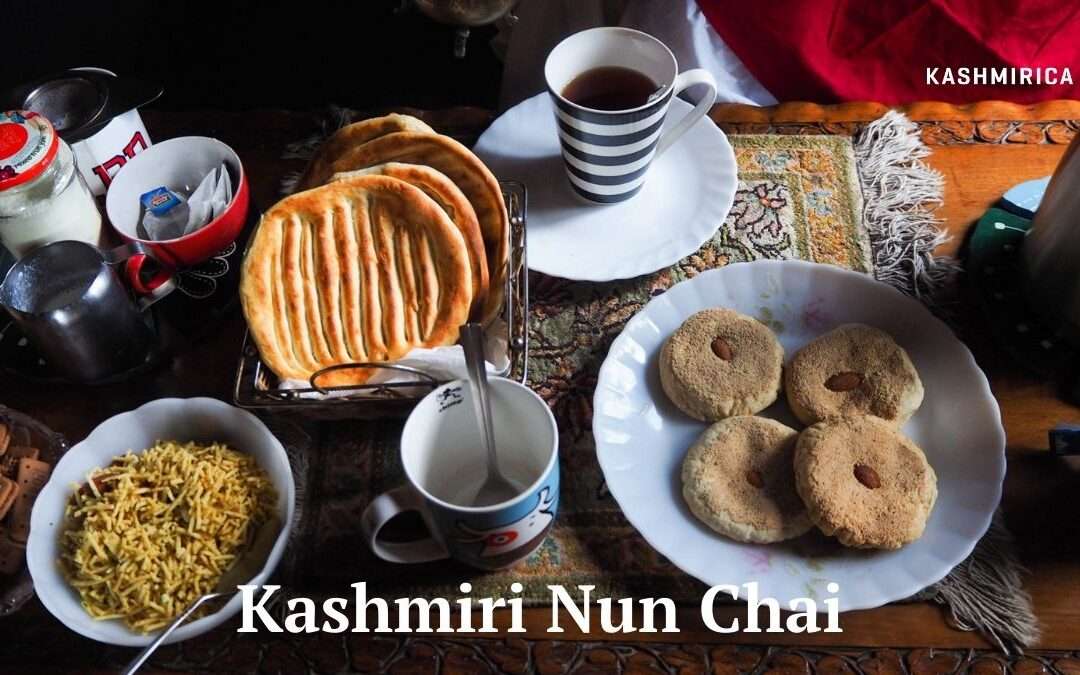


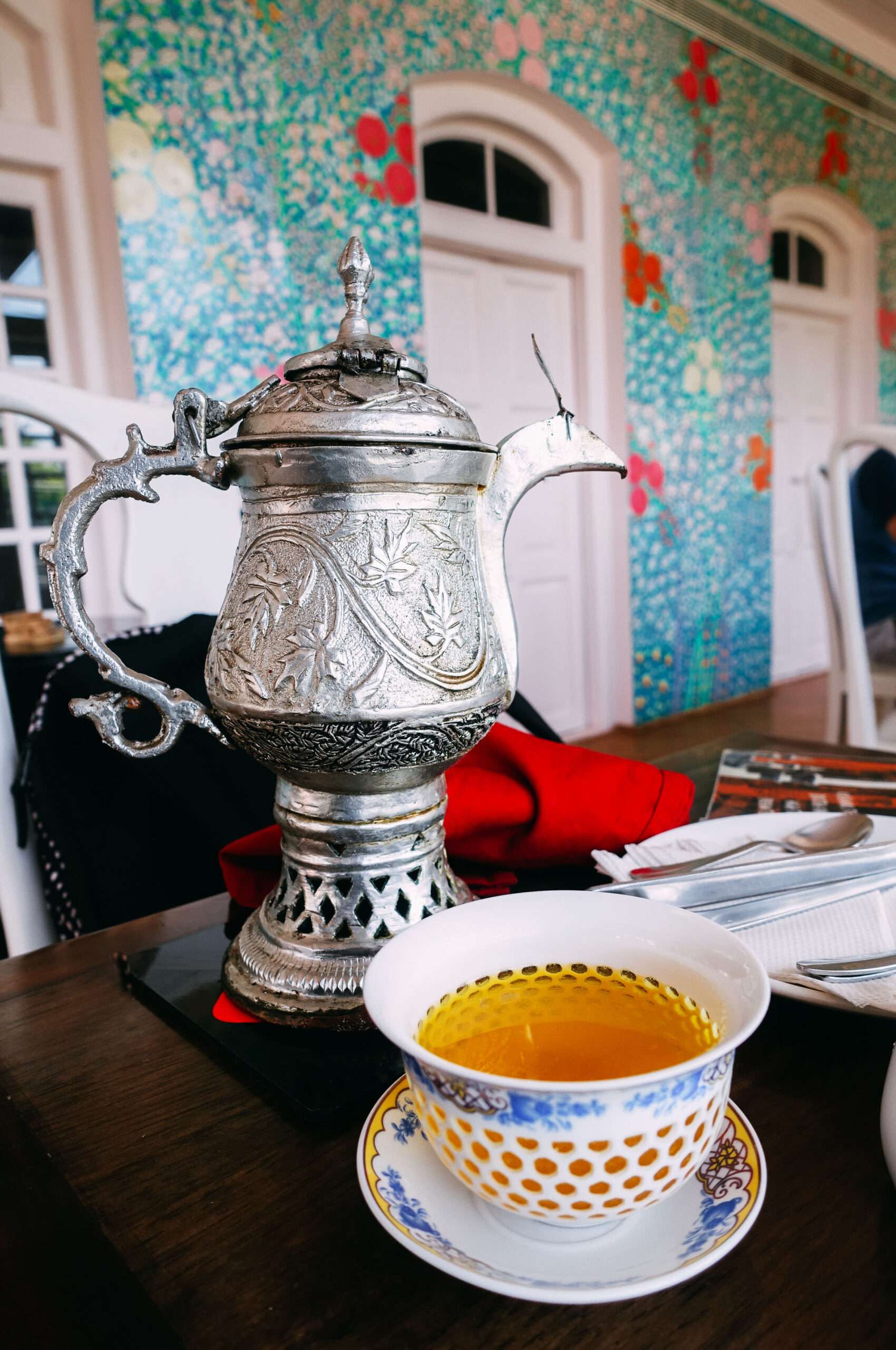
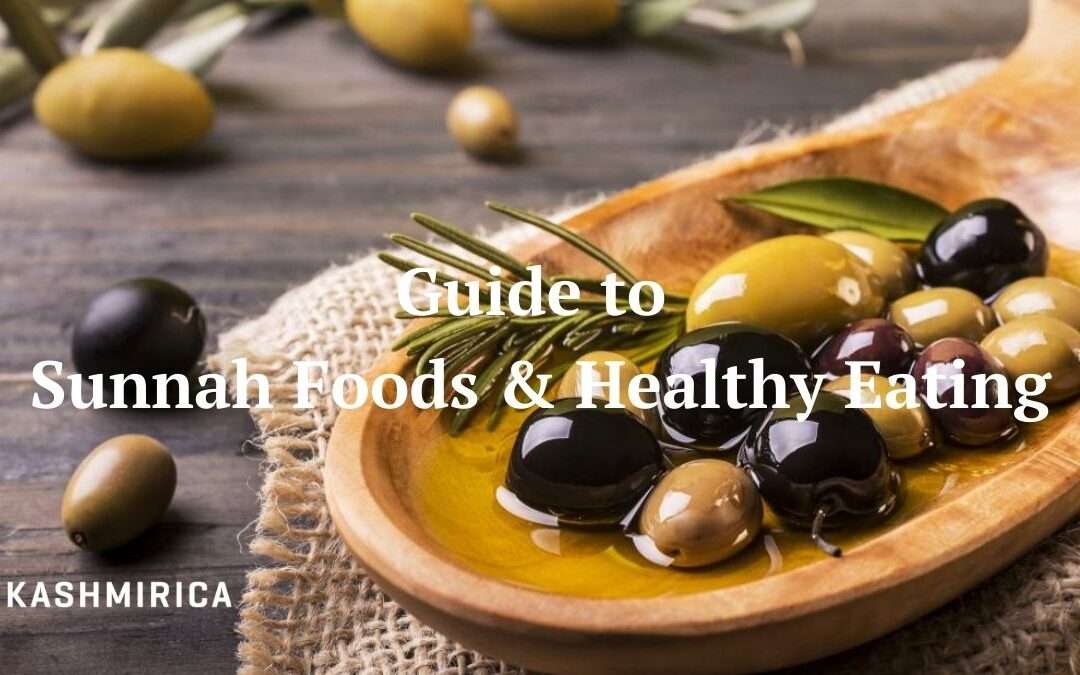





![Top 21 Benefits of Dry Fruits [Science Backed]](https://mirsaaeid.com/wp-content/uploads/2020/11/Benefits-of-Dry-Fruits-1080x675.jpg)
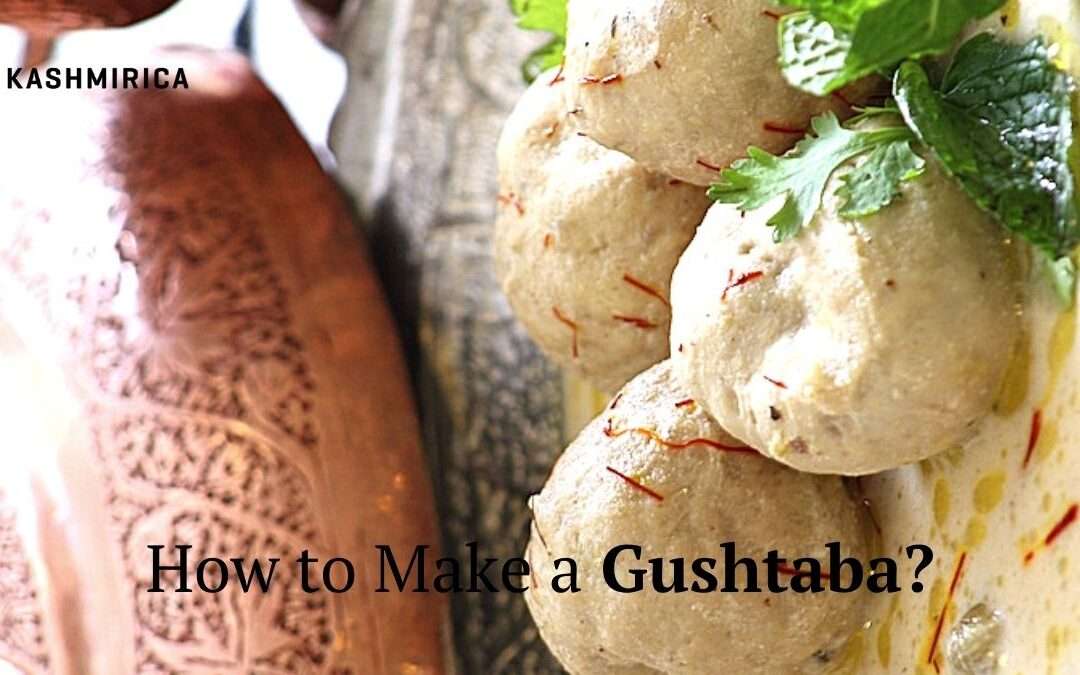
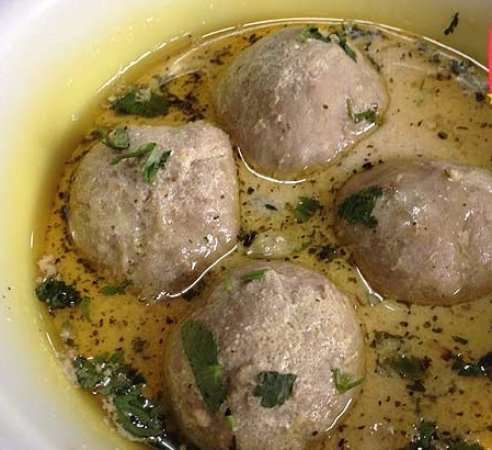

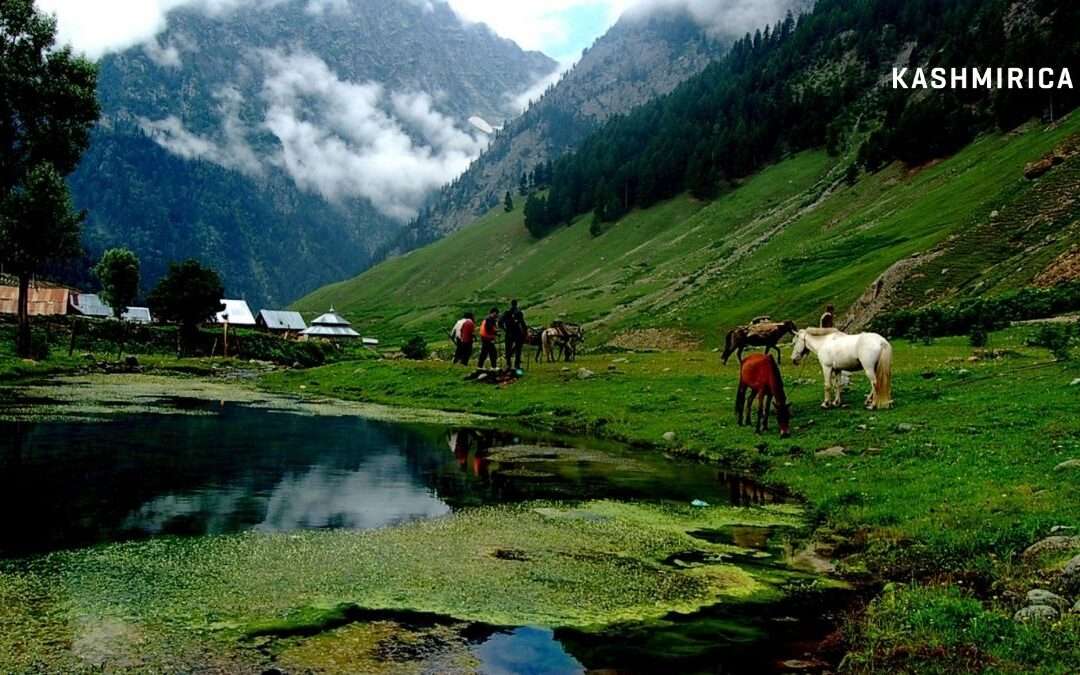




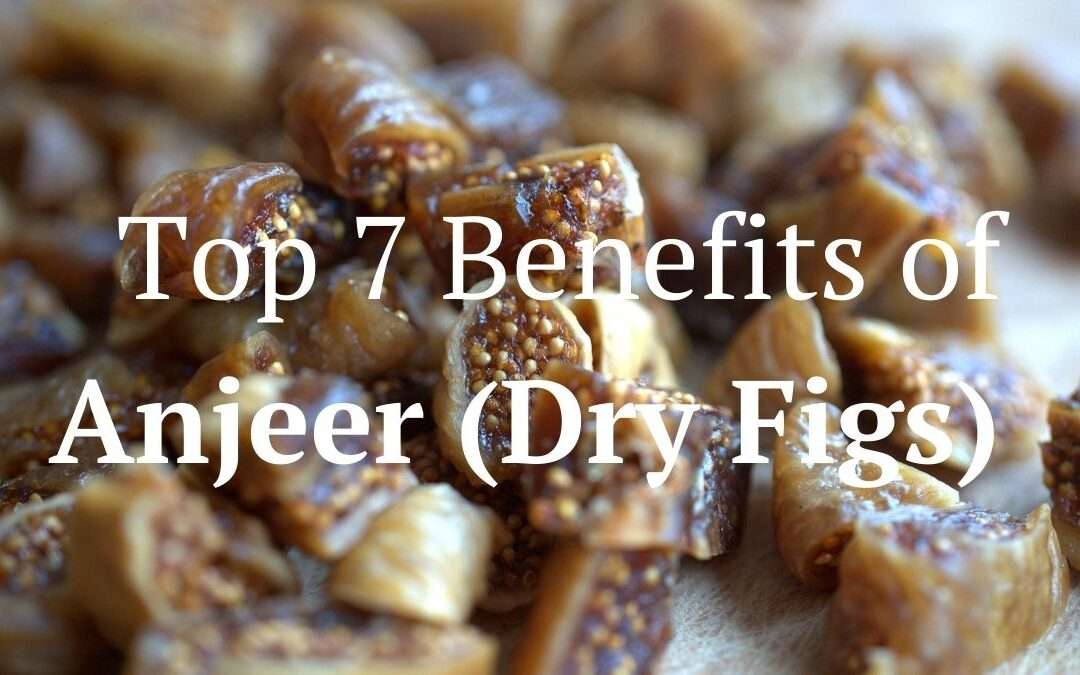


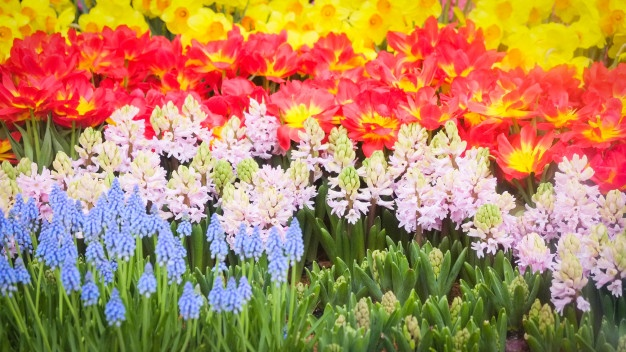

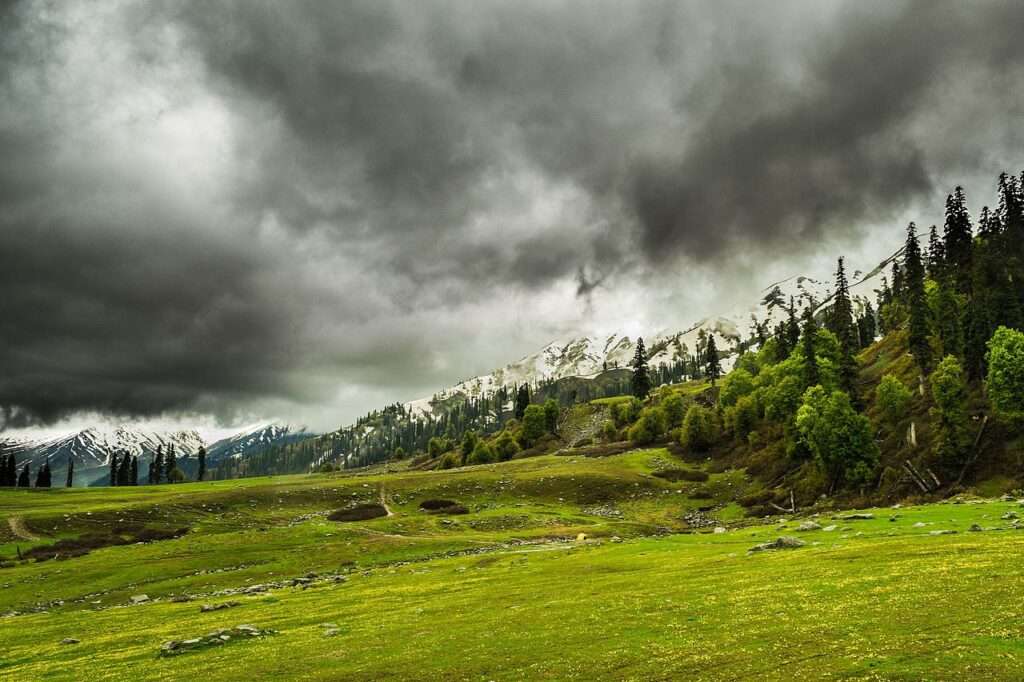





















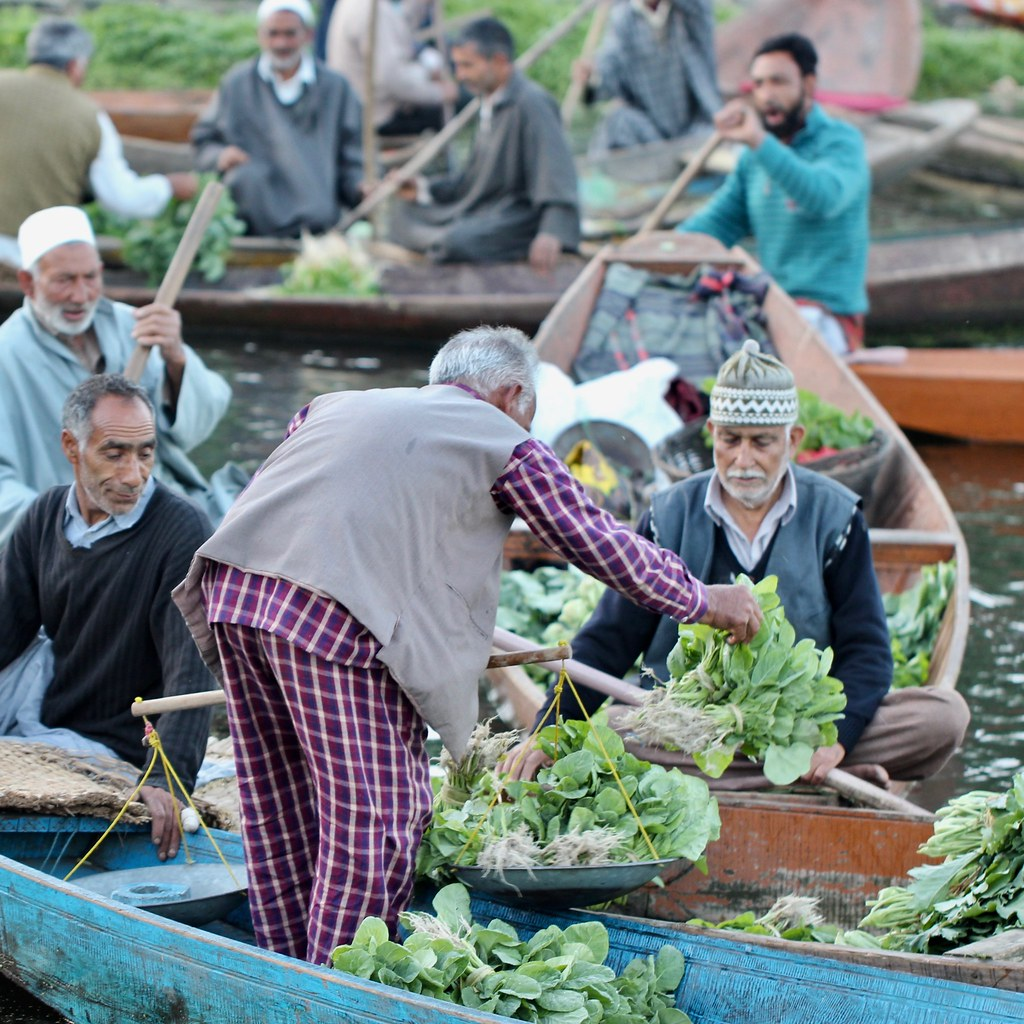
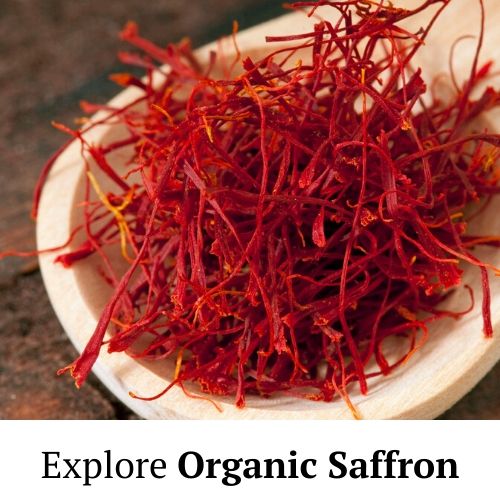


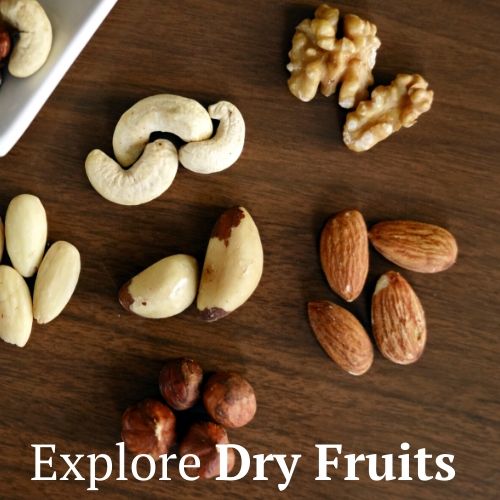












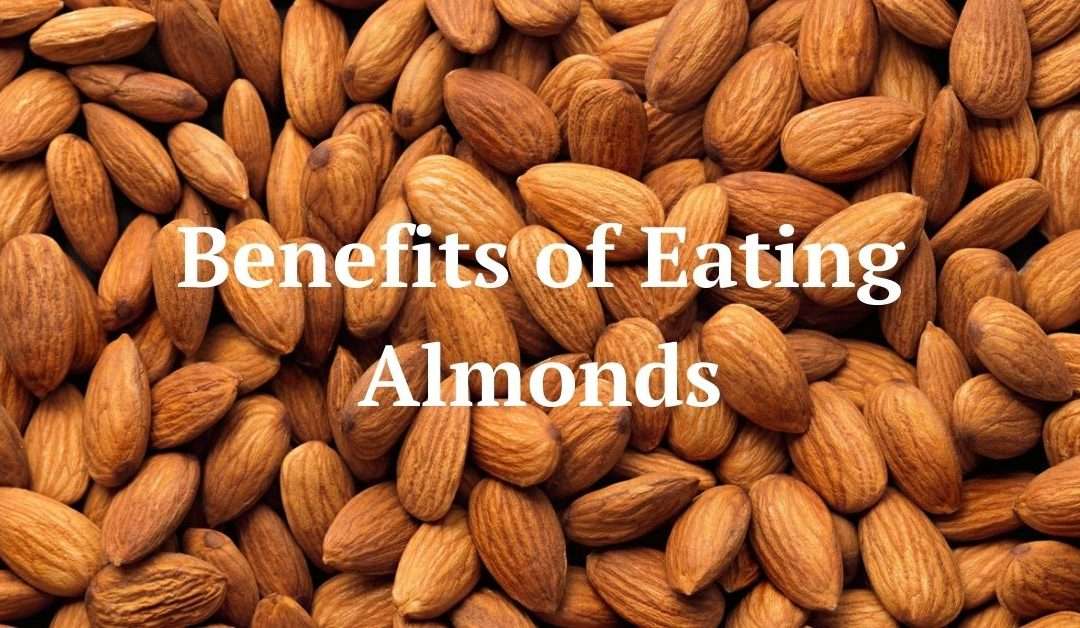


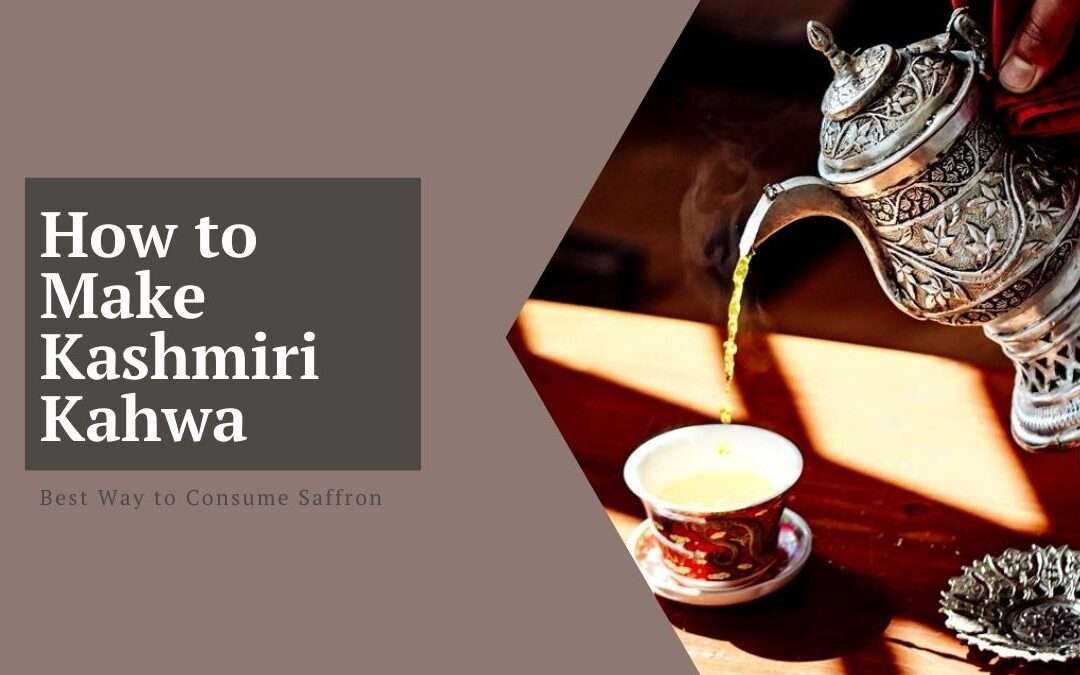
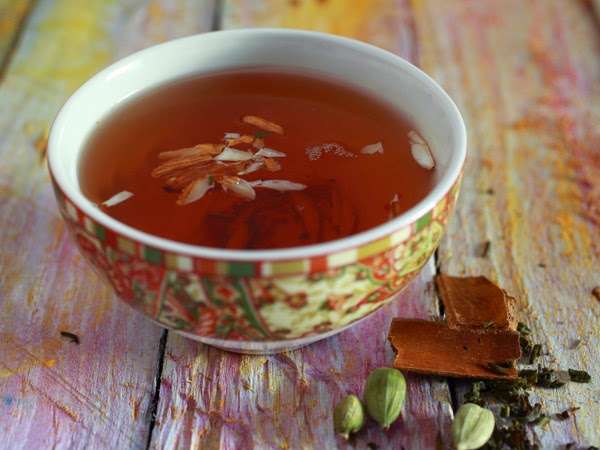










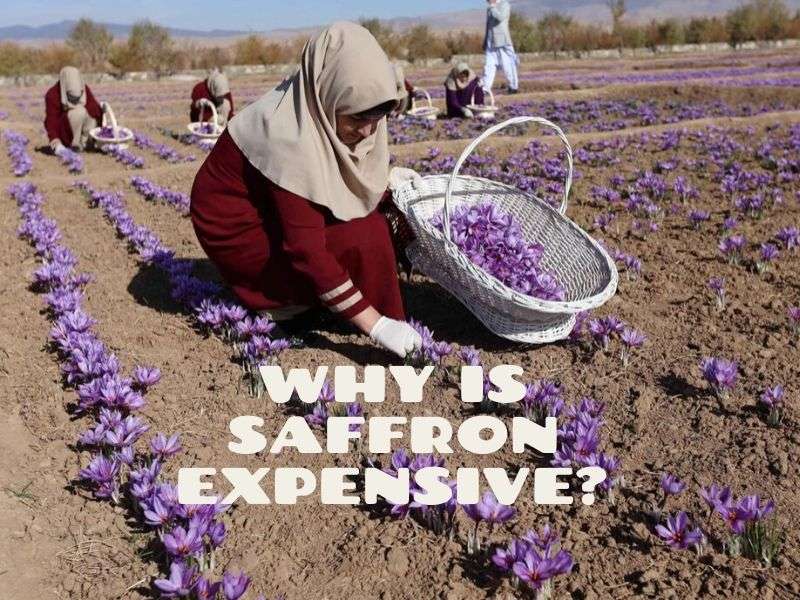





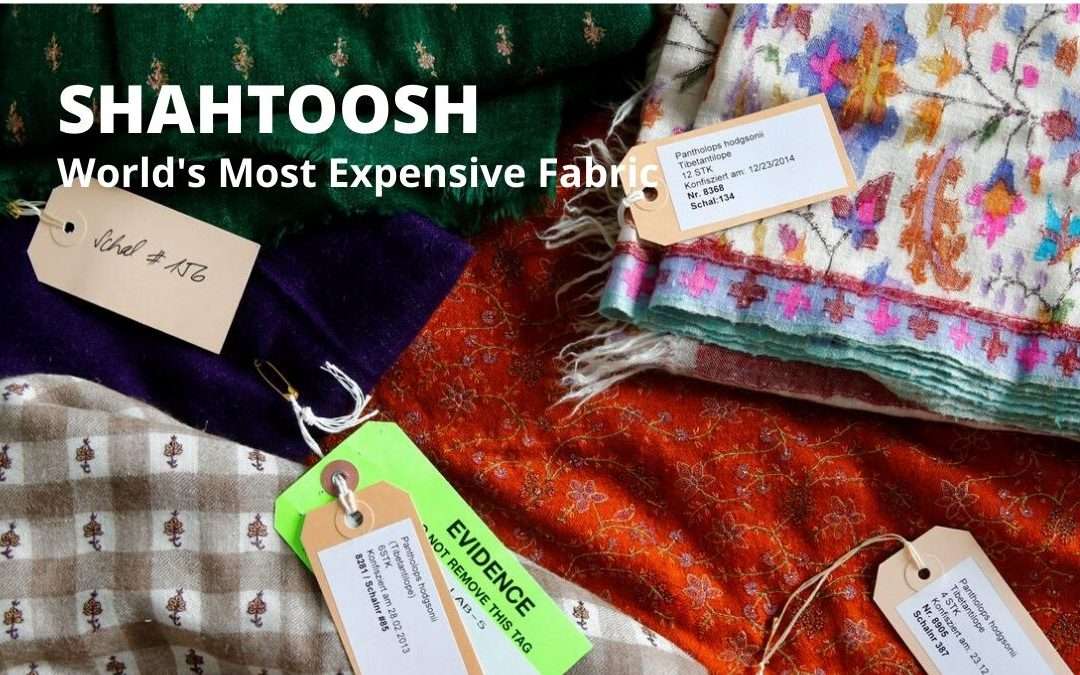
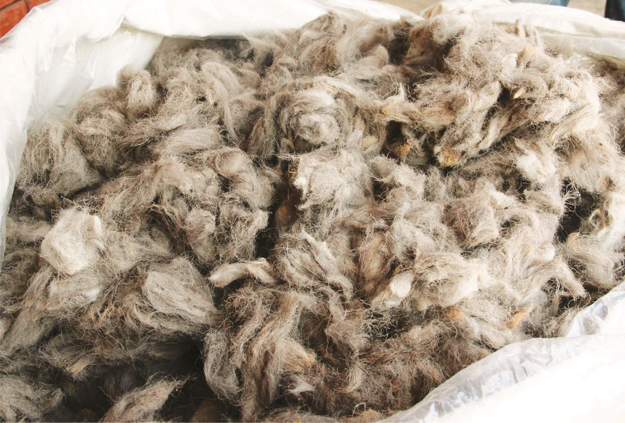
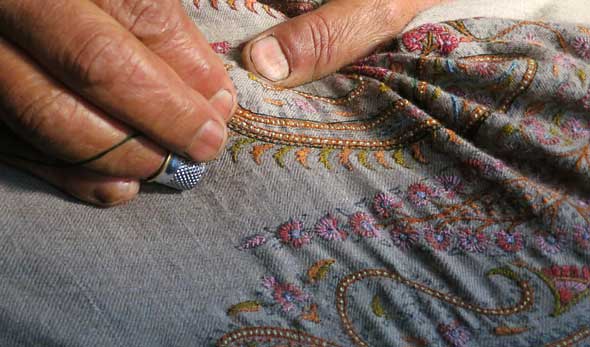
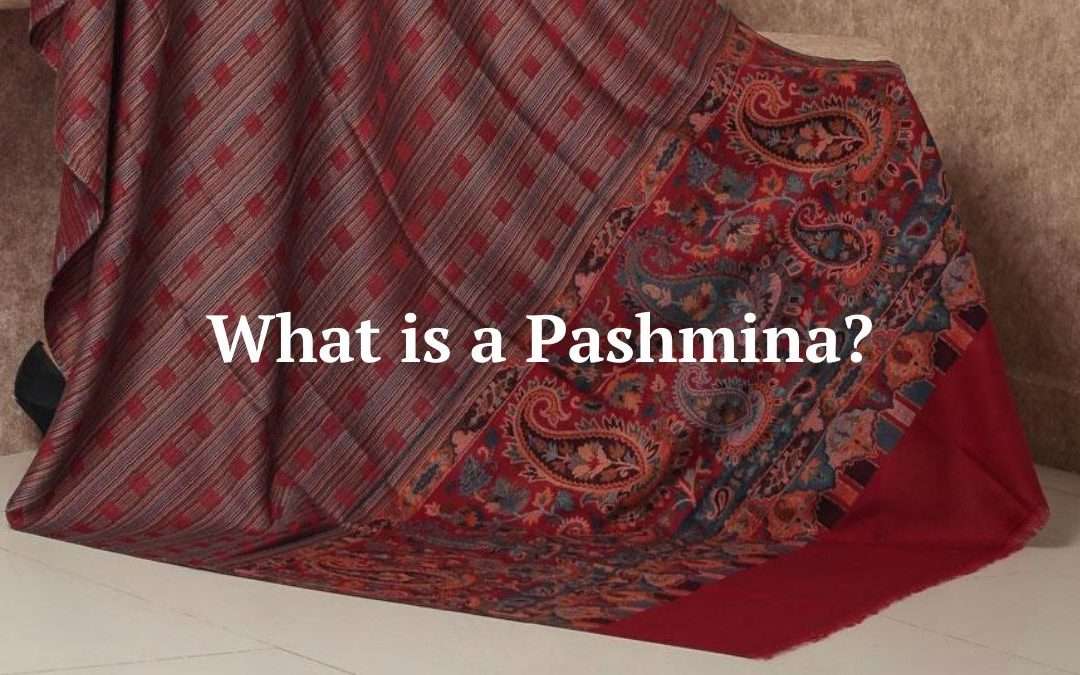




.jpg)


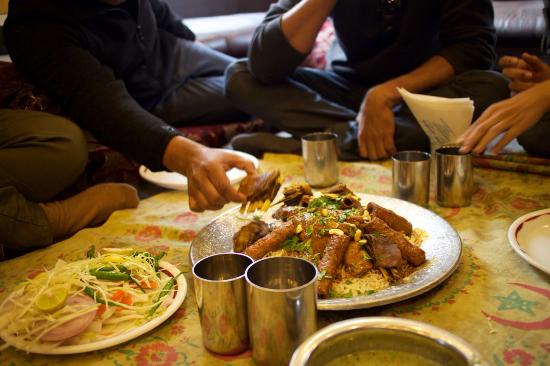


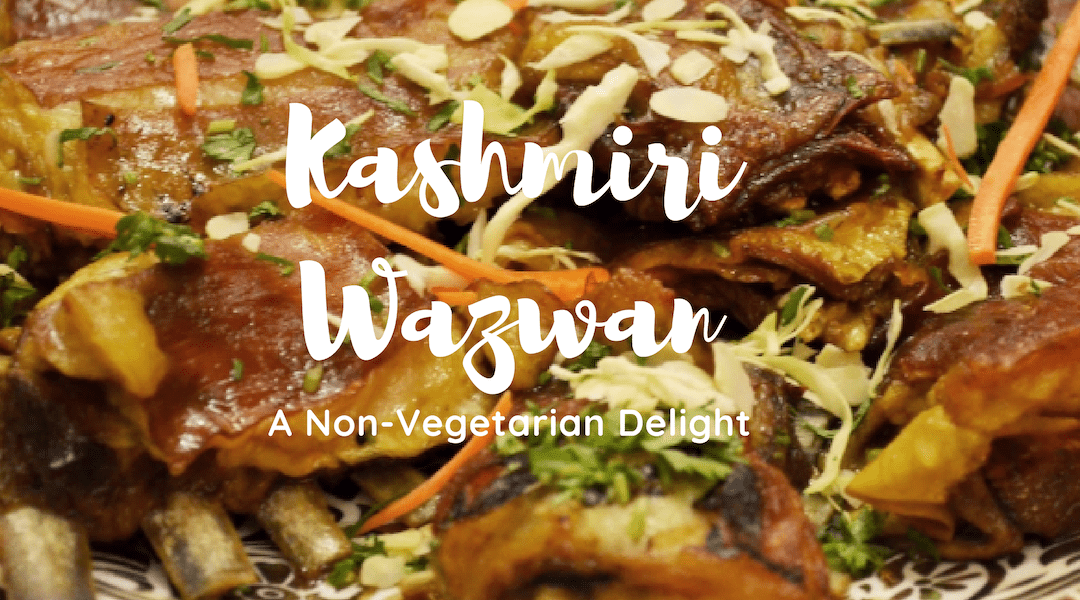

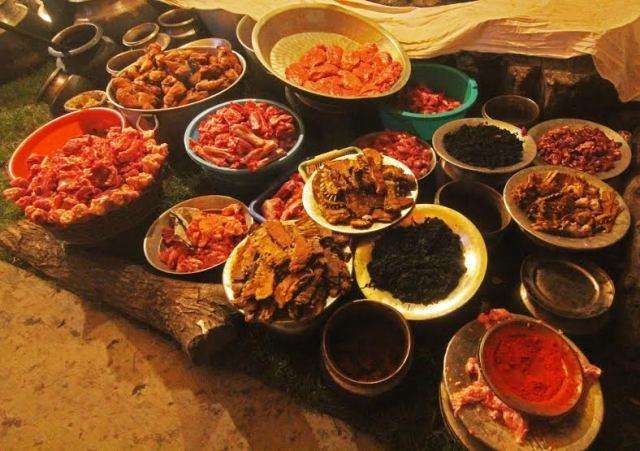



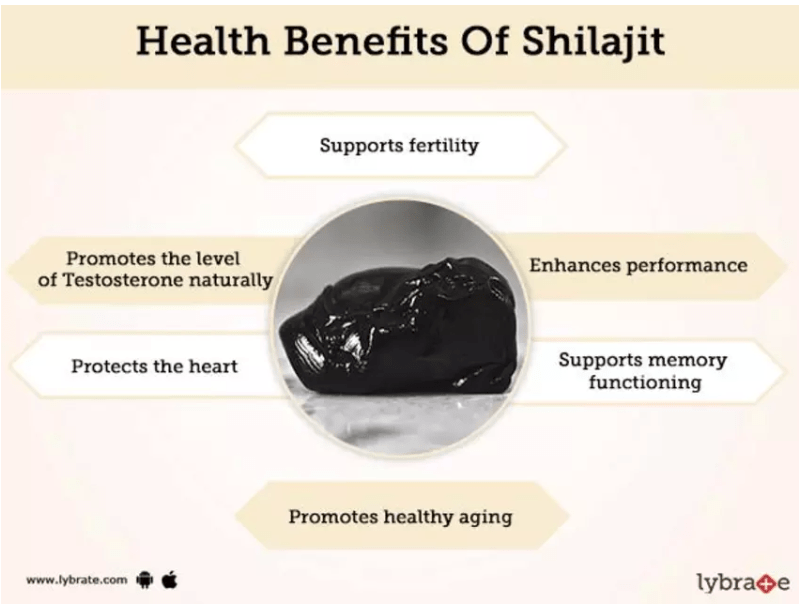
























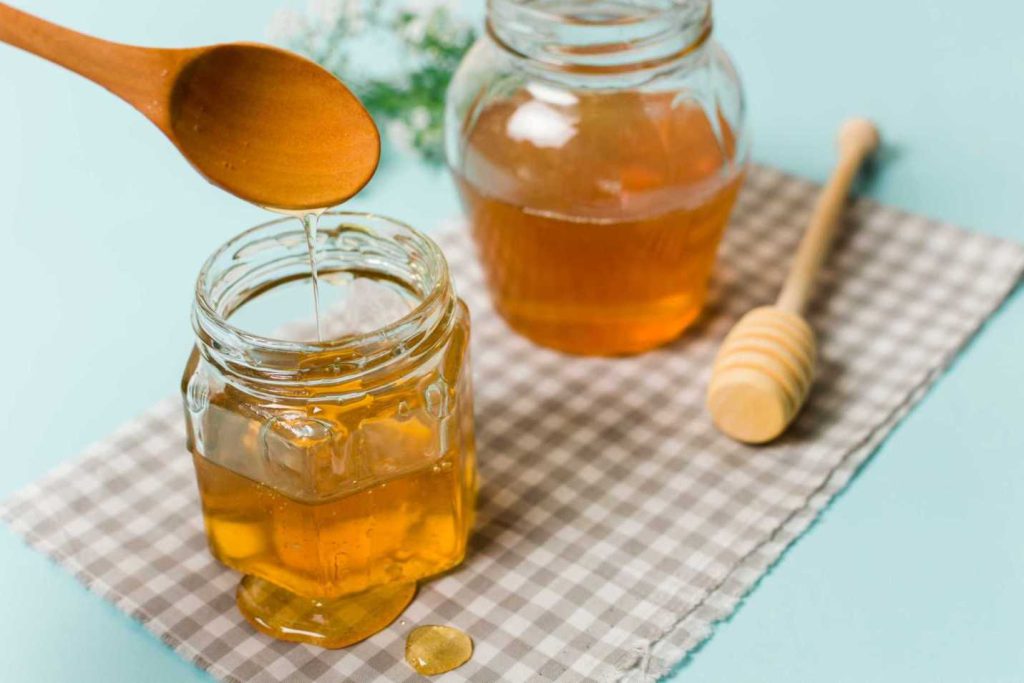


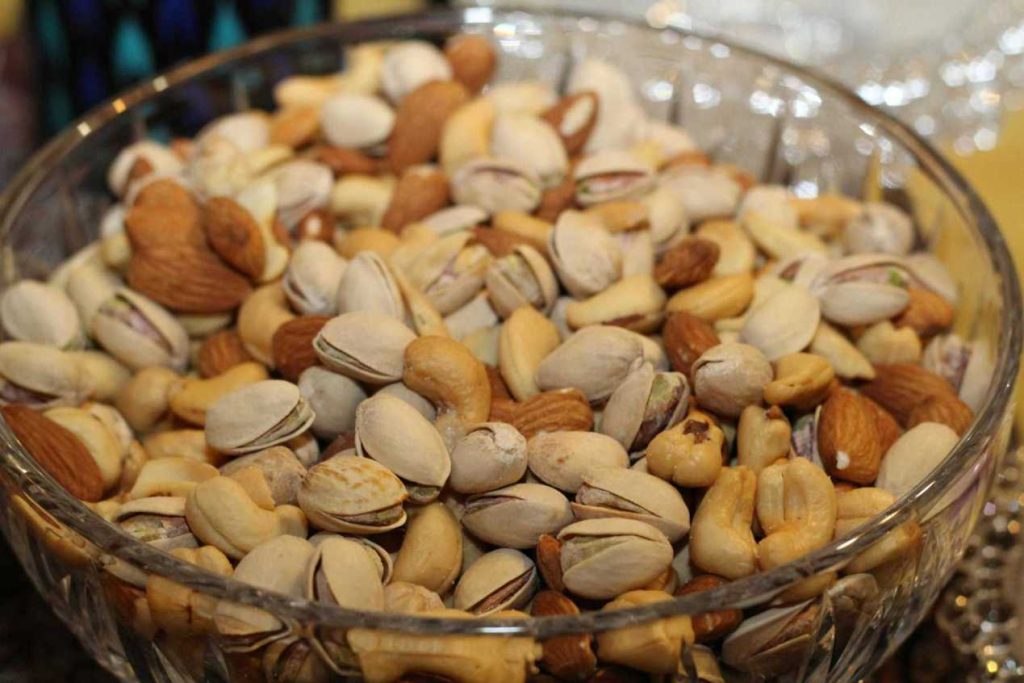


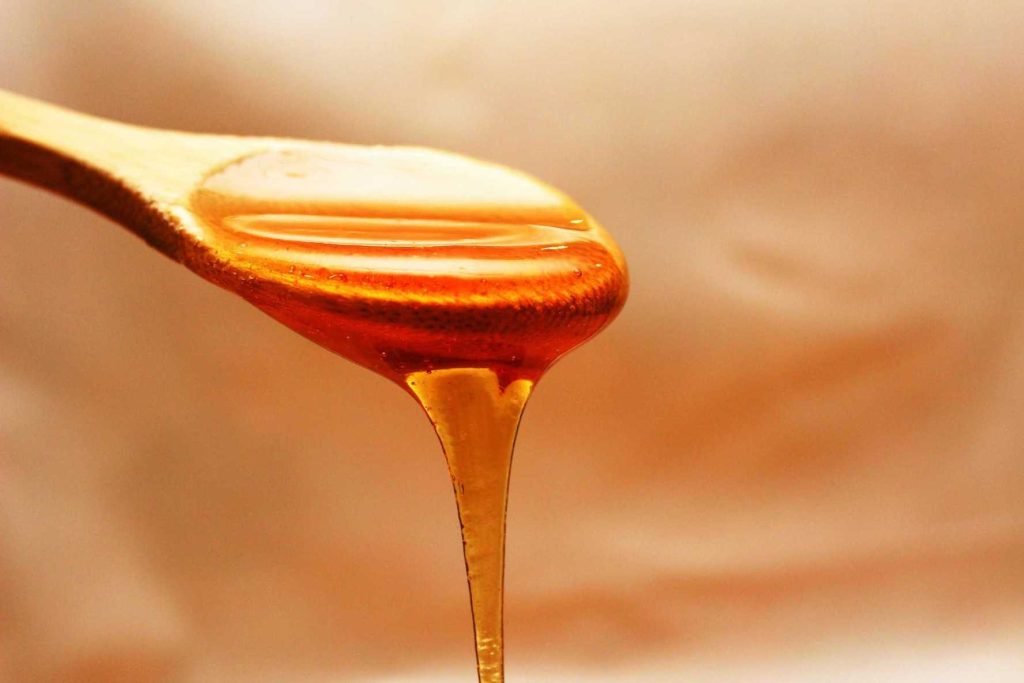



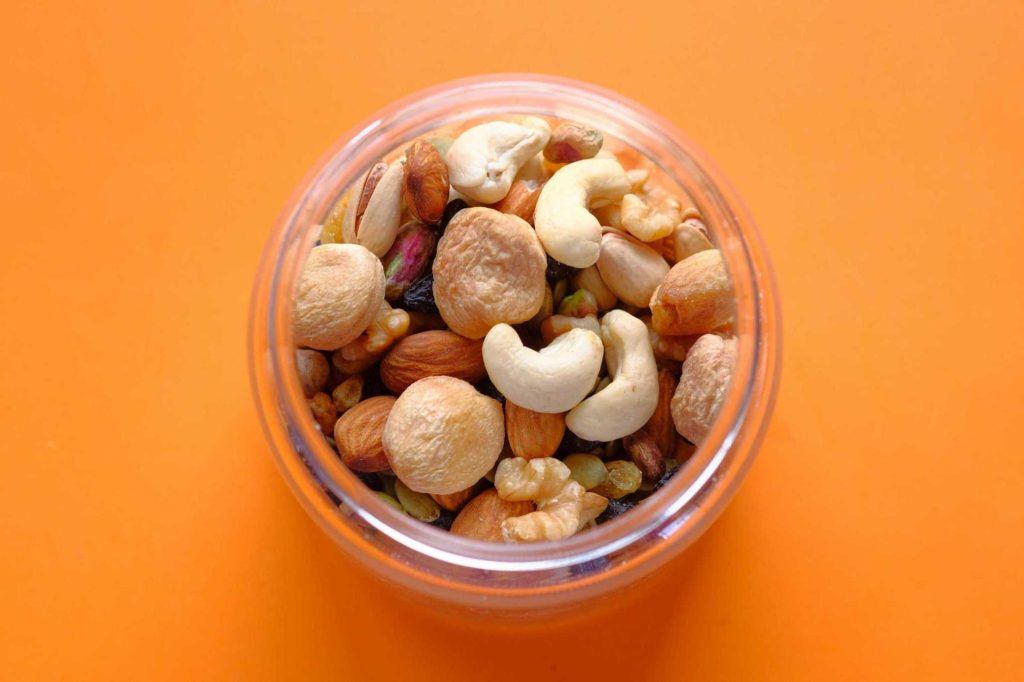





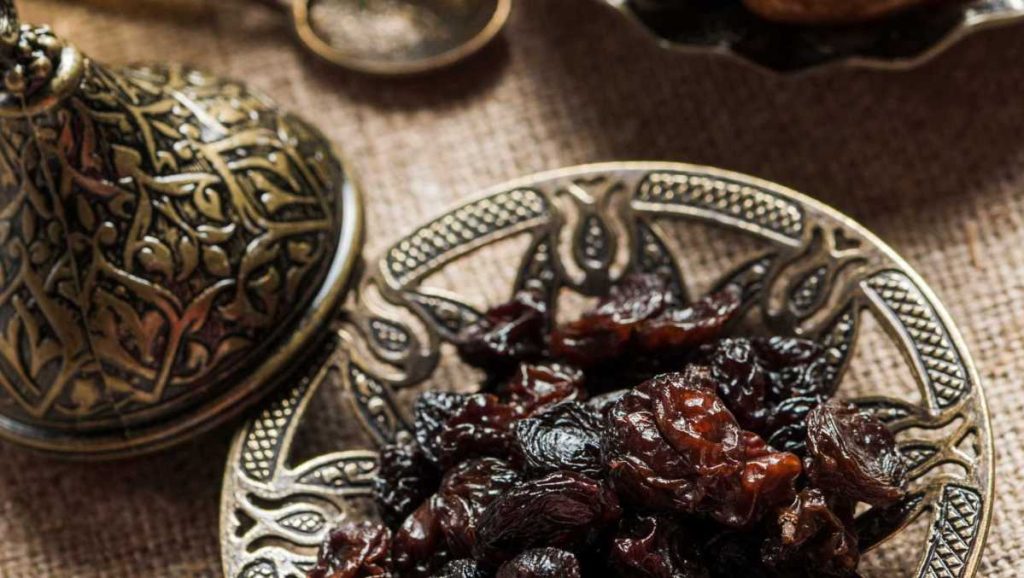

![Top 13 Benefits of Saffron [Scientific Research]](https://mirsaaeid.com/wp-content/uploads/2020/06/Benefits-of-Saffron-1080x628.jpg)

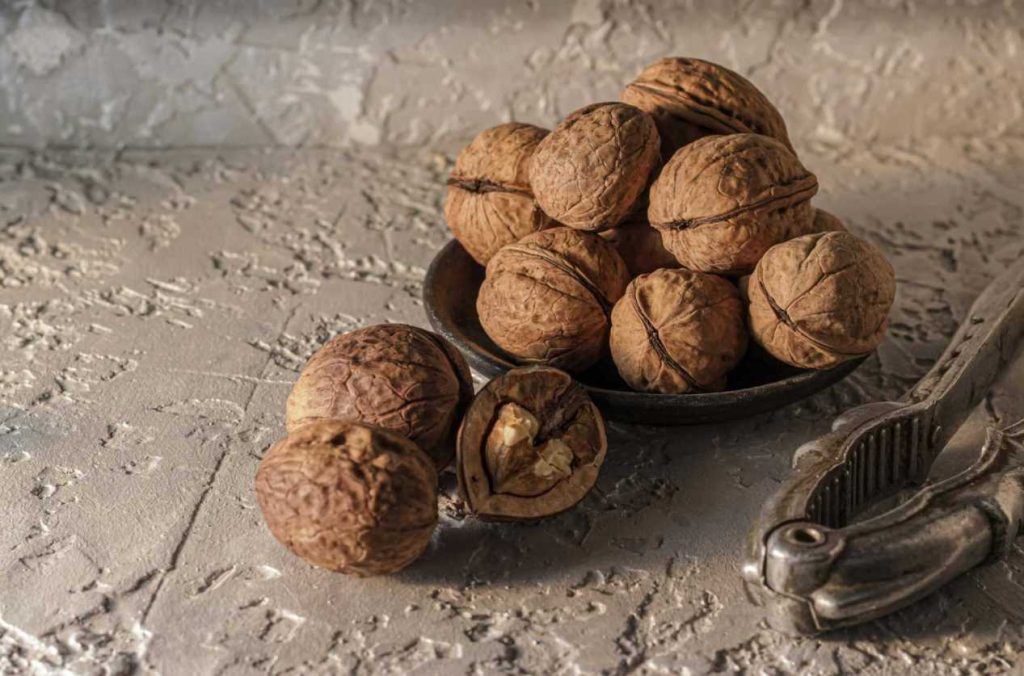
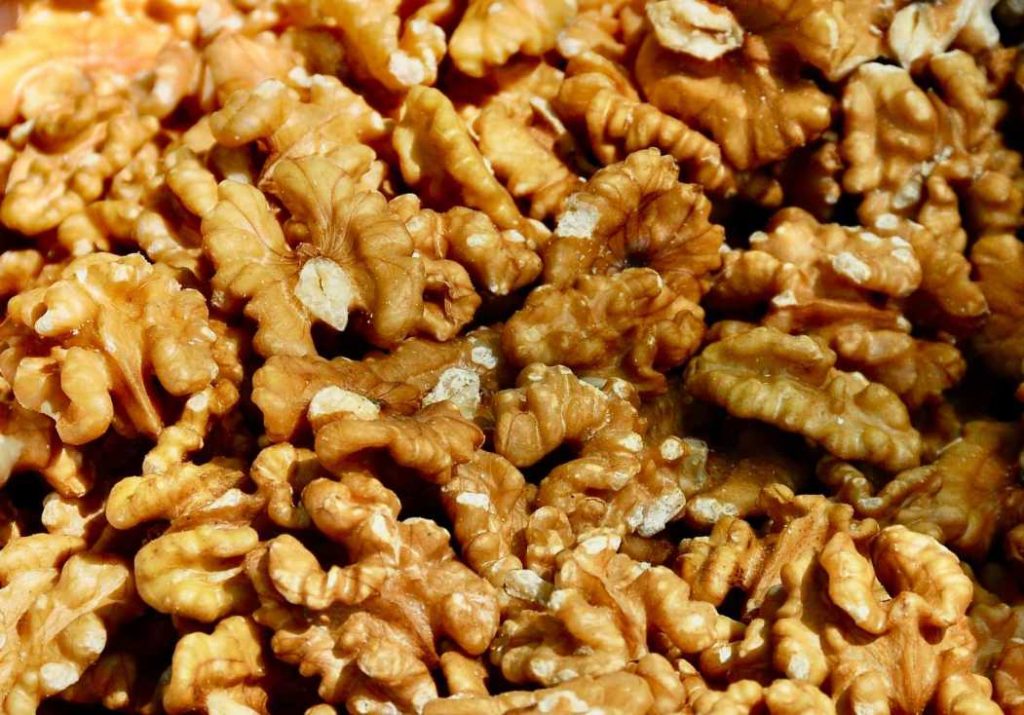




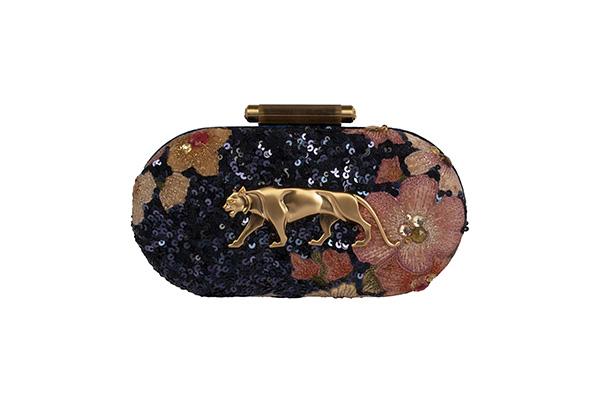
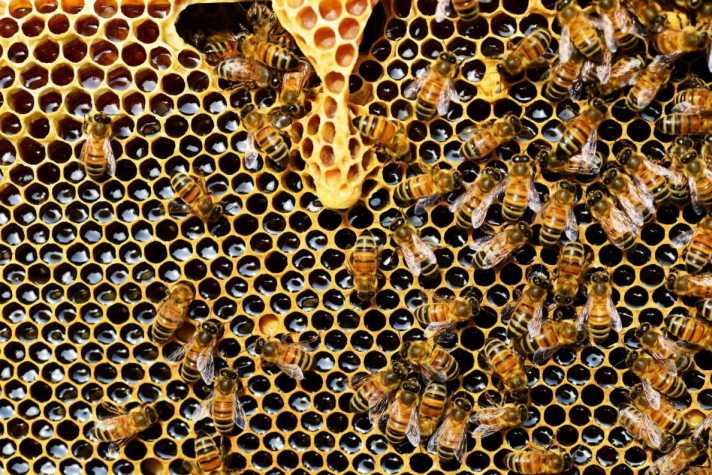
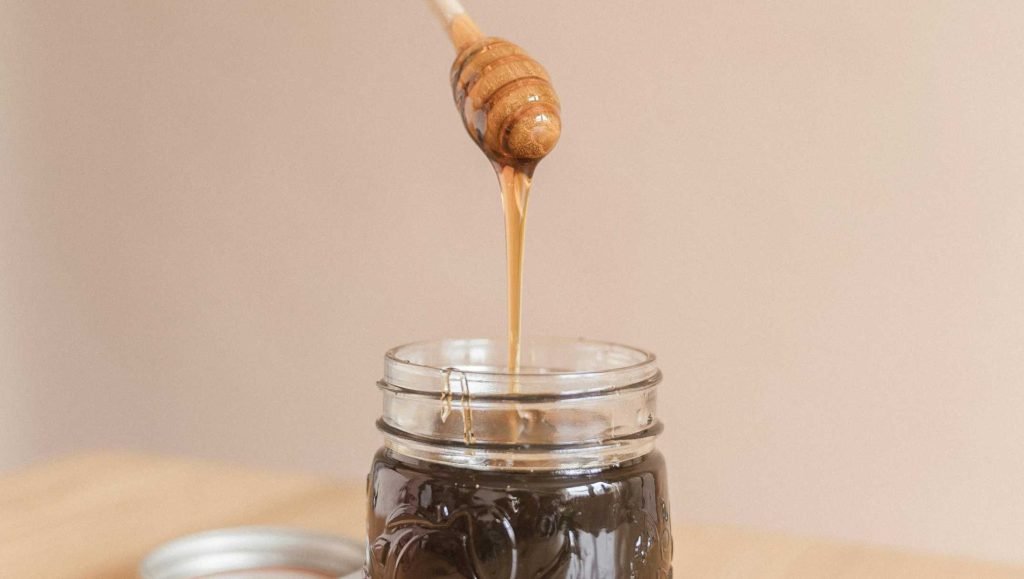
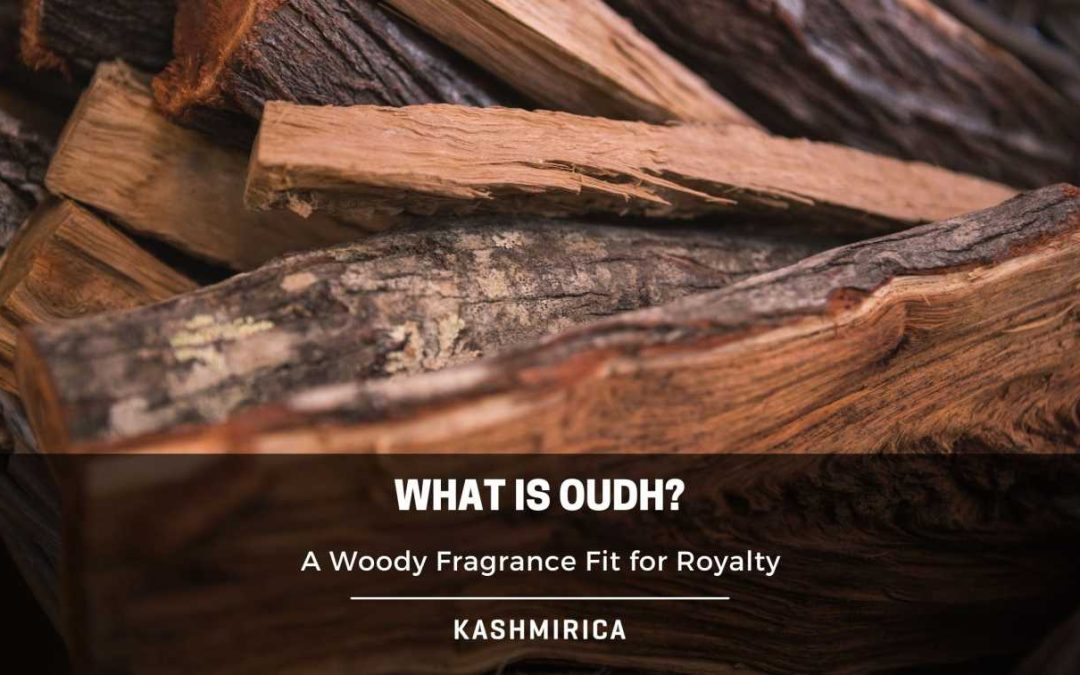


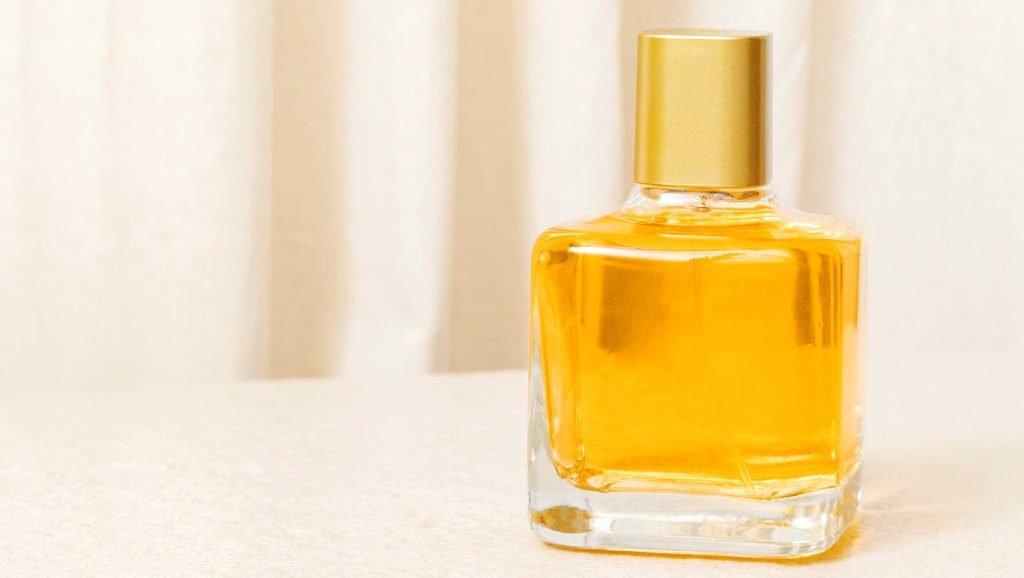


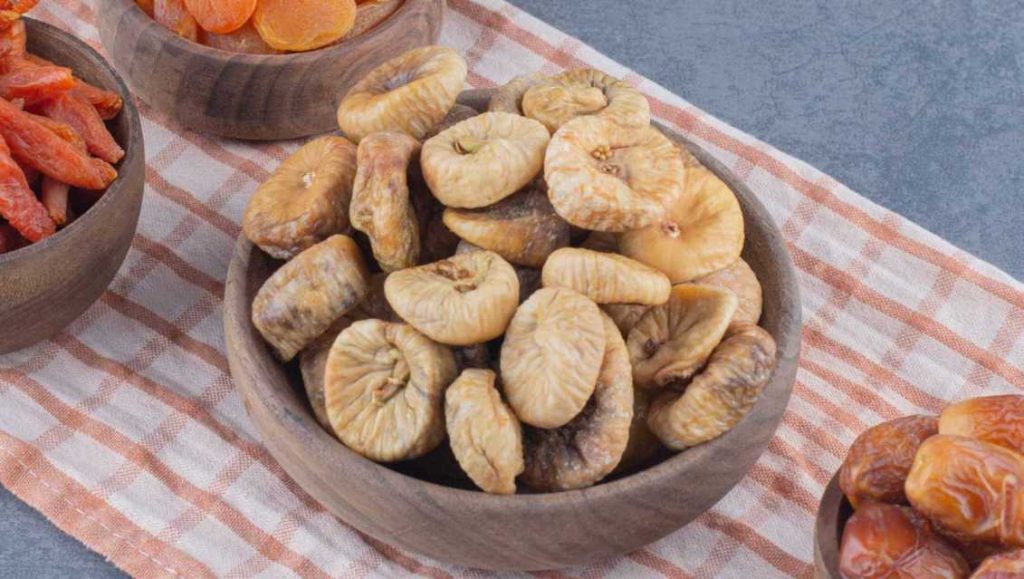
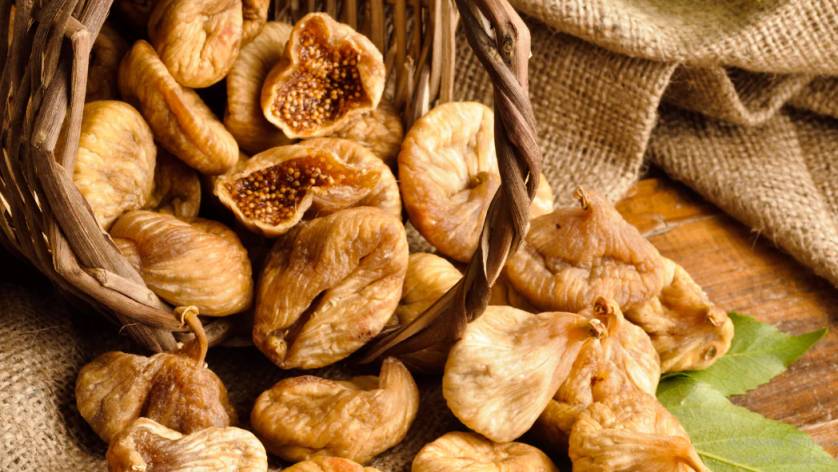





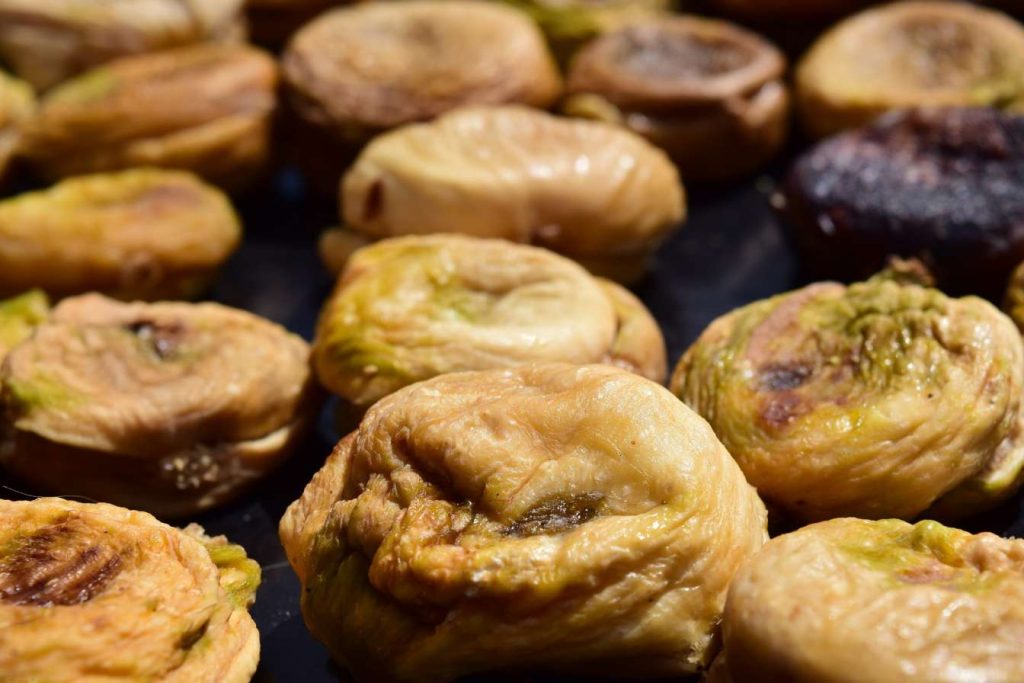



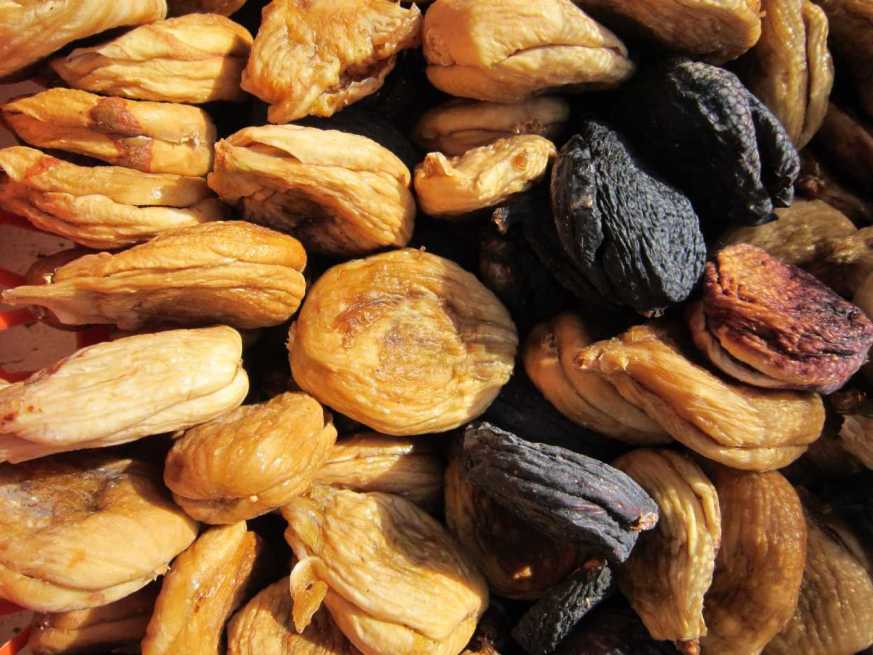
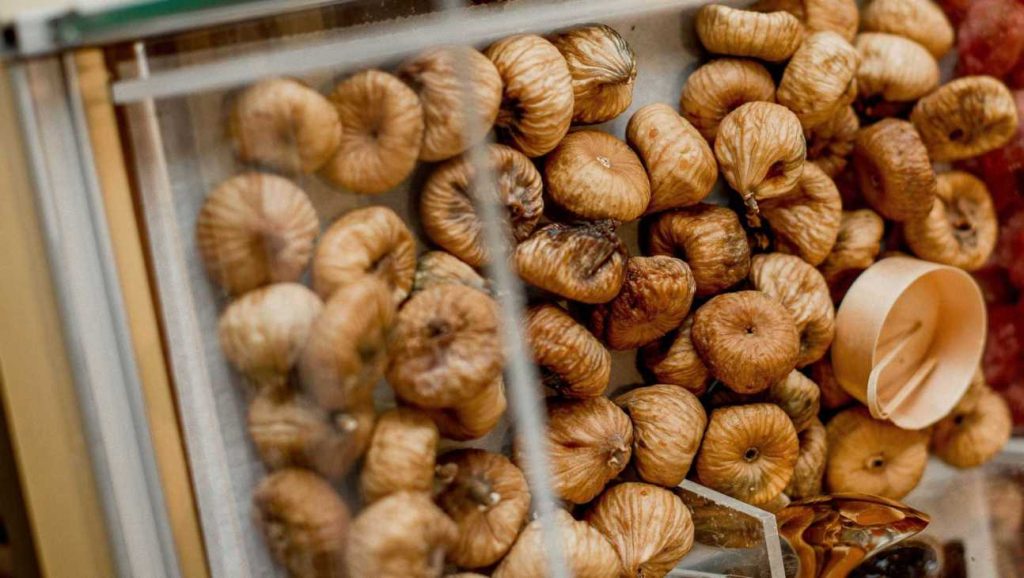
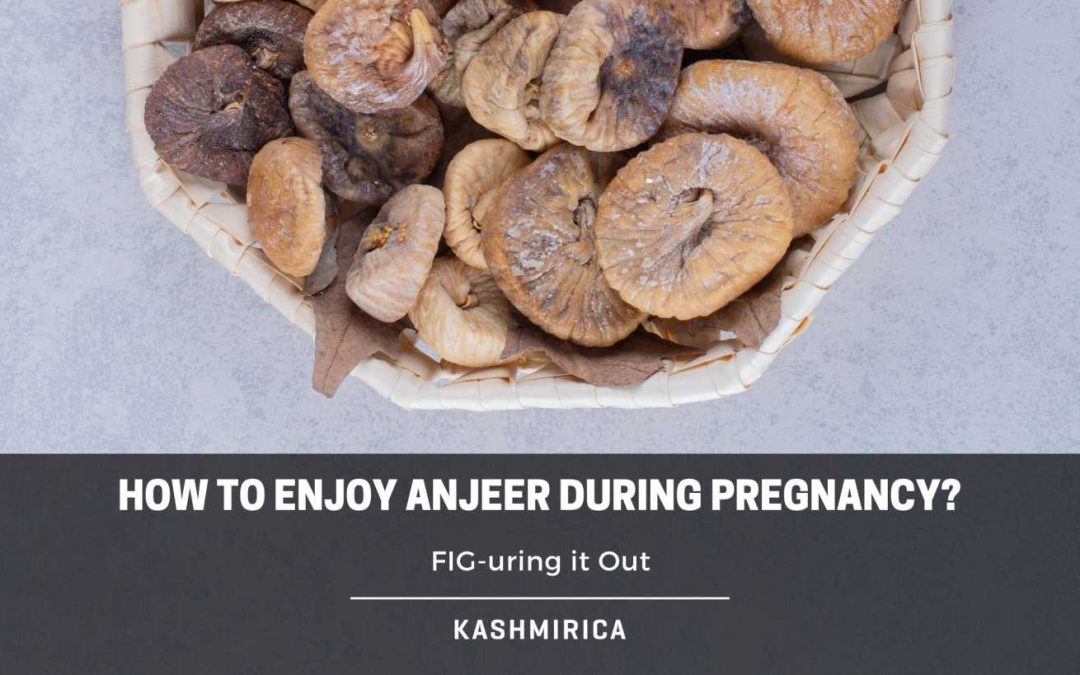
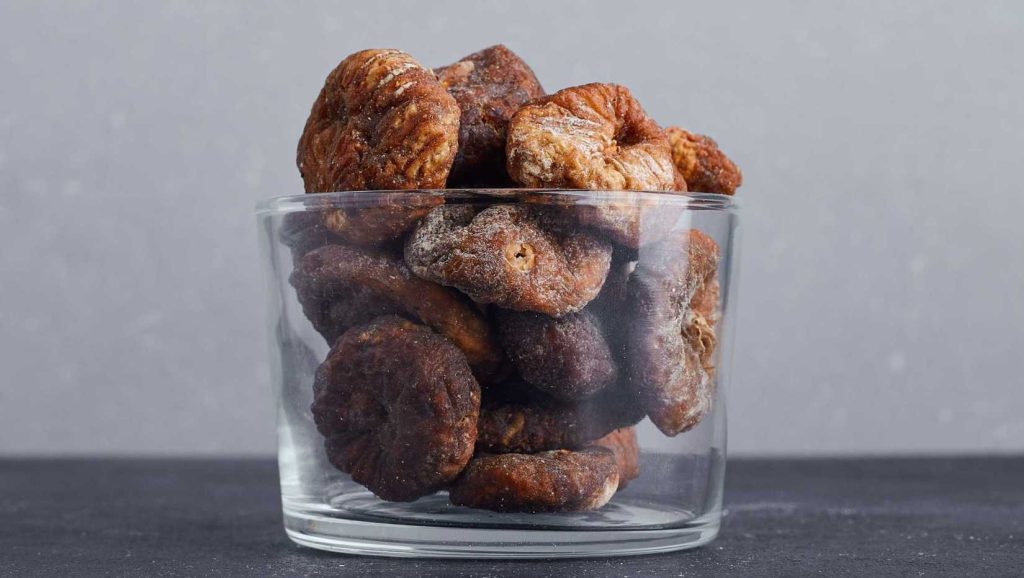
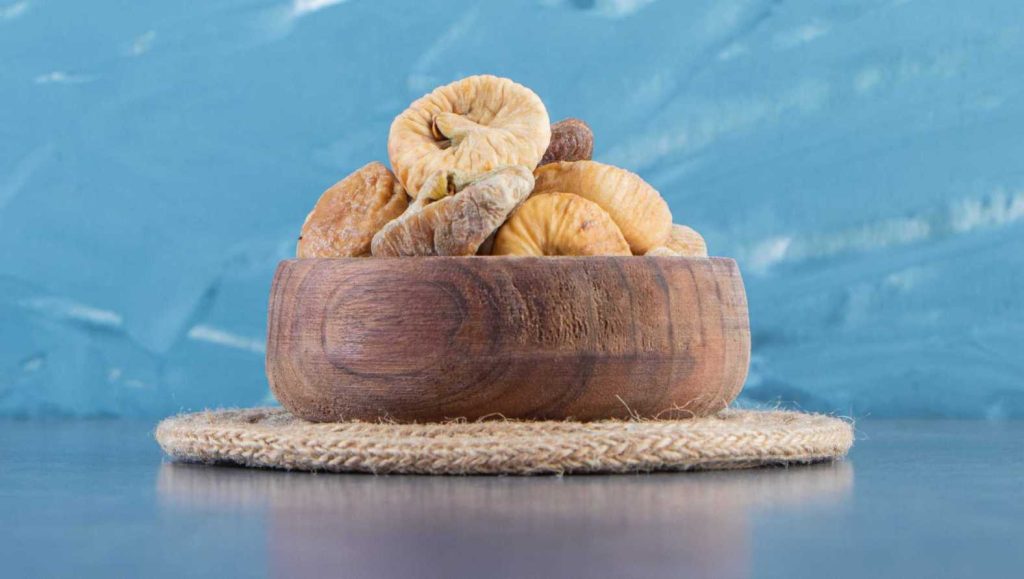
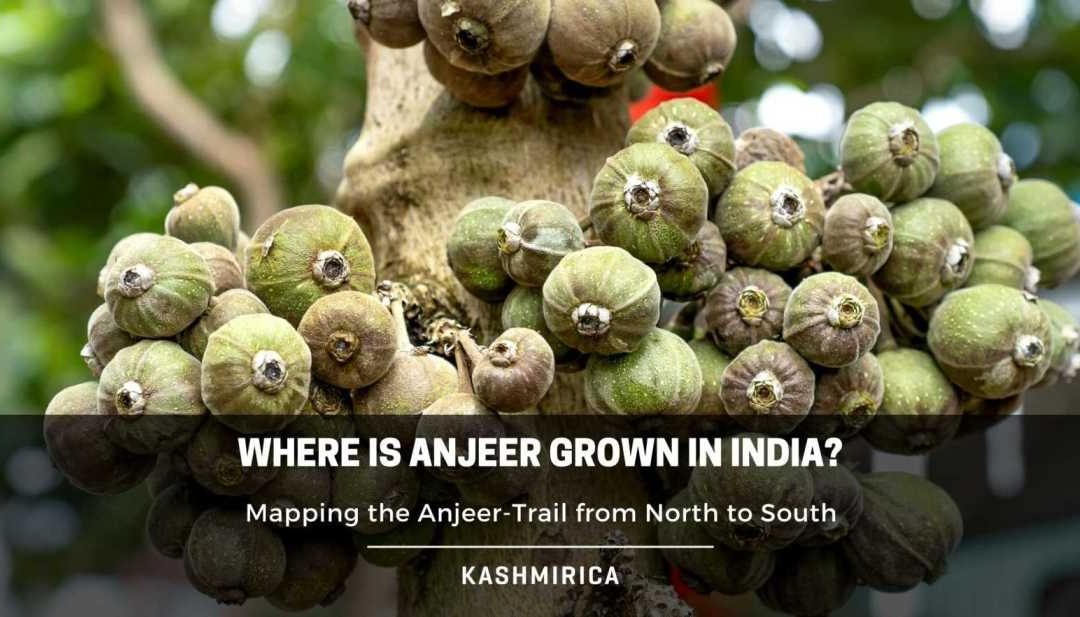
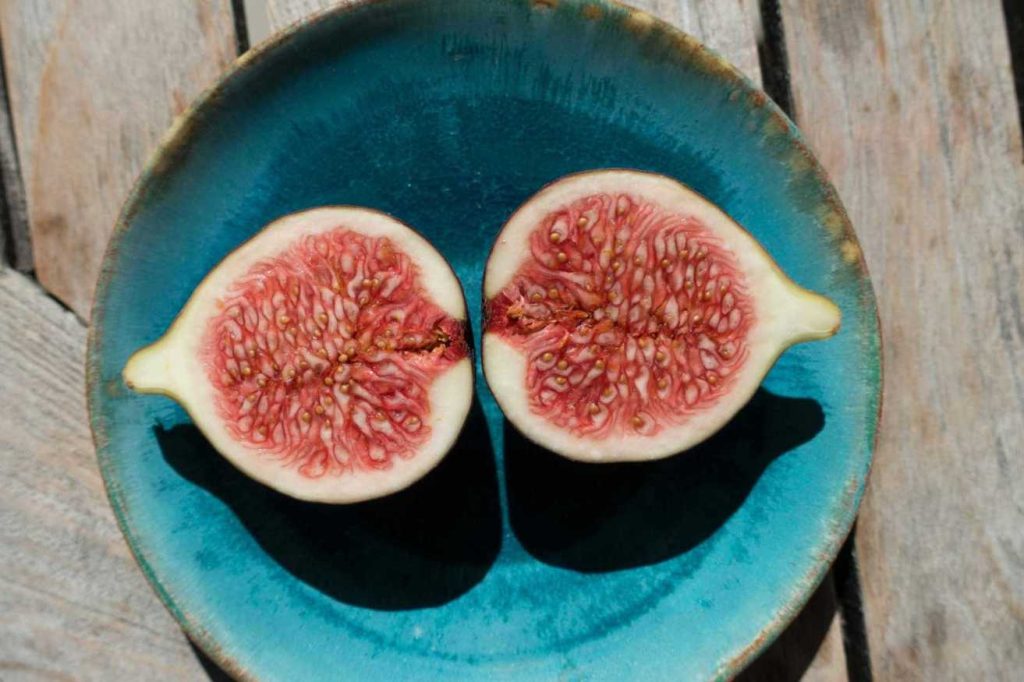
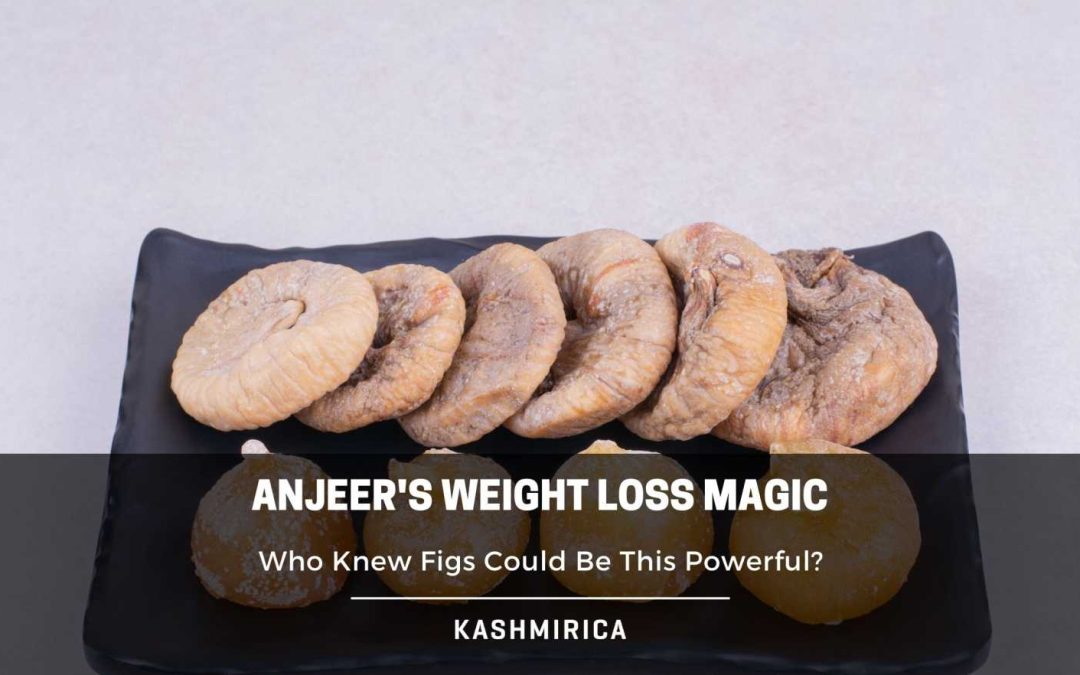

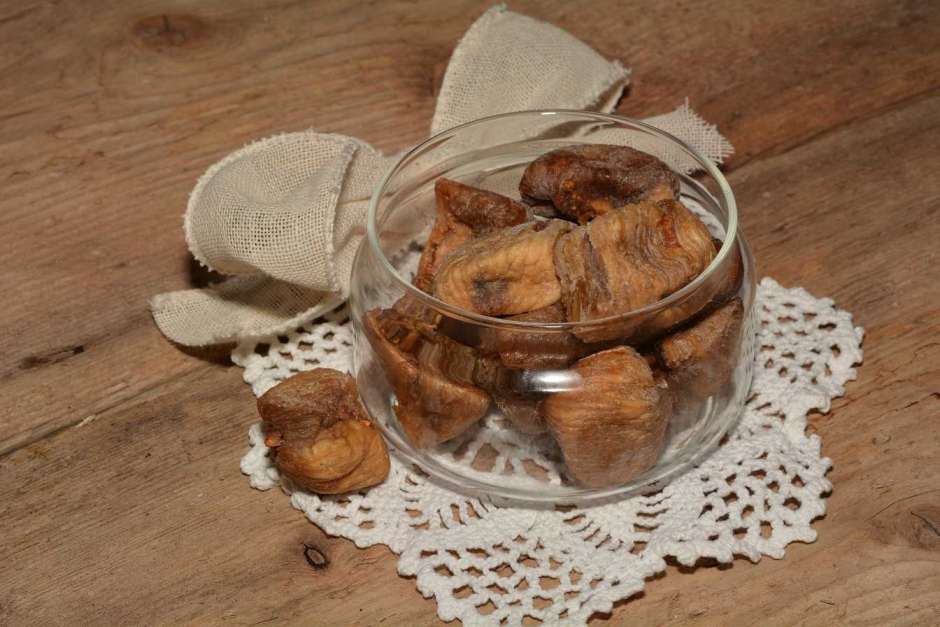
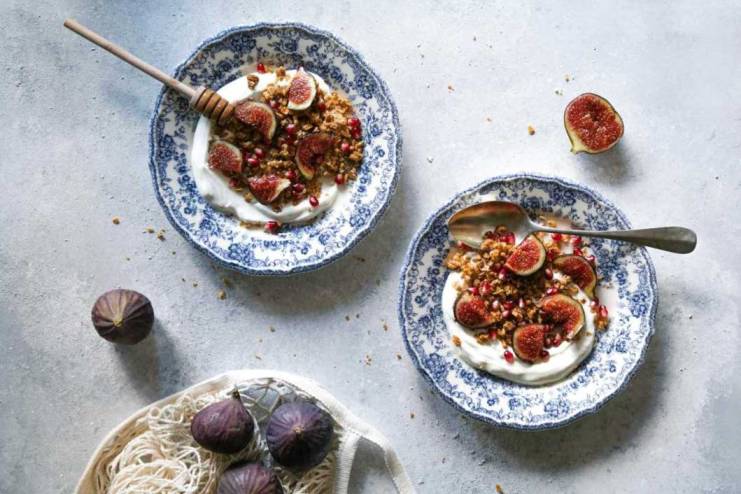

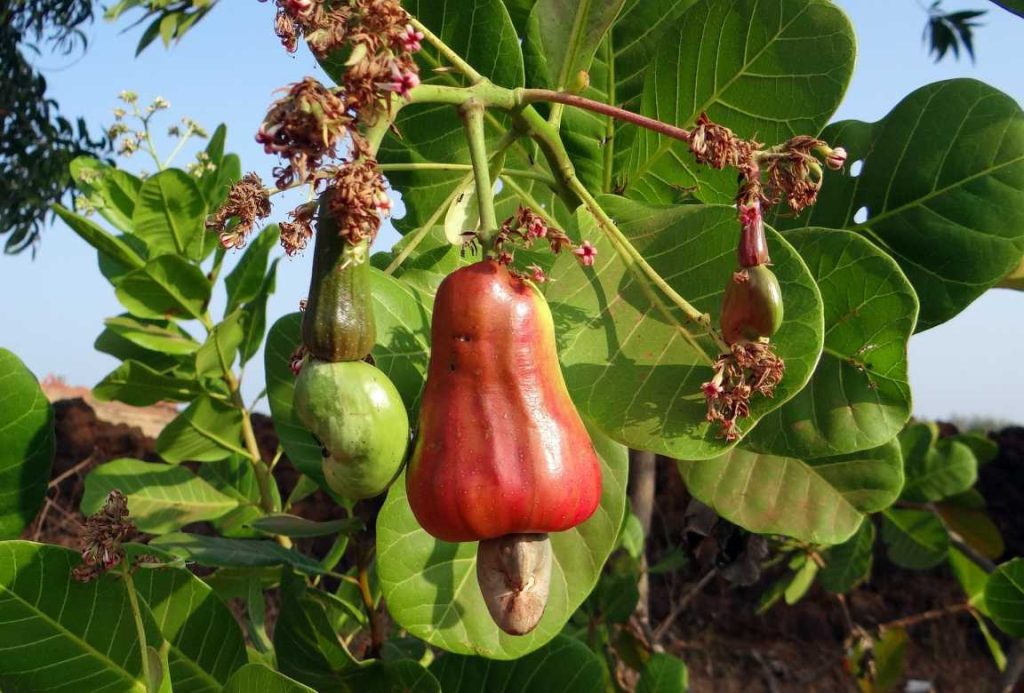
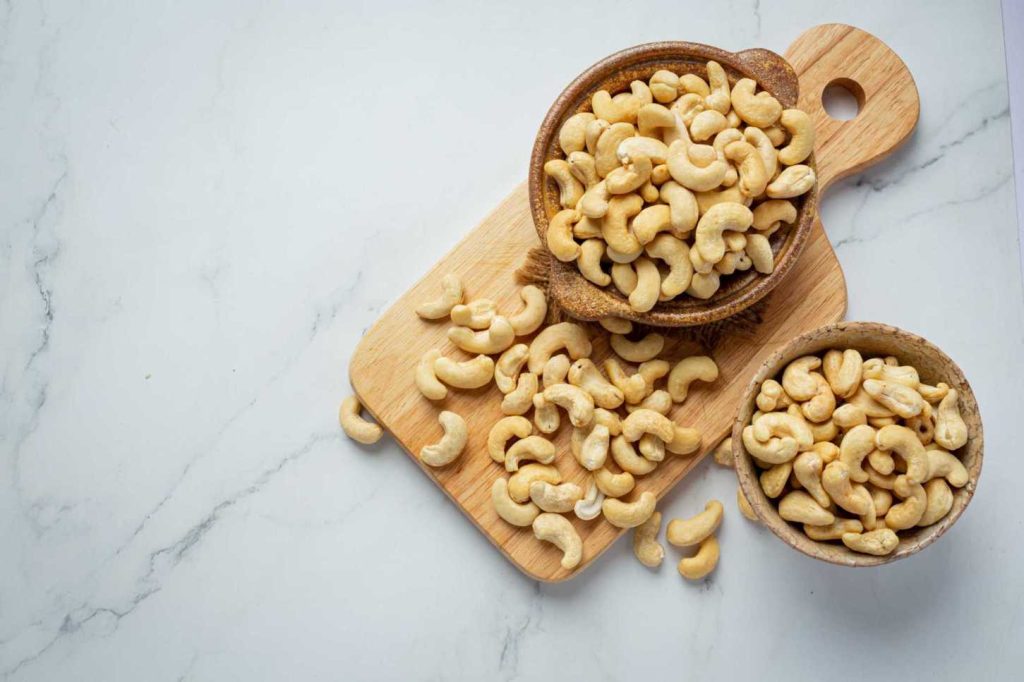
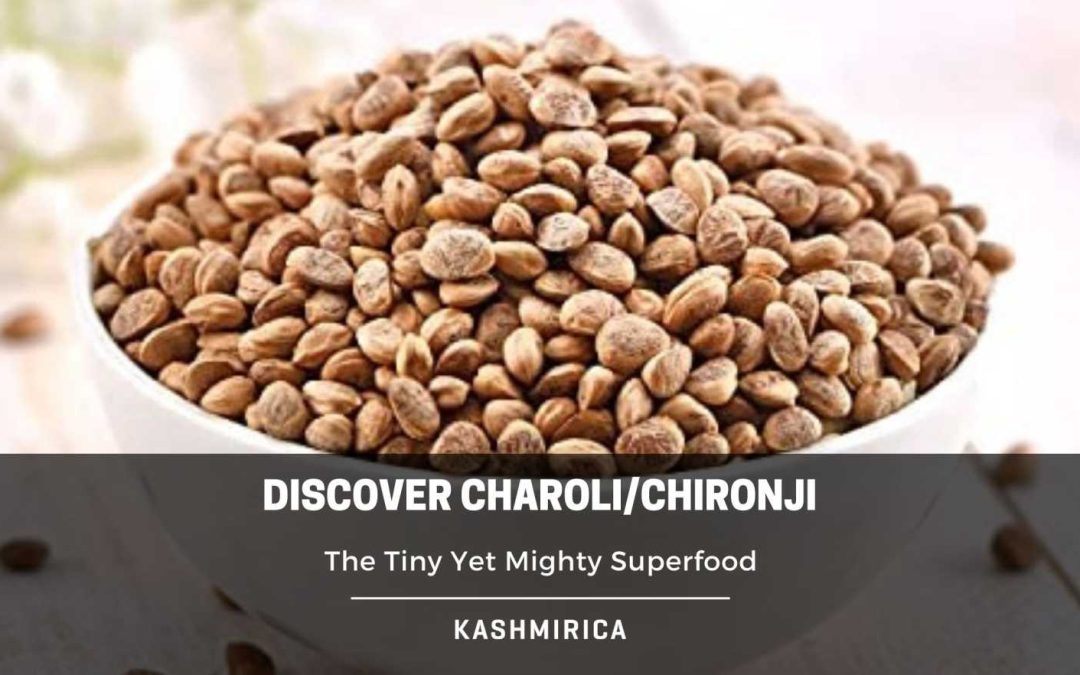

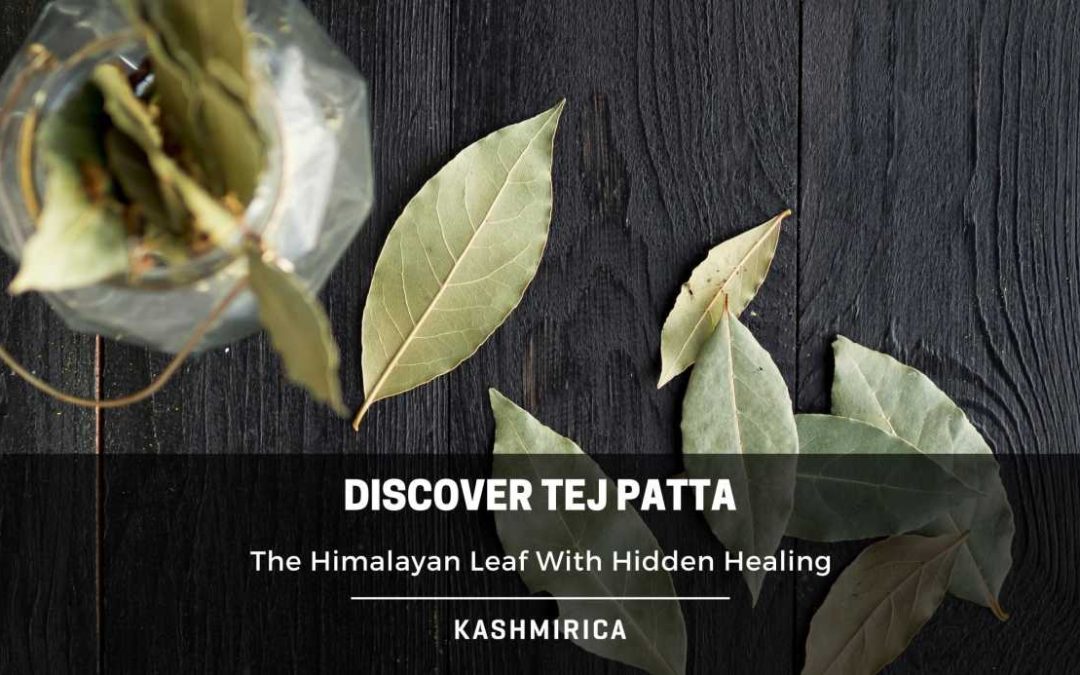

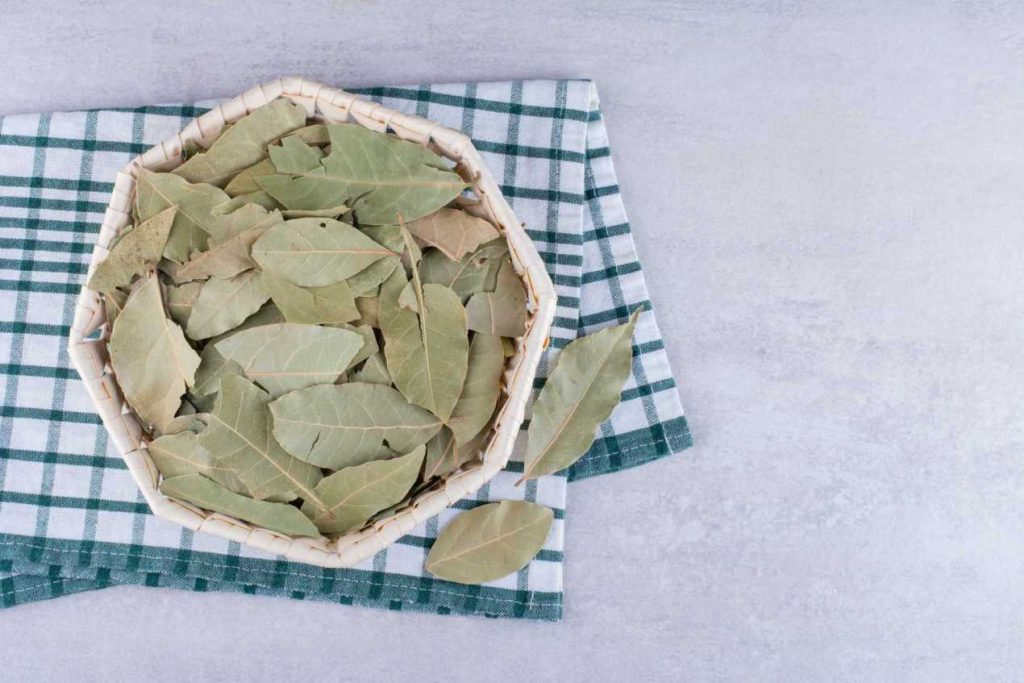
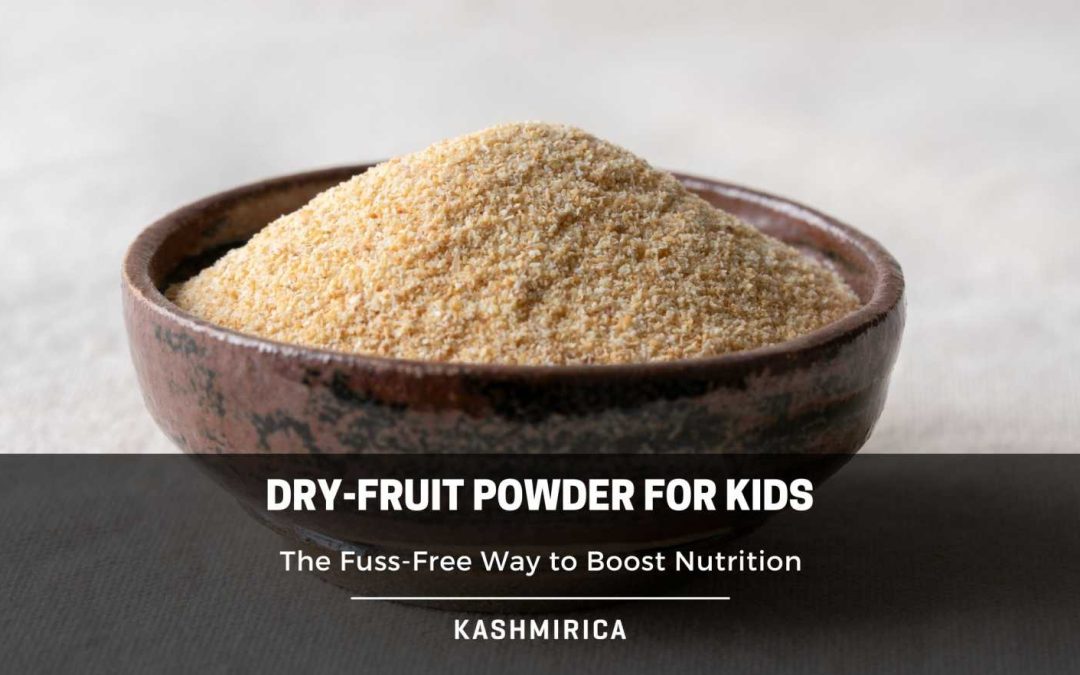
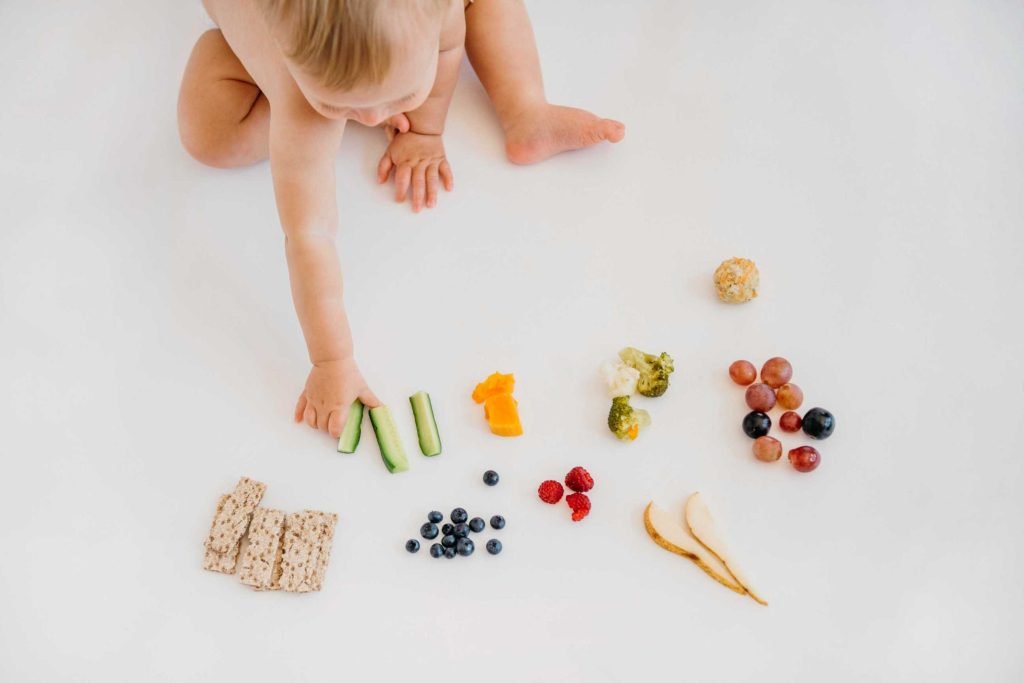


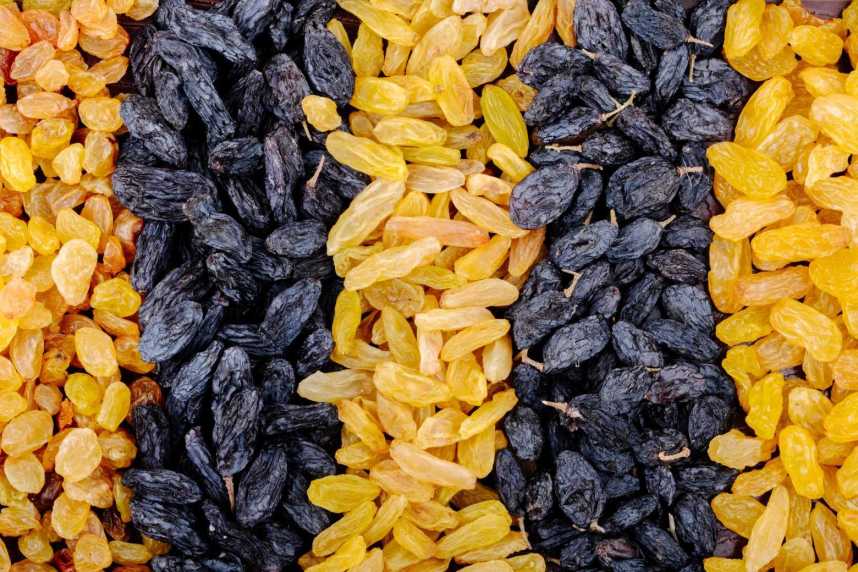






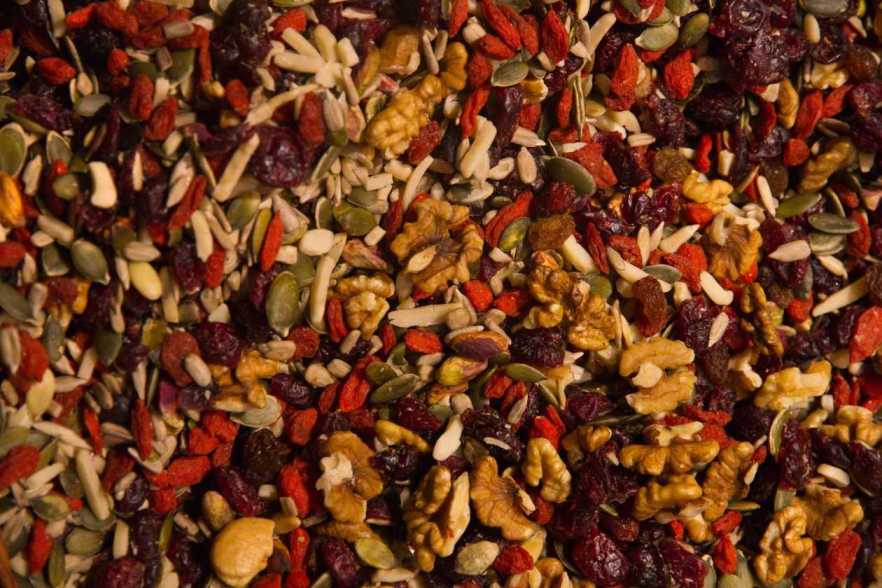


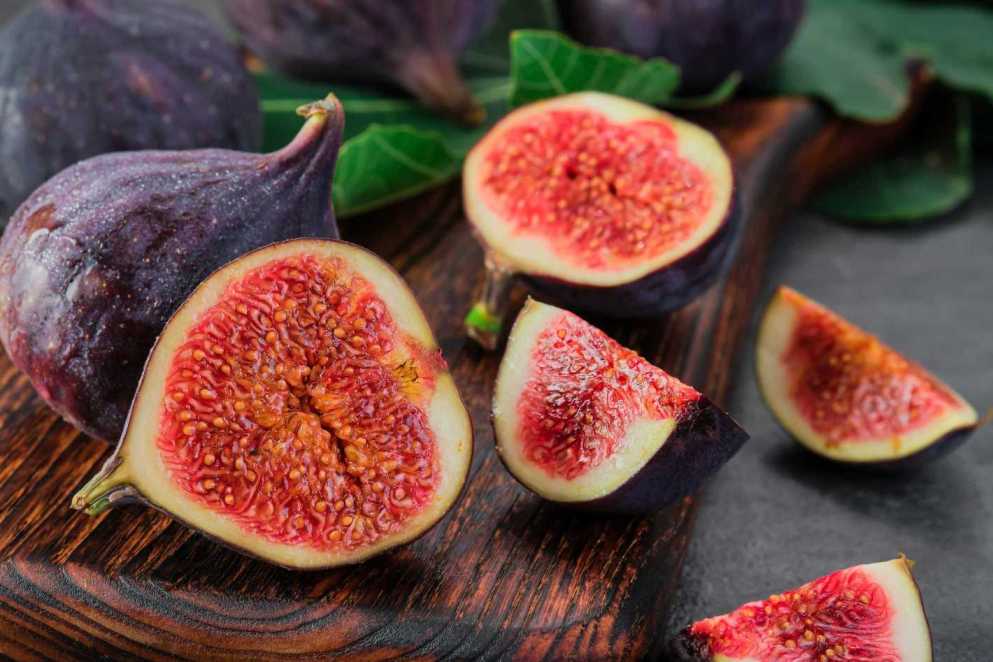
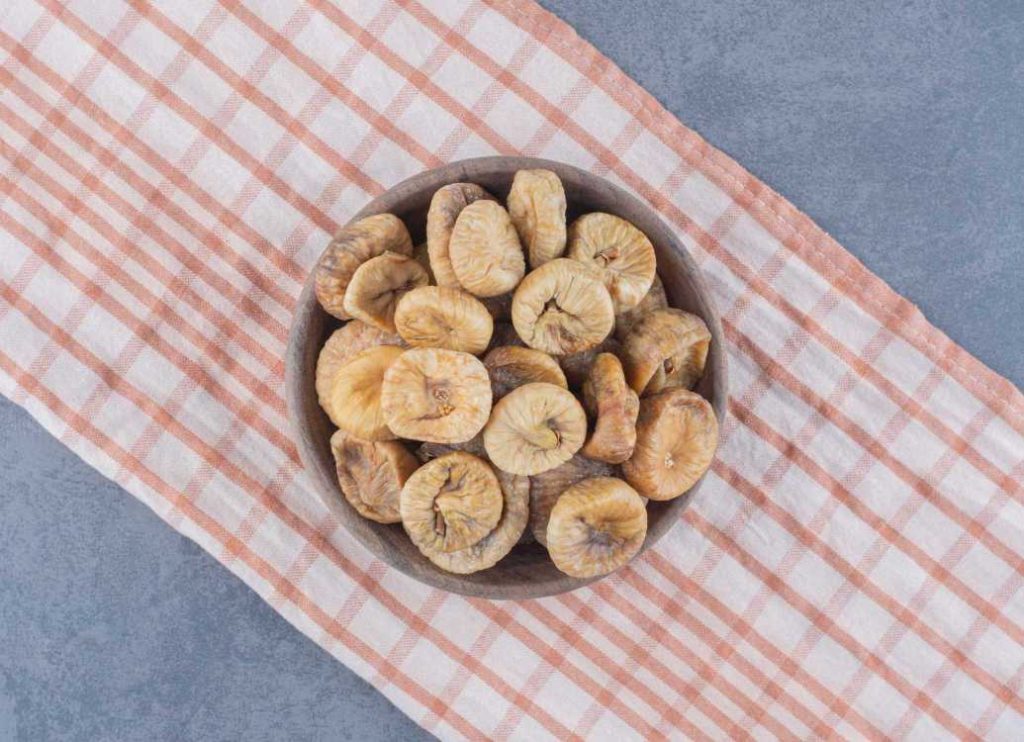

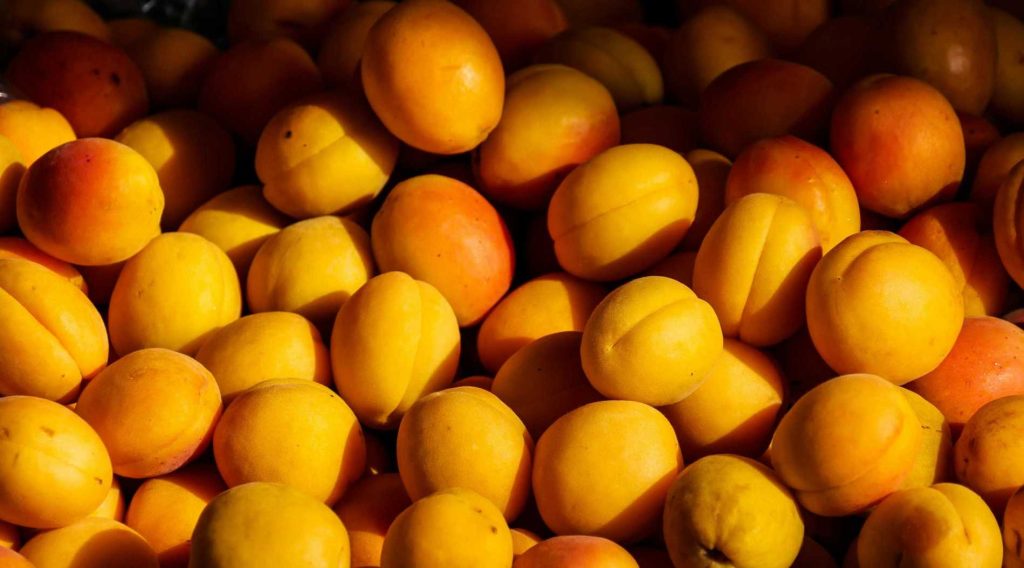
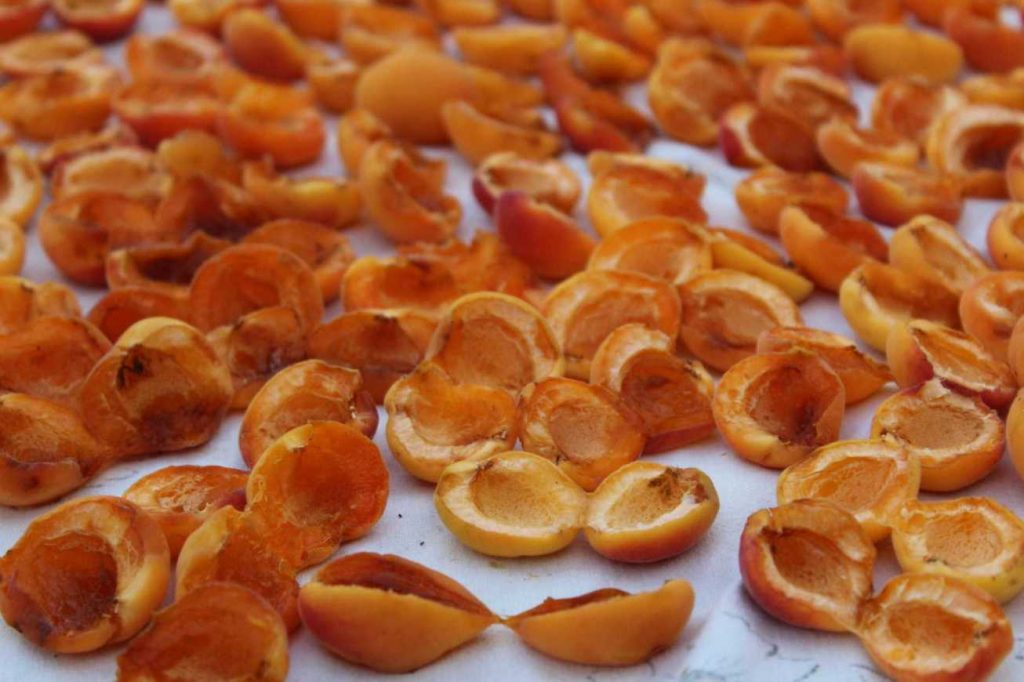

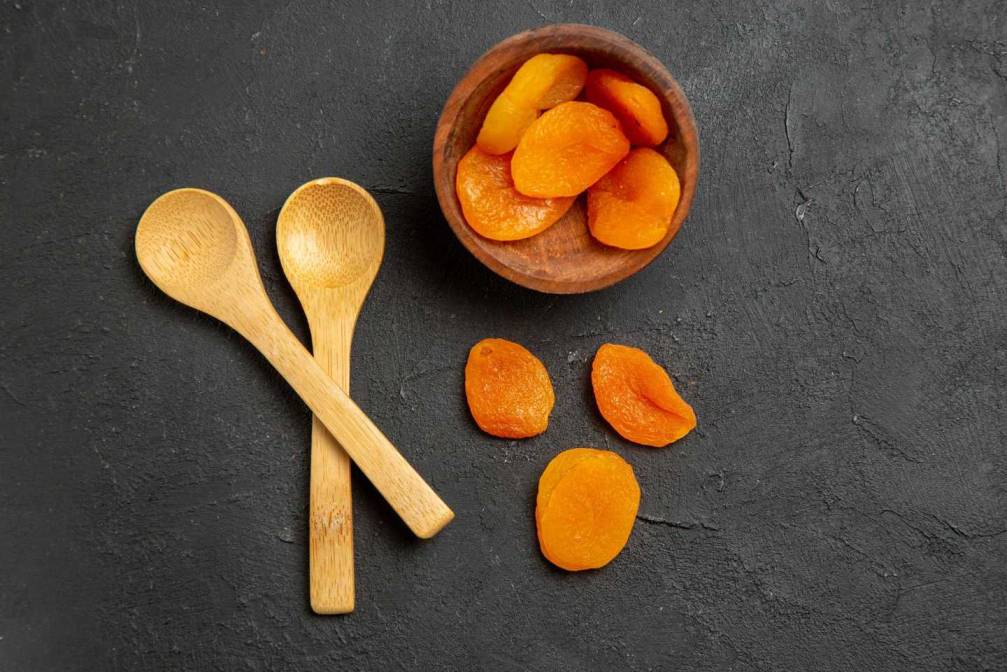


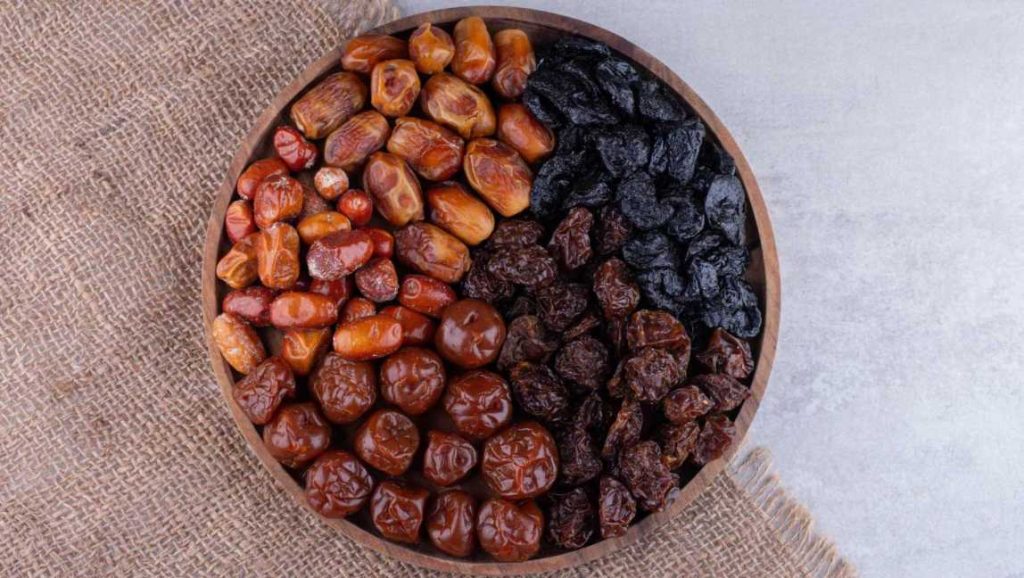
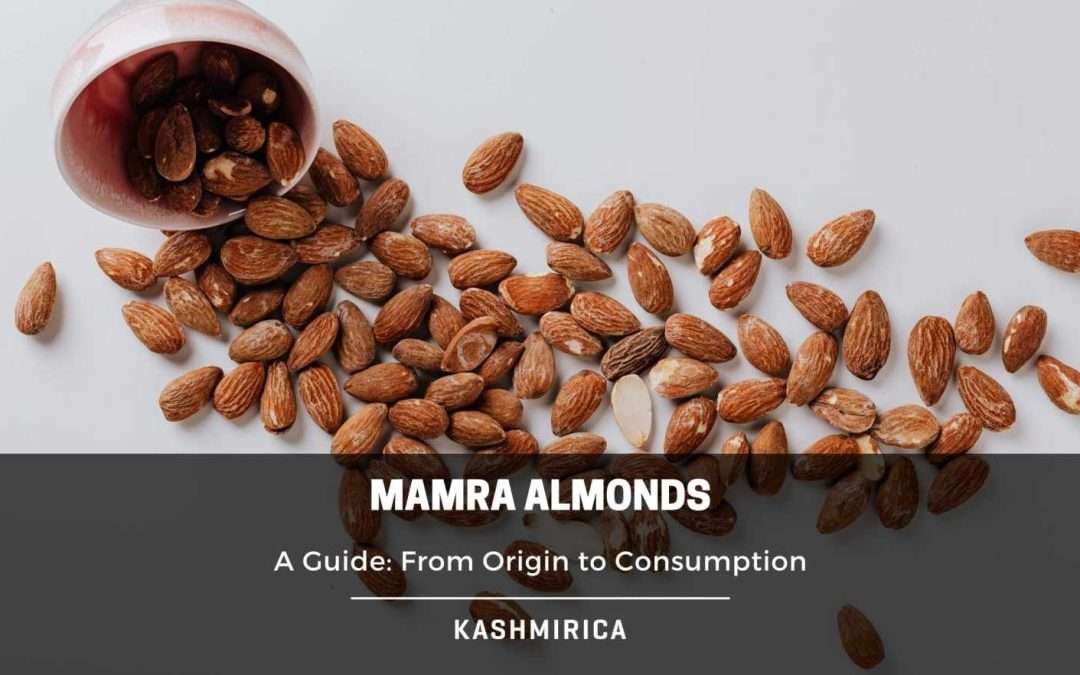
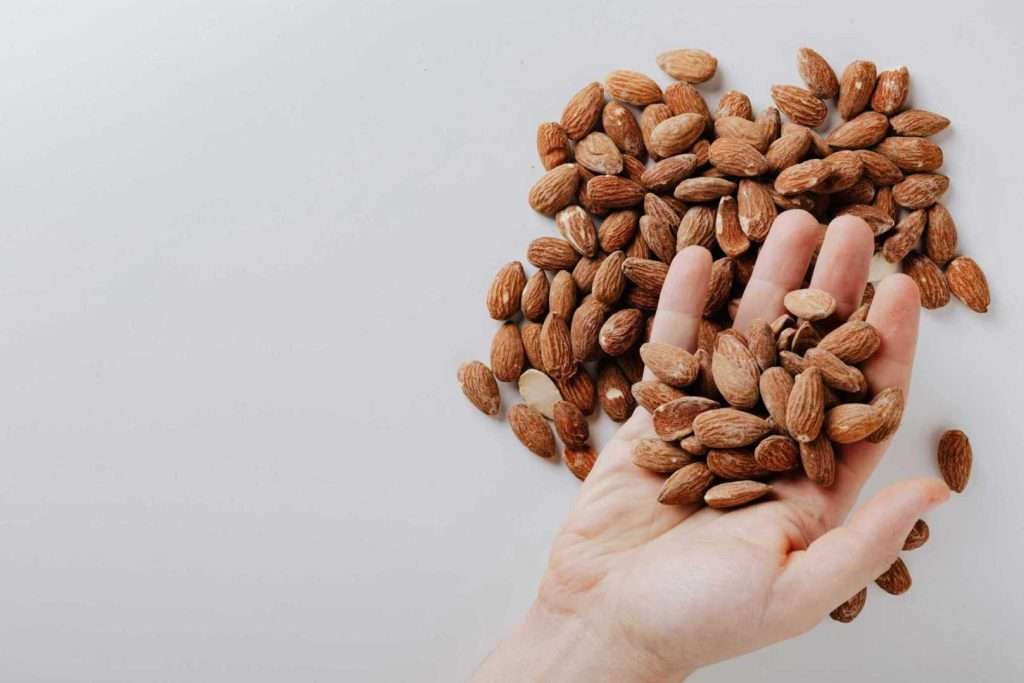
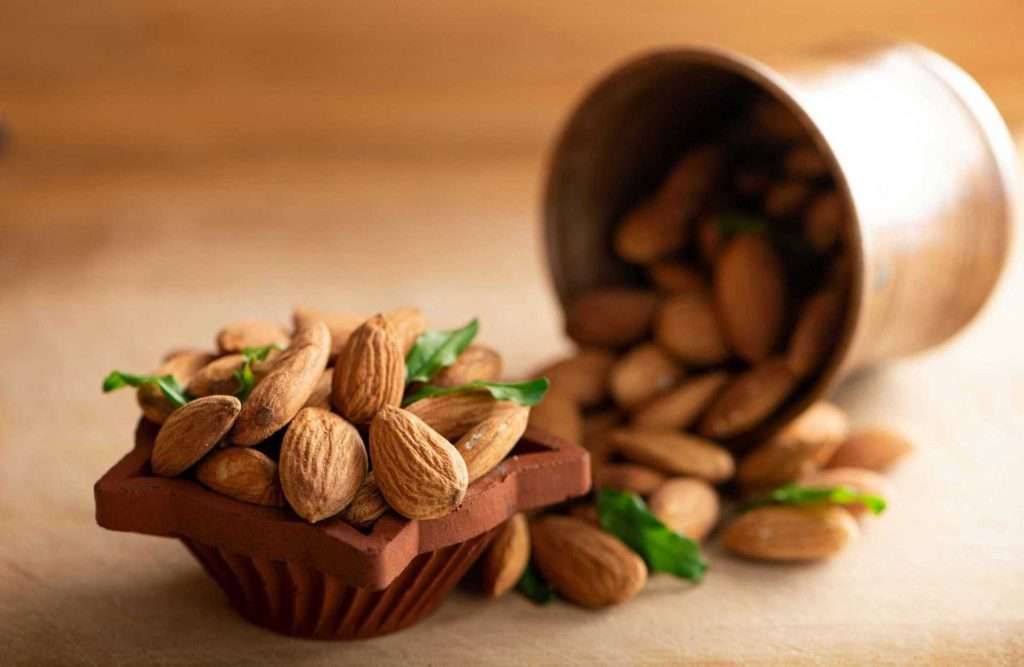

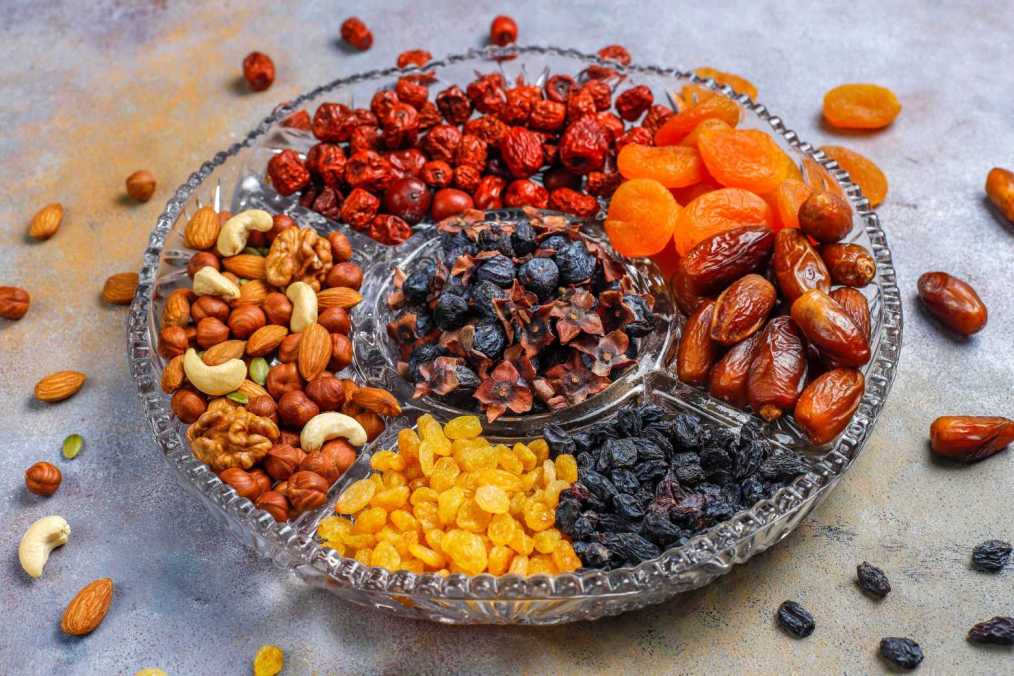


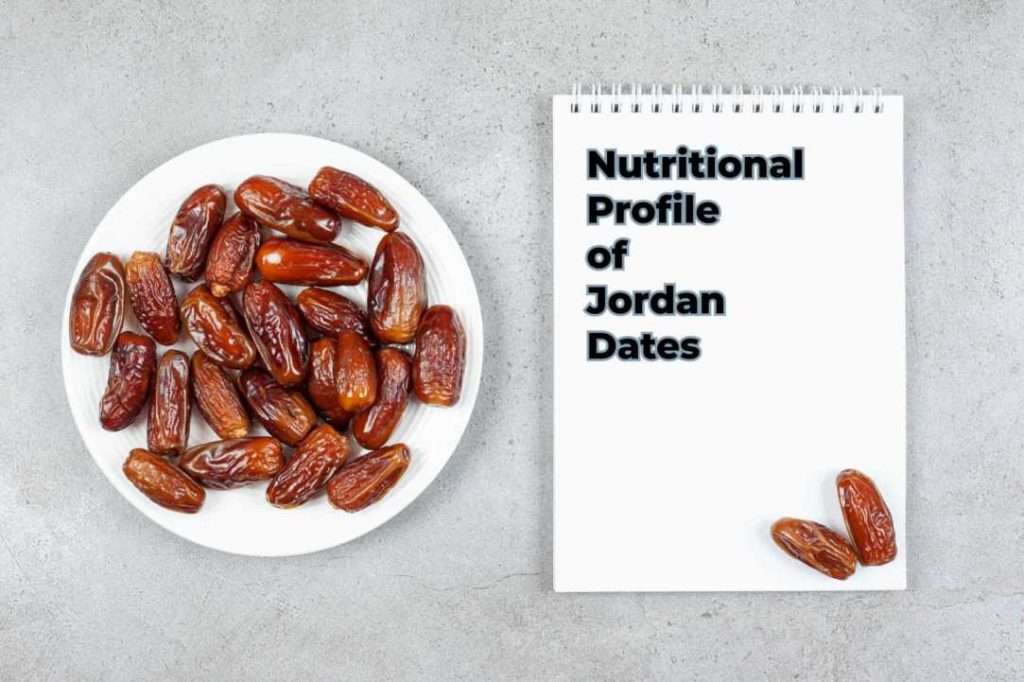
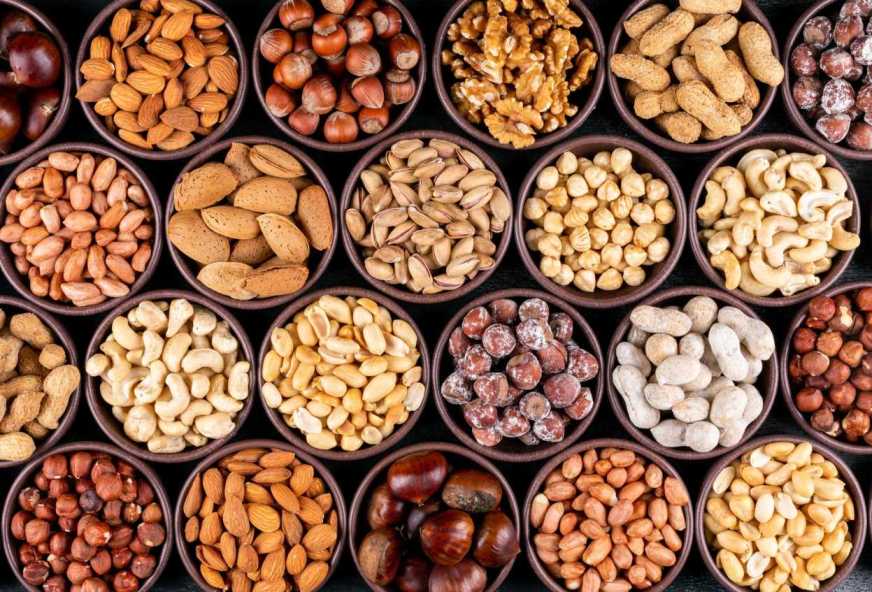

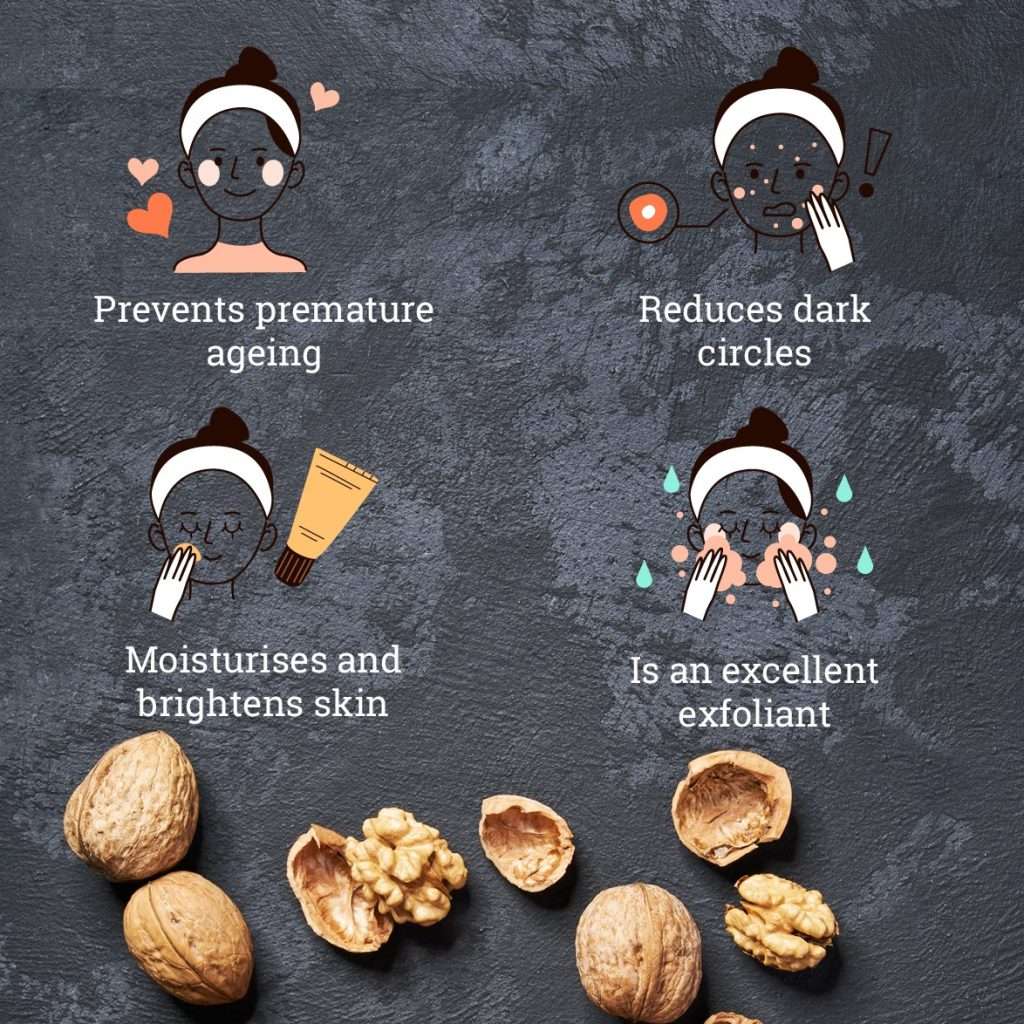

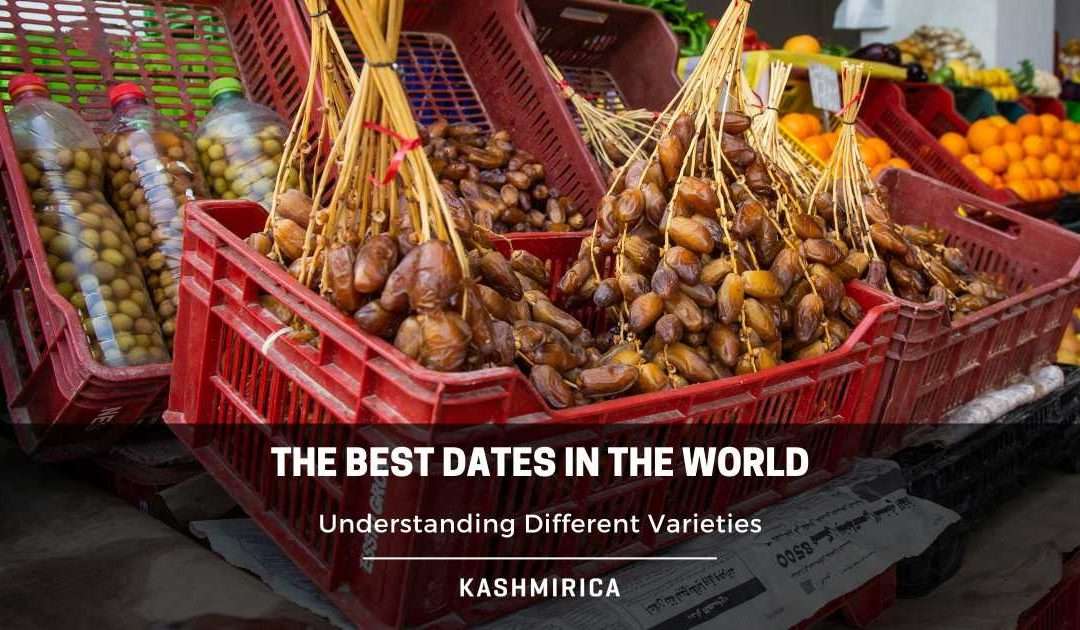

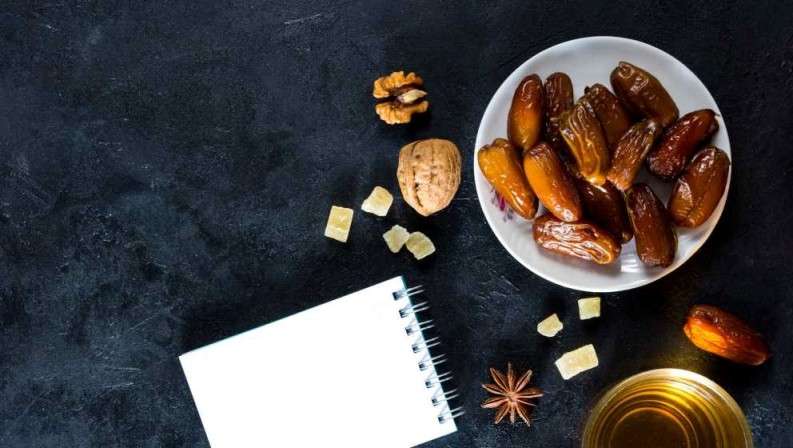






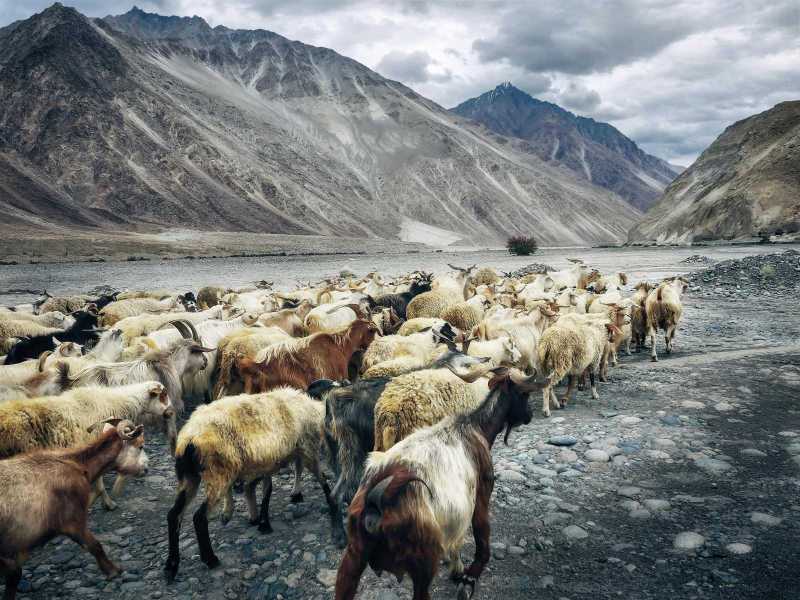

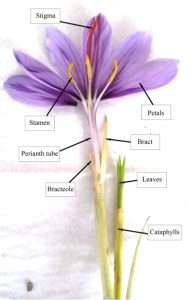
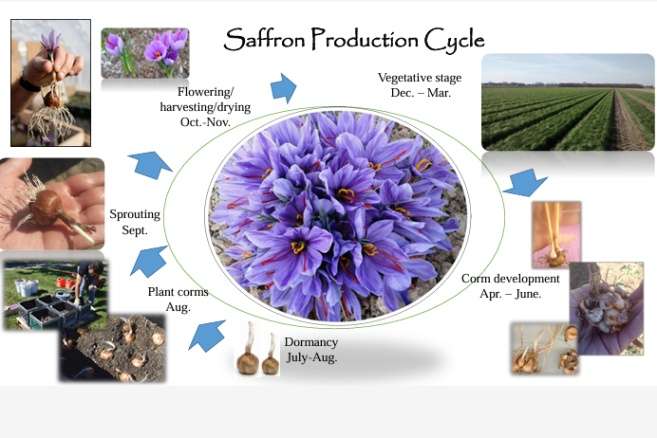
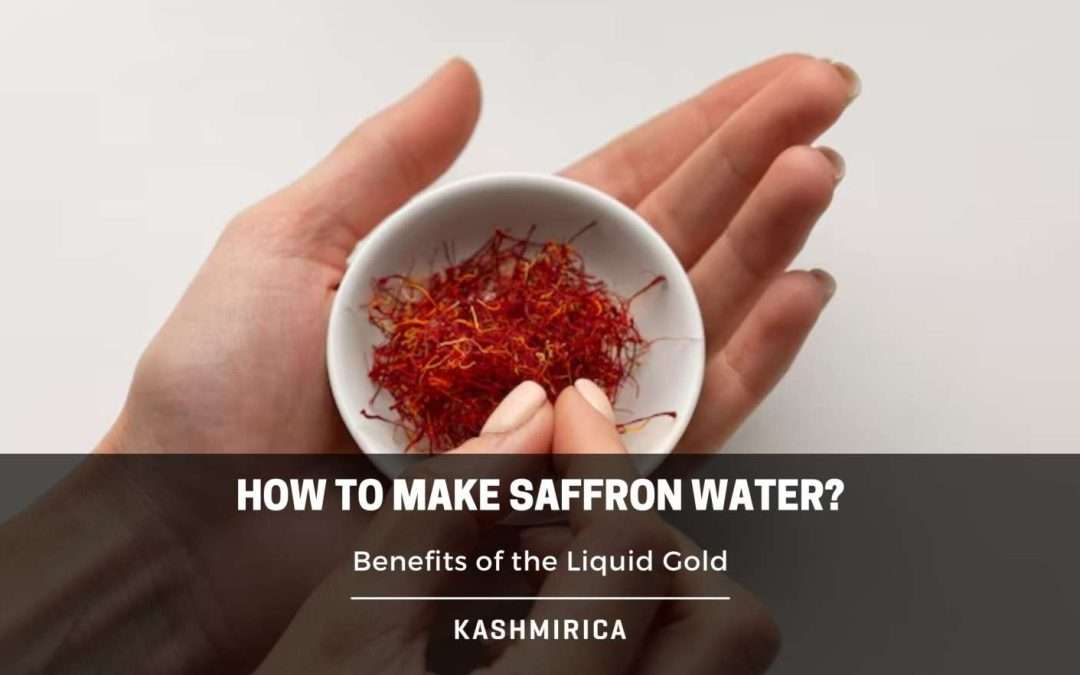
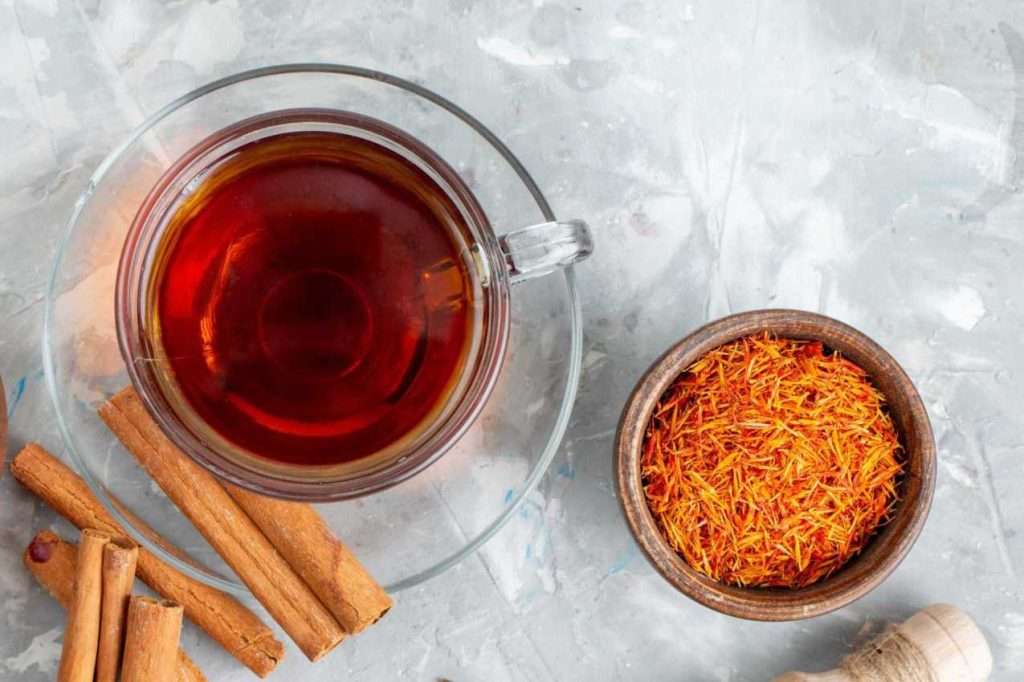
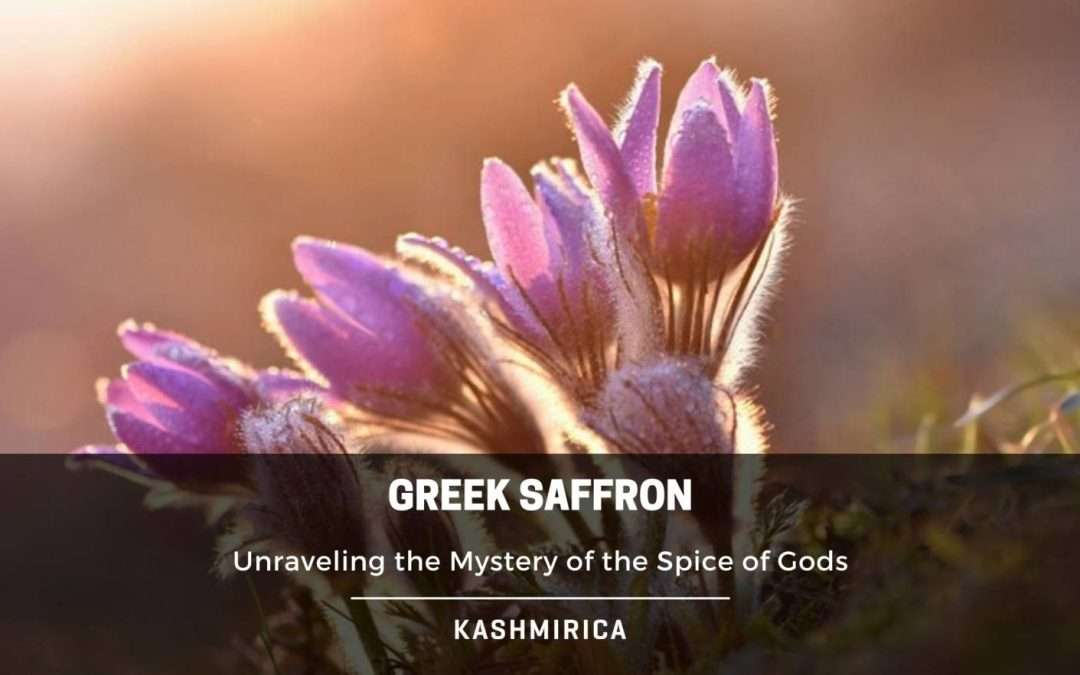
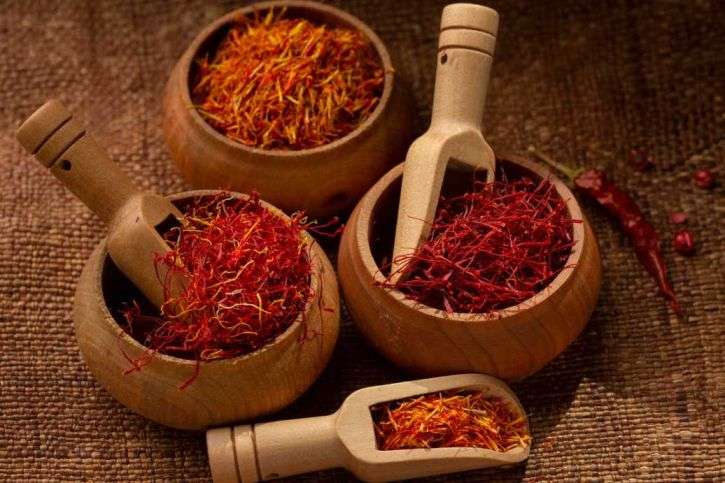

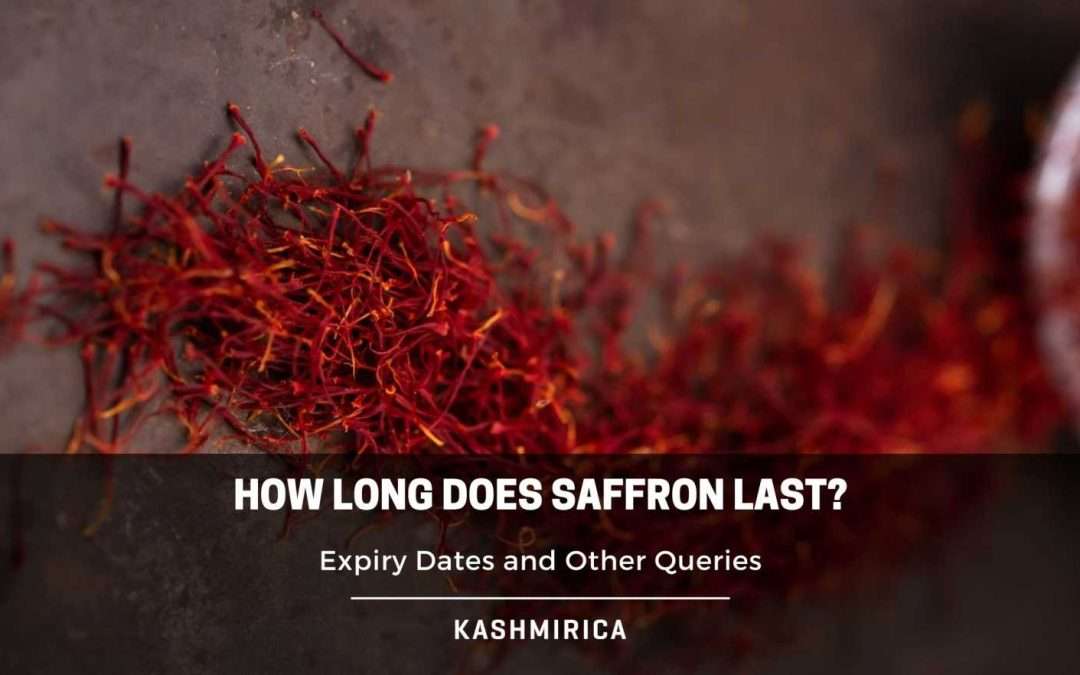
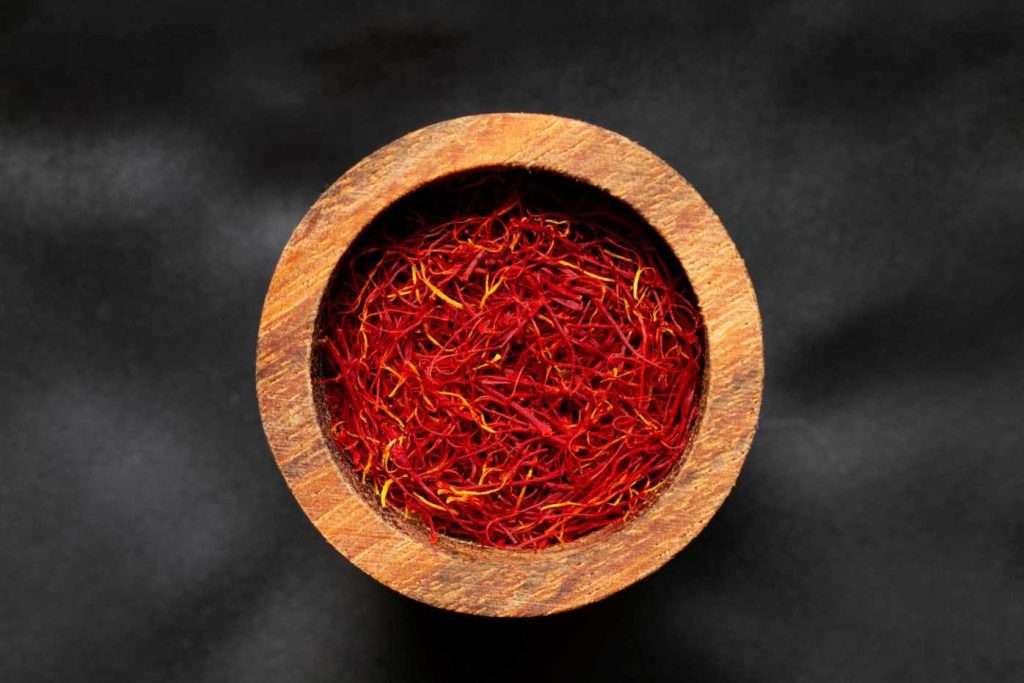
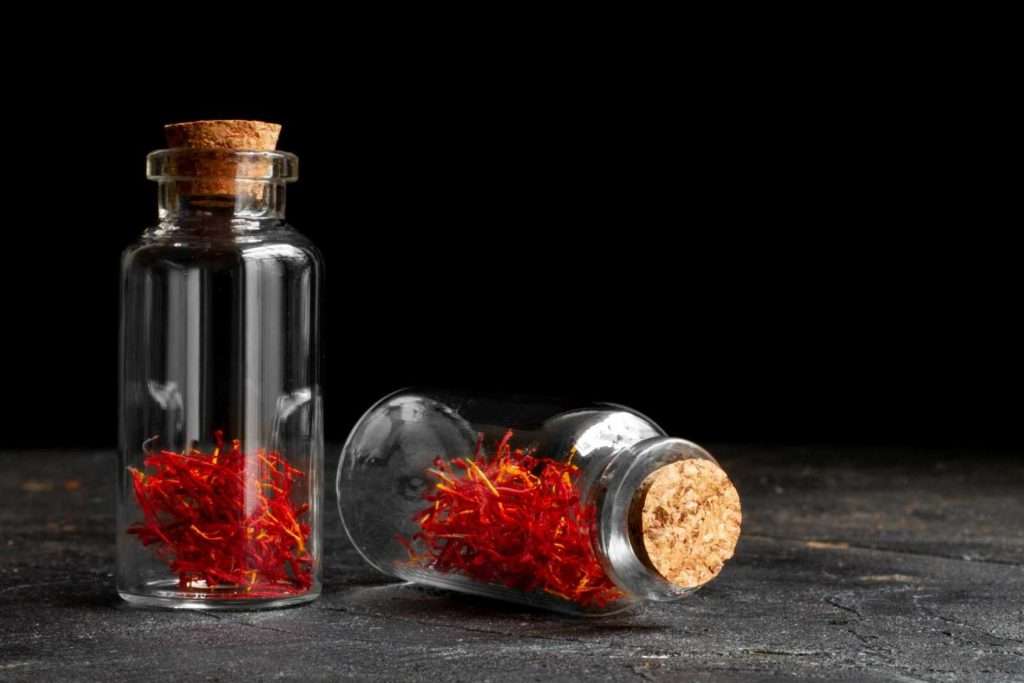
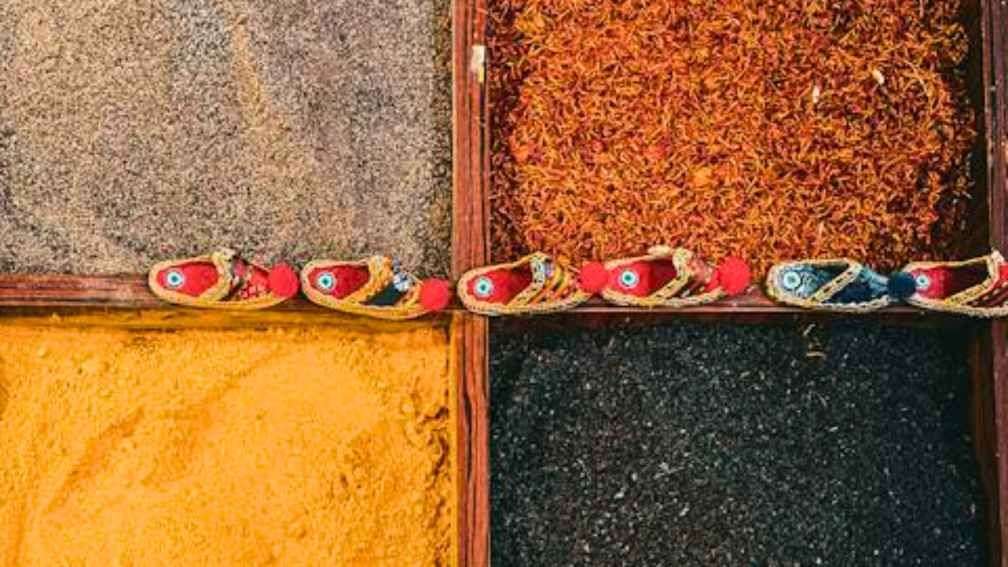
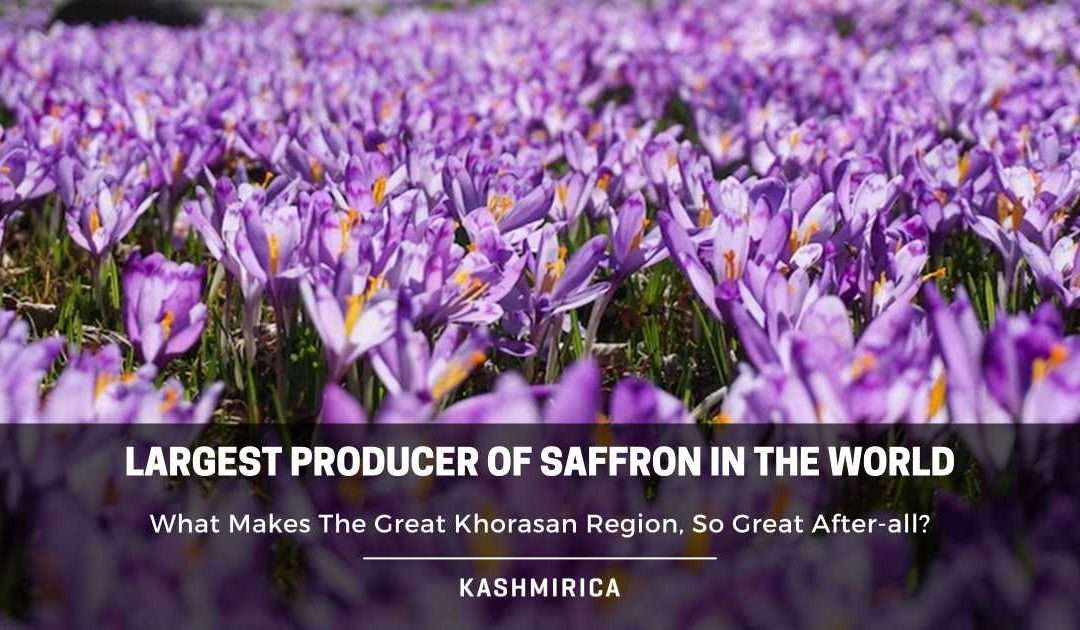


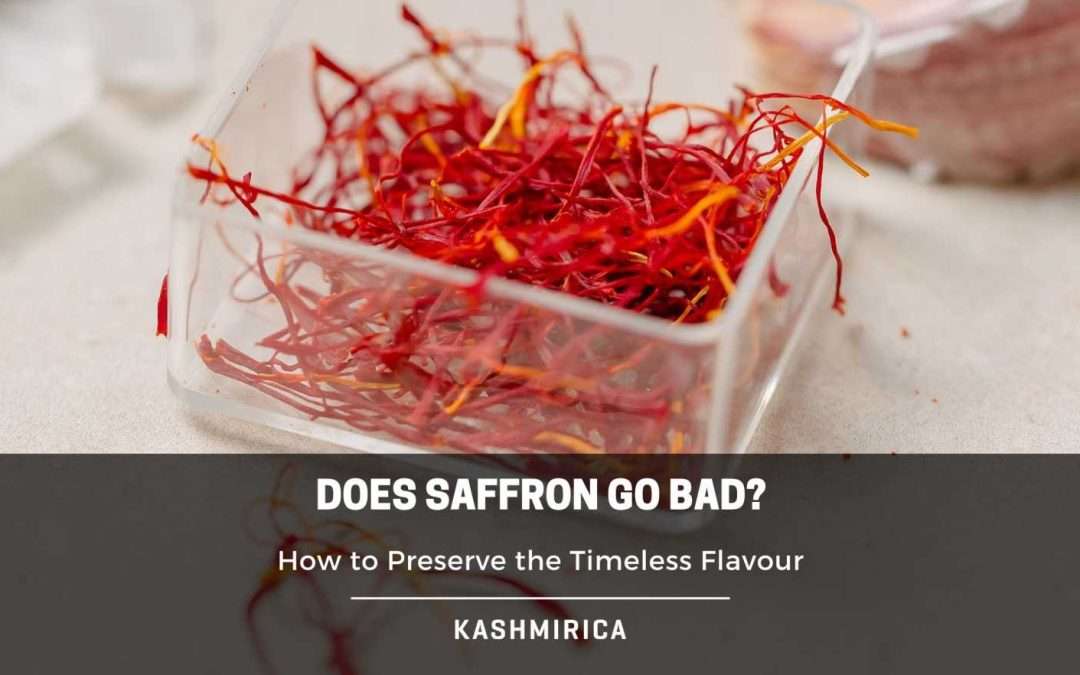


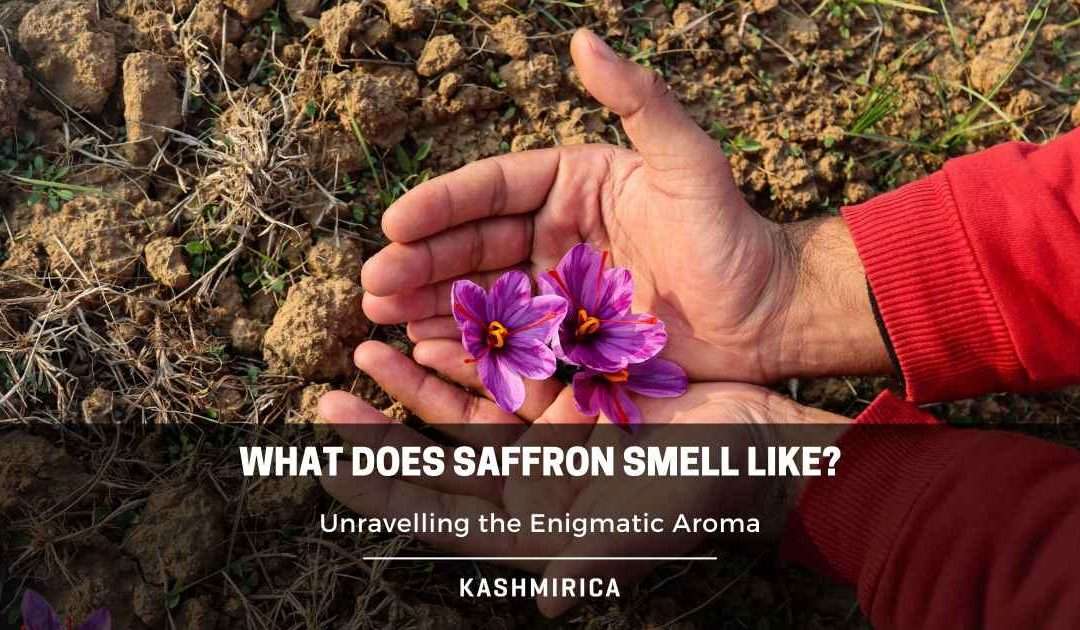


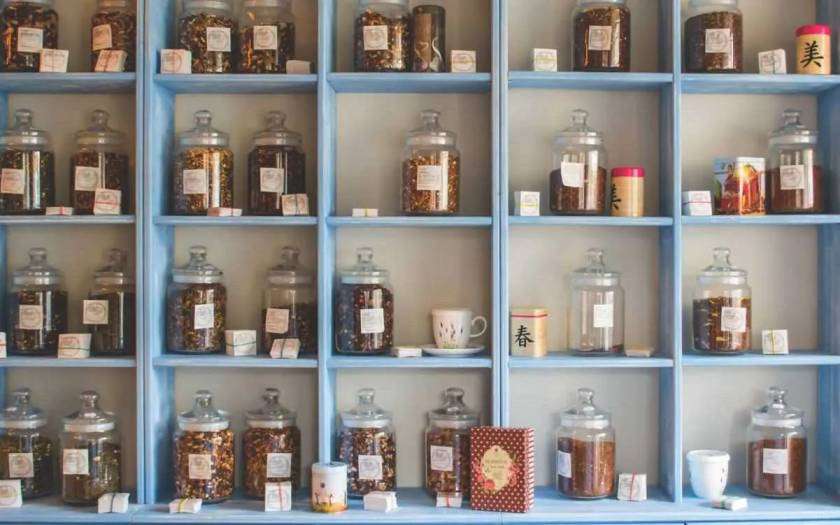
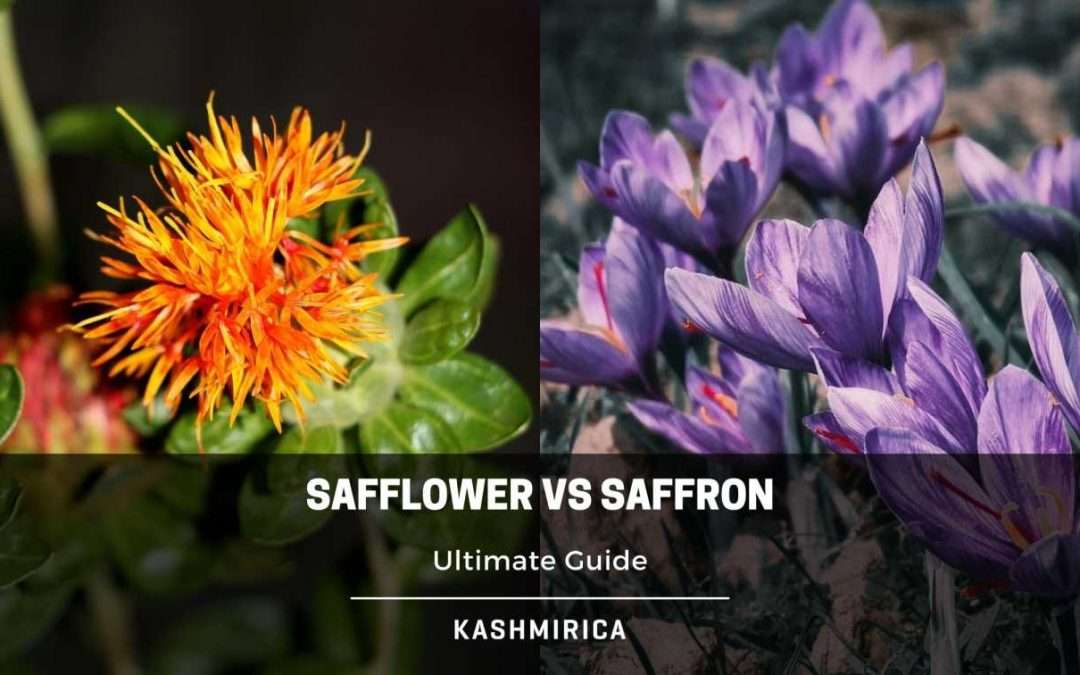
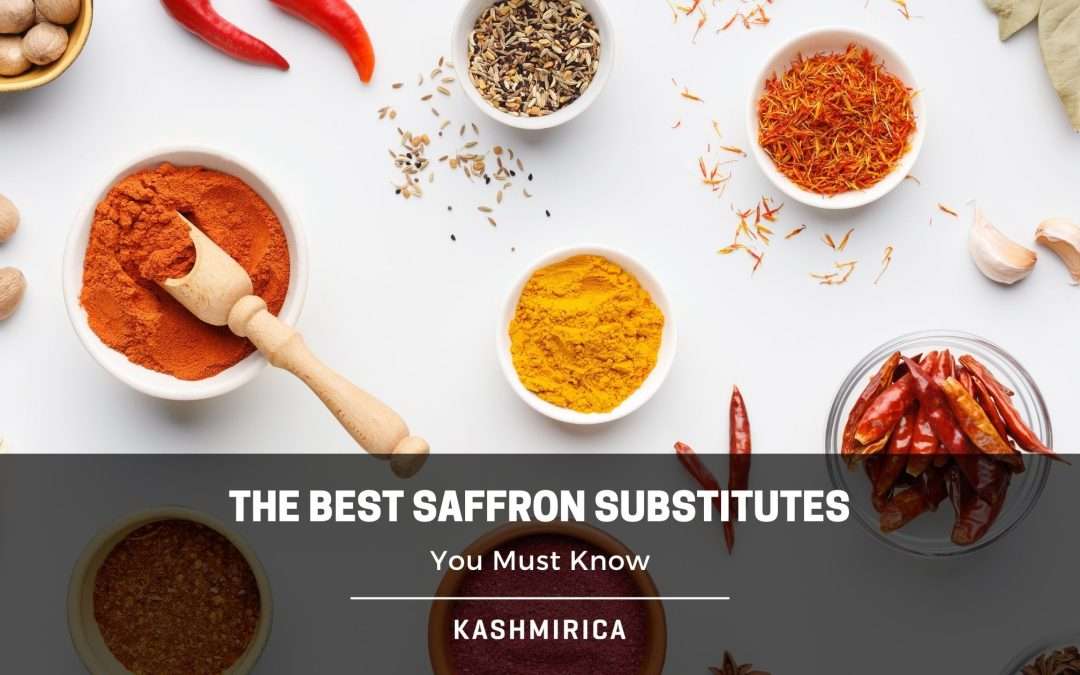
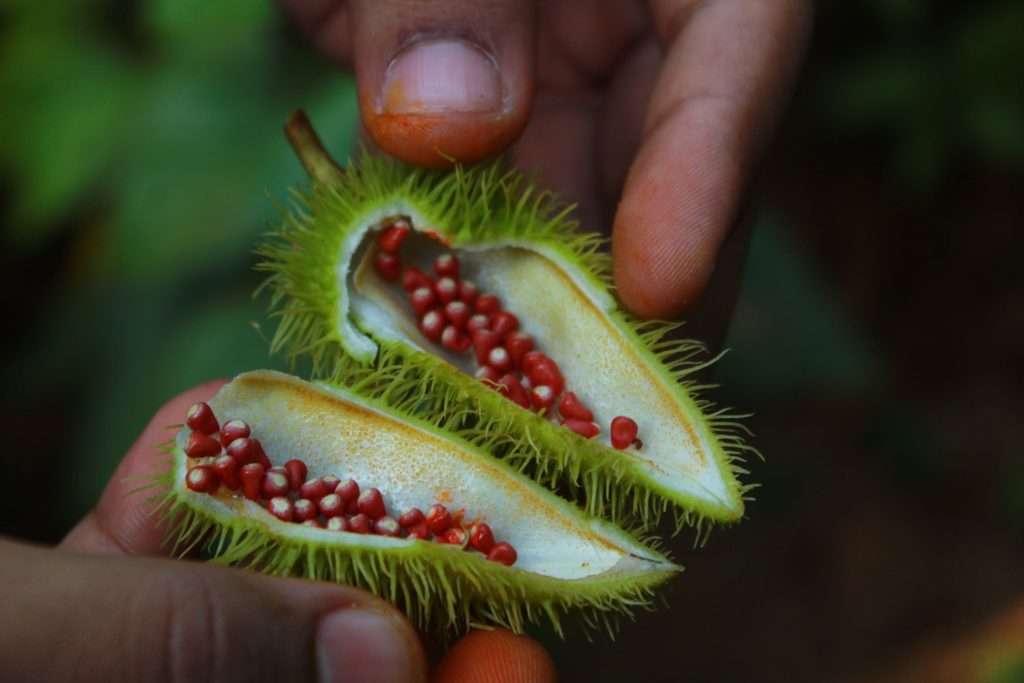
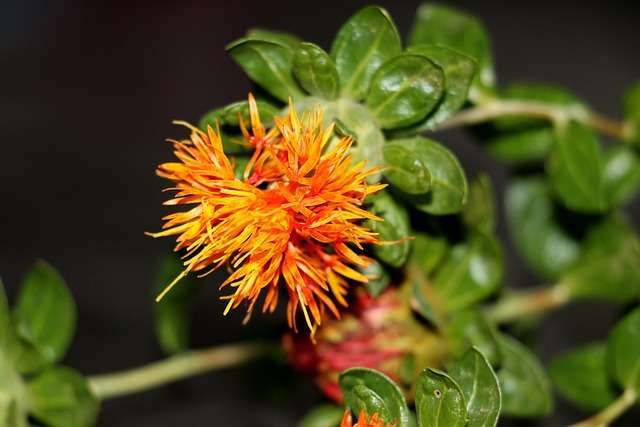
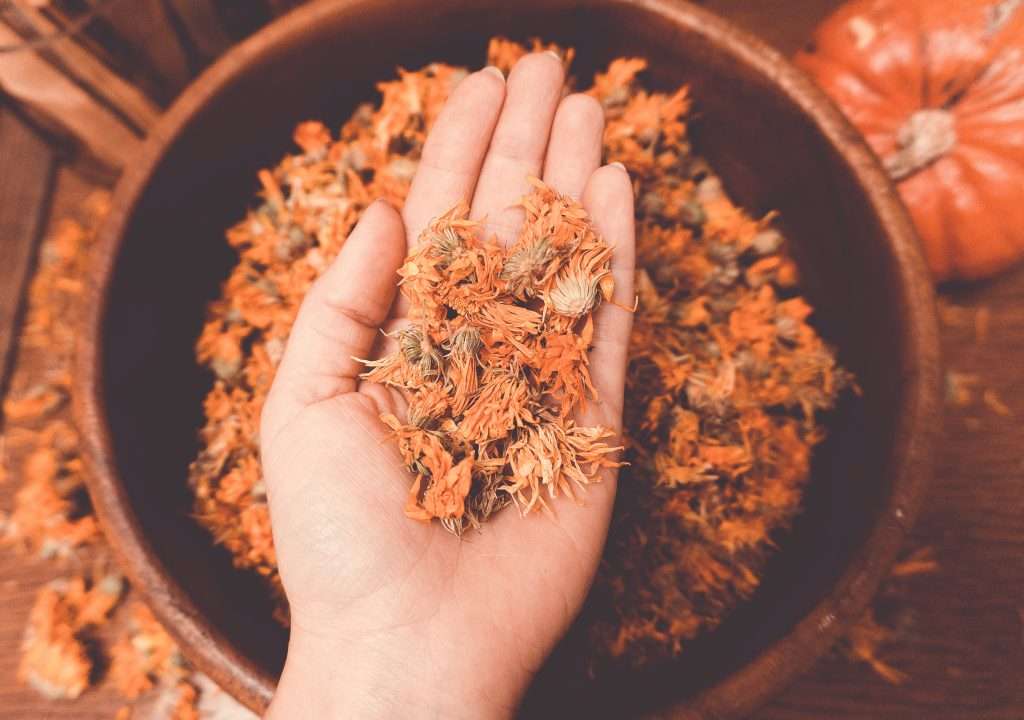



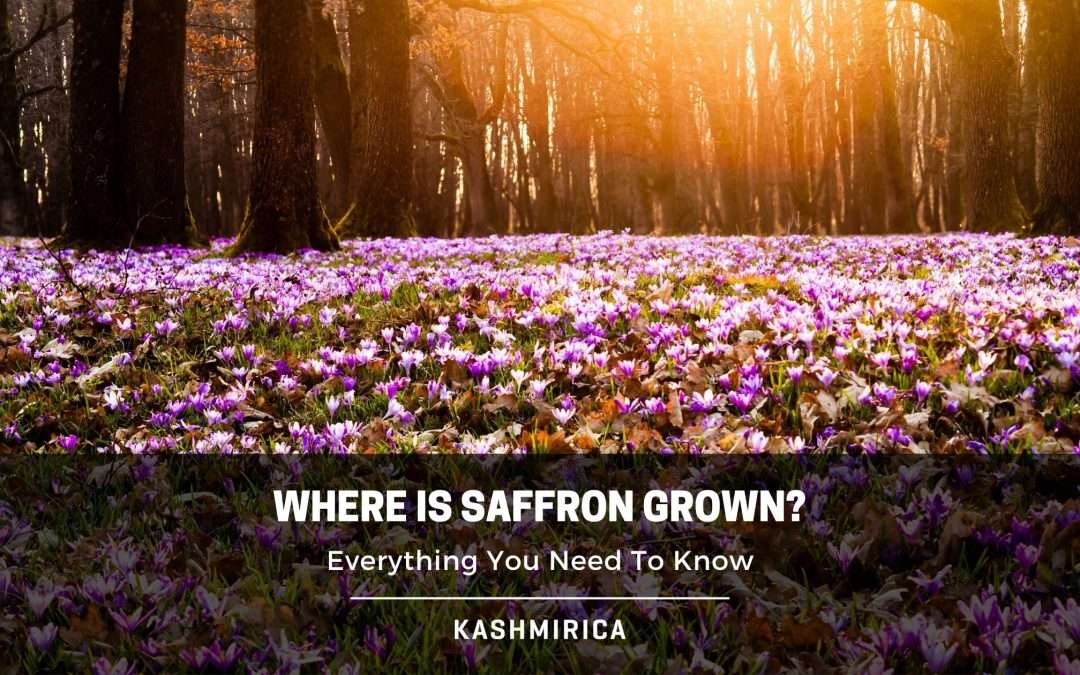
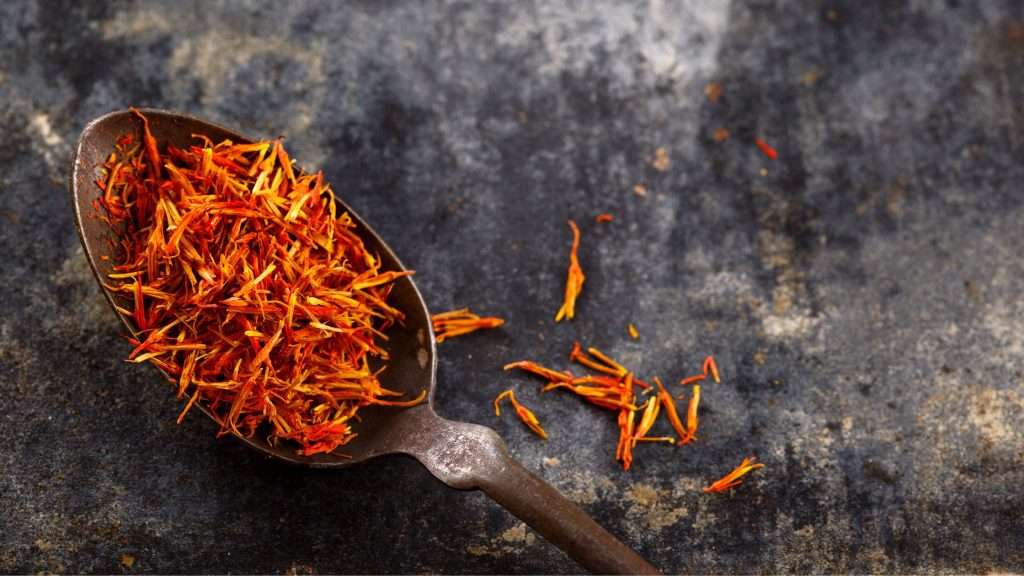
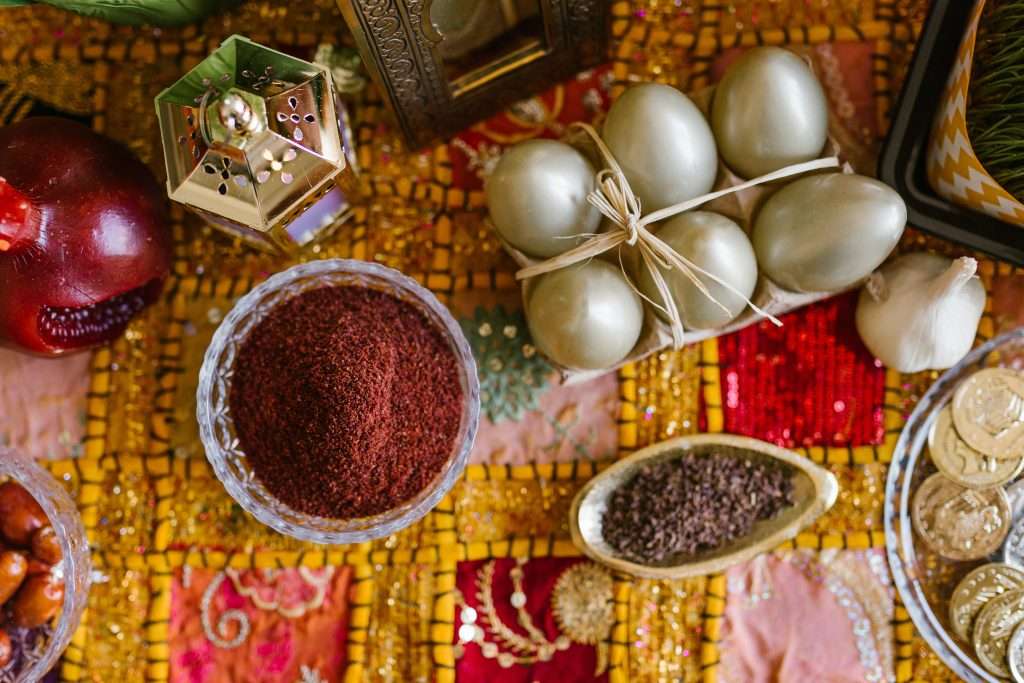
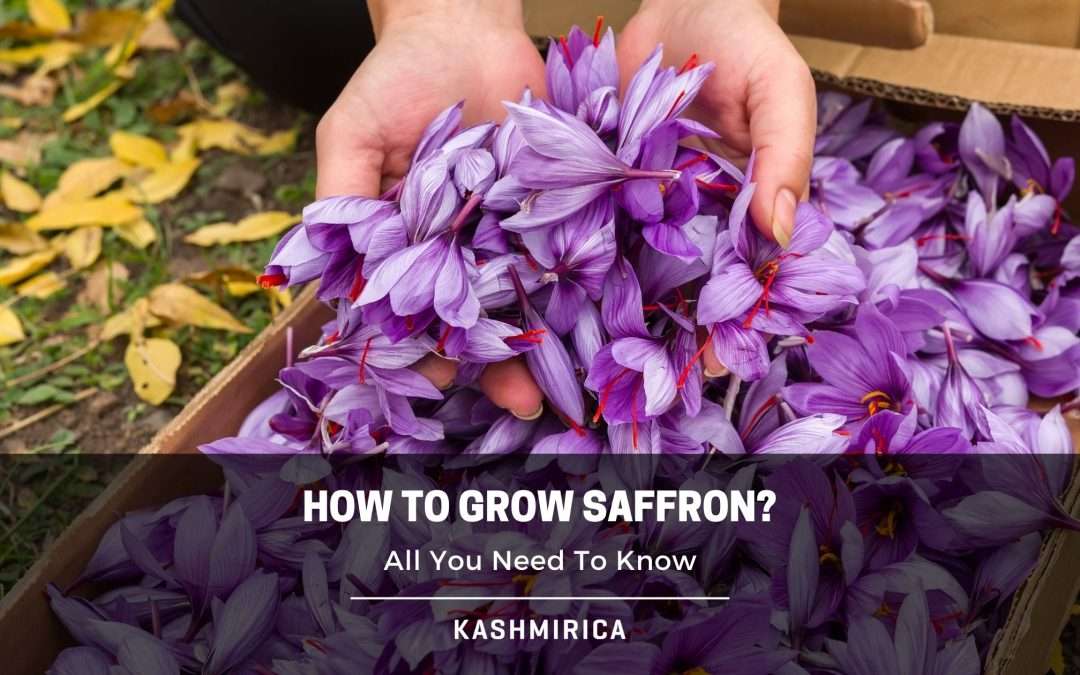
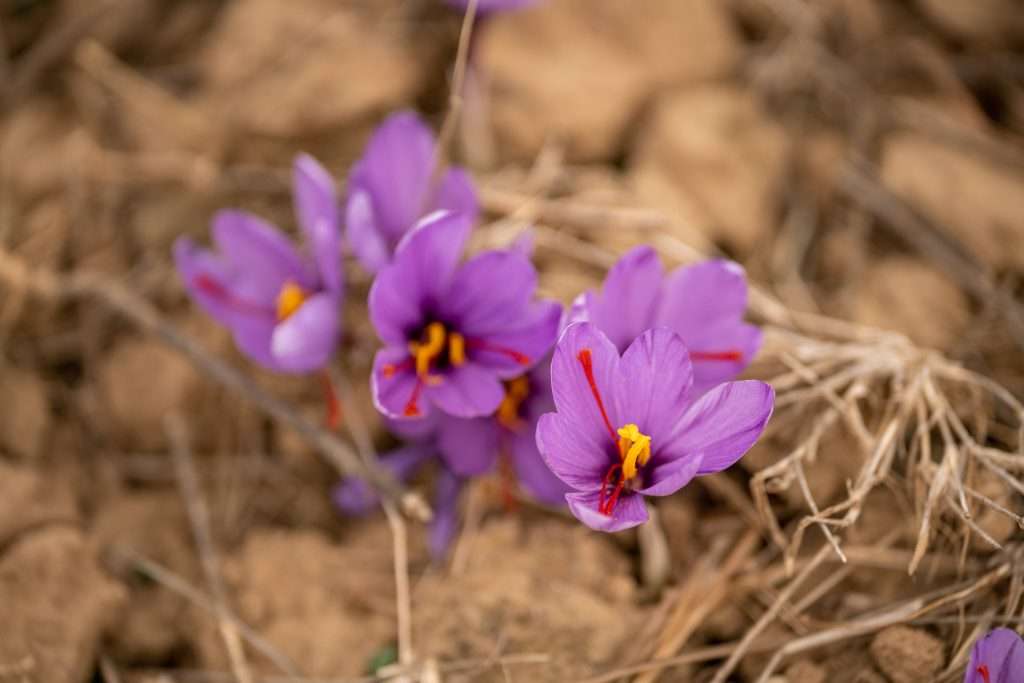

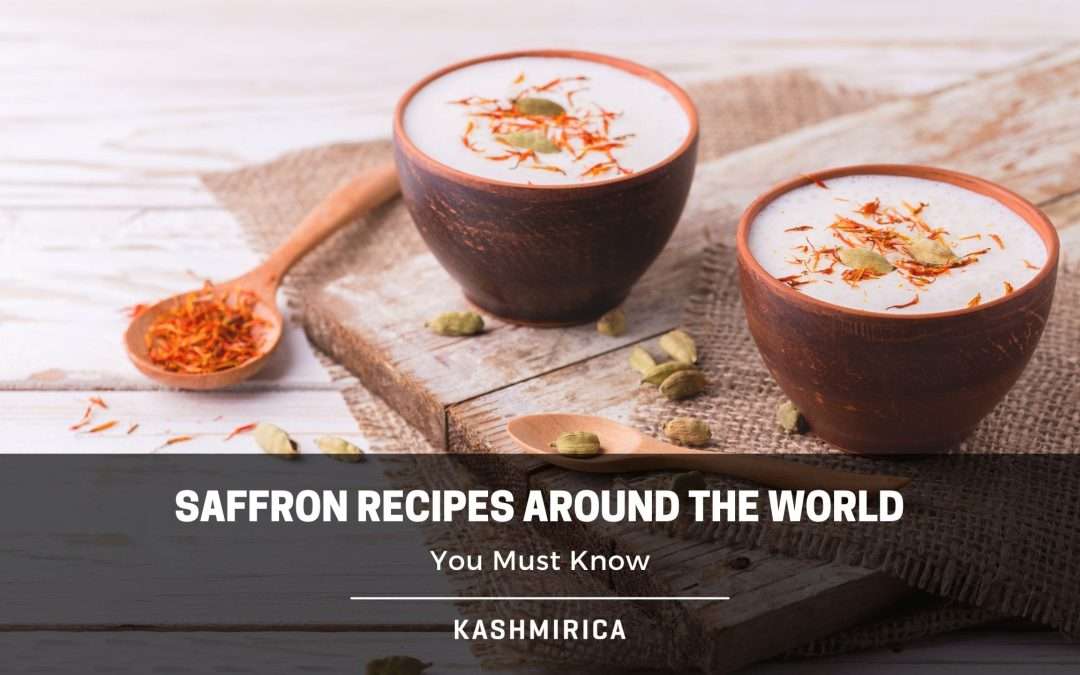
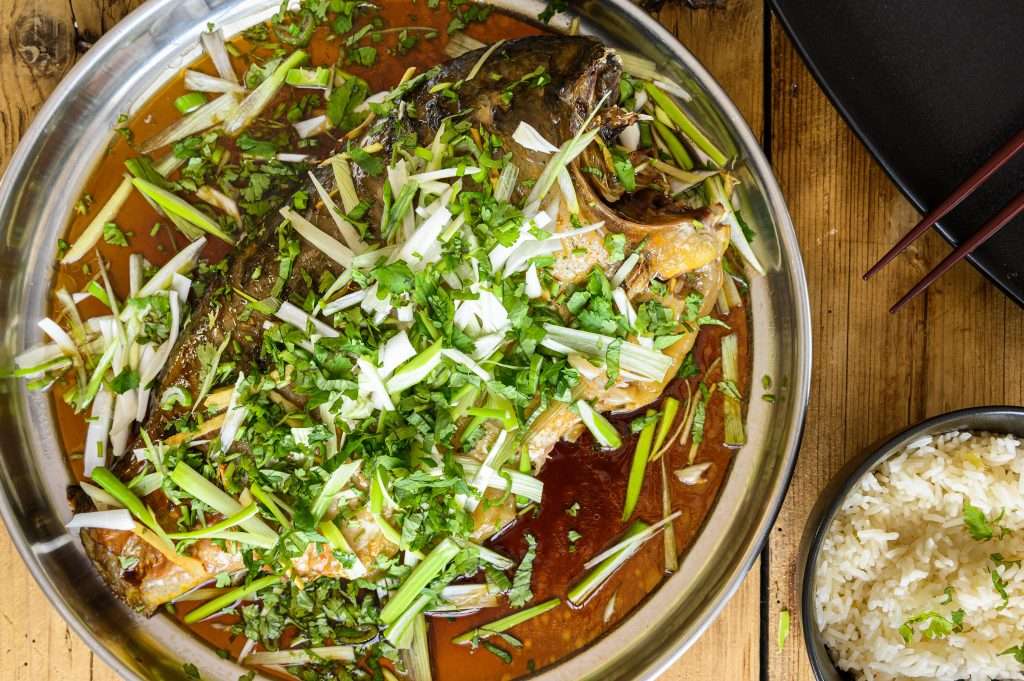
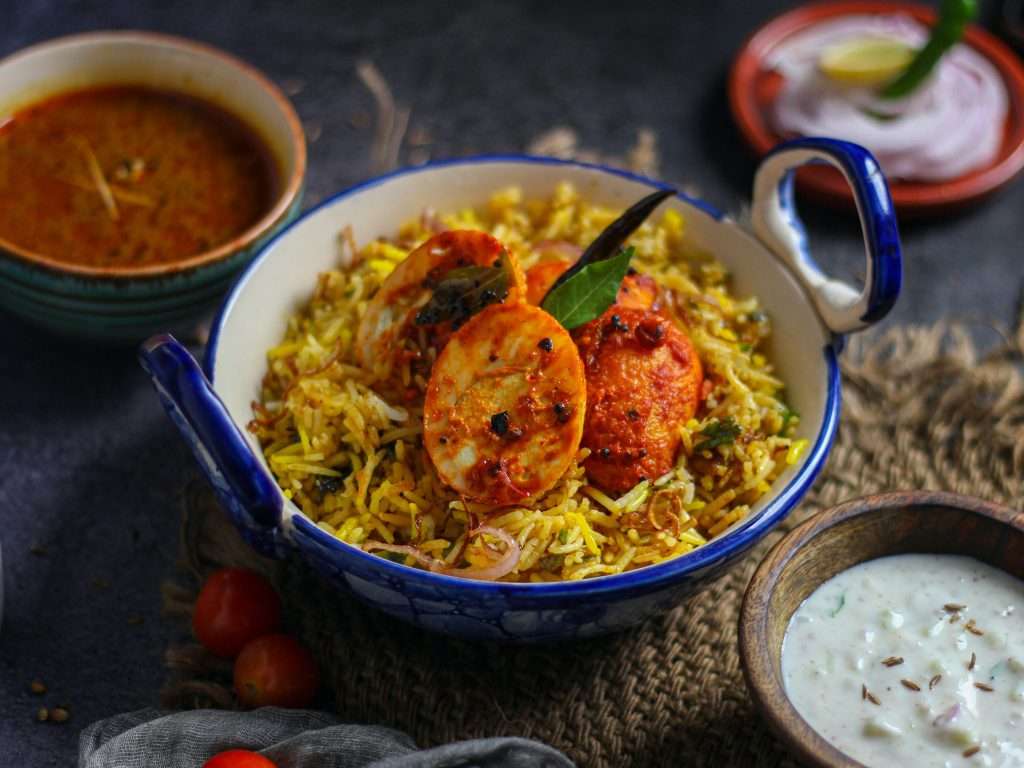
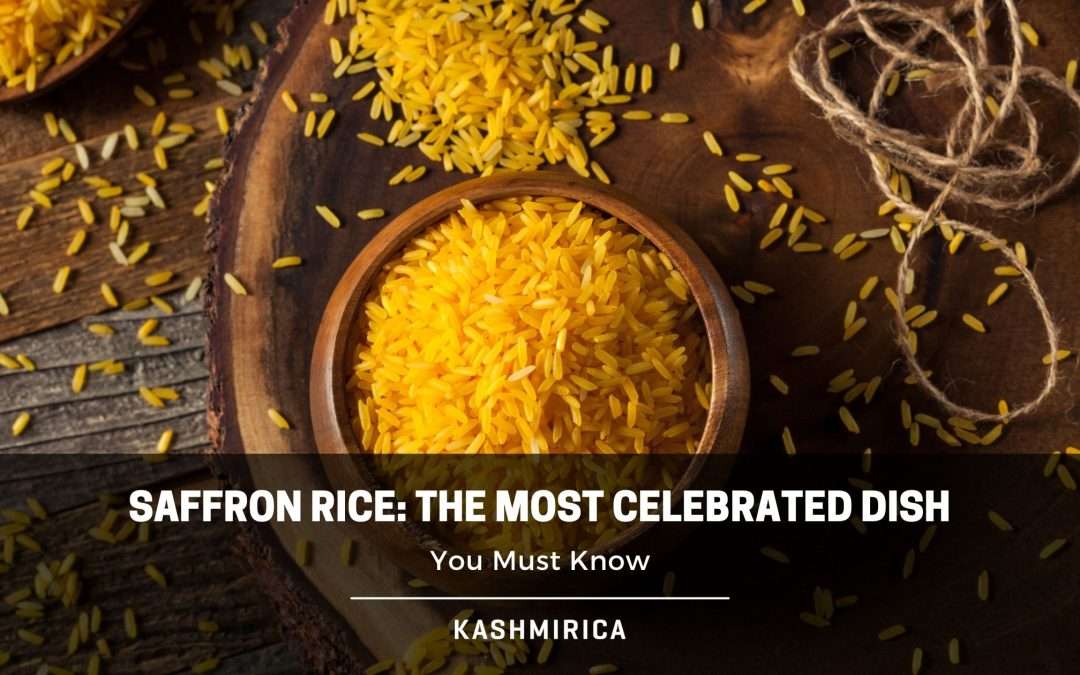
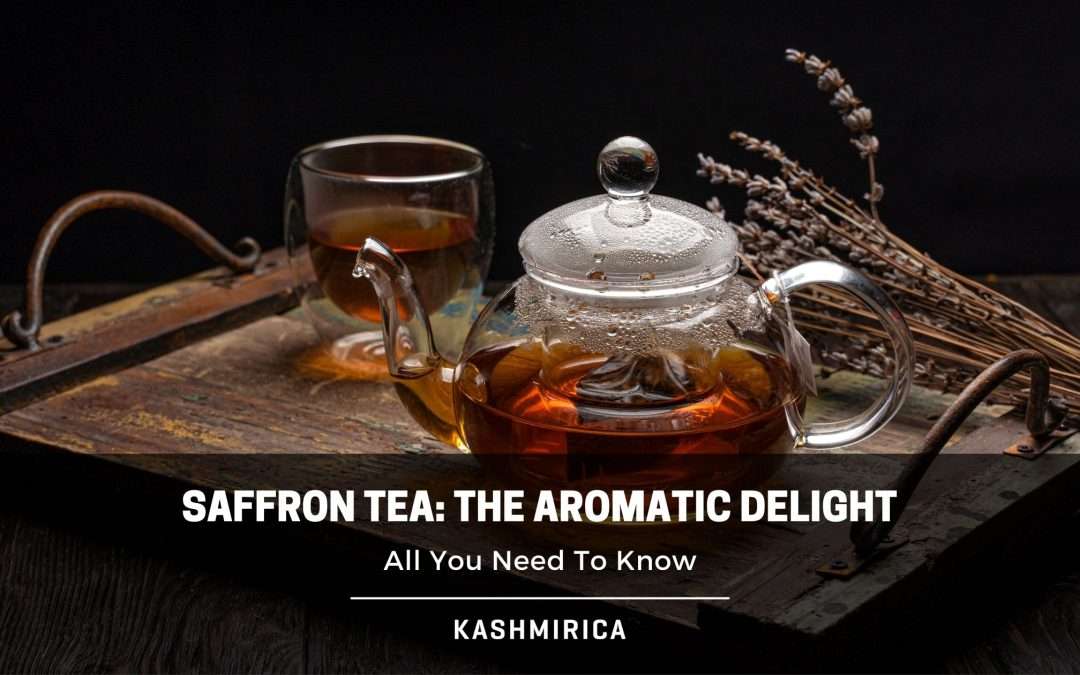
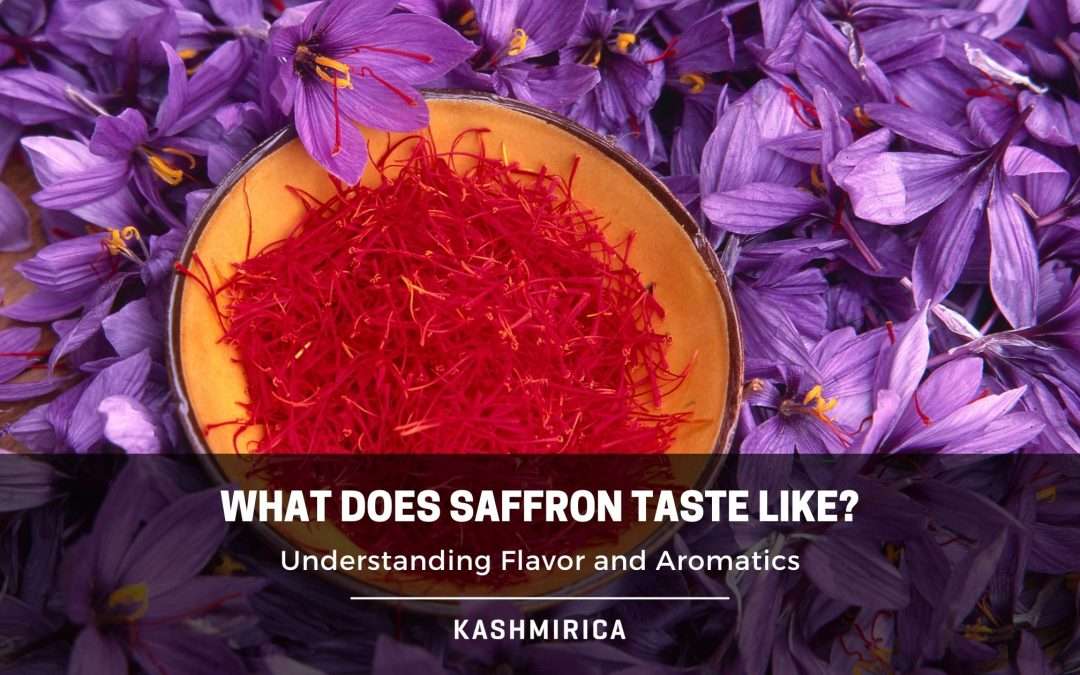
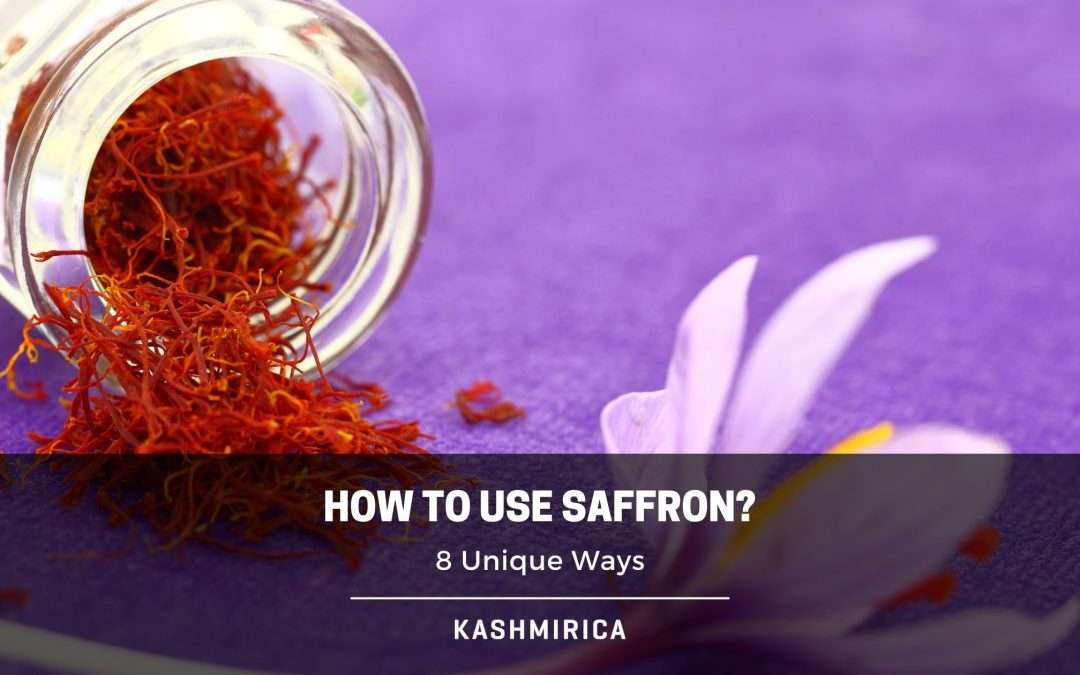




















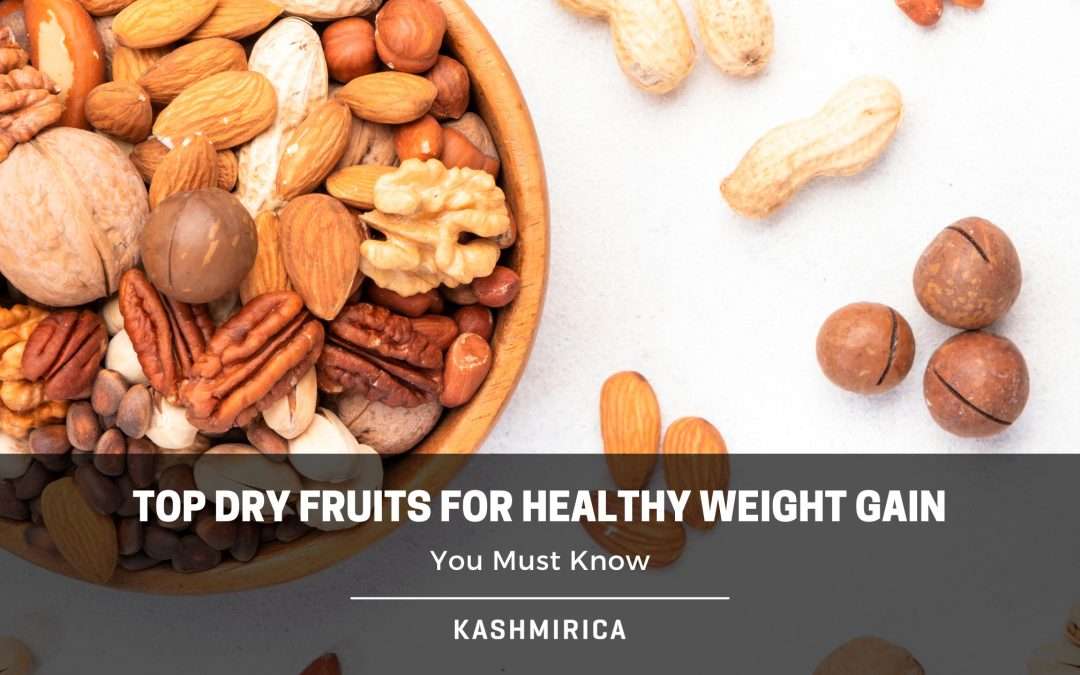

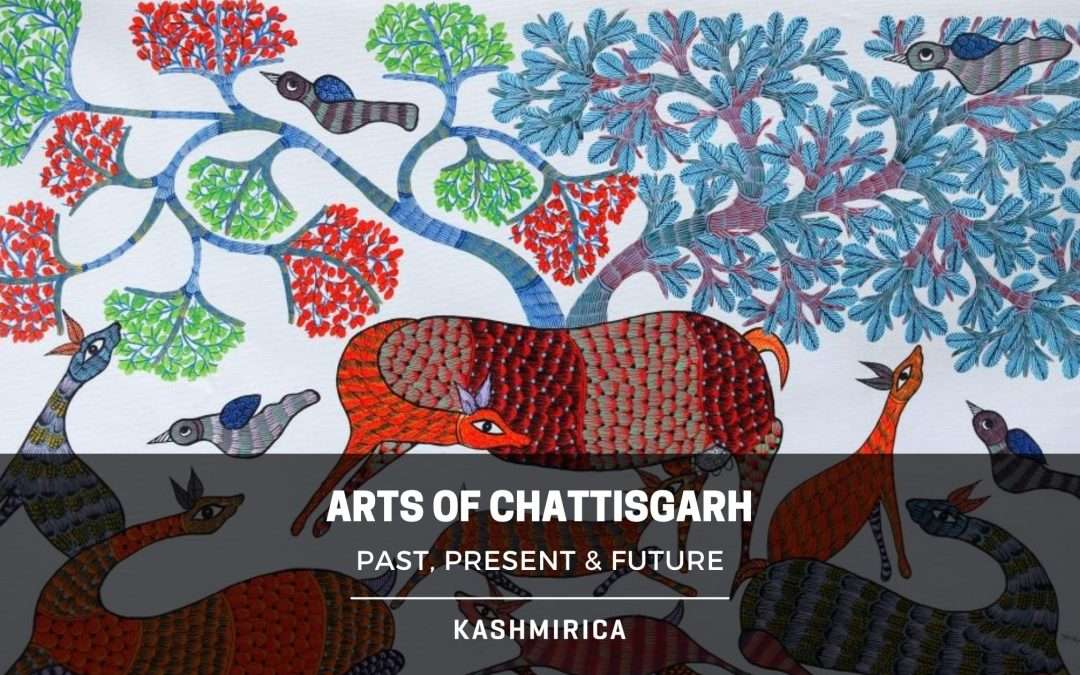


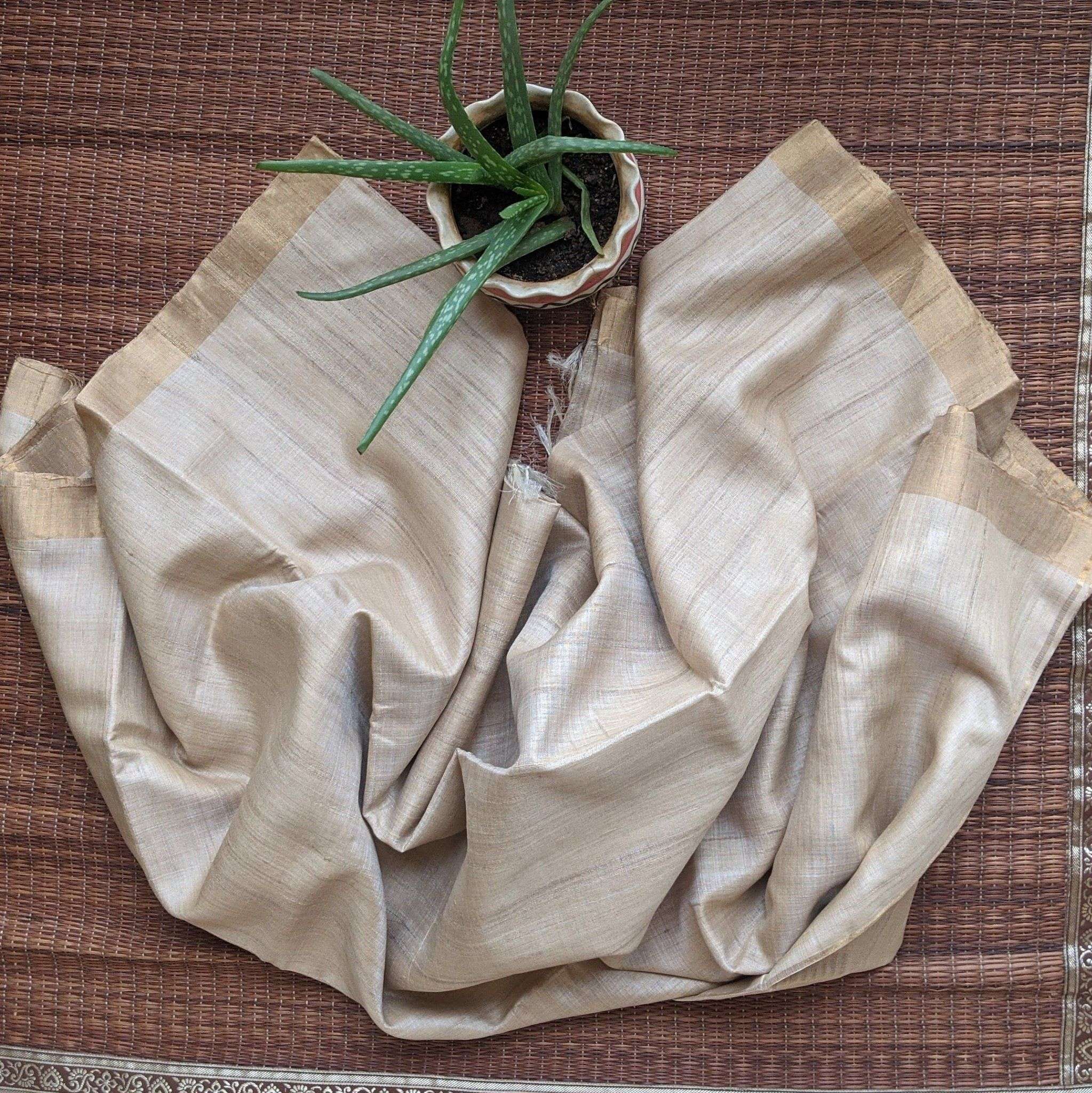




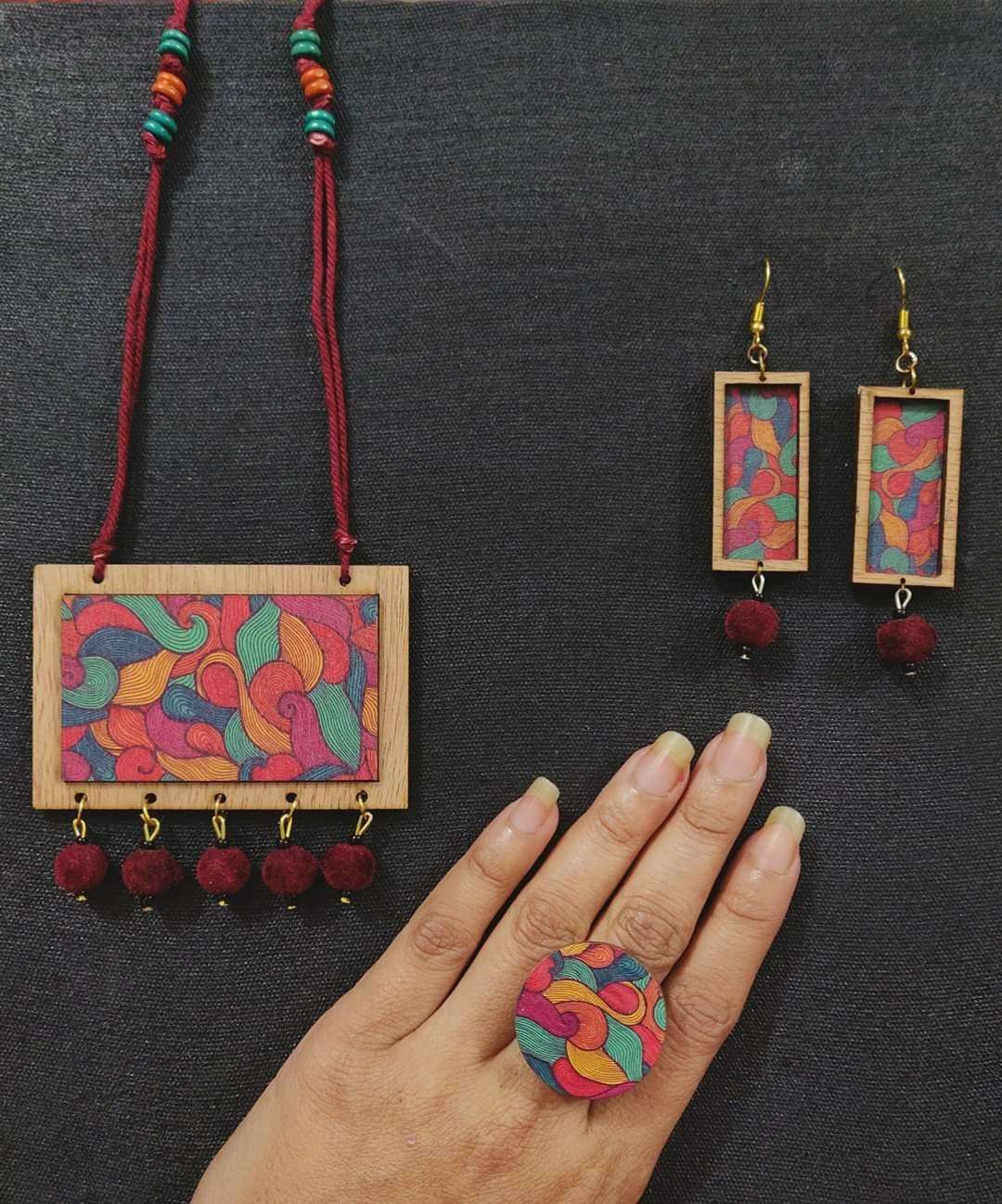
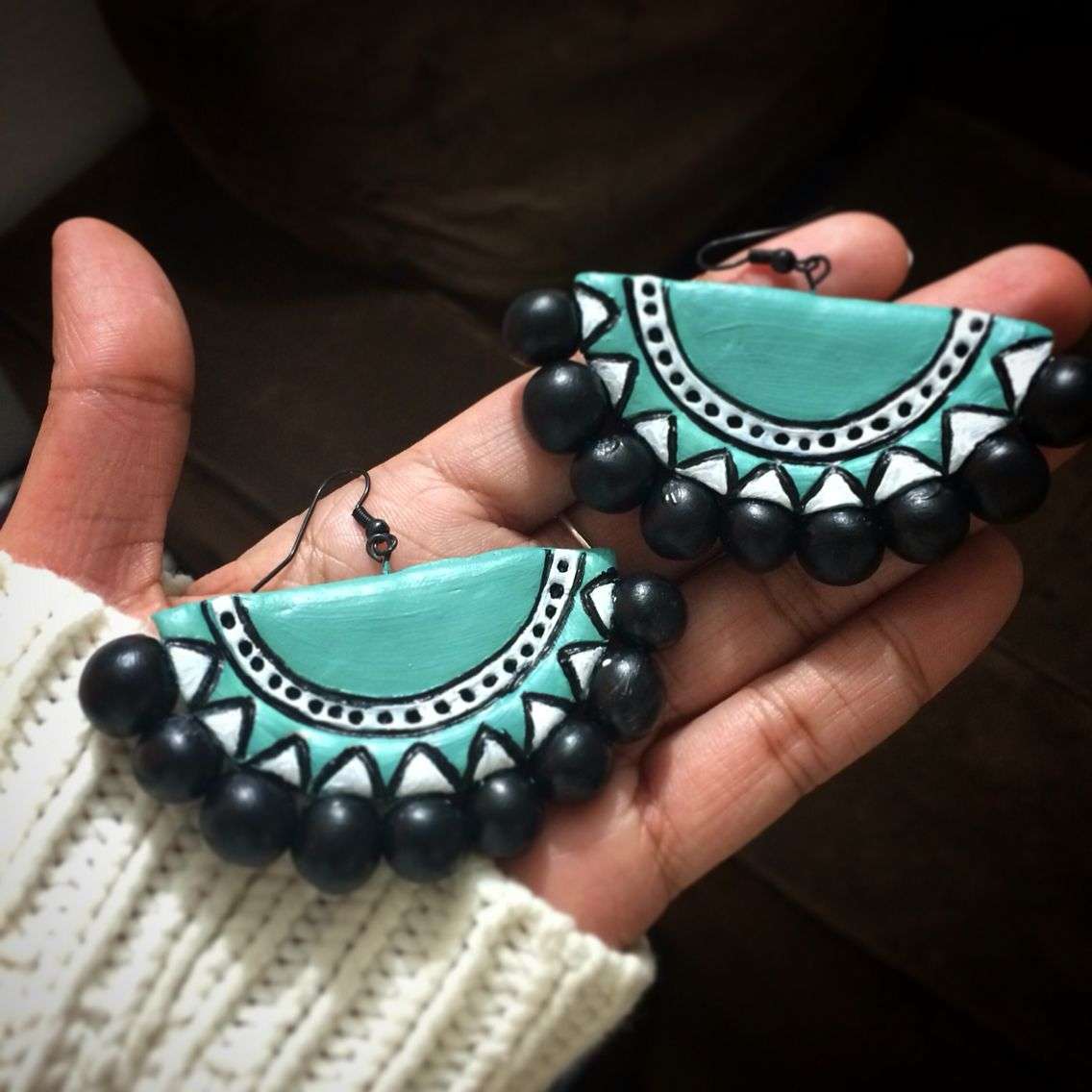


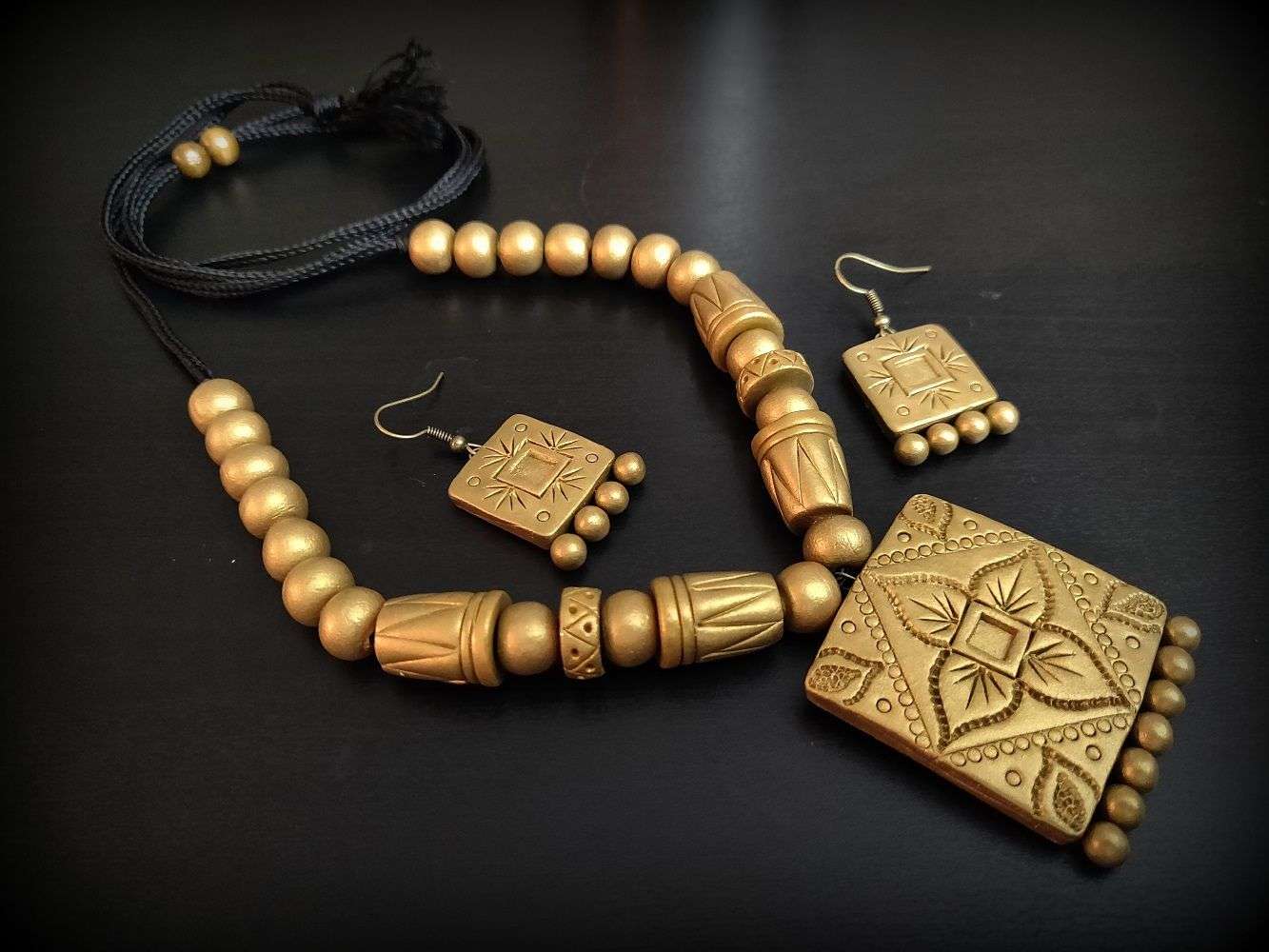
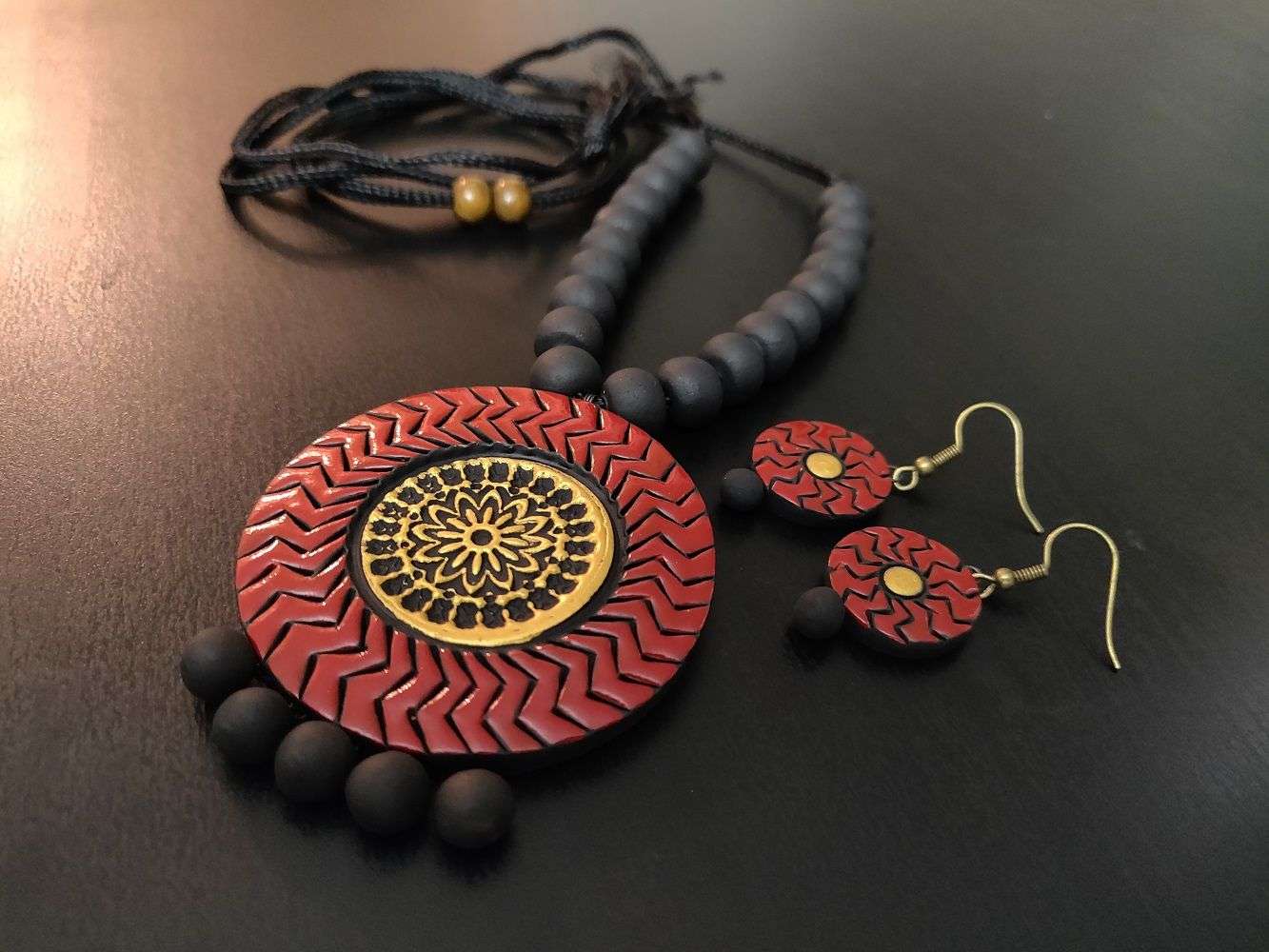


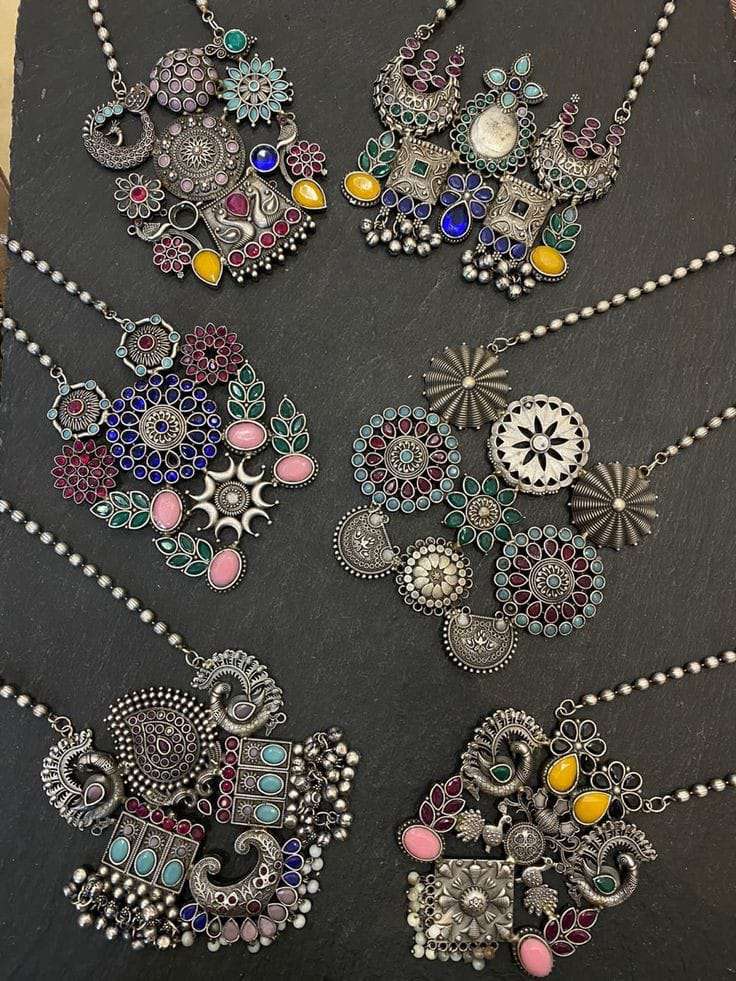
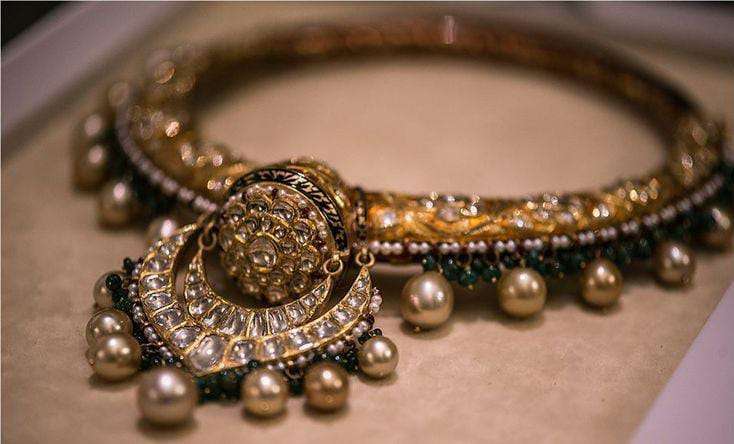



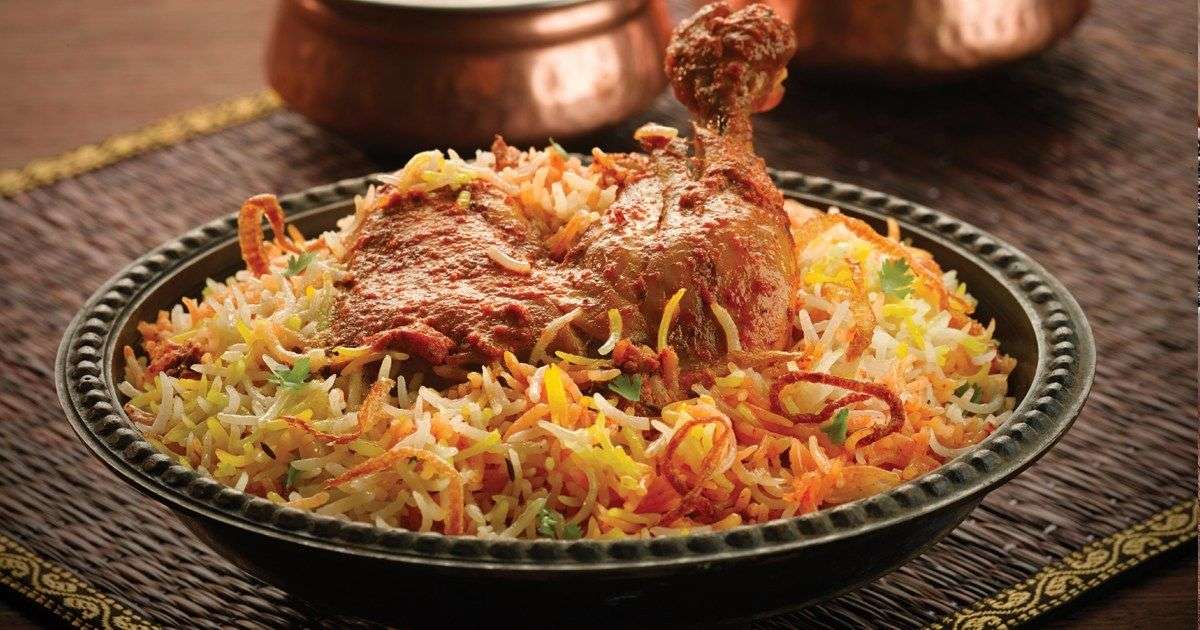
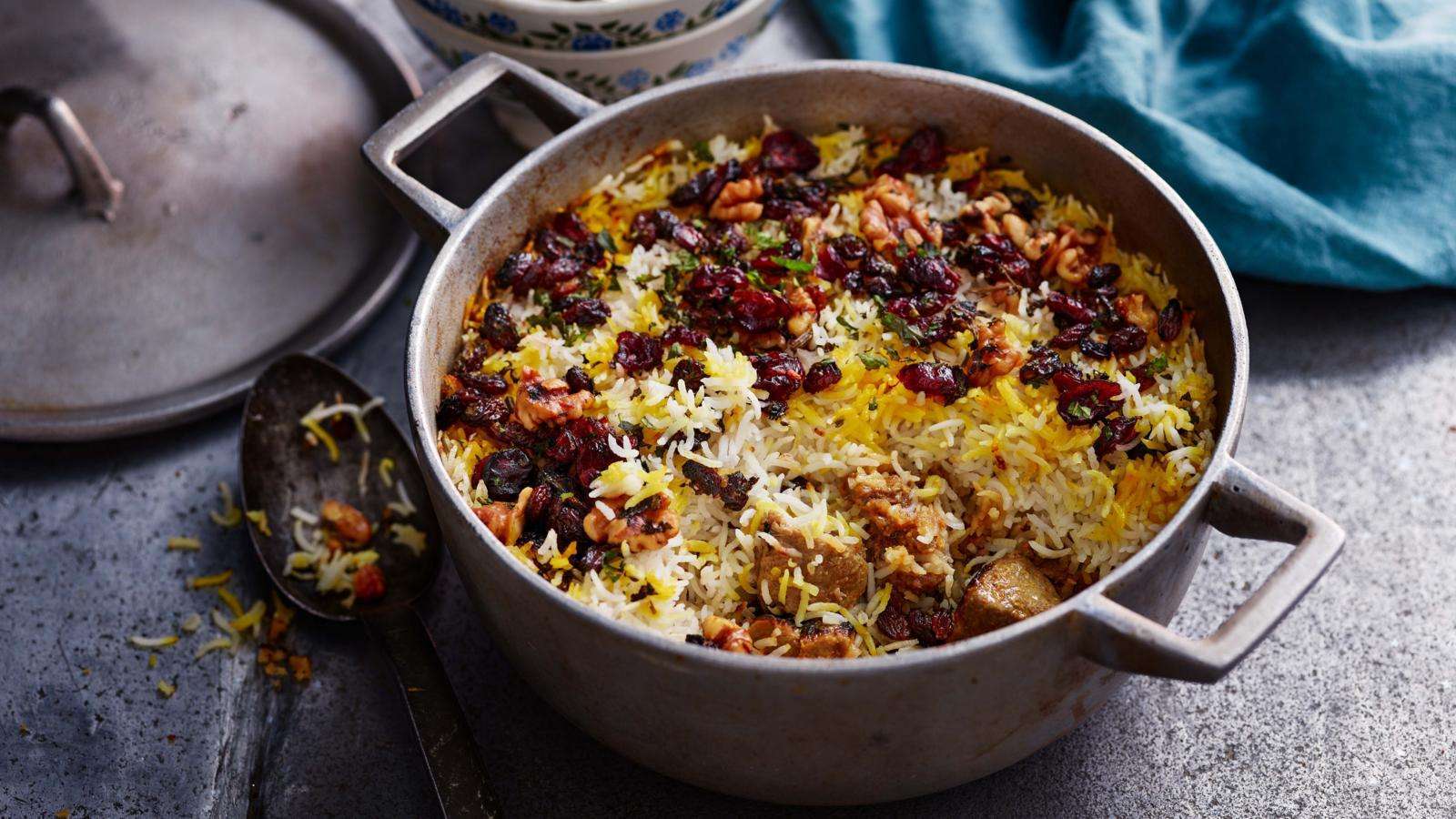
![The Best Dry Fruits List to Enhance Your Health [Top 10]](https://mirsaaeid.com/wp-content/uploads/2023/08/Best-Dry-Fruits-List-1080x675.jpg)



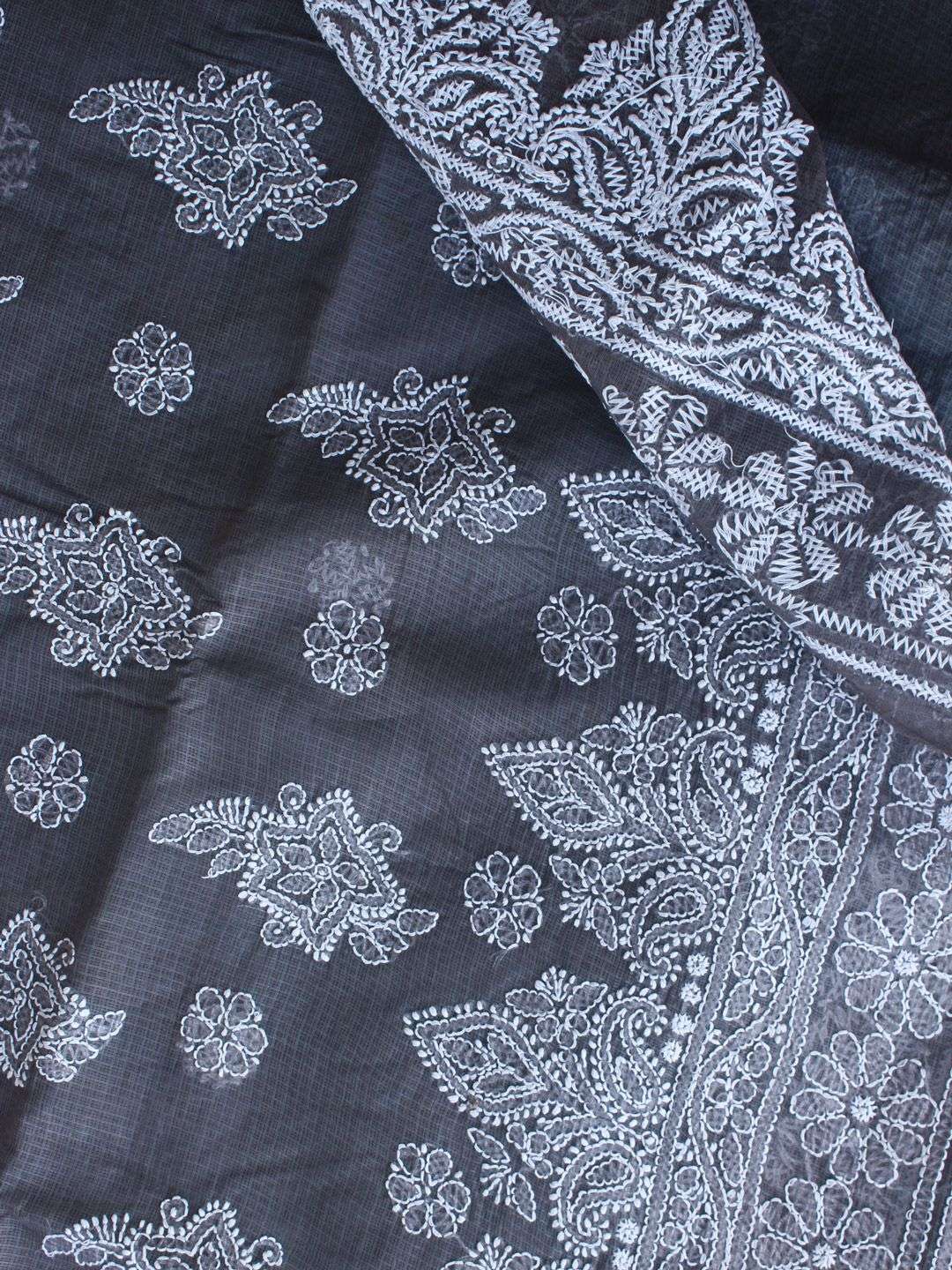
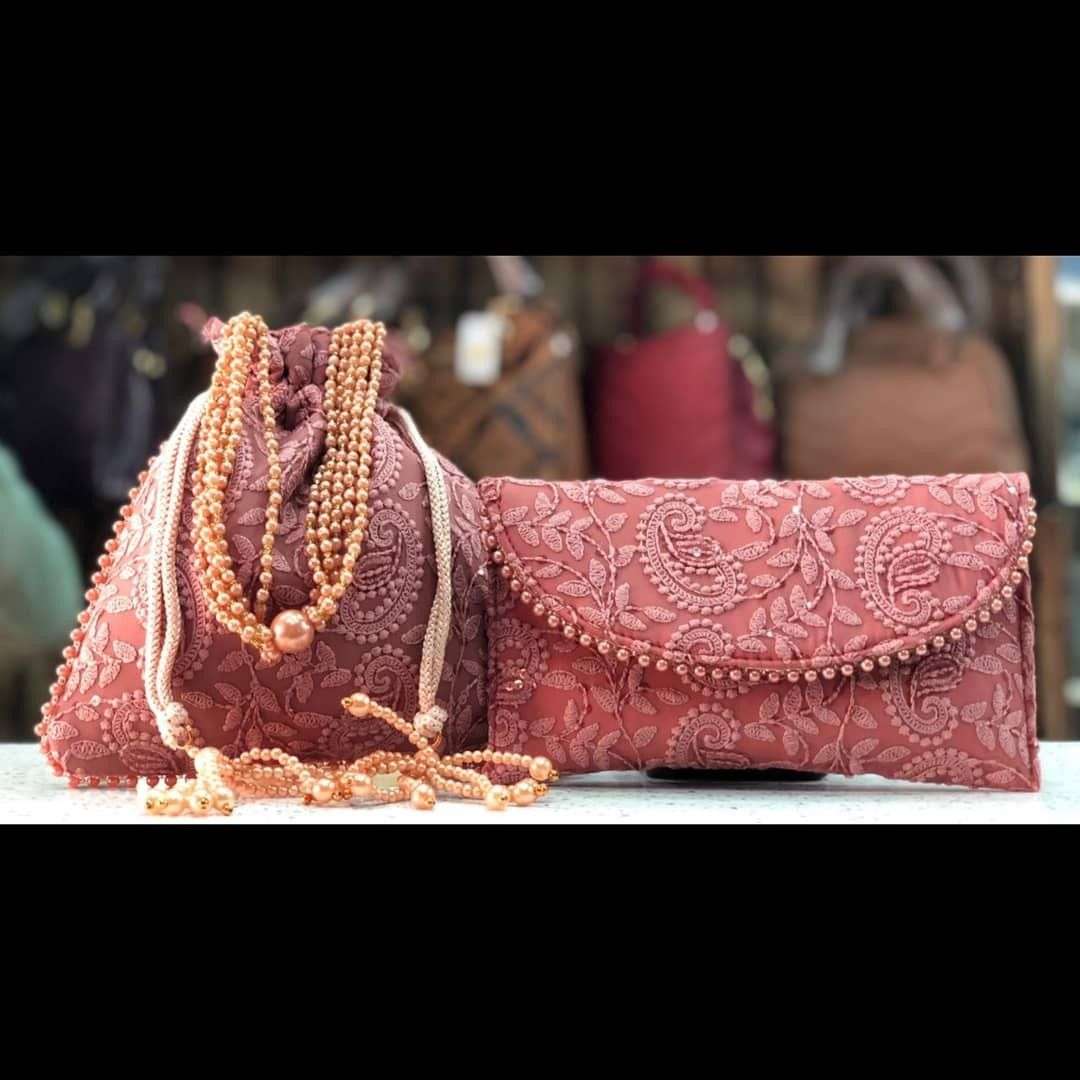

















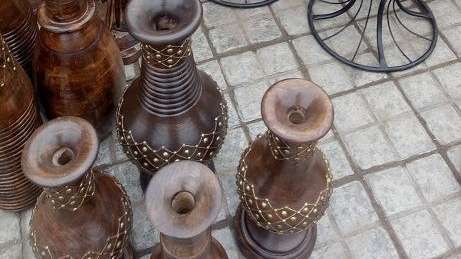

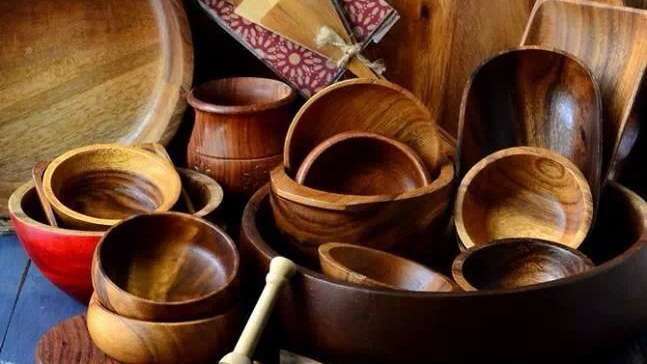


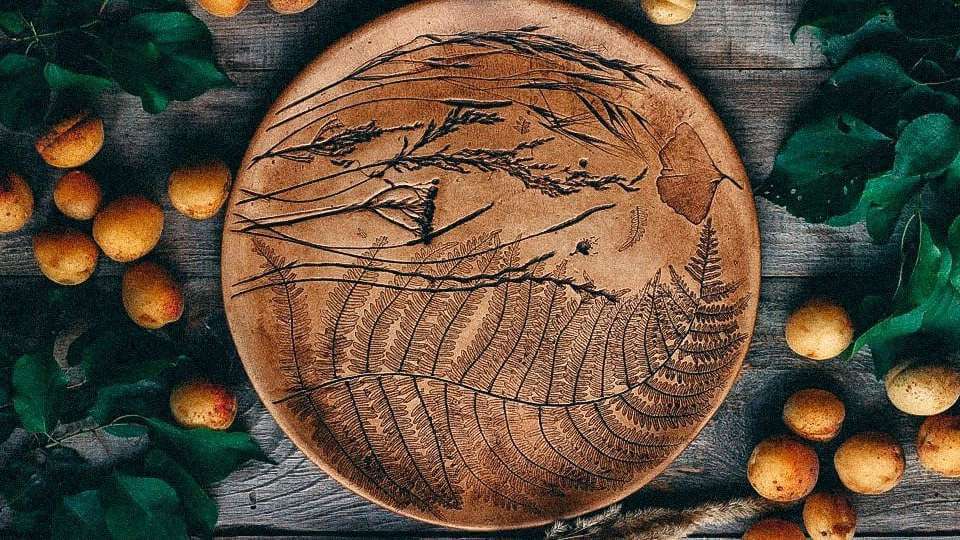


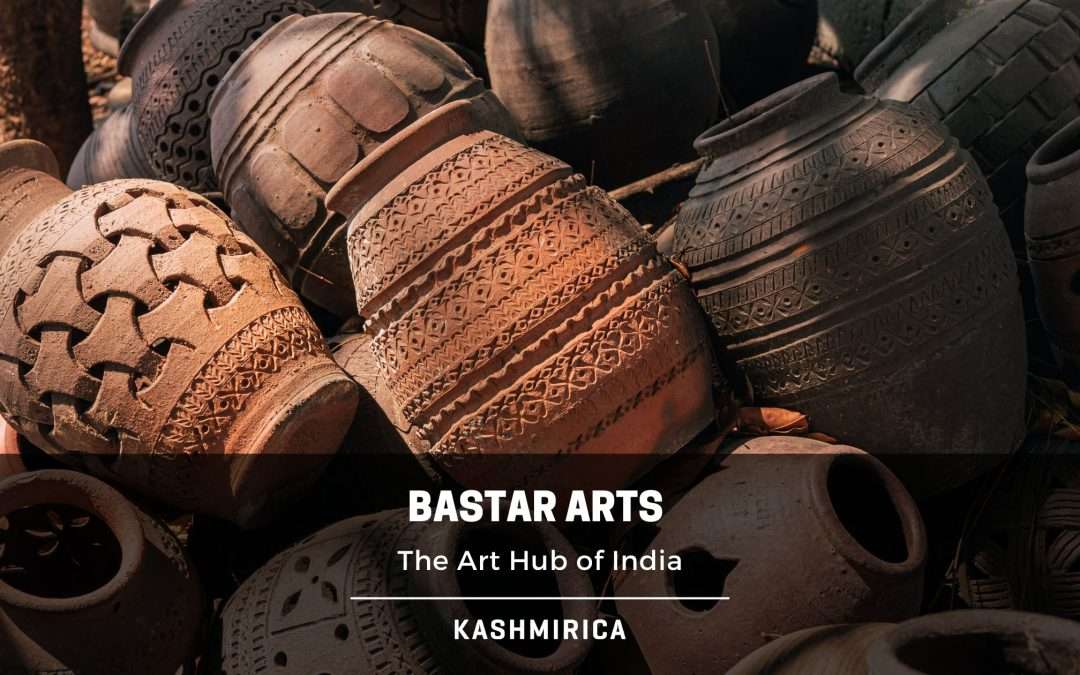
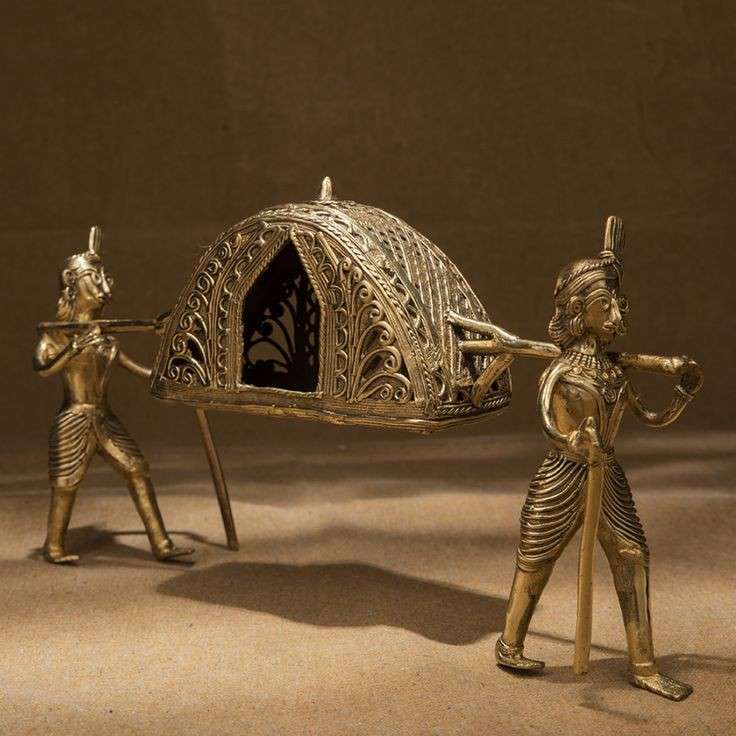

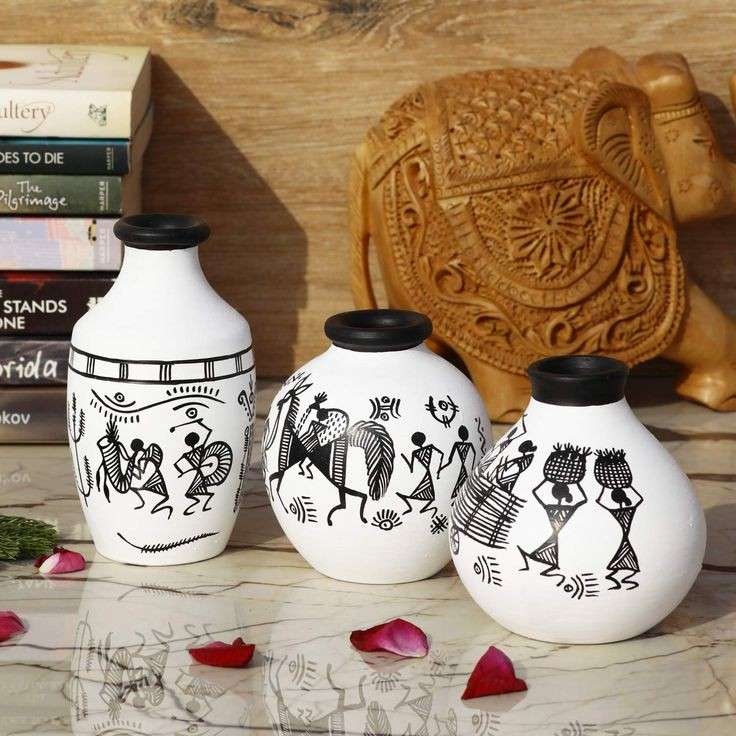








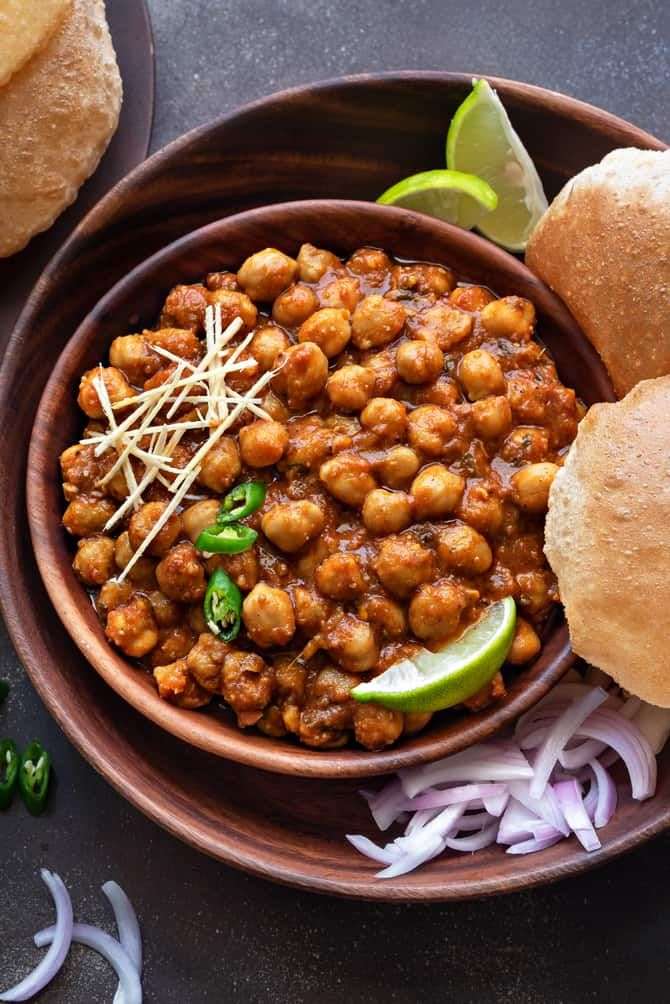


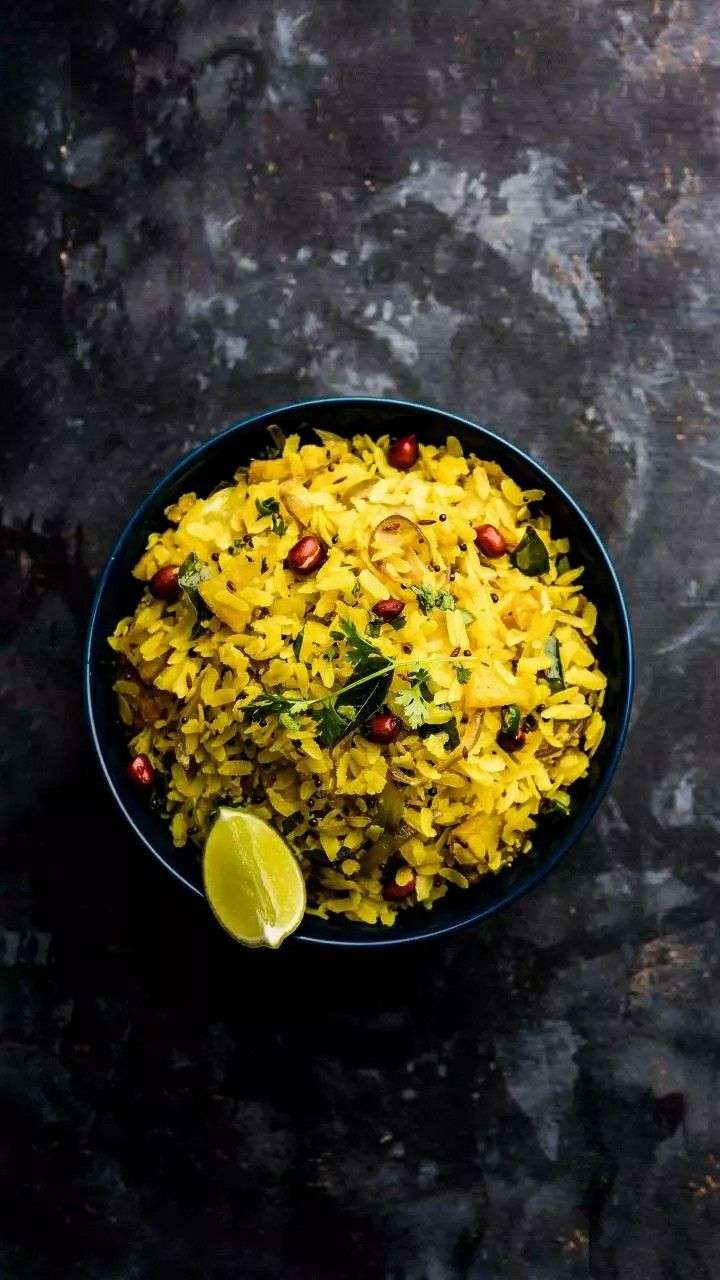
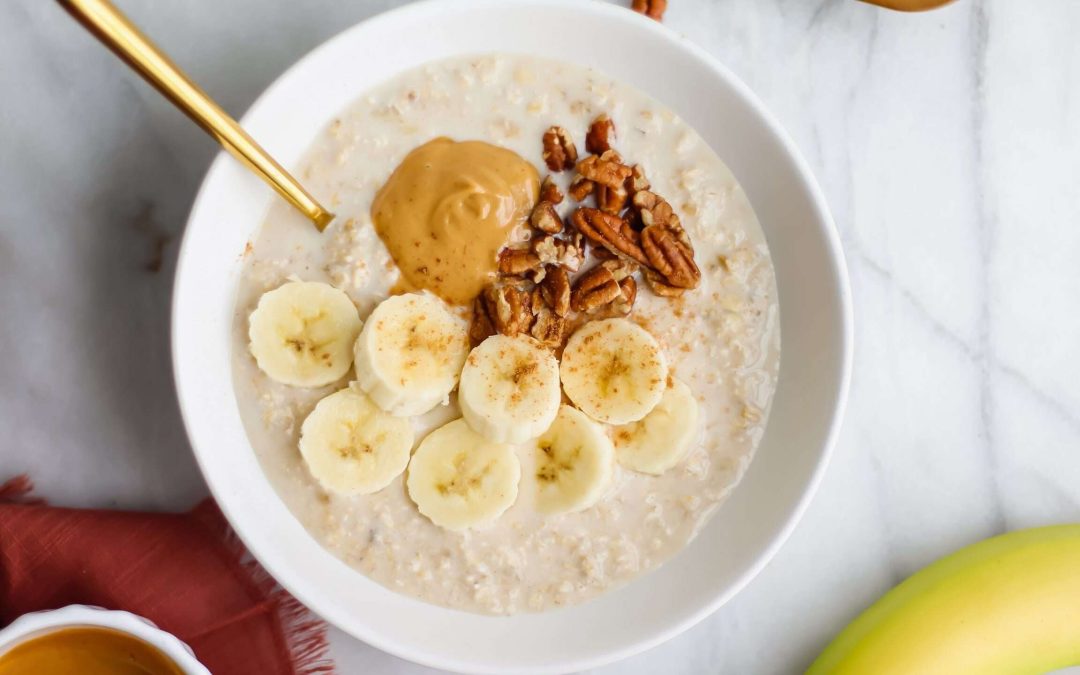
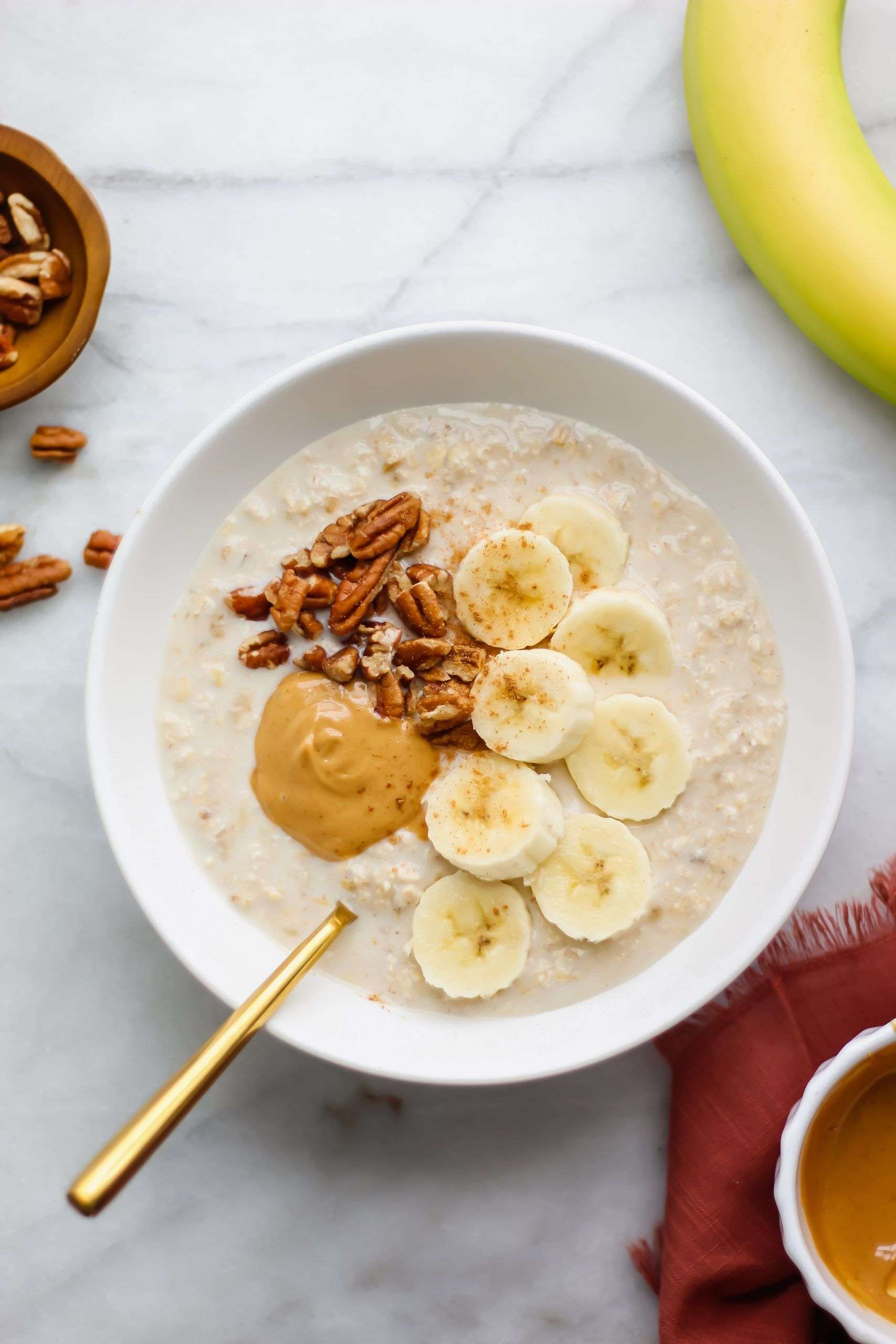


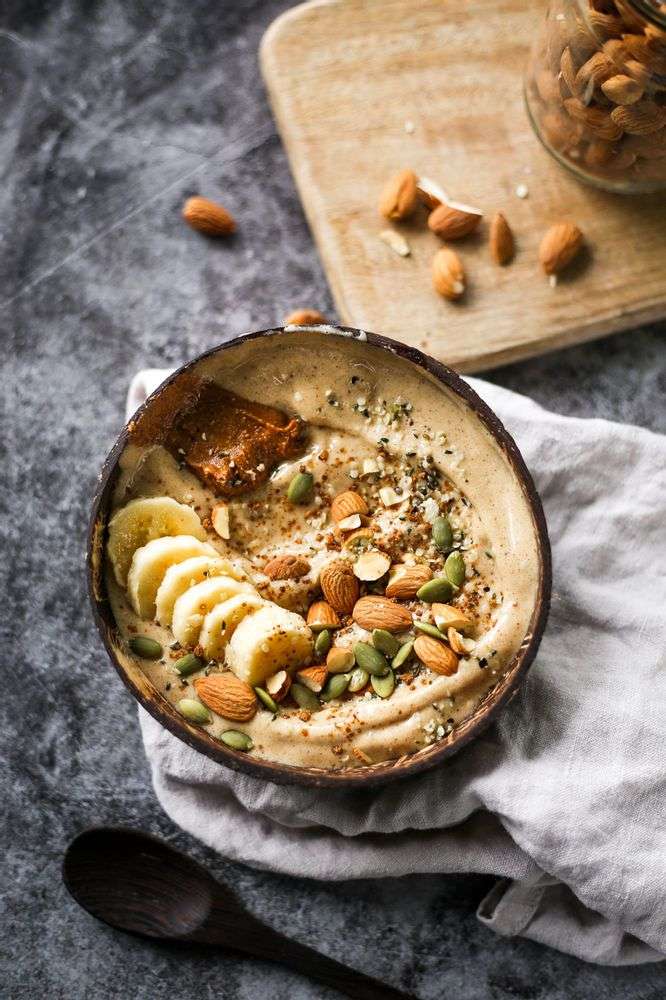


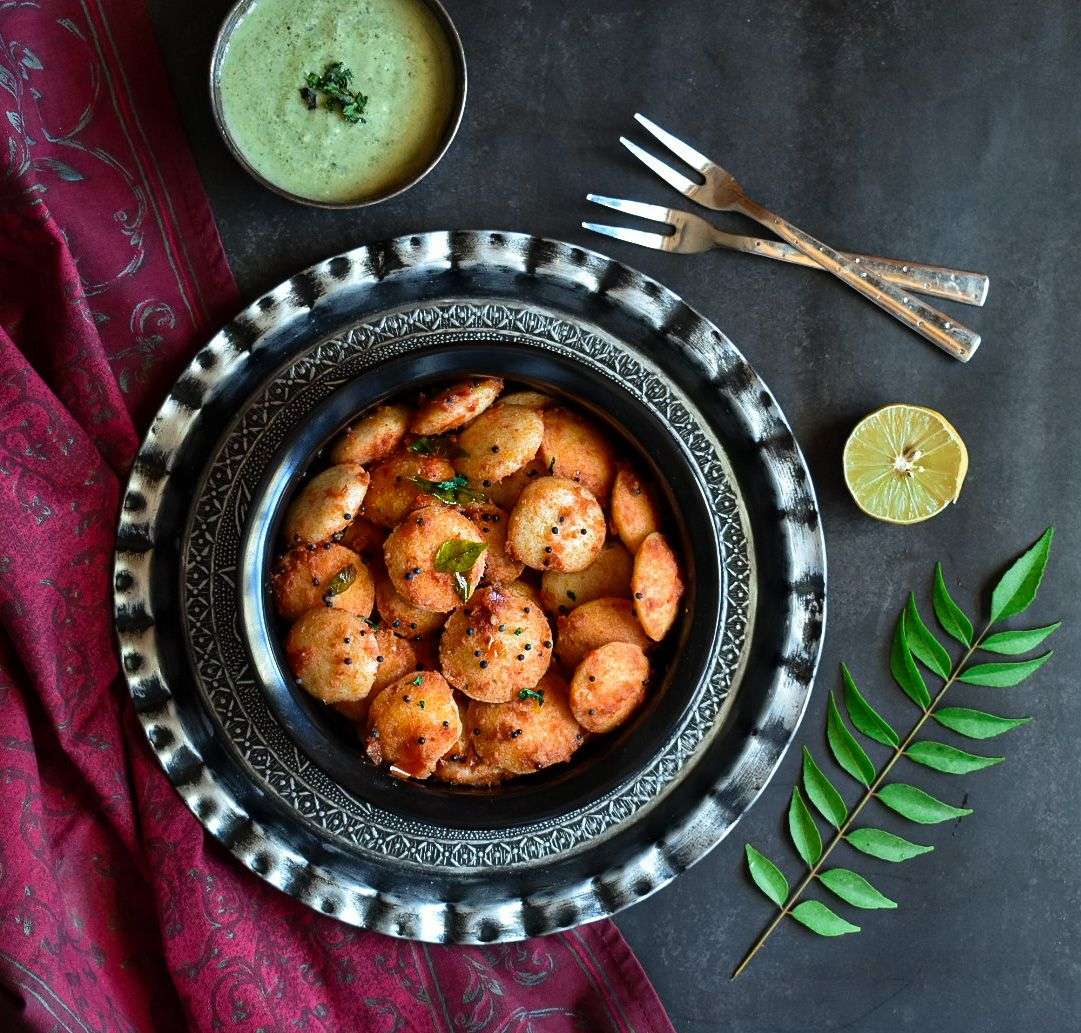
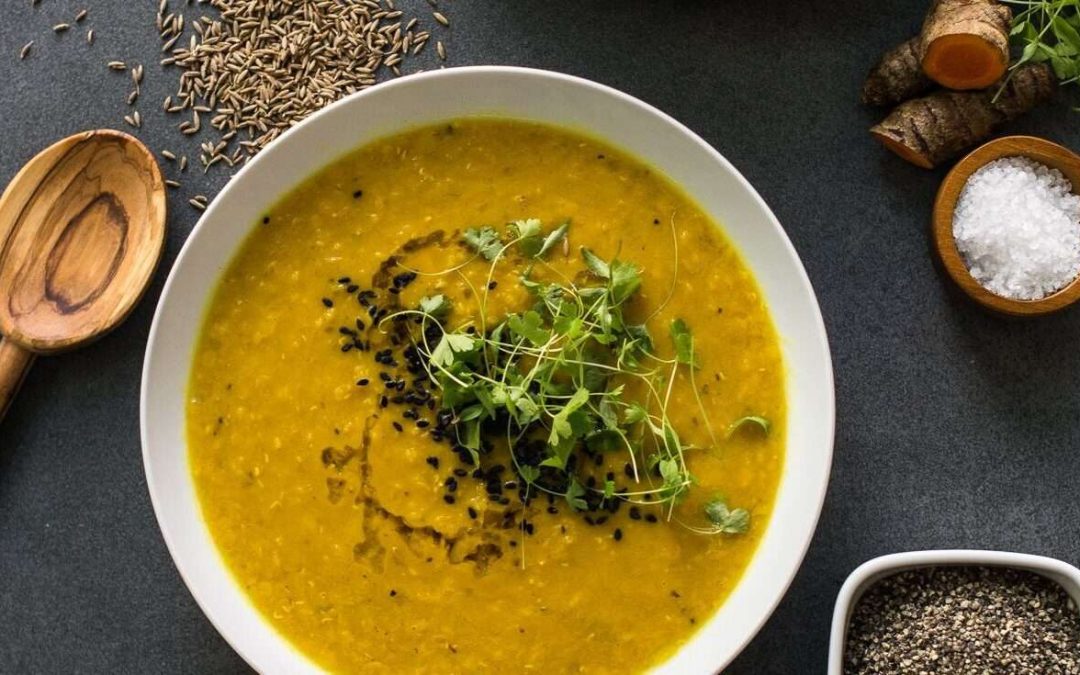
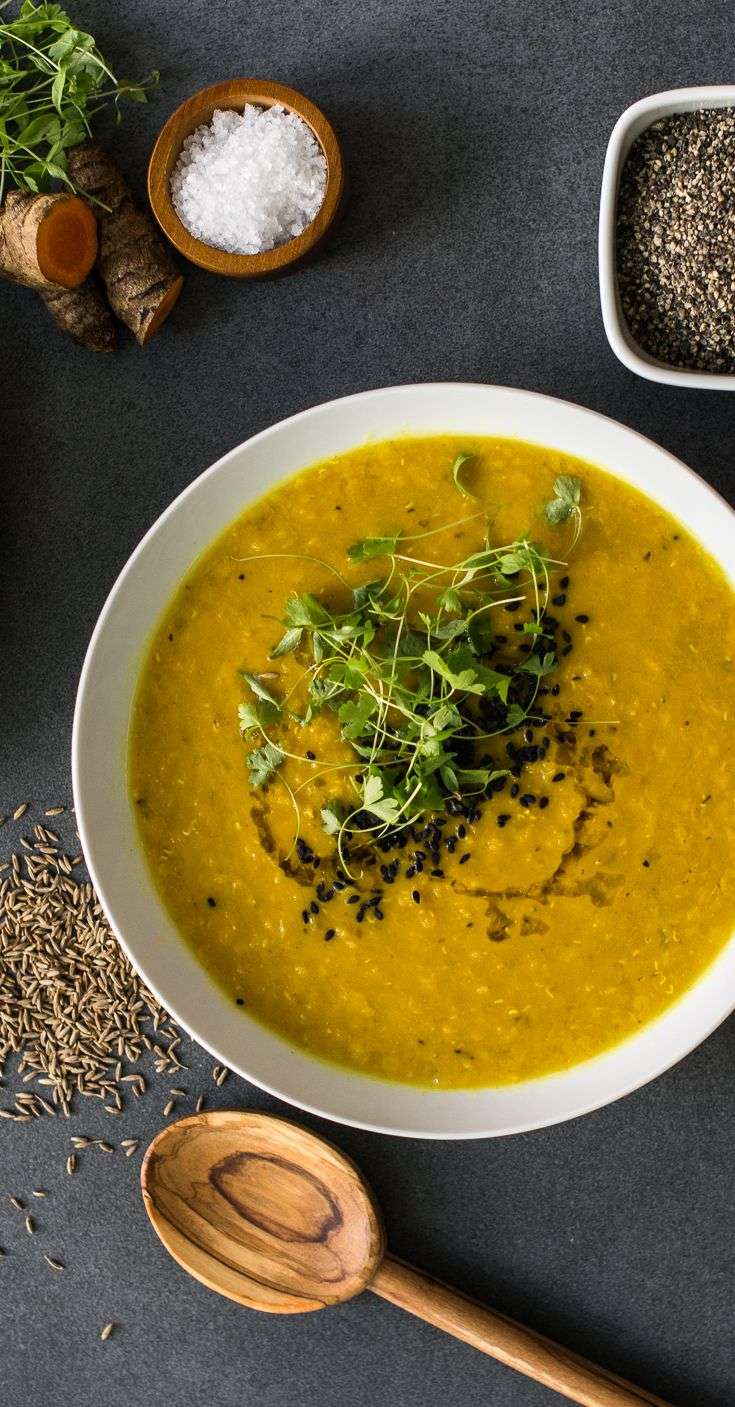
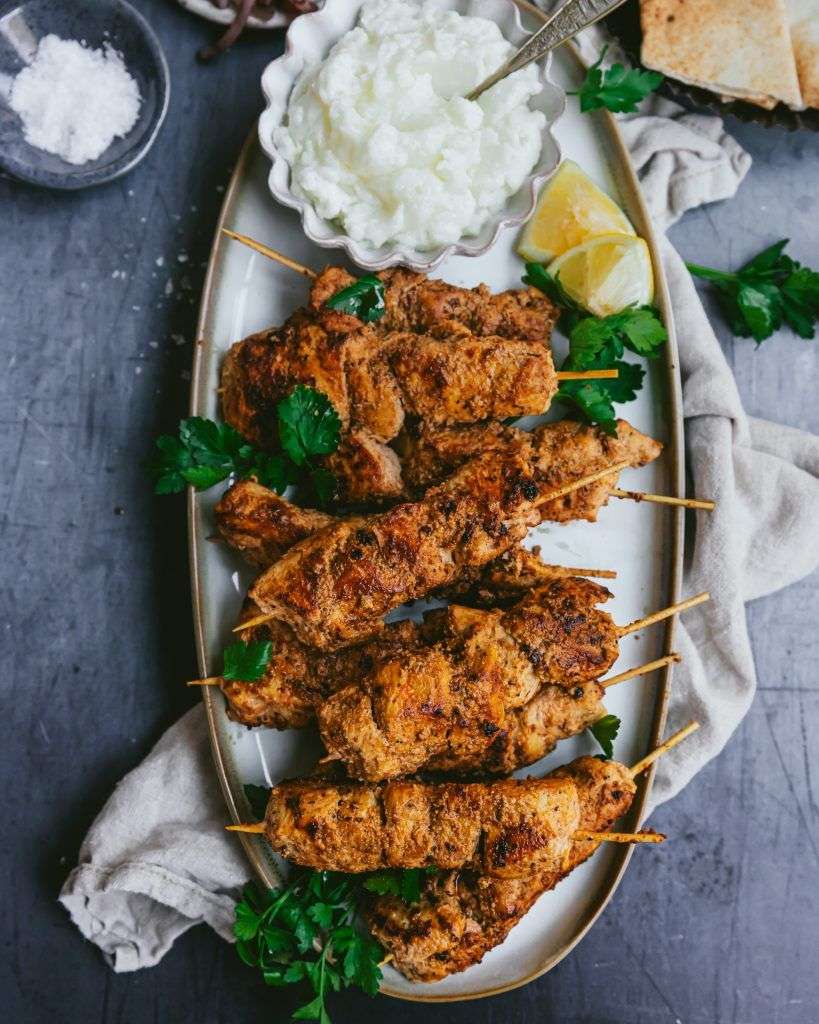


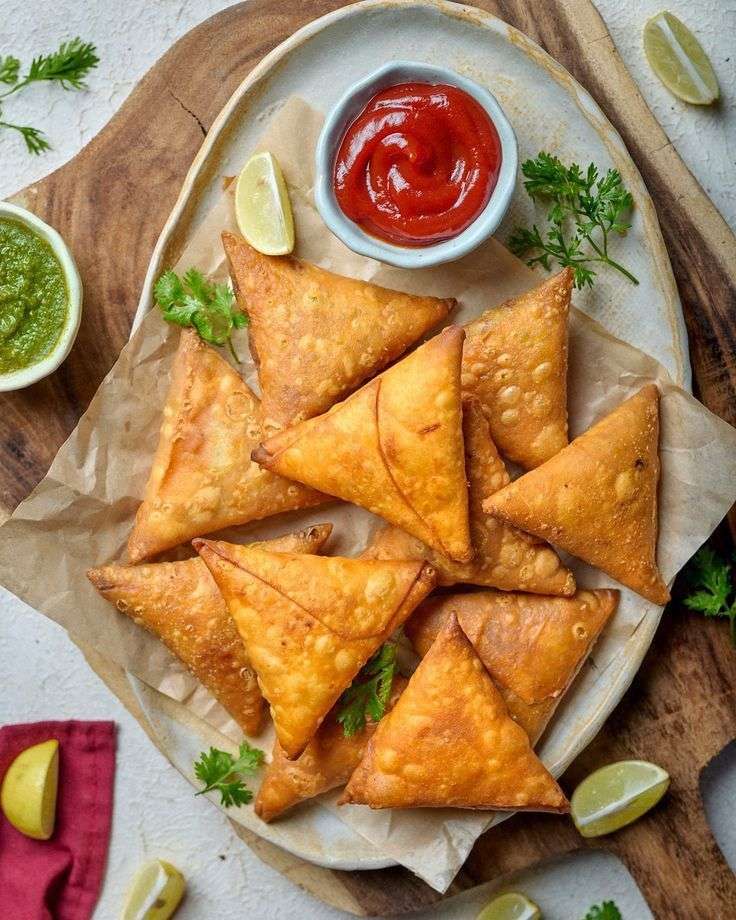
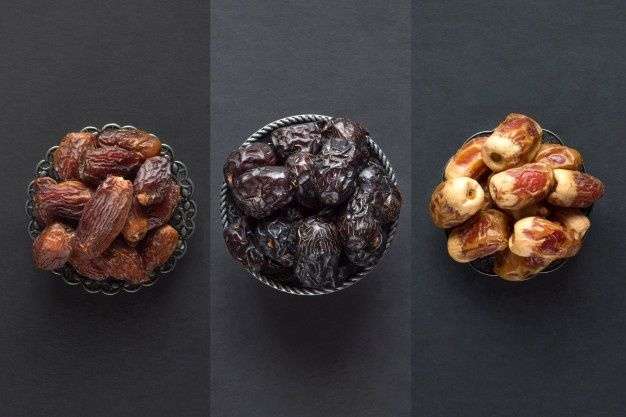
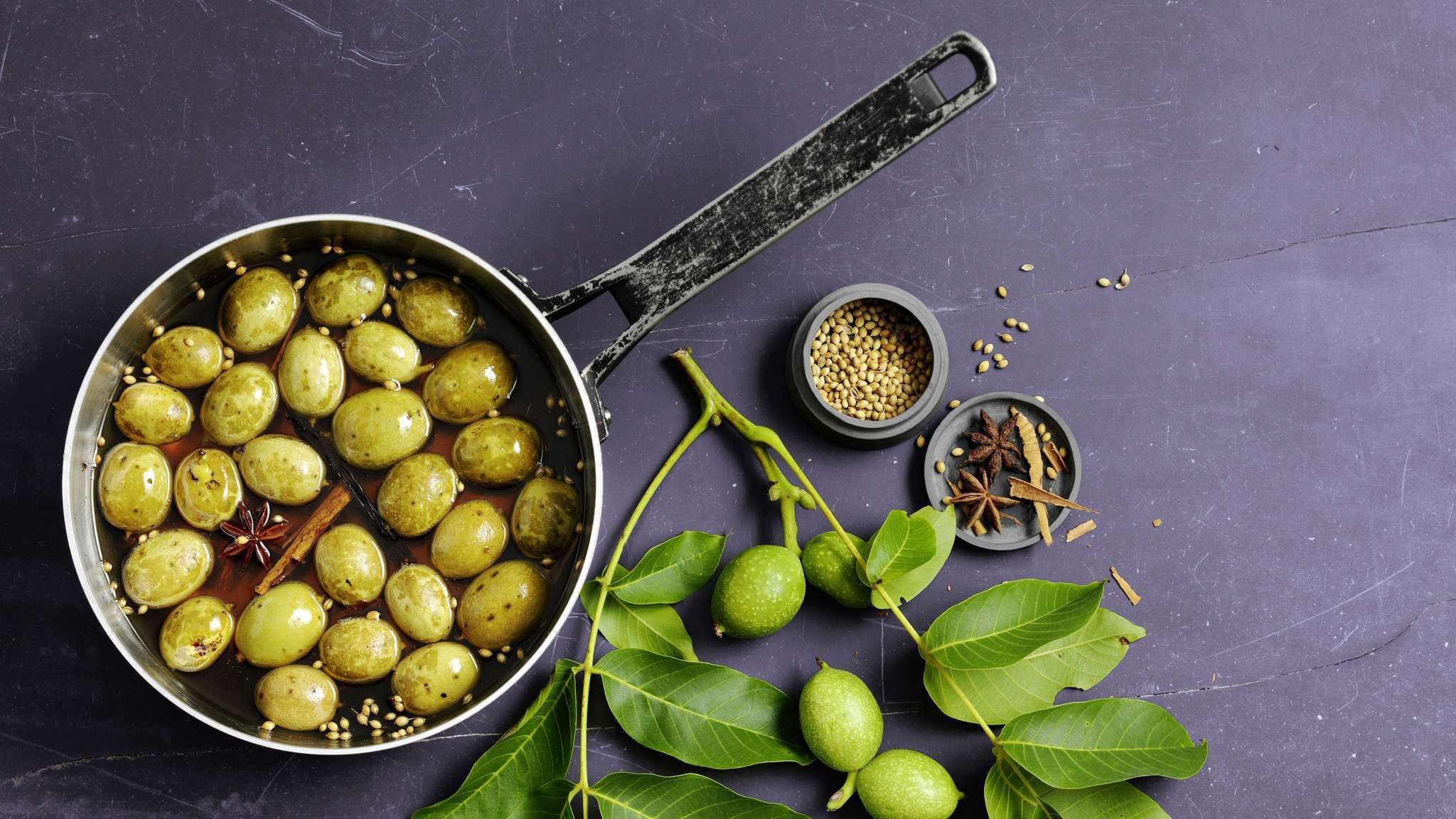
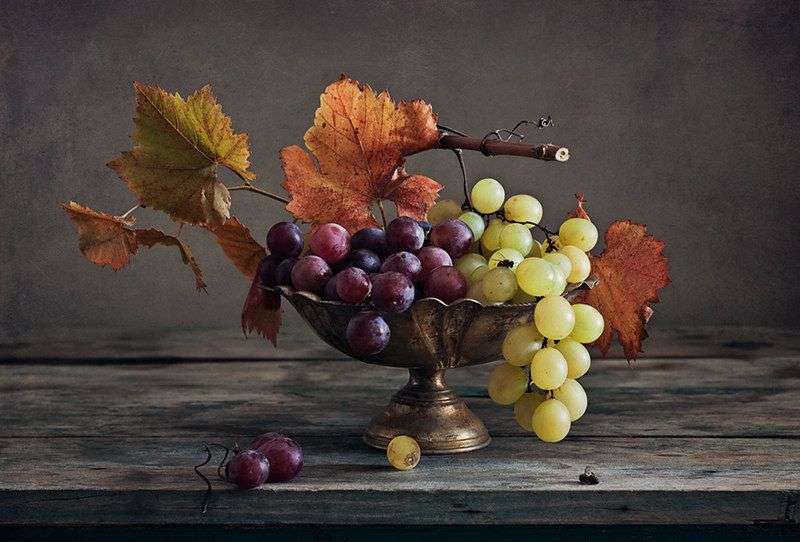
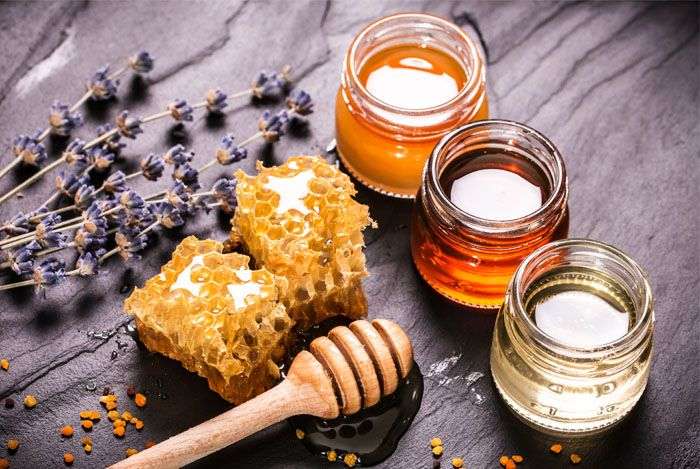

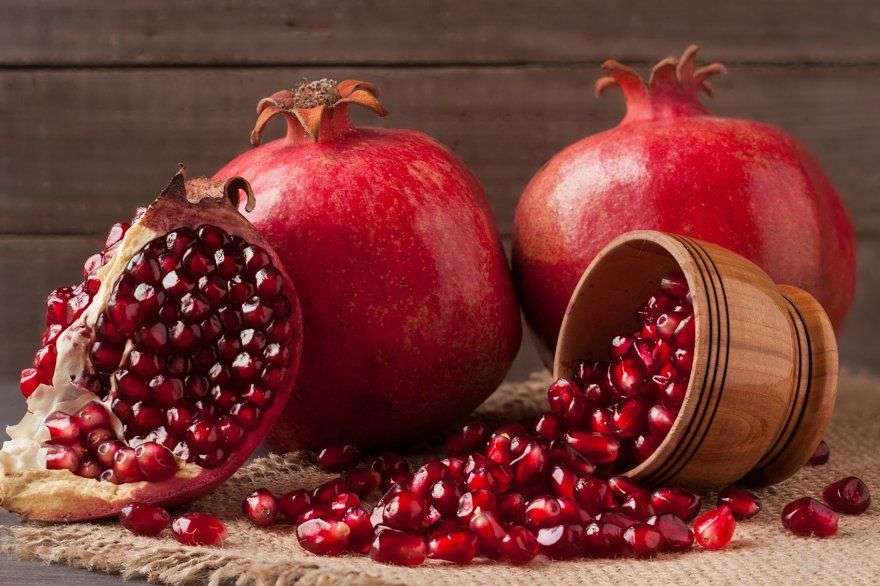
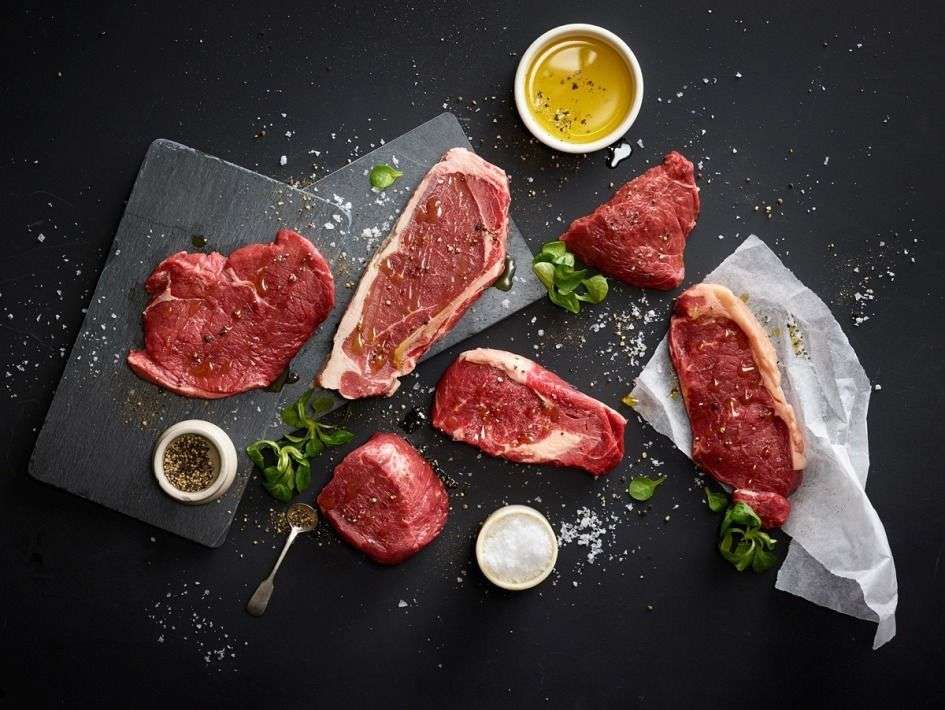


















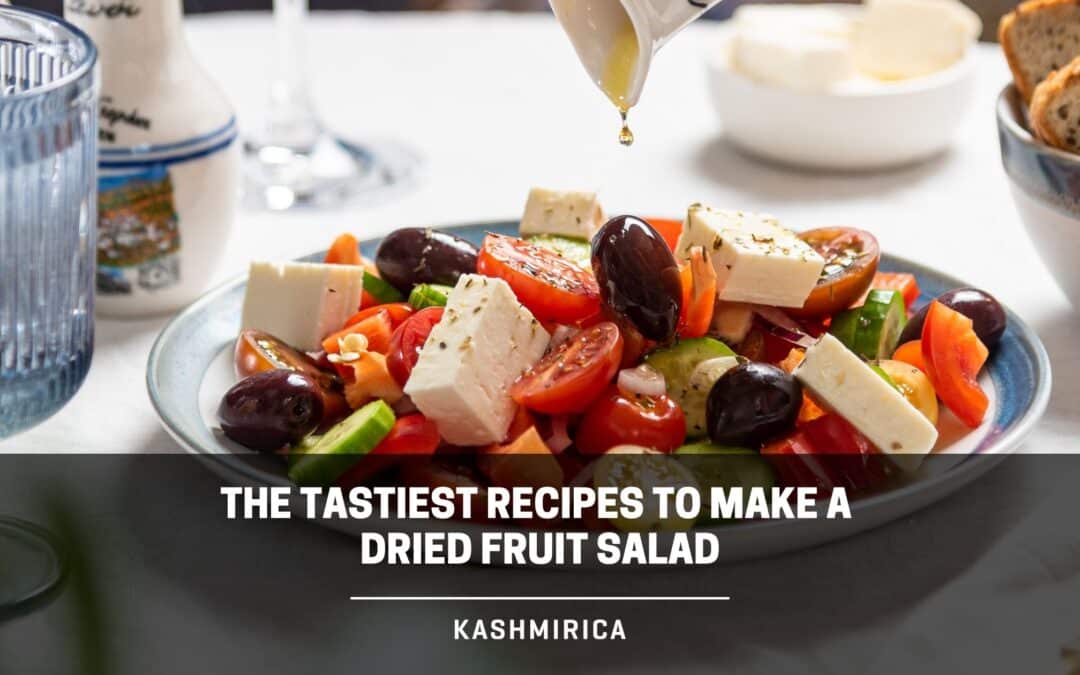
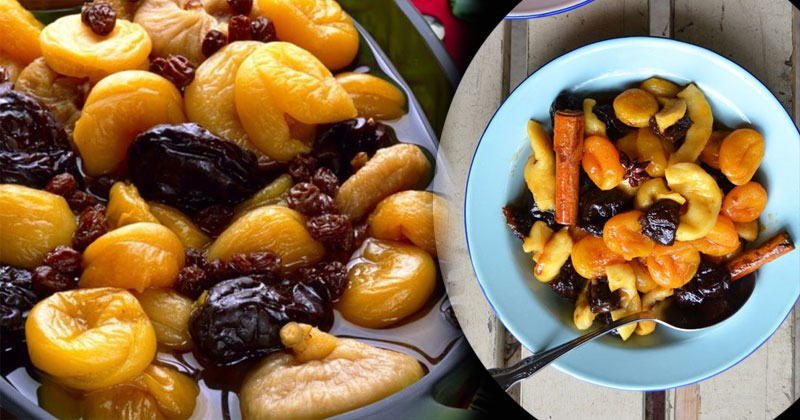







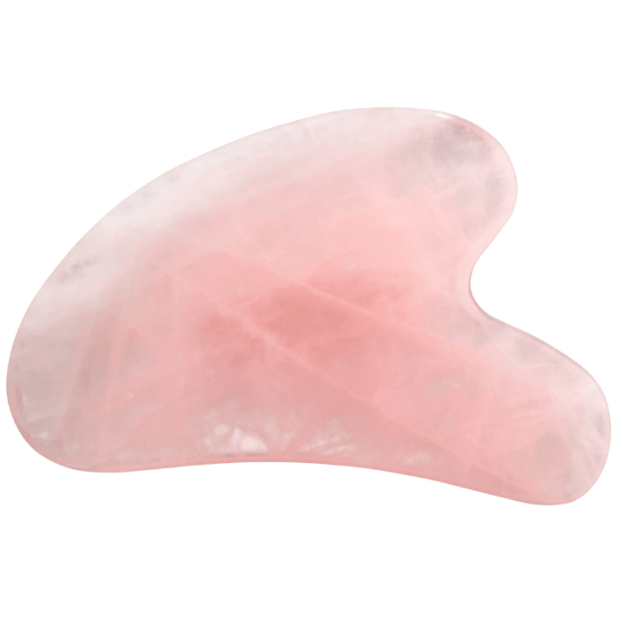


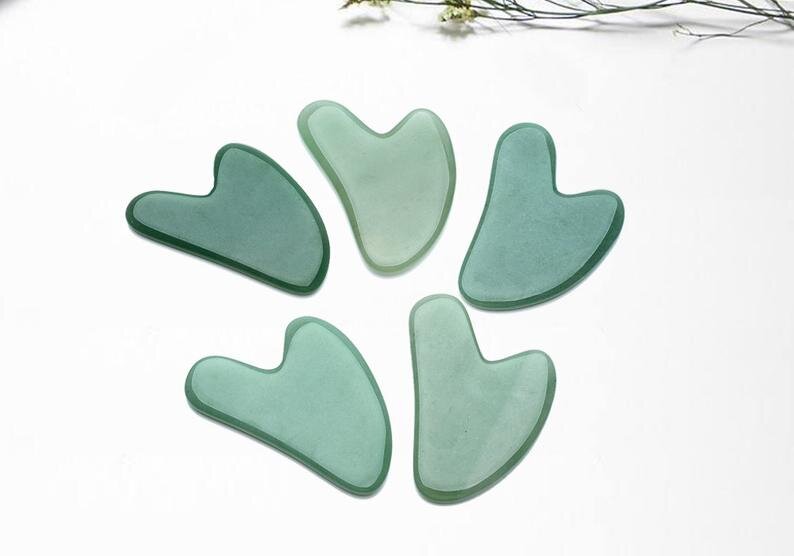







:max_bytes(150000):strip_icc()/VoloHeroQuickDryTowel-2e28bf1c09ac41c6adacd73d2e4459f5.jpeg)








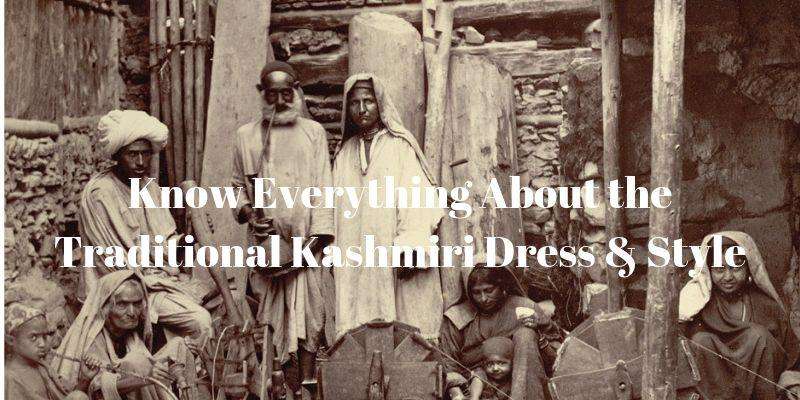







/__opt__aboutcom__coeus__resources__content_migration__mnn__images__2018__09__rose_water-b30c65c9f2df4ce0b333e577886ea316.jpg)
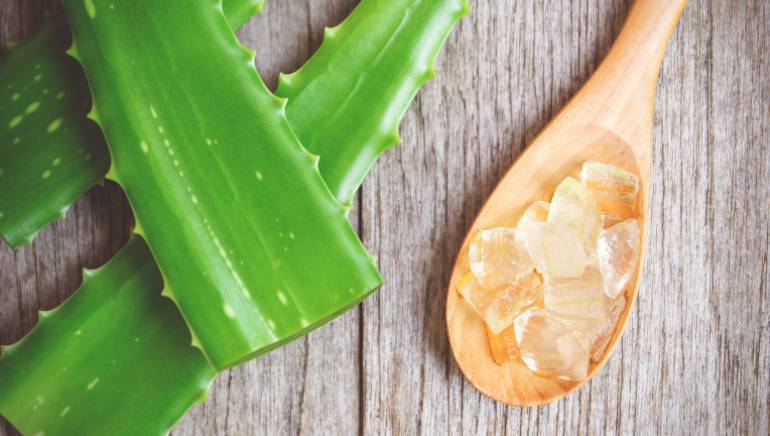
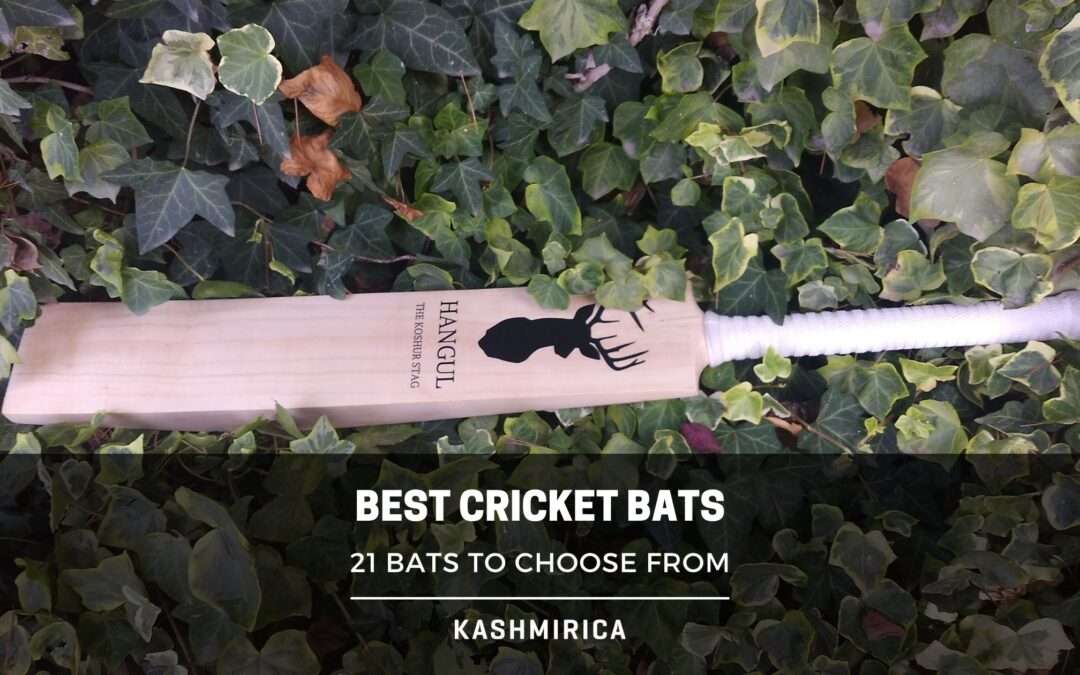


![Which is the Best Tea in India? [Brand Comparison]](https://mirsaaeid.com/wp-content/uploads/2022/02/best-tea-in-india-1080x675.jpg)


:max_bytes(150000):strip_icc()/best-indoor-trees-4148340-05-4401bd2b27594e4584a46964c129c265.jpeg)
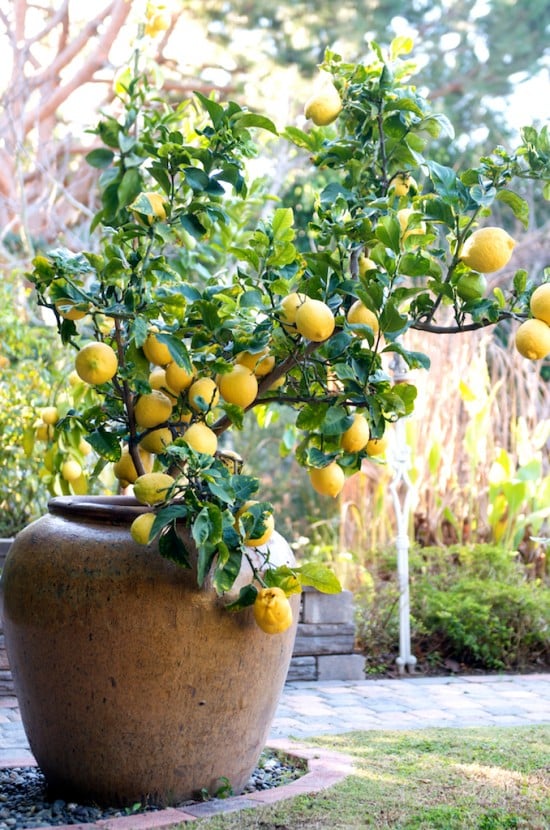
/cdn.vox-cdn.com/uploads/chorus_asset/file/19520305/conifers_oldhouse_95_copy.jpg)
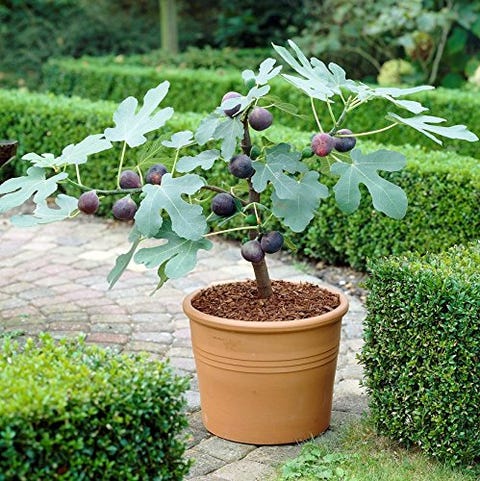



























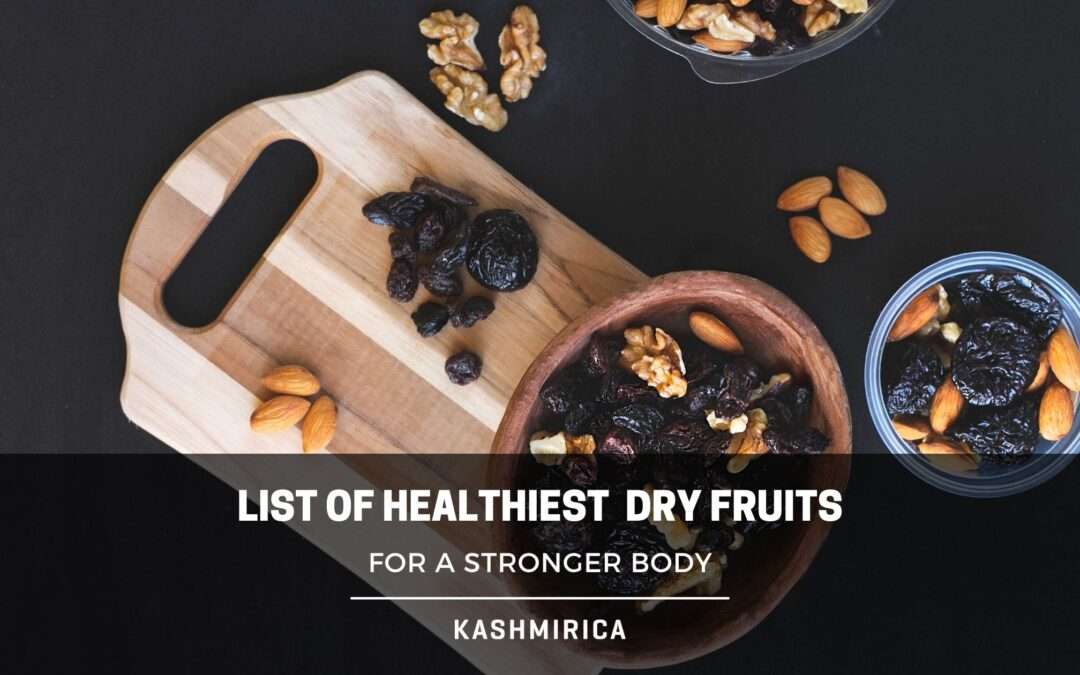
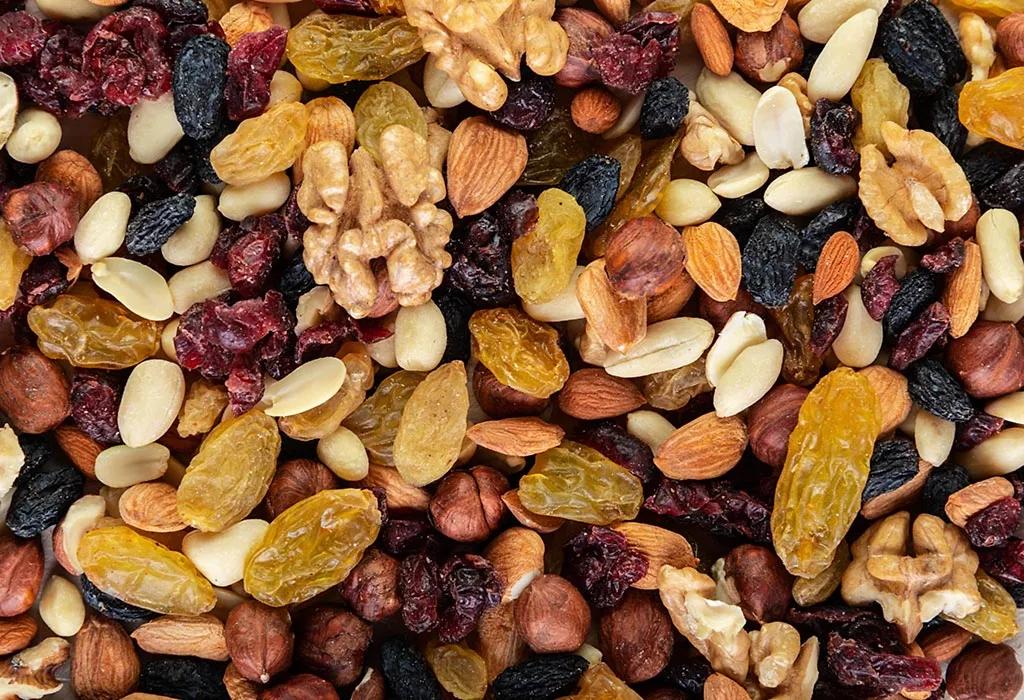
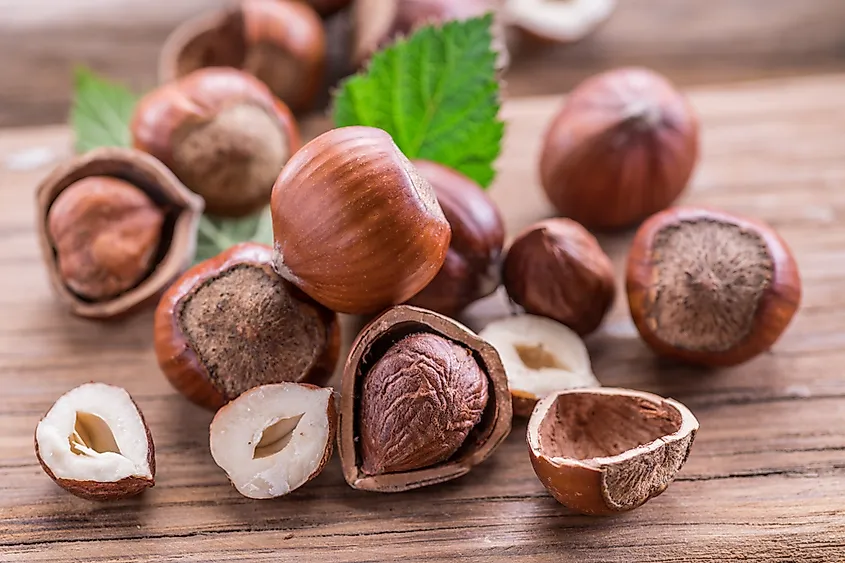
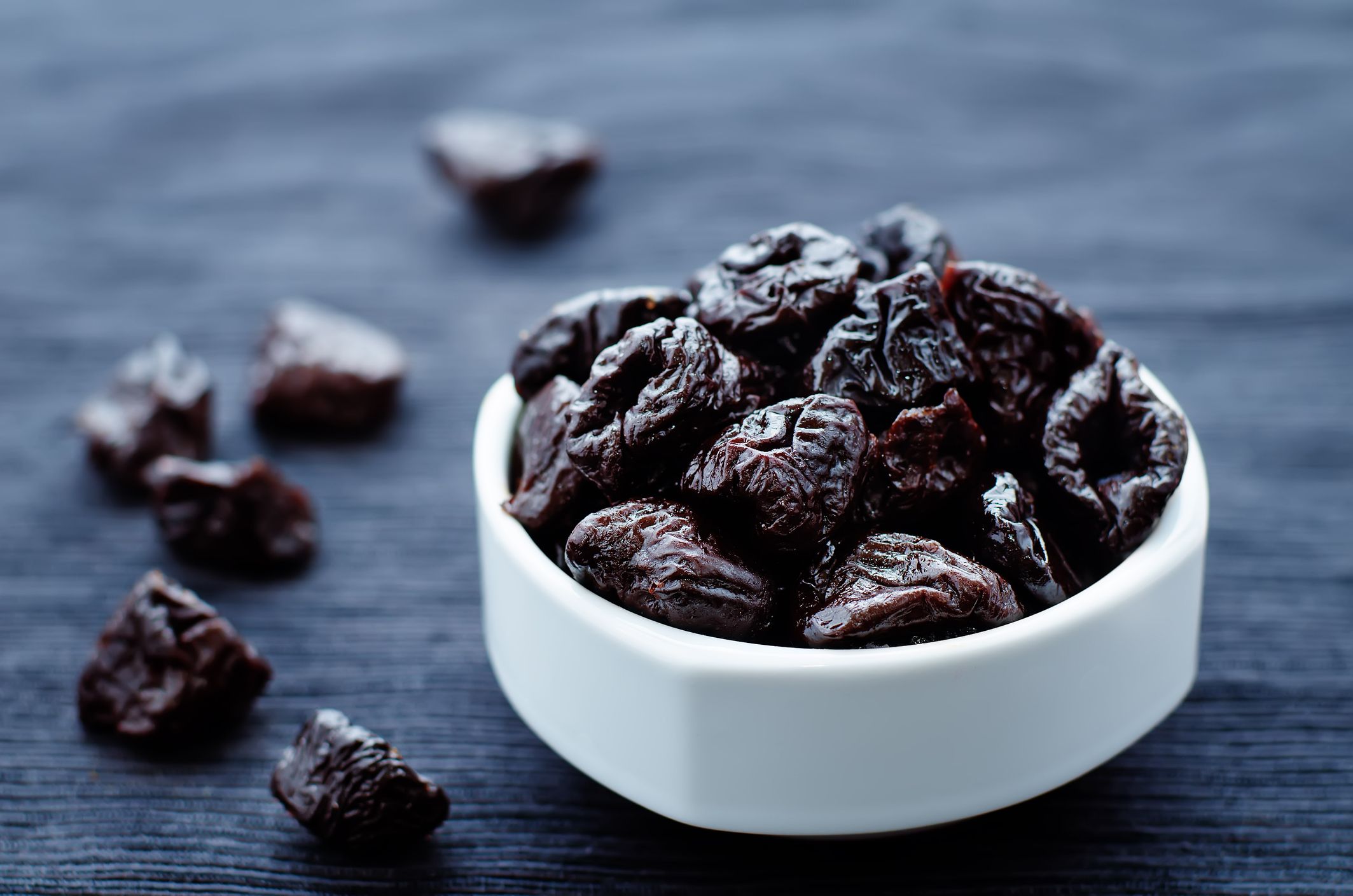
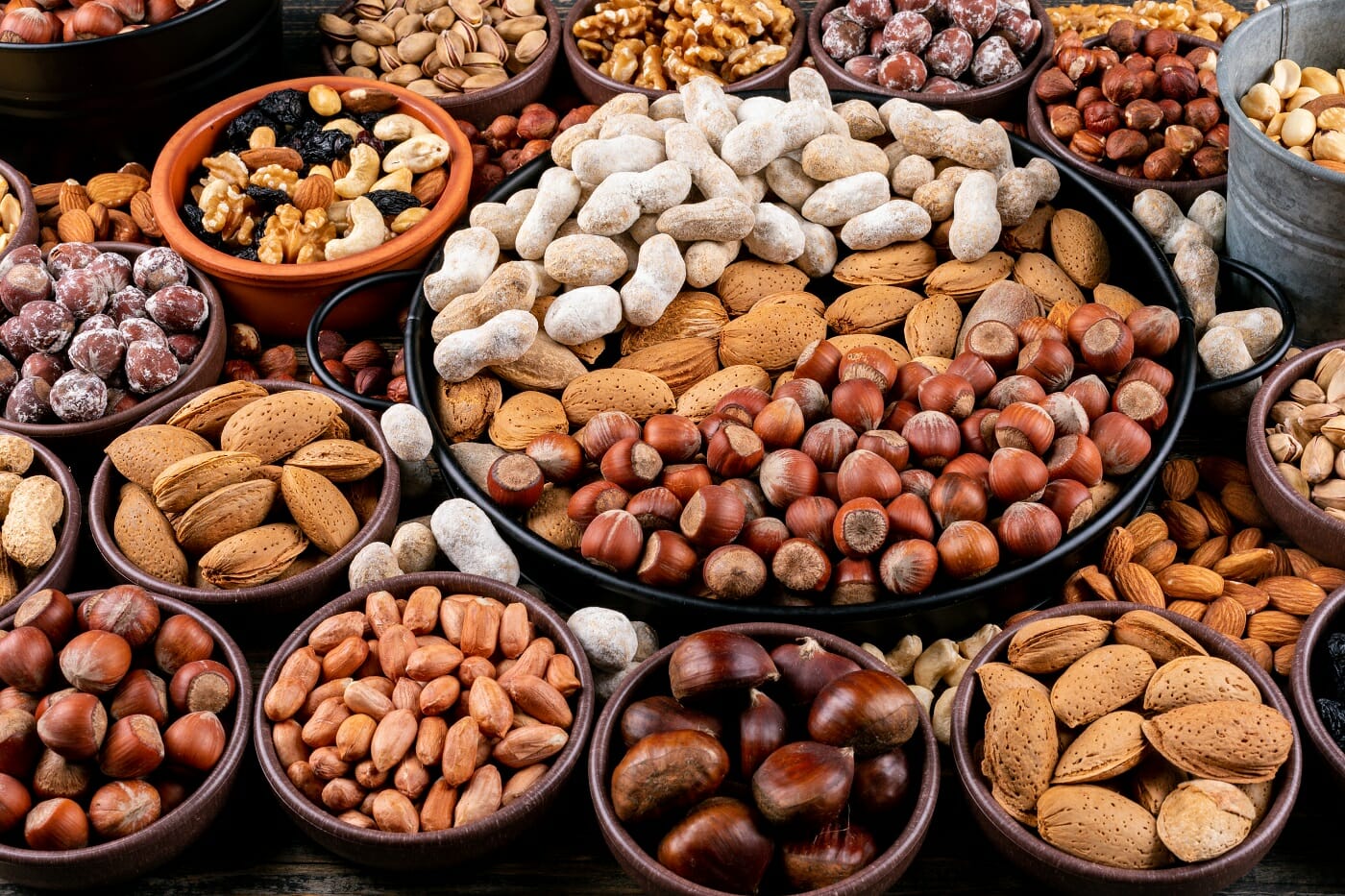







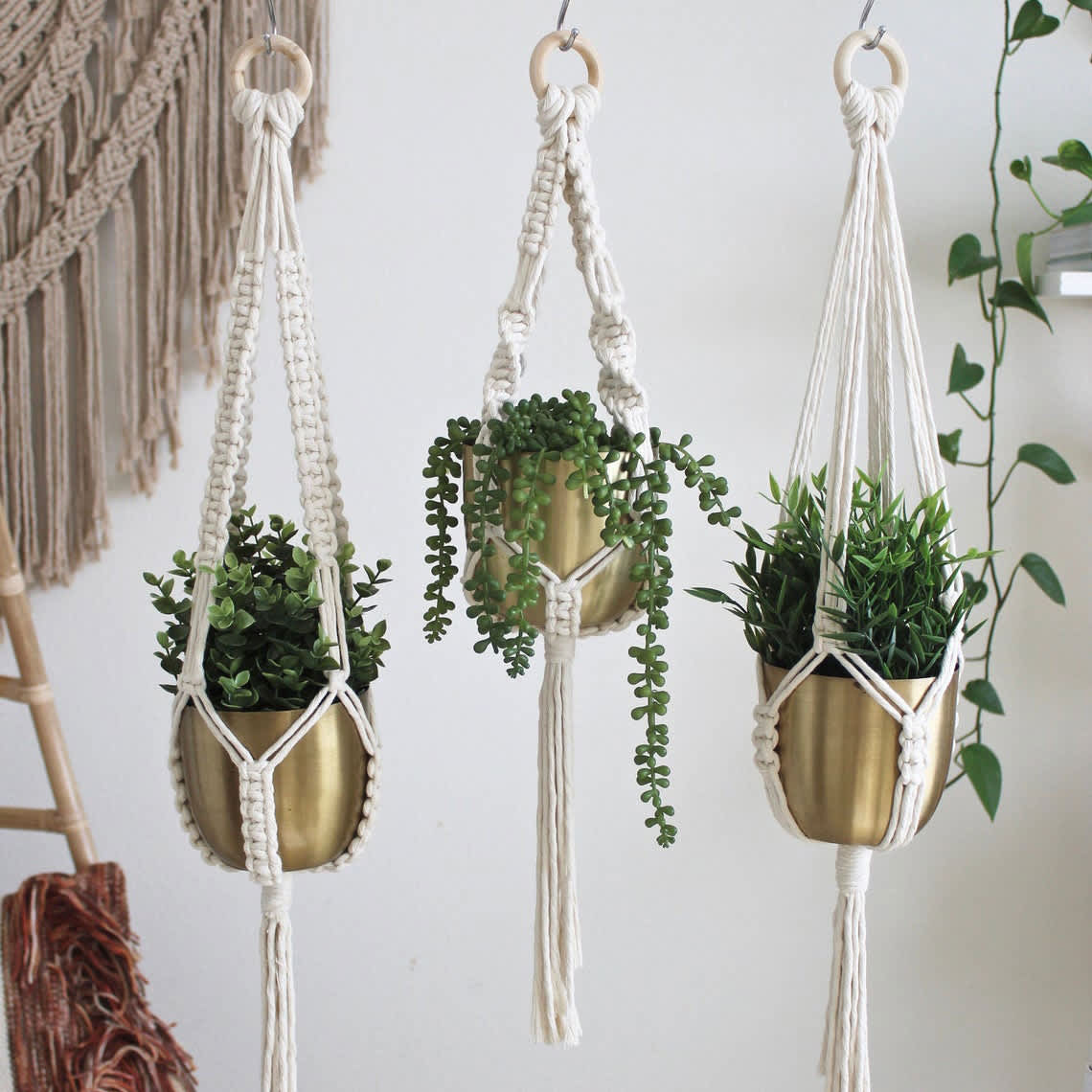


![Top 10 Street Foods of Kashmir [Must Try]](https://mirsaaeid.com/wp-content/uploads/2022/02/Street-Foods-of-Kashmir-1080x675.jpg)
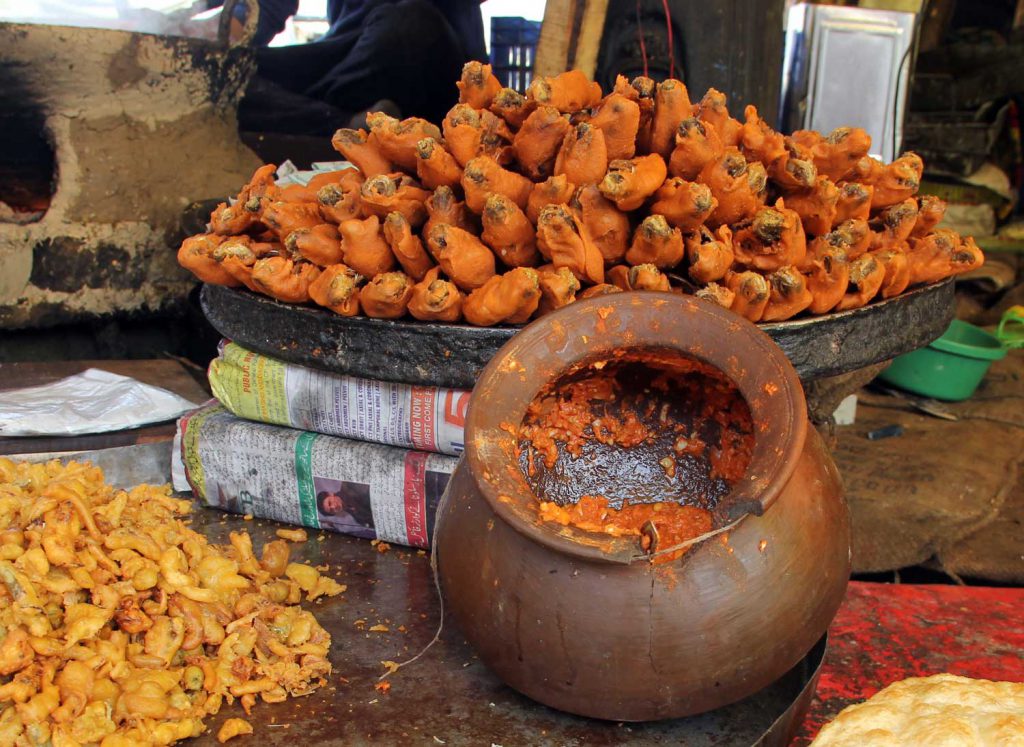
:max_bytes(150000):strip_icc()/_DSC0957_Snapseed-58ac2a105f9b58a3c9e3a1fe.jpg)
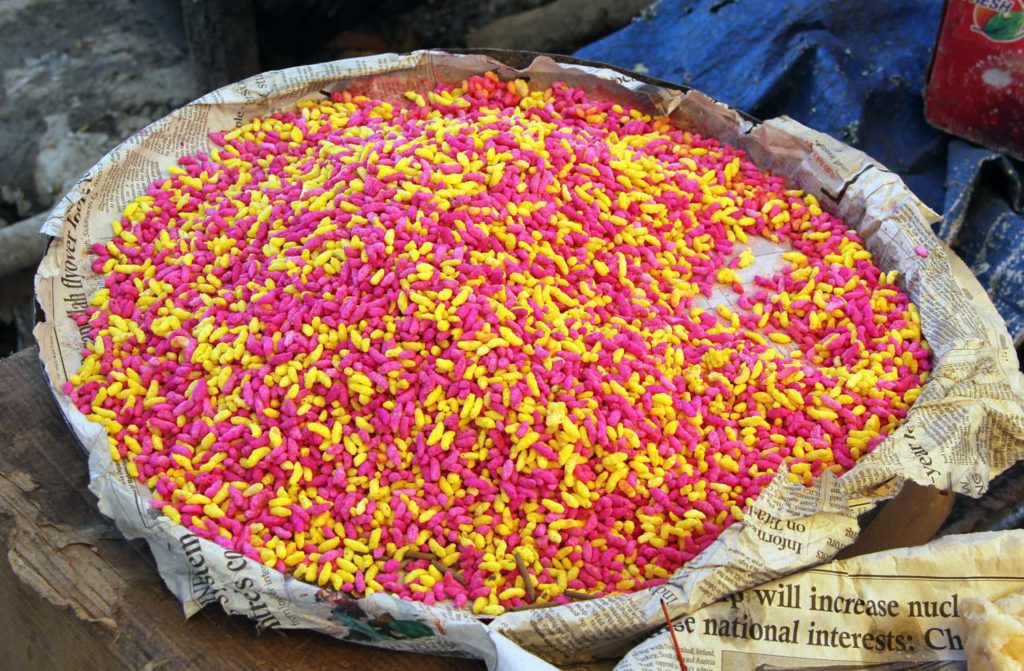
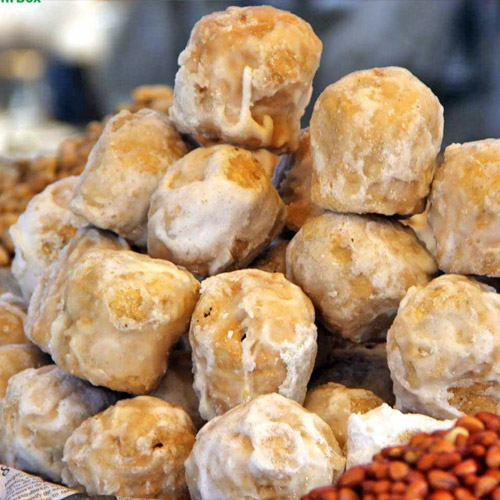
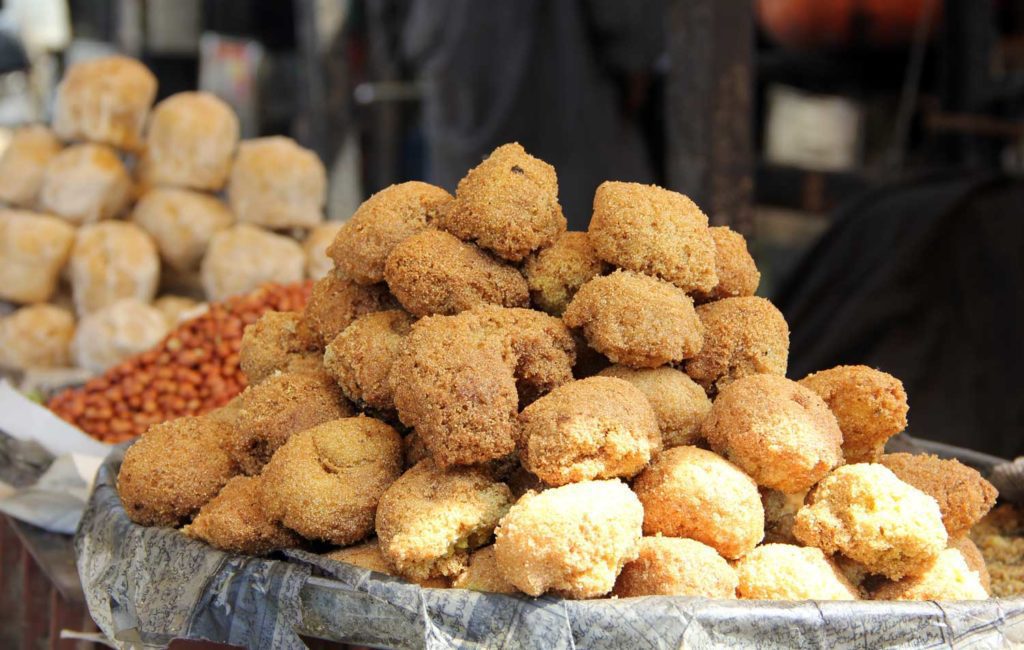
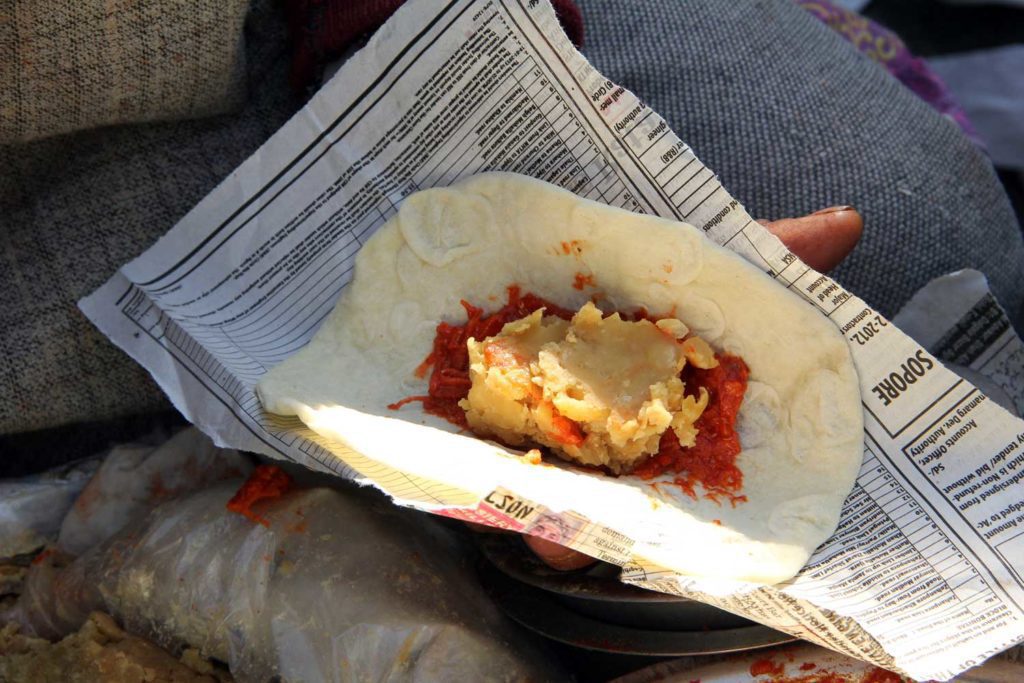






















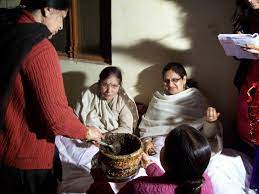
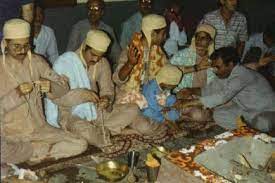


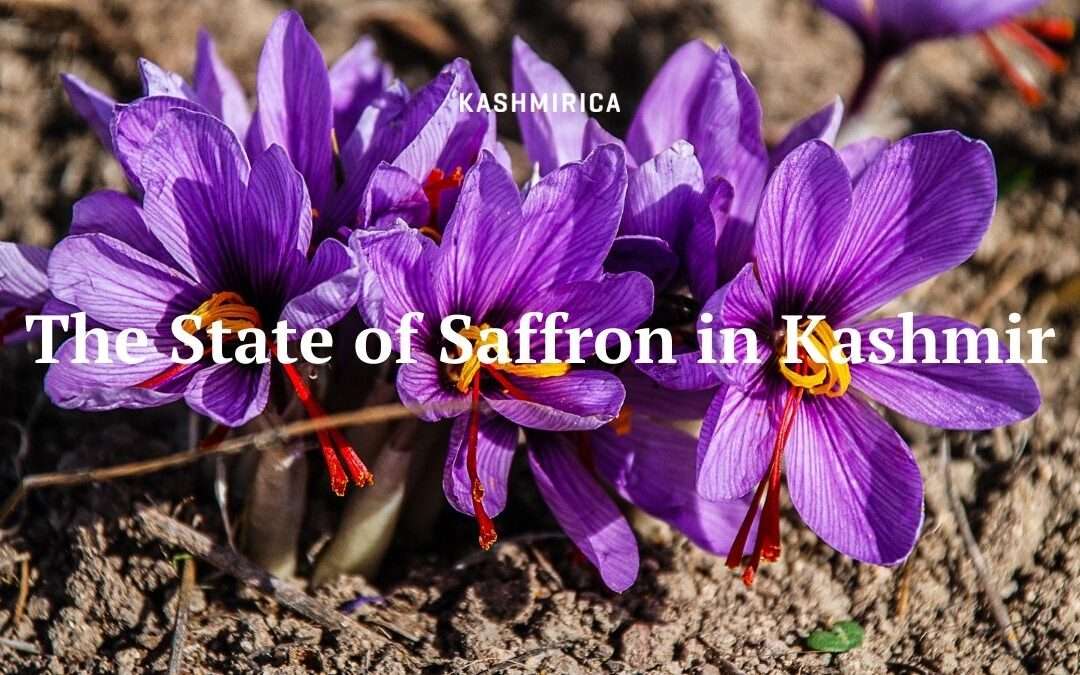




![Top 10 Benefits of Cashew Nuts [Scientifically Proven]](https://mirsaaeid.com/wp-content/uploads/2021/05/Benefits-of-Cashew-Nuts-1080x675.jpg)




![7 Benefits of Shilajit for Women [Research Backed]](https://mirsaaeid.com/wp-content/uploads/2021/02/Benefits-of-Shilajit-for-Women-1080x675.jpg)