Harnessing the power of nature’s bounty is a key strategy in the battle against diabetes. Many embark on this journey with the hope of effectively managing their condition through natural solutions. Anjeer for diabetes presents a particularly exciting option.
These delightful figs, also known as anjeer, are renowned for their natural sweetness and a treasure trove of nutrients.
We’ll uncover the intricate relationship between these tasty fruits and blood sugar control, and equip you with the strategies and insights necessary to master their incorporation into a diabetic-friendly diet.
Join us as we navigate the intricacies of utilizing anjeer for diabetes management. We’ll unlock the potential of anjeer to empower individuals on their quest for better health and well-being.
Through careful examination and practical tips, we aim to equip you with the knowledge and confidence to seamlessly integrate anjeer into your diabetic-friendly diet.
Hailing from Southwest Asia: Anjeer, also known as the fig, is native to this region. Cultivation has expanded beyond its origins, with fig trees now flourishing in Egypt, Turkey, Morocco, and countries bordering the Mediterranean Sea. The fruit’s presence even extends to California and Brazil. Interestingly, anjeer boasts a history of use in both ancient Indian and Chinese medicine.
A Nutritional Powerhouse: Anjeer’s rich nutrient profile has led to its reputation as a potential aid in managing various health conditions. From weight management and diabetes to cardiovascular health and arthritis, anjeer’s versatility has sparked curiosity. But can this delicious fruit truly play a role in diabetes management? Let’s find out!
Diabetes, a chronic condition impacting how your body regulates blood sugar, affects millions worldwide. For those managing this condition, navigating dietary choices can feel like a constant dance. The question of incorporating sweet treats like anjeer, also known as figs, often arises. While anjeer boasts a natural sweetness, it also offers a treasure trove of potential health benefits. So, can anjeer be a part of a diabetic diet? The answer is yes but with a strategic approach.
Understanding Diabetes
Understanding Diabetes
Our bodies rely on a complex system to maintain healthy blood sugar levels. Glucose, a form of sugar derived from food, serves as the primary fuel for our cells. The pancreas, a gland located behind the stomach, produces insulin, a key hormone that acts like a key, unlocking the doors of our cells and allowing glucose to enter for energy production.
In diabetes, this intricate system falters. There are two main types:
Type 1 Diabetes: In this case, the body’s immune system mistakenly attacks insulin-producing cells in the pancreas, leading to a deficiency in insulin production.
Type 2 Diabetes: This more common form occurs when the body either doesn’t produce enough insulin or the cells become resistant to its effects. Over time, this can lead to insulin deficiency.
The consequence of both types of diabetes is the same: chronically high blood sugar levels. When left unchecked, this can wreak havoc on the body, damaging nerves, eyes, kidneys, and the cardiovascular system.
For individuals aiming to regulate blood sugar levels, whether due to diabetes or other health concerns, focusing on three key nutrients can make a significant difference:
1. Fat
2. Fiber
3. Protein
These three nutrients play pivotal roles in slowing down the digestion process compared to sugar consumption. Consequently, when consumed alongside sugar, they delay its digestion, leading to a slower increase in blood sugar levels, thereby mitigating the occurrence of rapid spikes.
Incorporating fat, fiber, and protein into meals ensures a balanced approach to blood sugar management. By doing so, individuals can help maintain stable blood sugar levels throughout the day, promoting overall health and well-being. Therefore, it’s advisable to include sources of these nutrients in every meal, facilitating more controlled blood sugar responses and fostering greater metabolic stability.
Anjeer for diabetes is a seemingly contradictory profile for diabetics. On one hand, it’s a dried fruit, meaning it’s concentrated in natural sugars. This can raise blood sugar levels quickly.
On the other hand, anjeer boasts a significant amount of dietary fiber, a crucial element for diabetics. Fiber helps regulate blood sugar by slowing down the absorption of sugar into the bloodstream.
Advantages of Incorporating Anjeer into a Diabetic Diet:
Anjeer boasts a rich mineral profile, featuring essential elements such as copper, magnesium, phosphorus, and potassium. This nutrient-rich composition not only aids in enhancing digestion and absorption but also plays a pivotal role in curbing hunger pangs and maintaining stable blood sugar levels.
Particularly noteworthy is potassium’s significance in regulating post-meal sugar absorption, while chlorogenic acid, another vital component found in anjeer, actively contributes to lowering blood sugar levels, thereby facilitating diabetes management. With such attributes, anjeer emerges as a favorable addition to the diabetic diet repertoire, providing both nourishment and blood sugar control.
Moreover, anjeer exhibits a moderate glycemic index (GI) of 61, signifying a gradual release of glucose into the bloodstream compared to high-GI foods. This slow release, coupled with the fruit’s high fiber content, promotes prolonged satiety, helping individuals manage their appetite and blood sugar levels effectively.
Beyond its glycemic impact, anjeer’s anti-inflammatory and antioxidant properties serve as formidable allies in safeguarding against carbohydrate breakdown and pancreatic damage. By preserving insulin secretion and facilitating the conversion of blood sugar into energy, anjeer contributes to overall metabolic health, benefitting individuals with diabetes and healthy individuals alike.
From its leaves to its stem and bark, anjeer’s holistic therapeutic properties underscore its merit as a diabetes-friendly dietary inclusion.
In essence, anjeer emerges as a nutritional powerhouse with profound implications for diabetes management, offering a delectable solution to maintaining blood sugar control while indulging in nature’s bounty. Whether as a standalone snack or a versatile ingredient in culinary creations, anjeer stands poised to empower individuals in their journey toward better health and well-being, one delicious bite at a time.
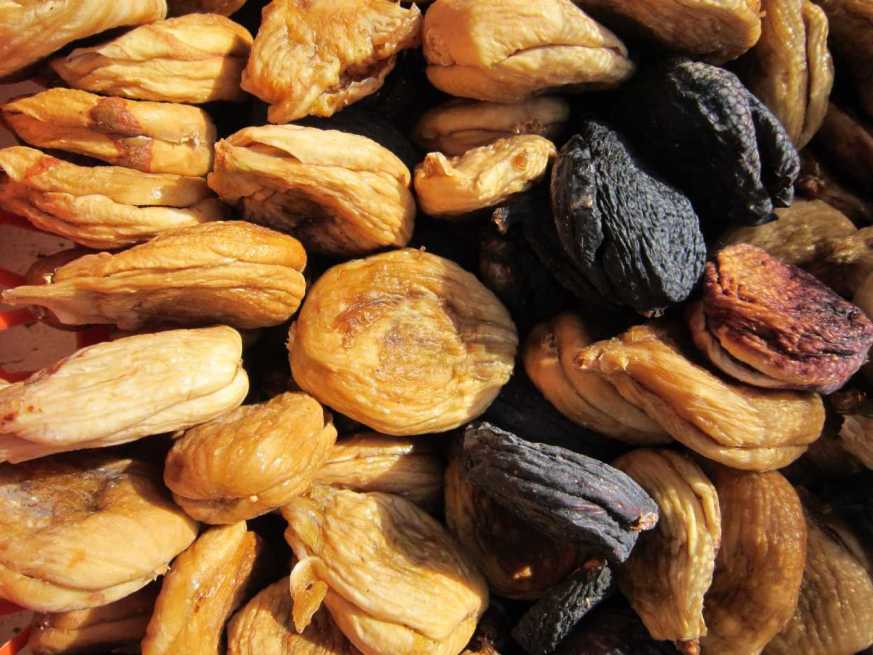
Dried Figs
Here is a more detailed breakdown of the nutritional profile of 100g of dried figs (according to Sugar.fit):
Carbohydrates: 73.5g
Protein: 4.67g
Fat: 0.56g
Fiber: 3.68g
Calories: 317.78 kcal
Micronutrients:
Calcium (Ca): 1545.46 ppm
Magnesium (Mg): 679.04 ppm
Iron (Fe): 29.49 ppm
Copper (Cu): 5.02 ppm
Manganese (Mn): 4.75 ppm
Potassium (K): important for regulating blood sugar
and many others
Please note that this is just a general overview of the nutritional profile of dried figs. The exact nutrient content can vary depending on the variety of figs, growing conditions, and processing methods.
Here’s how you can turn anjeer into a part of your diabetes management plan:
Portion Control is Key: Moderation is crucial. Stick to 2-3 small anjeer per day. This allows you to enjoy the taste without a significant blood sugar spike.
Soak it Up: Soaking anjeer overnight in water has two benefits. First, it plumps them up, making them more filling and reducing the need for larger portions. Second, soaking can help break down some of the sugars, potentially leading to a slower rise in blood sugar levels.
Pair it Wisely: Don’t eat anjeer alone. Combine it with protein or healthy fats like nuts, yogurt, or cheese. This slows down digestion and sugar absorption, further preventing blood sugar spikes.
Here, we delve into creative ways to pair California dried figs with other food groups, transforming them into delicious and nourishing snacks or light lunches.
The Power of Protein and Fat: Dried figs are a natural source of fiber and carbohydrates, but for a truly balanced meal, we need to consider protein and healthy fats as well. These macronutrients play a vital role in keeping us feeling full and energized, while also helping to regulate blood sugar levels.
A delightful and protein-rich option is to combine 3-5 dried figs with a serving of cottage cheese. The creamy texture of the cheese complements the sweetness of the figs perfectly while providing a good dose of protein and healthy fats. To further elevate this snack into a light lunch, consider adding a colorful array of fresh vegetables like sliced bell peppers, cucumber, or cherry tomatoes. For an extra crunch and a boost of healthy fats, sprinkle a handful of nuts like almonds or walnuts on top.
The All-Star Trio: Figs, Almonds, and Eggs: Looking for a portable and protein-packed snack? Look no further than the dynamic trio of figs, almonds, and a hard-boiled egg! This combination offers a symphony of textures and flavors.
The sweetness of the figs is balanced by the richness of the almonds, while the hard-boiled egg provides a satisfying dose of protein. This snack is perfect for a mid-morning pick-me-up or a post-workout refuel.
Hummus for the Win: Hummus, a delicious blend of chickpeas, tahini, olive oil, and spices, is a fantastic source of protein, healthy fats, and fiber. Combining 3-5 dried figs with a generous dollop of hummus and a variety of colorful vegetables like carrots, celery sticks, or broccoli creates a vibrant and satisfying snack or light lunch. The creamy texture of the hummus pairs beautifully with the sweetness of the figs, while the vegetables add a refreshing crunch and essential vitamins and minerals.
Timing is Everything: Ideally, consume anjeer after a meal. This minimizes the impact on your blood sugar levels compared to eating it on an empty stomach.
Fresh vs. Dried: Fresh anjeer contains less concentrated sugar than dried varieties. If available, opt for fresh anjeer for a naturally lower sugar intake.
Beyond Blood Sugar: The Additional Benefits of Anjeer
Anjeer offers a treasure trove of benefits beyond blood sugar management:
Rich in Fiber: As mentioned earlier, anjeer’s fiber content promotes healthy digestion and regularity.
Antioxidant Powerhouse: Anjeer is loaded with antioxidants that fight free radicals and may help prevent chronic diseases.
Essential Minerals: It’s a good source of potassium, magnesium, and iron, all vital for overall health.
Working with Your Doctor
Remember, every diabetic’s needs are unique. It’s crucial to discuss incorporating anjeer into your diet with your doctor or registered dietician. They can help determine the appropriate portion size and consumption strategy based on your individual health and blood sugar control goals.
By following these tips and working with your healthcare provider, you can integrate anjeer into your diabetic diet and enjoy its taste and health benefits without compromising your blood sugar management. Remember, a little planning and knowledge go a long way in making your favorite foods work for you, even with diabetes.
Kashmirica brings you the finest quality Dried Figs! As our brand turns 5, we are giving our valued customers a special 20% off, visit our website to know more!
Struggling to gain weight in a healthy way? Feeling lost in a maze of calorie counting and bland protein shakes?
For those looking to gain weight in a healthy way, the quest for calorie-dense, nutrient-rich foods can feel daunting. Look no further than the humble anjeer, also known as the fig!
This dried fruit, packed with natural sugars and essential nutrients, can be a powerful ally in your weight gain journey.
This blog, your one-stop guide to “anjeer for weight gain,” unlocks a world of delicious possibilities. We’ll explore the science behind why anjeer is a weight gain champion, unveil creative ways to incorporate it into your daily diet and tantalize your taste buds with mouth-watering recipes.
So ditch the bland and embrace the naturally sweet and nutritious path to a healthier you. Let’s unlock your weight gain journey with anjeer! This blog delves into the world of anjeer, exploring its benefits for weight gain, creative ways to incorporate it into your diet, and delicious recipes to tantalize your taste buds.
Gaining weight can be just as challenging as losing it, but the key is to focus on quality calories.
Healthy Weight Gain
Ditching sugary treats and processed snacks will always be a healthy option.
However, building a balanced plate with a focus on whole foods, and lean protein sources like fish, chicken, beans, and lentils will provide the building blocks for muscle tissue.
Adding healthy fats – avocados, nuts, seeds, and olive oil are calorie-dense and will keep you feeling satiated.
Complex carbohydrates like whole-wheat bread, brown rice, and quinoa offer sustained energy throughout the day.
Don’t forget fruits and vegetables! They add essential vitamins, minerals, and fiber to your diet.
To bump up the calorie content, try adding healthy fats like dry fruits, nut butter, or cheese to your fruits. One such nutrient-dense and calorie-boosting option is Anjeer.
It boasts a unique nutritional profile that makes using “anjeer for weight gain” a success. Let’s explore these key contributors:
High-Calorie Count: Just a single dried fig packs a punch with around 50-60 calories. By strategically incorporating anjeer into your daily diet, you can easily increase your overall calorie intake, a crucial factor for healthy weight gain.
Natural Sugars: Anjeer is a natural source of fructose and glucose, readily available for your body to convert into energy. This helps with muscle building and supports a healthy metabolism during weight gain.
Fiber Powerhouse: Don’t let the sweetness fool you! Anjeer is also a good source of dietary fiber. This fiber keeps you feeling fuller for longer, reducing cravings and aiding in balanced weight gain.
Essential Nutrients: Anjeer offers a treasure trove of essential nutrients, including calcium, iron, potassium, and magnesium. These play a vital role in overall health and support muscle function, a key element in weight gain.
Milk and Anjeer for Weight Gain: A Natural Powerhouse
For many, achieving a healthy weight gain can feel like an uphill battle. Between restrictive diets and questionable supplements, finding a natural and sustainable approach can be a challenge. But fear not, nature has provided a delicious and nutritious solution: the dynamic duo of milk and anjeer for weight gain. This powerful combination offers a treasure trove of benefits for those looking to gain weight in a healthy way.
Anjeer, a powerhouse of natural sugars, provides a readily available source of energy. Unlike refined sugars, the natural sweetness in anjeer comes with a bonus – dietary fiber. This fiber keeps you feeling fuller for longer, reducing cravings and aiding in balanced weight gain. Milk, on the other hand, steps in as a complete protein source. It provides essential amino acids needed for muscle building and repair, a crucial aspect of healthy weight gain.
But the magic truly unfolds when these two ingredients join forces. Anjeer’s natural sugars team up with the fats and proteins in milk to create a calorie-dense and nutrient-rich concoction. This translates to a significant boost in your daily calorie intake, a key factor in healthy weight gain. Additionally, milk is a rich source of calcium, which plays a vital role in bone health and overall well-being.
The beauty of using milk and anjeer for weight gain lies in their versatility. You can enjoy them in a variety of ways to keep your taste buds happy and your weight gain journey interesting.
Here are some ideas to get you excited about using anjeer for weight gain:
Morning Power Smoothie: Blend soaked anjeer with milk, banana, and your favorite protein powder for a delicious and protein-packed breakfast smoothie. This combination provides a burst of energy and keeps you feeling satisfied until lunchtime.
Pre-Workout or Post-Workout Snack: Anjeer and milk can be a game-changer for your workout routine. Soak a few anjeer in milk for a couple of hours. The softened anjeer becomes easier to digest and offers a readily available source of carbohydrates, perfect for pre-workout energy or post-workout recovery.
Sweet Treat Alternative: Craving something sweet? Instead of reaching for sugary desserts, blend anjeer with milk and a touch of honey for a healthy and satisfying treat. This option provides natural sweetness, and essential nutrients, and keeps you feeling fuller for longer.
By combining the power of milk and anjeer for weight gain, with a balanced diet and exercise routine, you can hack your weight gain journey healthily and deliciously. So, ditch the restrictive diets and embrace the natural sweetness and goodness of nature. With anjeer and milk by your side, you’re well on your way to achieving your weight gain goals!
While the focus of the article “10 Remarkable Anjeer Milk Benefits for Better Health” is on the general benefits of consuming anjeer with milk, we can delve deeper into the potential advantages this combination offers specifically at night.
Improved Sleep Quality: Anjeer is a natural source of the amino acid tryptophan, a precursor to the sleep hormone melatonin. Consuming anjeer with milk before bed can potentially increase tryptophan levels, promoting relaxation and better sleep quality.
Enhanced Digestion: The fiber content in anjeer can aid in digestion. Pairing it with milk, which contains some lactose sugar, can further support a healthy gut environment. This gentle digestive process at night can contribute to a more restful sleep.
Nutrient Absorption Boost: Our bodies tend to enter a state of rest during sleep, allowing for better nutrient absorption. Consuming anjeer and milk before bed may allow your body to absorb the beneficial nutrients from both ingredients more effectively throughout the night.
Curbs Late-Night Cravings: The satiating properties of fiber in anjeer, combined with the protein and healthy fats in milk, can create a feeling of fullness. This can help curb late-night cravings for unhealthy snacks, promoting weight management goals.
Important Note: While anjeer and milk offer potential benefits at night, it’s important to consider individual sensitivities. If you have lactose intolerance or experience digestive discomfort from milk, it’s best to consult a healthcare professional before incorporating this combination into your evening routine.
Anjeer’s versatility shines when it comes to incorporating it into your diet. Here are some creative ways to enjoy its benefits:
Anjeer for Weight Gain
Morning Boost: Start your day with a power-packed smoothie. Blend anjeer with milk, banana, and your favorite protein powder for a delicious and nutritious breakfast.
Snack Time Savior: Dried anjeer makes for a healthy and satisfying snack when hunger pangs strike. Pair them with nuts like almonds or walnuts for a protein and healthy fat boost.
Oatmeal Delight: Elevate your morning oatmeal by adding chopped anjeer and a drizzle of honey for a burst of sweetness and extra texture.
Salad Surprise: Diced anjeer can add a delightful sweetness and textural contrast to salads. Try it with spinach, feta cheese, and a balsamic dressing for a well-rounded lunch.
Energy Balls: Create your own homemade energy balls by combining soaked anjeer with rolled oats, peanut butter, and chia seeds. These are perfect pre-workout or post-workout snacks.
Yogurt Parfait Powerhouse: Layer yogurt, granola, chopped anjeer, and fresh berries for a visually appealing and incredibly nutritious parfait, perfect for a mid-afternoon pick-me-up.
Sweet Treat Twist: Instead of reaching for sugary desserts, bake cookies or muffins with chopped anjeer. They offer a healthier alternative with a naturally sweet flavor.
Now that you’re armed with creative ideas, let’s explore some delicious recipes featuring anjeer for weight gain:
1. Creamy Anjeer and Milk Smoothie:
Ingredients:
2 dried anjeer, soaked for 30 minutes
1 cup whole milk
1 banana
1 scoop protein powder (optional)
1 tablespoon honey (optional)
Instructions:
Blend all ingredients in a high-speed blender until smooth and creamy.
Adjust sweetness with honey if desired.
Enjoy this protein-packed smoothie for breakfast or a post-workout snack.
2. Spiced Anjeer and Nut Granola Bars:
Ingredients:
1 cup rolled oats
½ cup chopped almonds
½ cup chopped walnuts
¼ cup chopped dried anjeer
¼ cup brown sugar
¼ cup melted butter
1 teaspoon ground cinnamon
¼ teaspoon ground ginger
¼ teaspoon ground nutmeg
Pinch of salt
Instructions:
Preheat oven to 350°F (175°C). Line a baking sheet with parchment paper.
In a large bowl, combine rolled oats, nuts, anjeer, and spices.
In a separate bowl, mix melted butter and brown sugar. Pour this mixture over the dry ingredients and stir until well-coated.
Press the mixture evenly onto the prepared baking sheet.
Bake for 20-25 minutes, or until golden brown.
Let cool completely, then cut into bars.
Enjoy these granola bars as a healthy
Remember, a balanced diet and healthy lifestyle practices are crucial for optimal sleep and overall well-being. Anjeer can be a beneficial addition to your nighttime routine, but it should not be seen as a sole solution.
Incorporating anjeer and milk into your diet is just one piece of the puzzle. A balanced diet that includes a variety of fruits, vegetables, whole grains, and lean protein sources is crucial for healthy weight gain. Additionally, a well-rounded exercise routine that incorporates both strength training and cardio is essential for building muscle mass and promoting overall health.
Increase your meal frequency. Aim for three meals and two to three healthy snacks throughout the day. This keeps your metabolism stoked and provides your body with a steady stream of energy for building muscle.
Listen to your body’s hunger cues and don’t be afraid to enjoy seconds (or thirds) of those nourishing meals. Remember, weight gain is a marathon, not a sprint.
Be patient, and consistent, and celebrate the non-scale victories – increased strength, improved energy levels, and a healthier you.
Kashmirica is here to support you on your “gains” journey by providing you with the finest dry fruits from Kashmir, including the mighty Anjeer. Buy some today and witness the change you want to make in your life happen right in front of your eyes!
Congratulations! You’re embarking on the beautiful journey of pregnancy. As your body undergoes amazing transformations to nurture new life, you’re likely also thinking about healthy ways to nourish yourself and your baby.
Anjeer, also known as figs, might be a fruit you’ve come across, and you might be wondering if it’s safe and beneficial to eat anjeer during pregnancy.
Well, wonder no more! This blog post is here to guide you on all things anjeer during pregnancy.
Anjeer is more than just a delicious dried fruit. It’s a treasure trove of essential nutrients that can significantly benefit pregnant women throughout their journey. That is why it has been advised to eat anjeer during pregnancy throughout Indian culture.
Let’s delve deeper into the impressive nutritional profile of anjeer during pregnancy and explore how it contributes to a healthy pregnancy:
Fiber for a Smooth Ride: Pregnancy can often disrupt your digestive system, leading to constipation. Here’s where anjeer steps in as a knight in shining armor. Anjeer is an excellent source of dietary fiber. This fiber acts like a natural broom in your gut, promoting smooth digestion and regular bowel movements. By incorporating anjeer into your diet, you can significantly reduce the discomfort and inconvenience of constipation, a common pregnancy woe.
Building Strong Bones for Two: As your baby grows inside you, their skeletal system undergoes phenomenal development. Anjeer comes to the rescue again, being richly endowed with vitamins and minerals crucial for healthy bone formation. These include vitamin K, which plays a vital role in blood clotting and bone mineralization, alongside calcium and potassium. Calcium is the building block of strong bones, and potassium helps regulate calcium absorption. By consuming anjeer, you’re not only supporting your baby’s bone development but also maintaining your own bone health during pregnancy.
Antioxidant Shield for a Healthy Pregnancy: Pregnancy can sometimes make you more susceptible to oxidative stress and inflammation. Anjeer acts as a powerful shield against these threats, thanks to its impressive antioxidant content. Antioxidants in anjeer help combat free radicals, and harmful molecules that can damage cells and contribute to various health concerns. By neutralizing these free radicals, anjeer helps reduce the risk of pregnancy complications and promotes overall well-being for both you and your baby.
Beyond the Basics: The nutritional benefits of anjeer extend far beyond these highlighted points. It’s a natural source of iron, which helps combat fatigue, a common pregnancy symptom. It also contains vitamin B6, known to alleviate nausea and vomiting associated with morning sickness. Anjeer boasts essential vitamins like vitamin C, which strengthens your immune system and helps fight infections. This translates to a healthier pregnancy for you and a stronger foundation for your developing baby.
Anjeer is a powerhouse of essential nutrients that can be incredibly beneficial for both mom and baby during pregnancy. Here’s a breakdown of some key benefits of eating Anjeer during pregnancy:
Rich in Fiber: Pregnancy can often bring on constipation woes. Anjeer, being a good source of dietary fiber, can help regulate digestion and keep things moving smoothly.
Blood Sugar Management: Packed with natural sugars and a low glycemic index, anjeer can help regulate blood sugar levels, which is crucial during pregnancy, especially if you’re at risk of gestational diabetes.
Morning Sickness Relief: Feeling queasy? Anjeer contains vitamin B6, which is known to help alleviate nausea and vomiting associated with morning sickness.
Boosting Immunity: Anjeer is loaded with antioxidants and essential vitamins like vitamin C, which can help strengthen your immune system and fight off infections, keeping both you and your baby healthy.
Iron for Energy: Feeling sluggish? Anjeer is a natural source of iron, which can help combat fatigue and keep your energy levels up during pregnancy. Unlike iron supplements, anjeer offers a natural and delicious way to boost your iron intake. This is especially appealing for those who may experience side effects from iron supplements or simply prefer to get their nutrients from whole food sources.
Bone Health for Two: Anjeer is rich in calcium, potassium, and magnesium, all essential minerals for promoting healthy bone development in your baby and maintaining your own bone health.
There are two main types of anjeer you’ll encounter: fresh and dried. Here’s a quick guide to choosing the best form of Anjeer during pregnancy that best suits your needs:
Fresh Anjeer: Look for plump, soft figs with smooth, unbroken skin. Avoid any with blemishes or bruises. The riper the fig, the sweeter it will be.
Dried Anjeer: Opt for dried figs that are soft and pliable, not hard or brittle. Choose those with a fresh, figgy aroma, and avoid any with a sour or fermented smell.
Delicious Ways to Enjoy Anjeer During Pregnancy
Anjeer’s versatility allows you to incorporate it into your diet in various ways. Here are some yummy ideas to enjoy anjeer during pregnancy:
Simple Snack: Enjoy a few whole dried anjeer as a healthy and satisfying snack.
Soaked and Savory: Soak 2-3 dried anjeer in water overnight. In the morning, mash them and have them with some nuts and seeds for a protein-rich breakfast.
Smoothie Powerhouse: Add a chopped fresh fig or a couple of diced dried figs to your favorite smoothie recipe for a natural sweetness boost and extra nutrients.
Baked Delight: Finely chop dried anjeer and incorporate them into muffins, cookies, or bread dough for added fiber and a delightful figgy flavor.
Oatmeal Buddy: Dice some fresh or dried anjeer and add them to your morning oatmeal for a touch of sweetness and a burst of texture.
Salad Surprise: Feeling adventurous? Try incorporating chopped fresh or dried anjeer into your salad for a unique sweet and savory combination.
Yogurt Topping: Love yogurt? Top it with chopped fresh or dried anjeer, along with some honey and granola for a power-packed and delicious parfait.
Energy Balls: Make your own energy balls by blending dried anjeer, nuts, seeds, and rolled oats. These are perfect for a quick and healthy energy boost on the go.
Fig Jam: Feeling creative? Whip up a batch of homemade fig jam using fresh figs. It’s a delicious spread for toast or crackers.
The daily intake of anjeer that’s safe during pregnancy can vary depending on individual factors and your overall diet. Here’s a breakdown to consider:
General Recommendation: 2-4 figs per day is a safe and beneficial range for most pregnant women. This amount allows you to reap the benefits of Anjeer’s nutrients without going overboard on natural sugars.
Individual Needs: It’s always best to consult your doctor to determine the perfect amount for your specific pregnancy needs. Faktoren (factors) like your blood sugar levels, weight, and activity level can all influence how much anjeer is suitable for you.
Moderation is Key: While anjeer is a great source of nutrients, consuming too much can lead to excessive sugar intake. Remember, moderation is key!
Consider Your Overall Diet: When incorporating anjeer into your diet, be mindful of your total sugar intake from all sources throughout the day.
Consulting Your Doctor is Crucial
Remember, consulting a healthcare professional is vital for personalized guidance throughout your pregnancy. They can help you create a well-balanced diet that incorporates anjeer safely and effectively to optimize your health and your baby’s development.
Safety Considerations
While anjeer offers a plethora of benefits, it’s important to remember moderation is key. Here are some things to keep in mind while consuming anjeer during pregnancy:
Sugar Content: Although the natural sugars in anjeer are beneficial, consuming too much can lead to weight gain and potentially contribute to gestational diabetes.
Consult Your Doctor: Always consult your healthcare provider before introducing any new food to your pregnancy diet, especially if you have any underlying health conditions.
Allergies: If you have any allergies to birch pollen or mulberry trees, you might also be allergic to anjeer. Be cautious and watch out for any allergic reactions.
Washing Away Impurities: Before indulging in those juicy figs, take a moment to wash them thoroughly. This removes any surface dirt, debris, or even traces of pesticides that might be lingering on the skin. A gentle rinse under clean running water is sufficient.
Prioritizing Quality: Whenever possible, opt for organic anjeer. This helps minimize your exposure to potentially harmful chemicals like pesticides, which are often used in conventional farming practices. Organic anjeer allows you to enjoy the fruit’s natural goodness with peace of mind.
Ripeness Matters: Underripe figs can be a bit of a disappointment. They tend to be hard, less flavorful, and might even have a slightly sour taste. To ensure the best experience and maximize the nutritional benefits, choose ripe figs. Look for those that are soft to the touch and have a sweet, inviting aroma. A gentle squeeze should reveal a slight give, indicating optimal ripeness.
Have you ever bitten into a perfectly ripe anjeer, its sweetness bursting forth with every juicy bite? Or pulled apart one from a dried fig stack? This delightful fruit, also known as the common fig, has been a treasured part of Indian cuisine for centuries.
But have you ever wondered where these plump delicacies come from? Embark on a journey with us as we explore the “Anjeer Trail,” mapping the fascinating geography of anjeer cultivation in India, from the verdant hills of the north to the sun-drenched plains of the south.
Whether you’re a curious food enthusiast, a budding agriculturist, or simply someone with a penchant for exploring the intricacies of India’s diverse produce, this blog promises to be an enlightening journey.
We’ll delve into the unique microclimates and traditional farming practices that contribute to the distinct flavors and qualities of anjeer grown in different regions. So, buckle up, food enthusiasts and curious minds alike, as we unveil the secrets behind India’s beloved anjeer!
The Anjeer Production: From the Middle East to Your Table
Anjeer or more commonly known around the world as Fig, is a member of the mulberry family, scientifically known as Ficus carica. It isn’t just a tasty treat; it’s a captivating story waiting to be explored.
The journey of the fig, from its ancient origins in the Middle East to its presence on supermarket shelves worldwide, is a fascinating testament to its enduring appeal.
Origins: The fig’s journey began in the fertile region encompassing the Middle East and Western Asia. Archaeological evidence suggests its cultivation dates back millennia, making it one of the oldest domesticated fruits. Ancient civilizations in this region cherished the fig for its sweetness and versatility, incorporating it into their diets and cultures.
A Global Citizen: Human ingenuity and trade routes propelled the fig on a remarkable journey beyond its birthplace. Over time, its cultivation spread across the Mediterranean, reaching Europe and North Africa. Today, the fig is a global citizen, grown in countries across the globe, either as a captivating ornamental plant or a delicious fruit-bearing tree.
Deciduous Beauty: The fig tree itself is a fascinating sight. Deciduous in nature, it loses its fragrant leaves each year, only to regrow them in a vibrant display of new life come spring. These aromatic leaves not only add to the aesthetics of the tree but also hold cultural significance in some parts of the world.
Naturalized Wanderer: The fig’s adaptability has allowed it to thrive beyond the confines of cultivated fields. In certain scattered locations within Asia and North America, the fig has become naturalized, meaning it has established itself and reproduces independently within these new environments.
Production Powerhouses: While the fig enjoys a global presence, some countries stand out as leading producers. Spain, Turkey, Egypt, and Algeria take the crown, contributing a whopping 58% of the world’s total fig harvest. This translates to a staggering 1.05 million tonnes of raw (fresh) figs produced annually – a testament to the fruit’s popularity and economic significance.
India’s Fig Story: Closer to home, India has its own fig story to tell. Ranking 12th in the world of Fig Production; Maharashtra, Gujarat, Uttar Pradesh, Karnataka, and Tamil Nadu are the key players in Indian fig cultivation.
While not a top global producer, India cultivates figs on over 5600 hectares of land, with a production of approximately 13,802 tonnes. This translates to an average yield of 12.32 tonnes per hectare, showcasing the efficiency of Indian fig farming practices.
Maharashtra’s Figs: The Secret Behind India’s Anjeer Magic
India’s fig cultivation story shines a bright light on Maharashtra, particularly the Purandar region. Here, a distinct fig variety thrives, adding its unique flavor profile to the national fig tapestry. Historical records point towards commercial cultivation beginning in Purandar around 1904, and by the 1920s, these “Purandar figs” had garnered recognition and popularity.
Their unique characteristics – bell-shaped form, specific skin color, and exceptional pulpiness – are attributed to the region’s specific agro-climatic conditions.
This special status is further solidified by the coveted Geographical Indication (GI) tag awarded to Purandar figs in 2016. This GI tag signifies the unique qualities and origin of these prized figs, ensuring their place as a treasured product of Maharashtra.
Today, Purandar boasts around 600 hectares dedicated to fig cultivation, with an annual yield of roughly 4,300 tonnes of fresh fruit. These prized figs aren’t just enjoyed fresh; local farmers have also embraced innovation, processing them into delicious spreads, further extending the reach and appeal of this Maharashtrian treasure.
Anjeer Plant
The Sweet Story of Anjeer Cultivation in Karnataka
Grown primarily in the districts of Bellary, Chitradurga, and Srirangapatna in Karnataka, India. Karnataka’s figs come in a variety of colors – from deep purple to light green – each boasting a unique flavor profile. These sweet and juicy delights are not just enjoyed locally; they find their way to markets across India, adding a touch of Karnataka’s sunshine to tables nationwide.
Karnataka fig cultivation showcases the state’s rich agricultural heritage, the resilience of its farmers, and their commitment to sustainable practices.
Generations of farmers have honed their skills, using sustainable practices passed down through knowledge sharing.
Unveiling the Uniqueness of Kashmiri Anjeer
While not the biggest producer in terms of overall quantity, Kashmir is known for cultivating a specific and highly prized variety of anjeer.
Kashmiri Anjeer’s unique qualities likely stem from the specific microclimate and traditional farming methods employed in the region.
Kashmiri Anjeer is typically green or purple in color, offering a slightly different taste profile compared to figs from other regions.
They are also known for their excellent sweetness and high-quality drying practices.
In India, the fig season unfolds twice annually, with fruits ripening typically from May to June and again from December to January. This dual harvest cycle offers distinct qualities and market dynamics for fig growers. This offers a delightful double dose of sweetness throughout the year. Fig lovers can rejoice in two distinct harvest seasons:
The Monsoon Bounty (May to June):
As the lush monsoon paints the Indian landscape green, fig trees come alive with their first crop of the year.
These early-ripening figs, harvested between May and June, boast a moderate sweetness. While they might not be the most visually appealing – perhaps due to the influence of the rainy season – they hold a special significance.
During the monsoon, the availability of other fruits often dips. These early figs, therefore, become a welcome treat, satisfying cravings for fresh produce and offering a taste of summer amidst the downpours.
The Peak of Perfection (December to January):
Conversely, the spring-summer harvest yields figs of superior quality, boasting enhanced sweetness and visual appeal. Patience is rewarded with the arrival of the second fig harvest, typically occurring from December to January.
These winter figs are considered the crown jewel of the Indian fig season. Basked in the warm winter sunshine, they develop a superior sweetness and superior visual appeal compared to their monsoon counterparts.
This premium quality translates to higher market value, making them a prized possession for both farmers and consumers.
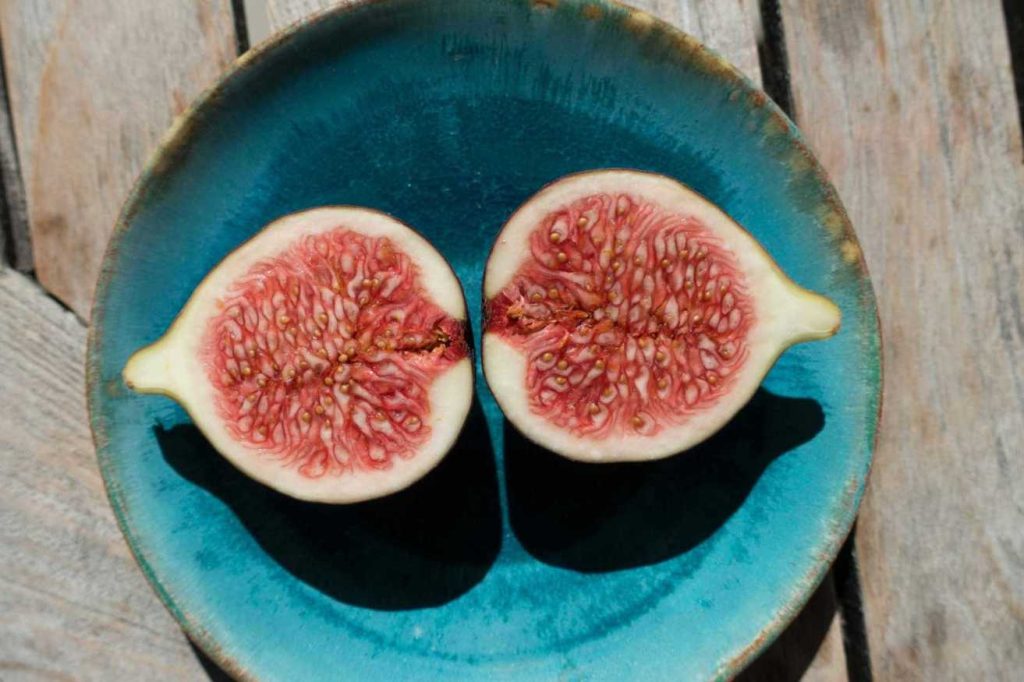
Fresh Fig
Can You Grow Your Own Anjeer Plant?
Let’s delve into the fascinating world of Indian fig cultivation, exploring the methods and care needed to transform a seed or a cutting into a thriving fig tree.
Planting the Seeds of Success:
Growing an Indian fig tree can be an exciting journey, starting with two primary options: seeds or cuttings.
New Life from Seed: For the patient gardener, propagation from seed offers a rewarding experience:
Hydration is Key: Begin by soaking your anjeer seeds in lukewarm water for a full day. This simple step significantly increases the likelihood of successful germination.
The Power of Drainage: Choose a pot or planter specifically designed for optimal drainage. Soggy soil is the enemy of fig trees, so ensure any excess water can easily escape.
Moisturizing Magic: Fill your planter with a well-draining potting mix. After planting your soaked seeds, keep the soil consistently moist, but not waterlogged. Aim for a happy medium that provides sufficient hydration without suffocating the seeds.
Sunlight Symphony: Just like humans need sunshine for optimal health, so do fig trees! Place your potted seed in a location that receives ample, but indirect sunlight for most of the day. This indirect light provides the necessary warmth and energy for germination without scorching the delicate seedlings.
The Cutting Edge: Propagation from Cuttings: If you’re looking for a slightly quicker approach, propagating from a cutting offers a viable option. Here’s what you’ll need:
The Right Stuff: Select a healthy fig tree and carefully remove a 10-12 inch cutting. Look for a sturdy branch that isn’t too woody or green.
Leaf it to the Experts: Remove the lower leaves from your cutting, leaving only a few at the top. This allows the plant to focus its energy on root development rather than maintaining unnecessary foliage.
Drainage Matters Again: As with seeds, use a well-draining container filled with a quality potting mix for your cutting. Plant the cutting firmly and ensure proper drainage.
Sun and Water Balance: Similar to seeds, cuttings require ample sunlight for successful growth. Place your potted cutting in a sunny location and water it regularly, allowing the soil to dry slightly between waterings. Overwatering can lead to root rot, so be mindful of maintaining a healthy balance.
The Great Outdoors Await: Once your cutting has established a robust root system and reached a height of 3-4 feet, you can consider transplanting it to your backyard. Choose a location with ample sunlight and well-draining soil to ensure continued success.
Anjeer’s Recipe for Success: Essential Growing Requirements
Now that you’ve embarked on your fig-growing adventure, let’s explore the key ingredients for cultivating healthy and fruitful trees:
Sunlight: Anjeer trees thrive in sunshine. Aim to provide your fig tree with at least 5-6 hours of direct sunlight every day. This consistent sunshine exposure is crucial for optimal growth, fruit development, and overall plant health.
Soil: As mentioned earlier, well-draining soil rich in organic matter is essential for anjeer trees. Consider enriching your soil with well-rotted manure or compost to provide the necessary nutrients for healthy growth. Alternatively, a high-quality organic potting mix can be used for container-grown trees. Maintaining a soil pH between 6 and 8 is ideal for optimal nutrient uptake by your fig tree.
Watering Wisdom: Fig trees are surprisingly resilient when it comes to water requirements. They flourish in dry, hot climates. The key is to water thoroughly and then allow the soil to dry completely between watering cycles. Overwatering can be detrimental, so always err on the side of caution. On the other hand, underwatering can lead to leaf yellowing. For container-grown trees, ensure the potting mix is loose and drains efficiently. As your fig tree starts producing fruit, you might need to adjust your watering frequency, providing additional water when fruits appear on the branches.
Choosing the Perfect Pot: When it comes to selecting a container for your fig tree, size truly matters. Opt for a pot with a diameter of 12 to 18 inches to provide ample space for root growth. As your fig tree matures, repotting every 2-3 years into a larger container might be necessary to accommodate its expanding root system.
To ensure robust growth and prolific fruit production, diligent care and attention are essential. Key aspects of fig tree care include:
Fertilization: Supplementing the soil with manure or compost provides essential nutrients to support fig tree growth. Adhere to recommended dosage and application instructions for optimal results.
Pruning: Regular pruning promotes new growth and helps maintain the desired shape of the fig tree. Remove any suckers—vertical stems that sprout from the root system—to prevent nutrient competition and ensure the plant’s vigor.
Dormancy: During the winter months, when fig trees enter dormancy, adjust watering frequency to reflect reduced metabolic activity. Protect the plant from cold winds while ensuring adequate air circulation to prevent moisture-related issues.
Disease and Pest Management: Preventative measures can help mitigate the risk of common fig tree ailments, including rust, leaf spots, thrips, root-knot nematodes, twig dieback, aphids, and spider mites. Employ techniques such as water jet sprays and the application of wood ash to deter pests and maintain plant health.
By adhering to these cultivation methods and care practices, you can cultivate thriving Indian fig trees and enjoy a bountiful harvest of delicious, nutritious figs.
This versatile fruit continues to tantalize taste buds and provide a valuable source of nutrients, ensuring its place as a delightful treat for generations to come.
While Fresh Figs are perishable and delicate to transport and ship worldwide, Kashmirica brings you the finest dry figs from Kashmir that have been organically sourced and have passed multiple quality checks to ensure premium quality.
For centuries, the humble figs, aka Anjeer, have been a treasured fruit throughout India. But did you know this delicious treat might also be your secret weapon in the fight for weight loss? Packed with essential nutrients and boasting a unique fiber blend, anjeer offers a powerful punch that can support your weight loss journey in surprising ways.
In this blog, we’ll unveil the magic of anjeer for weight loss. We’ll delve into the science-backed reasons why this delightful fruit can be a game-changer. We’ll explore how anjeer can help you curb cravings, boost your metabolism, and keep you feeling fuller for longer.
But that’s not all! We’ll also provide you with practical tips and delicious recipes to incorporate anjeer seamlessly into your diet. Whether you enjoy them fresh, dried, or incorporated into delectable dishes, we’ll show you how to harness the power of anjeer for sustainable and satisfying weight loss.
So, ditch the fad diets and unveil the magic of anjeer! Get ready to unlock a treasure trove of weight loss benefits with this naturally sweet and incredibly versatile fruit.
Long-term, sustainable weight loss comes down to making healthy choices and including low-fat, low-calorie foods in your everyday routine. This is where figs, also known as anjeer, come in as a superstar!
Packed with essential nutrients and boasting a unique fiber blend, anjeer offers a natural approach to managing your weight. Here’s how to use anjeer for weight loss and how this wonder fruit can become your secret weapon:
1. Fiber Fiesta: Feeling Full for Longer
One of the biggest challenges in weight loss is battling constant hunger pangs. Anjeer comes to the rescue with its high dietary fiber content. This fiber bulks up in your stomach, keeping you feeling fuller for longer and preventing unnecessary snacking. Additionally, fiber promotes healthy digestion and smoother elimination, contributing to overall gut health.
2. Digestive Duo: Ficin and Fiber
Anjeer goes beyond just fiber. It contains a special digestive enzyme called “ficin”. This enzyme works alongside your body’s natural digestive enzymes to break down food more efficiently. A well-functioning digestive system is crucial for weight loss, as it ensures proper nutrient absorption and reduces bloating and sluggishness. This is why using Anjeer for weight loss is a possible success.
3. Calorie-Burning Boost with Omega-3s
Here’s some exciting news! Anjeer contains omega-3 fatty acids, known for their ability to increase calorie burning in muscles during exercise. These healthy fats not only support your weight loss journey but also contribute to a healthy heart and cardiovascular system. So, using Anjeer for weight loss is a good option.
4. Sweet Substitute for Sugar Cravings
Does your sweet tooth sabotage your weight loss efforts? Anjeer offers a delicious solution! Its natural sweetness can help curb cravings for sugary treats. Compared to refined sugar, anjeer adds significantly fewer calories to your diet. Plus, the fiber keeps you feeling satisfied, preventing you from reaching for unhealthy snacks.
5. Metabolism Magic with Essential Nutrients
Anjeer is a treasure trove of essential minerals like calcium, potassium, phosphorus, manganese, copper, and magnesium, along with vitamins A and B complex. These nutrients play a vital role in regulating your body’s metabolism. A well-functioning metabolism ensures your body burns calories efficiently, making weight loss easier.
6. Low-Calorie Snacking Hero
Looking for a healthy and satisfying snack option? Anjeer is your answer! With its low-calorie content, you can enjoy this delicious fruit guilt-free. So next time hunger pangs strike, reach for some anjeer for weight loss, instead of processed snacks loaded with empty calories.
One particularly popular way to harness the power is through anjeer water, a simple yet potent beverage that can become your secret weapon in your weight management journey.
Here’s how anjeer water works its magic:
Digestive Delight: Soaking anjeer overnight releases beneficial enzymes and fiber into the water. This fiber acts as a prebiotic, promoting the growth of good bacteria in your gut. A healthy gut microbiome is essential for optimal digestion and nutrient absorption, both of which can be hindered by an unhealthy gut. Anjeer water helps your digestive system run smoothly, preventing bloating and constipation, and paving the way for efficient calorie utilization.
Metabolic Boost: Studies suggest that the unique fiber blend in anjeer water may help regulate your metabolism. This means your body becomes more efficient at burning calories throughout the day, even when you’re at rest. Anjeer water can give your metabolism a gentle nudge in the right direction, aiding your weight loss efforts.
Detoxification Powerhouse: Our bodies naturally accumulate toxins over time. Anjeer water, with its mild diuretic properties, is believed to help flush out these toxins. By promoting a healthy cleansing process, anjeer water may contribute to a lighter feeling and an overall sense of well-being, which can further motivate you on your weight loss journey.
Appetite Control Champion: The fiber present in anjeer water keeps you feeling fuller for longer. This helps curb cravings, especially for sugary treats and prevents unnecessary snacking between meals. By regulating your appetite naturally, anjeer water can help you manage your calorie intake in a sustainable way.
Making Anjeer Water:
The beauty of anjeer water lies in its simplicity. Here’s what you need:
Simply soak the figs in water overnight. In the morning, strain the water and discard the figs (or enjoy them separately!). Consume this refreshing beverage on an empty stomach for maximum benefits. You can adjust the amount of water based on your preference for a stronger or milder flavor.
Remember: Anjeer water is a fantastic addition to your weight loss routine, but it’s not a standalone solution. For lasting results, combine it with a balanced diet that includes plenty of fruits, vegetables, and whole grains. Regular exercise is also crucial for building muscle mass and boosting metabolism.
By incorporating anjeer water into your daily routine alongside a healthy lifestyle, you can unlock its weight-loss potential and experience a more energized, healthier you!
Here are some creative ways to incorporate anjeer for weight loss and unlock a burst of flavor and nutrition while you are at it:
Breakfast Smoothie Sensation: Kick-start your day with a power-packed smoothie! Blend soaked anjeer with a banana, a handful of spinach, and almond milk. This vibrant concoction boasts sweetness from the anjeer, potassium from the banana, and a dose of iron from the spinach. The creamy almond milk ties it all together, creating a satisfying and nutritious breakfast or post-workout pick-me-up. This is a very fuss-free way to use anjeer for weight loss.
Salad Surprise with a Sweet Twist: Elevate your salads with the unexpected delight of anjeer! Simply slice some dried figs and toss them into your favorite salad mix. The sweetness of the anjeer pairs beautifully with leafy greens, cherry tomatoes, and cucumber. Drizzle your creation with a light dressing for a refreshing and healthy meal that’s as pleasing to the eyes as it is to the palate.
Energy Balls for Busy Days: Fuel your busy life with homemade energy balls! Combine soaked anjeer with your favorite dry fruits, nuts, dates, and a touch of cinnamon. Pulse the ingredients in a food processor until they form a sticky paste. Roll the mixture into bite-sized balls and enjoy a convenient on-the-go snack. These energy balls are packed with fiber, healthy fats, and natural sweetness, keeping you energized throughout the day.
Parfait Perfection: Transform your dessert routine with a delightful anjeer yogurt parfait! Layer creamy Greek yogurt with sliced anjeer, and top it off with a sprinkle of granola or nuts for a delightful and protein-rich treat. This parfait isn’t just a satisfying way to end your day, but it’s also packed with the goodness of protein, fiber, and healthy fats, making it a guilt-free indulgence.
Chia Pudding Powerhouse: Indulge in a creamy and nutritious breakfast pudding. Combine soaked anjeer, chia seeds, and almond milk in a jar or container. Let the mixture sit overnight to allow the chia seeds to absorb the liquid and create a pudding-like consistency. Enjoy this fiber-filled breakfast creation in the morning for a delicious and healthy start to your day.
The true potential of this fruit shines when you explore its various culinary possibilities. Here’s a glimpse into the delicious world of fresh and cooked anjeer for weight loss (according to HealthifyMe):
Fresh Fig Delight:
Look for plump, fully ripened figs with a beautiful brown and purple hue. These are the sweetest and most enjoyable to eat raw.
There’s no need to peel the skin or remove the tiny seeds. Simply wash the fig, take a bite, and savor the natural sweetness and delightful texture.
Fresh Fig and Yoghurt
Beyond Raw: Exploring Cooked Anjeer for Weight Loss
Anjeer’s versatility extends beyond its fresh form. Let’s delve into some exciting ways to cook and enjoy it that will be low in calories and help your goal of using anjeer for weight loss:
Roasted Anjeer:
Wash and pat them dry.
Cut the figs in half vertically. You can drizzle them with honey and add a touch of lemon for extra flavor.
Preheat your oven to 200°C (400°F). Roast the figs for 15 minutes or until slightly caramelized. Alternatively, grill them on medium heat for 20 minutes.
Savor these roasted figs warm or store them in the freezer for later.
Baked and Stuffed Anjeer:
For a delightful stuffed experience, cut the fig almost all the way through, leaving the top intact.
In a pan, melt some butter and gently warm the figs.
In a separate pan, prepare a filling with butter, cinnamon, honey, and your choice of fruit juice.
Spoon the filling into the figs and bake them at 190°C (375°F) for 10 minutes.
Once cool, top them with yogurt for a creamy and satisfying dessert.
Grilled Anjeer:
Choose medium-ripened figs for grilling.
Heat a grill pan and place the cleaned and dried figs. Grill them until they achieve a beautiful golden brown color.
Flip them regularly to ensure even cooking. Enjoy these grilled figs plain or with a drizzle of healthy sauce.
Caramelized Anjeer:
In a non-stick pan, melt some butter and add honey and vanilla extract. Let it simmer for a couple of minutes.
Add diced fresh figs and cook until they become tender and slightly caramelized.
Throw in a handful of chopped hazelnuts or almonds for added texture and flavor.
Serve this warm caramelized anjeer with a dollop of yogurt for a truly decadent dessert.
So, the next time you have fresh or dried anjeer, don’t be afraid to experiment! Explore these exciting cooking methods and discover a whole new world of flavor and culinary possibilities.
With these creative ideas, you can move beyond the limitations of a simple snack and experience the versatility and deliciousness of anjeer in a whole new light! So go ahead, experiment, and discover your favorite ways to incorporate this wonder fruit into your daily routine.
However, it’s important to remember that using anjeer for weight loss is just one piece of the puzzle. To truly see results, you’ll need to:
Maintain a calorie deficit: This means burning more calories than you consume each day.
Eat a balanced diet: Include plenty of fruits, vegetables, whole grains, and lean protein alongside your anjeer.
Stay active: Regular exercise is crucial for building muscle mass and boosting metabolism, both of which contribute to weight loss.
Think of anjeer as a powerful tool to support your weight loss journey, not a magic bullet. By incorporating it into a healthy, balanced diet with a calorie deficit, you can unlock its potential and reach your weight loss goals!
Kashmirica provides you with the best Dry Figs from Kashmir, for you to enjoy. Add these into your diet today and reap the countless benefits of Anjeer for weight loss.