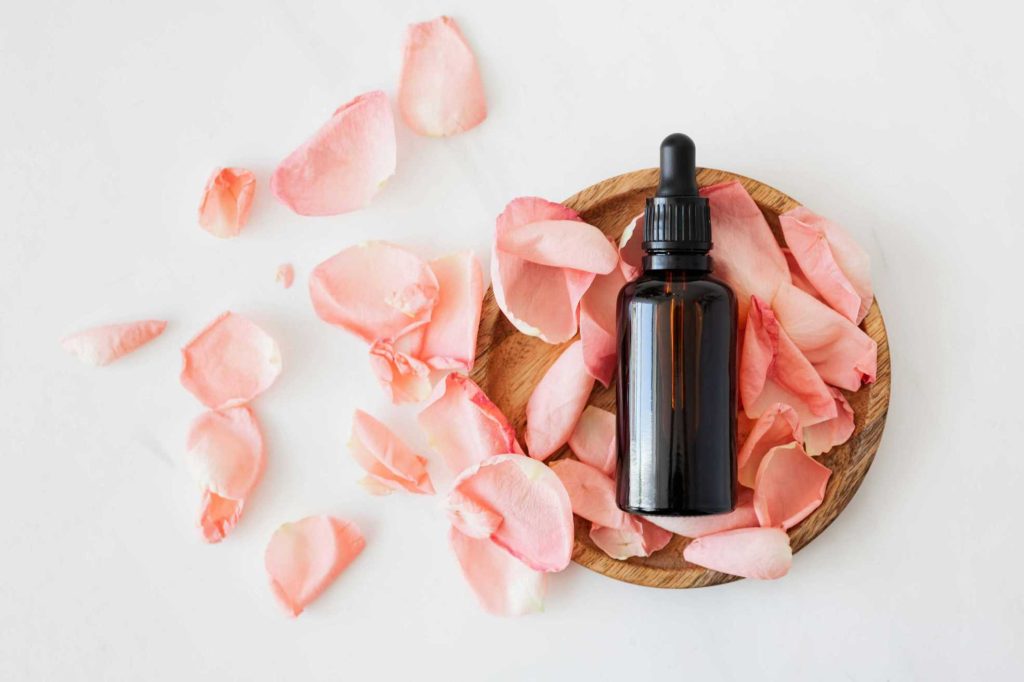
In the world of perfumery, few scents possess the mystique, allure, and historical significance of Oudh Attar.
Also known as agarwood oil or oud oil, this precious essence has been prized for centuries for its captivating aroma and cultural significance.
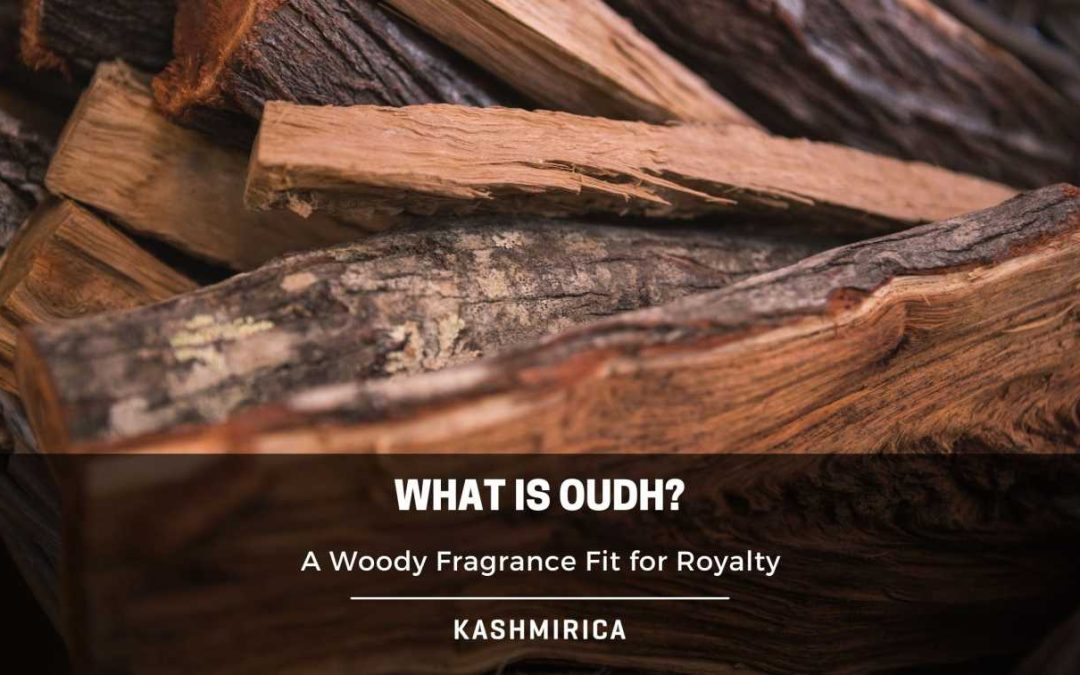
Derived from the resinous heartwood of the Aquilaria tree, Oudh Attar holds a special place in the hearts of fragrance enthusiasts and connoisseurs alike.
From the mystic depths of agarwood to the modern-day perfumer’s palette, the journey of Oudh Attar is a captivating exploration of fragrance, culture, and craftsmanship.
Join us as we embark on a fragrant odyssey, delving into the origins, significance, and enduring allure of Oudh Attar.
Oudh Attar originates from the intricate process of distilling agarwood, a process that requires patience, skill, and a deep understanding of the material.
The Aquilaria tree, native to Southeast Asia, develops agarwood as a response to injury or infection.
When a specific fungus infects the Aquilaria tree, it produces a dark, fragrant resin as a defense mechanism. This resin, painstakingly extracted through distillation, is the source of the prized oud oil.
Over time, the heartwood becomes infused with a rich, resinous substance, which is the source of the distinctive fragrance.
Unveiling the Liquid Gold: The Distillation Process of Oudh Oil
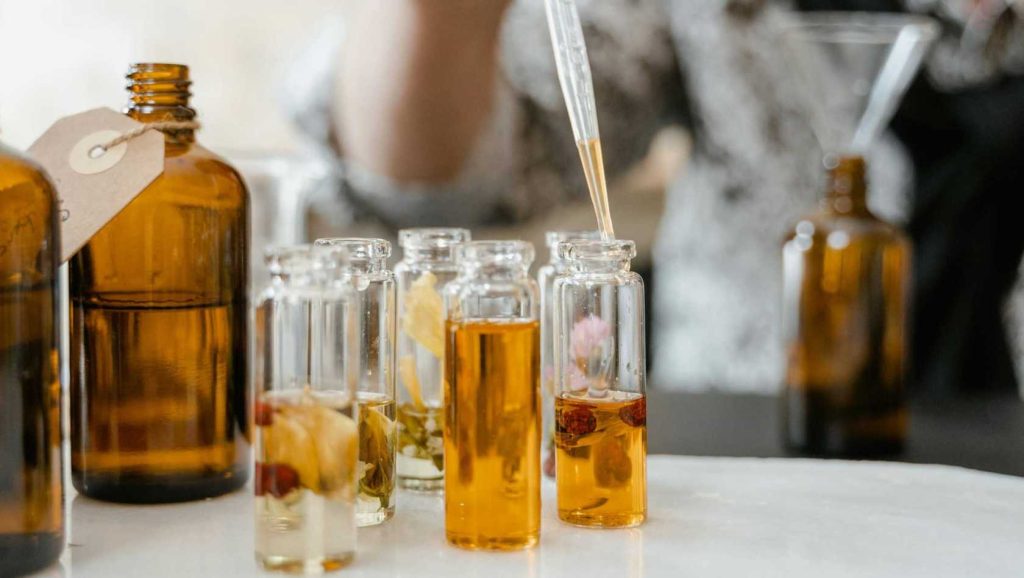
The extraction of Oudh Attar involves several methods, including steam distillation and hydro-distillation.
These processes carefully capture the volatile aromatic compounds present in agarwood, resulting in a concentrated oil with a complex, woody scent profile.
Extracting this “liquid gold” involves a meticulous distillation process that unlocks the rich aromatic compounds trapped within the resinous wood.
The first step requires transforming the Agarwood into a form more amenable to oil extraction. Skilled artisans meticulously grind the wood into a fine powder, ensuring maximum surface area comes into contact with the water during the next stage.
This powdered Agarwood is then submerged in large vats of water, where it undergoes a period of fermentation. The exact duration of this soaking process can vary depending on the specific techniques employed, but it typically lasts for several days. During this time, the water acts as a solvent, helping to loosen and break down the resinous compounds within the wood, preparing them for the distillation stage.
Once the soaking is complete, the water-infused Agarwood is carefully transferred into large distillation kettles. Here, the mixture is subjected to intense heat, often generated by burning wood or gas. As the temperature rises, the water within the kettle begins to boil, transforming into steam. This steam carries with it the volatile aromatic compounds trapped within the Agarwood, effectively vaporizing the precious oud oil.
The key to capturing the essence of oud lies in the condensation process. As the steam carrying the oil vapors rises within the kettle, it encounters a cooling system – traditionally a series of copper pipes submerged in cool water. This sudden temperature change causes the steam to condense back into a liquid state. This condensed liquid, a combination of water and the extracted oud oil, is then collected in a receiving vessel.
Here, a fundamental principle of physics comes into play: oil and water don’t mix. Since oud oil is lighter than water, it naturally rises to the surface of the collected liquid. This separation allows the skilled distiller to carefully skim off the precious oud oil, a layer typically described as golden or reddish in color. The remaining water, still containing trace amounts of the oil’s fragrance, might be used in a secondary distillation process to maximize the yield.
The final stage involves carefully transferring the collected oud oil into a separate vessel for storage and further processing. This precious liquid, the culmination of meticulous craftsmanship and a unique natural process, is now ready to embark on its journey as a captivating fragrance or a treasured ingredient in various applications.
The aroma of Oudh Attar is often described as earthy, smoky, and sweet, with hints of spice and floral undertones.
Attar itself refers to a concentrated perfume oil traditionally made from natural ingredients like flowers, herbs, and spices.
Oud attar specifically combines the rich, woody aroma of oud oil with other natural essences.
These complementary ingredients can range from floral notes like rose or jasmine to musky ambers or even lighter citrusy touches. The resulting fragrance is a complex and captivating blend, often described as woody, balsamic, and slightly smoky.
The Allure of Agarwood in India: From Ancient Forests to Modern Cultivation
India boasts a rich history with Agarwood, a fragrant resin produced by the Aquilaria tree.
Primarily found in the Northeastern states of Assam, Arunachal Pradesh, Nagaland, Manipur, Mizoram, Tripura, and Meghalaya, these ancient trees thrive in the region’s humid, subtropical climate.
While Meghalaya has another Agarwood species, Aquilaria Khasiana, it’s sadly nearing extinction in the wild.
Assam offers two distinct Agarwood varieties: “Jati Sanchi” and “Bhola Sanchi.” Jati Sanchi, known locally as Xasi or Sanchi, is prized for its higher resin yield despite slower growth compared to the fast-growing Bhola Sanchi. This makes Jati Sanchi the preferred choice for commercial cultivation.
Interestingly, Agarwood cultivation is expanding beyond its traditional home. States along India’s western coast, like Kerala, Maharashtra, and Gujarat, are proving to have suitable soil and climate conditions for growing these trees.
The majestic Agarwood tree can reach heights of 21 meters with a trunk girth of up to 2.4 meters. These sun-loving trees favor well-drained soil, thriving in deep sandy loam or loam rich in organic matter.
While they can tolerate some marginal soil conditions, optimal growth occurs in acidic, well-drained environments with ample sunlight and rainfall ranging from 1800 to 3500 mm annually. Historically, Agarwood has been found growing from sea level up to 500 meters in altitude, often gracing hillsides and forest landscapes.
The High Price of Luxury: Why Oudh Attar is So Expensive?
Oud attar, a fragrance prized for its depth and complexity, comes with a hefty price tag. But what exactly makes this scent so expensive? The answer lies in the source: agarwood, a resin formed within the Aquilaria tree.
Finding an agarwood tree with the precious resin is like searching for a needle in a haystack. Only a small percentage, estimated around 10%, develop the resinous infection that creates the prized oud.
Even then, only a fraction (around 2%) of infected trees produce a high-quality resin. Expert perfumers seek out older trees, as their aged infection yields a richer, more desirable aroma.
Unfortunately, this rarity comes at a cost. The over-harvesting of mature Aquilaria trees has pushed many species towards threatened status. Since the resin formation relies on the specific mold infection, it’s simply not possible to cultivate oud in large quantities.
This confluence of factors – rarity, harvest pressure, and dependence on a natural process – makes oud oil the most expensive commodity in the essential oil market.
The history of Oudh Attar is as rich and storied as its scent. Dating back thousands of years, agarwood has been revered in various cultures for its spiritual, medicinal, and aromatic properties.
In ancient civilizations such as Egypt, China, India, and the Middle East, agarwood was considered a symbol of luxury and prestige, reserved for royalty and nobility.
Throughout history, Oudh Attar has been used in religious ceremonies, traditional medicine, and perfumery. Its profound significance is reflected in religious texts, poetry, and cultural rituals, where it is often associated with purity, enlightenment, and transcendence.
Evidence of its use stretches back to ancient times, woven into the very fabric of various cultures. According to an article from Alpha Aromatics, Oud’s captivating aroma boasts a history as rich as its scent.
In the Muslim world, the Prophet Muhammad himself is said to have practiced fumigation with agarwood, a tradition that continues to this day. The Prophet even referenced agarwood as a treasure found in Paradise.
Across continents, references to Oud emerge. The Hebrew “Song of Songs” describes it as an incense, while early Vietnamese records mention its export to China and Japan, where it was burned for centuries. Wealthy Chinese citizens even commissioned coffins crafted from this precious heartwood.
Beyond religious significance, Oud held practical and cultural importance. In Feng Shui, the ancient Chinese practice of harmonizing energy flow, Oud played a role.
Similarly, Buddhist tradition utilizes agarwood to create sacred 108-bead malas for prayer. In the Islamic world, Oud was revered as both an essential oil and a personal fragrance.
As trade routes expanded, Oud’s influence reached Europe. French royalty, known for their extravagant tastes, embraced the fragrance with gusto. King Louis XIV, the “Sun King,” was particularly enamored, reportedly even washing his clothes in Oud!
Oud’s journey through time reflects its enduring power to captivate the senses and permeate cultures across the globe.
Oud attar offers more than just an intoxicating scent. This precious essential oil boasts a range of uses that touch upon the spiritual, therapeutic, and even the domestic.
In many cultures, oud attar is associated with creating a sense of harmony and inner peace. Some believe regular application can help clear negative energies from a space. Its calming properties make it a popular choice for meditation, promoting mental clarity and potentially easing anxieties or obsessive behaviors.
The tradition of burning oud wood chips to fragrance homes and clothing is particularly strong in the Middle East. Beyond aesthetics, some hold the belief that the smoke carries prayers heavenward, a beautiful testament to the spiritual significance of this unique fragrance.
In contemporary perfumery, Oudh Attar continues to captivate with its timeless allure and versatility. While traditionally used as a standalone fragrance, it is also prized as a precious ingredient in luxury perfumes, colognes, and incense blends. Its complex and distinctive aroma adds depth and character to fragrances, creating compositions that evoke sophistication and refinement.
Moreover, Oudh Attar has found its way into various skincare and wellness products, thanks to its purported therapeutic properties. Believed to have antimicrobial, anti-inflammatory, and stress-relieving effects, it is often incorporated into aromatherapy treatments, massage oils, and skincare formulations.
The Art of Sourcing and Sustainability
As demand for Oudh Attar continues to grow, concerns about sustainability and ethical sourcing have come to the forefront. The extraction of agarwood is a delicate process that requires the careful management of precious natural resources.
Overharvesting, illegal logging, and habitat destruction have led to the depletion of wild agarwood populations in some regions.
To address these challenges, efforts are underway to promote sustainable harvesting practices, support reforestation initiatives, and ensure fair trade practices within the agarwood industry.
By promoting responsible sourcing and cultivation, stakeholders aim to preserve the integrity of agarwood forests for future generations while supporting the livelihoods of local communities.
Conclusion: A Fragrant Legacy
In a world where trends come and go, Oudh Attar stands as a timeless symbol of elegance, heritage, and sophistication. Its evocative aroma and rich cultural significance continue to enchant and inspire, transcending borders and generations.
Whether experienced as a standalone scent or as a luxurious ingredient in perfumery, Oudh Attar invites us to journey through history, culture, and the senses, leaving an indelible impression on all who encounter its exquisite essence.
Kashmirica brings you the alluring scents to explore, from floral attars to spiced ones. Shop from our Attar Catalogue and find a scent that best suits you!
As our brand turns 5, we are giving our valued customers a special 20% off, visit our website to know more!
For centuries, attars have graced the world with their rich and complex aromas. These concentrated perfume oils, particularly cherished in the Middle East and South Asia, offer a depth and intrigue unmatched by modern colognes. But with countless options available, people might find themselves wondering: where does the fragrance journey begin?
This guide unveils a world of exquisite attars, helping you discover the perfect scent to match your inner compass or match a perfect gift for someone special, with a list of the Best attars for Men.
Before finding the best attars for men, Here’s a quick history of Indian Attar Perfumes.
Indian attar perfumes hold a unique place in the world of fragrance. Unlike their modern counterparts, attars are not merely concoctions – they are olfactory time capsules, carrying the essence of a 400-year-old tradition. In the heart of Kannauj, aptly named the “Perfume City of India,” skilled artisans meticulously craft these exquisite fragrances using methods passed down through generations.
Attars stand as a testament to the enduring power of natural ingredients. In a fragrance landscape increasingly dominated by synthetic alternatives, these concentrated perfume oils capture the very essence of the earth. Precious botanicals like sandalwood, rose, jasmine, and oudh are meticulously distilled and blended, resulting in a depth and complexity that mass-produced perfumes simply cannot replicate.
The allure of attars goes beyond their rich heritage and natural composition. Unlike their synthetic counterparts, attars evolve throughout the day. As your body heat activates the fragrance, the scent unfolds in a captivating dance of notes, revealing hidden layers of complexity. This intimate experience creates a unique olfactory signature, a fragrance that is as individual as you are.
Indian Attar
While the market may be flooded with cheaper, artificial alternatives, attars offer an unmatched level of quality. The meticulous distillation process ensures a potent and long-lasting fragrance, a single drop often lingering for hours. The use of natural ingredients also means attars are gentler on the skin, free from the harsh chemicals often found in synthetic perfumes.
The choice between attar and a mass-produced perfume is ultimately a matter of personal preference. But for those who appreciate the finer things in life, who seek a fragrance experience steeped in history and crafted with care, attars offer an undeniable allure. A single application is all it takes to understand why these time-tested treasures have captivated hearts for centuries. So, embark on a journey of olfactory discovery and allow yourself to be enchanted by the enduring magic of Indian attar perfumes. Explore our “Best Attars for Men” list and find a scent that best defines you!
The world of attars can be broadly categorized into fragrance families, each offering a distinct olfactory experience:
Woody: Sandalwood, oudh, and vetiver attars exude a sense of warmth, grounding, and masculine sophistication. These scents are perfect for the confident man who seeks to leave a lasting impression.
Spicy: Cardamom, clove, and ginger attars add a touch of intrigue and vibrancy. Ideal for the adventurous soul, these fragrances hint at hidden depths and a zest for life.
Floral: Rose, jasmine, and lavender attars offer a touch of elegance and refinement. Not limited to the feminine world, these floral notes, when expertly blended, create a truly captivating fragrance for the modern man.
Musky: Musk attars provide a touch of animalistic allure and sensuality. Often used as a base note in other attars, pure musk can be quite powerful. Explore blends that incorporate musk for a touch of mystery and intrigue.
Fresh: Citrus and mint attars offer a burst of energy and rejuvenation. Perfect for daytime wear or warmer climates, these invigorating scents awaken the senses and leave a refreshing trail.
Now that you’ve explored the fragrance families, it’s time to discover your own unique preference. Consider your personality, the occasion, and the desired effect.
The Sophisticated Gentleman: Woody attars like sandalwood or oudh blended with hints of rose or musk create a timeless and elegant aura.
The Adventurer: Spicy attars with cardamom, clove, or a touch of amber exude confidence and a thirst for exploration.
The Creative Soul: Floral attars like jasmine or lavender, artfully blended with woody or musky notes, create a unique and captivating fragrance.
By following these tips, you’ll be well on your way to finding the perfect attar for yourself!
Embrace the Ritual: The Art of Attar Application
Testing pure attar on your skin is a crucial step before you buy.
Here’s a breakdown of why it’s important (according to Hrishikesh.com):
Unique Body Chemistry: Everyone’s skin has a different composition, and that can affect how a fragrance smells. The same attar can smell sweet and woody on one person, and smoky and musky on another. Testing lets you experience how the attar interacts with your own body chemistry.
Fragrance Development: Attars, especially high-quality ones, are complex blends that evolve over time. When you first apply it, you might smell the top notes. As time passes, the middle and base notes will emerge, creating a whole new scent profile. Testing allows you to appreciate the full fragrance journey.
Suitability and Preference: Ultimately, you want an attar that you enjoy and that complements your natural scent. Testing helps you determine if the attar sits well with you or clashes with your body odor.
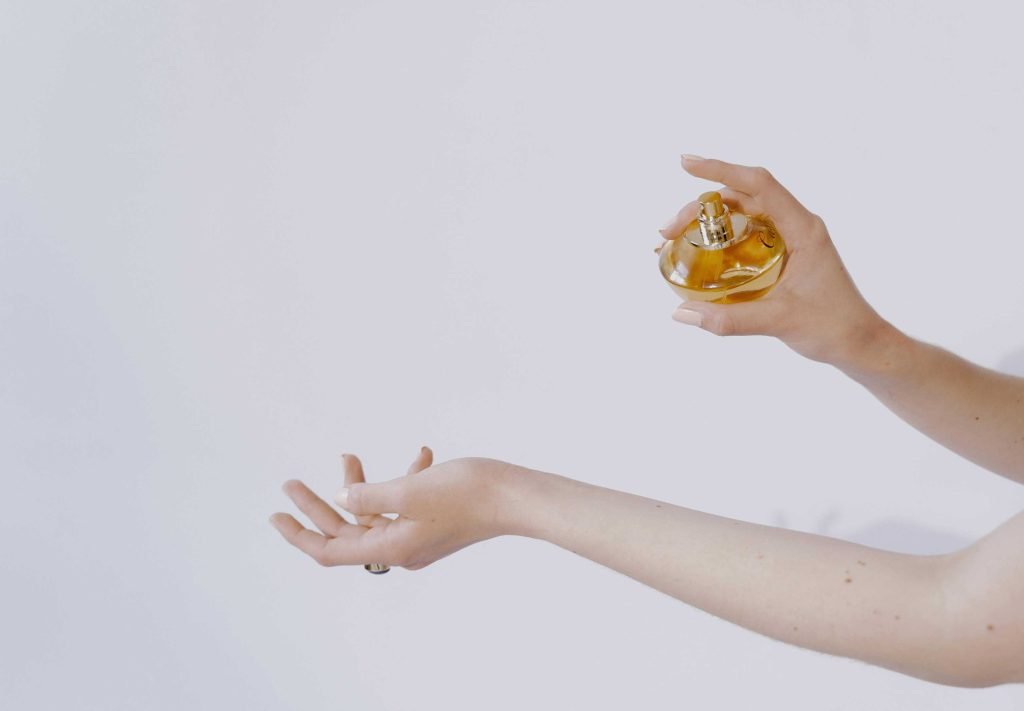
Unlike colognes sprayed liberally, attars are meant to be savored. Apply a small dab to pulse points like your wrists, inner elbows, and behind the ears. The warmth of your body will gently release the fragrance throughout the day.
Here’s how to get the most out of your attar testing experience:
Apply a small amount: A tiny dab on your pulse points (wrists, inner elbows, neck) is enough. Attars are concentrated, so a little goes a long way.
Let it develop: Give the attar some time to work its magic. Ideally, test it for a few hours to experience the full range of notes.
Move around: As you move, your body heat will activate the attar, releasing different aspects of the fragrance.
Consider the environment: Strong external scents like smoke or perfume can interfere with your perception of the attar. Ideally, test it in a neutral environment.
With a touch of attar, you embark on a journey of self-discovery. Let your chosen fragrance become an extension of your personality, a silent whisper that speaks volumes about the man you are. So, step into the world of attars and find the scent that unveils the man within.
Oudh, also known as Oud oil, is a precious fragrance derived from the resin of Agar trees. These trees are native to Southeast Asia, with Assam in India being a specific region of origin. Interestingly, even the raw Agarwood itself is fragrant, and chips of the wood are burned in religious ceremonies across Asia and the Middle East. The resulting aroma is so beloved that Oudh oil has become a prized ingredient in perfumes, particularly in Arab countries, China, and Japan.
It is a type of concentrated perfume oil traditionally made with musk as a key ingredient. However, due to ethical concerns and regulations surrounding the harvesting of natural musk from animals like musk deer, modern musk attars more commonly use synthetic substitutes to achieve a similar aroma.
Original source: Traditionally, musk attar was made using musk, a fragrant substance obtained from the glands of certain animals, primarily musk deer.
Modern composition: Due to ethical concerns and regulations, most musk attars today use synthetic musk compounds to replicate the desired scent.
Aroma profile: Musk itself has a complex aroma, often described as being animalistic, earthy, woody, or even slightly sweet. It acts as a powerful base note in attars, adding depth and sensuality to the overall fragrance.
Blending: Musk attar is rarely used alone. Perfumers typically blend it with other natural ingredients like sandalwood, rose, oudh, or various spices to create a unique and well-rounded fragrance.
These attars are concentrated perfume oils crafted using the essence of fragrant flowers. Unlike synthetic floral fragrances, attars capture the natural complexity and depth of the blooms they’re derived from.
Ingredients: A wide variety of flowers can be used in floral attars, including popular choices like rose, jasmine, lavender, mogra (Indian jasmine), and many more.
Extraction process: The traditional method for extracting floral attar involves a process called steam distillation. Here, delicate flowers are placed on top of steaming water. The fragrant steam carries the essential oils from the flowers, which are then collected and concentrated to create the attar.
Aroma profile: Floral attars offer a spectrum of delightful scents, from the heady sweetness of the rose to the delicate and calming aroma of jasmine. The specific fragrance depends on the flower used and the blending techniques employed.
Gender stereotypes: While floral notes are often associated with feminine perfumes, floral attars can be enjoyed by everyone. When expertly blended with other ingredients like woodsy notes (sandalwood, Oudh) or spices, floral attars can create sophisticated and captivating fragrances for all genders.
Welcome to our guide on how to apply attar. Derived from the Arabic word “ittar,” meaning “perfume,” attars hold a rich history dating back centuries, originating in the fragrant gardens of ancient civilizations. These fragrances are more than just scents; they’re a reflection of culture, tradition, and personal identity.
In a world inundated with synthetic fragrances, attars stand apart for their authenticity and depth. Crafted from natural ingredients such as flowers, herbs, spices, and resins, attars offer a sensory journey unlike any other. Their complex aromas unfold gradually, revealing layers of depth and character with each passing moment.
However, to truly appreciate the nuances of attar, one must understand the art of application. Unlike conventional perfumes, attars require a delicate touch and a nuanced approach to unleash their full potential. In this blog, we’ll delve into the intricacies of applying attar, guiding you through techniques and tips to help you get the most out of your precious fragrance.
Whether you’re new to the world of attars or a seasoned connoisseur, join us as we explore the time-honored practices and modern innovations that elevate the experience of wearing attars. Get ready to immerse yourself in the captivating world of natural fragrances and discover the transformative power of attar application.
Before diving into the techniques of applying Attar, let’s take a moment to appreciate the unique nature of Attar.
Unlike synthetic perfumes, attars lack harsh alcohols and are often diluted with natural carriers like jojoba oil or sandalwood oil. This results in a more subtle and intimate fragrance experience that evolves throughout the day.
Here’s what sets Attar apart:
Concentration: Attars are highly concentrated, meaning a little goes a long way. One or two careful applications can last for hours or even days.
Natural Ingredients: Attars are crafted with natural ingredients, which can vary depending on the fragrance. This can lead to subtle variations in scent depending on your skin chemistry.
Evolution of Scent: Attars reveal their fragrance in stages, with top notes emerging first, followed by the heart notes, and finally the base notes. This creates a dynamic and captivating olfactory experience.
In the fascinating world of aromatherapy, essential oils are chosen not just for their delightful scents, but also for their remarkable ability to influence our body temperature.
This ancient practice recognizes that certain oils possess inherent warming or cooling properties, allowing us to tailor our aromatic experience to the seasons. Just like we adjust our wardrobe throughout the year, we can curate our essential oil selection to promote optimal well-being.
During the chilly winter months, our bodies naturally crave warmth. To combat the cold and create a sense of internal coziness, essential oils formulated with “warming” properties come to the rescue. These Attars often boast rich, spicy, or woody aromas. Oudh, a precious resin renowned for its deep, balsamic fragrance, is a prime example. It’s believed to stimulate circulation and generate a gentle internal warmth. Amber, another warming attar, offers a comforting sweetness that can uplift the mood and chase away winter blues.
Conversely, as the summer sun heats things up, we seek cooling and refreshing sensations. Here, essential oils with “cooling” properties take center stage. These attars frequently possess light, floral, or minty scents. Jasmine, with its delicate and calming aroma, is a popular choice for its ability to promote feelings of tranquility and ease. Rose, another cooling attars, delivers a delightful floral fragrance that can soothe the mind and spirit during hot days. Sandalwood, known for its calming and grounding properties, also offers a cooling effect that can be particularly helpful during sweltering summer nights.
By understanding the thermal properties of carrier oils and attars, we can embark on a more holistic approach to aromatherapy. Choosing oils based on the season allows us to create a harmonious internal environment, supporting our body’s natural response to temperature fluctuations.
So, the next time you reach for your attar collection, consider the season and let the power of aroma guide you towards a state of perfect balance.
Knowing these characteristics allows you to appreciate Attar for its unique qualities and apply it strategically for maximum impact.
The Art of Applying Attar: How to Apply Attar and Where
Now that we understand the soul of Attar, let’s explore the best ways to unleash its magic. Here are some key points to remember while applying attar:
Pulse Points:
These are areas on your body where blood vessels are close to the skin’s surface, generating warmth. This warmth helps to activate the attar and project its fragrance. Classic pulse points include:
Wrists
Inner elbows
Behind the ears
The base of the throat
Beyond the Pulse Points:
Attar’s versatility allows you to go beyond traditional application zones. Consider applying attar by just a touch or dab on:
The small of your back: This creates a subtle fragrance trail as you move.
Your hair: Hair naturally absorbs and diffuses fragrance. Apply a small amount to the ends of your hair for a soft, lingering scent.
Clothing: Apply a drop of attar to a scarf or the inside of your clothes for a long-lasting, gentle fragrance experience.
Remember, attars are potent. Start with a small amount, no larger than a grain of rice. You can always add more if needed, but over-application can be overwhelming.
Warming Up the Fragrance (Optional):
A traditional technique involves gently warming the application area before applying the attar. This can be done by rubbing your palms together or holding your wrists near a warm beverage. The slight increase in temperature helps the attar bloom and project its fragrance more effectively.
Application Methods:
The Dab: This is the most common method. Use the applicator or your fingertip to gently dab a small amount of attar onto your chosen pulse point or area.
The Roll-On: Some attar bottles come with a roll-on applicator. This allows for precise application and minimal wastage.
Pro Tip: Avoid rubbing the application points together. This can break down the attar molecules and diminish the fragrance.
Making Your Attar Last
Attars are known for their longevity, but here are some additional tips to maximize the lifespan of your fragrance:
Moisturize: Apply attar to well-hydrated skin. This creates a barrier that helps the attar adhere and prevents it from evaporating quickly.
Storage: Store your attar in a cool, dark place away from direct sunlight and heat. This will help preserve the fragrance’s integrity.
Layering: Layer your attar with complementary fragrances from the same fragrance family. This can create a more complex and long-lasting scent profile.
Attar application goes beyond just personal enjoyment. Here are some additional considerations:
Be mindful of your surroundings: Attars are potent. Apply sparingly, especially in enclosed spaces where strong fragrances might be bothersome to others.
Occasion Specific: Choose your Attar based on the occasion. Lighter and fresher scents might be more suitable for daytime wear, while richer, more opulent attars can be reserved for evening events.
Respect for Others: Avoid applying attar directly around people with fragrance sensitivities.
Secrets of Attar Application: Avoid These Common Mistakes
Exploring the nuances of applying attars, or concentrated perfume oils, is akin to unraveling the layers of a captivating fragrance symphony. Yet, amidst the allure of these potent scents lies a landscape riddled with common pitfalls.
Let’s delve into ten common mistakes people make when applying attars and explore some helpful tips to elevate your attar journey:
1. A Less is More Approach: Attars pack a fragrant punch! Resist the urge to drench yourself. Start with a single drop on your pulse points and build gradually to achieve your desired intensity. Remember, a subtle hint is more captivating than an overpowering cloud.
2. Know Your Pulse Points: Attars, unlike regular perfumes, thrive on body heat. Apply them to your pulse points, like the wrists, inner elbows, and base of your neck. These areas naturally generate warmth, which helps to diffuse the fragrance beautifully.
3. Treasure Your Attar’s Delicacy: Light, heat, and air are the enemies of attars. Store your precious attar bottles in a cool, dark location, away from direct sunlight and harsh bathroom lighting. Keep the bottle tightly sealed to prevent air exposure, which can diminish the fragrance’s potency over time.
4. Experiment, Don’t Clash: While layering scents can be an art form, haphazard mixing of attars with spray perfumes can result in olfactory chaos. Before embarking on a layering adventure, understand the individual fragrance notes of your attar and the perfume you wish to combine. Test a small amount on your skin to see if the scents complement each other, creating a harmonious blend rather than a cacophony.
5. Embrace Your Unique Chemistry: Your body chemistry plays a starring role in how fragrances unfold. What smells divine on your friend might not have the same effect on you. Test attars on your skin before committing. Allow the fragrance to settle and develop, giving it time to interact with your unique chemistry. This personalized approach ensures you find an attar that truly complements you.
6. Prep Your Canvas: Attars perform best on a well-hydrated canvas. Apply a fragrance-free lotion or moisturizer to your pulse points before dabbing on the attar. This creates a smooth base for the fragrance to adhere to, enhancing its longevity and projection.
7. Patience is Key: After showering, wait for your skin to dry completely before applying attar. Water on the skin can dilute the fragrance and hinder its performance. Let your skin air dry or pat it gently with a towel to ensure optimal absorption.
8. Embrace Seasonal Harmony: Consider the season when selecting your attar. Richer, spicier notes are more suited for colder weather, while lighter florals are ideal for warmer months. Aligning your attar choice with the season creates a more cohesive and enjoyable olfactory experience. Additionally, don’t be afraid to factor in your mood – choose an attar that complements your emotional state for a truly personal touch.
9. Treat Your Attar with Care: Resist the urge to vigorously rub your wrists together after applying the attar. This friction can damage the delicate fragrance molecules, altering the scent profile. Instead, gently dab or pat the attar onto your pulse points to preserve its original beauty.
10. Explore Different Environments: Attars can unveil hidden dimensions of their fragrance based on the temperature and setting. Don’t limit your assessment to the initial application. Wear the attar in various environments, both indoors and outdoors, to discover how it projects and evolves throughout the day. This exploration allows you to appreciate the full spectrum of the attar’s aromatic potential.
By avoiding these common pitfalls and embracing these simple tips, you can transform your attar application into a delightful ritual, unlocking the captivating world of these exquisite fragrances.
Applying attar is just the beginning of your fragrant adventure. Here are some ways to delve deeper:
Explore Different Types of Attars: From floral and musky to woody and spicy, the world of attar offers a vast array of fragrances to discover. Experiment with different types to find ones that resonate with your personality and mood.
Learn About Fragrance Notes: Understanding the top, heart, and base notes of an attar allows you to appreciate the way its fragrance evolves throughout the day.
Discover the Ritual: Applying attar can become a mindful ritual, a moment of self-care and connection with your senses. Take a deep breath and savor the fragrance as you apply it.
Embrace the Tradition: Attar has a rich history and cultural significance. Learn about the traditional methods of attar creation and the stories behind different fragrances.
By understanding the application techniques, appreciating the unique nature of attar, and embarking on a journey of exploration, you can elevate your attar experience. From a personal fragrance to a conversation starter, attar offers a gateway to a world of olfactory delight.
Bonus Tip: Consider attending an attar appreciation event or workshop. This allows you to experience a variety of attars in person and learn from fragrance experts.
Attar is more than just a fragrance; it’s an experience. By understanding its properties and applying it with care, you can unlock its full potential and make a lasting olfactory impression. So, embark on your attar journey, explore the world of fragrance, and discover the magic that awaits you.
Kashmirica brings you the scents of the land, from floral attars to spiced ones. Shop from our Attar Catalogue and find a scent that best suits you! As our brand turns 5, we are giving our valued customers a special 20% off, visit our website to know more!