Top 10 Dry Fruits for Glowing Skin: Unlock Your Inner Glow
For centuries, cultures around the world have prized dry fruits and nuts for their concentrated nutrition and unique health benefits.
But did you know these little powerhouses can also be your secret weapon for achieving a radiant, healthy complexion and improving your skin health?
This comprehensive guide dives deep into the world of dry fruits for glowing skin and their incredible impact on skin health.
We’ll explore the science behind how these delicious treats can brighten, nourish, and protect your skin from within. We’ll also uncover the best dry fruits for glowing skin, along with practical tips for incorporating them into your diet for long-lasting results.
Dry Fruits for Glowing Skin and Their Skin-Health Boosting Nutrients
Dried fruits are simply fruits that have had most of their water content removed through dehydration. This process intensifies their nutritional profile, making them a concentrated source of vitamins, minerals, antioxidants, and fiber. These very nutrients are the key players in promoting healthy, radiant skin.

Let’s explore some key players:
- Antioxidants: These superheroes fight free radicals, unstable molecules that damage skin cells and accelerate aging. Dried fruits like raisins, cranberries, and apricots are brimming with antioxidants like anthocyanins and carotenoids, keeping your skin youthful and glowing.
- Vitamin A: This essential vitamin is crucial for cell renewal and collagen production, the building block of firm, supple skin. Dried mangoes and prunes are rich sources of vitamin A, promoting smoother and more elastic skin.
- Vitamin C: A powerful antioxidant, vitamin C plays a vital role in collagen synthesis and protects the skin from sun damage. Dried kiwis, apricots, guavas, and oranges are loaded with vitamin C, helping to reduce wrinkles and hyperpigmentation.
- Vitamin E: This fat-soluble vitamin shields the skin from harmful UV rays and promotes moisture retention. Dried peaches are packed with vitamin E, combating dryness and promoting a healthy, dewy complexion.
- Fiber: This dietary powerhouse aids digestion and elimination of toxins, which can manifest on the skin as blemishes and breakouts. Dates, figs, and dried pears are rich in fiber, promoting a healthy gut and a clearer complexion.
These are just a few of the key nutrients found in dried fruits that contribute to radiant skin. By incorporating a variety of these delicious treats into your diet, you’ll be supplying your skin with the building blocks it needs to thrive.
Also Read: Best Dates to Eat: Top 5 Varieties
The Powerhouse Potential of Nuts: Nature’s Skin-Nourishing Gems
While dried fruits steal the spotlight in the realm of skin health, nuts are equally deserving of recognition for their unique contributions. Packed with essential nutrients and healthy fats, nuts provide a powerful punch of nourishment for radiant skin.

Nuts are nature’s treasure chests overflowing with vital nutrients for healthy skin. Here’s how these powerhouses can nourish and protect your skin:
- Essential Fatty Acids: Nuts like walnuts, almonds, and flaxseeds are champions of healthy fats, particularly omega-3s and omega-6s. These fats are crucial for maintaining the skin barrier, keeping it plump and hydrated. A healthy barrier prevents moisture loss and protects the skin from environmental aggressors, resulting in a healthy, dewy glow.
- Vitamin E: This antioxidant powerhouse found in hazelnuts, sunflower seeds, and Brazil nuts shields the skin from harmful UV rays and environmental damage. Vitamin E also promotes wound healing and reduces inflammation, contributing to a calmer, clearer complexion.
- Zinc: This essential mineral plays a vital role in collagen production and cell regeneration. Cashews, pecans, and pumpkin seeds are abundant in zinc, promoting smoother, firmer skin and aiding in wound healing.
- Selenium: An antioxidant superstar, selenium protects the skin from sun damage and helps reduce inflammation. Brazil nuts are particularly rich in selenium, contributing to a healthy skin tone and preventing premature aging.
- L-arginine: This amino acid is a precursor to nitric oxide, a molecule that improves blood flow throughout the body, including the skin. Improved circulation delivers essential nutrients to skin cells, promoting a healthy, vibrant complexion. Walnuts and peanuts are good sources of L-arginine.
In addition to these key nutrients, nuts also offer a good source of protein, which further supports skin health by contributing to cell repair and regeneration. By incorporating a variety of nuts into your diet, you’ll be providing your skin with the building blocks it needs to glow from within.
Also Read: Top 11 Benefits of Almonds {Backed by Science}
A Rainbow of Benefits: Targeting Specific Skin Concerns with Dry Fruits

The diverse array of dry fruits offers a multitude of benefits when it comes to skin health. Here’s a closer look at how specific types can address some common concerns:
- Dullness and Uneven Skin Tone: Dry fruits like goji berries, cranberries, and strawberries are loaded with antioxidants that combat free radicals and improve circulation, leaving your skin with a brighter, more even tone. Almonds and hazelnuts, rich in vitamin E, improve blood circulation and promote cell turnover, resulting in a brighter, more radiant complexion.
- Wrinkles and Fine Lines: Dried apricots, prunes, and dates are rich in vitamin A and antioxidants, stimulating collagen production that keeps skin firm and youthful. Brazil nuts and walnuts, packed with antioxidants and selenium, help combat free radical damage and boost collagen production for a firmer, youthful appearance.
- Dryness and Flaking: Walnuts, almonds, and flaxseeds are excellent sources of omega-3 fatty acids, which nourish the skin barrier and promote moisture retention for a soft, supple complexion.
- Acne and Breakouts: Dates and figs are known for their anti-inflammatory properties, helping to reduce inflammation and soothe breakouts. Their high fiber content also supports a healthy gut microbiome, linked to improved skin health. Walnuts and peanuts, containing L-arginine, help improve blood flow and reduce inflammation, potentially aiding in reducing acne breakouts.
- Hyperpigmentation: Dried oranges and lemons are rich in vitamin C, which helps fade dark spots and hyperpigmentation by inhibiting melanin production.
By understanding the unique properties of different dry fruits, you can tailor your dietary choices to address your specific skin concerns and achieve your desired results.
The HDFCErgo blog lists the following dry fruits and their benefits for the skin:
- Figs: Figs are a good source of fiber, which can help to improve digestion and elimination of toxins, which can manifest on the skin as blemishes and breakouts. They are also a good source of antioxidants, which can help to protect the skin from damage caused by free radicals.
- Dates: Dates are a good source of vitamins and minerals, including vitamin A, vitamin C, and potassium. Vitamin A is important for cell renewal and collagen production, while vitamin C helps to protect the skin from sun damage. Potassium helps to keep the skin hydrated.
- Apricots: Apricots are a good source of vitamin A, which is important for cell renewal and collagen production. Collagen is a protein that helps to keep the skin firm and elastic.
- Raisins: Raisins are a good source of antioxidants, which can help to protect the skin from damage caused by free radicals. Free radicals are unstable molecules that can damage cells and contribute to aging.
- Prunes: Prunes are a good source of fiber, which can help to improve digestion and elimination of toxins. They are also a good source of vitamin A, which is important for cell renewal and collagen production.
- Almonds: Almonds are a good source of vitamin E, which is an antioxidant that can help to protect the skin from sun damage. They are also a good source of healthy fats, which can help to keep the skin hydrated.
- Walnuts: Walnuts are a good source of omega-3 fatty acids, which are essential for healthy skin. Omega-3 fatty acids can help to keep the skin hydrated and plump.
- Cashews: Cashews are a good source of zinc, which is a mineral that is important for skin health. Zinc helps to heal wounds and keep the skin healthy.
- Pistachios: Pistachios are a good source of vitamin E, which is an antioxidant that can help to protect the skin from sun damage. They are also a good source of healthy fats, which can help to keep the skin hydrated.
- Pine Nuts: Pine nuts are a good source of vitamin E, which is an antioxidant that can help to protect the skin from sun damage. They are also a good source of monounsaturated fats, which are healthy fats that can help to keep the skin hydrated.
Also Read: Benefits of Walnuts For Skin
Beyond Beauty: The Holistic Benefits of Dry Fruits for Overall Health
The benefits of dry fruits extend far beyond promoting radiant skin. These nutrient-dense snacks offer a plethora of health advantages for your entire body, including:
- Improved Heart Health: Rich in fiber and healthy fats, dry fruits can help lower bad cholesterol levels and promote a healthy cardiovascular system.
- Boosted Immunity: Antioxidants and vitamins found in dry fruits strengthen your immune system, making you more resistant to infections and illnesses.
- Enhanced Digestion: The high fiber content in dry fruits promotes gut health and smooth digestion.
- Increased Energy Levels: Packed with natural sugars and complex carbohydrates, dry fruits provide sustained energy throughout the day.
- Bone Health: Certain dry fruits like figs and raisins contain essential minerals like calcium and potassium, which contribute to maintaining strong and dense bones. Calcium is a crucial building block for bones, and potassium helps with calcium absorption. Additionally, dried fruits like prunes are a good source of boron, a mineral that can improve calcium metabolism and potentially reduce the risk of osteoporosis.
Also Read: How to Remove Pimples at Home?- 7 Effective Ways
Building a Radiant Future: Practical Tips for Incorporating Dry Fruits and Nuts into Your Diet
Now that you’ve discovered the incredible benefits of dry fruits and nuts for radiant skin and overall health, it’s time to translate this knowledge into delicious action! Here are some practical tips to seamlessly integrate these powerhouses into your daily routine:
Snacking Strategies:
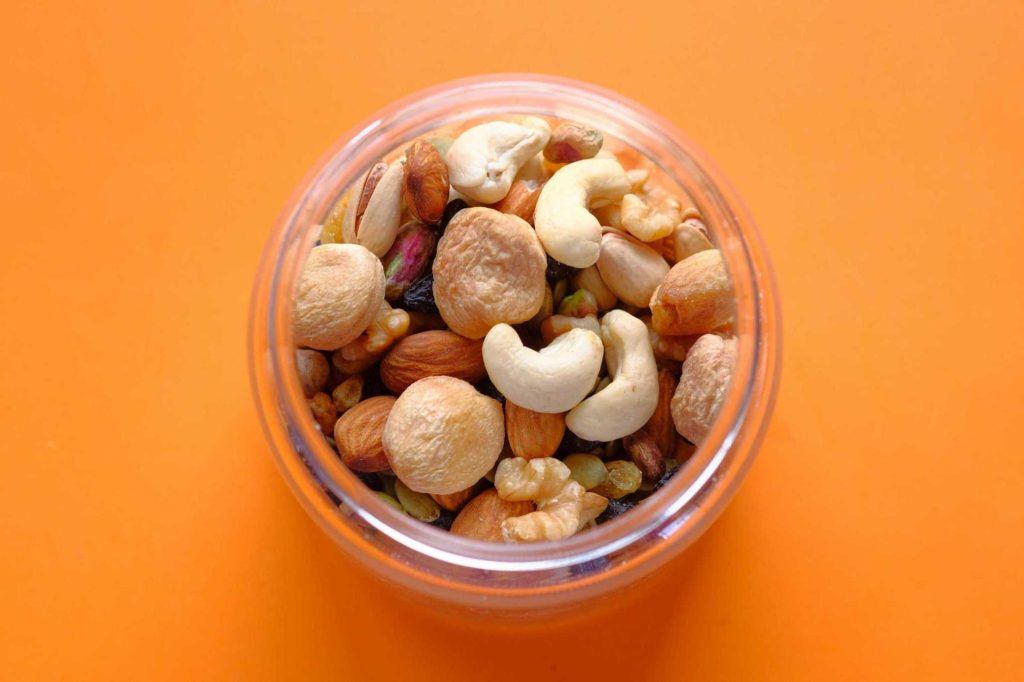
- Trail Mix Magic: Create your own custom trail mix by combining a variety of dry fruits and nuts like almonds, cashews, cranberries, and raisins. This portable snack provides a burst of energy and keeps you feeling satisfied throughout the day.
- Yogurt Parfait Delight: Layer your favorite yogurt with chopped nuts and dried fruits for a visually stunning and nutritious breakfast or afternoon snack. Drizzle with a touch of honey for added sweetness.
- Smoothie Powerhouse: Blend your favorite fruits, vegetables, and a handful of dry fruits and nuts for a refreshing and nutrient-packed smoothie. This is a fantastic way to sneak in extra vitamins, minerals, and healthy fats on the go.
Sweet & Savory Twists:
- Salad Sensations: Elevate your salads by sprinkling a variety of chopped nuts and dried fruits for added texture, flavor, and a nutritional boost. Cranberries and walnuts pair beautifully with a bed of spinach and goat cheese, while chopped apricots and almonds complement a chicken salad.
- Baked Goods with a Twist: Ditch the refined sugars and add chopped nuts and dried fruits to homemade granola bars, muffins, or cookies. This not only enhances the flavor but also adds a healthy dose of nutrients.
- Oatmeal Delight: Start your day with a warm bowl of oatmeal enriched with chopped nuts like almonds or walnuts, and a sprinkle of dried fruits like raisins or cranberries. This filling breakfast provides sustained energy and keeps you feeling full for longer.
Beyond the Obvious:
- Soaking Secrets: Soaking some dry fruits like figs and dates overnight can make them plumper and easier to digest. Soaked fruits can also be a delightful addition to oatmeal or smoothies.
- Portion Control is Key: While dry fruits and nuts are incredibly beneficial, they are also calorie-dense. Practice mindful eating and stick to recommended serving sizes, typically around a quarter cup for nuts and a handful for dried fruits.
- Variety is Key: Don’t limit yourself to just a few types of dry fruits and nuts. Explore different options to benefit from the diverse range of nutrients each variety offers.
Remember: Consistency is key! By incorporating dry fruits and nuts into your diet regularly, you’ll be providing your skin with the essential nutrients it needs to thrive. The results? A radiant, healthy complexion that reflects your inner well-being.
Embrace the Journey: A Final Note on Skin Health
While dry fruits and nuts are powerful allies in your quest for radiant skin, it’s important to remember that healthy skin is a reflection of overall well-being. Here are some additional lifestyle factors to consider:
- Hydration is Essential: Drink plenty of water throughout the day to keep your skin plump and hydrated from within.
- Minimize Processed Foods and Sugars: Excessive sugar consumption can contribute to inflammation and breakouts. Opt for whole, unprocessed foods for optimal skin health.
- Manage Stress: Chronic stress can wreak havoc on your skin. Practice relaxation techniques like yoga or meditation to manage stress levels and promote a healthy glow.
- Prioritize Sleep: Aim for 7-8 hours of quality sleep each night. Sleep allows your skin to repair and regenerate, resulting in a brighter and more youthful appearance.
- Sun Protection is Essential: Protect your skin from harmful UV rays by wearing sunscreen with SPF 30 or higher daily, even on cloudy days.
By adopting a holistic approach that combines a healthy diet with these lifestyle practices, you’ll be well on your way to achieving and maintaining a radiant, healthy complexion that shines from within. So, embrace the journey, enjoy the deliciousness of dry fruits and nuts, and witness the transformation of your skin!
We at Kashmirica provide you with the finest Dry Fruits to add sweetness to your life.
As our brand turns 5, we are giving our valued customers a special 20% off, visit our website to know more!
Also Read:
Top Dry Fruits For Weight Gain
The Best Dry Fruits List to Enhance Your Health [Top 10]
Healthy Foods Mentioned in the Quran (Must Eat)