Pregnancy can be a whirlwind of cravings, and sometimes only a sweet treat will hit the spot. But with all the dietary advice out there, it can be confusing to know what’s safe to indulge in.
Enter dried apricots: a naturally sweet and nutrient-packed snack that can be a great option for pregnant women.
In this blog post, we’ll explore How to eat dried apricots during pregnancy; And the benefits of dried apricots during pregnancy, from their vitamin content to their digestive aid properties.
We’ll also delve into how to enjoy them safely and in moderation, so you can satisfy your sweet tooth without worry.
Whether you’re looking for creative ways to incorporate them into your meals or simply want to know how many are safe to enjoy in a day, this post has you covered!
So, grab a handful of those dried apricots and get ready to learn how to enjoy them guilt-free throughout your pregnancy journey.
Know Your Apricots
Apricots belong to the Rosaceae family (which also includes roses, apples, pears, plums, and cherries). Apricots have been cultivated for over 4,000 years, with evidence suggesting they originated in regions of China and Russia.
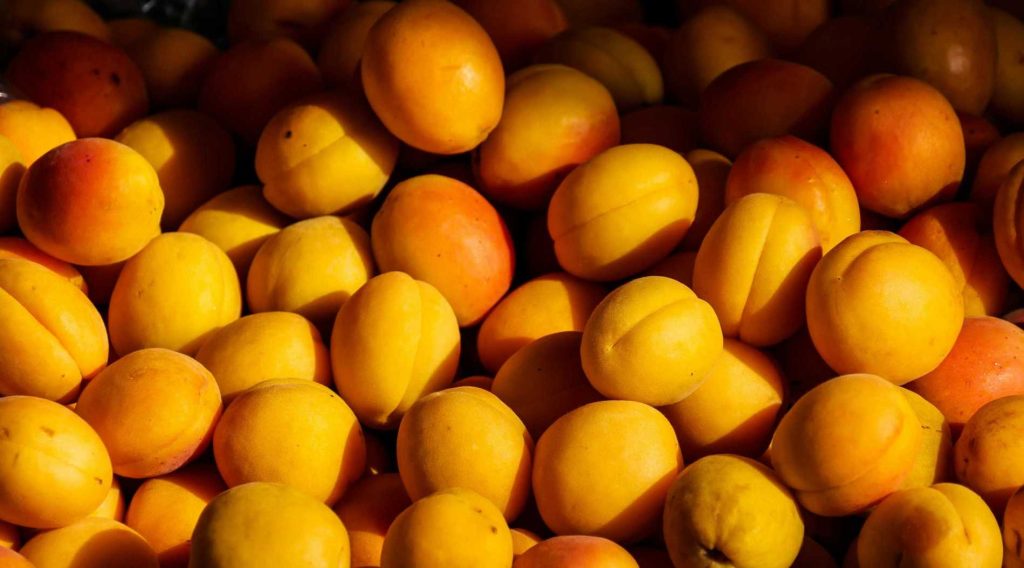
The apricot fruit is similar to a peach or plum, with smooth, nearly hairless skin ranging in color from pale yellow to deep orange.
The flesh is typically a rich yellow to yellowish orange and surrounds a single large pit.
California is the leading producer of apricots in the United States, accounting for about 95% of domestic production. On the other hand, Turkey is the world’s leading producer of “dried apricots”, contributing almost 90% of the global supply!
Cultivating Apricots
Fresh Apricots
Apricots are delicious and nutritious fruits native to Central Asia. They are known for their sweet, tangy flavor and vibrant orange color.
Apricots thrive in cool winters and warm, dry summers with good sunlight. They prefer well-drained, sandy loam soil with a pH between 6.0 and 7.0.
Apricots are typically propagated through bare-root trees purchased from nurseries. Planting is best done in late winter or early spring, before the trees bud.
Apricot trees require regular watering, especially during the first few years after planting. Once established, they are more drought-tolerant but still benefit from occasional deep watering.
Fertilization and Pruning of the trees help them produce healthy branches and encourage fruit production.
Apricots are typically ready for harvest in late spring or early summer, depending on the variety and climate. The fruit is ripe when it has a soft yield to gentle pressure and a rich, golden orange color.
Drying is a great way to preserve apricots and enjoy their deliciousness year-round. Here’s a basic guide to making dried apricots if you want to stay away from packaged products:
1. Washing and Halving:
Wash the apricots thoroughly under clean running water.
Traditionally, some commercial dried apricots undergo a brief sulfur fumigation, which helps preserve their bright orange color. This step is optional for home drying and can be skipped if you prefer a more natural approach.
3. Drying Methods:
There are three main methods for drying apricots:
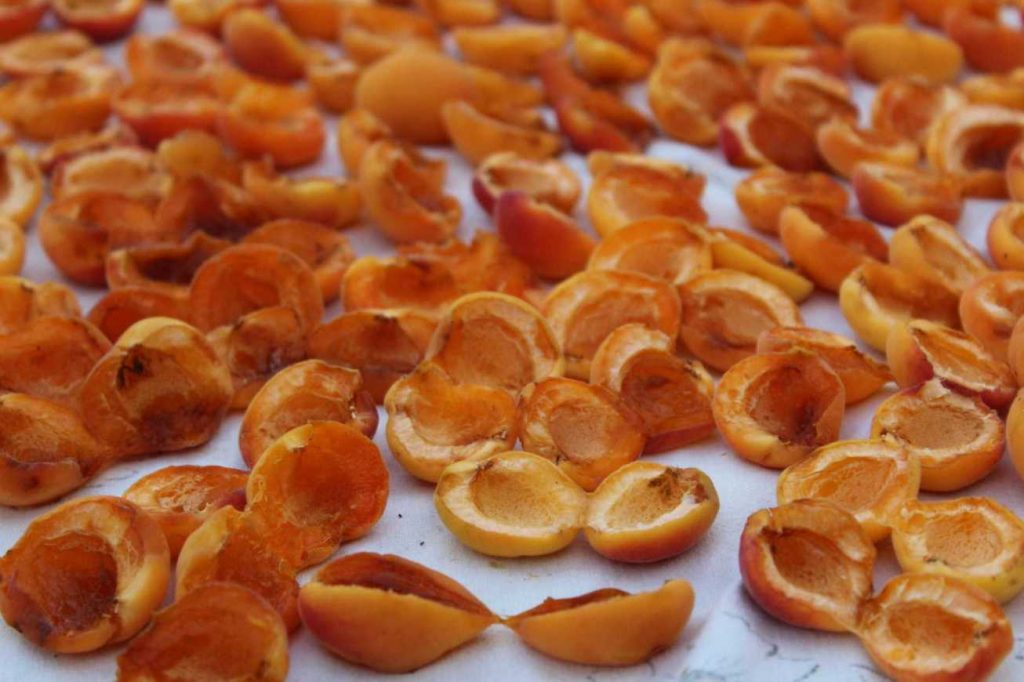
Sun Drying: This traditional method involves placing the apricot halves on clean drying screens in direct sunlight. Cover them with cheesecloth to protect them from insects. Depending on the climate, drying can take several days to a week. Turning the apricots occasionally ensures even drying.
Dehydrator Drying: Using a dehydrator is a faster and more controlled drying method. Arrange the apricot halves on the dehydrator trays in a single layer and follow the manufacturer’s instructions for drying time and temperature (typically around 130°F to 145°F for 6-12 hours).
Oven Drying: Preheat your oven to its lowest setting (usually around 150°F to 200°F). Arrange the apricot halves on baking sheets lined with parchment paper and leave the oven door slightly ajar to allow moisture to escape. Drying time can vary depending on the oven temperature and humidity, so check on the apricots frequently and remove them once they are dry and leathery.
Natural Drying of Apricots
4. Storing Dried Apricots:
Once the apricots are fully dried, they should be leathery and pliable, not hard or brittle.
Store dried apricots in airtight containers in a cool, dark place. They can last for several months under proper storage conditions.
Benefits of Eating Dried Apricots During Pregnancy
Pregnancy is a trying period for a woman’s body, and it requires all the nutrition it can get. Dry fruits are a great way to add nutrition to your diet during snack time.
Dried apricots offer a delightful combination of sweet flavor and impressive health benefits, making them a versatile and valuable snack for pregnant women.
Here’s how these little gems can support your well-being throughout your pregnancy journey:
Combating Common Discomforts: Dried apricots boast a high potassium content, which may help reduce swelling during pregnancy, a common and sometimes uncomfortable experience.
Good source of antioxidants: Dried apricots are a good source of antioxidants, which can help to protect your cells from damage.
Curbing Cravings: Craving sweets? Dried apricots offer a naturally sweet indulgence packed with fructose and glucose. This can help you satisfy your sweet tooth in a healthier way compared to processed sugary snacks.
Promoting Digestive Health: Packed with fiber, dried apricots can aid in regular digestion, potentially easing constipation, a frequent pregnancy concern.
Supporting Fetal Development: Rich in calcium, dried apricots can potentially contribute to the healthy development of your baby’s bones.
Soothing Heartburn: Some women experience heartburn during pregnancy. Dried apricots may offer relief due to their potential benefits for digestion.
Presence of tryptophan: This amino acid is a precursor to serotonin, which can indirectly support prolactin production, a hormone essential for milk production. Phytoestrogens, a type of plant compound may also help regulate hormones involved in lactation.
May help to prevent anemia: Iron deficiency anemia is a common problem during pregnancy. Dried apricots are a good source of iron, which can help to prevent anemia.
How to Eat Dried Apricots During Pregnancy? A Guide
Dried apricots are a healthy snack option for pregnant women, offering a good dose of vitamins and fiber. Here’s how to enjoy dried apricots during pregnancy, safely:
How Many Dried Apricots Can You Eat During Pregnancy?
Like any food, don’t overdo it. Moderation is Key. A small handful (2-3 apricots) is a good daily serving to reap the benefits without any digestive issues.
Wash Thoroughly: Dried fruits can harbor bacteria or pesticides. Wash them well under running water before eating.
Enjoy in Different Ways:
Snack on them directly.
Chop them up and add them to:
Oatmeal or breakfast cereal
Yogurt parfaits
Trail mix
Salads for a sweet and tart contrast
Alternative Ideas:
Soak them in warm water for a softer texture. The soaking liquid can be used in smoothies for added sweetness.
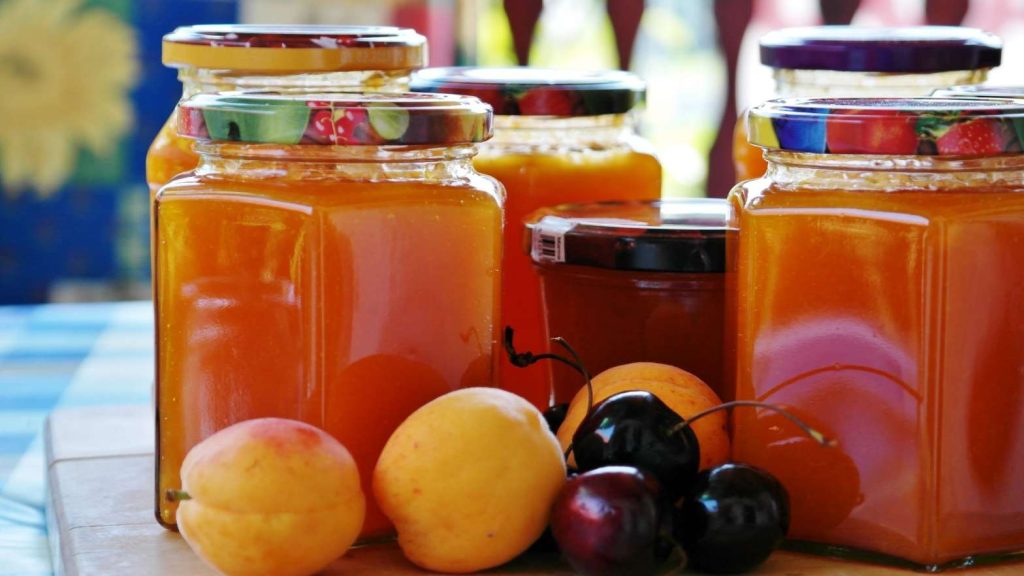
If you’re feeling adventurous, try pureeing the soaked apricots for a homemade fruit spread.
Apricot Fruit Spread
Consult Your Doctor:
While generally safe, consult your doctor if you have any concerns, allergies to stone fruits, or a history of gestational diabetes.
Avoid the Pits:
Apricot pits contain small amounts of cyanide, harmful in high doses. Stick to the fleshy part and discard the pits.
In conclusion, dried apricots can be a fantastic addition to your pregnancy journey. They offer a delicious and natural way to boost your nutrient intake, combat common discomforts, and keep your energy levels up. Remember, moderation is key, and always consult your doctor before making any major dietary changes. So, next time you’re looking for a satisfying and healthy snack, grab a handful of these sunshine-colored bites and enjoy the many benefits they bring to both you and your growing baby!
Dried apricots are a delightful and nutritious snack loved by many. Bursting with flavor and packed with essential nutrients, these dried fruits make for a convenient and satisfying treat.
Dried apricots are a nutritious snack option, they are packed with essential vitamins and minerals, including vitamins A, and C, fiber, and minerals like Iron, potassium, phosphorous, and calcium.
However, like with any food, moderation is key to enjoying the benefits without overindulging.
You might think, “How many dried apricots should I eat in a day?” to reap these benefits.
In this guide, we’ll explore the goodness of dried apricots and discuss how many you should ideally consume in a day for optimal health.
Apricots (Prunus armeniaca) are members of the Rosaceae family, sharing kinship with roses, plums, and peaches.
The juicy apricot has a long history, believed to be native to Central Asia and China. From there, it journeyed along trade routes like the Silk Road, reaching Europe and beyond.
These deciduous trees boast beautiful springtime blooms before yielding fuzzy-skinned fruits in summer. Inside the fleshy, orange mesocarp lies a single, hard-shelled pit containing the seed.
Anatomy of an Apricot
Like many fruits, drying offered a way to preserve apricots and enjoy them beyond their fresh season.
This technique likely arose alongside early apricot cultivation, with sun-drying being the traditional method for centuries. Drying fruits as a preservation method dates back thousands of years, and dried apricots were likely enjoyed by people in ancient civilizations.
Today, Turkey reigns supreme in the production of apricots, carrying on this ancient practice and supplying much of the world with this delicious and nutritious treat. Turkey is the world’s leading producer, contributing a staggering 85-90% of the global supply!
Processing of apricots to produce the dried product, quite similar to producing Dried Cranberries, Raisins, and Figs; can be done in a couple of ways, the traditional sun-drying method and the modern commercial method using dehydrators.
Sun-drying:
Harvesting: Ripe apricots are picked at the peak of their sweetness.
Washing and sorting: The apricots are washed to remove dirt and debris, and any bad ones are discarded.
Halving (optional): Sometimes the apricots are halved to speed up drying.
Sun exposure: The apricots are laid out on clean surfaces, like mats or trays, in direct sunlight for several days, typically 6 to 9. They are often flipped regularly to ensure even drying.
Storage: Once fully dried, the apricots are stored in cool, dry places to prevent spoilage.
Commercial drying:
Washing and sorting: Similar to sun-drying, the apricots are cleaned and sorted.
Pre-treatment (optional): Some producers may use a sulfur dioxide (SO₂) dip to preserve color and prevent browning. Organic apricots typically skip this step.
Dehydration: The apricots are placed on trays in large dehydrators with controlled temperature and airflow. This process is much faster than sun-drying, taking only a few hours.
Packaging: The dried apricots are packaged in airtight containers to maintain freshness and prevent moisture absorption.
Both methods result in delicious and nutritious dried apricots, though sun-dried options may have a slightly chewier texture and appearance due to the slower drying process.
While often viewed as a simple snack, these little bursts of sunshine offer a surprising array of potential health benefits. From boosting digestion to supporting vision health, dried apricots can be a valuable addition to a well-balanced diet.
Despite their size, a single serving of dried apricots packs a punch of nutrients like fiber, vitamin A, and potassium. And while they might seem like candy, dried apricots are naturally sweet and contain no added sugar.
Powerhouse of Nutrients:
One of the most significant benefits of dried apricots lies in their concentrated nutritional content. Compared to their fresh counterparts, drying removes water, leaving behind a smaller package packed with nutrients.
This concentration translates to a higher content of essential vitamins and minerals per serving. Here’s a glimpse into the treasure trove of nutrients found in dried apricots:
Fiber: A single serving (around 5 dried apricots) provides nearly 3 grams of fiber, which is essential for digestive health and promoting satiety.
Vitamin A: Dried apricots boast an impressive amount of Vitamin A, contributing approximately half of the recommended daily intake for adults in just one serving. This vitamin plays a crucial role in maintaining healthy vision, supporting the immune system, and promoting cell growth.
Potassium: This essential mineral helps regulate blood pressure and muscle function. Dried apricots offer a good source of potassium, with one serving containing around 230 mg.
Iron: A vital component of red blood cells, iron helps carry oxygen throughout the body. Dried apricots contribute around 4% of the daily recommended iron intake for adults.
Antioxidants: These powerful compounds help protect cells from damage caused by free radicals, possibly reducing the risk of chronic diseases. Dried apricots contain various antioxidants, including beta-carotene and vitamins C and E.
Benefits for Digestion and Gut Health:
The high fiber content in dried apricots makes them beneficial for digestive health. Fiber helps regulate bowel movements, promotes a healthy gut microbiome, and may contribute to feelings of fullness and satisfaction. This can be particularly helpful for individuals managing digestive issues like constipation or irregular bowel movements.
Supporting Vision Health:
As mentioned earlier, dried apricots are rich in Vitamin A, essential for maintaining healthy vision. Vitamin A plays a crucial role in the proper functioning of the retina, the light-sensitive layer of the eye. A deficiency in this vitamin can lead to night blindness and other vision problems.
Boosting Energy Levels:
Dried apricots are a natural source of sugars, including fructose and glucose. These sugars provide readily available energy, making them a great choice for a pre-workout snack or a pick-me-up during the day. However, it is crucial to remember that dried fruits contain concentrated sugars. Moderation is key to avoiding consuming excessive amounts.
Natural Source of Bone-Building Minerals:
Dried apricots contain small amounts of minerals like potassium, calcium, and magnesium, essential for building and maintaining strong bones. While not a complete substitute for other calcium-rich foods, they can contribute to a balanced diet that supports bone health.
Potential Benefits for Skin Health:
Vitamin A and antioxidants present in dried apricots may offer benefits for skin health. Vitamin A helps maintain the skin’s barrier function, while antioxidants can protect against damage caused by free radicals, which may contribute to wrinkles and other signs of aging. However, more research is needed to fully understand the extent of these benefits.
So, How Many Dried Apricots Should You Eat in a Day?
While dried apricots offer numerous health benefits, it’s important to consume them in moderation due to their high natural sugar content and calorie density.
Here’s a simpler way to understand the nutrients in 100 grams of dried apricots (According to an article from StyleCraze) :
Calories: 241 (about the same as a small apple)
Protein: 4 grams (similar to an egg)
Fat: 5 grams (a moderate amount)
Carbs: 63 grams (a good source of energy)
Fiber: 3 grams (aids digestion)
Potassium: 1160 mg (important for muscle and nerve function)
Other minerals: calcium, iron, magnesium, phosphorus (important for various bodily functions)
Vitamins: Vitamin A (great for eye health), Vitamin C (important for immunity), folate (important for cell growth)
Antioxidants: These help protect your body from damage, the amount varies according to different varieties.
The Recommended Daily Intake of Dried Apricots
The recommended daily intake of dried apricots depends on several factors, including your age, gender, and activity level. However, as a general guideline:
A moderate serving is typically considered to be around 30-40 grams of dried apricots, which is roughly 3-4 apricots. OR A typical serving size of dried apricots is around 1/4 cup, depending on their size.
This portion size provides about 80-100 calories and a good dose of essential nutrients.
Ideally, aim to include no more than one to two servings of dried apricots in your daily diet. Consuming larger quantities may contribute to excessive calorie intake and intake of natural sugars, which can be detrimental to your health if not balanced with other nutrient-dense foods.
A Note on Moderation and Potential Concerns:
Despite their numerous benefits, it is essential to consume dried apricots in moderation. As with any concentrated food, consuming excessive amounts can lead to unwanted side effects. Here are some points to consider:
Sugar content: While naturally occurring, dried fruits contain concentrated sugars. Excessive intake can contribute to weight gain, dental problems, and blood sugar fluctuations.
Sulfites: Some commercially produced dried apricots use sulfur dioxide (SO₂) as a preservative. Individuals with sulfite sensitivity may experience allergic reactions like wheezing or hives after consumption. Look for organic dried apricots, which typically avoid sulfites.
Calories: While a healthy snack, dried apricots are calorie-dense due to their concentrated nature. It is essential to be mindful of portion sizes to avoid exceeding daily calorie needs.
In conclusion, dried apricots offer a delicious and convenient way to incorporate essential nutrients into your diet. However, it is essential to consume them in moderation and as part of a balanced diet.
Enjoy them as a healthy snack, add them to your favorite trail mix or yogurt, make a dried fruit salad, or use them to add a touch of sweetness to savory dishes. Remember, variety and moderation are key to reaping the benefits of this sun-kissed treat.