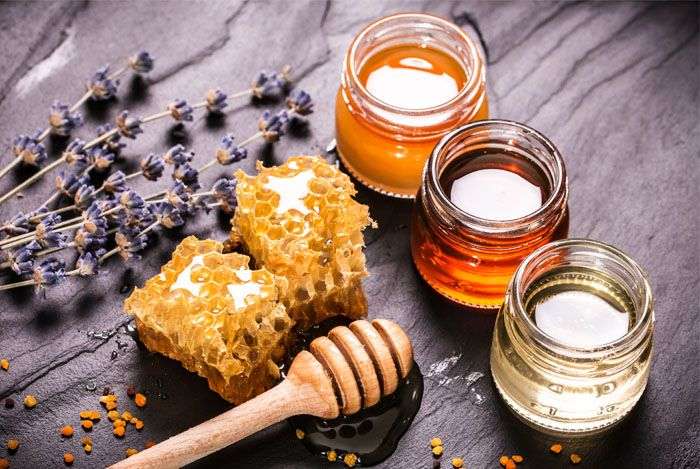
Honey – the golden nectar loved for centuries, prized for its sweetness and potential health benefits. From soothing sore throats to gracing breakfast tables, honey has earned a permanent place in our kitchens and medicine cabinets. But with a growing market for this natural treasure, there’s an unfortunate downside: adulteration.
Just like olive oil or essential oils, honey can be cut with cheaper substitutes, diluting its quality and potentially compromising its health properties. So, the question arises – how can you ensure you’re getting the real deal? This comprehensive guide will equip you with the knowledge and simple techniques to check honey purity at home, empowering you to become a honey pro. We’ll delve into the world of “How to Check Honey Purity,” revealing easy-to-follow methods that will have you confidently identifying pure, unadulterated honey in no time. This way, you can be sure you’re enjoying the authentic taste and reaping the potential health benefits of this natural wonder.
Honey offers a wealth of potential health benefits, from its antimicrobial properties to its role as a natural antioxidant. However, adulterated honey with added sugars or syrups lacks these benefits and may even pose health risks. Here’s why honey purity matters:
Maintaining Health Benefits: Pure honey boasts unique antimicrobial and antioxidant properties. Adulterated honey may lack these properties, rendering it less beneficial for your health.
Protecting Against Added Sugars: Some honey adulteration involves adding cheaper sugars like corn syrup. This not only dilutes the taste and potential benefits of honey but also increases your sugar intake.
Ensuring Ethical Sourcing: Purchasing pure honey supports beekeepers who prioritize ethical beekeeping practices.
Join us as we delve into “How to check honey purity?”, but let’s first understand the chemistry of honey, and what adulterants can find their way into your honey jar.
To understand how to check purity, let’s delve into the science behind honey. Honey is a natural hygroscopic substance, meaning it readily absorbs moisture from the air. This hygroscopic nature plays a crucial role in several home-based purity tests.
Another key aspect is honey’s unique sugar profile. Pure honey primarily consists of fructose and glucose, with minimal amounts of other sugars like sucrose (table sugar). This specific sugar profile helps differentiate pure honey from adulterated versions containing added syrups.
Common Honey Adulterants
Unfortunately, the growing popularity of honey has opened the door to a practice known as adulteration. This involves mixing pure honey with cheaper substances to increase profits. These adulterants often mimic the appearance and sweetness of honey, making it difficult for the untrained eye to detect them. Here’s a breakdown of some common honey adulterants:
Sugars: This category encompasses a variety of sweeteners frequently used to dilute honey. Molasses, a thick, dark syrup derived from sugarcane, can add sweetness and color, but lacks the health benefits of honey. Liquid glucose, a clear syrup common in candies and baked goods, offers sweetness at a lower cost. Invert sugar, created by breaking down sucrose (table sugar), boasts a similar consistency to honey but lacks its unique flavor profile. High-fructose corn syrup (HFCS), a corn-derived sweetener with a composition resembling honey, is another potential adulterant.
Rice syrup: This light-colored, slightly sweet syrup produced from rice starch can be used to thin honey and increase volume. While rice syrup itself isn’t harmful, it dilutes the nutritional value of pure honey.
Other syrups: Less common adulterants include maple syrup and agave nectar. While these syrups may be natural sweeteners, their presence in honey indicates a product that’s not 100% pure.
By understanding these common adulterants, you’ll be better equipped to identify pure honey and reap the full benefits of this natural treasure.
While laboratory testing offers the most definitive answer, here is how to check honey purity.
Here are some simple home tests you can conduct to get a good indication of your honey’s purity:
How to Check Honey Purity?
1. The Water Test:
Fill a glass with cool water.
Add a spoonful of honey.
Observe what happens.
Pure Honey: Pure honey will slowly dissolve and disperse in the water, possibly forming a visible plume. However, it may take some time for complete dissolution. Impure Honey: Adulterated honey containing added sugars or syrups may dissolve readily or even sink to the bottom of the glass, indicating a higher density.
2. The Thumb Test:
Place a small drop of honey on your thumb.
Tip your thumb slightly.
Pure Honey: Pure honey will tend to be thick and viscous, sticking to your thumb and resisting dripping. Impure Honey: Adulterated honey with added water or syrups may be runnier and drip more easily.
3. The Flame Test (Caution Advised):
Disclaimer: This test involves an open flame and should be conducted with caution. It’s not always a reliable indicator and may damage your honey.
Dip a cotton swab or the tip of a tissue in the honey.
Light the cotton swab or tissue.
Pure Honey: Pure honey has a low water content and may not burn readily. If it does burn, it will typically produce a small, flickering flame. Impure Honey: Honey with added water may burn more easily with a larger flame.
4. The Bread Test:
Place a small amount of honey on a slice of bread.
Pure Honey: Pure honey tends to keep the bread slightly firm or even harden it slightly as it draws moisture from the bread. Impure Honey: Honey with added water may make the bread soggy.
Crystallized Honey
5. The Crystallization Test:
Observe the honey’s consistency.
Pure Honey: Pure honey naturally crystallizes over time, especially if it’s raw and unfiltered. The crystals can vary in size and texture depending on the floral source of the honey. Impure Honey: Honey with added sugars or syrups may not crystallize or may form a coarse, grainy texture.
Important Considerations for Home Tests
These home tests are a good starting point, but it’s important to consider these factors:
Variations in Pure Honey: Pure honey can vary in color, consistency, and even crystallization rate depending on the floral source. Research the specific honey variety you have for a clearer understanding of its natural characteristics.
Not Foolproof Methods: Home tests may not always be definitive. For instance, some commercially processed honey may be heated and filtered, reducing its tendency to crystallize, but it can still be pure.
Combined Approach: Using a combination of these tests can provide a more reliable indication of purity.
Beyond the Home Tests: Signs of Potential Impurity
Here are some additional red flags that might suggest your honey isn’t pure:
Unnaturally Low Price: Pure honey production involves time, effort, and ethical beekeeping practices. Extremely low prices might indicate adulteration with cheaper substances.
Excessive Clarity: Pure honey can range in color from light gold to amber, depending on the floral source. If your honey appears excessively clear and colorless, it could be a sign of added water or syrup.
Separation or Layering: While some natural separation can occur in raw honey if your honey consistently separates into distinct layers with a watery appearance on the top, it could indicate added liquids.
Unfamiliar or Artificial Flavor: Pure honey boasts a unique floral aroma and flavor that varies depending on the flower source. If your honey has a faint chemical smell or an artificial sweetness, it might be adulterated.
Additional Tips for Ensuring Honey Purity
Buy from Reputable Sources: Purchase honey from local beekeepers, farmers’ markets, or stores known for carrying high-quality honey brands. Look for certifications like “raw” or “unfiltered” which often indicate less processing and a higher chance of purity.
Read Labels Carefully: Check the honey label for transparency. Pure honey should simply list “honey” as the ingredient. Avoid honey with added sugars, syrups, or other additives.
Consider Certifications: Look for honey with certifications like “USDA Organic” or “Non-GMO Project Verified” which can offer some assurance of purity and ethical beekeeping practices.
Enjoying the True Taste of Honey
By utilizing the knowledge and simple tests outlined in this guide, you’ll be well-equipped to make informed decisions about the honey you purchase. Remember, pure honey offers a unique taste, and potential health benefits, and supports ethical beekeeping practices. So, next time you reach for that jar of honey, take a moment to ensure you’re getting the real deal – the sweet reward for both your taste buds and your well-being.
Bonus Tip: Store your honey properly in a cool, dark place to preserve its flavor and quality.
With a little knowledge and these simple techniques, you can ensure you’re enjoying the true taste and potential benefits of pure honey. So, go forth and explore the wonderful world of this natural treasure!
Kashmirica brings you the finest Kashmiri Honey right to your doorstep to indulge in. Our brand is turning five! And we are giving our loyal customers a gift of 20% OFF for loving us all these years.
Honey, is a word synonymous with sweetness, a sticky treat enjoyed for millennia.
But have you ever stopped to wonder, “What is honey, exactly?”
This golden nectar is more than just a delicious addition to toasts or teas. It’s a fascinating product of the beehive, packed with history, science, and a surprising number of uses. So, join us as we delve into the world of honey, exploring its origins, its unique composition, and the many ways it can enrich our lives.
Honey is a delicious and versatile food produced by bees.
Britannica defines “Honey” as a dark golden, viscous liquid with a taste and color influenced by the flowers the bees collect nectar from.
Honey was a staple sweetener for ancient civilizations. They not only cherished it for its deliciousness but also valued its medicinal properties. People used honey to make mead, an alcoholic beverage, and even as an embalming material in Egypt. In Asia, honey was employed to preserve fruit and create sweet treats. Honey’s significance is reflected in its mentions in both the Bible and the Quran.
What is Honey? From Flower to Gooey Goodness
Honey, that luscious golden nectar we drizzle on toast and stir into tea, is a testament to the tireless work of thousands of female bees. Their dedication goes far beyond simply buzzing around flowers. It’s a complex dance of collection, processing, and construction, all orchestrated by these incredible insects.
Honey’s journey starts with nectar, a sugary flower juice. Bees store nectar in their honey sacs and bring it back to the hive. There, other bees transform the nectar by breaking down its complex sugars (sucrose) into simpler ones (fructose and glucose) and removing excess water. This process, called ripening, gives honey its signature sweetness and thick consistency.
The journey begins with a forager bee, venturing out from the hive in search of floral delights. Her specially adapted tongue acts as a straw, siphoning up the sweet nectar produced by blossoms. This nectar, a sugary liquid, fills a special sac within her body called the honey sac. Once her sac is full, she returns to the hive, ready to contribute to the honey-making assembly line.
Here’s where things get interesting (and maybe a little messy!). The forager bee regurgitates the nectar, transferring it to another bee’s honey sac. This bee, in turn, might pass it on to another, and so on. During this process, enzymes naturally present in the bees’ digestive systems begin to break down the complex sugars in the nectar into simpler ones, like fructose and glucose. This not only makes the honey more readily digestible for humans but also contributes to its signature sweetness.
As the nectar travels from bee to bee, another crucial transformation takes place. The bees fan their wings vigorously, creating a current of air that evaporates some of the water content from the nectar. This concentration process thickens the mixture, gradually turning it from a watery liquid into the viscous gold we know and love.
Finally, the nectar reaches its destination: the honeycomb. This intricate structure, meticulously crafted from beeswax secreted by worker bees, is a marvel of bee engineering. Each honeycomb cell is a perfect hexagon, offering the most efficient use of space for storing the colony’s precious honey reserves.
The bee closest to the honeycomb, acting as the “bottler” in this production line, deposits the thickened nectar into one of these hexagonal chambers. Once the cell is filled, another worker bee takes over, capping it off with a layer of beeswax. This airtight seal not only protects the honey from moisture loss and contamination but also serves as a signal to the other bees that this particular cell is full and ready for storage.
So, the next time you savor a spoonful of honey, remember the incredible teamwork and dedication of thousands of bees who transformed a simple flower secretion into this delightful and versatile natural sweetener. It’s a testament to the power of nature’s intricate systems and the tireless work of a tiny, yet extraordinary, creature.
What is Honey Comb?
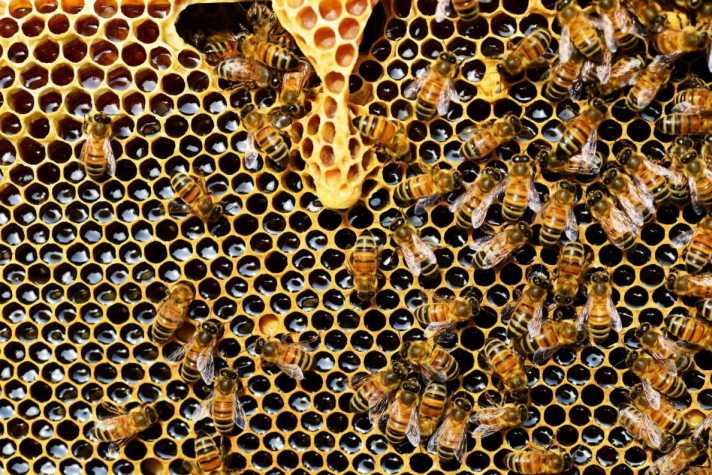
Bees store ripened honey in a remarkable structure called the honeycomb. This double-layered masterpiece is made of hexagonal cells constructed from beeswax, a secretion from worker bees. The honeycomb also contains propolis, a plant resin collected by the bees. It serves not only as a honey storage unit but also as a winter food source for the bee colony.
Honeycomb
Honey’s Many Uses:
Beyond its delightful taste, honey offers a range of benefits. It’s easily absorbed by the body and frequently used in baked goods, candies, and beverages. Its mild antiseptic properties have made it a traditional remedy for burns and wounds.
Navigating the Honey Lexicon: A Guide to Honey Terminology
Beyond its delightful taste and versatility, honey offers a world of variety. But with so many different types and labels on store shelves, navigating the world of honey can be a confusing task. Here’s a breakdown of some key terms you might encounter to help you make informed choices:
Raw Honey: A Natural Treasure
“Raw” is a term that isn’t officially regulated, but it generally refers to honey that’s either straight from the honeycomb or minimally processed with low heat. This minimal processing allows the honey to retain its natural cloudiness, a sign that it hasn’t been overly filtered or stripped of its beneficial qualities. Raw honey often boasts a wider range of flavors and aromas compared to its processed counterparts. You might detect subtle hints of hay, apricot, or other floral notes, reflecting the specific nectar sources the bees visited.
Due to its limited processing and potential health benefits, raw honey can be more expensive. To truly appreciate its unique taste and properties, save it for special occasions. Drizzle it over a warm pound cake for a touch of floral sweetness, spread it on toast for a delicious and nutritious breakfast, or even enjoy a spoonful straight from the jar for a pre-workout energy boost.
Unfiltered Honey: Marketing or Purity?
Similar to “raw,” “unfiltered” is another unregulated term. In general, unfiltered honey has been minimally strained to remove larger debris like bee parts (wings and the occasional unfortunate bee itself) but may still contain smaller, harmless particles like pollen. While some consumers might find the idea of unfiltered honey appealing, suggesting a more natural and unadulterated product, the reality is that the difference between filtered and unfiltered honey is often negligible from a taste and nutritional standpoint. For many producers, “unfiltered” can be more of a marketing tool than a true reflection of a significant difference in processing.
Organic Honey: A Challenging Certification
Believe it or not, obtaining organic certification for honey is a surprisingly difficult feat. Why? Because bees are free-flying creatures who don’t follow human instructions! They can’t be told to pollinate only certified organic flowers. Therefore, ensuring that honey truly comes from a completely organic environment is a significant challenge.
Currently, most organic honey comes from regions like Brazil, Mexico, and Hawaii, where large swathes of natural, uncultivated land provide abundant organic nectar sources for the bees. If organic honey is a priority for you, look for products with certifications from reputable organizations to ensure they meet strict organic standards.
Imitation Honey
When you see “imitation honey” on a label, run for the hills! This product is essentially syrup flavored with artificial sweeteners and is meant to be a sugar-free alternative. While it might seem like a good option for those on restricted diets, the mysterious filler ingredients used in imitation honey raise concerns about its overall health benefits. Stick to real honey, a natural product with a long history of safe consumption and potential health advantages.
What is Honey? Just a Delicious Treat or A Health Boon?
Honey, that golden nectar we love to drizzle on pancakes and stir into tea, is more than just a delicious addition to our meals. Packed with natural sugars and offering a unique blend of health benefits, honey offers a fascinating glimpse into the science of sweet sustenance.
One tablespoon of honey packs a surprising punch, containing around 60 calories and a whopping 17 grams of sugar. But unlike table sugar (sucrose), honey’s sweetness comes from a more complex composition. Fructose, a simple sugar known for its intense sweetness, makes up about 40% of honey’s sugars, while glucose, another simple sugar readily absorbed by the body, contributes around 30%. The remaining 30% is a combination of other sugars, carbohydrates, and a trace amount of vitamins and minerals.
Interestingly, sucrose itself is a disaccharide, meaning it’s formed from two simpler sugars: fructose and glucose, each contributing 50% of its composition. So, what makes honey sweeter than table sugar, even though it has a lower percentage of glucose, the body’s preferred energy source? The answer lies in the unique way our bodies process these different sugars.
When we indulge in a spoonful of honey, our digestive system gets to work. Glucose, readily broken down by the body, quickly enters the bloodstream, providing a source of readily available energy. This process is facilitated by insulin, a hormone produced by the pancreas. Fructose, on the other hand, takes a different route. It bypasses the insulin pathway and travels directly to the liver for processing.
While both honey and sucrose elevate blood sugar levels, the rate and duration of this effect can differ slightly due to the varying proportions of fructose and glucose in each. Understanding this intricate dance of sugars within honey allows us to appreciate its role in our diet and make informed choices about its consumption.
Honey, the golden nectar produced by bees, is more than just a delicious sweetener. It’s a natural food packed with potential health benefits. Here are some of the reasons why you should consider incorporating honey into your diet:
Natural Sweetener: Honey is a great substitute for refined sugar. It’s about 1.5 times sweeter than table sugar, so you can use less to achieve the same level of sweetness. Honey also has a lower glycemic index than sugar, meaning it causes a slower rise in blood sugar levels.
Potential Antioxidant Benefits: Honey contains antioxidants, which can help protect your cells from damage caused by free radicals. Free radicals are unstable molecules that can contribute to the development of chronic diseases such as heart disease and cancer.
Wound Healing Properties: Honey has long been used as a natural remedy for wound healing. Its antibacterial properties may help prevent infection and promote healing.
Soothes Coughs and Sore Throats: Honey can be a soothing remedy for coughs and sore throats. Its antimicrobial properties may help fight bacteria that can cause irritation, while its thick consistency can coat the throat and provide relief.
May Improve Digestive Health: Some studies suggest that honey may help improve gut health by promoting the growth of beneficial bacteria.
Boosts Energy Levels: Honey is a natural source of carbohydrates, which can provide your body with energy.
Here are some tips for incorporating honey into your diet:
Add honey to your tea or coffee instead of sugar.
Use honey as a marinade for meats or fish.
Drizzle honey over yogurt, oatmeal, or fruit.
Bake with honey to add sweetness and moisture to your baked goods.
Make a homemade salad dressing with honey, olive oil, and vinegar.
It’s important to note that honey should be consumed in moderation as it is still a source of sugar. If you have any underlying health conditions, be sure to talk to your doctor before adding honey to your diet.
Honey, with its delightful sweetness and versatility, is a pantry staple for many. But once you’ve brought home that beautiful jar of golden goodness, how do you ensure it stays fresh and delicious? Here’s a breakdown of the best practices for storing honey:
Finding the Perfect Place:
Heat and light are the enemies of honey. Aim for a cool, dark location to maintain honey’s quality. Your pantry, away from the stove or oven, is an ideal choice. A cupboard or cabinet works well too, as long as it’s not directly exposed to sunlight. Basements can also be suitable storage locations, provided they’re dry and not prone to temperature fluctuations.
Is it Everlasting Sweetener (Almost):
Honey is renowned for its remarkable shelf life. Due to its high sugar content and low moisture level, it can remain edible for years, even centuries, if stored properly. While technically honey won’t spoil, it can lose some of its delicate flavors and aromas over time. To enjoy honey at its peak, aim to consume it within two years of purchase.
Crystal Clear or Cloudy Delight:
Don’t be alarmed if your honey starts to crystallize! This is a natural phenomenon caused by the separation of glucose molecules from water within the honey. Crystallization doesn’t affect the safety or edibility of honey, it simply changes its texture. If you prefer a liquid honey, there’s no need to toss out the crystallized jar. Simply place the container under warm running water for a few minutes. The gentle heat will gently dissolve the crystals, returning your honey to its smooth, liquid state.
Keeping Moisture at Bay:
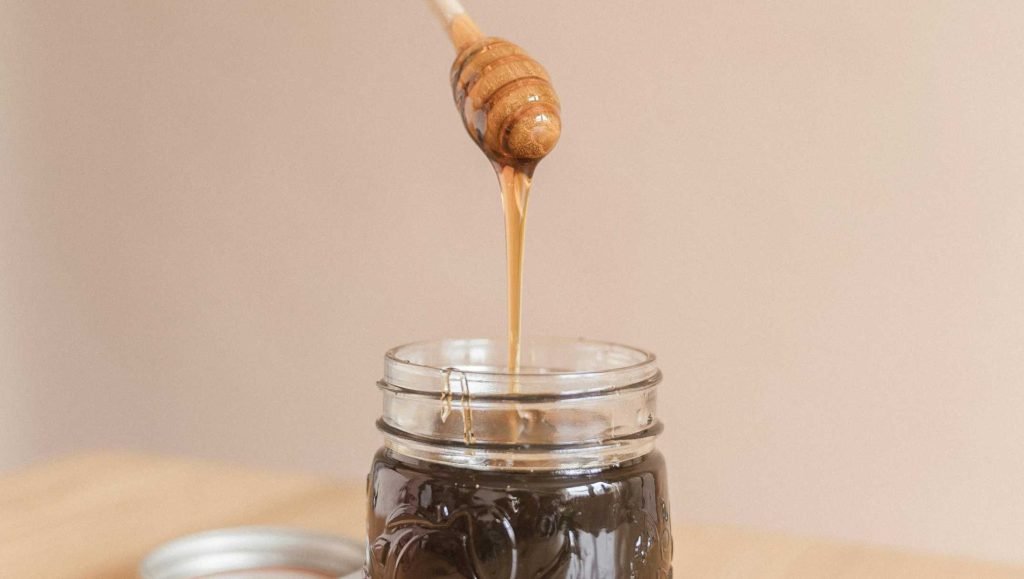
Moisture is another enemy of honey storage. Excess moisture can dilute the honey and potentially promote fermentation, which is undesirable. To prevent this, always ensure your honey jar is tightly sealed after each use. A screw-top lid or a jar with a secure flip-top closure is ideal. Avoid using utensils like wet spoons or knives to scoop out honey, as this can introduce moisture into the jar. Consider using a honey dipper, a handy tool designed specifically for honey, to maintain optimal hygiene and prevent moisture contamination.
By following these simple storage tips, you can ensure your honey remains a delightful and versatile ingredient in your kitchen for years to come. So, store it cool, store it dark, and enjoy the enduring sweetness of nature’s golden treasure!
Kashmirica brings you the finest Kashmiri Honey right to your doorstep to indulge in. Our brand is turning five! And we are giving our loyal customers a gift of 20% OFF for loving us all these years.
Anjeer, also known as the fig, is a delicious and nutritious dried fruit enjoyed worldwide. Packed with fiber, vitamins, and minerals, anjeer offers a multitude of health benefits.
But with so many varieties available, how do you ensure you’re picking good-quality anjeer? Worry not, fellow fig enthusiasts!
This comprehensive guide will equip you with the knowledge to become an anjeer expert, confidently selecting the sweetest, plumpest, and most beneficial dried figs.
Unveiling the Secrets of Selecting Good-Quality Anjeer
Fresh vs. Dried
There are two primary ways to enjoy anjeer: fresh and dried. While both offer unique benefits, understanding the differences is crucial for informed purchase decisions.
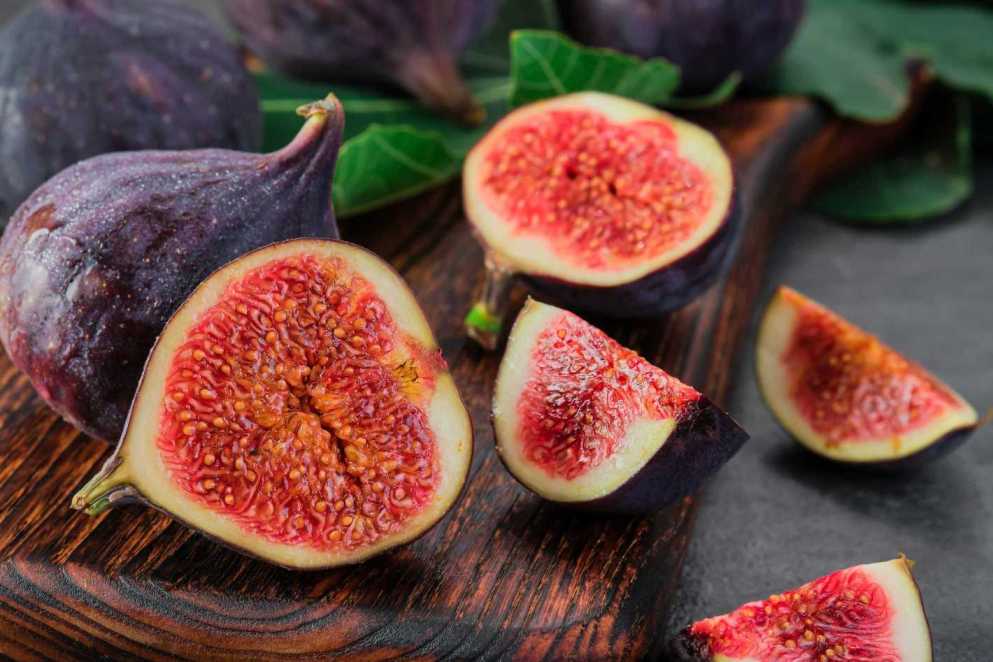
Fresh Anjeer: This seasonal delight boasts vibrant purple skin and a soft, jelly-like interior studded with tiny seeds. Fresh anjeer has a short shelf life and is best enjoyed within a few days of purchase. Look for plump, unblemished fruits with a sweet, fragrant aroma.
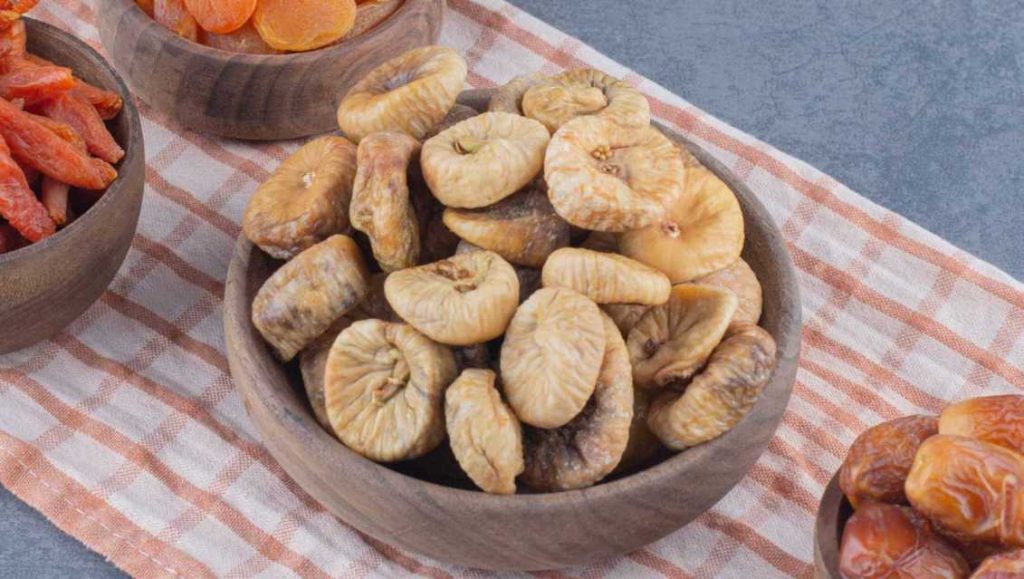
Dried Anjeer: This readily available form of anjeer undergoes a drying process that concentrates its natural sugars and nutrients. Dried anjeer comes in various textures, from soft and pliable to slightly firm. They have a longer shelf life and can be stored for several months under proper conditions.
This guide primarily focuses on selecting high-quality dried anjeer, the more commonly available form.
Sun-Kissed vs. Machine-Made
For centuries, the sun has been humanity’s trusted partner in food preservation. Figs were no exception, traditionally dried under the warm embrace of sunshine. This natural method, however, relies heavily on a hot climate and requires a patient hand.
Modern times have ushered in machinery, allowing producers to process figs at a much faster pace. While this expedites production, it takes away from the traditional sun-drying method.
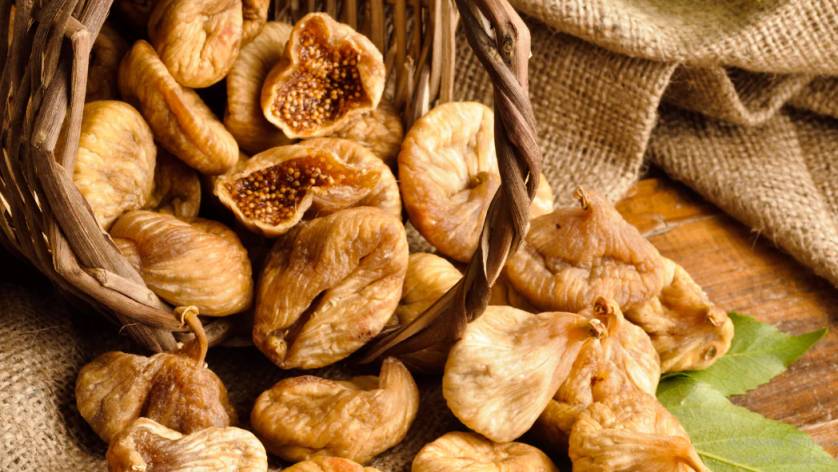
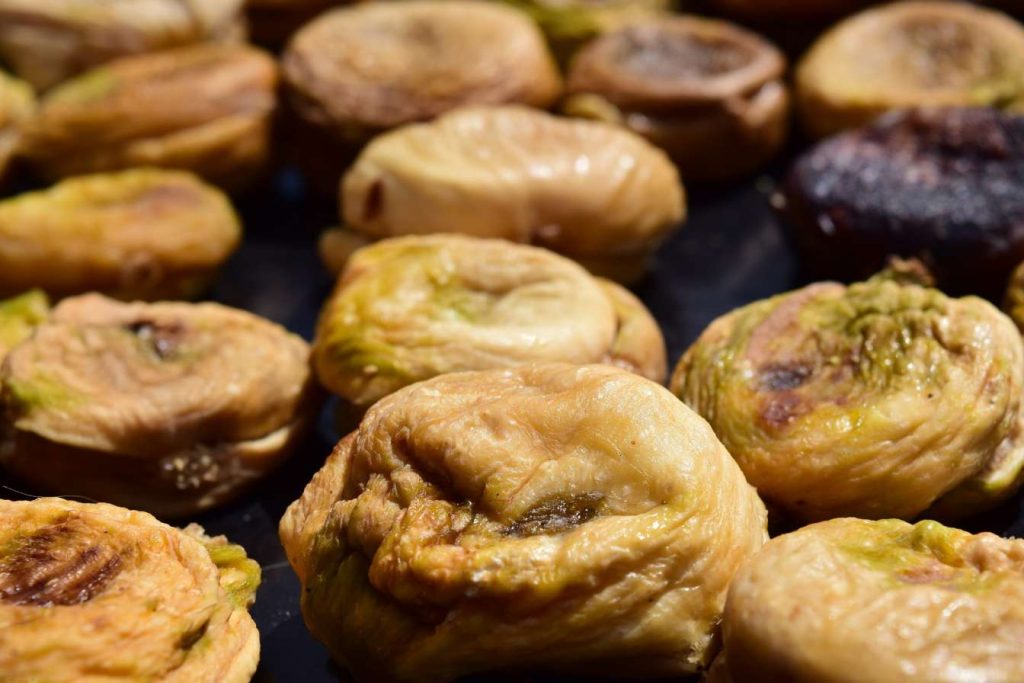
So, how can you tell the difference between these two approaches? Unfortunately, packaging information isn’t always forthcoming. But fear not, fig enthusiasts! Here’s a subtle clue hidden in plain sight: shape. Sun-dried figs tend to retain their natural, round form. In contrast, processed figs often show signs of flattening, a telltale mark of their journey on a conveyor belt.
Visual Inspection
Your eyes are your first line of defense in identifying good-quality anjeer. Here’s what to pay close attention to:
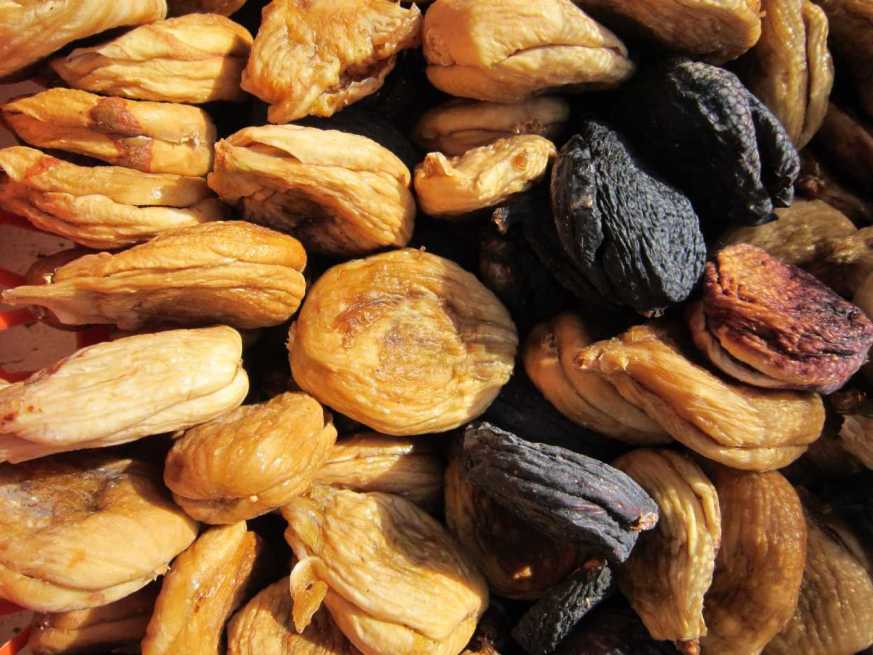
Color: Fresh, high-quality dried anjeer should have a deep, rich brown or purplish-brown color. Avoid anjeer that appears dull, light brown, or grayish, as this could indicate age or improper drying.
Shape and Size: Anjeer should be plump and well-shaped, with minimal wrinkles or shriveling. Consistent size within a pack indicates uniform drying. Avoid anjeer that appears excessively flat, shriveled, or cracked, as this could suggest over-drying or poor storage.
Skin Texture: Look for anjeer with slightly wrinkled skin that feels slightly sticky or tacky. Avoid anjeer with smooth, shiny skin or a dry, brittle texture, which could indicate artificial treatments or old age.
The Power of Touch
Engaging your sense of touch is crucial for further assessment. Gently pick up a few anjeer and observe:
Softness: Good-quality Anjeer should have a soft and slightly yielding texture. They should give slightly when pressed but not feel mushy. Avoid anjeer that feels rock-hard or excessively brittle, as this indicates over-drying.
Stickiness: A slight stickiness is acceptable and even desirable, as it indicates natural sugars and moisture content. Avoid anjeer that feels excessively sticky or wet, as this could be a sign of spoilage or mold growth.
The Fragrance of Freshness
Anjeer possesses a naturally sweet and fruity aroma. Give your chosen anjeer a good sniff to assess its freshness:
Pleasant Aroma: High-quality anjeer will have a sweet, slightly honeyed, or fig-like aroma. This indicates a natural drying process and proper storage.
Off-odors: Avoid anjeer with any unpleasant smells, such as mustiness, sourness, or a chemical odor. These could be signs of spoilage, contamination, or artificial additives.
According to the article “What We Should Take Care Of When Buying Dry Figs” while selecting figs make sure that they are free from mold and insects, as these can indicate poor quality or improper storage conditions.
Additionally, it suggests examining the color and texture of the figs, with good quality figs typically being soft, plump, and evenly colored. The article advises consumers to avoid figs that appear overly dry or discolored.
Furthermore, it highlights the significance of inspecting the packaging for any signs of damage or tampering.
The article also mentions the importance of checking for the presence of peroxide in dried figs. High levels of peroxide can indicate poor handling or storage conditions, potentially compromising the quality and safety of the figs. Signs of peroxide contamination may include off-coloration, unusual odors, or changes in taste. While these signs may not definitively confirm the presence of peroxide, they can indicate potential quality issues.
Beyond the Basics: Advanced Good-Quality Anjeer Selection Techniques
Once you’ve mastered the fundamentals, here are some advanced tips for truly discerning good-quality anjeer selection:
Source and Origin: Look for anjeer originating from reputable brands or stores known for high-quality dried fruits. Consider exploring varieties like Turkish or Iranian anjeer, renowned for their superior taste and texture.
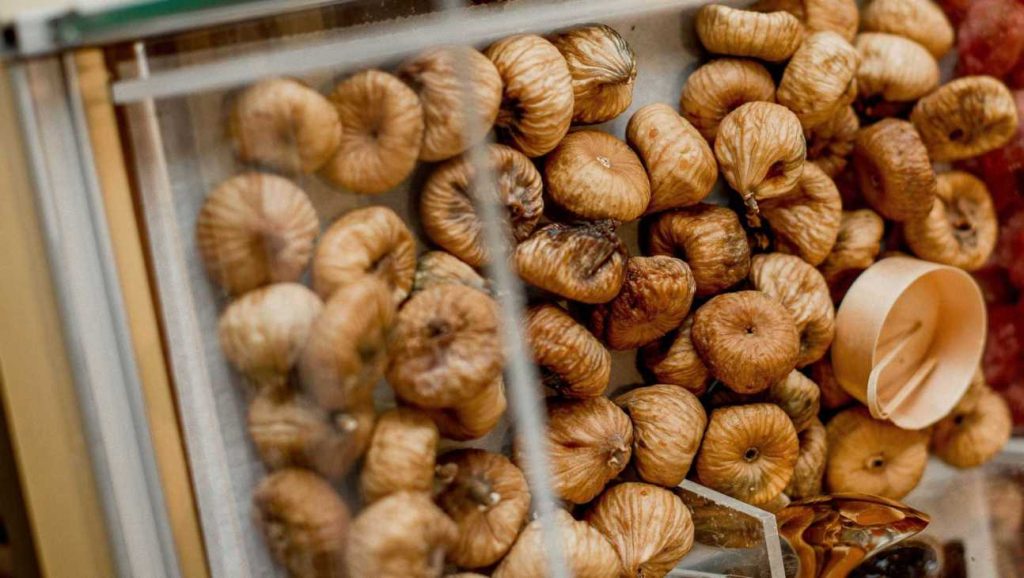
Packaging: Opt for anjeer packed in airtight containers or resealable bags to ensure freshness and prevent moisture absorption. Transparent packaging allows you to visually assess the anjeer before purchase.
Organic Options: For health-conscious individuals, consider organic anjeer grown without synthetic pesticides or fertilizers.
Price vs. Quality: While price is a factor, remember that good-quality anjeer may command a slightly higher price. Prioritize quality over a bargain, as it ensures better taste and nutritional benefits.
Storing Your Good-Quality Anjeer Treasure: Maintaining Peak Freshness
Once you’ve chosen your perfect, good-quality anjeer, proper storage is key to maintaining their quality:
Airtight Container: Transfer your anjeer to an airtight container made from glass or food-grade plastic.
Cool, Dark Place: Store the container in a cool, dark place away from direct sunlight and heat sources. An ideal storage temperature is around 50-60°F (10-15°C).
Refrigeration Option: For extended storage (up to several months), consider refrigerating your anjeer. Ensure the container is completely airtight to prevent moisture absorption and flavor loss.
First In, First Out (FIFO): Implement a FIFO (First In, First Out) system to ensure you consume older anjeer before newer ones.
While anjeer are delicious on their own, they can also be incorporated into various culinary creations to elevate your dishes. Here are some inspirational ideas:
Sweet Treats: Finely chopped anjeer adds a delightful chewy texture and natural sweetness to cakes, muffins, cookies, and energy bars.
Breakfast Boost: Add chopped anjeer to oatmeal, yogurt parfaits, or cereals for a burst of flavor and fiber.
Savory Sensations: Anjeer pairs surprisingly well with savory ingredients. Try incorporating them into stews, salads, or stuffings for a unique flavor profile.
Spreads and Dips: Process anjeer into a paste or chutney for a delicious accompaniment to crackers, bread, or crudités.
Beverage Bliss: Anjeer can be steeped in hot water to create a naturally sweet and caffeine-free herbal tea.
Anjeer Expertise: The Final Verdict
By following these comprehensive tips, you’ll be well on your way to becoming an anjeer aficionado.
Remember, the key lies in selecting plump, well-colored anjeer with a pleasant aroma and a slightly yielding texture. With a little practice, you’ll be able to confidently identify top-quality anjeer, unlocking their delightful taste and unlocking a multitude of culinary possibilities.
Identifying good-quality dried anjeer (figs) relies on several sensory cues.
1. Touch: Good-quality anjeer should feel soft and plump to the touch. When you gently press on them, they should yield slightly, indicating moisture content and freshness. Avoid any that feel overly dry or hard, as this may indicate poor quality or old stock.
2. Smell: Take a sniff of the dried figs. They should have a sweet and fruity aroma, reminiscent of fresh figs. This scent indicates that the figs are likely fresh and flavorful. If they smell musty, stale, or have no scent at all, they may not be of good quality.
3. Appearance: Examine the appearance of the dried figs. They should have a uniform color and texture, without any signs of discoloration, mold, or dark spots. Avoid figs that appear overly dry, shriveled, or have an unnatural color, as these may be indications of poor quality or improper storage.
By following these steps and paying attention to the touch, smell, and appearance of the dried figs, you can identify good-quality ones for your consumption.
Bonus Tip: When in doubt, don’t hesitate to ask questions! Reputable stores or vendors should be happy to answer your queries about the origin, drying process, and storage conditions of their anjeer.
So, the next time you encounter anjeer, remember the wisdom you’ve gained from this guide. With a discerning eye, a gentle touch, and a keen sense of smell, you’ll be able to select the finest anjeer, enriching your health and taste buds with nature’s delicious bounty.
Other FAQs about Dried Figs
Can you refrigerate dried figs?
If you reside in a hot or humid climate, refrigerating your dried figs might be a good idea. When stored in the refrigerator in an airtight container, dried figs can maintain their quality for up to 18 months. However, ensure they are properly sealed to prevent them from becoming rubbery or excessively soggy.
Can you freeze dried-figs?
While it’s possible to freeze dried-figs, it’s not always recommended. Freezing can alter their texture somewhat, so it’s best used as a last resort. If you have a surplus of dried figs, consider making them into jam instead.
How can you tell if your dried figs have gone bad?
Do they smell?
Good-quality dried figs should have a sweet and fruity aroma. If they smell musty or stale, it’s likely they have started to spoil.
Do they have any visible signs of mold?
While a white powdery coating on dried figs might not necessarily indicate mold, it’s essential to examine them closely. Crystallized sugar can sometimes form on the surface, resembling mold. Crystals will appear as tiny granules, while mold typically appears fluffy.
Do they taste funny?
If your dried figs pass the smell and appearance test but you’re still unsure, a taste test can confirm their condition. Trust your taste buds – if they taste off or unpleasant, it’s best to discard them. Your body is often reliable in detecting spoiled food.
By following these guidelines, you can ensure that your dried figs remain fresh and enjoyable for as long as possible.
Harnessing the power of nature’s bounty is a key strategy in the battle against diabetes. Many embark on this journey with the hope of effectively managing their condition through natural solutions. Anjeer for diabetes presents a particularly exciting option.
These delightful figs, also known as anjeer, are renowned for their natural sweetness and a treasure trove of nutrients.
We’ll uncover the intricate relationship between these tasty fruits and blood sugar control, and equip you with the strategies and insights necessary to master their incorporation into a diabetic-friendly diet.
Join us as we navigate the intricacies of utilizing anjeer for diabetes management. We’ll unlock the potential of anjeer to empower individuals on their quest for better health and well-being.
Through careful examination and practical tips, we aim to equip you with the knowledge and confidence to seamlessly integrate anjeer into your diabetic-friendly diet.
Hailing from Southwest Asia: Anjeer, also known as the fig, is native to this region. Cultivation has expanded beyond its origins, with fig trees now flourishing in Egypt, Turkey, Morocco, and countries bordering the Mediterranean Sea. The fruit’s presence even extends to California and Brazil. Interestingly, anjeer boasts a history of use in both ancient Indian and Chinese medicine.
A Nutritional Powerhouse: Anjeer’s rich nutrient profile has led to its reputation as a potential aid in managing various health conditions. From weight management and diabetes to cardiovascular health and arthritis, anjeer’s versatility has sparked curiosity. But can this delicious fruit truly play a role in diabetes management? Let’s find out!
Diabetes, a chronic condition impacting how your body regulates blood sugar, affects millions worldwide. For those managing this condition, navigating dietary choices can feel like a constant dance. The question of incorporating sweet treats like anjeer, also known as figs, often arises. While anjeer boasts a natural sweetness, it also offers a treasure trove of potential health benefits. So, can anjeer be a part of a diabetic diet? The answer is yes but with a strategic approach.
Understanding Diabetes
Understanding Diabetes
Our bodies rely on a complex system to maintain healthy blood sugar levels. Glucose, a form of sugar derived from food, serves as the primary fuel for our cells. The pancreas, a gland located behind the stomach, produces insulin, a key hormone that acts like a key, unlocking the doors of our cells and allowing glucose to enter for energy production.
In diabetes, this intricate system falters. There are two main types:
Type 1 Diabetes: In this case, the body’s immune system mistakenly attacks insulin-producing cells in the pancreas, leading to a deficiency in insulin production.
Type 2 Diabetes: This more common form occurs when the body either doesn’t produce enough insulin or the cells become resistant to its effects. Over time, this can lead to insulin deficiency.
The consequence of both types of diabetes is the same: chronically high blood sugar levels. When left unchecked, this can wreak havoc on the body, damaging nerves, eyes, kidneys, and the cardiovascular system.
For individuals aiming to regulate blood sugar levels, whether due to diabetes or other health concerns, focusing on three key nutrients can make a significant difference:
1. Fat
2. Fiber
3. Protein
These three nutrients play pivotal roles in slowing down the digestion process compared to sugar consumption. Consequently, when consumed alongside sugar, they delay its digestion, leading to a slower increase in blood sugar levels, thereby mitigating the occurrence of rapid spikes.
Incorporating fat, fiber, and protein into meals ensures a balanced approach to blood sugar management. By doing so, individuals can help maintain stable blood sugar levels throughout the day, promoting overall health and well-being. Therefore, it’s advisable to include sources of these nutrients in every meal, facilitating more controlled blood sugar responses and fostering greater metabolic stability.
Anjeer for diabetes is a seemingly contradictory profile for diabetics. On one hand, it’s a dried fruit, meaning it’s concentrated in natural sugars. This can raise blood sugar levels quickly.
On the other hand, anjeer boasts a significant amount of dietary fiber, a crucial element for diabetics. Fiber helps regulate blood sugar by slowing down the absorption of sugar into the bloodstream.
Advantages of Incorporating Anjeer into a Diabetic Diet:
Anjeer boasts a rich mineral profile, featuring essential elements such as copper, magnesium, phosphorus, and potassium. This nutrient-rich composition not only aids in enhancing digestion and absorption but also plays a pivotal role in curbing hunger pangs and maintaining stable blood sugar levels.
Particularly noteworthy is potassium’s significance in regulating post-meal sugar absorption, while chlorogenic acid, another vital component found in anjeer, actively contributes to lowering blood sugar levels, thereby facilitating diabetes management. With such attributes, anjeer emerges as a favorable addition to the diabetic diet repertoire, providing both nourishment and blood sugar control.
Moreover, anjeer exhibits a moderate glycemic index (GI) of 61, signifying a gradual release of glucose into the bloodstream compared to high-GI foods. This slow release, coupled with the fruit’s high fiber content, promotes prolonged satiety, helping individuals manage their appetite and blood sugar levels effectively.
Beyond its glycemic impact, anjeer’s anti-inflammatory and antioxidant properties serve as formidable allies in safeguarding against carbohydrate breakdown and pancreatic damage. By preserving insulin secretion and facilitating the conversion of blood sugar into energy, anjeer contributes to overall metabolic health, benefitting individuals with diabetes and healthy individuals alike.
From its leaves to its stem and bark, anjeer’s holistic therapeutic properties underscore its merit as a diabetes-friendly dietary inclusion.
In essence, anjeer emerges as a nutritional powerhouse with profound implications for diabetes management, offering a delectable solution to maintaining blood sugar control while indulging in nature’s bounty. Whether as a standalone snack or a versatile ingredient in culinary creations, anjeer stands poised to empower individuals in their journey toward better health and well-being, one delicious bite at a time.
Dried Figs
Here is a more detailed breakdown of the nutritional profile of 100g of dried figs (according to Sugar.fit):
Carbohydrates: 73.5g
Protein: 4.67g
Fat: 0.56g
Fiber: 3.68g
Calories: 317.78 kcal
Micronutrients:
Calcium (Ca): 1545.46 ppm
Magnesium (Mg): 679.04 ppm
Iron (Fe): 29.49 ppm
Copper (Cu): 5.02 ppm
Manganese (Mn): 4.75 ppm
Potassium (K): important for regulating blood sugar
and many others
Please note that this is just a general overview of the nutritional profile of dried figs. The exact nutrient content can vary depending on the variety of figs, growing conditions, and processing methods.
Here’s how you can turn anjeer into a part of your diabetes management plan:
Portion Control is Key: Moderation is crucial. Stick to 2-3 small anjeer per day. This allows you to enjoy the taste without a significant blood sugar spike.
Soak it Up: Soaking anjeer overnight in water has two benefits. First, it plumps them up, making them more filling and reducing the need for larger portions. Second, soaking can help break down some of the sugars, potentially leading to a slower rise in blood sugar levels.
Pair it Wisely: Don’t eat anjeer alone. Combine it with protein or healthy fats like nuts, yogurt, or cheese. This slows down digestion and sugar absorption, further preventing blood sugar spikes.
Here, we delve into creative ways to pair California dried figs with other food groups, transforming them into delicious and nourishing snacks or light lunches.
The Power of Protein and Fat: Dried figs are a natural source of fiber and carbohydrates, but for a truly balanced meal, we need to consider protein and healthy fats as well. These macronutrients play a vital role in keeping us feeling full and energized, while also helping to regulate blood sugar levels.
A delightful and protein-rich option is to combine 3-5 dried figs with a serving of cottage cheese. The creamy texture of the cheese complements the sweetness of the figs perfectly while providing a good dose of protein and healthy fats. To further elevate this snack into a light lunch, consider adding a colorful array of fresh vegetables like sliced bell peppers, cucumber, or cherry tomatoes. For an extra crunch and a boost of healthy fats, sprinkle a handful of nuts like almonds or walnuts on top.
The All-Star Trio: Figs, Almonds, and Eggs: Looking for a portable and protein-packed snack? Look no further than the dynamic trio of figs, almonds, and a hard-boiled egg! This combination offers a symphony of textures and flavors.
The sweetness of the figs is balanced by the richness of the almonds, while the hard-boiled egg provides a satisfying dose of protein. This snack is perfect for a mid-morning pick-me-up or a post-workout refuel.
Hummus for the Win: Hummus, a delicious blend of chickpeas, tahini, olive oil, and spices, is a fantastic source of protein, healthy fats, and fiber. Combining 3-5 dried figs with a generous dollop of hummus and a variety of colorful vegetables like carrots, celery sticks, or broccoli creates a vibrant and satisfying snack or light lunch. The creamy texture of the hummus pairs beautifully with the sweetness of the figs, while the vegetables add a refreshing crunch and essential vitamins and minerals.
Timing is Everything: Ideally, consume anjeer after a meal. This minimizes the impact on your blood sugar levels compared to eating it on an empty stomach.
Fresh vs. Dried: Fresh anjeer contains less concentrated sugar than dried varieties. If available, opt for fresh anjeer for a naturally lower sugar intake.
Beyond Blood Sugar: The Additional Benefits of Anjeer
Anjeer offers a treasure trove of benefits beyond blood sugar management:
Rich in Fiber: As mentioned earlier, anjeer’s fiber content promotes healthy digestion and regularity.
Antioxidant Powerhouse: Anjeer is loaded with antioxidants that fight free radicals and may help prevent chronic diseases.
Essential Minerals: It’s a good source of potassium, magnesium, and iron, all vital for overall health.
Working with Your Doctor
Remember, every diabetic’s needs are unique. It’s crucial to discuss incorporating anjeer into your diet with your doctor or registered dietician. They can help determine the appropriate portion size and consumption strategy based on your individual health and blood sugar control goals.
By following these tips and working with your healthcare provider, you can integrate anjeer into your diabetic diet and enjoy its taste and health benefits without compromising your blood sugar management. Remember, a little planning and knowledge go a long way in making your favorite foods work for you, even with diabetes.
Kashmirica brings you the finest quality Dried Figs! As our brand turns 5, we are giving our valued customers a special 20% off, visit our website to know more!
Struggling to gain weight in a healthy way? Feeling lost in a maze of calorie counting and bland protein shakes?
For those looking to gain weight in a healthy way, the quest for calorie-dense, nutrient-rich foods can feel daunting. Look no further than the humble anjeer, also known as the fig!
This dried fruit, packed with natural sugars and essential nutrients, can be a powerful ally in your weight gain journey.
This blog, your one-stop guide to “anjeer for weight gain,” unlocks a world of delicious possibilities. We’ll explore the science behind why anjeer is a weight gain champion, unveil creative ways to incorporate it into your daily diet and tantalize your taste buds with mouth-watering recipes.
So ditch the bland and embrace the naturally sweet and nutritious path to a healthier you. Let’s unlock your weight gain journey with anjeer! This blog delves into the world of anjeer, exploring its benefits for weight gain, creative ways to incorporate it into your diet, and delicious recipes to tantalize your taste buds.
Gaining weight can be just as challenging as losing it, but the key is to focus on quality calories.
Healthy Weight Gain
Ditching sugary treats and processed snacks will always be a healthy option.
However, building a balanced plate with a focus on whole foods, and lean protein sources like fish, chicken, beans, and lentils will provide the building blocks for muscle tissue.
Adding healthy fats – avocados, nuts, seeds, and olive oil are calorie-dense and will keep you feeling satiated.
Complex carbohydrates like whole-wheat bread, brown rice, and quinoa offer sustained energy throughout the day.
Don’t forget fruits and vegetables! They add essential vitamins, minerals, and fiber to your diet.
To bump up the calorie content, try adding healthy fats like dry fruits, nut butter, or cheese to your fruits. One such nutrient-dense and calorie-boosting option is Anjeer.
It boasts a unique nutritional profile that makes using “anjeer for weight gain” a success. Let’s explore these key contributors:
High-Calorie Count: Just a single dried fig packs a punch with around 50-60 calories. By strategically incorporating anjeer into your daily diet, you can easily increase your overall calorie intake, a crucial factor for healthy weight gain.
Natural Sugars: Anjeer is a natural source of fructose and glucose, readily available for your body to convert into energy. This helps with muscle building and supports a healthy metabolism during weight gain.
Fiber Powerhouse: Don’t let the sweetness fool you! Anjeer is also a good source of dietary fiber. This fiber keeps you feeling fuller for longer, reducing cravings and aiding in balanced weight gain.
Essential Nutrients: Anjeer offers a treasure trove of essential nutrients, including calcium, iron, potassium, and magnesium. These play a vital role in overall health and support muscle function, a key element in weight gain.
Milk and Anjeer for Weight Gain: A Natural Powerhouse
For many, achieving a healthy weight gain can feel like an uphill battle. Between restrictive diets and questionable supplements, finding a natural and sustainable approach can be a challenge. But fear not, nature has provided a delicious and nutritious solution: the dynamic duo of milk and anjeer for weight gain. This powerful combination offers a treasure trove of benefits for those looking to gain weight in a healthy way.
Anjeer, a powerhouse of natural sugars, provides a readily available source of energy. Unlike refined sugars, the natural sweetness in anjeer comes with a bonus – dietary fiber. This fiber keeps you feeling fuller for longer, reducing cravings and aiding in balanced weight gain. Milk, on the other hand, steps in as a complete protein source. It provides essential amino acids needed for muscle building and repair, a crucial aspect of healthy weight gain.
But the magic truly unfolds when these two ingredients join forces. Anjeer’s natural sugars team up with the fats and proteins in milk to create a calorie-dense and nutrient-rich concoction. This translates to a significant boost in your daily calorie intake, a key factor in healthy weight gain. Additionally, milk is a rich source of calcium, which plays a vital role in bone health and overall well-being.
The beauty of using milk and anjeer for weight gain lies in their versatility. You can enjoy them in a variety of ways to keep your taste buds happy and your weight gain journey interesting.
Here are some ideas to get you excited about using anjeer for weight gain:
Morning Power Smoothie: Blend soaked anjeer with milk, banana, and your favorite protein powder for a delicious and protein-packed breakfast smoothie. This combination provides a burst of energy and keeps you feeling satisfied until lunchtime.
Pre-Workout or Post-Workout Snack: Anjeer and milk can be a game-changer for your workout routine. Soak a few anjeer in milk for a couple of hours. The softened anjeer becomes easier to digest and offers a readily available source of carbohydrates, perfect for pre-workout energy or post-workout recovery.
Sweet Treat Alternative: Craving something sweet? Instead of reaching for sugary desserts, blend anjeer with milk and a touch of honey for a healthy and satisfying treat. This option provides natural sweetness, and essential nutrients, and keeps you feeling fuller for longer.
By combining the power of milk and anjeer for weight gain, with a balanced diet and exercise routine, you can hack your weight gain journey healthily and deliciously. So, ditch the restrictive diets and embrace the natural sweetness and goodness of nature. With anjeer and milk by your side, you’re well on your way to achieving your weight gain goals!
While the focus of the article “10 Remarkable Anjeer Milk Benefits for Better Health” is on the general benefits of consuming anjeer with milk, we can delve deeper into the potential advantages this combination offers specifically at night.
Improved Sleep Quality: Anjeer is a natural source of the amino acid tryptophan, a precursor to the sleep hormone melatonin. Consuming anjeer with milk before bed can potentially increase tryptophan levels, promoting relaxation and better sleep quality.
Enhanced Digestion: The fiber content in anjeer can aid in digestion. Pairing it with milk, which contains some lactose sugar, can further support a healthy gut environment. This gentle digestive process at night can contribute to a more restful sleep.
Nutrient Absorption Boost: Our bodies tend to enter a state of rest during sleep, allowing for better nutrient absorption. Consuming anjeer and milk before bed may allow your body to absorb the beneficial nutrients from both ingredients more effectively throughout the night.
Curbs Late-Night Cravings: The satiating properties of fiber in anjeer, combined with the protein and healthy fats in milk, can create a feeling of fullness. This can help curb late-night cravings for unhealthy snacks, promoting weight management goals.
Important Note: While anjeer and milk offer potential benefits at night, it’s important to consider individual sensitivities. If you have lactose intolerance or experience digestive discomfort from milk, it’s best to consult a healthcare professional before incorporating this combination into your evening routine.
Anjeer’s versatility shines when it comes to incorporating it into your diet. Here are some creative ways to enjoy its benefits:
Anjeer for Weight Gain
Morning Boost: Start your day with a power-packed smoothie. Blend anjeer with milk, banana, and your favorite protein powder for a delicious and nutritious breakfast.
Snack Time Savior: Dried anjeer makes for a healthy and satisfying snack when hunger pangs strike. Pair them with nuts like almonds or walnuts for a protein and healthy fat boost.
Oatmeal Delight: Elevate your morning oatmeal by adding chopped anjeer and a drizzle of honey for a burst of sweetness and extra texture.
Salad Surprise: Diced anjeer can add a delightful sweetness and textural contrast to salads. Try it with spinach, feta cheese, and a balsamic dressing for a well-rounded lunch.
Energy Balls: Create your own homemade energy balls by combining soaked anjeer with rolled oats, peanut butter, and chia seeds. These are perfect pre-workout or post-workout snacks.
Yogurt Parfait Powerhouse: Layer yogurt, granola, chopped anjeer, and fresh berries for a visually appealing and incredibly nutritious parfait, perfect for a mid-afternoon pick-me-up.
Sweet Treat Twist: Instead of reaching for sugary desserts, bake cookies or muffins with chopped anjeer. They offer a healthier alternative with a naturally sweet flavor.
Now that you’re armed with creative ideas, let’s explore some delicious recipes featuring anjeer for weight gain:
1. Creamy Anjeer and Milk Smoothie:
Ingredients:
2 dried anjeer, soaked for 30 minutes
1 cup whole milk
1 banana
1 scoop protein powder (optional)
1 tablespoon honey (optional)
Instructions:
Blend all ingredients in a high-speed blender until smooth and creamy.
Adjust sweetness with honey if desired.
Enjoy this protein-packed smoothie for breakfast or a post-workout snack.
2. Spiced Anjeer and Nut Granola Bars:
Ingredients:
1 cup rolled oats
½ cup chopped almonds
½ cup chopped walnuts
¼ cup chopped dried anjeer
¼ cup brown sugar
¼ cup melted butter
1 teaspoon ground cinnamon
¼ teaspoon ground ginger
¼ teaspoon ground nutmeg
Pinch of salt
Instructions:
Preheat oven to 350°F (175°C). Line a baking sheet with parchment paper.
In a large bowl, combine rolled oats, nuts, anjeer, and spices.
In a separate bowl, mix melted butter and brown sugar. Pour this mixture over the dry ingredients and stir until well-coated.
Press the mixture evenly onto the prepared baking sheet.
Bake for 20-25 minutes, or until golden brown.
Let cool completely, then cut into bars.
Enjoy these granola bars as a healthy
Remember, a balanced diet and healthy lifestyle practices are crucial for optimal sleep and overall well-being. Anjeer can be a beneficial addition to your nighttime routine, but it should not be seen as a sole solution.
Incorporating anjeer and milk into your diet is just one piece of the puzzle. A balanced diet that includes a variety of fruits, vegetables, whole grains, and lean protein sources is crucial for healthy weight gain. Additionally, a well-rounded exercise routine that incorporates both strength training and cardio is essential for building muscle mass and promoting overall health.
Increase your meal frequency. Aim for three meals and two to three healthy snacks throughout the day. This keeps your metabolism stoked and provides your body with a steady stream of energy for building muscle.
Listen to your body’s hunger cues and don’t be afraid to enjoy seconds (or thirds) of those nourishing meals. Remember, weight gain is a marathon, not a sprint.
Be patient, and consistent, and celebrate the non-scale victories – increased strength, improved energy levels, and a healthier you.
Kashmirica is here to support you on your “gains” journey by providing you with the finest dry fruits from Kashmir, including the mighty Anjeer. Buy some today and witness the change you want to make in your life happen right in front of your eyes!
Have you ever looked at that sprinkle of tiny brown nuts adorning your favorite sweet dish and wondered, “What is that?” Well, wonder no more! It is Charoli aka Chironji.
This blog is your one-stop shop for all things chironji. We’ll delve into the fascinating world of this under-appreciated nut, exploring its surprising health benefits, exciting culinary uses, and even some fun facts.
From unlocking its hidden nutritional power to discovering delicious recipes that make charoli the star, get ready to be charoli-fied!
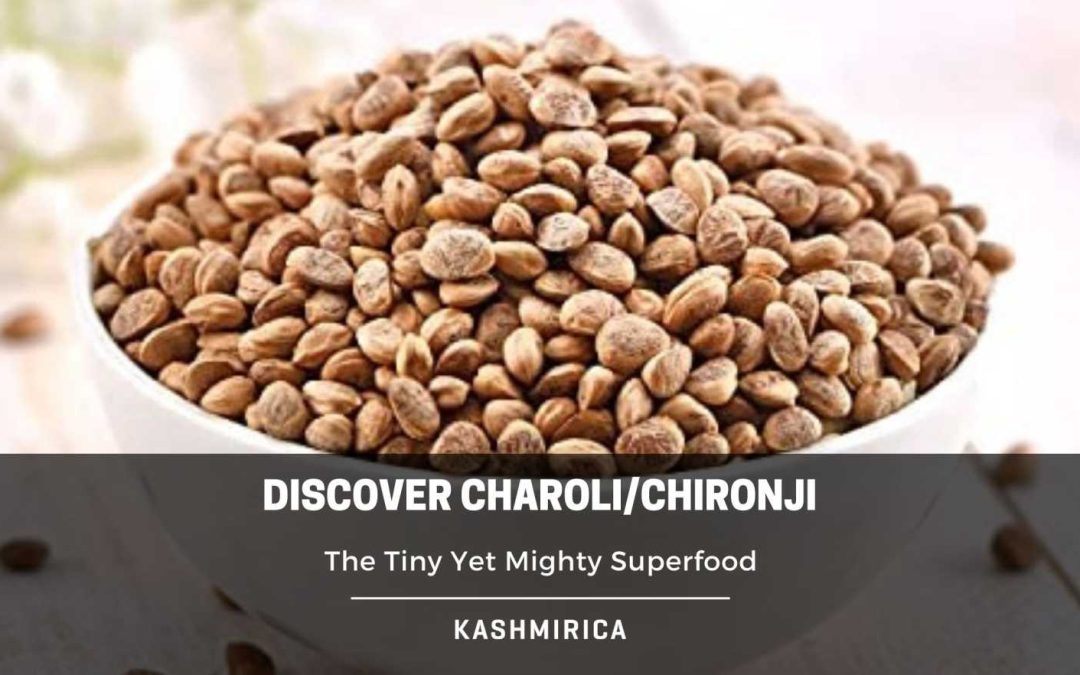
Charoli, a name that might not be familiar to everyone, is a hidden gem in the world of culinary delights. While most recognize it as a garnish for special occasion sweets, chironji offers much more than just a sprinkling of visual appeal.
Due to its similar flavor and texture, chironji earns the nickname “Cuddapah almond” as it can be used as a substitute for almonds in various dishes. Beyond its delightful flavor, chironji boasts an impressive list of aliases.
In Hindi, it’s known as char, chironji, chiraunji, and even piyal or pra-savak. Marathi speakers recognize it as char, charoli, or piyal, while Gujarati gives it the name charoli.
The star of the show is the single, edible seed found within the fruit of the charoli tree. This wild plant thrives in the forests of North, Central, and Western India, gracing states like Rajasthan, Gujarat, and Maharashtra with its presence.
The tree itself is easily identifiable by its distinctive crocodile bark, often marked with a reddish blaze, and its leathery leaves with blunt tips and rounded bases.
Interestingly, almost every part of the chironji tree finds a use, showcasing its resourcefulness in nature’s grand scheme. But the real prize lies in the fruit itself. Imagine a taste reminiscent of sweet grapes – that’s what you get when you bite into a fresh charoli fruit.
But for those in the scientific realm, it’s ‘Buchanania lanzan’ or ‘Buchanania cochinchinensis’, a member of the Anacardiaceae family, sharing a lineage with the ever-popular cashew.
Charoli offers a delightful taste bud experience. It has a pleasant, slightly acidic flavor, somewhat reminiscent of almonds. But chironji goes beyond taste – it packs a powerful nutritional punch.
Chironji seeds are used in a host of Indian desserts, including variants of the kheer (also known as payasam) and various kinds of halwa.
They are also ground into powders for thickening savory sauces and flavoring batters and stewed into rich, meaty kormas.
It can also be added to pulao or topped on Biriyani.
Chironji seeds can also be eaten raw or cooked. They have a pleasant, sweetish, sub-acid flavor.
Charoli’s nutritional profile offers a compelling reason to incorporate it into your diet:
Protein and Fat: A valuable source of protein (19 – 21.6%) and fat (59%) with a relatively low-calorie count, making it a well-rounded nutrient package.
Essential Vitamins and Minerals: It boasts essential vitamins and minerals like niacin (1.50 mg), vitamin B1 (thiamine) (0.69 mg), vitamin B2 (riboflavin) (0.53 mg), vitamin C (5.0 mg), calcium (279 mg), iron (8.5 mg), and phosphorus (528 mg).
Other Components: It also contains fiber (3.8%).
Overall, chironji is a nutritious and delicious addition to your diet!
Early research suggests it might help prevent gastric ulcers by reducing stomach acid secretions.
Charoli or Chironji
Its antioxidant properties show promise in managing diabetes by potentially lowering blood sugar levels. Chironji’s astringent and anti-inflammatory properties could also contribute to wound healing, while its antibacterial nature might prevent infections. In
Ayurveda, chironji seed paste, combined with rose water or milk, is used topically to manage acne and itching due to its supposed cooling effect.
Here’s a breakdown of some promising areas where chironji might play a role:
Digestive Relief: Ayurveda suggests chironji roots might possess constipating properties. Studies on chironji root extracts show potential in reducing stool frequency and diarrhea episodes, possibly by balancing Pitta and Vata doshas according to Ayurvedic principles. However, more research is needed to confirm these effects.
Anemia Support: Extracts from chironji seeds might influence blood cell production in the bone marrow. Early research suggests it could increase red and white blood cell counts, hemoglobin concentration, and packed cell volume, potentially aiding in anemia treatment. It’s crucial to consult a doctor for diagnosing and managing anemia.
Skin Soother: Chironji seeds, rich in oils and fats, might act as a natural moisturizer. Applying chironji oil topically could potentially help address acne, pimples, and blemishes. It may also provide relief from itching and redness associated with various skin conditions. Additionally, chironji oil’s moisturizing properties could benefit dry scalps prone to dandruff.
Wound Healing: Ayurvedic texts mention chironji leaves as Pitta-reducing (dosha balancing), potentially aiding wound healing. Dried and powdered chironji leaves can be made into a paste for topical application on wounds, cuts, and ulcers. However, consulting a qualified dermatologist before using any herb for skin concerns is essential.
Potential for Heart Health: Charaka Samhita, an ancient Ayurvedic text, suggests chironji seeds might act as a cardiac tonic due to their Vata and Pitta balancing properties. However, it’s important to remember that heart conditions require diagnosis and treatment by a medical professional.
Stress Management: Chironji’s rich protein and dietary fiber content, coupled with its low-calorie profile, might contribute to overall well-being and potentially reduce fatigue. Early research suggests methanolic extracts from chironji could offer protection against stress-inducing factors. Nevertheless, consulting a doctor for stress-related issues is recommended.
Weight Management: Chironji seeds, packed with protein, vitamins, and oils while being low in calories could be a valuable addition to weight management plans. Additionally, Ayurvedic texts describe chironji seeds as “guru” (heavy), meaning they take time to digest, potentially promoting satiety and aiding weight loss. Consulting a nutritionist before making dietary changes is crucial.
Blood Sugar Support: Studies involving chironji seed extracts in animals have shown promising antidiabetic, antihyperlipidemic (cholesterol-lowering), and antioxidant effects. While these findings suggest potential benefits for human blood sugar management, further research is needed. It’s essential to consult a doctor for diagnosing and treating diabetes.
Beyond the Edible Seed: Utilizing Different Parts of Chironji
Chironji offers a surprising versatility that extends beyond just its tasty seed. Here’s a glimpse into how various parts of the chironji tree are used:
The Treasured Seed: The star of the show, the chironji seed, serves as a delicious dry fruit. It finds favor as a substitute for cashews and almonds, adding a unique flavor profile to dishes.
Chironji Oil: A Culinary Substitute: Extracted from the chironji kernel, chironji oil emerges as a potential replacement for almond oil or olive oil. Its culinary applications await exploration.
Medicinal Applications: The bark, fruits, leaves, nuts, and even kernels of the chironji tree feature prominently in various medicinal preparations. The potential health benefits associated with these uses warrant further investigation.
Chironji Tree Gum: A Medicinal Extract: Extracted from the tree’s bark, roots, and dried leaves, chironji tree gum finds its place in the realm of traditional medicine. Its medicinal properties require further scientific study.
Moderation is Key: Potential Downsides of Charoli
Chironji Dosage: A Word of Caution
While chironji offers potential health benefits, determining a safe and effective dosage can be tricky. Here’s why consulting a qualified healthcare professional is crucial:
The ideal chironji dosage depends on various factors, including age, body strength, its effect on your appetite, and the specific health condition you’re targeting. A one-size-fits-all approach doesn’t work here. But the general idea is powdered seeds, nuts, or kernels: 3 – 20 grams per day. While chironji offers a range of potential benefits, it’s important to be mindful of a few things:
Digestive Discomfort: Due to their high oil content, chironji seeds can be challenging to digest in large quantities. Overindulging might lead to indigestion and stomach upset.
Constipation Potential: Chironji seeds also possess cooling and constipating properties. Consuming excessive amounts could lead to constipation, especially for those already prone to it.
Important Note: Remember, most of the mentioned benefits lack extensive scientific backing in humans. It’s vital to consult a doctor before using chironji for any health condition.
Have you ever wondered what adds that elusive depth of flavor to your favorite Indian curries? It’s not just the symphony of spices, but a secret ingredient – the humble Tej Patta, also known as the “pungent leaf.”
Beyond its aromatic magic, Tej Patta holds a treasure trove of potential health benefits. From aiding digestion to boosting immunity, this unsung hero of Indian cuisine might just surprise you.
So, delve deeper with us as we unveil the fascinating world of Tej Patta, exploring its unique characteristics, culinary significance, and the hidden health benefits that might just change the way you look at this simple leaf.
Unveiling Tej Patta
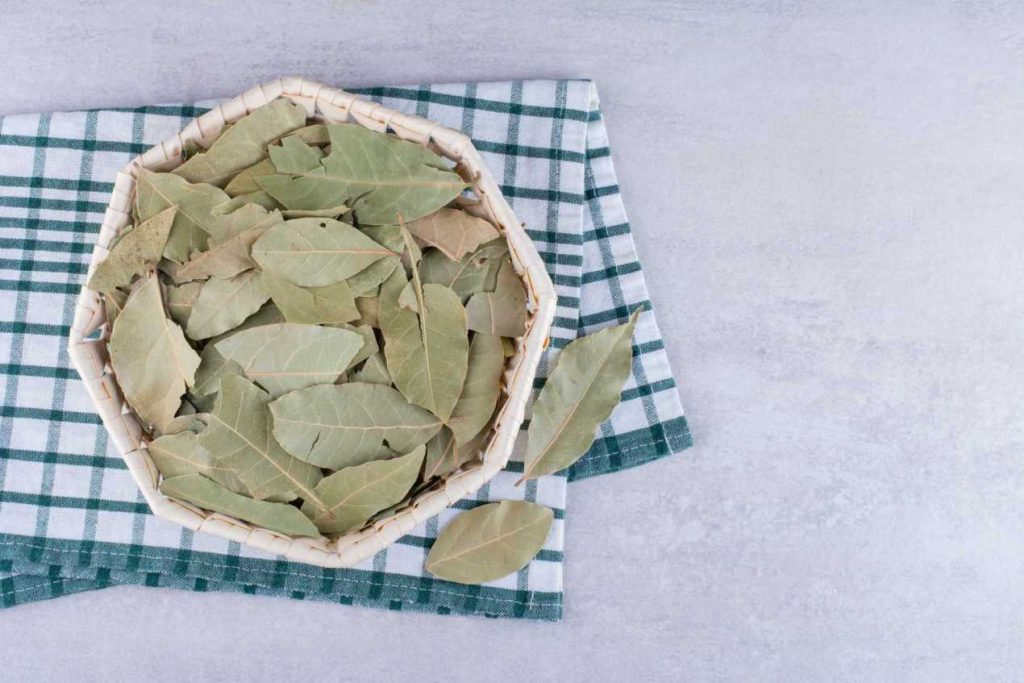
Tejpatta, also known as the Malabar leaf is an essential ingredient in Indian cooking, distinct from its European counterpart.
According to Wikipedia’s article “Bay leaves”, those aromatic additions to countless dishes, come from a surprising variety of plants. Here’s a glimpse into this diverse world:
The Mediterranean Classic: The most common bay leaf comes from the Bay Laurel tree (Laurus nobilis). Its dried leaves are prized for their subtle fragrance and ability to enhance soups, stews, and braises. Remember, these leaves are for flavoring only and should be removed before eating.
The Californian Lookalike: The California Bay Leaf (Umbellularia californica) resembles the Mediterranean variety but with a crucial difference. It contains umbellulone, a toxin that can cause health problems. While it may look similar, it’s best to avoid using Californian Bay Leaf in cooking.
The Indian Spice Twin: Indian Bay Leaf (Cinnamomum tamala) stands out visually. Larger and wider than its Mediterranean cousin, it boasts three veins and an olive-green hue. Culinary-wise, it offers a unique twist – a fragrance and taste reminiscent of cinnamon, making it a distinct addition to dishes.
The Indonesian Specialty: The Indonesian Bay Leaf (Syzygium polyanthum) is a regional favorite. This lesser-known variety finds its place primarily in Indonesian cuisine, gracing meat dishes and occasionally rice and vegetables.
The Caribbean Essence: West Indian Bay Leaf (Pimenta racemosa) plays a dual role in the Caribbean. Used in cooking, especially in Caribbean dishes, it also finds a purpose in the production of bay rum, a popular cologne.
The Mexican Mystery: The Mexican Bay Leaf (Litsea glaucescens) rounds out our exploration. While information on this variety is limited, it adds another layer to the fascinating world of bay leaves.
Indian Tej Patta
Geographical Journey:
Tejpatta originates from the southern slopes of the Himalayas, primarily growing wild in Nepal, Bhutan, Burma, and the mountains of Northeast India. While occasionally semi-cultivated, its availability remains limited outside this region.
Unique Characteristics:
Tejpatta boasts larger leaves with an olive green hue and three prominent veins, contrasting with the single vein found on European Bay leaves. While classified within the Lauraceae family, Tejpatta’s aroma and flavor evoke a delightful combination of cinnamon, cloves, and cassia.
Unlocking the Flavor:
To maximize the aromatic impact of Tejpatta, crush the dried leaves before adding them to your dish. However, unlike European Bay leaves, Tejpatta is not a suitable substitute. If a recipe calls for Tej Patta, omitting it or using a piece of cinnamon bark are better alternatives.
Culinary Cornerstone:
Despite its limited reach, Tej Patta reigns supreme in North Indian cuisine. It’s an integral part of the mild and aromatic Mughal cuisine, famously used in dishes like Biryani and Korma. Dried and ground, Tejpatta is also a key component of Garam Masala spice blends, adding depth to regional curries like those from Kashmir.
The influence of Tej Patta extends to the vegetarian cuisine of the Terai region, nestled at the foot of the Himalayas. Characterized by its mild flavors and abundant fresh produce, this cuisine heavily relies on Tejpatta for its signature taste.
While not always readily available, Tej Patta leaves a lasting impression. These fragrant and flavorful leaves are an essential ingredient in Indian cooking, imparting an authentic touch to countless dishes.
This aromatic wonder leaf boasts a surprising range of potential health benefits, making it a worthy addition to your diet.
Digestive Delight: Tej Patta contains compounds that can help soothe an upset stomach and ease symptoms of Irritable Bowel Syndrome (IBS). It may also aid digestion by breaking down complex proteins, thanks to the presence of helpful enzymes.
Stress Slayer: Feeling overwhelmed? Tej Patta might be your new best friend. Linalool, a compound found in the leaves, may help lower stress hormones and combat feelings of tension and depression.
Anti-Inflammatory Ally: Tej Patta packs a powerful punch against inflammation. Parthenolide, a unique phytonutrient, helps significantly reduce inflammation, potentially lowering the risk of conditions like arthritis.
Heart Healthy Hero: Tej Patta may benefit your cardiovascular system by strengthening capillaries in the heart and potentially reducing bad cholesterol levels.
Fungal Fighter: Packed with Vitamin C, Tej Patta exhibits antifungal properties that can help combat fungal infections and protect your skin from irritation.
Potential Cancer Fighter: Studies suggest that Tej Patta’s combination of antioxidants, catechins, linalool, and parthenolide may offer promising anticancer properties by protecting the body from free radicals.
Sleep Promoter: Looking for a good night’s rest? Tej Patta may come to the rescue. Diluted bay leaf extract is said to promote better sleep.
Diabetes Management Aid: Research suggests that consuming Tej Patta for a month may improve insulin function in people with Type 2 diabetes. The presence of phytochemicals and essential oils in the leaves may help regulate blood sugar levels.
Scalp Soother: Dandruff and itchy scalp got you down? Tej Patta can offer relief. Grinding bay leaves into a powder and mixing them with coconut oil creates a paste that can be applied to the scalp to combat dandruff and itchiness.
Respiratory Relief: Tej Patta’s natural antibacterial properties may benefit the respiratory system. Inhaling the vapors is said to have an aromatherapy-like effect, potentially loosening phlegm and eliminating harmful bacteria.
So, the next time you reach for Tej Patta in the kitchen, remember – it’s more than just a flavor enhancer. It’s a potential treasure trove of health benefits waiting to be explored!
Unveiling the Dosage of Tej Patta: A Guide for Safe and Effective Use
Tej Patta, the fragrant Indian Bay leaf, offers a multitude of potential health benefits beyond its culinary magic. However, navigating the appropriate dosage can be tricky. Here’s a breakdown to help you incorporate Tej Patta safely and effectively into your routine:
Understanding the Form:
Whole Tej Patta Leaves: The simplest way to consume Tej Patta is by using the whole leaves directly in your cooking. Typically, 1-2 leaves are sufficient to infuse flavor into your dishes. Remember to remove the leaves before serving, as they can be tough and unpleasant to eat.
Tej Patta Powder: This concentrated form allows for easier consumption. The recommended dosage ranges from ¼ teaspoon to ½ teaspoon twice a day. It’s best to start with a lower dose and gradually increase it as tolerated. You can mix the powder with honey, water, or yogurt for easier consumption.
Tej Patta Capsules: For those who prefer a pre-measured option, Tej Patta capsules offer convenience. The recommended dosage typically falls within the range of 1-2 capsules twice a day. Always refer to the specific instructions on the capsule bottle and consult your doctor before starting any new supplements.
Individualized Approach:
It’s important to remember that the ideal dosage of Tej Patta can vary depending on several factors:
Age and overall health: Children and individuals with underlying health conditions may require lower dosages or consult a healthcare professional before using Tej Patta.
Purpose of consumption: Are you using Tej Patta for general well-being or for a specific health concern? The dosage may need to be adjusted accordingly.
Sensitivity: Some individuals may be more sensitive to Tej Patta than others. It’s advisable to start with a low dose and monitor your body’s response.
Safety First:
While Tej Patta is generally considered safe for most individuals, there are some precautions to consider:
Pregnant and breastfeeding women: Consult a doctor before using Tej Patta due to limited research on its effects in these populations.
Individuals with certain medical conditions: If you have any underlying health concerns, speak to your doctor before consuming Tej Patta, as it may interact with certain medications.
Remember:
There is limited scientific research on the exact dosage of Tej Patta for specific health benefits.
The information provided here is a general guideline. It’s crucial to consult with a qualified healthcare professional to determine the appropriate dosage for your individual needs.
By understanding the different forms, tailoring the dosage, and prioritizing safety, you can harness the potential benefits of Tej Patta while enjoying its unique flavor and aroma.
Here are a few ways to use Tej Patta other than savory foods:
Tej patta Chai for Weight Loss Ingredients:
2 cups water
1 cup milk
½ tsp. of tea leaves
1 dried bay leaves
½ inch ginger
Honey to taste
Method:
1. Boil water in a pan, add the black tea leaves, and continue boiling for 4-5 mins.
2. Add ginger slices and bay leaves to the mixture, add milk. Allow it to steep for 5 minutes.
3. Switch off the stove, and strain it using a sieve.
4. Add honey for sweetness and serve.
Bay Leaf Kadha Ingredients:
2-3 bay leaves
1 cinnamon bark
2 slices of ginger
1/4 teaspoon of turmeric
6 black pepper balls
Honey to taste
Method:
1. Boil 4 cups of water in a pan on a low flame, add all the spices, and steep well for 15 minutes until the essence of the spices completely seeps in.
2. Switch off the stove, filter the decoction using a sieve, and add honey for a hint of sweetness, before serving.
Parenthood is a beautiful journey filled with countless milestones and moments of wonder.
But amidst the joy and cuddles, there’s also the constant concern about your little one’s well-being, especially when it comes to their nutrition.
Providing your baby with all the essential vitamins and minerals they need for healthy growth and development can feel overwhelming at times.
This is where introducing a variety of nutritious foods into your baby’s diet becomes crucial.
However, navigating the world of baby food can be tricky. Picky eaters, limited time for meal prep, and concerns about introducing new textures and flavors are all common challenges parents face.
This is where “dry-fruit powder for kids” comes in as a secret weapon because this nutritious mix is a versatile additive to the diet of your child, whether you have a crawling baby or a toddler running around.
Dry-fruit powder for kids or adults, is a nutritional powerhouse waiting to be unleashed. Here’s why this versatile ingredient deserves a permanent spot in your pantry:
Convenience King: Dry-fruit powder eliminates the prep work entirely. This pre-portioned goodness is ready to use in a snap, saving you precious time in the kitchen. No chopping, soaking, or rinsing is required – just sprinkle and enjoy!
Nutrient Powerhouse: Dry fruits are nature’s snack, packed with essential vitamins, minerals, fiber, and healthy fats. The good news? Dry fruit powder retains most of these benefits, making it a convenient way to boost your daily intake. With its rich nutritious content, this concentrated goodness can help strengthen your body’s natural defenses and fight off infections.
Culinary Chameleon: The beauty of dry-fruit powder lies in its incredible versatility. The powder can be added to milk, fruit purees, and even foods, once your child is old enough to eat regular food.
Texture Twister: The fine powder texture removes the worry of a child choking on a nut. Also, Dry-fruit powder isn’t just about convenience and nutrition; it also adds an exciting dimension to your culinary creations.
Picky Eater Savior: For parents struggling with picky eaters, dry-fruit powder for kids can be a game-changer. Many children find the texture of whole dry fruits unappealing. And when dry-fruit powder is specially made for kids it has a smoother texture than the adult version.
However, the smooth powder form makes it easier for them to consume and reap the nutritional benefits. Sneak it into yogurt, pancakes, or even homemade applesauce for a hidden dose of vitamins and minerals.
Digestive Delight: Dry-fruit powder isn’t just delicious; it’s also good for your gut health! The presence of fiber in the powder aids digestion and promotes regularity. So, say goodbye to bloating and constipation, and hello to a happy digestive system.
The (Based on Berrytree Analysis) several key benefits of incorporating dry fruit powder into your baby’s diet:
1. Enhanced Nutrient Intake: Dry-fruit powder for kids is a concentrated source of essential vitamins and minerals like vitamins A, C, E, and K, along with potassium, iron, and magnesium. These nutrients are crucial for supporting healthy growth, development, and immune function in babies.
2. Promotes Digestion: Many dry fruit powders are rich in fiber, which is essential for digestive health and regularity. This can help prevent constipation, a common concern for babies transitioning to solid foods.
3. Natural Sweetener: Dry fruit powders offer a natural way to add sweetness to your baby’s food without resorting to added sugars or artificial sweeteners. This can be especially helpful during the weaning stage when babies develop their taste preferences.
4. Increased Energy Levels: Dry fruits are a good source of healthy fats and complex carbohydrates, which can provide sustained energy for your growing baby.
5. Improved Eye and Bone Health: Some dry fruit powders, like those containing apricots (vitamin A) and prunes (vitamin K), can support healthy vision and strong bone development in babies.
Safety Considerations and Choosing the Right Powder
While dry-fruit powder for kids offers numerous benefits, it’s important to prioritize safety and choose the right product for your baby. Here are some key things to keep in mind:
Age Appropriateness: Consult your pediatrician before introducing any new food to your baby, including dry fruit powders. Generally, dry-fruit powder for kids is not recommended before 6 months of age due to potential allergy concerns and choking hazards.
Organic Options: Opt for organic dry fruit powders whenever possible. This minimizes the risk of exposure to pesticides and other harmful chemicals.
Allergies: Be aware of potential allergies your baby may have to specific fruits. Choose a powder made from fruits your baby hasn’t shown any allergic reactions to in the past.
Quality and Source: Choose reputable brands known for their high-quality dry-fruit powder for kids, their standards, and responsible sourcing practices. Look for powders with minimal processing and no added preservatives or artificial flavors. Or you can just make your own.
An Assortment of Dry-fruits as Options for making the Powder
Introducing Dry Fruit Powders to Your Baby
Here are some tips for introducing dry fruit powders into your baby’s diet safely and successfully:
Start Slow: As with any new food, begin by introducing a small amount of the powder – a ¼ teaspoon is a good starting point. Even better is if you introduce one dry-fruit powder at a time. Monitor your baby for any allergic reactions over the next 24-48 hours. And then prepare a custom mix.
Mix it Up: Don’t limit yourself to a single dry-fruit powder. Experiment with different varieties to expose your baby to a wider range of flavors and nutrients.
Get Creative: Get creative with how you incorporate dry fruit powders. Mix them into homemade purees, sprinkle them on top of yogurt or oatmeal, or even include them in baking recipes suitable for babies.
Listen to Your Baby: Pay attention to your baby’s cues. If they are resistant to trying dry fruit powders, don’t force it. Take a break and try again another time.
Recipes and Meal Inspiration using Dry-Fruit Powder for Kids
This section will provide a variety of recipes and meal ideas featuring dry-fruit powder for kids, categorized by age and type of meal:
Early Start (6-8 Months): Simple purees and yogurt parfaits enhanced with different dry fruit powders.
Exploring Textures (9-12 Months): Smoothies with dry fruit powders, mashed fruits with a sprinkle of powder for added texture, and fortified oatmeal with a touch of sweetness.
Toddler Treats (12 Months+): Homemade energy bites with dry fruit powders and nut butter (appropriate for toddlers who don’t have nut allergies), pancake batter infused with dry fruit powders, and homemade popsicles with fruit purees and a touch of dry fruit powder.
Homemade Dry-Fruit Powder for Kids
This recipe is a great way to provide your little ones with a healthy and nutritious snack. Dry fruit powder is a concentrated source of vitamins, minerals, and fiber, and it’s also a great way to add some sweetness to your child’s diet without using processed sugars.
Ingredients:
Almonds
Cashews
Pistachios
Pumpkin seeds
Walnuts
Other nuts and seeds of your choice (optional)
Sugar (optional)
Cardamom (optional)
Other spices (optional)
Makhana (optional)
Instructions:
Preheat your oven to 300 degrees Fahrenheit (150 degrees Celsius).
Spread the nuts and seeds on a baking sheet in a single layer.
Dry roast the nuts and seeds for 10-15 minutes, or until they are golden brown and fragrant.
OR Dry roast them in a non-stick pan on low flame.
Let the nuts and seeds cool completely.
Grind the nuts and seeds into a fine powder using a food processor or blender.
If desired, add sugar, cardamom, or other spices to the powder to taste.
Label “dry-fruit powder for kids” and Store in an airtight container in the refrigerator for up to 2 months.
Tips:
You can use a variety of nuts and seeds in this recipe. Just be sure to choose nuts and seeds that are appropriate for your child’s age.
If you are using a food processor, you may need to pulse the nuts and seeds a few times in order to get them to grind into a fine powder.
Be sure to store the dry fruit powder in an airtight container to prevent it from going rancid.
This is a very simple recipe that can be easily customized to your child’s preferences. You can add more or less sugar, or experiment with different spices.
Beyond the Basics:
While dry-fruit powder shines in its simplicity, here are some additional benefits to consider:
Portion Control: The pre-measured nature of the powder helps with portion control, preventing you from overindulging in high-calorie whole dry fruits.
Longer Shelf Life: Dry-fruit powder has a longer shelf life compared to whole fruits, reducing food waste and saving you money.
Travel-Friendly: The compact size and lightweight nature of dry-fruit powder make it perfect for on-the-go snacking or adding a nutritional boost to your travel meals.
As you navigate the wonderful world of prenatal nutrition, you might wonder about including delicious dried fruits like raisins in your diet.
These unassuming shriveled gems – prunes, raisins, apricots, and a delightful medley of others – pack a powerful punch of essential nutrients, making them a fantastic addition to your pregnancy diet.
This informative blog dives deep into the world of Dried Grapes or Raisins during pregnancy. We’ll explore their nutritional value, and potential benefits for both you and your baby, and answer some common questions to guide you toward healthy snacking.
Raisins are simply dried grapes, concentrating their natural sweetness and nutrients.
Unlike their fresh counterparts, dried fruits boast a condensed profile of vitamins, minerals, and fiber. This translates to a readily available source of vital elements that play a crucial role during pregnancy.
Assortment of Yellow and Black Raisins
Packed in a tiny package, they offer a treasure trove of goodness for expecting mothers:
Essential Vitamins and Minerals: Pregnancy can sometimes lead to iron deficiency anemia. Dried fruits, particularly dried grapes, come to the rescue. They are rich in readily absorbed iron, helping maintain healthy levels for both you and your developing baby. This combats fatigue and ensures proper oxygen flow, vital for your baby’s growth. They also boast vitamin B complex, promoting energy metabolism, and potassium, important for regulating blood pressure.
Fiber Powerhouse: Pregnancy can sometimes lead to constipation. Raisins, rich in dietary fiber, can help regulate digestion and keep things moving smoothly.
Natural Sugars for Energy: Craving something sweet? Raisins provide a natural energy boost with their concentrated dose of fructose and glucose.
Bone-Building Support: Raisins contain calcium, essential for your baby’s growing bones and teeth, and boron, which helps with calcium absorption.
Raisins are a concentrated source of nutrients due to being dried grapes. This makes them a beneficial snack for pregnant women, offering a variety of health advantages in a small serving. Here’s a breakdown of the nutritional content of a 100-gram serving of raisins (according to Raisins During Pregnancy: Benefits, Risks & Side Effects by Mylo):
Calories: 299-302 (a moderate energy source)
Fat: 1% (very low in fat)
Carbohydrates: 95% (raisins are a good source of carbohydrates for energy)
Protein: 4% (a small amount of protein)
It’s important to note that dried grapes are also high in sugar (71.4-76.9 g per 100 g) and dietary fiber (5.8 g per 100 g). While sugar provides energy, it’s important to be mindful of portion sizes to avoid consuming too much sugar. The dietary fiber content helps with digestion, which can be helpful during pregnancy.
Incorporating dried grapes into your pregnancy diet can offer a multitude of benefits:
Combating Anemia: Iron deficiency anemia is a concern during pregnancy. dried grapes, rich in iron and easily absorbed by the body, can help maintain healthy iron levels for both you and your baby.
Boosting Energy Levels: Pregnancy can be tiring. The natural sugars in dried grapes offer a quick energy pick-me-up without the crash associated with refined sugars.
Supporting Digestion: Raisins are high in fiber, promoting regular bowel movements and aiding digestion, which can sometimes be sluggish during pregnancy.
Oral Health: Raisins contain oleanolic acid, which has been shown to have antibacterial properties that can help prevent cavities and gum disease.
Building Strong Bones: The calcium and boron in raisins contribute to your baby’s healthy bone development throughout pregnancy.
Black Dried Grapes are used to make black raisins and can be a valuable addition to a pregnant woman’s diet. They’re packed with antioxidants that protect cells and boost the immune system with vitamins like C and zinc. The natural sugars satisfy cravings without excess weight gain, while potassium helps regulate blood pressure. Additionally, black raisins might contribute to healthy skin, improved sleep, balanced hormones, and reduced swelling. Their low glycemic index may help manage blood sugar, and the magnesium content can ease muscle cramps—a frequent pregnancy discomfort. Overall, black raisins offer a range of potential benefits for both mom and baby during this special time.
While dried fruits offer a plethora of benefits, it’s important to remember moderation is key. Here’s what to keep in mind:
Portion Control: A small serving, roughly 30 grams (equivalent to a small handful of sultanas, raisins, or mixed fruit), counts as one portion of your recommended 5 a day. Sticking to this portion size ensures you reap the benefits without exceeding your daily sugar intake.
Sugar Content: Although natural, dried fruits still contain concentrated sugars. If you have pre-existing gestational diabetes or concerns about sugar intake, consult your doctor to determine the appropriate serving size for you.
Dental Health: Since dried fruits can stick to teeth, practicing good oral hygiene is essential. Brushing your teeth or rinsing your mouth after snacking helps maintain healthy teeth.
Raisin the Power Up! Creative Ways to Enjoy
Dried Grapes or Raisins are a versatile snack, perfect for on-the-go or a quick energy boost. Here are some delicious ways to incorporate them into your pregnancy diet:
On-the-Go Energy Boost: Keep a small pouch of mixed dried fruits or raisins in your bag for a quick and natural energy pick-me-up whenever cravings strike.
Oatmeal Delight: Add a sprinkle of raisins to your morning oatmeal for a touch of sweetness and extra fiber.
Yogurt Powerhouse: Mix raisins with plain yogurt and granola for a protein-packed and satisfying afternoon treat.
Salad Surprise: Add a handful of chopped dried fruits to your salad for a delightful textural contrast and a touch of natural sweetness.
Trail Mix Magic: Create your own energy-dense trail mix by combining dried fruits with nuts (if not allergic), seeds, and whole-grain cereal. This satisfying mix provides sustained energy and keeps you feeling full for longer.
Homemade Energy Bites: Whip up some delicious and healthy energy bites with a blend of rolled oats, nut butter, and chopped dried fruits. These bite-sized treats are perfect for satisfying cravings while offering a dose of essential nutrients.
Addressing Common Concerns about Dried Grapes During Pregnancy
Here are some frequently asked questions about eating raisins while pregnant:
Can raisins cause gestational diabetes? While raisins contain natural sugars, they are unlikely to cause gestational diabetes on their own. However, it’s always best to discuss your overall sugar intake with your doctor.
Are store-bought raisins safe? Look for organic raisins whenever possible to minimize exposure to sulfites, sometimes used as preservatives. Rinse raisins before consuming to remove any surface residue.
Can I eat too many raisins? Stick to a moderate serving size. Excessive sugar intake can lead to weight gain and other health concerns.
Remember: Always consult your doctor before making significant changes to your diet during pregnancy. They can advise you on the best approach based on your individual needs and health history.
The Takeaway: Dried Grapes or Raisins – A Healthy and Delicious Pregnancy Snack
Raisins are a nutritious and delicious snack for pregnant women. Packed with essential vitamins, minerals, and fiber, they offer a multitude of benefits for both you and your developing baby. Enjoy them in moderation as part of a balanced diet and relish the natural sweetness on your pregnancy journey!
By incorporating raisins into your pregnancy diet with a focus on moderation and mindful consumption, you can unlock a treasure trove of essential nutrients, promote digestive health, and enjoy delicious, convenient snacks that support you and your growing baby throughout this special journey.
Kashmirica brings you the best authentic and Organic Kashmiri Dry Fruits so that you and your baby have a healthy and happy journey! Buy some today and boost not only yours but your baby’s health.
Think of Charmagaz or Char Magaz as a desi (Indian) trail mix. When you think of trail mix you think of mixed nuts, seeds, and snacks. Char Magaz follows the same principle.
Literally translating to “four (char) brain (magaz)”, Charmagaz is an age-old Ayurvedic recipe that packs a powerful punch.
This blog will delve into the question, “What is Charmagaz?”, exploring:
The four wonder seeds that make up this mix
The potential benefits Charmagaz offers for cognitive function and overall health
How to incorporate Charmagaz into your diet
So, if you’re looking for natural ways to boost your memory, improve brain health, and enhance your well-being, then Charmagaz might just be the secret ingredient you’ve been missing!
While research on Char Magaz itself is limited, let’s explore the individual powerhouses within this mix.
Due to a lack of research on Charmagaz itself, the exact nutritional value of the blend is unknown. However, individual seeds offer a variety of nutrients:
Watermelon seeds: Rich in fat, protein, and potassium.
Pumpkin seeds: Excellent source of healthy fats, protein, potassium, and minerals like magnesium and zinc.
Cucumber seeds (less common): A good source of antioxidants.
Melon seeds: Primarily carbohydrates with some protein and fiber.
These tiny powerhouses pack a mighty nutritional punch! Each seed in the mix is loaded with protein, vitamins, minerals, and healthy fats. They’re a great source of B vitamins, including niacin, riboflavin, thiamine, pyridoxine, and pantothenic acid.
But that’s not all! They’re also brimming with beneficial amino acids like tryptophan, arginine, glutamic acid, and lysine, and boast essential minerals like magnesium, calcium, and copper.
While scientific studies on Charmagaz itself are limited, we can explore the potential benefits based on the individual seeds it contains:
Brainpower Boost: Pumpkin seeds, rich in zinc and healthy fats, have been linked to improved cognitive function and memory.
Heart Health Helpers: Pumpkin and watermelon seeds contain antioxidants and healthy fats, which may contribute to lowering bad cholesterol and promoting overall heart health.
Digestive Support: The good amount of dietary fiber found in pumpkin seeds can aid digestion and regularity.
Skin Saviour: Charmagaz’s antioxidant properties, primarily from watermelon seeds, might help reduce free radical damage and promote healthy, glowing skin.
1. Enhanced Cognitive Function: Charmagaz is renowned as a natural brain booster. The potent antioxidants found in these seeds work wonders for memory, focus, concentration, calmness, and alertness. Studies suggest that regular consumption of Charmagaz powder can significantly improve memory function, reasoning abilities, problem-solving skills, and other cognitive processes.
2. Blood Sugar Regulation: Charmagaz exhibits powerful hypoglycemic properties, making it a valuable tool for managing blood sugar levels. The seeds stimulate the activity of beta-pancreatic cells, responsible for insulin production, ultimately leading to better blood sugar control. Additionally, Charmagaz helps regulate the breakdown of starch into glucose, further contributing to lower blood sugar levels.
Here’s a simple tip: To keep your blood sugar under control, boil 2 tablespoons of Charmagaz seeds in a liter of water for about an hour. Strain the concoction and consume it like tea.
3. Radiant Skin: Char Magaz is a treasure trove of antioxidants that combat free radical damage in the body. The rich source of fatty acids in the seed oils helps prevent signs of aging like wrinkles, fine lines, dark circles, and age spots. Char Magaz also helps prevent clogged pores and actively hydrates and moisturizes the skin for a radiant, crystal-clear complexion.
For a glowing complexion, try this easy face mask recipe: Mix 2 tablespoons of Char Magaz seed powder with 1 tablespoon of rose water. Apply the paste evenly on your face and leave it on for alternate days.
4. Strong and Healthy Heart: Char Magaz packs a powerful punch of antioxidants, making it incredibly effective in treating various heart ailments. It strengthens the heart muscles and prevents the build-up of lipids (fats) in the blood vessels. Bioactive constituents like arginine and lysine work to reduce non-esterified fatty acids (NEFA) levels, thereby lowering the risk of heart attacks, heart blocks, blood clots, and other cardiovascular complications. Char Magaz also plays a crucial role in lowering bad cholesterol levels.
5. Weight Management: Char Magaz is a natural source of essential nutrients, making it a perfect choice for individuals struggling with underweight or malnutrition. Packed with protein, vitamins, minerals, and healthy fats, Char Magaz offers a safe and natural way to gain weight healthily.
For weight gain, consider consuming coconut ladoos made with ghee, almonds, and Char Magaz powder. Enjoy one ladoo a day to combat weakness and promote weight gain in a healthy manner.
6. Promotes Hair Growth: The abundance of proteins like lysine, arginine, and glutamic acid in Char Magaz is a boon for hair health. These proteins not only promote hair growth but also help control hair loss. Copper, another essential element found in Char Magaz, stimulates melanin production, the pigment responsible for hair color. Additionally, the rich fatty acids keep hair hydrated and strong. Regular use of Char Magaz seed oil improves hair texture, adds shine, and stimulates hair growth.
7. Enhanced Sexual Health and Stamina: Char Magaz holds immense benefits for men’s sexual health. The presence of the amino acid arginine acts as a natural aphrodisiac, boosting sexual health and libido. It also exhibits powerful spermatogenic properties, making it beneficial for treating conditions like hypospermia (low semen volume), asthenozoospermia (low sperm motility), oligospermia (low sperm count), and teratospermia (abnormal sperm shape).
8. Prevents Kidney Stones: Char Magaz possesses anti-lithiasis properties, which means it can prevent the formation of kidney stones. Additionally, it can help break down or reduce the size of existing stones, preventing health complications like polycystic kidney disease and cystitis.
Being a natural diuretic, Char Magaz also helps prevent urinary tract infections and promotes overall kidney health.
9. Ayurvedic Properties: According to Ayurveda, the four seeds in Char Magaz have a cooling effect on the body. In moderation, Char Magaz pacifies Vata and Pitta Doshas (Ayurvedic energy principles). However, excessive intake can lead to Kapha Dosha imbalance.
More research is needed to confirm the specific benefits of Char Magaz on brain function and overall health.
Each seed offers varying benefits, and the specific quantity of each seed in a Char Magaz blend can affect the overall nutritional profile.
So, while Char Magaz holds promise as a natural health booster, incorporating it into your diet can be a safe and potentially beneficial addition. Remember, a balanced diet and healthy lifestyle are crucial for optimal well-being.
Making Char Magaz at home is a simple process that allows you to control the quality and freshness of the ingredients. Here’s what you’ll need:
Seeds (equal quantities, around 25 grams each):
Watermelon seeds
Cucumber seeds
Rockmelon (Cantaloupe) seeds
Pumpkin seeds
People now-a-days add a few more seed types to the mix like sunflower seeds, chia seeds and flax seeds, but it’s optional
Sunflower, Chai and Flax seeds to mix in your Charmagaz
Instructions:
Seed Selection: You can either purchase these seeds directly or extract them from the respective fruits. If extracting them yourself, ensure the fruits are ripe and free of blemishes. Scoop out the seeds and discard the fleshy part.
Washing the Seeds: Rinse the collected seeds thoroughly under running water to remove any dirt or pulp residue.
Drying is Key: Spread the washed seeds on a clean, dry cloth or paper towel in a single layer. Ensure they have ample space to avoid clumping. Now, let the seeds dry completely under direct sunlight. This process can take several hours, depending on the climate.
Grinding the Seeds: Once the seeds are completely dry and crisp, grind them together in a clean grinder to a fine powder.
Final Touches: To eliminate any lingering moisture, spread the freshly ground Char Magaz powder on a plate and let it sit for another hour or two under direct sunlight.
Storage: Finally, store your homemade Char Magaz in an airtight container, preferably glass, in a cool, dry place. This will help preserve its freshness and flavor.
Tips:
You can adjust the quantity of each seed based on your preference or availability.
If you don’t have direct sunlight for drying, use a dehydrator set to the lowest temperature setting.
Roast the seeds lightly in a pan for a few minutes before grinding for a slightly different flavor profile.
Following the lead of grapes, cranberries, and apricots, figs too can be dried and enjoyed as delectable snacks. Dried fig also known as the Anjeer, is a unique fruit, popular in many cultures for centuries, and offers a taste and texture unlike any other.
Just like grapes become raisins, cranberries become dried cranberries, and apricots become dried apricots, figs can also be dried, transforming into a beloved dried fruit option.
But how to eat Anjeer and enjoy it?
In this blog post, we’ll delve into the world of anjeer, guiding you through various ways to savor its flavor and reap its potential health benefits.
Whether you’re a seasoned anjeer enthusiast or a curious first-timer, this post will equip you with the knowledge and inspiration to fully appreciate this delightful fruit.
This guide will primarily focus on enjoying dried anjeer, the more widely available form. So, get ready to embark on a delicious journey!
Fresh or Dried: Understanding the Forms of Anjeer And How to Eat
Anjeer comes in two primary forms: fresh and dried.
Fresh anjeer boasts a soft, yielding flesh with a delicate sweetness that dances on the tongue. Its vibrant colors, ranging from deep green to rich purple, hint at its juicy nature.
When perfectly ripe, the anjeer gives under gentle pressure, revealing a treasure trove of tiny, edible seeds. This fleeting seasonality adds to its charm, making fresh anjeer a summer treat to be savored.
Cross-section of Fresh Figs
Enjoy it sliced on its own, allowing the natural sugars to burst forth. Fresh anjeer pairs beautifully with creamy cheeses like ricotta or mascarpone, creating a delightful appetizer or light dessert.
Its subtle sweetness also complements savory dishes like salads or wraps, adding a touch of elegance and a burst of fresh flavor.
However, the window for enjoying fresh anjeer can be short-lived. Its delicate nature makes it prone to bruising and spoilage, requiring careful storage and quick consumption.
This is where the magic of dried anjeer comes in. The drying process concentrates the anjeer’s natural sugars, transforming it into a chewy, bite-sized powerhouse.
The once vibrant colors deepen, and the texture becomes delightfully firm. While some sweetness intensifies, a hint of caramel emerges, adding a whole new dimension to the flavor profile. Dried anjeer boasts a longer shelf life, making it a convenient and portable snack option.
Dried Figs or Anjeer
Don’t be fooled by its unassuming appearance, dried anjeer is a nutritional powerhouse.
The drying process concentrates vitamins and minerals like potassium, calcium, iron, and high fiber content, making it a valuable source of essential nutrients.
Ultimately, the choice between fresh and dried anjeer boils down to personal preference and intended use. Fresh anjeer offers a fleeting taste of summer, while dried anjeer brings concentrated sweetness, convenience, and a nutritional boost.
The simplest way to enjoy anjeer is to eat it on its own.
Dried anjeer is a naturally sweet and satisfying snack, perfect for curbing cravings for sugary treats. Its chewy texture provides a delightful contrast to its sweetness, making it an enjoyable and potentially healthier alternative to candy or other processed snacks.
Here are some tips for enjoying anjeer in its simplest form:
Choose plump and soft figs: Look for anjeer that are free from cracks or blemishes. Softer figs tend to have a more pronounced flavor and are easier to chew.
Wash them gently: Briefly rinse the figs under running water to remove any surface dirt or dust.
Enjoy them whole or sliced: You can enjoy the entire fig or slice it into smaller pieces for easier consumption.
Pair them with nuts or seeds: For an extra boost of protein and healthy fats, consider pairing your anjeer with almonds, walnuts, or sunflower seeds.
Anjeer is not only a delicious snack but also a versatile ingredient that can be incorporated into various culinary creations.
Dried anjeer shines when incorporated into various dishes. Chop it up and add it to your morning oatmeal for a burst of sweetness and a chewy texture. It elevates trail mixes, granola bars, and energy balls, providing a natural source of sweetness and energy. Baked goods like cookies, muffins, and breads take on a whole new level of deliciousness with the addition of chopped dried anjeer.
Here are some ways to explore its culinary potential:
Soaking and softening: While you can enjoy anjeer straight out of the package, soaking them overnight can unlock even greater benefits! Here’s why:
Enhanced Digestion: Soaking breaks down the soluble fiber in the figs, making them easier to digest and potentially reducing digestive discomfort.
Increased Nutrient Absorption: Pre-soaking may improve the bioavailability of certain nutrients in the figs, allowing your body to absorb them more efficiently.
Softer Texture: Soaking softens the figs, making them chewier and easier to consume, especially for those with sensitive teeth or dentures.
To soak your anjeer: Rinse the figs thoroughly under clean water. Place them in a bowl and cover them with water. Let them soak for at least 8 hours, preferably overnight. Once soaked, enjoy your anjeer on their own, add them to smoothies and yogurt, or incorporate them into your favorite recipes.
Baking: Anjeer adds a unique texture and sweetness to baked goods like muffins, cakes, and cookies. Experiment with chopped or pureed anjeer to create your own delicious and nutritious treats.
Adding to savory dishes: Anjeer can add a touch of sweetness and complexity to savory dishes like stews, curries, and stuffings. Its natural sweetness can even help balance out spicy flavors.
Creating jams and chutneys: The concentrated sweetness of dried anjeer makes it perfect for creating homemade jams and chutneys. These can be enjoyed with bread, and crackers, or even used as a dip or marinade.
Here are some more ways to include figs in your daily diet, according to HealthShots article:
Add them to oatmeal or cereal: Chopped figs can elevate your morning oatmeal or cereal, adding a burst of sweetness and fiber. They pair well with nuts, seeds, and a drizzle of honey for an extra flavor and texture boost.
Stuff them: This creative approach allows you to enjoy the sweetness of figs with savory fillings. Try stuffing them with cheese, goat cheese, or nut butter for a delightful and portable snack or appetizer.
These are just a few ideas to get you started. With their versatility and delicious taste, figs can be a delightful and healthy addition to your daily diet.
5 Reasons Why You Should Already Start Eating Figs: Unveiling the Potential Health Benefits
Beyond its delicious taste, anjeer offers a range of potential health benefits. Here are some noteworthy examples:
Rich in fiber: Anjeer is a good source of dietary fiber, which can aid digestion, promote gut health, and contribute to a feeling of fullness. Some studies suggest that anjeer may help alleviate constipation due to its laxative properties.
Source of essential minerals: Anjeer contains various essential minerals, including potassium, calcium, and iron, which are crucial for maintaining good health. Figs are all excellent sources of calcium, a crucial mineral for maintaining healthy bones as our bodies don’t produce it themselves.
Natural source of antioxidants: Anjeer is rich in antioxidants, which may help protect cells from damage caused by free radicals.
Managing blood sugar levels: Chlorogenic Acidhas been shown in some studies to improve glucose metabolism and potentially offer benefits for those with type 2 diabetes. Potassium also plays a role in regulating blood pressure and may indirectly influence blood sugar control. While the presence of chlorogenic acid and potassium may offer some benefits, figs still contain sugar. Consuming them in moderation remains crucial, especially for individuals with diabetes.
Reproductive Health: Anjeer boasts minerals like zinc, manganese, magnesium, and iron. While more research is needed, some studies suggest that deficiencies in certain minerals like zinc can be linked to menstrual irregularities. The presence of these minerals in anjeer could contribute to hormonal balance.
It’s important to note that while anjeer offers potential health benefits, it should be consumed as part of a balanced and healthy diet.
How Many Figs Can I Eat in a Day?
There isn’t a one-size-fits-all answer to this question. The recommended daily intake of anjeer can vary depending on individual factors like age, activity level, and dietary needs.
For Dried Figs, it’s generally recommended to start with a moderate amount, such as 2-3 or 40 grams.
Are There Potential Downsides to Consuming Figs?
Digestive concerns: While figs can aid digestion for some, their high fiber content might trigger digestive upset or diarrhea in others, especially when consumed in large quantities.
Blood-thinner interaction: Individuals taking blood-thinning medications should exercise caution, as figs contain vitamin K, which can interfere with the medication’s effectiveness. It’s crucial to consult your doctor before introducing figs into your diet if you’re taking blood thinners.
Potential allergies: Some people may be allergic to figs, experiencing reactions similar to those triggered by birch pollen or natural rubber latex. If you experience any symptoms like itching, swelling, or difficulty breathing after consuming figs, seek immediate medical attention.
Remember, moderation is key for most foods, and figs are no exception. Consulting a healthcare professional before making significant dietary changes, especially if you have any pre-existing health conditions, is always recommended.
Pregnancy can be a whirlwind of cravings, and sometimes only a sweet treat will hit the spot. But with all the dietary advice out there, it can be confusing to know what’s safe to indulge in.
Enter dried apricots: a naturally sweet and nutrient-packed snack that can be a great option for pregnant women.
In this blog post, we’ll explore How to eat dried apricots during pregnancy; And the benefits of dried apricots during pregnancy, from their vitamin content to their digestive aid properties.
We’ll also delve into how to enjoy them safely and in moderation, so you can satisfy your sweet tooth without worry.
Whether you’re looking for creative ways to incorporate them into your meals or simply want to know how many are safe to enjoy in a day, this post has you covered!
So, grab a handful of those dried apricots and get ready to learn how to enjoy them guilt-free throughout your pregnancy journey.
Know Your Apricots
Apricots belong to the Rosaceae family (which also includes roses, apples, pears, plums, and cherries). Apricots have been cultivated for over 4,000 years, with evidence suggesting they originated in regions of China and Russia.
The apricot fruit is similar to a peach or plum, with smooth, nearly hairless skin ranging in color from pale yellow to deep orange.
The flesh is typically a rich yellow to yellowish orange and surrounds a single large pit.
California is the leading producer of apricots in the United States, accounting for about 95% of domestic production. On the other hand, Turkey is the world’s leading producer of “dried apricots”, contributing almost 90% of the global supply!
Cultivating Apricots
Fresh Apricots
Apricots are delicious and nutritious fruits native to Central Asia. They are known for their sweet, tangy flavor and vibrant orange color.
Apricots thrive in cool winters and warm, dry summers with good sunlight. They prefer well-drained, sandy loam soil with a pH between 6.0 and 7.0.
Apricots are typically propagated through bare-root trees purchased from nurseries. Planting is best done in late winter or early spring, before the trees bud.
Apricot trees require regular watering, especially during the first few years after planting. Once established, they are more drought-tolerant but still benefit from occasional deep watering.
Fertilization and Pruning of the trees help them produce healthy branches and encourage fruit production.
Apricots are typically ready for harvest in late spring or early summer, depending on the variety and climate. The fruit is ripe when it has a soft yield to gentle pressure and a rich, golden orange color.
Drying is a great way to preserve apricots and enjoy their deliciousness year-round. Here’s a basic guide to making dried apricots if you want to stay away from packaged products:
1. Washing and Halving:
Wash the apricots thoroughly under clean running water.
Traditionally, some commercial dried apricots undergo a brief sulfur fumigation, which helps preserve their bright orange color. This step is optional for home drying and can be skipped if you prefer a more natural approach.
3. Drying Methods:
There are three main methods for drying apricots:
Sun Drying: This traditional method involves placing the apricot halves on clean drying screens in direct sunlight. Cover them with cheesecloth to protect them from insects. Depending on the climate, drying can take several days to a week. Turning the apricots occasionally ensures even drying.
Dehydrator Drying: Using a dehydrator is a faster and more controlled drying method. Arrange the apricot halves on the dehydrator trays in a single layer and follow the manufacturer’s instructions for drying time and temperature (typically around 130°F to 145°F for 6-12 hours).
Oven Drying: Preheat your oven to its lowest setting (usually around 150°F to 200°F). Arrange the apricot halves on baking sheets lined with parchment paper and leave the oven door slightly ajar to allow moisture to escape. Drying time can vary depending on the oven temperature and humidity, so check on the apricots frequently and remove them once they are dry and leathery.
Natural Drying of Apricots
4. Storing Dried Apricots:
Once the apricots are fully dried, they should be leathery and pliable, not hard or brittle.
Store dried apricots in airtight containers in a cool, dark place. They can last for several months under proper storage conditions.
Benefits of Eating Dried Apricots During Pregnancy
Pregnancy is a trying period for a woman’s body, and it requires all the nutrition it can get. Dry fruits are a great way to add nutrition to your diet during snack time.
Dried apricots offer a delightful combination of sweet flavor and impressive health benefits, making them a versatile and valuable snack for pregnant women.
Here’s how these little gems can support your well-being throughout your pregnancy journey:
Combating Common Discomforts: Dried apricots boast a high potassium content, which may help reduce swelling during pregnancy, a common and sometimes uncomfortable experience.
Good source of antioxidants: Dried apricots are a good source of antioxidants, which can help to protect your cells from damage.
Curbing Cravings: Craving sweets? Dried apricots offer a naturally sweet indulgence packed with fructose and glucose. This can help you satisfy your sweet tooth in a healthier way compared to processed sugary snacks.
Promoting Digestive Health: Packed with fiber, dried apricots can aid in regular digestion, potentially easing constipation, a frequent pregnancy concern.
Supporting Fetal Development: Rich in calcium, dried apricots can potentially contribute to the healthy development of your baby’s bones.
Soothing Heartburn: Some women experience heartburn during pregnancy. Dried apricots may offer relief due to their potential benefits for digestion.
Presence of tryptophan: This amino acid is a precursor to serotonin, which can indirectly support prolactin production, a hormone essential for milk production. Phytoestrogens, a type of plant compound may also help regulate hormones involved in lactation.
May help to prevent anemia: Iron deficiency anemia is a common problem during pregnancy. Dried apricots are a good source of iron, which can help to prevent anemia.
How to Eat Dried Apricots During Pregnancy? A Guide
Dried apricots are a healthy snack option for pregnant women, offering a good dose of vitamins and fiber. Here’s how to enjoy dried apricots during pregnancy, safely:
How Many Dried Apricots Can You Eat During Pregnancy?
Like any food, don’t overdo it. Moderation is Key. A small handful (2-3 apricots) is a good daily serving to reap the benefits without any digestive issues.
Wash Thoroughly: Dried fruits can harbor bacteria or pesticides. Wash them well under running water before eating.
Enjoy in Different Ways:
Snack on them directly.
Chop them up and add them to:
Oatmeal or breakfast cereal
Yogurt parfaits
Trail mix
Salads for a sweet and tart contrast
Alternative Ideas:
Soak them in warm water for a softer texture. The soaking liquid can be used in smoothies for added sweetness.
If you’re feeling adventurous, try pureeing the soaked apricots for a homemade fruit spread.
Apricot Fruit Spread
Consult Your Doctor:
While generally safe, consult your doctor if you have any concerns, allergies to stone fruits, or a history of gestational diabetes.
Avoid the Pits:
Apricot pits contain small amounts of cyanide, harmful in high doses. Stick to the fleshy part and discard the pits.
In conclusion, dried apricots can be a fantastic addition to your pregnancy journey. They offer a delicious and natural way to boost your nutrient intake, combat common discomforts, and keep your energy levels up. Remember, moderation is key, and always consult your doctor before making any major dietary changes. So, next time you’re looking for a satisfying and healthy snack, grab a handful of these sunshine-colored bites and enjoy the many benefits they bring to both you and your growing baby!
Dried apricots are a delightful and nutritious snack loved by many. Bursting with flavor and packed with essential nutrients, these dried fruits make for a convenient and satisfying treat.
Dried apricots are a nutritious snack option, they are packed with essential vitamins and minerals, including vitamins A, and C, fiber, and minerals like Iron, potassium, phosphorous, and calcium.
However, like with any food, moderation is key to enjoying the benefits without overindulging.
You might think, “How many dried apricots should I eat in a day?” to reap these benefits.
In this guide, we’ll explore the goodness of dried apricots and discuss how many you should ideally consume in a day for optimal health.
Apricots (Prunus armeniaca) are members of the Rosaceae family, sharing kinship with roses, plums, and peaches.
The juicy apricot has a long history, believed to be native to Central Asia and China. From there, it journeyed along trade routes like the Silk Road, reaching Europe and beyond.
These deciduous trees boast beautiful springtime blooms before yielding fuzzy-skinned fruits in summer. Inside the fleshy, orange mesocarp lies a single, hard-shelled pit containing the seed.
Anatomy of an Apricot
Like many fruits, drying offered a way to preserve apricots and enjoy them beyond their fresh season.
This technique likely arose alongside early apricot cultivation, with sun-drying being the traditional method for centuries. Drying fruits as a preservation method dates back thousands of years, and dried apricots were likely enjoyed by people in ancient civilizations.
Today, Turkey reigns supreme in the production of apricots, carrying on this ancient practice and supplying much of the world with this delicious and nutritious treat. Turkey is the world’s leading producer, contributing a staggering 85-90% of the global supply!
Processing of apricots to produce the dried product, quite similar to producing Dried Cranberries, Raisins, and Figs; can be done in a couple of ways, the traditional sun-drying method and the modern commercial method using dehydrators.
Sun-drying:
Harvesting: Ripe apricots are picked at the peak of their sweetness.
Washing and sorting: The apricots are washed to remove dirt and debris, and any bad ones are discarded.
Halving (optional): Sometimes the apricots are halved to speed up drying.
Sun exposure: The apricots are laid out on clean surfaces, like mats or trays, in direct sunlight for several days, typically 6 to 9. They are often flipped regularly to ensure even drying.
Storage: Once fully dried, the apricots are stored in cool, dry places to prevent spoilage.
Commercial drying:
Washing and sorting: Similar to sun-drying, the apricots are cleaned and sorted.
Pre-treatment (optional): Some producers may use a sulfur dioxide (SO₂) dip to preserve color and prevent browning. Organic apricots typically skip this step.
Dehydration: The apricots are placed on trays in large dehydrators with controlled temperature and airflow. This process is much faster than sun-drying, taking only a few hours.
Packaging: The dried apricots are packaged in airtight containers to maintain freshness and prevent moisture absorption.
Both methods result in delicious and nutritious dried apricots, though sun-dried options may have a slightly chewier texture and appearance due to the slower drying process.
While often viewed as a simple snack, these little bursts of sunshine offer a surprising array of potential health benefits. From boosting digestion to supporting vision health, dried apricots can be a valuable addition to a well-balanced diet.
Despite their size, a single serving of dried apricots packs a punch of nutrients like fiber, vitamin A, and potassium. And while they might seem like candy, dried apricots are naturally sweet and contain no added sugar.
Powerhouse of Nutrients:
One of the most significant benefits of dried apricots lies in their concentrated nutritional content. Compared to their fresh counterparts, drying removes water, leaving behind a smaller package packed with nutrients.
This concentration translates to a higher content of essential vitamins and minerals per serving. Here’s a glimpse into the treasure trove of nutrients found in dried apricots:
Fiber: A single serving (around 5 dried apricots) provides nearly 3 grams of fiber, which is essential for digestive health and promoting satiety.
Vitamin A: Dried apricots boast an impressive amount of Vitamin A, contributing approximately half of the recommended daily intake for adults in just one serving. This vitamin plays a crucial role in maintaining healthy vision, supporting the immune system, and promoting cell growth.
Potassium: This essential mineral helps regulate blood pressure and muscle function. Dried apricots offer a good source of potassium, with one serving containing around 230 mg.
Iron: A vital component of red blood cells, iron helps carry oxygen throughout the body. Dried apricots contribute around 4% of the daily recommended iron intake for adults.
Antioxidants: These powerful compounds help protect cells from damage caused by free radicals, possibly reducing the risk of chronic diseases. Dried apricots contain various antioxidants, including beta-carotene and vitamins C and E.
Benefits for Digestion and Gut Health:
The high fiber content in dried apricots makes them beneficial for digestive health. Fiber helps regulate bowel movements, promotes a healthy gut microbiome, and may contribute to feelings of fullness and satisfaction. This can be particularly helpful for individuals managing digestive issues like constipation or irregular bowel movements.
Supporting Vision Health:
As mentioned earlier, dried apricots are rich in Vitamin A, essential for maintaining healthy vision. Vitamin A plays a crucial role in the proper functioning of the retina, the light-sensitive layer of the eye. A deficiency in this vitamin can lead to night blindness and other vision problems.
Boosting Energy Levels:
Dried apricots are a natural source of sugars, including fructose and glucose. These sugars provide readily available energy, making them a great choice for a pre-workout snack or a pick-me-up during the day. However, it is crucial to remember that dried fruits contain concentrated sugars. Moderation is key to avoiding consuming excessive amounts.
Natural Source of Bone-Building Minerals:
Dried apricots contain small amounts of minerals like potassium, calcium, and magnesium, essential for building and maintaining strong bones. While not a complete substitute for other calcium-rich foods, they can contribute to a balanced diet that supports bone health.
Potential Benefits for Skin Health:
Vitamin A and antioxidants present in dried apricots may offer benefits for skin health. Vitamin A helps maintain the skin’s barrier function, while antioxidants can protect against damage caused by free radicals, which may contribute to wrinkles and other signs of aging. However, more research is needed to fully understand the extent of these benefits.
So, How Many Dried Apricots Should You Eat in a Day?
While dried apricots offer numerous health benefits, it’s important to consume them in moderation due to their high natural sugar content and calorie density.
Here’s a simpler way to understand the nutrients in 100 grams of dried apricots (According to an article from StyleCraze) :
Calories: 241 (about the same as a small apple)
Protein: 4 grams (similar to an egg)
Fat: 5 grams (a moderate amount)
Carbs: 63 grams (a good source of energy)
Fiber: 3 grams (aids digestion)
Potassium: 1160 mg (important for muscle and nerve function)
Other minerals: calcium, iron, magnesium, phosphorus (important for various bodily functions)
Vitamins: Vitamin A (great for eye health), Vitamin C (important for immunity), folate (important for cell growth)
Antioxidants: These help protect your body from damage, the amount varies according to different varieties.
The Recommended Daily Intake of Dried Apricots
The recommended daily intake of dried apricots depends on several factors, including your age, gender, and activity level. However, as a general guideline:
A moderate serving is typically considered to be around 30-40 grams of dried apricots, which is roughly 3-4 apricots. OR A typical serving size of dried apricots is around 1/4 cup, depending on their size.
This portion size provides about 80-100 calories and a good dose of essential nutrients.
Ideally, aim to include no more than one to two servings of dried apricots in your daily diet. Consuming larger quantities may contribute to excessive calorie intake and intake of natural sugars, which can be detrimental to your health if not balanced with other nutrient-dense foods.
A Note on Moderation and Potential Concerns:
Despite their numerous benefits, it is essential to consume dried apricots in moderation. As with any concentrated food, consuming excessive amounts can lead to unwanted side effects. Here are some points to consider:
Sugar content: While naturally occurring, dried fruits contain concentrated sugars. Excessive intake can contribute to weight gain, dental problems, and blood sugar fluctuations.
Sulfites: Some commercially produced dried apricots use sulfur dioxide (SO₂) as a preservative. Individuals with sulfite sensitivity may experience allergic reactions like wheezing or hives after consumption. Look for organic dried apricots, which typically avoid sulfites.
Calories: While a healthy snack, dried apricots are calorie-dense due to their concentrated nature. It is essential to be mindful of portion sizes to avoid exceeding daily calorie needs.
In conclusion, dried apricots offer a delicious and convenient way to incorporate essential nutrients into your diet. However, it is essential to consume them in moderation and as part of a balanced diet.
Enjoy them as a healthy snack, add them to your favorite trail mix or yogurt, make a dried fruit salad, or use them to add a touch of sweetness to savory dishes. Remember, variety and moderation are key to reaping the benefits of this sun-kissed treat.
The versatility of dates is truly remarkable. They can be savored in their natural state, offering a burst of sweetness and a dose of essential nutrients. But their potential extends far beyond simple snacking.
Dates can be transformed into delectable confections, their natural sugars acting as a healthy substitute for refined sweeteners in cakes, pastries, and energy bars.
They can also be chopped and added to savory dishes like stews and tagines, lending a touch of sweetness and depth of flavor. Moreover, dates pair beautifully with cheeses, nuts, and charcuterie, creating delightful and visually stunning platters perfect for entertaining.
But, “What are the best dates to eat?” “Which variety of dates should you indulge in?”
Read on, as we dive deeper into different varieties and the characteristics that set them apart.
The date palm, aka Phoenix dactylifera, belongs to the Arecaceae or palm family. Standing tall at up to 30 meters (100 feet), the date palm impresses as a solitary sentinel or in captivating clumps with multiple stems rising from a single root system. Though slow to grow, these majestic trees can live for over a century when cared for properly.
This iconic plant transcends its botanical identity to offer humanity not only a delectable fruit but also profound cultural significance and a window into the past.
Originating in northern Africa, the Middle East, and South Asia, the date palm has become beloved worldwide. Through naturalization, it thrives in various tropical and subtropical regions, showcasing its remarkable adaptability.
Harvesting of Dates
The delightful marvel of the date palm lies in its fruit: the date. Ovals of sweetness, typically measuring 3 to 7 centimeters (1 to 3 inches) in length and 2.5 centimeters (1 inch) in diameter, exhibit a dazzling array of colors, from deep browns to vibrant reds and sunny yellows, depending on the variety. Whether savored alone as a dessert or incorporated into various culinary creations, these versatile fruits continue to enchant taste buds and inspire culinary minds.
The world of dates is not a singular entity, but rather a vibrant tapestry woven from countless varieties, each boasting its own unique characteristics. From the regal Medjool, renowned for its king-sized stature, caramel-like sweetness, and soft, luxurious texture, to the delicate Deglet Noor, celebrated for its honeyed flavor and delightful chew, the variety is astounding. Venturing further, one encounters the treasured Mazafati of Iran, prized for its intense sweetness and creamy texture, and the intriguing Ajwa of Saudi Arabia, revered for its cultural significance and distinctive smoky-sweet flavor.
1. Medjool Dates: Hailing from Morocco, these “king-sized” dates are renowned for their large size, soft texture, and caramel-like sweetness. Their versatility makes them perfect for enjoying on their own or incorporating them into sweet and savory dishes.
2. Deglet Noor Dates: Cultivated primarily in Algeria, Deglet Noor dates are known for their delicate, honey-like flavor and semi-dry texture. They offer a delightful balance of sweetness and chewiness, making them a popular choice for snacking.
3. Siwa Oasis Dates: Nestled in the heart of the Egyptian desert, the Siwa Oasis is home to unique date varieties like Siwi, Azzawi, and Frehi. These dates offer a range of flavors, from the intense sweetness of Siwi to the milder, caramel notes of Azzawi.
4. Mazafati Dates: Grown extensively in Iran, Mazafati dates are prized for their deep brown color, soft, almost creamy texture, and rich, fruity sweetness. Often enjoyed fresh, they can also be found stuffed with nuts or coated in chocolate.
5. Ajwa Dates: Cultivated in Medina, Saudi Arabia, Ajwa dates hold significant cultural and religious importance. These small, dark brown dates have a distinctive, slightly smoky flavor with a hint of honey. Their soft texture and subtle sweetness make them a true delicacy.
Different types of Dates
Beyond the “Big Five”:
The world of dates extends far beyond these popular varieties. From the intensely sweet Barhi dates of Iraq to the chewy, raisin-like Khudri dates of Egypt, there’s a date out there to tantalize every taste bud.
Dates are like tiny nutrient powerhouses packed with goodness. They’re high in calories because they’re dried, similar to raisins or figs. Most of these calories come from carbs, with a bit of protein thrown in. But don’t let that scare you off because dates also bring lots of essential vitamins and minerals to the table, like potassium, magnesium, copper, manganese, iron, and Vitamin B6.
Here’s a breakdown of what you get from munching on 3.5 ounces (about 100 grams) of Medjool dates (according to Healthline) :
Calories: 277
Carbs: 75 grams
Fiber: 7 grams
Protein: 2 grams
Plus, they’re loaded with antioxidants, which help fight off diseases and keep your cells healthy.
One standout feature of dates is their fiber content. With nearly 7 grams of fiber per serving, they’re fantastic for your digestion. They keep things moving smoothly in your gut, which means they can help prevent constipation and even control your blood sugar levels.
Speaking of blood sugar, dates have a low glycemic index, which means they don’t cause your blood sugar to spike like some other sweet treats might.
If you’re expecting a baby, you might want to consider adding dates to your diet. Some research suggests they could help with labor.
Dates aren’t just good for your insides; they can sweeten up your recipes too. You can use them instead of white sugar in lots of dishes by making date paste. Just blend dates with water until you get a smooth paste, and you’re good to go!
But remember, dates are high in calories, so enjoy them in moderation. They’re a tasty and nutritious snack, whether you eat them plain or add them to your favorite recipes.
Exploring the realm of date varieties offers a delightful journey of taste and discovery. To uncover your favorite, venture beyond the familiar and sample a diverse array available at local specialty stores, international markets, or through online retailers. Allow your palate to savor the nuances of different textures, flavors, and colors.
It’s essential to remember that the definition of the “best” date is deeply personal, and shaped by individual preferences and tastes. Each variety offers its unique charm and character, waiting to be discovered and appreciated.
So, set forth on your own date adventure, embracing the diversity of this beloved fruit. Let your senses guide you as you explore the world of dates, discovering the perfect match for your palate amidst a landscape of sweetness and delight.
When purchasing dates in India, prioritizing chemical-free products is crucial. We at Kashmirica provide you with the finest Ajwa Dates to add sweetness to your life.
Almonds are a true superfood enjoyed worldwide for their vast array of health benefits. Packed with essential nutrients, they’re a popular choice for those seeking to strengthen their immune system.
However, what many people don’t realize is that there’s a whole world of almond varieties, each with its own unique nutritional profile.
Among these varieties, Mamra almonds reign supreme in terms of nutrient density, making them some of the most prized almonds.
The term “Mamra” seems to signify the crispy and crunchy texture reminiscent of a popular snack known as “murmura” in Hindi. This characteristic texture might explain why these almonds have been coined as “Mamra Badam.”
While their appearance may not be the most conventional – they often have an irregular shape – their taste more than makes up for it.
Mamra Almonds or badam, originating from various regions, exhibit distinct characteristics based on their geographical origins:
Afghani Mamra Badam: Hailing from Afghanistan, these almonds are typically medium-sized. While their oil content may be slightly lower compared to other varieties, they boast a delightful crunchiness and excellent taste.
Irani Mamra Badam: Originating from Iran, these almonds are notably larger in size. They are renowned for their high oil content, contributing to their rich taste and texture.
Kashmiri Mamra Badam: Sourced from Kashmir, these almonds are compact and smaller in size. Despite their size, they are prized for their premium oil content, resulting in a rich taste profile. Procurement methods in Kashmir often rely on traditional practices, leading to limited supply but enhanced nutritional value due to organic cultivation methods.
Kashmiri Mamra almonds boast a delightful complexity, offering a delightful blend of sweet and bitter notes that culminate in a distinct, flavorful punch.
Hailing from the Himalayas: The Prized Kashmiri Mamra Almonds
Mamra almonds, also known as “Mamra badam” or “Mamra badam giri,” are a celebrated organic variety. Unlike their more common cousins, these almonds boast a unique origin story. They thrive in the cold climates of Iran, Afghanistan, and most notably, the Kashmir valley nestled within the Himalayas.
A Handful of Mamra Almonds
A Shape Unlike Any Other
One glance at a Mamra almond reveals its distinctive identity. Forget the uniform, plump shape of commercially available almonds. Mamra almonds embrace an elegant, elongated form, often likened to an irregular cervical shape. Their light brown, delicate outer shell further sets them apart, hinting at the treasures within.
A Symphony of Sweet and Bitter
Mamra almonds offer a sensory experience unlike any other. Their richness comes from a higher oil content, resulting in a delightful burst of flavor. This oil is the secret behind their complex taste profile, offering a captivating dance between sweet and bitter notes. Each bite is a flavorful adventure, making them a true connoisseur’s delight.
Rarity Breeds Value
Mamra almonds are not just a delicious treat, they’re a symbol of exclusivity. Due to their specific growing conditions and lower yields, they are a prized possession. Factors like origin, size, and overall quality all play a role in determining their value, making them sought-after items for those who appreciate the finer things.
Unlike some commercially available almonds, Kashmiri Mamra almonds are grown without the use of chemicals, making them a more natural and potentially healthier choice.
Mamra almonds, coveted for their rich flavor and exceptional nutritional profile, are a testament to the delicate interplay between geography and cultivation practices. Unlike their commercially produced counterparts, Mamra almonds thrive in a very specific environment, leading to their limited availability and high price tag.
Far from the sprawling orchards of California, Mamra almonds find their home nestled amidst the cold-rocky plains of Iran, Afghanistan, and the Kashmir valley of India.
These unforgiving landscapes, characterized by their sandy, loamy, or clayey soils, provide the ideal foundation for Mamra badam trees to flourish. However, the magic ingredient lies in the soil’s pH level. A precise balance of 7.5, or roughly 1.5% alkaline, unlocks the tree’s full potential, maximizing its yield.
While Mamra badam trees have a strong preference for their ideal alkaline environment, they possess a surprising level of adaptability. They can tolerate a wider range of soil pH levels, including acidic, neutral, and even slightly alkaline conditions.
However, this tolerance comes at a price. Yields significantly decrease as the pH deviates from the perfect 7.5, contributing to the overall scarcity of Mamra almonds.
The limited geographic spread of Mamra badam cultivation further restricts its availability. Unlike other almond varieties that can be grown in various regions with adjustments, Mamra badams seem to have a deep-rooted connection to their specific environments.
The unique combination of cold temperatures, specific soil composition, and optimal pH found in these select locations appears to be irreplaceable, making it difficult to replicate their exceptional quality elsewhere.
Mamra badam, a prized almond variety, boasts a remarkable nutritional profile that sets it apart from its conventional counterparts. Let’s delve into the treasure trove of nutrients it offers:
Rich in Heart-Healthy Fats: Mamra badam is a champion of monounsaturated fatty acids, the “good fats” known to lower bad cholesterol (LDL) and triglycerides while boosting good cholesterol (HDL). This translates to improved heart health and reduced risk of cardiovascular diseases.
A Powerhouse of Vitamins and Minerals: These almonds are a treasure trove of essential micronutrients. They are a good source of vitamin E, a potent antioxidant crucial for healthy cells and immunity. Additionally, they are rich in copper, essential for energy production, and a good source of vitamin B6, folic acid, magnesium, and iron. This combination supports various bodily functions, including metabolism, nerve function, and red blood cell formation.
Protein and Fiber Powerhouse: Compared to regular almonds, Mamra badam boasts a higher protein content, aiding in building and repairing tissues and keeping you feeling fuller for longer. Additionally, it is exceptionally high in fiber, promoting healthy digestion and gut health.
Mineral Advantage: These unique almonds boast higher levels of essential minerals like calcium, potassium, zinc, and magnesium compared to regular almonds. These minerals play vital roles in bone health, muscle function, and nerve signaling.
Lower Saturated Fat: Compared to regular almonds, Mamra badam has lower levels of saturated fat, making it a healthier choice for those concerned about cholesterol levels and overall heart health.
Metabolic Syndrome Defense: Studies suggest that consuming Mamra badam may play a role in preventing metabolic syndrome, a cluster of conditions including high blood pressure, high blood sugar, and unhealthy cholesterol levels, which can increase the risk of diabetes, heart disease, and certain cancers.
Sustained Energy Source: Due to its combination of protein, healthy fats, and fiber, Mamra badam helps regulate blood sugar levels, providing sustained energy throughout the day, making it an excellent snack option for those seeking healthy energy sources.
Mamra almonds, beyond their unique taste and origin, boast a remarkable array of health benefits. These benefits stem from their rich nutrient profile, making them a valuable addition to a balanced diet.
Championing Heart Health:
Lowering Cholesterol: Mamra almonds are naturally cholesterol-free and contain high amounts of monounsaturated fats. These “good fats” help lower bad (LDL) cholesterol while raising good (HDL) cholesterol, reducing the risk of heart disease and stroke.
Boosting Brainpower:
Enhancing Neural Function: Mamra almonds are packed with essential nutrients that support healthy neuron function, contributing to improved memory, focus, and overall cognitive performance.
Strengthening the Body:
Bone and Teeth Support: Rich in Vitamin E and Phosphorus, Mamra almonds contribute to strong bones and teeth, potentially aiding in managing joint pain.
Muscle Growth and Weight Management: A valuable source of plant-based protein, Mamra almonds can support muscle growth in individuals engaging in physical activity. Additionally, their high fiber content promotes satiety, potentially aiding in weight management when consumed in moderation.
Promoting Overall Wellness:
Improved Digestion: High in fiber, Mamra almonds can regulate digestion and promote a healthy gut. However, overconsumption can lead to digestive issues.
Prenatal Benefits: During pregnancy, Mamra almonds can provide essential nutrients for both mother and baby, potentially reducing the risk of nut allergies in the child and promoting healthy hair growth.
Lowering Blood Pressure: Rich in minerals like potassium and sodium, Mamra almonds may help regulate blood pressure, particularly when soaked before consumption.
Glowing Skin: Mamra almonds contribute to healthy skin by aiding in cell repair and lowering cholesterol levels, potentially leading to a radiant complexion.
Enhanced Immunity: Packed with essential nutrients, Mamra almonds can strengthen the body’s natural defenses against various illnesses and seasonal ailments.
A Word of Caution:
While Mamra almonds offer a multitude of benefits, it’s crucial to consume them in moderation. Overconsumption can lead to allergic reactions, digestive problems, and weight gain due to their high calorie and fat content.
Kashmirica brings you the finest Kashmiri Almonds from orchards to your table. Buy some today and enjoy the goodness of the valley!
In today’s fast-paced world, finding time for wholesome meals can be a challenge. We often resort to quick fixes that may lack essential nutrients.
Dry fruits are nature’s treasure trove of concentrated goodness. Packed with essential vitamins, minerals, fiber, and healthy fats, they offer a myriad of health benefits.
But incorporating them into your daily routine can sometimes be challenging. This is where homemade dry fruit powder comes in, offering a convenient and versatile way to reap the benefits of these nutritional gems.
But how to make dry fruit powder?
Let’s embark on a journey together to find ways to use dry fruit powder as a nutritional powerhouse packed with flavor and versatility.
Unveiling the Powerhouse: What is Dry Fruit Powder?
This innovative product is exactly what the name suggests – a blend of various dried fruits, finely ground into a convenient powder form. The choice of fruits can vary, but popular combinations often include almonds, cashews, pistachios, raisins, dates, figs, and even seeds like pumpkin and sunflower. These carefully chosen ingredients are carefully processed to retain their nutritional value while creating a smooth and easy-to-use powder.
Before we delve into the world of making your own dry-fruit powder, let’s explore the compelling reasons to embrace dry fruits in your diet:
Assortment of Dry Fruits to Use in Dry Fruit Powder
Nutrient Powerhouse: Dry fruits are concentrated sources of essential nutrients like vitamins A, C, E, and K, along with minerals like iron, potassium, magnesium, and calcium. These vital nutrients play crucial roles in various bodily functions, supporting overall health and well-being.
Fiber for Digestion: Rich in dietary fiber, dry fruits aid digestion and promote gut health. They help regulate bowel movements, prevent constipation, and contribute to a healthy digestive system.
Boosts Immunity: The presence of vitamin C and other antioxidants in dry fruits strengthens the immune system, making you more resistant to infections and illnesses.
Healthy Heart: Dry fruits, especially almonds and walnuts, are rich in healthy fats and antioxidants, which can help lower bad cholesterol levels (LDL) and improve heart health.
Manages Blood Sugar: Dry fruits have a low glycemic index, meaning they release sugar slowly into the bloodstream. This helps regulate blood sugar levels, making them beneficial for individuals with diabetes or pre-diabetes.
Promotes Brain Health: Studies suggest that dry fruits can improve cognitive function, memory, and concentration. This is attributed to the presence of antioxidants and healthy fats that are essential for brain health.
Energy Booster: Dry fruits are a natural source of energy due to their content of complex carbohydrates, sugar, and healthy fats. They provide sustained energy throughout the day, making them a perfect snack option.
A Symphony of Benefits: Why Choose Dry Fruit Powder?
The advantages of incorporating this wonder product into your diet are numerous:
Convenience: Gone are the days of chopping and soaking dry fruits. This pre-prepared powder is readily available for instant use, saving you valuable time in the kitchen.
Nutrient powerhouse: Dry fruits are excellent sources of essential vitamins, minerals, fiber, and healthy fats. The powder retains these benefits, making it a convenient way to boost your daily intake of these vital nutrients.
Dietary versatility: The beauty of this powder lies in its adaptability. It can be incorporated into various sweet and savory dishes, effortlessly adding a burst of flavor and nutrition.
Enhanced taste and texture: The powder adds a unique depth of flavor and a delightful textural dimension to various dishes, making them more enjoyable and interesting.
Kid-friendly option: Many children find whole dry fruits unappealing due to their texture. The smooth powder form makes it easier for them to consume and reap the nutritional benefits.
Boosts immunity: With its rich vitamin and mineral content, dry-fruit powder can help strengthen your immune system and fight off infections.
Promotes healthy digestion: The presence of fiber in the powder aids in digestion and gut health.
How to Make Dry Fruit Powder? Craft Your Own Nutrition Powerhouse
Let’s learn how to make your own customized dry-fruit powder at home:
Ingredients:
Choose a variety of dry fruits of your preference. Popular options include almonds, cashews, walnuts, pistachios, raisins, dates, figs, pumpkin, melon and poppy seeds. Apart from these Fox Nuts (Makhana) also make a great addition to this mix. Some people also recommend adding Peanuts to the mix, but it’s up to you!
For an extra punch of flavor, you can add desiccated coconut, cinnamon, cardamom, saffron, or even dried rose petals to the mix.
Opt for organic, high-quality dry fruits for optimal benefits.
Equipment:
A food processor, grinder, or blender.
Baking sheets (optional)
Pan (optional)
Instructions:
Selection and Preparation: If using fruits like dates and figs, remove the pits or stones. Give the nuts and seeds a once-over to remove any unwanted debris.
Drying (Optional): For a finer and less oily powder, consider drying the dry fruits further. Spread them in a single layer on baking sheets and place them in a preheated oven at the lowest temperature setting (around 150°F) for 1-2 hours, or until completely dry and crisp. OR Dry roast your dry fruits one by one on low flame. And let them cool down to room temperature.
Grinding: Once the fruits are completely cool and dry, transfer them to your food processor, grinder, or blender. Grind the dry fruits in short pulses, stopping frequently to scrape down the sides and ensure even grinding.
Consistency and Storage: Continue grinding until you achieve the desired consistency. A finer powder is ideal for smoothies and baking, while a coarser texture works well for toppings and snacks. Store the homemade dry fruit powder in an airtight container in a cool, dry place for up to a month.
This recipe makes a healthy and nutritious powder packed with nuts, seeds, and spices.
Ingredients:
1 cup makhana (fox nuts)
1/2 cup almonds
2 tablespoons poppy seeds
1/4 cup roasted gram (Bhuna Chana)
1/4 cup dried dates, pitted and chopped
2 tablespoons Tal Mishri (palm jaggery) – can be substituted with brown sugar OR skip altogether for a sugar-free option
1 teaspoon dry ginger powder
Instructions:
Dry Roast Makhana: In a pan, dry roast the makhana over low flame until golden brown and hard. Remove from the pan and set aside in a bowl.
Roast Almonds and Poppy Seeds: Add almonds and poppy seeds to the same pan and fry them for a few minutes until fragrant. Remove them from the pan and add them to the bowl with makhana.
Dry Roast Dates and Gram: Add roasted gram and chopped dates to the pan and dry roast for a minute or two. Remove them and add them to the bowl with other ingredients.
Grind the Dry Fruits: Add all the roasted ingredients (makhana, almonds, poppy seeds, gram, and dates) to a mixer jar. Grind for 30 seconds.
Add Spices and Grind Again: Open the lid and add Tal Mishri (or brown sugar) and dry ginger powder to the jar. Close the lid and grind again for a few seconds until well combined.
Storage: Your dry fruit powder is ready! Store it in an airtight container in the refrigerator for up to 4 months.
Tips:
DO NOT Blend or Pulse constantly, the nuts and dry fruits might produce oil.
Experiment with different combinations of dry fruits to create unique flavor profiles.
DO NOT add any sweeteners, as they might reduce the shelf life of the mix.
For babies and toddlers, ensure the powder is very finely ground to avoid choking hazards.
Beyond the Spoon: Creative Uses for Multipurpose Dry-Fruit Powder
The possibilities for using this versatile ingredient are endless. Here are some inspiring ideas to get you started:
Beverages: Blend the powder into smoothies, milkshakes, yogurt drinks, or even hot chocolate for a nutritious and flavorful boost.
Baked goods: Elevate your cakes, cookies, muffins, and breads by adding the powder to the batter. It adds moisture, flavor, and extra nutrients.
Pancakes and waffles: Sprinkle some powder onto your pancake or waffle batter before cooking for a delightful nutty crunch.
Cereals and oatmeal: Enhance your breakfast routine by adding a spoonful of the powder to your morning cereal or oatmeal.
Desserts: Use the powder as a topping for ice cream, puddings, and custards, adding a touch of texture and richness.
Curries and savory dishes: For a surprising twist, incorporate the powder into curries, stews, and stir-fries for a subtle nutty flavor and added protein.
Energy bites: Combine the powder with other healthy ingredients like dates, nuts, and seeds to create delicious and nutritious energy bites for a quick snack.
Store the powder in an airtight container in a cool, dry place to maintain its freshness.
By incorporating multipurpose dry-fruit powder into your diet, you’re not just adding convenience, but also embracing a world of taste, texture, and essential nutrients.
So, explore this innovative ingredient and unlock its potential to transform your culinary creations and embrace a healthier, more vibrant lifestyle!
In the vast and delectable kingdom of dates, the Medjool variety reigns supreme, earning its title as the “king of dates.”
But within this royal family exists a hidden gem, a crown jewel known as the Medjool “Um Ali” dates. A prized variation of the Medjool date, the “Um Ali” variety from Jordan is celebrated for its exceptional quality and taste.
Hailing from Jordan, these exceptional “Jordan dates” elevate the Medjool experience to new heights, offering an unparalleled combination of size, taste, and quality.
These large dates boast a plump texture and rich, honey-like sweetness, making them a delightful treat on their own or a star ingredient in Middle Eastern desserts.
This Blog dives deeper into the world of Jordan Dates.
Medjool “Um Ali” dates are truly a sight to behold.
Jordan Dates
Their large size, exceeding even that of regular Medjool dates, makes them a visually impressive treat. But their beauty extends far beyond their appearance. Bite into one, and you’ll be greeted by a plump, luxurious texture that melts in your mouth.
The flavor profile is a symphony of sweetness, with rich, honey-like notes that linger on the palate. Hints of caramel and a subtle touch of spice add further complexity, making each bite a delightful discovery.
Medjool “Um Ali” dates are not just a delicious treat; they are a symbol of luxury and exclusivity.
Grown in Jordan under specific conditions, these dates are meticulously hand-picked and sun-dried to ensure the highest quality. This dedication to excellence results in a truly exceptional product, worthy of gracing any occasion.
While indulging in their natural state is an experience in itself, Medjool “Um Ali” dates also shine when incorporated into culinary creations. Their large size and luxurious texture make them perfect for stuffing with nuts, cheese, or other decadent fillings. They can also be chopped and added to cakes, cookies, or energy bars for a touch of natural sweetness and a delightful textural contrast.
Jordanian dates, are renowned for their exceptional quality and contribute significantly to the country’s economy.
Here’s an overview of cultivating Jordanian dates:
Climate and Location:
Jordan’s hot, dry climate with long summers and mild winters is ideal for date palm cultivation.
The majority of date palm cultivation occurs in the Jordan Valley, benefiting from the region’s unique microclimate and fertile soil.
Other cultivation areas include Azraq, Wadi Araba, Aqaba, Southern Shouna, and Karama.
Popular Varieties:
Medjool: This dominant variety, also known as Majhoul, is prized for its large, meaty fruits with a sweet, caramel-like flavor. Jordan aspires to cultivate 1 million Medjool palm trees, highlighting its economic importance.
Barhi: This early-ripening variety is known for its soft texture, honeyed sweetness, and translucent golden skin.
Cultivation Practices:
Propagation: Primarily through offshoots, suckers that grow at the base of mature palms. These are carefully removed and transplanted.
Planting: Well-drained, sandy loam soil with a pH between 6.0 and 7.5 is preferred. Planting holes should be twice the width of the offshoot’s root ball.
Watering: Regular watering, especially during the initial years, is crucial. Established palms are more drought-tolerant but benefit from occasional deep watering.
Fertilization: Balanced fertilizer application in spring and early summer is recommended.
Pruning: Not essential but can be done to remove dead or diseased fronds.
Pollination: Traditionally done by hand using pollen from male trees, though natural wind pollination also occurs.
Harvesting:
Dates are typically ready in the fall, 6-8 months after pollination.
Ripe dates turn a deep golden brown and soften slightly. They are carefully cut from the tree with sharp knives.
Challenges and Opportunities:
Water scarcity: A significant concern, requiring efficient irrigation practices and exploring drought-resistant varieties.
Climate change: Rising temperatures and erratic weather patterns can impact yields and fruit quality. Adapting cultivation practices and seeking climate-resilient varieties is crucial.
Nutritional Marvels of Jordan Dates
Jordanian dates, like most other date varieties, offer a variety of health benefits due to their unique nutrient profile.
Nutritional Marvels of Jordan Dates
Here’s a quick rundown of the goodness you get from dates (according to Healthline):
1. Packed with Nutrients:
They’re a good source of fiber, which helps with digestion and keeps you feeling full.
They contain vitamins and minerals like potassium, magnesium, and Vitamin B6, which are essential for good health.
They’re high in antioxidants that may help protect your cells from damage.
2. Boosts Digestion:
The fiber in dates helps keep things moving smoothly in your digestive system, preventing constipation.
3. May Help Control Blood Sugar:
Dates have a low glycemic index (GI), meaning they don’t cause blood sugar spikes. This is good news for people with diabetes or anyone looking to manage their blood sugar levels.
4. Potential Brain Benefits:
Studies suggest that dates may help improve brain function and memory, and even reduce the risk of Alzheimer’s disease. However, more research is needed in this area.
5. May Ease Labor for Pregnant Women:
Eating dates in the later stages of pregnancy may help shorten labor time and reduce the need for induced labor. However, more research is needed to confirm this benefit.
6. Healthy Sweetener:
Dates are a natural and healthy substitute for white sugar. They’re not only sweet but also packed with nutrients and fiber. You can use them in various recipes, like:
Making date paste to replace sugar in baking.
Sweetening smoothies and oatmeal.
Adding a touch of sweetness to sauces and marinades.
7. Easy to Enjoy:
Dates are a versatile and convenient snack. You can enjoy them on their own or pair them with other foods like:
Almonds
Nut butter
Soft cheese
Nuts and seeds in energy balls or bars
Remember: Dates are high in calories, so enjoy them in moderation as part of a balanced diet.
If you’re a connoisseur of fine foods, a health-conscious individual seeking natural sweetness, or simply someone looking for a unique and unforgettable taste experience, then the Medjool “Um Ali” date is a must-try. Embark on this delicious journey and discover the crown jewel of the date kingdom. Remember, once you experience the exquisite combination of size, taste, and quality offered by the Medjool “Um Ali” date, you might just find yourself declaring it the true king (or queen) of your taste buds.
Buying Dates in India:
When purchasing dates in India, prioritizing the highest-quality brands is crucial. Opting for dates that are free from chemicals and additives ensures the best choice for consumers.
Kashmirica brings you the finest Ajwa Dates from Madinah, directly to your doorstep, so order today and enjoy the boost of health and sweetness.
Does Saffron go bad? Saffron being one of the most expensive spices in the world is also quite yielding in terms of flavor, aroma, and color because just 3-4 strands hold the power to transform a dish.
It also means that a little goes a long way, so it’s easy to find yourself with the same packet for months or years on end; and at some point, there comes a question of “How fast does saffron go bad?”, or “Does saffron expire?”. The short answer is NO! But also yes.
In this blog, we will delve into the shelf-life, expiration dates, best-before dates, sell-by dates, and packaged-on dates; and see how the taste and aroma of saffron changes over time.
Does Saffron Expire?
Saffron is considered one of the signs of quite luxury because it is the most expensive spice in the world. What differentiates it from other spices is the rich and exotic taste, aroma, and deep reddish-yellow color it adds to the dishes of many cuisines around the world.
Kesar is also called “red gold” and aptly so. Saffron prices can range anywhere up to 3 lakhs per kg in India and around $2000 in the International market. When consumers invest so much in Saffron or anything for that matter, they expect to get their money’s worth.
Renowned for its enduring quality, Saffron doesn’t spoil outright. However, like many other perishable spices, saffron does have a shelf life. The passage of time ages the saffron and dulls its vibrant flavor, potency, and aromatic essence gradually. However, this process can be slowed by storing the food product in safe containers.
So, NO Saffron doesn’t expire but it does have a best-before date.
Hence, while buying original saffron, always choose a reputable high-quality source like us to have a longer shelf life.
What makes Saffron go bad? This is the question that many of you must be interested in! The delicate filaments of saffron are sensitive to environmental conditions which impact the shelf life of the product.
Factors such as moisture, temperature, and light exposure play crucial roles in determining saffron expiry date. In fact, the quality of the saffron and how it was treated after harvesting also affect its shelf life.
Saffron Quality: High-quality Saffron that has been dried at the right temperature and stored correctly will remain fresh for up to 10 years however if it was exposed to any kind of moisture the shelf life might be reduced. So always look for safe saffron packaging.
But after opening, you should use your purchased Saffron within 2 years of the harvest date just to be absolutely sure.
Adulteration also affects the shelf life of Saffron and makes it more perishable, make sure to buy from a well-known and reviewed source.
Saffron Whole vs Grounded: Whole Saffron filaments like many other whole spices will last longer and retain their flavor and natural Aroma. The grounded variety of spices lose their Aroma much faster and are much more susceptible to moisture. Adulteration also goes undetected in “ground” varieties of spices.
Environmental Factors: Saffron gets affected by moisture, oxidation, and light exposure which risk the quality and properties of saffron. It is best to keep your purchased Saffron in airtight containers and in the dark.
Storage or “How to store saffron?”: If you buy it in bulk it is a smart move to separate it into smaller batches and keep it in small jars which are airtight. Store the saffron in a dark pantry and use them one by one. You can also put food-safe silica packets in your Saffron container to prevent spoilage by moisture.
Do not put it in the fridge, it will alter the quality and might even spoil the filaments of the refrigerated saffron because of excess moisture.
If you are looking for ways to check if your saffron has gone bad or is still usable, these are a few things that might help.
Saffron Look Test: Start by checking the information label on the packaging containers. If there is an expiration date or use-before date, you can take that into account while deciding if you want to use that saffron batch or not. The sell-by date mentioned on the packaging also provides you with an idea of the timeline of the peak quality of the product.
Many times the packages do not have a best-before date, but they do have a packaged-on date, use that as a guiding scale that your saffron should be used up within 2-3 years of that date.
Another part of the look test is to inspect the strands closely and carefully, if they seem to have lost their bright red color, the saffron must have been exposed to light.
Check for clumped threads or clumps in grounded saffron which is indicative of spoilage due to moisture, in that case, it is safe to discard that batch.
Smell Test: Saffron has a distinct aroma that stays viable when stored in an air-tight container and in the dark. If the smell has reduced, you can take a few strands and rub them between your fingers and smell again, it should still give you the aroma. If the fragrant property is gone, there is a good chance, that so is the taste.
Saffron Color Test: Properly stored Saffron, even after its expression date should impart a reddish-yellow color when immersed in warm water for 15-20 minutes. The color intensity might diminish with the aging of the saffron.
Saffron Taste Test: After steeping the saffron in warm water/milk, use it in your dish, if it doesn’t add that distinctive earthiness, there is a possibility it has lost its freshness and potency.
Can I Use Saffron Past the Expiration Date?
We have established that if there is no spoilage in your saffron and the aroma and color look up to standards, then YES you can still use that saffron. The only risk in using saffron that is way past its use-by date is that it will lack the distinguishable smell, flavor, and color and will not do the job it is added for.
As with any other expensive food item in your pantry, you want to make the most out of your purchase. If it feels like it has lost some aroma, lightly toasting the strands and grinding them might help rejuvenate them or soak them in warm water/milk.
With Saffron, to ensure its vibrant color, distinct aroma, and potent taste, proper storage is key. Hence, though not susceptible to spoilage, saffron’s enduring quality hinges on the diligence of its custodians in maintaining its essence, ensuring each delicate thread retains its unmistakable allure and culinary charm.
Do you want to use your left-up Saffron before it goes stale? Here are a few recipes that use saffron for you to try.
Want to refill your stash? We at Kashmirica bring you the finest Saffron in India, to your doorstep.
Ramadan is a month-long period of fasting observed by Muslims worldwide. During this time, Muslims abstain from food, water, and other physical needs from dawn until sunset.
The purpose of this practice is to purify the body and mind, deepen one’s spiritual connection with Allah, and practice self-discipline and self-control.
Fasting during Ramadan can have many positive effects on one’s health. Intermittent fasting has been shown to have potential health benefits, such as improved insulin sensitivity, weight loss, and reduced inflammation.
Some studies have also suggested fasting can lead to better cognitive function and mental clarity.
To maintain good health during Ramadan, it is important to follow a balanced diet and to exercise regularly during the hours when one can eat. Here are some tasty and healthy iftar recipes you need to try this Ramadan!
Healthy Iftar Recipes
Iftar is the meal that Muslims eat at the end of their daily Ramadan fast. It is important to eat healthy and nutritious food during iftar to nourish the body after a day of fasting. Here are some healthy iftar recipes you can try:
1. Lentil Soup
RED LENTIL SOUP
Lentil soup is a nutritious and filling option for and among the most common healthy iftar recipes.
Ingredients
1 cup dried lentils, rinsed and drained
1 onion, chopped
3 garlic cloves, minced
2 carrots, chopped
2 celery stalks, chopped
4 cups vegetable or chicken broth
1 teaspoon ground cumin
1/2 teaspoon smoked paprika
Salt and pepper, to taste
2 tablespoons olive oil
Directions
Heat the olive oil in a large pot over medium-high heat. Add the onion, garlic, carrots, and celery and sauté for 5 minutes or until the vegetables are tender.
Add the lentils, cumin, smoked paprika, salt, and pepper to the pot and stir to combine.
Pour in the broth and bring the mixture to a boil. Reduce the heat to low, cover the pot, and let the soup simmer for 30-40 minutes or until the lentils are tender.
Taste the soup and adjust the seasoning as needed.
If desired, use an immersion blender to puree the soup until it reaches your desired consistency. You can transfer the soup to a blender in batches and puree until smooth.
Serve hot and enjoy!
2. Grilled Chicken Kebabs
LEBANESE CHICKEN KEBAB
Kebabs are a great way to incorporate protein and vegetables into your iftar meal. One of the most demanded and healthy iftar recipes of all time.
Ingredients
1 pound boneless, skinless chicken breasts, cut into 1-inch cubes
1 red bell pepper, cut into 1-inch pieces
1 yellow bell pepper, cut into 1-inch pieces
1 red onion, cut into 1-inch pieces
1/4 cup olive oil
2 tablespoons lemon juice
1 tablespoon honey
1 teaspoon dried oregano
1 teaspoon dried thyme
1/2 teaspoon salt
1/4 teaspoon black pepper
8 skewers (if using wooden skewers, soak them in water for 30 minutes before using)
Directions
In a small bowl, whisk together the olive oil, lemon juice, honey, oregano, thyme, salt, and black pepper to make the marinade.
Thread the chicken, bell peppers, and onion onto skewers, alternating the ingredients.
Brush the kebabs generously with the marinade, making sure to coat all sides.
Preheat a grill or grill pan to medium-high heat. Grill the kebabs for 10-12 minutes, turning occasionally, or until the chicken is cooked through and the vegetables are tender and slightly charred.
Remove the kebabs from the grill and let them rest for a few minutes before serving.
Serve hot with your favorite dipping sauce or side dishes, such as rice or a salad.
3. Stuffed Dates
STUFFED DATES WITH DIFFERENT FILLINGS
Dates are a traditional food eaten during Ramadan. You can stuff them with nutritious ingredients like almonds or walnuts, or even a bit of cream cheese. They make sweet and healthy iftar recipes.
Ingredients
16 dates, pitted
4 oz. soft goat cheese
2 tablespoons honey
1/4 cup chopped walnuts
Directions
Preheat the oven to 350°F.
In a small bowl, mix the goat cheese, honey, and chopped walnuts.
Take each date and stuff it with a small amount of the goat cheese mixture, using a spoon or your fingers.
Place the stuffed dates on a baking sheet lined with parchment paper.
Bake the dates for 8-10 minutes, or until the cheese is slightly melted and the dates are warm.
Remove the dates from the oven and let them cool for a few minutes before serving.
Serve the stuffed dates warm or at room temperature as a delicious appetizer or snack.
4. Fruit Salad
SUMMER FRUIT SALAD
After long hours of fasting, a fruit salad is the best and among the healthy iftar recipes to give your body the hydration it needs and the best part is, it is so easy to make for iftar.
Ingredients
2 cups chopped fresh fruit (such as strawberries, blueberries, pineapple, mango, kiwi, grapes, etc.)
1 tablespoon honey
1 tablespoon fresh lime juice
1/2 teaspoon vanilla extract
Mint leaves, for garnish (optional)
Directions
Wash and chop the fruit into bite-sized pieces.
In a small bowl, whisk together the honey, lime juice, and vanilla extract to make the dressing.
Place the chopped fruit in a large bowl and pour the dressing over it. Toss gently to coat all the fruit.
Cover the bowl with plastic wrap and refrigerate for at least 30 minutes to allow the flavors to meld.
Before serving, give the fruit salad a quick stir to redistribute the dressing.
Garnish the fruit salad with mint leaves.
5. Chicken Shawarma Wraps
CHICKEN SHAWARMA WRAPS
Chicken is a good source of protein and you can use it in a shawarma wrap for a delicious and satisfying iftar meal.
Ingredients
For the chicken filling:
1 pound boneless, skinless chicken thighs, cut into thin strips
1/2 cup plain yogurt
2 tablespoons ginger-garlic paste
2 teaspoons ground coriander
2 teaspoons ground cumin
2 teaspoons garam masala
1 teaspoon turmeric
1/4 teaspoon cayenne pepper
Salt and pepper, to taste
2 tablespoons oil
For the wrap:
4 large chapatis or tortillas
1/2 cup thinly sliced red onion
1/2 cup chopped tomatoes
1/4 cup chopped fresh cilantro
1/4 cup mint chutney
Lime wedges, for serving
Directions
In a large bowl, whisk together the yogurt, ginger-garlic paste, coriander, cumin, garam masala, turmeric, cayenne pepper, salt, pepper, and oil to make the marinade.
Add the chicken strips to the marinade and toss to coat. Cover the bowl with plastic wrap and refrigerate for at least 1 hour or overnight.
Preheat a grill or grill pan to medium-high heat. Grill the chicken strips for 8-10 minutes, or until cooked through and slightly charred.
Warm the chapatis or tortillas on a griddle or in the microwave.
To assemble the wraps, spread a tablespoon of mint chutney on each chapati or tortilla. Top with a few slices of red onion, chopped tomatoes, and fresh cilantro.
Add the grilled chicken strips to the wrap and roll it up tightly.
Serve the chicken kathi rolls with lime wedges on the side.
6. Baked Vegetable Samosas
BAKED VEGETABLE SAMOSAS
You can never go wrong with samosas and here are healthy iftar recipes for samosas that are not deep-fried but baked.
Ingredients
For the pastry:
2 cups all-purpose flour
1/4 teaspoon salt
1/4 cup vegetable oil
1/2 cup water
For the filling:
2 tablespoons oil
1 onion, chopped
2 cloves garlic, minced
1 teaspoon ground cumin
1 teaspoon ground coriander
1 teaspoon garam masala
1/2 teaspoon turmeric
1/4 teaspoon cayenne pepper
2 cups diced vegetables (such as potatoes, peas, carrots, and cauliflower)
Salt and pepper, to taste
1 tablespoon lemon juice
1/4 cup chopped fresh cilantro
Directions
To make the pastry, combine the flour and salt in a large bowl. Add the oil and mix until the mixture resembles coarse crumbs.
Add the water and knead the dough until it becomes a smooth ball. Cover the dough with a damp cloth and rest for 30 minutes.
To make the filling, heat the oil in a large skillet over medium heat. Add the onion and garlic and sauté until softened.
Add the cumin, coriander, garam masala, turmeric, and cayenne pepper to the skillet and stir to combine.
Add the diced vegetables to the skillet and season with salt and pepper. Cook the vegetables until they are tender, stirring occasionally.
Remove the skillet from the heat and stir in the lemon juice and chopped cilantro.
Preheat the oven to 375°F.
Divide the dough into 8 equal portions. Roll each portion into a thin circle and cut it in half.
Take each half-circle and fold it into a cone shape, sealing the edges with a little water. Fill each cone with the vegetable filling and seal the top edges with a little water.
Place the samosas on a baking sheet lined with parchment paper and brush them with a little oil.
Bake the samosas for 20-25 minutes, or until they are golden brown and crispy.
Serve the baked vegetable samosas with chutney or yogurt sauce.
Conclusion
During Ramadan, it’s important to maintain a balanced and healthy diet, even during iftar. Eating various nutrient-dense foods, including fruits, vegetables, whole grains, lean protein sources, and healthy fats, can help provide the body with the nutrients it needs to stay healthy.
It’s important to avoid overeating and to drink plenty of water throughout the night to stay hydrated. Limiting sugary and processed foods can help maintain stable blood sugar levels and prevent unhealthy weight gain. In this blog, we shared with you a bunch of delicious, easy-to-make, and healthy iftar recipes to try this Ramadan. Which one are you going to try?
One of the most important factors that Muslims consider when it comes to living their lives in adherence to the Sunnah and the Quran, is the food they eat. The Qur’an, also known as the Holy Quran, is the central religious text of Islam. It is considered to be the word of God as revealed to the Prophet Muhammad ﷺ by the angel Gabriel.
The Qur’an covers a wide range of topics, including ethics, morality, history, and law. It also guides various aspects of daily life, including food and drink. There are several foods mentioned in the Quran that have many beneficial properties.
The Qur’an emphasizes the importance of consuming halal (permissible) food and avoiding haram (forbidden) food. It also encourages moderation in eating and warns against overindulgence.
The Qur’an also guides how to slaughter animals for food – humanely and ethically, emphasizing the importance of treating animals with kindness and respect. It also encourages the sharing of food with others and promotes the concept of charity, urging Muslims to feed the hungry and the needy.
Healthy Foods Mentioned in the Quran
There are several foods mentioned in the Quran, including:
1. Dates
THREEVARIETIES OF DATES
Among the foods mentioned in the Quran, there are several references to dates and the significance of dates. Dates are mentioned as a fruit that is mentioned as a gift from Allah to the people. The following are some references to dates in the Quran:
In Surah Maryam (19:23-25), the Quran mentions the story of the birth of Prophet Isa (Jesus), and how Allah commanded his mother Maryam (Mary) to eat dates when she was in labor.
In Surah Al-Baqarah (2:266), Allah mentions the example of a person who spends his wealth in the way of Allah, and Allah multiplies his reward for him, just as a single date seed can produce seven more dates.
In Surah Al-Mumtahanah (60:10), Allah commands the believers to treat those who do not fight them because of their religion with kindness and justice, and to offer them protection, saying that Allah loves those who are just. The verse mentions that Allah does not forbid the believers from being kind and just to those who do not fight them and do not expel them from their homes, as long as they are righteous towards them.
While there are several references to dates in the Quran, they are usually mentioned as a symbol of Allah’s blessings and as an example of the miraculous power of Allah to create abundant blessings from a small seed.
2. Olives
PAN FRIED OLIVES
Among the foods mentioned in the Quran, the mentions of the olive tree and its fruit are in several verses.
In Surah Al-An’am (6:99), Allah says: “And it is He who sends down rain from the sky, and We produce thereby the growth of all things. We produce from it greenery from which We produce grains arranged in layers. And from the palm trees – of its emerging fruit are clusters hanging low. And [We produce] gardens of grapevines and olives and pomegranates, similar yet varied. Look at [each of] its fruit when it yields and [at] it’s ripening. Indeed in that are signs for a people who believe.”
In Surah At-Tin (95:1-4), Allah says: “By the fig and the olive, And [by] Mount Sinai, And [by] this secure city [Makkah], We have certainly created man in the best of stature.”
In Surah Al-Mu’minun (23:20), Allah says: “And We have made for you therein [i.e., on the earth] means of living and [for] those for whom you are not providers. And there is not a thing but that with Us are its depositories, and We do not send it down except according to a known measure.”
These verses indicate the importance of olives and other fruits as a provision from Allah for humanity and as a sign of His creative power and wisdom.
3. Grapes
RED AND GREEN GRAPES
Among the foods mentioned in the Quran, there is a mention of grapes in several verses, including:
“And He sends down rain from the sky, and We produce thereby the growth of all things. We produce from it greenery from which We produce grains arranged in layers. And from the palm trees – of its emerging fruit are clusters hanging low. And [We produce] gardens of grapevines and olives and pomegranates, similar yet varied. Look at [each of] its fruit when it yields and [at] it’s ripening. Indeed in that are signs for a people who believe.”
(Quran 6:99)
“And within the land are neighboring plots and gardens of grapevines and crops and palm trees, [growing] several from a root or otherwise, watered with one water; but We make some of them exceed others in [quality of] fruit. Indeed in that are signs for a people who reason.”
(Quran 13:4)
“And We created for you gardens of palm trees and grapevines in which you have abundant fruits and from which you eat.”
(Quran 23:19)
These verses mention grapes as one of the fruits that Allah has created for human beings to enjoy, along with other bounties and blessings. They also highlight the beauty and diversity of Allah’s creation and encourage people to reflect on the signs of His power and wisdom.
4. Honey
DIFFERENT TYPES OF HONEY
After dates, Honey is among the foods mentioned in the Quran several times. One of the most well-known references is in Surah An-Nahl, verses 68-69, which states:
“And your Lord inspired the bee, saying, “Take for yourself among the mountains, houses, and among the trees and [in] that which they construct. Then eat from all the fruits and follow the ways of your Lord laid down [for you].” There emerges from their bellies a drink, varying in colors, in which there is healing for people. Indeed that is a sign for a people who give thought.”
In this verse, Allah describes how bees are guided to make their homes in different places and extract nectar from flowers, which they turn into honey. The honey contains healing properties for humans and is a sign of Allah’s power and wisdom.
Honey is also mentioned in Surah Al-Mu’minun, verse 20, where Allah says, “And We sent down from the sky water in measure and We gave it lodging in the earth, and indeed, We can take it away. So We brought forth for you thereby gardens of palm trees and grapevines in which for you are abundant fruits and from which you eat. And [We brought forth] a tree issuing from Mount Sinai which produces oil and food for those who eat. And indeed, in that are signs for a people who give thought.”
In this verse, Allah mentions the different blessings He has given to humans, including the provision of honey from the bees, as a sign of His mercy and generosity.
5. Figs
FIGS
Among the foods mentioned in the Quran, figs are mentioned both directly and indirectly.
In Surah Al-An’am, verse 99, Allah says, “And it is He who sends down rain from the sky, and We produce thereby the growth of all things. We produce from it greenery from which We produce grains arranged in layers. And from the palm trees – of its emerging fruit are clusters hanging low. And [We produce] gardens of grapevines and olives and pomegranates, similar yet varied. Look at [each of] its fruit when it yields and [at] it’s ripening. Indeed in that are signs for a people who believe.”
In Surah Al-Tin, Allah swears by the fig and the olive in verses 1-2: “By the fig and the olive, and [by] Mount Sinai.”
In Surah Al-Ghashiyah, verse 28, Allah says, “And fruit as provision for you and your grazing livestock.”
In Surah Al-Nahl, verse 11, Allah says, “He causes to grow for you thereby the crops, olives, palm trees, grapevines, and from all the fruits. Indeed that is a sign for a people who give thought.”
6. Pomegranate
POMEGRANATES
Among the foods mentioned in the Quran, Pomegranate has been mentioned several times. One of the most prominent references is in Surah Al-An’am, Chapter 6, Verse 99, where Allah mentions the pomegranate as one of the fruits that He creates for us, along with other fruits like grapes and olives, and points to the diversity and beauty of His creation as a sign for believers.
The pomegranate is also mentioned in Surah Ar-Rahman, Chapter 55, Verse 68-69, where Allah says:
“In both of them are fruit and palm trees and pomegranates.
So which of the favors of your Lord would you deny?”
This verse is part of a larger passage in which Allah describes the blessings and wonders of His creation, and challenges human beings to reflect on His favors and acknowledge them.
7. Meat
CUTS OF MEAT
Among the foods mentioned in the Quran, there are several references to meat and the consumption of meat.
“And do not eat of that upon which the name of Allah has not been mentioned, for indeed, it is grave disobedience”
(6:121)
This verse emphasizes the importance of mentioning the name of Allah before consuming meat.
“He has only forbidden to you dead animals, blood, the flesh of swine, and that which has been dedicated to other than Allah. But whoever is forced [by necessity], neither desiring [it] nor transgressing [it’s limit], there is no sin upon him. Indeed, Allah is Forgiving and Merciful”
(2:173)
This verse lists the types of meat that are forbidden for Muslims to consume, except in cases of necessity.
“O you who have believed, eat from the good things which We have provided for you and be grateful to Allah if it is [indeed] Him that you worship”
(2:172)
This verse encourages Muslims to consume good and wholesome food that has been provided by Allah.
“And [He created] the grazing livestock for you; you obtain from their warmth and numerous benefits, and from them, you eat”.
(16:5)
This verse highlights the benefits of livestock, which includes meat as a source of food.
The Quran emphasizes the importance of consuming good and wholesome food, including meat that has been prepared following Islamic dietary laws.
Over to You
Islam places a great emphasis on food and its consumption, as it is considered to be an essential part of a Muslim’s life. Muslims believe that food is a gift from Allah and should be treated with respect and gratitude.
Islamic culture also places a great emphasis on hospitality, and it is common for Muslims to invite others to share a meal. This is seen as a way to strengthen social bonds and show kindness and generosity to others.
In the Quran, several foods are mentioned as permissible (halal) for Muslims to consume and others are forbidden (haram). The Quran instructs Muslims to eat only what is pure and wholesome and to avoid what is impure and harmful. In this blog, we featured some of the foods mentioned in the Quran. Which among those did you already know of?