Ah, honey! That golden drizzle of sweetness. Today, we’re diving deep into the world of honeybees. We will explore the link between Pasture or Pasturage (where bees forage) and Pasteurization (the heating process in honey production).
So, what does this mean for you? Look for honey labeled by its floral source and pasturage. This tells you about the flavor profile. And also hints at the potential health benefits associated with specific plants. Check the label to see if the honey is raw or processed. If you prioritize unadulterated honey choose raw honey from a trusted source. If you prioritize shelf life and safety, opt for pasteurized honey.
Buckle up, because we’re about to delve into the fascinating world of bee and honey magic!
We all know that honey is a labor of love. We picture the bees flitting from flower to flower, collecting nectar. But here’s the puzzling part: if honey comes from nectar, why doesn’t it taste exactly like a rose or sunflower? Does the floral source even matter? And how is it that honey seems to defy time, remaining an immortal elixir? While flowers wilt and their nectar spoils.
Honey isn’t bee spit (though it does involve bee spit!). It’s all about flowers!
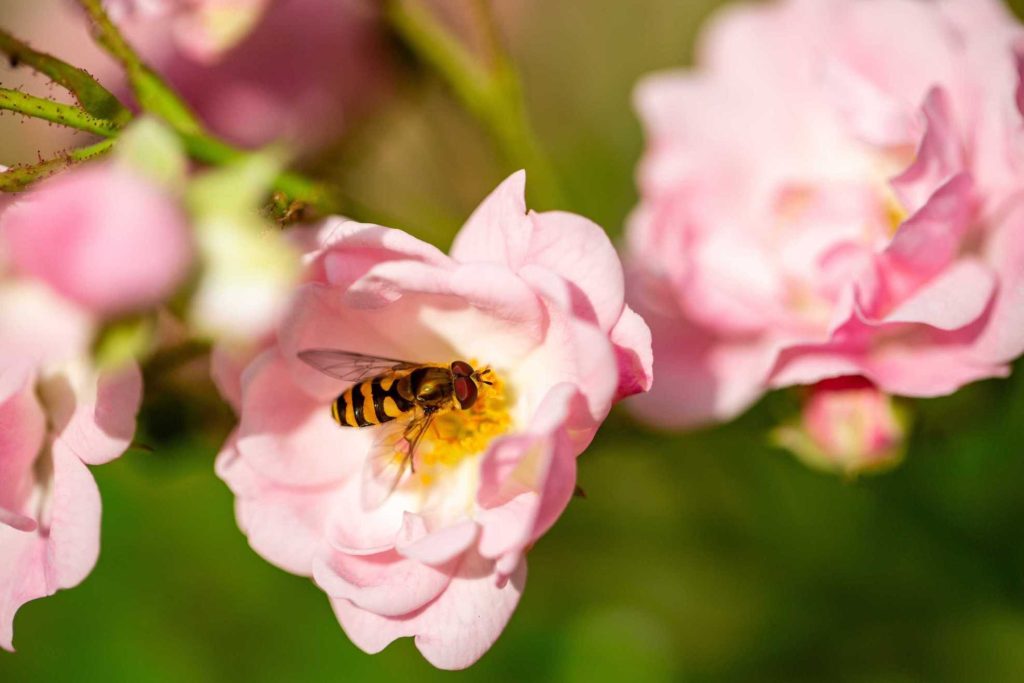
Bees flit from bloom to bloom, sipping nectar, produced by plants. This nectar gets transformed inside the bee’s body into honey. The taste and properties of the honey depend on the flowers the bees visit.
This is where pasturage comes in. How are Pasturage and Honey Production related? Let’s find out!
Plants that provide pollen and nectar for these bees are known as either bee pasturage or bee forage. In a forage some plants are good at producing nectar and others specialize in pollen.
Pasturage
For instance, tamarind, moringa, neem, and eucalyptus trees are all known for their sweet nectar. Bees also love to gather pollen from sorghum, sweet potatoes, and various millet varieties like cumbu and ragi.
However, some plants are generous enough to offer both pollen and nectar. Banana trees, oranges and grapefruits, and sunflowers are just a few examples. These all-in-one sources provide bees with a complete nutritional package.
The term “foraging” refers to the act of bees collecting these precious resources. Bees that collect nectar have a specially adapted tongue. They then pass this sweet liquid back to the hive bees. Who further process it by repeatedly passing it between their mouthparts. This “ripening” process helps transform the nectar into honey. Then it is stored in honeycomb cells.
The bees go from flower to flower collecting pollen on their fuzzy bodies. They use specialized combs on their legs to remove the pollen grains from the flowers. They pack them into pollen baskets on their hind legs. Imagine a bee carrying the equivalent of 25% of its own weight in pollen! Once they return to the hive, the pollen is carefully deposited into cells and mixed with honey for storage. This pollen serves as a vital source of protein and fat for the entire bee colony.
Honey isn’t just known for sweetness; it’s a symphony of flavors waiting to be explored.
Here’s a closer look at some popular honey varieties based on the pasturage:
Blossom Honey: The perfect bee product, blossom honey has a floral origin. Bees collect nectar, a sugary liquid from the flowers. They then convert it into honey using their body enzymes. The color and flavor spectrum of blossom honey is vast. The world of honey is a vibrant tapestry woven from over 300 blossom varieties! From the familiar sweetness of clover honey, found in New Zealand and Canada, to the unique taste of sunflower honey in India, each blossom honey offers a distinct flavor profile. Buckwheat honey from the USA packs a robust punch. Delicate lavender honey hails from the fields of Spain and France. Buckwheat honey delivers a rich, almost caramel-like depth. Mustard honey from India and Manuka honey from New Zealand, are considered as something unexpected. Fruits like apples (both from the USA and Britain), and cherries from India contribute their unique taste to the honey. Heather honey in the UK, Greece, and France offers a light floral note. While Litchi honey in India presents subtle fruitiness. Blossom honey offers a taste adventure for every palate.
Honeydew Honey: Unlike blossom honey, honeydew doesn’t come directly from flowers. Instead, bees collect “honeydew,” a sugary liquid secreted by tiny-scale insects and aphids. Its taste profile is earthy and sometimes carries a hint of mint. This honey is often darker in color and less sweet than blossom honey.
Monofloral Honey: Ever wished you could capture the essence of a single flower in a jar? Look no further than monofloral honey! This luxurious treat is prized for its distinct flavor and aroma, of a single floral source. To qualify as monofloral, the honey must contain over 45% pollen from a specific plant. Monofloral honey is a delightful way to experience the unique taste of different flower nectar. Orange blossom honey evokes the light, floral sweetness of citrus blooms. Lavender honey has a calming floral aroma with subtle herbal notes.
Multifloral Honey: This versatile honey, also known as polyfloral, is a beautiful blend of various flower sources. This diversity creates a complex and well-rounded flavor profile. It can change depending on the region where the honey is produced. And it depends on the season the bees were collecting nectar. From mild and floral to fruity or nutty, multifloral honey is a fantastic all-purpose honey, perfect for everyday use.
Honey Production
So, what does this mean for you? Look for honey labeled by its floral source (e.g., orange blossom honey, wildflower honey). This tells you not only about the flavor profile but also hints at the potential health benefits associated with specific plants.
The beekeeper’s work begins after the honey is harvested and transported from the hive. The honey goes through a series of steps to prepare it for bottling.
First, any large debris is removed through straining or filtering.
Next, the honey may be liquefied if it has crystallized.
It is then further filtered to remove any remaining impurities.
Honey has two main varieties depending on the level of processing it undergoes. Raw and processed (also known as pasteurized). Let’s explore the key differences:
Raw vs. Pasteurized Honey
Raw Honey:
Straight from the Hive: As the name suggests, raw honey is only slightly processed. It’s harvested from the honeycomb. After that, it is simply strained through a cloth or mesh filter to remove large debris.
Untouched Goodness: Raw honey retains all its natural elements. Including pollen, wax particles, and enzymes.
Higher Moisture Content: Raw honey typically has a higher moisture content (around 19-20%) compared to processed honey. This can give it a slightly different texture, sometimes appearing less thick.
Here’s the thing: raw honey can harbor bacteria. These can be risky for infants and individuals with weakened immune systems.
The key decision point comes next: pasteurization.
In this process, the honey is heated to a specific temperature. It is done to eliminate yeast and bacteria, which can spoil the honey or pose health risks.
Pasteurized Honey:
Pasteurization Power: Processed honey undergoes pasteurization. It is a heat treatment that destroys harmful bacteria and yeasts. This ensures the honey’s safety for consumption. Especially for those with weakened immune systems.
Finer Filtration: Processed honey is filtered through machines using very fine filters (around 10 microns). It removes most impurities and achieves a smoother consistency.
Moisture Control: Some processed honey goes through a moisture reduction process to make it thicker and extend its shelf life.
After pasteurization, the honey is rapidly cooled to preserve its quality. Finally, the honey is bottled, labeled, and readied for your enjoyment!
The Pasteurization Process
Now, let’s talk about pasteurization. This process involves heating honey to kill bacteria and yeasts. Pasteurized honey has a longer shelf life. It is generally considered safe for everyone, including infants. However, it is believed that pasteurization destroys the enzymes and antioxidants of raw honey.
But what exactly happens during pasteurization? Let’s delve into the science behind this essential step.
Pasteurized Honey
According to FoodTechProcess The pasteurization process starts with some prep work. The honey gets a thorough filtering to remove any impurities.
Then comes the heat treatment: the honey is gently warmed to a specific temperature. The temperature is around 145°F (63°C). This targeted heating aims to achieve two main goals:
Microbial Control: It eliminates unwanted microorganisms like bacteria and yeasts that might be present in raw honey. It ensures the honey’s safety for consumption.
Crystal Clear Solution: Honey naturally crystallizes over time, turning to a grainy solid. Pasteurization slows down this crystallization process. And allows the honey to stay in its convenient liquid form for a longer period.
After the heating phase, the honey undergoes rapid cooling. It halts any further heat processing and preserves its quality. Finally, the pasteurized honey is packaged in airtight containers. It is then stored in a cool, dry place to maintain its freshness and goodness.
A Honey Pasteurizer is a machine used to pasteurize honey commercially. Here’s a simplified look at how it works:
The raw honey is loaded into a designated tank within the pasteurizer.
The honey is heated to a precise temperature based on the specific honey type.
After heating, the honey is cooled to prevent further heat-related changes.
It is cooled and potentially filtered again. The pasteurized honey is ready to be packaged and enjoyed.
Benefits Of Pasteurization
While pasteurization primarily ensures the safety of honey, it offers many other benefits:
Quality Preservation: Pasteurization helps maintain the taste and nutritional value of honey. This makes it an appealing choice for consumers.
Extended Shelf Life: Pasteurized honey boasts a longer shelf life. It allows you to enjoy its sweetness for a longer time.
It’s important to remember that honey pasteurization is a gentle process. There might be slight changes in aroma or color. But these adjustments are minor. They don’t significantly impact the health benefits of honey.
So, which to choose? It depends on your priorities. If you prioritize unadulterated honey choose raw honey from a trusted source. Make sure they emphasize proper handling to minimize bacterial risk. If shelf life and guaranteed safety are your concerns, opt for pasteurized honey.
Ultimately, there’s no single “right” answer. The key is understanding the impact of pasture and pasteurization on honey production. So you can make informed choices about the honey you bring home. So, the next time you can appreciate the science behind honey’s safety and long-lasting deliciousness. You can use the Label as your guide. Choose the flavor based on the pasturage. Pick between Raw vs. Pasteurized Honey based on your preference about shelf life and safety concerns.
Honey – the golden nectar loved for centuries, prized for its sweetness and potential health benefits. From soothing sore throats to gracing breakfast tables, honey has earned a permanent place in our kitchens and medicine cabinets. But with a growing market for this natural treasure, there’s an unfortunate downside: adulteration.
Just like olive oil or essential oils, honey can be cut with cheaper substitutes, diluting its quality and potentially compromising its health properties. So, the question arises – how can you ensure you’re getting the real deal? This comprehensive guide will equip you with the knowledge and simple techniques to check honey purity at home, empowering you to become a honey pro. We’ll delve into the world of “How to Check Honey Purity,” revealing easy-to-follow methods that will have you confidently identifying pure, unadulterated honey in no time. This way, you can be sure you’re enjoying the authentic taste and reaping the potential health benefits of this natural wonder.
Honey offers a wealth of potential health benefits, from its antimicrobial properties to its role as a natural antioxidant. However, adulterated honey with added sugars or syrups lacks these benefits and may even pose health risks. Here’s why honey purity matters:
Maintaining Health Benefits: Pure honey boasts unique antimicrobial and antioxidant properties. Adulterated honey may lack these properties, rendering it less beneficial for your health.
Protecting Against Added Sugars: Some honey adulteration involves adding cheaper sugars like corn syrup. This not only dilutes the taste and potential benefits of honey but also increases your sugar intake.
Ensuring Ethical Sourcing: Purchasing pure honey supports beekeepers who prioritize ethical beekeeping practices.
Join us as we delve into “How to check honey purity?”, but let’s first understand the chemistry of honey, and what adulterants can find their way into your honey jar.
To understand how to check purity, let’s delve into the science behind honey. Honey is a natural hygroscopic substance, meaning it readily absorbs moisture from the air. This hygroscopic nature plays a crucial role in several home-based purity tests.
Another key aspect is honey’s unique sugar profile. Pure honey primarily consists of fructose and glucose, with minimal amounts of other sugars like sucrose (table sugar). This specific sugar profile helps differentiate pure honey from adulterated versions containing added syrups.
Common Honey Adulterants
Unfortunately, the growing popularity of honey has opened the door to a practice known as adulteration. This involves mixing pure honey with cheaper substances to increase profits. These adulterants often mimic the appearance and sweetness of honey, making it difficult for the untrained eye to detect them. Here’s a breakdown of some common honey adulterants:
Sugars: This category encompasses a variety of sweeteners frequently used to dilute honey. Molasses, a thick, dark syrup derived from sugarcane, can add sweetness and color, but lacks the health benefits of honey. Liquid glucose, a clear syrup common in candies and baked goods, offers sweetness at a lower cost. Invert sugar, created by breaking down sucrose (table sugar), boasts a similar consistency to honey but lacks its unique flavor profile. High-fructose corn syrup (HFCS), a corn-derived sweetener with a composition resembling honey, is another potential adulterant.
Rice syrup: This light-colored, slightly sweet syrup produced from rice starch can be used to thin honey and increase volume. While rice syrup itself isn’t harmful, it dilutes the nutritional value of pure honey.
Other syrups: Less common adulterants include maple syrup and agave nectar. While these syrups may be natural sweeteners, their presence in honey indicates a product that’s not 100% pure.
By understanding these common adulterants, you’ll be better equipped to identify pure honey and reap the full benefits of this natural treasure.
While laboratory testing offers the most definitive answer, here is how to check honey purity.
Here are some simple home tests you can conduct to get a good indication of your honey’s purity:
How to Check Honey Purity?
1. The Water Test:
Fill a glass with cool water.
Add a spoonful of honey.
Observe what happens.
Pure Honey: Pure honey will slowly dissolve and disperse in the water, possibly forming a visible plume. However, it may take some time for complete dissolution. Impure Honey: Adulterated honey containing added sugars or syrups may dissolve readily or even sink to the bottom of the glass, indicating a higher density.
2. The Thumb Test:
Place a small drop of honey on your thumb.
Tip your thumb slightly.
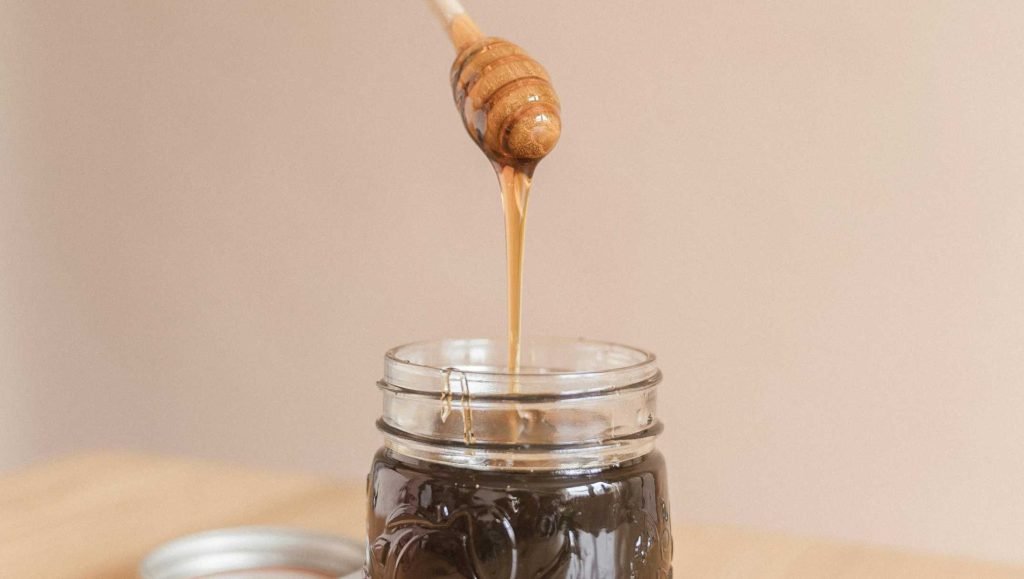
Pure Honey: Pure honey will tend to be thick and viscous, sticking to your thumb and resisting dripping. Impure Honey: Adulterated honey with added water or syrups may be runnier and drip more easily.
3. The Flame Test (Caution Advised):
Disclaimer: This test involves an open flame and should be conducted with caution. It’s not always a reliable indicator and may damage your honey.
Dip a cotton swab or the tip of a tissue in the honey.
Light the cotton swab or tissue.
Pure Honey: Pure honey has a low water content and may not burn readily. If it does burn, it will typically produce a small, flickering flame. Impure Honey: Honey with added water may burn more easily with a larger flame.
4. The Bread Test:
Place a small amount of honey on a slice of bread.
Pure Honey: Pure honey tends to keep the bread slightly firm or even harden it slightly as it draws moisture from the bread. Impure Honey: Honey with added water may make the bread soggy.
Crystallized Honey
5. The Crystallization Test:
Observe the honey’s consistency.
Pure Honey: Pure honey naturally crystallizes over time, especially if it’s raw and unfiltered. The crystals can vary in size and texture depending on the floral source of the honey. Impure Honey: Honey with added sugars or syrups may not crystallize or may form a coarse, grainy texture.
Important Considerations for Home Tests
These home tests are a good starting point, but it’s important to consider these factors:
Variations in Pure Honey: Pure honey can vary in color, consistency, and even crystallization rate depending on the floral source. Research the specific honey variety you have for a clearer understanding of its natural characteristics.
Not Foolproof Methods: Home tests may not always be definitive. For instance, some commercially processed honey may be heated and filtered, reducing its tendency to crystallize, but it can still be pure.
Combined Approach: Using a combination of these tests can provide a more reliable indication of purity.
Beyond the Home Tests: Signs of Potential Impurity
Here are some additional red flags that might suggest your honey isn’t pure:
Unnaturally Low Price: Pure honey production involves time, effort, and ethical beekeeping practices. Extremely low prices might indicate adulteration with cheaper substances.
Excessive Clarity: Pure honey can range in color from light gold to amber, depending on the floral source. If your honey appears excessively clear and colorless, it could be a sign of added water or syrup.
Separation or Layering: While some natural separation can occur in raw honey if your honey consistently separates into distinct layers with a watery appearance on the top, it could indicate added liquids.
Unfamiliar or Artificial Flavor: Pure honey boasts a unique floral aroma and flavor that varies depending on the flower source. If your honey has a faint chemical smell or an artificial sweetness, it might be adulterated.
Additional Tips for Ensuring Honey Purity
Buy from Reputable Sources: Purchase honey from local beekeepers, farmers’ markets, or stores known for carrying high-quality honey brands. Look for certifications like “raw” or “unfiltered” which often indicate less processing and a higher chance of purity.
Read Labels Carefully: Check the honey label for transparency. Pure honey should simply list “honey” as the ingredient. Avoid honey with added sugars, syrups, or other additives.
Consider Certifications: Look for honey with certifications like “USDA Organic” or “Non-GMO Project Verified” which can offer some assurance of purity and ethical beekeeping practices.
Enjoying the True Taste of Honey
By utilizing the knowledge and simple tests outlined in this guide, you’ll be well-equipped to make informed decisions about the honey you purchase. Remember, pure honey offers a unique taste, and potential health benefits, and supports ethical beekeeping practices. So, next time you reach for that jar of honey, take a moment to ensure you’re getting the real deal – the sweet reward for both your taste buds and your well-being.
Bonus Tip: Store your honey properly in a cool, dark place to preserve its flavor and quality.
With a little knowledge and these simple techniques, you can ensure you’re enjoying the true taste and potential benefits of pure honey. So, go forth and explore the wonderful world of this natural treasure!
Kashmirica brings you the finest Kashmiri Honey right to your doorstep to indulge in. Our brand is turning five! And we are giving our loyal customers a gift of 20% OFF for loving us all these years.
Honey, is a word synonymous with sweetness, a sticky treat enjoyed for millennia.
But have you ever stopped to wonder, “What is honey, exactly?”
This golden nectar is more than just a delicious addition to toasts or teas. It’s a fascinating product of the beehive, packed with history, science, and a surprising number of uses. So, join us as we delve into the world of honey, exploring its origins, its unique composition, and the many ways it can enrich our lives.
Honey is a delicious and versatile food produced by bees.
Britannica defines “Honey” as a dark golden, viscous liquid with a taste and color influenced by the flowers the bees collect nectar from.
Honey was a staple sweetener for ancient civilizations. They not only cherished it for its deliciousness but also valued its medicinal properties. People used honey to make mead, an alcoholic beverage, and even as an embalming material in Egypt. In Asia, honey was employed to preserve fruit and create sweet treats. Honey’s significance is reflected in its mentions in both the Bible and the Quran.
What is Honey? From Flower to Gooey Goodness
Honey, that luscious golden nectar we drizzle on toast and stir into tea, is a testament to the tireless work of thousands of female bees. Their dedication goes far beyond simply buzzing around flowers. It’s a complex dance of collection, processing, and construction, all orchestrated by these incredible insects.
Honey’s journey starts with nectar, a sugary flower juice. Bees store nectar in their honey sacs and bring it back to the hive. There, other bees transform the nectar by breaking down its complex sugars (sucrose) into simpler ones (fructose and glucose) and removing excess water. This process, called ripening, gives honey its signature sweetness and thick consistency.
The journey begins with a forager bee, venturing out from the hive in search of floral delights. Her specially adapted tongue acts as a straw, siphoning up the sweet nectar produced by blossoms. This nectar, a sugary liquid, fills a special sac within her body called the honey sac. Once her sac is full, she returns to the hive, ready to contribute to the honey-making assembly line.
Here’s where things get interesting (and maybe a little messy!). The forager bee regurgitates the nectar, transferring it to another bee’s honey sac. This bee, in turn, might pass it on to another, and so on. During this process, enzymes naturally present in the bees’ digestive systems begin to break down the complex sugars in the nectar into simpler ones, like fructose and glucose. This not only makes the honey more readily digestible for humans but also contributes to its signature sweetness.
As the nectar travels from bee to bee, another crucial transformation takes place. The bees fan their wings vigorously, creating a current of air that evaporates some of the water content from the nectar. This concentration process thickens the mixture, gradually turning it from a watery liquid into the viscous gold we know and love.
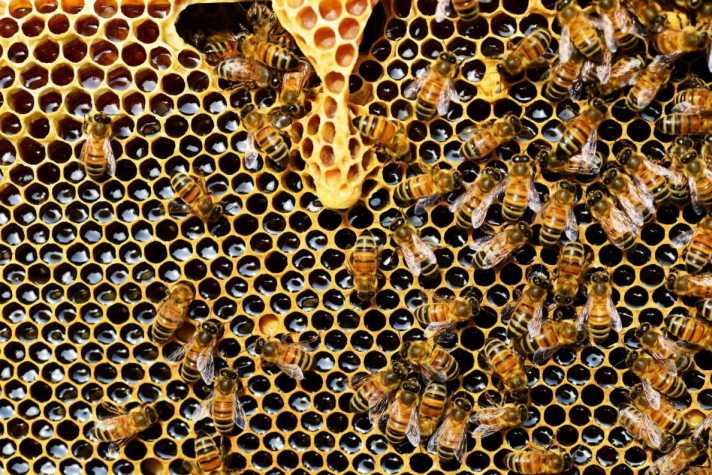
Finally, the nectar reaches its destination: the honeycomb. This intricate structure, meticulously crafted from beeswax secreted by worker bees, is a marvel of bee engineering. Each honeycomb cell is a perfect hexagon, offering the most efficient use of space for storing the colony’s precious honey reserves.
The bee closest to the honeycomb, acting as the “bottler” in this production line, deposits the thickened nectar into one of these hexagonal chambers. Once the cell is filled, another worker bee takes over, capping it off with a layer of beeswax. This airtight seal not only protects the honey from moisture loss and contamination but also serves as a signal to the other bees that this particular cell is full and ready for storage.
So, the next time you savor a spoonful of honey, remember the incredible teamwork and dedication of thousands of bees who transformed a simple flower secretion into this delightful and versatile natural sweetener. It’s a testament to the power of nature’s intricate systems and the tireless work of a tiny, yet extraordinary, creature.
What is Honey Comb?
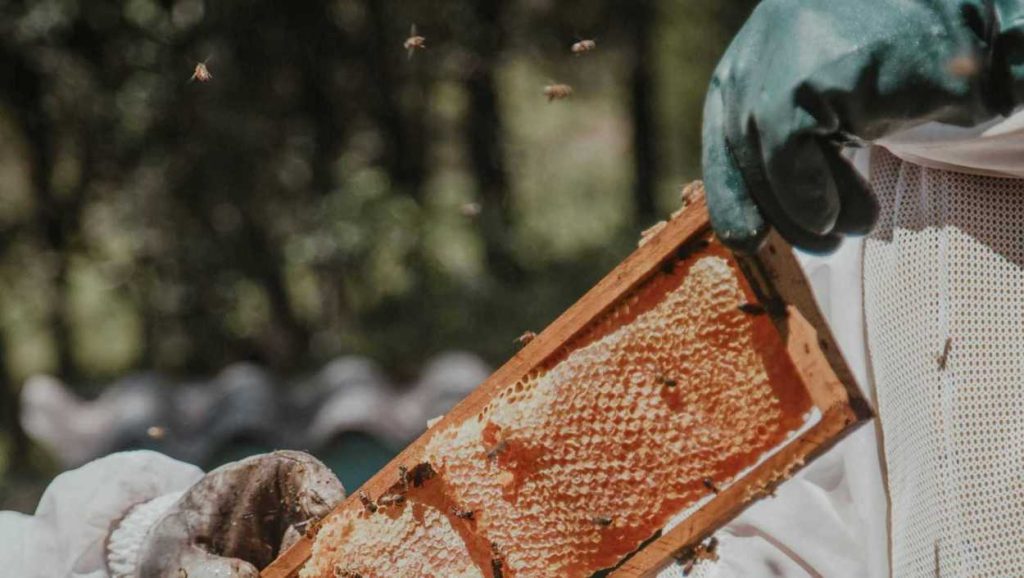
Bees store ripened honey in a remarkable structure called the honeycomb. This double-layered masterpiece is made of hexagonal cells constructed from beeswax, a secretion from worker bees. The honeycomb also contains propolis, a plant resin collected by the bees. It serves not only as a honey storage unit but also as a winter food source for the bee colony.
Honeycomb
Honey’s Many Uses:
Beyond its delightful taste, honey offers a range of benefits. It’s easily absorbed by the body and frequently used in baked goods, candies, and beverages. Its mild antiseptic properties have made it a traditional remedy for burns and wounds.
Navigating the Honey Lexicon: A Guide to Honey Terminology
Beyond its delightful taste and versatility, honey offers a world of variety. But with so many different types and labels on store shelves, navigating the world of honey can be a confusing task. Here’s a breakdown of some key terms you might encounter to help you make informed choices:
Raw Honey: A Natural Treasure
“Raw” is a term that isn’t officially regulated, but it generally refers to honey that’s either straight from the honeycomb or minimally processed with low heat. This minimal processing allows the honey to retain its natural cloudiness, a sign that it hasn’t been overly filtered or stripped of its beneficial qualities. Raw honey often boasts a wider range of flavors and aromas compared to its processed counterparts. You might detect subtle hints of hay, apricot, or other floral notes, reflecting the specific nectar sources the bees visited.
Due to its limited processing and potential health benefits, raw honey can be more expensive. To truly appreciate its unique taste and properties, save it for special occasions. Drizzle it over a warm pound cake for a touch of floral sweetness, spread it on toast for a delicious and nutritious breakfast, or even enjoy a spoonful straight from the jar for a pre-workout energy boost.
Unfiltered Honey: Marketing or Purity?
Similar to “raw,” “unfiltered” is another unregulated term. In general, unfiltered honey has been minimally strained to remove larger debris like bee parts (wings and the occasional unfortunate bee itself) but may still contain smaller, harmless particles like pollen. While some consumers might find the idea of unfiltered honey appealing, suggesting a more natural and unadulterated product, the reality is that the difference between filtered and unfiltered honey is often negligible from a taste and nutritional standpoint. For many producers, “unfiltered” can be more of a marketing tool than a true reflection of a significant difference in processing.
Organic Honey: A Challenging Certification
Believe it or not, obtaining organic certification for honey is a surprisingly difficult feat. Why? Because bees are free-flying creatures who don’t follow human instructions! They can’t be told to pollinate only certified organic flowers. Therefore, ensuring that honey truly comes from a completely organic environment is a significant challenge.
Currently, most organic honey comes from regions like Brazil, Mexico, and Hawaii, where large swathes of natural, uncultivated land provide abundant organic nectar sources for the bees. If organic honey is a priority for you, look for products with certifications from reputable organizations to ensure they meet strict organic standards.
Imitation Honey
When you see “imitation honey” on a label, run for the hills! This product is essentially syrup flavored with artificial sweeteners and is meant to be a sugar-free alternative. While it might seem like a good option for those on restricted diets, the mysterious filler ingredients used in imitation honey raise concerns about its overall health benefits. Stick to real honey, a natural product with a long history of safe consumption and potential health advantages.
What is Honey? Just a Delicious Treat or A Health Boon?
Honey, that golden nectar we love to drizzle on pancakes and stir into tea, is more than just a delicious addition to our meals. Packed with natural sugars and offering a unique blend of health benefits, honey offers a fascinating glimpse into the science of sweet sustenance.
One tablespoon of honey packs a surprising punch, containing around 60 calories and a whopping 17 grams of sugar. But unlike table sugar (sucrose), honey’s sweetness comes from a more complex composition. Fructose, a simple sugar known for its intense sweetness, makes up about 40% of honey’s sugars, while glucose, another simple sugar readily absorbed by the body, contributes around 30%. The remaining 30% is a combination of other sugars, carbohydrates, and a trace amount of vitamins and minerals.
Interestingly, sucrose itself is a disaccharide, meaning it’s formed from two simpler sugars: fructose and glucose, each contributing 50% of its composition. So, what makes honey sweeter than table sugar, even though it has a lower percentage of glucose, the body’s preferred energy source? The answer lies in the unique way our bodies process these different sugars.
When we indulge in a spoonful of honey, our digestive system gets to work. Glucose, readily broken down by the body, quickly enters the bloodstream, providing a source of readily available energy. This process is facilitated by insulin, a hormone produced by the pancreas. Fructose, on the other hand, takes a different route. It bypasses the insulin pathway and travels directly to the liver for processing.
While both honey and sucrose elevate blood sugar levels, the rate and duration of this effect can differ slightly due to the varying proportions of fructose and glucose in each. Understanding this intricate dance of sugars within honey allows us to appreciate its role in our diet and make informed choices about its consumption.
Honey, the golden nectar produced by bees, is more than just a delicious sweetener. It’s a natural food packed with potential health benefits. Here are some of the reasons why you should consider incorporating honey into your diet:
Natural Sweetener: Honey is a great substitute for refined sugar. It’s about 1.5 times sweeter than table sugar, so you can use less to achieve the same level of sweetness. Honey also has a lower glycemic index than sugar, meaning it causes a slower rise in blood sugar levels.
Potential Antioxidant Benefits: Honey contains antioxidants, which can help protect your cells from damage caused by free radicals. Free radicals are unstable molecules that can contribute to the development of chronic diseases such as heart disease and cancer.
Wound Healing Properties: Honey has long been used as a natural remedy for wound healing. Its antibacterial properties may help prevent infection and promote healing.
Soothes Coughs and Sore Throats: Honey can be a soothing remedy for coughs and sore throats. Its antimicrobial properties may help fight bacteria that can cause irritation, while its thick consistency can coat the throat and provide relief.
May Improve Digestive Health: Some studies suggest that honey may help improve gut health by promoting the growth of beneficial bacteria.
Boosts Energy Levels: Honey is a natural source of carbohydrates, which can provide your body with energy.
Here are some tips for incorporating honey into your diet:
Add honey to your tea or coffee instead of sugar.
Use honey as a marinade for meats or fish.
Drizzle honey over yogurt, oatmeal, or fruit.
Bake with honey to add sweetness and moisture to your baked goods.
Make a homemade salad dressing with honey, olive oil, and vinegar.
It’s important to note that honey should be consumed in moderation as it is still a source of sugar. If you have any underlying health conditions, be sure to talk to your doctor before adding honey to your diet.
Honey, with its delightful sweetness and versatility, is a pantry staple for many. But once you’ve brought home that beautiful jar of golden goodness, how do you ensure it stays fresh and delicious? Here’s a breakdown of the best practices for storing honey:
Finding the Perfect Place:
Heat and light are the enemies of honey. Aim for a cool, dark location to maintain honey’s quality. Your pantry, away from the stove or oven, is an ideal choice. A cupboard or cabinet works well too, as long as it’s not directly exposed to sunlight. Basements can also be suitable storage locations, provided they’re dry and not prone to temperature fluctuations.
Is it Everlasting Sweetener (Almost):
Honey is renowned for its remarkable shelf life. Due to its high sugar content and low moisture level, it can remain edible for years, even centuries, if stored properly. While technically honey won’t spoil, it can lose some of its delicate flavors and aromas over time. To enjoy honey at its peak, aim to consume it within two years of purchase.
Crystal Clear or Cloudy Delight:
Don’t be alarmed if your honey starts to crystallize! This is a natural phenomenon caused by the separation of glucose molecules from water within the honey. Crystallization doesn’t affect the safety or edibility of honey, it simply changes its texture. If you prefer a liquid honey, there’s no need to toss out the crystallized jar. Simply place the container under warm running water for a few minutes. The gentle heat will gently dissolve the crystals, returning your honey to its smooth, liquid state.
Keeping Moisture at Bay:
Moisture is another enemy of honey storage. Excess moisture can dilute the honey and potentially promote fermentation, which is undesirable. To prevent this, always ensure your honey jar is tightly sealed after each use. A screw-top lid or a jar with a secure flip-top closure is ideal. Avoid using utensils like wet spoons or knives to scoop out honey, as this can introduce moisture into the jar. Consider using a honey dipper, a handy tool designed specifically for honey, to maintain optimal hygiene and prevent moisture contamination.
By following these simple storage tips, you can ensure your honey remains a delightful and versatile ingredient in your kitchen for years to come. So, store it cool, store it dark, and enjoy the enduring sweetness of nature’s golden treasure!
Kashmirica brings you the finest Kashmiri Honey right to your doorstep to indulge in. Our brand is turning five! And we are giving our loyal customers a gift of 20% OFF for loving us all these years.
Ever drizzled that golden nectar on your toast and wondered, “But where does it all come from?”
From the hives of the honey bees to a tightly packed jar in your house, how is honey harvested?
This sweet nectar from the flowers isn’t just a treat for your taste buds but also for your body as it contains some wonderful medicinal properties. It is a good source of antioxidants, has antibacterial and antifungal properties and it works as a natural energy and immunity booster.
But did you know that there is an interesting yet equally arduous process that goes behind obtaining this honey?
Get ready to witness the amazing architecture of the honeycomb, and the ingenious techniques beekeepers use to collect this liquid gold. You’ll be buzzing with knowledge by the end, and who knows, maybe you’ll even be inspired to start your own adventure! Keep reading on.
How is Honey Harvested?
Forget processed foods and artificial flavorings! Honey, boasts a claim to fame most products can only dream of – it’s almost entirely untouched by human intervention.
Consumers adore its authenticity, its purity, and its health benefits, all thanks to the hardworking bees buzzing away in their hives.
But wait, if it’s so natural, isn’t it straight from hive to hand? Not quite! While honey remains a minimally processed food, a few careful steps ensure it reaches your table in top condition.
First, let’s meet the architects: the honeybees. These industrious insects work tirelessly to collect nectar from flowers, transforming it into the golden liquid we know and love.
They build intricate waxen structures called honeycombs. But how do we access this treasure without disturbing the delicate bee colony?
Enter the beekeeper, the honey whisperer: Armed with knowledge and gentle tools, they approach the hive with respect. We’ll explore the techniques used to identify ripe honeycombs, carefully remove them, and separate the honey from the wax without harming the bees.
Think gentle smoke, specialized brushes, and even mesmerizing spinning machines!
Depending upon the season and the nectar flow, beekeepers usually harvest honey about 2-3 times a year.
The beehives are usually kept in a box so that the bees can build their hives in an orderly fashion and it is easy for the beekeepers to harvest honey.
The box contains frames that hold the brood or the honeycomb together.
The sign to look before harvesting is “Capping”. Capping is basically a natural process that prevents the honey from getting spoilt.
When around 90% of the frame cells are capped by the honeybees, the beekeepers harvest the honey.
When it’s finally time to harvest the honey, this is the process that follows:
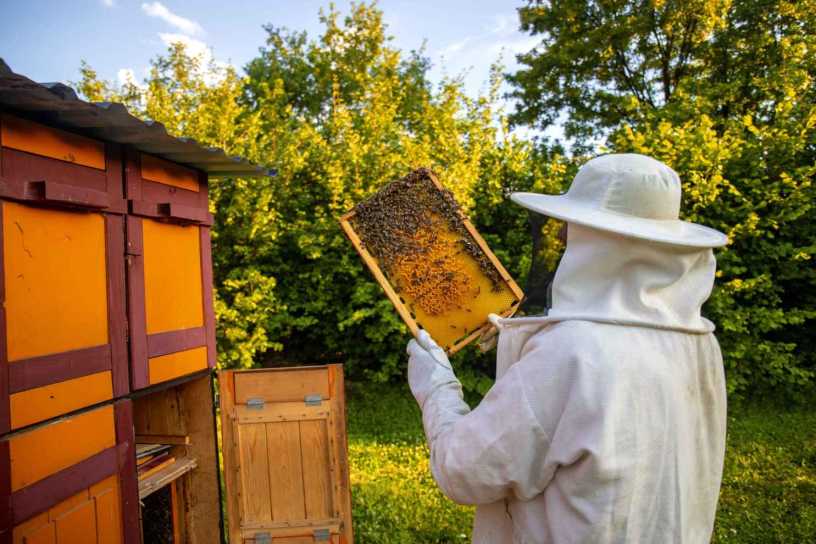
The beekeepers equip themselves and need to wear a mesh helmet and some extra layers of clothing and gloves to protect themselves from the bees.
A smoker that contains fuel along with some dry branches and leaves is used.
Freshly Harvested Honey
The Honey Harvesting Process
First, the smoker is lit and some dry branches or leaves are added to it.
The lid of the hive boxes is then opened and some smoke is blown into the hives. What the smoke actually does is that it pacifies the bees and also dulls their receptors.
The hive box contains frames that have the honeycombs/ hives in them.
All the hive frames are taken out and they are then carefully inspected.
The frames that have uncapped cells aren’t used for the harvesting of honey.
While harvesting the honey, extraction is the most important step. It involves removing the wax from the hive frames. Now, this can usually be performed with a few methods.
Method 1
For this method, the beekeepers use a fork tool that helps in uncapping the cells by gently pulling off the wax cover from each of the cells. Although this method is quite effective, it usually takes a lot of time.
Method 2
In this method, a ‘roller uncapped tool’ is used. This tool is simply rolled over the cells and the wax becomes loose with it. While this method is easy and fast, it may push some of the wax into the honey.
Method 3
For this method, a heated knife is used. This sharp heated knife is then moved all over the honeycomb and that instantly removes all the wax.
While the heated knife is the most commonly used method, the beekeepers may use either of the three methods or other methods as per their convenience to get rid of the wax.
The Extractor Method
Some beekeepers also invest in honey-harvesting tools. In such tools, the entire frame is placed in the extractors and the tool helps extract the wax as well as the honey at the same time. At the end of this process, the honey sticks to the bottom and the sides of the extractor. A bucket is then placed under the extractor and a sieve is used to collect the honey. The honey that is extracted is then filled in jugs and then left to sit for around 12 hours.
Manual Extraction
In case the beekeepers don’t use any extraction tools, the honey is extracted manually after the wax has been removed. The beekeepers use a large bucket to collect the honey. Small parts of the honeycomb are then taken one by one and they are carefully squeezed to remove the honey from them.
The honey extraction process is often time-consuming and needs to be done very carefully. The beekeepers also need to take several measures in order to ensure that the bees are safe and they do not starve. After honey has been extracted, it is stored in jars with tight-fitting lids.
Processing The Honey For Your Pantry
Imagine raw honey, thick and crystallized, refusing to pour easily. Unappetazing, Isn’t it?
Well According to the Ministry Of Food Processing, to make it smooth and spreadable, beekeepers gently warm it, a process called liquefaction.
Then comes a filtration to remove any stray bits of wax or bee parts, which can be a manual or mechanical step.
Sometimes, unripe honey might contain excess moisture, so a touch of monitoring and adjustment helps ensure its shelf life.
In rare cases, pasteurization might be used to eliminate potential bacteria, but even that’s done at low temperatures to preserve the delicate flavors and nutrients.
Finally, the honey finds its way into beautiful jars, ready to grace your pantry.
How is Honey Beneficial to you?
This incredible bee-made product boasts a surprising array of uses, spanning the realms of food, medicine, and even beauty. Let’s explore the diverse world of honey and its many applications:
1. Culinary Delight:
Sweetener: Replace refined sugar with honey for a natural sweetness in drinks, baking, and desserts.
Flavor Enhancer: Drizzle honey on savory dishes like roasted vegetables, cheeses, or charcuterie to add a unique depth of flavor.
Glazes and Marinades: Use honey in glazes for chicken, pork, or tofu, or create marinades with herbs and spices for an extra layer of taste.
Beverages: Add a touch of honey to tea, coffee, or smoothies for a touch of sweetness and warmth.
2. Medicinal Marvel:
Wound Healing: Honey’s antibacterial and anti-inflammatory properties make it a traditional remedy for wound healing, burns, and minor cuts.
Cough Soother: Its soothing properties can help relieve coughs and sore throats.
Seasonal Allergies: Some studies suggest honey can alleviate allergy symptoms.
Digestive Aid: Honey may help with digestive issues like constipation and heartburn.
3. Beauty Buzz:
Moisturizer: Honey’s humectant properties make it a natural skin moisturizer, leaving it soft and supple.
Facial Masks: Combine honey with other natural ingredients like yogurt or bananas for DIY face masks.
Hair Conditioner: Diluted honey can be used as a hair conditioner to add shine and softness.
Lip Balm: Create a simple lip balm by mixing honey with beeswax and coconut oil.
4. Other Uses:
Beeswax Candles: Honey is used to make natural beeswax candles that burn clean and emit a pleasant aroma.
Polishes: Honey can be used to polish wood furniture and leather goods.
Art and Crafts: Use honey as a natural adhesive in creative projects.
Remember: These uses are based on traditional practices and anecdotal evidence. It’s important to consult a healthcare professional before using honey for medicinal purposes, and ensure you source high-quality, raw honey for optimal benefits.
Sustainibilty is Key
Responsible beekeepers ensure they only take a surplus, leaving enough for the bees to thrive. We’ll delve into the importance of bee health and ethical harvesting practices, exploring how beekeeping benefits both humans and the environment.
Hey, Kashmirica provides you with Organic Honey, to add sweetness to your daily life, Buy some today! Enjoy it guilt-free, knowing it’s pure, authentic, and bee-approved!