
What’s Pasturage and Pasteurization? And Their Relation to Your Honey
Ah, honey! That golden drizzle of sweetness. Today, we’re diving deep into the world of honeybees. We will explore the link between Pasture or Pasturage (where bees forage) and Pasteurization (the heating process in honey production).
So, what does this mean for you? Look for honey labeled by its floral source and pasturage. This tells you about the flavor profile. And also hints at the potential health benefits associated with specific plants. Check the label to see if the honey is raw or processed. If you prioritize unadulterated honey choose raw honey from a trusted source. If you prioritize shelf life and safety, opt for pasteurized honey.
Buckle up, because we’re about to delve into the fascinating world of bee and honey magic!
Pasturage And Honey Production
We all know that honey is a labor of love. We picture the bees flitting from flower to flower, collecting nectar. But here’s the puzzling part: if honey comes from nectar, why doesn’t it taste exactly like a rose or sunflower? Does the floral source even matter? And how is it that honey seems to defy time, remaining an immortal elixir? While flowers wilt and their nectar spoils.
Honey isn’t bee spit (though it does involve bee spit!). It’s all about flowers!
Bees flit from bloom to bloom, sipping nectar, produced by plants. This nectar gets transformed inside the bee’s body into honey. The taste and properties of the honey depend on the flowers the bees visit.
This is where pasturage comes in. How are Pasturage and Honey Production related? Let’s find out!
Plants that provide pollen and nectar for these bees are known as either bee pasturage or bee forage. In a forage some plants are good at producing nectar and others specialize in pollen.
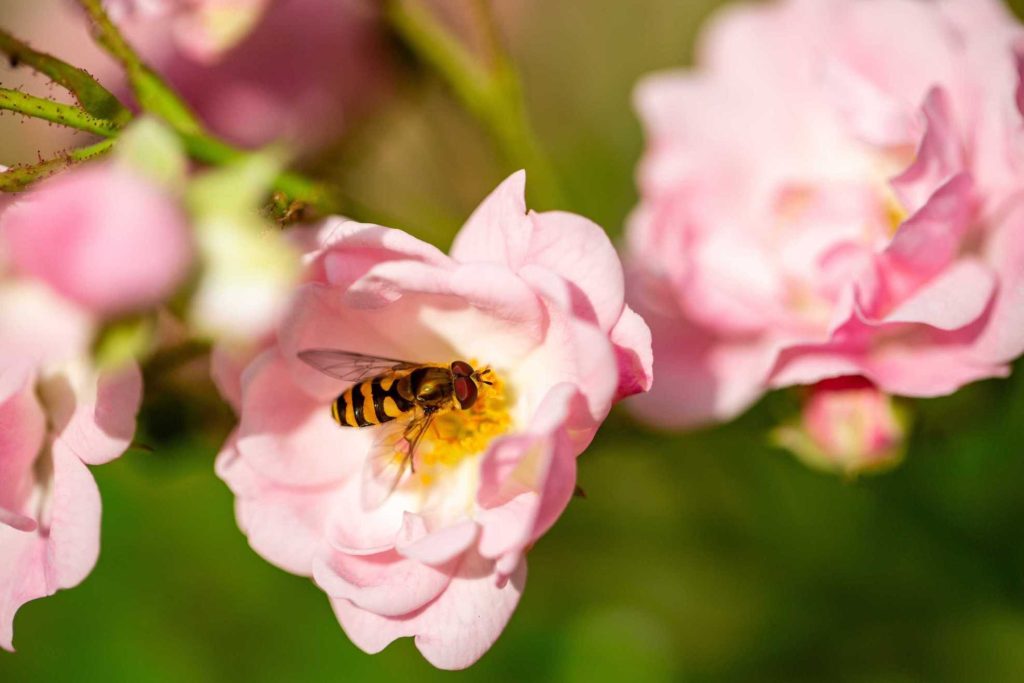
For instance, tamarind, moringa, neem, and eucalyptus trees are all known for their sweet nectar. Bees also love to gather pollen from sorghum, sweet potatoes, and various millet varieties like cumbu and ragi.
However, some plants are generous enough to offer both pollen and nectar. Banana trees, oranges and grapefruits, and sunflowers are just a few examples. These all-in-one sources provide bees with a complete nutritional package.
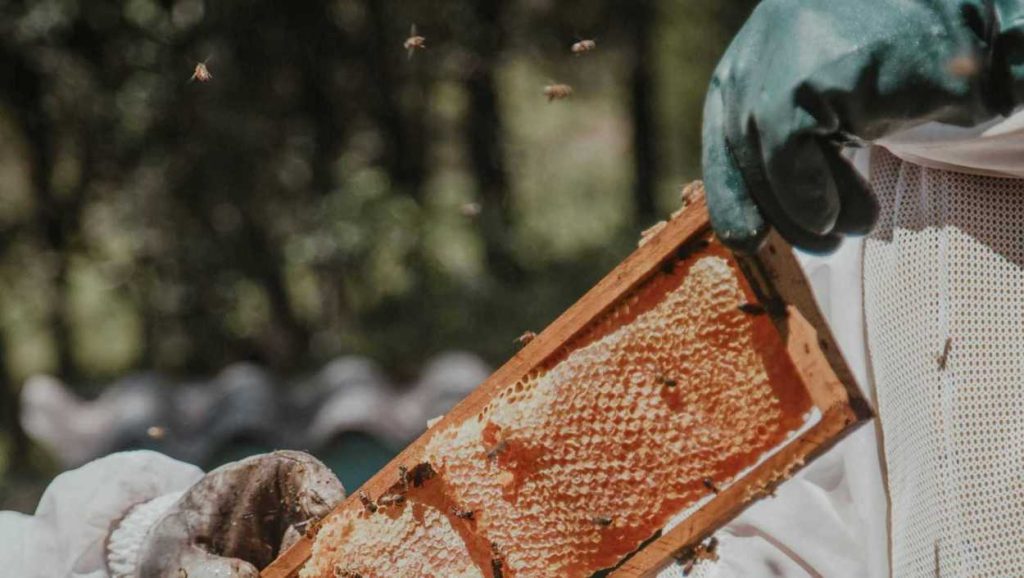
The term “foraging” refers to the act of bees collecting these precious resources. Bees that collect nectar have a specially adapted tongue. They then pass this sweet liquid back to the hive bees. Who further process it by repeatedly passing it between their mouthparts. This “ripening” process helps transform the nectar into honey. Then it is stored in honeycomb cells.
The bees go from flower to flower collecting pollen on their fuzzy bodies. They use specialized combs on their legs to remove the pollen grains from the flowers. They pack them into pollen baskets on their hind legs. Imagine a bee carrying the equivalent of 25% of its own weight in pollen! Once they return to the hive, the pollen is carefully deposited into cells and mixed with honey for storage. This pollen serves as a vital source of protein and fat for the entire bee colony.
Also Read: What is Honey? A Beginner’s Guide to This Natural Sweetener
Honey Varieties: A Symphony of Flavors
Honey isn’t just known for sweetness; it’s a symphony of flavors waiting to be explored.
Here’s a closer look at some popular honey varieties based on the pasturage:
- Blossom Honey: The perfect bee product, blossom honey has a floral origin. Bees collect nectar, a sugary liquid from the flowers. They then convert it into honey using their body enzymes. The color and flavor spectrum of blossom honey is vast. The world of honey is a vibrant tapestry woven from over 300 blossom varieties! From the familiar sweetness of clover honey, found in New Zealand and Canada, to the unique taste of sunflower honey in India, each blossom honey offers a distinct flavor profile. Buckwheat honey from the USA packs a robust punch. Delicate lavender honey hails from the fields of Spain and France. Buckwheat honey delivers a rich, almost caramel-like depth. Mustard honey from India and Manuka honey from New Zealand, are considered as something unexpected. Fruits like apples (both from the USA and Britain), and cherries from India contribute their unique taste to the honey. Heather honey in the UK, Greece, and France offers a light floral note. While Litchi honey in India presents subtle fruitiness. Blossom honey offers a taste adventure for every palate.
- Honeydew Honey: Unlike blossom honey, honeydew doesn’t come directly from flowers. Instead, bees collect “honeydew,” a sugary liquid secreted by tiny-scale insects and aphids. Its taste profile is earthy and sometimes carries a hint of mint. This honey is often darker in color and less sweet than blossom honey.
- Monofloral Honey: Ever wished you could capture the essence of a single flower in a jar? Look no further than monofloral honey! This luxurious treat is prized for its distinct flavor and aroma, of a single floral source. To qualify as monofloral, the honey must contain over 45% pollen from a specific plant. Monofloral honey is a delightful way to experience the unique taste of different flower nectar. Orange blossom honey evokes the light, floral sweetness of citrus blooms. Lavender honey has a calming floral aroma with subtle herbal notes.
- Multifloral Honey: This versatile honey, also known as polyfloral, is a beautiful blend of various flower sources. This diversity creates a complex and well-rounded flavor profile. It can change depending on the region where the honey is produced. And it depends on the season the bees were collecting nectar. From mild and floral to fruity or nutty, multifloral honey is a fantastic all-purpose honey, perfect for everyday use.
So, what does this mean for you? Look for honey labeled by its floral source (e.g., orange blossom honey, wildflower honey). This tells you not only about the flavor profile but also hints at the potential health benefits associated with specific plants.
Also Read: How is Honey Harvested? Learn the Sweet Secrets!
Pasteurization and Honey Production
The beekeeper’s work begins after the honey is harvested and transported from the hive. The honey goes through a series of steps to prepare it for bottling.
First, any large debris is removed through straining or filtering.
Next, the honey may be liquefied if it has crystallized.
It is then further filtered to remove any remaining impurities.
Honey has two main varieties depending on the level of processing it undergoes. Raw and processed (also known as pasteurized). Let’s explore the key differences:
Raw vs. Pasteurized Honey
Raw Honey:
- Straight from the Hive: As the name suggests, raw honey is only slightly processed. It’s harvested from the honeycomb. After that, it is simply strained through a cloth or mesh filter to remove large debris.
- Untouched Goodness: Raw honey retains all its natural elements. Including pollen, wax particles, and enzymes.
- Higher Moisture Content: Raw honey typically has a higher moisture content (around 19-20%) compared to processed honey. This can give it a slightly different texture, sometimes appearing less thick.
Here’s the thing: raw honey can harbor bacteria. These can be risky for infants and individuals with weakened immune systems.
The key decision point comes next: pasteurization.
In this process, the honey is heated to a specific temperature. It is done to eliminate yeast and bacteria, which can spoil the honey or pose health risks.
Pasteurized Honey:
- Pasteurization Power: Processed honey undergoes pasteurization. It is a heat treatment that destroys harmful bacteria and yeasts. This ensures the honey’s safety for consumption. Especially for those with weakened immune systems.
- Finer Filtration: Processed honey is filtered through machines using very fine filters (around 10 microns). It removes most impurities and achieves a smoother consistency.
- Moisture Control: Some processed honey goes through a moisture reduction process to make it thicker and extend its shelf life.
After pasteurization, the honey is rapidly cooled to preserve its quality. Finally, the honey is bottled, labeled, and readied for your enjoyment!
The Pasteurization Process
Now, let’s talk about pasteurization. This process involves heating honey to kill bacteria and yeasts. Pasteurized honey has a longer shelf life. It is generally considered safe for everyone, including infants. However, it is believed that pasteurization destroys the enzymes and antioxidants of raw honey.
But what exactly happens during pasteurization? Let’s delve into the science behind this essential step.
According to FoodTechProcess The pasteurization process starts with some prep work. The honey gets a thorough filtering to remove any impurities.
Then comes the heat treatment: the honey is gently warmed to a specific temperature. The temperature is around 145°F (63°C). This targeted heating aims to achieve two main goals:
- Microbial Control: It eliminates unwanted microorganisms like bacteria and yeasts that might be present in raw honey. It ensures the honey’s safety for consumption.
- Crystal Clear Solution: Honey naturally crystallizes over time, turning to a grainy solid. Pasteurization slows down this crystallization process. And allows the honey to stay in its convenient liquid form for a longer period.
After the heating phase, the honey undergoes rapid cooling. It halts any further heat processing and preserves its quality. Finally, the pasteurized honey is packaged in airtight containers. It is then stored in a cool, dry place to maintain its freshness and goodness.
A Honey Pasteurizer is a machine used to pasteurize honey commercially. Here’s a simplified look at how it works:
- The raw honey is loaded into a designated tank within the pasteurizer.
- The honey is heated to a precise temperature based on the specific honey type.
- After heating, the honey is cooled to prevent further heat-related changes.
- It is cooled and potentially filtered again. The pasteurized honey is ready to be packaged and enjoyed.
Benefits Of Pasteurization
While pasteurization primarily ensures the safety of honey, it offers many other benefits:
- Quality Preservation: Pasteurization helps maintain the taste and nutritional value of honey. This makes it an appealing choice for consumers.
- Extended Shelf Life: Pasteurized honey boasts a longer shelf life. It allows you to enjoy its sweetness for a longer time.
It’s important to remember that honey pasteurization is a gentle process. There might be slight changes in aroma or color. But these adjustments are minor. They don’t significantly impact the health benefits of honey.
So, which to choose? It depends on your priorities. If you prioritize unadulterated honey choose raw honey from a trusted source. Make sure they emphasize proper handling to minimize bacterial risk. If shelf life and guaranteed safety are your concerns, opt for pasteurized honey.
Ultimately, there’s no single “right” answer. The key is understanding the impact of pasture and pasteurization on honey production. So you can make informed choices about the honey you bring home. So, the next time you can appreciate the science behind honey’s safety and long-lasting deliciousness. You can use the Label as your guide. Choose the flavor based on the pasturage. Pick between Raw vs. Pasteurized Honey based on your preference about shelf life and safety concerns.
Also Read:
The Most Expensive Honey in the World – Sidr
Is Your Honey the Real Deal? How to Check Honey Purity Like a Pro
Top 11 Benefits of Honey {Science Backed}
As our brand turns 5, we are giving our valued customers a special 20% off, visit our website to know more!