While embarking on the incredible journey of pregnancy and s your body undergoes amazing transformations, you naturally want to nourish it with the healthiest options.
Walnuts, with their crunchy texture and rich flavor, might have caught your eye.
But can you safely enjoy these delightful walnuts during pregnancy?
The good news is, that walnuts are generally considered safe for pregnant women in moderate amounts, so you can eat walnuts during pregnancy. In fact, they pack a powerful punch of essential nutrients that can benefit both you and your developing baby.
We’re diving deep into the world of walnuts during pregnancy in this blog. We’ll answer the burning question of safety, explore the potential benefits of these powerhouses, and offer tips on incorporating them into your pregnancy diet.
So, grab a handful of walnuts (and maybe a nutcracker!), settle in, and discover how these little treasures can contribute to a healthy and happy pregnancy.
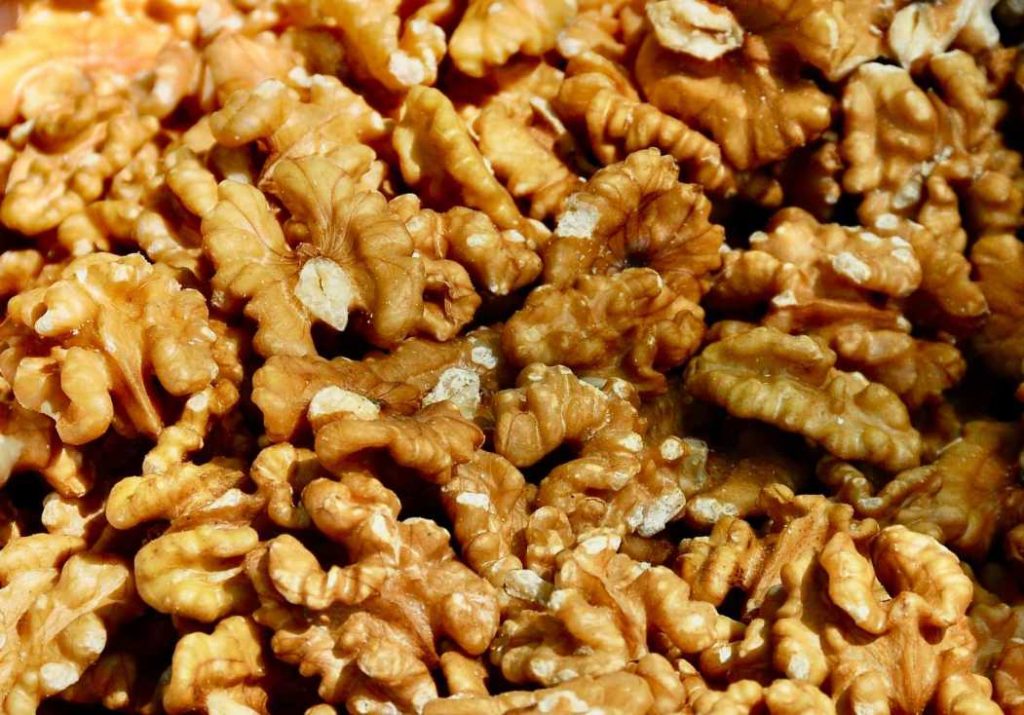
Walnuts are the tasty treasure hidden inside a hard shell. They come from walnut trees, and the most common type you’ll find in stores is the English walnut (Juglans regia). Unlike some other nuts, walnuts are technically single-seeded stone fruits. The outer fleshy part you might not even notice is actually a husk, and the crunchy part we enjoy is the seed encased in a tough shell.
Walnuts are typically harvested in the fall (September-November in the northern hemisphere). Commercially available walnuts usually have two halves to their shell, although some may have three or four sections. Inside the shell is the delicious nut meat, often sold pre-shelled for convenience. This kernel is protected by a thin brown layer rich in antioxidants.
Walnuts boast a long and fascinating history. Archaeological evidence suggests humans have been enjoying these nutritious nuts for over 10,000 years! Originating in Central Asia, walnuts spread across the globe, becoming a prized food source for various civilizations. The Romans even called them “Jupiter’s nuts,” reflecting their association with health and well-being.
A Nutritional Powerhouse: What’s Inside a Walnut?
Beyond their historical significance, walnuts are a nutritional powerhouse. Walnuts pack a surprising amount of essential nutrients:
Omega-3 fatty acids: These are crucial for fetal brain development and heart health in both mother and baby.
Protein: Essential for building and repairing tissues, both for you and your growing baby.
Fiber: Promotes healthy digestion and can help combat constipation, a common pregnancy woe.
Antioxidants: Fight free radicals, protecting your cells and potentially reducing the risk of pregnancy complications.
Vitamins and minerals: Walnuts are a good source of vitamins B6 and E, along with minerals like copper, manganese, and magnesium, all vital for a healthy pregnancy.
Packed with Power: According to the USDA, Walnuts are a powerhouse of nutrients! Here’s a look at what a 100-gram serving offers:
Total Calories: 652 kcal
Healthy Fats: They boast a whopping 65 grams of fat, most of which are beneficial fats.
Low Sodium: With only 2 milligrams of sodium per serving, they’re a great choice for those watching their sodium intake.
Manageable Carbs: Walnuts provide a moderate amount of carbohydrates (14 grams), with only 2.6 grams coming from sugars.
Protein Punch: They pack a protein punch, offering 15 grams per serving.
Mineral Medley: Walnuts are a good source of minerals, including calcium (98mg), iron (2.9mg), and potassium (441mg)
Now that we’ve explored the walnut’s impressive nutritional profile, let’s delve into the potential benefits offered by walnuts during pregnancy:
Brainpower Boost: The omega-3 fatty acids in walnuts might contribute to the healthy development of your baby’s brain and nervous system.
Heart Healthy: Walnuts can help maintain healthy blood pressure levels and support your overall cardiovascular health during pregnancy.
Mood and Energy: Omega-3s and B vitamins in walnuts might play a role in regulating mood and boosting energy levels, which can be a welcome benefit during pregnancy.
Fetal Growth: The protein and essential minerals in walnuts can support your baby’s healthy growth and development.
Digestive Relief: The fiber content in walnuts can help promote regularity and combat constipation, a frequent pregnancy discomfort.
While we’ve explored the scientific benefits of walnuts during pregnancy, Ayurveda, the ancient Indian medical system, also offers valuable insights. In Ayurveda, walnuts are known as “akhrot” and are considered a nourishing food for both mother and baby.
Here’s a glimpse into what Ayurveda says about walnuts during pregnancy:
Balancing Doshas: Ayurveda emphasizes maintaining balance among the three doshas (Vata, Pitta, Kapha) for optimal health. Walnuts are believed to have a balancing effect, particularly beneficial for Vata dosha, which can be aggravated during pregnancy.
Strength and Stamina: Ayurveda considers walnuts to be a source of strength and nourishment. They are believed to support a healthy pregnancy by providing essential nutrients for both mother and developing baby.
Ojas Enhancement: Ojas is the essence of vitality and immunity in Ayurveda. Walnuts are seen as a food that can help enhance Ojas levels, potentially boosting the immune system of both mother and baby.
Digestive Support: Similar to modern science, Ayurveda recognizes the benefits of walnuts for digestion. Their fiber content is believed to aid digestion and prevent constipation, a common pregnancy discomfort.
The information from both modern science and Ayurveda paints a positive picture for including walnuts during pregnancy diet.
Remember: While walnuts are generally safe, moderation is key. Consult your doctor before making any significant dietary changes, especially during pregnancy. They can advise you on the appropriate serving size based on your individual needs.
Delicious Ways to Enjoy Walnuts During Pregnancy
We’ve established that walnuts are a safe and beneficial addition to your pregnancy diet. But how do you incorporate these little nutritional powerhouses into your meals and snacks? Here are some delicious and creative ideas on how to eat walnuts during pregnancy:
The Morning Munch: Add a sprinkle of chopped walnuts to your yogurt parfait or oatmeal for a satisfying and protein-rich breakfast.
Salad Sensations: Crushed walnuts add a delightful crunch and a nutty flavor boost to your favorite pregnancy-safe salads.
Trail Mix Magic: Whip up your own pregnancy-safe trail mix by combining walnuts with dried fruits like cranberries or cherries, and dark chocolate chips for a sweet and satisfying snack.
Veggie Power Bowl: Elevate your veggie power bowl with a generous dollop of walnut pesto. To make your own, simply blend walnuts with fresh basil, garlic, olive oil, and a squeeze of lemon juice.
Baking Bliss: Walnuts add a delightful texture and richness to muffins, cookies, and even banana bread. Opt for whole-wheat flour and natural sweeteners for a healthier twist.
Cheese Please: Pair walnuts with a variety of cheeses for a protein and healthy fat packed snack. Goat cheese, cheddar, or brie all create delicious flavor combinations.
Smoothie Surprise: Boost your smoothie’s nutritional profile by adding a handful of walnuts. They blend surprisingly well with various fruits and vegetables.
While walnuts offer a bounty of benefits during pregnancy, it’s important to remember moderation is key. Here’s a breakdown of some potential downsides associated with eating excessive walnuts during pregnancy:
Digestive Distress: Overdoing walnuts can lead to diarrhea, an already unpleasant pregnancy symptom you might want to avoid.
Iron Absorption Interference: Walnuts contain phytates, which can hinder iron absorption. This is particularly important during pregnancy when iron needs are already high.
Allergy Concerns: If you have a mild walnut allergy, pregnancy might heighten your sensitivity. Symptoms like skin rashes, lip swelling, itching, dizziness, and wheezing could arise. If you suspect a nut allergy, consult your doctor before consuming walnuts.
Increased Bleeding Risk: Some studies suggest excessive walnut intake may increase bleeding risks during delivery.
Weight Gain: Walnuts are a calorie-dense food. While healthy fats are essential, overindulging can contribute to unwanted weight gain during pregnancy.
Finding the Right Balance:
Remember, these downsides are primarily associated with excessive consumption. When enjoyed in moderation (around 30 grams or a handful per day), walnuts are generally safe for most pregnant women. Consulting your doctor can help you determine the appropriate serving size based on your individual needs and health history.
By being mindful of portion control and listening to your body, you can reap the many benefits walnuts offer while minimizing any potential risks.
Remember: When buying walnuts, choose raw or dry roasted varieties with no added salt or flavorings. To maximize freshness, store them in an airtight container in the refrigerator or freezer.
By incorporating these tips and recipes, you can easily enjoy the benefits of walnuts throughout your pregnancy. So, go ahead, grab a handful of these crunchy treasures, and embrace the healthy and delicious journey of pregnancy!
We at Kashmirica, bring to you the best Kashmiri Walnuts, to add right into your pregnancy diet and routine.
Congratulations! You’re embarking on the beautiful journey of pregnancy. As your body undergoes amazing transformations to nurture new life, you’re likely also thinking about healthy ways to nourish yourself and your baby.
Anjeer, also known as figs, might be a fruit you’ve come across, and you might be wondering if it’s safe and beneficial to eat anjeer during pregnancy.
Well, wonder no more! This blog post is here to guide you on all things anjeer during pregnancy.
Anjeer is more than just a delicious dried fruit. It’s a treasure trove of essential nutrients that can significantly benefit pregnant women throughout their journey. That is why it has been advised to eat anjeer during pregnancy throughout Indian culture.
Let’s delve deeper into the impressive nutritional profile of anjeer during pregnancy and explore how it contributes to a healthy pregnancy:
Fiber for a Smooth Ride: Pregnancy can often disrupt your digestive system, leading to constipation. Here’s where anjeer steps in as a knight in shining armor. Anjeer is an excellent source of dietary fiber. This fiber acts like a natural broom in your gut, promoting smooth digestion and regular bowel movements. By incorporating anjeer into your diet, you can significantly reduce the discomfort and inconvenience of constipation, a common pregnancy woe.
Building Strong Bones for Two: As your baby grows inside you, their skeletal system undergoes phenomenal development. Anjeer comes to the rescue again, being richly endowed with vitamins and minerals crucial for healthy bone formation. These include vitamin K, which plays a vital role in blood clotting and bone mineralization, alongside calcium and potassium. Calcium is the building block of strong bones, and potassium helps regulate calcium absorption. By consuming anjeer, you’re not only supporting your baby’s bone development but also maintaining your own bone health during pregnancy.
Antioxidant Shield for a Healthy Pregnancy: Pregnancy can sometimes make you more susceptible to oxidative stress and inflammation. Anjeer acts as a powerful shield against these threats, thanks to its impressive antioxidant content. Antioxidants in anjeer help combat free radicals, and harmful molecules that can damage cells and contribute to various health concerns. By neutralizing these free radicals, anjeer helps reduce the risk of pregnancy complications and promotes overall well-being for both you and your baby.
Beyond the Basics: The nutritional benefits of anjeer extend far beyond these highlighted points. It’s a natural source of iron, which helps combat fatigue, a common pregnancy symptom. It also contains vitamin B6, known to alleviate nausea and vomiting associated with morning sickness. Anjeer boasts essential vitamins like vitamin C, which strengthens your immune system and helps fight infections. This translates to a healthier pregnancy for you and a stronger foundation for your developing baby.
Anjeer is a powerhouse of essential nutrients that can be incredibly beneficial for both mom and baby during pregnancy. Here’s a breakdown of some key benefits of eating Anjeer during pregnancy:
Rich in Fiber: Pregnancy can often bring on constipation woes. Anjeer, being a good source of dietary fiber, can help regulate digestion and keep things moving smoothly.
Blood Sugar Management: Packed with natural sugars and a low glycemic index, anjeer can help regulate blood sugar levels, which is crucial during pregnancy, especially if you’re at risk of gestational diabetes.
Morning Sickness Relief: Feeling queasy? Anjeer contains vitamin B6, which is known to help alleviate nausea and vomiting associated with morning sickness.
Boosting Immunity: Anjeer is loaded with antioxidants and essential vitamins like vitamin C, which can help strengthen your immune system and fight off infections, keeping both you and your baby healthy.
Iron for Energy: Feeling sluggish? Anjeer is a natural source of iron, which can help combat fatigue and keep your energy levels up during pregnancy. Unlike iron supplements, anjeer offers a natural and delicious way to boost your iron intake. This is especially appealing for those who may experience side effects from iron supplements or simply prefer to get their nutrients from whole food sources.
Bone Health for Two: Anjeer is rich in calcium, potassium, and magnesium, all essential minerals for promoting healthy bone development in your baby and maintaining your own bone health.
There are two main types of anjeer you’ll encounter: fresh and dried. Here’s a quick guide to choosing the best form of Anjeer during pregnancy that best suits your needs:
Fresh Anjeer: Look for plump, soft figs with smooth, unbroken skin. Avoid any with blemishes or bruises. The riper the fig, the sweeter it will be.
Dried Anjeer: Opt for dried figs that are soft and pliable, not hard or brittle. Choose those with a fresh, figgy aroma, and avoid any with a sour or fermented smell.
Delicious Ways to Enjoy Anjeer During Pregnancy
Anjeer’s versatility allows you to incorporate it into your diet in various ways. Here are some yummy ideas to enjoy anjeer during pregnancy:
Simple Snack: Enjoy a few whole dried anjeer as a healthy and satisfying snack.
Soaked and Savory: Soak 2-3 dried anjeer in water overnight. In the morning, mash them and have them with some nuts and seeds for a protein-rich breakfast.
Smoothie Powerhouse: Add a chopped fresh fig or a couple of diced dried figs to your favorite smoothie recipe for a natural sweetness boost and extra nutrients.
Baked Delight: Finely chop dried anjeer and incorporate them into muffins, cookies, or bread dough for added fiber and a delightful figgy flavor.
Oatmeal Buddy: Dice some fresh or dried anjeer and add them to your morning oatmeal for a touch of sweetness and a burst of texture.
Salad Surprise: Feeling adventurous? Try incorporating chopped fresh or dried anjeer into your salad for a unique sweet and savory combination.
Yogurt Topping: Love yogurt? Top it with chopped fresh or dried anjeer, along with some honey and granola for a power-packed and delicious parfait.
Energy Balls: Make your own energy balls by blending dried anjeer, nuts, seeds, and rolled oats. These are perfect for a quick and healthy energy boost on the go.
Fig Jam: Feeling creative? Whip up a batch of homemade fig jam using fresh figs. It’s a delicious spread for toast or crackers.
The daily intake of anjeer that’s safe during pregnancy can vary depending on individual factors and your overall diet. Here’s a breakdown to consider:
General Recommendation: 2-4 figs per day is a safe and beneficial range for most pregnant women. This amount allows you to reap the benefits of Anjeer’s nutrients without going overboard on natural sugars.
Individual Needs: It’s always best to consult your doctor to determine the perfect amount for your specific pregnancy needs. Faktoren (factors) like your blood sugar levels, weight, and activity level can all influence how much anjeer is suitable for you.
Moderation is Key: While anjeer is a great source of nutrients, consuming too much can lead to excessive sugar intake. Remember, moderation is key!
Consider Your Overall Diet: When incorporating anjeer into your diet, be mindful of your total sugar intake from all sources throughout the day.
Consulting Your Doctor is Crucial
Remember, consulting a healthcare professional is vital for personalized guidance throughout your pregnancy. They can help you create a well-balanced diet that incorporates anjeer safely and effectively to optimize your health and your baby’s development.
Safety Considerations
While anjeer offers a plethora of benefits, it’s important to remember moderation is key. Here are some things to keep in mind while consuming anjeer during pregnancy:
Sugar Content: Although the natural sugars in anjeer are beneficial, consuming too much can lead to weight gain and potentially contribute to gestational diabetes.
Consult Your Doctor: Always consult your healthcare provider before introducing any new food to your pregnancy diet, especially if you have any underlying health conditions.
Allergies: If you have any allergies to birch pollen or mulberry trees, you might also be allergic to anjeer. Be cautious and watch out for any allergic reactions.
Washing Away Impurities: Before indulging in those juicy figs, take a moment to wash them thoroughly. This removes any surface dirt, debris, or even traces of pesticides that might be lingering on the skin. A gentle rinse under clean running water is sufficient.
Prioritizing Quality: Whenever possible, opt for organic anjeer. This helps minimize your exposure to potentially harmful chemicals like pesticides, which are often used in conventional farming practices. Organic anjeer allows you to enjoy the fruit’s natural goodness with peace of mind.
Ripeness Matters: Underripe figs can be a bit of a disappointment. They tend to be hard, less flavorful, and might even have a slightly sour taste. To ensure the best experience and maximize the nutritional benefits, choose ripe figs. Look for those that are soft to the touch and have a sweet, inviting aroma. A gentle squeeze should reveal a slight give, indicating optimal ripeness.
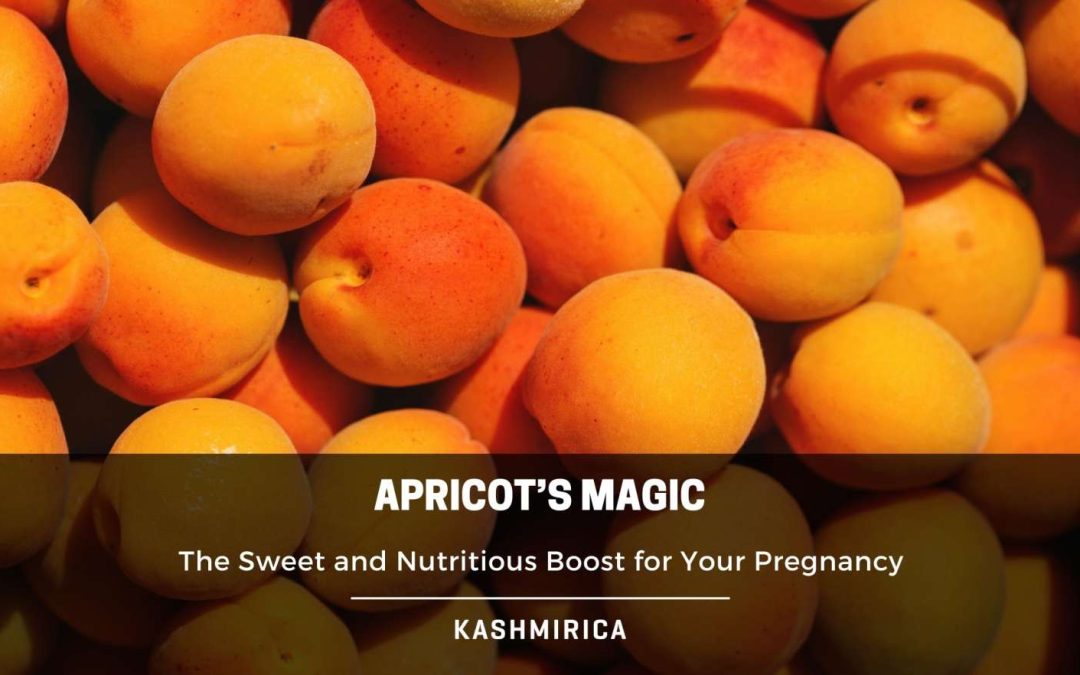
Morning sickness got you down? Craving something sweet that won’t send your blood sugar on a rollercoaster ride? Look no further than the humble apricot!
This vibrant orange fruit, a symbol of sunshine and sweetness, boasts a rich history intertwined with human civilization.
It’s a nutritional powerhouse waiting to support you and your growing baby. From easing common pregnancy woes to packing a punch of essential vitamins and minerals, apricots might just become your new best friend during this extraordinary journey.
Buckle up, mamas-to-be, because we’re about to dive into the world of Apricot’s Magic and discover how this little fruit can be your sweet and nutritious boost for a healthy pregnancy!
The Tale of the Apricot: From Ancient Asia to Modern Tables
Its journey begins in the mountainous regions of Central Asia, specifically around the Tian Shan mountain range that stretches across modern-day Kyrgyzstan, Kazakhstan, and China.
Here, wild apricots (Prunus armeniaca) thrived for millennia, their small, tart fruits a natural source of sustenance for local populations.
The exact timeline of its domestication remains debated, but genetic evidence suggests it happened independently in two regions: China and the Caucasus (encompassing parts of Armenia, Georgia, and Azerbaijan).
Over time, humans selected the larger, sweeter fruits, leading to the divergence of the wild apricots into the two distinct genetic groups we see today – European and Chinese cultivars.
The name “apricot” itself reflects this complex history.
The Latin name Prunus armeniaca translates to “plum of Armenia,” suggesting its introduction to Europe from the Caucasus region.
Trade routes played a crucial role in spreading its fame. Alexander the Great is believed to have encountered the fruit during his conquests in Central Asia, and by the first century AD, Roman writers documented their appreciation for it.
By the 15th century, apricots had reached Europe, taking root in countries with suitable climates like Spain, Italy, and France.
Today, apricots are cultivated globally in regions with warm summers and cool winters, with a particular preference for well-drained, fertile soils.
The leading producers of fresh apricots paint a diverse picture.
Turkey reigns supreme, contributing roughly one-third of the world’s total apricot production. Other major players include Uzbekistan, Iran, Italy, Algeria, and Spain.
California stands out as the undisputed leader in the United States, with its Central Valley boasting ideal growing conditions. Also known for their Almonds.
Rich in antioxidants: beta carotene, lutein, and zeaxanthin
Enjoy whole and unpeeled for maximum fiber benefit
Discard the pit (inedible)
Packed with essential vitamins and minerals like vitamins A, C, iron, and potassium, this fruit offers a range of benefits that can make your pregnancy journey smoother.
Vitamin A: This key nutrient plays a crucial role in promoting healthy vision for both you and your developing baby. It also supports the growth and differentiation of your baby’s cells, ensuring proper development.
Vitamin C: A powerhouse for your immune system, vitamin C helps your body fight off infections and stay healthy throughout pregnancy. It also aids in iron absorption, which is essential for carrying oxygen throughout your body and to your baby.
Iron: During pregnancy, your blood volume increases significantly. Iron is a critical component of red blood cells, which are responsible for carrying oxygen throughout your body. These offer a natural and delicious way to boost your iron intake and prevent anemia, a common concern during pregnancy.
Potassium: This essential mineral helps regulate blood pressure, a crucial factor for maintaining a healthy pregnancy. Potassium also plays a role in muscle function and nerve transmission, ensuring your body functions optimally throughout this transformative time.
By incorporating these into your diet in moderation and following proper hygiene practices, you can safely enjoy the many benefits this sunshine fruit offers during your pregnancy journey.
Apricots aren’t just a delightful summer treat – they’re packed with benefits that can make your pregnancy journey smoother and more enjoyable. Here’s how these sunshine-colored gems can become your pregnancy power-ups:
Bye-bye Constipation: Struggling with the uncomfortable side effects of pregnancy? Apricots to the rescue! Their rich fiber content helps regulate digestion and keep things moving smoothly.
Boosting Iron for You and Baby: Iron deficiency is a common concern in pregnancy. These are a tasty way to increase your iron intake, supporting the formation of red blood cells for both you and your developing baby.
Sharpen Your Vision: Pregnancy can bring a few changes to your eyesight. These come packed with beta-carotene, which your body converts into vitamin A, essential for maintaining healthy vision.
Balanced Blood Sugar: These can help keep your blood sugar levels in check, potentially reducing the risk of gestational diabetes during pregnancy.
A Healthy Baby: These are a treasure trove of essential nutrients. Folic acid, present in abundance, helps prevent birth defects. Plus, other key nutrients support your baby’s healthy growth and development throughout pregnancy.
Glowing Skin: They can work wonders for your skin! Adding them to your pregnancy diet may contribute to that coveted pregnancy glow.
Supporting Breastfeeding: The benefits of apricots extend beyond pregnancy. They can also help improve breast milk production, making a smooth transition to breastfeeding more likely.
Sunny Start to Your Day: Add sliced apricots to your morning cereal for a burst of natural sweetness and essential vitamins.
Smoothie Power-Up: Blend them fresh with yogurt and honey for a delicious and nutritious on-the-go breakfast or afternoon pick-me-up.
Grilled Delight: Try grilling fresh apricots for a warm and flavorful treat. Serve them alongside a scoop of vanilla ice cream for a satisfying and healthy dessert.
Savory Salad Surprise: Create a refreshing salad featuring sliced fresh apricots, spinach, crumbled goat cheese, and toasted pecans. This unexpected combination offers a delightful blend of textures and flavors.
Bonus Tip: Feeling crafty? Whip up a batch of homemade jam! Simply simmer fresh apricots with sugar and lemon juice until they reach a soft, spreadable consistency. Enjoy it on toast, or crackers, or even use it to glaze chicken or fish for a sweet and tangy twist.
Fresh or Dried?
The good news is that apricots, in both their fresh and dried forms, are perfectly safe to enjoy during pregnancy.
Fresh apricots offer a burst of juicy sweetness and a refreshing texture, while dried apricots provide a concentrated dose of nutrients in a convenient, portable form.
Pregnancy can bring on a whirlwind of emotions and cravings. When those sweet tooth desires hit, dried apricots are a fantastic healthy option. Not only are they naturally sweet and delicious, but they also pack a powerful nutritional punch to support both you and your baby.
So, the choice is yours!
A Word on Moderation and Safety: While apricots are generally safe for pregnant women, it’s important to be mindful of a few things. Apricot kernels, or pits, contain amygdalin, a compound that can convert to cyanide in the body. Cyanide is toxic, so avoid consuming the pits altogether.
The edible part of the apricot may also contain trace amounts of amygdalin, but these levels are very low and unlikely to cause any harm. However, moderation is key. Stick to a reasonable serving size, like one to two apricots per day, to maximize the benefits and avoid any potential issues.
Washing is Essential: Just like with any fruit or vegetable, thoroughly wash apricots before consuming them to remove any surface dirt or bacteria. This is especially important during pregnancy to minimize the risk of foodborne illness.
Buying fresh apricots from the markets or buying dried apricots from Kashmirica online, whatever suits your need and supports your and the baby’s health, should be your priority.
As you navigate the wonderful world of prenatal nutrition, you might wonder about including delicious dried fruits like raisins in your diet.
These unassuming shriveled gems – prunes, raisins, apricots, and a delightful medley of others – pack a powerful punch of essential nutrients, making them a fantastic addition to your pregnancy diet.
This informative blog dives deep into the world of Dried Grapes or Raisins during pregnancy. We’ll explore their nutritional value, and potential benefits for both you and your baby, and answer some common questions to guide you toward healthy snacking.
Raisins are simply dried grapes, concentrating their natural sweetness and nutrients.
Unlike their fresh counterparts, dried fruits boast a condensed profile of vitamins, minerals, and fiber. This translates to a readily available source of vital elements that play a crucial role during pregnancy.
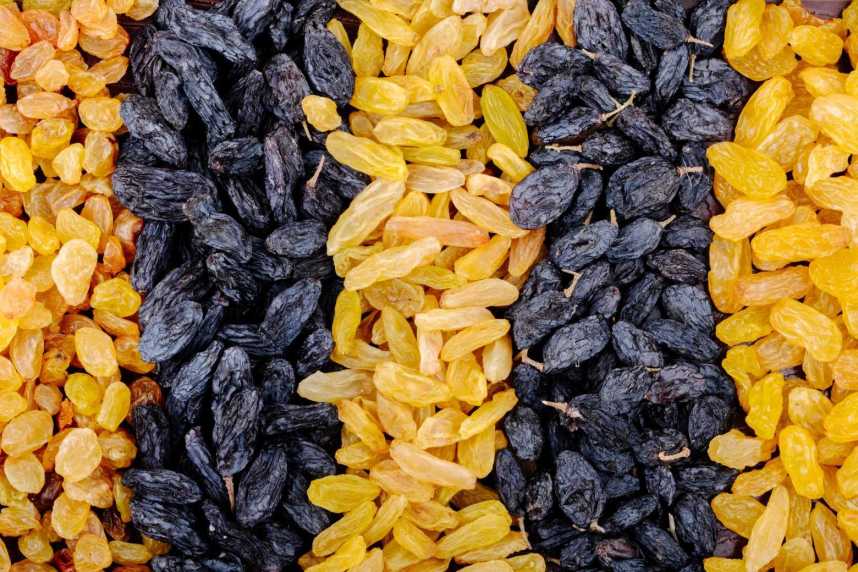
Assortment of Yellow and Black Raisins
Packed in a tiny package, they offer a treasure trove of goodness for expecting mothers:
Essential Vitamins and Minerals: Pregnancy can sometimes lead to iron deficiency anemia. Dried fruits, particularly dried grapes, come to the rescue. They are rich in readily absorbed iron, helping maintain healthy levels for both you and your developing baby. This combats fatigue and ensures proper oxygen flow, vital for your baby’s growth. They also boast vitamin B complex, promoting energy metabolism, and potassium, important for regulating blood pressure.
Fiber Powerhouse: Pregnancy can sometimes lead to constipation. Raisins, rich in dietary fiber, can help regulate digestion and keep things moving smoothly.
Natural Sugars for Energy: Craving something sweet? Raisins provide a natural energy boost with their concentrated dose of fructose and glucose.
Bone-Building Support: Raisins contain calcium, essential for your baby’s growing bones and teeth, and boron, which helps with calcium absorption.
Raisins are a concentrated source of nutrients due to being dried grapes. This makes them a beneficial snack for pregnant women, offering a variety of health advantages in a small serving. Here’s a breakdown of the nutritional content of a 100-gram serving of raisins (according to Raisins During Pregnancy: Benefits, Risks & Side Effects by Mylo):
Calories: 299-302 (a moderate energy source)
Fat: 1% (very low in fat)
Carbohydrates: 95% (raisins are a good source of carbohydrates for energy)
Protein: 4% (a small amount of protein)
It’s important to note that dried grapes are also high in sugar (71.4-76.9 g per 100 g) and dietary fiber (5.8 g per 100 g). While sugar provides energy, it’s important to be mindful of portion sizes to avoid consuming too much sugar. The dietary fiber content helps with digestion, which can be helpful during pregnancy.
Incorporating dried grapes into your pregnancy diet can offer a multitude of benefits:
Combating Anemia: Iron deficiency anemia is a concern during pregnancy. dried grapes, rich in iron and easily absorbed by the body, can help maintain healthy iron levels for both you and your baby.
Boosting Energy Levels: Pregnancy can be tiring. The natural sugars in dried grapes offer a quick energy pick-me-up without the crash associated with refined sugars.
Supporting Digestion: Raisins are high in fiber, promoting regular bowel movements and aiding digestion, which can sometimes be sluggish during pregnancy.
Oral Health: Raisins contain oleanolic acid, which has been shown to have antibacterial properties that can help prevent cavities and gum disease.
Building Strong Bones: The calcium and boron in raisins contribute to your baby’s healthy bone development throughout pregnancy.
Black Dried Grapes are used to make black raisins and can be a valuable addition to a pregnant woman’s diet. They’re packed with antioxidants that protect cells and boost the immune system with vitamins like C and zinc. The natural sugars satisfy cravings without excess weight gain, while potassium helps regulate blood pressure. Additionally, black raisins might contribute to healthy skin, improved sleep, balanced hormones, and reduced swelling. Their low glycemic index may help manage blood sugar, and the magnesium content can ease muscle cramps—a frequent pregnancy discomfort. Overall, black raisins offer a range of potential benefits for both mom and baby during this special time.
While dried fruits offer a plethora of benefits, it’s important to remember moderation is key. Here’s what to keep in mind:
Portion Control: A small serving, roughly 30 grams (equivalent to a small handful of sultanas, raisins, or mixed fruit), counts as one portion of your recommended 5 a day. Sticking to this portion size ensures you reap the benefits without exceeding your daily sugar intake.
Sugar Content: Although natural, dried fruits still contain concentrated sugars. If you have pre-existing gestational diabetes or concerns about sugar intake, consult your doctor to determine the appropriate serving size for you.
Dental Health: Since dried fruits can stick to teeth, practicing good oral hygiene is essential. Brushing your teeth or rinsing your mouth after snacking helps maintain healthy teeth.
Raisin the Power Up! Creative Ways to Enjoy
Dried Grapes or Raisins are a versatile snack, perfect for on-the-go or a quick energy boost. Here are some delicious ways to incorporate them into your pregnancy diet:
On-the-Go Energy Boost: Keep a small pouch of mixed dried fruits or raisins in your bag for a quick and natural energy pick-me-up whenever cravings strike.
Oatmeal Delight: Add a sprinkle of raisins to your morning oatmeal for a touch of sweetness and extra fiber.
Yogurt Powerhouse: Mix raisins with plain yogurt and granola for a protein-packed and satisfying afternoon treat.
Salad Surprise: Add a handful of chopped dried fruits to your salad for a delightful textural contrast and a touch of natural sweetness.
Trail Mix Magic: Create your own energy-dense trail mix by combining dried fruits with nuts (if not allergic), seeds, and whole-grain cereal. This satisfying mix provides sustained energy and keeps you feeling full for longer.
Homemade Energy Bites: Whip up some delicious and healthy energy bites with a blend of rolled oats, nut butter, and chopped dried fruits. These bite-sized treats are perfect for satisfying cravings while offering a dose of essential nutrients.
Addressing Common Concerns about Dried Grapes During Pregnancy
Here are some frequently asked questions about eating raisins while pregnant:
Can raisins cause gestational diabetes? While raisins contain natural sugars, they are unlikely to cause gestational diabetes on their own. However, it’s always best to discuss your overall sugar intake with your doctor.
Are store-bought raisins safe? Look for organic raisins whenever possible to minimize exposure to sulfites, sometimes used as preservatives. Rinse raisins before consuming to remove any surface residue.
Can I eat too many raisins? Stick to a moderate serving size. Excessive sugar intake can lead to weight gain and other health concerns.
Remember: Always consult your doctor before making significant changes to your diet during pregnancy. They can advise you on the best approach based on your individual needs and health history.
The Takeaway: Dried Grapes or Raisins – A Healthy and Delicious Pregnancy Snack
Raisins are a nutritious and delicious snack for pregnant women. Packed with essential vitamins, minerals, and fiber, they offer a multitude of benefits for both you and your developing baby. Enjoy them in moderation as part of a balanced diet and relish the natural sweetness on your pregnancy journey!
By incorporating raisins into your pregnancy diet with a focus on moderation and mindful consumption, you can unlock a treasure trove of essential nutrients, promote digestive health, and enjoy delicious, convenient snacks that support you and your growing baby throughout this special journey.
Kashmirica brings you the best authentic and Organic Kashmiri Dry Fruits so that you and your baby have a healthy and happy journey! Buy some today and boost not only yours but your baby’s health.
Pregnancy can be a whirlwind of cravings, and sometimes only a sweet treat will hit the spot. But with all the dietary advice out there, it can be confusing to know what’s safe to indulge in.
Enter dried apricots: a naturally sweet and nutrient-packed snack that can be a great option for pregnant women.
In this blog post, we’ll explore How to eat dried apricots during pregnancy; And the benefits of dried apricots during pregnancy, from their vitamin content to their digestive aid properties.
We’ll also delve into how to enjoy them safely and in moderation, so you can satisfy your sweet tooth without worry.
Whether you’re looking for creative ways to incorporate them into your meals or simply want to know how many are safe to enjoy in a day, this post has you covered!
So, grab a handful of those dried apricots and get ready to learn how to enjoy them guilt-free throughout your pregnancy journey.
Know Your Apricots
Apricots belong to the Rosaceae family (which also includes roses, apples, pears, plums, and cherries). Apricots have been cultivated for over 4,000 years, with evidence suggesting they originated in regions of China and Russia.
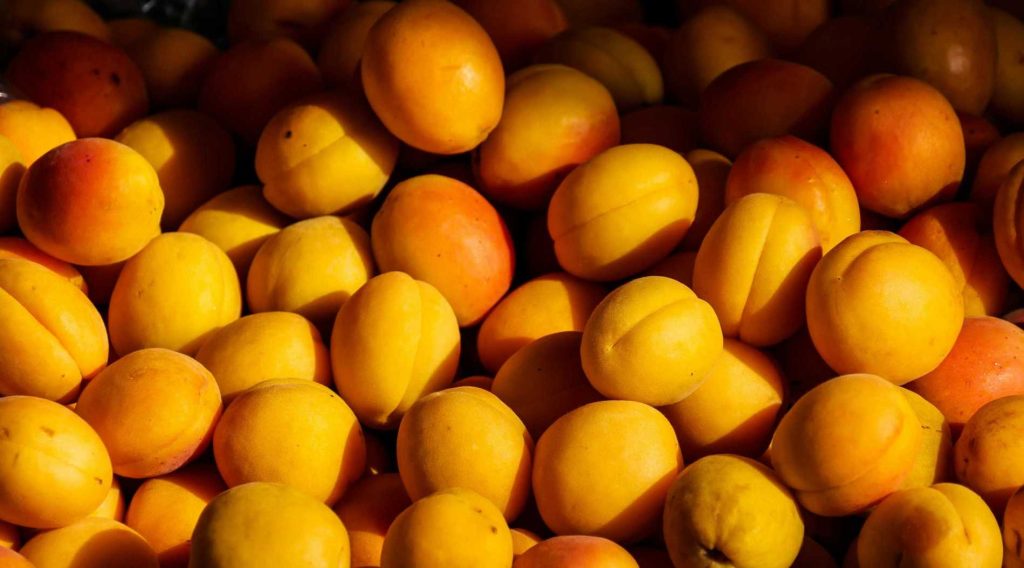
The apricot fruit is similar to a peach or plum, with smooth, nearly hairless skin ranging in color from pale yellow to deep orange.
The flesh is typically a rich yellow to yellowish orange and surrounds a single large pit.
California is the leading producer of apricots in the United States, accounting for about 95% of domestic production. On the other hand, Turkey is the world’s leading producer of “dried apricots”, contributing almost 90% of the global supply!
Cultivating Apricots
Fresh Apricots
Apricots are delicious and nutritious fruits native to Central Asia. They are known for their sweet, tangy flavor and vibrant orange color.
Apricots thrive in cool winters and warm, dry summers with good sunlight. They prefer well-drained, sandy loam soil with a pH between 6.0 and 7.0.
Apricots are typically propagated through bare-root trees purchased from nurseries. Planting is best done in late winter or early spring, before the trees bud.
Apricot trees require regular watering, especially during the first few years after planting. Once established, they are more drought-tolerant but still benefit from occasional deep watering.
Fertilization and Pruning of the trees help them produce healthy branches and encourage fruit production.
Apricots are typically ready for harvest in late spring or early summer, depending on the variety and climate. The fruit is ripe when it has a soft yield to gentle pressure and a rich, golden orange color.
Drying is a great way to preserve apricots and enjoy their deliciousness year-round. Here’s a basic guide to making dried apricots if you want to stay away from packaged products:
1. Washing and Halving:
Wash the apricots thoroughly under clean running water.
Traditionally, some commercial dried apricots undergo a brief sulfur fumigation, which helps preserve their bright orange color. This step is optional for home drying and can be skipped if you prefer a more natural approach.
3. Drying Methods:
There are three main methods for drying apricots:
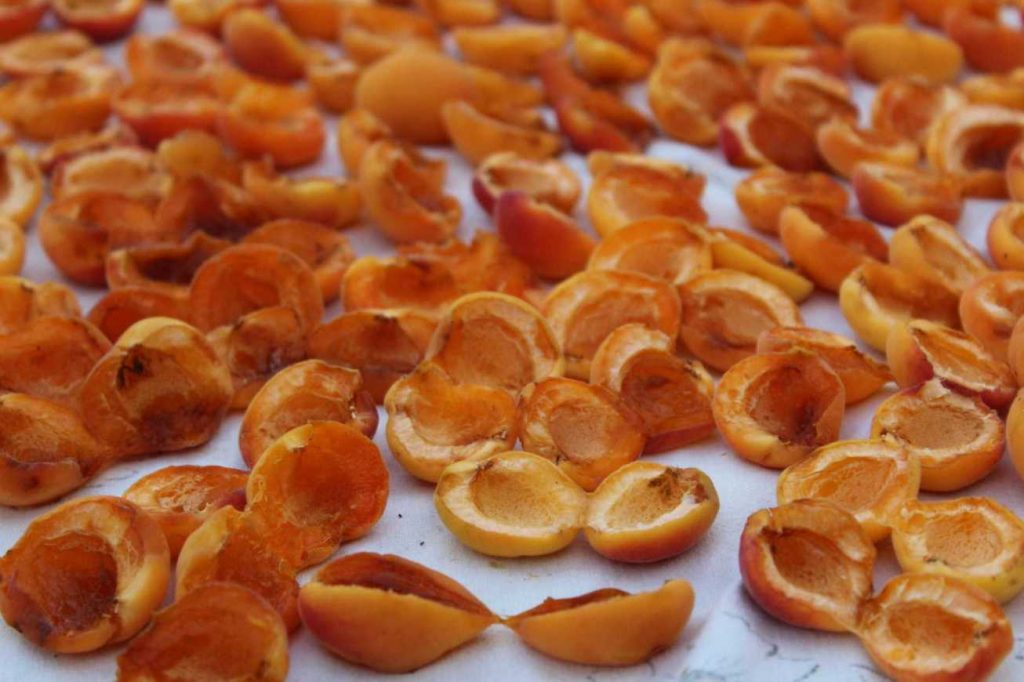
Sun Drying: This traditional method involves placing the apricot halves on clean drying screens in direct sunlight. Cover them with cheesecloth to protect them from insects. Depending on the climate, drying can take several days to a week. Turning the apricots occasionally ensures even drying.
Dehydrator Drying: Using a dehydrator is a faster and more controlled drying method. Arrange the apricot halves on the dehydrator trays in a single layer and follow the manufacturer’s instructions for drying time and temperature (typically around 130°F to 145°F for 6-12 hours).
Oven Drying: Preheat your oven to its lowest setting (usually around 150°F to 200°F). Arrange the apricot halves on baking sheets lined with parchment paper and leave the oven door slightly ajar to allow moisture to escape. Drying time can vary depending on the oven temperature and humidity, so check on the apricots frequently and remove them once they are dry and leathery.
Natural Drying of Apricots
4. Storing Dried Apricots:
Once the apricots are fully dried, they should be leathery and pliable, not hard or brittle.
Store dried apricots in airtight containers in a cool, dark place. They can last for several months under proper storage conditions.
Benefits of Eating Dried Apricots During Pregnancy
Pregnancy is a trying period for a woman’s body, and it requires all the nutrition it can get. Dry fruits are a great way to add nutrition to your diet during snack time.
Dried apricots offer a delightful combination of sweet flavor and impressive health benefits, making them a versatile and valuable snack for pregnant women.
Here’s how these little gems can support your well-being throughout your pregnancy journey:
Combating Common Discomforts: Dried apricots boast a high potassium content, which may help reduce swelling during pregnancy, a common and sometimes uncomfortable experience.
Good source of antioxidants: Dried apricots are a good source of antioxidants, which can help to protect your cells from damage.
Curbing Cravings: Craving sweets? Dried apricots offer a naturally sweet indulgence packed with fructose and glucose. This can help you satisfy your sweet tooth in a healthier way compared to processed sugary snacks.
Promoting Digestive Health: Packed with fiber, dried apricots can aid in regular digestion, potentially easing constipation, a frequent pregnancy concern.
Supporting Fetal Development: Rich in calcium, dried apricots can potentially contribute to the healthy development of your baby’s bones.
Soothing Heartburn: Some women experience heartburn during pregnancy. Dried apricots may offer relief due to their potential benefits for digestion.
Presence of tryptophan: This amino acid is a precursor to serotonin, which can indirectly support prolactin production, a hormone essential for milk production. Phytoestrogens, a type of plant compound may also help regulate hormones involved in lactation.
May help to prevent anemia: Iron deficiency anemia is a common problem during pregnancy. Dried apricots are a good source of iron, which can help to prevent anemia.
How to Eat Dried Apricots During Pregnancy? A Guide
Dried apricots are a healthy snack option for pregnant women, offering a good dose of vitamins and fiber. Here’s how to enjoy dried apricots during pregnancy, safely:
How Many Dried Apricots Can You Eat During Pregnancy?
Like any food, don’t overdo it. Moderation is Key. A small handful (2-3 apricots) is a good daily serving to reap the benefits without any digestive issues.
Wash Thoroughly: Dried fruits can harbor bacteria or pesticides. Wash them well under running water before eating.
Enjoy in Different Ways:
Snack on them directly.
Chop them up and add them to:
Oatmeal or breakfast cereal
Yogurt parfaits
Trail mix
Salads for a sweet and tart contrast
Alternative Ideas:
Soak them in warm water for a softer texture. The soaking liquid can be used in smoothies for added sweetness.
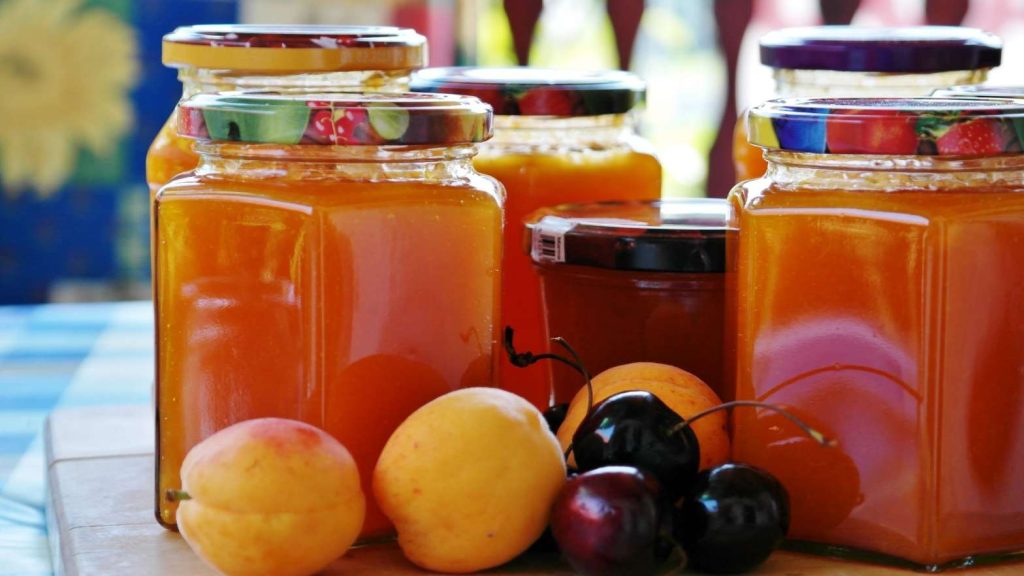
If you’re feeling adventurous, try pureeing the soaked apricots for a homemade fruit spread.
Apricot Fruit Spread
Consult Your Doctor:
While generally safe, consult your doctor if you have any concerns, allergies to stone fruits, or a history of gestational diabetes.
Avoid the Pits:
Apricot pits contain small amounts of cyanide, harmful in high doses. Stick to the fleshy part and discard the pits.
In conclusion, dried apricots can be a fantastic addition to your pregnancy journey. They offer a delicious and natural way to boost your nutrient intake, combat common discomforts, and keep your energy levels up. Remember, moderation is key, and always consult your doctor before making any major dietary changes. So, next time you’re looking for a satisfying and healthy snack, grab a handful of these sunshine-colored bites and enjoy the many benefits they bring to both you and your growing baby!