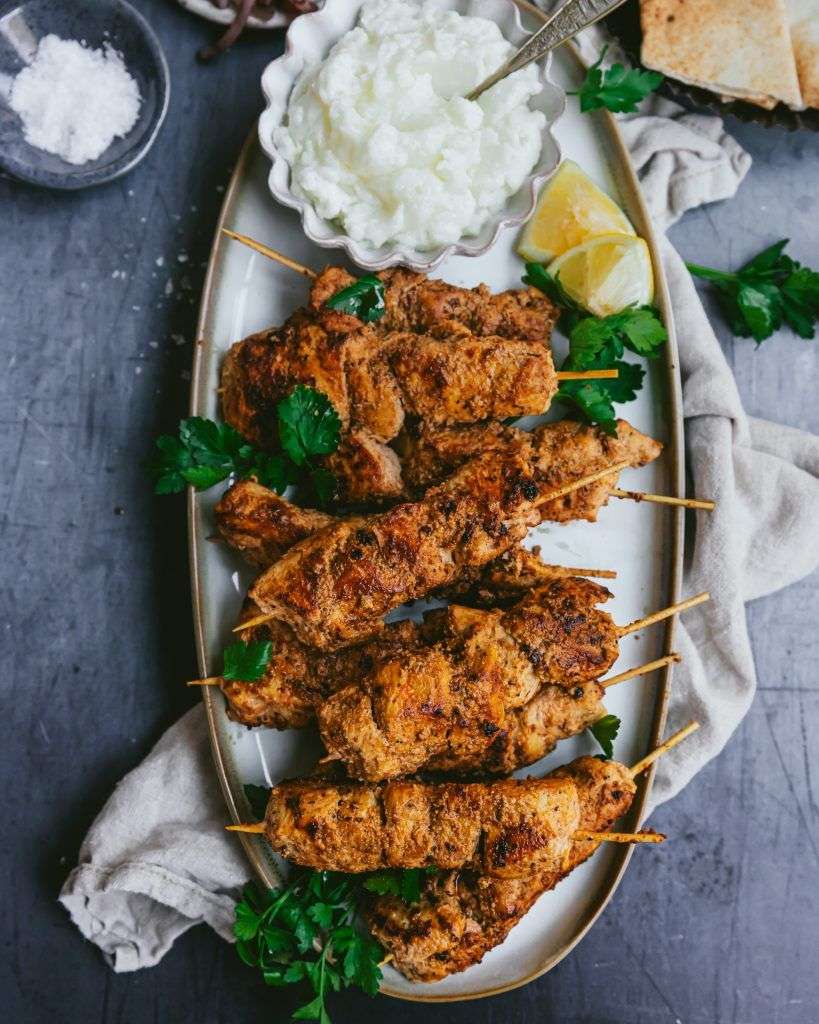
Ramadan is a time for spiritual reflection, but it can also be an opportunity to focus on your health. The natural rhythm of fasting and feasting during Ramadan creates a window for weight loss, but only if you make smart choices about what goes on your plate.
In this Blog, we will try and cover how to approach your Ramadan diet for weight loss, to shed some pounds while staying true to the spirit of the holy month, and all while not compromising your health.
We are comparing Ramadan fasting and Intermittent fasting (IF) because they share several key similarities:
Cyclical Eating: Both involve alternating cycles of eating and fasting. Ramadan fasting requires abstaining from food and drink from dawn to dusk for a month, while IF has various schedules with fasting windows ranging from 16 hours to a full 24 hours.
Time-Restricted Feeding: Both practices limit the daily window for food consumption. Ramadan fasting condenses eating to nighttime hours, while IF schedules restrict eating to specific windows within the day.
Potential Health Benefits: Both Ramadan fasting and IF have been linked to potential health benefits, including improved blood sugar control, reduced inflammation, and weight management.
Similarities Between Ramadan Fasting and Intermittent Fasting
And these reasons are why Ramadan Diet for Weight loss will work successfully during this Ramadan.
While they share similarities, there are also some key differences:
Religious Significance: Ramadan fasting is a spiritual practice with religious motivations, while IF is a dietary approach focused on health benefits.
Dietary Restrictions: Ramadan fasting restricts food and drink entirely during the fasting window. IF schedules allow for water, black coffee, or unsweetened tea during fasting periods.
Flexibility: Ramadan fasting has a set timeframe, while IF offers a variety of schedules for flexibility and personalization.
Overall, Ramadan fasting can be considered a specific form of time-restricted feeding within the larger umbrella of intermittent fasting practices. So, use the time of Ramadan for Intermittent Fasting success; and your Ramadan diet for weight loss goals.
Suhoor, the pre-dawn meal, sets the tone for your entire day.
Steer clear of certain foods during suhoor to ensure a comfortable and healthy fast throughout the day.
Resist the urge to indulge in sugary pastries, cookies, or white bread. These processed options are loaded with simple carbohydrates that cause a rapid rise in blood sugar levels, followed by an inevitable crash. This blood sugar roller coaster can leave you feeling drained and hungry much sooner than anticipated.
Fried foods are another culprit to avoid. Not only are they heavy and difficult to digest, but they can also exacerbate feelings of thirst.
Similarly, salty foods like chips, cured meats, or processed cheeses can trigger your body to retain water, leading to dehydration during the fast.
Remember, suhoor is your chance to provide your body with the sustained energy it needs to navigate the fast comfortably and healthily.
Focus on slow-digesting complex carbohydrates like oats, whole-wheat bread, or quinoa. These will provide sustained energy throughout the day.
Don’t forget the protein!
Unlike quick-digesting carbohydrates, which can cause blood sugar spikes and crashes, protein provides sustained energy. It takes longer for your body to digest and absorb protein, leading to a slower release of glucose into the bloodstream. This translates to feeling fuller for a longer period and avoiding those mid-morning or afternoon energy dips.
Digestion itself burns calories. Protein requires more energy to break down than carbohydrates or fats, creating a thermic effect. This means your body burns more calories just processing protein-rich foods, further contributing to weight loss.
Lean protein sources like eggs, beans, or lentils will keep you feeling fuller for longer.
Fruits and vegetables are essential for their vitamins, minerals, and fiber content. Fiber helps with digestion and keeps you feeling satisfied. Include healthy fats from dry fruits, nuts, seeds, or avocados for an extra energy boost.
So, focus on complex carbohydrates found in whole grains like oats, quinoa, or brown rice. Pair these with fruits and vegetables, packed with fiber and essential vitamins and minerals, to create a well-rounded and nourishing suhoor meal that will fuel your body for the entire day.
It’s tempting to gorge after a long day of fasting, but resist the urge!
Oily foods are a big no during a Ramadan Diet if you are looking for a healthy weightloss, for a few key reasons that can significantly impact your well-being throughout the fast:
Digestive Distress: Oily foods are notoriously difficult to digest. This can lead to heartburn, bloating, and sluggishness, especially on an empty stomach. During a Ramadan fast, your digestive system is already working harder to process food intake within a shorter window. Oily foods add an extra burden, potentially causing discomfort and interfering with your ability to focus on spiritual reflection.
Dehydration: Fatty foods can slow down the digestive process, which can also delay the absorption of fluids. This can lead to dehydration, which is a major concern during a fast, especially in hot weather conditions. When dehydrated, you may experience headaches, fatigue, and difficulty concentrating – not ideal states for prayer and religious activities.
Energy Slump: While oily foods may initially seem satiating due to their high fat content, they don’t provide sustained energy. The body expends more energy trying to break down fats, and the lack of readily available carbohydrates from oily meals can lead to a blood sugar crash. This can leave you feeling sluggish and lacking the energy needed for daily activities and prayers.
Reduced Nutrient Absorption: Fats in oily foods can interfere with the absorption of essential vitamins and minerals from other foods in your suhoor or iftar meal. These nutrients are crucial for maintaining good health and energy levels during the fast. By limiting oily foods, you ensure your body gets the most out of the healthy options you consume.
Increased Thirst: The salty nature of some oily foods can further exacerbate thirst during the fast. This can make it even harder to stay hydrated and can lead to unpleasant side effects like headaches and dizziness.
Overall, avoiding oily foods during Ramadan is a wise choice for a smoother and healthier fasting experience. By focusing on lighter, easily digestible options, you can optimize your energy levels, stay hydrated, and ensure your body can fully benefit from the nutritious foods you consume during suhoor and iftar.
Tips for Your Best Iftar Experience:
Begin your Iftar with dates, a tradition rich in symbolism and a natural source of sugar for a gentle reintroduction of food.
Breaking Fast with Dates
Follow that with a hydrating soup, full of vegetables and broth. This will gently ease your digestive system back into action.
For your main course, prioritize lean protein and whole grains. Grilled chicken with brown rice, or fish with quinoa are nutritious choices.
Don’t forget the veggies! A colorful plate packed with vitamins and minerals is key.
Another tip comes from an article from the website Mahram, which is, Skip the sugary drinks at Iftar if you’re aiming to lose weight! Stick with water and a date to break your fast. Water helps you feel full, flushes out toxins, and keeps you hydrated for your workouts. It’s also calorie-free, unlike sugary drinks that can pack on the pounds. So ditch the juice and soda, and choose water for a healthier Ramadan.
Meal Prep: Your Ally for Energy, Health, and Your Ramadan Diet for Weight Loss
The celebratory spirit of Iftar can easily lead to impulsive choices that undermine your health goals during Ramadan. This is where meal prepping shines as your secret weapon.
Planning and preparing your Iftar meals in advance offers a multitude of benefits that contribute to energy conservation, healthy food choices, and even weight loss success throughout the holy month.
Energy Conservation:
Reduced Decision Fatigue: After a long day of fasting, the last thing you want to do is spend precious energy deciding what to cook or ordering takeout. Having pre-prepared meals eliminates the need for last-minute decisions, allowing you to channel your energy towards prayer and spiritual reflection.
Faster Cooking Times: With prepped vegetables and marinated proteins, your Iftar meal comes together quickly and efficiently. This minimizes time spent in the kitchen, conserving your energy for other activities and preventing the temptation to snack while waiting for food to cook.
Portion Control: Meal prepping allows you to control portion sizes beforehand. This helps avoid overeating at Iftar, a common pitfall when hunger pangs are high. By having pre-portioned meals, you can ensure you’re consuming a balanced amount without the risk of overindulging, which can lead to sluggishness and fatigue.
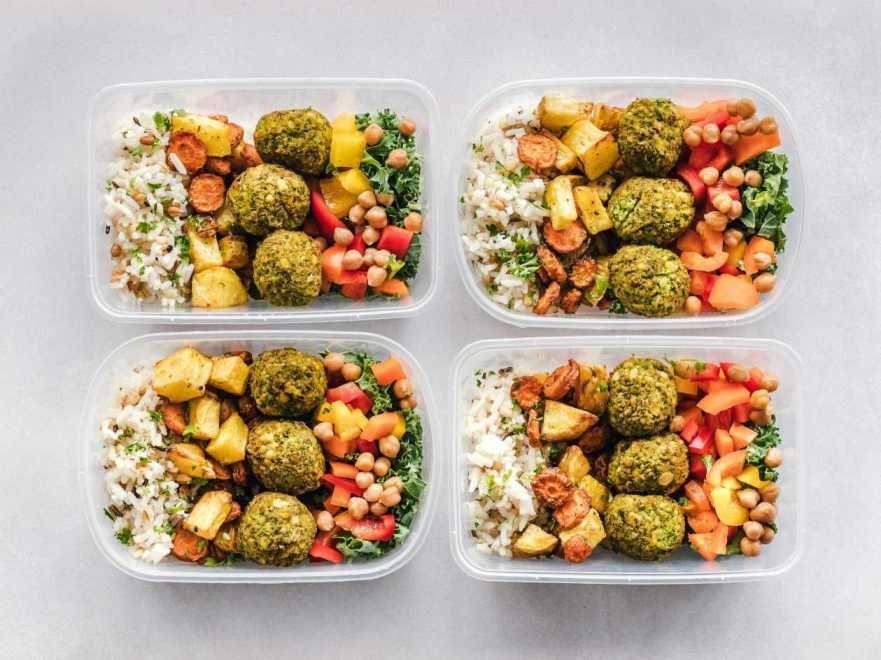
Meal-Prepping for Iftar Meals
Healthy Food Choices:
Goodbye Convenience Foods: When you’re famished, readily available convenience foods can seem like a tempting option. Meal prepping eliminates this temptation by providing healthy, home-cooked meals readily available at Iftar. You’ll be less likely to reach for unhealthy options that might be high in sodium, sugar, or unhealthy fats.
Focus on Fresh Ingredients: Meal prepping allows you to prioritize fresh, whole foods. You can control the quality of ingredients you use, ensuring you’re consuming nutrient-rich options that nourish your body and support your health throughout the fast. This focus on whole foods promotes better digestion and provides sustained energy levels.
Dietary Control: For those with specific dietary needs, meal prepping allows for greater control over what goes on your plate. You can tailor your meals to accommodate dietary restrictions or preferences, ensuring you’re getting the specific nutrients your body needs during the fast.
Weight Loss Support:
Mindful Eating: Meal prepping encourages mindful eating habits. By having pre-portioned meals, you’re less likely to succumb to impulsive snacking or overeating at Iftar. This mindful approach to eating can contribute to weight loss goals during Ramadan.
Balanced Meals: Meal prepping allows you to create balanced meals with the right proportions of protein, carbohydrates, and healthy fats. This balanced approach keeps you feeling full for longer, reducing cravings and preventing unnecessary calorie intake, which can aid in weight management.
Reduced Sugar Intake: Sugary desserts are often a Ramadan tradition. However, meal prepping allows you to control the amount of sugar you consume. You can opt for naturally sweet fruits as part of your prepped meals, satisfying your sweet tooth without derailing your weight loss efforts.
In conclusion, meal prepping is a powerful tool that can significantly enhance your Ramadan experience. By planning and preparing your meals in advance, you can conserve energy, make healthy food choices, and even support your Ramadan Diet for weight loss and keep your Immune system healthy.
Beyond the Plate: A Holistic Approach to Ramadan Diet For Weight Loss
While diet is key, don’t forget the importance of exercise during Ramadan. Light to moderate exercise during pre-dawn or evening hours can help maintain muscle mass and boost your metabolism. Getting enough sleep is also crucial – aim for 7-8 hours a night to regulate hormones that influence hunger and weight management.
Hydration is Key
Dehydration is a real threat during Ramadan, so staying hydrated is crucial. Throughout the non-fasting hours, focus on water, unsweetened herbal teas, and fruit-infused water. Avoid sugary drinks and caffeinated beverages, which can dehydrate you.
Mindful Moderation is Key
Ramadan is not a free pass to indulge in fried foods and sugary treats. Limit sweets to occasional treats, and opt for naturally sweet fruits instead. Remember, portion control is important – focus on quality over quantity.
Remember, consult your doctor before making any significant changes to your diet, especially if you have any underlying health conditions.
By following these tips, you can approach Ramadan with a mindful and balanced diet that promotes weight loss while allowing you to fully embrace the spiritual aspects of this holy month.
Kashmirica has the arsenal to equip you with Organic Kashmiri Food and Kashmiri Dry Fruits to help you craft a custom Ramadan Diet for your weight loss journey.
This Ramadan season, we’ve got everything you need to make the most of the festivities. Whether you’re searching for the perfect Eid gift for loved ones like jewellery & perfumes; or stunning ethnic wear for your celebrations, explore our incredible Ramadan sales and offers!
In Islam, Sunnah refers to the actions, sayings, and teachings of the Prophet Muhammad (peace be upon him) that were not specifically mentioned in the Quran. Sunnah is considered to be the second most important source of Islamic law after the Quran, and it guides various aspects of life, including worship, personal behavior like Sunnah of eating food, and social interactions.
Muslims believe that the Prophet Muhammad (peace be upon him) was the perfect example of how to live a righteous and fulfilling life, and therefore, his actions and teachings are highly respected and followed. Following the Sunnah is considered to be a way of getting closer to God and living a life that is pleasing to Him.
Sunnah is recorded in a collection of texts known as Hadith, which is a compilation of the sayings, actions, and teachings of the Prophet Muhammad (peace be upon him). The most widely accepted collections of Hadith are Sahih Bukhari and Sahih Muslim.
The Sunnah of Eating Food
In Islam, the Sunnah of eating food is considered to be an important aspect of daily life. The Prophet Muhammad (peace be upon him) guided how to eat and drink in a manner that is pleasing to Allah and beneficial to one’s health. Some of the Sunnah of eating food are:
1. Wash hands before and after eating
WASHING HANDS
The Hadiths emphasize the importance of washing hands before and after eating. It is a hygienic practice that helps prevent the spread of germs and bacteria, and it is also a way of following the Sunnah of eating food preached by the Prophet Muhammad (peace be upon him).
The Messenger of Allah (peace be upon him) said: ‘When you eat, wash your hands before you start, and wash them again after you finish.’(Sunan Abu Dawud, Book of Food, Hadith 3766)
2. Eat with your right hand and begin with the nearest dish on your plate
The Sunnah of eating food with the right hand is mentioned in several Hadiths (narrations) of the Prophet Muhammad (peace be upon him) and is also supported by stories and examples from Islamic history.
The Messenger of Allah (peace be upon him) said: ‘When one of you eats, let him use his right hand, and let him eat what is in front of him.’(Sahih Muslim, Book of Drinks, Hadith 2017)
A companion of the Prophet Muhammad (peace be upon him) named Abdullah ibn Umar reported that the Prophet (peace be upon him) said: “O Abdullah, eat with your right hand, and eat from what is in front of you.”(Sahih Bukhari, Book of Drinks, Hadith 5376)
It is also reported that the Prophet Muhammad (peace be upon him) encouraged his followers to use their right hand for all daily activities, including eating, drinking, writing, and greeting others. This is based on the belief that the right hand is superior to the left hand and that it is purer and more blessed. (Sunan Abu Dawud, Book of Clothes and Decorations, Hadith 4020)
3. Begin with reciting Bismillah
BISMILLAH
The Hadiths emphasize the importance of saying Bismillah before eating, and how it can bring blessings and make eating easier. Saying Bismillah is a way of acknowledging Allah’s blessings and seeking His guidance and protection. It is also a way of showing gratitude for the food that Allah has provided and a Sunnah of eating food.
The Messenger of Allah (peace be upon him) said: ‘When one of you wants to eat food, let him say Bismillah, and if he forgets to say Bismillah at the beginning, then let him say Bismillah Fi Awwalihi Wa Akhirih (In the name of Allah at the beginning and at the end).’(Sunan Ibn Majah, Book of Food, Hadith 3267)
4. Sit on the floor while eating
There is a story of a man who invited the Prophet (peace be upon him) to eat with him. The man prepared a grand feast and set up a table with chairs but the Prophet (peace be upon him) declined the invitation and said: “I only eat on the ground, sitting cross-legged.” The man realized his mistake and apologized, and the Prophet (peace be upon him) accepted his apology and ate with him on the ground. (Sahih Bukhari, Book of Food, Hadith 5399)
Sitting on the floor while eating is a Sunnah of eating food that is also a natural and healthy way of eating that promotes good digestion and prevents health problems such as indigestion and heartburn.
5. Eating Together
The Prophet Muhammad (peace be upon him) said: “Eat together and do not separate, for the blessing is in the company.”(Sunan Ibn Majah, Book of Food, Hadith 3284)
It is narrated that the Prophet Muhammad (peace be upon him) used to eat with his companions and would invite people to his home for meals.
The companions of the Prophet Muhammad (peace be upon him) would often gather together for meals, and this tradition continued after the Prophet’s death. It is narrated that once, during a gathering, the companions noticed that one of them was eating alone. They invited him to join them, and he said that he was fasting. The companions replied that they were also fasting, but they had broken their fast together as a community. The man was moved by their kindness and accepted the invitation to eat with them. (Sunan Abu Dawud, Book of Food, Hadith 3765)
This story highlights the importance of community and the bonds that are formed through sharing meals together.
The Sunnah of eating food together helps to build community, strengthen social bonds, and foster a sense of unity and brotherhood/sisterhood among Muslims.
6. Eat using three dominant fingers
The Prophet (peace be upon him) used to eat with three fingers, saying: ‘This is the way of the Prophets before me.’(Sahih Al-Bukhari, Book of Food, Hadith 5407)
The Messenger of Allah (peace be upon him) said: ‘Do not eat with five fingers, for that is the way of the Shaytan. Eat with one finger, two fingers, or three fingers.’(Sunan Abu Dawud, Book of Food, Hadith 3764)
7. Eating in Moderation
The Prophet Muhammad (peace be upon him) said: ‘The son of Adam does not fill any vessel worse than his stomach. It is sufficient for the son of Adam to eat enough to keep him alive. But if he must do that, then let him fill one-third with food, one-third with drink, and one-third with air.’ (Sunan Ibn Majah, Book of Food, Hadith 3349)
The Sunnah of eating food in moderation and avoiding overindulgence is a way of maintaining good health and preventing the development of diseases such as obesity, high blood pressure, and diabetes.
8. Be thankful for the food and never criticize
The Prophet Muhammad (peace be upon him) said, “The believer eats in one stomach whereas the disbeliever eats in seven stomachs.” (Sahih Bukhari, Book of Foods, Hadith 5390). This Hadith encourages Muslims to be content with what they have been provided with and not to criticize the food or the cook.
It is also Narrated by Abu Huraira that The Prophet never used to criticize any food that he was provided to eat. He never used to complain about the taste if the food was not of his liking but rather leave it as it was without uttering a word. He used to eat if he liked the food and leave it if he disliked it.
Being thankful for the food that we have been provided with and avoiding criticism of it is a Sunnah of eating food that can show gratitude to Allah and live a more fulfilling life.
9. Never waste food
The Sunnah of not wasting food emphasizes the importance of moderation, gratitude, and compassion. It encourages Muslims to be mindful of the resources they use to avoid wasting them and appreciate the blessings of Allah and share them with others.
The Prophet (peace be upon him) saw a man picking up food that had fallen in the street, and he said: ‘Leave it for him, leave it for him. It is only a morsel, but it is a sin to waste it.’(Sunan Ibn Majah, Book of Food, Hadith 3285). This Hadith highlights the importance of not wasting even small amounts of food. It encourages Muslims to value the blessings of Allah and to be grateful for the food they have been provided with.
There is also a verse in the Quran that encourages Muslims to not waste any of the blessings that have been bestowed upon them by the almighty: “And eat and drink, but waste not in extravagance, certainly He (Allah) likes not those who waste in extravagance.”(Quran 7:31)
10. Always give Compliments if you like something
Complimenting the food that one eats is a Sunnah of eating food that helps to show gratitude, kindness, and appreciation. The Prophet Muhammad (peace be upon him) encouraged his followers to complement the food that is served to them.
The Prophet Muhammad (peace be upon him) said: “Whoever does not thank people, does not thank Allah.”(Sunan Abu Dawud, Book of Manners, Hadith 4811). This Hadith emphasizes the importance of showing gratitude to others, including those who prepare and serve food.
11. Express gratitude to Allah for the food you are blessed with
ALHAMDULILLAH
In Islam, it is a Sunnah of eating food to praise Allah before and after eating. One should say “Alhamdulillah” after finishing the meal as a way of expressing gratitude and recognizing that all blessings come from Allah.
The Hadith narrated by Abu Huraira (may Allah be pleased with him) in which the Prophet Muhammad (peace be upon him) said, “When a servant of Allah eats his food and praises Him for it, Allah forgives his past sins.” (Sahih Muslim, Book of Zakat, Hadith 1784)
There is another Hadith narrated by Abdullah ibn Umar (may Allah be pleased with him) in which the Prophet Muhammad (peace be upon him) said, “Allah is pleased with the servant who eats a meal and praises Him for it, and the servant who drinks a drink and praises Him for it.” (Sunan Ibn Majah, Book of Food, Hadith 3282)
Conclusion
The Sunnah of the Prophet Muhammad (peace be upon him) is the second most important source of guidance in Islam, after the Quran. Sunnah is an essential part of the Islamic faith. It is a way of obeying Allah, gaining blessings, increasing one’s faith, and attaining success in this life and the hereafter.
While following the Sunnah is highly recommended and considered an essential part of the Islamic faith, it is not considered obligatory in the same way that following the commands of the Quran is obligatory. It is seen as a way to gain a deeper understanding of the Quran and to implement its teachings in a practical way.
In this blog, we talked about the essential Sunnah of eating food. May Allah help us to follow all of them, Ameen.
Ramadan is the ninth month of the Islamic lunar calendar and is considered one of the holiest months in the Islamic faith. It is an important period of fasting, tasty Ramadan recipes, prayer, and reflection for Muslims all around the world.
The importance of Ramadan in the Islamic faith is multifaceted. It is considered a time of spiritual rejuvenation and self-purification. Muslims believe that during this month, the gates of heaven are open, and the gates of hell are closed, allowing them to focus on their relationship with Allah, seek forgiveness, and purify their souls.
Ramadan is a time of physical and mental discipline. Muslims fast from dawn until sunset, abstaining from food, drink, and other physical needs during this time. This act of self-control and discipline helps Muslims to become more conscious of their actions and thoughts, leading to improved self-discipline and a greater appreciation for the blessings of life.
It is a time of community and charity. Muslims are encouraged to give generously to those in need, and many mosques and organizations provide free meals for the poor and disadvantaged. This emphasis on giving and charity fosters a sense of community and encourages Muslims to be more compassionate and empathetic toward those in need.
Ramadan is a crucial month in the Islamic faith that emphasizes spiritual, physical, and mental discipline, self-purification, and community and charity. It is a time for Muslims to strengthen their relationship with Allah and with each other, and to reflect on their place in the world and their role in making it a better place.
Some Healthy Ramadan Recipes
Ramadan is a month of fasting for Muslims, where they abstain from food and drink from sunrise to sunset. It is important to break the fast with healthy and nutritious meals to keep the body nourished during this holy month.
Here are some healthy Ramadan recipes that you can try:
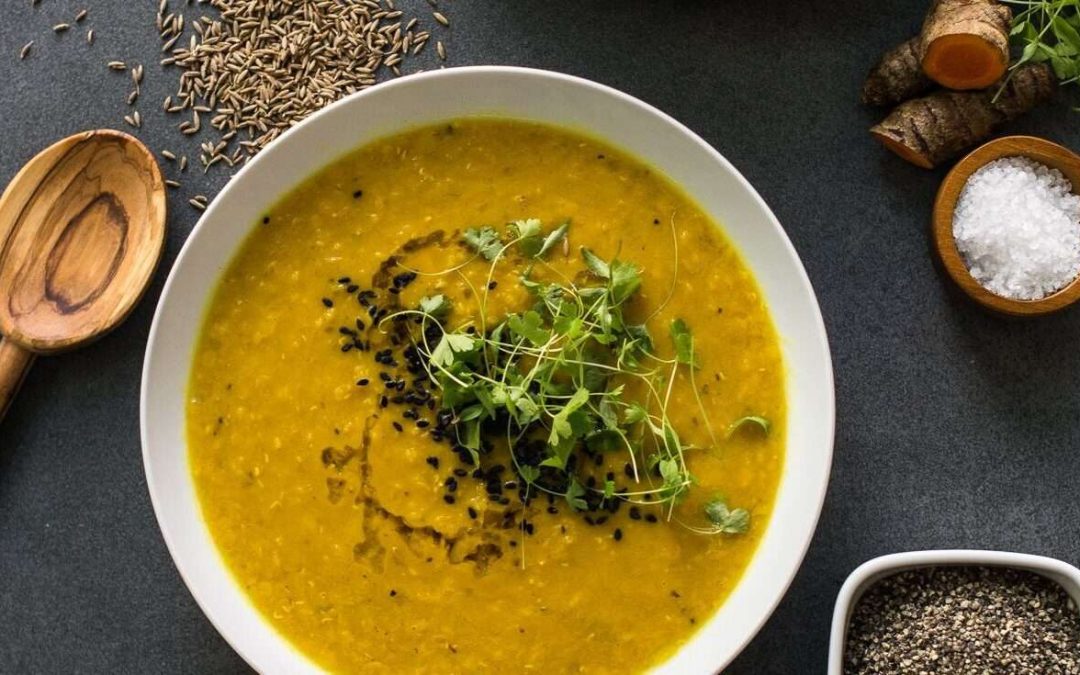
1. Lentil Soup
LENTIL SOUP
This is a filling and nutritious soup that is among the perfect Ramadan recipes for breaking the fast. To make the soup, you will need:
1 cup of lentils
1 onion, chopped
2 garlic cloves, minced
1 teaspoon of ground cumin
4 cups of vegetable or chicken broth
Salt and pepper to taste
Directions
Rinse the lentils and drain.
In a large pot, sauté the onions and garlic until soft and fragrant.
Add the cumin and stir for a few seconds.
Add the lentils and broth, and bring to a boil.
Reduce the heat and let simmer for about 30 minutes, or until the lentils are tender.
Add salt and pepper to taste.
2. Grilled Chicken Kebabs
CHICKEN KEBABS
This is one of the delicious and protein-packed Ramadan recipes that can be served with a side salad or some grilled vegetables. To make the kebabs, you will need:
1 pound of boneless, skinless chicken breast, cut into cubes
1 red onion, cut into wedges
1 red pepper, cut into squares
1 green pepper, cut into squares
2 tablespoons of olive oil
2 teaspoons of ground cumin
1 teaspoon of paprika
1 teaspoon of garlic powder
Salt and pepper to taste
Directions
In a large bowl, whisk together the olive oil, cumin, paprika, garlic powder, salt, and pepper.
Add the chicken and vegetables to the bowl, and toss to coat with the marinade.
Let the mixture marinate for at least 30 minutes.
Preheat the grill to medium-high heat.
Thread the chicken and vegetables onto skewers.
Grill the skewers for about 10-15 minutes, or until the chicken is cooked through and the vegetables are tender.
3. Chickpea Salad
CHICKPEA SALAD
This is a simple and refreshing salad that is among the perfect Ramadan recipe for breaking the during iftar. To make the salad, you will need:
1 can of chickpeas, drained and rinsed
1 cucumber, chopped
1 tomato, chopped
1/4 cup of chopped parsley
2 tablespoons of olive oil
1 tablespoon of lemon juice
Salt and pepper to taste
Directions
In a large bowl, combine the chickpeas, cucumber, tomato, and parsley.
In a small bowl, whisk together the olive oil, lemon juice, salt, and pepper.
Pour the dressing over the salad and toss to coat.
Serve chilled.
4. Baked Fish with Vegetables
BAKED SALMON WITH VEGETABLES
This is one of the healthy and delicious Ramadan recipes that is packed with protein and nutrients. To make the dish, you will need:
4 fish fillets (such as salmon or tilapia)
1 red onion, sliced
1 red pepper, sliced
1 yellow pepper, sliced
2 garlic cloves, minced
2 tablespoons of olive oil
Salt and pepper to taste
Directions
Preheat the oven to 375°F.
Place the fish fillets in a baking dish.
In a large bowl, toss together the onion, peppers, garlic, olive oil, salt, and pepper.
Spread the vegetable mixture over the fish fillets.
Bake for 20-25 minutes.
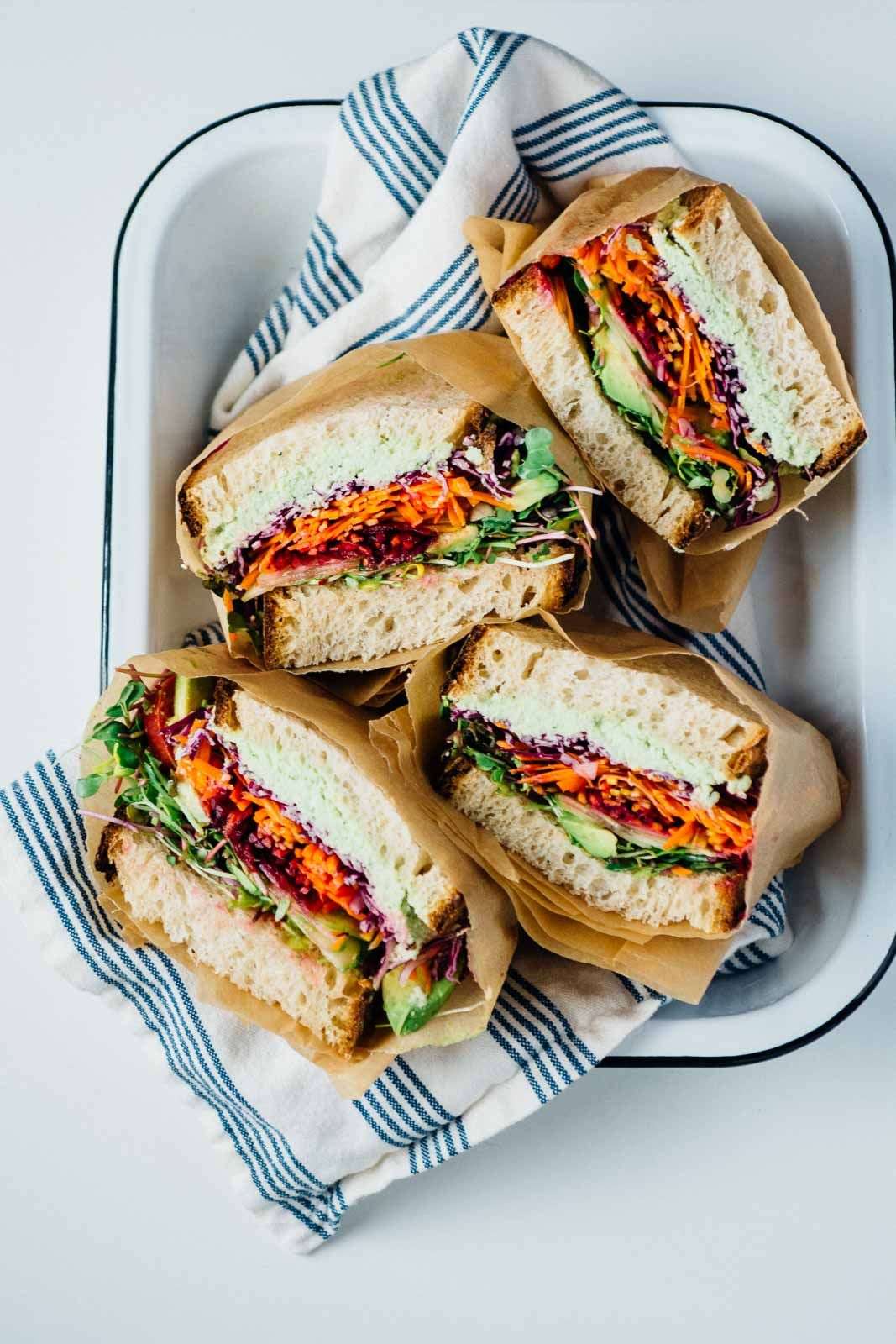
5. Sprouts Sandwich
SPROUT SANDWICH WITH VEGGIES
These protein-rich Ramadan recipes with the goodness of sprouts to break the fast. To make this you will need:
Multigrain bread
Boiled sprouts
Vegetables of your choice
Mayonnaise
Directions
Toast bread slices and spread butter or mayonnaise on them.
Add a layer of sprouts, sliced tomatoes, cucumber, and any other vegetables you like.
Top with another slice of bread and cut into halves.
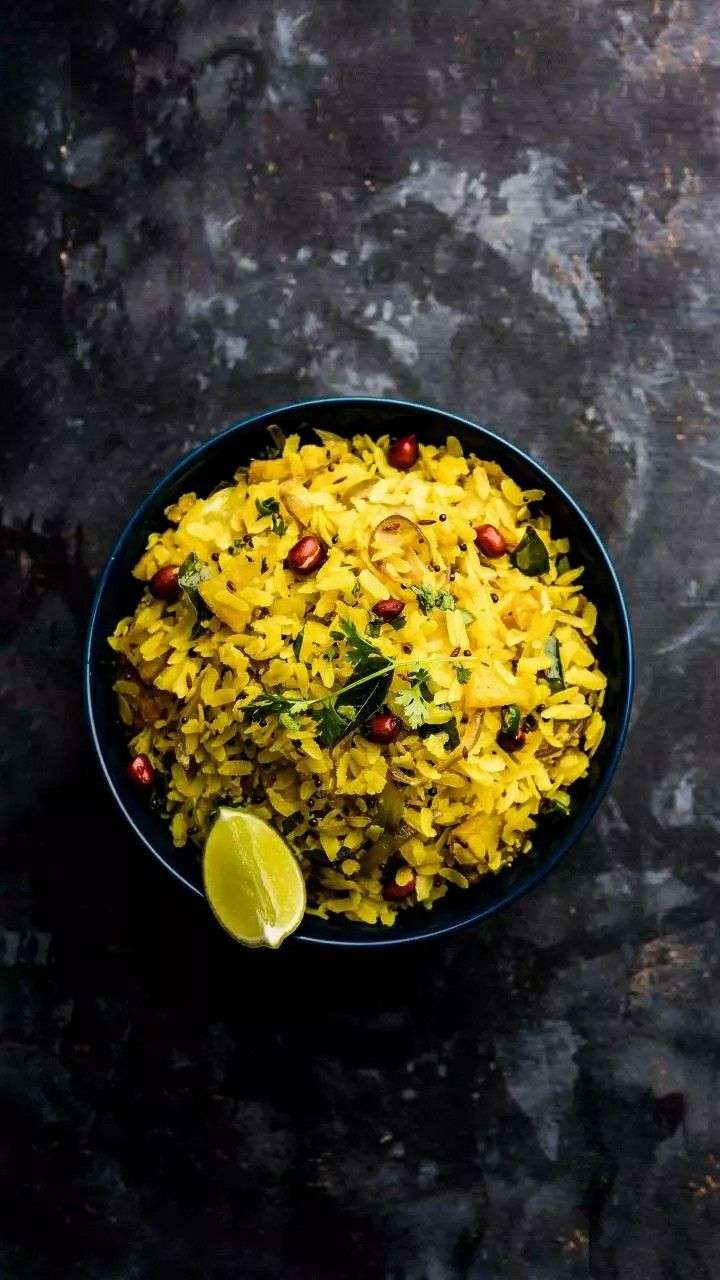
6. Poha
POHA
Poha is a popular breakfast dish in India made with flattened rice flakes, vegetables, and spices. To make this you will need:
2 cups poha (flattened rice flakes)
1 small onion, chopped
1 small potato, peeled and chopped
1/2 cup frozen peas
1 green chili, chopped
1/4 cup roasted peanuts
1 tsp mustard seeds
1/2 tsp cumin seeds
1/4 tsp turmeric powder
1/4 tsp red chili powder
Salt to taste
1 tbsp oil
1 tbsp chopped coriander leaves for garnishing
Directions
Rinse the poha in water until it softens. Drain and set aside.
Heat oil in a pan and add mustard seeds and cumin seeds. When the seeds splutter, add chopped onions and green chili. Saute until onions turn translucent.
Add chopped potatoes and peas to the pan. Stir and cook for 3-4 minutes.
Add turmeric powder, red chili powder, and salt to the pan. Stir well.
Add the rinsed poha to the pan and mix well with the vegetables.
Cook on medium heat for 3-4 minutes until the poha is heated through and soft.
Add roasted peanuts and mix well.
Garnish with chopped coriander leaves and serve hot.
One Pot Meal Ramadan Recipes
One-pot meals can be a great option for those observing Ramadan, as they are often easy to prepare and can provide a filling, nutritious meal with minimal effort. Here are a few one-pot Ramadan recipes you might want to try:
Chickpea and Spinach Stew
This is one of the most hearty Ramadan recipes and is a delicious and filling option that’s perfect for breaking your fast. Simply sauté onions and garlic in a large pot, then add canned chickpeas, diced tomatoes, and vegetable broth. Let everything simmer for a few minutes, then add a few handfuls of fresh spinach and let it wilt into the stew. Season with salt, pepper, and any other spices you like, and serve with crusty bread.
Beef and Vegetable Curry
This flavorful curry is among the easiest Ramadan recipes cooked in a large pot. Start by browning some beef cubes in the pot, then add onions, garlic, and your favorite curry spices (such as turmeric, cumin, and coriander). Add chopped vegetables like carrots, potatoes, and bell peppers, along with some canned tomatoes and coconut milk. Let everything simmer until the vegetables are tender and the beef is cooked through, then serve over rice.
Shrimp and Vegetable Stir-Fry
This stir-fry is quick and easy to make Ramadan Recipes are cooked in a large skillet or wok. Start by sautéing onions and garlic, then add chopped vegetables like bell peppers, carrots, and broccoli. Once the vegetables are tender, add raw shrimp and some soy sauce, and cook until the shrimp are pink and cooked through. Serve over rice or noodles.
Vegetable Biryani
Cook basmati rice and mix it with vegetables and spices. You can also add a protein like paneer or tofu to make it more filling. There are several types of biryani that can be cooked as the most delightful Ramadan recipes.
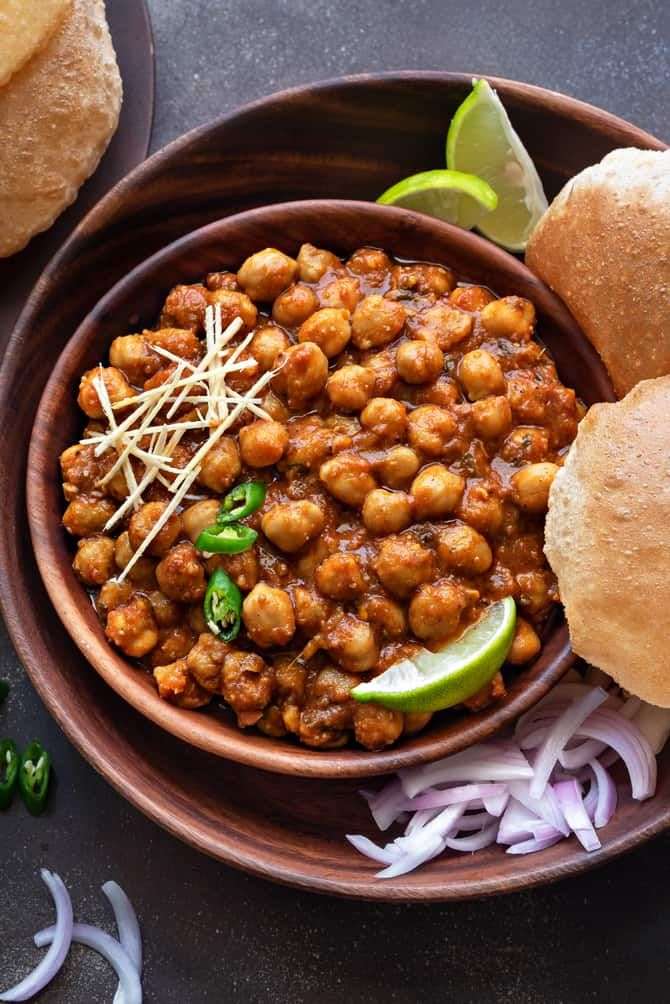
Chana Masala
This is a flavorful vegetarian dish made with chickpeas, tomatoes, and spices. You can serve it with rice or naan bread. These are the easiest Ramadan recipes to make.
Chicken Tikka Masala
This classic dish is one of the best Indian takeout in Brampton. It features tender chicken in a creamy tomato sauce with spices like cumin, coriander, and garam masala. Serve it with rice or naan bread.
Sambar
A popular South Indian lentil soup made with vegetables like carrots, tomatoes, and eggplant, and flavored with tamarind, curry leaves, and mustard seeds.
Lemon Rice
This dish is made by cooking rice with lemon juice, curry leaves, and mustard seeds. It’s a simple and flavorful dish that’s perfect as a side dish or a main course.
Keema Pulao
This dish is made by cooking ground meat with rice and spices like cumin, coriander, and garam masala. It’s a delicious and satisfying one-pot meal. Ramadan is a special time for Muslims around the world, and food plays an important role during this holy month.
Haleem
Haleem is a thick, hearty stew made with meat, lentils, and spices. It is a popular dish in many Muslim countries and is often eaten as a main meal during Ramadan.
Fattoush
Fattoush is a salad made with fresh vegetables, herbs, and toasted pita bread. It is often served as a side dish during Ramadan.
Biryani
Biryani is a flavorful rice dish that is often made with meat, vegetables, and spices. It is a popular main dish in many Muslim countries and is often served during Ramadan.
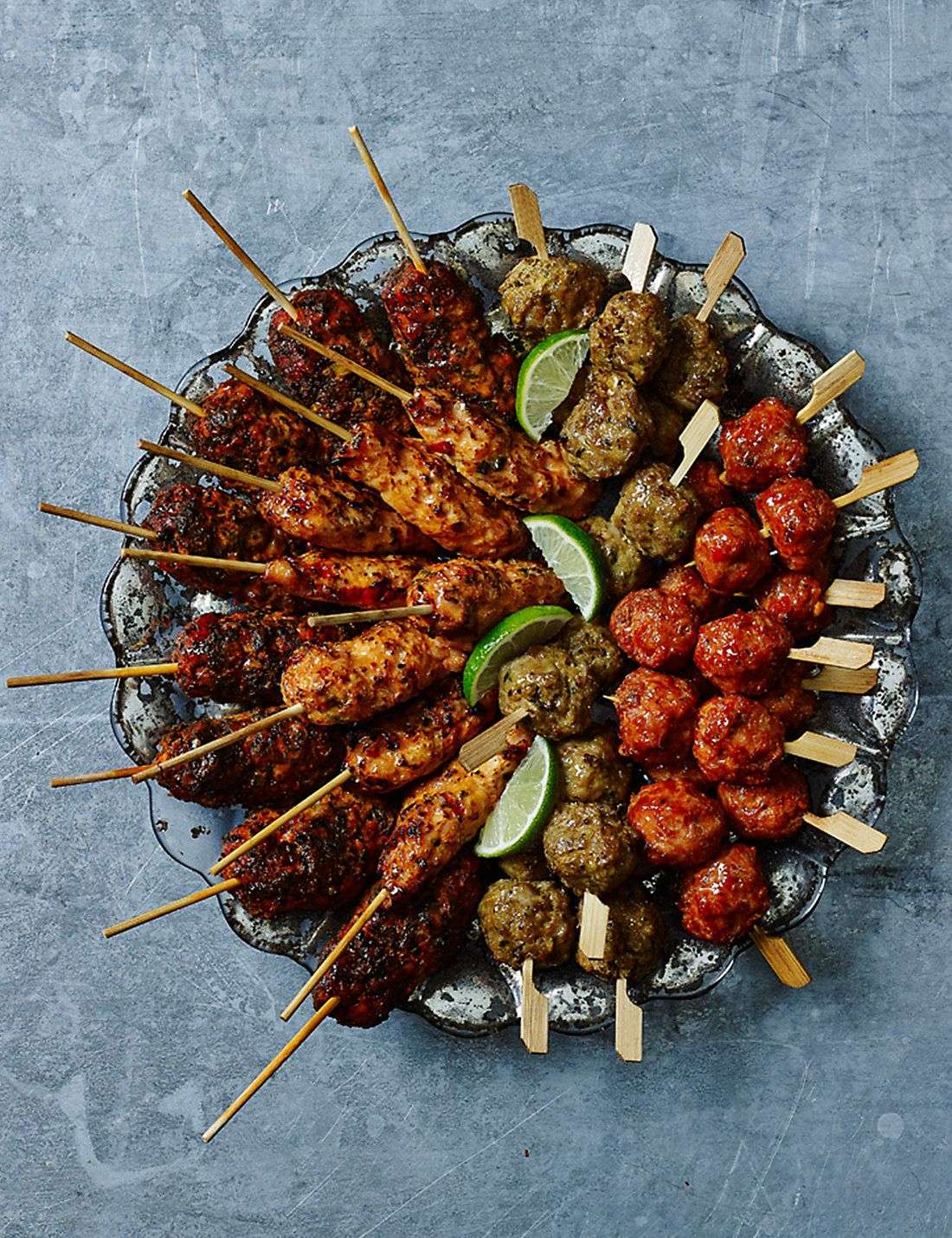
Kebabs
Kebabs are a popular grilled dish that is often made with meat, vegetables, and spices. They are a great option for a main meal during Ramadan.
Qatayef
Qatayef is a sweet stuffed pastry that is often served during Ramadan. It is usually filled with a mixture of cheese, nuts, or sweetened cream, and is fried or baked.
Try Out These Amazing Recipes this Ramadan
Ramadan is a holy month in the Islamic calendar, during which Muslims fast from sunrise to sunset. The meal that breaks the fast, known as iftar, is a significant part of the Ramadan tradition. Many traditional dishes are enjoyed during this time, including dates, lentil soup, samosas, and kebabs.
In recent years, there has been a growing interest in fusion cuisine, with chefs incorporating traditional Ramadan flavors into modern dishes. This has resulted in a diverse range of Ramadan recipes, from traditional favorites to contemporary creations.
So many dishes to try this Ramadan. Which one are you trying first?
Ramadan is a month-long period of fasting observed by Muslims worldwide. During this time, Muslims abstain from food, water, and other physical needs from dawn until sunset.
The purpose of this practice is to purify the body and mind, deepen one’s spiritual connection with Allah, and practice self-discipline and self-control.
Fasting during Ramadan can have many positive effects on one’s health. Intermittent fasting has been shown to have potential health benefits, such as improved insulin sensitivity, weight loss, and reduced inflammation.
Some studies have also suggested fasting can lead to better cognitive function and mental clarity.
To maintain good health during Ramadan, it is important to follow a balanced diet and to exercise regularly during the hours when one can eat. Here are some tasty and healthy iftar recipes you need to try this Ramadan!
Healthy Iftar Recipes
Iftar is the meal that Muslims eat at the end of their daily Ramadan fast. It is important to eat healthy and nutritious food during iftar to nourish the body after a day of fasting. Here are some healthy iftar recipes you can try:
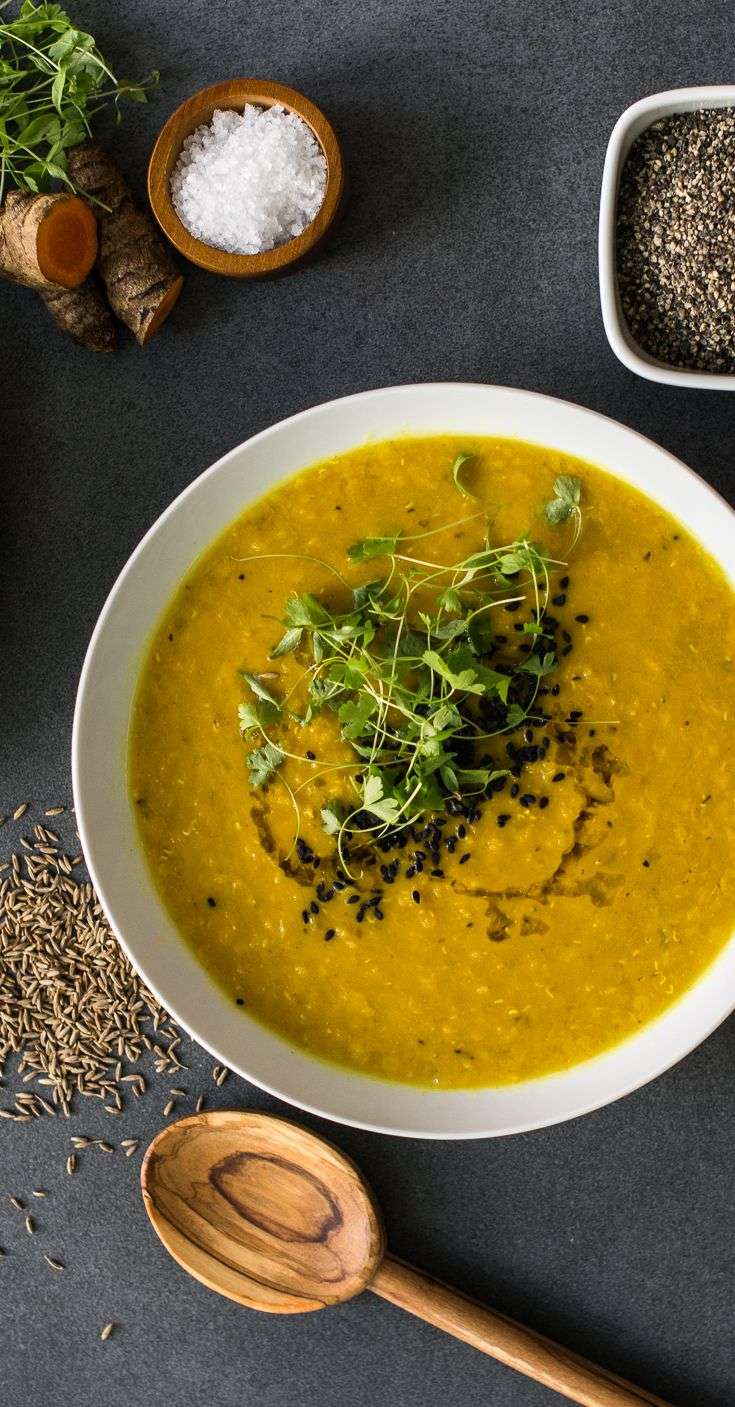
1. Lentil Soup
RED LENTIL SOUP
Lentil soup is a nutritious and filling option for and among the most common healthy iftar recipes.
Ingredients
1 cup dried lentils, rinsed and drained
1 onion, chopped
3 garlic cloves, minced
2 carrots, chopped
2 celery stalks, chopped
4 cups vegetable or chicken broth
1 teaspoon ground cumin
1/2 teaspoon smoked paprika
Salt and pepper, to taste
2 tablespoons olive oil
Directions
Heat the olive oil in a large pot over medium-high heat. Add the onion, garlic, carrots, and celery and sauté for 5 minutes or until the vegetables are tender.
Add the lentils, cumin, smoked paprika, salt, and pepper to the pot and stir to combine.
Pour in the broth and bring the mixture to a boil. Reduce the heat to low, cover the pot, and let the soup simmer for 30-40 minutes or until the lentils are tender.
Taste the soup and adjust the seasoning as needed.
If desired, use an immersion blender to puree the soup until it reaches your desired consistency. You can transfer the soup to a blender in batches and puree until smooth.
Serve hot and enjoy!
2. Grilled Chicken Kebabs
LEBANESE CHICKEN KEBAB
Kebabs are a great way to incorporate protein and vegetables into your iftar meal. One of the most demanded and healthy iftar recipes of all time.
Ingredients
1 pound boneless, skinless chicken breasts, cut into 1-inch cubes
1 red bell pepper, cut into 1-inch pieces
1 yellow bell pepper, cut into 1-inch pieces
1 red onion, cut into 1-inch pieces
1/4 cup olive oil
2 tablespoons lemon juice
1 tablespoon honey
1 teaspoon dried oregano
1 teaspoon dried thyme
1/2 teaspoon salt
1/4 teaspoon black pepper
8 skewers (if using wooden skewers, soak them in water for 30 minutes before using)
Directions
In a small bowl, whisk together the olive oil, lemon juice, honey, oregano, thyme, salt, and black pepper to make the marinade.
Thread the chicken, bell peppers, and onion onto skewers, alternating the ingredients.
Brush the kebabs generously with the marinade, making sure to coat all sides.
Preheat a grill or grill pan to medium-high heat. Grill the kebabs for 10-12 minutes, turning occasionally, or until the chicken is cooked through and the vegetables are tender and slightly charred.
Remove the kebabs from the grill and let them rest for a few minutes before serving.
Serve hot with your favorite dipping sauce or side dishes, such as rice or a salad.
3. Stuffed Dates
STUFFED DATES WITH DIFFERENT FILLINGS
Dates are a traditional food eaten during Ramadan. You can stuff them with nutritious ingredients like almonds or walnuts, or even a bit of cream cheese. They make sweet and healthy iftar recipes.
Ingredients
16 dates, pitted
4 oz. soft goat cheese
2 tablespoons honey
1/4 cup chopped walnuts
Directions
Preheat the oven to 350°F.
In a small bowl, mix the goat cheese, honey, and chopped walnuts.
Take each date and stuff it with a small amount of the goat cheese mixture, using a spoon or your fingers.
Place the stuffed dates on a baking sheet lined with parchment paper.
Bake the dates for 8-10 minutes, or until the cheese is slightly melted and the dates are warm.
Remove the dates from the oven and let them cool for a few minutes before serving.
Serve the stuffed dates warm or at room temperature as a delicious appetizer or snack.
4. Fruit Salad
SUMMER FRUIT SALAD
After long hours of fasting, a fruit salad is the best and among the healthy iftar recipes to give your body the hydration it needs and the best part is, it is so easy to make for iftar.
Ingredients
2 cups chopped fresh fruit (such as strawberries, blueberries, pineapple, mango, kiwi, grapes, etc.)
1 tablespoon honey
1 tablespoon fresh lime juice
1/2 teaspoon vanilla extract
Mint leaves, for garnish (optional)
Directions
Wash and chop the fruit into bite-sized pieces.
In a small bowl, whisk together the honey, lime juice, and vanilla extract to make the dressing.
Place the chopped fruit in a large bowl and pour the dressing over it. Toss gently to coat all the fruit.
Cover the bowl with plastic wrap and refrigerate for at least 30 minutes to allow the flavors to meld.
Before serving, give the fruit salad a quick stir to redistribute the dressing.
Garnish the fruit salad with mint leaves.
5. Chicken Shawarma Wraps
CHICKEN SHAWARMA WRAPS
Chicken is a good source of protein and you can use it in a shawarma wrap for a delicious and satisfying iftar meal.
Ingredients
For the chicken filling:
1 pound boneless, skinless chicken thighs, cut into thin strips
1/2 cup plain yogurt
2 tablespoons ginger-garlic paste
2 teaspoons ground coriander
2 teaspoons ground cumin
2 teaspoons garam masala
1 teaspoon turmeric
1/4 teaspoon cayenne pepper
Salt and pepper, to taste
2 tablespoons oil
For the wrap:
4 large chapatis or tortillas
1/2 cup thinly sliced red onion
1/2 cup chopped tomatoes
1/4 cup chopped fresh cilantro
1/4 cup mint chutney
Lime wedges, for serving
Directions
In a large bowl, whisk together the yogurt, ginger-garlic paste, coriander, cumin, garam masala, turmeric, cayenne pepper, salt, pepper, and oil to make the marinade.
Add the chicken strips to the marinade and toss to coat. Cover the bowl with plastic wrap and refrigerate for at least 1 hour or overnight.
Preheat a grill or grill pan to medium-high heat. Grill the chicken strips for 8-10 minutes, or until cooked through and slightly charred.
Warm the chapatis or tortillas on a griddle or in the microwave.
To assemble the wraps, spread a tablespoon of mint chutney on each chapati or tortilla. Top with a few slices of red onion, chopped tomatoes, and fresh cilantro.
Add the grilled chicken strips to the wrap and roll it up tightly.
Serve the chicken kathi rolls with lime wedges on the side.
6. Baked Vegetable Samosas
BAKED VEGETABLE SAMOSAS
You can never go wrong with samosas and here are healthy iftar recipes for samosas that are not deep-fried but baked.
Ingredients
For the pastry:
2 cups all-purpose flour
1/4 teaspoon salt
1/4 cup vegetable oil
1/2 cup water
For the filling:
2 tablespoons oil
1 onion, chopped
2 cloves garlic, minced
1 teaspoon ground cumin
1 teaspoon ground coriander
1 teaspoon garam masala
1/2 teaspoon turmeric
1/4 teaspoon cayenne pepper
2 cups diced vegetables (such as potatoes, peas, carrots, and cauliflower)
Salt and pepper, to taste
1 tablespoon lemon juice
1/4 cup chopped fresh cilantro
Directions
To make the pastry, combine the flour and salt in a large bowl. Add the oil and mix until the mixture resembles coarse crumbs.
Add the water and knead the dough until it becomes a smooth ball. Cover the dough with a damp cloth and rest for 30 minutes.
To make the filling, heat the oil in a large skillet over medium heat. Add the onion and garlic and sauté until softened.
Add the cumin, coriander, garam masala, turmeric, and cayenne pepper to the skillet and stir to combine.
Add the diced vegetables to the skillet and season with salt and pepper. Cook the vegetables until they are tender, stirring occasionally.
Remove the skillet from the heat and stir in the lemon juice and chopped cilantro.
Preheat the oven to 375°F.
Divide the dough into 8 equal portions. Roll each portion into a thin circle and cut it in half.
Take each half-circle and fold it into a cone shape, sealing the edges with a little water. Fill each cone with the vegetable filling and seal the top edges with a little water.
Place the samosas on a baking sheet lined with parchment paper and brush them with a little oil.
Bake the samosas for 20-25 minutes, or until they are golden brown and crispy.
Serve the baked vegetable samosas with chutney or yogurt sauce.
Conclusion
During Ramadan, it’s important to maintain a balanced and healthy diet, even during iftar. Eating various nutrient-dense foods, including fruits, vegetables, whole grains, lean protein sources, and healthy fats, can help provide the body with the nutrients it needs to stay healthy.
It’s important to avoid overeating and to drink plenty of water throughout the night to stay hydrated. Limiting sugary and processed foods can help maintain stable blood sugar levels and prevent unhealthy weight gain. In this blog, we shared with you a bunch of delicious, easy-to-make, and healthy iftar recipes to try this Ramadan. Which one are you going to try?