For centuries, the humble figs, aka Anjeer, have been a treasured fruit throughout India. But did you know this delicious treat might also be your secret weapon in the fight for weight loss? Packed with essential nutrients and boasting a unique fiber blend, anjeer offers a powerful punch that can support your weight loss journey in surprising ways.
In this blog, we’ll unveil the magic of anjeer for weight loss. We’ll delve into the science-backed reasons why this delightful fruit can be a game-changer. We’ll explore how anjeer can help you curb cravings, boost your metabolism, and keep you feeling fuller for longer.
But that’s not all! We’ll also provide you with practical tips and delicious recipes to incorporate anjeer seamlessly into your diet. Whether you enjoy them fresh, dried, or incorporated into delectable dishes, we’ll show you how to harness the power of anjeer for sustainable and satisfying weight loss.
So, ditch the fad diets and unveil the magic of anjeer! Get ready to unlock a treasure trove of weight loss benefits with this naturally sweet and incredibly versatile fruit.
Long-term, sustainable weight loss comes down to making healthy choices and including low-fat, low-calorie foods in your everyday routine. This is where figs, also known as anjeer, come in as a superstar!
Packed with essential nutrients and boasting a unique fiber blend, anjeer offers a natural approach to managing your weight. Here’s how to use anjeer for weight loss and how this wonder fruit can become your secret weapon:
1. Fiber Fiesta: Feeling Full for Longer
One of the biggest challenges in weight loss is battling constant hunger pangs. Anjeer comes to the rescue with its high dietary fiber content. This fiber bulks up in your stomach, keeping you feeling fuller for longer and preventing unnecessary snacking. Additionally, fiber promotes healthy digestion and smoother elimination, contributing to overall gut health.
2. Digestive Duo: Ficin and Fiber
Anjeer goes beyond just fiber. It contains a special digestive enzyme called “ficin”. This enzyme works alongside your body’s natural digestive enzymes to break down food more efficiently. A well-functioning digestive system is crucial for weight loss, as it ensures proper nutrient absorption and reduces bloating and sluggishness. This is why using Anjeer for weight loss is a possible success.
3. Calorie-Burning Boost with Omega-3s
Here’s some exciting news! Anjeer contains omega-3 fatty acids, known for their ability to increase calorie burning in muscles during exercise. These healthy fats not only support your weight loss journey but also contribute to a healthy heart and cardiovascular system. So, using Anjeer for weight loss is a good option.
4. Sweet Substitute for Sugar Cravings
Does your sweet tooth sabotage your weight loss efforts? Anjeer offers a delicious solution! Its natural sweetness can help curb cravings for sugary treats. Compared to refined sugar, anjeer adds significantly fewer calories to your diet. Plus, the fiber keeps you feeling satisfied, preventing you from reaching for unhealthy snacks.
5. Metabolism Magic with Essential Nutrients
Anjeer is a treasure trove of essential minerals like calcium, potassium, phosphorus, manganese, copper, and magnesium, along with vitamins A and B complex. These nutrients play a vital role in regulating your body’s metabolism. A well-functioning metabolism ensures your body burns calories efficiently, making weight loss easier.
6. Low-Calorie Snacking Hero
Looking for a healthy and satisfying snack option? Anjeer is your answer! With its low-calorie content, you can enjoy this delicious fruit guilt-free. So next time hunger pangs strike, reach for some anjeer for weight loss, instead of processed snacks loaded with empty calories.
One particularly popular way to harness the power is through anjeer water, a simple yet potent beverage that can become your secret weapon in your weight management journey.
Here’s how anjeer water works its magic:
Digestive Delight: Soaking anjeer overnight releases beneficial enzymes and fiber into the water. This fiber acts as a prebiotic, promoting the growth of good bacteria in your gut. A healthy gut microbiome is essential for optimal digestion and nutrient absorption, both of which can be hindered by an unhealthy gut. Anjeer water helps your digestive system run smoothly, preventing bloating and constipation, and paving the way for efficient calorie utilization.
Metabolic Boost: Studies suggest that the unique fiber blend in anjeer water may help regulate your metabolism. This means your body becomes more efficient at burning calories throughout the day, even when you’re at rest. Anjeer water can give your metabolism a gentle nudge in the right direction, aiding your weight loss efforts.
Detoxification Powerhouse: Our bodies naturally accumulate toxins over time. Anjeer water, with its mild diuretic properties, is believed to help flush out these toxins. By promoting a healthy cleansing process, anjeer water may contribute to a lighter feeling and an overall sense of well-being, which can further motivate you on your weight loss journey.
Appetite Control Champion: The fiber present in anjeer water keeps you feeling fuller for longer. This helps curb cravings, especially for sugary treats and prevents unnecessary snacking between meals. By regulating your appetite naturally, anjeer water can help you manage your calorie intake in a sustainable way.
Making Anjeer Water:
The beauty of anjeer water lies in its simplicity. Here’s what you need:
Simply soak the figs in water overnight. In the morning, strain the water and discard the figs (or enjoy them separately!). Consume this refreshing beverage on an empty stomach for maximum benefits. You can adjust the amount of water based on your preference for a stronger or milder flavor.
Remember: Anjeer water is a fantastic addition to your weight loss routine, but it’s not a standalone solution. For lasting results, combine it with a balanced diet that includes plenty of fruits, vegetables, and whole grains. Regular exercise is also crucial for building muscle mass and boosting metabolism.
By incorporating anjeer water into your daily routine alongside a healthy lifestyle, you can unlock its weight-loss potential and experience a more energized, healthier you!
Here are some creative ways to incorporate anjeer for weight loss and unlock a burst of flavor and nutrition while you are at it:
Breakfast Smoothie Sensation: Kick-start your day with a power-packed smoothie! Blend soaked anjeer with a banana, a handful of spinach, and almond milk. This vibrant concoction boasts sweetness from the anjeer, potassium from the banana, and a dose of iron from the spinach. The creamy almond milk ties it all together, creating a satisfying and nutritious breakfast or post-workout pick-me-up. This is a very fuss-free way to use anjeer for weight loss.
Salad Surprise with a Sweet Twist: Elevate your salads with the unexpected delight of anjeer! Simply slice some dried figs and toss them into your favorite salad mix. The sweetness of the anjeer pairs beautifully with leafy greens, cherry tomatoes, and cucumber. Drizzle your creation with a light dressing for a refreshing and healthy meal that’s as pleasing to the eyes as it is to the palate.
Energy Balls for Busy Days: Fuel your busy life with homemade energy balls! Combine soaked anjeer with your favorite dry fruits, nuts, dates, and a touch of cinnamon. Pulse the ingredients in a food processor until they form a sticky paste. Roll the mixture into bite-sized balls and enjoy a convenient on-the-go snack. These energy balls are packed with fiber, healthy fats, and natural sweetness, keeping you energized throughout the day.
Parfait Perfection: Transform your dessert routine with a delightful anjeer yogurt parfait! Layer creamy Greek yogurt with sliced anjeer, and top it off with a sprinkle of granola or nuts for a delightful and protein-rich treat. This parfait isn’t just a satisfying way to end your day, but it’s also packed with the goodness of protein, fiber, and healthy fats, making it a guilt-free indulgence.
Chia Pudding Powerhouse: Indulge in a creamy and nutritious breakfast pudding. Combine soaked anjeer, chia seeds, and almond milk in a jar or container. Let the mixture sit overnight to allow the chia seeds to absorb the liquid and create a pudding-like consistency. Enjoy this fiber-filled breakfast creation in the morning for a delicious and healthy start to your day.
The true potential of this fruit shines when you explore its various culinary possibilities. Here’s a glimpse into the delicious world of fresh and cooked anjeer for weight loss (according to HealthifyMe):
Fresh Fig Delight:
Look for plump, fully ripened figs with a beautiful brown and purple hue. These are the sweetest and most enjoyable to eat raw.
There’s no need to peel the skin or remove the tiny seeds. Simply wash the fig, take a bite, and savor the natural sweetness and delightful texture.
Fresh Fig and Yoghurt
Beyond Raw: Exploring Cooked Anjeer for Weight Loss
Anjeer’s versatility extends beyond its fresh form. Let’s delve into some exciting ways to cook and enjoy it that will be low in calories and help your goal of using anjeer for weight loss:
Roasted Anjeer:
Wash and pat them dry.
Cut the figs in half vertically. You can drizzle them with honey and add a touch of lemon for extra flavor.
Preheat your oven to 200°C (400°F). Roast the figs for 15 minutes or until slightly caramelized. Alternatively, grill them on medium heat for 20 minutes.
Savor these roasted figs warm or store them in the freezer for later.
Baked and Stuffed Anjeer:
For a delightful stuffed experience, cut the fig almost all the way through, leaving the top intact.
In a pan, melt some butter and gently warm the figs.
In a separate pan, prepare a filling with butter, cinnamon, honey, and your choice of fruit juice.
Spoon the filling into the figs and bake them at 190°C (375°F) for 10 minutes.
Once cool, top them with yogurt for a creamy and satisfying dessert.
Grilled Anjeer:
Choose medium-ripened figs for grilling.
Heat a grill pan and place the cleaned and dried figs. Grill them until they achieve a beautiful golden brown color.
Flip them regularly to ensure even cooking. Enjoy these grilled figs plain or with a drizzle of healthy sauce.
Caramelized Anjeer:
In a non-stick pan, melt some butter and add honey and vanilla extract. Let it simmer for a couple of minutes.
Add diced fresh figs and cook until they become tender and slightly caramelized.
Throw in a handful of chopped hazelnuts or almonds for added texture and flavor.
Serve this warm caramelized anjeer with a dollop of yogurt for a truly decadent dessert.
So, the next time you have fresh or dried anjeer, don’t be afraid to experiment! Explore these exciting cooking methods and discover a whole new world of flavor and culinary possibilities.
With these creative ideas, you can move beyond the limitations of a simple snack and experience the versatility and deliciousness of anjeer in a whole new light! So go ahead, experiment, and discover your favorite ways to incorporate this wonder fruit into your daily routine.
However, it’s important to remember that using anjeer for weight loss is just one piece of the puzzle. To truly see results, you’ll need to:
Maintain a calorie deficit: This means burning more calories than you consume each day.
Eat a balanced diet: Include plenty of fruits, vegetables, whole grains, and lean protein alongside your anjeer.
Stay active: Regular exercise is crucial for building muscle mass and boosting metabolism, both of which contribute to weight loss.
Think of anjeer as a powerful tool to support your weight loss journey, not a magic bullet. By incorporating it into a healthy, balanced diet with a calorie deficit, you can unlock its potential and reach your weight loss goals!
Kashmirica provides you with the best Dry Figs from Kashmir, for you to enjoy. Add these into your diet today and reap the countless benefits of Anjeer for weight loss.
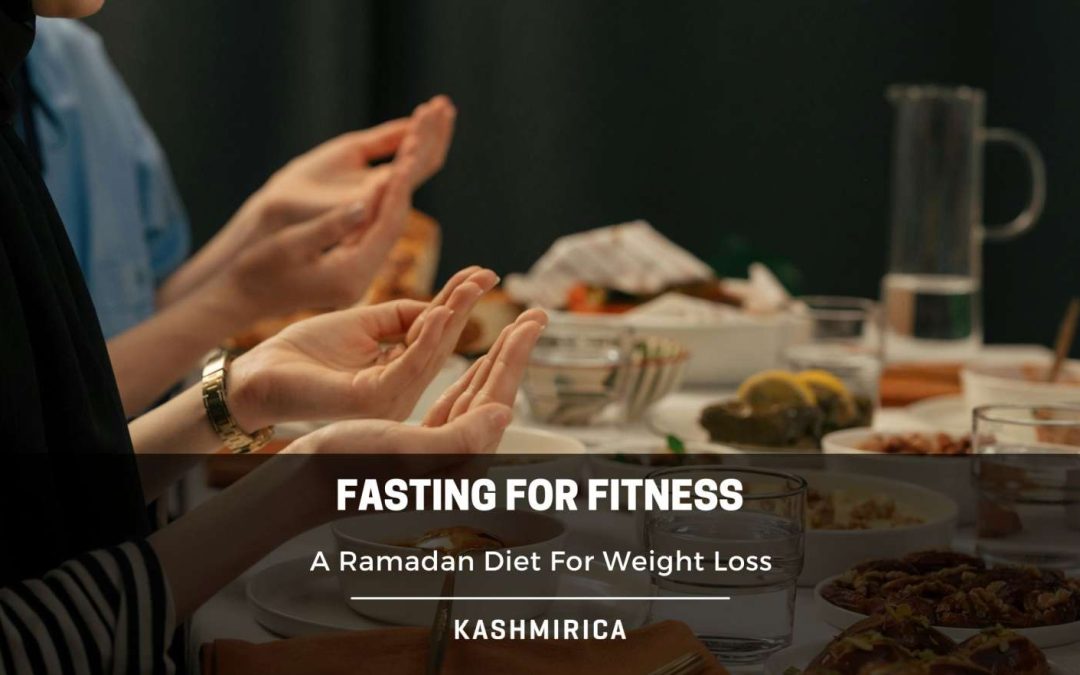
Ramadan is a time for spiritual reflection, but it can also be an opportunity to focus on your health. The natural rhythm of fasting and feasting during Ramadan creates a window for weight loss, but only if you make smart choices about what goes on your plate.
In this Blog, we will try and cover how to approach your Ramadan diet for weight loss, to shed some pounds while staying true to the spirit of the holy month, and all while not compromising your health.
We are comparing Ramadan fasting and Intermittent fasting (IF) because they share several key similarities:
Cyclical Eating: Both involve alternating cycles of eating and fasting. Ramadan fasting requires abstaining from food and drink from dawn to dusk for a month, while IF has various schedules with fasting windows ranging from 16 hours to a full 24 hours.
Time-Restricted Feeding: Both practices limit the daily window for food consumption. Ramadan fasting condenses eating to nighttime hours, while IF schedules restrict eating to specific windows within the day.
Potential Health Benefits: Both Ramadan fasting and IF have been linked to potential health benefits, including improved blood sugar control, reduced inflammation, and weight management.
Similarities Between Ramadan Fasting and Intermittent Fasting
And these reasons are why Ramadan Diet for Weight loss will work successfully during this Ramadan.
While they share similarities, there are also some key differences:
Religious Significance: Ramadan fasting is a spiritual practice with religious motivations, while IF is a dietary approach focused on health benefits.
Dietary Restrictions: Ramadan fasting restricts food and drink entirely during the fasting window. IF schedules allow for water, black coffee, or unsweetened tea during fasting periods.
Flexibility: Ramadan fasting has a set timeframe, while IF offers a variety of schedules for flexibility and personalization.
Overall, Ramadan fasting can be considered a specific form of time-restricted feeding within the larger umbrella of intermittent fasting practices. So, use the time of Ramadan for Intermittent Fasting success; and your Ramadan diet for weight loss goals.
Suhoor, the pre-dawn meal, sets the tone for your entire day.
Steer clear of certain foods during suhoor to ensure a comfortable and healthy fast throughout the day.
Resist the urge to indulge in sugary pastries, cookies, or white bread. These processed options are loaded with simple carbohydrates that cause a rapid rise in blood sugar levels, followed by an inevitable crash. This blood sugar roller coaster can leave you feeling drained and hungry much sooner than anticipated.
Fried foods are another culprit to avoid. Not only are they heavy and difficult to digest, but they can also exacerbate feelings of thirst.
Similarly, salty foods like chips, cured meats, or processed cheeses can trigger your body to retain water, leading to dehydration during the fast.
Remember, suhoor is your chance to provide your body with the sustained energy it needs to navigate the fast comfortably and healthily.
Focus on slow-digesting complex carbohydrates like oats, whole-wheat bread, or quinoa. These will provide sustained energy throughout the day.
Don’t forget the protein!
Unlike quick-digesting carbohydrates, which can cause blood sugar spikes and crashes, protein provides sustained energy. It takes longer for your body to digest and absorb protein, leading to a slower release of glucose into the bloodstream. This translates to feeling fuller for a longer period and avoiding those mid-morning or afternoon energy dips.
Digestion itself burns calories. Protein requires more energy to break down than carbohydrates or fats, creating a thermic effect. This means your body burns more calories just processing protein-rich foods, further contributing to weight loss.
Lean protein sources like eggs, beans, or lentils will keep you feeling fuller for longer.
Fruits and vegetables are essential for their vitamins, minerals, and fiber content. Fiber helps with digestion and keeps you feeling satisfied. Include healthy fats from dry fruits, nuts, seeds, or avocados for an extra energy boost.
So, focus on complex carbohydrates found in whole grains like oats, quinoa, or brown rice. Pair these with fruits and vegetables, packed with fiber and essential vitamins and minerals, to create a well-rounded and nourishing suhoor meal that will fuel your body for the entire day.
It’s tempting to gorge after a long day of fasting, but resist the urge!
Oily foods are a big no during a Ramadan Diet if you are looking for a healthy weightloss, for a few key reasons that can significantly impact your well-being throughout the fast:
Digestive Distress: Oily foods are notoriously difficult to digest. This can lead to heartburn, bloating, and sluggishness, especially on an empty stomach. During a Ramadan fast, your digestive system is already working harder to process food intake within a shorter window. Oily foods add an extra burden, potentially causing discomfort and interfering with your ability to focus on spiritual reflection.
Dehydration: Fatty foods can slow down the digestive process, which can also delay the absorption of fluids. This can lead to dehydration, which is a major concern during a fast, especially in hot weather conditions. When dehydrated, you may experience headaches, fatigue, and difficulty concentrating – not ideal states for prayer and religious activities.
Energy Slump: While oily foods may initially seem satiating due to their high fat content, they don’t provide sustained energy. The body expends more energy trying to break down fats, and the lack of readily available carbohydrates from oily meals can lead to a blood sugar crash. This can leave you feeling sluggish and lacking the energy needed for daily activities and prayers.
Reduced Nutrient Absorption: Fats in oily foods can interfere with the absorption of essential vitamins and minerals from other foods in your suhoor or iftar meal. These nutrients are crucial for maintaining good health and energy levels during the fast. By limiting oily foods, you ensure your body gets the most out of the healthy options you consume.
Increased Thirst: The salty nature of some oily foods can further exacerbate thirst during the fast. This can make it even harder to stay hydrated and can lead to unpleasant side effects like headaches and dizziness.
Overall, avoiding oily foods during Ramadan is a wise choice for a smoother and healthier fasting experience. By focusing on lighter, easily digestible options, you can optimize your energy levels, stay hydrated, and ensure your body can fully benefit from the nutritious foods you consume during suhoor and iftar.
Tips for Your Best Iftar Experience:
Begin your Iftar with dates, a tradition rich in symbolism and a natural source of sugar for a gentle reintroduction of food.
Breaking Fast with Dates
Follow that with a hydrating soup, full of vegetables and broth. This will gently ease your digestive system back into action.
For your main course, prioritize lean protein and whole grains. Grilled chicken with brown rice, or fish with quinoa are nutritious choices.
Don’t forget the veggies! A colorful plate packed with vitamins and minerals is key.
Another tip comes from an article from the website Mahram, which is, Skip the sugary drinks at Iftar if you’re aiming to lose weight! Stick with water and a date to break your fast. Water helps you feel full, flushes out toxins, and keeps you hydrated for your workouts. It’s also calorie-free, unlike sugary drinks that can pack on the pounds. So ditch the juice and soda, and choose water for a healthier Ramadan.
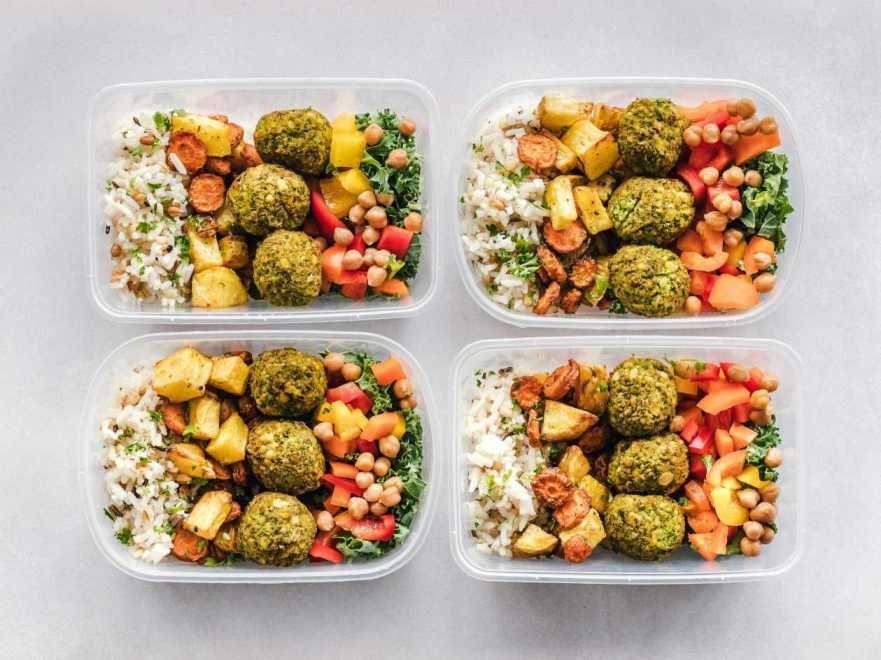
Meal Prep: Your Ally for Energy, Health, and Your Ramadan Diet for Weight Loss
The celebratory spirit of Iftar can easily lead to impulsive choices that undermine your health goals during Ramadan. This is where meal prepping shines as your secret weapon.
Planning and preparing your Iftar meals in advance offers a multitude of benefits that contribute to energy conservation, healthy food choices, and even weight loss success throughout the holy month.
Energy Conservation:
Reduced Decision Fatigue: After a long day of fasting, the last thing you want to do is spend precious energy deciding what to cook or ordering takeout. Having pre-prepared meals eliminates the need for last-minute decisions, allowing you to channel your energy towards prayer and spiritual reflection.
Faster Cooking Times: With prepped vegetables and marinated proteins, your Iftar meal comes together quickly and efficiently. This minimizes time spent in the kitchen, conserving your energy for other activities and preventing the temptation to snack while waiting for food to cook.
Portion Control: Meal prepping allows you to control portion sizes beforehand. This helps avoid overeating at Iftar, a common pitfall when hunger pangs are high. By having pre-portioned meals, you can ensure you’re consuming a balanced amount without the risk of overindulging, which can lead to sluggishness and fatigue.
Meal-Prepping for Iftar Meals
Healthy Food Choices:
Goodbye Convenience Foods: When you’re famished, readily available convenience foods can seem like a tempting option. Meal prepping eliminates this temptation by providing healthy, home-cooked meals readily available at Iftar. You’ll be less likely to reach for unhealthy options that might be high in sodium, sugar, or unhealthy fats.
Focus on Fresh Ingredients: Meal prepping allows you to prioritize fresh, whole foods. You can control the quality of ingredients you use, ensuring you’re consuming nutrient-rich options that nourish your body and support your health throughout the fast. This focus on whole foods promotes better digestion and provides sustained energy levels.
Dietary Control: For those with specific dietary needs, meal prepping allows for greater control over what goes on your plate. You can tailor your meals to accommodate dietary restrictions or preferences, ensuring you’re getting the specific nutrients your body needs during the fast.
Weight Loss Support:
Mindful Eating: Meal prepping encourages mindful eating habits. By having pre-portioned meals, you’re less likely to succumb to impulsive snacking or overeating at Iftar. This mindful approach to eating can contribute to weight loss goals during Ramadan.
Balanced Meals: Meal prepping allows you to create balanced meals with the right proportions of protein, carbohydrates, and healthy fats. This balanced approach keeps you feeling full for longer, reducing cravings and preventing unnecessary calorie intake, which can aid in weight management.
Reduced Sugar Intake: Sugary desserts are often a Ramadan tradition. However, meal prepping allows you to control the amount of sugar you consume. You can opt for naturally sweet fruits as part of your prepped meals, satisfying your sweet tooth without derailing your weight loss efforts.
In conclusion, meal prepping is a powerful tool that can significantly enhance your Ramadan experience. By planning and preparing your meals in advance, you can conserve energy, make healthy food choices, and even support your Ramadan Diet for weight loss and keep your Immune system healthy.
Beyond the Plate: A Holistic Approach to Ramadan Diet For Weight Loss
While diet is key, don’t forget the importance of exercise during Ramadan. Light to moderate exercise during pre-dawn or evening hours can help maintain muscle mass and boost your metabolism. Getting enough sleep is also crucial – aim for 7-8 hours a night to regulate hormones that influence hunger and weight management.
Hydration is Key
Dehydration is a real threat during Ramadan, so staying hydrated is crucial. Throughout the non-fasting hours, focus on water, unsweetened herbal teas, and fruit-infused water. Avoid sugary drinks and caffeinated beverages, which can dehydrate you.
Mindful Moderation is Key
Ramadan is not a free pass to indulge in fried foods and sugary treats. Limit sweets to occasional treats, and opt for naturally sweet fruits instead. Remember, portion control is important – focus on quality over quantity.
Remember, consult your doctor before making any significant changes to your diet, especially if you have any underlying health conditions.
By following these tips, you can approach Ramadan with a mindful and balanced diet that promotes weight loss while allowing you to fully embrace the spiritual aspects of this holy month.
Kashmirica has the arsenal to equip you with Organic Kashmiri Food and Kashmiri Dry Fruits to help you craft a custom Ramadan Diet for your weight loss journey.
This Ramadan season, we’ve got everything you need to make the most of the festivities. Whether you’re searching for the perfect Eid gift for loved ones like jewellery & perfumes; or stunning ethnic wear for your celebrations, explore our incredible Ramadan sales and offers!