

Kashmiri Almonds
Showing all 2 resultsSorted by popularity
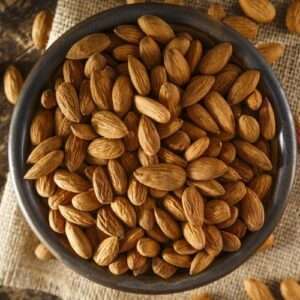
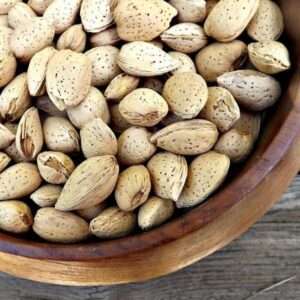
Kashmiri almonds, known locally as Kashmiri badam, are among India’s most prized dry fruits, grown in the high-altitude orchards of the Kashmir Valley where cool mountain air, rich glacial soil, and crisp seasons produce a nut that is distinctly superior in taste, texture, and nutritional density to almonds sourced from California or other regions. Kashmirica brings you two celebrated Kashmiri almond varieties, the soft-shell Kashmiri Mamra badam and the paper-thin Kashmiri Kagzi badam, sourced directly from Kashmir Valley orchards and delivered to your door with full authenticity. Whether you buy Kashmiri almonds online for daily wellness, gifting, or cooking, you are choosing one of Kashmir’s finest natural foods.
What Are Kashmiri Almonds?
Kashmiri almonds (Kashmiri badam) are a distinct variety of almond grown natively in the Kashmir Valley, primarily in districts such as Budgam, Shopian, Pulwama, and Baramulla. Unlike the large, firm almonds imported from California that dominate Indian supermarket shelves, Kashmiri almonds are smaller, more oil-rich, and markedly more flavourful, carrying a natural sweetness and an aromatic quality that no commercially farmed almond can replicate.
The high altitude of Kashmir’s orchards (1,500 to 2,500 metres above sea level), the mineral-rich soil fed by Himalayan snowmelt, and the Valley’s extreme seasonal variation between cold winters and warm summers all contribute to an almond that is nutritionally dense, thin-skinned, and deeply flavoursome. Kashmir has been cultivating almonds for centuries, the nut is woven into Kashmiri cuisine, Wazwan cooking, festive traditions, and Ayurvedic practice in ways that reflect this long, unbroken relationship.
Types of Kashmiri Almonds — Our Varieties
Kashmiri Mamra Badam (Mamra Almonds)
Kashmiri Mamra badam is the most celebrated variety of almond from the Valley, and one of the most sought-after almonds in the entire world. Mamra almonds are small, wrinkled, and oil-rich, with a distinctly intense flavour compared to the blander, water-plump California almonds. The word ‘mamra’ refers to their characteristic crinkled appearance, which is a result of their high natural oil content rather than water content.
Mamra almonds are the gold standard in Ayurvedic nutrition — they are the variety specifically referenced in traditional texts as beneficial for brain health, memory, and vitality. Their natural oil richness means they pack more nutrition per gram than larger, commercially grown varieties. Kashmiri Mamra badam price reflects both this superior quality and the labour-intensive, traditional farming practices that produce them.
Kashmirica’s Kashmiri Mamra almonds are hand-picked, naturally dried, and come in both shelled (ready-to-eat) form.
Kashmiri Kagzi Badam (Paper-Shell Almonds)
Kashmiri Kagzi badam, the name means ‘paper almond’ in Kashmiri, is named for its exceptionally thin, paper-like shell that can often be cracked open by hand pressure alone. Kagzi almonds are slightly larger than Mamra, with a smoother skin and a milder, creamier flavour that makes them popular for both snacking and culinary use.
The thin shell of Kagzi badam is a natural characteristic of this Kashmiri variety, not a processing feature, and it means the nut inside is protected with minimal shell weight, giving a high kernel-to-shell ratio. Kashmirica sources Kashmiri Kagzi badam directly from Valley orchards and offers them with shell (for those who prefer to crack fresh) as well as in ready-to-eat form.
Kashmiri Almonds vs California Almonds — What’s the Difference?
This is a question we hear frequently, and the answer matters for anyone buying almonds for health or flavour:
- Size: California almonds are large and uniformly sized (a result of commercial standardisation). Kashmiri almonds are smaller and naturally varied in size, a sign of traditional, non-industrial cultivation.
- Oil content: Kashmiri almonds, especially Mamra, are significantly higher in natural oils. This gives them their characteristic richness, stronger flavour, and makes them more satiating per gram.
- Flavour: Kashmiri badam has a naturally sweet, complex, slightly aromatic flavour. California almonds tend to be milder and blander, bred for shelf life and uniformity, not flavour.
- Skin: Kashmiri almonds have a thinner, more tender skin that soaks off easily and is easier to digest. Kagzi badam in particular is known for its paper-thin skin.
- Nutritional density: Higher oil content in Kashmiri varieties means more fat-soluble vitamins (Vitamin E), essential fatty acids, and natural antioxidants per serving.
- Processing: Kashmirica’s Kashmiri almonds are not pasteurised, fumigated, or chemically treated, unlike most commercially imported almonds, which are required to undergo chemical pasteurisation for export.
Health Benefits of Kashmiri Almonds
Kashmiri almonds, particularly Mamra badam, have been valued in Ayurveda, Unani, and traditional Kashmiri medicine for centuries. Modern nutritional science validates many of these traditional uses:
Brain Health and Memory
Kashmiri Mamra badam is the almond most closely associated in Ayurvedic texts with brain nourishment (medhya). The high content of Vitamin E, riboflavin (B2), and L-carnitine in almonds supports cognitive function and has been linked to reduced risk of age-related cognitive decline. Soaking 5–8 almonds overnight and eating them on an empty stomach in the morning is one of the oldest Ayurvedic wellness practices.
Heart Health
The healthy monounsaturated and polyunsaturated fatty acids in Kashmiri almonds help maintain healthy LDL cholesterol levels. Their natural Vitamin E content is a potent antioxidant that supports cardiovascular health by reducing oxidative damage to arterial walls.
Rich Source of Vitamin E
A small serving of Kashmiri almonds provides a significant portion of the daily recommended intake of Vitamin E, one of the most important fat-soluble antioxidants for skin health, immune function, and cellular protection.
Sustained Energy
The combination of healthy fats, protein, and complex carbohydrates in almonds makes them an ideal slow-release energy source. A handful of Kashmiri badam in the morning or as a mid-afternoon snack provides sustained energy without blood sugar spikes.
Bone and Skin Health
Kashmiri almonds are a natural source of calcium, magnesium, and phosphorus, essential minerals for bone density and strength. The same Vitamin E and healthy fat profile that supports heart health also promotes supple, hydrated skin.
Weight Management
Despite their caloric density, almonds are well-established in nutritional research as a weight management food, their high protein and fibre content promotes satiety, reducing overall caloric intake. The natural oil richness of Kashmiri Mamra badam makes them particularly filling in small quantities.
How to Use Kashmiri Almonds
Kashmiri almonds are as versatile in the kitchen as they are powerful as a wellness food:
- Soaked almonds: Soak 5–8 Kashmiri badam overnight in water, peel the skin in the morning, and eat on an empty stomach, the classic Ayurvedic daily practice for brain and body nourishment
- As a snack: A small handful of Kashmiri Mamra badam makes the perfect mid-morning or evening snack, filling, nutritious, and deeply satisfying
- Kashmiri cooking: Ground Kashmiri almonds are a key ingredient in traditional Wazwan gravies, Rogan Josh, and Kashmiri Sheer Chai (pink tea), adding richness and body to sauces
- Almond milk: Blend soaked, peeled Kashmiri almonds with water for a naturally creamy, flavour-rich plant milk that is far superior to commercial almond milk
- Desserts and sweets: Use in kheer, halwa, barfi, and Kashmiri phirni, the nutty richness of Kashmiri badam elevates any milk-based dessert
- Gifting: A presentation box of Kashmiri almonds, especially Mamra badam, is a traditional, highly valued gift for weddings, Eid, Diwali, and corporate gifting
- With Kashmiri Honey: A pairing of Kashmiri almonds with raw Kashmiri honey is a classic wellness combination, deeply nourishing and naturally energising
How many to eat per day: 8–10 almonds daily is the commonly recommended amount for adults. Kashmiri Mamra badam, being smaller and oil-richer, can be enjoyed in slightly smaller quantities for the same nutritional benefit as larger commercial almonds.
Kashmiri Almond Price — What to Expect
Kashmiri badam price is higher than imported California almonds, and this reflects the genuine differences in how they are grown. Kashmiri almond orchards are traditional, often centuries-old family holdings — not industrialised plantations. The trees are not irrigated with pumped water, not sprayed with fumigants, and not machine-harvested. Every aspect of production is manual and seasonal, which inherently limits supply and raises per-unit cost.
Kashmiri Mamra badam price per kg is higher than Kagzi badam price, reflecting Mamra’s scarcity, higher oil content, and greater Ayurvedic value. Kagzi badam with shell is available at a more accessible price point, and cracking the paper-thin shell yourself ensures you receive the freshest possible kernel.
At Kashmirica, our Kashmir almond price reflects direct sourcing from Valley orchards, no multi-level distribution markup. Visit individual product pages for current 250g, 500g, and 1kg pricing. Bulk orders are available on request.
Why Buy Kashmiri Almonds Online from Kashmirica?
- Direct from Kashmir Valley orchards: sourced at origin from family-run almond farms in Budgam, Shopian, and Baramulla
- Both Mamra and Kagzi varieties available: shelled and with-shell options for different preferences and uses
- No fumigation or chemical pasteurisation: unlike most commercially imported almonds
- Naturally thin-skinned and oil-rich: Kashmiri genetics, not processing
- Transparent Kashmiri badam pricing: honest farmgate-to-customer pricing, no inflated retail margins
- Freshness-sealed packaging: every order packed to preserve natural oil integrity and shelf life
- 1,000+ five-star reviews from customers across India and 50+ countries
- Ships across India and internationally, to over 50 countries with tamper-proof packaging
- 2.5% of profits go to supporting underprivileged communities in Kashmir, every purchase contributes directly