

Walnuts
Showing all 3 resultsSorted by popularity
-
-
-
 Original price was: ₹3,200.00.₹2,990.00Current price is: ₹2,990.00.
Kashmiri Walnuts: Fresh Akhrot, Straight from Kashmir’s Orchards
Kashmiri walnuts, known across India as Kashmiri akhrot, are among the finest walnuts grown anywhere in the world. Cultivated in the terraced orchards and forested slopes of the Kashmir Valley, where Juglans regia trees have thrived for centuries in the region’s mineral-rich glacial soil and crisp mountain climate, these walnuts are distinctly superior in taste, oil content, and nutritional density to the commercially farmed walnuts most Indians encounter in supermarkets. Kashmirica brings you two celebrated forms: Kashmiri Kagzi akhrot with shell, and shelled Kashmiri walnut giri kernels, sourced directly from Kashmir Valley orchards and delivered fresh to your door. Buy Kashmiri walnuts online and taste the difference that origin, altitude, and honest sourcing make.
What Are Kashmiri Walnuts?
Kashmiri walnuts (Kashmiri akhrot) belong to the Juglans regia species, the Persian or English walnut — and have been grown natively in the Kashmir Valley for centuries. The walnut tree holds a unique place in Kashmiri culture and ecology: the same tree species that produces the Valley’s famous walnut wood (GI-tagged for its carving tradition since 2007) also produces one of India’s most prized edible nuts.
The Kashmir Valley’s geography creates ideal conditions for walnut cultivation: altitudes of 1,500–2,500 metres, deep alluvial and loam soils enriched by Himalayan snowmelt, cold winters that force the tree into deep dormancy (building energy reserves for a rich harvest), and warm, dry summers that concentrate sugars and oils in the developing nut. The result is a walnut that is plumper, oilier, more aromatic, and significantly richer in flavour than walnuts grown in warmer, lower-altitude regions.
Kashmir is one of India’s primary walnut-producing states, with the tree so deeply embedded in the Valley’s landscape that it appears in local poetry, proverbs, and cuisine across generations. When you buy Kashmiri walnuts from Kashmirica, you are buying a nut with deep roots — literally and culturally.
Our Kashmiri Walnut Varieties
Kashmiri Kagzi Akhrot — Paper-Shell Walnuts (With Shell)
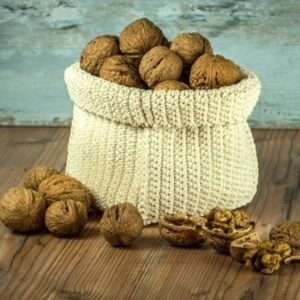
Kashmiri Kagzi akhrot is the most prized variety of Kashmiri walnut, named for its kaaghaz (paper-thin) shell that can often be cracked between the fingers or with a light press, no nutcracker required. The thin shell is a natural characteristic of this high-grade Kashmiri variety, and the ease of access to the kernel is a reliable indicator of quality.
Kagzi walnuts are smaller and more oil-rich than the thicker-shelled commercial varieties. The kernel inside is plump, light amber in colour, mildly sweet, and notably more aromatic than mass-market walnuts. Kashmirica’s Kashmiri Kagzi akhrot with shell comes vacuum-sealed to lock in freshness, preserving the natural oils and crunch that make Kashmir ka akhrot so unmistakable.
Available in: 400g, 500g, and 1kg packs. With-shell walnuts have a longer natural shelf life and are ideal for those who prefer cracking fresh.
Kashmiri Walnut Giri: Shelled Kernel Halves
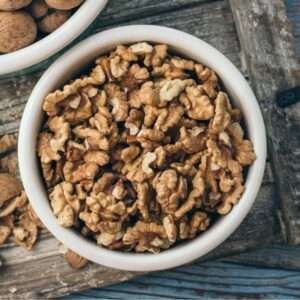
Kashmiri walnut giri (also called Kashmiri akhrot giri) are the shelled, ready-to-eat kernel halves extracted from Kagzi or premium Kashmiri walnut varieties. Light amber to pale gold in colour, a natural indicator of freshness and high oil content, our giri kernels are plump, crisp, and deliver the full flavour of Kashmir’s walnut harvest with zero prep time.
Kashmiri walnut giri is ideal for everyday snacking, cooking, baking, garnishing, and adding to salads, cereals, or desserts. The light colour of our kernels (as opposed to the darker brown of older or heat-processed kernels) reflects freshness, as walnut kernels darken and become bitter as the natural oils oxidise over time.
Available in: 250g, 400g, and 500g packs. Shelled giri should be stored in an airtight container in a cool, dry place or refrigerated for longer shelf life.
Amber Kashmiri Walnuts
Amber Kashmiri walnuts refer to the premium light-amber-coloured kernel halves that represent the highest grade of Kashmiri walnut giri. The pale, golden-amber hue is a mark of freshness, it indicates that the kernels have not been exposed to excess heat, air, or prolonged storage. Kashmirica’s amber walnut halves are hand-sorted and vacuum-packed to preserve this quality from orchard to delivery.
Kashmiri Walnuts vs Regular Walnuts: The Real Difference
Many buyers wonder whether the premium on Kashmiri walnuts is justified. Here is a direct comparison:
- Shell thickness: Kashmiri Kagzi akhrot has a paper-thin shell. Commercial walnuts (especially imported varieties) have thick, hard shells, requiring significant force to crack and yielding a smaller kernel-to-shell ratio.
- Oil content: Kashmiri walnuts are markedly higher in natural oils, the fat profile that drives both their superior flavour and their nutritional value. Higher oil content means more Omega-3 fatty acids, Vitamin E, and bioactive compounds per gram.
- Kernel colour: Fresh Kashmiri walnut giri is pale amber to light golden. Commercially processed or older walnuts tend to be darker brown, a sign of oil oxidation. Bitter taste in walnuts is almost always the result of rancid oils, which Kashmiri walnuts sourced and stored correctly do not have.
- Flavour: Kashmiri akhrot has a naturally sweet, mildly buttery flavour with a clean, nutty finish. Commercial walnuts are often noticeably more bitter and flavour-flat.
- Size: Kashmiri Kagzi walnuts are slightly smaller than some commercial varieties, but this is expected and desirable. The concentrated oil and flavour profile of a smaller Kashmiri nut exceeds the flavour and nutrition of a larger, water-plump commercial walnut.
- Processing: Kashmirica’s Kashmiri walnuts are not bleached, fumigated, or chemically treated. Many commercially imported walnuts undergo chemical treatments to meet export standards. Our walnuts are natural, untreated, and directly sourced.
Health Benefits of Kashmiri Walnuts
Walnuts are one of the world’s most comprehensively studied nuts, backed by decades of clinical research. The specific qualities of Kashmiri walnuts (higher oil content, fresher natural fats) make these benefits even more accessible:
Brain Health — The Omega-3 Connection
Walnuts are the nut highest in plant-based Omega-3 fatty acids (alpha-linolenic acid, or ALA). The brain is approximately 60% fat, and Omega-3 fatty acids are essential structural components of brain cell membranes. Regular walnut consumption is associated in research with improved cognitive performance, better memory, and reduced risk of age-related cognitive decline. It is no coincidence that the walnut visually resembles the human brain, Ayurvedic tradition recognised this correspondence and recommended walnuts specifically for medhya (brain nourishment) for centuries.
Heart Health
Multiple large-scale studies have established walnuts as one of the most cardioprotective foods available. The Omega-3 fatty acids, L-arginine (a precursor to the vasodilator nitric oxide), and antioxidant polyphenols in walnuts work together to reduce LDL cholesterol, lower inflammation, improve arterial function, and reduce blood pressure. Regular consumption of a small handful of walnuts is associated with measurably lower cardiovascular risk.
Rich in Antioxidants
Walnuts contain more antioxidants than most other nuts, primarily ellagic acid, ellagitannins, melatonin, and polyphenols concentrated in the papery skin (pellicle) of the kernel. These compounds protect against oxidative damage that drives ageing, cancer risk, and cardiovascular disease. Kashmiri walnuts, consumed with their natural skins intact, deliver this full antioxidant complex.
Anti-Inflammatory Properties
Chronic low-grade inflammation underlies most modern chronic diseases. Kashmiri walnuts’ Omega-3 content, polyphenols, and Vitamin E collectively reduce inflammatory markers, with clinical evidence showing measurable reductions in CRP (C-reactive protein) and interleukin-6 in regular walnut consumers.
Gut Health
Walnuts are emerging as one of the most interesting foods for gut microbiome health. Research shows that regular walnut consumption increases populations of beneficial gut bacteria (Lactobacillus, Ruminococcaceae) and reduces bile acids linked to colorectal cancer risk. The fibre, polyphenols, and healthy fats in Kashmiri walnuts all contribute to this gut-supporting effect.
Weight Management and Satiety
Despite being calorie-dense, walnuts are well established as a weight management food. Their protein, fibre, and fat combination promotes satiety, reducing overall caloric intake. Research consistently shows that regular walnut consumers do not gain weight from moderate daily consumption, and often show improved body composition over time.
Bone and Skin Health
Kashmiri walnuts are a natural source of copper, magnesium, phosphorus, and Vitamin E, minerals and vitamins essential for bone density, skin integrity, and connective tissue health. Walnut oil applied topically (Kashmirica also offers Kashmiri Walnut Oil) is used traditionally for skin nourishment and hair conditioning.
How to Use Kashmiri Walnuts
Kashmiri akhrot is one of the most versatile nuts in the kitchen:
- Daily wellness serving: 5–7 walnut halves (approximately 28–30g) each day, the amount most consistently studied in clinical research. Eat them as a morning snack or with breakfast.
- Soaked walnuts: Soak 4–6 walnut halves overnight in water to reduce tannins in the skin, making them gentler on the digestive system and easier to absorb. Eat in the morning on an empty stomach.
- Kashmiri cooking: Crushed Kashmiri akhrot is a key ingredient in traditional Kashmiri Wazwan dishes, used in gravies, chutneys, and as a garnish on kebabs and kormas.
- Salads and grain bowls: Roughly chopped Kashmiri walnut giri adds crunch, flavour, and Omega-3s to any salad, quinoa bowl, or grain dish.
- Baking: Kashmiri walnuts elevate brownies, banana bread, oat cookies, and walnut cake to an entirely different level, their natural sweetness and oil richness integrate beautifully into baked goods.
- Chutneys and dips: Walnut chutney (akhrot ki chutney) is a Kashmiri culinary staple, blended with garlic, chilli, and spices, it pairs perfectly with bread, rice, or as a dipping sauce.
- With Kashmiri Honey: A pairing of Kashmiri walnuts and raw Kashmiri honey is a traditional morning energiser, deeply nourishing and naturally sweet.
- Gifting: Premium amber Kashmiri walnut giri or Kagzi akhrot with shell in a presentation box is a highly valued traditional gift for Eid, Diwali, weddings, and corporate hampers.
How many to eat per day: 5–7 walnut halves (approximately 28g) is the optimal daily amount supported by research. Kashmiri walnuts, being higher in natural oils, are satisfying even in smaller portions.
How to Store Kashmiri Walnuts
- In-shell (Kagzi akhrot with shell): Store in a cool, dry place in a breathable bag or open bowl. In-shell walnuts keep for up to 12 months when stored correctly, the shell is nature’s packaging.
- Shelled giri kernels: Store in an airtight container away from light and heat. Refrigeration (or freezing for bulk quantities) significantly extends shelf life and prevents oil oxidation. Properly refrigerated walnut giri stays fresh for 6–12 months.
- Never store near strong odours: Walnut kernels absorb surrounding smells easily, keep away from onions, spices, and strongly scented foods.
- Signs of rancidity: Bitter or paint-like taste, dark discolouration, and an unpleasant smell are all signs that walnut oils have oxidised. Fresh Kashmiri walnuts should taste mildly sweet and nutty with no bitterness.
All Kashmirica walnut orders are vacuum-packed to preserve freshness from orchard to delivery.
Kashmiri Walnut Price: Honest and Transparent
Kashmiri walnut price is higher than mass-market walnut brands, and for clear reasons: direct sourcing from Kashmir Valley orchards, no industrial processing, no fumigation, and vacuum-packing for freshness preservation. The premium on Kashmiri akhrot price per kg reflects true production and sourcing costs, not inflated retail margins.
Kagzi akhrot price 1 kg (with shell) is typically lower than Kashmiri akhrot giri price 1kg (shelled kernels), because shelling is a labour-intensive, manual process. When comparing Kashmiri walnut price 1 kg with shell to shelled giri pricing, account for the fact that shell weight typically comprises 40–50% of total walnut weight, so shelled giri delivers more edible nut per kg.
Visit individual product pages for current pack pricing across 250g, 400g, 500g, and 1kg options. Bulk pricing for gifting hampers and wholesale orders is available on request.
Why Buy Kashmiri Walnuts Online from Kashmirica?
- Direct from Kashmir Valley orchards: sourced from family-run walnut farms with no multi-level distribution
- Both with-shell and shelled giri available: Kagzi akhrot and amber kernel halves for every preference
- Vacuum-packed for freshness: natural oils and crunch locked in from harvest to delivery
- No bleaching, fumigation, or chemical treatment: completely natural and untreated
- Amber-grade kernels: light-coloured, fresh, non-rancid giri sorted by hand
- Transparent pricing: Kashmiri akhrot price per kg reflects honest direct-source cost
- 1,000+ five-star reviews from customers across India and 50+ countries
- Ships across India and to over 50 countries internationally with tamper-proof packaging
- 2.5% of profits support underprivileged artisan communities in Kashmir — every purchase gives back